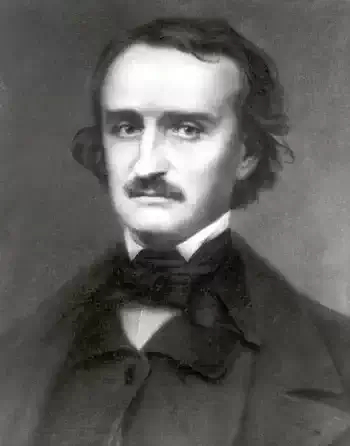
Identificação e contexto básico
Edgar Allan Poe (nascido Edgar Poe) foi um escritor, poeta, editor e crítico literário americano. É amplamente reconhecido como uma figura central do Romantismo na sua nação e nos Estados Unidos, e como um dos pioneiros da ficção científica e do conto de mistério. Sua escrita, muitas vezes caracterizada pelo macabro e pelo gótico, explorou as profundezas da psique humana, a morte, a perda e o sobrenatural.
Infância e formação
A infância de Poe foi marcada por tragédias precoces. Nascido em Boston, Massachusetts, seus pais atores, David Poe Jr. e Elizabeth Arnold Poe, faleceram quando ele ainda era muito jovem. Órfão aos três anos, foi acolhido por John e Frances Allan, um casal abastado de Richmond, Virgínia. Embora John Allan o tenha educado e financiado seus estudos, a relação entre os dois era frequentemente tensa, especialmente após o casamento de Poe com sua jovem prima, Virginia Clemm. Poe frequentou a Universidade da Virgínia e a Academia Militar de West Point, mas não completou seus estudos em nenhuma das instituições, possivelmente devido a dificuldades financeiras e conflitos pessoais com John Allan.
Percurso literário
Poe começou a escrever poesia ainda na adolescência. Seu primeiro livro publicado, "Tamerlane and Other Poems", surgiu em 1827, de forma anônima. Após um período de serviço militar, ele se dedicou à escrita e à crítica literária, trabalhando para diversas publicações. Foi como contista que Poe ganhou maior notoriedade com obras como "The Fall of the House of Usher" (A Queda da Casa de Usher) e "The Murders in the Rue Morgue" (Os Assassinatos da Rua Morgue), este último considerado o marco inicial da ficção de detetive. Sua carreira foi marcada por altos e baixos financeiros e pela luta contra o alcoolismo e a dependência.
Obra, estilo e características literárias
Obra, estilo e características literárias
A obra de Poe abrange poesia e prosa. Seus poemas, como "The Raven" (O Corvo) e "Annabel Lee", são conhecidos por sua musicalidade, melancolia e temas como a morte de uma bela mulher. Em sua prosa, Poe explorou o horror psicológico, o mistério e o raciocínio dedutivo. Seus contos de detetive estabeleceram as bases para o gênero, com um protagonista brilhante e um assistente narrador. O estilo de Poe é denso, com vocabulário rico e uma atmosfera carregada. Ele frequentemente utilizava simbolismo e alusões, criando um universo literário sombrio e introspectivo. Sua busca pela "unidade de efeito" em seus contos visava provocar uma única e intensa impressão no leitor.
Obra, estilo e características literárias
Contexto cultural e histórico
Poe viveu no século XIX, um período de grandes transformações nos Estados Unidos, incluindo a expansão territorial e debates sobre escravidão. Ele era um crítico ácido da sociedade literária de sua época, especialmente da revista "The Saturday Evening Post", e frequentemente se envolvia em polêmicas. Poe é frequentemente associado ao movimento Romântico Americano, mas seu estilo sombrio e sua exploração do gótico o distinguem de muitos de seus contemporâneos.
Obra, estilo e características literárias
Vida pessoal
A vida pessoal de Poe foi profundamente marcada pela perda e pela instabilidade. O falecimento de sua esposa, Virginia Clemm, em 1847, devido à tuberculose, foi um golpe devastador que o afetou imensamente e se refletiu em sua obra. Seus relacionamentos, incluindo com a mãe adotiva, foram complexos e muitas vezes tensos. Poe lutou contra o alcoolismo e problemas financeiros ao longo de sua vida, o que contribuiu para um fim trágico e prematuro.
Obra, estilo e características literárias
Reconhecimento e receção
Embora Poe tenha sido uma figura reconhecida em seu tempo, especialmente por seus contos de detetive e poemas como "The Raven", seu legado se consolidou após sua morte. Foi um crítico literário influente, embora muitas vezes mordaz. A recepção de sua obra variou, com alguns admirando sua originalidade e outros criticando seu estilo sombrio. Hoje, é considerado um dos maiores escritores americanos e uma figura seminal na literatura de horror, mistério e ficção científica.
Obra, estilo e características literárias
Influências e legado
Poe influenciou inúmeros escritores, tanto na literatura de horror (como H.P. Lovecraft) quanto no gênero de detetive (Arthur Conan Doyle). Seu conceito de "unidade de efeito" e sua técnica narrativa foram amplamente estudados. A exploração da psique humana e o uso de atmosferas sombrias continuam a ressoar na literatura e no cinema contemporâneos. Sua obra foi traduzida para diversas línguas, garantindo sua difusão internacional.
Obra, estilo e características literárias
Interpretação e análise crítica
A obra de Poe tem sido objeto de inúmeras interpretações. Alguns veem em seus contos e poemas uma profunda reflexão sobre a mortalidade, a loucura e a fragilidade da mente humana. Outros exploram as influências do romantismo gótico e do transcendentalismo em sua escrita. Debates críticos frequentemente abordam a relação entre sua vida pessoal turbulenta e sua produção literária, e a natureza de seu gênio.
Obra, estilo e características literárias
Curiosidades e aspetos menos conhecidos
Poe era conhecido por sua inteligência aguçada e por um certo dândismo em seu comportamento social. Sua relação com seu pai adotivo, John Allan, era notoriamente difícil, chegando a ponto de discussões públicas e cortes. Poe era um leitor ávido e um crítico literário temido, com opiniões fortes e muitas vezes impiedosas sobre seus contemporâneos. A causa exata de sua morte ainda é objeto de especulação, com teorias que vão de alcoolismo a raiva ou envenenamento.
Obra, estilo e características literárias
Morte e memória
Edgar Allan Poe morreu em circunstâncias misteriosas em 10 de outubro de 1849, em Baltimore, Maryland. Foi encontrado em um estado de delírio, vestindo roupas que não eram suas. A causa de sua morte nunca foi definitivamente estabelecida. Sua memória perdura através de sua obra imortal, de estudos acadêmicos e de homenagens em locais como o cemitério de Westminster, em Baltimore, onde seu túmulo se tornou um local de peregrinação.