
Prémio D. Dinis
Descriptión
El Premio D. Dinis: Origen e Historia
El Premio D. Dinis, instituido por el Ayuntamiento de Leiria, es una distinción literaria de relieve en el panorama cultural portugués, con el fin de celebrar la figura histórica y literaria de D. Dinis, el Rey Poeta, y de incentivar la producción literaria en lengua portuguesa. Su creación se remonta a 1991, año en que se conmemoraron los 700 años de la atribución de la Carta de Fuero a Leiria por D. Dinis, un hito histórico para la ciudad. El premio se ha ido afirmando como un importante catalizador para autores emergentes y consagrados, abarcando diversas vertientes de la creación literaria.
Evolución y Ámbito del Premio
Originalmente, el premio se centraba en la poesía, reflejando la vocación poética del monarca que le da nombre. Sin embargo, a lo largo de sus ediciones, el ámbito del premio se amplió para incluir otras categorías, como la prosa (novela y cuento), y a veces incluso ensayo, dependiendo de las ediciones y de las decisiones del jurado y de la entidad promotora. Esta flexibilidad permite al premio adaptarse a las dinámicas de la producción literaria contemporánea y abarcar un abanico más amplio de talentos.
Criterios de Selección y Jurado
Los criterios de selección de los ganadores son definidos por la comisión organizadora y por el jurado de cada edición, que generalmente está compuesto por personalidades de reconocido mérito en el campo de la literatura, la crítica literaria y la academia. La evaluación de las obras candidatas se centra en la calidad literaria, la originalidad, la relevancia temática, la maestría del lenguaje y la capacidad de innovación. El objetivo es distinguir obras que destaquen por su excelencia y que contribuyan significativamente al patrimonio literario en lengua portuguesa.
Importancia Cultural y Regional
La relevancia del Premio D. Dinis reside no solo en su prestigio y en la visibilidad que confiere a los autores premiados, sino también en su papel en la dinamización cultural de la región de Leiria y en la promoción de la lengua portuguesa a nivel nacional e internacional. El Ayuntamiento de Leiria, al invertir en la cultura y las artes a través de este premio, demuestra un compromiso con la valoración del legado histórico y literario de D. Dinis, proyectándolo hacia el presente y el futuro.
Impacto en el Panorama Literario
A lo largo de sus ediciones, el premio ha sido otorgado a autores de renombre, pero también ha servido de plataforma para el descubrimiento de nuevos talentos, contribuyendo a la renovación del panorama literario. La ceremonia de entrega del premio, generalmente realizada en Leiria, constituye un momento de celebración de la literatura y un punto de encuentro para escritores, editores, críticos y amantes de la lectura.
El Legado de D. Dinis
La elección de D. Dinis como mecenas del premio es particularmente significativa. D. Dinis fue uno de los reyes más cultos y activos de la historia de Portugal, no solo por su acción política y administrativa, sino también por su implicación directa con la creación literaria. Se le atribuye la autoría de importantes cantigas líricas y satíricas, y fue bajo su reinado que se fundó la primera Universidad de Portugal, en Coimbra, en 1290, demostrando una fuerte apuesta por la cultura y el saber. El premio, al evocar esta figura, pretende perpetuar su memoria y su legado cultural, incentivando la creatividad y la expresión literaria en tiempos modernos.
Ganadores
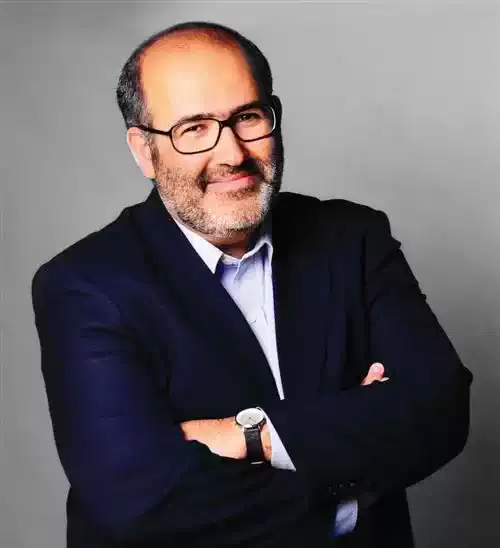
José Tolentino Mendonça

José Tolentino Mendonça é um poeta, ensaísta e teólogo português, reconhecido pela profundidade e pela reflexão sobre temas existenciais e espirituais na sua obra. A sua poesia, marcada por uma linguagem depurada e um forte diálogo com a tradição filosófica e literária, explora a condição humana, a fé e a busca de sentido num mundo contemporâneo complexo. Com uma vasta obra que abrange poesia, ensaio e artigos académicos, Tolentino Mendonça é uma figura proeminente na cultura portuguesa, distinguindo-se pela sua capacidade de conciliar o rigor intelectual com uma sensibilidade lírica apurada. A sua contribuição estende-se para além da literatura, com um papel ativo no debate cultural e religioso.

José Viale Moutinho
José Viale Moutinho foi um poeta, contista e romancista português, associado ao movimento surrealista português. A sua obra é marcada pela imaginação, pelo onírico e pela exploração do subconsciente, com um estilo que transita entre o poético e o narrativo. É conhecido por uma linguagem rica e evocativa.

Helder Macedo
Hélder Macedo é um poeta, ensaísta e professor universitário português, cuja obra se destaca pela reflexão profunda sobre a identidade, a memória e a relação entre Portugal e o seu passado. A sua poesia, marcada por uma grande erudição e uma linguagem precisa, explora as tensões entre o local e o universal, o histórico e o pessoal. É um intelectual de referência, com uma vasta obra publicada que abrange a poesia, a prosa e o ensaio crítico, sendo igualmente reconhecido pelo seu trabalho académico na área dos estudos literários e culturais. A sua carreira literária e académica confere-lhe um lugar de destaque na cultura portuguesa contemporânea. Hélder Macedo é um nome incontornável para compreender as correntes de pensamento e as reflexões sobre a identidade lusófona no final do século XX e início do século XXI.
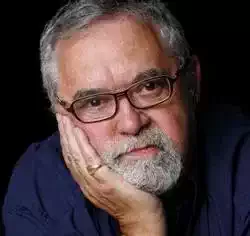
Mário Cláudio
Mário Cláudio é um escritor português contemporâneo, conhecido pela sua prosa envolvente e pela sua capacidade de explorar a complexidade da condição humana, a memória e a identidade. As suas obras, que frequentemente se debruçam sobre o passado e as suas reverberações no presente, distinguem-se pela riqueza estilística e pela profundidade psicológica. Com uma carreira literária consolidada, Mário Cláudio é um nome de relevo na literatura portuguesa, cujos livros convidam à reflexão sobre temas universais, apresentados através de narrativas que cativam o leitor pela sua inteligência e sensibilidade.
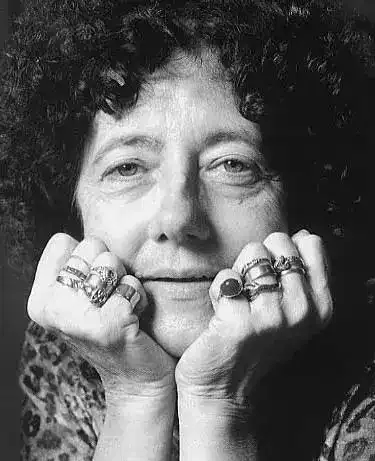
Maria Teresa Horta
Maria Teresa Horta é uma escritora, poeta e jornalista portuguesa, figura proeminente da literatura contemporânea. A sua obra, marcada pela exploração da condição feminina, da sexualidade, da liberdade e da identidade, distingue-se pela sua ousadia, pela linguagem transgressora e pela profunda reflexão sobre o corpo e o desejo. Reconhecida pela sua escrita interventiva e feminista, Maria Teresa Horta tem vindo a desafiar convenções sociais e literárias, promovendo um discurso de emancipação e de afirmação da voz feminina na sociedade e na arte. É uma das vozes mais singulares e influentes da literatura portuguesa das últimas décadas.
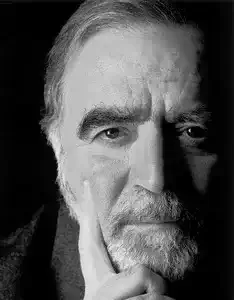
Manuel Alegre
Manuel Alegre é uma figura proeminente da literatura portuguesa contemporânea, conhecido pela sua poesia engajada, lírica e profundamente humana. A sua obra é marcada por uma forte ligação à história recente de Portugal, em particular ao período da ditadura e à luta pela liberdade. Com um estilo que conjuga a força da palavra com a subtileza do sentimento, Alegre explora temas como a identidade, a memória, a justiça e a esperança. A sua poesia, de grande alcance popular e reconhecimento crítico, é um testemunho da sua passagem pela vida política e pela vivência dos ideais de democracia e de intervenção cívica.
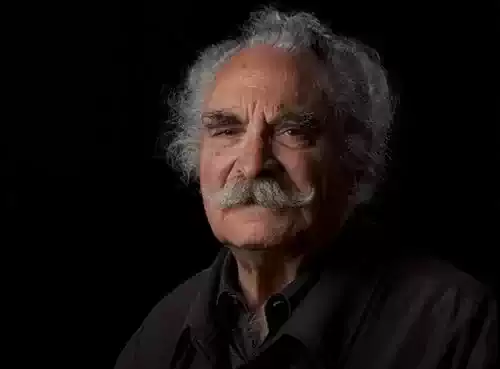
Fernando Echevarría

Fernando Echevarría foi um poeta, ensaísta e crítico literário chileno, conhecido por sua contribuição significativa à poesia contemporânea em língua espanhola. Sua obra frequentemente aborda temas como a memória, a identidade, a passagem do tempo e a condição humana, com uma linguagem elaborada e reflexiva. Echevarría destacou-se por sua erudição e pela profundidade de suas análises literárias, atuando também como professor e divulgador da cultura. Sua poesia é marcada por uma densidade imagética e por uma busca constante por novas formas de expressão, dialogando com a tradição e explorando os limites da linguagem.
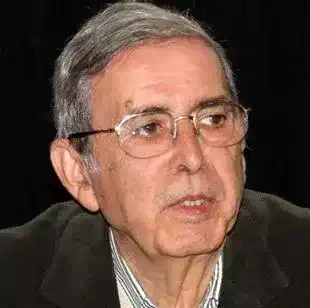
António Manuel Pires Cabral
António Manuel Pires Cabral é um poeta, ensaísta e investigador português, cuja obra se distingue pela reflexão sobre a identidade, a memória e a condição humana, frequentemente enraizada na paisagem e na cultura do Alentejo. A sua poesia é marcada por uma linguagem cuidada, um tom por vezes melancólico e uma profunda sensibilidade para com as pequenas coisas da vida e a passagem do tempo. Como ensaísta e investigador, Pires Cabral tem contribuído para o estudo da literatura e da cultura portuguesa, nomeadamente no âmbito da poesia. A sua obra literária e académica revela um profundo conhecimento da tradição literária e uma perspetiva crítica sobre a sociedade contemporânea.
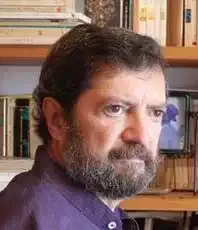
Manuel Gusmão
Manuel Gusmão é um poeta português cuja obra se distingue pela sua rigorosa exploração da linguagem e pela procura incessante de novas formas de expressão poética. Ao longo da sua carreira, Gusmão tem desenvolvido uma poesia que é simultaneamente intelectual e visceral, marcada por uma profunda reflexão sobre o tempo, a memória, a identidade e a própria natureza da poesia. Com uma obra que desafia classificações fáceis, Gusmão é reconhecido pela sua experimentação formal e pela densidade do seu discurso poético. A sua poesia convida o leitor a um diálogo complexo, onde a forma e o conteúdo se interligam de maneira intrínseca, consolidando-o como uma figura singular e influente na poesia contemporânea portuguesa.

Frederico Lourenço
Frederico Lourenço é um poeta, ensaísta, tradutor e professor universitário português. Reconhecido pela sua obra poética que explora a linguagem, a memória e a condição humana, tem também uma vasta atividade como tradutor de textos clássicos e contemporâneos, sendo uma referência incontornável na área. A sua escrita é marcada pela erudição, pela reflexão filosófica e por uma profunda musicalidade.
António Franco Alexandre
António Franco Alexandre foi um poeta português, conhecido pela sua poesia complexa, erudita e profundamente reflexiva, frequentemente marcada por uma forte carga filosófica e existencial. A sua obra explora temas como a linguagem, a memória, o tempo, a morte e a condição humana, recorrendo a um vocabulário rigoroso e a estruturas poéticas elaboradas. Franco Alexandre é uma figura importante na poesia portuguesa da segunda metade do século XX, destacando-se pela originalidade e pela profundidade da sua visão poética.
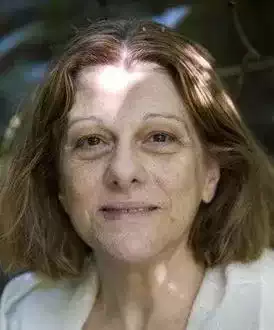
Hélia Correia
Hélia Correia é uma notável escritora portuguesa contemporânea, reconhecida pela sua obra poética e pela sua prosa de grande profundidade e originalidade. A sua escrita é marcada por uma linguagem rica e elaborada, pela exploração de temas universais como a memória, o tempo, a identidade e a condição feminina, e por uma sensibilidade única para as subtilezas da experiência humana. Com uma carreira literária sólida e multifacetada, Hélia Correia consolidou-se como uma das vozes mais importantes da literatura portuguesa recente, influenciando gerações de leitores e escritores.

Marcelo Matias
Marcelo Matias é um nome que emerge no panorama poético contemporâneo, caracterizando-se por uma escrita que explora as profundezas da condição humana. A sua obra poética distingue-se pela sensibilidade na abordagem de temas como a passagem do tempo, a fragilidade das relações e a busca por sentido num mundo em constante mutação. Com uma linguagem cuidada e um olhar atento às nuances da existência, Matias constrói versos que ressoam pela sua honestidade e capacidade de evocar emoções universais. A sua poesia convida à introspeção e ao questionamento, estabelecendo um diálogo íntimo com o leitor.
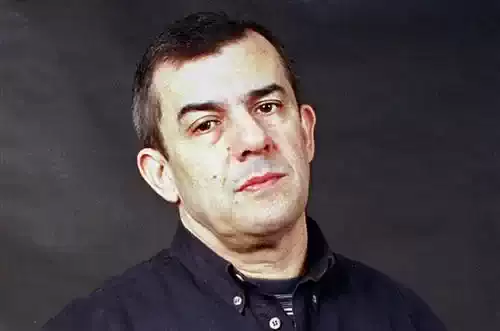
Gastão Cruz
Gastão Cruz foi um poeta e crítico literário português, conhecido pela sua poesia depurada e intelectualizada. A sua obra explora temas como a memória, o tempo, a linguagem e a efemeridade da existência, com uma forte consciência da tradição literária e da sua reformulação. Foi também uma figura importante na divulgação e estudo da literatura, com um percurso marcado pela erudição e pela sensibilidade estética.
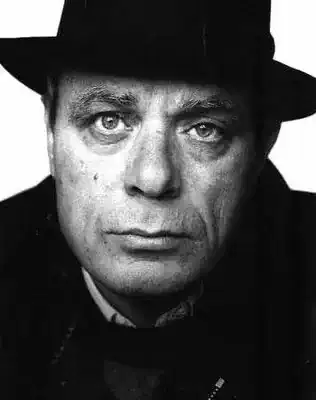
António Lobo Antunes
António Lobo Antunes é um dos mais proeminentes escritores portugueses contemporâneos, conhecido pela sua obra complexa e profundamente marcada pelas experiências da Guerra Colonial em África. A sua escrita, caracterizada por uma estrutura narrativa não linear, pelo uso de múltiplos pontos de vista e por uma linguagem densa e muitas vezes fragmentada, explora temas como a memória, a loucura, a violência, a culpa e a identidade. Lobo Antunes é reconhecido internacionalmente pela sua contribuição para a literatura mundial.
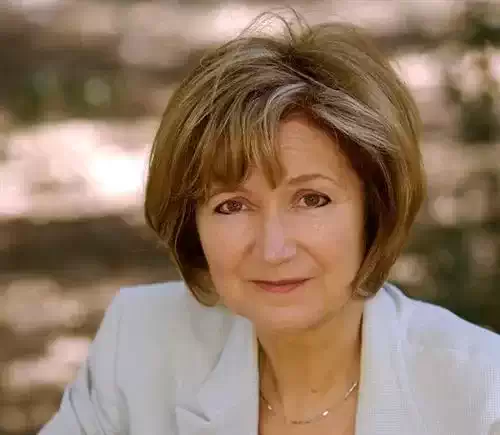
Lídia Jorge
Lídia Jorge é uma das mais proeminentes e celebradas escritoras portuguesas contemporâneas, com uma obra vasta que abrange poesia, romance e conto. A sua escrita é frequentemente caracterizada pela profundidade psicológica, pela exploração de temas como a memória, a identidade, a condição feminina, a história de Portugal e a complexidade das relações humanas. Com uma linguagem rica e evocativa, Lídia Jorge tem vindo a construir um legado literário significativo, marcado pela sensibilidade, pela inteligência e por um olhar crítico sobre a sociedade. Reconhecida com múltiplos prémios nacionais e internacionais, a sua obra é traduzida para diversas línguas, atestando a sua importância no panorama literário mundial. Lídia Jorge é uma voz incontornável na literatura de expressão portuguesa, cuja obra continua a cativar e a provocar a reflexão nos seus leitores.
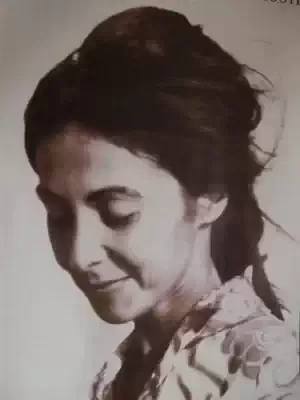
Fiama Hasse Pais Brandão
Fiama Hasse Pais Brandão foi uma poeta, dramaturga e tradutora portuguesa, conhecida pela sua obra marcada pela experimentação formal e pela exploração de temas existenciais e sociais. A sua escrita caracteriza-se por uma linguagem densa e por uma forte componente rítmica, muitas vezes associada ao movimento surrealista e à poesia concreta. Ao longo da sua carreira, explorou diversas formas de expressão, incluindo o teatro e a performance poética, deixando um legado significativo na poesia contemporânea de língua portuguesa.
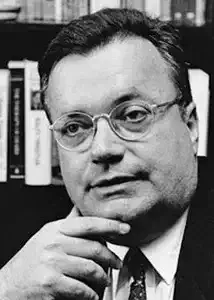
Luís Filipe Castro Mendes
Luís Filipe Castro Mendes é um poeta e ensaísta cuja obra se caracteriza pela inteligência, pela erudição e por uma profunda reflexão sobre a condição humana, a arte e a sociedade. Sua poesia, que transita entre o lirismo e o ensaísmo, aborda temas como o tempo, a memória, a identidade, a cultura e a intervenção cívica, com uma linguagem cuidada e um rigor formal notável. Com uma carreira multifacetada, que inclui também a atividade política e diplomática, Castro Mendes constrói uma obra coerente e consistente, marcada por um olhar atento sobre o mundo e as suas contradições. A sua poesia é um convite à contemplação e ao pensamento crítico, dialogando com a tradição literária e, ao mesmo tempo, propondo um olhar inovador sobre as questões contemporâneas, afirmando-se como uma das vozes mais significativas da literatura portuguesa.
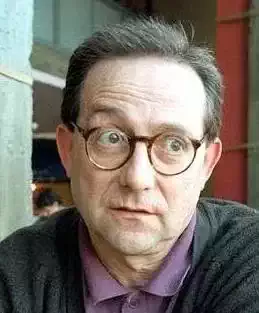
Joaquim Manuel Magalhães
Joaquim Manuel Magalhães foi um poeta, jornalista e político português, figura proeminente do movimento romântico em Portugal. A sua obra poética, marcada por um lirismo intenso e por temas como o amor, a pátria e a saudade, teve um impacto significativo na literatura portuguesa. Para além da poesia, Magalhães dedicou-se ao jornalismo e à política, exercendo cargos públicos e defendendo ideias liberais.
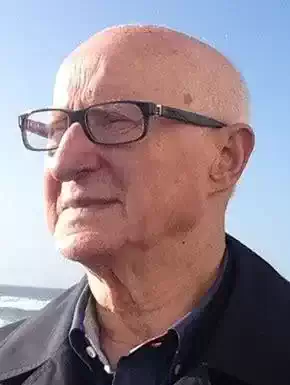
José Bento
José Bento foi um poeta, tradutor e professor português, conhecido pela sua obra poética marcada por uma profunda reflexão sobre a existência, o tempo e a condição humana. A sua escrita, embora por vezes densa e hermética, revela uma sensibilidade aguçada e um domínio notável da linguagem. Ao longo da sua carreira, dedicou-se também à tradução de obras literárias importantes, contribuindo para a disseminação da literatura estrangeira em Portugal. A sua poesia é frequentemente associada a uma busca espiritual e a um questionamento existencial.

M. S. Lourenço
M. S. Lourenço é um autor cuja obra literária se caracteriza pela sua profundidade intelectual e pela sua capacidade de articulação entre a reflexão filosófica e a expressão poética. A sua escrita explora temas complexos, muitas vezes ligados à condição humana, à memória, à identidade e à própria natureza da literatura. Com uma linguagem rigorosa e uma sensibilidade aguçada, Lourenço constrói textos que convidam à meditação e à análise crítica, desafiando o leitor a uma exploração mais profunda dos conceitos abordados. A sua obra distingue-se pela subtileza e pela pertinência das suas observações, refletindo uma mente atenta às multifacetadas realidades do ser e do saber. Através de uma prosa ou poesia que se situa na intersecção entre o ensaístico e o lírico, M. S. Lourenço estabelece um diálogo fecundo com a tradição literária e filosófica, ao mesmo tempo que projeta uma visão contemporânea sobre os dilemas do mundo atual. A sua contribuição literária é marcada pela exigência intelectual e pela busca incessante de rigor e de significado.
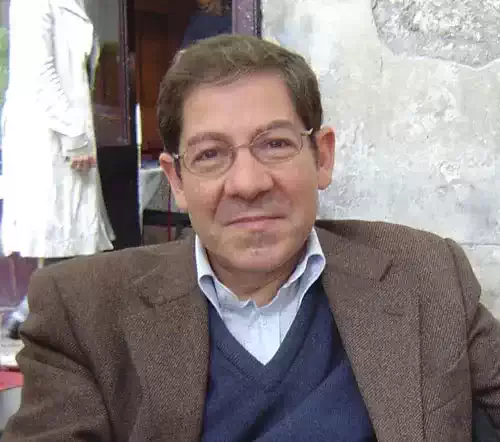
Nuno Júdice
Nuno Júdice foi um proeminente poeta, ensaísta, romancista e crítico literário português. Sua obra poética é caracterizada pela inteligência, ironia e um constante questionamento sobre a linguagem, a identidade e a própria realidade. Com um estilo que transita entre o lírico e o reflexivo, Júdice abordou temas universais como o tempo, a memória, o amor e a condição humana, sempre com um olhar aguçado sobre os paradoxos da existência. Sua vasta produção, reconhecida nacional e internacionalmente, o consagra como um dos mais importantes autores da literatura contemporânea em língua portuguesa.
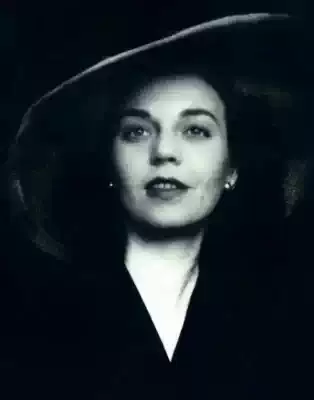
Sophia de Mello Breyner Andresen
Sophia de Mello Breyner Andresen foi uma das mais proeminentes poetisas da língua portuguesa, conhecida pela sua lírica depurada, pela clareza do pensamento e pela profunda ligação com a Grécia Antiga e a natureza. A sua obra poética é marcada por uma constante busca pela justiça, pela beleza e pela verdade, explorando temas universais como o amor, a morte, o tempo e a condição humana, sempre com um olhar voltado para a redenção e a esperança. Sua poesia é reconhecida pela sua força moral e pela elegância formal, combinando a tradição com uma linguagem contemporânea e acessível, o que a tornou uma figura incontornável na literatura portuguesa do século XX e XXI.
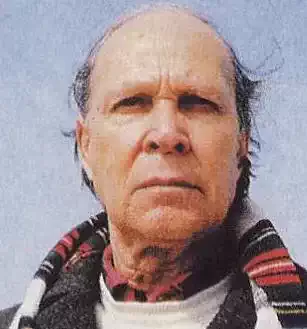
Eugénio de Andrade
Eugénio de Andrade foi um dos mais importantes poetas portugueses do século XX, conhecido pela pureza e pela musicalidade da sua linguagem, e pela sua profunda ligação à natureza, ao corpo e à experiência sensorial. A sua obra é caracterizada por um lirismo depurado, que celebra a vida, a luz e a beleza, sem ignorar as dimensões mais sombrias da existência. Com uma poesia que se distingue pela concisão, pela clareza e por uma aparente simplicidade que esconde uma grande profundidade reflexiva, Eugénio de Andrade consolidou um estilo inconfundível e uma voz única na poesia contemporânea em língua portuguesa.
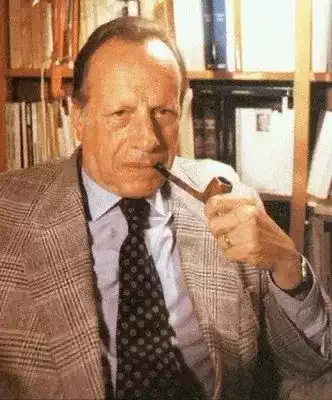
David Mourão-Ferreira
David Mourão-Ferreira fue un destacado poeta, ensayista, traductor y crítico literario portugués, reconocido por su profunda sensibilidad lírica y su maestría formal. Su obra poética se caracteriza por la exploración de temas universales como el amor, el tiempo, la memoria y la fugacidad de la existencia, a menudo desde una perspectiva melancólica y reflexiva. Conocido por su lenguaje cuidado y su rigor estilístico, Mourão-Ferreira se convirtió en una voz influyente en la poesía portuguesa del siglo XX. Su labor como ensayista y traductor también aportó significativamente al panorama cultural, consolidando su figura como uno de los intelectuales más relevantes de su generación.
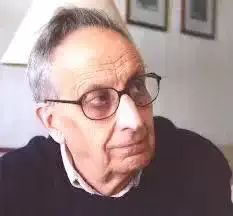
Fernando Guimarães
Fernando Guimarães é um poeta português contemporâneo, reconhecido pela sua exploração profunda da condição humana, da memória e da passagem do tempo. A sua obra poética, marcada por uma linguagem cuidada e uma sensibilidade ímpar, reflete sobre a fragilidade da existência e a busca por sentido num mundo em constante transformação. Com uma carreira consolidada, o poeta tem vindo a construir um corpo de trabalho que o afirma como uma voz relevante na poesia portuguesa moderna.

Maria Gabriela Llansol
Maria Gabriela Llansol foi uma escritora e tradutora de grande sensibilidade, cuja obra se distingue pela sua profundidade filosófica e pela exploração da condição humana. A sua escrita, muitas vezes marcada por um tom confessional e introspectivo, aborda temas como a memória, a identidade, a solidão e a busca por sentido num mundo complexo. Llansol destacou-se pela sua linguagem precisa e evocativa, criando universos literários únicos que convidam à reflexão sobre a existência e as suas múltiplas facetas.
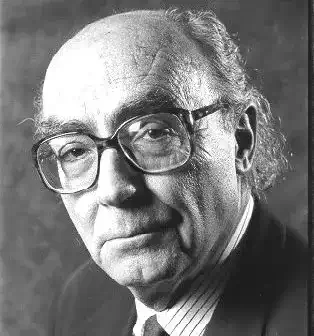
José Saramago
José Saramago foi um escritor português, laureado com o Prémio Nobel da Literatura em 1998. Sua obra, profundamente humanista e crítica, aborda questões existenciais, sociais e políticas com um estilo narrativo único, marcado pela ausência de pontuação convencional em diálogos e por longos períodos. Explorou a condição humana, a memória, a identidade e o poder, deixando um legado literário marcante. Sua escrita é reconhecida pela complexidade, pela reflexão filosófica e pela capacidade de questionar as estruturas sociais e o comportamento humano, convidando o leitor a uma imersão profunda em universos ficcionais densos e instigantes.
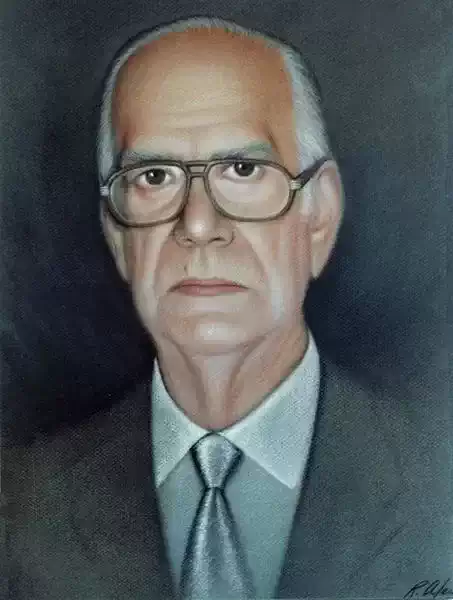
Camilo José Cela
Camilo José Cela foi um proeminente escritor espanhol, laureado com o Prémio Nobel da Literatura em 1989. Sua obra, que abrange romances, contos e poesia, é conhecida por sua linguagem rica, seu realismo cru e sua exploração das complexidades da sociedade espanhola. Ele é considerado uma figura central da literatura espanhola do século XX, especialmente conhecido por romances como "A Família de Pascual Duarte" e "A Colmeia", que retratam a dura realidade da Espanha pós-guerra civil.
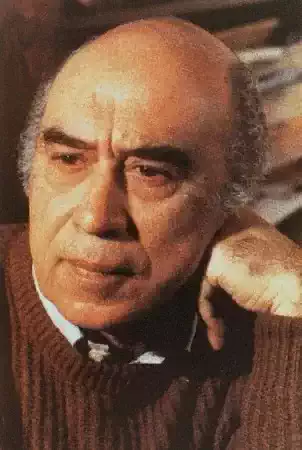
Fernando Namora
Fernando Namora foi um médico e escritor português, figura proeminente da geração de 1940, também conhecida como "Geração deãos". Sua obra literária, tanto em prosa quanto em poesia, reflete um profundo humanismo, um olhar atento sobre a condição humana e um forte compromisso social. Ele abordou temas como a memória, a identidade, a solidão e a busca por sentido, muitas vezes inspirando-se em suas experiências como médico. Seus escritos são marcados por uma linguagem precisa e sensível, capaz de capturar as nuances do comportamento humano e a complexidade das relações interpessoais. Namora deixou um legado importante na literatura portuguesa, com obras que continuam a ser estudadas e apreciadas pela sua qualidade literária e profundidade temática.
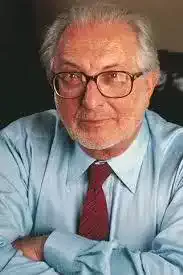
Pedro Tamen
Pedro Tamen foi um poeta português cuja obra se destacou pela sua autenticidade, pela exploração de temas como a identidade, a memória, a terra e a condição humana, com uma linguagem depurada e uma forte carga lírica. Sua poesia é marcada por uma profunda sensibilidade e por uma reflexão contínua sobre a passagem do tempo e a busca por sentido. Tamen consolidou-se como uma voz importante na poesia contemporânea portuguesa, valorizado pela sua capacidade de expressar sentimentos universais com uma voz genuína e singular.
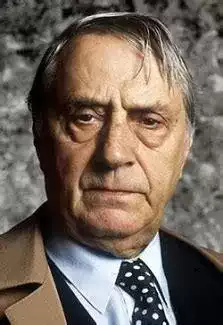
Vergílio Ferreira
Vergílio António Ferreira was a highly influential Portuguese writer, poet, novelist, playwright, essayist, and literary critic. He is regarded as one of the most significant figures in 20th-century Portuguese literature, known for his intellectual depth and exploration of existential themes. His work often grapples with questions of identity, freedom, and the human condition.
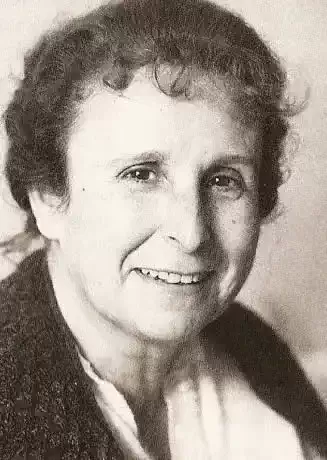
Agustina Bessa-Luís
Agustina Bessa-Luís foi uma escritora portuguesa de renome, cuja obra se destacou pela profundidade psicológica, pela exploração de temas complexos e por um estilo narrativo vigoroso e inovador. Ao longo da sua extensa carreira, abordou com mestria a condição humana, as relações familiares, a dimensão social e a história de Portugal, firmando-se como uma das vozes mais importantes da literatura lusófona contemporânea.

Almeida Faria
Almeida Faria é um nome reconhecido no meio literário, com uma obra que abrange diversos géneros, incluindo poesia e prosa. As suas criações são frequentemente elogiadas pela sua profundidade lírica e pela exploração de temas universais, como o amor, a perda e a condição humana. O autor destaca-se pela sua capacidade de criar imagens vívidas e de transmitir emoções de forma pungente. Almeida Faria tem um estilo distintivo que combina a musicalidade da linguagem com uma reflexão filosófica sobre a vida e a existência.