
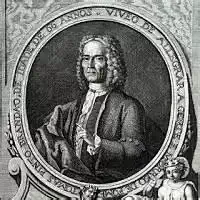
Tomás Pinto Brandão
 PT
PT
Tomás Pinto Brandão was a Portuguese poet of the 20th century, whose work is part of the modernist landscape and, in particular, of interventionist poetry. Known for his direct language and his social and political commitment, Brandão addressed themes such as injustice, oppression, and the fight for freedom in his poems. His poetry is marked by a tone of denunciation and a strong call to action, reflecting a combative spirit and deep empathy for the oppressed. Throughout his career, Pinto Brandão demonstrated a remarkable ability to translate the social concerns of his time into powerful and mobilizing verses. His work stands as a testament to his vision of a more just and equitable world, and remains relevant for its expressive force and its message of hope and resistance.
n. 1664-01-01, Porto · m. 1743-10-01, Lisboa
Bio
Identification and basic context
Tomás Pinto Brandão was a Portuguese poet, born in Porto in 1912 and died in the same city in 1990. There are no public records of pseudonyms or heteronyms associated with him. His nationality was Portuguese and his writing language was Portuguese. He lived most of his life in a Portugal marked by the dictatorship of the Estado Novo, a historical context of political repression and censorship, but also of cultural resistance.Childhood and education
Information about Tomás Pinto Brandão's childhood and education is limited. It is presumed that he had access to an education that allowed him to develop his interest in literature and writing. His intellectual formation was likely shaped by readings of classical and modern poets, as well as by the social and political context of Portugal in the first half of the 20th century.Literary career
Pinto Brandão's literary career developed within the context of Portuguese modernism. He began publishing poetry in the mid-20th century, distinguishing himself with his interventionist poetry. His work evolved with a constant focus on social and political criticism, maintaining a coherent line over time. He collaborated in various publications and anthologies that brought together authors with a similar spirit of protest and civic commitment.Work, style, and literary characteristics
Tomás Pinto Brandão's works reflect a strong social and political engagement. The central themes of his poetry include the denunciation of injustice, oppression, the fight for freedom, solidarity with workers and the marginalized, and hope for a more just future. His style is characterized by direct, sometimes harsh language, and a tone of protest and indignation. He uses poetic devices aimed at impacting the reader, appealing to their conscience and sense of justice. Free verse is often his preferred resource, allowing for greater expressive freedom to convey his message. His poetic voice is combative, interventionist, and empathetic. The language is accessible, but charged with emotional force and a sense of urgency. Pinto Brandão was part of the interventionist poetry movement, engaging with the literary tradition and adapting it to a context of political and social struggle.Cultural and historical context
Tomás Pinto Brandão lived under the Estado Novo dictatorship, a period of strong censorship and repression. His work is a direct reflection of this context, serving as a form of resistance and denunciation. He maintained connections with other writers and intellectuals who shared his civic and political concerns. His poetry was a way to express his displeasure with the regime and to inspire change.Personal life
Detailed information about Tomás Pinto Brandão's personal life is limited. It is known that his life experience and his commitment to social causes profoundly shaped his poetic work. His activity as an interventionist poet suggests a strong sense of social justice and a desire to contribute to the improvement of society.Recognition and reception
Although perhaps he did not achieve the same notoriety as other modernist poets, Tomás Pinto Brandão was a respected figure in literary circles for his courage and commitment. His interventionist poetry resonated with an audience that shared his concerns and hopes.Influences and legacy
He was likely influenced by interventionist poets and literary currents that valued social commitment. His legacy lies in his contribution to interventionist poetry in Portugal, leaving behind a body of work that serves as a testament to the social and political struggles of his time.Critical interpretation and analysis
Pinto Brandão's work can be interpreted as a cry of protest against injustice and a call to action. Critical analysis often focuses on the effectiveness of his message and his ability to mobilize and inspire.Curiosities and lesser-known aspects
Specific details about curiosities or lesser-known aspects of his personal life or writing habits are not widely documented.Death and memory
Tomás Pinto Brandão passed away in 1990. His memory endures through his poetic work, which continues to be an important record of the social and political concerns of the 20th century in Portugal.Poems
0No poems found
Comments (0)
No comments yet. Be the first to comment.