
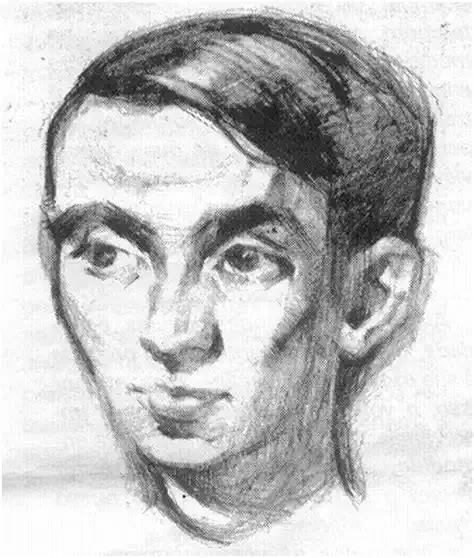
Rodrigo Emílio
1944–2004
· lived 60 years
 PT
PT
PT
Rodrigo Emílio was a Portuguese poet whose works explore the depths of the human soul and the complexity of relationships. His poetry is characterized by introspection and careful language, reflecting on themes such as love, saudade (longing), and the ephemerality of life. His work, although it may not have achieved the notoriety of other literary figures, is a valuable testament to the lyrical sensitivity of his time.
n. 1944-02-18, Lisboa · m. 2004-03-28, Parada de Gonta
1
Views
Bio
Identification and basic context
Rodrigo Emílio was a Portuguese poet, whose work is part of the literary landscape of the 20th century in Portugal. No pseudonyms or heteronyms used by the author are known. His nationality is Portuguese and the predominant written language was Portuguese. The historical context in which he lived was marked by the profound social and political transformations that occurred in Portugal throughout the 20th century.Childhood and education
Detailed information about Rodrigo Emílio's childhood and education is scarce in the available documentation. It is known, however, that his education and early readings likely shaped his literary sensitivity, possibly absorbing influences from literary and cultural movements of the time.Literary career
Rodrigo Emílio's literary career likely began in his youth, with the publication of poems in periodicals or literary magazines of the time. His work evolved over time, possibly reflecting different creative and stylistic phases. It is possible that he collaborated in poetry anthologies, contributing to the dissemination of his work.Work, style, and literary characteristics
Rodrigo Emílio's work focuses on themes such as love, saudade, nature, and the human condition, exploring introspection and melancholy. His poetic style is marked by careful language and subtle musicality, with a predominantly lyrical and confessional tone. The poetic form used can vary, including from more traditional forms to experiments with free verse. The relationship with the Portuguese literary tradition is evident, but with a touch of modernity in the approach to themes and the expression of emotions.Cultural and historical context
Rodrigo Emílio lived in a period of significant changes in Portugal, but his work seems to have a more intimate and universal focus, less directly linked to specific historical events. His connection to literary circles of the time is not widely documented, but his poetry certainly reflects the cultural spirit of his time.Personal life
Details of Rodrigo Emílio's personal life are limited. His affective and family relationships, as well as life experiences, may have been sources of inspiration for his poetry, giving it a confessional and intimate tone. It is not known if he pursued other professions besides his literary activity.Recognition and reception
Rodrigo Emílio's recognition in Portuguese literature may not have reached the dimension of other established poets, but his work represents a valuable contribution to lyrical poetry. The critical reception of his work, when documented, likely highlighted his sensitivity and the quality of his poetic expression.Influences and legacy
Rodrigo Emílio was likely influenced by poets from the Portuguese lyrical tradition, such as Fernando Pessoa and the Symbolists. His legacy lies in his contribution to introspective poetry and in the exploration of universal themes with an authentic voice.Interpretation and critical analysis
Rodrigo Emílio's work invites reflection on the human experience, the passage of time, and the search for meaning. Critical analysis can focus on emotional depth, mastery of language, and his ability to evoke universal feelings.Curiosities and lesser-known aspects
Lesser-known aspects of Rodrigo Emílio's personality and writing habits are not widely disclosed. His work, however, reveals a sensitive personality and an attentive eye on the inner world.Death and memory
Information about the circumstances of Rodrigo Emílio's death and possible posthumous publications is not easily accessible. The author's memory endures through his poetic work, which continues to be appreciated by readers who identify with his sensitivity.Poems
0No poems found
Comments (0)
Log in
to post a comment.
No comments yet. Be the first to comment.