
Poems List
Explore poems from our collection
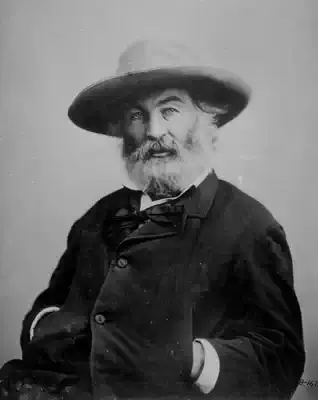
Walt Whitman
Come Up From The Fields, Father
Come Up From The Fields, Father
Come up from the fields, father, here's a letter from our Pete;
And come to the front door, mother-here's a letter from thy dear
son.
Lo, 'tis autumn;
Lo, where the trees, deeper green, yellower and redder,
Cool and sweeten Ohio's villages, with leaves fluttering in the
moderate wind;
Where apples ripe in the orchards hang, and grapes on the trellis'd
vines;
(Smell you the smell of the grapes on the vines?
Smell you the buckwheat, where the bees were lately buzzing?)
Above all, lo, the sky, so calm, so transparent after the rain, and
with wondrous clouds;
Below, too, all calm, all vital and beautiful-and the farm prospers
well. 10
Down in the fields all prospers well;
But now from the fields come, father-come at the daughter's call;
And come to the entry, mother-to the front door come, right away.
Fast as she can she hurries-something ominous-her steps trembling;
She does not tarry to smoothe her hair, nor adjust her cap.
Open the envelope quickly;
O this is not our son's writing, yet his name is sign'd;
O a strange hand writes for our dear son-O stricken mother's soul!
All swims before her eyes-flashes with black-she catches the main
words only;
Sentences broken-gun-shot wound in the breast, cavalry skirmish,
taken to hospital, 20
At present low, but will soon be better.
Ah, now, the single figure to me,
Amid all teeming and wealthy Ohio, with all its cities and farms,
Sickly white in the face, and dull in the head, very faint,
By the jamb of a door leans.
Grieve not so, dear mother, (the just-grown daughter speaks through
her sobs;
The little sisters huddle around, speechless and dismay'd ;)
See, dearest mother, the letter says Pete will soon be better.
Alas, poor boy, he will never be better, (nor may-be needs to be
better, that brave and simple soul ;)
While they stand at home at the door, he is dead already; 30
The only son is dead.
But the mother needs to be better;
She, with thin form, presently drest in black;
By day her meals untouch'd-then at night fitfully sleeping, often
waking,
In the midnight waking, weeping, longing with one deep longing,
O that she might withdraw unnoticed-silent from life, escape and
withdraw,
To follow, to seek, to be with her dear dead son.
Come up from the fields, father, here's a letter from our Pete;
And come to the front door, mother-here's a letter from thy dear
son.
Lo, 'tis autumn;
Lo, where the trees, deeper green, yellower and redder,
Cool and sweeten Ohio's villages, with leaves fluttering in the
moderate wind;
Where apples ripe in the orchards hang, and grapes on the trellis'd
vines;
(Smell you the smell of the grapes on the vines?
Smell you the buckwheat, where the bees were lately buzzing?)
Above all, lo, the sky, so calm, so transparent after the rain, and
with wondrous clouds;
Below, too, all calm, all vital and beautiful-and the farm prospers
well. 10
Down in the fields all prospers well;
But now from the fields come, father-come at the daughter's call;
And come to the entry, mother-to the front door come, right away.
Fast as she can she hurries-something ominous-her steps trembling;
She does not tarry to smoothe her hair, nor adjust her cap.
Open the envelope quickly;
O this is not our son's writing, yet his name is sign'd;
O a strange hand writes for our dear son-O stricken mother's soul!
All swims before her eyes-flashes with black-she catches the main
words only;
Sentences broken-gun-shot wound in the breast, cavalry skirmish,
taken to hospital, 20
At present low, but will soon be better.
Ah, now, the single figure to me,
Amid all teeming and wealthy Ohio, with all its cities and farms,
Sickly white in the face, and dull in the head, very faint,
By the jamb of a door leans.
Grieve not so, dear mother, (the just-grown daughter speaks through
her sobs;
The little sisters huddle around, speechless and dismay'd ;)
See, dearest mother, the letter says Pete will soon be better.
Alas, poor boy, he will never be better, (nor may-be needs to be
better, that brave and simple soul ;)
While they stand at home at the door, he is dead already; 30
The only son is dead.
But the mother needs to be better;
She, with thin form, presently drest in black;
By day her meals untouch'd-then at night fitfully sleeping, often
waking,
In the midnight waking, weeping, longing with one deep longing,
O that she might withdraw unnoticed-silent from life, escape and
withdraw,
To follow, to seek, to be with her dear dead son.
408

Sarah Teasdale
Epitaph
Epitaph
Serene descent, as a red leaf's descending
When there is neither wind nor noise of rain,
But only autum air and the unending
Drawing of all things to the earth again.
So be it, let the snow fall deep and cover
All that was drunken once with light and air.
The earth will not regret her tireless lover,
Nor he awake to know she does not care.
Serene descent, as a red leaf's descending
When there is neither wind nor noise of rain,
But only autum air and the unending
Drawing of all things to the earth again.
So be it, let the snow fall deep and cover
All that was drunken once with light and air.
The earth will not regret her tireless lover,
Nor he awake to know she does not care.
320
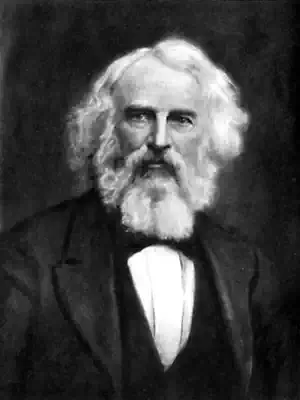
Henry Wadsworth Longfellow
The Fiftieth Birthday Of Agassiz. (Birds Of Passage. Flight The First)
The Fiftieth Birthday Of Agassiz. (Birds Of Passage. Flight The First)
It was fifty years ago
In the pleasant month of May,
In the beautiful Pays de Vaud,
A child in its cradle lay.
And Nature, the old nurse, took
The child upon her knee,
Saying: 'Here is a story-book
Thy Father has written for thee.'
'Come, wander with me,' she said,
'Into regions yet untrod;
And read what is still unread
In the manuscripts of God.'
And he wandered away and away
With Nature, the dear old nurse,
Who sang to him night and day
The rhymes of the universe.
And whenever the way seemed long,
Or his heart began to fail,
She would sing a more wonderful song,
Or tell a more marvellous tale.
So she keeps him still a child,
And will not let him go,
Though at times his heart beats wild
For the beautiful Pays de Vaud;
Though at times he hears in his dreams
The Ranz des Vaches of old,
And the rush of mountain streams
From glaciers clear and cold;
And the mother at home says, 'Hark!
For his voice I listen and yearn;
It is growing late and dark,
And my boy does not return!'
It was fifty years ago
In the pleasant month of May,
In the beautiful Pays de Vaud,
A child in its cradle lay.
And Nature, the old nurse, took
The child upon her knee,
Saying: 'Here is a story-book
Thy Father has written for thee.'
'Come, wander with me,' she said,
'Into regions yet untrod;
And read what is still unread
In the manuscripts of God.'
And he wandered away and away
With Nature, the dear old nurse,
Who sang to him night and day
The rhymes of the universe.
And whenever the way seemed long,
Or his heart began to fail,
She would sing a more wonderful song,
Or tell a more marvellous tale.
So she keeps him still a child,
And will not let him go,
Though at times his heart beats wild
For the beautiful Pays de Vaud;
Though at times he hears in his dreams
The Ranz des Vaches of old,
And the rush of mountain streams
From glaciers clear and cold;
And the mother at home says, 'Hark!
For his voice I listen and yearn;
It is growing late and dark,
And my boy does not return!'
293
Walt Whitman
City Of Orgies
City Of Orgies
CITY of orgies, walks and joys!
City whom that I have lived and sung in your midst will one day make
you illustrious,
Not the pageants of you--not your shifting tableaux, your spectacles,
repay me;
Not the interminable rows of your houses--nor the ships at the
wharves,
Nor the processions in the streets, nor the bright windows, with
goods in them;
Nor to converse with learn'd persons, or bear my share in the soiree
or feast;
Not those--but, as I pass, O Manhattan! your frequent and swift flash
of eyes offering me love,
Offering response to my own--these repay me;
Lovers, continual lovers, only repay me.
CITY of orgies, walks and joys!
City whom that I have lived and sung in your midst will one day make
you illustrious,
Not the pageants of you--not your shifting tableaux, your spectacles,
repay me;
Not the interminable rows of your houses--nor the ships at the
wharves,
Nor the processions in the streets, nor the bright windows, with
goods in them;
Nor to converse with learn'd persons, or bear my share in the soiree
or feast;
Not those--but, as I pass, O Manhattan! your frequent and swift flash
of eyes offering me love,
Offering response to my own--these repay me;
Lovers, continual lovers, only repay me.
378
Sarah Teasdale
Embers
Embers
I said, "My youth is gone
Like a fire beaten out by the rain,
That will never sway and sing
Or play with the wind again."
I said, "It is no great sorrow
That quenched my youth in me,
But only little sorrows
Beating ceaselessly."
I thought my youth was gone,
But you returned --
Like a flame at the call of the wind
It leaped and burned;
Threw off its ashen cloak,
And gowned anew
Gave itself like a bride
Once more to you.
I said, "My youth is gone
Like a fire beaten out by the rain,
That will never sway and sing
Or play with the wind again."
I said, "It is no great sorrow
That quenched my youth in me,
But only little sorrows
Beating ceaselessly."
I thought my youth was gone,
But you returned --
Like a flame at the call of the wind
It leaped and burned;
Threw off its ashen cloak,
And gowned anew
Gave itself like a bride
Once more to you.
393

Robert W. Service
Seven
Seven
If on water and sweet bread
Seven years I'll add to life,
For me will no blood be shed,
No lamb know the evil knife;
Excellently will I dine
On a crust and Adam's wine.
If a bed in monkish cell
Well mean old of age to me,
Let me in a convent dwell,
And from fellow men be free;
Let my mellow sunset days
Pass in piety and praise.
For I love each hour I live,
Wishing it were twice as long;
Dawn my gratitude I give,
Laud the Lord with evensong:
Now that moons are sadly few
How I grudge the grave its due!
Yet somehow I seem to know
Seven Springs are left to me;
Seven Mays may cherry tree
Will allume with sudden snow . . .
Then let seven candles shine
Silver peace above my shrine.
If on water and sweet bread
Seven years I'll add to life,
For me will no blood be shed,
No lamb know the evil knife;
Excellently will I dine
On a crust and Adam's wine.
If a bed in monkish cell
Well mean old of age to me,
Let me in a convent dwell,
And from fellow men be free;
Let my mellow sunset days
Pass in piety and praise.
For I love each hour I live,
Wishing it were twice as long;
Dawn my gratitude I give,
Laud the Lord with evensong:
Now that moons are sadly few
How I grudge the grave its due!
Yet somehow I seem to know
Seven Springs are left to me;
Seven Mays may cherry tree
Will allume with sudden snow . . .
Then let seven candles shine
Silver peace above my shrine.
267
Walt Whitman
Cavalry Crossing A Ford
Cavalry Crossing A Ford
A LINE in long array, where they wind betwixt green islands;
They take a serpentine course--their arms flash in the sun--Hark to
the musical clank;
Behold the silvery river--in it the splashing horses, loitering, stop
to drink;
Behold the brown-faced men--each group, each person, a picture--the
negligent rest on the saddles;
Some emerge on the opposite bank--others are just entering the ford-
while,
Scarlet, and blue, and snowy white,
The guidon flags flutter gaily in the wind.
A LINE in long array, where they wind betwixt green islands;
They take a serpentine course--their arms flash in the sun--Hark to
the musical clank;
Behold the silvery river--in it the splashing horses, loitering, stop
to drink;
Behold the brown-faced men--each group, each person, a picture--the
negligent rest on the saddles;
Some emerge on the opposite bank--others are just entering the ford-
while,
Scarlet, and blue, and snowy white,
The guidon flags flutter gaily in the wind.
443
Sarah Teasdale
Dust
Dust
When I went to look at what had long been hidden,
A jewel laid long ago in a secret place,
I trembled, for I thought to see its dark deep fire --
But only a pinch of dust blew up in my face.
I almost gave my life long ago for a thing
That has gone to dust now, stinging my eyes --
It is strange how often a heart must be broken
Before the years can make it wise.
When I went to look at what had long been hidden,
A jewel laid long ago in a secret place,
I trembled, for I thought to see its dark deep fire --
But only a pinch of dust blew up in my face.
I almost gave my life long ago for a thing
That has gone to dust now, stinging my eyes --
It is strange how often a heart must be broken
Before the years can make it wise.
329
Henry Wadsworth Longfellow
The Evening Star
The Evening Star
Lo! in the paintedoriel of the West,
Whose panes the sunken sun incarnadines,
Like a fair lady at her casement, shines
The evening star, the star of love and rest!
And then anon she doth herself divest
Of all her radiant garments, and reclines
Behind the sombre screen of yonder pines,
With slumber and soft dreams of love oppressed.
O my beloved, my sweet Hesperus!
My morning and my evening star of love!
My best and gentlest lady! even thus,
As that fair planet in the sky above,
Dost thou retire unto thy rest at night,
And from thy darkened window fades the light.
Lo! in the paintedoriel of the West,
Whose panes the sunken sun incarnadines,
Like a fair lady at her casement, shines
The evening star, the star of love and rest!
And then anon she doth herself divest
Of all her radiant garments, and reclines
Behind the sombre screen of yonder pines,
With slumber and soft dreams of love oppressed.
O my beloved, my sweet Hesperus!
My morning and my evening star of love!
My best and gentlest lady! even thus,
As that fair planet in the sky above,
Dost thou retire unto thy rest at night,
And from thy darkened window fades the light.
399
Sarah Teasdale
Driftwood
Driftwood
My forefathers gave me
My spirit's shaken flame,
The shape of hands, the beat of heart,
The letters of my name.
But it was my lovers,
And not my sleeping sires,
Who gave the flame its changeful
And iridescent fires;
As the driftwood burning
Learned its jewelled blaze
From the sea's blue splendor
Of colored nights and days.
My forefathers gave me
My spirit's shaken flame,
The shape of hands, the beat of heart,
The letters of my name.
But it was my lovers,
And not my sleeping sires,
Who gave the flame its changeful
And iridescent fires;
As the driftwood burning
Learned its jewelled blaze
From the sea's blue splendor
Of colored nights and days.
346
Walt Whitman
Carol Of Occupations
Carol Of Occupations
COME closer to me;
Push close, my lovers, and take the best I possess;
Yield closer and closer, and give me the best you possess.
This is unfinish'd business with me--How is it with you?
(I was chill'd with the cold types, cylinder, wet paper between us.)
Male and Female!
I pass so poorly with paper and types, I must pass with the contact
of bodies and souls.
American masses!
I do not thank you for liking me as I am, and liking the touch of
me--I know that it is good for you to do so.
This is the carol of occupations; 10
In the labor of engines and trades, and the labor of fields, I find the developments,
And find the eternal meanings.
Workmen and Workwomen!
Were all educations, practical and ornamental, well display'd out of
me, what would it amount to?
Were I as the head teacher, charitable proprietor, wise statesman,
what would it amount to?
Were I to you as the boss employing and paying you, would that
satisfy you?
The learn'd, virtuous, benevolent, and the usual terms;
A man like me, and never the usual terms.
Neither a servant nor a master am I;
I take no sooner a large price than a small price--I will have my
own, whoever enjoys me; 20
I will be even with you, and you shall be even with me.
If you stand at work in a shop, I stand as nigh as the nighest in the
same shop;
If you bestow gifts on your brother or dearest friend, I demand as
good as your brother or dearest friend;
If your lover, husband, wife, is welcome by day or night, I must be
personally as welcome;
If you become degraded, criminal, ill, then I become so for your
sake;
If you remember your foolish and outlaw'd deeds, do you think I
cannot remember my own foolish and outlaw'd deeds?
If you carouse at the table, I carouse at the opposite side of the
table;
If you meet some stranger in the streets, and love him or her--why I
often meet strangers in the street, and love them.
Why, what have you thought of yourself?
Is it you then that thought yourself less? 30
Is it you that thought the President greater than you?
Or the rich better off than you? or the educated wiser than you?
Because you are greasy or pimpled, or that you were once drunk, or a
thief,
Or diseas'd, or rheumatic, or a prostitute--or are so now;
Or from frivolity or impotence, or that you are no scholar, and never
saw your name in print,
Do you give in that you are any less immortal?
Souls of men and women! it is not you I call unseen, unheard,
untouchable and untouching;
It is not you I go argue pro and con about, and to settle whether you
are alive or no;
I own publicly who you are, if nobody else owns.
Grown, half-grown, and babe, of this country and every country, indoors
and out-doors, one just as much as the other, I see, 40
And all else behind or through them.
The wife--and she is not one jot less than the husband;
The daughter--and she is just as good as the son;
The mother--and she is every bit as much as the father.
Offspring of ignorant and poor, boys apprenticed to trades,
Young fellows working on farms, and old fellows working on farms,
Sailor-men, merchant-men, coasters, immigrants,
All these I see--but nigher and farther the same I see;
None shall escape me, and none shall wish to escape me.
I bring what you much need, yet always have, 50
Not money, amours, dress, eating, but as good;
I send no agent or medium, offer no representative of value, but
offer the value itself.
There is something that comes home to one now and perpetually;
It is not what is printed, preach'd, discussed--it eludes discussion
and print;
It is not to be put in a book--it is not in this book;
It is for you, whoever you are--it is no farther from you than your
hearing and sight are from you;
It is hinted by nearest, commonest, readiest--it is ever provoked by
them.
You may read in many languages, yet read nothing about it;
You may read the President's Message, and read nothing about it
there;
Nothing in the reports from the State department or Treasury
department, or in the daily papers or the weekly papers, 60
Or in the census or revenue returns, prices current, or any accounts
of stock.
The sun and stars that float in the open air;
The apple-shaped earth, and we upon it--surely the drift of them is
something grand!
I do not know what it is, except that it is grand, and that it is
happiness,
And that the enclosing purport of us here is not a speculation, or
bon-mot, or reconnoissance,
And that it is not something which by luck may turn out well for us,
and without luck must be a failure for us,
And not something which may yet be retracted in a certain
contingency.
The light and shade, the curious sense of body and identity, the
greed that with perfect complaisance devours all things, the
endless pride and out-stretching of man, unspeakable joys and
sorrows,
The wonder every one sees in every one else he sees, and the wonders
that fill each minute of time forever,
What have you reckon'd them for, camerado? 70
Have you reckon'd them for a trade, or farm-work? or for the profits
of a store?
Or to achieve yourself a position? or to fill a gentleman's leisure,
or a lady's leisure?
Have you reckon'd the landscape took substance and form that it might
be painted in a picture?
Or men and women that they might be written of, and songs sung?
Or the attraction of gravity, and the great laws and harmonious
combinations, and the fluids of the air, as subjects for the
savans?
Or the brown land and the blue sea for maps and charts?
Or the stars to be put in constellations and named fancy names?
Or that the growth of seeds is for agricultural tables, or
agriculture itself?
Old institutions--these arts, libraries, legends, collections, and
the practice handed along in manufactures--will we rate them so
high?
Will we rate our cash and business high?--I have no objection; 80
I rate them as high as the highest--then a child born of a woman and
man I rate beyond all rate.
We thought our Union grand, and our Constitution grand;
I do not say they are not grand and good, for they are;
I am this day just as much in love with them as you;
Then I am in love with you, and with all my fellows upon the earth.
We consider bibles and religions divine--I do not say they are not
divine;
I say they have all grown out of you, and may grow out of you still;
It is not they who give the life--it is you who give the life;
Leaves are not more shed from the trees, or trees from the earth,
than they are shed out of you.
When the psalm sings instead of the singer; 90
When the script preaches instead of the preacher;
When the pulpit descends and goes, instead of the carver that carved
the supporting desk;
When I can touch the body of books, by night or by day, and when they
touch my body back again;
When a university course convinces, like a slumbering woman and child
convince;
When the minted gold in the vault smiles like the night-watchman's
daughter;
When warrantee deeds loafe in chairs opposite, and are my friendly
companions;
I intend to reach them my hand, and make as much of them as I do of
men and women like you.
The sum of all known reverence I add up in you, whoever you are;
The President is there in the White House for you--it is not you who
are here for him;
The Secretaries act in their bureaus for you--not you here for
them; 100
The Congress convenes every Twelfth-month for you;
Laws, courts, the forming of States, the charters of cities, the
going and coming of commerce and mails, are all for you.
List close, my scholars dear!
All doctrines, all politics and civilization, exurge from you;
All sculpture and monuments, and anything inscribed anywhere, are
tallied in you;
The gist of histories and statistics as far back as the records
reach, is in you this hour, and myths and tales the same;
If you were not breathing and walking here, where would they all be?
The most renown'd poems would be ashes, orations and plays would be
vacuums.
All architecture is what you do to it when you look upon it;
(Did you think it was in the white or gray stone? or the lines of the
arches and cornices?) 110
All music is what awakes from you when you are reminded by the
instruments;
It is not the violins and the cornets--it is not the oboe nor the
beating drums, nor the score of the baritone singer singing
his sweet romanza--nor that of the men's chorus, nor that of
the women's chorus,
It is nearer and farther than they.
Will the whole come back then?
Can each see signs of the best by a look in the looking-glass? is
there nothing greater or more?
Does all sit there with you, with the mystic, unseen Soul?
Strange and hard that paradox true I give;
Objects gross and the unseen Soul are one.
House-building, measuring, sawing the boards;
Blacksmithing, glass-blowing, nail-making, coopering, tin-roofing,
shingle-dressing, 120
Ship-joining, dock-building, fish-curing, ferrying, flagging of sidewalks
by flaggers,
The pump, the pile-driver, the great derrick, the coal-kiln and
brick-kiln,
Coal-mines, and all that is down there,--the lamps in the darkness,
echoes, songs, what meditations, what vast native thoughts
looking through smutch'd faces,
Iron-works, forge-fires in the mountains, or by the river-banks--men
around feeling the melt with huge crowbars--lumps of ore, the
due combining of ore, limestone, coal--the blast-furnace and
the puddling-furnace, the loup-lump at the bottom of the melt
at last--the rolling-mill, the stumpy bars of pig-iron, the
strong, clean-shaped T-rail for railroads;
Oil-works, silk-works, white-lead-works, the sugar-house, steam-saws,
the great mills and factories;
Stone-cutting, shapely trimmings for façades, or window or doorlintels--
the mallet, the tooth-chisel, the jib to protect the
thumb,
Oakum, the oakum-chisel, the caulking-iron--the kettle of boiling
vault-cement, and the fire under the kettle,
The cotton-bale, the stevedore's hook, the saw and buck of the
sawyer, the mould of the moulder, the working-knife of the
butcher, the ice-saw, and all the work with ice,
The implements for daguerreotyping--the tools of the rigger,
grappler, sail-maker, block-maker,
Goods of gutta-percha, papier-maché, colors, brushes, brush-making,
glazier's implements, 130
O you robust, sacred!
I cannot tell you how I love you;
All I love America for, is contained in men and women like you.
The veneer and glue-pot, the confectioner's ornaments, the decanter
and glasses, the shears and flat-iron,
The awl and knee-strap, the pint measure and quart measure, the
counter and stool, the writing-pen of quill or metal--the
making of all sorts of edged tools,
The brewery, brewing, the malt, the vats, every thing that is done by
brewers, also by wine-makers, also vinegar-makers,
Leather-dressing, coach-making, boiler-making, rope-twisting,
distilling, sign-painting, lime-burning, cotton-picking-electro-
plating, electrotyping, stereotyping,
Stave-machines, planing-machines, reaping-machines, ploughing
machines, thrashing-machines, steam wagons,
The cart of the carman, the omnibus, the ponderous dray;
Pyrotechny, letting off color'd fire-works at night, fancy figures
and jets;
Beef on the butcher's stall, the slaughter-house of the butcher, the
butcher in his killing-clothes,
The pens of live pork, the killing-hammer, the hog-hook, the
scalder's tub, gutting, the cutter's cleaver, the packer's
maul, and the plenteous winter-work of pork-packing;
Flour-works, grinding of wheat, rye, maize, rice--the barrels and the
half and quarter barrels, the loaded barges, the high piles on
wharves and levees; 140
The men, and the work of the men, on railroads, coasters, fish-boats,
canals;
The daily routine of your own or any man's life--the shop, yard,
store, or factory;
These shows all near you by day and night--workman! whoever you are,
your daily life!
In that and them the heft of the heaviest--in them far more than you
estimated, and far less also;
In them realities for you and me--in them poems for you and me;
In them, not yourself--you and your Soul enclose all things,
regardless of estimation;
In them the development good--in them, all themes and hints.
I do not affirm what you see beyond is futile--I do not advise you to
stop;
I do not say leadings you thought great are not great;
But I say that none lead to greater, than those lead to. 150
Will you seek afar off? you surely come back at last,
In things best known to you, finding the best, or as good as the
best,
In folks nearest to you finding the sweetest, strongest, lovingest;
Happiness, knowledge, not in another place, but this place--not for
another hour, but this hour;
Man in the first you see or touch--always in friend, brother, nighest
neighbor--Woman in mother, lover, wife;
The popular tastes and employments taking precedence in poems or any
where,
You workwomen and workmen of These States having your own divine and
strong life,
And all else giving place to men and women like you.
COME closer to me;
Push close, my lovers, and take the best I possess;
Yield closer and closer, and give me the best you possess.
This is unfinish'd business with me--How is it with you?
(I was chill'd with the cold types, cylinder, wet paper between us.)
Male and Female!
I pass so poorly with paper and types, I must pass with the contact
of bodies and souls.
American masses!
I do not thank you for liking me as I am, and liking the touch of
me--I know that it is good for you to do so.
This is the carol of occupations; 10
In the labor of engines and trades, and the labor of fields, I find the developments,
And find the eternal meanings.
Workmen and Workwomen!
Were all educations, practical and ornamental, well display'd out of
me, what would it amount to?
Were I as the head teacher, charitable proprietor, wise statesman,
what would it amount to?
Were I to you as the boss employing and paying you, would that
satisfy you?
The learn'd, virtuous, benevolent, and the usual terms;
A man like me, and never the usual terms.
Neither a servant nor a master am I;
I take no sooner a large price than a small price--I will have my
own, whoever enjoys me; 20
I will be even with you, and you shall be even with me.
If you stand at work in a shop, I stand as nigh as the nighest in the
same shop;
If you bestow gifts on your brother or dearest friend, I demand as
good as your brother or dearest friend;
If your lover, husband, wife, is welcome by day or night, I must be
personally as welcome;
If you become degraded, criminal, ill, then I become so for your
sake;
If you remember your foolish and outlaw'd deeds, do you think I
cannot remember my own foolish and outlaw'd deeds?
If you carouse at the table, I carouse at the opposite side of the
table;
If you meet some stranger in the streets, and love him or her--why I
often meet strangers in the street, and love them.
Why, what have you thought of yourself?
Is it you then that thought yourself less? 30
Is it you that thought the President greater than you?
Or the rich better off than you? or the educated wiser than you?
Because you are greasy or pimpled, or that you were once drunk, or a
thief,
Or diseas'd, or rheumatic, or a prostitute--or are so now;
Or from frivolity or impotence, or that you are no scholar, and never
saw your name in print,
Do you give in that you are any less immortal?
Souls of men and women! it is not you I call unseen, unheard,
untouchable and untouching;
It is not you I go argue pro and con about, and to settle whether you
are alive or no;
I own publicly who you are, if nobody else owns.
Grown, half-grown, and babe, of this country and every country, indoors
and out-doors, one just as much as the other, I see, 40
And all else behind or through them.
The wife--and she is not one jot less than the husband;
The daughter--and she is just as good as the son;
The mother--and she is every bit as much as the father.
Offspring of ignorant and poor, boys apprenticed to trades,
Young fellows working on farms, and old fellows working on farms,
Sailor-men, merchant-men, coasters, immigrants,
All these I see--but nigher and farther the same I see;
None shall escape me, and none shall wish to escape me.
I bring what you much need, yet always have, 50
Not money, amours, dress, eating, but as good;
I send no agent or medium, offer no representative of value, but
offer the value itself.
There is something that comes home to one now and perpetually;
It is not what is printed, preach'd, discussed--it eludes discussion
and print;
It is not to be put in a book--it is not in this book;
It is for you, whoever you are--it is no farther from you than your
hearing and sight are from you;
It is hinted by nearest, commonest, readiest--it is ever provoked by
them.
You may read in many languages, yet read nothing about it;
You may read the President's Message, and read nothing about it
there;
Nothing in the reports from the State department or Treasury
department, or in the daily papers or the weekly papers, 60
Or in the census or revenue returns, prices current, or any accounts
of stock.
The sun and stars that float in the open air;
The apple-shaped earth, and we upon it--surely the drift of them is
something grand!
I do not know what it is, except that it is grand, and that it is
happiness,
And that the enclosing purport of us here is not a speculation, or
bon-mot, or reconnoissance,
And that it is not something which by luck may turn out well for us,
and without luck must be a failure for us,
And not something which may yet be retracted in a certain
contingency.
The light and shade, the curious sense of body and identity, the
greed that with perfect complaisance devours all things, the
endless pride and out-stretching of man, unspeakable joys and
sorrows,
The wonder every one sees in every one else he sees, and the wonders
that fill each minute of time forever,
What have you reckon'd them for, camerado? 70
Have you reckon'd them for a trade, or farm-work? or for the profits
of a store?
Or to achieve yourself a position? or to fill a gentleman's leisure,
or a lady's leisure?
Have you reckon'd the landscape took substance and form that it might
be painted in a picture?
Or men and women that they might be written of, and songs sung?
Or the attraction of gravity, and the great laws and harmonious
combinations, and the fluids of the air, as subjects for the
savans?
Or the brown land and the blue sea for maps and charts?
Or the stars to be put in constellations and named fancy names?
Or that the growth of seeds is for agricultural tables, or
agriculture itself?
Old institutions--these arts, libraries, legends, collections, and
the practice handed along in manufactures--will we rate them so
high?
Will we rate our cash and business high?--I have no objection; 80
I rate them as high as the highest--then a child born of a woman and
man I rate beyond all rate.
We thought our Union grand, and our Constitution grand;
I do not say they are not grand and good, for they are;
I am this day just as much in love with them as you;
Then I am in love with you, and with all my fellows upon the earth.
We consider bibles and religions divine--I do not say they are not
divine;
I say they have all grown out of you, and may grow out of you still;
It is not they who give the life--it is you who give the life;
Leaves are not more shed from the trees, or trees from the earth,
than they are shed out of you.
When the psalm sings instead of the singer; 90
When the script preaches instead of the preacher;
When the pulpit descends and goes, instead of the carver that carved
the supporting desk;
When I can touch the body of books, by night or by day, and when they
touch my body back again;
When a university course convinces, like a slumbering woman and child
convince;
When the minted gold in the vault smiles like the night-watchman's
daughter;
When warrantee deeds loafe in chairs opposite, and are my friendly
companions;
I intend to reach them my hand, and make as much of them as I do of
men and women like you.
The sum of all known reverence I add up in you, whoever you are;
The President is there in the White House for you--it is not you who
are here for him;
The Secretaries act in their bureaus for you--not you here for
them; 100
The Congress convenes every Twelfth-month for you;
Laws, courts, the forming of States, the charters of cities, the
going and coming of commerce and mails, are all for you.
List close, my scholars dear!
All doctrines, all politics and civilization, exurge from you;
All sculpture and monuments, and anything inscribed anywhere, are
tallied in you;
The gist of histories and statistics as far back as the records
reach, is in you this hour, and myths and tales the same;
If you were not breathing and walking here, where would they all be?
The most renown'd poems would be ashes, orations and plays would be
vacuums.
All architecture is what you do to it when you look upon it;
(Did you think it was in the white or gray stone? or the lines of the
arches and cornices?) 110
All music is what awakes from you when you are reminded by the
instruments;
It is not the violins and the cornets--it is not the oboe nor the
beating drums, nor the score of the baritone singer singing
his sweet romanza--nor that of the men's chorus, nor that of
the women's chorus,
It is nearer and farther than they.
Will the whole come back then?
Can each see signs of the best by a look in the looking-glass? is
there nothing greater or more?
Does all sit there with you, with the mystic, unseen Soul?
Strange and hard that paradox true I give;
Objects gross and the unseen Soul are one.
House-building, measuring, sawing the boards;
Blacksmithing, glass-blowing, nail-making, coopering, tin-roofing,
shingle-dressing, 120
Ship-joining, dock-building, fish-curing, ferrying, flagging of sidewalks
by flaggers,
The pump, the pile-driver, the great derrick, the coal-kiln and
brick-kiln,
Coal-mines, and all that is down there,--the lamps in the darkness,
echoes, songs, what meditations, what vast native thoughts
looking through smutch'd faces,
Iron-works, forge-fires in the mountains, or by the river-banks--men
around feeling the melt with huge crowbars--lumps of ore, the
due combining of ore, limestone, coal--the blast-furnace and
the puddling-furnace, the loup-lump at the bottom of the melt
at last--the rolling-mill, the stumpy bars of pig-iron, the
strong, clean-shaped T-rail for railroads;
Oil-works, silk-works, white-lead-works, the sugar-house, steam-saws,
the great mills and factories;
Stone-cutting, shapely trimmings for façades, or window or doorlintels--
the mallet, the tooth-chisel, the jib to protect the
thumb,
Oakum, the oakum-chisel, the caulking-iron--the kettle of boiling
vault-cement, and the fire under the kettle,
The cotton-bale, the stevedore's hook, the saw and buck of the
sawyer, the mould of the moulder, the working-knife of the
butcher, the ice-saw, and all the work with ice,
The implements for daguerreotyping--the tools of the rigger,
grappler, sail-maker, block-maker,
Goods of gutta-percha, papier-maché, colors, brushes, brush-making,
glazier's implements, 130
O you robust, sacred!
I cannot tell you how I love you;
All I love America for, is contained in men and women like you.
The veneer and glue-pot, the confectioner's ornaments, the decanter
and glasses, the shears and flat-iron,
The awl and knee-strap, the pint measure and quart measure, the
counter and stool, the writing-pen of quill or metal--the
making of all sorts of edged tools,
The brewery, brewing, the malt, the vats, every thing that is done by
brewers, also by wine-makers, also vinegar-makers,
Leather-dressing, coach-making, boiler-making, rope-twisting,
distilling, sign-painting, lime-burning, cotton-picking-electro-
plating, electrotyping, stereotyping,
Stave-machines, planing-machines, reaping-machines, ploughing
machines, thrashing-machines, steam wagons,
The cart of the carman, the omnibus, the ponderous dray;
Pyrotechny, letting off color'd fire-works at night, fancy figures
and jets;
Beef on the butcher's stall, the slaughter-house of the butcher, the
butcher in his killing-clothes,
The pens of live pork, the killing-hammer, the hog-hook, the
scalder's tub, gutting, the cutter's cleaver, the packer's
maul, and the plenteous winter-work of pork-packing;
Flour-works, grinding of wheat, rye, maize, rice--the barrels and the
half and quarter barrels, the loaded barges, the high piles on
wharves and levees; 140
The men, and the work of the men, on railroads, coasters, fish-boats,
canals;
The daily routine of your own or any man's life--the shop, yard,
store, or factory;
These shows all near you by day and night--workman! whoever you are,
your daily life!
In that and them the heft of the heaviest--in them far more than you
estimated, and far less also;
In them realities for you and me--in them poems for you and me;
In them, not yourself--you and your Soul enclose all things,
regardless of estimation;
In them the development good--in them, all themes and hints.
I do not affirm what you see beyond is futile--I do not advise you to
stop;
I do not say leadings you thought great are not great;
But I say that none lead to greater, than those lead to. 150
Will you seek afar off? you surely come back at last,
In things best known to you, finding the best, or as good as the
best,
In folks nearest to you finding the sweetest, strongest, lovingest;
Happiness, knowledge, not in another place, but this place--not for
another hour, but this hour;
Man in the first you see or touch--always in friend, brother, nighest
neighbor--Woman in mother, lover, wife;
The popular tastes and employments taking precedence in poems or any
where,
You workwomen and workmen of These States having your own divine and
strong life,
And all else giving place to men and women like you.
467
Robert W. Service
Sentimental Hangman
Sentimental Hangman
'Tis hard to hang a husky lad
When larks are in the sky;
It hurts when daffydills are glad
To wring a neck awry,
When joy o' Spring is in the sap
And cheery in the sun,
'Tis sad to string aloft a chap,
No matter what he done.
And sittin' in the pub o' night
I hears that prison bell,
And wonders if it's reely right
To haste a man to hell,
For doin' what he had to do,
Through greed, or lust, or hate . . .
Aye, them seem rightful words to you,
But me, I calls it - Fate.
Lots more would flout the gallows tree,
But that they are afraid;
And so to save society,
I ply my grisly trade.
Yet as I throttle eager breath
And plunge to his hell-home
Some cringin' cove, to me his death
Seems more like martyrdom.
For most o' us have held betime
Foul murder in the heart;
And them sad blokes I swung for crime
Were doomed right from the start.
Of wilful choosing they had none,
For freedom's most a fraud,
And maybe in the end the one
Responsible is - God.
'Tis hard to hang a husky lad
When larks are in the sky;
It hurts when daffydills are glad
To wring a neck awry,
When joy o' Spring is in the sap
And cheery in the sun,
'Tis sad to string aloft a chap,
No matter what he done.
And sittin' in the pub o' night
I hears that prison bell,
And wonders if it's reely right
To haste a man to hell,
For doin' what he had to do,
Through greed, or lust, or hate . . .
Aye, them seem rightful words to you,
But me, I calls it - Fate.
Lots more would flout the gallows tree,
But that they are afraid;
And so to save society,
I ply my grisly trade.
Yet as I throttle eager breath
And plunge to his hell-home
Some cringin' cove, to me his death
Seems more like martyrdom.
For most o' us have held betime
Foul murder in the heart;
And them sad blokes I swung for crime
Were doomed right from the start.
Of wilful choosing they had none,
For freedom's most a fraud,
And maybe in the end the one
Responsible is - God.
188
Sarah Teasdale
Dew
Dew
As dew leaves the cobweb lightly
Threaded with stars,
Scattering jewels on the fence
And the pasture bars;
As dawn leaves the dry grass bright
And the tangled weeds
Bearing a rainbow gem
On each of their seeds;
So has your love, my lover,
Fresh as the dawn,
Made me a shining road
To travel on,
Set every common sight
Of tree or stone
Delicately alight
For me alone.
As dew leaves the cobweb lightly
Threaded with stars,
Scattering jewels on the fence
And the pasture bars;
As dawn leaves the dry grass bright
And the tangled weeds
Bearing a rainbow gem
On each of their seeds;
So has your love, my lover,
Fresh as the dawn,
Made me a shining road
To travel on,
Set every common sight
Of tree or stone
Delicately alight
For me alone.
357
Walt Whitman
By The Bivouac's Fitful Flame
By The Bivouac's Fitful Flame
BY the bivouac's fitful flame,
A procession winding around me, solemn and sweet and slow;--but first
I note,
The tents of the sleeping army, the fields' and woods' dim outline,
The darkness, lit by spots of kindled fire--the silence;
Like a phantom far or near an occasional figure moving;
The shrubs and trees, (as I lift my eyes they seem to be stealthily
watching me;)
While wind in procession thoughts, O tender and wondrous thoughts,
Of life and death--of home and the past and loved, and of those that
are far away;
A solemn and slow procession there as I sit on the ground,
By the bivouac's fitful flame. 10
BY the bivouac's fitful flame,
A procession winding around me, solemn and sweet and slow;--but first
I note,
The tents of the sleeping army, the fields' and woods' dim outline,
The darkness, lit by spots of kindled fire--the silence;
Like a phantom far or near an occasional figure moving;
The shrubs and trees, (as I lift my eyes they seem to be stealthily
watching me;)
While wind in procession thoughts, O tender and wondrous thoughts,
Of life and death--of home and the past and loved, and of those that
are far away;
A solemn and slow procession there as I sit on the ground,
By the bivouac's fitful flame. 10
420
Henry Wadsworth Longfellow
The Emperor's Bird's-Nest. (Birds Of Passage. Flight The First)
The Emperor's Bird's-Nest. (Birds Of Passage. Flight The First)
Once the Emperor Charles of Spain,
With his swarthy, grave commanders,
I forget in what campaign,
Long besieged, in mud and rain,
Some old frontier town of Flanders.
Up and down the dreary camp,
In great boots of Spanish leather,
Striding with a measured tramp,
These Hidalgos, dull and damp,
Cursed the Frenchmen, cursed the weather.
Thus as to and fro they went,
Over upland and through hollow,
Giving their impatience vent,
Perched upon the Emperor's tent,
In her nest, they spied a swallow.
Yes, it was a swallow's nest,
Built of clay and hair of horses,
Mane, or tail, or dragoon's crest,
Found on hedge-rows east and west,
After skirmish of the forces.
Then an old Hidalgo said,
As he twirled his gray mustachio,
'Sure this swallow overhead
Thinks the Emperor's tent a shed,
And the Emperor but a Macho!'
Hearing his imperial name
Coupled with those words of malice,
Half in anger, half in shame,
Forth the great campaigner came
Slowly from his canvas palace.
'Let no hand the bird molest,'
Said he solemnly, 'nor hurt her!'
Adding then, by way of jest,
'Golondrina is my guest,
'T is the wife of some deserter!'
Swift as bowstring speeds a shaft,
Through the camp was spread the rumor,
And the soldiers, as they quaffed
Flemish beer at dinner, laughed
At the Emperor's pleasant humor.
So unharmed and unafraid
Sat the swallow still and brooded,
Till the constant cannonade
Through the walls a breach had made,
And the siege was thus concluded.
Then the army, elsewhere bent,
Struck its tents as if disbanding,
Only not the Emperor's tent,
For he ordered, ere he went,
Very curtly, 'Leave it standing!'
So it stood there all alone,
Loosely flapping, torn and tattered,
Till the brood was fledged and flown,
Singing o'er those walls of stone
Which the cannon-shot had shattered.
Once the Emperor Charles of Spain,
With his swarthy, grave commanders,
I forget in what campaign,
Long besieged, in mud and rain,
Some old frontier town of Flanders.
Up and down the dreary camp,
In great boots of Spanish leather,
Striding with a measured tramp,
These Hidalgos, dull and damp,
Cursed the Frenchmen, cursed the weather.
Thus as to and fro they went,
Over upland and through hollow,
Giving their impatience vent,
Perched upon the Emperor's tent,
In her nest, they spied a swallow.
Yes, it was a swallow's nest,
Built of clay and hair of horses,
Mane, or tail, or dragoon's crest,
Found on hedge-rows east and west,
After skirmish of the forces.
Then an old Hidalgo said,
As he twirled his gray mustachio,
'Sure this swallow overhead
Thinks the Emperor's tent a shed,
And the Emperor but a Macho!'
Hearing his imperial name
Coupled with those words of malice,
Half in anger, half in shame,
Forth the great campaigner came
Slowly from his canvas palace.
'Let no hand the bird molest,'
Said he solemnly, 'nor hurt her!'
Adding then, by way of jest,
'Golondrina is my guest,
'T is the wife of some deserter!'
Swift as bowstring speeds a shaft,
Through the camp was spread the rumor,
And the soldiers, as they quaffed
Flemish beer at dinner, laughed
At the Emperor's pleasant humor.
So unharmed and unafraid
Sat the swallow still and brooded,
Till the constant cannonade
Through the walls a breach had made,
And the siege was thus concluded.
Then the army, elsewhere bent,
Struck its tents as if disbanding,
Only not the Emperor's tent,
For he ordered, ere he went,
Very curtly, 'Leave it standing!'
So it stood there all alone,
Loosely flapping, torn and tattered,
Till the brood was fledged and flown,
Singing o'er those walls of stone
Which the cannon-shot had shattered.
472
Walt Whitman
Brother Of All, With Genesrous Hand
Brother Of All, With Genesrous Hand
BROTHER of all, with generous hand,
Of thee, pondering on thee, as o'er thy tomb, I and my Soul,
A thought to launch in memory of thee,
A burial verse for thee.
What may we chant, O thou within this tomb?
What tablets, pictures, hang for thee, O millionaire?
--The life thou lived'st we know not,
But that thou walk'dst thy years in barter, 'mid the haunts of
brokers;
Nor heroism thine, nor war, nor glory.
Yet lingering, yearning, joining soul with thine, 10
If not thy past we chant, we chant the future,
Select, adorn the future.
Lo, Soul, the graves of heroes!
The pride of lands--the gratitudes of men,
The statues of the manifold famous dead, Old World and New,
The kings, inventors, generals, poets, (stretch wide thy vision,
Soul,)
The excellent rulers of the races, great discoverers, sailors,
Marble and brass select from them, with pictures, scenes,
(The histories of the lands, the races, bodied there,
In what they've built for, graced and graved, 20
Monuments to their heroes.)
Silent, my Soul,
With drooping lids, as waiting, ponder'd,
Turning from all the samples, all the monuments of heroes.
While through the interior vistas,
Noiseless uprose, phantasmic (as, by night, Auroras of the North,)
Lambent tableaux, prophetic, bodiless scenes,
Spiritual projections.
In one, among the city streets, a laborer's home appear'd,
After his day's work done, cleanly, sweet-air'd, the gaslight
burning, 30
The carpet swept, and a fire in the cheerful stove.
In one, the sacred parturition scene,
A happy, painless mother birth'd a perfect child.
In one, at a bounteous morning meal,
Sat peaceful parents, with contented sons.
In one, by twos and threes, young people,
Hundreds concentering, walk'd the paths and streets and roads,
Toward a tall-domed school.
In one a trio, beautiful,
Grandmother, loving daughter, loving daughter's daughter, sat, 40
Chatting and sewing.
In one, along a suite of noble rooms,
'Mid plenteous books and journals, paintings on the walls, fine
statuettes,
Were groups of friendly journeymen, mechanics, young and old,
Reading, conversing.
All, all the shows of laboring life,
City and country, women's, men's and children's,
Their wants provided for, hued in the sun, and tinged for once with
joy,
Marriage, the street, the factory, farm, the house-room, lodgingroom,
Labor and toil, the bath, gymnasium, play-ground, library,
college, 50
The student, boy or girl, led forward to be taught;
The sick cared for, the shoeless shod--the orphan father'd and
mother'd,
The hungry fed, the houseless housed;
(The intentions perfect and divine,
The workings, details, haply human.)
O thou within this tomb,
From thee, such scenes--thou stintless, lavish Giver,
Tallying the gifts of Earth--large as the Earth,
Thy name an Earth, with mountains, fields and rivers.
Nor by your streams alone, you rivers, 60
By you, your banks, Connecticut,
By you, and all your teeming life, Old Thames,
By you, Potomac, laving the ground Washington trod--by you Patapsco,
You, Hudson--you, endless Mississippi--not by you alone,
But to the high seas launch, my thought, his memory.
Lo, Soul, by this tomb's lambency,
The darkness of the arrogant standards of the world,
With all its flaunting aims, ambitions, pleasures.
(Old, commonplace, and rusty saws,
The rich, the gay, the supercilious, smiled at long, 70
Now, piercing to the marrow in my bones,
Fused with each drop my heart's blood jets,
Swim in ineffable meaning.)
Lo, Soul, the sphere requireth, portioneth,
To each his share, his measure,
The moderate to the moderate, the ample to the ample.
Lo, Soul, see'st thou not, plain as the sun,
The only real wealth of wealth in generosity,
The only life of life in goodness?
BROTHER of all, with generous hand,
Of thee, pondering on thee, as o'er thy tomb, I and my Soul,
A thought to launch in memory of thee,
A burial verse for thee.
What may we chant, O thou within this tomb?
What tablets, pictures, hang for thee, O millionaire?
--The life thou lived'st we know not,
But that thou walk'dst thy years in barter, 'mid the haunts of
brokers;
Nor heroism thine, nor war, nor glory.
Yet lingering, yearning, joining soul with thine, 10
If not thy past we chant, we chant the future,
Select, adorn the future.
Lo, Soul, the graves of heroes!
The pride of lands--the gratitudes of men,
The statues of the manifold famous dead, Old World and New,
The kings, inventors, generals, poets, (stretch wide thy vision,
Soul,)
The excellent rulers of the races, great discoverers, sailors,
Marble and brass select from them, with pictures, scenes,
(The histories of the lands, the races, bodied there,
In what they've built for, graced and graved, 20
Monuments to their heroes.)
Silent, my Soul,
With drooping lids, as waiting, ponder'd,
Turning from all the samples, all the monuments of heroes.
While through the interior vistas,
Noiseless uprose, phantasmic (as, by night, Auroras of the North,)
Lambent tableaux, prophetic, bodiless scenes,
Spiritual projections.
In one, among the city streets, a laborer's home appear'd,
After his day's work done, cleanly, sweet-air'd, the gaslight
burning, 30
The carpet swept, and a fire in the cheerful stove.
In one, the sacred parturition scene,
A happy, painless mother birth'd a perfect child.
In one, at a bounteous morning meal,
Sat peaceful parents, with contented sons.
In one, by twos and threes, young people,
Hundreds concentering, walk'd the paths and streets and roads,
Toward a tall-domed school.
In one a trio, beautiful,
Grandmother, loving daughter, loving daughter's daughter, sat, 40
Chatting and sewing.
In one, along a suite of noble rooms,
'Mid plenteous books and journals, paintings on the walls, fine
statuettes,
Were groups of friendly journeymen, mechanics, young and old,
Reading, conversing.
All, all the shows of laboring life,
City and country, women's, men's and children's,
Their wants provided for, hued in the sun, and tinged for once with
joy,
Marriage, the street, the factory, farm, the house-room, lodgingroom,
Labor and toil, the bath, gymnasium, play-ground, library,
college, 50
The student, boy or girl, led forward to be taught;
The sick cared for, the shoeless shod--the orphan father'd and
mother'd,
The hungry fed, the houseless housed;
(The intentions perfect and divine,
The workings, details, haply human.)
O thou within this tomb,
From thee, such scenes--thou stintless, lavish Giver,
Tallying the gifts of Earth--large as the Earth,
Thy name an Earth, with mountains, fields and rivers.
Nor by your streams alone, you rivers, 60
By you, your banks, Connecticut,
By you, and all your teeming life, Old Thames,
By you, Potomac, laving the ground Washington trod--by you Patapsco,
You, Hudson--you, endless Mississippi--not by you alone,
But to the high seas launch, my thought, his memory.
Lo, Soul, by this tomb's lambency,
The darkness of the arrogant standards of the world,
With all its flaunting aims, ambitions, pleasures.
(Old, commonplace, and rusty saws,
The rich, the gay, the supercilious, smiled at long, 70
Now, piercing to the marrow in my bones,
Fused with each drop my heart's blood jets,
Swim in ineffable meaning.)
Lo, Soul, the sphere requireth, portioneth,
To each his share, his measure,
The moderate to the moderate, the ample to the ample.
Lo, Soul, see'st thou not, plain as the sun,
The only real wealth of wealth in generosity,
The only life of life in goodness?
376
Sarah Teasdale
Debt
Debt
What do I owe to you
Who loved me deep and long?
You never gave my spirit wings
Or gave my heart a song.
But oh, to him I loved,
Who loved me not at all,
I owe the open gate
That led through heaven's wall.
What do I owe to you
Who loved me deep and long?
You never gave my spirit wings
Or gave my heart a song.
But oh, to him I loved,
Who loved me not at all,
I owe the open gate
That led through heaven's wall.
473
Robert W. Service
Sensibility
Sensibility
I
Once, when a boy, I killed a cat.
I guess it's just because of that
A cat evokes my tenderness,
And takes so kindly my caress.
For with a rich, resonant purr
It sleeks an arch or ardent fur
So vibrantly against my shin;
And as I tickle tilted chin
And rub the roots of velvet ears
Its tail in undulation rears.
Then tremoring with all its might,
In blissful sensuous delight,
It looks aloft with lambent eyes,
Mystic, Egyptianly wise,
And O so eloquently tries
In every fibre to express
Consummate trust and friendliness.
II
I think the longer that we live
The more do we grow sensitive
Of hurt and harm to man and beast,
And learn to suffer at the least
Surmise of other's suffering;
Till pity, lie an eager spring
Wells up, and we are over-fain
To vibrate to the chords of pain.
For look you - after three-score yeas
I see with anguish nigh to tears
That starveling cat so sudden still
I set my terrier to to kill.
Great, golden memories pale away,
But that unto my dying day
Will haunt and haunt me horribly.
Why, even my poor dog felt shame
And shrank away as if to blame
of that poor mangled mother-cat
Would ever lie at his doormat.
III
What's done is done. No power can bring
To living joy a slaughtered thing.
Aye, if of life I gave my own
I could not for my guilt atone.
And though in stress of sea and land
Sweet breath has ended at my hand,
That boyhood killing in my eyes
A thousand must epitomize.
Yet to my twilight steals a thought:
Somehow forgiveness may be bought;
Somewhere I'll live my life again
So finely sensitized to pain,
With heart so rhymed to truth and right
That Truth will be a blaze of light;
All all the evil I have wrought
Will haggardly to home be brought. . . .
Then will I know my hell indeed,
And bleed where I made others bleed,
Till purged by penitence of sin
To Peace (or Heaven) I may win.
Well, anyway, you know the why
We are so pally, cats and I;
So if you have the gift of shame,
O Fellow-sinner, be the same.
I
Once, when a boy, I killed a cat.
I guess it's just because of that
A cat evokes my tenderness,
And takes so kindly my caress.
For with a rich, resonant purr
It sleeks an arch or ardent fur
So vibrantly against my shin;
And as I tickle tilted chin
And rub the roots of velvet ears
Its tail in undulation rears.
Then tremoring with all its might,
In blissful sensuous delight,
It looks aloft with lambent eyes,
Mystic, Egyptianly wise,
And O so eloquently tries
In every fibre to express
Consummate trust and friendliness.
II
I think the longer that we live
The more do we grow sensitive
Of hurt and harm to man and beast,
And learn to suffer at the least
Surmise of other's suffering;
Till pity, lie an eager spring
Wells up, and we are over-fain
To vibrate to the chords of pain.
For look you - after three-score yeas
I see with anguish nigh to tears
That starveling cat so sudden still
I set my terrier to to kill.
Great, golden memories pale away,
But that unto my dying day
Will haunt and haunt me horribly.
Why, even my poor dog felt shame
And shrank away as if to blame
of that poor mangled mother-cat
Would ever lie at his doormat.
III
What's done is done. No power can bring
To living joy a slaughtered thing.
Aye, if of life I gave my own
I could not for my guilt atone.
And though in stress of sea and land
Sweet breath has ended at my hand,
That boyhood killing in my eyes
A thousand must epitomize.
Yet to my twilight steals a thought:
Somehow forgiveness may be bought;
Somewhere I'll live my life again
So finely sensitized to pain,
With heart so rhymed to truth and right
That Truth will be a blaze of light;
All all the evil I have wrought
Will haggardly to home be brought. . . .
Then will I know my hell indeed,
And bleed where I made others bleed,
Till purged by penitence of sin
To Peace (or Heaven) I may win.
Well, anyway, you know the why
We are so pally, cats and I;
So if you have the gift of shame,
O Fellow-sinner, be the same.
190
Walt Whitman
Behold This Swarthy Face
Behold This Swarthy Face
BEHOLD this swarthy face--these gray eyes,
This beard--the white wool, unclipt upon my neck,
My brown hands, and the silent manner of me, without charm;
Yet comes one, a Manhattanese, and ever at parting, kisses me lightly
on the lips with robust love,
And I, on the crossing of the street, or on the ship's deck, give a
kiss in return;
We observe that salute of American comrades, land and sea,
We are those two natural and nonchalant persons.
BEHOLD this swarthy face--these gray eyes,
This beard--the white wool, unclipt upon my neck,
My brown hands, and the silent manner of me, without charm;
Yet comes one, a Manhattanese, and ever at parting, kisses me lightly
on the lips with robust love,
And I, on the crossing of the street, or on the ship's deck, give a
kiss in return;
We observe that salute of American comrades, land and sea,
We are those two natural and nonchalant persons.
428
Sarah Teasdale
Come
Come
Come, when the pale moon like a petal
Floats in the pearly dusk of spring,
Come with arms outstretched to take me,
Come with lips pursed up to cling.
Come, for life is a frail moth flying,
Caught in the web of the years that pass,
And soon we two, so warm and eager,
Will be as the gray stones in the grass.
Come, when the pale moon like a petal
Floats in the pearly dusk of spring,
Come with arms outstretched to take me,
Come with lips pursed up to cling.
Come, for life is a frail moth flying,
Caught in the web of the years that pass,
And soon we two, so warm and eager,
Will be as the gray stones in the grass.
469
Henry Wadsworth Longfellow
The Dwarves
The Dwarves
Loke sat and thought, till his dark eyes gleam
With joy at the deed he'd done;
When Sif looked into the crystal stream,
Her courage was wellnigh gone.
For never again her soft amber hair
Shall she braid with her hands of snow;
From the hateful image she turned in despair,
And hot tears began to flow.
In a cavern's mouth, like a crafty fox,
Loke sat 'neath the tall pine's shade,
When sudden a thundering was heard in the rocks,
And fearfully trembled the glade.
Then he knew that the noise good boded him naught,
He knew that 't was Thor who was coming;
He changed himself straight to a salmon trout,
And leaped in a fright in the Glommen.
But Thor changed too, to a huge seagull,
And the salmon trout seized in his beak;
He cried: Thou, traitor, I know thee well,
And dear shalt thou pay thy freak!
Thy caitiff's bones to a meal I'll pound,
As a millstone crusheth the grain.
When Loke that naught booted his magic found,
He took straight his own form again.
And what if thou scatter'st my limbs in air?
He spake, will it mend thy case?
Will it gain back for Sif a single hair?
Thou 'lt still a bald spouse embrace.
But if now thou 'lt pardon my heedless joke,--
For malice sure meant I none,--
I swear to thee here, by root, billow and rock,
By the moss on the Beata-stone,
By Mimer's well, and by Odin's eye,
And by Mjolmer, greatest of all,
That straight to the secret caves I'll hie,
To the dwarfs, my kinsmen small;
And thence for Sif new tresses I'll bring
Of gold ere the daylight's gone,
So that she will liken a field in spring,
With its yellow-flowered garment on.
* * * * * * * * * * *
Loke promised so well with his glozing tongue
That the Asas at length let him go,
And he sank in the earth, the dark rocks among,
Near the cold-fountain, far below.
He crept on his belly, as supple as eel,
The cracks in the hard granite through,
Till he came where the dwarfs stood hammering steel,
By the light of a furnace blue.
I trow 't was a goodly sight to see
The dwarfs, with their aprons on,
A-hammering and smelting so busily
Pure gold from the rough brown stone.
Rock crystals from sand and hard flint they made,
Which, tinged with the rosebud's dye,
They cast into rubies and carbuncles red,
And hid them in cracks hard by.
They took them fresh violets all dripping with dew,
Dwarf women had plucked them, the morn,--
And stained with their juice the clear sapphires blue,
King Dan in his crown since hath worn.
Then for emeralds they searched out the brightest green
Which the young spring meadow wears,
And dropped round pearls, without flaw or stain,
From widows' and maidens' tears.
* * * * * * * * * * *
When Loke to the dwarfs had his errand made known,
In a trice for the work they were ready;
Quoth Dvalin: O Lopter, it now shall be shown
That dwarfs in their friendship are steady.
We both trace our line from the selfsame stock;
What you ask shall be furnished with speed,
For it ne'er shall be said that the sons of the rock
Turned their backs on a kinsman in need.
They took them the skin of a large wild-boar,
The largest that they could find,
And the bellows they blew till the furnace 'gan roar,
And the fire flamed on high for the wind.
And they struck with their sledge-hammers stroke on stroke,
That the sparks from the skin flew on high,
But never a word good or bad spoke Loke,
Though foul malice lurked in his eye.
The thunderer far distant, with sorrow he thought
On all he'd engaged to obtain,
And, as summer-breeze fickle, now anxiously sought
To render the dwarf's labour vain.
Whilst the bellows plied Brok, and Sindre the hammer,
And Thor, that the sparks flew on high,
And the slides of the vaulted cave rang with the clamour,
Loke changed to a huge forest-fly.
And he sat him all swelling with venom and spite,
On Brok, the wrist just below;
But the dwarf's skin was thick, and he recked not the bite,
Nor once ceased the bellows to blow.
And now, strange to say, from the roaring fire
Came the golden-haired Gullinburste,
To serve as a charger the sun-god Frey,
Sure, of all wild-boars this the first.
They took them pure gold from their secret store.
The piece 't was but small in size,
But ere 't had been long n the furnace roar,
'T was a jewel beyond all prize.
A broad red ring all of wroughten gold,
As a snake with its tail in its head,
And a garland of gems did the rim enfold,
Together with rare art laid.
'T was solid and heavy, and wrought with care,
Thrice it passed through the white flames' glow;
A ring to produce, fit for Odin to wear,
No labour they spared, I trow.
They worked it and turned it with wondrous skill,
Till they gave it the virtue rare,
That each thrice third night from its rim there fell
Eight rings, as their parent fair.
* * * * * * * * * * *
Next they laid on the anvil a steel-bar cold,
They needed nor fire nor file;
But their sledge-hammers, following, like thunder rolled,
And Sindre sang runes the while.
When Loke now marked how the steel gat power,
And how warily out 't was beat
--'T was to make a new hammer for Ake-Thor,-He'd
recourse once more to deceit.
In a trice, of a hornet the semblance he took,
Whilst in cadence fell blow on blow,
In the leading dwarf's forehead his barbed sting he stuck,
That the blood in a stream down did flow.
Then the dwarf raised his hand to his brow for the smart,
Ere the iron well out was beat,
And they found that the haft by an inch was too short,
But to alter it then 't was too late.
* * * * * * * * * * *
His object attained, Loke no longer remained
'Neath the earth, but straight hied him to Thor,
Who owned than the hair ne'er, sure, aught more fair
His eyes had e'er looked on before.
The boar Frey bestrode, and away proudly rode,
And Thor took the ringlets and hammer;
To Valhal they hied, where the Asas reside,
'Mid of tilting and wassail the clamour.
At a full solemn ting, Thor gave Odin the ring,
And Loke his foul treachery pardoned;
But the pardon was vain, for his crimes soon again
Must do penance the arch-sinner hardened.
Loke sat and thought, till his dark eyes gleam
With joy at the deed he'd done;
When Sif looked into the crystal stream,
Her courage was wellnigh gone.
For never again her soft amber hair
Shall she braid with her hands of snow;
From the hateful image she turned in despair,
And hot tears began to flow.
In a cavern's mouth, like a crafty fox,
Loke sat 'neath the tall pine's shade,
When sudden a thundering was heard in the rocks,
And fearfully trembled the glade.
Then he knew that the noise good boded him naught,
He knew that 't was Thor who was coming;
He changed himself straight to a salmon trout,
And leaped in a fright in the Glommen.
But Thor changed too, to a huge seagull,
And the salmon trout seized in his beak;
He cried: Thou, traitor, I know thee well,
And dear shalt thou pay thy freak!
Thy caitiff's bones to a meal I'll pound,
As a millstone crusheth the grain.
When Loke that naught booted his magic found,
He took straight his own form again.
And what if thou scatter'st my limbs in air?
He spake, will it mend thy case?
Will it gain back for Sif a single hair?
Thou 'lt still a bald spouse embrace.
But if now thou 'lt pardon my heedless joke,--
For malice sure meant I none,--
I swear to thee here, by root, billow and rock,
By the moss on the Beata-stone,
By Mimer's well, and by Odin's eye,
And by Mjolmer, greatest of all,
That straight to the secret caves I'll hie,
To the dwarfs, my kinsmen small;
And thence for Sif new tresses I'll bring
Of gold ere the daylight's gone,
So that she will liken a field in spring,
With its yellow-flowered garment on.
* * * * * * * * * * *
Loke promised so well with his glozing tongue
That the Asas at length let him go,
And he sank in the earth, the dark rocks among,
Near the cold-fountain, far below.
He crept on his belly, as supple as eel,
The cracks in the hard granite through,
Till he came where the dwarfs stood hammering steel,
By the light of a furnace blue.
I trow 't was a goodly sight to see
The dwarfs, with their aprons on,
A-hammering and smelting so busily
Pure gold from the rough brown stone.
Rock crystals from sand and hard flint they made,
Which, tinged with the rosebud's dye,
They cast into rubies and carbuncles red,
And hid them in cracks hard by.
They took them fresh violets all dripping with dew,
Dwarf women had plucked them, the morn,--
And stained with their juice the clear sapphires blue,
King Dan in his crown since hath worn.
Then for emeralds they searched out the brightest green
Which the young spring meadow wears,
And dropped round pearls, without flaw or stain,
From widows' and maidens' tears.
* * * * * * * * * * *
When Loke to the dwarfs had his errand made known,
In a trice for the work they were ready;
Quoth Dvalin: O Lopter, it now shall be shown
That dwarfs in their friendship are steady.
We both trace our line from the selfsame stock;
What you ask shall be furnished with speed,
For it ne'er shall be said that the sons of the rock
Turned their backs on a kinsman in need.
They took them the skin of a large wild-boar,
The largest that they could find,
And the bellows they blew till the furnace 'gan roar,
And the fire flamed on high for the wind.
And they struck with their sledge-hammers stroke on stroke,
That the sparks from the skin flew on high,
But never a word good or bad spoke Loke,
Though foul malice lurked in his eye.
The thunderer far distant, with sorrow he thought
On all he'd engaged to obtain,
And, as summer-breeze fickle, now anxiously sought
To render the dwarf's labour vain.
Whilst the bellows plied Brok, and Sindre the hammer,
And Thor, that the sparks flew on high,
And the slides of the vaulted cave rang with the clamour,
Loke changed to a huge forest-fly.
And he sat him all swelling with venom and spite,
On Brok, the wrist just below;
But the dwarf's skin was thick, and he recked not the bite,
Nor once ceased the bellows to blow.
And now, strange to say, from the roaring fire
Came the golden-haired Gullinburste,
To serve as a charger the sun-god Frey,
Sure, of all wild-boars this the first.
They took them pure gold from their secret store.
The piece 't was but small in size,
But ere 't had been long n the furnace roar,
'T was a jewel beyond all prize.
A broad red ring all of wroughten gold,
As a snake with its tail in its head,
And a garland of gems did the rim enfold,
Together with rare art laid.
'T was solid and heavy, and wrought with care,
Thrice it passed through the white flames' glow;
A ring to produce, fit for Odin to wear,
No labour they spared, I trow.
They worked it and turned it with wondrous skill,
Till they gave it the virtue rare,
That each thrice third night from its rim there fell
Eight rings, as their parent fair.
* * * * * * * * * * *
Next they laid on the anvil a steel-bar cold,
They needed nor fire nor file;
But their sledge-hammers, following, like thunder rolled,
And Sindre sang runes the while.
When Loke now marked how the steel gat power,
And how warily out 't was beat
--'T was to make a new hammer for Ake-Thor,-He'd
recourse once more to deceit.
In a trice, of a hornet the semblance he took,
Whilst in cadence fell blow on blow,
In the leading dwarf's forehead his barbed sting he stuck,
That the blood in a stream down did flow.
Then the dwarf raised his hand to his brow for the smart,
Ere the iron well out was beat,
And they found that the haft by an inch was too short,
But to alter it then 't was too late.
* * * * * * * * * * *
His object attained, Loke no longer remained
'Neath the earth, but straight hied him to Thor,
Who owned than the hair ne'er, sure, aught more fair
His eyes had e'er looked on before.
The boar Frey bestrode, and away proudly rode,
And Thor took the ringlets and hammer;
To Valhal they hied, where the Asas reside,
'Mid of tilting and wassail the clamour.
At a full solemn ting, Thor gave Odin the ring,
And Loke his foul treachery pardoned;
But the pardon was vain, for his crimes soon again
Must do penance the arch-sinner hardened.
327
Walt Whitman
Beginning My Studies
Beginning My Studies
BEGINNING my studies, the first step pleas'd me so much,
The mere fact, consciousness--these forms--the power of motion,
The least insect or animal--the senses--eyesight--love;
The first step, I say, aw'd me and pleas'd me so much,
I have hardly gone, and hardly wish'd to go, any farther,
But stop and loiter all the time, to sing it in extatic songs.
BEGINNING my studies, the first step pleas'd me so much,
The mere fact, consciousness--these forms--the power of motion,
The least insect or animal--the senses--eyesight--love;
The first step, I say, aw'd me and pleas'd me so much,
I have hardly gone, and hardly wish'd to go, any farther,
But stop and loiter all the time, to sing it in extatic songs.
439
Sarah Teasdale
Change
Change
Remember me as I was then;
Turn from me now, but always see
The laughing shadowy girl who stood
At midnight by the flowering tree,
With eyes that love had made as bright
As the trembling stars of the summer night.
Turn from me now, but always hear
The muted laughter in the dew
Of that one year of youth we had,
The only youth we ever knew --
Turn from me now, or you will see
What other years have done to me.
Remember me as I was then;
Turn from me now, but always see
The laughing shadowy girl who stood
At midnight by the flowering tree,
With eyes that love had made as bright
As the trembling stars of the summer night.
Turn from me now, but always hear
The muted laughter in the dew
Of that one year of youth we had,
The only youth we ever knew --
Turn from me now, or you will see
What other years have done to me.
458
Robert W. Service
Segregation
Segregation
I stood beside the silken rope,
Five dollars in my hand,
And waited in my patient hope
To sit anear the Band,
And hear the famous Louie play
The best hot trumpet of today.
And then a waiter loafing near
Says in a nasty tone:
"Old coon, we don't want darkies here,
Beat it before you're thrown."
So knowin' nothin' I could do
I turned to go and--there was Lou.
I think he slapped that Dago's face;
His voice was big an' loud;
An' then he leads me from my place
Through all that tony crowd.
World-famous Louie by the hand
Took me to meet his famous Band.
"Listen, you folks," I heard him say.
"Here's Grand-papa what's come.
Savin' he teached me how to play,
I mighta been a bum.
Come on, Grand-pop, git up an' show
How you kin trumpet Ol' Black Joe."
Tremblin' I played before his Band:
You should have heard the cheers.
Them swell folks gave me such a hand
My cheeks was wet wi' tears . . .
An' now I'm off to tell the wife
The proudest night o' all ma life.
I stood beside the silken rope,
Five dollars in my hand,
And waited in my patient hope
To sit anear the Band,
And hear the famous Louie play
The best hot trumpet of today.
And then a waiter loafing near
Says in a nasty tone:
"Old coon, we don't want darkies here,
Beat it before you're thrown."
So knowin' nothin' I could do
I turned to go and--there was Lou.
I think he slapped that Dago's face;
His voice was big an' loud;
An' then he leads me from my place
Through all that tony crowd.
World-famous Louie by the hand
Took me to meet his famous Band.
"Listen, you folks," I heard him say.
"Here's Grand-papa what's come.
Savin' he teached me how to play,
I mighta been a bum.
Come on, Grand-pop, git up an' show
How you kin trumpet Ol' Black Joe."
Tremblin' I played before his Band:
You should have heard the cheers.
Them swell folks gave me such a hand
My cheeks was wet wi' tears . . .
An' now I'm off to tell the wife
The proudest night o' all ma life.
242