
Poems List
Explore poems from our collection
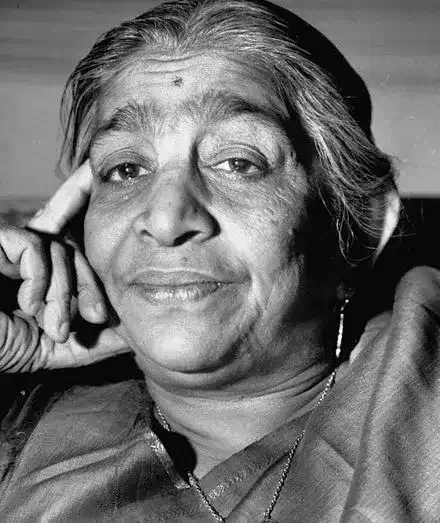
Sarojini Naidu
To My Children
To My Children
Jaya Surya
GOLDEN sun of victory, born
In my life's unclouded morn,
In my lambent sky of love,
May your growing glory prove
Sacred to your consecration,
To my heart and to my nation.
Sun of victory, may you be
Sun of song and liberty.
Padmaja
Lotus-maiden, you who claim
All the sweetness of your name,
Lakshmi, fortune's queen, defend you,
Lotus-born like you, and send you
Balmy moons of love to bless you,
Gentle joy-winds to caress you.
Lotus-maiden, may you be
Fragrant of all ecstasy.
Ranadheera
Little lord of battle, hail
In your newly-tempered mail!
Learn to conquer, learn to fight
In the foremost flanks of right,
Like Valmiki's heroes bold,
Rubies girt in epic gold.
Lord of battle, may you be,
Lord of love and chivalry.
Lilamani
Limpid jewel of delight
Severed from the tender night
Of your sheltering mother-mine,
Leap and sparkle, dance and shine,
Blithely and securely set
In love's magic coronet.
Living jewel, may you be
Laughter-bound and sorrow-free.
Jaya Surya
GOLDEN sun of victory, born
In my life's unclouded morn,
In my lambent sky of love,
May your growing glory prove
Sacred to your consecration,
To my heart and to my nation.
Sun of victory, may you be
Sun of song and liberty.
Padmaja
Lotus-maiden, you who claim
All the sweetness of your name,
Lakshmi, fortune's queen, defend you,
Lotus-born like you, and send you
Balmy moons of love to bless you,
Gentle joy-winds to caress you.
Lotus-maiden, may you be
Fragrant of all ecstasy.
Ranadheera
Little lord of battle, hail
In your newly-tempered mail!
Learn to conquer, learn to fight
In the foremost flanks of right,
Like Valmiki's heroes bold,
Rubies girt in epic gold.
Lord of battle, may you be,
Lord of love and chivalry.
Lilamani
Limpid jewel of delight
Severed from the tender night
Of your sheltering mother-mine,
Leap and sparkle, dance and shine,
Blithely and securely set
In love's magic coronet.
Living jewel, may you be
Laughter-bound and sorrow-free.
408
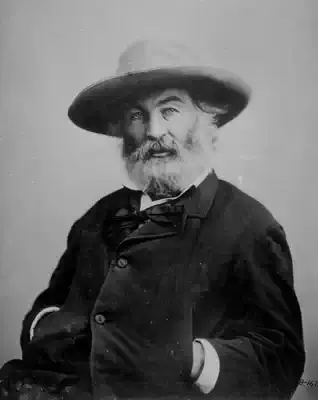
Walt Whitman
So Far And So Far, And On Toward The End
So Far And So Far, And On Toward The End
SO far, and so far, and on toward the end,
Singing what is sung in this book, from the irresistible impulses of
me;
But whether I continue beyond this book, to maturity,
Whether I shall dart forth the true rays, the ones that wait unfired,
(Did you think the sun was shining its brightest?
No--it has not yet fully risen;)
Whether I shall complete what is here started,
Whether I shall attain my own height, to justify these, yet
unfinished,
Whether I shall make THE POEM OF THE NEW WORLD, transcending all
others--depends, rich persons, upon you,
Depends, whoever you are now filling the current Presidentiad, upon
you, 10
Upon you, Governor, Mayor, Congressman,
And you, contemporary America.
Whitman, Walt. 1900. Leaves of Grass.
SO far, and so far, and on toward the end,
Singing what is sung in this book, from the irresistible impulses of
me;
But whether I continue beyond this book, to maturity,
Whether I shall dart forth the true rays, the ones that wait unfired,
(Did you think the sun was shining its brightest?
No--it has not yet fully risen;)
Whether I shall complete what is here started,
Whether I shall attain my own height, to justify these, yet
unfinished,
Whether I shall make THE POEM OF THE NEW WORLD, transcending all
others--depends, rich persons, upon you,
Depends, whoever you are now filling the current Presidentiad, upon
you, 10
Upon you, Governor, Mayor, Congressman,
And you, contemporary America.
Whitman, Walt. 1900. Leaves of Grass.
393
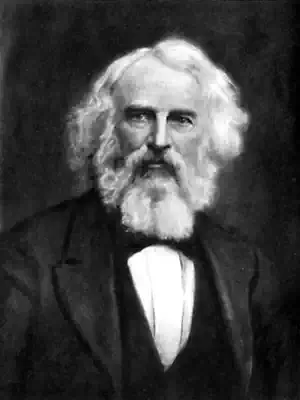
Henry Wadsworth Longfellow
The Song Of Hiawatha VII: Hiawatha's Sailing
The Song Of Hiawatha VII: Hiawatha's Sailing
'Give me of your bark, O Birch-tree!
Of your yellow bark, O Birch-tree!
Growing by the rushing river,
Tall and stately in the valley!
I a light canoe will build me,
Build a swift Cheemaun for sailing,
That shall float on the river,
Like a yellow leaf in Autumn,
Like a yellow water-lily!
'Lay aside your cloak, O Birch-tree!
Lay aside your white-skin wrapper,
For the Summer-time is coming,
And the sun is warm in heaven,
And you need no white-skin wrapper!'
Thus aloud cried Hiawatha
In the solitary forest,
By the rushing Taquamenaw,
When the birds were singing gayly,
In the Moon of Leaves were singing,
And the sun, from sleep awaking,
Started up and said, 'Behold me!
Gheezis, the great Sun, behold me!'
And the tree with all its branches
Rustled in the breeze of morning,
Saying, with a sigh of patience,
'Take my cloak, O Hiawatha!'
With his knife the tree he girdled;
Just beneath its lowest branches,
Just above the roots, he cut it,
Till the sap came oozing outward;
Down the trunk, from top to bottom,
Sheer he cleft the bark asunder,
With a wooden wedge he raised it,
Stripped it from the trunk unbroken.
'Give me of your boughs, O Cedar!
Of your strong and pliant branches,
My canoe to make more steady,
Make more strong and firm beneath me!'
Through the summit of the Cedar
Went a sound, a cry of horror,
Went a murmur of resistance;
But it whispered, bending downward,
'Take my boughs, O Hiawatha!'
Down he hewed the boughs of cedar,
Shaped them straightway to a frame-work,
Like two bows he formed and shaped them,
Like two bended bows together.
'Give me of your roots, O Tamarack!
Of your fibrous roots, O Larch-tree!
My canoe to bind together,
So to bind the ends together
That the water may not enter,
That the river may not wet me!'
And the Larch, with all its fibres,
Shivered in the air of morning,
Touched his forehead with its tassels,
Slid, with one long sigh of sorrow.
'Take them all, O Hiawatha!'
From the earth he tore the fibres,
Tore the tough roots of the Larch-tree,
Closely sewed the hark together,
Bound it closely to the frame-work.
'Give me of your balm, O Fir-tree!
Of your balsam and your resin,
So to close the seams together
That the water may not enter,
That the river may not wet me!'
And the Fir-tree, tall and sombre,
Sobbed through all its robes of darkness,
Rattled like a shore with pebbles,
Answered wailing, answered weeping,
'Take my balm, O Hiawatha!'
And he took the tears of balsam,
Took the resin of the Fir-tree,
Smeared therewith each seam and fissure,
Made each crevice safe from water.
'Give me of your quills, O Hedgehog!
All your quills, O Kagh, the Hedgehog!
I will make a necklace of them,
Make a girdle for my beauty,
And two stars to deck her bosom!'
From a hollow tree the Hedgehog
With his sleepy eyes looked at him,
Shot his shining quills, like arrows,
Saying with a drowsy murmur,
Through the tangle of his whiskers,
'Take my quills, O Hiawatha!'
From the ground the quills he gathered,
All the little shining arrows,
Stained them red and blue and yellow,
With the juice of roots and berries;
Into his canoe he wrought them,
Round its waist a shining girdle,
Round its bows a gleaming necklace,
On its breast two stars resplendent.
Thus the Birch Canoe was builded
In the valley, by the river,
In the bosom of the forest;
And the forest's life was in it,
All its mystery and its magic,
All the lightness of the birch-tree,
All the toughness of the cedar,
All the larch's supple sinews;
And it floated on the river
Like a yellow leaf in Autumn,
Like a yellow water-lily.
Paddles none had Hiawatha,
Paddles none he had or needed,
For his thoughts as paddles served him,
And his wishes served to guide him;
Swift or slow at will he glided,
Veered to right or left at pleasure.
Then he called aloud to Kwasind,
To his friend, the strong man, Kwasind,
Saying, 'Help me clear this river
Of its sunken logs and sand-bars.'
Straight into the river Kwasind
Plunged as if he were an otter,
Dived as if he were a beaver,
Stood up to his waist in water,
To his arm-pits in the river,
Swam and scouted in the river,
Tugged at sunken logs and branches,
With his hands he scooped the sand-bars,
With his feet the ooze and tangle.
And thus sailed my Hiawatha
Down the rushing Taquamenaw,
Sailed through all its bends and windings,
Sailed through all its deeps and shallows,
While his friend, the strong man, Kwasind,
Swam the deeps, the shallows waded.
Up and down the river went they,
In and out among its islands,
Cleared its bed of root and sand-bar,
Dragged the dead trees from its channel,
Made its passage safe and certain,
Made a pathway for the people,
From its springs among the mountains,
To the waters of Pauwating,
To the bay of Taquamenaw.
'Give me of your bark, O Birch-tree!
Of your yellow bark, O Birch-tree!
Growing by the rushing river,
Tall and stately in the valley!
I a light canoe will build me,
Build a swift Cheemaun for sailing,
That shall float on the river,
Like a yellow leaf in Autumn,
Like a yellow water-lily!
'Lay aside your cloak, O Birch-tree!
Lay aside your white-skin wrapper,
For the Summer-time is coming,
And the sun is warm in heaven,
And you need no white-skin wrapper!'
Thus aloud cried Hiawatha
In the solitary forest,
By the rushing Taquamenaw,
When the birds were singing gayly,
In the Moon of Leaves were singing,
And the sun, from sleep awaking,
Started up and said, 'Behold me!
Gheezis, the great Sun, behold me!'
And the tree with all its branches
Rustled in the breeze of morning,
Saying, with a sigh of patience,
'Take my cloak, O Hiawatha!'
With his knife the tree he girdled;
Just beneath its lowest branches,
Just above the roots, he cut it,
Till the sap came oozing outward;
Down the trunk, from top to bottom,
Sheer he cleft the bark asunder,
With a wooden wedge he raised it,
Stripped it from the trunk unbroken.
'Give me of your boughs, O Cedar!
Of your strong and pliant branches,
My canoe to make more steady,
Make more strong and firm beneath me!'
Through the summit of the Cedar
Went a sound, a cry of horror,
Went a murmur of resistance;
But it whispered, bending downward,
'Take my boughs, O Hiawatha!'
Down he hewed the boughs of cedar,
Shaped them straightway to a frame-work,
Like two bows he formed and shaped them,
Like two bended bows together.
'Give me of your roots, O Tamarack!
Of your fibrous roots, O Larch-tree!
My canoe to bind together,
So to bind the ends together
That the water may not enter,
That the river may not wet me!'
And the Larch, with all its fibres,
Shivered in the air of morning,
Touched his forehead with its tassels,
Slid, with one long sigh of sorrow.
'Take them all, O Hiawatha!'
From the earth he tore the fibres,
Tore the tough roots of the Larch-tree,
Closely sewed the hark together,
Bound it closely to the frame-work.
'Give me of your balm, O Fir-tree!
Of your balsam and your resin,
So to close the seams together
That the water may not enter,
That the river may not wet me!'
And the Fir-tree, tall and sombre,
Sobbed through all its robes of darkness,
Rattled like a shore with pebbles,
Answered wailing, answered weeping,
'Take my balm, O Hiawatha!'
And he took the tears of balsam,
Took the resin of the Fir-tree,
Smeared therewith each seam and fissure,
Made each crevice safe from water.
'Give me of your quills, O Hedgehog!
All your quills, O Kagh, the Hedgehog!
I will make a necklace of them,
Make a girdle for my beauty,
And two stars to deck her bosom!'
From a hollow tree the Hedgehog
With his sleepy eyes looked at him,
Shot his shining quills, like arrows,
Saying with a drowsy murmur,
Through the tangle of his whiskers,
'Take my quills, O Hiawatha!'
From the ground the quills he gathered,
All the little shining arrows,
Stained them red and blue and yellow,
With the juice of roots and berries;
Into his canoe he wrought them,
Round its waist a shining girdle,
Round its bows a gleaming necklace,
On its breast two stars resplendent.
Thus the Birch Canoe was builded
In the valley, by the river,
In the bosom of the forest;
And the forest's life was in it,
All its mystery and its magic,
All the lightness of the birch-tree,
All the toughness of the cedar,
All the larch's supple sinews;
And it floated on the river
Like a yellow leaf in Autumn,
Like a yellow water-lily.
Paddles none had Hiawatha,
Paddles none he had or needed,
For his thoughts as paddles served him,
And his wishes served to guide him;
Swift or slow at will he glided,
Veered to right or left at pleasure.
Then he called aloud to Kwasind,
To his friend, the strong man, Kwasind,
Saying, 'Help me clear this river
Of its sunken logs and sand-bars.'
Straight into the river Kwasind
Plunged as if he were an otter,
Dived as if he were a beaver,
Stood up to his waist in water,
To his arm-pits in the river,
Swam and scouted in the river,
Tugged at sunken logs and branches,
With his hands he scooped the sand-bars,
With his feet the ooze and tangle.
And thus sailed my Hiawatha
Down the rushing Taquamenaw,
Sailed through all its bends and windings,
Sailed through all its deeps and shallows,
While his friend, the strong man, Kwasind,
Swam the deeps, the shallows waded.
Up and down the river went they,
In and out among its islands,
Cleared its bed of root and sand-bar,
Dragged the dead trees from its channel,
Made its passage safe and certain,
Made a pathway for the people,
From its springs among the mountains,
To the waters of Pauwating,
To the bay of Taquamenaw.
291
Walt Whitman
Shut Not Your Doors, &c.
Shut Not Your Doors, &c.
SHUT not your doors to me, proud libraries,
For that which was lacking on all your well-fill'd shelves, yet
needed most, I bring;
Forth from the army, the war emerging--a book I have made,
The words of my book nothing--the drift of it everything;
A book separate, not link'd with the rest, nor felt by the intellect,
But you, ye untold latencies, will thrill to every page;
Through Space and Time fused in a chant, and the flowing, eternal
Identity,
To Nature, encompassing these, encompassing God--to the joyous,
electric All,
To the sense of Death--and accepting, exulting in Death, in its turn,
the same as life,
The entrance of Man I sing. 10
SHUT not your doors to me, proud libraries,
For that which was lacking on all your well-fill'd shelves, yet
needed most, I bring;
Forth from the army, the war emerging--a book I have made,
The words of my book nothing--the drift of it everything;
A book separate, not link'd with the rest, nor felt by the intellect,
But you, ye untold latencies, will thrill to every page;
Through Space and Time fused in a chant, and the flowing, eternal
Identity,
To Nature, encompassing these, encompassing God--to the joyous,
electric All,
To the sense of Death--and accepting, exulting in Death, in its turn,
the same as life,
The entrance of Man I sing. 10
296
Sarojini Naidu
To A Buddha Seated On A Lotus
To A Buddha Seated On A Lotus
LORD BUDDHA, on thy Lotus-throne,
With praying eyes and hands elate,
What mystic rapture dost thou own,
Immutable and ultimate?
What peace, unravished of our ken,
Annihilate from the world of men?
The wind of change for ever blows
Across the tumult of our way,
To-morrow's unborn griefs depose
The sorrows of our yesterday.
Dream yields to dream, strife follows strife,
And Death unweaves the webs of Life.
For us the travail and the heat,
The broken secrets of our pride,
The strenuous lessons of defeat,
The flower deferred, the fruit denied;
But not the peace, supremely won,
Lord Buddha, of thy Lotus-throne.
With futile hands we seek to gain
Our inaccessible desire,
Diviner summits to attain,
With faith that sinks and feet that tire;
But nought shall conquer or control
The heavenward hunger of our soul.
The end, elusive and afar,
Still lures us with its beckoning flight,
And all our mortal moments are
A session of the Infinite.
How shall we reach the great, unknown
Nirvana of thy Lotus-throne?
LORD BUDDHA, on thy Lotus-throne,
With praying eyes and hands elate,
What mystic rapture dost thou own,
Immutable and ultimate?
What peace, unravished of our ken,
Annihilate from the world of men?
The wind of change for ever blows
Across the tumult of our way,
To-morrow's unborn griefs depose
The sorrows of our yesterday.
Dream yields to dream, strife follows strife,
And Death unweaves the webs of Life.
For us the travail and the heat,
The broken secrets of our pride,
The strenuous lessons of defeat,
The flower deferred, the fruit denied;
But not the peace, supremely won,
Lord Buddha, of thy Lotus-throne.
With futile hands we seek to gain
Our inaccessible desire,
Diviner summits to attain,
With faith that sinks and feet that tire;
But nought shall conquer or control
The heavenward hunger of our soul.
The end, elusive and afar,
Still lures us with its beckoning flight,
And all our mortal moments are
A session of the Infinite.
How shall we reach the great, unknown
Nirvana of thy Lotus-throne?
514

Robert W. Service
The Blood-Red Fourragere
The Blood-Red Fourragere
What was the blackest sight to me
Of all that campaign?
A naked woman tied to a tree
With jagged holes where her breasts should be,
Rotting there in the rain.
On we pressed to the battle fray,
Dogged and dour and spent.
Sudden I heard my Captain say:
"Voilà! Kultur has passed this way,
And left us a monument."
So I looked and I saw our Colonel there,
And his grand head, snowed with the years,
Unto the beat of the rain was bare;
And, oh, there was grief in his frozen stare,
And his cheeks were stung with tears!
Then at last he turned from the woeful tree,
And his face like stone was set;
"Go, march the Regiment past," said he,
"That every father and son may see,
And none may ever forget."
Oh, the crimson strands of her hair downpoured
Over her breasts of woe;
And our grim old Colonel leaned on his sword,
And the men filed past with their rifles lowered,
Solemn and sad and slow.
But I'll never forget till the day I die,
As I stood in the driving rain,
And the jaded columns of men slouched by,
How amazement leapt into every eye,
Then fury and grief and pain.
And some would like madmen stand aghast,
With their hands upclenched to the sky;
And some would cross themselves as they passed,
And some would curse in a scalding blast,
And some like children cry.
Yea, some would be sobbing, and some would pray,
And some hurl hateful names;
But the best had never a word to say;
They turned their twitching faces away,
And their eyes were like hot flames.
They passed; then down on his bended knee
The Colonel dropped to the Dead:
"Poor martyred daughter of France!" said he,
"O dearly, dearly avenged you'll be
Or ever a day be sped!"
Now they hold that we are the best of the best,
And each of our men may wear,
Like a gash of crimson across his chest,
As one fierce-proved in the battle-test,
The blood-red Fourragere.
For each as he leaps to the top can see,
Like an etching of blood on his brain,
A wife or a mother lashed to a tree,
With two black holes where her breasts should be,
Left to rot in the rain.
So we fight like fiends, and of us they say
That we neither yield nor spare.
Oh, we have the bitterest debt to pay. . . .
Have we paid it? -- Look -- how we wear to-day
Like a trophy, gallant and proud and gay,
Our blood-red Fourragere.
What was the blackest sight to me
Of all that campaign?
A naked woman tied to a tree
With jagged holes where her breasts should be,
Rotting there in the rain.
On we pressed to the battle fray,
Dogged and dour and spent.
Sudden I heard my Captain say:
"Voilà! Kultur has passed this way,
And left us a monument."
So I looked and I saw our Colonel there,
And his grand head, snowed with the years,
Unto the beat of the rain was bare;
And, oh, there was grief in his frozen stare,
And his cheeks were stung with tears!
Then at last he turned from the woeful tree,
And his face like stone was set;
"Go, march the Regiment past," said he,
"That every father and son may see,
And none may ever forget."
Oh, the crimson strands of her hair downpoured
Over her breasts of woe;
And our grim old Colonel leaned on his sword,
And the men filed past with their rifles lowered,
Solemn and sad and slow.
But I'll never forget till the day I die,
As I stood in the driving rain,
And the jaded columns of men slouched by,
How amazement leapt into every eye,
Then fury and grief and pain.
And some would like madmen stand aghast,
With their hands upclenched to the sky;
And some would cross themselves as they passed,
And some would curse in a scalding blast,
And some like children cry.
Yea, some would be sobbing, and some would pray,
And some hurl hateful names;
But the best had never a word to say;
They turned their twitching faces away,
And their eyes were like hot flames.
They passed; then down on his bended knee
The Colonel dropped to the Dead:
"Poor martyred daughter of France!" said he,
"O dearly, dearly avenged you'll be
Or ever a day be sped!"
Now they hold that we are the best of the best,
And each of our men may wear,
Like a gash of crimson across his chest,
As one fierce-proved in the battle-test,
The blood-red Fourragere.
For each as he leaps to the top can see,
Like an etching of blood on his brain,
A wife or a mother lashed to a tree,
With two black holes where her breasts should be,
Left to rot in the rain.
So we fight like fiends, and of us they say
That we neither yield nor spare.
Oh, we have the bitterest debt to pay. . . .
Have we paid it? -- Look -- how we wear to-day
Like a trophy, gallant and proud and gay,
Our blood-red Fourragere.
267
Sarojini Naidu
The Song Of Princess Zeb-Un-Nissa In Praise Of Her Own Beauty
The Song Of Princess Zeb-Un-Nissa In Praise Of Her Own Beauty
WHEN from my cheek I lift my veil,
The roses turn with envy pale,
And from their pierced hearts, rich with pain,
Send forth their fragrance like a wail.
Or if perchance one perfumed tress
Be lowered to the wind's caress,
The honeyed hyacinths complain,
And languish in a sweet distress.
And, when I pause, still groves among,
(Such loveliness is mine) a throng
Of nightingales awake and strain
Their souls into a quivering song.
WHEN from my cheek I lift my veil,
The roses turn with envy pale,
And from their pierced hearts, rich with pain,
Send forth their fragrance like a wail.
Or if perchance one perfumed tress
Be lowered to the wind's caress,
The honeyed hyacinths complain,
And languish in a sweet distress.
And, when I pause, still groves among,
(Such loveliness is mine) a throng
Of nightingales awake and strain
Their souls into a quivering song.
411
Walt Whitman
Scented Herbage Of My Breast
Scented Herbage Of My Breast
SCENTED herbage of my breast,
Leaves from you I yield, I write, to be perused best afterwards,
Tomb-leaves, body-leaves, growing up above me, above death,
Perennial roots, tall leaves--O the winter shall not freeze you,
delicate leaves,
Every year shall you bloom again--out from where you retired, you
shall emerge again;
O I do not know whether many, passing by, will discover you, or
inhale your faint odor--but I believe a few will;
O slender leaves! O blossoms of my blood! I permit you to tell, in
your own way, of the heart that is under you;
O burning and throbbing--surely all will one day be accomplish'd;
O I do not know what you mean, there underneath yourselves--you are
not happiness,
You are often more bitter than I can bear--you burn and sting me, 10
Yet you are very beautiful to me, you faint-tinged roots--you make me
think of Death,
Death is beautiful from you--(what indeed is finally beautiful,
except Death and Love?)
--O I think it is not for life I am chanting here my chant of
lovers--I think it must be for Death,
For how calm, how solemn it grows, to ascend to the atmosphere of
lovers,
Death or life I am then indifferent--my Soul declines to prefer,
I am not sure but the high Soul of lovers welcomes death most;
Indeed, O Death, I think now these leaves mean precisely the same as
you mean;
Grow up taller, sweet leaves, that I may see! grow up out of my
breast!
Spring away from the conceal'd heart there!
Do not fold yourself so in your pink-tinged roots, timid leaves! 20
Do not remain down there so ashamed, herbage of my breast!
Come, I am determin'd to unbare this broad breast of mine--I have
long enough stifled and choked:
--Emblematic and capricious blade, I leave you--now you serve me not;
Away! I will say what I have to say, by itself,
I will escape from the sham that was proposed to me,
I will sound myself and comrades only--I will never again utter a
call, only their call,
I will raise, with it, immortal reverberations through The States,
I will give an example to lovers, to take permanent shape and will
through The States;
Through me shall the words be said to make death exhilarating;
Give me your tone therefore, O Death, that I may accord with it, 30
Give me yourself--for I see that you belong to me now above all, and
are folded inseparably together--you Love and Death are;
Nor will I allow you to balk me any more with what I was calling
life,
For now it is convey'd to me that you are the purports essential,
That you hide in these shifting forms of life, for reasons--and that
they are mainly for you,
That you, beyond them, come forth, to remain, the real reality,
That behind the mask of materials you patiently wait, no matter how
long,
That you will one day, perhaps, take control of all,
That you will perhaps dissipate this entire show of appearance,
That may-be you are what it is all for--but it does not last so very
long;
But you will last very long. 40
SCENTED herbage of my breast,
Leaves from you I yield, I write, to be perused best afterwards,
Tomb-leaves, body-leaves, growing up above me, above death,
Perennial roots, tall leaves--O the winter shall not freeze you,
delicate leaves,
Every year shall you bloom again--out from where you retired, you
shall emerge again;
O I do not know whether many, passing by, will discover you, or
inhale your faint odor--but I believe a few will;
O slender leaves! O blossoms of my blood! I permit you to tell, in
your own way, of the heart that is under you;
O burning and throbbing--surely all will one day be accomplish'd;
O I do not know what you mean, there underneath yourselves--you are
not happiness,
You are often more bitter than I can bear--you burn and sting me, 10
Yet you are very beautiful to me, you faint-tinged roots--you make me
think of Death,
Death is beautiful from you--(what indeed is finally beautiful,
except Death and Love?)
--O I think it is not for life I am chanting here my chant of
lovers--I think it must be for Death,
For how calm, how solemn it grows, to ascend to the atmosphere of
lovers,
Death or life I am then indifferent--my Soul declines to prefer,
I am not sure but the high Soul of lovers welcomes death most;
Indeed, O Death, I think now these leaves mean precisely the same as
you mean;
Grow up taller, sweet leaves, that I may see! grow up out of my
breast!
Spring away from the conceal'd heart there!
Do not fold yourself so in your pink-tinged roots, timid leaves! 20
Do not remain down there so ashamed, herbage of my breast!
Come, I am determin'd to unbare this broad breast of mine--I have
long enough stifled and choked:
--Emblematic and capricious blade, I leave you--now you serve me not;
Away! I will say what I have to say, by itself,
I will escape from the sham that was proposed to me,
I will sound myself and comrades only--I will never again utter a
call, only their call,
I will raise, with it, immortal reverberations through The States,
I will give an example to lovers, to take permanent shape and will
through The States;
Through me shall the words be said to make death exhilarating;
Give me your tone therefore, O Death, that I may accord with it, 30
Give me yourself--for I see that you belong to me now above all, and
are folded inseparably together--you Love and Death are;
Nor will I allow you to balk me any more with what I was calling
life,
For now it is convey'd to me that you are the purports essential,
That you hide in these shifting forms of life, for reasons--and that
they are mainly for you,
That you, beyond them, come forth, to remain, the real reality,
That behind the mask of materials you patiently wait, no matter how
long,
That you will one day, perhaps, take control of all,
That you will perhaps dissipate this entire show of appearance,
That may-be you are what it is all for--but it does not last so very
long;
But you will last very long. 40
346
Henry Wadsworth Longfellow
The Song Of Hiawatha V: Hiawatha's Fasting
The Song Of Hiawatha V: Hiawatha's Fasting
You shall hear how Hiawatha
Prayed and fasted in the forest,
Not for greater skill in hunting,
Not for greater craft in fishing,
Not for triumphs in the battle,
And renown among the warriors,
But for profit of the people,
For advantage of the nations.
First he built a lodge for fasting,
Built a wigwam in the forest,
By the shining Big-Sea-Water,
In the blithe and pleasant Spring-time,
In the Moon of Leaves he built it,
And, with dreams and visions many,
Seven whole days and nights he fasted.
On the first day of his fasting
Through the leafy woods he wandered;
Saw the deer start from the thicket,
Saw the rabbit in his burrow,
Heard the pheasant, Bena, drumming,
Heard the squirrel, Adjidaumo,
Rattling in his hoard of acorns,
Saw the pigeon, the Omeme,
Building nests among the pinetrees,
And in flocks the wild-goose, Wawa,
Flying to the fen-lands northward,
Whirring, wailing far above him.
'Master of Life!' he cried, desponding,
'Must our lives depend on these things?'
On the next day of his fasting
By the river's brink he wandered,
Through the Muskoday, the meadow,
Saw the wild rice, Mahnomonee,
Saw the blueberry, Meenahga,
And the strawberry, Odahmin,
And the gooseberry, Shahbomin,
And the grape.vine, the Bemahgut,
Trailing o'er the alder-branches,
Filling all the air with fragrance!
'Master of Life!' he cried, desponding,
'Must our lives depend on these things?'
On the third day of his fasting
By the lake he sat and pondered,
By the still, transparent water;
Saw the sturgeon, Nahma, leaping,
Scattering drops like beads of wampum,
Saw the yellow perch, the Sahwa,
Like a sunbeam in the water,
Saw the pike, the Maskenozha,
And the herring, Okahahwis,
And the Shawgashee, the crawfish!
'Master of Life!' he cried, desponding,
'Must our lives depend on these things?'
On the fourth day of his fasting
In his lodge he lay exhausted;
From his couch of leaves and branches
Gazing with half-open eyelids,
Full of shadowy dreams and visions,
On the dizzy, swimming landscape,
On the gleaming of the water,
On the splendor of the sunset.
And he saw a youth approaching,
Dressed in garments green and yellow,
Coming through the purple twilight,
Through the splendor of the sunset;
Plumes of green bent o'er his forehead,
And his hair was soft and golden.
Standing at the open doorway,
Long he looked at Hiawatha,
Looked with pity and compassion
On his wasted form and features,
And, in accents like the sighing
Of the South-Wind in the tree-tops,
Said he, 'O my Hiawatha!
All your prayers are heard in heaven,
For you pray not like the others;
Not for greater skill in hunting,
Not for greater craft in fishing,
Not for triumph in the battle,
Nor renown among the warriors,
But for profit of the people,
For advantage of the nations.
'From the Master of Life descending,
I, the friend of man, Mondamin,
Come to warn you and instruct you,
How by struggle and by labor
You shall gain what you have prayed for.
Rise up from your bed of branches,
Rise, O youth, and wrestle with me!'
Faint with famine, Hiawatha
Started from his bed of branches,
From the twilight of his wigwam
Forth into the flush of sunset
Came, and wrestled with Mondamin;
At his touch he felt new courage
Throbbing in his brain and bosom,
Felt new life and hope and vigor
Run through every nerve and fibre.
So they wrestled there together
In the glory of the sunset,
And the more they strove and struggled,
Stronger still grew Hiawatha;
Till the darkness fell around them,
And the heron, the Shuh-shuh-gah,
From her nest among the pine-trees,
Gave a cry of lamentation,
Gave a scream of pain and famine.
''T Is enough!' then said Mondamin,
Smiling upon Hiawatha,
'But tomorrow, when the sun sets,
I will come again to try you.'
And he vanished, and was seen not;
Whether sinking as the rain sinks,
Whether rising as the mists rise,
Hiawatha saw not, knew not,
Only saw that he had vanished,
Leaving him alone and fainting,
With the misty lake below him,
And the reeling stars above him.
On the morrow and the next day,
When the sun through heaven descending,
Like a red and burning cinder
From the hearth of the Great Spirit,
Fell into the western waters,
Came Mondamin for the trial,
For the strife with Hiawatha;
Came as silent as the dew comes,
From the empty air appearing,
Into empty air returning,
Taking shape when earth it touches,
But invisible to all men
In its coming and its going.
Thrice they wrestled there together
In the glory of the sunset,
Till the darkness fell around them,
Till the heron, the Shuh-shuh-gah,
From her nest among the pine-trees,
Uttered her loud cry of famine,
And Mondamin paused to listen.
Tall and beautiful he stood there,
In his garments green and yellow;
To and fro his plumes above him,
Waved and nodded with his breathing,
And the sweat of the encounter
Stood like drops of dew upon him.
And he cried, 'O Hiawatha!
Bravely have you wrestled with me,
Thrice have wrestled stoutly with me,
And the Master of Life, who sees us,
He will give to you the triumph!'
Then he smiled, and said: 'To-morrow
Is the last day of your conflict,
Is the last day of your fasting.
You will conquer and o'ercome me;
Make a bed for me to lie in,
Where the rain may fall upon me,
Where the sun may come and warm me;
Strip these garments, green and yellow,
Strip this nodding plumage from me,
Lay me in the earth, and make it
Soft and loose and light above me.
'Let no hand disturb my slumber,
Let no weed nor worm molest me,
Let not Kahgahgee, the raven,
Come to haunt me and molest me,
Only come yourself to watch me,
Till I wake, and start, and quicken,
Till I leap into the sunshine'
And thus saying, he departed;
Peacefully slept Hiawatha,
But he heard the Wawonaissa,
Heard the whippoorwill complaining,
Perched upon his lonely wigwam;
Heard the rushing Sebowisha,
Heard the rivulet rippling near him,
Talking to the darksome forest;
Heard the sighing of the branches,
As they lifted and subsided
At the passing of the night-wind,
Heard them, as one hears in slumber
Far-off murmurs, dreamy whispers:
Peacefully slept Hiawatha.
On the morrow came Nokomis,
On the seventh day of his fasting,
Came with food for Hiawatha,
Came imploring and bewailing,
Lest his hunger should o'ercome him,
Lest his fasting should be fatal.
But he tasted not, and touched not,
Only said to her, 'Nokomis,
Wait until the sun is setting,
Till the darkness falls around us,
Till the heron, the Shuh-shuh-gah,
Crying from the desolate marshes,
Tells us that the day is ended.'
Homeward weeping went Nokomis,
Sorrowing for her Hiawatha,
Fearing lest his strength should fail him,
Lest his fasting should be fatal.
He meanwhile sat weary waiting
For the coming of Mondamin,
Till the shadows, pointing eastward,
Lengthened over field and forest,
Till the sun dropped from the heaven,
Floating on the waters westward,
As a red leaf in the Autumn
Falls and floats upon the water,
Falls and sinks into its bosom.
And behold! the young Mondamin,
With his soft and shining tresses,
With his garments green and yellow,
With his long and glossy plumage,
Stood and beckoned at the doorway.
And as one in slumber walking,
Pale and haggard, but undaunted,
From the wigwam Hiawatha
Came and wrestled with Mondamin.
Round about him spun the landscape,
Sky and forest reeled together,
And his strong heart leaped within him,
As the sturgeon leaps and struggles
In a net to break its meshes.
Like a ring of fire around him
Blazed and flared the red horizon,
And a hundred suns seemed looking
At the combat of the wrestlers.
Suddenly upon the greensward
All alone stood Hiawatha,
Panting with his wild exertion,
Palpitating with the struggle;
And before him breathless, lifeless,
Lay the youth, with hair dishevelled,
Plumage torn, and garments tattered,
Dead he lay there in the sunset.
And victorious Hiawatha
Made the grave as he commanded,
Stripped the garments from Mondamin,
Stripped his tattered plumage from him,
Laid him in the earth, and made it
Soft and loose and light above him;
And the heron, the Shuh-shuh-gah,
From the melancholy moorlands,
Gave a cry of lamentation,
Gave a cry of pain and anguish!
Homeward then went Hiawatha
To the lodge of old Nokomis,
And the seven days of his fasting
Were accomplished and completed.
But the place was not forgotten
Where he wrestled with Mondamin;
Nor forgotten nor neglected
Was the grave where lay Mondamin,
Sleeping in the rain and sunshine,
Where his scattered plumes and garments
Faded in the rain and sunshine.
Day by day did Hiawatha
Go to wait and watch beside it;
Kept the dark mould soft above it,
Kept it clean from weeds and insects,
Drove away, with scoffs and shoutings,
Kahgahgee, the king of ravens.
Till at length a small green feather
From the earth shot slowly upward,
Then another and another,
And before the Summer ended
Stood the maize in all its beauty,
With its shining robes about it,
And its long, soft, yellow tresses;
And in rapture Hiawatha
Cried aloud, 'It is Mondamin!
Yes, the friend of man, Mondamin!'
Then he called to old Nokomis
And Iagoo, the great boaster,
Showed them where the maize was growing,
Told them of his wondrous vision,
Of his wrestling and his triumph,
Of this new gift to the nations,
Which should be their food forever.
And still later, when the Autumn
Changed the long, green leaves to yellow,
And the soft and juicy kernels
Grew like wampum hard and yellow,
Then the ripened ears he gathered,
Stripped the withered husks from off them,
As he once had stripped the wrestler,
Gave the first Feast of Mondamin,
And made known unto the people
This new gift of the Great Spirit.
You shall hear how Hiawatha
Prayed and fasted in the forest,
Not for greater skill in hunting,
Not for greater craft in fishing,
Not for triumphs in the battle,
And renown among the warriors,
But for profit of the people,
For advantage of the nations.
First he built a lodge for fasting,
Built a wigwam in the forest,
By the shining Big-Sea-Water,
In the blithe and pleasant Spring-time,
In the Moon of Leaves he built it,
And, with dreams and visions many,
Seven whole days and nights he fasted.
On the first day of his fasting
Through the leafy woods he wandered;
Saw the deer start from the thicket,
Saw the rabbit in his burrow,
Heard the pheasant, Bena, drumming,
Heard the squirrel, Adjidaumo,
Rattling in his hoard of acorns,
Saw the pigeon, the Omeme,
Building nests among the pinetrees,
And in flocks the wild-goose, Wawa,
Flying to the fen-lands northward,
Whirring, wailing far above him.
'Master of Life!' he cried, desponding,
'Must our lives depend on these things?'
On the next day of his fasting
By the river's brink he wandered,
Through the Muskoday, the meadow,
Saw the wild rice, Mahnomonee,
Saw the blueberry, Meenahga,
And the strawberry, Odahmin,
And the gooseberry, Shahbomin,
And the grape.vine, the Bemahgut,
Trailing o'er the alder-branches,
Filling all the air with fragrance!
'Master of Life!' he cried, desponding,
'Must our lives depend on these things?'
On the third day of his fasting
By the lake he sat and pondered,
By the still, transparent water;
Saw the sturgeon, Nahma, leaping,
Scattering drops like beads of wampum,
Saw the yellow perch, the Sahwa,
Like a sunbeam in the water,
Saw the pike, the Maskenozha,
And the herring, Okahahwis,
And the Shawgashee, the crawfish!
'Master of Life!' he cried, desponding,
'Must our lives depend on these things?'
On the fourth day of his fasting
In his lodge he lay exhausted;
From his couch of leaves and branches
Gazing with half-open eyelids,
Full of shadowy dreams and visions,
On the dizzy, swimming landscape,
On the gleaming of the water,
On the splendor of the sunset.
And he saw a youth approaching,
Dressed in garments green and yellow,
Coming through the purple twilight,
Through the splendor of the sunset;
Plumes of green bent o'er his forehead,
And his hair was soft and golden.
Standing at the open doorway,
Long he looked at Hiawatha,
Looked with pity and compassion
On his wasted form and features,
And, in accents like the sighing
Of the South-Wind in the tree-tops,
Said he, 'O my Hiawatha!
All your prayers are heard in heaven,
For you pray not like the others;
Not for greater skill in hunting,
Not for greater craft in fishing,
Not for triumph in the battle,
Nor renown among the warriors,
But for profit of the people,
For advantage of the nations.
'From the Master of Life descending,
I, the friend of man, Mondamin,
Come to warn you and instruct you,
How by struggle and by labor
You shall gain what you have prayed for.
Rise up from your bed of branches,
Rise, O youth, and wrestle with me!'
Faint with famine, Hiawatha
Started from his bed of branches,
From the twilight of his wigwam
Forth into the flush of sunset
Came, and wrestled with Mondamin;
At his touch he felt new courage
Throbbing in his brain and bosom,
Felt new life and hope and vigor
Run through every nerve and fibre.
So they wrestled there together
In the glory of the sunset,
And the more they strove and struggled,
Stronger still grew Hiawatha;
Till the darkness fell around them,
And the heron, the Shuh-shuh-gah,
From her nest among the pine-trees,
Gave a cry of lamentation,
Gave a scream of pain and famine.
''T Is enough!' then said Mondamin,
Smiling upon Hiawatha,
'But tomorrow, when the sun sets,
I will come again to try you.'
And he vanished, and was seen not;
Whether sinking as the rain sinks,
Whether rising as the mists rise,
Hiawatha saw not, knew not,
Only saw that he had vanished,
Leaving him alone and fainting,
With the misty lake below him,
And the reeling stars above him.
On the morrow and the next day,
When the sun through heaven descending,
Like a red and burning cinder
From the hearth of the Great Spirit,
Fell into the western waters,
Came Mondamin for the trial,
For the strife with Hiawatha;
Came as silent as the dew comes,
From the empty air appearing,
Into empty air returning,
Taking shape when earth it touches,
But invisible to all men
In its coming and its going.
Thrice they wrestled there together
In the glory of the sunset,
Till the darkness fell around them,
Till the heron, the Shuh-shuh-gah,
From her nest among the pine-trees,
Uttered her loud cry of famine,
And Mondamin paused to listen.
Tall and beautiful he stood there,
In his garments green and yellow;
To and fro his plumes above him,
Waved and nodded with his breathing,
And the sweat of the encounter
Stood like drops of dew upon him.
And he cried, 'O Hiawatha!
Bravely have you wrestled with me,
Thrice have wrestled stoutly with me,
And the Master of Life, who sees us,
He will give to you the triumph!'
Then he smiled, and said: 'To-morrow
Is the last day of your conflict,
Is the last day of your fasting.
You will conquer and o'ercome me;
Make a bed for me to lie in,
Where the rain may fall upon me,
Where the sun may come and warm me;
Strip these garments, green and yellow,
Strip this nodding plumage from me,
Lay me in the earth, and make it
Soft and loose and light above me.
'Let no hand disturb my slumber,
Let no weed nor worm molest me,
Let not Kahgahgee, the raven,
Come to haunt me and molest me,
Only come yourself to watch me,
Till I wake, and start, and quicken,
Till I leap into the sunshine'
And thus saying, he departed;
Peacefully slept Hiawatha,
But he heard the Wawonaissa,
Heard the whippoorwill complaining,
Perched upon his lonely wigwam;
Heard the rushing Sebowisha,
Heard the rivulet rippling near him,
Talking to the darksome forest;
Heard the sighing of the branches,
As they lifted and subsided
At the passing of the night-wind,
Heard them, as one hears in slumber
Far-off murmurs, dreamy whispers:
Peacefully slept Hiawatha.
On the morrow came Nokomis,
On the seventh day of his fasting,
Came with food for Hiawatha,
Came imploring and bewailing,
Lest his hunger should o'ercome him,
Lest his fasting should be fatal.
But he tasted not, and touched not,
Only said to her, 'Nokomis,
Wait until the sun is setting,
Till the darkness falls around us,
Till the heron, the Shuh-shuh-gah,
Crying from the desolate marshes,
Tells us that the day is ended.'
Homeward weeping went Nokomis,
Sorrowing for her Hiawatha,
Fearing lest his strength should fail him,
Lest his fasting should be fatal.
He meanwhile sat weary waiting
For the coming of Mondamin,
Till the shadows, pointing eastward,
Lengthened over field and forest,
Till the sun dropped from the heaven,
Floating on the waters westward,
As a red leaf in the Autumn
Falls and floats upon the water,
Falls and sinks into its bosom.
And behold! the young Mondamin,
With his soft and shining tresses,
With his garments green and yellow,
With his long and glossy plumage,
Stood and beckoned at the doorway.
And as one in slumber walking,
Pale and haggard, but undaunted,
From the wigwam Hiawatha
Came and wrestled with Mondamin.
Round about him spun the landscape,
Sky and forest reeled together,
And his strong heart leaped within him,
As the sturgeon leaps and struggles
In a net to break its meshes.
Like a ring of fire around him
Blazed and flared the red horizon,
And a hundred suns seemed looking
At the combat of the wrestlers.
Suddenly upon the greensward
All alone stood Hiawatha,
Panting with his wild exertion,
Palpitating with the struggle;
And before him breathless, lifeless,
Lay the youth, with hair dishevelled,
Plumage torn, and garments tattered,
Dead he lay there in the sunset.
And victorious Hiawatha
Made the grave as he commanded,
Stripped the garments from Mondamin,
Stripped his tattered plumage from him,
Laid him in the earth, and made it
Soft and loose and light above him;
And the heron, the Shuh-shuh-gah,
From the melancholy moorlands,
Gave a cry of lamentation,
Gave a cry of pain and anguish!
Homeward then went Hiawatha
To the lodge of old Nokomis,
And the seven days of his fasting
Were accomplished and completed.
But the place was not forgotten
Where he wrestled with Mondamin;
Nor forgotten nor neglected
Was the grave where lay Mondamin,
Sleeping in the rain and sunshine,
Where his scattered plumes and garments
Faded in the rain and sunshine.
Day by day did Hiawatha
Go to wait and watch beside it;
Kept the dark mould soft above it,
Kept it clean from weeds and insects,
Drove away, with scoffs and shoutings,
Kahgahgee, the king of ravens.
Till at length a small green feather
From the earth shot slowly upward,
Then another and another,
And before the Summer ended
Stood the maize in all its beauty,
With its shining robes about it,
And its long, soft, yellow tresses;
And in rapture Hiawatha
Cried aloud, 'It is Mondamin!
Yes, the friend of man, Mondamin!'
Then he called to old Nokomis
And Iagoo, the great boaster,
Showed them where the maize was growing,
Told them of his wondrous vision,
Of his wrestling and his triumph,
Of this new gift to the nations,
Which should be their food forever.
And still later, when the Autumn
Changed the long, green leaves to yellow,
And the soft and juicy kernels
Grew like wampum hard and yellow,
Then the ripened ears he gathered,
Stripped the withered husks from off them,
As he once had stripped the wrestler,
Gave the first Feast of Mondamin,
And made known unto the people
This new gift of the Great Spirit.
347
Sarojini Naidu
The Royal Tombs Of Golconda
The Royal Tombs Of Golconda
I MUSE among these silent fanes
Whose spacious darkness guards your dust;
Around me sleep the hoary plains
That hold your ancient wars in trust.
I pause, my dreaming spirit hears,
Across the wind's unquiet tides,
The glimmering music of your spears,
The laughter of your royal brides.
In vain, O Kings, doth time aspire
To make your names oblivion's sport,
While yonder hill wears like a tier
The ruined grandeur of your fort.
Though centuries falter and decline,
Your proven strongholds shall remain
Embodied memories of your line,
Incarnate legends of your reign.
O Queens, in vain old Fate decreed
Your flower-like bodies to the tomb;
Death is in truth the vital seed
Of your imperishable bloom
Each new-born year the bulbuls sing
Their songs of your renascent loves;
Your beauty wakens with the spring
To kindle these pomegranate groves.
I MUSE among these silent fanes
Whose spacious darkness guards your dust;
Around me sleep the hoary plains
That hold your ancient wars in trust.
I pause, my dreaming spirit hears,
Across the wind's unquiet tides,
The glimmering music of your spears,
The laughter of your royal brides.
In vain, O Kings, doth time aspire
To make your names oblivion's sport,
While yonder hill wears like a tier
The ruined grandeur of your fort.
Though centuries falter and decline,
Your proven strongholds shall remain
Embodied memories of your line,
Incarnate legends of your reign.
O Queens, in vain old Fate decreed
Your flower-like bodies to the tomb;
Death is in truth the vital seed
Of your imperishable bloom
Each new-born year the bulbuls sing
Their songs of your renascent loves;
Your beauty wakens with the spring
To kindle these pomegranate groves.
805
Walt Whitman
Savantism
Savantism
THITHER, as I look, I see each result and glory retracing itself and
nestling close, always obligated;
Thither hours, months, years--thither trades, compacts,
establishments, even the most minute;
Thither every-day life, speech, utensils, politics, persons, estates;
Thither we also, I with my leaves and songs, trustful, admirant,
As a father, to his father going, takes his children along with him.
THITHER, as I look, I see each result and glory retracing itself and
nestling close, always obligated;
Thither hours, months, years--thither trades, compacts,
establishments, even the most minute;
Thither every-day life, speech, utensils, politics, persons, estates;
Thither we also, I with my leaves and songs, trustful, admirant,
As a father, to his father going, takes his children along with him.
469
Robert W. Service
The Blind And The Dead
The Blind And The Dead
She lay like a saint on her copper couch;
Like an angel asleep she lay,
In the stare of the ghoulish folks that slouch
Past the Dead and sneak away.
Then came old Jules of the sightless gaze,
Who begged in the streets for bread.
Each day he had come for a year of days,
And groped his way to the Dead.
"What's the Devil's Harvest to-day?" he cried;
"A wanton with eyes of blue!
I've known too many a such," he sighed;
"Maybe I know this . . . mon Dieu!"
He raised the head of the heedless Dead;
He fingered the frozen face. . . .
Then a deathly spell on the watchers fell -God!
it was still, that place!
He raised the head of the careless Dead;
He fumbled a vagrant curl;
And then with his sightless smile he said:
"It's only my little girl."
"Dear, my dear, did they hurt you so!
Come to your daddy's heart. . . ."
Aye, and he held so tight, you know,
They were hard to force apart.
No! Paris isn't always gay;
And the morgue has its stories too:
You are a writer of tales, you say -Then
there is a tale for you.
She lay like a saint on her copper couch;
Like an angel asleep she lay,
In the stare of the ghoulish folks that slouch
Past the Dead and sneak away.
Then came old Jules of the sightless gaze,
Who begged in the streets for bread.
Each day he had come for a year of days,
And groped his way to the Dead.
"What's the Devil's Harvest to-day?" he cried;
"A wanton with eyes of blue!
I've known too many a such," he sighed;
"Maybe I know this . . . mon Dieu!"
He raised the head of the heedless Dead;
He fingered the frozen face. . . .
Then a deathly spell on the watchers fell -God!
it was still, that place!
He raised the head of the careless Dead;
He fumbled a vagrant curl;
And then with his sightless smile he said:
"It's only my little girl."
"Dear, my dear, did they hurt you so!
Come to your daddy's heart. . . ."
Aye, and he held so tight, you know,
They were hard to force apart.
No! Paris isn't always gay;
And the morgue has its stories too:
You are a writer of tales, you say -Then
there is a tale for you.
179
Sarojini Naidu
The Poet's Love-Song
The Poet's Love-Song
In noon-tide hours, O Love, secure and strong,
I need thee not; mad dreams are mine to bind
The world to my desire, and hold the wind
A voiceless captive to my conquering song.
I need thee not, I am content with these:
Keep silence in thy soul, beyond the seas!
But in the desolate hour of midnight, when
An ectasy of starry silence sleeps
And my soul hungers for thy voice, O then,
Love, like the magic of wild melodies,
Let thy soul answer mine across the seas.
In noon-tide hours, O Love, secure and strong,
I need thee not; mad dreams are mine to bind
The world to my desire, and hold the wind
A voiceless captive to my conquering song.
I need thee not, I am content with these:
Keep silence in thy soul, beyond the seas!
But in the desolate hour of midnight, when
An ectasy of starry silence sleeps
And my soul hungers for thy voice, O then,
Love, like the magic of wild melodies,
Let thy soul answer mine across the seas.
539
Walt Whitman
Roots And Leaves Themselves Alone
Roots And Leaves Themselves Alone
ROOTS and leaves themselves alone are these;
Scents brought to men and women from the wild woods, and from the
pond-side,
Breast-sorrel and pinks of love--fingers that wind around tighter
than vines,
Gushes from the throats of birds, hid in the foliage of trees, as the
sun is risen;
Breezes of land and love--breezes set from living shores out to you
on the living sea--to you, O sailors!
Frost-mellow'd berries, and Third-month twigs, offer'd fresh to young
persons wandering out in the fields when the winter breaks up,
Love-buds, put before you and within you, whoever you are,
Buds to be unfolded on the old terms;
If you bring the warmth of the sun to them, they will open, and bring
form, color, perfume, to you;
If you become the aliment and the wet, they will become flowers,
fruits, tall blanches and trees. 10
ROOTS and leaves themselves alone are these;
Scents brought to men and women from the wild woods, and from the
pond-side,
Breast-sorrel and pinks of love--fingers that wind around tighter
than vines,
Gushes from the throats of birds, hid in the foliage of trees, as the
sun is risen;
Breezes of land and love--breezes set from living shores out to you
on the living sea--to you, O sailors!
Frost-mellow'd berries, and Third-month twigs, offer'd fresh to young
persons wandering out in the fields when the winter breaks up,
Love-buds, put before you and within you, whoever you are,
Buds to be unfolded on the old terms;
If you bring the warmth of the sun to them, they will open, and bring
form, color, perfume, to you;
If you become the aliment and the wet, they will become flowers,
fruits, tall blanches and trees. 10
361
Henry Wadsworth Longfellow
The Song Of Hiawatha IV: Hiawatha And Mudjekeewis
The Song Of Hiawatha IV: Hiawatha And Mudjekeewis
Out of childhood into manhood
Now had grown my Hiawatha,
Skilled in all the craft of hunters,
Learned in all the lore of old men,
In all youthful sports and pastimes,
In all manly arts and labors.
Swift of foot was Hiawatha;
He could shoot an arrow from him,
And run forward with such fleetness,
That the arrow fell behind him!
Strong of arm was Hiawatha;
He could shoot ten arrows upward,
Shoot them with such strength and swiftness,
That the tenth had left the bow-string
Ere the first to earth had fallen!
He had mittens, Minjekahwun,
Magic mittens made of deer-skin;
When upon his hands he wore them,
He could smite the rocks asunder,
He could grind them into powder.
He had moccasins enchanted,
Magic moccasins of deer-skin;
When he bound them round his ankles,
When upon his feet he tied them,
At each stride a mile he measured!
Much he questioned old Nokomis
Of his father Mudjekeewis;
Learned from her the fatal secret
Of the beauty of his mother,
Of the falsehood of his father;
And his heart was hot within him,
Like a living coal his heart was.
Then he said to old Nokomis,
'I will go to Mudjekeewis,
See how fares it with my father,
At the doorways of the West-Wind,
At the portals of the Sunset!'
From his lodge went Hiawatha,
Dressed for travel, armed for hunting;
Dressed in deer-skin shirt and leggings,
Richly wrought with quills and wampum;
On his head his eagle-feathers,
Round his waist his belt of wampum,
In his hand his bow of ash-wood,
Strung with sinews of the reindeer;
In his quiver oaken arrows,
Tipped with jasper, winged with feathers;
With his mittens, Minjekahwun,
With his moccasins enchanted.
Warning said the old Nokomis,
'Go not forth, O Hiawatha!
To the kingdom of the West-Wind,
To the realms of Mudjekeewis,
Lest he harm you with his magic,
Lest he kill you with his cunning!'
But the fearless Hiawatha
Heeded not her woman's warning;
Forth he strode into the forest,
At each stride a mile he measured;
Lurid seemed the sky above him,
Lurid seemed the earth beneath him,
Hot and close the air around him,
Filled with smoke and fiery vapors,
As of burning woods and prairies,
For his heart was hot within him,
Like a living coal his heart was.
So he journeyed westward, westward,
Left the fleetest deer behind him,
Left the antelope and bison;
Crossed the rushing Esconaba,
Crossed the mighty Mississippi,
Passed the Mountains of the Prairie,
Passed the land of Crows and Foxes,
Passed the dwellings of the Blackfeet,
Came unto the Rocky Mountains,
To the kingdom of the West-Wind,
Where upon the gusty summits
Sat the ancient Mudjekeewis,
Ruler of the winds of heaven.
Filled with awe was Hiawatha
At the aspect of his father.
On the air about him wildly
Tossed and streamed his cloudy tresses,
Gleamed like drifting snow his tresses,
Glared like Ishkoodah, the comet,
Like the star with fiery tresses.
Filled with joy was Mudjekeewis
When he looked on Hiawatha,
Saw his youth rise up before him
In the face of Hiawatha,
Saw the beauty of Wenonah
From the grave rise up before him.
'Welcome!' said he, 'Hiawatha,
To the kingdom of the West-Wind
Long have I been waiting for you
Youth is lovely, age is lonely,
Youth is fiery, age is frosty;
You bring back the days departed,
You bring back my youth of passion,
And the beautiful Wenonah!'
Many days they talked together,
Questioned, listened, waited, answered;
Much the mighty Mudjekeewis
Boasted of his ancient prowess,
Of his perilous adventures,
His indomitable courage,
His invulnerable body.
Patiently sat Hiawatha,
Listening to his father's boasting;
With a smile he sat and listened,
Uttered neither threat nor menace,
Neither word nor look betrayed him,
But his heart was hot within him,
Like a living coal his heart was.
Then he said, 'O Mudjekeewis,
Is there nothing that can harm you?
Nothing that you are afraid of?'
And the mighty Mudjekeewis,
Grand and gracious in his boasting,
Answered, saying, 'There is nothing,
Nothing but the black rock yonder,
Nothing but the fatal Wawbeek!'
And he looked at Hiawatha
With a wise look and benignant,
With a countenance paternal,
Looked with pride upon the beauty
Of his tall and graceful figure,
Saying, 'O my Hiawatha!
Is there anything can harm you?
Anything you are afraid of?'
But the wary Hiawatha
Paused awhile, as if uncertain,
Held his peace, as if resolving,
And then answered, 'There is nothing,
Nothing but the bulrush yonder,
Nothing but the great Apukwa!'
And as Mudjekeewis, rising,
Stretched his hand to pluck the bulrush,
Hiawatha cried in terror,
Cried in well-dissembled terror,
'Kago! kago! do not touch it!'
'Ah, kaween!' said Mudjekeewis,
'No indeed, I will not touch it!'
Then they talked of other matters;
First of Hiawatha's brothers,
First of Wabun, of the East-Wind,
Of the South-Wind, Shawondasee,
Of the North, Kabibonokka;
Then of Hiawatha's mother,
Of the beautiful Wenonah,
Of her birth upon the meadow,
Of her death, as old Nokomis
Had remembered and related.
And he cried, 'O Mudjekeewis,
It was you who killed Wenonah,
Took her young life and her beauty,
Broke the Lily of the Prairie,
Trampled it beneath your footsteps;
You confess it! you confess it!'
And the mighty Mudjekeewis
Tossed upon the wind his tresses,
Bowed his hoary head in anguish,
With a silent nod assented.
Then up started Hiawatha,
And with threatening look and gesture
Laid his hand upon the black rock,
On the fatal Wawbeek laid it,
With his mittens, Minjekahwun,
Rent the jutting crag asunder,
Smote and crushed it into fragments,
Hurled them madly at his father,
The remorseful Mudjekeewis,
For his heart was hot within him,
Like a living coal his heart was.
But the ruler of the West-Wind
Blew the fragments backward from him,
With the breathing of his nostrils,
With the tempest of his anger,
Blew them back at his assailant;
Seized the bulrush, the Apukwa,
Dragged it with its roots and fibres
From the margin of the meadow,
From its ooze the giant bulrush;
Long and loud laughed Hiawatha!
Then began the deadly conflict,
Hand to hand among the mountains;
From his eyry screamed the eagle,
The Keneu, the great war-eagle,
Sat upon the crags around them,
Wheeling flapped his wings above them.
Like a tall tree in the tempest
Bent and lashed the giant bulrush;
And in masses huge and heavy
Crashing fell the fatal Wawbeek;
Till the earth shook with the tumult
And confusion of the battle,
And the air was full of shoutings,
And the thunder of the mountains,
Starting, answered, 'Baim-wawa!'
Back retreated Mudjekeewis,
Rushing westward o'er the mountains,
Stumbling westward down the mountains,
Three whole days retreated fighting,
Still pursued by Hiawatha
To the doorways of the West-Wind,
To the portals of the Sunset,
To the earth's remotest border,
Where into the empty spaces
Sinks the sun, as a flamingo
Drops into her nest at nightfall
In the melancholy marshes.
'Hold!' at length cried Mudjekeewis,
'Hold, my son, my Hiawatha!
'T is impossible to kill me,
For you cannot kill the immortal
I have put you to this trial,
But to know and prove your courage;
Now receive the prize of valor!
'Go back to your home and people,
Live among them, toil among them,
Cleanse the earth from all that harms it,
Clear the fishing-grounds and rivers,
Slay all monsters and magicians,
All the Wendigoes, the giants,
All the serpents, the Kenabeeks,
As I slew the Mishe-Mokwa,
Slew the Great Bear of the mountains.
'And at last when Death draws near you,
When the awful eyes of Pauguk
Glare upon you in the darkness,
I will share my kingdom with you,
Ruler shall you be thenceforward
Of the Northwest-Wind, Keewaydin,
Of the home-wind, the Keewaydin.'
Thus was fought that famous battle
In the dreadful days of Shah-shah,
In the days long since departed,
In the kingdom of the West-Wind.
Still the hunter sees its traces
Scattered far o'er hill and valley;
Sees the giant bulrush growing
By the ponds and water-courses,
Sees the masses of the Wawbeek
Lying still in every valley.
Homeward now went Hiawatha;
Pleasant was the landscape round him,
Pleasant was the air above him,
For the bitterness of anger
Had departed wholly from him,
From his brain the thought of vengeance,
From his heart the burning fever.
Only once his pace he slackened,
Only once he paused or halted,
Paused to purchase heads of arrows
Of the ancient Arrow-maker,
In the land of the Dacotahs,
Where the Falls of Minnehaha
Flash and gleam among the oak-trees,
Laugh and leap into the valley.
There the ancient Arrow-maker
Made his arrow-heads of sandstone,
Arrow-heads of chalcedony,
Arrow-heads of flint and jasper,
Smoothed and sharpened at the edges,
Hard and polished, keen and costly.
With him dwelt his dark-eyed daughter,
Wayward as the Minnehaha,
With her moods of shade and sunshine,
Eyes that smiled and frowned alternate,
Feet as rapid as the river,
Tresses flowing like the water,
And as musical a laughter:
And he named her from the river,
From the water-fall he named her,
Minnehaha, Laughing Water.
Was it then for heads of arrows,
Arrow-heads of chalcedony,
Arrow-heads of flint and jasper,
That my Hiawatha halted
In the land of the Dacotahs?
Was it not to see the maiden,
See the face of Laughing Water
Peeping from behind the curtain,
Hear the rustling of her garments
From behind the waving curtain,
As one sees the Minnehaha
Gleaming, glancing through the branches,
As one hears the Laughing Water
From behind its screen of branches?
Who shall say what thoughts and visions
Fill the fiery brains of young men?
Who shall say what dreams of beauty
Filled the heart of Hiawatha?
All he told to old Nokomis,
When he reached the lodge at sunset,
Was the meeting with his father,
Was his fight with Mudjekeewis;
Not a word he said of arrows,
Not a word of Laughing Water.
Out of childhood into manhood
Now had grown my Hiawatha,
Skilled in all the craft of hunters,
Learned in all the lore of old men,
In all youthful sports and pastimes,
In all manly arts and labors.
Swift of foot was Hiawatha;
He could shoot an arrow from him,
And run forward with such fleetness,
That the arrow fell behind him!
Strong of arm was Hiawatha;
He could shoot ten arrows upward,
Shoot them with such strength and swiftness,
That the tenth had left the bow-string
Ere the first to earth had fallen!
He had mittens, Minjekahwun,
Magic mittens made of deer-skin;
When upon his hands he wore them,
He could smite the rocks asunder,
He could grind them into powder.
He had moccasins enchanted,
Magic moccasins of deer-skin;
When he bound them round his ankles,
When upon his feet he tied them,
At each stride a mile he measured!
Much he questioned old Nokomis
Of his father Mudjekeewis;
Learned from her the fatal secret
Of the beauty of his mother,
Of the falsehood of his father;
And his heart was hot within him,
Like a living coal his heart was.
Then he said to old Nokomis,
'I will go to Mudjekeewis,
See how fares it with my father,
At the doorways of the West-Wind,
At the portals of the Sunset!'
From his lodge went Hiawatha,
Dressed for travel, armed for hunting;
Dressed in deer-skin shirt and leggings,
Richly wrought with quills and wampum;
On his head his eagle-feathers,
Round his waist his belt of wampum,
In his hand his bow of ash-wood,
Strung with sinews of the reindeer;
In his quiver oaken arrows,
Tipped with jasper, winged with feathers;
With his mittens, Minjekahwun,
With his moccasins enchanted.
Warning said the old Nokomis,
'Go not forth, O Hiawatha!
To the kingdom of the West-Wind,
To the realms of Mudjekeewis,
Lest he harm you with his magic,
Lest he kill you with his cunning!'
But the fearless Hiawatha
Heeded not her woman's warning;
Forth he strode into the forest,
At each stride a mile he measured;
Lurid seemed the sky above him,
Lurid seemed the earth beneath him,
Hot and close the air around him,
Filled with smoke and fiery vapors,
As of burning woods and prairies,
For his heart was hot within him,
Like a living coal his heart was.
So he journeyed westward, westward,
Left the fleetest deer behind him,
Left the antelope and bison;
Crossed the rushing Esconaba,
Crossed the mighty Mississippi,
Passed the Mountains of the Prairie,
Passed the land of Crows and Foxes,
Passed the dwellings of the Blackfeet,
Came unto the Rocky Mountains,
To the kingdom of the West-Wind,
Where upon the gusty summits
Sat the ancient Mudjekeewis,
Ruler of the winds of heaven.
Filled with awe was Hiawatha
At the aspect of his father.
On the air about him wildly
Tossed and streamed his cloudy tresses,
Gleamed like drifting snow his tresses,
Glared like Ishkoodah, the comet,
Like the star with fiery tresses.
Filled with joy was Mudjekeewis
When he looked on Hiawatha,
Saw his youth rise up before him
In the face of Hiawatha,
Saw the beauty of Wenonah
From the grave rise up before him.
'Welcome!' said he, 'Hiawatha,
To the kingdom of the West-Wind
Long have I been waiting for you
Youth is lovely, age is lonely,
Youth is fiery, age is frosty;
You bring back the days departed,
You bring back my youth of passion,
And the beautiful Wenonah!'
Many days they talked together,
Questioned, listened, waited, answered;
Much the mighty Mudjekeewis
Boasted of his ancient prowess,
Of his perilous adventures,
His indomitable courage,
His invulnerable body.
Patiently sat Hiawatha,
Listening to his father's boasting;
With a smile he sat and listened,
Uttered neither threat nor menace,
Neither word nor look betrayed him,
But his heart was hot within him,
Like a living coal his heart was.
Then he said, 'O Mudjekeewis,
Is there nothing that can harm you?
Nothing that you are afraid of?'
And the mighty Mudjekeewis,
Grand and gracious in his boasting,
Answered, saying, 'There is nothing,
Nothing but the black rock yonder,
Nothing but the fatal Wawbeek!'
And he looked at Hiawatha
With a wise look and benignant,
With a countenance paternal,
Looked with pride upon the beauty
Of his tall and graceful figure,
Saying, 'O my Hiawatha!
Is there anything can harm you?
Anything you are afraid of?'
But the wary Hiawatha
Paused awhile, as if uncertain,
Held his peace, as if resolving,
And then answered, 'There is nothing,
Nothing but the bulrush yonder,
Nothing but the great Apukwa!'
And as Mudjekeewis, rising,
Stretched his hand to pluck the bulrush,
Hiawatha cried in terror,
Cried in well-dissembled terror,
'Kago! kago! do not touch it!'
'Ah, kaween!' said Mudjekeewis,
'No indeed, I will not touch it!'
Then they talked of other matters;
First of Hiawatha's brothers,
First of Wabun, of the East-Wind,
Of the South-Wind, Shawondasee,
Of the North, Kabibonokka;
Then of Hiawatha's mother,
Of the beautiful Wenonah,
Of her birth upon the meadow,
Of her death, as old Nokomis
Had remembered and related.
And he cried, 'O Mudjekeewis,
It was you who killed Wenonah,
Took her young life and her beauty,
Broke the Lily of the Prairie,
Trampled it beneath your footsteps;
You confess it! you confess it!'
And the mighty Mudjekeewis
Tossed upon the wind his tresses,
Bowed his hoary head in anguish,
With a silent nod assented.
Then up started Hiawatha,
And with threatening look and gesture
Laid his hand upon the black rock,
On the fatal Wawbeek laid it,
With his mittens, Minjekahwun,
Rent the jutting crag asunder,
Smote and crushed it into fragments,
Hurled them madly at his father,
The remorseful Mudjekeewis,
For his heart was hot within him,
Like a living coal his heart was.
But the ruler of the West-Wind
Blew the fragments backward from him,
With the breathing of his nostrils,
With the tempest of his anger,
Blew them back at his assailant;
Seized the bulrush, the Apukwa,
Dragged it with its roots and fibres
From the margin of the meadow,
From its ooze the giant bulrush;
Long and loud laughed Hiawatha!
Then began the deadly conflict,
Hand to hand among the mountains;
From his eyry screamed the eagle,
The Keneu, the great war-eagle,
Sat upon the crags around them,
Wheeling flapped his wings above them.
Like a tall tree in the tempest
Bent and lashed the giant bulrush;
And in masses huge and heavy
Crashing fell the fatal Wawbeek;
Till the earth shook with the tumult
And confusion of the battle,
And the air was full of shoutings,
And the thunder of the mountains,
Starting, answered, 'Baim-wawa!'
Back retreated Mudjekeewis,
Rushing westward o'er the mountains,
Stumbling westward down the mountains,
Three whole days retreated fighting,
Still pursued by Hiawatha
To the doorways of the West-Wind,
To the portals of the Sunset,
To the earth's remotest border,
Where into the empty spaces
Sinks the sun, as a flamingo
Drops into her nest at nightfall
In the melancholy marshes.
'Hold!' at length cried Mudjekeewis,
'Hold, my son, my Hiawatha!
'T is impossible to kill me,
For you cannot kill the immortal
I have put you to this trial,
But to know and prove your courage;
Now receive the prize of valor!
'Go back to your home and people,
Live among them, toil among them,
Cleanse the earth from all that harms it,
Clear the fishing-grounds and rivers,
Slay all monsters and magicians,
All the Wendigoes, the giants,
All the serpents, the Kenabeeks,
As I slew the Mishe-Mokwa,
Slew the Great Bear of the mountains.
'And at last when Death draws near you,
When the awful eyes of Pauguk
Glare upon you in the darkness,
I will share my kingdom with you,
Ruler shall you be thenceforward
Of the Northwest-Wind, Keewaydin,
Of the home-wind, the Keewaydin.'
Thus was fought that famous battle
In the dreadful days of Shah-shah,
In the days long since departed,
In the kingdom of the West-Wind.
Still the hunter sees its traces
Scattered far o'er hill and valley;
Sees the giant bulrush growing
By the ponds and water-courses,
Sees the masses of the Wawbeek
Lying still in every valley.
Homeward now went Hiawatha;
Pleasant was the landscape round him,
Pleasant was the air above him,
For the bitterness of anger
Had departed wholly from him,
From his brain the thought of vengeance,
From his heart the burning fever.
Only once his pace he slackened,
Only once he paused or halted,
Paused to purchase heads of arrows
Of the ancient Arrow-maker,
In the land of the Dacotahs,
Where the Falls of Minnehaha
Flash and gleam among the oak-trees,
Laugh and leap into the valley.
There the ancient Arrow-maker
Made his arrow-heads of sandstone,
Arrow-heads of chalcedony,
Arrow-heads of flint and jasper,
Smoothed and sharpened at the edges,
Hard and polished, keen and costly.
With him dwelt his dark-eyed daughter,
Wayward as the Minnehaha,
With her moods of shade and sunshine,
Eyes that smiled and frowned alternate,
Feet as rapid as the river,
Tresses flowing like the water,
And as musical a laughter:
And he named her from the river,
From the water-fall he named her,
Minnehaha, Laughing Water.
Was it then for heads of arrows,
Arrow-heads of chalcedony,
Arrow-heads of flint and jasper,
That my Hiawatha halted
In the land of the Dacotahs?
Was it not to see the maiden,
See the face of Laughing Water
Peeping from behind the curtain,
Hear the rustling of her garments
From behind the waving curtain,
As one sees the Minnehaha
Gleaming, glancing through the branches,
As one hears the Laughing Water
From behind its screen of branches?
Who shall say what thoughts and visions
Fill the fiery brains of young men?
Who shall say what dreams of beauty
Filled the heart of Hiawatha?
All he told to old Nokomis,
When he reached the lodge at sunset,
Was the meeting with his father,
Was his fight with Mudjekeewis;
Not a word he said of arrows,
Not a word of Laughing Water.
382
Sarojini Naidu
The Pardah Nashin
The Pardah Nashin
HER life is a revolving dream
Of languid and sequestered ease;
Her girdles and her fillets gleam
Like changing fires on sunset seas;
Her raiment is like morning mist,
Shot opal, gold and amethyst.
From thieving light of eyes impure,
From coveting sun or wind's caress,
Her days are guarded and secure
Behind her carven lattices,
Like jewels in a turbaned crest,
Like secrets in a lover's breast.
But though no hand unsanctioned dares
Unveil the mysteries of her grace,
Time lifts the curtain unawares,
And Sorrow looks into her face . . .
Who shall prevent the subtle years,
Or shield a woman's eyes from tears?
HER life is a revolving dream
Of languid and sequestered ease;
Her girdles and her fillets gleam
Like changing fires on sunset seas;
Her raiment is like morning mist,
Shot opal, gold and amethyst.
From thieving light of eyes impure,
From coveting sun or wind's caress,
Her days are guarded and secure
Behind her carven lattices,
Like jewels in a turbaned crest,
Like secrets in a lover's breast.
But though no hand unsanctioned dares
Unveil the mysteries of her grace,
Time lifts the curtain unawares,
And Sorrow looks into her face . . .
Who shall prevent the subtle years,
Or shield a woman's eyes from tears?
694
Walt Whitman
Rise, O Days
Rise, O Days
RISE, O days, from your fathomless deeps, till you loftier, fiercer
sweep!
Long for my soul, hungering gymnastic, I devour'd what the earth gave
me;
Long I roam'd the woods of the north--long I watch'd Niagara pouring;
I travel'd the prairies over, and slept on their breast--I cross'd
the Nevadas, I cross'd the plateaus;
I ascended the towering rocks along the Pacific, I sail'd out to sea;
I sail'd through the storm, I was refresh'd by the storm;
I watch'd with joy the threatening maws of the waves;
I mark'd the white combs where they career'd so high, curling over;
I heard the wind piping, I saw the black clouds;
Saw from below what arose and mounted, (O superb! O wild as my heart,
and powerful!) 10
Heard the continuous thunder, as it bellow'd after the lightning;
Noted the slender and jagged threads of lightning, as sudden and fast
amid the din they chased each other across the sky;
--These, and such as these, I, elate, saw--saw with wonder, yet
pensive and masterful;
All the menacing might of the globe uprisen around me;
Yet there with my soul I fed--I fed content, supercilious.
'Twas well, O soul! 'twas a good preparation you gave me!
Now we advance our latent and ampler hunger to fill;
Now we go forth to receive what the earth and the sea never gave us;
Not through the mighty woods we go, but through the mightier cities;
Something for us is pouring now, more than Niagara pouring; 20
Torrents of men, (sources and rills of the Northwest, are you indeed
inexhaustible?)
What, to pavements and homesteads here--what were those storms of the
mountains and sea?
What, to passions I witness around me to-day? Was the sea risen?
Was the wind piping the pipe of death under the black clouds?
Lo! from deeps more unfathomable, something more deadly and savage;
Manhattan, rising, advancing with menacing front--Cincinnati,
Chicago, unchain'd;
--What was that swell I saw on the ocean? behold what comes here!
How it climbs with daring feet and hands! how it dashes!
How the true thunder bellows after the lightning! how bright the
flashes of lightning!
How DEMOCRACY, with desperate vengeful port strides on, shown through
the dark by those flashes of lightning! 30
(Yet a mournful wail and low sob I fancied I heard through the dark,
In a lull of the deafening confusion.)
Thunder on! stride on, Democracy! strike with vengeful stroke!
And do you rise higher than ever yet, O days, O cities!
Crash heavier, heavier yet, O storms! you have done me good;
My soul, prepared in the mountains, absorbs your immortal strong
nutriment;
--Long had I walk'd my cities, my country roads, through farms, only
half-satisfied;
One doubt, nauseous, undulating like a snake, crawl'd on the ground
before me,
Continually preceding my steps, turning upon me oft, ironically
hissing low;
--The cities I loved so well, I abandon'd and left--I sped to the
certainties suitable to me; 40
Hungering, hungering, hungering, for primal energies, and Nature's
dauntlessness,
I refresh'd myself with it only, I could relish it only;
I waited the bursting forth of the pent fire--on the water and air I
waited long;
--But now I no longer wait--I am fully satisfied--I am glutted;
I have witness'd the true lightning--I have witness'd my cities
electric;
I have lived to behold man burst forth, and warlike America rise;
Hence I will seek no more the food of the northern solitary wilds,
No more on the mountains roam, or sail the stormy sea.
RISE, O days, from your fathomless deeps, till you loftier, fiercer
sweep!
Long for my soul, hungering gymnastic, I devour'd what the earth gave
me;
Long I roam'd the woods of the north--long I watch'd Niagara pouring;
I travel'd the prairies over, and slept on their breast--I cross'd
the Nevadas, I cross'd the plateaus;
I ascended the towering rocks along the Pacific, I sail'd out to sea;
I sail'd through the storm, I was refresh'd by the storm;
I watch'd with joy the threatening maws of the waves;
I mark'd the white combs where they career'd so high, curling over;
I heard the wind piping, I saw the black clouds;
Saw from below what arose and mounted, (O superb! O wild as my heart,
and powerful!) 10
Heard the continuous thunder, as it bellow'd after the lightning;
Noted the slender and jagged threads of lightning, as sudden and fast
amid the din they chased each other across the sky;
--These, and such as these, I, elate, saw--saw with wonder, yet
pensive and masterful;
All the menacing might of the globe uprisen around me;
Yet there with my soul I fed--I fed content, supercilious.
'Twas well, O soul! 'twas a good preparation you gave me!
Now we advance our latent and ampler hunger to fill;
Now we go forth to receive what the earth and the sea never gave us;
Not through the mighty woods we go, but through the mightier cities;
Something for us is pouring now, more than Niagara pouring; 20
Torrents of men, (sources and rills of the Northwest, are you indeed
inexhaustible?)
What, to pavements and homesteads here--what were those storms of the
mountains and sea?
What, to passions I witness around me to-day? Was the sea risen?
Was the wind piping the pipe of death under the black clouds?
Lo! from deeps more unfathomable, something more deadly and savage;
Manhattan, rising, advancing with menacing front--Cincinnati,
Chicago, unchain'd;
--What was that swell I saw on the ocean? behold what comes here!
How it climbs with daring feet and hands! how it dashes!
How the true thunder bellows after the lightning! how bright the
flashes of lightning!
How DEMOCRACY, with desperate vengeful port strides on, shown through
the dark by those flashes of lightning! 30
(Yet a mournful wail and low sob I fancied I heard through the dark,
In a lull of the deafening confusion.)
Thunder on! stride on, Democracy! strike with vengeful stroke!
And do you rise higher than ever yet, O days, O cities!
Crash heavier, heavier yet, O storms! you have done me good;
My soul, prepared in the mountains, absorbs your immortal strong
nutriment;
--Long had I walk'd my cities, my country roads, through farms, only
half-satisfied;
One doubt, nauseous, undulating like a snake, crawl'd on the ground
before me,
Continually preceding my steps, turning upon me oft, ironically
hissing low;
--The cities I loved so well, I abandon'd and left--I sped to the
certainties suitable to me; 40
Hungering, hungering, hungering, for primal energies, and Nature's
dauntlessness,
I refresh'd myself with it only, I could relish it only;
I waited the bursting forth of the pent fire--on the water and air I
waited long;
--But now I no longer wait--I am fully satisfied--I am glutted;
I have witness'd the true lightning--I have witness'd my cities
electric;
I have lived to behold man burst forth, and warlike America rise;
Hence I will seek no more the food of the northern solitary wilds,
No more on the mountains roam, or sail the stormy sea.
421
Robert W. Service
The Black Dudeen
The Black Dudeen
Humping it here in the dug-out,
Sucking me black dudeen,
I'd like to say in a general way,
There's nothing like Nickyteen;
There's nothing like Nickyteen, me boys,
Be it pipes or snipes or cigars;
So be sure that a bloke
Has plenty to smoke,
If you wants him to fight your wars.
When I've eat my fill and my belt is snug,
I begin to think of my baccy plug.
I whittle a fill in my horny palm,
And the bowl of me old clay pipe I cram.
I trim the edges, I tamp it down,
I nurse a light with an anxious frown;
I begin to draw, and my cheeks tuck in,
And all my face is a blissful grin;
And up in a cloud the good smoke goes,
And the good pipe glimmers and fades and glows;
In its throat it chuckles a cheery song,
For I likes it hot and I likes it strong.
Oh, it's good is grub when you're feeling hollow,
But the best of a meal's the smoke to follow.
There was Micky and me on a night patrol,
Having to hide in a fizz-bang hole;
And sure I thought I was worse than dead
Wi' them crump-crumps hustlin' over me head.
Sure I thought 'twas the dirty spot,
Hammer and tongs till the air was hot.
And mind you, water up to your knees.
And cold! A monkey of brass would freeze.
And if we ventured our noses out
A "typewriter" clattered its pills about.
The Field of Glory! Well, I don't think!
I'd sooner be safe and snug in clink.
Then Micky, he goes and he cops one bad,
He always was having ill-luck, poor lad.
Says he: "Old chummy, I'm booked right through;
Death and me 'as a wrongday voo.
But . . . 'aven't you got a pinch of shag? -I'd
sell me perishin' soul for a fag."
And there he shivered and cussed his luck,
So I gave him me old black pipe to suck.
And he heaves a sigh, and he takes to it
Like a babby takes to his mammy's tit;
Like an infant takes to his mother's breast,
Poor little Micky! he went to rest.
But the dawn was near, though the night was black,
So I left him there and I started back.
And I laughed as the silly old bullets came,
For the bullet ain't made wot's got me name.
Yet some of 'em buzzed onhealthily near,
And one little blighter just chipped me ear.
But there! I got to the trench all right,
When sudden I jumped wi' a start o' fright,
And a word that doesn't look well in type:
I'd clean forgotten me old clay pipe.
So I had to do it all over again,
Crawling out on that filthy plain.
Through shells and bombs and bullets and all --
Only this time -- I do not crawl.
I run like a man wot's missing a train,
Or a tom-cat caught in a plump of rain.
I hear the spit of a quick-fire gun
Tickle my heels, but I run, I run.
Through crash and crackle, and flicker and flame,
(Oh, the packet ain't issued wot's got me name!)
I run like a man that's no ideer
Of hunting around for a sooveneer.
I run bang into a German chap,
And he stares like an owl, so I bash his map.
And just to show him that I'm his boss,
I gives him a kick on the parados.
And I marches him back with me all serene,
Wiv, tucked in me grup, me old dudeen.
Sitting here in the trenches
Me heart's a-splittin' with spleen,
For a parcel o' lead comes missing me head,
But it smashes me old dudeen.
God blast that red-headed sniper!
I'll give him somethin' to snipe;
Before the war's through
Just see how I do
That blighter that smashed me pipe.
Humping it here in the dug-out,
Sucking me black dudeen,
I'd like to say in a general way,
There's nothing like Nickyteen;
There's nothing like Nickyteen, me boys,
Be it pipes or snipes or cigars;
So be sure that a bloke
Has plenty to smoke,
If you wants him to fight your wars.
When I've eat my fill and my belt is snug,
I begin to think of my baccy plug.
I whittle a fill in my horny palm,
And the bowl of me old clay pipe I cram.
I trim the edges, I tamp it down,
I nurse a light with an anxious frown;
I begin to draw, and my cheeks tuck in,
And all my face is a blissful grin;
And up in a cloud the good smoke goes,
And the good pipe glimmers and fades and glows;
In its throat it chuckles a cheery song,
For I likes it hot and I likes it strong.
Oh, it's good is grub when you're feeling hollow,
But the best of a meal's the smoke to follow.
There was Micky and me on a night patrol,
Having to hide in a fizz-bang hole;
And sure I thought I was worse than dead
Wi' them crump-crumps hustlin' over me head.
Sure I thought 'twas the dirty spot,
Hammer and tongs till the air was hot.
And mind you, water up to your knees.
And cold! A monkey of brass would freeze.
And if we ventured our noses out
A "typewriter" clattered its pills about.
The Field of Glory! Well, I don't think!
I'd sooner be safe and snug in clink.
Then Micky, he goes and he cops one bad,
He always was having ill-luck, poor lad.
Says he: "Old chummy, I'm booked right through;
Death and me 'as a wrongday voo.
But . . . 'aven't you got a pinch of shag? -I'd
sell me perishin' soul for a fag."
And there he shivered and cussed his luck,
So I gave him me old black pipe to suck.
And he heaves a sigh, and he takes to it
Like a babby takes to his mammy's tit;
Like an infant takes to his mother's breast,
Poor little Micky! he went to rest.
But the dawn was near, though the night was black,
So I left him there and I started back.
And I laughed as the silly old bullets came,
For the bullet ain't made wot's got me name.
Yet some of 'em buzzed onhealthily near,
And one little blighter just chipped me ear.
But there! I got to the trench all right,
When sudden I jumped wi' a start o' fright,
And a word that doesn't look well in type:
I'd clean forgotten me old clay pipe.
So I had to do it all over again,
Crawling out on that filthy plain.
Through shells and bombs and bullets and all --
Only this time -- I do not crawl.
I run like a man wot's missing a train,
Or a tom-cat caught in a plump of rain.
I hear the spit of a quick-fire gun
Tickle my heels, but I run, I run.
Through crash and crackle, and flicker and flame,
(Oh, the packet ain't issued wot's got me name!)
I run like a man that's no ideer
Of hunting around for a sooveneer.
I run bang into a German chap,
And he stares like an owl, so I bash his map.
And just to show him that I'm his boss,
I gives him a kick on the parados.
And I marches him back with me all serene,
Wiv, tucked in me grup, me old dudeen.
Sitting here in the trenches
Me heart's a-splittin' with spleen,
For a parcel o' lead comes missing me head,
But it smashes me old dudeen.
God blast that red-headed sniper!
I'll give him somethin' to snipe;
Before the war's through
Just see how I do
That blighter that smashed me pipe.
187
Walt Whitman
Recorders Ages Hence
Recorders Ages Hence
RECORDERS ages hence!
Come, I will take you down underneath this impassive exterior--I will
tell you what to say of me;
Publish my name and hang up my picture as that of the tenderest
lover,
The friend, the lover's portrait, of whom his friend, his lover, was
fondest,
Who was not proud of his songs, but of the measureless ocean of love
within him--and freely pour'd it forth,
Who often walk'd lonesome walks, thinking of his dear friends, his
lovers,
Who pensive, away from one he lov'd, often lay sleepless and
dissatisfied at night,
Who knew too well the sick, sick dread lest the one he lov'd might
secretly be indifferent to him,
Whose happiest days were far away, through fields, in woods, on
hills, he and another, wandering hand in hand, they twain,
apart from other men,
Who oft as he saunter'd the streets, curv'd with his arm the shoulder
of his friend--while the arm of his friend rested upon him
also. 10
RECORDERS ages hence!
Come, I will take you down underneath this impassive exterior--I will
tell you what to say of me;
Publish my name and hang up my picture as that of the tenderest
lover,
The friend, the lover's portrait, of whom his friend, his lover, was
fondest,
Who was not proud of his songs, but of the measureless ocean of love
within him--and freely pour'd it forth,
Who often walk'd lonesome walks, thinking of his dear friends, his
lovers,
Who pensive, away from one he lov'd, often lay sleepless and
dissatisfied at night,
Who knew too well the sick, sick dread lest the one he lov'd might
secretly be indifferent to him,
Whose happiest days were far away, through fields, in woods, on
hills, he and another, wandering hand in hand, they twain,
apart from other men,
Who oft as he saunter'd the streets, curv'd with his arm the shoulder
of his friend--while the arm of his friend rested upon him
also. 10
446
Sarojini Naidu
The Illusion of Love
The Illusion of Love
Beloved, you may be as all men say
Only a transient spark
Of flickering flame set in loam of clay –
I care not …since you kindle all my dark
With the immortal lustres of the day.
And as all men deem, dearest, you may be
Only a common shell
Chance-winnowed by the sea-winds from the sea –
The subtle murmurs of eternity.
And tho’ you are, like men or mortal race,
Only a hapless thing
That Death may mar and destiny efface –
I care not … since unto my heart you bring
The very vision of God’s dwelling-place.
Beloved, you may be as all men say
Only a transient spark
Of flickering flame set in loam of clay –
I care not …since you kindle all my dark
With the immortal lustres of the day.
And as all men deem, dearest, you may be
Only a common shell
Chance-winnowed by the sea-winds from the sea –
The subtle murmurs of eternity.
And tho’ you are, like men or mortal race,
Only a hapless thing
That Death may mar and destiny efface –
I care not … since unto my heart you bring
The very vision of God’s dwelling-place.
276
Henry Wadsworth Longfellow
The Song Of Hiawatha I: The Peace-Pipe
The Song Of Hiawatha I: The Peace-Pipe
On the Mountains of the Prairie,
On the great Red Pipe-stone Quarry,
Gitche Manito, the mighty,
He the Master of Life, descending,
On the red crags of the quarry
Stood erect, and called the nations,
Called the tribes of men together.
From his footprints flowed a river,
Leaped into the light of morning,
O'er the precipice plunging downward
Gleamed like Ishkoodah, the comet.
And the Spirit, stooping earthward,
With his finger on the meadow
Traced a winding pathway for it,
Saying to it, 'Run in this way!'
From the red stone of the quarry
With his hand he broke a fragment,
Moulded it into a pipe-head,
Shaped and fashioned it with figures;
From the margin of the river
Took a long reed for a pipe-stem,
With its dark green leaves upon it;
Filled the pipe with bark of willow,
With the bark of the red willow;
Breathed upon the neighboring forest,
Made its great boughs chafe together,
Till in flame they burst and kindled;
And erect upon the mountains,
Gitche Manito, the mighty,
Smoked the calumet, the Peace-Pipe,
As a signal to the nations.
And the smoke rose slowly, slowly,
Through the tranquil air of morning,
First a single line of darkness,
Then a denser, bluer vapor,
Then a snow-white cloud unfolding,
Like the tree-tops of the forest,
Ever rising, rising, rising,
Till it touched the top of heaven,
Till it broke against the heaven,
And rolled outward all around it.
From the Vale of Tawasentha,
From the Valley of Wyoming,
From the groves of Tuscaloosa,
From the far-off Rocky Mountains,
From the Northern lakes and rivers
All the tribes beheld the signal,
Saw the distant smoke ascending,
The Pukwana of the Peace-Pipe.
And the Prophets of the nations
Said: 'Behold it, the Pukwana!
By the signal of the Peace-Pipe,
Bending like a wand of willow,
Waving like a hand that beckons,
Gitche Manito, the mighty,
Calls the tribes of men together,
Calls the warriors to his council!'
Down the rivers, o'er the prairies,
Came the warriors of the nations,
Came the Delawares and Mohawks,
Came the Choctaws and Camanches,
Came the Shoshonies and Blackfeet,
Came the Pawnees and Omahas,
Came the Mandans and Dacotahs,
Came the Hurons and Ojibways,
All the warriors drawn together
By the signal of the Peace-Pipe,
To the Mountains of the Prairie,
To the great Red Pipe-stone Quarry,
And they stood there on the meadow,
With their weapons and their war-gear,
Painted like the leaves of Autumn,
Painted like the sky of morning,
Wildly glaring at each other;
In their faces stem defiance,
In their hearts the feuds of ages,
The hereditary hatred,
The ancestral thirst of vengeance.
Gitche Manito, the mighty,
The creator of the nations,
Looked upon them with compassion,
With paternal love and pity;
Looked upon their wrath and wrangling
But as quarrels among children,
But as feuds and fights of children!
Over them he stretched his right hand,
To subdue their stubborn natures,
To allay their thirst and fever,
By the shadow of his right hand;
Spake to them with voice majestic
As the sound of far-off waters,
Falling into deep abysses,
Warning, chiding, spake in this wise :
'O my children! my poor children!
Listen to the words of wisdom,
Listen to the words of warning,
From the lips of the Great Spirit,
From the Master of Life, who made you!
'I have given you lands to hunt in,
I have given you streams to fish in,
I have given you bear and bison,
I have given you roe and reindeer,
I have given you brant and beaver,
Filled the marshes full of wild-fowl,
Filled the rivers full of fishes:
Why then are you not contented?
Why then will you hunt each other?
'I am weary of your quarrels,
Weary of your wars and bloodshed,
Weary of your prayers for vengeance,
Of your wranglings and dissensions;
All your strength is in your union,
All your danger is in discord;
Therefore be at peace henceforward,
And as brothers live together.
'I will send a Prophet to you,
A Deliverer of the nations,
Who shall guide you and shall teach you,
Who shall toil and suffer with you.
If you listen to his counsels,
You will multiply and prosper;
If his warnings pass unheeded,
You will fade away and perish!
'Bathe now in the stream before you,
Wash the war-paint from your faces,
Wash the blood-stains from your fingers,
Bury your war-clubs and your weapons,
Break the red stone from this quarry,
Mould and make it into Peace-Pipes,
Take the reeds that grow beside you,
Deck them with your brightest feathers,
Smoke the calumet together,
And as brothers live henceforward!'
Then upon the ground the warriors
Threw their cloaks and shirts of deer-skin,
Threw their weapons and their war-gear,
Leaped into the rushing river,
Washed the war-paint from their faces.
Clear above them flowed the water,
Clear and limpid from the footprints
Of the Master of Life descending;
Dark below them flowed the water,
Soiled and stained with streaks of crimson,
As if blood were mingled with it!
From the river came the warriors,
Clean and washed from all their war-paint;
On the banks their clubs they buried,
Buried all their warlike weapons.
Gitche Manito, the mighty,
The Great Spirit, the creator,
Smiled upon his helpless children!
And in silence all the warriors
Broke the red stone of the quarry,
Smoothed and formed it into Peace-Pipes,
Broke the long reeds by the river,
Decked them with their brightest feathers,
And departed each one homeward,
While the Master of Life, ascending,
Through the opening of cloud-curtains,
Through the doorways of the heaven,
Vanished from before their faces,
In the smoke that rolled around him,
The Pukwana of the Peace-Pipe!
On the Mountains of the Prairie,
On the great Red Pipe-stone Quarry,
Gitche Manito, the mighty,
He the Master of Life, descending,
On the red crags of the quarry
Stood erect, and called the nations,
Called the tribes of men together.
From his footprints flowed a river,
Leaped into the light of morning,
O'er the precipice plunging downward
Gleamed like Ishkoodah, the comet.
And the Spirit, stooping earthward,
With his finger on the meadow
Traced a winding pathway for it,
Saying to it, 'Run in this way!'
From the red stone of the quarry
With his hand he broke a fragment,
Moulded it into a pipe-head,
Shaped and fashioned it with figures;
From the margin of the river
Took a long reed for a pipe-stem,
With its dark green leaves upon it;
Filled the pipe with bark of willow,
With the bark of the red willow;
Breathed upon the neighboring forest,
Made its great boughs chafe together,
Till in flame they burst and kindled;
And erect upon the mountains,
Gitche Manito, the mighty,
Smoked the calumet, the Peace-Pipe,
As a signal to the nations.
And the smoke rose slowly, slowly,
Through the tranquil air of morning,
First a single line of darkness,
Then a denser, bluer vapor,
Then a snow-white cloud unfolding,
Like the tree-tops of the forest,
Ever rising, rising, rising,
Till it touched the top of heaven,
Till it broke against the heaven,
And rolled outward all around it.
From the Vale of Tawasentha,
From the Valley of Wyoming,
From the groves of Tuscaloosa,
From the far-off Rocky Mountains,
From the Northern lakes and rivers
All the tribes beheld the signal,
Saw the distant smoke ascending,
The Pukwana of the Peace-Pipe.
And the Prophets of the nations
Said: 'Behold it, the Pukwana!
By the signal of the Peace-Pipe,
Bending like a wand of willow,
Waving like a hand that beckons,
Gitche Manito, the mighty,
Calls the tribes of men together,
Calls the warriors to his council!'
Down the rivers, o'er the prairies,
Came the warriors of the nations,
Came the Delawares and Mohawks,
Came the Choctaws and Camanches,
Came the Shoshonies and Blackfeet,
Came the Pawnees and Omahas,
Came the Mandans and Dacotahs,
Came the Hurons and Ojibways,
All the warriors drawn together
By the signal of the Peace-Pipe,
To the Mountains of the Prairie,
To the great Red Pipe-stone Quarry,
And they stood there on the meadow,
With their weapons and their war-gear,
Painted like the leaves of Autumn,
Painted like the sky of morning,
Wildly glaring at each other;
In their faces stem defiance,
In their hearts the feuds of ages,
The hereditary hatred,
The ancestral thirst of vengeance.
Gitche Manito, the mighty,
The creator of the nations,
Looked upon them with compassion,
With paternal love and pity;
Looked upon their wrath and wrangling
But as quarrels among children,
But as feuds and fights of children!
Over them he stretched his right hand,
To subdue their stubborn natures,
To allay their thirst and fever,
By the shadow of his right hand;
Spake to them with voice majestic
As the sound of far-off waters,
Falling into deep abysses,
Warning, chiding, spake in this wise :
'O my children! my poor children!
Listen to the words of wisdom,
Listen to the words of warning,
From the lips of the Great Spirit,
From the Master of Life, who made you!
'I have given you lands to hunt in,
I have given you streams to fish in,
I have given you bear and bison,
I have given you roe and reindeer,
I have given you brant and beaver,
Filled the marshes full of wild-fowl,
Filled the rivers full of fishes:
Why then are you not contented?
Why then will you hunt each other?
'I am weary of your quarrels,
Weary of your wars and bloodshed,
Weary of your prayers for vengeance,
Of your wranglings and dissensions;
All your strength is in your union,
All your danger is in discord;
Therefore be at peace henceforward,
And as brothers live together.
'I will send a Prophet to you,
A Deliverer of the nations,
Who shall guide you and shall teach you,
Who shall toil and suffer with you.
If you listen to his counsels,
You will multiply and prosper;
If his warnings pass unheeded,
You will fade away and perish!
'Bathe now in the stream before you,
Wash the war-paint from your faces,
Wash the blood-stains from your fingers,
Bury your war-clubs and your weapons,
Break the red stone from this quarry,
Mould and make it into Peace-Pipes,
Take the reeds that grow beside you,
Deck them with your brightest feathers,
Smoke the calumet together,
And as brothers live henceforward!'
Then upon the ground the warriors
Threw their cloaks and shirts of deer-skin,
Threw their weapons and their war-gear,
Leaped into the rushing river,
Washed the war-paint from their faces.
Clear above them flowed the water,
Clear and limpid from the footprints
Of the Master of Life descending;
Dark below them flowed the water,
Soiled and stained with streaks of crimson,
As if blood were mingled with it!
From the river came the warriors,
Clean and washed from all their war-paint;
On the banks their clubs they buried,
Buried all their warlike weapons.
Gitche Manito, the mighty,
The Great Spirit, the creator,
Smiled upon his helpless children!
And in silence all the warriors
Broke the red stone of the quarry,
Smoothed and formed it into Peace-Pipes,
Broke the long reeds by the river,
Decked them with their brightest feathers,
And departed each one homeward,
While the Master of Life, ascending,
Through the opening of cloud-curtains,
Through the doorways of the heaven,
Vanished from before their faces,
In the smoke that rolled around him,
The Pukwana of the Peace-Pipe!
343
Walt Whitman
Race Of Veterans
Race Of Veterans
RACE of veterans! Race of victors!
Race of the soil, ready for conflict! race of the conquering march!
(No more credulity's race, abiding-temper'd race;)
Race henceforth owning no law but the law of itself;
Race of passion and the storm.
RACE of veterans! Race of victors!
Race of the soil, ready for conflict! race of the conquering march!
(No more credulity's race, abiding-temper'd race;)
Race henceforth owning no law but the law of itself;
Race of passion and the storm.
299
Sarojini Naidu
The Bangle Sellers
The Bangle Sellers
Bangle sellers are we who bear
Our shining loads to the temple fair...
Who will buy these delicate, bright
Rainbow-tinted circles of light?
Lustrous tokens of radiant lives,
For happy daughters and happy wives.
Some are meet for a maiden's wrist,
Silver and blue as the mountain mist,
Some are flushed like the buds that dream
On the tranquil brow of a woodland stream,
Some are aglow wth the bloom that cleaves
To the limpid glory of new born leaves
Some are like fields of sunlit corn,
Meet for a bride on her bridal morn,
Some, like the flame of her marriage fire,
Or, rich with the hue of her heart's desire,
Tinkling, luminous, tender, and clear,
Like her bridal laughter and bridal tear.
Some are purple and gold flecked grey
For she who has journeyed through life midway,
Whose hands have cherished, whose love has blest,
And cradled fair sons on her faithful breast,
And serves her household in fruitful pride,
And worships the gods at her husband's side.
Bangle sellers are we who bear
Our shining loads to the temple fair...
Who will buy these delicate, bright
Rainbow-tinted circles of light?
Lustrous tokens of radiant lives,
For happy daughters and happy wives.
Some are meet for a maiden's wrist,
Silver and blue as the mountain mist,
Some are flushed like the buds that dream
On the tranquil brow of a woodland stream,
Some are aglow wth the bloom that cleaves
To the limpid glory of new born leaves
Some are like fields of sunlit corn,
Meet for a bride on her bridal morn,
Some, like the flame of her marriage fire,
Or, rich with the hue of her heart's desire,
Tinkling, luminous, tender, and clear,
Like her bridal laughter and bridal tear.
Some are purple and gold flecked grey
For she who has journeyed through life midway,
Whose hands have cherished, whose love has blest,
And cradled fair sons on her faithful breast,
And serves her household in fruitful pride,
And worships the gods at her husband's side.
405
Robert W. Service
The Battle Of The Bulge
The Battle Of The Bulge
This year an ocean trip I took, and as I am a Scot
And like to get my money's worth I never missed a meal.
In spite of Neptune's nastiness I ate an awful lot,
Yet felt as fit as if we sailed upon an even keel.
But now that I am home again I'm stricken with disgust;
How many pounds of fat I've gained I'd rather not divulge:
Well, anyway I mean to take this tummy down or bust,
So here I'm suet-strafing in the
Battle of the Bulge.
No more will sausage, bacon, eggs provide my breakfast fare;
On lobster I will never lunch, with mounds of mayonnaise.
At tea I'll Spartanly eschew the chocolate éclair;
Roast duckling and péche melba shall not consummate my days.
No more nocturnal ice-box raids, midnight spaghetti feeds;
On slabs of pâté de foie gras I vow I won't indulge:
Let bran and cottage cheese suffice my gastronomic needs,
And lettuce be my ally in the
Battle of the Bulge.
To hell with you, ignoble paunch, abhorrent in my sight!
I gaze at your rotundity, and savage is my frown.
I'll rub you and I'll scrub you and I'll drub you day and night,
But by the gods of symmetry I swear I'll get you down.
Your smooth and smug convexity, by heck! I will subdue,
And when you tucker in again with joy will I refulge;
No longer of my toes will you obstruct my downward view . . .
With might and main I'll fight to gain the
Battle of the Bulge.
This year an ocean trip I took, and as I am a Scot
And like to get my money's worth I never missed a meal.
In spite of Neptune's nastiness I ate an awful lot,
Yet felt as fit as if we sailed upon an even keel.
But now that I am home again I'm stricken with disgust;
How many pounds of fat I've gained I'd rather not divulge:
Well, anyway I mean to take this tummy down or bust,
So here I'm suet-strafing in the
Battle of the Bulge.
No more will sausage, bacon, eggs provide my breakfast fare;
On lobster I will never lunch, with mounds of mayonnaise.
At tea I'll Spartanly eschew the chocolate éclair;
Roast duckling and péche melba shall not consummate my days.
No more nocturnal ice-box raids, midnight spaghetti feeds;
On slabs of pâté de foie gras I vow I won't indulge:
Let bran and cottage cheese suffice my gastronomic needs,
And lettuce be my ally in the
Battle of the Bulge.
To hell with you, ignoble paunch, abhorrent in my sight!
I gaze at your rotundity, and savage is my frown.
I'll rub you and I'll scrub you and I'll drub you day and night,
But by the gods of symmetry I swear I'll get you down.
Your smooth and smug convexity, by heck! I will subdue,
And when you tucker in again with joy will I refulge;
No longer of my toes will you obstruct my downward view . . .
With might and main I'll fight to gain the
Battle of the Bulge.
240