
Poems List
Explore poems from our collection
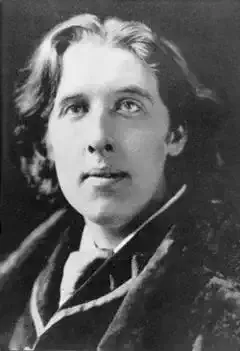
Oscar Wilde
Impression De Voyage
The sea was sapphire coloured, and the sky
Burned like a heated opal through the air;
We hoisted sail; the wind was blowing fair
For the blue lands that to the eastward lie.
From the steep prow I marked with quickening eye
Zakynthos, every olive grove and creek,
Ithaca's cliff, Lycaon's snowy peak,
And all the flower-strewn hills of Arcady.
The flapping of the sail against the mast,
The ripple of the water on the side,
The ripple of girls' laughter at the stern,
The only sounds:- when 'gan the West to burn,
And a red sun upon the seas to ride,
I stood upon the soil of Greece at last!
KATAKOLO.
Burned like a heated opal through the air;
We hoisted sail; the wind was blowing fair
For the blue lands that to the eastward lie.
From the steep prow I marked with quickening eye
Zakynthos, every olive grove and creek,
Ithaca's cliff, Lycaon's snowy peak,
And all the flower-strewn hills of Arcady.
The flapping of the sail against the mast,
The ripple of the water on the side,
The ripple of girls' laughter at the stern,
The only sounds:- when 'gan the West to burn,
And a red sun upon the seas to ride,
I stood upon the soil of Greece at last!
KATAKOLO.
661
Oscar Wilde
Her Voice
The wild bee reels from bough to bough
With his furry coat and his gauzy wing,
Now in a lily-cup, and now
Setting a jacinth bell a-swing,
In his wandering;
Sit closer love: it was here I trow
I made that vow,
Swore that two lives should be like one
As long as the sea-gull loved the sea,
As long as the sunflower sought the sun, -
It shall be, I said, for eternity
'Twixt you and me!
Dear friend, those times are over and done;
Love's web is spun.
Look upward where the poplar trees
Sway and sway in the summer air,
Here in the valley never a breeze
Scatters the thistledown, but there
Great winds blow fair
From the mighty murmuring mystical seas,
And the wave-lashed leas.
Look upward where the white gull screams,
What does it see that we do not see?
Is that a star? or the lamp that gleams
On some outward voyaging argosy, -
Ah! can it be
We have lived our lives in a land of dreams!
How sad it seems.
Sweet, there is nothing left to say
But this, that love is never lost,
Keen winter stabs the breasts of May
Whose crimson roses burst his frost,
Ships tempest-tossed
Will find a harbour in some bay,
And so we may.
And there is nothing left to do
But to kiss once again, and part,
Nay, there is nothing we should rue,
I have my beauty, - you your Art,
Nay, do not start,
One world was not enough for two
Like me and you.
With his furry coat and his gauzy wing,
Now in a lily-cup, and now
Setting a jacinth bell a-swing,
In his wandering;
Sit closer love: it was here I trow
I made that vow,
Swore that two lives should be like one
As long as the sea-gull loved the sea,
As long as the sunflower sought the sun, -
It shall be, I said, for eternity
'Twixt you and me!
Dear friend, those times are over and done;
Love's web is spun.
Look upward where the poplar trees
Sway and sway in the summer air,
Here in the valley never a breeze
Scatters the thistledown, but there
Great winds blow fair
From the mighty murmuring mystical seas,
And the wave-lashed leas.
Look upward where the white gull screams,
What does it see that we do not see?
Is that a star? or the lamp that gleams
On some outward voyaging argosy, -
Ah! can it be
We have lived our lives in a land of dreams!
How sad it seems.
Sweet, there is nothing left to say
But this, that love is never lost,
Keen winter stabs the breasts of May
Whose crimson roses burst his frost,
Ships tempest-tossed
Will find a harbour in some bay,
And so we may.
And there is nothing left to do
But to kiss once again, and part,
Nay, there is nothing we should rue,
I have my beauty, - you your Art,
Nay, do not start,
One world was not enough for two
Like me and you.
643
Oscar Wilde
From Spring Days To Winter (For Music)
In the glad springtime when leaves were green,
O merrily the throstle sings!
I sought, amid the tangled sheen,
Love whom mine eyes had never seen,
O the glad dove has golden wings!
Between the blossoms red and white,
O merrily the throstle sings!
My love first came into my sight,
O perfect vision of delight,
O the glad dove has golden wings!
The yellow apples glowed like fire,
O merrily the throstle sings!
O Love too great for lip or lyre,
Blown rose of love and of desire,
O the glad dove has golden wings!
But now with snow the tree is grey,
Ah, sadly now the throstle sings!
My love is dead: ah! well-a-day,
See at her silent feet I lay
A dove with broken wings!
Ah, Love! ah, Love! that thou wert slain -
Fond Dove, fond Dove return again!
O merrily the throstle sings!
I sought, amid the tangled sheen,
Love whom mine eyes had never seen,
O the glad dove has golden wings!
Between the blossoms red and white,
O merrily the throstle sings!
My love first came into my sight,
O perfect vision of delight,
O the glad dove has golden wings!
The yellow apples glowed like fire,
O merrily the throstle sings!
O Love too great for lip or lyre,
Blown rose of love and of desire,
O the glad dove has golden wings!
But now with snow the tree is grey,
Ah, sadly now the throstle sings!
My love is dead: ah! well-a-day,
See at her silent feet I lay
A dove with broken wings!
Ah, Love! ah, Love! that thou wert slain -
Fond Dove, fond Dove return again!
582
Oscar Wilde
Endymion
The apple trees are hung with gold,
And birds are loud in Arcady,
The sheep lie bleating in the fold,
The wild goat runs across the wold,
But yesterday his love he told,
I know he will come back to me.
O rising moon! O Lady moon!
Be you my lover's sentinel,
You cannot choose but know him well,
For he is shod with purple shoon,
You cannot choose but know my love,
For he a shepherd's crook doth bear,
And he is soft as any dove,
And brown and curly is his hair.
The turtle now has ceased to call
Upon her crimson-footed groom,
The grey wolf prowls about the stall,
The lily's singing seneschal
Sleeps in the lily-bell, and all
The violet hills are lost in gloom.
O risen moon! O holy moon!
Stand on the top of Helice,
And if my own true love you see,
Ah! if you see the purple shoon,
The hazel crook, the lad's brown hair,
The goat-skin wrapped about his arm,
Tell him that I am waiting where
The rushlight glimmers in the Farm.
The falling dew is cold and chill,
And no bird sings in Arcady,
The little fauns have left the hill,
Even the tired daffodil
Has closed its gilded doors, and still
My lover comes not back to me.
False moon! False moon! O waning moon!
Where is my own true lover gone,
Where are the lips vermilion,
The shepherd's crook, the purple shoon?
Why spread that silver pavilion,
Why wear that veil of drifting mist?
Ah! thou hast young Endymion
Thou hast the lips that should be kissed!
And birds are loud in Arcady,
The sheep lie bleating in the fold,
The wild goat runs across the wold,
But yesterday his love he told,
I know he will come back to me.
O rising moon! O Lady moon!
Be you my lover's sentinel,
You cannot choose but know him well,
For he is shod with purple shoon,
You cannot choose but know my love,
For he a shepherd's crook doth bear,
And he is soft as any dove,
And brown and curly is his hair.
The turtle now has ceased to call
Upon her crimson-footed groom,
The grey wolf prowls about the stall,
The lily's singing seneschal
Sleeps in the lily-bell, and all
The violet hills are lost in gloom.
O risen moon! O holy moon!
Stand on the top of Helice,
And if my own true love you see,
Ah! if you see the purple shoon,
The hazel crook, the lad's brown hair,
The goat-skin wrapped about his arm,
Tell him that I am waiting where
The rushlight glimmers in the Farm.
The falling dew is cold and chill,
And no bird sings in Arcady,
The little fauns have left the hill,
Even the tired daffodil
Has closed its gilded doors, and still
My lover comes not back to me.
False moon! False moon! O waning moon!
Where is my own true lover gone,
Where are the lips vermilion,
The shepherd's crook, the purple shoon?
Why spread that silver pavilion,
Why wear that veil of drifting mist?
Ah! thou hast young Endymion
Thou hast the lips that should be kissed!
721
Oscar Wilde
Easter Day
The silver trumpets rang across the Dome:
The people knelt upon the ground with awe:
And borne upon the necks of men I saw,
Like some great God, the Holy Lord of Rome.
Priest-like, he wore a robe more white than foam,
And, king-like, swathed himself in royal red,
Three crowns of gold rose high upon his head:
In splendour and in light the Pope passed home.
My heart stole back across wide wastes of years
To One who wandered by a lonely sea,
And sought in vain for any place of rest:
'Foxes have holes, and every bird its nest.
I, only I, must wander wearily,
And bruise my feet, and drink wine salt with tears.'
The people knelt upon the ground with awe:
And borne upon the necks of men I saw,
Like some great God, the Holy Lord of Rome.
Priest-like, he wore a robe more white than foam,
And, king-like, swathed himself in royal red,
Three crowns of gold rose high upon his head:
In splendour and in light the Pope passed home.
My heart stole back across wide wastes of years
To One who wandered by a lonely sea,
And sought in vain for any place of rest:
'Foxes have holes, and every bird its nest.
I, only I, must wander wearily,
And bruise my feet, and drink wine salt with tears.'
685
Oscar Wilde
Desespoir
The seasons send their ruin as they go,
For in the spring the narciss shows its head
Nor withers till the rose has flamed to red,
And in the autumn purple violets blow,
And the slim crocus stirs the winter snow;
Wherefore yon leafless trees will bloom again
And this grey land grow green with summer rain
And send up cowslips for some boy to mow.
But what of life whose bitter hungry sea
Flows at our heels, and gloom of sunless night
Covers the days which never more return?
Ambition, love and all the thoughts that burn
We lose too soon, and only find delight
In withered husks of some dead memory.
For in the spring the narciss shows its head
Nor withers till the rose has flamed to red,
And in the autumn purple violets blow,
And the slim crocus stirs the winter snow;
Wherefore yon leafless trees will bloom again
And this grey land grow green with summer rain
And send up cowslips for some boy to mow.
But what of life whose bitter hungry sea
Flows at our heels, and gloom of sunless night
Covers the days which never more return?
Ambition, love and all the thoughts that burn
We lose too soon, and only find delight
In withered husks of some dead memory.
1,259
Oscar Wilde
Chanson
A ring of gold and a milk-white dove
Are goodly gifts for thee,
And a hempen rope for your own love
To hang upon a tree.
For you a House of Ivory,
(Roses are white in the rose-bower)!
A narrow bed for me to lie,
(White, O white, is the hemlock flower)!
Myrtle and jessamine for you,
(O the red rose is fair to see)!
For me the cypress and the rue,
(Finest of all is rosemary)!
For you three lovers of your hand,
(Green grass where a man lies dead)!
For me three paces on the sand,
(Plant lilies at my head)!
Are goodly gifts for thee,
And a hempen rope for your own love
To hang upon a tree.
For you a House of Ivory,
(Roses are white in the rose-bower)!
A narrow bed for me to lie,
(White, O white, is the hemlock flower)!
Myrtle and jessamine for you,
(O the red rose is fair to see)!
For me the cypress and the rue,
(Finest of all is rosemary)!
For you three lovers of your hand,
(Green grass where a man lies dead)!
For me three paces on the sand,
(Plant lilies at my head)!
660
Oscar Wilde
Canzonet
I have no store
Of gryphon-guarded gold;
Now, as before,
Bare is the shepherd's fold.
Rubies nor pearls
Have I to gem thy throat;
Yet woodland girls
Have loved the shepherd's note.
Then pluck a reed
And bid me sing to thee,
For I would feed
Thine ears with melody,
Who art more fair
Than fairest fleur-de-lys,
More sweet and rare
Than sweetest ambergris.
What dost thou fear?
Young Hyacinth is slain,
Pan is not here,
And will not come again.
No horned Faun
Treads down the yellow leas,
No God at dawn
Steals through the olive trees.
Hylas is dead,
Nor will he e'er divine
Those little red
Rose-petalled lips of thine.
On the high hill
No ivory dryads play,
Silver and still
Sinks the sad autumn day.
Of gryphon-guarded gold;
Now, as before,
Bare is the shepherd's fold.
Rubies nor pearls
Have I to gem thy throat;
Yet woodland girls
Have loved the shepherd's note.
Then pluck a reed
And bid me sing to thee,
For I would feed
Thine ears with melody,
Who art more fair
Than fairest fleur-de-lys,
More sweet and rare
Than sweetest ambergris.
What dost thou fear?
Young Hyacinth is slain,
Pan is not here,
And will not come again.
No horned Faun
Treads down the yellow leas,
No God at dawn
Steals through the olive trees.
Hylas is dead,
Nor will he e'er divine
Those little red
Rose-petalled lips of thine.
On the high hill
No ivory dryads play,
Silver and still
Sinks the sad autumn day.
677
Oscar Wilde
Ave Maria Gratia Plena
Was this His coming! I had hoped to see
A scene of wondrous glory, as was told
Of some great God who in a rain of gold
Broke open bars and fell on Danae:
Or a dread vision as when Semele
Sickening for love and unappeased desire
Prayed to see God's clear body, and the fire
Caught her brown limbs and slew her utterly:
With such glad dreams I sought this holy place,
And now with wondering eyes and heart I stand
Before this supreme mystery of Love:
Some kneeling girl with passionless pale face,
An angel with a lily in his hand,
And over both the white wings of a Dove.
FLORENCE.
A scene of wondrous glory, as was told
Of some great God who in a rain of gold
Broke open bars and fell on Danae:
Or a dread vision as when Semele
Sickening for love and unappeased desire
Prayed to see God's clear body, and the fire
Caught her brown limbs and slew her utterly:
With such glad dreams I sought this holy place,
And now with wondering eyes and heart I stand
Before this supreme mystery of Love:
Some kneeling girl with passionless pale face,
An angel with a lily in his hand,
And over both the white wings of a Dove.
FLORENCE.
703
Oscar Wilde
Apologia
Is it thy will that I should wax and wane,
Barter my cloth of gold for hodden grey,
And at thy pleasure weave that web of pain
Whose brightest threads are each a wasted day?
Is it thy will - Love that I love so well -
That my Soul's House should be a tortured spot
Wherein, like evil paramours, must dwell
The quenchless flame, the worm that dieth not?
Nay, if it be thy will I shall endure,
And sell ambition at the common mart,
And let dull failure be my vestiture,
And sorrow dig its grave within my heart.
Perchance it may be better so - at least
I have not made my heart a heart of stone,
Nor starved my boyhood of its goodly feast,
Nor walked where Beauty is a thing unknown.
Many a man hath done so; sought to fence
In straitened bonds the soul that should be free,
Trodden the dusty road of common sense,
While all the forest sang of liberty,
Not marking how the spotted hawk in flight
Passed on wide pinion through the lofty air,
To where some steep untrodden mountain height
Caught the last tresses of the Sun God's hair.
Or how the little flower he trod upon,
The daisy, that white-feathered shield of gold,
Followed with wistful eyes the wandering sun
Content if once its leaves were aureoled.
But surely it is something to have been
The best beloved for a little while,
To have walked hand in hand with Love, and seen
His purple wings flit once across thy smile.
Ay! though the gorged asp of passion feed
On my boy's heart, yet have I burst the bars,
Stood face to face with Beauty, known indeed
The Love which moves the Sun and all the stars!
Barter my cloth of gold for hodden grey,
And at thy pleasure weave that web of pain
Whose brightest threads are each a wasted day?
Is it thy will - Love that I love so well -
That my Soul's House should be a tortured spot
Wherein, like evil paramours, must dwell
The quenchless flame, the worm that dieth not?
Nay, if it be thy will I shall endure,
And sell ambition at the common mart,
And let dull failure be my vestiture,
And sorrow dig its grave within my heart.
Perchance it may be better so - at least
I have not made my heart a heart of stone,
Nor starved my boyhood of its goodly feast,
Nor walked where Beauty is a thing unknown.
Many a man hath done so; sought to fence
In straitened bonds the soul that should be free,
Trodden the dusty road of common sense,
While all the forest sang of liberty,
Not marking how the spotted hawk in flight
Passed on wide pinion through the lofty air,
To where some steep untrodden mountain height
Caught the last tresses of the Sun God's hair.
Or how the little flower he trod upon,
The daisy, that white-feathered shield of gold,
Followed with wistful eyes the wandering sun
Content if once its leaves were aureoled.
But surely it is something to have been
The best beloved for a little while,
To have walked hand in hand with Love, and seen
His purple wings flit once across thy smile.
Ay! though the gorged asp of passion feed
On my boy's heart, yet have I burst the bars,
Stood face to face with Beauty, known indeed
The Love which moves the Sun and all the stars!
952
Oscar Wilde
Amor Intellectualis
Oft have we trod the vales of Castaly
And heard sweet notes of sylvan music blown
From antique reeds to common folk unknown:
And often launched our bark upon that sea
Which the nine Muses hold in empery,
And ploughed free furrows through the wave and foam,
Nor spread reluctant sail for more safe home
Till we had freighted well our argosy.
Of which despoiled treasures these remain,
Sordello's passion, and the honeyed line
Of young Endymion, lordly Tamburlaine
Driving his pampered jades, and more than these,
The seven-fold vision of the Florentine,
And grave-browed Milton's solemn harmonies.
And heard sweet notes of sylvan music blown
From antique reeds to common folk unknown:
And often launched our bark upon that sea
Which the nine Muses hold in empery,
And ploughed free furrows through the wave and foam,
Nor spread reluctant sail for more safe home
Till we had freighted well our argosy.
Of which despoiled treasures these remain,
Sordello's passion, and the honeyed line
Of young Endymion, lordly Tamburlaine
Driving his pampered jades, and more than these,
The seven-fold vision of the Florentine,
And grave-browed Milton's solemn harmonies.
785
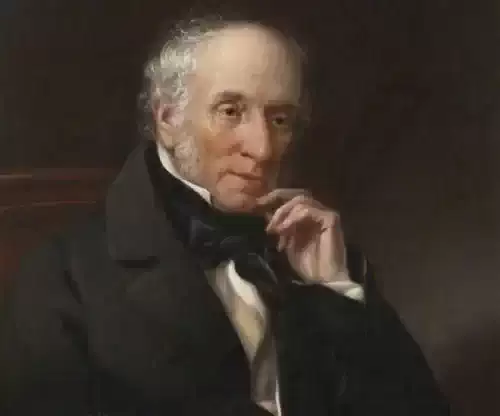
William Wordsworth
Yarrow Unvisited
Yarrow Unvisited
. From Stirling castle we had seen
The mazy Forth unravelled;
Had trod the banks of Clyde, and Tay,
And with the Tweed had travelled;
And when we came to Clovenford,
Then said my "winsome Marrow ,"
"Whate'er betide, we'll turn aside,
And see the Braes of Yarrow."
"Let Yarrow folk, frae Selkirk town,
Who have been buying, selling,
Go back to Yarrow, 'tis their own;
Each maiden to her dwelling!
On Yarrow's banks let her herons feed,
Hares couch, and rabbits burrow!
But we will downward with the Tweed
Nor turn aside to Yarrow.
"There's Galla Water, Leader Haughs,
Both lying right before us;
And Dryborough, where with chiming Tweed
The lintwhites sing in chorus;
There's pleasant Tiviot-dale, a land
Made blithe with plough and harrow:
Why throw away a needful day
To go in search of Yarrow?
"What's Yarrow but a river bare,
That glides the dark hills under?
There are a thousand such elsewhere
As worthy of your wonder."
--Strange words they seemed of slight and scorn;
My True-love sighed for sorrow;
And looked me in the face, to think
I thus could speak of Yarrow!
"Oh! green," said I, "are Yarrow's holms,
And sweet is Yarrow flowing!
Fair hangs the apple frae the rock,
But we will leave it growing.
O'er hilly path, and open Strath,
We'll wander Scotland thorough;
But, though so near, we will not turn
Into the dale of Yarrow.
"Let beeves and home-bred kine partake
The sweets of Burn-mill meadow,
The swan on still St. Mary's Lake
Float double, swan and shadow!
We will not see them; will not go,
To-day, nor yet to-morrow;
Enough if in our hearts we know
There's such a place as Yarrow.
"Be Yarrow stream unseen, unknown!
It must, or we shall rue it:
We have a vision of our own;
Ah! why should we undo it?
The treasured dreams of times long past,
We'll keep them, winsome Marrow!
For when we'er there, although 'tis fair,
'Twill be another Yarrow!
"If Care with freezing years should come,
And wandering seem but folly,--
Should we be loth to stir from home,
And yet be melancholy;
Should life be dull, and spirits low,
'Twill soothe us in our sorrow,
That earth has something yet to show,
The bonny holms of Yarrow!"
. From Stirling castle we had seen
The mazy Forth unravelled;
Had trod the banks of Clyde, and Tay,
And with the Tweed had travelled;
And when we came to Clovenford,
Then said my "winsome Marrow ,"
"Whate'er betide, we'll turn aside,
And see the Braes of Yarrow."
"Let Yarrow folk, frae Selkirk town,
Who have been buying, selling,
Go back to Yarrow, 'tis their own;
Each maiden to her dwelling!
On Yarrow's banks let her herons feed,
Hares couch, and rabbits burrow!
But we will downward with the Tweed
Nor turn aside to Yarrow.
"There's Galla Water, Leader Haughs,
Both lying right before us;
And Dryborough, where with chiming Tweed
The lintwhites sing in chorus;
There's pleasant Tiviot-dale, a land
Made blithe with plough and harrow:
Why throw away a needful day
To go in search of Yarrow?
"What's Yarrow but a river bare,
That glides the dark hills under?
There are a thousand such elsewhere
As worthy of your wonder."
--Strange words they seemed of slight and scorn;
My True-love sighed for sorrow;
And looked me in the face, to think
I thus could speak of Yarrow!
"Oh! green," said I, "are Yarrow's holms,
And sweet is Yarrow flowing!
Fair hangs the apple frae the rock,
But we will leave it growing.
O'er hilly path, and open Strath,
We'll wander Scotland thorough;
But, though so near, we will not turn
Into the dale of Yarrow.
"Let beeves and home-bred kine partake
The sweets of Burn-mill meadow,
The swan on still St. Mary's Lake
Float double, swan and shadow!
We will not see them; will not go,
To-day, nor yet to-morrow;
Enough if in our hearts we know
There's such a place as Yarrow.
"Be Yarrow stream unseen, unknown!
It must, or we shall rue it:
We have a vision of our own;
Ah! why should we undo it?
The treasured dreams of times long past,
We'll keep them, winsome Marrow!
For when we'er there, although 'tis fair,
'Twill be another Yarrow!
"If Care with freezing years should come,
And wandering seem but folly,--
Should we be loth to stir from home,
And yet be melancholy;
Should life be dull, and spirits low,
'Twill soothe us in our sorrow,
That earth has something yet to show,
The bonny holms of Yarrow!"
231
William Wordsworth
Written With a Pencil Upon a Stone In The Wall of The House, On The Island
Written With a Pencil Upon a Stone In The Wall of The House, On The Island
at Grasmere
Rude is this Edifice, and Thou hast seen
Buildings, albeit rude, that have maintained
Proportions more harmonious, and approached
To closer fellowship with ideal grace.
But take it in good part:--alas! the poor
Vitruvius of our village had no help
From the great City; never, upon leaves
Of red Morocco folio, saw displayed,
In long succession, pre-existing ghosts
Of Beauties yet unborn--the rustic Lodge
Antique, and Cottage with verandah graced,
Nor lacking, for fit company, alcove,
Green-house, shell-grot, and moss-lined hermitage.
Thou see'st a homely Pile, yet to these walls
The heifer comes in the snow-storm, and here
The new-dropped lamb finds shelter from the wind.
And hither does one Poet sometimes row
His pinnace, a small vagrant barge, up-piled
With plenteous store of heath and withered fern,
(A lading which he with his sickle cuts,
Among the mountains) and beneath this roof
He makes his summer couch, and here at noon
Spreads out his limbs, while, yet unshorn, the Sheep,
Panting beneath the burthen of their wool,
Lie round him, even as if they were a part
Of his own Household: nor, while from his bed
He looks, through the open door-place, toward the lake
And to the stirring breezes, does he want
Creations lovely as the work of sleep--
Fair sights, and visions of romantic joy!
at Grasmere
Rude is this Edifice, and Thou hast seen
Buildings, albeit rude, that have maintained
Proportions more harmonious, and approached
To closer fellowship with ideal grace.
But take it in good part:--alas! the poor
Vitruvius of our village had no help
From the great City; never, upon leaves
Of red Morocco folio, saw displayed,
In long succession, pre-existing ghosts
Of Beauties yet unborn--the rustic Lodge
Antique, and Cottage with verandah graced,
Nor lacking, for fit company, alcove,
Green-house, shell-grot, and moss-lined hermitage.
Thou see'st a homely Pile, yet to these walls
The heifer comes in the snow-storm, and here
The new-dropped lamb finds shelter from the wind.
And hither does one Poet sometimes row
His pinnace, a small vagrant barge, up-piled
With plenteous store of heath and withered fern,
(A lading which he with his sickle cuts,
Among the mountains) and beneath this roof
He makes his summer couch, and here at noon
Spreads out his limbs, while, yet unshorn, the Sheep,
Panting beneath the burthen of their wool,
Lie round him, even as if they were a part
Of his own Household: nor, while from his bed
He looks, through the open door-place, toward the lake
And to the stirring breezes, does he want
Creations lovely as the work of sleep--
Fair sights, and visions of romantic joy!
173
William Wordsworth
Written in London. September,
Written in London. September,
. O Friend! I know not which way I must look
For comfort, being, as I am, opprest,
To think that now our life is only drest
For show; mean handy-work of craftsman, cook,
Or groom! -- We must run glittering like a brook
In the open sunshine, or we are unblest:
The wealthiest man among us is the best:
No grandeur now in nature or in book
Delights us. Rapine, avarice, expense,
This is idolatry; and these we adore:
Plain living and high thinking are no more:
The homely beauty of the good old cause
Is gone; our peace, our fearful innocence,
And pure religion breathing household laws.
. O Friend! I know not which way I must look
For comfort, being, as I am, opprest,
To think that now our life is only drest
For show; mean handy-work of craftsman, cook,
Or groom! -- We must run glittering like a brook
In the open sunshine, or we are unblest:
The wealthiest man among us is the best:
No grandeur now in nature or in book
Delights us. Rapine, avarice, expense,
This is idolatry; and these we adore:
Plain living and high thinking are no more:
The homely beauty of the good old cause
Is gone; our peace, our fearful innocence,
And pure religion breathing household laws.
171
William Wordsworth
Written in Early Spring
Written in Early Spring
I heard a thousand blended notes
While in a grove I sat reclined,
In that sweet mood when pleasant thoughts
Bring sad thoughts to the mind.
To her fair works did Nature link
The human soul that through me ran;
And much it grieved my heart to think
What Man has made of Man.
Through primrose tufts, in that sweet bower,
The periwinkle trailed its wreaths;
And 'tis my faith that every flower
Enjoys the air it breathes.
The birds around me hopped and played,
Their thoughts I cannot measure -
But the least motion which they made
It seemed a thrill of pleasure.
The budding twigs spread out their fan
To catch the breezy air;
And I must think, do all I can,
That there was pleasure there.
If this belief from heaven be sent,
If such be Nature's holy plan,
Have I not reason to lament
What Man has made of Man?
I heard a thousand blended notes
While in a grove I sat reclined,
In that sweet mood when pleasant thoughts
Bring sad thoughts to the mind.
To her fair works did Nature link
The human soul that through me ran;
And much it grieved my heart to think
What Man has made of Man.
Through primrose tufts, in that sweet bower,
The periwinkle trailed its wreaths;
And 'tis my faith that every flower
Enjoys the air it breathes.
The birds around me hopped and played,
Their thoughts I cannot measure -
But the least motion which they made
It seemed a thrill of pleasure.
The budding twigs spread out their fan
To catch the breezy air;
And I must think, do all I can,
That there was pleasure there.
If this belief from heaven be sent,
If such be Nature's holy plan,
Have I not reason to lament
What Man has made of Man?
324
William Wordsworth
With ships the sea was sprinkled
With ships the sea was sprinkled
WITH ships the sea was sprinkled far and nigh,
Like stars in heaven, and joyously it showed;
Some lying fast at anchor in the road,
Some veering up and down, one knew not why.
A goodly vessel did I then espy
Come like a giant from a haven broad;
And lustily along the bay she strode,
Her tackling rich, and of apparel high.
The ship was nought to me, nor I to her,
Yet I pursued her with a lover's look;
This ship to all the rest did I prefer:
When will she turn, and whither? She will brook
No tarrying; where she comes the winds must stir:
On went she, and due north her journey took.
WITH ships the sea was sprinkled far and nigh,
Like stars in heaven, and joyously it showed;
Some lying fast at anchor in the road,
Some veering up and down, one knew not why.
A goodly vessel did I then espy
Come like a giant from a haven broad;
And lustily along the bay she strode,
Her tackling rich, and of apparel high.
The ship was nought to me, nor I to her,
Yet I pursued her with a lover's look;
This ship to all the rest did I prefer:
When will she turn, and whither? She will brook
No tarrying; where she comes the winds must stir:
On went she, and due north her journey took.
159
William Wordsworth
Wishing-gate, The
Wishing-gate, The
Hope rules a land forever green:
All powers that serve the bright-eyed Queen
Are confident and gay;
Clouds at her bidding disappear;
Points she to aught?---the bliss draws near,
And Fancy smooths the way.
Not such the land of Wishes---there
Dwell fruitless day-dreams, lawless prayer,
And thoughts with things at strife;
Yet how forlorn, should ye depart
Ye superstitions of the heart,
How poor, were human life!
When magic lore abjured its might,
Ye did not forfeit one dear right,
One tender claim abate;
Witness this symbol of your sway,
Surnving near the public way,
The rustic Wishing-gate!
Inquire not if the faery race
Shed kindly influence on the place,
Ere northward they retired;
If here a warrior left a spell,
Panting for glory as he fell;
Or here a saint expired.
Enough that all arouud is fair,
Composed with Nature's finest care,
And in her fondest love---
Peace to embosom and content---
To overawe the turbulent,
The selfish to reprove.
Yea! even the Stranger from afar,
Reclining on this moss-grown bar,
Unknowing, and unknown,
The infection of the ground partakes,
Longing for his Beloved---who maker
All happiness her own.
Then why should conscious Spirits fear
The mystic stirrings that are here,
The ancient faith disclaim?
The local Genius ne'er befriends
Desires whose course in folly ends,
Whose just reward is shame.
Smile if thou wilt, but not in scorn,
If some, by ceaseless pains outworn,
Here crave an easier lot;
If some have thirsted to renew
A broken vow, or bind a true,
With firmer, holier knot.
And not in vain, when thoughts are cast
Upon the irrevocable past,
Some Penitent sincere
May for a worthier future sigh,
While trickles from his downcast eye
No unavailing tear.
The Worldling, pining to be freed
From turmoil, who would turn or speed
The current of his fate,
Might stop before this favored scene,
At Nature's call, nor blush to lean
Upon the Wishing-gate.
The Sage, who feels how blind, how weak
Is man, though loth such help to seek,
Yet, passing, here might pause,
And thirst for insight to allay
Misgiving, while the crimson day
In quietness withdraws;
Or when the church-clock's knell profound
To Time's first step across the bound
Of midnight makes reply;
Time pressing on with starry crest,
To filial sleep upon the breast
Of dread eternity.
Hope rules a land forever green:
All powers that serve the bright-eyed Queen
Are confident and gay;
Clouds at her bidding disappear;
Points she to aught?---the bliss draws near,
And Fancy smooths the way.
Not such the land of Wishes---there
Dwell fruitless day-dreams, lawless prayer,
And thoughts with things at strife;
Yet how forlorn, should ye depart
Ye superstitions of the heart,
How poor, were human life!
When magic lore abjured its might,
Ye did not forfeit one dear right,
One tender claim abate;
Witness this symbol of your sway,
Surnving near the public way,
The rustic Wishing-gate!
Inquire not if the faery race
Shed kindly influence on the place,
Ere northward they retired;
If here a warrior left a spell,
Panting for glory as he fell;
Or here a saint expired.
Enough that all arouud is fair,
Composed with Nature's finest care,
And in her fondest love---
Peace to embosom and content---
To overawe the turbulent,
The selfish to reprove.
Yea! even the Stranger from afar,
Reclining on this moss-grown bar,
Unknowing, and unknown,
The infection of the ground partakes,
Longing for his Beloved---who maker
All happiness her own.
Then why should conscious Spirits fear
The mystic stirrings that are here,
The ancient faith disclaim?
The local Genius ne'er befriends
Desires whose course in folly ends,
Whose just reward is shame.
Smile if thou wilt, but not in scorn,
If some, by ceaseless pains outworn,
Here crave an easier lot;
If some have thirsted to renew
A broken vow, or bind a true,
With firmer, holier knot.
And not in vain, when thoughts are cast
Upon the irrevocable past,
Some Penitent sincere
May for a worthier future sigh,
While trickles from his downcast eye
No unavailing tear.
The Worldling, pining to be freed
From turmoil, who would turn or speed
The current of his fate,
Might stop before this favored scene,
At Nature's call, nor blush to lean
Upon the Wishing-gate.
The Sage, who feels how blind, how weak
Is man, though loth such help to seek,
Yet, passing, here might pause,
And thirst for insight to allay
Misgiving, while the crimson day
In quietness withdraws;
Or when the church-clock's knell profound
To Time's first step across the bound
Of midnight makes reply;
Time pressing on with starry crest,
To filial sleep upon the breast
Of dread eternity.
214
William Wordsworth
Waterfall and The Eglantine, The
Waterfall and The Eglantine, The
"Begone, thou fond presumptuous Elf,"
Exclaimed an angry Voice,
"Nor dare to thrust thy foolish self
Between me and my choice!"
A small Cascade fresh swoln with snows
Thus threatened a poor Briar-rose,
That, all bespattered with his foam,
And dancing high and dancing low,
Was living, as a child might know,
In an unhappy home.
II
"Dost thou presume my course to block?
Off, off! or, puny Thing!
I'll hurl thee headlong with the rock
To which thy fibres cling."
The Flood was tyrannous and strong;
The patient Briar suffered long,
Nor did he utter groan or sigh,
Hoping the danger would be past;
But, seeing no relief, at last,
He ventured to reply.
III
"Ah!" said the Briar, "blame me not;
Why should we dwell in strife?
We who in this sequestered spot
Once lived a happy life!
You stirred me on my rocky bed--
What pleasure through my veins you spread
The summer long, from day to day,
My leaves you freshened and bedewed;
Nor was it common gratitude
That did your cares repay.
IV
"When spring came on with bud and bell,
Among these rocks did I
Before you hang my wreaths to tell
That gentle days were nigh!
And in the sultry summer hours,
I sheltered you with leaves and flowers;
And in my leaves--now shed and gone,
The linnet lodged, and for us two
Chanted his pretty songs, when you
Had little voice or none.
V
"But now proud thoughts are in your breast--
What grief is mine you see,
Ah! would you think, even yet how blest
Together we might be!
Though of both leaf and flower bereft,
Some ornaments to me are left--
Rich store of scarlet hips is mine,
With which I, in my humble way,
Would deck you many a winter day,
A happy Eglantine!"
VI
What more he said I cannot tell,
The Torrent down the rocky dell
Came thundering loud and fast;
I listened, nor aught else could hear;
The Briar quaked--and much I fear
Those accents were his last.
"Begone, thou fond presumptuous Elf,"
Exclaimed an angry Voice,
"Nor dare to thrust thy foolish self
Between me and my choice!"
A small Cascade fresh swoln with snows
Thus threatened a poor Briar-rose,
That, all bespattered with his foam,
And dancing high and dancing low,
Was living, as a child might know,
In an unhappy home.
II
"Dost thou presume my course to block?
Off, off! or, puny Thing!
I'll hurl thee headlong with the rock
To which thy fibres cling."
The Flood was tyrannous and strong;
The patient Briar suffered long,
Nor did he utter groan or sigh,
Hoping the danger would be past;
But, seeing no relief, at last,
He ventured to reply.
III
"Ah!" said the Briar, "blame me not;
Why should we dwell in strife?
We who in this sequestered spot
Once lived a happy life!
You stirred me on my rocky bed--
What pleasure through my veins you spread
The summer long, from day to day,
My leaves you freshened and bedewed;
Nor was it common gratitude
That did your cares repay.
IV
"When spring came on with bud and bell,
Among these rocks did I
Before you hang my wreaths to tell
That gentle days were nigh!
And in the sultry summer hours,
I sheltered you with leaves and flowers;
And in my leaves--now shed and gone,
The linnet lodged, and for us two
Chanted his pretty songs, when you
Had little voice or none.
V
"But now proud thoughts are in your breast--
What grief is mine you see,
Ah! would you think, even yet how blest
Together we might be!
Though of both leaf and flower bereft,
Some ornaments to me are left--
Rich store of scarlet hips is mine,
With which I, in my humble way,
Would deck you many a winter day,
A happy Eglantine!"
VI
What more he said I cannot tell,
The Torrent down the rocky dell
Came thundering loud and fast;
I listened, nor aught else could hear;
The Briar quaked--and much I fear
Those accents were his last.
276
William Wordsworth
Upon Westminster Bridge
Upon Westminster Bridge
EARTH has not anything to show more fair:
Dull would he be of soul who could pass by
A sight so touching in its majesty:
This City now doth like a garment wear
The beauty of the morning; silent, bare,
Ships, towers, domes, theatres, and temples lie
Open unto the fields, and to the sky;
All bright and glittering in the smokeless air.
Never did sun more beautifully steep
In his first splendour valley, rock, or hill;
Ne'er saw I, never felt, a calm so deep!
The river glideth at his own sweet will:
Dear God! the very houses seem asleep;
And all that mighty heart is lying still!
EARTH has not anything to show more fair:
Dull would he be of soul who could pass by
A sight so touching in its majesty:
This City now doth like a garment wear
The beauty of the morning; silent, bare,
Ships, towers, domes, theatres, and temples lie
Open unto the fields, and to the sky;
All bright and glittering in the smokeless air.
Never did sun more beautifully steep
In his first splendour valley, rock, or hill;
Ne'er saw I, never felt, a calm so deep!
The river glideth at his own sweet will:
Dear God! the very houses seem asleep;
And all that mighty heart is lying still!
215
William Wordsworth
Two April Mornings, The
Two April Mornings, The
We walked along, while bright and red
Uprose the morning sun;
And Matthew stopped, he looked, and said,
"The will of God be done!"
A village schoolmaster was he,
With hair of glittering grey;
As blithe a man as yon could see
On a spring holiday.
And on that morning, through the grass,
And by the steaming rills,
We travelled merrily, to pass
A day among the hills.
"Our work," said I, "was well begun,
Then, from thy breast what thought,
Beneath so beautiful a sun,
So sad a sigh has brought?"
A second time did Matthew stop;
And fixing still his eye
Upon the eastern mountain-top,
To me he made reply:
"Yon cloud with that long purple cleft
Brings fresh into my mind
A day like this which I have left
Full thirty years behind.
"And just above yon slope of corn
Such colours, and no other,
Were in the sky, that April morn,
Of this the very brother.
"With rod and line I sued the sport
Which that sweet season gave,
And, to the church-yard come, stopped short
Beside my daughter's grave.
"Nine summers had she scarcely seen,
The pride of all the vale;
And then she sang;--she would have been
A very nightingale.
"Six feet in earth my Emma lay;
And yet I loved her more,
For so it seemed, than till that day
I e'er had loved before.
"And, turning from her grave, I met,
Beside the church-yard yew,
A blooming Girl, whose hair was wet
With points of morning dew.
"A basket on her head she bare;
Her brow was smooth and white:
To see a child so very fair,
It was a pure delight!
"No fountain from its rocky cave
E'er tripped with foot so free;
She seemed as happy as a wave
That dances on the sea.
"There came from me a sigh of pain
Which I could ill confine;
I looked at her, and looked again:
And did not wish her mine!"
Matthew is in his grave, yet now,
Methinks, I see him stand,
As at that moment, with a bough
Of wilding in his hand.
We walked along, while bright and red
Uprose the morning sun;
And Matthew stopped, he looked, and said,
"The will of God be done!"
A village schoolmaster was he,
With hair of glittering grey;
As blithe a man as yon could see
On a spring holiday.
And on that morning, through the grass,
And by the steaming rills,
We travelled merrily, to pass
A day among the hills.
"Our work," said I, "was well begun,
Then, from thy breast what thought,
Beneath so beautiful a sun,
So sad a sigh has brought?"
A second time did Matthew stop;
And fixing still his eye
Upon the eastern mountain-top,
To me he made reply:
"Yon cloud with that long purple cleft
Brings fresh into my mind
A day like this which I have left
Full thirty years behind.
"And just above yon slope of corn
Such colours, and no other,
Were in the sky, that April morn,
Of this the very brother.
"With rod and line I sued the sport
Which that sweet season gave,
And, to the church-yard come, stopped short
Beside my daughter's grave.
"Nine summers had she scarcely seen,
The pride of all the vale;
And then she sang;--she would have been
A very nightingale.
"Six feet in earth my Emma lay;
And yet I loved her more,
For so it seemed, than till that day
I e'er had loved before.
"And, turning from her grave, I met,
Beside the church-yard yew,
A blooming Girl, whose hair was wet
With points of morning dew.
"A basket on her head she bare;
Her brow was smooth and white:
To see a child so very fair,
It was a pure delight!
"No fountain from its rocky cave
E'er tripped with foot so free;
She seemed as happy as a wave
That dances on the sea.
"There came from me a sigh of pain
Which I could ill confine;
I looked at her, and looked again:
And did not wish her mine!"
Matthew is in his grave, yet now,
Methinks, I see him stand,
As at that moment, with a bough
Of wilding in his hand.
185
William Wordsworth
To The Daisy (third poem)
To The Daisy (third poem)
Bright Flower! whose home is everywhere,
Bold in maternal Nature's care,
And all the long year through the heir
Of joy or sorrow;
Methinks that there abides in thee
Some concord with humanity,
Given to no other flower I see
The forest thorough!
Is it that Man is soon deprest?
A thoughtless Thing! who, once unblest,
Does little on his memory rest,
Or on his reason,
And Thou would'st teach him how to find
A shelter under every wind,
A hope for times that are unkind
And every season?
Thou wander'st the wide world about,
Uncheck'd by pride or scrupulous doubt,
With friend to greet thee, or without,
Yet pleased and willing;
Meek, yielding to the occasion's call,
And all things suffering from all,
Thy function apostolical
In peace fulfilling.
Bright Flower! whose home is everywhere,
Bold in maternal Nature's care,
And all the long year through the heir
Of joy or sorrow;
Methinks that there abides in thee
Some concord with humanity,
Given to no other flower I see
The forest thorough!
Is it that Man is soon deprest?
A thoughtless Thing! who, once unblest,
Does little on his memory rest,
Or on his reason,
And Thou would'st teach him how to find
A shelter under every wind,
A hope for times that are unkind
And every season?
Thou wander'st the wide world about,
Uncheck'd by pride or scrupulous doubt,
With friend to greet thee, or without,
Yet pleased and willing;
Meek, yielding to the occasion's call,
And all things suffering from all,
Thy function apostolical
In peace fulfilling.
248
William Wordsworth
To The Daisy (first poem)
To The Daisy (first poem)
"Her divine skill taught me this,
That from every thing I saw
I could some instruction draw,
And raise pleasure to the height
Through the meanest objects sight.
By the murmur of a spring,
Or the least bough's rustelling;
By a Daisy whose leaves spread
Shut when Titan goes to bed;
Or a shady bush or tree;
She could more infuse in me
Than all Nature's beauties can
In some other wiser man.'
G. Wither. * His muse.
IN youth from rock to rock I went,
From hill to hill in discontent
Of pleasure high and turbulent,
Most pleased when most uneasy;
But now my own delights I make,--
My thirst at every rill can slake,
And gladly Nature's love partake,
Of Thee, sweet Daisy!
Thee Winter in the garland wears
That thinly decks his few grey hairs;
Spring parts the clouds with softest airs,
That she may sun thee;
Whole Summer-fields are thine by right;
And Autumn, melancholy Wight!
Doth in thy crimson head delight
When rains are on thee.
In shoals and bands, a morrice train,
Thou greet'st the traveller in the lane;
Pleased at his greeting thee again;
Yet nothing daunted,
Nor grieved if thou be set at nought:
And oft alone in nooks remote
We meet thee, like a pleasant thought,
When such are wanted.
Be violets in their secret mews
The flowers the wanton Zephyrs choose;
Proud be the rose, with rains and dews
Her head impearling,
Thou liv'st with less ambitious aim,
Yet hast not gone without thy fame;
Thou art indeed by many a claim
The Poet's darling.
If to a rock from rains he fly,
Or, some bright day of April sky,
Imprisoned by hot sunshine lie
Near the green holly,
And wearily at length should fare;
He needs but look about, and there
Thou art!--a friend at hand, to scare
His melancholy.
A hundred times, by rock or bower,
Ere thus I have lain couched an hour,
Have I derived from thy sweet power
Some apprehension;
Some steady love; some brief delight;
Some memory that had taken flight;
Some chime of fancy wrong or right;
Or stray invention.
If stately passions in me burn,
And one chance look to Thee should turn,
I drink out of an humbler urn
A lowlier pleasure;
The homely sympathy that heeds
The common life, our nature breeds;
A wisdom fitted to the needs
Of hearts at leisure.
Fresh-smitten by the morning ray,
When thou art up, alert and gay,
Then, cheerful Flower! my spirits play
With kindred gladness:
And when, at dusk, by dews opprest
Thou sink'st, the image of thy rest
Hath often eased my pensive breast
Of careful sadness.
And all day long I number yet,
All seasons through, another debt,
Which I, wherever thou art met,
To thee am owing;
An instinct call it, a blind sense;
A happy, genial influence,
Coming one knows not how, nor whence,
Nor whither going.
Child of the Year! that round dost run
Thy pleasant course,--when day's begun
As ready to salute the sun
As lark or leveret,
Thy long-lost praise thou shalt regain;
Nor be less dear to future men
Than in old time;--thou not in vain
Art Nature's favourite.
"Her divine skill taught me this,
That from every thing I saw
I could some instruction draw,
And raise pleasure to the height
Through the meanest objects sight.
By the murmur of a spring,
Or the least bough's rustelling;
By a Daisy whose leaves spread
Shut when Titan goes to bed;
Or a shady bush or tree;
She could more infuse in me
Than all Nature's beauties can
In some other wiser man.'
G. Wither. * His muse.
IN youth from rock to rock I went,
From hill to hill in discontent
Of pleasure high and turbulent,
Most pleased when most uneasy;
But now my own delights I make,--
My thirst at every rill can slake,
And gladly Nature's love partake,
Of Thee, sweet Daisy!
Thee Winter in the garland wears
That thinly decks his few grey hairs;
Spring parts the clouds with softest airs,
That she may sun thee;
Whole Summer-fields are thine by right;
And Autumn, melancholy Wight!
Doth in thy crimson head delight
When rains are on thee.
In shoals and bands, a morrice train,
Thou greet'st the traveller in the lane;
Pleased at his greeting thee again;
Yet nothing daunted,
Nor grieved if thou be set at nought:
And oft alone in nooks remote
We meet thee, like a pleasant thought,
When such are wanted.
Be violets in their secret mews
The flowers the wanton Zephyrs choose;
Proud be the rose, with rains and dews
Her head impearling,
Thou liv'st with less ambitious aim,
Yet hast not gone without thy fame;
Thou art indeed by many a claim
The Poet's darling.
If to a rock from rains he fly,
Or, some bright day of April sky,
Imprisoned by hot sunshine lie
Near the green holly,
And wearily at length should fare;
He needs but look about, and there
Thou art!--a friend at hand, to scare
His melancholy.
A hundred times, by rock or bower,
Ere thus I have lain couched an hour,
Have I derived from thy sweet power
Some apprehension;
Some steady love; some brief delight;
Some memory that had taken flight;
Some chime of fancy wrong or right;
Or stray invention.
If stately passions in me burn,
And one chance look to Thee should turn,
I drink out of an humbler urn
A lowlier pleasure;
The homely sympathy that heeds
The common life, our nature breeds;
A wisdom fitted to the needs
Of hearts at leisure.
Fresh-smitten by the morning ray,
When thou art up, alert and gay,
Then, cheerful Flower! my spirits play
With kindred gladness:
And when, at dusk, by dews opprest
Thou sink'st, the image of thy rest
Hath often eased my pensive breast
Of careful sadness.
And all day long I number yet,
All seasons through, another debt,
Which I, wherever thou art met,
To thee am owing;
An instinct call it, a blind sense;
A happy, genial influence,
Coming one knows not how, nor whence,
Nor whither going.
Child of the Year! that round dost run
Thy pleasant course,--when day's begun
As ready to salute the sun
As lark or leveret,
Thy long-lost praise thou shalt regain;
Nor be less dear to future men
Than in old time;--thou not in vain
Art Nature's favourite.
614
William Wordsworth
To The Daisy
To The Daisy
IN youth from rock to rock I went
From hill to hill in discontent
Of pleasure high and turbulent,
Most pleased when most uneasy;
But now my own delights I make,---
Thirst at every rill can slake,
And gladly Nature's love partake,
Of Thee, sweet Daisy!
Thee Winter in the garland wears
That thinly decks his few gray hairs;
Spring parts the clouds with softest airs,
That she may sun thee;
Whole Summer-fields are thine by right;
And Autumn, melancholy Wight!
Doth in thy crimson head delight
When rains are on thee.
In shoals and bands, a morrice train,
Thou greet'st the traveller in the lane;
Pleased at his greeting thee again;
Yet nothing daunted,
Nor grieved if thou be set at nought:
And oft alone in nooks remote
We meet thee, like a pleasant thought,
When such are wanted.
Be violets in their secret mews
The flowers the wanton Zephyrs choose;
Proud be the rose, with rains and dew
Her head impearling,
Thou liv'st with less ambitious aim,
Yet hast not gone without thy fame;
Thou art indeed by many a claim
The Poet's darling.
If to a rock from rain he fly,
Or, some bright day of April sky,
Imprisoned by hot sunshine lie
Near the green holly,
And wearily at length should fare;
He need but look about, and there
Thou art!---a friend at hand, to care
His melancholy.
A hundred times, by rock or bower,
Ere thus I have lain couched an hour,
Have I derived from thy sweet power
Some apprehension
Some steady love; some brief delight;
Some memory that had taken flight;
Some chime of fancy wrong or right;
Of stray invention.
If stately passions in me burn,
And one chance look to Thee should turn,
I drink out of an humbler urn
A lowlier pleasure;
The homely sympathy that heeds
The common life, our nature breeds;
A wisdom fitted to the needs
Of hearts at leisure.
Fresh-smitten by the morning ray,
When thou art up, alert and gay,
Then, cheerful Flower! my spirits play
With kindred gladness:
And when, at dusk, by dews opprest
Thou sink'st, the image of thy rest
Hath often eased my pensive breast
Of careful sadness.
And all day long I number yet,
All seasons through, another debt,
Which I, wherever thou art met,
To thee am owing;
An instinct call it, a blind sense;
A happy, genial influence,
Coming one knows not how, nor whence,
Nor whither going.
Child of the Year! that round dost run
Thy pleasant course,---when day's begun
As ready to salute the sun
As lark or leveret,
Thy long-lost praise thou shalt regain;
Nor be less dear to future men
Than in old time;---thou not in vain
Art Nature's favourite.
IN youth from rock to rock I went
From hill to hill in discontent
Of pleasure high and turbulent,
Most pleased when most uneasy;
But now my own delights I make,---
Thirst at every rill can slake,
And gladly Nature's love partake,
Of Thee, sweet Daisy!
Thee Winter in the garland wears
That thinly decks his few gray hairs;
Spring parts the clouds with softest airs,
That she may sun thee;
Whole Summer-fields are thine by right;
And Autumn, melancholy Wight!
Doth in thy crimson head delight
When rains are on thee.
In shoals and bands, a morrice train,
Thou greet'st the traveller in the lane;
Pleased at his greeting thee again;
Yet nothing daunted,
Nor grieved if thou be set at nought:
And oft alone in nooks remote
We meet thee, like a pleasant thought,
When such are wanted.
Be violets in their secret mews
The flowers the wanton Zephyrs choose;
Proud be the rose, with rains and dew
Her head impearling,
Thou liv'st with less ambitious aim,
Yet hast not gone without thy fame;
Thou art indeed by many a claim
The Poet's darling.
If to a rock from rain he fly,
Or, some bright day of April sky,
Imprisoned by hot sunshine lie
Near the green holly,
And wearily at length should fare;
He need but look about, and there
Thou art!---a friend at hand, to care
His melancholy.
A hundred times, by rock or bower,
Ere thus I have lain couched an hour,
Have I derived from thy sweet power
Some apprehension
Some steady love; some brief delight;
Some memory that had taken flight;
Some chime of fancy wrong or right;
Of stray invention.
If stately passions in me burn,
And one chance look to Thee should turn,
I drink out of an humbler urn
A lowlier pleasure;
The homely sympathy that heeds
The common life, our nature breeds;
A wisdom fitted to the needs
Of hearts at leisure.
Fresh-smitten by the morning ray,
When thou art up, alert and gay,
Then, cheerful Flower! my spirits play
With kindred gladness:
And when, at dusk, by dews opprest
Thou sink'st, the image of thy rest
Hath often eased my pensive breast
Of careful sadness.
And all day long I number yet,
All seasons through, another debt,
Which I, wherever thou art met,
To thee am owing;
An instinct call it, a blind sense;
A happy, genial influence,
Coming one knows not how, nor whence,
Nor whither going.
Child of the Year! that round dost run
Thy pleasant course,---when day's begun
As ready to salute the sun
As lark or leveret,
Thy long-lost praise thou shalt regain;
Nor be less dear to future men
Than in old time;---thou not in vain
Art Nature's favourite.
253
William Wordsworth
To My Sister
To My Sister
It is the first mild day of March:
Each minute sweeter than before
The redbreast sings from the tall larch
That stands beside our door.
There is a blessing in the air,
Which seems a sense of joy to yield
To the bare trees, and mountains bare,
And grass in the green field.
My sister! ('tis a wish of mine)
Now that our morning meal is done,
Make haste, your morning task resign;
Come forth and feel the sun.
Edward will come with you;--and, pray,
Put on with speed your woodland dress;
And bring no book: for this one day
We'll give to idleness.
No joyless forms shall regulate
Our living calendar:
We from to-day, my Friend, will date
The opening of the year.
Love, now a universal birth,
From heart to heart is stealing,
From earth to man, from man to earth:
--It is the hour of feeling.
One moment now may give us more
Than years of toiling reason:
Our minds shall drink at every pore
The spirit of the season.
Some silent laws our hearts will make,
Which they shall long obey:
We for the year to come may take
Our temper from to-day.
And from the blessed power that rolls
About, below, above,
We'll frame the measure of our souls:
They shall be tuned to love.
Then come, my Sister! come, I pray,
With speed put on your woodland dress;
And bring no book: for this one day
We'll give to idleness.
It is the first mild day of March:
Each minute sweeter than before
The redbreast sings from the tall larch
That stands beside our door.
There is a blessing in the air,
Which seems a sense of joy to yield
To the bare trees, and mountains bare,
And grass in the green field.
My sister! ('tis a wish of mine)
Now that our morning meal is done,
Make haste, your morning task resign;
Come forth and feel the sun.
Edward will come with you;--and, pray,
Put on with speed your woodland dress;
And bring no book: for this one day
We'll give to idleness.
No joyless forms shall regulate
Our living calendar:
We from to-day, my Friend, will date
The opening of the year.
Love, now a universal birth,
From heart to heart is stealing,
From earth to man, from man to earth:
--It is the hour of feeling.
One moment now may give us more
Than years of toiling reason:
Our minds shall drink at every pore
The spirit of the season.
Some silent laws our hearts will make,
Which they shall long obey:
We for the year to come may take
Our temper from to-day.
And from the blessed power that rolls
About, below, above,
We'll frame the measure of our souls:
They shall be tuned to love.
Then come, my Sister! come, I pray,
With speed put on your woodland dress;
And bring no book: for this one day
We'll give to idleness.
200