
Poems List
Explore poems from our collection

Robert W. Service
To A Tycoon
To A Tycoon
Since much has been your mirth
And fair your fate,
Friend, leave your lot of earth
Less desolate.
With frailing overdue,
Why don't you try
The bit of God in you
To justify?
Try to discern the grace
All greed above,
That may uplift the race
To realm of love.
For in you is a spark,
A heaven-glow,
That will illume the dark
Before you go.
Aye, though it be that you
To Faith are blind,
There's one thing you can do,
It's--just be kind.
The anguish understand,
Of hearts that bleed:
Friends, lend a helping hand
To those in need.
Since much has been your mirth
And fair your fate,
Friend, leave your lot of earth
Less desolate.
With frailing overdue,
Why don't you try
The bit of God in you
To justify?
Try to discern the grace
All greed above,
That may uplift the race
To realm of love.
For in you is a spark,
A heaven-glow,
That will illume the dark
Before you go.
Aye, though it be that you
To Faith are blind,
There's one thing you can do,
It's--just be kind.
The anguish understand,
Of hearts that bleed:
Friends, lend a helping hand
To those in need.
199
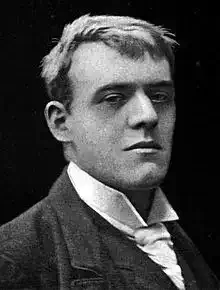
Hilaire Belloc
The Statue
The Statue
When we are dead, some Hunting-boy will pass
And find a stone half-hidden in tall grass
And grey with age: but having seen that stone
(Which was your image), ride more slowly on.
When we are dead, some Hunting-boy will pass
And find a stone half-hidden in tall grass
And grey with age: but having seen that stone
(Which was your image), ride more slowly on.
335
Robert W. Service
Titine
Titine
Although I have a car of class,
A limousine,
I also have a jenny ass
I call Titine.
And if I had in sober sense
To choose between,
I know I'd give the preference
To sleek Titine.
My chauffeur drives my Cadillac
In uniform.
I wear a worn coat on my back
That he would scorn.
He speeds with umpty equine power,
Like an express;
I amble at eight miles an hour,
Or even less.
My wife can use our fancy bus
To cut a dash;
She very definitely does,
And blows my cash.
But this old codger seeks the sane
And simple scene;
Content to jog along a lane
With old Titine.
So as in country ways I go
Wife loves the town;
But though I'm slow, serene I know
I won't break down.
With brawn and bone I reckon mine
The best machine:
Old folks and donkeys best combine,
--"Giddup, Titine!"
Although I have a car of class,
A limousine,
I also have a jenny ass
I call Titine.
And if I had in sober sense
To choose between,
I know I'd give the preference
To sleek Titine.
My chauffeur drives my Cadillac
In uniform.
I wear a worn coat on my back
That he would scorn.
He speeds with umpty equine power,
Like an express;
I amble at eight miles an hour,
Or even less.
My wife can use our fancy bus
To cut a dash;
She very definitely does,
And blows my cash.
But this old codger seeks the sane
And simple scene;
Content to jog along a lane
With old Titine.
So as in country ways I go
Wife loves the town;
But though I'm slow, serene I know
I won't break down.
With brawn and bone I reckon mine
The best machine:
Old folks and donkeys best combine,
--"Giddup, Titine!"
195
Hilaire Belloc
The Scorpion
The Scorpion
The Scorpion is as black as soot,
He dearly loves to bite;
He is a most unpleasant brute
To find in bed at night.
The Scorpion is as black as soot,
He dearly loves to bite;
He is a most unpleasant brute
To find in bed at night.
305
Robert W. Service
Tim
Tim
My brother Tim has children ten,
While I have none.
Maybe that's why he's toiling when
To ease I've won.
But though I would some of his brood
Give hearth and care,
I know that not a one he would
Have heart to spare.
'Tis children that have kept him poor;
He's clad them neat.
They've never wanted, I am sure,
For bite to eat.
And though their future may be dim,
They laugh a lot.
Am I tearful for Brother Tim?
Oh no, I'm not.
I know he goes to work each day
With flagging feet.
'Tis hard, even with decent pay,
To make ends meet.
But when my sterile home I see,
So smugly prim,
Although my banker bows to me,
I envy Tim.
My brother Tim has children ten,
While I have none.
Maybe that's why he's toiling when
To ease I've won.
But though I would some of his brood
Give hearth and care,
I know that not a one he would
Have heart to spare.
'Tis children that have kept him poor;
He's clad them neat.
They've never wanted, I am sure,
For bite to eat.
And though their future may be dim,
They laugh a lot.
Am I tearful for Brother Tim?
Oh no, I'm not.
I know he goes to work each day
With flagging feet.
'Tis hard, even with decent pay,
To make ends meet.
But when my sterile home I see,
So smugly prim,
Although my banker bows to me,
I envy Tim.
169
Hilaire Belloc
The Pelagian Drinking Song
The Pelagian Drinking Song
Pelagius lived at Kardanoel
And taught a doctrine there
How, whether you went to heaven or to hell
It was your own affair.
It had nothing to do with the Church, my boy,
But was your own affair.
No, he didn't believe
In Adam and Eve
He put no faith therein!
His doubts began
With the Fall of Man
And he laughed at Original Sin.
With my row-ti-tow
Ti-oodly-ow
He laughed at original sin.
Then came the bishop of old Auxerre
Germanus was his name
He tore great handfuls out of his hair
And he called Pelagius shame.
And with his stout Episcopal staff
So thoroughly whacked and banged
The heretics all, both short and tall --
They rather had been hanged.
Oh he whacked them hard, and he banged them long
Upon each and all occasions
Till they bellowed in chorus, loud and strong
Their orthodox persuasions.
With my row-ti-tow
Ti-oodly-ow
Their orthodox persuasions.
Now the faith is old and the Devil bold
Exceedingly bold indeed.
And the masses of doubt that are floating about
Would smother a mortal creed.
But we that sit in a sturdy youth
And still can drink strong ale
Let us put it away to infallible truth
That always shall prevail.
And thank the Lord
For the temporal sword
And howling heretics too.
And all good things
Our Christendom brings
But especially barley brew!
With my row-ti-tow
Ti-oodly-ow
Especially barley brew!
Pelagius lived at Kardanoel
And taught a doctrine there
How, whether you went to heaven or to hell
It was your own affair.
It had nothing to do with the Church, my boy,
But was your own affair.
No, he didn't believe
In Adam and Eve
He put no faith therein!
His doubts began
With the Fall of Man
And he laughed at Original Sin.
With my row-ti-tow
Ti-oodly-ow
He laughed at original sin.
Then came the bishop of old Auxerre
Germanus was his name
He tore great handfuls out of his hair
And he called Pelagius shame.
And with his stout Episcopal staff
So thoroughly whacked and banged
The heretics all, both short and tall --
They rather had been hanged.
Oh he whacked them hard, and he banged them long
Upon each and all occasions
Till they bellowed in chorus, loud and strong
Their orthodox persuasions.
With my row-ti-tow
Ti-oodly-ow
Their orthodox persuasions.
Now the faith is old and the Devil bold
Exceedingly bold indeed.
And the masses of doubt that are floating about
Would smother a mortal creed.
But we that sit in a sturdy youth
And still can drink strong ale
Let us put it away to infallible truth
That always shall prevail.
And thank the Lord
For the temporal sword
And howling heretics too.
And all good things
Our Christendom brings
But especially barley brew!
With my row-ti-tow
Ti-oodly-ow
Especially barley brew!
405
Robert W. Service
Three Wives
Three Wives
Said Jones: "I'm glad my wife's not clever;
Her intellect is second-rate.
If she was witty she would never
Give me a chance to scintillate;
But cap my humorous endeavour
And make me seem as addle-pate."
Said Smith: "I'm glad my wife's no beauty,
For if a siren's charm she had,
And stinted her domestic duty,
I fear that she would drive me mad:
For I am one of those sad fellows
Who are unreasonably jealous."
Said Brown: ""I know my wife's not witty,
Nor is she very long on looks;
She's neither humorous nor pretty,
But oh how she divinely cooks!
You guys must come some night to dinner You'll
see my little girl's a winner."
So it's important in our lives,
(Exaggerating more or less),
To be content with our wives,
And prize the virtues they possess;
And with dispraise to turn one's back
On all the qualities they lack.
Said Jones: "I'm glad my wife's not clever;
Her intellect is second-rate.
If she was witty she would never
Give me a chance to scintillate;
But cap my humorous endeavour
And make me seem as addle-pate."
Said Smith: "I'm glad my wife's no beauty,
For if a siren's charm she had,
And stinted her domestic duty,
I fear that she would drive me mad:
For I am one of those sad fellows
Who are unreasonably jealous."
Said Brown: ""I know my wife's not witty,
Nor is she very long on looks;
She's neither humorous nor pretty,
But oh how she divinely cooks!
You guys must come some night to dinner You'll
see my little girl's a winner."
So it's important in our lives,
(Exaggerating more or less),
To be content with our wives,
And prize the virtues they possess;
And with dispraise to turn one's back
On all the qualities they lack.
218
Hilaire Belloc
The Night
The Night
Most Holy Night, that still dost keep
The keys of all the doors of sleep,
To me when my tired eyelids close
Give thou repose.
And let the far lament of them
That chaunt the dead day’s requiem
Make in my ears, who wakeful lie,
Soft lullaby.
Let them that guard the hornàed Moon
By my bedside their memories croon.
So shall I have new dreams and blest
In my brief rest.
Fold thy great wings about my face,
Hide day-dawn from my resting-place,
And cheat me with thy false delight,
Most Holy Night.
Most Holy Night, that still dost keep
The keys of all the doors of sleep,
To me when my tired eyelids close
Give thou repose.
And let the far lament of them
That chaunt the dead day’s requiem
Make in my ears, who wakeful lie,
Soft lullaby.
Let them that guard the hornàed Moon
By my bedside their memories croon.
So shall I have new dreams and blest
In my brief rest.
Fold thy great wings about my face,
Hide day-dawn from my resting-place,
And cheat me with thy false delight,
Most Holy Night.
334
Robert W. Service
The Younger Son
The Younger Son
If you leave the gloom of London and you seek a glowing land,
Where all except the flag is strange and new,
There's a bronzed and stalwart fellow who will grip you by the hand,
And greet you with a welcome warm and true;
For he's your younger brother, the one you sent away
Because there wasn't room for him at home;
And now he's quite contented, and he's glad he didn't stay,
And he's building Britain's greatness o'er the foam.
When the giant herd is moving at the rising of the sun,
And the prairie is lit with rose and gold,
And the camp is all abustle, and the busy day's begun,
He leaps into the saddle sure and bold.
Through the round of heat and hurry, through the racket and the rout,
He rattles at a pace that nothing mars;
And when the night-winds whisper and camp-fires flicker out,
He is sleeping like a child beneath the stars.
When the wattle-blooms are drooping in the sombre she-oak glade,
And the breathless land is lying in a swoon,
He leaves his work a moment, leaning lightly on his spade,
And he hears the bell-bird chime the Austral noon.
The parrakeets are silent in the gum-tree by the creek;
The ferny grove is sunshine-steeped and still;
But the dew will gem the myrtle in the twilight ere he seek
His little lonely cabin on the hill.
Around the purple, vine-clad slope the argent river dreams;
The roses almost hide the house from view;
A snow-peak of the Winterberg in crimson splendor gleams;
The shadow deepens down on the karroo.
He seeks the lily-scented dusk beneath the orange tree;
His pipe in silence glows and fades and glows;
And then two little maids come out and climb upon his knee,
And one is like the lily, one the rose.
He sees his white sheep dapple o'er the green New Zealand plain,
And where Vancouver's shaggy ramparts frown,
When the sunlight threads the pine-gloom he is fighting might and main
To clinch the rivets of an Empire down.
You will find him toiling, toiling, in the south or in the west,
A child of nature, fearless, frank, and free;
And the warmest heart that beats for you is beating in his breast,
And he sends you loyal greeting o'er the sea.
You've a brother in the army, you've another in the Church;
One of you is a diplomatic swell;
You've had the pick of everything and left him in the lurch,
And yet I think he's doing very well.
I'm sure his life is happy, and he doesn't envy yours;
I know he loves the land his pluck has won;
And I fancy in the years unborn, while England's fame endures,
She will come to bless with pride -- The Younger Son.
If you leave the gloom of London and you seek a glowing land,
Where all except the flag is strange and new,
There's a bronzed and stalwart fellow who will grip you by the hand,
And greet you with a welcome warm and true;
For he's your younger brother, the one you sent away
Because there wasn't room for him at home;
And now he's quite contented, and he's glad he didn't stay,
And he's building Britain's greatness o'er the foam.
When the giant herd is moving at the rising of the sun,
And the prairie is lit with rose and gold,
And the camp is all abustle, and the busy day's begun,
He leaps into the saddle sure and bold.
Through the round of heat and hurry, through the racket and the rout,
He rattles at a pace that nothing mars;
And when the night-winds whisper and camp-fires flicker out,
He is sleeping like a child beneath the stars.
When the wattle-blooms are drooping in the sombre she-oak glade,
And the breathless land is lying in a swoon,
He leaves his work a moment, leaning lightly on his spade,
And he hears the bell-bird chime the Austral noon.
The parrakeets are silent in the gum-tree by the creek;
The ferny grove is sunshine-steeped and still;
But the dew will gem the myrtle in the twilight ere he seek
His little lonely cabin on the hill.
Around the purple, vine-clad slope the argent river dreams;
The roses almost hide the house from view;
A snow-peak of the Winterberg in crimson splendor gleams;
The shadow deepens down on the karroo.
He seeks the lily-scented dusk beneath the orange tree;
His pipe in silence glows and fades and glows;
And then two little maids come out and climb upon his knee,
And one is like the lily, one the rose.
He sees his white sheep dapple o'er the green New Zealand plain,
And where Vancouver's shaggy ramparts frown,
When the sunlight threads the pine-gloom he is fighting might and main
To clinch the rivets of an Empire down.
You will find him toiling, toiling, in the south or in the west,
A child of nature, fearless, frank, and free;
And the warmest heart that beats for you is beating in his breast,
And he sends you loyal greeting o'er the sea.
You've a brother in the army, you've another in the Church;
One of you is a diplomatic swell;
You've had the pick of everything and left him in the lurch,
And yet I think he's doing very well.
I'm sure his life is happy, and he doesn't envy yours;
I know he loves the land his pluck has won;
And I fancy in the years unborn, while England's fame endures,
She will come to bless with pride -- The Younger Son.
180
Hilaire Belloc
The Microbe
The Microbe
The Microbe is so very small
You cannot make him out at all,
But many sanguine people hope
To see him through a microscope.
His jointed tongue that lies beneath
A hundred curious rows of teeth;
His seven tufted tails with lots
Of lovely pink and purple spots,
On each of which a pattern stands,
Composed of forty separate bands;
His eyebrows of a tender green;
All these have never yet been seen--
But Scientists, who ought to know,
Assure us that they must be so....
Oh! let us never, never doubt
What nobody is sure about!
The Microbe is so very small
You cannot make him out at all,
But many sanguine people hope
To see him through a microscope.
His jointed tongue that lies beneath
A hundred curious rows of teeth;
His seven tufted tails with lots
Of lovely pink and purple spots,
On each of which a pattern stands,
Composed of forty separate bands;
His eyebrows of a tender green;
All these have never yet been seen--
But Scientists, who ought to know,
Assure us that they must be so....
Oh! let us never, never doubt
What nobody is sure about!
449
Robert W. Service
The Wood-Cutter
The Wood-Cutter
The sky is like an envelope,
One of those blue official things;
And, sealing it, to mock our hope,
The moon, a silver wafer, clings.
What shall we find when death gives leave
To read--our sentence or reprieve?
I'm holding it down on God's scrap-pile, up on the fag-end of earth;
O'er me a menace of mountains, a river that grits at my feet;
Face to face with my soul-self, weighing my life at its worth;
Wondering what I was made for, here in my last retreat.
Last! Ah, yes, it's the finish. Have ever you heard a man cry?
(Sobs that rake him and rend him, right from the base of the chest.)
That's how I've cried, oh, so often; and now that my tears are dry,
I sit in the desolate quiet and wait for the infinite Rest.
Rest! Well, it's restful around me; it's quiet clean to the core.
The mountains pose in their ermine, in golden the hills are clad;
The big, blue, silt-freighted Yukon seethes by my cabin door,
And I think it's only the river that keeps me from going mad.
By day it's a ruthless monster, a callous, insatiate thing,
With oily bubble and eddy, with sudden swirling of breast;
By night it's a writhing Titan, sullenly murmuring,
Ever and ever goaded, and ever crying for rest.
It cries for its human tribute, but me it will never drown.
I've learned the lore of my river; my river obeys me well.
I hew and I launch my cordwood, and raft it to Dawson town,
Where wood means wine and women, and, incidentally, hell.
Hell and the anguish thereafter. Here as I sit alone
I'd give the life I have left me to lighten some load of care:
(The bitterest part of the bitter is being denied to atone;
Lips that have mocked at Heaven lend themselves ill to prayer.)
Impotent as a beetle pierced on the needle of Fate;
A wretch in a cosmic death-cell, peaks for my prison bars;
'Whelmed by a world stupendous, lonely and listless I wait,
Drowned in a sea of silence, strewn with confetti of stars.
See! from far up the valley a rapier pierces the night,
The white search-ray of a steamer. Swiftly, serenely it nears;
A proud, white, alien presence, a glittering galley of light,
Confident-poised, triumphant, freighted with hopes and fears.
I look as one looks on a vision; I see it pulsating by;
I glimpse joy-radiant faces; I hear the thresh of the wheel.
Hoof-like my heart beats a moment; then silence swoops from the sky.
Darkness is piled upon darkness. God only knows how I feel.
Maybe you've seen me sometimes; maybe you've pitied me then-The
lonely waif of the wood-camp, here by my cabin door.
Some day you'll look and see not; futile and outcast of men,
I shall be far from your pity, resting forevermore.
My life was a problem in ciphers, a weary and profitless sum.
Slipshod and stupid I worked it, dazed by negation and doubt.
Ciphers the total confronts me. Oh, Death, with thy moistened thumb,
Stoop like a petulant schoolboy, wipe me forever out!
The sky is like an envelope,
One of those blue official things;
And, sealing it, to mock our hope,
The moon, a silver wafer, clings.
What shall we find when death gives leave
To read--our sentence or reprieve?
I'm holding it down on God's scrap-pile, up on the fag-end of earth;
O'er me a menace of mountains, a river that grits at my feet;
Face to face with my soul-self, weighing my life at its worth;
Wondering what I was made for, here in my last retreat.
Last! Ah, yes, it's the finish. Have ever you heard a man cry?
(Sobs that rake him and rend him, right from the base of the chest.)
That's how I've cried, oh, so often; and now that my tears are dry,
I sit in the desolate quiet and wait for the infinite Rest.
Rest! Well, it's restful around me; it's quiet clean to the core.
The mountains pose in their ermine, in golden the hills are clad;
The big, blue, silt-freighted Yukon seethes by my cabin door,
And I think it's only the river that keeps me from going mad.
By day it's a ruthless monster, a callous, insatiate thing,
With oily bubble and eddy, with sudden swirling of breast;
By night it's a writhing Titan, sullenly murmuring,
Ever and ever goaded, and ever crying for rest.
It cries for its human tribute, but me it will never drown.
I've learned the lore of my river; my river obeys me well.
I hew and I launch my cordwood, and raft it to Dawson town,
Where wood means wine and women, and, incidentally, hell.
Hell and the anguish thereafter. Here as I sit alone
I'd give the life I have left me to lighten some load of care:
(The bitterest part of the bitter is being denied to atone;
Lips that have mocked at Heaven lend themselves ill to prayer.)
Impotent as a beetle pierced on the needle of Fate;
A wretch in a cosmic death-cell, peaks for my prison bars;
'Whelmed by a world stupendous, lonely and listless I wait,
Drowned in a sea of silence, strewn with confetti of stars.
See! from far up the valley a rapier pierces the night,
The white search-ray of a steamer. Swiftly, serenely it nears;
A proud, white, alien presence, a glittering galley of light,
Confident-poised, triumphant, freighted with hopes and fears.
I look as one looks on a vision; I see it pulsating by;
I glimpse joy-radiant faces; I hear the thresh of the wheel.
Hoof-like my heart beats a moment; then silence swoops from the sky.
Darkness is piled upon darkness. God only knows how I feel.
Maybe you've seen me sometimes; maybe you've pitied me then-The
lonely waif of the wood-camp, here by my cabin door.
Some day you'll look and see not; futile and outcast of men,
I shall be far from your pity, resting forevermore.
My life was a problem in ciphers, a weary and profitless sum.
Slipshod and stupid I worked it, dazed by negation and doubt.
Ciphers the total confronts me. Oh, Death, with thy moistened thumb,
Stoop like a petulant schoolboy, wipe me forever out!
134
Hilaire Belloc
The Loser
The Loser
He lost his money first of all
And losing that is half the story-
And later on he tried a fall
With fate, in things less transitory
He lost his heart-and found it dead(
His one and only true discovery),
And after that he lost his head,
And lost his chances of recovery.
He lost his honour bit by bit
Until the thing was out of question.
He worried so at losing it,
He lost his sleep and his digestion.
He lost his temper- and for good-
The remnants of his reputation,
His taste in wine, his choice of food,
And then, in rapid culmination,
His certitudes, his sense of truth,
His memory, his self control,
The love that graced his early youth,
And lastly his immortal soul.
He lost his money first of all
And losing that is half the story-
And later on he tried a fall
With fate, in things less transitory
He lost his heart-and found it dead(
His one and only true discovery),
And after that he lost his head,
And lost his chances of recovery.
He lost his honour bit by bit
Until the thing was out of question.
He worried so at losing it,
He lost his sleep and his digestion.
He lost his temper- and for good-
The remnants of his reputation,
His taste in wine, his choice of food,
And then, in rapid culmination,
His certitudes, his sense of truth,
His memory, his self control,
The love that graced his early youth,
And lastly his immortal soul.
442
Robert W. Service
The Womb
The Womb
Up from the evil day
Of wattle and of woad,
Along man's weary way
Dark Pain has been the goad.
Back from the age of stone,
Within his brutish brain,
What pleasure he has known
Is ease from Pain.
Behold in Pain the force
That haled Man from the Pit,
And set him such a course
No mind can measure it.
To angel from the ape
No human pang was vain
In that divine escape
To joy through Pain.
See Pain with stoic eyes
And patient fortitude,
A blessing in disguise,
An instrument of good.
Aye, though with hearts forlorn
We to despair be fain,
Believe that Joy is born
From Womb of Pain.
Up from the evil day
Of wattle and of woad,
Along man's weary way
Dark Pain has been the goad.
Back from the age of stone,
Within his brutish brain,
What pleasure he has known
Is ease from Pain.
Behold in Pain the force
That haled Man from the Pit,
And set him such a course
No mind can measure it.
To angel from the ape
No human pang was vain
In that divine escape
To joy through Pain.
See Pain with stoic eyes
And patient fortitude,
A blessing in disguise,
An instrument of good.
Aye, though with hearts forlorn
We to despair be fain,
Believe that Joy is born
From Womb of Pain.
257
Hilaire Belloc
The Lion
The Lion
The Lion, the Lion, he dwells in the Waste,
He has a big head and a very small waist;
But his shoulders are stark, and his jaws they are grim,
And a good little child will not play with him.
The Lion, the Lion, he dwells in the Waste,
He has a big head and a very small waist;
But his shoulders are stark, and his jaws they are grim,
And a good little child will not play with him.
339
Robert W. Service
The Woman And The Angel
The Woman And The Angel
An angel was tired of heaven, as he lounged in the golden street;
His halo was tilted sideways, and his harp lay mute at his feet;
So the Master stooped in His pity, and gave him a pass to go,
For the space of a moon, to the earth-world, to mix with the men below.
He doffed his celestial garments, scarce waiting to lay them straight;
He bade good by to Peter, who stood by the golden gate;
The sexless singers of heaven chanted a fond farewell,
And the imps looked up as they pattered on the red-hot flags of hell.
Never was seen such an angel -- eyes of heavenly blue,
Features that shamed Apollo, hair of a golden hue;
The women simply adored him; his lips were like Cupid's bow;
But he never ventured to use them -- and so they voted him slow.
Till at last there came One Woman, a marvel of loveliness,
And she whispered to him: "Do you love me?" And he answered that woman, "Yes."
And she said: "Put your arms around me, and kiss me, and hold me -- so --"
But fiercely he drew back, saying: "This thing is wrong, and I know."
Then sweetly she mocked his scruples, and softly she him beguiled:
"You, who are verily man among men, speak with the tongue of a child.
We have outlived the old standards; we have burst, like an over-tight thong,
The ancient, outworn, Puritanic traditions of Right and Wrong."
Then the Master feared for His angel, and called him again to His side,
For oh, the woman was wondrous, and oh, the angel was tried!
And deep in his hell sang the Devil, and this was the strain of his song:
"The ancient, outworn, Puritanic traditions of Right and Wrong."
An angel was tired of heaven, as he lounged in the golden street;
His halo was tilted sideways, and his harp lay mute at his feet;
So the Master stooped in His pity, and gave him a pass to go,
For the space of a moon, to the earth-world, to mix with the men below.
He doffed his celestial garments, scarce waiting to lay them straight;
He bade good by to Peter, who stood by the golden gate;
The sexless singers of heaven chanted a fond farewell,
And the imps looked up as they pattered on the red-hot flags of hell.
Never was seen such an angel -- eyes of heavenly blue,
Features that shamed Apollo, hair of a golden hue;
The women simply adored him; his lips were like Cupid's bow;
But he never ventured to use them -- and so they voted him slow.
Till at last there came One Woman, a marvel of loveliness,
And she whispered to him: "Do you love me?" And he answered that woman, "Yes."
And she said: "Put your arms around me, and kiss me, and hold me -- so --"
But fiercely he drew back, saying: "This thing is wrong, and I know."
Then sweetly she mocked his scruples, and softly she him beguiled:
"You, who are verily man among men, speak with the tongue of a child.
We have outlived the old standards; we have burst, like an over-tight thong,
The ancient, outworn, Puritanic traditions of Right and Wrong."
Then the Master feared for His angel, and called him again to His side,
For oh, the woman was wondrous, and oh, the angel was tried!
And deep in his hell sang the Devil, and this was the strain of his song:
"The ancient, outworn, Puritanic traditions of Right and Wrong."
151
Hilaire Belloc
The Gnu
The Gnu
G stands for Gnu, whose weapon of defence
Are long, sharp, curling horns, and common sense.
To these he adds a name so short and strong,
That even hardy Boers pronounce it wrong.
How often on a bright autumnal day
The pious people of Pretoria say,
'Come, let us hunt the______' Then no more is heard
but sounds of strong men struggling with a word;
Meanwhile the distant Gnu with grateful eyes
Oberserves his opportunity and flies.
G stands for Gnu, whose weapon of defence
Are long, sharp, curling horns, and common sense.
To these he adds a name so short and strong,
That even hardy Boers pronounce it wrong.
How often on a bright autumnal day
The pious people of Pretoria say,
'Come, let us hunt the______' Then no more is heard
but sounds of strong men struggling with a word;
Meanwhile the distant Gnu with grateful eyes
Oberserves his opportunity and flies.
308
Robert W. Service
The Wildy Ones
The Wildy Ones
The sheep are in the silver wood,
The cows are in the broom;
The goats are in the wild mountain
And won't be home by noon.
My mother sang that olden tune
Most every night,
And to her newest she would croon
By candle light;
While cuddling in the velvet gloom
I'd dream of cows
That sought each dawn 'mid golden broom
To gently browse.
Or I would glimpse the silver wood,
The birchen glade,
Where pearly sheep in quiet mood
Cropped unafraid;
But how I loved in lapsing drowse
The mountain wild!
The goats were more than sheep and cows
To one wee child.
For cows and sheep are shelter-wise,
And love the lea;
While goats have starlight in their eyes,
In cragland free . . .
And now on edge of endless sleep
Wryly I note
How less I'm kin to kine and sheep
Than rebel goat!
The sheep are in the silver wood,
The cows are in the broom;
The goats are in the wild mountain
And won't be home by noon.
My mother sang that olden tune
Most every night,
And to her newest she would croon
By candle light;
While cuddling in the velvet gloom
I'd dream of cows
That sought each dawn 'mid golden broom
To gently browse.
Or I would glimpse the silver wood,
The birchen glade,
Where pearly sheep in quiet mood
Cropped unafraid;
But how I loved in lapsing drowse
The mountain wild!
The goats were more than sheep and cows
To one wee child.
For cows and sheep are shelter-wise,
And love the lea;
While goats have starlight in their eyes,
In cragland free . . .
And now on edge of endless sleep
Wryly I note
How less I'm kin to kine and sheep
Than rebel goat!
197
Hilaire Belloc
The Fragment
The Fragment
Towards the evening of her splendid day
Those who are little children now shall say
(Finding this verse),'Who wrote it, Juliet?'
And Juliet answer gently, 'I forget.'
Towards the evening of her splendid day
Those who are little children now shall say
(Finding this verse),'Who wrote it, Juliet?'
And Juliet answer gently, 'I forget.'
330
Robert W. Service
The Widower
The Widower
Oh I have worn my mourning out,
And on her grave the green grass grows;
So I will hang each sorry clout
High in the corn to scare the crows.
And I will buy a peacock tie,
And coat of cloth of Donegal;
Then to the Farmer's Fair I'll hie
And peek in at the Barley Ball.
But though the fiddlers saw a jig
I used to foot when I was wed,
I'll walk me home and feed the pig,
And go a lonesome man to bed.
So I will wait another year,
As any decent chap would do,
Till I can think without a tear
Of her whose eyes were cornflower blue.
Then to the Harvest Ball I'll hie,
And I will wear a flower-sprigged vest;
For Maggie has a nut-brown eyes,
And we will foot it with the best.
And if kind-minded she should be
To wife me - 'tis the will if God . . .
But Oh the broken heart f me
For her who lies below the sod!
Oh I have worn my mourning out,
And on her grave the green grass grows;
So I will hang each sorry clout
High in the corn to scare the crows.
And I will buy a peacock tie,
And coat of cloth of Donegal;
Then to the Farmer's Fair I'll hie
And peek in at the Barley Ball.
But though the fiddlers saw a jig
I used to foot when I was wed,
I'll walk me home and feed the pig,
And go a lonesome man to bed.
So I will wait another year,
As any decent chap would do,
Till I can think without a tear
Of her whose eyes were cornflower blue.
Then to the Harvest Ball I'll hie,
And I will wear a flower-sprigged vest;
For Maggie has a nut-brown eyes,
And we will foot it with the best.
And if kind-minded she should be
To wife me - 'tis the will if God . . .
But Oh the broken heart f me
For her who lies below the sod!
206
Hilaire Belloc
The Face
The Face
A face Sir Joshua might have painted! Yea:
Sir Joshua painted anything for pay . . .
And after all you're painted every day.
A face Sir Joshua might have painted! Yea:
Sir Joshua painted anything for pay . . .
And after all you're painted every day.
334
Robert W. Service
The Whistle Of Sandy McGraw
The Whistle Of Sandy McGraw
You may talk o' your lutes and your dulcimers fine,
Your harps and your tabors and cymbals and a',
But here in the trenches jist gie me for mine
The wee penny whistle o' Sandy McGraw.
Oh, it's: "Sandy, ma lad, will you lilt us a tune?"
And Sandy is willin' and trillin' like mad;
Sae silvery sweet that we a' throng aroun',
And some o' it's gay, but the maist o' it's sad.
Jist the wee simple airs that sink intae your hert,
And grup ye wi' love and wi' longin' for hame;
And ye glour like an owl till you're feelin' the stert
O' a tear, and you blink wi' a feelin' o' shame.
For his song's o' the heather, and here in the dirt
You listen and dream o' a land that's sae braw,
And he mak's you forget a' the harm and the hurt,
For he pipes like a laverock, does Sandy McGraw.
* * * * *
At Eepers I mind me when rank upon rank
We rose from the trenches and swept like the gale,
Till the rapid-fire guns got us fell on the flank
And the murderin' bullets came swishin' like hail:
Till a' that were left o' us faltered and broke;
Till it seemed for a moment a panicky rout,
When shrill through the fume and the flash and the smoke
The wee valiant voice o' a whistle piped out.
`The Campbells are Comin'': Then into the fray
We bounded wi' bayonets reekin' and raw,
And oh we fair revelled in glory that day,
Jist thanks to the whistle o' Sandy McGraw.
* * * * *
At Loose, it wis after a sconnersome fecht,
On the field o' the slain I wis crawlin' aboot;
And the rockets were burnin' red holes in the nicht;
And the guns they were veciously thunderin' oot;
When sudden I heard a bit sound like a sigh,
And there in a crump-hole a kiltie I saw:
"Whit ails ye, ma lad? Are ye woundit?" says I.
"I've lost ma wee whustle," says Sandy McGraw.
"'Twas oot by yon bing where we pressed the attack,
It drapped frae ma pooch, and between noo and dawn
There isna much time so I'm jist crawlin' back. . . ."
"Ye're daft, man!" I telt him, but Sandy wis gone.
Weel, I waited a wee, then I crawled oot masel,
And the big stuff wis gorin' and roarin' around,
And I seemed tae be under the oxter o' hell,
And Creation wis crackin' tae bits by the sound.
And I says in ma mind: "Gang ye back, ye auld fule!"
When I thrilled tae a note that wis saucy and sma';
And there in a crater, collected and cool,
Wi' his wee penny whistle wis Sandy McGraw.
Ay, there he wis playin' as gleg as could be,
And listenin' hard wis a spectacled Boche;
Then Sandy turned roon' and he noddit tae me,
And he says: "Dinna blab on me, Sergeant McTosh.
The auld chap is deein'. He likes me tae play.
It's makin' him happy. Jist see his een shine!"
And thrillin' and sweet in the hert o' the fray
Wee Sandy wis playin' The Watch on the Rhine.
* * * * *
The last scene o' a' -- 'twas the day that we took
That bit o' black ruin they ca' Labbiesell.
It seemed the hale hillside jist shivered and shook,
And the red skies were roarin' and spewin' oot shell.
And the Sergeants were cursin' tae keep us in hand,
And hard on the leash we were strainin' like dugs,
When upward we shot at the word o' command,
And the bullets were dingin' their songs in oor lugs.
And onward we swept wi' a yell and a cheer,
And a' wis destruction, confusion and din,
And we knew that the trench o' the Boches wis near,
And it seemed jist the safest bit hole tae be in.
So we a' tumbled doon, and the Boches were there,
And they held up their hands, and they yelled: "Kamarad!"
And I merched aff wi' ten, wi' their palms in the air,
And my! I wis prood-like, and my! I wis glad.
And I thocht: if ma lassie could see me jist then. . . .
When sudden I sobered at somethin' I saw,
And I stopped and I stared, and I halted ma men,
For there on a stretcher wis Sandy McGraw.
Weel, he looks in ma face, jist as game as ye please:
"Ye ken hoo I hate tae be workin'," says he;
"But noo I can play in the street for bawbees,
Wi' baith o' ma legs taken aff at the knee."
And though I could see he wis rackit wi' pain,
He reached for his whistle and stertit tae play;
And quaverin' sweet wis the pensive refrain:
The floors o' the forest are a' wede away.
Then sudden he stoppit: "Man, wis it no grand
Hoo we took a' them trenches?" . . . He shakit his heid:
"I'll -- no -- play -- nae -- mair ----" feebly doon frae his hand
Slipped the wee penny whistle and -- Sandy wis deid.
* * * * *
And so you may talk o' your Steinways and Strads,
Your wonderful organs and brasses sae braw;
But oot in the trenches jist gie me, ma lads,
Yon wee penny whistle o' Sandy McGraw.
You may talk o' your lutes and your dulcimers fine,
Your harps and your tabors and cymbals and a',
But here in the trenches jist gie me for mine
The wee penny whistle o' Sandy McGraw.
Oh, it's: "Sandy, ma lad, will you lilt us a tune?"
And Sandy is willin' and trillin' like mad;
Sae silvery sweet that we a' throng aroun',
And some o' it's gay, but the maist o' it's sad.
Jist the wee simple airs that sink intae your hert,
And grup ye wi' love and wi' longin' for hame;
And ye glour like an owl till you're feelin' the stert
O' a tear, and you blink wi' a feelin' o' shame.
For his song's o' the heather, and here in the dirt
You listen and dream o' a land that's sae braw,
And he mak's you forget a' the harm and the hurt,
For he pipes like a laverock, does Sandy McGraw.
* * * * *
At Eepers I mind me when rank upon rank
We rose from the trenches and swept like the gale,
Till the rapid-fire guns got us fell on the flank
And the murderin' bullets came swishin' like hail:
Till a' that were left o' us faltered and broke;
Till it seemed for a moment a panicky rout,
When shrill through the fume and the flash and the smoke
The wee valiant voice o' a whistle piped out.
`The Campbells are Comin'': Then into the fray
We bounded wi' bayonets reekin' and raw,
And oh we fair revelled in glory that day,
Jist thanks to the whistle o' Sandy McGraw.
* * * * *
At Loose, it wis after a sconnersome fecht,
On the field o' the slain I wis crawlin' aboot;
And the rockets were burnin' red holes in the nicht;
And the guns they were veciously thunderin' oot;
When sudden I heard a bit sound like a sigh,
And there in a crump-hole a kiltie I saw:
"Whit ails ye, ma lad? Are ye woundit?" says I.
"I've lost ma wee whustle," says Sandy McGraw.
"'Twas oot by yon bing where we pressed the attack,
It drapped frae ma pooch, and between noo and dawn
There isna much time so I'm jist crawlin' back. . . ."
"Ye're daft, man!" I telt him, but Sandy wis gone.
Weel, I waited a wee, then I crawled oot masel,
And the big stuff wis gorin' and roarin' around,
And I seemed tae be under the oxter o' hell,
And Creation wis crackin' tae bits by the sound.
And I says in ma mind: "Gang ye back, ye auld fule!"
When I thrilled tae a note that wis saucy and sma';
And there in a crater, collected and cool,
Wi' his wee penny whistle wis Sandy McGraw.
Ay, there he wis playin' as gleg as could be,
And listenin' hard wis a spectacled Boche;
Then Sandy turned roon' and he noddit tae me,
And he says: "Dinna blab on me, Sergeant McTosh.
The auld chap is deein'. He likes me tae play.
It's makin' him happy. Jist see his een shine!"
And thrillin' and sweet in the hert o' the fray
Wee Sandy wis playin' The Watch on the Rhine.
* * * * *
The last scene o' a' -- 'twas the day that we took
That bit o' black ruin they ca' Labbiesell.
It seemed the hale hillside jist shivered and shook,
And the red skies were roarin' and spewin' oot shell.
And the Sergeants were cursin' tae keep us in hand,
And hard on the leash we were strainin' like dugs,
When upward we shot at the word o' command,
And the bullets were dingin' their songs in oor lugs.
And onward we swept wi' a yell and a cheer,
And a' wis destruction, confusion and din,
And we knew that the trench o' the Boches wis near,
And it seemed jist the safest bit hole tae be in.
So we a' tumbled doon, and the Boches were there,
And they held up their hands, and they yelled: "Kamarad!"
And I merched aff wi' ten, wi' their palms in the air,
And my! I wis prood-like, and my! I wis glad.
And I thocht: if ma lassie could see me jist then. . . .
When sudden I sobered at somethin' I saw,
And I stopped and I stared, and I halted ma men,
For there on a stretcher wis Sandy McGraw.
Weel, he looks in ma face, jist as game as ye please:
"Ye ken hoo I hate tae be workin'," says he;
"But noo I can play in the street for bawbees,
Wi' baith o' ma legs taken aff at the knee."
And though I could see he wis rackit wi' pain,
He reached for his whistle and stertit tae play;
And quaverin' sweet wis the pensive refrain:
The floors o' the forest are a' wede away.
Then sudden he stoppit: "Man, wis it no grand
Hoo we took a' them trenches?" . . . He shakit his heid:
"I'll -- no -- play -- nae -- mair ----" feebly doon frae his hand
Slipped the wee penny whistle and -- Sandy wis deid.
* * * * *
And so you may talk o' your Steinways and Strads,
Your wonderful organs and brasses sae braw;
But oot in the trenches jist gie me, ma lads,
Yon wee penny whistle o' Sandy McGraw.
196
Hilaire Belloc
The Elm
The Elm
This is the place where Dorothea smiled.
I did not know the reason, nor did she.
But there she stood, and turned, and smiled at me:
A sudden glory had bewitched the child.
The corn at harvest, and a single tree.
This is the place where Dorothea smiled.
This is the place where Dorothea smiled.
I did not know the reason, nor did she.
But there she stood, and turned, and smiled at me:
A sudden glory had bewitched the child.
The corn at harvest, and a single tree.
This is the place where Dorothea smiled.
336
Robert W. Service
The Wedding Ring
The Wedding Ring
I pawned my sick wife's wedding ring,
To drink and make myself a beast.
I got the most that it would bring,
Of golden coins the very least.
With stealth into her room I crept
And stole it from her as she slept.
I do not think that she will know,
As in its place I left a band
Of brass that has a brighter glow
And gleamed upon her withered hand.
I do not think that she can tell
The change - she does not see too well.
Pray God, she doesn't find me out.
I'd rather far I would be dead.
Yet yesterday she seemed to doubt,
And looking at me long she said:
"My finger must have shrunk, because
My ring seems bigger than it was."
She gazed at it so wistfully,
And one big tear rolled down her cheek.
Said she: "You'll bury it with me . . ."
I was so moved I could not speak.
Oh wretched me! How whisky can
Bring out the devil in a man!"
And yet I know she loves me still,
As on the morn that we were wed;
And darkly guess I also will
Be doomed the day that she is dead.
And yet I swear, before she's gone,
I will retrieve her ring from pawn.
I'll get it though I have to steal,
Then when to ease her bitter pain
They give her sleep oh I will feel
Her hand and slip it on again;
Through tears her wasted face I'll see,
And pray to God: "Oh pity me!"
I pawned my sick wife's wedding ring,
To drink and make myself a beast.
I got the most that it would bring,
Of golden coins the very least.
With stealth into her room I crept
And stole it from her as she slept.
I do not think that she will know,
As in its place I left a band
Of brass that has a brighter glow
And gleamed upon her withered hand.
I do not think that she can tell
The change - she does not see too well.
Pray God, she doesn't find me out.
I'd rather far I would be dead.
Yet yesterday she seemed to doubt,
And looking at me long she said:
"My finger must have shrunk, because
My ring seems bigger than it was."
She gazed at it so wistfully,
And one big tear rolled down her cheek.
Said she: "You'll bury it with me . . ."
I was so moved I could not speak.
Oh wretched me! How whisky can
Bring out the devil in a man!"
And yet I know she loves me still,
As on the morn that we were wed;
And darkly guess I also will
Be doomed the day that she is dead.
And yet I swear, before she's gone,
I will retrieve her ring from pawn.
I'll get it though I have to steal,
Then when to ease her bitter pain
They give her sleep oh I will feel
Her hand and slip it on again;
Through tears her wasted face I'll see,
And pray to God: "Oh pity me!"
247
Hilaire Belloc
The Early Morning
The Early Morning
The moon on the one hand, the dawn on the other:
The moon is my sister, the dawn is my brother.
The moon on my left and the dawn on my right.
My brother, good morning: my sister, good night.
The moon on the one hand, the dawn on the other:
The moon is my sister, the dawn is my brother.
The moon on my left and the dawn on my right.
My brother, good morning: my sister, good night.
564