
Poems List
Explore poems from our collection
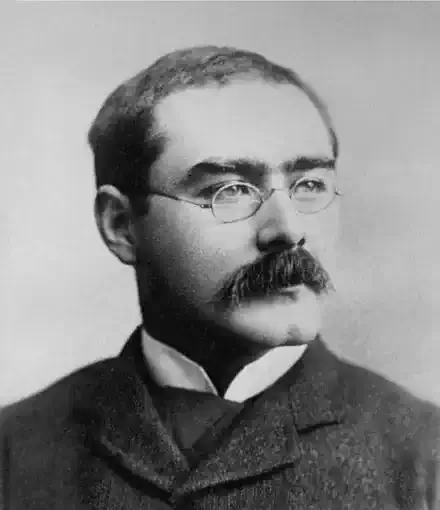
Rudyard Kipling
Anchor Song
Anchor Song
Heh! Walk her round. Heave, ah heave her short again!
Over, snatch her over, there, and hold her on the pawl.
Loose all sail, and brace your yards back and full --
Ready jib to pay her off and heave short all!
Well, ah fare you well; we can stay no more with you, my love --
Down, set down your liquor and your girl from off your knee;
For the wind has come to say:
"You must take me while you may,
If you'd go to Mother Carey
(Walk her down to Mother Carey!),
Oh, we're bound to Mother Carey where she feeds her chicks at sea!"
Heh! Walk her round. Break, ah break it out o' that!
Break our starboard-bower out, apeak, awash, and clear.
Port -- port she casts, with the harbour-mud beneath her foot,
And that's the last o' bottom we shall see this year!
Well, ah fare you well, for we've got to take her out again --
Take her out in ballast, riding light and cargo-free.
And it's time to clear and quit
When the hawser grips the bitt,
So we'll pay you with the foresheet and a promise from the sea!
Heh! Tally on. Aft and walk away with her!
Handsome to the cathead, now; O tally on the fall!
Stop, seize and fish, and easy on the davit-guy.
Up, well up the fluke of her, and inboard haul!
Well, ah fare you well, for the Channel wind's took hold of us,
Choking down our voices as we snatch the gaskets free.
And it's blowing up for night,
And she's dropping Light on Light,
And she's snorting under bonnets for a breath of open sea,
Wheel, full and by; but she'll smell her road alone to-night.
Sick she is and harbour-sick -- O sick to clear the land!
Roll down to Brest with the old Red Ensign over us --
Carry on and thrash her out with all she'll stand!
Well, ah fare you well, and it's Ushant slams the door on us,
Whirling like a windmill through the dirty scud to lee:
Till the last, last flicker goes
From the tumbling water-rows,
And we're off to Mother Carey
(Walk her down to Mother Carey!),
Oh, we're bound for Mother Carey where she feeds her chicks at sea!
Heh! Walk her round. Heave, ah heave her short again!
Over, snatch her over, there, and hold her on the pawl.
Loose all sail, and brace your yards back and full --
Ready jib to pay her off and heave short all!
Well, ah fare you well; we can stay no more with you, my love --
Down, set down your liquor and your girl from off your knee;
For the wind has come to say:
"You must take me while you may,
If you'd go to Mother Carey
(Walk her down to Mother Carey!),
Oh, we're bound to Mother Carey where she feeds her chicks at sea!"
Heh! Walk her round. Break, ah break it out o' that!
Break our starboard-bower out, apeak, awash, and clear.
Port -- port she casts, with the harbour-mud beneath her foot,
And that's the last o' bottom we shall see this year!
Well, ah fare you well, for we've got to take her out again --
Take her out in ballast, riding light and cargo-free.
And it's time to clear and quit
When the hawser grips the bitt,
So we'll pay you with the foresheet and a promise from the sea!
Heh! Tally on. Aft and walk away with her!
Handsome to the cathead, now; O tally on the fall!
Stop, seize and fish, and easy on the davit-guy.
Up, well up the fluke of her, and inboard haul!
Well, ah fare you well, for the Channel wind's took hold of us,
Choking down our voices as we snatch the gaskets free.
And it's blowing up for night,
And she's dropping Light on Light,
And she's snorting under bonnets for a breath of open sea,
Wheel, full and by; but she'll smell her road alone to-night.
Sick she is and harbour-sick -- O sick to clear the land!
Roll down to Brest with the old Red Ensign over us --
Carry on and thrash her out with all she'll stand!
Well, ah fare you well, and it's Ushant slams the door on us,
Whirling like a windmill through the dirty scud to lee:
Till the last, last flicker goes
From the tumbling water-rows,
And we're off to Mother Carey
(Walk her down to Mother Carey!),
Oh, we're bound for Mother Carey where she feeds her chicks at sea!
480

Horace
BkIII:XXVII Europa
BkIII:XXVII Europa
Let the wicked be led by omens of screeching
from owls, by pregnant dogs, or a grey-she wolf,
hurrying down from Lanuvian meadows,
or a fox with young:
May a snake disturb the journey they’ve started,
terrifying the ponies like an arrow
flashing across the road: but I far-seeing
augur, with prayer
for him whom I’m fearful for, out of the east
I’ll call up the ominous raven, before
the bird that divines the imminent showers
seeks standing water.
Galatea, wherever you choose to live
may you be happy, and live in thought of me:
no woodpecker on your left, or errant crow
to bar your going.
But see, with what storms flickering Orion
is setting. I know how the Adriatic’s
black gulf can be, and how the bright westerly
wind commits its sins.
Let the wives and children of our enemy
feel the blind force of the rising southerly,
and the thunder of the dark waters, the shores
trembling at the blow.
So, Europa entrusted her snow-white form
to the bull’s deceit, and the brave girl grew pale,
at the sea alive with monsters, the dangers
of the deep ocean.
Leaving the meadow, where, lost among flowers,
she was weaving a garland owed to the Nymphs,
now, in the luminous night, she saw nothing
but water and stars.
As soon as she reached the shores of Crete, mighty
with its hundred cities, she cried: ‘O father,
I’ve lost the name of daughter, my piety
conquered by fury.
Where have I come from, where am I going? One
death is too few for a virgin’s sin. Am I
awake, weeping a vile act, or free from guilt,
mocked by a phantom,
that fleeing, false, from the ivory gate brings
only a dream? Is it not better to pick
fresh flowers than to go travelling over
the breadths of the sea?
If anyone now could deliver that foul
beast to my anger, I’d attempt to wound it
with steel, and shatter the horns of that monster,
the one I once loved.
I’m shameless, I’ve abandoned my country’s gods,
I’m shameless, I keep Orcus waiting. O if
one of the gods can hear, I wish I might walk
naked with lions!
Before vile leanness hollows my lovely cheeks,
and the juices ebb in this tender victim,
while I am still beautiful, I’ll seek to be
food for the tigers.
My absent father urges me on: ‘Why wait
to die, worthless Europa? Happily you
can hang by the neck from this ash-tree: use
the sash that’s with you.
Or if cliffs and the sharpened rocks attract you,
as a means of death, put your trust in the speed
of the wind, unless you’d rather be carding
some mistress’s wool,
you, of royal blood, be handed over, as
concubine to a barbarous queen.’ She moaned:
Venus was laughing, treacherously, with her
son, his bow unstrung.
When she’d toyed enough with her, she said: ‘Refrain
from anger and burning passion, when the bull,
you hate, yields you his horns again, so that you
can start to wound them.
Don’t you know you’re invincible Jupiter’s
wife. Stop your sobbing, and learn to carry your
good fortune well: a continent of the Earth
will be named for you.
Let the wicked be led by omens of screeching
from owls, by pregnant dogs, or a grey-she wolf,
hurrying down from Lanuvian meadows,
or a fox with young:
May a snake disturb the journey they’ve started,
terrifying the ponies like an arrow
flashing across the road: but I far-seeing
augur, with prayer
for him whom I’m fearful for, out of the east
I’ll call up the ominous raven, before
the bird that divines the imminent showers
seeks standing water.
Galatea, wherever you choose to live
may you be happy, and live in thought of me:
no woodpecker on your left, or errant crow
to bar your going.
But see, with what storms flickering Orion
is setting. I know how the Adriatic’s
black gulf can be, and how the bright westerly
wind commits its sins.
Let the wives and children of our enemy
feel the blind force of the rising southerly,
and the thunder of the dark waters, the shores
trembling at the blow.
So, Europa entrusted her snow-white form
to the bull’s deceit, and the brave girl grew pale,
at the sea alive with monsters, the dangers
of the deep ocean.
Leaving the meadow, where, lost among flowers,
she was weaving a garland owed to the Nymphs,
now, in the luminous night, she saw nothing
but water and stars.
As soon as she reached the shores of Crete, mighty
with its hundred cities, she cried: ‘O father,
I’ve lost the name of daughter, my piety
conquered by fury.
Where have I come from, where am I going? One
death is too few for a virgin’s sin. Am I
awake, weeping a vile act, or free from guilt,
mocked by a phantom,
that fleeing, false, from the ivory gate brings
only a dream? Is it not better to pick
fresh flowers than to go travelling over
the breadths of the sea?
If anyone now could deliver that foul
beast to my anger, I’d attempt to wound it
with steel, and shatter the horns of that monster,
the one I once loved.
I’m shameless, I’ve abandoned my country’s gods,
I’m shameless, I keep Orcus waiting. O if
one of the gods can hear, I wish I might walk
naked with lions!
Before vile leanness hollows my lovely cheeks,
and the juices ebb in this tender victim,
while I am still beautiful, I’ll seek to be
food for the tigers.
My absent father urges me on: ‘Why wait
to die, worthless Europa? Happily you
can hang by the neck from this ash-tree: use
the sash that’s with you.
Or if cliffs and the sharpened rocks attract you,
as a means of death, put your trust in the speed
of the wind, unless you’d rather be carding
some mistress’s wool,
you, of royal blood, be handed over, as
concubine to a barbarous queen.’ She moaned:
Venus was laughing, treacherously, with her
son, his bow unstrung.
When she’d toyed enough with her, she said: ‘Refrain
from anger and burning passion, when the bull,
you hate, yields you his horns again, so that you
can start to wound them.
Don’t you know you’re invincible Jupiter’s
wife. Stop your sobbing, and learn to carry your
good fortune well: a continent of the Earth
will be named for you.
251
Rudyard Kipling
An Imperial Rescript
An Imperial Rescript
Now this is the tale of the Council the German Kaiser decreed,
To ease the strong of their burden, to help the weak in their need,
He sent a word to the peoples, who struggle, and pant, and sweat,
That the straw might be counted fairly and the tally of bricks be set.
The Lords of Their Hands assembled; from the East and the West they drew --
Baltimore, Lille, and Essen, Brummagem, Clyde, and Crewe.
And some were black from the furnace, and some were brown from the soil,
And some were blue from the dye-vat; but all were wearied of toil.
And the young King said: -- "I have found it, the road to the rest ye seek:
The strong shall wait for the weary, the hale shall halt for the weak;
With the even tramp of an army where no man breaks from the line,
Ye shall march to peace and plenty in the bond of brotherhood -- sign!"
The paper lay on the table, the strong heads bowed thereby,
And a wail went up from the peoples: -- "Ay, sign -- give rest, for we die!"
A hand was stretched to the goose-quill, a fist was cramped to scrawl,
When -- the laugh of a blue-eyed maiden ran clear through the council-hall.
And each one heard Her laughing as each one saw Her plain --
Saidie, Mimi, or Olga, Gretchen, or Mary Jane.
And the Spirit of Man that is in Him to the light of the vision woke;
And the men drew back from the paper, as a Yankee delegate spoke: --
"There's a girl in Jersey City who works on the telephone;
We're going to hitch our horses and dig for a house of our own,
With gas and water connections, and steam-heat through to the top;
And, W. Hohenzollern, I guess I shall work till I drop."
And an English delegate thundered: -- "The weak an' the lame be blowed!
I've a berth in the Sou'-West workshops, a home in the Wandsworth Road;
And till the 'sociation has footed my buryin' bill,
I work for the kids an' the missus. Pull up? I be damned if I will!"
And over the German benches the bearded whisper ran: --
"Lager, der girls und der dollars, dey makes or dey breaks a man.
If Schmitt haf collared der dollars, he collars der girl deremit;
But if Schmitt bust in der pizness, we collars der girl from Schmitt."
They passed one resolution: -- "Your sub-committee believe
You can lighten the curse of Adam when you've lightened the curse of Eve.
But till we are built like angels, with hammer and chisel and pen,
We will work for ourself and a woman, for ever and ever, amen."
Now this is the tale of the Council the German Kaiser held --
The day that they razored the Grindstone, the day that the Cat was belled,
The day of the Figs from Thistles, the day of the Twisted Sands,
The day that the laugh of a maiden made light of the Lords of Their Hands.
Now this is the tale of the Council the German Kaiser decreed,
To ease the strong of their burden, to help the weak in their need,
He sent a word to the peoples, who struggle, and pant, and sweat,
That the straw might be counted fairly and the tally of bricks be set.
The Lords of Their Hands assembled; from the East and the West they drew --
Baltimore, Lille, and Essen, Brummagem, Clyde, and Crewe.
And some were black from the furnace, and some were brown from the soil,
And some were blue from the dye-vat; but all were wearied of toil.
And the young King said: -- "I have found it, the road to the rest ye seek:
The strong shall wait for the weary, the hale shall halt for the weak;
With the even tramp of an army where no man breaks from the line,
Ye shall march to peace and plenty in the bond of brotherhood -- sign!"
The paper lay on the table, the strong heads bowed thereby,
And a wail went up from the peoples: -- "Ay, sign -- give rest, for we die!"
A hand was stretched to the goose-quill, a fist was cramped to scrawl,
When -- the laugh of a blue-eyed maiden ran clear through the council-hall.
And each one heard Her laughing as each one saw Her plain --
Saidie, Mimi, or Olga, Gretchen, or Mary Jane.
And the Spirit of Man that is in Him to the light of the vision woke;
And the men drew back from the paper, as a Yankee delegate spoke: --
"There's a girl in Jersey City who works on the telephone;
We're going to hitch our horses and dig for a house of our own,
With gas and water connections, and steam-heat through to the top;
And, W. Hohenzollern, I guess I shall work till I drop."
And an English delegate thundered: -- "The weak an' the lame be blowed!
I've a berth in the Sou'-West workshops, a home in the Wandsworth Road;
And till the 'sociation has footed my buryin' bill,
I work for the kids an' the missus. Pull up? I be damned if I will!"
And over the German benches the bearded whisper ran: --
"Lager, der girls und der dollars, dey makes or dey breaks a man.
If Schmitt haf collared der dollars, he collars der girl deremit;
But if Schmitt bust in der pizness, we collars der girl from Schmitt."
They passed one resolution: -- "Your sub-committee believe
You can lighten the curse of Adam when you've lightened the curse of Eve.
But till we are built like angels, with hammer and chisel and pen,
We will work for ourself and a woman, for ever and ever, amen."
Now this is the tale of the Council the German Kaiser held --
The day that they razored the Grindstone, the day that the Cat was belled,
The day of the Figs from Thistles, the day of the Twisted Sands,
The day that the laugh of a maiden made light of the Lords of Their Hands.
458
Horace
BkIII:XXV Bacchanalian Song
BkIII:XXV Bacchanalian Song
Where are you taking me, Bacchus,
now I’m full of you? To what caves or groves, driven,
swiftly, by new inspiration?
In what caverns will I be heard planning to set
illustrious Caesar’s lasting
glory among the stars, in the councils of Jove?
I’ll sing a recent achievement,
not yet sung by other lips. So does the sleepless
Bacchante, stand in amazement
on a mountain-ridge, gazing at Hebrus, at Thrace,
shining with snow, at Rhodope,
trodden by barbarous feet, even as I like
to wander gazing, at river
banks, and echoing groves. O master of Naiads,
of Bacchae owning the power
to uproot the tallest ash-trees, with their bare hands,
I’ll sing nothing trivial, no
humble measure, nothing that dies. O, Lenaeus,
the danger of following a god
is sweet, wreathing my brow with green leaves of the vine.
Where are you taking me, Bacchus,
now I’m full of you? To what caves or groves, driven,
swiftly, by new inspiration?
In what caverns will I be heard planning to set
illustrious Caesar’s lasting
glory among the stars, in the councils of Jove?
I’ll sing a recent achievement,
not yet sung by other lips. So does the sleepless
Bacchante, stand in amazement
on a mountain-ridge, gazing at Hebrus, at Thrace,
shining with snow, at Rhodope,
trodden by barbarous feet, even as I like
to wander gazing, at river
banks, and echoing groves. O master of Naiads,
of Bacchae owning the power
to uproot the tallest ash-trees, with their bare hands,
I’ll sing nothing trivial, no
humble measure, nothing that dies. O, Lenaeus,
the danger of following a god
is sweet, wreathing my brow with green leaves of the vine.
214
Rudyard Kipling
An American
An American
The American Spirit speaks:
"If the Led Striker call it a strike,
Or the papers call it a war,
They know not much what I am like,
Nor what he is, my Avatar."
Through many roads, by me possessed,
He shambles forth in cosmic guise;
He is the Jester and the Jest,
And he the Text himself applies.
The Celt is in his heart and hand,
The Gaul is in his brain and nerve;
Where, cosmopolitanly planned,
He guards the Redskin's dry reserve.
His easy unswept hearth he lends
From Labrador to Guadeloupe;
Till, elbowed out by sloven friends,
He camps, at sufferance, on the stoop.
Calm-eyed he scoffs at sword and crown,
Or panic-blinded stabs and slays:
Blatant he bids the world bow down,
Or cringing begs a crust of praise;
Or, sombre-drunk, at mine and mart,
He dubs his dreary brethren Kings.
His hands are black with blood -- his heart
Leaps, as a babe's, at little things.
But, through the shift of mood and mood,
Mine ancient humour saves him whole --
The cynic devil in his blood
That bids him mock his hurrying soul;
That bids him flout the Law he makes,
That bids him make the Law he flouts,
Till, dazed by many doubts, he wakes
The drumming guns that -- have no doubts;
That checks him foolish -- hot and fond,
That chuckles through his deepest ire,
That gilds the slough of his despond
But dims the goal of his desire;
Inopportune, shrill-accented,
The acrid Asiatic mirth
That leaves him, careless 'mid his dead,
The scandal of the elder earth.
How shall he clear himself, how reach
Your bar or weighed defence prefer?
A brother hedged with alien speech
And lacking all interpreter.
Which knowledge vexes him a space;
But while Reproof around him rings,
He turns a keen untroubled face
Home, to the instant need of things.
Enslaved, illogical, elate,
He greets th' embarrassed Gods, nor fears
To shake the iron hand of Fate
Or match with Destiny for beers.
Lo, imperturbable he rules,
Unkempt, disreputable, vast --
And, in the teeth of all the schools,
I -- I shall save him at the last!
The American Spirit speaks:
"If the Led Striker call it a strike,
Or the papers call it a war,
They know not much what I am like,
Nor what he is, my Avatar."
Through many roads, by me possessed,
He shambles forth in cosmic guise;
He is the Jester and the Jest,
And he the Text himself applies.
The Celt is in his heart and hand,
The Gaul is in his brain and nerve;
Where, cosmopolitanly planned,
He guards the Redskin's dry reserve.
His easy unswept hearth he lends
From Labrador to Guadeloupe;
Till, elbowed out by sloven friends,
He camps, at sufferance, on the stoop.
Calm-eyed he scoffs at sword and crown,
Or panic-blinded stabs and slays:
Blatant he bids the world bow down,
Or cringing begs a crust of praise;
Or, sombre-drunk, at mine and mart,
He dubs his dreary brethren Kings.
His hands are black with blood -- his heart
Leaps, as a babe's, at little things.
But, through the shift of mood and mood,
Mine ancient humour saves him whole --
The cynic devil in his blood
That bids him mock his hurrying soul;
That bids him flout the Law he makes,
That bids him make the Law he flouts,
Till, dazed by many doubts, he wakes
The drumming guns that -- have no doubts;
That checks him foolish -- hot and fond,
That chuckles through his deepest ire,
That gilds the slough of his despond
But dims the goal of his desire;
Inopportune, shrill-accented,
The acrid Asiatic mirth
That leaves him, careless 'mid his dead,
The scandal of the elder earth.
How shall he clear himself, how reach
Your bar or weighed defence prefer?
A brother hedged with alien speech
And lacking all interpreter.
Which knowledge vexes him a space;
But while Reproof around him rings,
He turns a keen untroubled face
Home, to the instant need of things.
Enslaved, illogical, elate,
He greets th' embarrassed Gods, nor fears
To shake the iron hand of Fate
Or match with Destiny for beers.
Lo, imperturbable he rules,
Unkempt, disreputable, vast --
And, in the teeth of all the schools,
I -- I shall save him at the last!
456
Horace
BkIII:XXIV Destructive Wealth
BkIII:XXIV Destructive Wealth
Though you’re richer than the untouched
riches of Araby, than wealthy India,
and you fill the land, and inshore
waters, with your deposits of builders’ rubble:
if dread Necessity fixes
her adamantine nails in your highest rooftops,
you’ll not free your spirit from fear,
nor free your very being from the noose of death.
Better to live like Scythians
in the Steppes, whose wagons haul their movable homes,
that’s custom, or the fierce Getae,
whose unallocated acres produce their fruits,
their harvests of rye, in common,
where cultivation’s not decided for more than
a year, and when one turn is done,
it’s carried on by other hands, as a duty.
There, as their own, the unselfish
women raise those children who have lost their mothers:
and the richly dowered wife never
rules her husband, or believes in shining lovers.
Their greatest dowry’s their parents’
virtue, and their own chastity, which is careful
of another’s husband, in pure
loyalty, sin is wrong and death’s its penalty.
O whoever would end impious
killing, and civil disorder, and would desire
to have ‘City Father’ inscribed
on their statues, let them be braver, and rein in
unbridled licence, and win fame
among posterity: since we, alas, for shame,
filled with envy, hate chaste virtue,
and only seek it when it’s hidden from our eyes.
What use are sad lamentations,
if crime is never suppressed by its punishment?
What use are all these empty laws
without the behaviour that should accompany them?
if neither those parts of the Earth
enclosed by heat, nor those far confines of the North,
snow frozen solid on the ground,
deter the trader, if cunning sailors conquer
the stormy seas, if poverty,
is considered a great disgrace, and directs us
to do and to bear everything,
and abandon the arduous paths of virtue?
Let’s send our jewels, our precious
stones, our destructive gold, to the Capitol, while
the crowd applauds, and raises its strident clamour,
or ship them to the nearest sea,
as causes of our deepest ills,
if we truly repent of all our wickedness.
Let the source of our perverted
greed be lost, and then let our inadequate minds
be trained in more serious things.
The inexperienced noble youth is unskilled
at staying in the saddle, he
fears to hunt, and he’s much better at playing games,
whether you order him to fool
with a Greek hoop, or you prefer forbidden dice,
while his father’s perjured trust cheats
his partner and his friends, hurrying to amass
money for his unworthy heir.
While it’s true that in this way his ill-gotten gains
increase, yet there’s always something
lacking in a fortune forever incomplete.
Though you’re richer than the untouched
riches of Araby, than wealthy India,
and you fill the land, and inshore
waters, with your deposits of builders’ rubble:
if dread Necessity fixes
her adamantine nails in your highest rooftops,
you’ll not free your spirit from fear,
nor free your very being from the noose of death.
Better to live like Scythians
in the Steppes, whose wagons haul their movable homes,
that’s custom, or the fierce Getae,
whose unallocated acres produce their fruits,
their harvests of rye, in common,
where cultivation’s not decided for more than
a year, and when one turn is done,
it’s carried on by other hands, as a duty.
There, as their own, the unselfish
women raise those children who have lost their mothers:
and the richly dowered wife never
rules her husband, or believes in shining lovers.
Their greatest dowry’s their parents’
virtue, and their own chastity, which is careful
of another’s husband, in pure
loyalty, sin is wrong and death’s its penalty.
O whoever would end impious
killing, and civil disorder, and would desire
to have ‘City Father’ inscribed
on their statues, let them be braver, and rein in
unbridled licence, and win fame
among posterity: since we, alas, for shame,
filled with envy, hate chaste virtue,
and only seek it when it’s hidden from our eyes.
What use are sad lamentations,
if crime is never suppressed by its punishment?
What use are all these empty laws
without the behaviour that should accompany them?
if neither those parts of the Earth
enclosed by heat, nor those far confines of the North,
snow frozen solid on the ground,
deter the trader, if cunning sailors conquer
the stormy seas, if poverty,
is considered a great disgrace, and directs us
to do and to bear everything,
and abandon the arduous paths of virtue?
Let’s send our jewels, our precious
stones, our destructive gold, to the Capitol, while
the crowd applauds, and raises its strident clamour,
or ship them to the nearest sea,
as causes of our deepest ills,
if we truly repent of all our wickedness.
Let the source of our perverted
greed be lost, and then let our inadequate minds
be trained in more serious things.
The inexperienced noble youth is unskilled
at staying in the saddle, he
fears to hunt, and he’s much better at playing games,
whether you order him to fool
with a Greek hoop, or you prefer forbidden dice,
while his father’s perjured trust cheats
his partner and his friends, hurrying to amass
money for his unworthy heir.
While it’s true that in this way his ill-gotten gains
increase, yet there’s always something
lacking in a fortune forever incomplete.
233
Rudyard Kipling
A Song of Kabir
A Song of Kabir
Oh, light was the world that he weighed in his hands!
Oh, heavy the tale of his fiefs and his lands!
He has gone from the guddee and put on the shroud,
And departed in guise of bairagi avowed!
Now the white road to Delhi is mat for his feet.
The sal and the kikar must guard him from heat.
His home is the camp, and waste, and the crowd --
He is seeking the Way as bairagi avowed!
He has looked upon Man, and his eyeballs are clear --
(There was One; there is One, and but One, saith Kabir);
The Red Mist of Doing has thinned to a cloud --
He has taken the Path for bairagi avowed!
To learn and discern of his brother the clod,
Of his brother the brute, and his brother the God,
He has gone from the council and put on the shroud
("Can ye hear?" saith Kabir), a bairagi avowed!
Oh, light was the world that he weighed in his hands!
Oh, heavy the tale of his fiefs and his lands!
He has gone from the guddee and put on the shroud,
And departed in guise of bairagi avowed!
Now the white road to Delhi is mat for his feet.
The sal and the kikar must guard him from heat.
His home is the camp, and waste, and the crowd --
He is seeking the Way as bairagi avowed!
He has looked upon Man, and his eyeballs are clear --
(There was One; there is One, and but One, saith Kabir);
The Red Mist of Doing has thinned to a cloud --
He has taken the Path for bairagi avowed!
To learn and discern of his brother the clod,
Of his brother the brute, and his brother the God,
He has gone from the council and put on the shroud
("Can ye hear?" saith Kabir), a bairagi avowed!
425
Horace
BkIII:XXII To Diana
BkIII:XXII To Diana
Virgin protectress of the mountain and the grove,
who, called on three times, hears young girls, labouring
through childbirth, and rescues them from dying, O
triple formed goddess,
may it be yours, this pine-tree above my farm,
so that I may, happily, through passing years,
offer it the blood of a boar, that’s trying
its first sidelong thrusts.
Virgin protectress of the mountain and the grove,
who, called on three times, hears young girls, labouring
through childbirth, and rescues them from dying, O
triple formed goddess,
may it be yours, this pine-tree above my farm,
so that I may, happily, through passing years,
offer it the blood of a boar, that’s trying
its first sidelong thrusts.
226
Rudyard Kipling
A Smuggler's Song
A Smuggler's Song
If you wake at midnight, and hear a horse's feet,
Don't go drawing back the blind, or looking in the street.
Them that ask no questions isn't told a lie.
Watch the wall, my darling, while the Gentlemen go by!
Five and twenty ponies,
Trotting through the dark --
Brandy for the Parson,
'Baccy for the Clerk;
Laces for a lady, letters for a spy,
And watch the wall, my darling, while the Gentlemen go by!
Running round the woodlump if you chance to find
Little barrels, roped and tarred, all full of brandy-wine,
Don't you shout to come and look, nor use 'em for your play.
Put the brishwood back again -- and they'll be gone next day!
If you see the stable-door setting open wide;
If you see a tired horse lying down inside;
If your mother mends a coat cut about and tore;
If the lining's wet and warm -- don't you ask no more!
If you meet King George's men, dressed in blue and red,
You be carefull what you say, and mindful what is said.
If they call you "pretty maid," and chuck you 'neath the chin,
Don't you tell where no one is, nor yet where no one's been!
Knocks and footsteps round the house -- whistles after dark --
You've no call for running out till the house-dogs bark.
Trusty's here, and Pincher's here, and see how dumb they lie --
They don't fret to follow when the Gentlemen go by!
If you do as you've been told, 'likely there's a chance,
You'll be given a dainty doll, all the way from France,
With a cap of Valenciennes, and a velvet hood --
A present from the Gentlemen, along o' being good!
Five and twenty ponies,
Trotting through the dark --
Brandy for the Parson,
'Baccy for the Clerk;
Them that asks no questions isn't told a lie --
Watch the wall, my darling, while the Gentlemen go by!
If you wake at midnight, and hear a horse's feet,
Don't go drawing back the blind, or looking in the street.
Them that ask no questions isn't told a lie.
Watch the wall, my darling, while the Gentlemen go by!
Five and twenty ponies,
Trotting through the dark --
Brandy for the Parson,
'Baccy for the Clerk;
Laces for a lady, letters for a spy,
And watch the wall, my darling, while the Gentlemen go by!
Running round the woodlump if you chance to find
Little barrels, roped and tarred, all full of brandy-wine,
Don't you shout to come and look, nor use 'em for your play.
Put the brishwood back again -- and they'll be gone next day!
If you see the stable-door setting open wide;
If you see a tired horse lying down inside;
If your mother mends a coat cut about and tore;
If the lining's wet and warm -- don't you ask no more!
If you meet King George's men, dressed in blue and red,
You be carefull what you say, and mindful what is said.
If they call you "pretty maid," and chuck you 'neath the chin,
Don't you tell where no one is, nor yet where no one's been!
Knocks and footsteps round the house -- whistles after dark --
You've no call for running out till the house-dogs bark.
Trusty's here, and Pincher's here, and see how dumb they lie --
They don't fret to follow when the Gentlemen go by!
If you do as you've been told, 'likely there's a chance,
You'll be given a dainty doll, all the way from France,
With a cap of Valenciennes, and a velvet hood --
A present from the Gentlemen, along o' being good!
Five and twenty ponies,
Trotting through the dark --
Brandy for the Parson,
'Baccy for the Clerk;
Them that asks no questions isn't told a lie --
Watch the wall, my darling, while the Gentlemen go by!
389
Horace
BkIII:XX The Conflict
BkIII:XX The Conflict
Pyrrhus, you can’t see how dangerous it is
to touch the Gaetulian lioness’ cub?
Soon you’ll be running from all that hard fighting,
a spiritless thief,
while she goes searching for lovely Nearchus,
through obstructive crowds of young men: ah, surely
the fight will be great, whether the prize is yours,
or, more likely, hers.
Meanwhile, as you produce your swift arrows, as
she is sharpening her fearsome teeth, the battle’s
fine judge is said to have trampled the palm leaf,
beneath his bare foot,
and he’s cooling his shoulders, draped in perfumed
hair, in the gentle breeze, just like Nireus,
or like Ganymede, who was snatched away from
Ida rich in streams.
Pyrrhus, you can’t see how dangerous it is
to touch the Gaetulian lioness’ cub?
Soon you’ll be running from all that hard fighting,
a spiritless thief,
while she goes searching for lovely Nearchus,
through obstructive crowds of young men: ah, surely
the fight will be great, whether the prize is yours,
or, more likely, hers.
Meanwhile, as you produce your swift arrows, as
she is sharpening her fearsome teeth, the battle’s
fine judge is said to have trampled the palm leaf,
beneath his bare foot,
and he’s cooling his shoulders, draped in perfumed
hair, in the gentle breeze, just like Nireus,
or like Ganymede, who was snatched away from
Ida rich in streams.
253
Rudyard Kipling
A Ripple Song
A Ripple Song
Once red ripple came to land
In the golden sunset burning--
Lapped against a maiden's hand,
By the ford returning.
Dainty foot and gentle breast--
Here, across, be glad and rest.
"Maiden, wait," the ripple saith;
"Wait awhile, for I am Death!"
"Where my lover calls I go--
Shame it were to treat him coldly--
'Twas a fish that circled so,
Turning over boldly."
Dainty foot and tender heart,
Wait the loaded ferry-raft.
"Wait, ah, wait!" the ripple saith;
"Maiden, wait, for I am Death!"
"When my lover calls I haste--
Dame Disdain was never wedded!"
Ripple-ripple round her waist,
Clear the current eddied.
Foolish heart and faithful hand,
Little feet that touched no land.
Far away the ripple sped,
Ripple-ripple running red!
Once red ripple came to land
In the golden sunset burning--
Lapped against a maiden's hand,
By the ford returning.
Dainty foot and gentle breast--
Here, across, be glad and rest.
"Maiden, wait," the ripple saith;
"Wait awhile, for I am Death!"
"Where my lover calls I go--
Shame it were to treat him coldly--
'Twas a fish that circled so,
Turning over boldly."
Dainty foot and tender heart,
Wait the loaded ferry-raft.
"Wait, ah, wait!" the ripple saith;
"Maiden, wait, for I am Death!"
"When my lover calls I haste--
Dame Disdain was never wedded!"
Ripple-ripple round her waist,
Clear the current eddied.
Foolish heart and faithful hand,
Little feet that touched no land.
Far away the ripple sped,
Ripple-ripple running red!
444
Horace
BkIII:XVII The Approaching Storm
BkIII:XVII The Approaching Storm
Aelius, noble descendant of ancient
Lamus (and they say the Lamiae of old
were named from him, the ancestral line,
through all of our recorded history):
you come from him, the original founder,
who, it’s said, first held the walls of Formiae
and Latium’s River Liris where
it floods the shores of the nymph, Marica,
he the lord, far and wide. Tomorrow a storm
sent from the East, will fill all the woodland grove
with leaves, and the sands with useless weed,
unless the raven, old prophet of rain,
is wrong. Pile up the dry firewood while you can:
tomorrow, with your servants, released from their
labours, cheer your spirit with neat wine,
and a little pig, only two months old.
Aelius, noble descendant of ancient
Lamus (and they say the Lamiae of old
were named from him, the ancestral line,
through all of our recorded history):
you come from him, the original founder,
who, it’s said, first held the walls of Formiae
and Latium’s River Liris where
it floods the shores of the nymph, Marica,
he the lord, far and wide. Tomorrow a storm
sent from the East, will fill all the woodland grove
with leaves, and the sands with useless weed,
unless the raven, old prophet of rain,
is wrong. Pile up the dry firewood while you can:
tomorrow, with your servants, released from their
labours, cheer your spirit with neat wine,
and a little pig, only two months old.
197
Rudyard Kipling
A Recantation
A Recantation
What boots it on the Gods to call?
Since, answered or unheard,
We perish with the Gods and all
Things made--except the Word.
Ere certain Fate had touched a heart
By fifty years made cold,
I judged thee, Lyde, and thy art
O'erblown and over-bold.
But he--but he, of whom bereft
I suffer vacant days--
He on his shield not meanly left
He cherished all thy lays.
Witness the magic coffer stocked
With convoluted runes
Wherein thy very voice was locked
And linked to circling tunes.
Witness thy portrait, smoke-defiled,
That decked his shelter-place.
Life seemed more present, wrote the child,
Beneath thy well-known face.
And when the grudging days restored
Him for a breath to home,
He, with fresh crowds of youth, adored
Thee making mirth in Rome.
Therefore, I humble, join the hosts,
Loyal and loud, who bow
To thee as Queen of Song--and ghosts,
For I remember how
Never more rampant rose the Hall
At thy audacious line
Than when the news came in from Gaul
Thy son had--followed mine.
But thou didst hide it in thy breast
And, capering, took the brunt
Of blaze and blare, and launched the jest
That swept next week the front.
Singer to children! Ours possessed
Sleep before noon--but thee,
Wakeful each midnight for the rest,
No holocaust shall free!
Yet they who use the Word assigned,
To hearten and make whole,
Not less than Gods have served mankind,
Though vultures rend their soul.
What boots it on the Gods to call?
Since, answered or unheard,
We perish with the Gods and all
Things made--except the Word.
Ere certain Fate had touched a heart
By fifty years made cold,
I judged thee, Lyde, and thy art
O'erblown and over-bold.
But he--but he, of whom bereft
I suffer vacant days--
He on his shield not meanly left
He cherished all thy lays.
Witness the magic coffer stocked
With convoluted runes
Wherein thy very voice was locked
And linked to circling tunes.
Witness thy portrait, smoke-defiled,
That decked his shelter-place.
Life seemed more present, wrote the child,
Beneath thy well-known face.
And when the grudging days restored
Him for a breath to home,
He, with fresh crowds of youth, adored
Thee making mirth in Rome.
Therefore, I humble, join the hosts,
Loyal and loud, who bow
To thee as Queen of Song--and ghosts,
For I remember how
Never more rampant rose the Hall
At thy audacious line
Than when the news came in from Gaul
Thy son had--followed mine.
But thou didst hide it in thy breast
And, capering, took the brunt
Of blaze and blare, and launched the jest
That swept next week the front.
Singer to children! Ours possessed
Sleep before noon--but thee,
Wakeful each midnight for the rest,
No holocaust shall free!
Yet they who use the Word assigned,
To hearten and make whole,
Not less than Gods have served mankind,
Though vultures rend their soul.
521
Horace
BkIII:XV Too Old
BkIII:XV Too Old
O, dear wife of poor Ibycus,
put an end to your wickedness, at last, and all
of your infamous goings-on:
now you are nearer the season for dying,
stop playing about with the girls,
and scattering a mist over shining stars.
What fits Pholoe is not quite
fitting for you, Chloris: while your daughter’s more
suited to storming the houses of lovers,
like a Bacchante stirred by the beating drum.
Her love for Nothus forces her
to gambol like a lascivious she-goat:
the wool that’s shorn near to noble
Luceria’s fitting for you, sad old thing,
not the dark red flower of the rose,
nor the lyre, nor the wine-jars drained to their dregs
O, dear wife of poor Ibycus,
put an end to your wickedness, at last, and all
of your infamous goings-on:
now you are nearer the season for dying,
stop playing about with the girls,
and scattering a mist over shining stars.
What fits Pholoe is not quite
fitting for you, Chloris: while your daughter’s more
suited to storming the houses of lovers,
like a Bacchante stirred by the beating drum.
Her love for Nothus forces her
to gambol like a lascivious she-goat:
the wool that’s shorn near to noble
Luceria’s fitting for you, sad old thing,
not the dark red flower of the rose,
nor the lyre, nor the wine-jars drained to their dregs
247
Rudyard Kipling
A Pilgrim's Way
A Pilgrim's Way
I do not look for holy saints to guide me on my way,
Or male and female devilkins to lead my feet astray.
If these are added, I rejoice---if not, I shall not mind,
So long as I have leave and choice to meet my fellow-kind.
For as we come and as we go (and deadly-soon go we!)
The people, Lord, Thy people, are good enough for me!
Thus I will honour pious men whose virtue shines so bright
(Though none are more amazed than I when I by chance do right),
And I will pity foolish men for woe their sins have bred
(Though ninety-nine per cent. of mine I brought on my own head).
And, Amorite or Eremite, or General Averagee,
The people, Lord, Thy people, are good enough for me!
And when they bore me overmuch, I will not shake mine ears,
Recalling many thousand such whom I have bored to tears.
And when they labour to impress, I will not doubt nor scoff;
Since I myself have done no less and---sometimes pulled it off.
Yea, as we are and we are not, and we pretend to be,
The people, Lord, Thy people, are good enough for me!
And when they work me random wrong, as oftentimes hath been,
I will not cherish hate too long (my hands are none too clean).
And when they do me random good I will not feign surprise.
No more than those whom I have cheered with wayside charities.
But, as we give and as we take---whate'er our takings be---
The people, Lord, Thy people, are good enough for me!
But when I meet with frantic folk who sinfully declare
There is no pardon for their sin, the same I will not spare
Till I have proved that Heaven and Hell which in our hearts we have
Show nothing irredeemable on either side of the grave.
For as we live and as we die---if utter Death there be---
The people, Lord, Thy people, are good enough for me!
Deliver me from every pride---the Middle, High, and Low---
That bars me from a brother's side, whatever pride he show.
And purge me from all heresies of thought and speech and pen
That bid me judge him otherwise than I am judged. Amen!
That I may sing of Crowd or King or road-borne company,
That I may labour in my day, vocation and degree,
To prove the same in deed and name, and hold unshakenly
(Where'er I go, whate'er I know, whoe'er my neighbor be)
This single faith in Life and Death and to Eternity:
``The people, Lord, Thy people, are good enough for me!''
I do not look for holy saints to guide me on my way,
Or male and female devilkins to lead my feet astray.
If these are added, I rejoice---if not, I shall not mind,
So long as I have leave and choice to meet my fellow-kind.
For as we come and as we go (and deadly-soon go we!)
The people, Lord, Thy people, are good enough for me!
Thus I will honour pious men whose virtue shines so bright
(Though none are more amazed than I when I by chance do right),
And I will pity foolish men for woe their sins have bred
(Though ninety-nine per cent. of mine I brought on my own head).
And, Amorite or Eremite, or General Averagee,
The people, Lord, Thy people, are good enough for me!
And when they bore me overmuch, I will not shake mine ears,
Recalling many thousand such whom I have bored to tears.
And when they labour to impress, I will not doubt nor scoff;
Since I myself have done no less and---sometimes pulled it off.
Yea, as we are and we are not, and we pretend to be,
The people, Lord, Thy people, are good enough for me!
And when they work me random wrong, as oftentimes hath been,
I will not cherish hate too long (my hands are none too clean).
And when they do me random good I will not feign surprise.
No more than those whom I have cheered with wayside charities.
But, as we give and as we take---whate'er our takings be---
The people, Lord, Thy people, are good enough for me!
But when I meet with frantic folk who sinfully declare
There is no pardon for their sin, the same I will not spare
Till I have proved that Heaven and Hell which in our hearts we have
Show nothing irredeemable on either side of the grave.
For as we live and as we die---if utter Death there be---
The people, Lord, Thy people, are good enough for me!
Deliver me from every pride---the Middle, High, and Low---
That bars me from a brother's side, whatever pride he show.
And purge me from all heresies of thought and speech and pen
That bid me judge him otherwise than I am judged. Amen!
That I may sing of Crowd or King or road-borne company,
That I may labour in my day, vocation and degree,
To prove the same in deed and name, and hold unshakenly
(Where'er I go, whate'er I know, whoe'er my neighbor be)
This single faith in Life and Death and to Eternity:
``The people, Lord, Thy people, are good enough for me!''
511
Horace
BkIII:XIV Augustus Returns
BkIII:XIV Augustus Returns
O citizens, conquering Caesar is home
from the Spanish shores, who, like Hercules, now
was said to be seeking that laurel, that’s bought
at the price of death.
May his wife rejoice in a matchless husband,
having sacrificed to true gods, appear now
with our famous leader’s sister, and, all dressed
in holy ribbons,
the mothers of virgins and youths, now safe and
sound. And you, O you boys and you young girls who
are still without husbands, spare us any of
your ill-omened words
This day will be a true holiday for me,
and banish dark care: I’ll not fear civil war,
nor sudden death by violence, while Caesar has
command of the earth.
Go, now, you boys, seek out perfumes and garlands
and a jar that’s old as the Marsian War,
if any of them have managed to escape
Spartacus’s eyes.
And tell that graceful Neaera to hurry
and fasten all her perfumed hair in a knot:
if her hateful doorkeeper causes
delay, come away.
My greying hair softens a spirit eager
for arguments and passionate fights:
I’d not have endured it in my hot youth, while
Plancus was Consul.
O citizens, conquering Caesar is home
from the Spanish shores, who, like Hercules, now
was said to be seeking that laurel, that’s bought
at the price of death.
May his wife rejoice in a matchless husband,
having sacrificed to true gods, appear now
with our famous leader’s sister, and, all dressed
in holy ribbons,
the mothers of virgins and youths, now safe and
sound. And you, O you boys and you young girls who
are still without husbands, spare us any of
your ill-omened words
This day will be a true holiday for me,
and banish dark care: I’ll not fear civil war,
nor sudden death by violence, while Caesar has
command of the earth.
Go, now, you boys, seek out perfumes and garlands
and a jar that’s old as the Marsian War,
if any of them have managed to escape
Spartacus’s eyes.
And tell that graceful Neaera to hurry
and fasten all her perfumed hair in a knot:
if her hateful doorkeeper causes
delay, come away.
My greying hair softens a spirit eager
for arguments and passionate fights:
I’d not have endured it in my hot youth, while
Plancus was Consul.
237
Rudyard Kipling
A Pageant of Elizabeth
A Pageant of Elizabeth
Written for "The Pageant of Parliament,"
Like Princes crowned they bore them--
Like Demi-Gods they wrought,
When the New World lay before them
In headlong fact and thought.
Fate and their foemen proved them
Above all meed of praise,
And Gloriana loved them,
And Shakespeare wrote them plays!
. . . . . . .
Now Valour, Youth, and Life's delight break forth
In flames of wondrous deed, and thought sublime---
Lightly to mould new worlds or lightly loose
Words that shall shake and shape all after-time!
Giants with giants, wits with wits engage,
And England-England-England takes the breath
Of morning, body and soul, till the great Age
Fulfills in one great chord:--Elizabeth!
Written for "The Pageant of Parliament,"
Like Princes crowned they bore them--
Like Demi-Gods they wrought,
When the New World lay before them
In headlong fact and thought.
Fate and their foemen proved them
Above all meed of praise,
And Gloriana loved them,
And Shakespeare wrote them plays!
. . . . . . .
Now Valour, Youth, and Life's delight break forth
In flames of wondrous deed, and thought sublime---
Lightly to mould new worlds or lightly loose
Words that shall shake and shape all after-time!
Giants with giants, wits with wits engage,
And England-England-England takes the breath
Of morning, body and soul, till the great Age
Fulfills in one great chord:--Elizabeth!
484
Horace
BkIII:XII Neobule, to Herself
BkIII:XII Neobule, to Herself
Girls are wretched who can’t allow free play to love, or drown their cares
with sweet wine, those who, terrified, go around in fear of a tongue
lashing from one of their uncles.
Neobule, Cytherea’s winged boy snatches your wool stuff away
and your work, your devotion to busy Minerva, whenever
shining Liparean Hebrus,
that lover of yours, has bathed his oiled shoulders in Tiber’s waters,
even better a horseman than Bellerephon, never beaten
through slowness of fists or of feet,
clever too at spearing the deer, as they pour, in a startled herd,
across the wide open spaces, and quick to come at the wild boar
as it lurks in the dense thicket.
Girls are wretched who can’t allow free play to love, or drown their cares
with sweet wine, those who, terrified, go around in fear of a tongue
lashing from one of their uncles.
Neobule, Cytherea’s winged boy snatches your wool stuff away
and your work, your devotion to busy Minerva, whenever
shining Liparean Hebrus,
that lover of yours, has bathed his oiled shoulders in Tiber’s waters,
even better a horseman than Bellerephon, never beaten
through slowness of fists or of feet,
clever too at spearing the deer, as they pour, in a startled herd,
across the wide open spaces, and quick to come at the wild boar
as it lurks in the dense thicket.
239
Rudyard Kipling
A Lover's Journey
A Lover's Journey
When a lover hies abroad
Looking for his love,
Azrael smiling sheathes his sword,
Heaven smiles above.
Earth and sea
His servants be,
And to lesser compass round,
That his love be sooner found!
When a lover hies abroad
Looking for his love,
Azrael smiling sheathes his sword,
Heaven smiles above.
Earth and sea
His servants be,
And to lesser compass round,
That his love be sooner found!
378
Horace
BkIII:X Cruel One
BkIII:X Cruel One
If you drank the water of furthest Don, Lyce,
married to some fierce husband, you’d still expose me
to the wailing winds of your native North country,
stretched out here by your cruel door.
Hear how the frame creaks, how the trees that are planted
inside your beautiful garden moan in the wind,
and how Jupiter’s pure power and divinity
ices over the fallen snow.
Set aside your disdain, it’s hateful to Venus,
lest the rope fly off, while the wheel is still turning:
you’re no Penelope, resistant to suitors,
nor born of Etruscan parents.
O, spare your suppliants, though nothing moves you,
not gifts, not my prayers, not your lover’s pallor,
that’s tinged with violet, nor your husband smitten
with a Pierian mistress,
you, no more pliant than an unbending oak-tree,
no gentler in spirit than a Moorish serpent.
My body won’t always put up with your threshold,
or the rain that falls from the sky.
If you drank the water of furthest Don, Lyce,
married to some fierce husband, you’d still expose me
to the wailing winds of your native North country,
stretched out here by your cruel door.
Hear how the frame creaks, how the trees that are planted
inside your beautiful garden moan in the wind,
and how Jupiter’s pure power and divinity
ices over the fallen snow.
Set aside your disdain, it’s hateful to Venus,
lest the rope fly off, while the wheel is still turning:
you’re no Penelope, resistant to suitors,
nor born of Etruscan parents.
O, spare your suppliants, though nothing moves you,
not gifts, not my prayers, not your lover’s pallor,
that’s tinged with violet, nor your husband smitten
with a Pierian mistress,
you, no more pliant than an unbending oak-tree,
no gentler in spirit than a Moorish serpent.
My body won’t always put up with your threshold,
or the rain that falls from the sky.
247
Rudyard Kipling
A General Summary
A General Summary
We are very slightly changed
From the semi-apes who ranged
India's Prehistoric clay;
He that drew the longest bow
Ran his brother down, you know,
As we run men down to-day.
"Dowb," the first of all his race,
Met the Mammoth face to face
On the lake or in the cave:
Stole the steadiest canoe,
Ate the quarry others slew,
Died -- and took the finest grave.
When they scratched the reindeer-bone,
Some one made the sketch his own,
Filched it from the artist -- then,
Even in those early days,
Won a simple Viceroy's praise
Through the toil of other men.
Ere they hewed the Sphinx's visage
Favouritism governed kissage,
Even as it does in this age.
Who shall doubt "the secret hid
Under Cheops' pyramid"
Was that the contractor did
Cheops out of several millions?
Or that Joseph's sudden rise
To comptroller of Supplies
Was a fraud of monstrous size
On King Pharaoh's swart Civilians?
Thus, the artless songs I sing
Do not deal with anything
New or never said before.
As it was in the beginning
Is to-day official sinning,
And shall be for evermore!
We are very slightly changed
From the semi-apes who ranged
India's Prehistoric clay;
He that drew the longest bow
Ran his brother down, you know,
As we run men down to-day.
"Dowb," the first of all his race,
Met the Mammoth face to face
On the lake or in the cave:
Stole the steadiest canoe,
Ate the quarry others slew,
Died -- and took the finest grave.
When they scratched the reindeer-bone,
Some one made the sketch his own,
Filched it from the artist -- then,
Even in those early days,
Won a simple Viceroy's praise
Through the toil of other men.
Ere they hewed the Sphinx's visage
Favouritism governed kissage,
Even as it does in this age.
Who shall doubt "the secret hid
Under Cheops' pyramid"
Was that the contractor did
Cheops out of several millions?
Or that Joseph's sudden rise
To comptroller of Supplies
Was a fraud of monstrous size
On King Pharaoh's swart Civilians?
Thus, the artless songs I sing
Do not deal with anything
New or never said before.
As it was in the beginning
Is to-day official sinning,
And shall be for evermore!
472
Horace
BkIII:VII Be True
BkIII:VII Be True
Why weep, Asterie, for Gyges, whom west winds
will bring back to you at the first breath of springtime,
your lover constant in faith,
blessed with goods, from Bithynia?
Driven by easterlies as far as Epirus,
now, after Capella’s wild rising, he passes
chill nights of insomnia,
and not without many a tear.
Yet messages from his solicitous hostess,
telling how wretched Chloë sighs for your lover,
and burns with desire, tempts him
subtly and in a thousand ways.
She tells how a treacherous woman, making
false accusations, drove credulous Proteus
to bring a too-hasty death
to a too-chaste Bellerophon:
she tells of Peleus, nearly doomed to Hades,
fleeing Magnesian Hippolyte in abstinence:
and deceitfully teaches
tales that encourage wrongdoing.
All in vain: still untouched, he hears her voice, as deaf
as the Icarian cliffs. But take care yourself
lest Enipeus, next door,
pleases you more than is proper:
even though no one else is considered as fine
at controlling his horse, on the Campus’s turf,
and no one else swims as fast
as him, down the Tiber’s channel.
Close your doors when it’s dark, and don’t you go gazing
into the street, at the sound of his plaintive flute,
and when he keeps calling you
cruel, you still play hard to get.
Why weep, Asterie, for Gyges, whom west winds
will bring back to you at the first breath of springtime,
your lover constant in faith,
blessed with goods, from Bithynia?
Driven by easterlies as far as Epirus,
now, after Capella’s wild rising, he passes
chill nights of insomnia,
and not without many a tear.
Yet messages from his solicitous hostess,
telling how wretched Chloë sighs for your lover,
and burns with desire, tempts him
subtly and in a thousand ways.
She tells how a treacherous woman, making
false accusations, drove credulous Proteus
to bring a too-hasty death
to a too-chaste Bellerophon:
she tells of Peleus, nearly doomed to Hades,
fleeing Magnesian Hippolyte in abstinence:
and deceitfully teaches
tales that encourage wrongdoing.
All in vain: still untouched, he hears her voice, as deaf
as the Icarian cliffs. But take care yourself
lest Enipeus, next door,
pleases you more than is proper:
even though no one else is considered as fine
at controlling his horse, on the Campus’s turf,
and no one else swims as fast
as him, down the Tiber’s channel.
Close your doors when it’s dark, and don’t you go gazing
into the street, at the sound of his plaintive flute,
and when he keeps calling you
cruel, you still play hard to get.
252
Rudyard Kipling
A Dedication
A Dedication
And they were stronger hands than mine
That digged the Ruby from the earth--
More cunning brains that made it worth
The large desire of a king,
And stouter hearts that through the brine
Went down the perfect Pearl to bring.
Lo, I have wrought in common clay
Rude figures of a rough-hewn race,
Since pearls strew not the market-place
In this my town of banishment,
Where with the shifting dust I play,
And eat the bread of discontent.
Yet is there life in that I make.
thou who knowest, turn and see--
As thou hast power over me
So have I power over these,
Because I wrought them for thy sake,
And breathed in them mine agonies.
Small mirth was in the making--now
I lift the cloth that cloaks the clay,
And, wearied, at thy feet I lay
My wares, ere I go forth to sell.
The long bazar will praise, but thou--
Heart of my heart--have I done well?
And they were stronger hands than mine
That digged the Ruby from the earth--
More cunning brains that made it worth
The large desire of a king,
And stouter hearts that through the brine
Went down the perfect Pearl to bring.
Lo, I have wrought in common clay
Rude figures of a rough-hewn race,
Since pearls strew not the market-place
In this my town of banishment,
Where with the shifting dust I play,
And eat the bread of discontent.
Yet is there life in that I make.
thou who knowest, turn and see--
As thou hast power over me
So have I power over these,
Because I wrought them for thy sake,
And breathed in them mine agonies.
Small mirth was in the making--now
I lift the cloth that cloaks the clay,
And, wearied, at thy feet I lay
My wares, ere I go forth to sell.
The long bazar will praise, but thou--
Heart of my heart--have I done well?
477
Horace
BkIII:V No Surrender
BkIII:V No Surrender
We believe thunderous Jupiter rules the sky:
Augustus is considered a god on earth,
for adding the Britons, and likewise
the weight of the Persians to our empire.
Didn’t Crassus’ soldiers live in vile marriage
with barbarian wives, and (because of our
Senate and its perverse ways!) grow old,
in the service of their hostile fathers.
Marsians, Apulians ruled by a Mede,
forgetting their shields, Roman names, and togas,
and eternal Vesta, though Jove’s shrines
and the city of Rome remained unharmed?
Regulus’s far-seeing mind warned of this,
when he objected to shameful surrender,
and considered from its example
harm would come to the following age,
unless captured men were killed without pity.
‘I’ve seen standards and weapons,’ he said,
‘taken bloodlessly from our soldiers,
hung there in the Carthaginian shrines,
I’ve seen the arms of our freemen twisted
behind their backs, enemy gates wide open,
and the fields that our warfare ravaged
being freely cultivated again.
Do you think that our soldiers ransomed for gold,
will fight more fiercely next time! You’ll add
harm to shame: the wool that’s dyed purple
never regains the colour that vanished,
and true courage, when once departed, never
cares to return to an inferior heart.
When a doe that’s set free, from the thick
hunting nets, turns to fight, then he’ll be brave
who trusts himself to treacherous enemies
and he’ll crush Carthage, in a second battle,
who’s felt the chains on his fettered wrists,
without a struggle, afraid of dying.
He’s one who, not knowing how life should be lived,
confuses war with peace. O, shame! O mighty
Carthage, made mightier now because
of Italy’s disgraceful decadence.’
It’s said he set aside his wife’s chaste kisses,
and his little ones, as of less importance,
and, grimly, he set his manly face
to the soil, until he might be able
to strengthen the Senate’s wavering purpose,
by making of himself an example no
other man had made, and hurrying,
among grieving friends, to noble exile.
Yet he knew what the barbarous torturer
was preparing for him. Still he pushed aside
the kinsmen who were blocking his way,
and the people who delayed his going,
as if, with some case decided, and leaving
all that tedious business of his clients,
he headed for Venafrum’s meadows,
or Lacedaemonian Tarentum.
We believe thunderous Jupiter rules the sky:
Augustus is considered a god on earth,
for adding the Britons, and likewise
the weight of the Persians to our empire.
Didn’t Crassus’ soldiers live in vile marriage
with barbarian wives, and (because of our
Senate and its perverse ways!) grow old,
in the service of their hostile fathers.
Marsians, Apulians ruled by a Mede,
forgetting their shields, Roman names, and togas,
and eternal Vesta, though Jove’s shrines
and the city of Rome remained unharmed?
Regulus’s far-seeing mind warned of this,
when he objected to shameful surrender,
and considered from its example
harm would come to the following age,
unless captured men were killed without pity.
‘I’ve seen standards and weapons,’ he said,
‘taken bloodlessly from our soldiers,
hung there in the Carthaginian shrines,
I’ve seen the arms of our freemen twisted
behind their backs, enemy gates wide open,
and the fields that our warfare ravaged
being freely cultivated again.
Do you think that our soldiers ransomed for gold,
will fight more fiercely next time! You’ll add
harm to shame: the wool that’s dyed purple
never regains the colour that vanished,
and true courage, when once departed, never
cares to return to an inferior heart.
When a doe that’s set free, from the thick
hunting nets, turns to fight, then he’ll be brave
who trusts himself to treacherous enemies
and he’ll crush Carthage, in a second battle,
who’s felt the chains on his fettered wrists,
without a struggle, afraid of dying.
He’s one who, not knowing how life should be lived,
confuses war with peace. O, shame! O mighty
Carthage, made mightier now because
of Italy’s disgraceful decadence.’
It’s said he set aside his wife’s chaste kisses,
and his little ones, as of less importance,
and, grimly, he set his manly face
to the soil, until he might be able
to strengthen the Senate’s wavering purpose,
by making of himself an example no
other man had made, and hurrying,
among grieving friends, to noble exile.
Yet he knew what the barbarous torturer
was preparing for him. Still he pushed aside
the kinsmen who were blocking his way,
and the people who delayed his going,
as if, with some case decided, and leaving
all that tedious business of his clients,
he headed for Venafrum’s meadows,
or Lacedaemonian Tarentum.
282