
Poems List
Explore poems from our collection
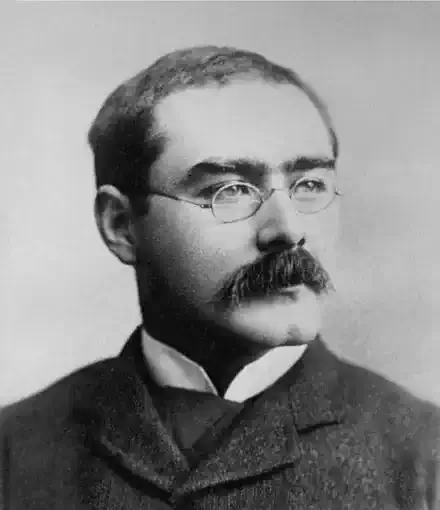
Rudyard Kipling
Buddha at Kamakura
Buddha at Kamakura
Oye who treated the Narrow Way
By Tophet-flare to Judgment Day,
Be gentle when "the heathen" pray
To Buddha at Kamakura!
To him the Way, the Law, apart,
Whom Maya held beneath her heart,
Ananda's Lord, the Bodhisat,
The Buddha of Kamakura.
For though he neither burns nor sees,
Nor hears ye thank your Deities,
Ye have not sinned with such as these,
His children at Kamakura,
Yet spare us still the Western joke
When joss-sticks turn to scented smoke
The little sins of little folk
That worship at Kamakura --
The grey-robed, gay-sashed butterflies
That flit beneath the Master's eyes.
He is beyond the Mysteries
But loves them at Kamakura.
And whoso will, from Pride released,
Contemning neither creed nor priest,
May feel the Soul of all the East
About him at Kamakura.
Yea, every tale Ananda heard,
Of birth as fish or beast or bird,
While yet in lives the Master stirred,
The warm wind brings Kamakura.
Till drowsy eyelids seem to see
A-flower 'neath her golden htee
The Shwe-Dagon flare easterly
From Burmah to Kamakura,
And down the loaded air there comes
The thunder of Thibetan drums,
And droned -- "Om mane padme hums" --
A world's-width from Kamakura.
Yet Brahmans rule Benares still,
Buddh-Gaya's ruins pit the hill,
And beef-fed zealots threaten ill
To Buddha and Kamakura.
A tourist-show, a legend told,
A rusting bulk of bronze and gold,
So much, and scarce so much, ye hold
The meaning of Kamakura?
But when the morning prayer is prayed,
Think, ere ye pass to strife and trade,
Is God in human image made
No nearer than Kamakura?
Oye who treated the Narrow Way
By Tophet-flare to Judgment Day,
Be gentle when "the heathen" pray
To Buddha at Kamakura!
To him the Way, the Law, apart,
Whom Maya held beneath her heart,
Ananda's Lord, the Bodhisat,
The Buddha of Kamakura.
For though he neither burns nor sees,
Nor hears ye thank your Deities,
Ye have not sinned with such as these,
His children at Kamakura,
Yet spare us still the Western joke
When joss-sticks turn to scented smoke
The little sins of little folk
That worship at Kamakura --
The grey-robed, gay-sashed butterflies
That flit beneath the Master's eyes.
He is beyond the Mysteries
But loves them at Kamakura.
And whoso will, from Pride released,
Contemning neither creed nor priest,
May feel the Soul of all the East
About him at Kamakura.
Yea, every tale Ananda heard,
Of birth as fish or beast or bird,
While yet in lives the Master stirred,
The warm wind brings Kamakura.
Till drowsy eyelids seem to see
A-flower 'neath her golden htee
The Shwe-Dagon flare easterly
From Burmah to Kamakura,
And down the loaded air there comes
The thunder of Thibetan drums,
And droned -- "Om mane padme hums" --
A world's-width from Kamakura.
Yet Brahmans rule Benares still,
Buddh-Gaya's ruins pit the hill,
And beef-fed zealots threaten ill
To Buddha and Kamakura.
A tourist-show, a legend told,
A rusting bulk of bronze and gold,
So much, and scarce so much, ye hold
The meaning of Kamakura?
But when the morning prayer is prayed,
Think, ere ye pass to strife and trade,
Is God in human image made
No nearer than Kamakura?
463

Jack Kerouac
nd Chorus Mexico City Blues
nd Chorus Mexico City Blues
Man is not worried in the middle
Man in the Middle
Is not Worried
He knows his Karma
Is not buried
But his Karma,
Unknown to him,
May end -
Which is Nirvana
Wild Men
Who Kill
Have Karmas
Of ill
Good Men
Who Love
Have Karmas
Of dove
Snakes are Poor Denizens of Hell
Have come surreptitioning
Through the tall grass
To face the pool of clear frogs
Man is not worried in the middle
Man in the Middle
Is not Worried
He knows his Karma
Is not buried
But his Karma,
Unknown to him,
May end -
Which is Nirvana
Wild Men
Who Kill
Have Karmas
Of ill
Good Men
Who Love
Have Karmas
Of dove
Snakes are Poor Denizens of Hell
Have come surreptitioning
Through the tall grass
To face the pool of clear frogs
339
Rudyard Kipling
Brookland Road
Brookland Road
I was very well pleased with what I knowed,
I reckoned myself no fool --
Till I met with a maid on the Brookland Road,
That turned me back to school.
Low down-low down!
Where the liddle green lanterns shine --
O maids, I've done with 'ee all but one,
And she can never be mine!
'Twas right in the middest of a hot June night,
With thunder duntin' round,
And I see her face by the fairy-light
That beats from off the ground.
She only smiled and she never spoke,
She smiled and went away;
But when she'd gone my heart was broke
And my wits was clean astray.
O, stop your ringing and let me be --
Let be, O Brookland bells!
You'll ring Old Goodman out of the sea,
Before I wed one else!
Old Goodman's Farm is rank sea-sand,
And was this thousand year;
But it shall turn to rich plough-land
Before I change my dear.
O, Fairfield Church is water-bound
From autumn to the spring;
But it shall turn to high hill-ground
Before my bells do ring.
O, leave me walk on Brookland Road,
In the thunder and warm rain --
O, leave me look where my love goed,
And p'raps I'll see her again!
Low down -- low down!
Where the liddle green lanterns shine --
O maids, I've done with 'ee all but one,
And she can never be mine!
I was very well pleased with what I knowed,
I reckoned myself no fool --
Till I met with a maid on the Brookland Road,
That turned me back to school.
Low down-low down!
Where the liddle green lanterns shine --
O maids, I've done with 'ee all but one,
And she can never be mine!
'Twas right in the middest of a hot June night,
With thunder duntin' round,
And I see her face by the fairy-light
That beats from off the ground.
She only smiled and she never spoke,
She smiled and went away;
But when she'd gone my heart was broke
And my wits was clean astray.
O, stop your ringing and let me be --
Let be, O Brookland bells!
You'll ring Old Goodman out of the sea,
Before I wed one else!
Old Goodman's Farm is rank sea-sand,
And was this thousand year;
But it shall turn to rich plough-land
Before I change my dear.
O, Fairfield Church is water-bound
From autumn to the spring;
But it shall turn to high hill-ground
Before my bells do ring.
O, leave me walk on Brookland Road,
In the thunder and warm rain --
O, leave me look where my love goed,
And p'raps I'll see her again!
Low down -- low down!
Where the liddle green lanterns shine --
O maids, I've done with 'ee all but one,
And she can never be mine!
436
Jack Kerouac
th Chorus
th Chorus
The wheel of the quivering meat
conception
Turns in the void expelling human beings,
Pigs, turtles, frogs, insects, nits,
Mice, lice, lizards, rats, roan
Racinghorses, poxy bucolic pigtics,
Horrible unnameable lice of vultures,
Murderous attacking dog-armies
Of Africa, Rhinos roaming in the
jungle,
Vast boars and huge gigantic bull
Elephants, rams, eagles, condors,
Pones and Porcupines and Pills-
All the endless conception of living
beings
Gnashing everywhere in Consciousness
Throughout the ten directions of space
Occupying all the quarters in & out,
From supermicroscopic no-bug
To huge Galaxy Lightyear Bowell
Illuminating the sky of one Mind-
Poor!
I wish I was free
of that slaving meat wheel
and safe in heaven dead.
The wheel of the quivering meat
conception
Turns in the void expelling human beings,
Pigs, turtles, frogs, insects, nits,
Mice, lice, lizards, rats, roan
Racinghorses, poxy bucolic pigtics,
Horrible unnameable lice of vultures,
Murderous attacking dog-armies
Of Africa, Rhinos roaming in the
jungle,
Vast boars and huge gigantic bull
Elephants, rams, eagles, condors,
Pones and Porcupines and Pills-
All the endless conception of living
beings
Gnashing everywhere in Consciousness
Throughout the ten directions of space
Occupying all the quarters in & out,
From supermicroscopic no-bug
To huge Galaxy Lightyear Bowell
Illuminating the sky of one Mind-
Poor!
I wish I was free
of that slaving meat wheel
and safe in heaven dead.
311
Rudyard Kipling
Boots
Boots
INFANTRY COLUMNS
We're foot--slog--slog--slog--sloggin' over Africa --
Foot--foot--foot--foot--sloggin' over Africa --
(Boots--boots--boots--boots--movin' up an' down again!)
There's no discharge in the war!
Seven--six--eleven--five--nine-an'-twenty mile to-day --
Four--eleven--seventeen--thirty-two the day before --
(Boots--boots--boots--boots--movin' up an' down again!)
There's no discharge in the war!
Don't--don't--don't--don't--look at what's in front of you.
(Boots--boots--boots--boots--movin' up an' down again);
Men--men--men--men--men go mad with watchin' em,
An' there's no discharge in the war!
Try--try--try--try--to think o' something different --
Oh--my--God--keep--me from goin' lunatic!
(Boots--boots--boots--boots--movin' up an' down again!)
There's no discharge in the war!
Count--count--count--count--the bullets in the bandoliers.
If--your--eyes--drop--they will get atop o' you!
(Boots--boots--boots--boots--movin' up an' down again) --
There's no discharge in the war!
We--can--stick--out--'unger, thirst, an' weariness,
But--not--not--not--not the chronic sight of 'em --
Boot--boots--boots--boots--movin' up an' down again,
An' there's no discharge in the war!
'Taint--so--bad--by--day because o' company,
But night--brings--long--strings--o' forty thousand million
Boots--boots--boots--boots--movin' up an' down again.
There's no discharge in the war!
I--'ave--marched--six--weeks in 'Ell an' certify
It--is--not--fire--devils, dark, or anything,
But boots--boots--boots--boots--movin' up an' down again,
An' there's no discharge in the war!
INFANTRY COLUMNS
We're foot--slog--slog--slog--sloggin' over Africa --
Foot--foot--foot--foot--sloggin' over Africa --
(Boots--boots--boots--boots--movin' up an' down again!)
There's no discharge in the war!
Seven--six--eleven--five--nine-an'-twenty mile to-day --
Four--eleven--seventeen--thirty-two the day before --
(Boots--boots--boots--boots--movin' up an' down again!)
There's no discharge in the war!
Don't--don't--don't--don't--look at what's in front of you.
(Boots--boots--boots--boots--movin' up an' down again);
Men--men--men--men--men go mad with watchin' em,
An' there's no discharge in the war!
Try--try--try--try--to think o' something different --
Oh--my--God--keep--me from goin' lunatic!
(Boots--boots--boots--boots--movin' up an' down again!)
There's no discharge in the war!
Count--count--count--count--the bullets in the bandoliers.
If--your--eyes--drop--they will get atop o' you!
(Boots--boots--boots--boots--movin' up an' down again) --
There's no discharge in the war!
We--can--stick--out--'unger, thirst, an' weariness,
But--not--not--not--not the chronic sight of 'em --
Boot--boots--boots--boots--movin' up an' down again,
An' there's no discharge in the war!
'Taint--so--bad--by--day because o' company,
But night--brings--long--strings--o' forty thousand million
Boots--boots--boots--boots--movin' up an' down again.
There's no discharge in the war!
I--'ave--marched--six--weeks in 'Ell an' certify
It--is--not--fire--devils, dark, or anything,
But boots--boots--boots--boots--movin' up an' down again,
An' there's no discharge in the war!
1,091
Jack Kerouac
th Chorus
th Chorus
I keep falling in love
with my mother,
I dont want to hurt her
-Of all people to hurt.
Every time I see her
she's grown older
But her uniform always
amazes me
For its Dutch simplicity
And the Doll she is,
The doll-like way
she stands
Bowlegged in my dreams,
Waiting to serve me.
And I am only an Apache
Smoking Hashi
In old Cabashy
By the Lamp.
I keep falling in love
with my mother,
I dont want to hurt her
-Of all people to hurt.
Every time I see her
she's grown older
But her uniform always
amazes me
For its Dutch simplicity
And the Doll she is,
The doll-like way
she stands
Bowlegged in my dreams,
Waiting to serve me.
And I am only an Apache
Smoking Hashi
In old Cabashy
By the Lamp.
233
Rudyard Kipling
Blue Roses
Blue Roses
Roses red and roses white
Plucked I for my love's delight.
She would none of all my posies--
Bade me gather her blue roses.
Half the world I wandered through,
Seeking where such flowers grew.
Half the world unto my quest
Answered me with laugh and jest.
Home I came at wintertide,
But my silly love had died
Seeking with her latest breath
Roses from the arms of Death.
It may be beyond the grave
She shall find what she would have.
Mine was but an idle quest--
Roses white and red are best!
Roses red and roses white
Plucked I for my love's delight.
She would none of all my posies--
Bade me gather her blue roses.
Half the world I wandered through,
Seeking where such flowers grew.
Half the world unto my quest
Answered me with laugh and jest.
Home I came at wintertide,
But my silly love had died
Seeking with her latest breath
Roses from the arms of Death.
It may be beyond the grave
She shall find what she would have.
Mine was but an idle quest--
Roses white and red are best!
438
Jack Kerouac
th Chorus Mexico City Blues
th Chorus Mexico City Blues
The great hanging weak teat of India
on the map
The Fingernail of Malaya
The Wall of China
The Korea Ti-Pousse Thumb
The Salamander Japan
the Okinawa Moon Spot
The Pacific
The Back of Hawaiian Mountains
coconuts
Kines, balconies, Ah Tarzan-
And D W Griffith
the great American Director
Strolling down disgruntled
Hollywood Lane
-to toot Nebraska,
Indian Village New York,
Atlantis, Rome,
Peleus and Melisander,
And
swans of Balls
Spots of foam on the ocean
The great hanging weak teat of India
on the map
The Fingernail of Malaya
The Wall of China
The Korea Ti-Pousse Thumb
The Salamander Japan
the Okinawa Moon Spot
The Pacific
The Back of Hawaiian Mountains
coconuts
Kines, balconies, Ah Tarzan-
And D W Griffith
the great American Director
Strolling down disgruntled
Hollywood Lane
-to toot Nebraska,
Indian Village New York,
Atlantis, Rome,
Peleus and Melisander,
And
swans of Balls
Spots of foam on the ocean
188
Rudyard Kipling
Bill 'Awkins
Bill 'Awkins
"'As anybody seen Bill 'Awkins?"
"Now 'ow in the devil would I know?"
"'E's taken my girl out walkin',
An' I've got to tell 'im so --
Gawd -- bless -- 'im!
I've got to tell 'im so."
"D'yer know what 'e's like, Bill 'Awkins?"
"Now what in the devil would I care?"
"'E's the livin', breathin' image of an organ-grinder's monkey,
With a pound of grease in 'is 'air --
Gawd -- bless -- 'im!
An' a pound o' grease in 'is 'air."
"An' s'pose you met Bill 'Awkins,
Now what in the devil 'ud ye do?"
"I'd open 'is cheek to 'is chin-strap buckle,
An' bung up 'is both eyes, too --
Gawd -- bless -- 'im!
An' bung up 'is both eyes, too!"
"Look 'ere, where 'e comes, Bill 'Awkins!
Now what in the devil will you say?"
"It isn't fit an' proper to be fightin' on a Sunday,
So I'll pass 'im the time o' day --
Gawd -- bless -- 'im!
I'll pass 'im the time o' day!"
"'As anybody seen Bill 'Awkins?"
"Now 'ow in the devil would I know?"
"'E's taken my girl out walkin',
An' I've got to tell 'im so --
Gawd -- bless -- 'im!
I've got to tell 'im so."
"D'yer know what 'e's like, Bill 'Awkins?"
"Now what in the devil would I care?"
"'E's the livin', breathin' image of an organ-grinder's monkey,
With a pound of grease in 'is 'air --
Gawd -- bless -- 'im!
An' a pound o' grease in 'is 'air."
"An' s'pose you met Bill 'Awkins,
Now what in the devil 'ud ye do?"
"I'd open 'is cheek to 'is chin-strap buckle,
An' bung up 'is both eyes, too --
Gawd -- bless -- 'im!
An' bung up 'is both eyes, too!"
"Look 'ere, where 'e comes, Bill 'Awkins!
Now what in the devil will you say?"
"It isn't fit an' proper to be fightin' on a Sunday,
So I'll pass 'im the time o' day --
Gawd -- bless -- 'im!
I'll pass 'im the time o' day!"
385

Horace
BkIV:XIV Drusus and Tiberius
BkIV:XIV Drusus and Tiberius
What care the Citizens and the Senators
shall take in immortalising your virtues,
granting you full honours, Augustus,
with titles and memorial plaques, O,
greatest of princes, wherever the sun shines
over the countries where people can live, you,
whose power in war the Vindelici
free of our Roman laws, till now, have learnt.
For, with your army, brave Drusus, demolished
the Genauni, that implacable race, in more
direct retaliation, the swift
Breuni, and their defences, established
on the formidable Alpine heights: and soon
Tiberius, the elder Nero, entered
that fierce fight, with his favourable
omens, defeating the wild Rhaetians:
it was wonderful to see with what destruction,
in contesting the war, he exhausted those minds
intent on the deaths of our freemen,
as the south wind, almost, when it troubles
the ungovernable waves, while the Pleiades’
constellation pierces the clouds, he was eager
to attack the hostile ranks, and drive
his neighing horse through the midst of their fire.
As, bull-like, the Aufidus rolls on, flowing
by the domains of Apulian Daunus,
when it rages and threatens fearful
destruction to their cultivated fields,
so Tiberius overwhelmed the armoured
ranks of barbarians, his fierce impetus
covering the earth, mowing down front
and rear, and conquering them without loss,
yours the troops, the strategy and the friendly
gods. For on that date when Alexandria
opened all its harbour, and empty
palaces to you, in supplication,
good Fortune, fifteen years later, delivered
a favourable outcome to the campaign,
and awarded fame, and the glory
hoped-for, to your imperial action.
The Spaniards, never conquered before, the Medes,
the Indians, marvel at you, the roving
Scythians, O eager protector
of Italy and Imperial Rome.
The Nile, that conceals its origin, hears you,
the Danube hears, and the swift-flowing Tigris,
the Ocean, filled with monsters, roaring
around the distant island of Britain,
and the regions of Gaul, unafraid of death,
and the stubborn Iberian land, hear you:
Sygambri, delighting in slaughter,
stand, with grounded weapons, worshipping you.
What care the Citizens and the Senators
shall take in immortalising your virtues,
granting you full honours, Augustus,
with titles and memorial plaques, O,
greatest of princes, wherever the sun shines
over the countries where people can live, you,
whose power in war the Vindelici
free of our Roman laws, till now, have learnt.
For, with your army, brave Drusus, demolished
the Genauni, that implacable race, in more
direct retaliation, the swift
Breuni, and their defences, established
on the formidable Alpine heights: and soon
Tiberius, the elder Nero, entered
that fierce fight, with his favourable
omens, defeating the wild Rhaetians:
it was wonderful to see with what destruction,
in contesting the war, he exhausted those minds
intent on the deaths of our freemen,
as the south wind, almost, when it troubles
the ungovernable waves, while the Pleiades’
constellation pierces the clouds, he was eager
to attack the hostile ranks, and drive
his neighing horse through the midst of their fire.
As, bull-like, the Aufidus rolls on, flowing
by the domains of Apulian Daunus,
when it rages and threatens fearful
destruction to their cultivated fields,
so Tiberius overwhelmed the armoured
ranks of barbarians, his fierce impetus
covering the earth, mowing down front
and rear, and conquering them without loss,
yours the troops, the strategy and the friendly
gods. For on that date when Alexandria
opened all its harbour, and empty
palaces to you, in supplication,
good Fortune, fifteen years later, delivered
a favourable outcome to the campaign,
and awarded fame, and the glory
hoped-for, to your imperial action.
The Spaniards, never conquered before, the Medes,
the Indians, marvel at you, the roving
Scythians, O eager protector
of Italy and Imperial Rome.
The Nile, that conceals its origin, hears you,
the Danube hears, and the swift-flowing Tigris,
the Ocean, filled with monsters, roaring
around the distant island of Britain,
and the regions of Gaul, unafraid of death,
and the stubborn Iberian land, hear you:
Sygambri, delighting in slaughter,
stand, with grounded weapons, worshipping you.
217
Rudyard Kipling
Belts
Belts
There was a row in Silver Street that's near to Dublin Quay,
Between an Irish regiment an' English cavalree;
It started at Revelly an' it lasted on till dark:
The first man dropped at Harrison's, the last forninst the Park.
For it was: -- "Belts, belts, belts, an' that's one for you!"
An' it was "Belts, belts, belts, an' that's done for you!"
O buckle an' tongue
Was the song that we sung
From Harrison's down to the Park!
There was a row in Silver Street -- the regiments was out,
They called us "Delhi Rebels", an' we answered "Threes about!"
That drew them like a hornet's nest -- we met them good an' large,
The English at the double an' the Irish at the charge.
Then it was: -- "Belts . . .
There was a row in Silver Street -- an' I was in it too;
We passed the time o' day, an' then the belts went whirraru!
I misremember what occurred, but subsequint the storm
A ~Freeman's Journal Supplemint~ was all my uniform.
O it was: -- "Belts . . .
There was a row in Silver Street -- they sent the Polis there,
The English were too drunk to know, the Irish didn't care;
But when they grew impertinint we simultaneous rose,
Till half o' them was Liffey mud an' half was tatthered clo'es.
For it was: -- "Belts . . .
There was a row in Silver Street -- it might ha' raged till now,
But some one drew his side-arm clear, an' nobody knew how;
'Twas Hogan took the point an' dropped; we saw the red blood run:
An' so we all was murderers that started out in fun.
While it was: -- "Belts . . .
There was a row in Silver Street -- but that put down the shine,
Wid each man whisperin' to his next: "'Twas never work o' mine!"
We went away like beaten dogs, an' down the street we bore him,
The poor dumb corpse that couldn't tell the bhoys were sorry for him.
When it was: -- "Belts . . .
There was a row in Silver Street -- it isn't over yet,
For half of us are under guard wid punishments to get;
'Tis all a merricle to me as in the Clink I lie:
There was a row in Silver Street -- begod, I wonder why!
But it was: -- "Belts, belts, belts, an' that's one for you!"
An' it was "Belts, belts, belts, an' that's done for you!"
O buckle an' tongue
Was the song that we sung
From Harrison's down to the Park!
There was a row in Silver Street that's near to Dublin Quay,
Between an Irish regiment an' English cavalree;
It started at Revelly an' it lasted on till dark:
The first man dropped at Harrison's, the last forninst the Park.
For it was: -- "Belts, belts, belts, an' that's one for you!"
An' it was "Belts, belts, belts, an' that's done for you!"
O buckle an' tongue
Was the song that we sung
From Harrison's down to the Park!
There was a row in Silver Street -- the regiments was out,
They called us "Delhi Rebels", an' we answered "Threes about!"
That drew them like a hornet's nest -- we met them good an' large,
The English at the double an' the Irish at the charge.
Then it was: -- "Belts . . .
There was a row in Silver Street -- an' I was in it too;
We passed the time o' day, an' then the belts went whirraru!
I misremember what occurred, but subsequint the storm
A ~Freeman's Journal Supplemint~ was all my uniform.
O it was: -- "Belts . . .
There was a row in Silver Street -- they sent the Polis there,
The English were too drunk to know, the Irish didn't care;
But when they grew impertinint we simultaneous rose,
Till half o' them was Liffey mud an' half was tatthered clo'es.
For it was: -- "Belts . . .
There was a row in Silver Street -- it might ha' raged till now,
But some one drew his side-arm clear, an' nobody knew how;
'Twas Hogan took the point an' dropped; we saw the red blood run:
An' so we all was murderers that started out in fun.
While it was: -- "Belts . . .
There was a row in Silver Street -- but that put down the shine,
Wid each man whisperin' to his next: "'Twas never work o' mine!"
We went away like beaten dogs, an' down the street we bore him,
The poor dumb corpse that couldn't tell the bhoys were sorry for him.
When it was: -- "Belts . . .
There was a row in Silver Street -- it isn't over yet,
For half of us are under guard wid punishments to get;
'Tis all a merricle to me as in the Clink I lie:
There was a row in Silver Street -- begod, I wonder why!
But it was: -- "Belts, belts, belts, an' that's one for you!"
An' it was "Belts, belts, belts, an' that's done for you!"
O buckle an' tongue
Was the song that we sung
From Harrison's down to the Park!
404
Horace
BkIV:XII Spring
BkIV:XII Spring
Now Spring’s companions, the Thracian northerlies,
that quieten the ocean, are swelling the canvas:
now fields are unfrozen, and rivers stop roaring
with their volumes of winter snow.
The sad swallow, tearfully mourning Itys, builds
her nest, she’s the House of Cecrops’ eternal shame,
avenging the barbarous lust of Tereus
with too savage a cruelty.
The shepherds, with indolent sheep, in the soft grass,
sing their songs to the sound of the pipes, and delight
great god, Pan, who is pleased with the flocks, and is pleased
by the dark hills of Arcady.
And, Virgil, the season has brought its thirst to us:
but if you’re eager to sip at a grape that was pressed
at Cales, you follower of noble youth, then
earn your wine with a gift of nard.
One small onyx box of nard elicits a jar
that’s lying there now in Sulpicius’ cellar,
sufficient for granting fresh hope, and effective
at washing away bitter care.
If you’re in a rush for pleasures like this, come quick
with your purchase: since I refuse to consider
dipping a gift-less you, in my wine, as if I’m
rich, my house filled with everything.
But abolish delay, and desire for profit,
and, remembering death’s sombre flames, while you can,
mix a little brief foolishness with your wisdom:
it’s sweet sometimes to play the fool.
Now Spring’s companions, the Thracian northerlies,
that quieten the ocean, are swelling the canvas:
now fields are unfrozen, and rivers stop roaring
with their volumes of winter snow.
The sad swallow, tearfully mourning Itys, builds
her nest, she’s the House of Cecrops’ eternal shame,
avenging the barbarous lust of Tereus
with too savage a cruelty.
The shepherds, with indolent sheep, in the soft grass,
sing their songs to the sound of the pipes, and delight
great god, Pan, who is pleased with the flocks, and is pleased
by the dark hills of Arcady.
And, Virgil, the season has brought its thirst to us:
but if you’re eager to sip at a grape that was pressed
at Cales, you follower of noble youth, then
earn your wine with a gift of nard.
One small onyx box of nard elicits a jar
that’s lying there now in Sulpicius’ cellar,
sufficient for granting fresh hope, and effective
at washing away bitter care.
If you’re in a rush for pleasures like this, come quick
with your purchase: since I refuse to consider
dipping a gift-less you, in my wine, as if I’m
rich, my house filled with everything.
But abolish delay, and desire for profit,
and, remembering death’s sombre flames, while you can,
mix a little brief foolishness with your wisdom:
it’s sweet sometimes to play the fool.
212
Rudyard Kipling
Beast and Man in India
Beast and Man in India
They killed a Child to please the Gods
In Earth's young penitence,
And I have bled in that Babe's stead
Because of innocence.
I bear the sins of sinful men
That have no sin of my own,
They drive me forth to Heaven's wrath
Unpastured and alone.
I am the meat of sacrifice,
The ransom of man's guilt,
For they give my life to the altar-knife
Wherever shrine is built.
The Goat.
Between the waving tufts of jungle-grass,
Up from the river as the twilight falls,
Across the dust-beclouded plain they pass
On to the village walls.
Great is the sword and mighty is the pen,
But over all the labouring ploughman's blade--
For on its oxen and its husbandmen
An Empire's strength is laid.
The Oxen.
The torn boughs trailing o'er the tusks aslant,
The saplings reeling in the path he trod,
Declare his might--our lord the Elephant,
Chief of the ways of God.
The black bulk heaving where the oxen pant,
The bowed head toiling where the guns careen,
Declare our might--our slave the Elephant,
And servant of the Queen.
The Elephant.
Dark children of the mere and marsh,
Wallow and waste and lea,
Outcaste they wait at the village gate
With folk of low degree.
Their pasture is in no man's land,
Their food the cattle's scorn;
Their rest is mire and their desire
The thicket and the thorn.
But woe to those that break their sleep,
And woe to those that dare
To rouse the herd-bull from his keep,
The wild boar from his lair!
Pigs and Buffaloes.
The beasts are very wise,
Their mouths are clean of lies,
They talk one to the other,
Bullock to bullock's brother
Resting after their labours,
Each in stall with his neighbours.
But man with goad and whip,
Breaks up their fellowship,
Shouts in their silky ears
Filling their soul with fears.
When he has ploughed the land,
He says: "They understand."
But the beasts in stall together,
Freed from the yoke and tether,
Say as the torn flanks smoke:
"Nay, 'twas the whip that spoke."
They killed a Child to please the Gods
In Earth's young penitence,
And I have bled in that Babe's stead
Because of innocence.
I bear the sins of sinful men
That have no sin of my own,
They drive me forth to Heaven's wrath
Unpastured and alone.
I am the meat of sacrifice,
The ransom of man's guilt,
For they give my life to the altar-knife
Wherever shrine is built.
The Goat.
Between the waving tufts of jungle-grass,
Up from the river as the twilight falls,
Across the dust-beclouded plain they pass
On to the village walls.
Great is the sword and mighty is the pen,
But over all the labouring ploughman's blade--
For on its oxen and its husbandmen
An Empire's strength is laid.
The Oxen.
The torn boughs trailing o'er the tusks aslant,
The saplings reeling in the path he trod,
Declare his might--our lord the Elephant,
Chief of the ways of God.
The black bulk heaving where the oxen pant,
The bowed head toiling where the guns careen,
Declare our might--our slave the Elephant,
And servant of the Queen.
The Elephant.
Dark children of the mere and marsh,
Wallow and waste and lea,
Outcaste they wait at the village gate
With folk of low degree.
Their pasture is in no man's land,
Their food the cattle's scorn;
Their rest is mire and their desire
The thicket and the thorn.
But woe to those that break their sleep,
And woe to those that dare
To rouse the herd-bull from his keep,
The wild boar from his lair!
Pigs and Buffaloes.
The beasts are very wise,
Their mouths are clean of lies,
They talk one to the other,
Bullock to bullock's brother
Resting after their labours,
Each in stall with his neighbours.
But man with goad and whip,
Breaks up their fellowship,
Shouts in their silky ears
Filling their soul with fears.
When he has ploughed the land,
He says: "They understand."
But the beasts in stall together,
Freed from the yoke and tether,
Say as the torn flanks smoke:
"Nay, 'twas the whip that spoke."
523
Horace
BkIV:X Age
BkIV:X Age
O you who are cruel still, and a master of Venus’s gifts,
when a white, unexpected plumage surmounts all your arrogance,
and the tresses that wave on your shoulders have all been shorn away,
and the colour that now outshines the flower of the crimson rose
is transformed, my Ligurinus, and has changed into roughened skin:
whenever you look at your altered face in the mirror, you’ll say:
‘Why didn’t I have, when I was a youth, the mind I have today,
or why can’t those untouched cheeks return to visit this soul of mine?’
O you who are cruel still, and a master of Venus’s gifts,
when a white, unexpected plumage surmounts all your arrogance,
and the tresses that wave on your shoulders have all been shorn away,
and the colour that now outshines the flower of the crimson rose
is transformed, my Ligurinus, and has changed into roughened skin:
whenever you look at your altered face in the mirror, you’ll say:
‘Why didn’t I have, when I was a youth, the mind I have today,
or why can’t those untouched cheeks return to visit this soul of mine?’
217
Rudyard Kipling
Banquet Night
Banquet Night
"ONCE in so often," King Solomon said,
Watching his quarrymen drill the stone,
"We will curb our garlic and wine and bread
And banquet together beneath my Throne,
And all Brethren shall come to that mess
As Fellow-Craftsmen-no more and no less."
"Send a swift shallop to Hiram of Tyre,
Felling and floating our beautiful trees,
Say that the Brethren and I desire
Talk with our Brethren who use the seas.
And we shall be happy to meet them at mess
As Fellow-Craftsmen-no more and no less."
"Carry this message to Hiram Abif-
Excellent master of forge and mine :-
I and the Brethren would like it if
He and the Brethren will come to dine
(Garments from Bozrah or morning-dress)
As Fellow-Craftsmen-no more and no less."
"God gave the Cedar their place-
Also the Bramble, the Fig and the Thorn-
But that is no reason to black a man's face
Because he is not what he hasn't been born.
And, as touching the Temple, I hold and profess
We are Fellow-Craftsmen-no more and no less."
So it was ordered and so it was done,
And the hewers of wood and the Masons of Mark,
With foc'sle hands of Sidon run
And Navy Lords from the ROYAL ARK,
Came and sat down and were merry at mess
As Fellow-Craftsmen-no more and no less.
The Quarries are hotter than Hiram's forge,
No one is safe from the dog-whip's reach.
It's mostly snowing up Lebanon gorge,
And it's always blowing off Joppa beach;
But once in so often, the messenger brings
Solomon's mandate : "Forget these things!
Brother to Beggars and Fellow to Kings,
Companion of Princes-forget these things!
Fellow-Craftsmen, forget these things!"
"ONCE in so often," King Solomon said,
Watching his quarrymen drill the stone,
"We will curb our garlic and wine and bread
And banquet together beneath my Throne,
And all Brethren shall come to that mess
As Fellow-Craftsmen-no more and no less."
"Send a swift shallop to Hiram of Tyre,
Felling and floating our beautiful trees,
Say that the Brethren and I desire
Talk with our Brethren who use the seas.
And we shall be happy to meet them at mess
As Fellow-Craftsmen-no more and no less."
"Carry this message to Hiram Abif-
Excellent master of forge and mine :-
I and the Brethren would like it if
He and the Brethren will come to dine
(Garments from Bozrah or morning-dress)
As Fellow-Craftsmen-no more and no less."
"God gave the Cedar their place-
Also the Bramble, the Fig and the Thorn-
But that is no reason to black a man's face
Because he is not what he hasn't been born.
And, as touching the Temple, I hold and profess
We are Fellow-Craftsmen-no more and no less."
So it was ordered and so it was done,
And the hewers of wood and the Masons of Mark,
With foc'sle hands of Sidon run
And Navy Lords from the ROYAL ARK,
Came and sat down and were merry at mess
As Fellow-Craftsmen-no more and no less.
The Quarries are hotter than Hiram's forge,
No one is safe from the dog-whip's reach.
It's mostly snowing up Lebanon gorge,
And it's always blowing off Joppa beach;
But once in so often, the messenger brings
Solomon's mandate : "Forget these things!
Brother to Beggars and Fellow to Kings,
Companion of Princes-forget these things!
Fellow-Craftsmen, forget these things!"
517
Horace
BkIV:VII Diffugere Nives
BkIV:VII Diffugere Nives
The snow has vanished, already the grass returns to the fields,
and the leaves to the branches:
earth alters its state, and the steadily lessening rivers
slide quietly past their banks:
The Grace, and the Nymphs, with both of her sisters, is daring enough,
leading her dancers, naked.
The year, and the hour that snatches the kindly day away, warn you:
don’t hope for undying things.
Winter gives way to the westerly winds, spring’s trampled to ruin
by summer, and in its turn
fruitful autumn pours out its harvest, barely a moment before
lifeless winter is back again.
Yet swift moons are always repairing celestial losses:
while, when we have descended
to virtuous Aeneas, to rich Tullus and Ancus, our kings,
we’re only dust and shadow.
Who knows whether the gods above will add tomorrow’s hours
to the total of today?
All those you devote to a friendly spirit will escape from
the grasping hands of your heirs.
When once you’re dead, my Torquatus, and Minos pronounces
his splendid judgement on you,
no family, no eloquence, no righteousness even,
can restore you again:
Persephone never frees Hippolytus, chaste as he is,
from the shadow of darkness,
nor has Theseus, for his dear Pirithous, the power to
shatter those Lethean chains.
The snow has vanished, already the grass returns to the fields,
and the leaves to the branches:
earth alters its state, and the steadily lessening rivers
slide quietly past their banks:
The Grace, and the Nymphs, with both of her sisters, is daring enough,
leading her dancers, naked.
The year, and the hour that snatches the kindly day away, warn you:
don’t hope for undying things.
Winter gives way to the westerly winds, spring’s trampled to ruin
by summer, and in its turn
fruitful autumn pours out its harvest, barely a moment before
lifeless winter is back again.
Yet swift moons are always repairing celestial losses:
while, when we have descended
to virtuous Aeneas, to rich Tullus and Ancus, our kings,
we’re only dust and shadow.
Who knows whether the gods above will add tomorrow’s hours
to the total of today?
All those you devote to a friendly spirit will escape from
the grasping hands of your heirs.
When once you’re dead, my Torquatus, and Minos pronounces
his splendid judgement on you,
no family, no eloquence, no righteousness even,
can restore you again:
Persephone never frees Hippolytus, chaste as he is,
from the shadow of darkness,
nor has Theseus, for his dear Pirithous, the power to
shatter those Lethean chains.
221
Rudyard Kipling
Back to the Army Again
Back to the Army Again
I'm 'ere in a ticky ulster an' a broken billycock 'at,
A-layin' on the sergeant I don't know a gun from a bat;
My shirt's doin' duty for jacket, my sock's stickin' out o' my boots,
An' I'm learnin' the damned old goose-step along o' the new recruits!
Back to Army again, sergeant,
Back to the Army again.
Don't look so 'ard, for I 'aven't no card,
I'm back to the Army again!
I done my six years' service. 'Er Majesty sez: "Good day --
You'll please to come when you're rung for, an' 'ere's your 'ole back-pay:
An' fourpence a day for baccy -- an' bloomin' gen'rous, too;
An' now you can make your fortune -- the same as your orf'cers do."
Back to the Army again, sergeant,
Back to the Army again.
'Ow did I learn to do right-about-turn?
I'm back to the Army again!
A man o' four-an'-twenty that 'asn't learned of a trade --
Beside "Reserve" agin' him -- 'e'd better be never made.
I tried my luck for a quarter, an' that was enough for me,
An' I thought of 'Er Majesty's barricks, an' I thought I'd go an' see.
Back to the Army again, sergeant,
Back to the Army again.
'Tisn't my fault if I dress when I 'alt --
I'm back to the Army again!
The sergeant arst no questions, but 'e winked the other eye,
'E sez to me, " 'Shun!" an' I shunted, the same as in days gone by;
For 'e saw the set o' my shoulders, an' I couldn't 'elp 'oldin' straight
When me an' the other rookies come under the barrik-gate.
Back to the Army again, sergeant,
Back to the Army again.
'Oo would ha' thought I could carry an' port?
I'm back to the Army again!
I took my bath, an' I wallered -- for, Gawd, I needed it so!
I smelt the smell o' the barricks, I 'eard the bugles go.
I 'eard the feet on the gravel -- the feet o' the men what drill --
An' I sez to my flutterin' 'eart-strings, I sez to 'em, "Peace, be still!"
Back to the Army again, sergeant,
Back to the Army again.
'Oo said I knew when the troopship was due?
I'm back to the Army again!
I carried my slops to the tailor; I sez to 'im, "None o' your lip!
You tight 'em over the shoulders, an' loose 'em over the 'ip,
For the set o' the tunic's 'orrid." An' 'e sez to me, "Strike me dead,
But I thought you was used to the business!" an' so 'e done what I said.
Back to the Army again, sergeant,
Back to the Army again.
Rather too free with my fancies? Wot -- me?
I'm back to the Army again!
Next week I'll 'ave 'em fitted; I'll buy me a swagger-cane;
They'll let me free o' the barricks to walk on the Hoe again,
In the name o' William Parsons, that used to be Edward Clay,
An' -- any pore beggar that wants it can draw my fourpence a day!
Back to the Army again, sergeant,
Back to the Army again.
Out o' the cold an' the rain, sergeant,
Out o' the cold an' the rain.
'Oo's there?
A man that's too good to be lost you,
A man that is 'andled an' made --
A man that will pay what 'e cost you
In learnin' the others their trade -- parade!
You're droppin' the pick o' the Army
Because you don't 'elp 'em remain,
But drives 'em to cheat to get out o' the street
An' back to the Army again!
I'm 'ere in a ticky ulster an' a broken billycock 'at,
A-layin' on the sergeant I don't know a gun from a bat;
My shirt's doin' duty for jacket, my sock's stickin' out o' my boots,
An' I'm learnin' the damned old goose-step along o' the new recruits!
Back to Army again, sergeant,
Back to the Army again.
Don't look so 'ard, for I 'aven't no card,
I'm back to the Army again!
I done my six years' service. 'Er Majesty sez: "Good day --
You'll please to come when you're rung for, an' 'ere's your 'ole back-pay:
An' fourpence a day for baccy -- an' bloomin' gen'rous, too;
An' now you can make your fortune -- the same as your orf'cers do."
Back to the Army again, sergeant,
Back to the Army again.
'Ow did I learn to do right-about-turn?
I'm back to the Army again!
A man o' four-an'-twenty that 'asn't learned of a trade --
Beside "Reserve" agin' him -- 'e'd better be never made.
I tried my luck for a quarter, an' that was enough for me,
An' I thought of 'Er Majesty's barricks, an' I thought I'd go an' see.
Back to the Army again, sergeant,
Back to the Army again.
'Tisn't my fault if I dress when I 'alt --
I'm back to the Army again!
The sergeant arst no questions, but 'e winked the other eye,
'E sez to me, " 'Shun!" an' I shunted, the same as in days gone by;
For 'e saw the set o' my shoulders, an' I couldn't 'elp 'oldin' straight
When me an' the other rookies come under the barrik-gate.
Back to the Army again, sergeant,
Back to the Army again.
'Oo would ha' thought I could carry an' port?
I'm back to the Army again!
I took my bath, an' I wallered -- for, Gawd, I needed it so!
I smelt the smell o' the barricks, I 'eard the bugles go.
I 'eard the feet on the gravel -- the feet o' the men what drill --
An' I sez to my flutterin' 'eart-strings, I sez to 'em, "Peace, be still!"
Back to the Army again, sergeant,
Back to the Army again.
'Oo said I knew when the troopship was due?
I'm back to the Army again!
I carried my slops to the tailor; I sez to 'im, "None o' your lip!
You tight 'em over the shoulders, an' loose 'em over the 'ip,
For the set o' the tunic's 'orrid." An' 'e sez to me, "Strike me dead,
But I thought you was used to the business!" an' so 'e done what I said.
Back to the Army again, sergeant,
Back to the Army again.
Rather too free with my fancies? Wot -- me?
I'm back to the Army again!
Next week I'll 'ave 'em fitted; I'll buy me a swagger-cane;
They'll let me free o' the barricks to walk on the Hoe again,
In the name o' William Parsons, that used to be Edward Clay,
An' -- any pore beggar that wants it can draw my fourpence a day!
Back to the Army again, sergeant,
Back to the Army again.
Out o' the cold an' the rain, sergeant,
Out o' the cold an' the rain.
'Oo's there?
A man that's too good to be lost you,
A man that is 'andled an' made --
A man that will pay what 'e cost you
In learnin' the others their trade -- parade!
You're droppin' the pick o' the Army
Because you don't 'elp 'em remain,
But drives 'em to cheat to get out o' the street
An' back to the Army again!
421
Horace
BkIV:V To Augustus
BkIV:V To Augustus
Son of the blessed gods, and greatest defender
of Romulus’ people, you’ve been away too long:
make that swift return you promised, to the sacred
councils of the City Fathers,
Blessed leader, bring light to your country again:
when your face shines on the people, like the shining
springtime, then the day itself is more welcoming,
and the sun beams down more brightly.
As a mother, with vows and omens and prayers,
calls to the son whom a southerly wind’s envious
gales have kept far from his home, for more than a year,
lingering there, beyond the waves
of the Carpathian Sea: she who never turns
her face away from the curving line of the shore:
so, smitten with the deep longing of loyalty,
the country yearns for its Caesar.
Then the ox will wander the pastures in safety,
Ceres, and kindly Increase, will nourish the crops,
our sailors will sail across the waters in peace,
trust will shrink from the mark of shame,
the chaste house will be unstained by debauchery,
law and morality conquer the taint of sin,
mothers win praise for new-born so like their fathers,
and punishment attend on guilt.
Who’ll fear the Parthians, or the cold Scythians,
and who’ll fear the offspring savage Germany breeds,
if Caesar’s unharmed? Who’ll worry about battles
in the wilds of Iberia?
Every man passes the day among his own hills,
as he fastens his vines to the waiting branches:
from there he gladly returns to his wine, calls on
you, as god, at the second course:
He worships you with many a prayer, with wine
poured out, joins your name to those of his household gods,
as the Greeks were accustomed to remembering
Castor and mighty Hercules.
‘O blessed leader, bring Italy endless peace!’
That’s what we say, mouths parched, at the start of the day,
that’s what we say, lips wetted with wine, when the sun
sinks to rest under the Ocean.
Son of the blessed gods, and greatest defender
of Romulus’ people, you’ve been away too long:
make that swift return you promised, to the sacred
councils of the City Fathers,
Blessed leader, bring light to your country again:
when your face shines on the people, like the shining
springtime, then the day itself is more welcoming,
and the sun beams down more brightly.
As a mother, with vows and omens and prayers,
calls to the son whom a southerly wind’s envious
gales have kept far from his home, for more than a year,
lingering there, beyond the waves
of the Carpathian Sea: she who never turns
her face away from the curving line of the shore:
so, smitten with the deep longing of loyalty,
the country yearns for its Caesar.
Then the ox will wander the pastures in safety,
Ceres, and kindly Increase, will nourish the crops,
our sailors will sail across the waters in peace,
trust will shrink from the mark of shame,
the chaste house will be unstained by debauchery,
law and morality conquer the taint of sin,
mothers win praise for new-born so like their fathers,
and punishment attend on guilt.
Who’ll fear the Parthians, or the cold Scythians,
and who’ll fear the offspring savage Germany breeds,
if Caesar’s unharmed? Who’ll worry about battles
in the wilds of Iberia?
Every man passes the day among his own hills,
as he fastens his vines to the waiting branches:
from there he gladly returns to his wine, calls on
you, as god, at the second course:
He worships you with many a prayer, with wine
poured out, joins your name to those of his household gods,
as the Greeks were accustomed to remembering
Castor and mighty Hercules.
‘O blessed leader, bring Italy endless peace!’
That’s what we say, mouths parched, at the start of the day,
that’s what we say, lips wetted with wine, when the sun
sinks to rest under the Ocean.
210
Rudyard Kipling
At His Execution
At His Execution
I am made all things to all men--
Hebrew, Roman, and Greek--
In each one's tongue I speak,
Suiting to each my word,
That some may be drawn to the Lord!
I am made all things to all men--
In City or Wilderness
Praising the crafts they profess
That some may be drawn to the Lord--
By any means to my Lord!
Since I was overcome
By that great Light and Word,
I have forgot or forgone
The self men call their own
(Being made all things to all men)
So that I might save some
At such small price to the Lord,
As being all things to all men.
I was made all things to all men,
But now my course is done--
And now is my reward...
Ah, Christ, when I stand at Thy Throne
With those I have drawn to the Lord,
Restore me my self again!
I am made all things to all men--
Hebrew, Roman, and Greek--
In each one's tongue I speak,
Suiting to each my word,
That some may be drawn to the Lord!
I am made all things to all men--
In City or Wilderness
Praising the crafts they profess
That some may be drawn to the Lord--
By any means to my Lord!
Since I was overcome
By that great Light and Word,
I have forgot or forgone
The self men call their own
(Being made all things to all men)
So that I might save some
At such small price to the Lord,
As being all things to all men.
I was made all things to all men,
But now my course is done--
And now is my reward...
Ah, Christ, when I stand at Thy Throne
With those I have drawn to the Lord,
Restore me my self again!
449
Horace
BkIV:IV Drusus and the Claudians
BkIV:IV Drusus and the Claudians
Like the winged agent of the bright lightning-bolt,
to whom Jove granted power over wandering
birds, once the divine king had found him
faithful in snatching blond Ganymede:
youth and his native vigour first launching him
fresh to his labours, out from the nest: spring winds,
despite his fears, when the storms were past,
teaching him, then, unaccustomed effort:
now with a fierce, hostile assault sweeping down
on the sheepfold, and love of spoils, and the fight,
hurling him at writhing snakes: or like
a lion-cub newly weaned from rich milk
and its tawny mother, seeing a roe deer
intent on its browsing, that’s fated to die
in his inexperienced jaws, such
was Drusus, as the Vindelici found
waging war beneath the Rhaetian Alps:
(where the custom’s derived from that, as long as
is known, has forced them to arm themselves,
clutch, in their right hands, Amazonian
battle-axes, I’ve not tried to ascertain,
it’s not right to know everything) but those hordes,
triumphant everywhere, for so long,
were conquered by the young man’s strategies:
they came to realise what mind, and character
nurtured, with care, in a fortunate household,
by Augustus’ fatherly feelings
towards his stepsons, the Neros, could do.
By the brave and good, are the brave created:
their sire’s virtues exist in horses and men,
while the ferocious golden eagles
don’t produce shy doves, but education
improves inborn qualities, and its proper
cultivation strengthens the mind: whenever
moral behaviour falls short, its faults
dishonour whatever was good at birth.
The Metaurus river’s a witness, O Rome
to what you owe to the Neros, so too is
defeated Hasdrubal, and that day
as sweet, when the shadows fled Latium,
the first day to smile in its kindly glory,
since dread Hannibal rode through Italy’s
cities, a fire among the pine-trees,
or an East wind on Sicilian seas.
And after that, through favourable efforts,
the Roman youth grew in stature, and the shrines
destroyed by Carthaginians’
impious uproar, had their gods restored.
At last that treacherous Hannibal proclaimed:
‘Of our own will, like deer who become the prey
of ravening wolves, we’re chasing those
whom it’s a triumph to flee and evade.
Their race, still strong despite the burning of Troy,
brought their children, sacred icons, and aged
fathers, tossed about on Tuscan seas,
to the towns of Italy, as some oak,
rich in its dark leaves, high on Mount Algidus,
trimmed back by the double-bladed axe, draws strength
and life, despite loss and destruction,
from the very steel itself. The Hydra,
as its body was lopped, grew no mightier,
in grief at being conquered by Hercules,
nor was any greater monster reared
by Colchis or Echionian Thebes.
Drowned in the deep, it emerges lovelier:
contend, it defeats the freshest opponent,
with great glory, and wages wars
that the housewives will tell of in story.
I’ll send no more proud messages to Carthage:
every hope of mine is ended, and ended
the fortunes of all my family,
since my brother Hasdrubal’s destruction.
There’s nothing that Claudian power can’t achieve,
protected by Jove, protected by the god’s
authority, power for which shrewd minds
clear the way through the harsh dangers of war.’
Like the winged agent of the bright lightning-bolt,
to whom Jove granted power over wandering
birds, once the divine king had found him
faithful in snatching blond Ganymede:
youth and his native vigour first launching him
fresh to his labours, out from the nest: spring winds,
despite his fears, when the storms were past,
teaching him, then, unaccustomed effort:
now with a fierce, hostile assault sweeping down
on the sheepfold, and love of spoils, and the fight,
hurling him at writhing snakes: or like
a lion-cub newly weaned from rich milk
and its tawny mother, seeing a roe deer
intent on its browsing, that’s fated to die
in his inexperienced jaws, such
was Drusus, as the Vindelici found
waging war beneath the Rhaetian Alps:
(where the custom’s derived from that, as long as
is known, has forced them to arm themselves,
clutch, in their right hands, Amazonian
battle-axes, I’ve not tried to ascertain,
it’s not right to know everything) but those hordes,
triumphant everywhere, for so long,
were conquered by the young man’s strategies:
they came to realise what mind, and character
nurtured, with care, in a fortunate household,
by Augustus’ fatherly feelings
towards his stepsons, the Neros, could do.
By the brave and good, are the brave created:
their sire’s virtues exist in horses and men,
while the ferocious golden eagles
don’t produce shy doves, but education
improves inborn qualities, and its proper
cultivation strengthens the mind: whenever
moral behaviour falls short, its faults
dishonour whatever was good at birth.
The Metaurus river’s a witness, O Rome
to what you owe to the Neros, so too is
defeated Hasdrubal, and that day
as sweet, when the shadows fled Latium,
the first day to smile in its kindly glory,
since dread Hannibal rode through Italy’s
cities, a fire among the pine-trees,
or an East wind on Sicilian seas.
And after that, through favourable efforts,
the Roman youth grew in stature, and the shrines
destroyed by Carthaginians’
impious uproar, had their gods restored.
At last that treacherous Hannibal proclaimed:
‘Of our own will, like deer who become the prey
of ravening wolves, we’re chasing those
whom it’s a triumph to flee and evade.
Their race, still strong despite the burning of Troy,
brought their children, sacred icons, and aged
fathers, tossed about on Tuscan seas,
to the towns of Italy, as some oak,
rich in its dark leaves, high on Mount Algidus,
trimmed back by the double-bladed axe, draws strength
and life, despite loss and destruction,
from the very steel itself. The Hydra,
as its body was lopped, grew no mightier,
in grief at being conquered by Hercules,
nor was any greater monster reared
by Colchis or Echionian Thebes.
Drowned in the deep, it emerges lovelier:
contend, it defeats the freshest opponent,
with great glory, and wages wars
that the housewives will tell of in story.
I’ll send no more proud messages to Carthage:
every hope of mine is ended, and ended
the fortunes of all my family,
since my brother Hasdrubal’s destruction.
There’s nothing that Claudian power can’t achieve,
protected by Jove, protected by the god’s
authority, power for which shrewd minds
clear the way through the harsh dangers of war.’
205
Rudyard Kipling
Arterial
Arterial
I
Frost upon small rain--the ebony-lacquered avenue
Reflecting lamps as a pool shows goldfish.
The sight suddenly emptied out of the young man's eyes
Entering upon it sideways.
II
In youth, by hazard, I killed an old man.
In age I maimed a little child.
Dead leaves under Foot reproach not:
But the lop-sided cherry-branch--whenever the sun rises,
How black a shadow!
I
Frost upon small rain--the ebony-lacquered avenue
Reflecting lamps as a pool shows goldfish.
The sight suddenly emptied out of the young man's eyes
Entering upon it sideways.
II
In youth, by hazard, I killed an old man.
In age I maimed a little child.
Dead leaves under Foot reproach not:
But the lop-sided cherry-branch--whenever the sun rises,
How black a shadow!
346
Horace
BkIV:II Augustus’s Return
BkIV:II Augustus’s Return
Iulus, whoever tries to rival Pindar,
flies on waxen wings, with Daedalean art,
and is doomed, like Icarus, to give a name
to glassy waters.
Like a river, rushing down from the mountains,
that the rain has filled above its usual banks,
so Pindar’s deep voice seethes, immeasurably,
and goes on flowing,
Pindar, deserving Apollo’s laurel crown,
whether he coins new phrases in audacious
dithyrambs, and is carried along in verse
that’s free of rules,
or whether he sings gods, and kings, the children
of gods, at whose hands the Centaurs, rightly, died,
and by whom the fearful Chimaera’s fires
were all extinguished,
or speaks of those godlike ones an Elean
palm, for boxing or riding, leads home again,
granting a tribute much more powerful than
a hundred statues,
or weeps for the young man snatched from his tearful
bride, praises his powers, to the stars, his spirit,
his golden virtue, begrudging all of them
to gloomy Orcus.
Son of Antony, a powerful breeze raises
the Dircean swan, whenever it’s carried
to cloudy heights. While I create my verses,
in the manner
of a humble Matinian bee, that goes
gathering pollen from all the pleasant thyme,
and labours among the many groves, on the banks
of flowing Tiber.
You, a poet of much greater power, will sing
Caesar, honoured with well-earned wreaths, as he climbs
the sacred slopes, drawing along in his wake
the savage Germans:
he, whom no greater and no better ruler
has Fate, and the true gods, given to the world,
nor ever will, though the centuries roll back
to that first age of gold.
You’ll sing of those happy days, and the City’s
public games, when our brave Augustus returns,
in answer to our prayers: you’ll sing the Forum
free of all quarrels.
Then, if what I utter’s worth hearing, the best
strains of my voice, thrilled by Caesar’s return,
will rise, and I will sing: ‘O lovely sun, O
worthy to be praised!’
While you lead us along: ‘Hail, God of Triumph!’
not once but many times: ‘Hail, God of Triumph!’
all the city will shout, and offer incense
to the kindly gods.
Ten bulls will acquit you, and as many cows:
me, a tender calf that has left its mother,
one that’s been fattened on wide pastures, one that
can fulfil my vow,
echoing, with its brow, those returning fires
of the crescent moon, at the third night’s rising,
appearing snow-white where it carries a mark,
and the rest tawny.
Iulus, whoever tries to rival Pindar,
flies on waxen wings, with Daedalean art,
and is doomed, like Icarus, to give a name
to glassy waters.
Like a river, rushing down from the mountains,
that the rain has filled above its usual banks,
so Pindar’s deep voice seethes, immeasurably,
and goes on flowing,
Pindar, deserving Apollo’s laurel crown,
whether he coins new phrases in audacious
dithyrambs, and is carried along in verse
that’s free of rules,
or whether he sings gods, and kings, the children
of gods, at whose hands the Centaurs, rightly, died,
and by whom the fearful Chimaera’s fires
were all extinguished,
or speaks of those godlike ones an Elean
palm, for boxing or riding, leads home again,
granting a tribute much more powerful than
a hundred statues,
or weeps for the young man snatched from his tearful
bride, praises his powers, to the stars, his spirit,
his golden virtue, begrudging all of them
to gloomy Orcus.
Son of Antony, a powerful breeze raises
the Dircean swan, whenever it’s carried
to cloudy heights. While I create my verses,
in the manner
of a humble Matinian bee, that goes
gathering pollen from all the pleasant thyme,
and labours among the many groves, on the banks
of flowing Tiber.
You, a poet of much greater power, will sing
Caesar, honoured with well-earned wreaths, as he climbs
the sacred slopes, drawing along in his wake
the savage Germans:
he, whom no greater and no better ruler
has Fate, and the true gods, given to the world,
nor ever will, though the centuries roll back
to that first age of gold.
You’ll sing of those happy days, and the City’s
public games, when our brave Augustus returns,
in answer to our prayers: you’ll sing the Forum
free of all quarrels.
Then, if what I utter’s worth hearing, the best
strains of my voice, thrilled by Caesar’s return,
will rise, and I will sing: ‘O lovely sun, O
worthy to be praised!’
While you lead us along: ‘Hail, God of Triumph!’
not once but many times: ‘Hail, God of Triumph!’
all the city will shout, and offer incense
to the kindly gods.
Ten bulls will acquit you, and as many cows:
me, a tender calf that has left its mother,
one that’s been fattened on wide pastures, one that
can fulfil my vow,
echoing, with its brow, those returning fires
of the crescent moon, at the third night’s rising,
appearing snow-white where it carries a mark,
and the rest tawny.
242
Rudyard Kipling
Arithmetic on the Frontier
Arithmetic on the Frontier
A great and glorious thing it is
To learn, for seven years or so,
The Lord knows what of that and this,
Ere reckoned fit to face the foe --
The flying bullet down the Pass,
That whistles clear: "All flesh is grass."
Three hundred pounds per annum spent
On making brain and body meeter
For all the murderous intent
Comprised in "villanous saltpetre!"
And after -- ask the Yusufzaies
What comes of all our 'ologies.
A scrimmage in a Border Station --
A canter down some dark defile --
Two thousand pounds of education
Drops to a ten-rupee jezail --
The Crammer's boast, the Squadron's pride,
Shot like a rabbit in a ride!
No proposition Euclid wrote,
No formulae the text-books know,
Will turn the bullet from your coat,
Or ward the tulwar's downward blow
Strike hard who cares -- shoot straight who can --
The odds are on the cheaper man.
One sword-knot stolen from the camp
Will pay for all the school expenses
Of any Kurrum Valley scamp
Who knows no word of moods and tenses,
But, being blessed with perfect sight,
Picks off our messmates left and right.
With home-bred hordes the hillsides teem,
The troop-ships bring us one by one,
At vast expense of time and steam,
To slay Afridis where they run.
The "captives of our bow and spear"
Are cheap -- alas! as we are dear.
A great and glorious thing it is
To learn, for seven years or so,
The Lord knows what of that and this,
Ere reckoned fit to face the foe --
The flying bullet down the Pass,
That whistles clear: "All flesh is grass."
Three hundred pounds per annum spent
On making brain and body meeter
For all the murderous intent
Comprised in "villanous saltpetre!"
And after -- ask the Yusufzaies
What comes of all our 'ologies.
A scrimmage in a Border Station --
A canter down some dark defile --
Two thousand pounds of education
Drops to a ten-rupee jezail --
The Crammer's boast, the Squadron's pride,
Shot like a rabbit in a ride!
No proposition Euclid wrote,
No formulae the text-books know,
Will turn the bullet from your coat,
Or ward the tulwar's downward blow
Strike hard who cares -- shoot straight who can --
The odds are on the cheaper man.
One sword-knot stolen from the camp
Will pay for all the school expenses
Of any Kurrum Valley scamp
Who knows no word of moods and tenses,
But, being blessed with perfect sight,
Picks off our messmates left and right.
With home-bred hordes the hillsides teem,
The troop-ships bring us one by one,
At vast expense of time and steam,
To slay Afridis where they run.
The "captives of our bow and spear"
Are cheap -- alas! as we are dear.
475
Horace
BkIII:XXX Aere Perennius
BkIII:XXX Aere Perennius
I’ve raised a monument, more durable than bronze,
one higher than the Pyramids’ royal towers,
that no devouring rain, or fierce northerly gale,
has power to destroy: nor the immeasurable
succession of years, and the swift passage of time.
I’ll not utterly die, but a rich part of me,
will escape Persephone: and fresh with the praise
of posterity, I’ll rise, beyond. While the High
Priest, and the silent Virgin, climb the Capitol,
I’ll be famous, I, born of humble origin,
(from where wild Aufidus roars, and where Daunus once,
lacking in streams, ruled over a rural people)
as the first to re-create Aeolian song
in Italian verse. Melpomene, take pride,
in what has been earned by your merit, and, Muse,
willingly, crown my hair, with the Delphic laurel.
I’ve raised a monument, more durable than bronze,
one higher than the Pyramids’ royal towers,
that no devouring rain, or fierce northerly gale,
has power to destroy: nor the immeasurable
succession of years, and the swift passage of time.
I’ll not utterly die, but a rich part of me,
will escape Persephone: and fresh with the praise
of posterity, I’ll rise, beyond. While the High
Priest, and the silent Virgin, climb the Capitol,
I’ll be famous, I, born of humble origin,
(from where wild Aufidus roars, and where Daunus once,
lacking in streams, ruled over a rural people)
as the first to re-create Aeolian song
in Italian verse. Melpomene, take pride,
in what has been earned by your merit, and, Muse,
willingly, crown my hair, with the Delphic laurel.
230