
Poems List
Explore poems from our collection
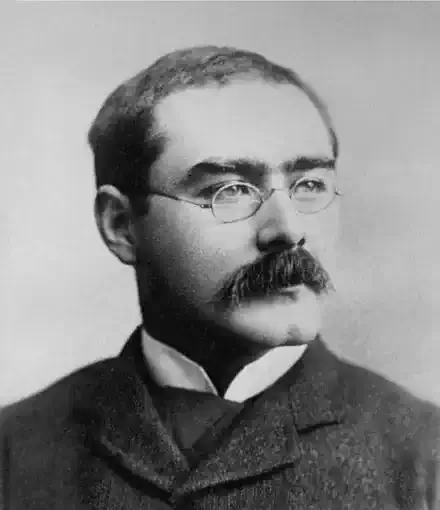
Rudyard Kipling
Gehazi
Gehazi
Whence comest thou, Gehazi,
So reverend to behold,
In scarlet and in ermines
And chain of England's gold?"
"From following after Naaman
To tell him all is well,
Whereby my zeal hath made me
A Judge in Israel."
Well done; well done, Gehazi!
Stretch forth thy ready hand,
Thou barely 'scaped from judgment,
Take oath to judge the land
Unswayed by gift of money
Or privy bribe, more base,
Of knowledge which is profit
In any market-place.
Search out and probe, Gehazi,
As thou of all carist try,
The truthful, well-weighed answer
That tells the blacker lie --
The loud, uneasy virtue
The anger feigned at will,
To overbear a witness
And make the Court keep still.
Take order now, Gehazi,
That no man talk aside
In secret with his judges
The while his case is tried.
Lest he should show them -- reason
To keep a matter hid,
And subtly lead the questions
Away from what he did.
Thou mirror of uprightness,
What ails thee at thy vows?
What means the risen whiteness
Of the skin between thy brows?
The boils that shine and burrow,
The sores that slough and bleed --
The leprosy of Naaman
On thee and all thy seed?
Stand up, stand up, Gehazi,
Draw close thy robe and go,
Gehazi, Judge in Israel,
A leper white as snow!
Whence comest thou, Gehazi,
So reverend to behold,
In scarlet and in ermines
And chain of England's gold?"
"From following after Naaman
To tell him all is well,
Whereby my zeal hath made me
A Judge in Israel."
Well done; well done, Gehazi!
Stretch forth thy ready hand,
Thou barely 'scaped from judgment,
Take oath to judge the land
Unswayed by gift of money
Or privy bribe, more base,
Of knowledge which is profit
In any market-place.
Search out and probe, Gehazi,
As thou of all carist try,
The truthful, well-weighed answer
That tells the blacker lie --
The loud, uneasy virtue
The anger feigned at will,
To overbear a witness
And make the Court keep still.
Take order now, Gehazi,
That no man talk aside
In secret with his judges
The while his case is tried.
Lest he should show them -- reason
To keep a matter hid,
And subtly lead the questions
Away from what he did.
Thou mirror of uprightness,
What ails thee at thy vows?
What means the risen whiteness
Of the skin between thy brows?
The boils that shine and burrow,
The sores that slough and bleed --
The leprosy of Naaman
On thee and all thy seed?
Stand up, stand up, Gehazi,
Draw close thy robe and go,
Gehazi, Judge in Israel,
A leper white as snow!
434
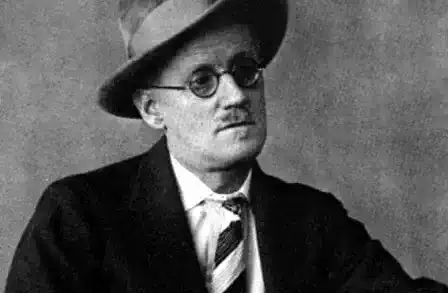
James Joyce
I Would in That Sweet Bosom Be
I Would in That Sweet Bosom Be
I would in that sweet bosom be
(O sweet it is and fair it is!)
Where no rude wind might visit me.
Because of sad austerities
I would in that sweet bosom be.
I would be ever in that heart
(O soft I knock and soft entreat her!)
Where only peace might be my part.
Austerities were all the sweeter
So I were ever in that heart.
I would in that sweet bosom be
(O sweet it is and fair it is!)
Where no rude wind might visit me.
Because of sad austerities
I would in that sweet bosom be.
I would be ever in that heart
(O soft I knock and soft entreat her!)
Where only peace might be my part.
Austerities were all the sweeter
So I were ever in that heart.
203
Rudyard Kipling
Fuzzy-Wuzzy
Fuzzy-Wuzzy
(Soudan Expeditionary Force)
We've fought with many men acrost the seas,
An' some of 'em was brave an' some was not:
The Paythan an' the Zulu an' Burmese;
But the Fuzzy was the finest o' the lot.
We never got a ha'porth's change of 'im:
'E squatted in the scrub an' 'ocked our 'orses,
'E cut our sentries up at Sua~kim~,
An' 'e played the cat an' banjo with our forces.
So 'ere's ~to~ you, Fuzzy-Wuzzy, at your 'ome in the Soudan;
You're a pore benighted 'eathen but a first-class fightin' man;
We gives you your certificate, an' if you want it signed
We'll come an' 'ave a romp with you whenever you're inclined.
We took our chanst among the Khyber 'ills,
The Boers knocked us silly at a mile,
The Burman give us Irriwaddy chills,
An' a Zulu ~impi~ dished us up in style:
But all we ever got from such as they
Was pop to what the Fuzzy made us swaller;
We 'eld our bloomin' own, the papers say,
But man for man the Fuzzy knocked us 'oller.
Then 'ere's ~to~ you, Fuzzy-Wuzzy, an' the missis and the kid;
Our orders was to break you, an' of course we went an' did.
We sloshed you with Martinis, an' it wasn't 'ardly fair;
But for all the odds agin' you, Fuzzy-Wuz, you broke the square.
'E 'asn't got no papers of 'is own,
'E 'asn't got no medals nor rewards,
So we must certify the skill 'e's shown
In usin' of 'is long two-'anded swords:
When 'e's 'oppin' in an' out among the bush
With 'is coffin-'eaded shield an' shovel-spear,
An 'appy day with Fuzzy on the rush
Will last an 'ealthy Tommy for a year.
So 'ere's ~to~ you, Fuzzy-Wuzzy, an' your friends which are no more,
If we 'adn't lost some messmates we would 'elp you to deplore;
But give an' take's the gospel, an' we'll call the bargain fair,
For if you 'ave lost more than us, you crumpled up the square!
'E rushes at the smoke when we let drive,
An', before we know, 'e's 'ackin' at our 'ead;
'E's all 'ot sand an' ginger when alive,
An' 'e's generally shammin' when 'e's dead.
'E's a daisy, 'e's a ducky, 'e's a lamb!
'E's a injia-rubber idiot on the spree,
'E's the on'y thing that doesn't give a damn
For a Regiment o' British Infantree!
So 'ere's ~to~ you, Fuzzy-Wuzzy, at your 'ome in the Soudan;
You're a pore benighted 'eathen but a first-class fightin' man;
An' 'ere's ~to~ you, Fuzzy-Wuzzy, with your 'ayrick 'ead of 'air --
You big black boundin' beggar -- for you broke a British square!
(Soudan Expeditionary Force)
We've fought with many men acrost the seas,
An' some of 'em was brave an' some was not:
The Paythan an' the Zulu an' Burmese;
But the Fuzzy was the finest o' the lot.
We never got a ha'porth's change of 'im:
'E squatted in the scrub an' 'ocked our 'orses,
'E cut our sentries up at Sua~kim~,
An' 'e played the cat an' banjo with our forces.
So 'ere's ~to~ you, Fuzzy-Wuzzy, at your 'ome in the Soudan;
You're a pore benighted 'eathen but a first-class fightin' man;
We gives you your certificate, an' if you want it signed
We'll come an' 'ave a romp with you whenever you're inclined.
We took our chanst among the Khyber 'ills,
The Boers knocked us silly at a mile,
The Burman give us Irriwaddy chills,
An' a Zulu ~impi~ dished us up in style:
But all we ever got from such as they
Was pop to what the Fuzzy made us swaller;
We 'eld our bloomin' own, the papers say,
But man for man the Fuzzy knocked us 'oller.
Then 'ere's ~to~ you, Fuzzy-Wuzzy, an' the missis and the kid;
Our orders was to break you, an' of course we went an' did.
We sloshed you with Martinis, an' it wasn't 'ardly fair;
But for all the odds agin' you, Fuzzy-Wuz, you broke the square.
'E 'asn't got no papers of 'is own,
'E 'asn't got no medals nor rewards,
So we must certify the skill 'e's shown
In usin' of 'is long two-'anded swords:
When 'e's 'oppin' in an' out among the bush
With 'is coffin-'eaded shield an' shovel-spear,
An 'appy day with Fuzzy on the rush
Will last an 'ealthy Tommy for a year.
So 'ere's ~to~ you, Fuzzy-Wuzzy, an' your friends which are no more,
If we 'adn't lost some messmates we would 'elp you to deplore;
But give an' take's the gospel, an' we'll call the bargain fair,
For if you 'ave lost more than us, you crumpled up the square!
'E rushes at the smoke when we let drive,
An', before we know, 'e's 'ackin' at our 'ead;
'E's all 'ot sand an' ginger when alive,
An' 'e's generally shammin' when 'e's dead.
'E's a daisy, 'e's a ducky, 'e's a lamb!
'E's a injia-rubber idiot on the spree,
'E's the on'y thing that doesn't give a damn
For a Regiment o' British Infantree!
So 'ere's ~to~ you, Fuzzy-Wuzzy, at your 'ome in the Soudan;
You're a pore benighted 'eathen but a first-class fightin' man;
An' 'ere's ~to~ you, Fuzzy-Wuzzy, with your 'ayrick 'ead of 'air --
You big black boundin' beggar -- for you broke a British square!
486
James Joyce
He Who Hath Glory Lost
He Who Hath Glory Lost
He who hath glory lost, nor hath
Found any soul to fellow his,
Among his foes in scorn and wrath
Holding to ancient nobleness,
That high unconsortable one ---
His love is his companion.
He who hath glory lost, nor hath
Found any soul to fellow his,
Among his foes in scorn and wrath
Holding to ancient nobleness,
That high unconsortable one ---
His love is his companion.
153
Rudyard Kipling
Four-Feet
Four-Feet
I have done mostly what most men do,
And pushed it out of my mind;
But I can't forget, if I wanted to,
Four-Feet trotting behind.
Day after day, the whole day through --
Wherever my road inclined --
Four-feet said, "I am coming with you!"
And trotted along behind.
Now I must go by some other round, --
Which I shall never find --
Somewhere that does not carry the sound
Of Four-Feet trotting behind.
I have done mostly what most men do,
And pushed it out of my mind;
But I can't forget, if I wanted to,
Four-Feet trotting behind.
Day after day, the whole day through --
Wherever my road inclined --
Four-feet said, "I am coming with you!"
And trotted along behind.
Now I must go by some other round, --
Which I shall never find --
Somewhere that does not carry the sound
Of Four-Feet trotting behind.
456
James Joyce
Gentle Lady, Do Not Sing
Gentle Lady, Do Not Sing
Gentle lady, do not sing
Sad songs about the end of love;
Lay aside sadness and sing
How love that passes is enough.
Sing about the long deep sleep
Of lovers that are dead, and how
In the grave all love shall sleep:
Love is aweary now.
Gentle lady, do not sing
Sad songs about the end of love;
Lay aside sadness and sing
How love that passes is enough.
Sing about the long deep sleep
Of lovers that are dead, and how
In the grave all love shall sleep:
Love is aweary now.
155
Rudyard Kipling
For To Admire
For To Admire
The Injian Ocean sets an' smiles
So sof', so bright, so bloomin' blue;
There aren't a wave for miles an' miles
Excep' the jiggle from the screw.
The ship is swep', the day is done,
The bugle's gone for smoke and play;
An' black agin' the settin' sun
The Lascar sings, "~Hum deckty hai!~" ["I'm looking out."]
For to admire an' for to see,
For to be'old this world so wide --
It never done no good to me,
But I can't drop it if I tried!
I see the sergeants pitchin' quoits,
I 'ear the women laugh an' talk,
I spy upon the quarter-deck
The orficers an' lydies walk.
I thinks about the things that was,
An' leans an' looks acrost the sea,
Till spite of all the crowded ship
There's no one lef' alive but me.
The things that was which I 'ave seen,
In barrick, camp, an' action too,
I tells them over by myself,
An' sometimes wonders if they're true;
For they was odd -- most awful odd --
But all the same now they are o'er,
There must be 'eaps o' plenty such,
An' if I wait I'll see some more.
Oh, I 'ave come upon the books,
An' frequent broke a barrick rule,
An' stood beside an' watched myself
Be'avin' like a bloomin' fool.
I paid my price for findin' out,
Nor never grutched the price I paid,
But sat in Clink without my boots,
Admirin' 'ow the world was made.
Be'old a crowd upon the beam,
An' 'umped above the sea appears
Old Aden, like a barrick-stove
That no one's lit for years an' years!
I passed by that when I began,
An' I go 'ome the road I came,
A time-expired soldier-man
With six years' service to 'is name.
My girl she said, "Oh, stay with me!"
My mother 'eld me to 'er breast.
They've never written none, an' so
They must 'ave gone with all the rest --
With all the rest which I 'ave seen
An' found an' known an' met along.
I cannot say the things I feel,
And so I sing my evenin' song:
For to admire an' for to see,
For to be'old this world so wide --
It never done no good to me,
But I can't drop it if I tried!
The Injian Ocean sets an' smiles
So sof', so bright, so bloomin' blue;
There aren't a wave for miles an' miles
Excep' the jiggle from the screw.
The ship is swep', the day is done,
The bugle's gone for smoke and play;
An' black agin' the settin' sun
The Lascar sings, "~Hum deckty hai!~" ["I'm looking out."]
For to admire an' for to see,
For to be'old this world so wide --
It never done no good to me,
But I can't drop it if I tried!
I see the sergeants pitchin' quoits,
I 'ear the women laugh an' talk,
I spy upon the quarter-deck
The orficers an' lydies walk.
I thinks about the things that was,
An' leans an' looks acrost the sea,
Till spite of all the crowded ship
There's no one lef' alive but me.
The things that was which I 'ave seen,
In barrick, camp, an' action too,
I tells them over by myself,
An' sometimes wonders if they're true;
For they was odd -- most awful odd --
But all the same now they are o'er,
There must be 'eaps o' plenty such,
An' if I wait I'll see some more.
Oh, I 'ave come upon the books,
An' frequent broke a barrick rule,
An' stood beside an' watched myself
Be'avin' like a bloomin' fool.
I paid my price for findin' out,
Nor never grutched the price I paid,
But sat in Clink without my boots,
Admirin' 'ow the world was made.
Be'old a crowd upon the beam,
An' 'umped above the sea appears
Old Aden, like a barrick-stove
That no one's lit for years an' years!
I passed by that when I began,
An' I go 'ome the road I came,
A time-expired soldier-man
With six years' service to 'is name.
My girl she said, "Oh, stay with me!"
My mother 'eld me to 'er breast.
They've never written none, an' so
They must 'ave gone with all the rest --
With all the rest which I 'ave seen
An' found an' known an' met along.
I cannot say the things I feel,
And so I sing my evenin' song:
For to admire an' for to see,
For to be'old this world so wide --
It never done no good to me,
But I can't drop it if I tried!
384
James Joyce
Flood
Flood
Goldbrown upon the sated flood
The rockvine clusters lift and sway;
Vast wings above the lambent waters brood
Of sullen day.
A waste of waters ruthlessly
Sways and uplifts its weedy mane
Where brooding day stares down upon the sea
In dull disdain.
Uplift and sway, O golden vine,
Your clustered fruits to love's full flood,
Lambent and vast and ruthless as is thine
Incertitude!
Goldbrown upon the sated flood
The rockvine clusters lift and sway;
Vast wings above the lambent waters brood
Of sullen day.
A waste of waters ruthlessly
Sways and uplifts its weedy mane
Where brooding day stares down upon the sea
In dull disdain.
Uplift and sway, O golden vine,
Your clustered fruits to love's full flood,
Lambent and vast and ruthless as is thine
Incertitude!
168
Rudyard Kipling
Follow Me 'Ome
Follow Me 'Ome
There was no one like 'im, 'Orse or Foot,
Nor any o' the Guns I knew;
An' because it was so, why, o' course 'e went an' died,
Which is just what the best men do.
So it's knock out your pipes an' follow me!
An' it's finish up your swipes an' follow me!
Oh, 'ark to the big drum callin',
Follow me -- follow me 'ome!
'Is mare she neighs the 'ole day long,
She paws the 'ole night through,
An' she won't take 'er feed 'cause o' waitin' for 'is step,
Which is just what a beast would do.
'Is girl she goes with a bombardier
Before 'er month is through;
An' the banns are up in church, for she's got the beggar hooked,
Which is just what a girl would do.
We fought 'bout a dog -- last week it were --
No more than a round or two;
But I strook 'im cruel 'ard, an' I wish I 'adn't now,
Which is just what a man can't do.
'E was all that I 'ad in the way of a friend,
An' I've 'ad to find one new;
But I'd give my pay an' stripe for to get the beggar back,
Which it's just too late to do.
So it's knock out your pipes an' follow me!
An' it's finish off your swipes an' follow me!
Oh, 'ark to the fifes a-crawlin'!
Follow me -- follow me 'ome!
Take 'im away! 'E's gone where the best men go.
Take 'im away! An' the gun-wheels turnin' slow.
Take 'im away! There's more from the place 'e come.
Take 'im away, with the limber an' the drum.
For it's "Three rounds blank" an' follow me,
An' it's "Thirteen rank" an' follow me;
Oh, passin' the love o' women,
Follow me -- follow me 'ome!
There was no one like 'im, 'Orse or Foot,
Nor any o' the Guns I knew;
An' because it was so, why, o' course 'e went an' died,
Which is just what the best men do.
So it's knock out your pipes an' follow me!
An' it's finish up your swipes an' follow me!
Oh, 'ark to the big drum callin',
Follow me -- follow me 'ome!
'Is mare she neighs the 'ole day long,
She paws the 'ole night through,
An' she won't take 'er feed 'cause o' waitin' for 'is step,
Which is just what a beast would do.
'Is girl she goes with a bombardier
Before 'er month is through;
An' the banns are up in church, for she's got the beggar hooked,
Which is just what a girl would do.
We fought 'bout a dog -- last week it were --
No more than a round or two;
But I strook 'im cruel 'ard, an' I wish I 'adn't now,
Which is just what a man can't do.
'E was all that I 'ad in the way of a friend,
An' I've 'ad to find one new;
But I'd give my pay an' stripe for to get the beggar back,
Which it's just too late to do.
So it's knock out your pipes an' follow me!
An' it's finish off your swipes an' follow me!
Oh, 'ark to the fifes a-crawlin'!
Follow me -- follow me 'ome!
Take 'im away! 'E's gone where the best men go.
Take 'im away! An' the gun-wheels turnin' slow.
Take 'im away! There's more from the place 'e come.
Take 'im away, with the limber an' the drum.
For it's "Three rounds blank" an' follow me,
An' it's "Thirteen rank" an' follow me;
Oh, passin' the love o' women,
Follow me -- follow me 'ome!
375
James Joyce
Dear Heart, Why Will You Use Me So?
Dear Heart, Why Will You Use Me So?
Dear heart, why will you use me so?
Dear eyes that gently me upbraid,
Still are you beautiful -- - but O,
How is your beauty raimented!
Through the clear mirror of your eyes,
Through the soft sigh of kiss to kiss,
Desolate winds assail with cries
The shadowy garden where love is.
And soon shall love dissolved be
When over us the wild winds blow -- -
But you, dear love, too dear to me,
Alas! why will you use me so?
Dear heart, why will you use me so?
Dear eyes that gently me upbraid,
Still are you beautiful -- - but O,
How is your beauty raimented!
Through the clear mirror of your eyes,
Through the soft sigh of kiss to kiss,
Desolate winds assail with cries
The shadowy garden where love is.
And soon shall love dissolved be
When over us the wild winds blow -- -
But you, dear love, too dear to me,
Alas! why will you use me so?
188
Rudyard Kipling
Farewell and adieu....
Farewell and adieu....
Farewell and adieu to you, Harwich Ladies,
Farewell and adieu to you, ladies ashore!
For we've received orders to work to the eastward
Where we hope in a short time to strafe 'em some more.
We'll duck and we'll dive like little tin turtles,
We'll duck and we'll dive underneath the North Seas,
Until we strike something that doesn't expect us.
From here to Cuxhaven it's go as you please!
The first thing we did was to dock in a minefield,
Which isn't a place where repairs should be done;
And there we lay doggo in twelve-fathom water
With tri-nitro-toluol hogging our run.
The next thing we did, we rose under a Zeppelin,
With his shiny big belly half blocking the sky.
But what in the--Heavens can you do with six-pounders?
So we fired what we had and we bade him good-bye.
Farewell and adieu to you, Harwich Ladies,
Farewell and adieu to you, ladies ashore!
For we've received orders to work to the eastward
Where we hope in a short time to strafe 'em some more
Farewell and adieu to you, Harwich Ladies,
Farewell and adieu to you, ladies ashore!
For we've received orders to work to the eastward
Where we hope in a short time to strafe 'em some more.
We'll duck and we'll dive like little tin turtles,
We'll duck and we'll dive underneath the North Seas,
Until we strike something that doesn't expect us.
From here to Cuxhaven it's go as you please!
The first thing we did was to dock in a minefield,
Which isn't a place where repairs should be done;
And there we lay doggo in twelve-fathom water
With tri-nitro-toluol hogging our run.
The next thing we did, we rose under a Zeppelin,
With his shiny big belly half blocking the sky.
But what in the--Heavens can you do with six-pounders?
So we fired what we had and we bade him good-bye.
Farewell and adieu to you, Harwich Ladies,
Farewell and adieu to you, ladies ashore!
For we've received orders to work to the eastward
Where we hope in a short time to strafe 'em some more
462
James Joyce
Bid Adieu to Maidenhood
Bid Adieu to Maidenhood
Bid adieu, adieu, adieu,
Bid adieu to girlish days,
Happy Love is come to woo
Thee and woo thy girlish ways—
The zone that doth become thee fair,
The snood upon thy yellow hair,
When thou hast heard his name upon
The bugles of the cherubim
Begin thou softly to unzone
Thy girlish bosom unto him
And softly to undo the snood
That is the sign of maidenhood.
Bid adieu, adieu, adieu,
Bid adieu to girlish days,
Happy Love is come to woo
Thee and woo thy girlish ways—
The zone that doth become thee fair,
The snood upon thy yellow hair,
When thou hast heard his name upon
The bugles of the cherubim
Begin thou softly to unzone
Thy girlish bosom unto him
And softly to undo the snood
That is the sign of maidenhood.
174
Rudyard Kipling
False Dawn
False Dawn
To-night, God knows what thing shall tide,
The Earth is racked and fain--
Expectant, sleepless, open-eyed;
And we, who from the Earth were made,
Thrill with our Mother's pain.
To-night, God knows what thing shall tide,
The Earth is racked and fain--
Expectant, sleepless, open-eyed;
And we, who from the Earth were made,
Thrill with our Mother's pain.
393
James Joyce
Be Not Sad
Be Not Sad
Be not sad because all men
Prefer a lying clamour before you:
Sweetheart, be at peace again -- -
Can they dishonour you?
They are sadder than all tears;
Their lives ascend as a continual sigh.
Proudly answer to their tears:
As they deny, deny.
Be not sad because all men
Prefer a lying clamour before you:
Sweetheart, be at peace again -- -
Can they dishonour you?
They are sadder than all tears;
Their lives ascend as a continual sigh.
Proudly answer to their tears:
As they deny, deny.
190
Rudyard Kipling
Evarra And His Gods
Evarra And His Gods
~Read here:
This is the story of Evarra -- man --
Maker of Gods in lands beyond the sea.~
Because the city gave him of her gold,
Because the caravans brought turquoises,
Because his life was sheltered by the King,
So that no man should maim him, none should steal,
Or break his rest with babble in the streets
When he was weary after toil, he made
An image of his God in gold and pearl,
With turquoise diadem and human eyes,
A wonder in the sunshine, known afar,
And worshipped by the King; but, drunk with pride,
Because the city bowed to him for God,
He wrote above the shrine: "~Thus Gods are made,
And whoso makes them otherwise shall die.~"
And all the city praised him. . . . Then he died.
~Read here the story of Evarra -- man --
Maker of Gods in lands beyond the sea.~
Because the city had no wealth to give,
Because the caravans were spoiled afar,
Because his life was threatened by the King,
So that all men despised him in the streets,
He hewed the living rock, with sweat and tears,
And reared a God against the morning-gold,
A terror in the sunshine, seen afar,
And worshipped by the King; but, drunk with pride,
Because the city fawned to bring him back,
He carved upon the plinth: "~Thus Gods are made,
And whoso makes them otherwise shall die.~"
And all the people praised him. . . . Then he died.
~Read here the story of Evarra -- man --
Maker of Gods in lands beyond the sea.~
Because he lived among a simple folk,
Because his village was between the hills,
Because he smeared his cheeks with blood of ewes,
He cut an idol from a fallen pine,
Smeared blood upon its cheeks, and wedged a shell
Above its brows for eyes, and gave it hair
Of trailing moss, and plaited straw for crown.
And all the village praised him for this craft,
And brought him butter, honey, milk, and curds.
Wherefore, because the shoutings drove him mad,
He scratched upon that log: "~Thus Gods are made,
And whoso makes them otherwise shall die.~"
And all the people praised him. . . . Then he died.
~Read here the story of Evarra -- man --
Maker of Gods in lands beyond the sea.~
Because his God decreed one clot of blood
Should swerve one hair's-breadth from the pulse's path,
And chafe his brain, Evarra mowed alone,
Rag-wrapped, among the cattle in the fields,
Counting his fingers, jesting with the trees,
And mocking at the mist, until his God
Drove him to labour. Out of dung and horns
Dropped in the mire he made a monstrous God,
Abhorrent, shapeless, crowned with plantain tufts,
And when the cattle lowed at twilight-time,
He dreamed it was the clamour of lost crowds,
And howled among the beasts: "~Thus Gods are made,
And whoso makes them otherwise shall die.~"
Thereat the cattle bellowed. . . . Then he died.
Yet at the last he came to Paradise,
And found his own four Gods, and that he wrote;
And marvelled, being very near to God,
What oaf on earth had made his toil God's law,
Till God said mocking: "Mock not. These be thine."
Then cried Evarra: "I have sinned!" -- "Not so.
If thou hadst written otherwise, thy Gods
Had rested in the mountain and the mine,
And I were poorer by four wondrous Gods,
And thy more wondrous law, Evarra. Thine,
Servant of shouting crowds and lowing kine."
Thereat, with laughing mouth, but tear-wet eyes,
Evarra cast his Gods from Paradise.
~This is the story of Evarra -- man --
Maker of Gods in lands beyond the sea.~
~Read here:
This is the story of Evarra -- man --
Maker of Gods in lands beyond the sea.~
Because the city gave him of her gold,
Because the caravans brought turquoises,
Because his life was sheltered by the King,
So that no man should maim him, none should steal,
Or break his rest with babble in the streets
When he was weary after toil, he made
An image of his God in gold and pearl,
With turquoise diadem and human eyes,
A wonder in the sunshine, known afar,
And worshipped by the King; but, drunk with pride,
Because the city bowed to him for God,
He wrote above the shrine: "~Thus Gods are made,
And whoso makes them otherwise shall die.~"
And all the city praised him. . . . Then he died.
~Read here the story of Evarra -- man --
Maker of Gods in lands beyond the sea.~
Because the city had no wealth to give,
Because the caravans were spoiled afar,
Because his life was threatened by the King,
So that all men despised him in the streets,
He hewed the living rock, with sweat and tears,
And reared a God against the morning-gold,
A terror in the sunshine, seen afar,
And worshipped by the King; but, drunk with pride,
Because the city fawned to bring him back,
He carved upon the plinth: "~Thus Gods are made,
And whoso makes them otherwise shall die.~"
And all the people praised him. . . . Then he died.
~Read here the story of Evarra -- man --
Maker of Gods in lands beyond the sea.~
Because he lived among a simple folk,
Because his village was between the hills,
Because he smeared his cheeks with blood of ewes,
He cut an idol from a fallen pine,
Smeared blood upon its cheeks, and wedged a shell
Above its brows for eyes, and gave it hair
Of trailing moss, and plaited straw for crown.
And all the village praised him for this craft,
And brought him butter, honey, milk, and curds.
Wherefore, because the shoutings drove him mad,
He scratched upon that log: "~Thus Gods are made,
And whoso makes them otherwise shall die.~"
And all the people praised him. . . . Then he died.
~Read here the story of Evarra -- man --
Maker of Gods in lands beyond the sea.~
Because his God decreed one clot of blood
Should swerve one hair's-breadth from the pulse's path,
And chafe his brain, Evarra mowed alone,
Rag-wrapped, among the cattle in the fields,
Counting his fingers, jesting with the trees,
And mocking at the mist, until his God
Drove him to labour. Out of dung and horns
Dropped in the mire he made a monstrous God,
Abhorrent, shapeless, crowned with plantain tufts,
And when the cattle lowed at twilight-time,
He dreamed it was the clamour of lost crowds,
And howled among the beasts: "~Thus Gods are made,
And whoso makes them otherwise shall die.~"
Thereat the cattle bellowed. . . . Then he died.
Yet at the last he came to Paradise,
And found his own four Gods, and that he wrote;
And marvelled, being very near to God,
What oaf on earth had made his toil God's law,
Till God said mocking: "Mock not. These be thine."
Then cried Evarra: "I have sinned!" -- "Not so.
If thou hadst written otherwise, thy Gods
Had rested in the mountain and the mine,
And I were poorer by four wondrous Gods,
And thy more wondrous law, Evarra. Thine,
Servant of shouting crowds and lowing kine."
Thereat, with laughing mouth, but tear-wet eyes,
Evarra cast his Gods from Paradise.
~This is the story of Evarra -- man --
Maker of Gods in lands beyond the sea.~
538
James Joyce
At That Hour
At That Hour
At that hour when all things have repose,
O lonely watcher of the skies,
Do you hear the night wind and the sighs
Of harps playing unto Love to unclose
The pale gates of sunrise?
When all things repose, do you alone
Awake to hear the sweet harps play
To Love before him on his way,
And the night wind answering in antiphon
Till night is overgone?
Play on, invisible harps, unto Love,
Whose way in heaven is aglow
At that hour when soft lights come and go,
Soft sweet music in the air above
And in the earth below.
At that hour when all things have repose,
O lonely watcher of the skies,
Do you hear the night wind and the sighs
Of harps playing unto Love to unclose
The pale gates of sunrise?
When all things repose, do you alone
Awake to hear the sweet harps play
To Love before him on his way,
And the night wind answering in antiphon
Till night is overgone?
Play on, invisible harps, unto Love,
Whose way in heaven is aglow
At that hour when soft lights come and go,
Soft sweet music in the air above
And in the earth below.
204
Rudyard Kipling
En-Dor
En-Dor
Behold there is a woman that hath a familiar spirit at En-dor. -- I Samuel, xxviii.
The road to En-dor is easy to tread
For Mother or yearning Wife.
There, it is sure, we shall meet our Dead
As they were even in life.
Earth has not dreamed of the blessing in store
For desolate hearts on the road to En-dor.
Whispers shall comfort us out of the dark--
Hands--ah God!--that we knew!
Visions .and voices --look and hark!--
Shall prove that the tale is true,
An that those who have passed to the further shore
May' be hailed--at a price--on the road to En-dor.
But they are so deep in their new eclipse
Nothing they say can reach,
Unless it be uttered by alien lips
And I framed in a stranger's speech.
The son must send word to the mother that bore,
'Through an hireling's mouth. 'Tis the rule of En-dor.
And not for nothing these gifts are shown
By such as delight our dead.
They must twitch and stiffen and slaver and groan
Ere the eyes are set in the head,
And the voice from the belly begins. Therefore,
We pay them a wage where they ply at En-dor.
Even so, we have need of faith
And patience to follow the clue.
Often, at first, what the dear one saith
Is babble, or jest, or untrue.
(Lying spirits perplex us sore
Till our loves--and their lives--are well-known at
En-dor). . . .
Oh the road to En-dor is the oldest road
And the craziest road of all!
Straight it runs to the Witch's abode,
As it did in the days of Saul,
And nothing has changed of the sorrow in store
For such as go down on the road to En-dor!
Behold there is a woman that hath a familiar spirit at En-dor. -- I Samuel, xxviii.
The road to En-dor is easy to tread
For Mother or yearning Wife.
There, it is sure, we shall meet our Dead
As they were even in life.
Earth has not dreamed of the blessing in store
For desolate hearts on the road to En-dor.
Whispers shall comfort us out of the dark--
Hands--ah God!--that we knew!
Visions .and voices --look and hark!--
Shall prove that the tale is true,
An that those who have passed to the further shore
May' be hailed--at a price--on the road to En-dor.
But they are so deep in their new eclipse
Nothing they say can reach,
Unless it be uttered by alien lips
And I framed in a stranger's speech.
The son must send word to the mother that bore,
'Through an hireling's mouth. 'Tis the rule of En-dor.
And not for nothing these gifts are shown
By such as delight our dead.
They must twitch and stiffen and slaver and groan
Ere the eyes are set in the head,
And the voice from the belly begins. Therefore,
We pay them a wage where they ply at En-dor.
Even so, we have need of faith
And patience to follow the clue.
Often, at first, what the dear one saith
Is babble, or jest, or untrue.
(Lying spirits perplex us sore
Till our loves--and their lives--are well-known at
En-dor). . . .
Oh the road to En-dor is the oldest road
And the craziest road of all!
Straight it runs to the Witch's abode,
As it did in the days of Saul,
And nothing has changed of the sorrow in store
For such as go down on the road to En-dor!
501
James Joyce
All Day I Hear the Noise of Waters
All Day I Hear the Noise of Waters
All day I hear the noise of waters
Making moan,
Sad as the sea-bird is when, going
Forth alone,
He hears the winds cry to the water's
Monotone.
The grey winds, the cold winds are blowing
Where I go.
I hear the noise of many waters
Far below.
All day, all night, I hear them flowing
To and fro.
All day I hear the noise of waters
Making moan,
Sad as the sea-bird is when, going
Forth alone,
He hears the winds cry to the water's
Monotone.
The grey winds, the cold winds are blowing
Where I go.
I hear the noise of many waters
Far below.
All day, all night, I hear them flowing
To and fro.
216
Rudyard Kipling
Eddi's Service
Eddi's Service
(A.D. )
Eddi, priest of St. Wilfrid
In his chapel at Manhood End,
Ordered a midnight service
For such as cared to attend.
But the Saxons were keeping Christmas,
And the night was stormy as well.
Nobody came to service,
Though Eddi rang the bell.
"'Wicked weather for walking,"
Said Eddi of Manhood End.
"But I must go on with the service
For such as care to attend."
The altar-lamps were lighted, --
An old marsh-donkey came,
Bold as a guest invited,
And stared at the guttering flame.
The storm beat on at the windows,
The water splashed on the floor,
And a wet, yoke-weary bullock
Pushed in through the open door.
"How do I know what is greatest,
How do I know what is least?
That is My Father's business,"
Said Eddi, Wilfrid's priest.
"But -- three are gathered together --
Listen to me and attend.
I bring good news, my brethren!"
Said Eddi of Manhood End.
And he told the Ox of a Manger
And a Stall in Bethlehem,
And he spoke to the Ass of a Rider,
That rode to Jerusalem.
They steamed and dripped in the chancel,
They listened and never stirred,
While, just as though they were Bishops,
Eddi preached them The World,
Till the gale blew off on the marshes
And the windows showed the day,
And the Ox and the Ass together
Wheeled and clattered away.
And when the Saxons mocked him,
Said Eddi of Manhood End,
"I dare not shut His chapel
On such as care to attend."
(A.D. )
Eddi, priest of St. Wilfrid
In his chapel at Manhood End,
Ordered a midnight service
For such as cared to attend.
But the Saxons were keeping Christmas,
And the night was stormy as well.
Nobody came to service,
Though Eddi rang the bell.
"'Wicked weather for walking,"
Said Eddi of Manhood End.
"But I must go on with the service
For such as care to attend."
The altar-lamps were lighted, --
An old marsh-donkey came,
Bold as a guest invited,
And stared at the guttering flame.
The storm beat on at the windows,
The water splashed on the floor,
And a wet, yoke-weary bullock
Pushed in through the open door.
"How do I know what is greatest,
How do I know what is least?
That is My Father's business,"
Said Eddi, Wilfrid's priest.
"But -- three are gathered together --
Listen to me and attend.
I bring good news, my brethren!"
Said Eddi of Manhood End.
And he told the Ox of a Manger
And a Stall in Bethlehem,
And he spoke to the Ass of a Rider,
That rode to Jerusalem.
They steamed and dripped in the chancel,
They listened and never stirred,
While, just as though they were Bishops,
Eddi preached them The World,
Till the gale blew off on the marshes
And the windows showed the day,
And the Ox and the Ass together
Wheeled and clattered away.
And when the Saxons mocked him,
Said Eddi of Manhood End,
"I dare not shut His chapel
On such as care to attend."
461
James Joyce
A Memory of the Players in a Mirror at Midnight
A Memory of the Players in a Mirror at Midnight
They mouth love's language. Gnash
The thirteen teeth
Your lean jaws grin with. Lash
Your itch and quailing, nude greed of the flesh.
Love's breath in you is stale, worded or sung,
As sour as cat's breath,
Harsh of tongue.
This grey that stares
Lies not, stark skin and bone.
Leave greasy lips their kissing. None
Will choose her what you see to mouth upon.
Dire hunger holds his hour.
Pluck forth your heart, saltblood, a fruit of tears.
Pluck and devour!
They mouth love's language. Gnash
The thirteen teeth
Your lean jaws grin with. Lash
Your itch and quailing, nude greed of the flesh.
Love's breath in you is stale, worded or sung,
As sour as cat's breath,
Harsh of tongue.
This grey that stares
Lies not, stark skin and bone.
Leave greasy lips their kissing. None
Will choose her what you see to mouth upon.
Dire hunger holds his hour.
Pluck forth your heart, saltblood, a fruit of tears.
Pluck and devour!
231
Rudyard Kipling
Divided Destinies
Divided Destinies
It was an artless Bandar, and he danced upon a pine,
And much I wondered how he lived, and where the beast might dine,
And many, many other things, till, o'er my morning smoke,
I slept the sleep of idleness and dreamt that Bandar spoke.
He said: "O man of many clothes! Sad crawler on the Hills!
Observe, I know not Ranken's shop, nor Ranken's monthly bills;
I take no heed to trousers or the coats that you call dress;
Nor am I plagued with little cards for little drinks at Mess.
"I steal the bunnia's grain at morn, at noon and eventide,
(For he is fat and I am spare), I roam the mountain side,
I follow no man's carriage, and no, never in my life
Have I flirted at Peliti's with another Bandar's wife.
"O man of futile fopperies -- unnecessary wraps;
I own no ponies in the hills, I drive no tall-wheeled traps;
I buy me not twelve-button gloves, 'short-sixes' eke, or rings,
Nor do I waste at Hamilton's my wealth on 'pretty things.'
"I quarrel with my wife at home, we never fight abroad;
But Mrs. B. has grasped the fact I am her only lord.
I never heard of fever -- dumps nor debts depress my soul;
And I pity and despise you!" Here he pouched my breakfast-roll.
His hide was very mangy, and his face was very red,
And ever and anon he scratched with energy his head.
His manners were not always nice, but how my spirit cried
To be an artless Bandar loose upon the mountain side!
So I answered: "Gentle Bandar, and inscrutable Decree
Makes thee a gleesome fleasome Thou, and me a wretched Me.
Go! Depart in peace, my brother, to thy home amid the pine;
Yet forget not once a mortal wished to change his lot for thine."
It was an artless Bandar, and he danced upon a pine,
And much I wondered how he lived, and where the beast might dine,
And many, many other things, till, o'er my morning smoke,
I slept the sleep of idleness and dreamt that Bandar spoke.
He said: "O man of many clothes! Sad crawler on the Hills!
Observe, I know not Ranken's shop, nor Ranken's monthly bills;
I take no heed to trousers or the coats that you call dress;
Nor am I plagued with little cards for little drinks at Mess.
"I steal the bunnia's grain at morn, at noon and eventide,
(For he is fat and I am spare), I roam the mountain side,
I follow no man's carriage, and no, never in my life
Have I flirted at Peliti's with another Bandar's wife.
"O man of futile fopperies -- unnecessary wraps;
I own no ponies in the hills, I drive no tall-wheeled traps;
I buy me not twelve-button gloves, 'short-sixes' eke, or rings,
Nor do I waste at Hamilton's my wealth on 'pretty things.'
"I quarrel with my wife at home, we never fight abroad;
But Mrs. B. has grasped the fact I am her only lord.
I never heard of fever -- dumps nor debts depress my soul;
And I pity and despise you!" Here he pouched my breakfast-roll.
His hide was very mangy, and his face was very red,
And ever and anon he scratched with energy his head.
His manners were not always nice, but how my spirit cried
To be an artless Bandar loose upon the mountain side!
So I answered: "Gentle Bandar, and inscrutable Decree
Makes thee a gleesome fleasome Thou, and me a wretched Me.
Go! Depart in peace, my brother, to thy home amid the pine;
Yet forget not once a mortal wished to change his lot for thine."
361
James Joyce
A Flower Given to My Daughter
A Flower Given to My Daughter
Frail the white rose and frail are
Her hands that gave
Whose soul is sere and paler
Than time's wan wave.
Rosefrail and fair -- yet frailest
A wonder wild
In gentle eyes thou veilest,
My blueveined child.
Frail the white rose and frail are
Her hands that gave
Whose soul is sere and paler
Than time's wan wave.
Rosefrail and fair -- yet frailest
A wonder wild
In gentle eyes thou veilest,
My blueveined child.
270
Rudyard Kipling
Delilah
Delilah
We have another viceroy now, -- those days are dead and done
Of Delilah Aberyswith and depraved Ulysses Gunne.
Delilah Aberyswith was a lady -- not too young --
With a perfect taste in dresses and a badly-bitted tongue,
With a thirst for information, and a greater thirst for praise,
And a little house in Simla in the Prehistoric Days.
By reason of her marriage to a gentleman in power,
Delilah was acquainted with the gossip of the hour;
And many little secrets, of the half-official kind,
Were whispered to Delilah, and she bore them all in mind.
She patronized extensively a man, Ulysses Gunne,
Whose mode of earning money was a low and shameful one.
He wrote for certain papers, which, as everybody knows,
Is worse than serving in a shop or scaring off the crows.
He praised her "queenly beauty" first; and, later on, he hinted
At the "vastness of her intellect" with compliment unstinted.
He went with her a-riding, and his love for her was such
That he lent her all his horses and -- she galled them very much.
One day, THEY brewed a secret of a fine financial sort;
It related to Appointments, to a Man and a Report.
'Twas almost wortth the keeping, -- only seven people knew it --
And Gunne rose up to seek the truth and patiently ensue it.
It was a Viceroy's Secret, but -- perhaps the wine was red --
Perhaps an Aged Concillor had lost his aged head --
Perhaps Delilah's eyes were bright -- Delilah's whispers sweet --
The Aged Member told her what 'twere treason to repeat.
Ulysses went a-riding, and they talked of love and flowers;
Ulysses went a-calling, and he called for several hours;
Ulysses went a-waltzing, and Delilah helped him dance --
Ulysses let the waltzes go, and waited for his chance.
The summer sun was setting, and the summer air was still,
The couple went a-walking in the shade of Summer Hill.
The wasteful sunset faded out in turkis-green and gold,
Ulysses pleaded softly, and . . . that bad Delilah told!
Next morn, a startled Empire learnt the all-important news;
Next week, the Aged Councillor was shaking in his shoes.
Next month, I met Delilah and she did not show the least
Hesitation in affirming that Ulysses was a "beast."
* * * * *
We have another Viceroy now, those days are dead and done --
Off, Delilah Aberyswith and most mean Ulysses Gunne!
We have another viceroy now, -- those days are dead and done
Of Delilah Aberyswith and depraved Ulysses Gunne.
Delilah Aberyswith was a lady -- not too young --
With a perfect taste in dresses and a badly-bitted tongue,
With a thirst for information, and a greater thirst for praise,
And a little house in Simla in the Prehistoric Days.
By reason of her marriage to a gentleman in power,
Delilah was acquainted with the gossip of the hour;
And many little secrets, of the half-official kind,
Were whispered to Delilah, and she bore them all in mind.
She patronized extensively a man, Ulysses Gunne,
Whose mode of earning money was a low and shameful one.
He wrote for certain papers, which, as everybody knows,
Is worse than serving in a shop or scaring off the crows.
He praised her "queenly beauty" first; and, later on, he hinted
At the "vastness of her intellect" with compliment unstinted.
He went with her a-riding, and his love for her was such
That he lent her all his horses and -- she galled them very much.
One day, THEY brewed a secret of a fine financial sort;
It related to Appointments, to a Man and a Report.
'Twas almost wortth the keeping, -- only seven people knew it --
And Gunne rose up to seek the truth and patiently ensue it.
It was a Viceroy's Secret, but -- perhaps the wine was red --
Perhaps an Aged Concillor had lost his aged head --
Perhaps Delilah's eyes were bright -- Delilah's whispers sweet --
The Aged Member told her what 'twere treason to repeat.
Ulysses went a-riding, and they talked of love and flowers;
Ulysses went a-calling, and he called for several hours;
Ulysses went a-waltzing, and Delilah helped him dance --
Ulysses let the waltzes go, and waited for his chance.
The summer sun was setting, and the summer air was still,
The couple went a-walking in the shade of Summer Hill.
The wasteful sunset faded out in turkis-green and gold,
Ulysses pleaded softly, and . . . that bad Delilah told!
Next morn, a startled Empire learnt the all-important news;
Next week, the Aged Councillor was shaking in his shoes.
Next month, I met Delilah and she did not show the least
Hesitation in affirming that Ulysses was a "beast."
* * * * *
We have another Viceroy now, those days are dead and done --
Off, Delilah Aberyswith and most mean Ulysses Gunne!
442

Jack Prelutsky
Super Samson Simpson
Super Samson Simpson
I am Super Samson Simpson,
I'm superlatively strong,
I like to carry elephants,
I do it all day long,
I pick up half a dozen
and hoist them in the air,
it's really somewhat simple,
for I have strength to spare.
My muscles are enormous,
they bulge from top to toe,
and when I carry elephants,
they ripple to and fro,
but I am not the strongest
in the Simpson family,
for when I carry elephants,
my grandma carries me.
I am Super Samson Simpson,
I'm superlatively strong,
I like to carry elephants,
I do it all day long,
I pick up half a dozen
and hoist them in the air,
it's really somewhat simple,
for I have strength to spare.
My muscles are enormous,
they bulge from top to toe,
and when I carry elephants,
they ripple to and fro,
but I am not the strongest
in the Simpson family,
for when I carry elephants,
my grandma carries me.
157