
Poems List
Explore poems from our collection
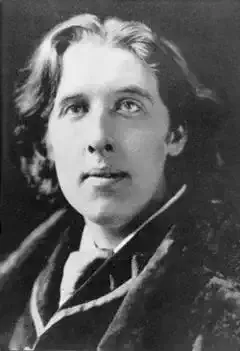
Oscar Wilde
Soneto: Holy Week at Genoa
I wandered through Scoglietto's far retreat,
The oranges on each o'erhanging spray
Burned as bright lamps of gold to shame the day;
Some startled bird with fluttering wings and fleet
Made snow of all the blossoms; at my feet
Like silver moons the pale narcissi lay:
And the curved waves that streaked the great green bay
Laughed i' the sun, and life seemed very sweet.
Outside the young boy-priest passed singing clear,
'Jesus the son of Mary has been slain,
O come and fill His sepulchre with flowers.'
Ah, God! Ah, God! those dear Hellenic hours
Had drowned all memory of Thy bitter pain,
The Cross, the Crown, the Soldiers and the Spear.
The oranges on each o'erhanging spray
Burned as bright lamps of gold to shame the day;
Some startled bird with fluttering wings and fleet
Made snow of all the blossoms; at my feet
Like silver moons the pale narcissi lay:
And the curved waves that streaked the great green bay
Laughed i' the sun, and life seemed very sweet.
Outside the young boy-priest passed singing clear,
'Jesus the son of Mary has been slain,
O come and fill His sepulchre with flowers.'
Ah, God! Ah, God! those dear Hellenic hours
Had drowned all memory of Thy bitter pain,
The Cross, the Crown, the Soldiers and the Spear.
650
Oscar Wilde
Soneto: Urbs Sacra Aeterna
Rome! what a scroll of History thine has been;
In the first days thy sword republican
Ruled the whole world for many an age's span:
Then of the peoples wert thou royal Queen,
Till in thy streets the bearded Goth was seen;
And now upon thy walls the breezes fan
(Ah, city crowned by God, discrowned by man!)
The hated flag of red and white and green.
When was thy glory! when in search for power
Thine eagles flew to greet the double sun,
And the wild nations shuddered at thy rod?
Nay, but thy glory tarried for this hour,
When pilgrims kneel before the Holy One,
The prisoned shepherd of the Church of God.
MONTRE MARIO
In the first days thy sword republican
Ruled the whole world for many an age's span:
Then of the peoples wert thou royal Queen,
Till in thy streets the bearded Goth was seen;
And now upon thy walls the breezes fan
(Ah, city crowned by God, discrowned by man!)
The hated flag of red and white and green.
When was thy glory! when in search for power
Thine eagles flew to greet the double sun,
And the wild nations shuddered at thy rod?
Nay, but thy glory tarried for this hour,
When pilgrims kneel before the Holy One,
The prisoned shepherd of the Church of God.
MONTRE MARIO
665
Oscar Wilde
Soneto: To Milton
Milton! I think thy spirit hath passed away
From these white cliffs and high-embattled towers;
This gorgeous fiery-coloured world of ours
Seems fallen into ashes dull and grey,
And the age changed unto a mimic play
Wherein we waste our else too-crowded hours:
For all our pomp and pageantry and powers
We are but fit to delve the common clay,
Seeing this little isle on which we stand,
This England, this sea-lion of the sea,
By ignorant demagogues is held in fee,
Who love her not: Dear God! is this the land
Which bare a triple empire in her hand
When Cromwell spake the word Democracy!
From these white cliffs and high-embattled towers;
This gorgeous fiery-coloured world of ours
Seems fallen into ashes dull and grey,
And the age changed unto a mimic play
Wherein we waste our else too-crowded hours:
For all our pomp and pageantry and powers
We are but fit to delve the common clay,
Seeing this little isle on which we stand,
This England, this sea-lion of the sea,
By ignorant demagogues is held in fee,
Who love her not: Dear God! is this the land
Which bare a triple empire in her hand
When Cromwell spake the word Democracy!
653
Oscar Wilde
Soneto: The New Remorse
The sin was mine; I did not understand.
So now is music prisoned in her cave,
Save where some ebbing desultory wave
Frets with its restless whirls this meagre strand.
And in the withered hollow of this land
Hath Summer dug herself so deep a grave,
That hardly can the leaden willow crave
One silver blossom from keen Winter's hand.
But who is this who cometh by the shore?
(Nay, love, look up and wonder!) Who is this
Who cometh in dyed garments from the South?
It is thy new-found Lord, and he shall kiss
The yet unravished roses of thy mouth,
And I shall weep and worship, as before.
So now is music prisoned in her cave,
Save where some ebbing desultory wave
Frets with its restless whirls this meagre strand.
And in the withered hollow of this land
Hath Summer dug herself so deep a grave,
That hardly can the leaden willow crave
One silver blossom from keen Winter's hand.
But who is this who cometh by the shore?
(Nay, love, look up and wonder!) Who is this
Who cometh in dyed garments from the South?
It is thy new-found Lord, and he shall kiss
The yet unravished roses of thy mouth,
And I shall weep and worship, as before.
633
Oscar Wilde
Soneto: Sonnet To Liberty
Not that I love thy children, whose dull eyes
See nothing save their own unlovely woe,
Whose minds know nothing, nothing care to know,
But that the roar of thy Democracies,
Thy reigns of Terror, thy great Anarchies,
Mirror my wildest passions like the sea
And give my rage a brother -!Liberty!
For this sake only do thy dissonant cries
Delight my discreet soul, else might all kings
By bloody knout or treacherous cannonades
Rob nations of their rights inviolate
And I remain unmoved - and yet, and yet,
These Christs that die upon the barricades,
God knows it I am with them, in some things.
See nothing save their own unlovely woe,
Whose minds know nothing, nothing care to know,
But that the roar of thy Democracies,
Thy reigns of Terror, thy great Anarchies,
Mirror my wildest passions like the sea
And give my rage a brother -!Liberty!
For this sake only do thy dissonant cries
Delight my discreet soul, else might all kings
By bloody knout or treacherous cannonades
Rob nations of their rights inviolate
And I remain unmoved - and yet, and yet,
These Christs that die upon the barricades,
God knows it I am with them, in some things.
639
Oscar Wilde
Soneto: On the Sale by Auction of Keats' Love Letters
These are the letters which Endymion wrote
To one he loved in secret, and apart.
And now the brawlers of the auction mart
Bargain and bid for each poor blotted note,
Ay! for each separate pulse of passion quote
The merchant's price. I think they love not art
Who break the crystal of a poet's heart
That small and sickly eyes may glare and gloat.
Is it not said that many years ago,
In a far Eastern town, some soldiers ran
With torches through the midnight, and began
To wrangle for mean raiment, and to throw
Dice for the garments of a wretched man,
Not knowing the God's wonder, or His woe?
To one he loved in secret, and apart.
And now the brawlers of the auction mart
Bargain and bid for each poor blotted note,
Ay! for each separate pulse of passion quote
The merchant's price. I think they love not art
Who break the crystal of a poet's heart
That small and sickly eyes may glare and gloat.
Is it not said that many years ago,
In a far Eastern town, some soldiers ran
With torches through the midnight, and began
To wrangle for mean raiment, and to throw
Dice for the garments of a wretched man,
Not knowing the God's wonder, or His woe?
609
Oscar Wilde
Soneto: On Tht Massacre of the Christians in Bulgaria
Christ, dost Thou live indeed? or are Thy bones
Still straitened in their rock-hewn sepulchre?
And was Thy Rising only dreamed by her
Whose love of Thee for all her sin atones?
For here the air is horrid with men's groans,
The priests who call upon Thy name are slain,
Dost Thou not hear the bitter wail of pain
From those whose children lie upon the stones?
Come down, O Son of God! incestuous gloom
Curtains the land, and through the starless night
Over Thy Cross a Crescent moon I see!
If Thou in very truth didst burst the tomb
Come down, O Son of Man! and show Thy might
Lest Mahomet be crowned instead of Thee!
Still straitened in their rock-hewn sepulchre?
And was Thy Rising only dreamed by her
Whose love of Thee for all her sin atones?
For here the air is horrid with men's groans,
The priests who call upon Thy name are slain,
Dost Thou not hear the bitter wail of pain
From those whose children lie upon the stones?
Come down, O Son of God! incestuous gloom
Curtains the land, and through the starless night
Over Thy Cross a Crescent moon I see!
If Thou in very truth didst burst the tomb
Come down, O Son of Man! and show Thy might
Lest Mahomet be crowned instead of Thee!
685
Oscar Wilde
Soneto: Helas!
To drift with every passion till my soul
Is a stringed lute on which can winds can play,
Is it for this that I have given away
Mine ancient wisdom and austere control?
Methinks my life is a twice-written scroll
Scrawled over on some boyish holiday
With idle songs for pipe and virelay,
Which do but mar the secret of the whole.
Surely there was a time I might have trod
The sunlit heights, and from life's dissonance
Struck one clear chord to reach the ears of God:
Is that time dead? lo! with a little rod
I did but touch the honey of romance -
And must I lose a soul's inheritance?
Is a stringed lute on which can winds can play,
Is it for this that I have given away
Mine ancient wisdom and austere control?
Methinks my life is a twice-written scroll
Scrawled over on some boyish holiday
With idle songs for pipe and virelay,
Which do but mar the secret of the whole.
Surely there was a time I might have trod
The sunlit heights, and from life's dissonance
Struck one clear chord to reach the ears of God:
Is that time dead? lo! with a little rod
I did but touch the honey of romance -
And must I lose a soul's inheritance?
889
Oscar Wilde
Soneto: E Tenebris
Come down, O Christ, and help me! reach Thy hand,
For I am drowning in a stormier sea
Than Simon on Thy lake of Galilee:
The wine of life is spilt upon the sand,
My heart is as some famine-murdered land
Whence all good things have perished utterly,
And well I know my soul in Hell must lie
If I this night before God's throne should stand.
'He sleeps perchance, or rideth to the chase,
Like Baal, when his prophets howled that name
From morn to noon on Carmel's smitten height.'
Nay, peace, I shall behold, before the night,
The feet of brass, the robe more white than flame,
The wounded hands, the weary human face.
For I am drowning in a stormier sea
Than Simon on Thy lake of Galilee:
The wine of life is spilt upon the sand,
My heart is as some famine-murdered land
Whence all good things have perished utterly,
And well I know my soul in Hell must lie
If I this night before God's throne should stand.
'He sleeps perchance, or rideth to the chase,
Like Baal, when his prophets howled that name
From morn to noon on Carmel's smitten height.'
Nay, peace, I shall behold, before the night,
The feet of brass, the robe more white than flame,
The wounded hands, the weary human face.
616
Oscar Wilde
Soneto: At Verona
How steep the stairs within King's houses are
For exile-wearied feet as mine to tread,
And O how salt and bitter is the bread
Which falls from this Hound's table, - better far
That I had died in the red ways of war,
Or that the gate of Florence bare my head,
Than to live thus, by all things comraded
Which seek the essence of my soul to mar.
'Curse God and die: what better hope than this?
He hath forgotten thee in all the bliss
Of his gold city, and eternal day' -
Nay peace: behind my prison's blinded bars
I do possess what none can take away,
My love and all the glory of the stars.
For exile-wearied feet as mine to tread,
And O how salt and bitter is the bread
Which falls from this Hound's table, - better far
That I had died in the red ways of war,
Or that the gate of Florence bare my head,
Than to live thus, by all things comraded
Which seek the essence of my soul to mar.
'Curse God and die: what better hope than this?
He hath forgotten thee in all the bliss
Of his gold city, and eternal day' -
Nay peace: behind my prison's blinded bars
I do possess what none can take away,
My love and all the glory of the stars.
668
Oscar Wilde
Vita Nuova
I stood by the unvintageable sea
Till the wet waves drenched face and hair with spray;
The long red fires of the dying day
Burned in the west; the wind piped drearily;
And to the land the clamorous gulls did flee:
'Alas!' I cried, 'my life is full of pain,
And who can garner fruit or golden grain
From these waste fields which travail ceaselessly!'
My nets gaped wide with many a break and flaw,
Nathless I threw them as my final cast
Into the sea, and waited for the end.
When lo! a sudden glory! and I saw
From the black waters of my tortured past
The argent splendour of white limbs ascend!
Till the wet waves drenched face and hair with spray;
The long red fires of the dying day
Burned in the west; the wind piped drearily;
And to the land the clamorous gulls did flee:
'Alas!' I cried, 'my life is full of pain,
And who can garner fruit or golden grain
From these waste fields which travail ceaselessly!'
My nets gaped wide with many a break and flaw,
Nathless I threw them as my final cast
Into the sea, and waited for the end.
When lo! a sudden glory! and I saw
From the black waters of my tortured past
The argent splendour of white limbs ascend!
744
Oscar Wilde
Under The Balcony
O beautiful star with the crimson mouth!
O moon with the brows of gold!
Rise up, rise up, from the odorous south!
And light for my love her way,
Lest her little feet should stray
On the windy hill and the wold!
O beautiful star with the crimson mouth!
O moon with the brows of gold!
O ship that shakes on the desolate sea!
O ship with the wet, white sail!
Put in, put in, to the port to me!
For my love and I would go
To the land where the daffodils blow
In the heart of a violet dale!
O ship that shakes on the desolate sea!
O ship with the wet, white sail!
O rapturous bird with the low, sweet note!
O bird that sits on the spray!
Sing on, sing on, from your soft brown throat!
And my love in her little bed
Will listen, and lift her head
From the pillow, and come my way!
O rapturous bird with the low, sweet note!
O bird that sits on the spray!
O blossom that hangs in the tremulous air!
O blossom with lips of snow!
Come down, come down, for my love to wear!
You will die on her head in a crown,
You will die in a fold of her gown,
To her little light heart you will go!
O blossom that hangs in the tremulous air!
O blossom with lips of snow!
O moon with the brows of gold!
Rise up, rise up, from the odorous south!
And light for my love her way,
Lest her little feet should stray
On the windy hill and the wold!
O beautiful star with the crimson mouth!
O moon with the brows of gold!
O ship that shakes on the desolate sea!
O ship with the wet, white sail!
Put in, put in, to the port to me!
For my love and I would go
To the land where the daffodils blow
In the heart of a violet dale!
O ship that shakes on the desolate sea!
O ship with the wet, white sail!
O rapturous bird with the low, sweet note!
O bird that sits on the spray!
Sing on, sing on, from your soft brown throat!
And my love in her little bed
Will listen, and lift her head
From the pillow, and come my way!
O rapturous bird with the low, sweet note!
O bird that sits on the spray!
O blossom that hangs in the tremulous air!
O blossom with lips of snow!
Come down, come down, for my love to wear!
You will die on her head in a crown,
You will die in a fold of her gown,
To her little light heart you will go!
O blossom that hangs in the tremulous air!
O blossom with lips of snow!
697
Oscar Wilde
Tristitiae
O well for him who lives at ease
With garnered gold in wide domain,
Nor heeds the splashing of the rain,
The crashing down of forest trees.
O well for him who ne'er hath known
The travail of the hungry years,
A father grey with grief and tears,
A mother weeping all alone.
But well for him whose foot hath trod
The weary road of toil and strife,
Yet from the sorrows of his life.
Builds ladders to be nearer God.
With garnered gold in wide domain,
Nor heeds the splashing of the rain,
The crashing down of forest trees.
O well for him who ne'er hath known
The travail of the hungry years,
A father grey with grief and tears,
A mother weeping all alone.
But well for him whose foot hath trod
The weary road of toil and strife,
Yet from the sorrows of his life.
Builds ladders to be nearer God.
545
Oscar Wilde
Theoretikos
This mighty empire hath but feet of clay:
Of all its ancient chivalry and might
Our little island is forsaken quite:
Some enemy hath stolen its crown of bay,
And from its hills that voice hath passed away
Which spake of Freedom: O come out of it,
Come out of it, my Soul, thou art not fit
For this vile traffic-house, where day by day
Wisdom and reverence are sold at mart,
And the rude people rage with ignorant cries
Against an heritage of centuries.
It mars my calm: wherefore in dreams of Art
And loftiest culture I would stand apart,
Neither for God, nor for his enemies.
Of all its ancient chivalry and might
Our little island is forsaken quite:
Some enemy hath stolen its crown of bay,
And from its hills that voice hath passed away
Which spake of Freedom: O come out of it,
Come out of it, my Soul, thou art not fit
For this vile traffic-house, where day by day
Wisdom and reverence are sold at mart,
And the rude people rage with ignorant cries
Against an heritage of centuries.
It mars my calm: wherefore in dreams of Art
And loftiest culture I would stand apart,
Neither for God, nor for his enemies.
662
Oscar Wilde
The True Knowledge
Thou knowest all; I seek in vain
What lands to till or sow with seed -
The land is black with briar and weed,
Nor cares for falling tears or rain.
Thou knowest all; I sit and wait
With blinded eyes and hands that fail,
Till the last lifting of the veil
And the first opening of the gate.
Thou knowest all; I cannot see.
I trust I shall not live in vain,
I know that we shall meet again
In some divine eternity.
What lands to till or sow with seed -
The land is black with briar and weed,
Nor cares for falling tears or rain.
Thou knowest all; I sit and wait
With blinded eyes and hands that fail,
Till the last lifting of the veil
And the first opening of the gate.
Thou knowest all; I cannot see.
I trust I shall not live in vain,
I know that we shall meet again
In some divine eternity.
815
Oscar Wilde
Theocritus - A Villanelle
O singer of Persephone!
In the dim meadows desolate
Dost thou remember Sicily?
Still through the ivy flits the bee
Where Amaryllis lies in state;
O Singer of Persephone!
Simaetha calls on Hecate
And hears the wild dogs at the gate;
Dost thou remember Sicily?
Still by the light and laughing sea
Poor Polypheme bemoans his fate;
O Singer of Persephone!
And still in boyish rivalry
Young Daphnis challenges his mate;
Dost thou remember Sicily?
Slim Lacon keeps a goat for thee,
For thee the jocund shepherds wait;
O Singer of Persephone!
Dost thou remember Sicily?
In the dim meadows desolate
Dost thou remember Sicily?
Still through the ivy flits the bee
Where Amaryllis lies in state;
O Singer of Persephone!
Simaetha calls on Hecate
And hears the wild dogs at the gate;
Dost thou remember Sicily?
Still by the light and laughing sea
Poor Polypheme bemoans his fate;
O Singer of Persephone!
And still in boyish rivalry
Young Daphnis challenges his mate;
Dost thou remember Sicily?
Slim Lacon keeps a goat for thee,
For thee the jocund shepherds wait;
O Singer of Persephone!
Dost thou remember Sicily?
591
Oscar Wilde
Like burnt-out torches by a sick man's bed
We caught the tread of dancing feet,
We loitered down the moonlit street,
And stopped beneath the harlot's house.
Inside, above the din and fray,
We heard the loud musicians play
The 'Treues Liebes Herz' of Strauss.
Like strange mechanical grotesques,
Making fantastic arabesques,
The shadows raced across the blind.
We watched the ghostly dancers spin
To sound of horn and violin,
Like black leaves wheeling in the wind.
Like wire-pulled automatons,
Slim silhouetted skeletons
Went sidling through the slow quadrille,
Then took each other by the hand,
And danced a stately saraband;
Their laughter echoed thin and shrill.
Sometimes a clockwork puppet pressed
A phantom lover to her breast,
Sometimes they seemed to try to sing.
Sometimes a horrible marionette
Came out, and smoked its cigarette
Upon the steps like a live thing.
Then, turning to my love, I said,
'The dead are dancing with the dead,
The dust is whirling with the dust.'
But she - she heard the violin,
And left my side, and entered in:
Love passed into the house of lust.
Then suddenly the tune went false,
The dancers wearied of the waltz,
The shadows ceased to wheel and whirl.
And down the long and silent street,
The dawn, with silver-sandalled feet,
Crept like a frightened girl.
We loitered down the moonlit street,
And stopped beneath the harlot's house.
Inside, above the din and fray,
We heard the loud musicians play
The 'Treues Liebes Herz' of Strauss.
Like strange mechanical grotesques,
Making fantastic arabesques,
The shadows raced across the blind.
We watched the ghostly dancers spin
To sound of horn and violin,
Like black leaves wheeling in the wind.
Like wire-pulled automatons,
Slim silhouetted skeletons
Went sidling through the slow quadrille,
Then took each other by the hand,
And danced a stately saraband;
Their laughter echoed thin and shrill.
Sometimes a clockwork puppet pressed
A phantom lover to her breast,
Sometimes they seemed to try to sing.
Sometimes a horrible marionette
Came out, and smoked its cigarette
Upon the steps like a live thing.
Then, turning to my love, I said,
'The dead are dancing with the dead,
The dust is whirling with the dust.'
But she - she heard the violin,
And left my side, and entered in:
Love passed into the house of lust.
Then suddenly the tune went false,
The dancers wearied of the waltz,
The shadows ceased to wheel and whirl.
And down the long and silent street,
The dawn, with silver-sandalled feet,
Crept like a frightened girl.
792
Oscar Wilde
The Grave Of Shelley
Like burnt-out torches by a sick man's bed
Gaunt cypress-trees stand round the sun-bleached stone;
Here doth the little night-owl make her throne,
And the slight lizard show his jewelled head.
And, where the chaliced poppies flame to red,
In the still chamber of yon pyramid
Surely some Old-World Sphinx lurks darkly hid,
Grim warder of this pleasaunce of the dead.
Ah! sweet indeed to rest within the womb
Of Earth, great mother of eternal sleep,
But sweeter far for thee a restless tomb
In the blue cavern of an echoing deep,
Or where the tall ships founder in the gloom
Against the rocks of some wave-shattered steep.
ROME.
Gaunt cypress-trees stand round the sun-bleached stone;
Here doth the little night-owl make her throne,
And the slight lizard show his jewelled head.
And, where the chaliced poppies flame to red,
In the still chamber of yon pyramid
Surely some Old-World Sphinx lurks darkly hid,
Grim warder of this pleasaunce of the dead.
Ah! sweet indeed to rest within the womb
Of Earth, great mother of eternal sleep,
But sweeter far for thee a restless tomb
In the blue cavern of an echoing deep,
Or where the tall ships founder in the gloom
Against the rocks of some wave-shattered steep.
ROME.
794
Oscar Wilde
The Dole Of The King's Daughter (Breton)
Seven stars in the still water,
And seven in the sky;
Seven sins on the King's daughter,
Deep in her soul to lie.
Red roses are at her feet,
(Roses are red in her red-gold hair)
And O where her bosom and girdle meet
Red roses are hidden there.
Fair is the knight who lieth slain
Amid the rush and reed,
See the lean fishes that are fain
Upon dead men to feed.
Sweet is the page that lieth there,
(Cloth of gold is goodly prey,)
See the black ravens in the air,
Black, O black as the night are they.
What do they there so stark and dead?
(There is blood upon her hand)
Why are the lilies flecked with red?
(There is blood on the river sand.)
There are two that ride from the south and east,
And two from the north and west,
For the black raven a goodly feast,
For the King's daughter rest.
There is one man who loves her true,
(Red, O red, is the stain of gore!)
He hath duggen a grave by the darksome yew,
(One grave will do for four.)
No moon in the still heaven,
In the black water none,
The sins on her soul are seven,
The sin upon his is one.
And seven in the sky;
Seven sins on the King's daughter,
Deep in her soul to lie.
Red roses are at her feet,
(Roses are red in her red-gold hair)
And O where her bosom and girdle meet
Red roses are hidden there.
Fair is the knight who lieth slain
Amid the rush and reed,
See the lean fishes that are fain
Upon dead men to feed.
Sweet is the page that lieth there,
(Cloth of gold is goodly prey,)
See the black ravens in the air,
Black, O black as the night are they.
What do they there so stark and dead?
(There is blood upon her hand)
Why are the lilies flecked with red?
(There is blood on the river sand.)
There are two that ride from the south and east,
And two from the north and west,
For the black raven a goodly feast,
For the King's daughter rest.
There is one man who loves her true,
(Red, O red, is the stain of gore!)
He hath duggen a grave by the darksome yew,
(One grave will do for four.)
No moon in the still heaven,
In the black water none,
The sins on her soul are seven,
The sin upon his is one.
654
Oscar Wilde
Taedium Vitae
To stab my youth with desperate knives, to wear
This paltry age's gaudy livery,
To let each base hand filch my treasury,
To mesh my soul within a woman's hair,
And be mere Fortune's lackeyed groom, - I swear
I love it not! these things are less to me
Than the thin foam that frets upon the sea,
Less than the thistledown of summer air
Which hath no seed: better to stand aloof
Far from these slanderous fools who mock my life
Knowing me not, better the lowliest roof
Fit for the meanest hind to sojourn in,
Than to go back to that hoarse cave of strife
Where my white soul first kissed the mouth of sin.
This paltry age's gaudy livery,
To let each base hand filch my treasury,
To mesh my soul within a woman's hair,
And be mere Fortune's lackeyed groom, - I swear
I love it not! these things are less to me
Than the thin foam that frets upon the sea,
Less than the thistledown of summer air
Which hath no seed: better to stand aloof
Far from these slanderous fools who mock my life
Knowing me not, better the lowliest roof
Fit for the meanest hind to sojourn in,
Than to go back to that hoarse cave of strife
Where my white soul first kissed the mouth of sin.
759
Oscar Wilde
Symphony in Yellow
An omnibus across the bridge
Crawls like a yellow butterfly
And, here and there, a passer-by
Shows like a little restless midge.
Big barges full of yellow hay
Are moored against the shadowy wharf,
And, like a yellow silken scarf,
The thick fog hangs along the quay.
The yellow leaves begin to fade
And flutter from the Temple elms,
And at my feet the pale green Thames
Lies like a rod of rippled jade.
Crawls like a yellow butterfly
And, here and there, a passer-by
Shows like a little restless midge.
Big barges full of yellow hay
Are moored against the shadowy wharf,
And, like a yellow silken scarf,
The thick fog hangs along the quay.
The yellow leaves begin to fade
And flutter from the Temple elms,
And at my feet the pale green Thames
Lies like a rod of rippled jade.
715
Oscar Wilde
Sonnet On Hearing The Dies Irae Sung In The Sistine Chapel
Nay, Lord, not thus! white lilies in the spring,
Sad olive-groves, or silver-breasted dove,
Teach me more clearly of Thy life and love
Than terrors of red flame and thundering.
The hillside vines dear memories of Thee bring:
A bird at evening flying to its nest
Tells me of One who had no place of rest:
I think it is of Thee the sparrows sing.
Come rather on some autumn afternoon,
When red and brown are burnished on the leaves,
And the fields echo to the gleaner's song,
Come when the splendid fulness of the moon
Looks down upon the rows of golden sheaves,
And reap Thy harvest: we have waited long.
Sad olive-groves, or silver-breasted dove,
Teach me more clearly of Thy life and love
Than terrors of red flame and thundering.
The hillside vines dear memories of Thee bring:
A bird at evening flying to its nest
Tells me of One who had no place of rest:
I think it is of Thee the sparrows sing.
Come rather on some autumn afternoon,
When red and brown are burnished on the leaves,
And the fields echo to the gleaner's song,
Come when the splendid fulness of the moon
Looks down upon the rows of golden sheaves,
And reap Thy harvest: we have waited long.
610
Oscar Wilde
Sonnet On Approaching Italy
I reached the Alps: the soul within me burned,
Italia, my Italia, at thy name:
And when from out the mountain's heart I came
And saw the land for which my life had yearned,
I laughed as one who some great prize had earned:
And musing on the marvel of thy fame
I watched the day, till marked with wounds of flame
The turquoise sky to burnished gold was turned.
The pine-trees waved as waves a woman's hair,
And in the orchards every twining spray
Was breaking into flakes of blossoming foam:
But when I knew that far away at Rome
In evil bonds a second Peter lay,
I wept to see the land so very fair.
TURIN.
Italia, my Italia, at thy name:
And when from out the mountain's heart I came
And saw the land for which my life had yearned,
I laughed as one who some great prize had earned:
And musing on the marvel of thy fame
I watched the day, till marked with wounds of flame
The turquoise sky to burnished gold was turned.
The pine-trees waved as waves a woman's hair,
And in the orchards every twining spray
Was breaking into flakes of blossoming foam:
But when I knew that far away at Rome
In evil bonds a second Peter lay,
I wept to see the land so very fair.
TURIN.
615
Oscar Wilde
Silentium Amoris
As often-times the too resplendent sun
Hurries the pallid and reluctant moon
Back to her sombre cave, ere she hath won
A single ballad from the nightingale,
So doth thy Beauty make my lips to fail,
And all my sweetest singing out of tune.
And as at dawn across the level mead
On wings impetuous some wind will come,
And with its too harsh kisses break the reed
Which was its only instrument of song,
So my too stormy passions work me wrong,
And for excess of Love my Love is dumb.
But surely unto Thee mine eyes did show
Why I am silent, and my lute unstrung;
Else it were better we should part, and go,
Thou to some lips of sweeter melody,
And I to nurse the barren memory
Of unkissed kisses, and songs never sung.
Hurries the pallid and reluctant moon
Back to her sombre cave, ere she hath won
A single ballad from the nightingale,
So doth thy Beauty make my lips to fail,
And all my sweetest singing out of tune.
And as at dawn across the level mead
On wings impetuous some wind will come,
And with its too harsh kisses break the reed
Which was its only instrument of song,
So my too stormy passions work me wrong,
And for excess of Love my Love is dumb.
But surely unto Thee mine eyes did show
Why I am silent, and my lute unstrung;
Else it were better we should part, and go,
Thou to some lips of sweeter melody,
And I to nurse the barren memory
Of unkissed kisses, and songs never sung.
713