
Poems List
Explore poems from our collection
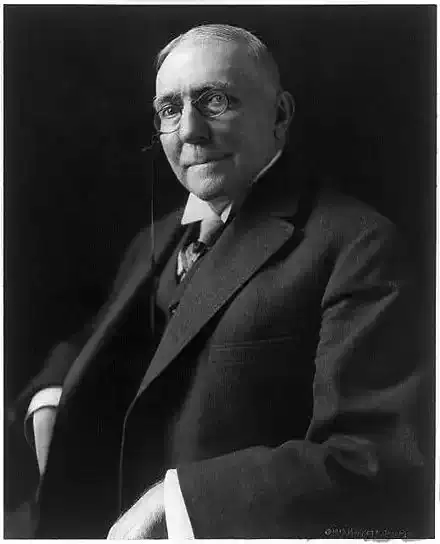
James Whitcomb Riley
Ike Walton's Prayer
Ike Walton's Prayer
I crave, dear Lord,
No boundless hoard
Of gold and gear,
Nor jewels fine,
Nor lands, nor kine,
Nor treasure-heaps of anything.-
Let but a little hut be mine
Where at the hearthstore I may hear
The cricket sing,
And have the shine
Of one glad woman's eyes to make,
For my poor sake,
Our simple home a place divine;-
Just the wee cot-the cricket's chirr-
Love, and the smiling face of her.
I pray not for
Great riches, nor
For vast estates, and castle-halls,-
Give me to hear the bare footfalls
Of children o’er
An oaken floor,
New-risen with sunshine, or bespread
With but the tiny coverlet
And pillow for the baby’s head;
And pray Thou, may
The door stand open and the day
Send ever in a gentle breeze,
With fragrance from the locust-trees,
And drowsy moan of doves, and blur
Of robin-chirps, and drove of bees,
With afterhushes of the stir
Of intermingling sounds, and then
The good-wife and the smile of her
Filling the silences again-
The cricket’s call,
And the wee cot,
Dear Lord of all,
Deny me not!
I pray not that
Men tremble at
My power of place
And lordly sway, -
I only pray for simple grace
To look my neighbor in the face
Full honestly from day to day-
Yield me this horny palm to hold,
And I’ll not pray
For gold;-
The tanned face, garlanded with mirth,
It hath the kingliest smile on earth
The swart brow, diamonded with sweat,
Hath never need of coronet.
And so I reach,
Dear Lord, to Thee,
And do beseech
Thou givest me
The wee cot, and the cricket’s chirr,
Love, and the glad sweet face of her.
I crave, dear Lord,
No boundless hoard
Of gold and gear,
Nor jewels fine,
Nor lands, nor kine,
Nor treasure-heaps of anything.-
Let but a little hut be mine
Where at the hearthstore I may hear
The cricket sing,
And have the shine
Of one glad woman's eyes to make,
For my poor sake,
Our simple home a place divine;-
Just the wee cot-the cricket's chirr-
Love, and the smiling face of her.
I pray not for
Great riches, nor
For vast estates, and castle-halls,-
Give me to hear the bare footfalls
Of children o’er
An oaken floor,
New-risen with sunshine, or bespread
With but the tiny coverlet
And pillow for the baby’s head;
And pray Thou, may
The door stand open and the day
Send ever in a gentle breeze,
With fragrance from the locust-trees,
And drowsy moan of doves, and blur
Of robin-chirps, and drove of bees,
With afterhushes of the stir
Of intermingling sounds, and then
The good-wife and the smile of her
Filling the silences again-
The cricket’s call,
And the wee cot,
Dear Lord of all,
Deny me not!
I pray not that
Men tremble at
My power of place
And lordly sway, -
I only pray for simple grace
To look my neighbor in the face
Full honestly from day to day-
Yield me this horny palm to hold,
And I’ll not pray
For gold;-
The tanned face, garlanded with mirth,
It hath the kingliest smile on earth
The swart brow, diamonded with sweat,
Hath never need of coronet.
And so I reach,
Dear Lord, to Thee,
And do beseech
Thou givest me
The wee cot, and the cricket’s chirr,
Love, and the glad sweet face of her.
328
James Whitcomb Riley
In Bohemia
In Bohemia
Ha! My dear! I'm back again--
Vendor of Bohemia's wares!
Lordy! How it pants a man
Climbing up those awful stairs!
Well, I've made the dealer say
Your sketch _might_ sell, anyway!
And I've made a publisher
Hear my poem, Kate, my dear.
In Bohemia, Kate, my dear--
Lodgers in a musty flat
On the top floor--living here
Neighborless, and used to that,--
Like a nest beneath the eaves,
So our little home receives
Only guests of chirping cheer-We'll
be happy, Kate, my dear!
Under your north-light there, you
At your easel, with a stain
On your nose of Prussian blue,
Paint your bits of shine and rain;
With my feet thrown up at will
O'er my littered window-sill,
I write rhymes that ring as clear
As your laughter, Kate, my dear.
Puff my pipe, and stroke my hair--
Bite my pencil-tip and gaze
At you, mutely mooning there
O'er your 'Aprils' and your 'Mays!'
Equal inspiration in
Dimples of your cheek and chin,
And the golden atmosphere
Of your paintings, Kate, my dear!
_Trying_! Yes, at times it is,
To clink happy rhymes, and fling
On the canvas scenes of bliss,
When we are half famishing!--
When your 'jersey' rips in spots,
And your hat's 'forget-me-nots'
Have grown tousled, old and sere--
It is trying, Kate, my dear!
But--as sure--_some_ picture sells,
And--sometimes--the poetry--
Bless us! How the parrot yells
His acclaims at you and me!
How we revel then in scenes
Of high banqueting!--sardines-Salads--
olives--and a sheer
Pint of sherry, Kate, my dear!
Even now I cross your palm,
With this great round world of gold!-'
Talking wild?' Perhaps I am--
Then, this little five-year-old!--
Call it anything you will,
So it lifts your face until
I may kiss away that tear
Ere it drowns me, Kate, my dear.
Ha! My dear! I'm back again--
Vendor of Bohemia's wares!
Lordy! How it pants a man
Climbing up those awful stairs!
Well, I've made the dealer say
Your sketch _might_ sell, anyway!
And I've made a publisher
Hear my poem, Kate, my dear.
In Bohemia, Kate, my dear--
Lodgers in a musty flat
On the top floor--living here
Neighborless, and used to that,--
Like a nest beneath the eaves,
So our little home receives
Only guests of chirping cheer-We'll
be happy, Kate, my dear!
Under your north-light there, you
At your easel, with a stain
On your nose of Prussian blue,
Paint your bits of shine and rain;
With my feet thrown up at will
O'er my littered window-sill,
I write rhymes that ring as clear
As your laughter, Kate, my dear.
Puff my pipe, and stroke my hair--
Bite my pencil-tip and gaze
At you, mutely mooning there
O'er your 'Aprils' and your 'Mays!'
Equal inspiration in
Dimples of your cheek and chin,
And the golden atmosphere
Of your paintings, Kate, my dear!
_Trying_! Yes, at times it is,
To clink happy rhymes, and fling
On the canvas scenes of bliss,
When we are half famishing!--
When your 'jersey' rips in spots,
And your hat's 'forget-me-nots'
Have grown tousled, old and sere--
It is trying, Kate, my dear!
But--as sure--_some_ picture sells,
And--sometimes--the poetry--
Bless us! How the parrot yells
His acclaims at you and me!
How we revel then in scenes
Of high banqueting!--sardines-Salads--
olives--and a sheer
Pint of sherry, Kate, my dear!
Even now I cross your palm,
With this great round world of gold!-'
Talking wild?' Perhaps I am--
Then, this little five-year-old!--
Call it anything you will,
So it lifts your face until
I may kiss away that tear
Ere it drowns me, Kate, my dear.
274
James Whitcomb Riley
How John Quit The Farm
How John Quit The Farm
Nobody on the old farm here but Mother, me and John,
Except, of course, the extry he'p when harvest-time come on--
And then, I want to say to you, we _needed_ he'p about,
As you'd admit, ef you'd a-seen the way the crops turned out!
A better quarter-section, ner a richer soil warn't found
Than this-here old-home place o' ourn fer fifty miles around!--
The house was small--but plenty-big we found it from the day
That John--our only livin' son--packed up and went way.
You see, we tuck sich pride in John--his mother more 'n me-That's
natchurul; but _both_ of us was proud as proud could be;
Fer the boy, from a little chap, was most oncommon bright,
And seemed in work as well as play to take the same delight.
He allus went a-whistlin' round the place, as glad at heart
As robins up at five o'clock to git an airly start;
And many a time 'fore daylight Mother's waked me up to say-'
Jest listen, David!--listen!--Johnny's beat the birds to-day!'
High-sperited from boyhood, with a most inquirin' turn,--
He wanted to learn ever'thing on earth they was to learn:
He'd ast more plaguey questions in a mortal-minute here
Than his grandpap in Paradise could answer in a year!
And read! w'y, his own mother learnt him how to read and spell;
And 'The Childern of the Abbey'--w'y, he knowed that book as well
At fifteen as his parents!--and 'The Pilgrim's Progress,' too--
Jest knuckled down, the shaver did, and read 'em through and through!
At eighteen, Mother 'lowed the boy must have a better chance--
That we ort to educate him, under any circumstance;
And John he j'ined his mother, and they ding-donged and kep' on,
Tel I sent him off to school in town, half glad that he was gone.
But--I missed him--w'y of course I did!--The Fall and Winter through
I never built the kitchen-fire, er split a stick in two,
Er fed the stock, er butchered, er swung up a gambrel-pin,
But what I thought o' John, and wished that he was home agin.
He'd come, sometimes--on Sund'ys most--and stay the Sund'y out;
And on Thanksgivin'-Day he 'peared to like to be about:
But a change was workin' on him--he was stiller than before,
And did n't joke, ner laugh, ner sing and whistle any more.
And his talk was all so proper; and I noticed, with a sigh,
He was tryin' to raise side-whiskers, and had on a striped tie,
And a standin'-collar, ironed up as stiff and slick as bone;
And a breast-pin, and a watch and chain and plug-hat of his own.
But when Spring-weather opened out, and John was to come home
And he'p me through the season, I was glad to see him come;
But my happiness, that evening, with the settin' sun went down,
When he bragged of 'a position' that was offered him in town.
'But,' says I, 'you'll not accept it?' 'W'y, of course
I will,' says he.-'
This drudgin' on a farm,' he says, 'is not the life fer me;
I've set my stakes up higher,' he continued, light and gay,
'And town's the place fer me, and I'm a-goin' right away!'
And go he did!--his mother clingin' to him at the gate,
A-pleadin' and a-cryin'; but it hadn't any weight.
I was tranquiller, and told her 'twarn't no use to worry so,
And onclasped her arms from round his neck round mine--and let him go!
I felt a little bitter feelin' foolin' round about
The aidges of my conscience; but I didn't let it out;--
I simply retch out, trimbly-like, and tuck the boy's hand,
And though I did n't say a word, I knowed he'd understand.
And--well!--sence then the old home here was mighty lonesome, shore!
With me a-workin' in the field, and Mother at the door,
Her face ferever to'rds the town, and fadin' more and more---
Her only son nine miles away, a-clerkin' in a store!
The weeks and months dragged by us; and sometimes the boy would write
A letter to his mother, savin' that his work was light,
And not to feel oneasy about his health a bit--
Though his business was confinin', he was gittin' used to it.
And sometimes he would write and ast how _I_ was gittin' on,
And ef I had to pay out much fer he'p sence he was gone;
And how the hogs was doin', and the balance of the stock,
And talk on fer a page er two jest like he used to talk.
And he wrote, along 'fore harvest, that he guessed he would git home,
Fer business would, of course be dull in town.--But _didn't_ come:--
We got a postal later, sayin' when they had no trade
They filled the time 'invoicin' goods,' and that was why he staid.
And then he quit a-writin' altogether: Not a word--
Exceptin' what the neighbors brung who'd been to town and heard
What store John was clerkin' in, and went round to inquire
If they could buy their goods there less and sell their produce higher.
And so the Summer faded out, and Autumn wore away,
And a keener Winter never fetched around Thanksgivin'-Day!
The night before that day of thanks I'll never quite fergit,
The wind a-howlin' round the house--it makes me creepy yit!
And there set me and Mother--me a-twistin' at the prongs
Of a green scrub-ellum forestick with a vicious pair of tongs,
And Mother sayin', '_David! David!_' in a' undertone,
As though she thought that I was thinkin' bad-words unbeknown.
'I've dressed the turkey, David, fer to-morrow,' Mother said,
A-tryin' to wedge some pleasant subject in my stubborn head,-'
And the mince-meat I'm a-mixin' is perfection mighty nigh;
And the pound-cake is delicious-rich--' 'Who'll eat 'em?' I-says-I.
'The cramberries is drippin-sweet,' says Mother, runnin' on,
P'tendin' not to hear me;--'and somehow I thought of John
All the time they was a-jellin'--fer you know they allus was
His favour--he likes 'em so!' Says I, 'Well, s'pose he does?'
'Oh, nothin' much!' says Mother, with a quiet sort o' smile-'
This gentleman behind my cheer may tell you after while!'
And as I turned and looked around, some one riz up and leant
And put his arms round Mother's neck, and laughed in low content.
'It's _me_,' he says--'your fool-boy John, come back to shake your hand;
Set down with you, and talk with you, and make you understand
How dearer yit than all the world is this old home that we
Will spend Thanksgivin' in fer life--jest Mother, you and me!'
* * * * * *
Nobody on the old farm here but Mother, me and John,
Except of course the extry he'p, when harvest-time comes on;
And then, I want to say to you, we _need_ sich he'p about,
As you'd admit, ef you could see the way the crops turns out!
Nobody on the old farm here but Mother, me and John,
Except, of course, the extry he'p when harvest-time come on--
And then, I want to say to you, we _needed_ he'p about,
As you'd admit, ef you'd a-seen the way the crops turned out!
A better quarter-section, ner a richer soil warn't found
Than this-here old-home place o' ourn fer fifty miles around!--
The house was small--but plenty-big we found it from the day
That John--our only livin' son--packed up and went way.
You see, we tuck sich pride in John--his mother more 'n me-That's
natchurul; but _both_ of us was proud as proud could be;
Fer the boy, from a little chap, was most oncommon bright,
And seemed in work as well as play to take the same delight.
He allus went a-whistlin' round the place, as glad at heart
As robins up at five o'clock to git an airly start;
And many a time 'fore daylight Mother's waked me up to say-'
Jest listen, David!--listen!--Johnny's beat the birds to-day!'
High-sperited from boyhood, with a most inquirin' turn,--
He wanted to learn ever'thing on earth they was to learn:
He'd ast more plaguey questions in a mortal-minute here
Than his grandpap in Paradise could answer in a year!
And read! w'y, his own mother learnt him how to read and spell;
And 'The Childern of the Abbey'--w'y, he knowed that book as well
At fifteen as his parents!--and 'The Pilgrim's Progress,' too--
Jest knuckled down, the shaver did, and read 'em through and through!
At eighteen, Mother 'lowed the boy must have a better chance--
That we ort to educate him, under any circumstance;
And John he j'ined his mother, and they ding-donged and kep' on,
Tel I sent him off to school in town, half glad that he was gone.
But--I missed him--w'y of course I did!--The Fall and Winter through
I never built the kitchen-fire, er split a stick in two,
Er fed the stock, er butchered, er swung up a gambrel-pin,
But what I thought o' John, and wished that he was home agin.
He'd come, sometimes--on Sund'ys most--and stay the Sund'y out;
And on Thanksgivin'-Day he 'peared to like to be about:
But a change was workin' on him--he was stiller than before,
And did n't joke, ner laugh, ner sing and whistle any more.
And his talk was all so proper; and I noticed, with a sigh,
He was tryin' to raise side-whiskers, and had on a striped tie,
And a standin'-collar, ironed up as stiff and slick as bone;
And a breast-pin, and a watch and chain and plug-hat of his own.
But when Spring-weather opened out, and John was to come home
And he'p me through the season, I was glad to see him come;
But my happiness, that evening, with the settin' sun went down,
When he bragged of 'a position' that was offered him in town.
'But,' says I, 'you'll not accept it?' 'W'y, of course
I will,' says he.-'
This drudgin' on a farm,' he says, 'is not the life fer me;
I've set my stakes up higher,' he continued, light and gay,
'And town's the place fer me, and I'm a-goin' right away!'
And go he did!--his mother clingin' to him at the gate,
A-pleadin' and a-cryin'; but it hadn't any weight.
I was tranquiller, and told her 'twarn't no use to worry so,
And onclasped her arms from round his neck round mine--and let him go!
I felt a little bitter feelin' foolin' round about
The aidges of my conscience; but I didn't let it out;--
I simply retch out, trimbly-like, and tuck the boy's hand,
And though I did n't say a word, I knowed he'd understand.
And--well!--sence then the old home here was mighty lonesome, shore!
With me a-workin' in the field, and Mother at the door,
Her face ferever to'rds the town, and fadin' more and more---
Her only son nine miles away, a-clerkin' in a store!
The weeks and months dragged by us; and sometimes the boy would write
A letter to his mother, savin' that his work was light,
And not to feel oneasy about his health a bit--
Though his business was confinin', he was gittin' used to it.
And sometimes he would write and ast how _I_ was gittin' on,
And ef I had to pay out much fer he'p sence he was gone;
And how the hogs was doin', and the balance of the stock,
And talk on fer a page er two jest like he used to talk.
And he wrote, along 'fore harvest, that he guessed he would git home,
Fer business would, of course be dull in town.--But _didn't_ come:--
We got a postal later, sayin' when they had no trade
They filled the time 'invoicin' goods,' and that was why he staid.
And then he quit a-writin' altogether: Not a word--
Exceptin' what the neighbors brung who'd been to town and heard
What store John was clerkin' in, and went round to inquire
If they could buy their goods there less and sell their produce higher.
And so the Summer faded out, and Autumn wore away,
And a keener Winter never fetched around Thanksgivin'-Day!
The night before that day of thanks I'll never quite fergit,
The wind a-howlin' round the house--it makes me creepy yit!
And there set me and Mother--me a-twistin' at the prongs
Of a green scrub-ellum forestick with a vicious pair of tongs,
And Mother sayin', '_David! David!_' in a' undertone,
As though she thought that I was thinkin' bad-words unbeknown.
'I've dressed the turkey, David, fer to-morrow,' Mother said,
A-tryin' to wedge some pleasant subject in my stubborn head,-'
And the mince-meat I'm a-mixin' is perfection mighty nigh;
And the pound-cake is delicious-rich--' 'Who'll eat 'em?' I-says-I.
'The cramberries is drippin-sweet,' says Mother, runnin' on,
P'tendin' not to hear me;--'and somehow I thought of John
All the time they was a-jellin'--fer you know they allus was
His favour--he likes 'em so!' Says I, 'Well, s'pose he does?'
'Oh, nothin' much!' says Mother, with a quiet sort o' smile-'
This gentleman behind my cheer may tell you after while!'
And as I turned and looked around, some one riz up and leant
And put his arms round Mother's neck, and laughed in low content.
'It's _me_,' he says--'your fool-boy John, come back to shake your hand;
Set down with you, and talk with you, and make you understand
How dearer yit than all the world is this old home that we
Will spend Thanksgivin' in fer life--jest Mother, you and me!'
* * * * * *
Nobody on the old farm here but Mother, me and John,
Except of course the extry he'p, when harvest-time comes on;
And then, I want to say to you, we _need_ sich he'p about,
As you'd admit, ef you could see the way the crops turns out!
326
James Whitcomb Riley
If I Knew What Poets Know
If I Knew What Poets Know
If I knew what poets know,
Would I write a rhyme
Of the buds that never blow
In the summer-time?
Would I sing of golden seeds
Springing up in ironweeds?
And of rain-drops turned to snow,
If I knew what poets know?
Did I know what poets do,
Would I sing a song
Sadder than the pigeon's coo
When the days are long?
Where I found a heart in pain,
I would make it glad again;
And the false should be the true,
Did I know what poets do.
If I knew what poets know,
I would find a theme
Sweeter than the placid flow
Of the fairest dream:
I would sing of love that lives
On the errors it forgives;
And the world would better grow
If I knew what poets know.
If I knew what poets know,
Would I write a rhyme
Of the buds that never blow
In the summer-time?
Would I sing of golden seeds
Springing up in ironweeds?
And of rain-drops turned to snow,
If I knew what poets know?
Did I know what poets do,
Would I sing a song
Sadder than the pigeon's coo
When the days are long?
Where I found a heart in pain,
I would make it glad again;
And the false should be the true,
Did I know what poets do.
If I knew what poets know,
I would find a theme
Sweeter than the placid flow
Of the fairest dream:
I would sing of love that lives
On the errors it forgives;
And the world would better grow
If I knew what poets know.
281
James Whitcomb Riley
How Did You Rest, Last Night?
How Did You Rest, Last Night?
'How did you rest, last night?'-I've
heard my gran'pap say
Them words a thousand times--that's right--
Jes them words thataway!
As punctchul-like as morning dast
To ever heave in sight
Gran'pap 'ud allus haf to ast-'
How did you rest, last night?'
Us young-uns used to grin,
At breakfast, on the sly,
And mock the wobble of his chin
And eyebrows belt so high
And kind: _'How did you rest, last night?'_
We'd mumble and let on
Our voices trimbled, and our sight
Was dim, and hearin' gone.
* * * * *
Bad as I used to be,
All I'm a-wantin' is
As puore and ca'm a sleep fer me
And sweet a sleep as his!
And so I pray, on Jedgment Day
To wake, and with its light
See _his_ face dawn, and hear him say-'
How did you rest, last night?'
'How did you rest, last night?'-I've
heard my gran'pap say
Them words a thousand times--that's right--
Jes them words thataway!
As punctchul-like as morning dast
To ever heave in sight
Gran'pap 'ud allus haf to ast-'
How did you rest, last night?'
Us young-uns used to grin,
At breakfast, on the sly,
And mock the wobble of his chin
And eyebrows belt so high
And kind: _'How did you rest, last night?'_
We'd mumble and let on
Our voices trimbled, and our sight
Was dim, and hearin' gone.
* * * * *
Bad as I used to be,
All I'm a-wantin' is
As puore and ca'm a sleep fer me
And sweet a sleep as his!
And so I pray, on Jedgment Day
To wake, and with its light
See _his_ face dawn, and hear him say-'
How did you rest, last night?'
310
James Whitcomb Riley
Home At Night
Home At Night
When chirping crickets fainter cry,
And pale stars blossom in the sky,
And twilight's gloom has dimmed the bloom
And blurred the butterfly:
When locust-blossoms fleck the walk,
And up the tiger-lily stalk
The glow-worm crawls and clings and falls
And glimmers down the garden-walls:
When buzzing things, with double wings
Of crisp and raspish flutterings,
Go whizzing by so very nigh
One thinks of fangs and stings:--
O then, within, is stilled the din
Of crib she rocks the baby in,
And heart and gate and latch's weight
Are lifted--and the lips of Kate.
When chirping crickets fainter cry,
And pale stars blossom in the sky,
And twilight's gloom has dimmed the bloom
And blurred the butterfly:
When locust-blossoms fleck the walk,
And up the tiger-lily stalk
The glow-worm crawls and clings and falls
And glimmers down the garden-walls:
When buzzing things, with double wings
Of crisp and raspish flutterings,
Go whizzing by so very nigh
One thinks of fangs and stings:--
O then, within, is stilled the din
Of crib she rocks the baby in,
And heart and gate and latch's weight
Are lifted--and the lips of Kate.
269
James Whitcomb Riley
His Room
His Room
'I'm home again, my dear old Room,
I'm home again, and happy, too,
As, peering through the brightening gloom,
I find myself alone with you:
Though brief my stay, nor far away,
I missed you--missed you night and day--
As wildly yearned for you as now.--
Old Room, how are you, anyhow?
'My easy chair, with open arms,
Awaits me just within the door;
The littered carpet's woven charms
Have never seemed so bright before,--
The old rosettes and mignonettes
And ivy-leaves and violets,
Look up as pure and fresh of hue
As though baptized in morning dew.
'Old Room, to me your homely walls
Fold round me like the arms of love,
And over all my being falls
A blessing pure as from above--
Even as a nestling child caressed
And lulled upon a loving breast,
With folded eyes, too glad to weep
And yet too sad for dreams or sleep.
'You've been so kind to me, old Room--
So patient in your tender care,
My drooping heart in fullest bloom
Has blossomed for you unaware;
And who but you had cared to woo
A heart so dark, and heavy, too,
As in the past you lifted mine
From out the shadow to the shine?
'For I was but a wayward boy
When first you gladly welcomed me
And taught me work was truer joy
Than rioting incessantly:
And thus the din that stormed within
The old guitar and violin
Has fallen in a fainter tone
And sweeter, for your sake alone.
'Though in my absence I have stood
In festal halls a favored guest,
I missed, in this old quietude,
My worthy work and worthy rest--
By _this_ I know that long ago
You loved me first, and told me so
In art's mute eloquence of speech
The voice of praise may never reach.
'For lips and eyes in truth's disguise
Confuse the faces of my friends,
Till old affection's fondest ties
I find unraveling at the ends;
But as I turn to you, and learn
To meet my griefs with less concern,
Your love seems all I have to keep
Me smiling lest I needs must weep.
'Yet I am happy, and would fain
Forget the world and all its woes;
So set me to my tasks again,
Old Room, and lull me to repose:
And as we glide adown the tide
Of dreams, forever side by side,
I'll hold your hands as lovers do
Their sweethearts' and talk love to you.'
'I'm home again, my dear old Room,
I'm home again, and happy, too,
As, peering through the brightening gloom,
I find myself alone with you:
Though brief my stay, nor far away,
I missed you--missed you night and day--
As wildly yearned for you as now.--
Old Room, how are you, anyhow?
'My easy chair, with open arms,
Awaits me just within the door;
The littered carpet's woven charms
Have never seemed so bright before,--
The old rosettes and mignonettes
And ivy-leaves and violets,
Look up as pure and fresh of hue
As though baptized in morning dew.
'Old Room, to me your homely walls
Fold round me like the arms of love,
And over all my being falls
A blessing pure as from above--
Even as a nestling child caressed
And lulled upon a loving breast,
With folded eyes, too glad to weep
And yet too sad for dreams or sleep.
'You've been so kind to me, old Room--
So patient in your tender care,
My drooping heart in fullest bloom
Has blossomed for you unaware;
And who but you had cared to woo
A heart so dark, and heavy, too,
As in the past you lifted mine
From out the shadow to the shine?
'For I was but a wayward boy
When first you gladly welcomed me
And taught me work was truer joy
Than rioting incessantly:
And thus the din that stormed within
The old guitar and violin
Has fallen in a fainter tone
And sweeter, for your sake alone.
'Though in my absence I have stood
In festal halls a favored guest,
I missed, in this old quietude,
My worthy work and worthy rest--
By _this_ I know that long ago
You loved me first, and told me so
In art's mute eloquence of speech
The voice of praise may never reach.
'For lips and eyes in truth's disguise
Confuse the faces of my friends,
Till old affection's fondest ties
I find unraveling at the ends;
But as I turn to you, and learn
To meet my griefs with less concern,
Your love seems all I have to keep
Me smiling lest I needs must weep.
'Yet I am happy, and would fain
Forget the world and all its woes;
So set me to my tasks again,
Old Room, and lull me to repose:
And as we glide adown the tide
Of dreams, forever side by side,
I'll hold your hands as lovers do
Their sweethearts' and talk love to you.'
307
James Whitcomb Riley
His Mother
His Mother
DEAD! my wayward boy--_my own_--
Not _the Law's!_ but _mine_--the good
God's free gift to me alone,
Sanctified by motherhood.
'Bad,' you say: Well, who is not?
'Brutal'--'with a heart of stone'--
And 'red-handed.'--Ah! the hot
Blood upon your own!
I come not, with downward eyes,
To plead for him shamedly,--
God did not apologize
When He gave the boy to me.
Simply, I make ready now
For _His_ verdict.--_You_ prepare--
You have killed us both--and how
Will you face us There!
DEAD! my wayward boy--_my own_--
Not _the Law's!_ but _mine_--the good
God's free gift to me alone,
Sanctified by motherhood.
'Bad,' you say: Well, who is not?
'Brutal'--'with a heart of stone'--
And 'red-handed.'--Ah! the hot
Blood upon your own!
I come not, with downward eyes,
To plead for him shamedly,--
God did not apologize
When He gave the boy to me.
Simply, I make ready now
For _His_ verdict.--_You_ prepare--
You have killed us both--and how
Will you face us There!
348
James Whitcomb Riley
Her Hair
Her Hair
The beauty of her hair bewilders me--
Pouring adown the brow, its cloven tide
Swirling about the ears on either side
And storming round the neck tumultuously:
Or like the lights of old antiquity
Through mullioned windows, in cathedrals wide
Spilled moltenly o'er figures deified
In chastest marble, nude of drapery.
And so I love it--. Either unconfined;
Or plaited in close braidings manifold;
Or smoothly drawn; or indolently twined
In careless knots whose coilings come unrolled
At any lightest kiss; or by the wind
Whipped out in flossy ravellings of gold.
The beauty of her hair bewilders me--
Pouring adown the brow, its cloven tide
Swirling about the ears on either side
And storming round the neck tumultuously:
Or like the lights of old antiquity
Through mullioned windows, in cathedrals wide
Spilled moltenly o'er figures deified
In chastest marble, nude of drapery.
And so I love it--. Either unconfined;
Or plaited in close braidings manifold;
Or smoothly drawn; or indolently twined
In careless knots whose coilings come unrolled
At any lightest kiss; or by the wind
Whipped out in flossy ravellings of gold.
349
James Whitcomb Riley
Herr Weiser
Herr Weiser
Herr Weiser--! Three-score-years-and-ten--,
A hale white rose of his country-men,
Transplanted here in the Hoosier loam,
And blossomy as his German home--
As blossomy and as pure and sweet
As the cool green glen of his calm retreat,
Far withdrawn from the noisy town
Where trade goes clamoring up and down,
Whose fret and fever, and stress and strife,
May not trouble his tranquil life!
Breath of rest, what a balmy gust--!
Quite of the city's heat and dust,
Jostling down by the winding road,
Through the orchard ways of his quaint abode--.
Tether the horse, as we onward fare
Under the pear-trees trailing there,
And thumping the wood bridge at night
With lumps of ripeness and lush delight,
Till the stream, as it maunders on till dawn,
Is powdered and pelted and smiled upon.
Herr Weiser, with his wholesome face,
And the gentle blue of his eyes, and grace
Of unassuming honesty,
Be there to welcome you and me!
And what though the toil of the farm be stopped
And the tireless plans of the place be dropped,
While the prayerful master's knees are set
In beds of pansy and mignonette
And lily and aster and columbine,
Offered in love, as yours and mine--?
What, but a blessing of kindly thought,
Sweet as the breath of forget-me-not--!
What, but a spirit of lustrous love
White as the aster he bends above--!
What, but an odorous memory
Of the dear old man, made known to me
In days demanding a help like his--,
As sweet as the life of the lily is--
As sweet as the soul of a babe, bloom-wise
Born of a lily in paradise.
Herr Weiser--! Three-score-years-and-ten--,
A hale white rose of his country-men,
Transplanted here in the Hoosier loam,
And blossomy as his German home--
As blossomy and as pure and sweet
As the cool green glen of his calm retreat,
Far withdrawn from the noisy town
Where trade goes clamoring up and down,
Whose fret and fever, and stress and strife,
May not trouble his tranquil life!
Breath of rest, what a balmy gust--!
Quite of the city's heat and dust,
Jostling down by the winding road,
Through the orchard ways of his quaint abode--.
Tether the horse, as we onward fare
Under the pear-trees trailing there,
And thumping the wood bridge at night
With lumps of ripeness and lush delight,
Till the stream, as it maunders on till dawn,
Is powdered and pelted and smiled upon.
Herr Weiser, with his wholesome face,
And the gentle blue of his eyes, and grace
Of unassuming honesty,
Be there to welcome you and me!
And what though the toil of the farm be stopped
And the tireless plans of the place be dropped,
While the prayerful master's knees are set
In beds of pansy and mignonette
And lily and aster and columbine,
Offered in love, as yours and mine--?
What, but a blessing of kindly thought,
Sweet as the breath of forget-me-not--!
What, but a spirit of lustrous love
White as the aster he bends above--!
What, but an odorous memory
Of the dear old man, made known to me
In days demanding a help like his--,
As sweet as the life of the lily is--
As sweet as the soul of a babe, bloom-wise
Born of a lily in paradise.
346
James Whitcomb Riley
Her Beautiful Hands
Her Beautiful Hands
Your hands--they are strangely fair!
O Fair--for the jewels that sparkle there,-Fair--
for the witchery of the spell
That ivory keys alone can tell;
But when their delicate touches rest
Here in my own do I love them best,
As I clasp with eager, acquisitive spans
My glorious treasure of beautiful hands!
Marvelous--wonderful--beautiful hands!
They can coax roses to bloom in the strands
Of your brown tresses; and ribbons will twine,
Under mysterious touches of thine,
Into such knots as entangle the soul
And fetter the heart under such a control
As only the strength of my love understands--
My passionate love for your beautiful hands.
As I remember the first fair touch
Of those beautiful hands that I love so much,
I seem to thrill as I then was thrilled,
Kissing the glove that I found unfilled--
When I met your gaze, and the queenly bow,
As you said to me, laughingly, 'Keep it now!' . . .
And dazed and alone in a dream I stand,
Kissing this ghost of your beautiful hand.
When first I loved, in the long ago,
And held your hand as I told you so--
Pressed and caressed it and gave it a kiss
And said 'I could die for a hand like this!'
Little I dreamed love's fullness yet
Had to ripen when eyes were wet
And prayers were vain in their wild demands
For one warm touch of your beautiful hands.
. . . . . . . . .
Beautiful Hands!--O Beautiful Hands!
Could you reach out of the alien lands
Where you are lingering, and give me, to-night,
Only a touch--were it ever so light--
My heart were soothed, and my weary brain
Would lull itself into rest again;
For there is no solace the world commands
Like the caress of your beautiful hands.
Your hands--they are strangely fair!
O Fair--for the jewels that sparkle there,-Fair--
for the witchery of the spell
That ivory keys alone can tell;
But when their delicate touches rest
Here in my own do I love them best,
As I clasp with eager, acquisitive spans
My glorious treasure of beautiful hands!
Marvelous--wonderful--beautiful hands!
They can coax roses to bloom in the strands
Of your brown tresses; and ribbons will twine,
Under mysterious touches of thine,
Into such knots as entangle the soul
And fetter the heart under such a control
As only the strength of my love understands--
My passionate love for your beautiful hands.
As I remember the first fair touch
Of those beautiful hands that I love so much,
I seem to thrill as I then was thrilled,
Kissing the glove that I found unfilled--
When I met your gaze, and the queenly bow,
As you said to me, laughingly, 'Keep it now!' . . .
And dazed and alone in a dream I stand,
Kissing this ghost of your beautiful hand.
When first I loved, in the long ago,
And held your hand as I told you so--
Pressed and caressed it and gave it a kiss
And said 'I could die for a hand like this!'
Little I dreamed love's fullness yet
Had to ripen when eyes were wet
And prayers were vain in their wild demands
For one warm touch of your beautiful hands.
. . . . . . . . .
Beautiful Hands!--O Beautiful Hands!
Could you reach out of the alien lands
Where you are lingering, and give me, to-night,
Only a touch--were it ever so light--
My heart were soothed, and my weary brain
Would lull itself into rest again;
For there is no solace the world commands
Like the caress of your beautiful hands.
274
James Whitcomb Riley
Heat-Lightning
Heat-Lightning
There was a curious quiet for a space
Directly following: and in the face
Of one rapt listener pulsed the flush and glow
Of the heat-lightning that pent passions throw
Long ere the crash of speech.--He broke the spell--
The host:--The Traveler's story, told so well,
He said, had wakened there within his breast
A yearning, as it were, to know _the rest_--
That all unwritten sequence that the Lord
Of Righteousness must write with flame and sword,
Some awful session of His patient thought--
Just then it was, his good old mother caught
His blazing eye--so that its fire became
But as an ember--though it burned the same.
It seemed to her, she said, that she had heard
It was the _Heavenly_ Parent never erred,
And not the _earthly_ one that had such grace:
'Therefore, my son,' she said, with lifted face
And eyes, 'let no one dare anticipate
The Lord's intent. While _He_ waits, _we_ will wait'
And with a gust of reverence genuine
Then Uncle Mart was aptly ringing in-
''_If the darkened heavens lower,
Wrap thy cloak around thy form;
Though the tempest rise in power,
God is mightier than the storm!_''
Which utterance reached the restive children all
As something humorous. And then a call
For _him_ to tell a story, or to 'say
A funny piece.' His face fell right away:
He knew no story worthy. Then he must
_Declaim_ for them: In that, he could not trust
His memory. And then a happy thought
Struck some one, who reached in his vest and brought
Some scrappy clippings into light and said
There was a poem of Uncle Mart's he read
Last April in '_The Sentinel_.' He had
It there in print, and knew all would be glad
To hear it rendered by the author.
And,
All reasons for declining at command
Exhausted, the now helpless poet rose
And said: 'I am discovered, I suppose.
Though I have taken all precautions not
To sign my name to any verses wrought
By my transcendent genius, yet, you see,
Fame wrests my secret from me bodily;
So I must needs confess I did this deed
Of poetry red-handed, nor can plead
One whit of unintention in my crime--
My guilt of rhythm and my glut of rhyme.-
'Maenides rehearsed a tale of arms,
And Naso told of curious metat_mur_phoses;
Unnumbered pens have pictured woman's charms,
While crazy _I_'ve made poetry _on purposes!_'
In other words, I stand convicted--need
I say--by my own doing, as I read.
There was a curious quiet for a space
Directly following: and in the face
Of one rapt listener pulsed the flush and glow
Of the heat-lightning that pent passions throw
Long ere the crash of speech.--He broke the spell--
The host:--The Traveler's story, told so well,
He said, had wakened there within his breast
A yearning, as it were, to know _the rest_--
That all unwritten sequence that the Lord
Of Righteousness must write with flame and sword,
Some awful session of His patient thought--
Just then it was, his good old mother caught
His blazing eye--so that its fire became
But as an ember--though it burned the same.
It seemed to her, she said, that she had heard
It was the _Heavenly_ Parent never erred,
And not the _earthly_ one that had such grace:
'Therefore, my son,' she said, with lifted face
And eyes, 'let no one dare anticipate
The Lord's intent. While _He_ waits, _we_ will wait'
And with a gust of reverence genuine
Then Uncle Mart was aptly ringing in-
''_If the darkened heavens lower,
Wrap thy cloak around thy form;
Though the tempest rise in power,
God is mightier than the storm!_''
Which utterance reached the restive children all
As something humorous. And then a call
For _him_ to tell a story, or to 'say
A funny piece.' His face fell right away:
He knew no story worthy. Then he must
_Declaim_ for them: In that, he could not trust
His memory. And then a happy thought
Struck some one, who reached in his vest and brought
Some scrappy clippings into light and said
There was a poem of Uncle Mart's he read
Last April in '_The Sentinel_.' He had
It there in print, and knew all would be glad
To hear it rendered by the author.
And,
All reasons for declining at command
Exhausted, the now helpless poet rose
And said: 'I am discovered, I suppose.
Though I have taken all precautions not
To sign my name to any verses wrought
By my transcendent genius, yet, you see,
Fame wrests my secret from me bodily;
So I must needs confess I did this deed
Of poetry red-handed, nor can plead
One whit of unintention in my crime--
My guilt of rhythm and my glut of rhyme.-
'Maenides rehearsed a tale of arms,
And Naso told of curious metat_mur_phoses;
Unnumbered pens have pictured woman's charms,
While crazy _I_'ve made poetry _on purposes!_'
In other words, I stand convicted--need
I say--by my own doing, as I read.
311
James Whitcomb Riley
He And I
He And I
Just drifting on together--
He and I--
As through the balmy weather
Of July
Drift two thistle-tufts imbedded
Each in each--by zephyrs wedded--
Touring upward, giddy-headed,
For the sky.
And, veering up and onward,
Do we seem
Forever drifting dawnward
In a dream,
Where we meet song-birds that know us,
And the winds their kisses blow us,
While the years flow far below us
Like a stream.
And we are happy--very--
He and I--
Aye, even glad and merry
Though on high
The heavens are sometimes shrouded
By the midnight storm, and clouded
Till the pallid moon is crowded
From the sky.
My spirit ne'er expresses
Any choice
But to clothe him with caresses
And rejoice;
And as he laughs, it is in
Such a tone the moonbeams glisten
And the stars come out to listen
To his voice.
And so, whate'er the weather,
He and I,--
With our lives linked thus together,
Float and fly
As two thistle-tufts imbedded
Each in each--by zephyrs wedded--
Touring upward, giddy-headed,
For the sky.
Just drifting on together--
He and I--
As through the balmy weather
Of July
Drift two thistle-tufts imbedded
Each in each--by zephyrs wedded--
Touring upward, giddy-headed,
For the sky.
And, veering up and onward,
Do we seem
Forever drifting dawnward
In a dream,
Where we meet song-birds that know us,
And the winds their kisses blow us,
While the years flow far below us
Like a stream.
And we are happy--very--
He and I--
Aye, even glad and merry
Though on high
The heavens are sometimes shrouded
By the midnight storm, and clouded
Till the pallid moon is crowded
From the sky.
My spirit ne'er expresses
Any choice
But to clothe him with caresses
And rejoice;
And as he laughs, it is in
Such a tone the moonbeams glisten
And the stars come out to listen
To his voice.
And so, whate'er the weather,
He and I,--
With our lives linked thus together,
Float and fly
As two thistle-tufts imbedded
Each in each--by zephyrs wedded--
Touring upward, giddy-headed,
For the sky.
301
James Whitcomb Riley
Harlie
Harlie
Fold the little waxen hands
Lightly. Let your warmest tears
Speak regrets, but never fears,--
Heaven understands!
Let the sad heart, o'er the tomb,
Lift again and burst in bloom
Fragrant with a prayer as sweet
As the lily at your feet.
Bend and kiss the folded eyes--
They are only feigning sleep
While their truant glances peep
Into Paradise.
See, the face, though cold and white,
Holds a hint of some delight
E'en with Death, whose finger-tips
Rest upon the frozen lips.
When, within the years to come,
Vanished echoes live once more--
Pattering footsteps on the floor,
And the sounds of home,--
Let your arms in fancy fold
Little Harlie as of old--
As of old and as he waits
At the City's golden gates.
Fold the little waxen hands
Lightly. Let your warmest tears
Speak regrets, but never fears,--
Heaven understands!
Let the sad heart, o'er the tomb,
Lift again and burst in bloom
Fragrant with a prayer as sweet
As the lily at your feet.
Bend and kiss the folded eyes--
They are only feigning sleep
While their truant glances peep
Into Paradise.
See, the face, though cold and white,
Holds a hint of some delight
E'en with Death, whose finger-tips
Rest upon the frozen lips.
When, within the years to come,
Vanished echoes live once more--
Pattering footsteps on the floor,
And the sounds of home,--
Let your arms in fancy fold
Little Harlie as of old--
As of old and as he waits
At the City's golden gates.
278
James Whitcomb Riley
Green Fields And Running Brooks
Green Fields And Running Brooks
Ho! green fields and running brooks!
Knotted strings and fishing-hooks
Of the truant, stealing down
Weedy backways of the town.
Where the sunshine overlooks,
By green fields and running brooks,
All intruding guests of chance
With a golden tolerance,
Cooing doves, or pensive pair
Of picnickers, straying there--
By green fields and running brooks,
Sylvan shades and mossy nooks!
And--O Dreamer of the Days,
Murmurer of roundelays
All unsung of words or books,
Sing green fields and running brooks!
Ho! green fields and running brooks!
Knotted strings and fishing-hooks
Of the truant, stealing down
Weedy backways of the town.
Where the sunshine overlooks,
By green fields and running brooks,
All intruding guests of chance
With a golden tolerance,
Cooing doves, or pensive pair
Of picnickers, straying there--
By green fields and running brooks,
Sylvan shades and mossy nooks!
And--O Dreamer of the Days,
Murmurer of roundelays
All unsung of words or books,
Sing green fields and running brooks!
263
James Whitcomb Riley
Grant At Rest-- August 8, 1885
Grant At Rest-- August 8, 1885
Sir Launcelot rode overthwart and endlong in a wide forest, and held no
path but as wild adventure led him... And he returned and came again to his
horse, and took off his saddle and his bridle, and let him pasture; and
unlaced his helm, and ungirdled his sword, and laid him down to sleep upon
his shield before the cross. --Age of Chivalary
_Grant_
What shall we say of the soldier. Grant,
His sword put by and his great soul free?
How shall we cheer him now or chant
His requiem befittingly?
The fields of his conquest now are seen
Ranged no more with his armed men--
But the rank and file of the gold and green
Of the waving grain is there again.
Though his valiant life is a nation's pride,
And his death heroic and half divine,
And our grief as great as the world is wide,
There breaks in speech but a single line--:
We loved him living, revere him dead--!
A silence then on our lips is laid:
We can say no thing that has not been said,
Nor pray one prayer that has not been prayed.
But a spirit within us speaks: and lo,
We lean and listen to wondrous words
That have a sound as of winds that blow,
And the voice of waters and low of herds;
And we hear, as the song flows on serene,
The neigh of horses, and then the beat
Of hooves that skurry o'er pastures green,
And the patter and pad of a boy's bare feet.
A brave lad, wearing a manly brow,
Knit as with problems of grave dispute,
And a face, like the bloom of the orchard bough,
Pink and pallid, but resolute;
And flushed it grows as the clover-bloom,
And fresh it gleams as the morning dew,
As he reins his steed where the quick quails boom
Up from the grasses he races through.
And ho! As he rides what dreams are his?
And what have the breezes to suggest--?
Do they whisper to him of shells that whiz
O'er fields made ruddy with wrongs redressed?
Does the hawk above him an Eagle float?
Does he thrill and his boyish heart beat high,
Hearing the ribbon about his throat
Flap as a Flag as the winds go by?
And does he dream of the Warrior's fame--
This Western boy in his rustic dress?
For in miniature, this is the man that came
Riding out of the Wilderness--!
The selfsame figure-- the knitted brow--
The eyes full steady-- the lips full mute--
And the face, like the bloom of the orchard bough,
Pink and pallid, but resolute.
Ay, this is the man, with features grim
And stoical as the Sphinx's own,
That heard the harsh guns calling him,
As musical as the bugle blown,
When the sweet spring heavens were clouded o'er
With a tempest, glowering and wild,
And our country's flag bowed down before
Its bursting wrath as a stricken child.
Thus, ready mounted and booted and spurred,
He loosed his bridle and dashed away--!
Like a roll of drums were his hoof-beats heard,
Like the shriek of the fife his charger's neigh!
And over his shoulder and backward blown,
We heard his voice, and we saw the sod
Reel, as our wild steeds chased his own
As though hurled on by the hand of God!
And still, in fancy, we see him ride
In the blood-red front of a hundred frays,
His face set stolid, but glorified
As a knight's of the old Arthurian days:
And victor ever as courtly too,
Gently lifting the vanquished foe,
And staying him with a hand as true
As dealt the deadly avenging blow.
So brighter than all of the cluster of stars
Of the flag enshrouding his form to-day,
His face shines forth from the grime of wars
With a glory that shall not pass away:
He rests at last: he has borne his part
Of salutes and salvos and cheers on cheers--
But O the sobs of his country's heart,
And the driving rain of a nations tears!
Sir Launcelot rode overthwart and endlong in a wide forest, and held no
path but as wild adventure led him... And he returned and came again to his
horse, and took off his saddle and his bridle, and let him pasture; and
unlaced his helm, and ungirdled his sword, and laid him down to sleep upon
his shield before the cross. --Age of Chivalary
_Grant_
What shall we say of the soldier. Grant,
His sword put by and his great soul free?
How shall we cheer him now or chant
His requiem befittingly?
The fields of his conquest now are seen
Ranged no more with his armed men--
But the rank and file of the gold and green
Of the waving grain is there again.
Though his valiant life is a nation's pride,
And his death heroic and half divine,
And our grief as great as the world is wide,
There breaks in speech but a single line--:
We loved him living, revere him dead--!
A silence then on our lips is laid:
We can say no thing that has not been said,
Nor pray one prayer that has not been prayed.
But a spirit within us speaks: and lo,
We lean and listen to wondrous words
That have a sound as of winds that blow,
And the voice of waters and low of herds;
And we hear, as the song flows on serene,
The neigh of horses, and then the beat
Of hooves that skurry o'er pastures green,
And the patter and pad of a boy's bare feet.
A brave lad, wearing a manly brow,
Knit as with problems of grave dispute,
And a face, like the bloom of the orchard bough,
Pink and pallid, but resolute;
And flushed it grows as the clover-bloom,
And fresh it gleams as the morning dew,
As he reins his steed where the quick quails boom
Up from the grasses he races through.
And ho! As he rides what dreams are his?
And what have the breezes to suggest--?
Do they whisper to him of shells that whiz
O'er fields made ruddy with wrongs redressed?
Does the hawk above him an Eagle float?
Does he thrill and his boyish heart beat high,
Hearing the ribbon about his throat
Flap as a Flag as the winds go by?
And does he dream of the Warrior's fame--
This Western boy in his rustic dress?
For in miniature, this is the man that came
Riding out of the Wilderness--!
The selfsame figure-- the knitted brow--
The eyes full steady-- the lips full mute--
And the face, like the bloom of the orchard bough,
Pink and pallid, but resolute.
Ay, this is the man, with features grim
And stoical as the Sphinx's own,
That heard the harsh guns calling him,
As musical as the bugle blown,
When the sweet spring heavens were clouded o'er
With a tempest, glowering and wild,
And our country's flag bowed down before
Its bursting wrath as a stricken child.
Thus, ready mounted and booted and spurred,
He loosed his bridle and dashed away--!
Like a roll of drums were his hoof-beats heard,
Like the shriek of the fife his charger's neigh!
And over his shoulder and backward blown,
We heard his voice, and we saw the sod
Reel, as our wild steeds chased his own
As though hurled on by the hand of God!
And still, in fancy, we see him ride
In the blood-red front of a hundred frays,
His face set stolid, but glorified
As a knight's of the old Arthurian days:
And victor ever as courtly too,
Gently lifting the vanquished foe,
And staying him with a hand as true
As dealt the deadly avenging blow.
So brighter than all of the cluster of stars
Of the flag enshrouding his form to-day,
His face shines forth from the grime of wars
With a glory that shall not pass away:
He rests at last: he has borne his part
Of salutes and salvos and cheers on cheers--
But O the sobs of his country's heart,
And the driving rain of a nations tears!
305
James Whitcomb Riley
George Mullen's Confession
George Mullen's Confession
For the sake of guilty conscience, and the heart that ticks the
time
Of the clockworks of my nature, I desire to say that I'm
A weak and sinful creature, as regards my daily walk
The last five years and better. It ain't worth while to talk-
I've been too mean to tell it! I've been so hard, you see,
And full of pride, and--onry--now there's the word for me--
Just onry--and to show you, I'll give my history
With vital points in question, and I think you'll all agree.
I was always stiff and stubborn since I could recollect,
And had an awful temper, and never would reflect;
And always into trouble--I remember once at school
The teacher tried to flog me, and I reversed that rule.
O I was bad I tell you! And it's a funny move
That a fellow wild as I was could ever fall in love;
And it's a funny notion that an animal like me,
Under a girl's weak fingers was as tame as tame could be!
But it's so, and sets me thinking of the easy way she had
Of cooling down my temper--though I'd be fighting mad.
'My Lion Queen' I called her--when a spell of mine occurred
She'd come in a den of feelings and quell them with a word.
I'll tell you how she loved me--and what her people thought:
When I asked to marry Annie they said 'they reckoned not--
That I cut too many didoes and monkey-shines to suit
Their idea of a son-in-law, and I could go, to boot!'
I tell you that thing riled me! Why, I felt my face turn white,
And my teeth shut like a steel trap, and the fingers of my right
Hand pained me with their pressure--all the rest's a mystery
Till I heard my Annie saying--'I'm going, too, you see.'
We were coming through the gateway, and she wavered for a spell
When she heard her mother crying and her raving father yell
That she wa'n't no child of his'n--like an actor in a play
We saw at Independence, coming through the other day.
Well! that's the way we started. And for days and weeks and
months
And even years we journeyed on, regretting never once
Of starting out together upon the path of life--
Akind o' sort o' husband, but a mighty loving wife,--
And the cutest little baby--little Grace--I see her now
A-standin' on the pig-pen as her mother milked the cow--
And I can hear her shouting--as I stood unloading straw,-'
I'm ain't as big as papa, but I'm biggerest'n ma.'
Now folks that never married don't seem to understand
That a little baby's language is the sweetest ever planned--
Why, I tell you it's pure music, and I'll just go on to say
That I sometimes have a notion that the angels talk that way!
There's a chapter in this story I'd be happy to destroy;
I could burn it up before you with a mighty sight of joy;
But I'll go ahead and give it--not in detail, no, my friend,
For it takes five years of reading before you find the end.
My Annie's folks relented--at least, in some degree;
They sent one time for Annie, but they didn't send for me.
The old man wrote the message with a heart as hot and dry
As a furnace--'Annie Mullen, come and see your mother die.'
I saw the slur intended--why I fancied I could see
The old man shoot the insult like a poison dart at me;
And in that heat of passion I swore an inward oath
That if Annie pleased her father she could never please us both.
I watched her--dark and sullen--as she hurried on her shawl;
I watched her--calm and cruel, though I saw her tear-drops fall;
I watched her--cold and heartless, though I heard her moaning,
call
For mercy from high Heaven--and I smiled throughout it all.
Why even when she kissed me, and her tears were on my brow,
As she murmured, 'George, forgive me--I must go to mother now!'
Such hate there was within me that I answered not at all,
But calm, and cold and cruel, I smiled throughout it all.
But a shadow in the doorway caught my eye, and then the face
Full of innocence and sunshine of little baby Grace.
And I snatched her up and kissed her, and I softened through and
through
For a minute when she told me 'I must kiss her muvver too.'
I remember, at the starting, how I tried to freeze again
As I watched them slowly driving down the little crooked lane--
When Annie shouted something that ended in a cry,
And how I tried to whistle and it fizzled in a sigh.
I remember running after, with a glimmer in my sight--
Pretending I'd discovered that the traces wasn't right;
And the last that I remember, as they disappeared from view,
Was little Grace a-calling, 'I see papa! Howdy-do!'
And left alone to ponder, I again took up my hate
For the old man who would chuckle that I was desolate;
And I mouthed my wrongs in mutters till my pride called up the
pain
His last insult had given me--until I smiled again
Till the wild beast in my nature was raging in the den--
With no one now to quell it, and I wrote a letter then
Full of hissing things, and heated with so hot a heat of hate
That my pen flashed out black lightning at a most terrific rate.
I wrote that 'she had wronged me when she went away from me--
Though to see her dying mother 'twas her father's victory,
And a woman that could waver when her husband's pride was rent
Was no longer worthy of it.' And I shut the house and went.
To tell of my long exile would be of little good--
Though I couldn't half-way tell it, and I wouldn't if I could!
I could tell of California--of a wild and vicious life;
Of trackless plains, and mountains, and the Indian's
scalping-knife.
I could tell of gloomy forests howling wild with threats of
death;
I could tell of fiery deserts that have scorched me with their
breath;
I could tell of wretched outcasts by the hundreds, great and
small,
And could claim the nasty honor of the greatest of them all.
I could tell of toil and hardship; and of sickness and disease,
And hollow-eyed starvation, but I tell you, friend, that these
Are trifles in comparison with what a fellow feels
With that bloodhound, Remorsefulness, forever at his heels.
I remember--worn and weary of the long, long years of care,
When the frost of time was making early harvest of my hair--
I remember, wrecked and hopeless of a rest beneath the sky,
My resolve to quit the country, and to seek the East, and die.
I remember my long journey, like a dull, oppressive dream,
Across the empty prairies till I caught the distant gleam
Of a city in the beauty of its broad and shining stream
On whose bosom, flocked together, float the mighty swans of
steam.
I remember drifting with them till I found myself again
In the rush and roar and rattle of the engine and the train;
And when from my surroundings something spoke of child and wife,
It seemed the train was rumbling through a tunnel in my life.
Then I remember something--like a sudden burst of light--
That don't exactly tell it, but I couldn't tell it right--
A something clinging to me with its arms around my neck--
A little girl, for instance--or an angel, I expect--
For she kissed me, cried and called me 'her dear papa,' and I
felt
My heart was pure virgin gold, and just about to melt--
And so it did--it melted in a mist of gleaming rain
When she took my hand and whispered, 'My mama's on the train.'
There's some things I can dwell on, and get off pretty well,
But the balance of this story I know I couldn't tell;
So I ain't going to try it, for to tell the reason why-I'm
so chicken-hearted lately I'd be certain 'most to cry.
For the sake of guilty conscience, and the heart that ticks the
time
Of the clockworks of my nature, I desire to say that I'm
A weak and sinful creature, as regards my daily walk
The last five years and better. It ain't worth while to talk-
I've been too mean to tell it! I've been so hard, you see,
And full of pride, and--onry--now there's the word for me--
Just onry--and to show you, I'll give my history
With vital points in question, and I think you'll all agree.
I was always stiff and stubborn since I could recollect,
And had an awful temper, and never would reflect;
And always into trouble--I remember once at school
The teacher tried to flog me, and I reversed that rule.
O I was bad I tell you! And it's a funny move
That a fellow wild as I was could ever fall in love;
And it's a funny notion that an animal like me,
Under a girl's weak fingers was as tame as tame could be!
But it's so, and sets me thinking of the easy way she had
Of cooling down my temper--though I'd be fighting mad.
'My Lion Queen' I called her--when a spell of mine occurred
She'd come in a den of feelings and quell them with a word.
I'll tell you how she loved me--and what her people thought:
When I asked to marry Annie they said 'they reckoned not--
That I cut too many didoes and monkey-shines to suit
Their idea of a son-in-law, and I could go, to boot!'
I tell you that thing riled me! Why, I felt my face turn white,
And my teeth shut like a steel trap, and the fingers of my right
Hand pained me with their pressure--all the rest's a mystery
Till I heard my Annie saying--'I'm going, too, you see.'
We were coming through the gateway, and she wavered for a spell
When she heard her mother crying and her raving father yell
That she wa'n't no child of his'n--like an actor in a play
We saw at Independence, coming through the other day.
Well! that's the way we started. And for days and weeks and
months
And even years we journeyed on, regretting never once
Of starting out together upon the path of life--
Akind o' sort o' husband, but a mighty loving wife,--
And the cutest little baby--little Grace--I see her now
A-standin' on the pig-pen as her mother milked the cow--
And I can hear her shouting--as I stood unloading straw,-'
I'm ain't as big as papa, but I'm biggerest'n ma.'
Now folks that never married don't seem to understand
That a little baby's language is the sweetest ever planned--
Why, I tell you it's pure music, and I'll just go on to say
That I sometimes have a notion that the angels talk that way!
There's a chapter in this story I'd be happy to destroy;
I could burn it up before you with a mighty sight of joy;
But I'll go ahead and give it--not in detail, no, my friend,
For it takes five years of reading before you find the end.
My Annie's folks relented--at least, in some degree;
They sent one time for Annie, but they didn't send for me.
The old man wrote the message with a heart as hot and dry
As a furnace--'Annie Mullen, come and see your mother die.'
I saw the slur intended--why I fancied I could see
The old man shoot the insult like a poison dart at me;
And in that heat of passion I swore an inward oath
That if Annie pleased her father she could never please us both.
I watched her--dark and sullen--as she hurried on her shawl;
I watched her--calm and cruel, though I saw her tear-drops fall;
I watched her--cold and heartless, though I heard her moaning,
call
For mercy from high Heaven--and I smiled throughout it all.
Why even when she kissed me, and her tears were on my brow,
As she murmured, 'George, forgive me--I must go to mother now!'
Such hate there was within me that I answered not at all,
But calm, and cold and cruel, I smiled throughout it all.
But a shadow in the doorway caught my eye, and then the face
Full of innocence and sunshine of little baby Grace.
And I snatched her up and kissed her, and I softened through and
through
For a minute when she told me 'I must kiss her muvver too.'
I remember, at the starting, how I tried to freeze again
As I watched them slowly driving down the little crooked lane--
When Annie shouted something that ended in a cry,
And how I tried to whistle and it fizzled in a sigh.
I remember running after, with a glimmer in my sight--
Pretending I'd discovered that the traces wasn't right;
And the last that I remember, as they disappeared from view,
Was little Grace a-calling, 'I see papa! Howdy-do!'
And left alone to ponder, I again took up my hate
For the old man who would chuckle that I was desolate;
And I mouthed my wrongs in mutters till my pride called up the
pain
His last insult had given me--until I smiled again
Till the wild beast in my nature was raging in the den--
With no one now to quell it, and I wrote a letter then
Full of hissing things, and heated with so hot a heat of hate
That my pen flashed out black lightning at a most terrific rate.
I wrote that 'she had wronged me when she went away from me--
Though to see her dying mother 'twas her father's victory,
And a woman that could waver when her husband's pride was rent
Was no longer worthy of it.' And I shut the house and went.
To tell of my long exile would be of little good--
Though I couldn't half-way tell it, and I wouldn't if I could!
I could tell of California--of a wild and vicious life;
Of trackless plains, and mountains, and the Indian's
scalping-knife.
I could tell of gloomy forests howling wild with threats of
death;
I could tell of fiery deserts that have scorched me with their
breath;
I could tell of wretched outcasts by the hundreds, great and
small,
And could claim the nasty honor of the greatest of them all.
I could tell of toil and hardship; and of sickness and disease,
And hollow-eyed starvation, but I tell you, friend, that these
Are trifles in comparison with what a fellow feels
With that bloodhound, Remorsefulness, forever at his heels.
I remember--worn and weary of the long, long years of care,
When the frost of time was making early harvest of my hair--
I remember, wrecked and hopeless of a rest beneath the sky,
My resolve to quit the country, and to seek the East, and die.
I remember my long journey, like a dull, oppressive dream,
Across the empty prairies till I caught the distant gleam
Of a city in the beauty of its broad and shining stream
On whose bosom, flocked together, float the mighty swans of
steam.
I remember drifting with them till I found myself again
In the rush and roar and rattle of the engine and the train;
And when from my surroundings something spoke of child and wife,
It seemed the train was rumbling through a tunnel in my life.
Then I remember something--like a sudden burst of light--
That don't exactly tell it, but I couldn't tell it right--
A something clinging to me with its arms around my neck--
A little girl, for instance--or an angel, I expect--
For she kissed me, cried and called me 'her dear papa,' and I
felt
My heart was pure virgin gold, and just about to melt--
And so it did--it melted in a mist of gleaming rain
When she took my hand and whispered, 'My mama's on the train.'
There's some things I can dwell on, and get off pretty well,
But the balance of this story I know I couldn't tell;
So I ain't going to try it, for to tell the reason why-I'm
so chicken-hearted lately I'd be certain 'most to cry.
322
James Whitcomb Riley
Grandfather Squeers
Grandfather Squeers
'My grandfather Squeers,' said The Raggedy Man,
As he solemnly lighted his pipe and began-
'The most indestructible man, for his years,
And the grandest on earth, was my grandfather Squeers!
'He said, when he rounded his three-score-and-ten,
'I've the hang of it now and can do it again!'
'He had frozen his heels so repeatedly, he
Could tell by them just what the weather would be;
'And would laugh and declare, 'while the _Almanac_ would
Most falsely prognosticate, _he_ never could!'
'Such a hale constitution had grandfather Squeers
That, 'though he'd used '_navy_' for sixty odd years,
'He still chewed a dime's-worth six days of the week,
While the seventh he passed with a chew in each cheek:
'Then my grandfather Squeers had a singular knack
Of sitting around on the small of his back,
'With his legs like a letter Y stretched o'er the grate
Wherein 'twas his custom to ex-pec-tor-ate.
'He was fond of tobacco in _manifold_ ways,
And would sit on the door-step, of sunshiny days,
'And smoke leaf-tobacco he'd raised strictly for
The pipe he'd used all through The Mexican War.'
And The Raggedy Man said, refilling the bowl
Of his own pipe and leisurely picking a coal
From the stove with his finger and thumb, 'You can see
What a tee-nacious habit he's fastened on me!
'And my grandfather Squeers took a special delight
In pruning his corns every Saturday night
'With a horn-handled razor, whose edge he excused
By saying 'twas one that his grandfather used;
'And, though deeply etched in the haft of the same
Was the ever-euphonious Wostenholm's name,
''Twas my grandfather's custom to boast of the blade
As 'A Seth Thomas razor--the best ever made!'
'No Old Settlers' Meeting, or Pioneers' Fair,
Was complete without grandfather Squeers in the chair
'To lead off the programme by telling folks how
'He used to shoot deer where the Court-House stands now'-
'How 'he felt, of a truth, to live over the past,
When the country was wild and unbroken and vast,
''That the little log cabin was just plenty fine
For himself, his companion, and fambly of nine!-
''When they didn't have even a pump, or a tin,
But drunk surface-water, year out and year in,
''From the old-fashioned gourd that was sweeter, by odds,
Than the goblets of gold at the lips of the gods!''
Then The Raggedy Man paused to plaintively say
It was clockin' along to'rds the close of the day--
And he'd _ought_ to get back to his work on the lawn,--
Then dreamily blubbered his pipe and went on:
'His teeth were imperfect--my grandfather owned
That he couldn't eat oysters unless they were 'boned';
'And his eyes were so weak, and so feeble of sight,
He couldn't sleep with them unless, every night,
'He put on his spectacles--all he possessed,--
Three pairs--with his goggles on top of the rest.
'And my grandfather always, retiring at night,
Blew down the lamp-chimney to put out the light;
'Then he'd curl up on edge like a shaving, in bed,
And puff and smoke pipes in his sleep, it is said:
'And would snore oftentimes as the legends relate,
Till his folks were wrought up to a terrible state,-
'Then he'd snort, and rear up, and roll over; and there,
In the subsequent hush they could hear him chew air.
'And so glaringly bald was the top of his head
That many's the time he has musingly said,
'As his eyes journeyed o'er its reflex in the glass,-'
I must set out a few signs of _Keep Off the Grass!_'
'So remarkably deaf was my grandfather Squeers
That he had to wear lightning-rods over his ears
'To even hear thunder--and oftentimes then
He was forced to request it to thunder again.'
'My grandfather Squeers,' said The Raggedy Man,
As he solemnly lighted his pipe and began-
'The most indestructible man, for his years,
And the grandest on earth, was my grandfather Squeers!
'He said, when he rounded his three-score-and-ten,
'I've the hang of it now and can do it again!'
'He had frozen his heels so repeatedly, he
Could tell by them just what the weather would be;
'And would laugh and declare, 'while the _Almanac_ would
Most falsely prognosticate, _he_ never could!'
'Such a hale constitution had grandfather Squeers
That, 'though he'd used '_navy_' for sixty odd years,
'He still chewed a dime's-worth six days of the week,
While the seventh he passed with a chew in each cheek:
'Then my grandfather Squeers had a singular knack
Of sitting around on the small of his back,
'With his legs like a letter Y stretched o'er the grate
Wherein 'twas his custom to ex-pec-tor-ate.
'He was fond of tobacco in _manifold_ ways,
And would sit on the door-step, of sunshiny days,
'And smoke leaf-tobacco he'd raised strictly for
The pipe he'd used all through The Mexican War.'
And The Raggedy Man said, refilling the bowl
Of his own pipe and leisurely picking a coal
From the stove with his finger and thumb, 'You can see
What a tee-nacious habit he's fastened on me!
'And my grandfather Squeers took a special delight
In pruning his corns every Saturday night
'With a horn-handled razor, whose edge he excused
By saying 'twas one that his grandfather used;
'And, though deeply etched in the haft of the same
Was the ever-euphonious Wostenholm's name,
''Twas my grandfather's custom to boast of the blade
As 'A Seth Thomas razor--the best ever made!'
'No Old Settlers' Meeting, or Pioneers' Fair,
Was complete without grandfather Squeers in the chair
'To lead off the programme by telling folks how
'He used to shoot deer where the Court-House stands now'-
'How 'he felt, of a truth, to live over the past,
When the country was wild and unbroken and vast,
''That the little log cabin was just plenty fine
For himself, his companion, and fambly of nine!-
''When they didn't have even a pump, or a tin,
But drunk surface-water, year out and year in,
''From the old-fashioned gourd that was sweeter, by odds,
Than the goblets of gold at the lips of the gods!''
Then The Raggedy Man paused to plaintively say
It was clockin' along to'rds the close of the day--
And he'd _ought_ to get back to his work on the lawn,--
Then dreamily blubbered his pipe and went on:
'His teeth were imperfect--my grandfather owned
That he couldn't eat oysters unless they were 'boned';
'And his eyes were so weak, and so feeble of sight,
He couldn't sleep with them unless, every night,
'He put on his spectacles--all he possessed,--
Three pairs--with his goggles on top of the rest.
'And my grandfather always, retiring at night,
Blew down the lamp-chimney to put out the light;
'Then he'd curl up on edge like a shaving, in bed,
And puff and smoke pipes in his sleep, it is said:
'And would snore oftentimes as the legends relate,
Till his folks were wrought up to a terrible state,-
'Then he'd snort, and rear up, and roll over; and there,
In the subsequent hush they could hear him chew air.
'And so glaringly bald was the top of his head
That many's the time he has musingly said,
'As his eyes journeyed o'er its reflex in the glass,-'
I must set out a few signs of _Keep Off the Grass!_'
'So remarkably deaf was my grandfather Squeers
That he had to wear lightning-rods over his ears
'To even hear thunder--and oftentimes then
He was forced to request it to thunder again.'
301
James Whitcomb Riley
Friday Afternoon
Friday Afternoon
To William Morris Pierson
[1868-1870]
Of the wealth of facts and fancies
That our memories may recall,
The old school-day romances
Are the dearest, after all!--.
When some sweet thought revises
The half-forgotten tune
That opened 'Exercises'
On 'Friday Afternoon.'
We seem to hear the clicking
Of the pencil and the pen,
And the solemn, ceaseless ticking
Of the timepiece ticking then;
And we note the watchful master,
As he waves the warning rod,
With our own heart beating faster
Than the boy's who threw the wad.
Some little hand uplifted,
And the creaking of a shoe:--
A problem left unsifted
For the teacher's hand to do:
The murmured hum of learning--
And the flutter of a book;
The smell of something burning,
And the school's inquiring look.
The bashful boy in blushes;
And the girl, with glancing eyes,
Who hides her smiles, and hushes
The laugh about to rise,--
Then, with a quick invention,
Assumes a serious face,
To meet the words, 'Attention!
Every scholar in his place!'
The opening song, page 20.--
Ah! dear old 'Golden Wreath,'
You willed your sweets in plenty;
And some who look beneath
The leaves of Time will linger,
And loving tears will start,
As Fancy trails her finger
O'er the index of the heart.
'Good News from Home'--We hear it
Welling tremulous, yet clear
And holy as the spirit
Of the song we used to hear-
'Good news for me' (A throbbing
And an aching melody)-'
Has come across the'--(sobbing,
Yea, and salty) 'dark blue sea!'
Or the paean 'Scotland's burning!'
With its mighty surge and swell
Of chorus, still returning
To its universal yell--
Till we're almost glad to drop to
Something sad and full of pain--
And 'Skip verse three,' and stop, too,
Ere our hearts are broke again.
Then 'the big girls'' compositions,
With their doubt, and hope, and glow
Of heart and face,--conditions
Of 'the big boys'--even so,--
When themes of 'Spring,' and 'Summer'
And of 'Fall,' and 'Winter-time'
Droop our heads and hold us dumber
Than the sleigh-bell's fancied chime.
Elocutionary science-(
Still in changeless infancy!)--
With its 'Cataline's Defiance,'
And 'The Banner of the Free':
Or, lured from Grandma's attic,
A ramshackle 'rocker' there,
Adds a skreek of the dramatic
To the poet's 'Old Arm-Chair.'
Or the 'Speech of Logan' shifts us
From the pathos, to the fire;
And Tell (with Gessler) lifts us
Many noble notches higher.--
Till a youngster, far from sunny,
With sad eyes of watery blue,
Winds up with something 'funny,'
Like 'Cock-a-doodle-do!'
Then a dialogue--selected
For its realistic worth:--
The Cruel Boy detected
With a turtle turned to earth
Back downward; and, in pleading,
The Good Boy--strangely gay
At such a sad proceeding--
Says, 'Turn him over, pray!'
So the exercises taper
Through gradations of delight
To the reading of 'The Paper,'
Which is entertaining--quite!
For it goes ahead and mentions
'If a certain Mr. O.
Has serious intentions
That he ought to tell her so.'
It also 'Asks permission
To intimate to 'John'
The dubious condition
Of the ground he's standing on';
And, dropping the suggestion
To 'mind what he's about,'
It stuns him with the question:
'Does his mother know he's out?'
And among the contributions
To this 'Academic Press'
Are 'Versified Effusions'
By--'Our lady editress'--
Which fact is proudly stated
By the CHIEF of the concern,-'
Though the verse communicated
Bears the pen-name 'Fanny Fern.' '
. . . . . .
When all has been recited,
And the teacher's bell is heard,
And visitors, invited,
Have dropped a kindly word,
A hush of holy feeling
Falls down upon us there,
As though the day were kneeling,
With the twilight for the prayer.
. . . . . .
Midst the wealth of facts and fancies
That our memories may recall,
Thus the old school-day romances
Are the dearest, after all!--
When some sweet thought revises
The half-forgotten tune
That opened 'Exercises,'
On 'Friday Afternoon.'
To William Morris Pierson
[1868-1870]
Of the wealth of facts and fancies
That our memories may recall,
The old school-day romances
Are the dearest, after all!--.
When some sweet thought revises
The half-forgotten tune
That opened 'Exercises'
On 'Friday Afternoon.'
We seem to hear the clicking
Of the pencil and the pen,
And the solemn, ceaseless ticking
Of the timepiece ticking then;
And we note the watchful master,
As he waves the warning rod,
With our own heart beating faster
Than the boy's who threw the wad.
Some little hand uplifted,
And the creaking of a shoe:--
A problem left unsifted
For the teacher's hand to do:
The murmured hum of learning--
And the flutter of a book;
The smell of something burning,
And the school's inquiring look.
The bashful boy in blushes;
And the girl, with glancing eyes,
Who hides her smiles, and hushes
The laugh about to rise,--
Then, with a quick invention,
Assumes a serious face,
To meet the words, 'Attention!
Every scholar in his place!'
The opening song, page 20.--
Ah! dear old 'Golden Wreath,'
You willed your sweets in plenty;
And some who look beneath
The leaves of Time will linger,
And loving tears will start,
As Fancy trails her finger
O'er the index of the heart.
'Good News from Home'--We hear it
Welling tremulous, yet clear
And holy as the spirit
Of the song we used to hear-
'Good news for me' (A throbbing
And an aching melody)-'
Has come across the'--(sobbing,
Yea, and salty) 'dark blue sea!'
Or the paean 'Scotland's burning!'
With its mighty surge and swell
Of chorus, still returning
To its universal yell--
Till we're almost glad to drop to
Something sad and full of pain--
And 'Skip verse three,' and stop, too,
Ere our hearts are broke again.
Then 'the big girls'' compositions,
With their doubt, and hope, and glow
Of heart and face,--conditions
Of 'the big boys'--even so,--
When themes of 'Spring,' and 'Summer'
And of 'Fall,' and 'Winter-time'
Droop our heads and hold us dumber
Than the sleigh-bell's fancied chime.
Elocutionary science-(
Still in changeless infancy!)--
With its 'Cataline's Defiance,'
And 'The Banner of the Free':
Or, lured from Grandma's attic,
A ramshackle 'rocker' there,
Adds a skreek of the dramatic
To the poet's 'Old Arm-Chair.'
Or the 'Speech of Logan' shifts us
From the pathos, to the fire;
And Tell (with Gessler) lifts us
Many noble notches higher.--
Till a youngster, far from sunny,
With sad eyes of watery blue,
Winds up with something 'funny,'
Like 'Cock-a-doodle-do!'
Then a dialogue--selected
For its realistic worth:--
The Cruel Boy detected
With a turtle turned to earth
Back downward; and, in pleading,
The Good Boy--strangely gay
At such a sad proceeding--
Says, 'Turn him over, pray!'
So the exercises taper
Through gradations of delight
To the reading of 'The Paper,'
Which is entertaining--quite!
For it goes ahead and mentions
'If a certain Mr. O.
Has serious intentions
That he ought to tell her so.'
It also 'Asks permission
To intimate to 'John'
The dubious condition
Of the ground he's standing on';
And, dropping the suggestion
To 'mind what he's about,'
It stuns him with the question:
'Does his mother know he's out?'
And among the contributions
To this 'Academic Press'
Are 'Versified Effusions'
By--'Our lady editress'--
Which fact is proudly stated
By the CHIEF of the concern,-'
Though the verse communicated
Bears the pen-name 'Fanny Fern.' '
. . . . . .
When all has been recited,
And the teacher's bell is heard,
And visitors, invited,
Have dropped a kindly word,
A hush of holy feeling
Falls down upon us there,
As though the day were kneeling,
With the twilight for the prayer.
. . . . . .
Midst the wealth of facts and fancies
That our memories may recall,
Thus the old school-day romances
Are the dearest, after all!--
When some sweet thought revises
The half-forgotten tune
That opened 'Exercises,'
On 'Friday Afternoon.'
336
James Whitcomb Riley
Fool-Youngens
Fool-Youngens
Me an' Bert an' Minnie-Belle
Knows a joke, an' we won't tell!
No, we don't--'cause we don't know
_Why_ we got to laughin' so;
But we got to laughin' so,
'We ist kep' a-laughin'.
Wind wuz blowin' in the tree--
An' wuz only ist us three
Playin' there; an' ever' one
Ketched each other, like we done,
Squintin' up there at the sun
Like we wuz a-laughin'.
Nothin' funny anyway;
But I laughed, an' so did they--
An' we all three laughed, an' nen
Squint' our eyes an' laugh' again:
Ner we didn't ist _p'ten'_--
We wuz _shore-'nough_ laughin'.
'We ist laugh' an' laugh', tel Bert
Say he _can't_ quit an' it hurt.
Nen I _howl_, an' Minnie-Belle
She tear up the grass a spell
An' ist stop her yeers an' _yell_
Like she'd _die_ a-laughin'.
Never sich fool-youngens yit!
Nothin' funny,--not a bit!--
But we laugh' so; tel we whoop'
Purt'-nigh like we have the croup--
All so hoarse we'd wheeze an' whoop
An' ist _choke_ a-laughin'.
Me an' Bert an' Minnie-Belle
Knows a joke, an' we won't tell!
No, we don't--'cause we don't know
_Why_ we got to laughin' so;
But we got to laughin' so,
'We ist kep' a-laughin'.
Wind wuz blowin' in the tree--
An' wuz only ist us three
Playin' there; an' ever' one
Ketched each other, like we done,
Squintin' up there at the sun
Like we wuz a-laughin'.
Nothin' funny anyway;
But I laughed, an' so did they--
An' we all three laughed, an' nen
Squint' our eyes an' laugh' again:
Ner we didn't ist _p'ten'_--
We wuz _shore-'nough_ laughin'.
'We ist laugh' an' laugh', tel Bert
Say he _can't_ quit an' it hurt.
Nen I _howl_, an' Minnie-Belle
She tear up the grass a spell
An' ist stop her yeers an' _yell_
Like she'd _die_ a-laughin'.
Never sich fool-youngens yit!
Nothin' funny,--not a bit!--
But we laugh' so; tel we whoop'
Purt'-nigh like we have the croup--
All so hoarse we'd wheeze an' whoop
An' ist _choke_ a-laughin'.
313
James Whitcomb Riley
Find The Favorite
Find The Favorite
Our three cats is Maltese cats,
An' they's two that's white,--
An' bofe of 'em's _deef_--an' that's
'Cause their _eyes_ ain't right.--
Uncle say that _Huxley_ say
Eyes of _white_ Maltese--
When they don't match thataway-They're
deef as you please!
_Girls, they_ like our white cats best,
'Cause they're white as snow,
Yes, an' look the stylishest--
But they're deef, you know!
They don't know their names, an' don't
Hear us when we call
'Come in, Nick an' Finn!'--they won't
Come fer us at all!
But our _other_ cat, _he_ knows
Mister Nick an' Finn,-Mowg's
_his_ name,--an' when _he_ goes
Fer 'em, they come in!
Mowgli's _all_ his name--the same
Me an' Muvver took
Like the Wolf-Child's _other_ name,
In 'The Jungul Book.'
I bet Mowg's the smartest cat
In the world!--_He's_ not
_White_, but mousy-plush, with that
Smoky gloss he's got!
All's got little bells to ring,
Round their neck; but none
Only Mowg _knows_ anything-He's
the only one!
I ist 'spect sometimes he hate
White cats' stupid ways:--
He won't hardly 'sociate
With 'em, lots o' days!
Mowg wants in where _we_ air,--well,
He'll ist take his paw
An' ist ring an' ring his bell
There till me er Ma
Er _some_body lets him in
Nen an' shuts the door.-
An', when he wants out ag'in,
Nen he'll ring some more.
Ort to hear our Katy tell!
She sleeps 'way up-stairs;
An' last night she hear Mowg's bell
Ringin' round _some_wheres...
Trees grows by her winder.--So,
She lean out an' see
Mowg up there, 'way out, you know,
In the clingstone-tree;-
An'-sir! he ist _hint_ an' _ring_,--
Till she ketch an' plat
Them limbs;--nen he crawl an' spring
In where Katy's at!
Our three cats is Maltese cats,
An' they's two that's white,--
An' bofe of 'em's _deef_--an' that's
'Cause their _eyes_ ain't right.--
Uncle say that _Huxley_ say
Eyes of _white_ Maltese--
When they don't match thataway-They're
deef as you please!
_Girls, they_ like our white cats best,
'Cause they're white as snow,
Yes, an' look the stylishest--
But they're deef, you know!
They don't know their names, an' don't
Hear us when we call
'Come in, Nick an' Finn!'--they won't
Come fer us at all!
But our _other_ cat, _he_ knows
Mister Nick an' Finn,-Mowg's
_his_ name,--an' when _he_ goes
Fer 'em, they come in!
Mowgli's _all_ his name--the same
Me an' Muvver took
Like the Wolf-Child's _other_ name,
In 'The Jungul Book.'
I bet Mowg's the smartest cat
In the world!--_He's_ not
_White_, but mousy-plush, with that
Smoky gloss he's got!
All's got little bells to ring,
Round their neck; but none
Only Mowg _knows_ anything-He's
the only one!
I ist 'spect sometimes he hate
White cats' stupid ways:--
He won't hardly 'sociate
With 'em, lots o' days!
Mowg wants in where _we_ air,--well,
He'll ist take his paw
An' ist ring an' ring his bell
There till me er Ma
Er _some_body lets him in
Nen an' shuts the door.-
An', when he wants out ag'in,
Nen he'll ring some more.
Ort to hear our Katy tell!
She sleeps 'way up-stairs;
An' last night she hear Mowg's bell
Ringin' round _some_wheres...
Trees grows by her winder.--So,
She lean out an' see
Mowg up there, 'way out, you know,
In the clingstone-tree;-
An'-sir! he ist _hint_ an' _ring_,--
Till she ketch an' plat
Them limbs;--nen he crawl an' spring
In where Katy's at!
283
James Whitcomb Riley
Farmer Whipple--Bachelor
Farmer Whipple--Bachelor
It's a mystery to see me--a man o' fifty-four,
Who's lived a cross old bachelor fer thirty year' and more-A-
lookin' glad and smilin'! And they's none o' you can say
That you can guess the reason why I feel so good to-day!
I must tell you all about it! But I'll have to deviate
A little in beginnin', so's to set the matter straight
As to how it comes to happen that I never took a wife--
Kindo' 'crawfish' from the Present to the Springtime of my life!
I was brought up in the country: Of a family of five--
Three brothers and a sister--I'm the only one alive,--
Fer they all died little babies; and 'twas one o' Mother's ways,
You know, to want a daughter; so she took a girl to raise.
The sweetest little thing she was, with rosy cheeks, and fat--
We was little chunks o' shavers then about as high as that!
But someway we sort a' SUITED-like! and Mother she'd declare
She never laid her eyes on a more lovin' pair
Than WE was! So we growed up side by side fer thirteen year',
And every hour of it she growed to me more dear!-W'y,
even Father's dyin', as he did, I do believe
Warn't more affectin' to me than it was to see her grieve!
I was then a lad o' twenty; and I felt a flash o' pride
In thinkin' all depended on ME now to pervide
Fer Mother and fer Mary; and I went about the place
With sleeves rolled up--and workin', with a mighty smilin'
face.--
Fer SOMEPIN' ELSE was workin'! but not a word I said
Of a certain sort o' notion that was runnin' through my head,-'
Some day I'd maybe marry, and a BROTHER'S love was one
Thing--a LOVER'S was another!' was the way the notion run!
I remember onc't in harvest, when the 'cradle-in' ' was done,
(When the harvest of my summers mounted up to twenty-one),
I was ridin' home with Mary at the closin' o' the day-A-
chawin' straws and thinkin', in a lover's lazy way!
And Mary's cheeks was burnin' like the sunset down the lane:
I noticed she was thinkin', too, and ast her to explain.
Well--when she turned and KISSED ME, WITH HER ARMS AROUND
ME--LAW!
I'd a bigger load o' Heaven than I had a load o' straw!
I don't p'tend to learnin', but I'll tell you what's a fac',
They's a mighty truthful sayin' somers in a' almanac--
Er SOMERS--'bout 'puore happiness'--perhaps some folks'll laugh
At the idy--'only lastin' jest two seconds and a half.'-
But it's jest as true as preachin'!--fer that was a SISTER'S
kiss,
And a sister's lovin' confidence a-tellin' to me this:-'
SHE was happy, BEIN' PROMISED TO THE SON O' FARMER BROWN.'--
And my feelin's struck a pardnership with sunset and went down!
I don't know HOW I acted, and I don't know WHAT I said,--
Fer my heart seemed jest a-turnin' to an ice-cold lump o' lead;
And the hosses kind o'glimmered before me in the road,
And the lines fell from my fingers--And that was all I knowed-
Fer--well, I don't know HOW long--They's a dim rememberence
Of a sound o' snortin' horses, and a stake-and-ridered fence
A-whizzin' past, and wheat-sheaves a-dancin' in the air,
And Mary screamin' 'Murder!' and a-runnin' up to where
_I_ was layin' by the roadside, and the wagon upside down
A-leanin' on the gate-post, with the wheels a-whirlin' roun'!
And I tried to raise and meet her, but I couldn't, with a vague
Sort o' notion comin' to me that I had a broken leg.
Well, the women nussed me through it; but many a time I'd sigh
As I'd keep a-gittin' better instid o' goin' to die,
And wonder what was left ME worth livin' fer below,
When the girl I loved was married to another, don't you know!
And my thoughts was as rebellious as the folks was good and kind
When Brown and Mary married--Railly must 'a' been my MIND
Was kind o' out o' kilter!--fer I hated Brown, you see,
Worse'n PIZEN--and the feller whittled crutches out fer ME--
And done a thousand little ac's o' kindness and respec'--
And me a-wishin' all the time that I could break his neck!
My relief was like a mourner's when the funeral is done
When they moved to Illinois in the Fall o' Forty-one.
Then I went to work in airnest--I had nothin' much in view
But to drownd out rickollections--and it kep' me busy, too!
But I slowly thrived and prospered, tel Mother used to say
She expected yit to see me a wealthy man some day.
Then I'd think how little MONEY was, compared to happiness--
And who'd be left to use it when I died I couldn't guess!
But I've still kep' speculatin' and a-gainin' year by year,
Tel I'm payin' half the taxes in the county, mighty near!
Well!--A year ago er better, a letter comes to hand
Astin' how I'd like to dicker fer some Illinois land-'
The feller that had owned it,' it went ahead to state,
'Had jest deceased, insolvent, leavin' chance to speculate,'--
And then it closed by sayin' that I'd 'better come and see.'-
I'd never been West, anyhow--a'most too wild fer ME,
I'd allus had a notion; but a lawyer here in town
Said I'd find myself mistakend when I come to look around.
So I bids good-by to Mother, and I jumps aboard the train,
A-thinkin' what I'd bring her when I come back home again--
And ef she'd had an idy what the present was to be,
I think it's more'n likely she'd 'a' went along with me!
Cars is awful tejus ridin', fer all they go so fast!
But finally they called out my stoppin'-place at last:
And that night, at the tavern, I dreamp' I was a train
O' cars, and SKEERED at somepin', runnin' down a country lane!
Well, in the morning airly--after huntin' up the man--
The lawyer who was wantin' to swap the piece o' land--
We started fer the country; and I ast the history
Of the farm--its former owner--and so forth, etcetery!
And--well--it was interESTin'--I su'prised him, I suppose,
By the loud and frequent manner in which I blowed my nose!--
But his su'prise was greater, and it made him wonder more,
When I kissed and hugged the widder when she met us at the
door!--
IT WAS MARY: . . . They's a feelin' a-hidin' down in here--
Of course I can't explain it, ner ever make it clear.--
It was with us in that meetin', I don't want you to fergit!
And it makes me kind o'nervous when I think about it yit!
I BOUGHT that farm, and DEEDED it, afore I left the town
With 'title clear to mansions in the skies,' to Mary Brown!
And fu'thermore, I took her and the CHILDERN--fer you see,
They'd never seed their Grandma--and I fetched 'em home with me.
So NOW you've got an idy why a man o' fifty-four,
Who's lived a cross old bachelor fer thirty year' and more
Is a-lookin' glad and smilin'!--And I've jest come into town
To git a pair o' license fer to MARRY Mary Brown.
It's a mystery to see me--a man o' fifty-four,
Who's lived a cross old bachelor fer thirty year' and more-A-
lookin' glad and smilin'! And they's none o' you can say
That you can guess the reason why I feel so good to-day!
I must tell you all about it! But I'll have to deviate
A little in beginnin', so's to set the matter straight
As to how it comes to happen that I never took a wife--
Kindo' 'crawfish' from the Present to the Springtime of my life!
I was brought up in the country: Of a family of five--
Three brothers and a sister--I'm the only one alive,--
Fer they all died little babies; and 'twas one o' Mother's ways,
You know, to want a daughter; so she took a girl to raise.
The sweetest little thing she was, with rosy cheeks, and fat--
We was little chunks o' shavers then about as high as that!
But someway we sort a' SUITED-like! and Mother she'd declare
She never laid her eyes on a more lovin' pair
Than WE was! So we growed up side by side fer thirteen year',
And every hour of it she growed to me more dear!-W'y,
even Father's dyin', as he did, I do believe
Warn't more affectin' to me than it was to see her grieve!
I was then a lad o' twenty; and I felt a flash o' pride
In thinkin' all depended on ME now to pervide
Fer Mother and fer Mary; and I went about the place
With sleeves rolled up--and workin', with a mighty smilin'
face.--
Fer SOMEPIN' ELSE was workin'! but not a word I said
Of a certain sort o' notion that was runnin' through my head,-'
Some day I'd maybe marry, and a BROTHER'S love was one
Thing--a LOVER'S was another!' was the way the notion run!
I remember onc't in harvest, when the 'cradle-in' ' was done,
(When the harvest of my summers mounted up to twenty-one),
I was ridin' home with Mary at the closin' o' the day-A-
chawin' straws and thinkin', in a lover's lazy way!
And Mary's cheeks was burnin' like the sunset down the lane:
I noticed she was thinkin', too, and ast her to explain.
Well--when she turned and KISSED ME, WITH HER ARMS AROUND
ME--LAW!
I'd a bigger load o' Heaven than I had a load o' straw!
I don't p'tend to learnin', but I'll tell you what's a fac',
They's a mighty truthful sayin' somers in a' almanac--
Er SOMERS--'bout 'puore happiness'--perhaps some folks'll laugh
At the idy--'only lastin' jest two seconds and a half.'-
But it's jest as true as preachin'!--fer that was a SISTER'S
kiss,
And a sister's lovin' confidence a-tellin' to me this:-'
SHE was happy, BEIN' PROMISED TO THE SON O' FARMER BROWN.'--
And my feelin's struck a pardnership with sunset and went down!
I don't know HOW I acted, and I don't know WHAT I said,--
Fer my heart seemed jest a-turnin' to an ice-cold lump o' lead;
And the hosses kind o'glimmered before me in the road,
And the lines fell from my fingers--And that was all I knowed-
Fer--well, I don't know HOW long--They's a dim rememberence
Of a sound o' snortin' horses, and a stake-and-ridered fence
A-whizzin' past, and wheat-sheaves a-dancin' in the air,
And Mary screamin' 'Murder!' and a-runnin' up to where
_I_ was layin' by the roadside, and the wagon upside down
A-leanin' on the gate-post, with the wheels a-whirlin' roun'!
And I tried to raise and meet her, but I couldn't, with a vague
Sort o' notion comin' to me that I had a broken leg.
Well, the women nussed me through it; but many a time I'd sigh
As I'd keep a-gittin' better instid o' goin' to die,
And wonder what was left ME worth livin' fer below,
When the girl I loved was married to another, don't you know!
And my thoughts was as rebellious as the folks was good and kind
When Brown and Mary married--Railly must 'a' been my MIND
Was kind o' out o' kilter!--fer I hated Brown, you see,
Worse'n PIZEN--and the feller whittled crutches out fer ME--
And done a thousand little ac's o' kindness and respec'--
And me a-wishin' all the time that I could break his neck!
My relief was like a mourner's when the funeral is done
When they moved to Illinois in the Fall o' Forty-one.
Then I went to work in airnest--I had nothin' much in view
But to drownd out rickollections--and it kep' me busy, too!
But I slowly thrived and prospered, tel Mother used to say
She expected yit to see me a wealthy man some day.
Then I'd think how little MONEY was, compared to happiness--
And who'd be left to use it when I died I couldn't guess!
But I've still kep' speculatin' and a-gainin' year by year,
Tel I'm payin' half the taxes in the county, mighty near!
Well!--A year ago er better, a letter comes to hand
Astin' how I'd like to dicker fer some Illinois land-'
The feller that had owned it,' it went ahead to state,
'Had jest deceased, insolvent, leavin' chance to speculate,'--
And then it closed by sayin' that I'd 'better come and see.'-
I'd never been West, anyhow--a'most too wild fer ME,
I'd allus had a notion; but a lawyer here in town
Said I'd find myself mistakend when I come to look around.
So I bids good-by to Mother, and I jumps aboard the train,
A-thinkin' what I'd bring her when I come back home again--
And ef she'd had an idy what the present was to be,
I think it's more'n likely she'd 'a' went along with me!
Cars is awful tejus ridin', fer all they go so fast!
But finally they called out my stoppin'-place at last:
And that night, at the tavern, I dreamp' I was a train
O' cars, and SKEERED at somepin', runnin' down a country lane!
Well, in the morning airly--after huntin' up the man--
The lawyer who was wantin' to swap the piece o' land--
We started fer the country; and I ast the history
Of the farm--its former owner--and so forth, etcetery!
And--well--it was interESTin'--I su'prised him, I suppose,
By the loud and frequent manner in which I blowed my nose!--
But his su'prise was greater, and it made him wonder more,
When I kissed and hugged the widder when she met us at the
door!--
IT WAS MARY: . . . They's a feelin' a-hidin' down in here--
Of course I can't explain it, ner ever make it clear.--
It was with us in that meetin', I don't want you to fergit!
And it makes me kind o'nervous when I think about it yit!
I BOUGHT that farm, and DEEDED it, afore I left the town
With 'title clear to mansions in the skies,' to Mary Brown!
And fu'thermore, I took her and the CHILDERN--fer you see,
They'd never seed their Grandma--and I fetched 'em home with me.
So NOW you've got an idy why a man o' fifty-four,
Who's lived a cross old bachelor fer thirty year' and more
Is a-lookin' glad and smilin'!--And I've jest come into town
To git a pair o' license fer to MARRY Mary Brown.
370
James Whitcomb Riley
Elmer Brown
Elmer Brown
Awf'lest boy in this-here town
Er anywheres is Elmer Brown!
He'll mock you--yes, an' strangers, too,
An' make a face an' yell at you,-'_
Here's_ the way _you_ look!'
Yes, an' wunst in School one day,
An' Teacher's lookin' wite that way,
He helt his slate, an' hide his head,
An' maked a face at _her_, an' said,-'_
Here's_ the way _you_ look!'
An' sir! when Rosie Wheeler smile
One morning at him 'crosst the aisle,
He twist his face all up, an' black
His nose wiv ink, an' whisper back,-'_
Here's_ the way _you_ look!'
Wunst when his Aunt's all dressed to call,
An' kiss him good-bye in the hall,
An' latch the gate an' start away,
He holler out to her an' say,-'_
Here's_ the way _you_ look!'
An' when his Pa he read out loud
The speech he maked, an' feel so proud
It's in the paper--Elmer's Ma
She ketched him--wite behind his Pa,-'_
Here's_ the way _you_ look!'
Nen when his Ma she slip an' take
Him in the other room an' shake
Him good! w'y, he don't care--no-_sir_!--
He ist look up an' laugh at her,-'_
Here's_ the way _you_ look!'
Awf'lest boy in this-here town
Er anywheres is Elmer Brown!
He'll mock you--yes, an' strangers, too,
An' make a face an' yell at you,-'_
Here's_ the way _you_ look!'
Yes, an' wunst in School one day,
An' Teacher's lookin' wite that way,
He helt his slate, an' hide his head,
An' maked a face at _her_, an' said,-'_
Here's_ the way _you_ look!'
An' sir! when Rosie Wheeler smile
One morning at him 'crosst the aisle,
He twist his face all up, an' black
His nose wiv ink, an' whisper back,-'_
Here's_ the way _you_ look!'
Wunst when his Aunt's all dressed to call,
An' kiss him good-bye in the hall,
An' latch the gate an' start away,
He holler out to her an' say,-'_
Here's_ the way _you_ look!'
An' when his Pa he read out loud
The speech he maked, an' feel so proud
It's in the paper--Elmer's Ma
She ketched him--wite behind his Pa,-'_
Here's_ the way _you_ look!'
Nen when his Ma she slip an' take
Him in the other room an' shake
Him good! w'y, he don't care--no-_sir_!--
He ist look up an' laugh at her,-'_
Here's_ the way _you_ look!'
312
James Whitcomb Riley
Extremes
Extremes
I
A little boy once played so loud
That the Thunder, up in a thunder-cloud,
Said, 'Since I can't be heard, why, then
I'll never, never thunder again!'
II
And a little girl once kept so still
That she heard a fly on the window-sill
Whisper and say to a lady-bird,-'
She's the stilliest child I ever heard!'
I
A little boy once played so loud
That the Thunder, up in a thunder-cloud,
Said, 'Since I can't be heard, why, then
I'll never, never thunder again!'
II
And a little girl once kept so still
That she heard a fly on the window-sill
Whisper and say to a lady-bird,-'
She's the stilliest child I ever heard!'
312