
Poems List
Explore poems from our collection
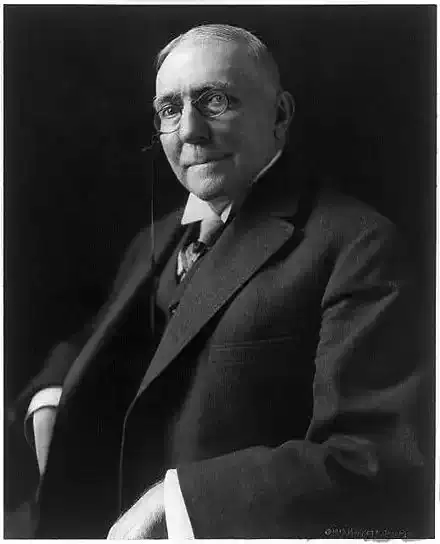
James Whitcomb Riley
Regardin' Terry Hut
Regardin' Terry Hut
Sence I tuk holt o' Gibbses' Churn
And be'n a-handlin' the concern,
I've travelled round the grand old State
Of Indiany, lots, o' late--!
I've canvassed Crawferdsville and sweat
Around the town o' Layfayette;
I've saw a many a County-seat
I ust to think was hard to beat:
At constant dreenage and expense
I've worked Greencastle and Vincennes--
Drapped out o' Putnam into Clay,
Owen, and on down thataway
Plum into Knox, on the back-track
Fer home ag'in-- and glad I'm back--!
I've saw these towns, as I say-- but
They's none 'at beats old Terry Hut!
It's more'n likely you'll insist
I claim this 'cause I'm prejudist,
Bein' born'd here in ole Vygo
In sight o' Terry Hut--; but no,
Yer clean dead wrong--! And I maintain
They's nary drap in ary vein
O' mine but what's as free as air
To jest take issue with you there--!
'Cause, boy and man, fer forty year,
I've argied ag'inst livin' here,
And jawed around and traded lies
About our lack o' enterprise,
And tuk and turned in and agreed
All other towns was in the lead,
When-- drat my melts--! They couldn't cut
No shine a-tall with Terry Hut!
Take even, statesmanship, and wit,
And ginerel git-up-and-git,
Old Terry Hut is sound clean through--!
Turn old Dick Thompson loose, er Dan
Vorehees-- and where's they any man
Kin even hold a candle to
Their eloquence--? And where's as clean
A fi-nan-seer as Rile' McKeen--
Er puorer, in his daily walk,
In railroad er in racin' stock!
And there's 'Gene Debs-- a man 'at stands
And jest holds out in his two hands
As warm a heart as ever beat
Betwixt here and the Jedgement Seat--!
All these is reasons why I putt
Sich bulk o' faith in Terry Hut.
So I've come back, with eyes 'at sees
My faults, at last--, to make my peace
With this old place, and truthful' swear--
Like Gineral Tom Nelson does--,
'They hain't no city anywhere
On God's green earth lays over us!'
Our city government is grand-'
Ner is they better farmin'-land
Sun-kissed--' as Tom goes on and says-'
Er dower'd with sich advantages!'
And I've come back, with welcome tread,
From journeyin's vain, as I have said,
To settle down in ca'm content,
And cuss the towns where I have went,
And brag on ourn, and boast and strut
Around the streets o' Terry Hut!
Sence I tuk holt o' Gibbses' Churn
And be'n a-handlin' the concern,
I've travelled round the grand old State
Of Indiany, lots, o' late--!
I've canvassed Crawferdsville and sweat
Around the town o' Layfayette;
I've saw a many a County-seat
I ust to think was hard to beat:
At constant dreenage and expense
I've worked Greencastle and Vincennes--
Drapped out o' Putnam into Clay,
Owen, and on down thataway
Plum into Knox, on the back-track
Fer home ag'in-- and glad I'm back--!
I've saw these towns, as I say-- but
They's none 'at beats old Terry Hut!
It's more'n likely you'll insist
I claim this 'cause I'm prejudist,
Bein' born'd here in ole Vygo
In sight o' Terry Hut--; but no,
Yer clean dead wrong--! And I maintain
They's nary drap in ary vein
O' mine but what's as free as air
To jest take issue with you there--!
'Cause, boy and man, fer forty year,
I've argied ag'inst livin' here,
And jawed around and traded lies
About our lack o' enterprise,
And tuk and turned in and agreed
All other towns was in the lead,
When-- drat my melts--! They couldn't cut
No shine a-tall with Terry Hut!
Take even, statesmanship, and wit,
And ginerel git-up-and-git,
Old Terry Hut is sound clean through--!
Turn old Dick Thompson loose, er Dan
Vorehees-- and where's they any man
Kin even hold a candle to
Their eloquence--? And where's as clean
A fi-nan-seer as Rile' McKeen--
Er puorer, in his daily walk,
In railroad er in racin' stock!
And there's 'Gene Debs-- a man 'at stands
And jest holds out in his two hands
As warm a heart as ever beat
Betwixt here and the Jedgement Seat--!
All these is reasons why I putt
Sich bulk o' faith in Terry Hut.
So I've come back, with eyes 'at sees
My faults, at last--, to make my peace
With this old place, and truthful' swear--
Like Gineral Tom Nelson does--,
'They hain't no city anywhere
On God's green earth lays over us!'
Our city government is grand-'
Ner is they better farmin'-land
Sun-kissed--' as Tom goes on and says-'
Er dower'd with sich advantages!'
And I've come back, with welcome tread,
From journeyin's vain, as I have said,
To settle down in ca'm content,
And cuss the towns where I have went,
And brag on ourn, and boast and strut
Around the streets o' Terry Hut!
266
James Whitcomb Riley
Robert Burns Wilson
Robert Burns Wilson
What intuition named thee?--Through what thrill
Of the awed soul came the command divine
Into the mother-heart, foretelling thine
Should palpitate with his whose raptures will
Sing on while daisies bloom and lavrocks trill
Their undulating ways up through the fine
Fair mists of heavenly reaches? Thy pure line
Falls as the dew of anthems, quiring still
The sweeter since the Scottish singer raised
His voice therein, and, quit of every stress
Of earthly ache and longing and despair,
Knew certainly each simple thing he praised
Was no less worthy, for its lowliness,
Than any joy of all the glory There.
What intuition named thee?--Through what thrill
Of the awed soul came the command divine
Into the mother-heart, foretelling thine
Should palpitate with his whose raptures will
Sing on while daisies bloom and lavrocks trill
Their undulating ways up through the fine
Fair mists of heavenly reaches? Thy pure line
Falls as the dew of anthems, quiring still
The sweeter since the Scottish singer raised
His voice therein, and, quit of every stress
Of earthly ache and longing and despair,
Knew certainly each simple thing he praised
Was no less worthy, for its lowliness,
Than any joy of all the glory There.
341
James Whitcomb Riley
Private Theatricals
Private Theatricals
A quite convincing axiom
Is, 'Life is like a play';
For, turning back its pages some
Few dog-eared years away,
I find where I
Committed my
Love-tale--with brackets where to sigh.
I feel an idle interest
To read again the page;
I enter, as a lover dressed,
At twenty years of age,
And play the part
With throbbing heart,
And all an actor's glowing art.
And she who plays my Lady-love
Excels!--Her loving glance
Has power her audience to move--
I am her audience.--
Her acting tact,
To tell the fact,
'Brings down the house' in every act.
And often we defy the curse
Of storms and thunder-showers,
To meet together and rehearse
This little play of ours--
I think, when she
'Makes love' to me,
She kisses very naturally!
. . . . . .
Yes; it's convincing--rather--
That 'Life is like a play':
I am playing 'Heavy Father'
In a 'Screaming Farce' to-day,
That so 'brings down
The house,' I frown,
And fain would 'ring the curtain down.'
A quite convincing axiom
Is, 'Life is like a play';
For, turning back its pages some
Few dog-eared years away,
I find where I
Committed my
Love-tale--with brackets where to sigh.
I feel an idle interest
To read again the page;
I enter, as a lover dressed,
At twenty years of age,
And play the part
With throbbing heart,
And all an actor's glowing art.
And she who plays my Lady-love
Excels!--Her loving glance
Has power her audience to move--
I am her audience.--
Her acting tact,
To tell the fact,
'Brings down the house' in every act.
And often we defy the curse
Of storms and thunder-showers,
To meet together and rehearse
This little play of ours--
I think, when she
'Makes love' to me,
She kisses very naturally!
. . . . . .
Yes; it's convincing--rather--
That 'Life is like a play':
I am playing 'Heavy Father'
In a 'Screaming Farce' to-day,
That so 'brings down
The house,' I frown,
And fain would 'ring the curtain down.'
267
James Whitcomb Riley
Reach Your Hand To Me
Reach Your Hand To Me
Reach your hand to me, my friend,
With its heartiest caress--
Sometime there will come an end
To its present faithfulness--
Sometime I may ask in vain
For the touch of it again,
When between us land or sea
Holds it ever back from me.
Sometime I may need it so,
Groping somewhere in the night,
It will seem to me as though
Just a touch, however light,
Would make all the darkness day,
And along some sunny way
Lead me through an April-shower
Of my tears to this fair hour.
O the present is too sweet
To go on forever thus!
Round the corner of the street
Who can say what waits for us?-Meeting--
greeting, night and day,
Faring each the self-same way--
Still somewhere the path must end.--
Reach your hand to me, my friend!
Reach your hand to me, my friend,
With its heartiest caress--
Sometime there will come an end
To its present faithfulness--
Sometime I may ask in vain
For the touch of it again,
When between us land or sea
Holds it ever back from me.
Sometime I may need it so,
Groping somewhere in the night,
It will seem to me as though
Just a touch, however light,
Would make all the darkness day,
And along some sunny way
Lead me through an April-shower
Of my tears to this fair hour.
O the present is too sweet
To go on forever thus!
Round the corner of the street
Who can say what waits for us?-Meeting--
greeting, night and day,
Faring each the self-same way--
Still somewhere the path must end.--
Reach your hand to me, my friend!
331
James Whitcomb Riley
Plain Sermons
Plain Sermons
I saw a man--and envied him beside--
Because of this world's goods he had great store;
But even as I envied him, he died,
And left me envious of him no more.
I saw another man--and envied still--
Because he was content with frugal lot;
But as I envied him, the rich man's will
Bequeathed him all, and envy I forgot.
Yet still another man I saw, and he
I envied for a calm and tranquil mind
That nothing fretted in the least degree--
Until, alas! I found that he was blind.
What vanity is envy! for I find
I have been rich in dross of thought, and poor
In that I was a fool, and lastly blind
For never having seen myself before!
I saw a man--and envied him beside--
Because of this world's goods he had great store;
But even as I envied him, he died,
And left me envious of him no more.
I saw another man--and envied still--
Because he was content with frugal lot;
But as I envied him, the rich man's will
Bequeathed him all, and envy I forgot.
Yet still another man I saw, and he
I envied for a calm and tranquil mind
That nothing fretted in the least degree--
Until, alas! I found that he was blind.
What vanity is envy! for I find
I have been rich in dross of thought, and poor
In that I was a fool, and lastly blind
For never having seen myself before!
314
James Whitcomb Riley
Philiper Flash
Philiper Flash
Young Philiper Flash was a promising lad,
His intentions were good--but oh, how sad
For a person to think
How the veriest pink
And bloom of perfection may turn out bad.
Old Flash himself was a moral man,
And prided himself on a moral plan,
Of a maxim as old
As the calf of gold,
Of making that boy do what he was told.
And such a good mother had Philiper Flash;
Her voice was as soft as the creamy plash
Of the milky wave
With its musical lave
That gushed through the holes of her patent churn-dash;--
And the excellent woman loved Philiper so,
She could cry sometimes when he stumped his toe,--
And she stroked his hair
With such motherly care
When the dear little angel learned to swear.
Old Flash himself would sometimes say
That his wife had 'such a ridiculous way,-She'd,
humor that child
Till he'd soon be sp'iled,
And then there'd be the devil to pay!'
And the excellent wife, with a martyr's look,
Would tell old Flash himself 'he took
No notice at all
Of the bright-eyed doll
Unless when he spanked him for getting a fall!'
Young Philiper Flash, as time passed by,
Grew into 'a boy with a roguish eye':
He could smoke a cigar,
And seemed by far
The most promising youth.--'He's powerful sly,
Old Flash himself once told a friend,
'Every copper he gets he's sure to spend--
And,' said he, 'don't you know
If he keeps on so
What a crop of wild oats the boy will grow!'
But his dear good mother knew Philiper's ways
So--well, she managed the money to raise;
And old Flash himself
Was 'laid on the shelf,'
(In the manner of speaking we have nowadays).
For 'gracious knows, her darling child,
If he went without money he'd soon grow wild.'
So Philiper Flash
With a regular dash
'Swung on to the reins,' and went 'slingin' the cash.'
As old Flash himself, in his office one day,
Was shaving notes in a barberous way,
At the hour of four
Death entered the door
And shaved the note on his life, they say.
And he had for his grave a magnificent tomb,
Though the venturous finger that pointed 'Gone Home,'
Looked white and cold
From being so bold,
As it feared that a popular lie was told.
Young Philiper Flash was a man of style
When he first began unpacking the pile
Of the dollars and dimes
Whose jingling chimes
Had clinked to the tune of his father's smile;
And he strewed his wealth with such lavish hand,
His rakish ways were the talk of the land,
And gossipers wise
Sat winking their eyes
(A certain foreboding of fresh surprise).
A 'fast young man' was Philiper Flash,
And wore 'loud clothes' and a weak mustache,
And 'done the Park,'
For an 'afternoon lark,'
With a very fast horse of 'remarkable dash.'
And Philiper handled a billiard-cue
About as well as the best he knew,
And used to say
'He could make it pay
By playing two or three games a day.'
And Philiper Flash was his mother's joy,
He seemed to her the magic alloy
That made her glad,
When her heart was sad,
With the thought that 'she lived for her darling boy.'
His dear good mother wasn't aware
How her darling boy relished a 'tare.'--
She said 'one night
He gave her a fright
By coming home late and ACTING tight.'
Young Philiper Flash, on a winterish day,
Was published a bankrupt, so they say--
And as far as I know
I suppose it was so,
For matters went on in a singular way;
His excellent mother, I think I was told,
Died from exposure and want and cold;
And Philiper Flash,
With a horrible slash,
Whacked his jugular open and went to smash.
Young Philiper Flash was a promising lad,
His intentions were good--but oh, how sad
For a person to think
How the veriest pink
And bloom of perfection may turn out bad.
Old Flash himself was a moral man,
And prided himself on a moral plan,
Of a maxim as old
As the calf of gold,
Of making that boy do what he was told.
And such a good mother had Philiper Flash;
Her voice was as soft as the creamy plash
Of the milky wave
With its musical lave
That gushed through the holes of her patent churn-dash;--
And the excellent woman loved Philiper so,
She could cry sometimes when he stumped his toe,--
And she stroked his hair
With such motherly care
When the dear little angel learned to swear.
Old Flash himself would sometimes say
That his wife had 'such a ridiculous way,-She'd,
humor that child
Till he'd soon be sp'iled,
And then there'd be the devil to pay!'
And the excellent wife, with a martyr's look,
Would tell old Flash himself 'he took
No notice at all
Of the bright-eyed doll
Unless when he spanked him for getting a fall!'
Young Philiper Flash, as time passed by,
Grew into 'a boy with a roguish eye':
He could smoke a cigar,
And seemed by far
The most promising youth.--'He's powerful sly,
Old Flash himself once told a friend,
'Every copper he gets he's sure to spend--
And,' said he, 'don't you know
If he keeps on so
What a crop of wild oats the boy will grow!'
But his dear good mother knew Philiper's ways
So--well, she managed the money to raise;
And old Flash himself
Was 'laid on the shelf,'
(In the manner of speaking we have nowadays).
For 'gracious knows, her darling child,
If he went without money he'd soon grow wild.'
So Philiper Flash
With a regular dash
'Swung on to the reins,' and went 'slingin' the cash.'
As old Flash himself, in his office one day,
Was shaving notes in a barberous way,
At the hour of four
Death entered the door
And shaved the note on his life, they say.
And he had for his grave a magnificent tomb,
Though the venturous finger that pointed 'Gone Home,'
Looked white and cold
From being so bold,
As it feared that a popular lie was told.
Young Philiper Flash was a man of style
When he first began unpacking the pile
Of the dollars and dimes
Whose jingling chimes
Had clinked to the tune of his father's smile;
And he strewed his wealth with such lavish hand,
His rakish ways were the talk of the land,
And gossipers wise
Sat winking their eyes
(A certain foreboding of fresh surprise).
A 'fast young man' was Philiper Flash,
And wore 'loud clothes' and a weak mustache,
And 'done the Park,'
For an 'afternoon lark,'
With a very fast horse of 'remarkable dash.'
And Philiper handled a billiard-cue
About as well as the best he knew,
And used to say
'He could make it pay
By playing two or three games a day.'
And Philiper Flash was his mother's joy,
He seemed to her the magic alloy
That made her glad,
When her heart was sad,
With the thought that 'she lived for her darling boy.'
His dear good mother wasn't aware
How her darling boy relished a 'tare.'--
She said 'one night
He gave her a fright
By coming home late and ACTING tight.'
Young Philiper Flash, on a winterish day,
Was published a bankrupt, so they say--
And as far as I know
I suppose it was so,
For matters went on in a singular way;
His excellent mother, I think I was told,
Died from exposure and want and cold;
And Philiper Flash,
With a horrible slash,
Whacked his jugular open and went to smash.
274
James Whitcomb Riley
Over The Eyes Of Gladness
Over The Eyes Of Gladness
'The voice of One hath spoken,
And the bended reed is bruised--
The golden bowl is broken,
And the silver cord is loosed.'
Over the eyes of gladness
The lids of sorrow fall,
And the light of mirth is darkened
Under the funeral pall.
The hearts that throbbed with rapture
In dreams of the future years,
Are wakened from their slumbers,
And their visions drowned in tears.
. . . . . . .
Two buds on the bough in the morning--
Twin buds in the smiling sun,
But the frost of death has fallen
And blighted the bloom of one.
One leaf of life still folded
Has fallen from the stem,
Leaving the symbol teaching
There still are two of them,--
For though--through Time's gradations,
The LIVING bud may burst,--
The WITHERED one is gathered,
And blooms in Heaven first.
'The voice of One hath spoken,
And the bended reed is bruised--
The golden bowl is broken,
And the silver cord is loosed.'
Over the eyes of gladness
The lids of sorrow fall,
And the light of mirth is darkened
Under the funeral pall.
The hearts that throbbed with rapture
In dreams of the future years,
Are wakened from their slumbers,
And their visions drowned in tears.
. . . . . . .
Two buds on the bough in the morning--
Twin buds in the smiling sun,
But the frost of death has fallen
And blighted the bloom of one.
One leaf of life still folded
Has fallen from the stem,
Leaving the symbol teaching
There still are two of them,--
For though--through Time's gradations,
The LIVING bud may burst,--
The WITHERED one is gathered,
And blooms in Heaven first.
279
James Whitcomb Riley
Out Of Nazareth
Out Of Nazareth
'He shall sleep unscathed of thieves
Who loves Allah and believes.'
Thus heard one who shared the tent,
In the far-off Orient,
Of the Bedouin ben Ahrzz--
Nobler never loved the stars
Through the palm-leaves nigh the dim
Dawn his courser neighed to him!
He said: 'Let the sands be swarmed
With such thieves as I, and thou
Shalt at morning rise unharmed,
Light as eyelash to the brow
Of thy camel amber-eyed,
Ever munching either side,
Striding still, with nestled knees,
Through the midnight's oases.'
'Who can rob thee an thou hast
More than this that thou hast cast
At my feet-- this dust of gold?
Simply this and that, all told!
Hast thou not a treasure of
Such a thing as men call love?'
'Can the dusky band I lead
Rob thee of thy daily need
Of a whiter soul, or steal
What thy lordly prayers reveal?
Who could be enriched of thee
By such hoard of poverty
As thy niggard hand pretends
To dole me-- thy worst of friends?
Therefore shouldst thou pause to bless
One indeed who blesses thee:
Robbing thee, I dispossess
But myself--. Pray thou for me!'
He shall sleep unscathed of thieves
Who loves Allah and believes.
'He shall sleep unscathed of thieves
Who loves Allah and believes.'
Thus heard one who shared the tent,
In the far-off Orient,
Of the Bedouin ben Ahrzz--
Nobler never loved the stars
Through the palm-leaves nigh the dim
Dawn his courser neighed to him!
He said: 'Let the sands be swarmed
With such thieves as I, and thou
Shalt at morning rise unharmed,
Light as eyelash to the brow
Of thy camel amber-eyed,
Ever munching either side,
Striding still, with nestled knees,
Through the midnight's oases.'
'Who can rob thee an thou hast
More than this that thou hast cast
At my feet-- this dust of gold?
Simply this and that, all told!
Hast thou not a treasure of
Such a thing as men call love?'
'Can the dusky band I lead
Rob thee of thy daily need
Of a whiter soul, or steal
What thy lordly prayers reveal?
Who could be enriched of thee
By such hoard of poverty
As thy niggard hand pretends
To dole me-- thy worst of friends?
Therefore shouldst thou pause to bless
One indeed who blesses thee:
Robbing thee, I dispossess
But myself--. Pray thou for me!'
He shall sleep unscathed of thieves
Who loves Allah and believes.
246
James Whitcomb Riley
Our Little Girl
Our Little Girl
Her heart knew naught of sorrow,
Nor the vaguest taint of sin-'
Twas an ever-blooming blossom
Of the purity within:
And her hands knew only touches
Of the mother's gentle care,
And the kisses and caresses
Through the interludes of prayer.
Her baby-feet had journeyed
Such a little distance here,
They could have found no briers
In the path to interfere;
The little cross she carried
Could not weary her, we know,
For it lay as lightly on her
As a shadow on the snow.
And yet the way before us--
O how empty now and drear!--
How ev'n the dews of roses
Seem as dripping tears for her!
And the song-birds all seem crying,
As the winds cry and the rain,
All sobbingly,--'We want--we want
Our little girl again!'
Her heart knew naught of sorrow,
Nor the vaguest taint of sin-'
Twas an ever-blooming blossom
Of the purity within:
And her hands knew only touches
Of the mother's gentle care,
And the kisses and caresses
Through the interludes of prayer.
Her baby-feet had journeyed
Such a little distance here,
They could have found no briers
In the path to interfere;
The little cross she carried
Could not weary her, we know,
For it lay as lightly on her
As a shadow on the snow.
And yet the way before us--
O how empty now and drear!--
How ev'n the dews of roses
Seem as dripping tears for her!
And the song-birds all seem crying,
As the winds cry and the rain,
All sobbingly,--'We want--we want
Our little girl again!'
286
James Whitcomb Riley
Our Hired Girl
Our Hired Girl
1
2
3
4
6
7
8
9
11
12
13
14
Our hired girl, she's 'Lizabuth Ann;
An' she can cook best things to eat!
She ist puts dough in our pie-pan,
An' pours in somepin' 'at's good an' sweet;
An' nen she salts it all on top
With cinnamon; an' nen she'll stop
An' stoop an' slide it, ist as slow,
In th' old cook-stove, so's 'twon't slop
An' git all spilled; nen bakes it, so
It's custard-pie, first thing you know!
An' nen she'll say,
"Clear out o' my way!
They's time fer work, an' time fer play!
Take yer dough, an' run, child, run!
Er I cain't git no cookin' done!"
16
17
18
19
21
22
23
24
26
27
28
29
When our hired girl 'tends like she's mad,
An' says folks got to walk the chalk
When she's around, er wisht they had!
I play out on our porch an' talk
To Th' Raggedy Man 'at mows our lawn;
An' he says, "Whew!" an' nen leans on
His old crook-scythe, and blinks his eyes,
An' sniffs all 'round an' says, "I swawn!
Ef my old nose don't tell me lies,
It 'pears like I smell custard-pies!"
An' nen he'll say,
"Clear out o' my way!
They's time fer work, an' time fer play!
Take yer dough, an' run, child, run!
Er she cain't git no cookin' done!"
31
32
33
34
Wunst our hired girl, when she
Got the supper, an' we all et,
An' it wuz night, an' Ma an' me
An' Pa went wher' the "Social" met, --
An' nen when we come home, an' see
36
37
38
A light in the kitchen door, an' we
Heerd a maccordeun, Pa says, "Lan'O'-
Gracious! who can her beau be?"
39 An' I marched in, an' 'Lizabuth Ann
41
42
43
44
Wuz parchin' corn fer The Raggedy Man!
Better say,
"Clear out o' the way!
They's time fer work, an' time fer play!
Take the hint, an' run, child, run!
Er we cain't git no courtin' done!"
1
2
3
4
6
7
8
9
11
12
13
14
Our hired girl, she's 'Lizabuth Ann;
An' she can cook best things to eat!
She ist puts dough in our pie-pan,
An' pours in somepin' 'at's good an' sweet;
An' nen she salts it all on top
With cinnamon; an' nen she'll stop
An' stoop an' slide it, ist as slow,
In th' old cook-stove, so's 'twon't slop
An' git all spilled; nen bakes it, so
It's custard-pie, first thing you know!
An' nen she'll say,
"Clear out o' my way!
They's time fer work, an' time fer play!
Take yer dough, an' run, child, run!
Er I cain't git no cookin' done!"
16
17
18
19
21
22
23
24
26
27
28
29
When our hired girl 'tends like she's mad,
An' says folks got to walk the chalk
When she's around, er wisht they had!
I play out on our porch an' talk
To Th' Raggedy Man 'at mows our lawn;
An' he says, "Whew!" an' nen leans on
His old crook-scythe, and blinks his eyes,
An' sniffs all 'round an' says, "I swawn!
Ef my old nose don't tell me lies,
It 'pears like I smell custard-pies!"
An' nen he'll say,
"Clear out o' my way!
They's time fer work, an' time fer play!
Take yer dough, an' run, child, run!
Er she cain't git no cookin' done!"
31
32
33
34
Wunst our hired girl, when she
Got the supper, an' we all et,
An' it wuz night, an' Ma an' me
An' Pa went wher' the "Social" met, --
An' nen when we come home, an' see
36
37
38
A light in the kitchen door, an' we
Heerd a maccordeun, Pa says, "Lan'O'-
Gracious! who can her beau be?"
39 An' I marched in, an' 'Lizabuth Ann
41
42
43
44
Wuz parchin' corn fer The Raggedy Man!
Better say,
"Clear out o' the way!
They's time fer work, an' time fer play!
Take the hint, an' run, child, run!
Er we cain't git no courtin' done!"
299
James Whitcomb Riley
On The Sunny Side
On The Sunny Side
Hi and whoop-hooray, boys!
Sing a song of cheer!
Here's a holiday, boys,
Lasting half a year!
Round the world, and half is
Shadow we have tried;
Now we're where the laugh is,--
On the sunny side!
Pigeons coo and mutter,
Strutting high aloof
Where the sunbeans flutter
Through the stable roof.
Hear the chickens cheep, boys,
And the hen with pride
Clucking them to sleep, boys,
On the sunny side!
Hear the clacking guinea;
Hear the cattle moo;
Hear the horses whinny,
Looking out at you!
On the hitching-block, boys,
Grandly satisfied,
See the old peacock, boys,
On the sunny side!
Robins in the peach-tree;
Bluebirds in the pear;
Blossoms over each tree
In the orchard there!
All the world's in joy, boys,
Glad and glorified
As a romping boy, boys,
On the sunny side!
Where's a heart as mellow?
Where's a soul as free?
Where is any fellow
We would rather be?
Just ourselves or none, boys,
World around and wide,
Laughing in the sun, boys,
On the sunny side!
Hi and whoop-hooray, boys!
Sing a song of cheer!
Here's a holiday, boys,
Lasting half a year!
Round the world, and half is
Shadow we have tried;
Now we're where the laugh is,--
On the sunny side!
Pigeons coo and mutter,
Strutting high aloof
Where the sunbeans flutter
Through the stable roof.
Hear the chickens cheep, boys,
And the hen with pride
Clucking them to sleep, boys,
On the sunny side!
Hear the clacking guinea;
Hear the cattle moo;
Hear the horses whinny,
Looking out at you!
On the hitching-block, boys,
Grandly satisfied,
See the old peacock, boys,
On the sunny side!
Robins in the peach-tree;
Bluebirds in the pear;
Blossoms over each tree
In the orchard there!
All the world's in joy, boys,
Glad and glorified
As a romping boy, boys,
On the sunny side!
Where's a heart as mellow?
Where's a soul as free?
Where is any fellow
We would rather be?
Just ourselves or none, boys,
World around and wide,
Laughing in the sun, boys,
On the sunny side!
286
James Whitcomb Riley
Orlie Wilde
Orlie Wilde
A goddess, with a siren's grace,--
A sun-haired girl on a craggy place
Above a bay where fish-boats lay
Drifting about like birds of prey.
Wrought was she of a painter's dream,--
Wise only as are artists wise,
My artist-friend, Rolf Herschkelhiem,
With deep sad eyes of oversize,
And face of melancholy guise.
I pressed him that he tell to me
This masterpiece's history.
He turned--REturned--and thus beguiled
Me with the tale of Orlie Wilde:-
"We artists live ideally:
We breed our firmest facts of air;
We make our own reality--
We dream a thing and it is so.
The fairest scenes we ever see
Are mirages of memory;
The sweetest thoughts we ever know
We plagiarize from Long Ago:
And as the girl on canvas there
Is marvelously rare and fair,
'Tis only inasmuch as she
Is dumb and may not speak to me!"
He tapped me with his mahlstick--then
The picture,--and went on again:
"Orlie Wilde, the fisher's child--
I see her yet, as fair and mild
As ever nursling summer day
Dreamed on the bosom of the bay:
For I was twenty then, and went
Alone and long-haired--all content
With promises of sounding name
And fantasies of future fame,
And thoughts that now my mind discards
As editor a fledgling bard's.
"At evening once I chanced to go,
With pencil and portfolio,
Adown the street of silver sand
That winds beneath this craggy land,
To make a sketch of some old scurf
Of driftage, nosing through the surf
A splintered mast, with knarl and strand
Of rigging-rope and tattered threads
Of flag and streamer and of sail
That fluttered idly in the gale
Or whipped themselves to sadder shreds.
The while I wrought, half listlessly,
On my dismantled subject, came
A sea-bird, settling on the same
With plaintive moan, as though that he
Had lost his mate upon the sea;
And--with my melancholy trend--
It brought dim dreams half understood--
It wrought upon my morbid mood,--
I thought of my own voyagings
That had no end--that have no end.--
And, like the sea-bird, I made moan
That I was loveless and alone.
And when at last with weary wings
It went upon its wanderings,
With upturned face I watched its flight
Until this picture met my sight:
A goddess, with a siren's grace,--
A sun-haired girl on a craggy place
Above a bay where fish-boats lay
Drifting about like birds of prey.
"In airy poise she, gazing, stood
A machless form of womanhood,
That brought a thought that if for me
Such eyes had sought across the sea,
I could have swum the widest tide
That ever mariner defied,
And, at the shore, could on have gone
To that high crag she stood upon,
To there entreat and say, 'My Sweet,
Behold thy servant at thy feet.'
And to my soul I said: 'Above,
There stands the idol of thy love!'
"In this rapt, awed, ecstatic state
I gazed--till lo! I was aware
A fisherman had joined her there--
A weary man, with halting gait,
Who toiled beneath a basket's weight:
Her father, as I guessed, for she
Had run to meet him gleefully
And ta'en his burden to herself,
That perched upon her shoulder's shelf
So lightly that she, tripping, neared
A jutting crag and disappeared;
But she left the echo of a song
That thrills me yet, and will as long
As I have being! . . .
. . . "Evenings came
And went,--but each the same--the same:
She watched above, and even so
I stood there watching from below;
Till, grown so bold at last, I sung,-(
What matter now the theme thereof!)--
It brought an answer from her tongue--
Faint as the murmur of a dove,
Yet all the more the song of love. . . .
"I turned and looked upon the bay,
With palm to forehead--eyes a-blur
In the sea's smile--meant but for her!--
I saw the fish-boats far away
In misty distance, lightly drawn
In chalk-dots on the horizon--
Looked back at her, long, wistfully;--
And, pushing off an empty skiff,
I beckoned her to quit the cliff
And yield me her rare company
Upon a little pleasure-cruise.--
She stood, as loathful to refuse,
To muse for full a moment's time,--
Then answered back in pantomime
'She feared some danger from the sea
Were she discovered thus with me.'
I motioned then to ask her if
I might not join her on the cliff
And back again, with graceful wave
Of lifted arm, she anwer gave
'She feared some danger from the sea.'
"Impatient, piqued, impetuous, I
Sprang in the boat, and flung 'Good-by'
From pouted mouth with angry hand,
And madly pulled away from land
With lusty stroke, despite that she
Held out her hands entreatingly:
And when far out, with covert eye
I shoreward glanced, I saw her fly
In reckless haste adown the crag,
Her hair a-flutter like a flag
Of gold that danced across the strand
In little mists of silver sand.
All curious I, pausing, tried
To fancy what it all implied,--
When suddenly I found my feet
Were wet; and, underneath the seat
On which I sat, I heard the sound
Of gurgling waters, and I found
The boat aleak alarmingly. . . .
I turned and looked upon the sea,
Whose every wave seemed mocking me;
I saw the fishers' sails once more--
In dimmer distance than before;
I saw the sea-bird wheeling by,
With foolish wish that _I_ could fly:
I thought of firm earth, home and friends--
I thought of everything that tends
To drive a man to frenzy and
To wholly lose his own command;
I thought of all my waywardness--
Thought of a mother's deep distress;
Of youthful follies yet unpurged--
Sins, as the seas, about me surged--
Thought of the printer's ready pen
To-morrow drowning me again;--
A million things without a name--
I thought of everything but--Fame. . . .
"A memory yet is in my mind,
So keenly clear and sharp-defined,
I picture every phase and line
Of life and death, and neither mine,--
While some fair seraph, golden-haired,
Bends over me,--with white arms bared,
That strongly plait themselves about
My drowning weight and lift me out--
With joy too great for words to state
Or tongue to dare articulate!
"And this seraphic ocean-child
And heroine was Orlie Wilde:
And thus it was I came to hear
Her voice's music in my ear--
Ay, thus it was Fate paved the way
That I walk desolate to-day!" . . .
The artist paused and bowed his face
Within his palms a little space,
While reverently on his form
I bent my gaze and marked a storm
That shook his frame as wrathfully
As some typhoon of agony,
And fraught with sobs--the more profound
For that peculiar laughing sound
We hear when strong men weep. . . . I leant
With warmest sympathy--I bent
To stroke with soothing hand his brow,
He murmuring--"Tis over now!--
And shall I tie the silken thread
Of my frail romance?" "Yes," I said.--
He faintly smiled; and then, with brow
In kneading palm, as one in dread-
His tasseled cap pushed from his head
" 'Her voice's music,' I repeat,"
He said,--" 'twas sweet--O passing sweet!--
Though she herself, in uttering
Its melody, proved not the thing
Of loveliness my dreams made meet
For me--there, yearning, at her feet--
Prone at her feet--a worshiper,--
For lo! she spake a tongue," moaned he,
"Unknown to me;--unknown to me
As mine to her--as mine to her."
A goddess, with a siren's grace,--
A sun-haired girl on a craggy place
Above a bay where fish-boats lay
Drifting about like birds of prey.
Wrought was she of a painter's dream,--
Wise only as are artists wise,
My artist-friend, Rolf Herschkelhiem,
With deep sad eyes of oversize,
And face of melancholy guise.
I pressed him that he tell to me
This masterpiece's history.
He turned--REturned--and thus beguiled
Me with the tale of Orlie Wilde:-
"We artists live ideally:
We breed our firmest facts of air;
We make our own reality--
We dream a thing and it is so.
The fairest scenes we ever see
Are mirages of memory;
The sweetest thoughts we ever know
We plagiarize from Long Ago:
And as the girl on canvas there
Is marvelously rare and fair,
'Tis only inasmuch as she
Is dumb and may not speak to me!"
He tapped me with his mahlstick--then
The picture,--and went on again:
"Orlie Wilde, the fisher's child--
I see her yet, as fair and mild
As ever nursling summer day
Dreamed on the bosom of the bay:
For I was twenty then, and went
Alone and long-haired--all content
With promises of sounding name
And fantasies of future fame,
And thoughts that now my mind discards
As editor a fledgling bard's.
"At evening once I chanced to go,
With pencil and portfolio,
Adown the street of silver sand
That winds beneath this craggy land,
To make a sketch of some old scurf
Of driftage, nosing through the surf
A splintered mast, with knarl and strand
Of rigging-rope and tattered threads
Of flag and streamer and of sail
That fluttered idly in the gale
Or whipped themselves to sadder shreds.
The while I wrought, half listlessly,
On my dismantled subject, came
A sea-bird, settling on the same
With plaintive moan, as though that he
Had lost his mate upon the sea;
And--with my melancholy trend--
It brought dim dreams half understood--
It wrought upon my morbid mood,--
I thought of my own voyagings
That had no end--that have no end.--
And, like the sea-bird, I made moan
That I was loveless and alone.
And when at last with weary wings
It went upon its wanderings,
With upturned face I watched its flight
Until this picture met my sight:
A goddess, with a siren's grace,--
A sun-haired girl on a craggy place
Above a bay where fish-boats lay
Drifting about like birds of prey.
"In airy poise she, gazing, stood
A machless form of womanhood,
That brought a thought that if for me
Such eyes had sought across the sea,
I could have swum the widest tide
That ever mariner defied,
And, at the shore, could on have gone
To that high crag she stood upon,
To there entreat and say, 'My Sweet,
Behold thy servant at thy feet.'
And to my soul I said: 'Above,
There stands the idol of thy love!'
"In this rapt, awed, ecstatic state
I gazed--till lo! I was aware
A fisherman had joined her there--
A weary man, with halting gait,
Who toiled beneath a basket's weight:
Her father, as I guessed, for she
Had run to meet him gleefully
And ta'en his burden to herself,
That perched upon her shoulder's shelf
So lightly that she, tripping, neared
A jutting crag and disappeared;
But she left the echo of a song
That thrills me yet, and will as long
As I have being! . . .
. . . "Evenings came
And went,--but each the same--the same:
She watched above, and even so
I stood there watching from below;
Till, grown so bold at last, I sung,-(
What matter now the theme thereof!)--
It brought an answer from her tongue--
Faint as the murmur of a dove,
Yet all the more the song of love. . . .
"I turned and looked upon the bay,
With palm to forehead--eyes a-blur
In the sea's smile--meant but for her!--
I saw the fish-boats far away
In misty distance, lightly drawn
In chalk-dots on the horizon--
Looked back at her, long, wistfully;--
And, pushing off an empty skiff,
I beckoned her to quit the cliff
And yield me her rare company
Upon a little pleasure-cruise.--
She stood, as loathful to refuse,
To muse for full a moment's time,--
Then answered back in pantomime
'She feared some danger from the sea
Were she discovered thus with me.'
I motioned then to ask her if
I might not join her on the cliff
And back again, with graceful wave
Of lifted arm, she anwer gave
'She feared some danger from the sea.'
"Impatient, piqued, impetuous, I
Sprang in the boat, and flung 'Good-by'
From pouted mouth with angry hand,
And madly pulled away from land
With lusty stroke, despite that she
Held out her hands entreatingly:
And when far out, with covert eye
I shoreward glanced, I saw her fly
In reckless haste adown the crag,
Her hair a-flutter like a flag
Of gold that danced across the strand
In little mists of silver sand.
All curious I, pausing, tried
To fancy what it all implied,--
When suddenly I found my feet
Were wet; and, underneath the seat
On which I sat, I heard the sound
Of gurgling waters, and I found
The boat aleak alarmingly. . . .
I turned and looked upon the sea,
Whose every wave seemed mocking me;
I saw the fishers' sails once more--
In dimmer distance than before;
I saw the sea-bird wheeling by,
With foolish wish that _I_ could fly:
I thought of firm earth, home and friends--
I thought of everything that tends
To drive a man to frenzy and
To wholly lose his own command;
I thought of all my waywardness--
Thought of a mother's deep distress;
Of youthful follies yet unpurged--
Sins, as the seas, about me surged--
Thought of the printer's ready pen
To-morrow drowning me again;--
A million things without a name--
I thought of everything but--Fame. . . .
"A memory yet is in my mind,
So keenly clear and sharp-defined,
I picture every phase and line
Of life and death, and neither mine,--
While some fair seraph, golden-haired,
Bends over me,--with white arms bared,
That strongly plait themselves about
My drowning weight and lift me out--
With joy too great for words to state
Or tongue to dare articulate!
"And this seraphic ocean-child
And heroine was Orlie Wilde:
And thus it was I came to hear
Her voice's music in my ear--
Ay, thus it was Fate paved the way
That I walk desolate to-day!" . . .
The artist paused and bowed his face
Within his palms a little space,
While reverently on his form
I bent my gaze and marked a storm
That shook his frame as wrathfully
As some typhoon of agony,
And fraught with sobs--the more profound
For that peculiar laughing sound
We hear when strong men weep. . . . I leant
With warmest sympathy--I bent
To stroke with soothing hand his brow,
He murmuring--"Tis over now!--
And shall I tie the silken thread
Of my frail romance?" "Yes," I said.--
He faintly smiled; and then, with brow
In kneading palm, as one in dread-
His tasseled cap pushed from his head
" 'Her voice's music,' I repeat,"
He said,--" 'twas sweet--O passing sweet!--
Though she herself, in uttering
Its melody, proved not the thing
Of loveliness my dreams made meet
For me--there, yearning, at her feet--
Prone at her feet--a worshiper,--
For lo! she spake a tongue," moaned he,
"Unknown to me;--unknown to me
As mine to her--as mine to her."
223
James Whitcomb Riley
Old Man's Nursery Rhyme
Old Man's Nursery Rhyme
I.
In the jolly winters
Of the long-ago,
It was not so cold as now--
O! No! No!
Then, as I remember,
Snowballs, to eat,
Were as good as apples now,
And every bit as sweet!
II.
In the jolly winters
Of the dead-and-gone,
Bub was warm as summer,
With his red mitts on,--
Just in his little waistAnd-
pants all together,
Who ever heard him growl
About cold weather?
III.
In the jolly winters of the long-ago--
Was it _half_ so cold as now?
O! No! No!
Who caught his death o' cold,
Making prints of men
Flat-backed in snow that now's
Twice as cold again?
IV.
In the jolly winters
Of the dead-and-gone,
Startin' out rabbit-hunting
Early as the dawn,--
Who ever froze his fingers,
Ears, heels, or toes,-Or'd
a cared if he had?
Nobody knows!
V.
Nights by the kitchen-stove,
Shelling white and red
Corn in the skillet, and
Sleepin' four abed!
Ah! the jolly winters
Of the long-ago!
We were not so old as now-
O! No! No!
I.
In the jolly winters
Of the long-ago,
It was not so cold as now--
O! No! No!
Then, as I remember,
Snowballs, to eat,
Were as good as apples now,
And every bit as sweet!
II.
In the jolly winters
Of the dead-and-gone,
Bub was warm as summer,
With his red mitts on,--
Just in his little waistAnd-
pants all together,
Who ever heard him growl
About cold weather?
III.
In the jolly winters of the long-ago--
Was it _half_ so cold as now?
O! No! No!
Who caught his death o' cold,
Making prints of men
Flat-backed in snow that now's
Twice as cold again?
IV.
In the jolly winters
Of the dead-and-gone,
Startin' out rabbit-hunting
Early as the dawn,--
Who ever froze his fingers,
Ears, heels, or toes,-Or'd
a cared if he had?
Nobody knows!
V.
Nights by the kitchen-stove,
Shelling white and red
Corn in the skillet, and
Sleepin' four abed!
Ah! the jolly winters
Of the long-ago!
We were not so old as now-
O! No! No!
322
James Whitcomb Riley
Old Winters On The Farm
Old Winters On The Farm
I have jest about decided
It 'ud keep a _town-boy_ hoppin'
Fer to work all winter, choppin'
Fer a' old fire-place, like _I_ did!
Lawz! them old times wuz contrairy!--
Blame backbone o' winter, 'peared-like,
_Wouldn't_ break!--and I wuz skeerd-like
Clean on into _Febuary_!
Nothin' ever made we madder
Than fer Pap to stomp in, layin'
On a' extra fore-stick, sayin'
'Groun'hog's out and seed his shadder!'
I have jest about decided
It 'ud keep a _town-boy_ hoppin'
Fer to work all winter, choppin'
Fer a' old fire-place, like _I_ did!
Lawz! them old times wuz contrairy!--
Blame backbone o' winter, 'peared-like,
_Wouldn't_ break!--and I wuz skeerd-like
Clean on into _Febuary_!
Nothin' ever made we madder
Than fer Pap to stomp in, layin'
On a' extra fore-stick, sayin'
'Groun'hog's out and seed his shadder!'
309
James Whitcomb Riley
Nothin' To Say
Nothin' To Say
Nothin' to say, my daughter! Nothin' at all to say!
Gyrls that's in love, I've noticed, ginerly has their way!
Yer mother did, afore you, when her folks objected to me--
Yit here I am, and here you air; and yer mother--where is she?
You look lots like yer mother: Purty much same in size;
And about the same complected; and favor about the eyes:
Like her, too, about _livin_' here,--because _she_ couldn't stay:
It'll 'most seem like you was dead--like her!--But I hain't got nothin' to say!
She left you her little Bible--writ yer name acrost the page--
And left her ear bobs fer you, ef ever you come of age.
I've allus kep' 'em and gyuarded 'em, but ef yer goin' away--
Nothin' to say, my daughter! Nothin' at all to say!
You don't rikollect her, I reckon? No; you wasn't a year old then!
And now yer--how old _air_ you? W'y, child, not '_twenty_!' When?
And yer nex' birthday's in Aprile? and you want to git married that day?
... I wisht yer mother was livin'!--But--I hain't got nothin' to say!
Twenty year! and as good a gyrl as parent ever found!
There's a straw ketched onto yer dress there--I'll bresh it off--turn round.
(Her mother was jes' twenty when us two run away!)
Nothin' to say, my daughter! Nothin' at all to say!
Nothin' to say, my daughter! Nothin' at all to say!
Gyrls that's in love, I've noticed, ginerly has their way!
Yer mother did, afore you, when her folks objected to me--
Yit here I am, and here you air; and yer mother--where is she?
You look lots like yer mother: Purty much same in size;
And about the same complected; and favor about the eyes:
Like her, too, about _livin_' here,--because _she_ couldn't stay:
It'll 'most seem like you was dead--like her!--But I hain't got nothin' to say!
She left you her little Bible--writ yer name acrost the page--
And left her ear bobs fer you, ef ever you come of age.
I've allus kep' 'em and gyuarded 'em, but ef yer goin' away--
Nothin' to say, my daughter! Nothin' at all to say!
You don't rikollect her, I reckon? No; you wasn't a year old then!
And now yer--how old _air_ you? W'y, child, not '_twenty_!' When?
And yer nex' birthday's in Aprile? and you want to git married that day?
... I wisht yer mother was livin'!--But--I hain't got nothin' to say!
Twenty year! and as good a gyrl as parent ever found!
There's a straw ketched onto yer dress there--I'll bresh it off--turn round.
(Her mother was jes' twenty when us two run away!)
Nothin' to say, my daughter! Nothin' at all to say!
302
James Whitcomb Riley
Old Fashioned Roses
Old Fashioned Roses
They ain't no style about 'em,
And they're sorto' pale and faded,
Yit the doorway here, without 'em,
Would be lonesomer, and shaded
With a good 'eal blacker shudder
Than the morning-glories makes,
And the sunshine would look sadder
Fer their good old-fashion' sakes.
I like 'em 'cause they kindo'--
Sorto' make a feller like 'em!
And I tell you, when I find a
Bunch out whur the sun kin strike 'em,
It allus sets me thinkin'
O' the ones 'at used to grow
And peek in thro' the chinkin'
O' the cabin, don't you know!
And then I think o' mother,
And how she ust to love 'em--
When they wuzn't any other,
'Less she found 'em up above 'em!
And her eyes, afore she shut 'em,
Whispered with a smile and said
We must pick a bunch and putt 'em
In her hand when she wuz dead.
But as I wuz a-sayin',
They ain't no style about 'em
Very gaudy er displayin',
But I wouldn't be without 'em--,
'Cause I'm happier in these posies,
And the hollyhawks and sich,
Than the hummin'-bird 'at noses
In the roses of the rich.
They ain't no style about 'em,
And they're sorto' pale and faded,
Yit the doorway here, without 'em,
Would be lonesomer, and shaded
With a good 'eal blacker shudder
Than the morning-glories makes,
And the sunshine would look sadder
Fer their good old-fashion' sakes.
I like 'em 'cause they kindo'--
Sorto' make a feller like 'em!
And I tell you, when I find a
Bunch out whur the sun kin strike 'em,
It allus sets me thinkin'
O' the ones 'at used to grow
And peek in thro' the chinkin'
O' the cabin, don't you know!
And then I think o' mother,
And how she ust to love 'em--
When they wuzn't any other,
'Less she found 'em up above 'em!
And her eyes, afore she shut 'em,
Whispered with a smile and said
We must pick a bunch and putt 'em
In her hand when she wuz dead.
But as I wuz a-sayin',
They ain't no style about 'em
Very gaudy er displayin',
But I wouldn't be without 'em--,
'Cause I'm happier in these posies,
And the hollyhawks and sich,
Than the hummin'-bird 'at noses
In the roses of the rich.
287
James Whitcomb Riley
Noey's Night-Piece
Noey's Night-Piece
'They ain't much 'tale' about it!' Noey said.-'
K'tawby grapes wuz gittin' good-n-red
I rickollect; and Tubb Kingry and me
'Ud kindo' browse round town, daytime, to see
What neighbers 'peared to have the most to spare
'At wuz git-at-able and no dog there
When we come round to git 'em, say 'bout ten
O'clock at night when mostly old folks then
Wuz snorin' at each other like they yit
Helt some old grudge 'at never slep' a bit.
Well, at the _Pars'nige_--ef ye'll call to mind,-They's
'bout the biggest grape-arber you'll find
'Most anywheres.--And mostly there, we knowed
They wuz _k'tawbies_ thick as ever growed--
And more'n they'd _p'serve_.--Besides I've heerd
Ma say k'tawby-grape-p'serves jes 'peared
A waste o' sugar, anyhow!--And so
My conscience stayed outside and lem me go
With Tubb, one night, the back-way, clean up through
That long black arber to the end next to
The house, where the k'tawbies, don't you know,
Wuz thickest. And t'uz lucky we went _slow_,--
Fer jest as we wuz cropin' tords the gray-
End, like, of the old arber--heerd Tubb say
In a skeered whisper, 'Hold up! They's some one
Jes slippin' in here!--and _looks like a gun_
He's carryin'!' I _golly!_ we both spread
Out flat aginst the ground!
''What's that?' Tubb said.--
And jest then--'_plink! plunk! plink!_' we heerd something
Under the back-porch-winder.--Then, i jing!
Of course we rickollected 'bout the young
School-mam 'at wuz a-boardin' there, and sung,
And played on the melodium in the choir.--
And she 'uz 'bout as purty to admire
As any girl in town!--the fac's is, she
Jest _wuz_, them times, to a dead certainty,
The belle o' this-here bailywick!--But--Well,-I'd
best git back to what I'm tryin' to tell:--
It wuz some feller come to serenade
Miss Wetherell: And there he plunked and played
His old guitar, and sung, and kep' his eye
Set on her winder, blacker'n the sky!--
And black it _stayed_.--But mayby she wuz 'way
From home, er wore out--bein' _Saturday!_
'It _seemed_ a good-'eal _longer_, but I _know_
He sung and plunked there half a' hour er so
Afore, it 'peared like, he could ever git
His own free qualified consents to quit
And go off 'bout his business. When he went
I bet you could a-bought him fer a cent!
'And now, behold ye all!--as Tubb and me
Wuz 'bout to raise up,--right in front we see
A feller slippin' out the arber, square
Smack under that-air little winder where
The _other_ feller had been standin'.--And
The thing he wuz a-carryin' in his hand
Wuzn't no _gun_ at all!--It wuz a _flute_,--
And _whoop-ee!_ how it did git up and toot
And chirp and warble, tel a mockin'-bird
'Ud dast to never let hisse'f be heerd
Ferever, after sich miracalous, high
Jim-cracks and grand skyrootics played there by
Yer Cousin Rufus!--Yes-sir; it wuz him!--
And what's more,--all a-suddent that-air dim
Dark winder o' Miss Wetherell's wuz lit
Up like a' oyshture-sign, and under it
We see him sort o' wet his lips and smile
Down 'long his row o' dancin' fingers, while
He kindo' stiffened up and kinked his breath
And everlastin'ly jest blowed the peth
Out o' that-air old one-keyed flute o' his.
And, bless their hearts, that's all the 'tale' they is!'
And even as Noey closed, all radiantly
The unconscious hero of the history,
Returning, met a perfect driving storm
Of welcome--a reception strangely warm
And _unaccountable_, to _him_, although
Most _gratifying_,--and he told them so.
'I only urge,' he said, 'my right to be
Enlightened.' And a voice said: '_Certainly:_--
During your absence we agreed that you
Should tell us all a story, old or new,
Just in the immediate happy frame of mind
We knew you would return in.'
So, resigned,
The ready flutist tossed his hat aside--
Glanced at the children, smiled, and thus complied.
'They ain't much 'tale' about it!' Noey said.-'
K'tawby grapes wuz gittin' good-n-red
I rickollect; and Tubb Kingry and me
'Ud kindo' browse round town, daytime, to see
What neighbers 'peared to have the most to spare
'At wuz git-at-able and no dog there
When we come round to git 'em, say 'bout ten
O'clock at night when mostly old folks then
Wuz snorin' at each other like they yit
Helt some old grudge 'at never slep' a bit.
Well, at the _Pars'nige_--ef ye'll call to mind,-They's
'bout the biggest grape-arber you'll find
'Most anywheres.--And mostly there, we knowed
They wuz _k'tawbies_ thick as ever growed--
And more'n they'd _p'serve_.--Besides I've heerd
Ma say k'tawby-grape-p'serves jes 'peared
A waste o' sugar, anyhow!--And so
My conscience stayed outside and lem me go
With Tubb, one night, the back-way, clean up through
That long black arber to the end next to
The house, where the k'tawbies, don't you know,
Wuz thickest. And t'uz lucky we went _slow_,--
Fer jest as we wuz cropin' tords the gray-
End, like, of the old arber--heerd Tubb say
In a skeered whisper, 'Hold up! They's some one
Jes slippin' in here!--and _looks like a gun_
He's carryin'!' I _golly!_ we both spread
Out flat aginst the ground!
''What's that?' Tubb said.--
And jest then--'_plink! plunk! plink!_' we heerd something
Under the back-porch-winder.--Then, i jing!
Of course we rickollected 'bout the young
School-mam 'at wuz a-boardin' there, and sung,
And played on the melodium in the choir.--
And she 'uz 'bout as purty to admire
As any girl in town!--the fac's is, she
Jest _wuz_, them times, to a dead certainty,
The belle o' this-here bailywick!--But--Well,-I'd
best git back to what I'm tryin' to tell:--
It wuz some feller come to serenade
Miss Wetherell: And there he plunked and played
His old guitar, and sung, and kep' his eye
Set on her winder, blacker'n the sky!--
And black it _stayed_.--But mayby she wuz 'way
From home, er wore out--bein' _Saturday!_
'It _seemed_ a good-'eal _longer_, but I _know_
He sung and plunked there half a' hour er so
Afore, it 'peared like, he could ever git
His own free qualified consents to quit
And go off 'bout his business. When he went
I bet you could a-bought him fer a cent!
'And now, behold ye all!--as Tubb and me
Wuz 'bout to raise up,--right in front we see
A feller slippin' out the arber, square
Smack under that-air little winder where
The _other_ feller had been standin'.--And
The thing he wuz a-carryin' in his hand
Wuzn't no _gun_ at all!--It wuz a _flute_,--
And _whoop-ee!_ how it did git up and toot
And chirp and warble, tel a mockin'-bird
'Ud dast to never let hisse'f be heerd
Ferever, after sich miracalous, high
Jim-cracks and grand skyrootics played there by
Yer Cousin Rufus!--Yes-sir; it wuz him!--
And what's more,--all a-suddent that-air dim
Dark winder o' Miss Wetherell's wuz lit
Up like a' oyshture-sign, and under it
We see him sort o' wet his lips and smile
Down 'long his row o' dancin' fingers, while
He kindo' stiffened up and kinked his breath
And everlastin'ly jest blowed the peth
Out o' that-air old one-keyed flute o' his.
And, bless their hearts, that's all the 'tale' they is!'
And even as Noey closed, all radiantly
The unconscious hero of the history,
Returning, met a perfect driving storm
Of welcome--a reception strangely warm
And _unaccountable_, to _him_, although
Most _gratifying_,--and he told them so.
'I only urge,' he said, 'my right to be
Enlightened.' And a voice said: '_Certainly:_--
During your absence we agreed that you
Should tell us all a story, old or new,
Just in the immediate happy frame of mind
We knew you would return in.'
So, resigned,
The ready flutist tossed his hat aside--
Glanced at the children, smiled, and thus complied.
252
James Whitcomb Riley
No Boy Knows
No Boy Knows
There are many things that boys may know--
Why this and that are thus and so,--
Who made the world in the dark and lit
The great sun up to lighten it:
Boys know new things every day--
When they study, or when they play,--
When they idle, or sow and reap--
But no boy knows when he goes to sleep.
Boys who listen--or should, at least,--
May know that the round old earth rolls East;--
And know that the ice and the snow and the rain--
Ever repeating their parts again--
Are all just water the sunbeams first
Sip from the earth in their endless thirst,
And pour again till the low streams leap.--
But no boy knows when he goes to sleep.
A boy may know what a long glad while
It has been to him since the dawn's first smile,
When forth he fared in the realm divine
Of brook-laced woodland and spun-sunshine;--
He may know each call of his truant mates,
And the paths they went,--and the pasture-gates
Of the 'cross-lots home through the dusk so deep.--
But no boy knows when he goes to sleep.
O I have followed me, o'er and o'er,
From the flagrant drowse on the parlor-floor,
To the pleading voice of the mother when
I even doubted I heard it then--
To the sense of a kiss, and a moonlit room,
And dewy odors of locust-bloom--
A sweet white cot--and a cricket's cheep.--
But no boy knows when he goes to sleep.
There are many things that boys may know--
Why this and that are thus and so,--
Who made the world in the dark and lit
The great sun up to lighten it:
Boys know new things every day--
When they study, or when they play,--
When they idle, or sow and reap--
But no boy knows when he goes to sleep.
Boys who listen--or should, at least,--
May know that the round old earth rolls East;--
And know that the ice and the snow and the rain--
Ever repeating their parts again--
Are all just water the sunbeams first
Sip from the earth in their endless thirst,
And pour again till the low streams leap.--
But no boy knows when he goes to sleep.
A boy may know what a long glad while
It has been to him since the dawn's first smile,
When forth he fared in the realm divine
Of brook-laced woodland and spun-sunshine;--
He may know each call of his truant mates,
And the paths they went,--and the pasture-gates
Of the 'cross-lots home through the dusk so deep.--
But no boy knows when he goes to sleep.
O I have followed me, o'er and o'er,
From the flagrant drowse on the parlor-floor,
To the pleading voice of the mother when
I even doubted I heard it then--
To the sense of a kiss, and a moonlit room,
And dewy odors of locust-bloom--
A sweet white cot--and a cricket's cheep.--
But no boy knows when he goes to sleep.
283
James Whitcomb Riley
Mylo Jones's Wife
Mylo Jones's Wife
'Mylo Jones's wife' was all
I heerd, mighty near, last Fall--
Visitun relations down
T'other side of Morgantown!
Mylo Jones's wife she does
This and that, and 'those' and 'thus'!-Can't
'bide babies in her sight--
Ner no childern, day and night,
Whoopin' round the premises--
NER NO NOTHIN' ELSE, I guess!
Mylo Jones's wife she 'lows
She's the boss of her own house!-Mylo--
consequences is--
Stays whare things seem SOME like HIS,--
Uses, mostly, with the stock--
Coaxin' 'Old Kate' not to balk,
Ner kick hoss-flies' branes out, ner
Act, I s'pose, so much like HER!
Yit the wimmern-folks tells you
She's PERFECTION.--Yes they do!
Mylo's wife she says she's found
Home hain't home with MEN-FOLKS round
When they's work like HERN to do-
Picklin' pears and BUTCHERN, too,
And a-rendern lard, and then
Cookin' fer a pack of men
To come trackin' up the flore
SHE'S scrubbed TEL she'll scrub no MORE!--
Yit she'd keep things clean ef they
Made her scrub tel Jedgmunt Day!
Mylo Jones's wife she sews
Carpet-rags and patches clothes
Jest year IN and OUT!--and yit
Whare's the livin' use of it?
She asts Mylo that.--And he
Gits back whare he'd ruther be,
With his team;--jest PLOWS--and don't
Never sware--like some folks won't!
Think ef HE'D CUT LOOSE, I gum!
'D he'p his heavenly chances some!
Mylo's wife don't see no use,
Ner no reason ner excuse
Fer his pore relations to
Hang round like they allus do!
Thare 'bout onc't a year--and SHE--
She jest GA'NTS 'em, folks tells me,
On spiced pears!--Pass Mylo one,
He says 'No, he don't chuse none!'
Workin'men like Mylo they
'D ort to have MEAT ev'ry day!
Dad-burn Mylo Jones's wife!
Ruther rake a blame caseknife
'Crost my wizzen than to see
Sich a womern rulin' ME!--
Ruther take and turn in and
Raise a fool mule-colt by hand'
MYLO, though--od-rot the man!--
Jest keeps ca'm--like some folks CAN--
And 'lows sich as her, I s'pose,
Is MAN'S HE'PMEET'--Mercy knows!
'Mylo Jones's wife' was all
I heerd, mighty near, last Fall--
Visitun relations down
T'other side of Morgantown!
Mylo Jones's wife she does
This and that, and 'those' and 'thus'!-Can't
'bide babies in her sight--
Ner no childern, day and night,
Whoopin' round the premises--
NER NO NOTHIN' ELSE, I guess!
Mylo Jones's wife she 'lows
She's the boss of her own house!-Mylo--
consequences is--
Stays whare things seem SOME like HIS,--
Uses, mostly, with the stock--
Coaxin' 'Old Kate' not to balk,
Ner kick hoss-flies' branes out, ner
Act, I s'pose, so much like HER!
Yit the wimmern-folks tells you
She's PERFECTION.--Yes they do!
Mylo's wife she says she's found
Home hain't home with MEN-FOLKS round
When they's work like HERN to do-
Picklin' pears and BUTCHERN, too,
And a-rendern lard, and then
Cookin' fer a pack of men
To come trackin' up the flore
SHE'S scrubbed TEL she'll scrub no MORE!--
Yit she'd keep things clean ef they
Made her scrub tel Jedgmunt Day!
Mylo Jones's wife she sews
Carpet-rags and patches clothes
Jest year IN and OUT!--and yit
Whare's the livin' use of it?
She asts Mylo that.--And he
Gits back whare he'd ruther be,
With his team;--jest PLOWS--and don't
Never sware--like some folks won't!
Think ef HE'D CUT LOOSE, I gum!
'D he'p his heavenly chances some!
Mylo's wife don't see no use,
Ner no reason ner excuse
Fer his pore relations to
Hang round like they allus do!
Thare 'bout onc't a year--and SHE--
She jest GA'NTS 'em, folks tells me,
On spiced pears!--Pass Mylo one,
He says 'No, he don't chuse none!'
Workin'men like Mylo they
'D ort to have MEAT ev'ry day!
Dad-burn Mylo Jones's wife!
Ruther rake a blame caseknife
'Crost my wizzen than to see
Sich a womern rulin' ME!--
Ruther take and turn in and
Raise a fool mule-colt by hand'
MYLO, though--od-rot the man!--
Jest keeps ca'm--like some folks CAN--
And 'lows sich as her, I s'pose,
Is MAN'S HE'PMEET'--Mercy knows!
292
James Whitcomb Riley
Naughty Claude
Naughty Claude
When Little Claude was naughty wunst
At dinner-time, an' said
He won't say '_Thank you_' to his Ma,
She maked him go to bed
An' stay two hours an' not git up,--
So when the clock struck Two,
Nen Claude says,--'Thank you, Mr. Clock,
I'm much obleeged to you!'
When Little Claude was naughty wunst
At dinner-time, an' said
He won't say '_Thank you_' to his Ma,
She maked him go to bed
An' stay two hours an' not git up,--
So when the clock struck Two,
Nen Claude says,--'Thank you, Mr. Clock,
I'm much obleeged to you!'
288
James Whitcomb Riley
My Father's Halls
My Father's Halls
My father's halls, so rich and rare,
Are desolate and bleak and bare;
My father's heart and halls are one,
Since I, their life and light, am gone.
O, valiant knight, with hand of steel
And heart of gold, hear my appeal:
Release me from the spoiler's charms,
And bear me to my father's arms.
My father's halls, so rich and rare,
Are desolate and bleak and bare;
My father's heart and halls are one,
Since I, their life and light, am gone.
O, valiant knight, with hand of steel
And heart of gold, hear my appeal:
Release me from the spoiler's charms,
And bear me to my father's arms.
213
James Whitcomb Riley
My Jolly Friend's Secret
My Jolly Friend's Secret
Ah, friend of mine, how goes it,
Since you've taken you a mate?--
Your smile, though, plainly shows it
Is a very happy state!
Dan Cupid's necromancy!
You must sit you down and dine,
And lubricate your fancy
With a glass or two of wine.
And as you have 'deserted,'
As my other chums have done,
While I laugh alone diverted,
As you drop off one by one--
And I've remained unwedded,
Till--you see--look here--that I'm,
In a manner, 'snatched bald-headed'
By the sportive hand of Time!
I'm an 'old 'un!' yes, but wrinkles
Are not so plenty, quite,
As to cover up the twinkles
Of the BOY--ain't I right?
Yet, there are ghosts of kisses
Under this mustache of mine
My mem'ry only misses
When I drown 'em out with wine.
From acknowledgment so ample,
You would hardly take me for
What I am--a perfect sample
Of a 'jolly bachelor';
Not a bachelor has being
When he laughs at married life
But his heart and soul's agreeing
That he ought to have a wife!
Ah, ha I old chum, this claret,
Like Fatima, holds the key
Of the old Blue-Beardish garret
Of my hidden mystery!
Did you say you'd like to listen?
Ah, my boy! the 'SAD NO MORE!'
And the tear-drops that will glisten--
TURN THE CATCH UPON THE DOOR,
And sit you down beside me,
And put yourself at ease-I'll
trouble you to slide me
That wine decanter, please;
The path is kind o' mazy
Where my fancies have to go,
And my heart gets sort o' lazy
On the journey--don't you know?
Let me see--when I was twenty-It's
a lordly age, my boy,
When a fellow's money's plenty,
And the leisure to enjoy--
And a girl--with hair as golden
As--THAT; and lips--well--quite
As red as THIS I'm holdin'
Between you and the light.
And eyes and a complexion--
Ah, heavens!--le'-me-see-Well,--
just in this connection,--
DID YOU LOCK THAT DOOR FOR ME?
Did I start in recitation
My past life to recall?
Well, THAT'S an indication
I am purty tight--that's all!
Ah, friend of mine, how goes it,
Since you've taken you a mate?--
Your smile, though, plainly shows it
Is a very happy state!
Dan Cupid's necromancy!
You must sit you down and dine,
And lubricate your fancy
With a glass or two of wine.
And as you have 'deserted,'
As my other chums have done,
While I laugh alone diverted,
As you drop off one by one--
And I've remained unwedded,
Till--you see--look here--that I'm,
In a manner, 'snatched bald-headed'
By the sportive hand of Time!
I'm an 'old 'un!' yes, but wrinkles
Are not so plenty, quite,
As to cover up the twinkles
Of the BOY--ain't I right?
Yet, there are ghosts of kisses
Under this mustache of mine
My mem'ry only misses
When I drown 'em out with wine.
From acknowledgment so ample,
You would hardly take me for
What I am--a perfect sample
Of a 'jolly bachelor';
Not a bachelor has being
When he laughs at married life
But his heart and soul's agreeing
That he ought to have a wife!
Ah, ha I old chum, this claret,
Like Fatima, holds the key
Of the old Blue-Beardish garret
Of my hidden mystery!
Did you say you'd like to listen?
Ah, my boy! the 'SAD NO MORE!'
And the tear-drops that will glisten--
TURN THE CATCH UPON THE DOOR,
And sit you down beside me,
And put yourself at ease-I'll
trouble you to slide me
That wine decanter, please;
The path is kind o' mazy
Where my fancies have to go,
And my heart gets sort o' lazy
On the journey--don't you know?
Let me see--when I was twenty-It's
a lordly age, my boy,
When a fellow's money's plenty,
And the leisure to enjoy--
And a girl--with hair as golden
As--THAT; and lips--well--quite
As red as THIS I'm holdin'
Between you and the light.
And eyes and a complexion--
Ah, heavens!--le'-me-see-Well,--
just in this connection,--
DID YOU LOCK THAT DOOR FOR ME?
Did I start in recitation
My past life to recall?
Well, THAT'S an indication
I am purty tight--that's all!
306
James Whitcomb Riley
Mr. Hammond's Parable--The Dreamer
Mr. Hammond's Parable--The Dreamer
I
He was a Dreamer of the Days:
Indolent as a lazy breeze
Of midsummer, in idlest ways
Lolling about in the shade of trees.
The farmer turned--as he passed him by
Under the hillside where he kneeled
Plucking a flower--with scornful eye
And rode ahead in the harvest field
Muttering--'Lawz! ef that-air shirk
Of a boy was mine fer a week er so,
He'd quit _dreamin'_ and git to work
And _airn_ his livin'--er--Well! _I_ know!'
And even kindlier rumor said,
Tapping with finger a shaking head,-'
Got such a curious kind o' way-Wouldn't
surprise me much, I say!'
Lying limp, with upturned gaze
Idly dreaming away his days.
No companions? Yes, a book
Sometimes under his arm he took
To read aloud to a lonesome brook.
And school-boys, truant, once had heard
A strange voice chanting, faint and dim--
Followed the echoes, and found it him,
Perched in a tree-top like a bird,
Singing, clean from the highest limb;
And, fearful and awed, they all slipped by
To wonder in whispers if he could fly.
'Let him alone!' his father said
When the old schoolmaster came to say,
'He took no part in his books to-day--
Only the lesson the readers read.--
His mind seems sadly going astray!'
'Let him alone!' came the mournful tone,
And the father's grief in his sad eyes shone--
Hiding his face in his trembling hand,
Moaning, 'Would I could understand!
But as heaven wills it I accept
Uncomplainingly!' So he wept.
Then went 'The Dreamer' as he willed,
As uncontrolled as a light sail filled
Flutters about with an empty boat
Loosed from its moorings and afloat:
Drifted out from the busy quay
Of dull school-moorings listlessly;
Drifted off on the talking breeze,
All alone with his reveries;
Drifted on, as his fancies wrought-
Out on the mighty gulfs of thought.
II
The farmer came in the evening gray
And took the bars of the pasture down;
Called to the cows in a coaxing way,
'Bess' and 'Lady' and 'Spot' and 'Brown,'
While each gazed with a wide-eyed stare,
As though surprised at his coming there--
Till another tone, in a higher key,
Brought their obeyance lothfully.
Then, as he slowly turned and swung
The topmost bar to its proper rest,
Something fluttered along and clung
An instant, shivering at his breast--
A wind-scared fragment of legal cap,
Which darted again, as he struck his hand
On his sounding chest with a sudden slap,
And hurried sailing across the land.
But as it clung he had caught the glance
Of a little penciled countenance,
And a glamour of written words; and hence,
A minute later, over the fence,
'Here and there and gone astray
Over the hills and far away,'
He chased it into a thicket of trees
And took it away from the captious breeze.
A scrap of paper with a rhyme
Scrawled upon it of summertime:
A pencil-sketch of a dairy-maid,
Under a farmhouse porch's shade,
Working merrily; and was blent
With her glad features such sweet content,
That a song she sung in the lines below
Seemed delightfully _apropos_:--
I
He was a Dreamer of the Days:
Indolent as a lazy breeze
Of midsummer, in idlest ways
Lolling about in the shade of trees.
The farmer turned--as he passed him by
Under the hillside where he kneeled
Plucking a flower--with scornful eye
And rode ahead in the harvest field
Muttering--'Lawz! ef that-air shirk
Of a boy was mine fer a week er so,
He'd quit _dreamin'_ and git to work
And _airn_ his livin'--er--Well! _I_ know!'
And even kindlier rumor said,
Tapping with finger a shaking head,-'
Got such a curious kind o' way-Wouldn't
surprise me much, I say!'
Lying limp, with upturned gaze
Idly dreaming away his days.
No companions? Yes, a book
Sometimes under his arm he took
To read aloud to a lonesome brook.
And school-boys, truant, once had heard
A strange voice chanting, faint and dim--
Followed the echoes, and found it him,
Perched in a tree-top like a bird,
Singing, clean from the highest limb;
And, fearful and awed, they all slipped by
To wonder in whispers if he could fly.
'Let him alone!' his father said
When the old schoolmaster came to say,
'He took no part in his books to-day--
Only the lesson the readers read.--
His mind seems sadly going astray!'
'Let him alone!' came the mournful tone,
And the father's grief in his sad eyes shone--
Hiding his face in his trembling hand,
Moaning, 'Would I could understand!
But as heaven wills it I accept
Uncomplainingly!' So he wept.
Then went 'The Dreamer' as he willed,
As uncontrolled as a light sail filled
Flutters about with an empty boat
Loosed from its moorings and afloat:
Drifted out from the busy quay
Of dull school-moorings listlessly;
Drifted off on the talking breeze,
All alone with his reveries;
Drifted on, as his fancies wrought-
Out on the mighty gulfs of thought.
II
The farmer came in the evening gray
And took the bars of the pasture down;
Called to the cows in a coaxing way,
'Bess' and 'Lady' and 'Spot' and 'Brown,'
While each gazed with a wide-eyed stare,
As though surprised at his coming there--
Till another tone, in a higher key,
Brought their obeyance lothfully.
Then, as he slowly turned and swung
The topmost bar to its proper rest,
Something fluttered along and clung
An instant, shivering at his breast--
A wind-scared fragment of legal cap,
Which darted again, as he struck his hand
On his sounding chest with a sudden slap,
And hurried sailing across the land.
But as it clung he had caught the glance
Of a little penciled countenance,
And a glamour of written words; and hence,
A minute later, over the fence,
'Here and there and gone astray
Over the hills and far away,'
He chased it into a thicket of trees
And took it away from the captious breeze.
A scrap of paper with a rhyme
Scrawled upon it of summertime:
A pencil-sketch of a dairy-maid,
Under a farmhouse porch's shade,
Working merrily; and was blent
With her glad features such sweet content,
That a song she sung in the lines below
Seemed delightfully _apropos_:--
252
James Whitcomb Riley
My Bride That Is To Be
My Bride That Is To Be
O soul of mine, look out and see
My bride, my bride that is to be!
Reach out with mad, impatient hands,
And draw aside futurity
As one might draw a veil aside--
And so unveil her where she stands
Madonna-like and glorified--
The queen of undiscovered lands
Of love, to where she beckons me--
My bride--my bride that is to be.
The shadow of a willow-tree
That wavers on a garden-wall
In summertime may never fall
In attitude as gracefully
As my fair bride that is to be;--
Nor ever Autumn's leaves of brown
As lightly flutter to the lawn
As fall her fairy-feet upon
The path of love she loiters down.-O'er
drops of dew she walks, and yet
Not one may stain her sandal wet--
Aye, she might _dance_ upon the way
Nor crush a single drop to spray,
So airy-like she seems to me,--
My bride, my bride that is to be.
I know not if her eyes are light
As summer skies or dark as night,--
I only know that they are dim
With mystery: In vain I peer
To make their hidden meaning clear,
While o'er their surface, like a tear
That ripples to the silken brim,
A look of longing seems to swim
All worn and wearylike to me;
And then, as suddenly, my sight
Is blinded with a smile so bright,
Through folded lids I still may see
My bride, my bride that is to be.
Her face is like a night of June
Upon whose brow the crescent-moon
Hangs pendant in a diadem
Of stars, with envy lighting them.--
And, like a wild cascade, her hair
Floods neck and shoulder, arm and wrist,
Till only through a gleaming mist
I seem to see a siren there,
With lips of love and melody
And open arms and heaving breast
Wherein I fling myself to rest,
The while my heart cries hopelessly
For my fair bride that is to be....
Nay, foolish heart and blinded eyes!
My bride hath need of no disguise.--
But, rather, let her come to me
In such a form as bent above
My pillow when in infancy
I knew not anything but love.--
O let her come from out the lands
Of Womanhood--not fairy isles,--
And let her come with Woman's hands
And Woman's eyes of tears and smiles,--
With Woman's hopefulness and grace
Of patience lighting up her face:
And let her diadem be wrought
Of kindly deed and prayerful thought,
That ever over all distress
May beam the light of cheerfulness.--
And let her feet be brave to fare
The labyrinths of doubt and care,
That, following, my own may find
The path to Heaven God designed.--
O let her come like this to me--
My bride--my bride that is to be.
O soul of mine, look out and see
My bride, my bride that is to be!
Reach out with mad, impatient hands,
And draw aside futurity
As one might draw a veil aside--
And so unveil her where she stands
Madonna-like and glorified--
The queen of undiscovered lands
Of love, to where she beckons me--
My bride--my bride that is to be.
The shadow of a willow-tree
That wavers on a garden-wall
In summertime may never fall
In attitude as gracefully
As my fair bride that is to be;--
Nor ever Autumn's leaves of brown
As lightly flutter to the lawn
As fall her fairy-feet upon
The path of love she loiters down.-O'er
drops of dew she walks, and yet
Not one may stain her sandal wet--
Aye, she might _dance_ upon the way
Nor crush a single drop to spray,
So airy-like she seems to me,--
My bride, my bride that is to be.
I know not if her eyes are light
As summer skies or dark as night,--
I only know that they are dim
With mystery: In vain I peer
To make their hidden meaning clear,
While o'er their surface, like a tear
That ripples to the silken brim,
A look of longing seems to swim
All worn and wearylike to me;
And then, as suddenly, my sight
Is blinded with a smile so bright,
Through folded lids I still may see
My bride, my bride that is to be.
Her face is like a night of June
Upon whose brow the crescent-moon
Hangs pendant in a diadem
Of stars, with envy lighting them.--
And, like a wild cascade, her hair
Floods neck and shoulder, arm and wrist,
Till only through a gleaming mist
I seem to see a siren there,
With lips of love and melody
And open arms and heaving breast
Wherein I fling myself to rest,
The while my heart cries hopelessly
For my fair bride that is to be....
Nay, foolish heart and blinded eyes!
My bride hath need of no disguise.--
But, rather, let her come to me
In such a form as bent above
My pillow when in infancy
I knew not anything but love.--
O let her come from out the lands
Of Womanhood--not fairy isles,--
And let her come with Woman's hands
And Woman's eyes of tears and smiles,--
With Woman's hopefulness and grace
Of patience lighting up her face:
And let her diadem be wrought
Of kindly deed and prayerful thought,
That ever over all distress
May beam the light of cheerfulness.--
And let her feet be brave to fare
The labyrinths of doubt and care,
That, following, my own may find
The path to Heaven God designed.--
O let her come like this to me--
My bride--my bride that is to be.
310