
Poems List
Explore poems from our collection
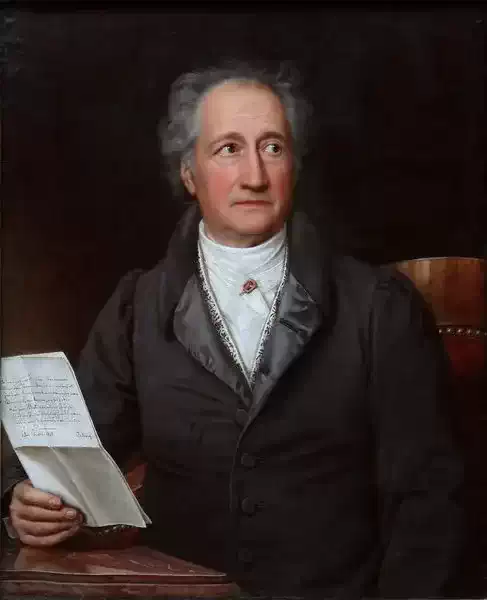
Johann Wolfgang von Goethe
Book Of Suleika - Hatem 01
Book Of Suleika - Hatem 01
NOT occasion makes the thief;
She's the greatest of the whole;
For Love's relics, to my grief,
From my aching heart she stole.
She hath given it to thee,--
All the joy my life had known,
So that, in my poverty,
Life I seek from thee alone.
Yet compassion greets me straight
In the lustre of thine eye,
And I bless my newborn fate,
As within thine arms I lie.
NOT occasion makes the thief;
She's the greatest of the whole;
For Love's relics, to my grief,
From my aching heart she stole.
She hath given it to thee,--
All the joy my life had known,
So that, in my poverty,
Life I seek from thee alone.
Yet compassion greets me straight
In the lustre of thine eye,
And I bless my newborn fate,
As within thine arms I lie.
594
Johann Wolfgang von Goethe
Book Of Suleika - Hatem 03
Book Of Suleika - Hatem 03
HOLD me, locks, securely caught
In the circle of her face!
Dear brown serpents, I have nought
To repay this act of grace,
Save a heart whose love ne'er dies,
Throbbing with aye-youthful glow;
For a raging ETA lies
'Neath its veil of mist and snow.
Yonder mountain's stately brow
Thou, like morning beams, dost shame;
Once again feels Hatem now
Spring's soft breath and summer's flame.
One more bumper! Fill the glass;
This last cup I pledge to thee!--
By mine ashes if she pass,
"He consumed," she'll say, "for me."
HOLD me, locks, securely caught
In the circle of her face!
Dear brown serpents, I have nought
To repay this act of grace,
Save a heart whose love ne'er dies,
Throbbing with aye-youthful glow;
For a raging ETA lies
'Neath its veil of mist and snow.
Yonder mountain's stately brow
Thou, like morning beams, dost shame;
Once again feels Hatem now
Spring's soft breath and summer's flame.
One more bumper! Fill the glass;
This last cup I pledge to thee!--
By mine ashes if she pass,
"He consumed," she'll say, "for me."
410
Johann Wolfgang von Goethe
Book Of Paradise - The Privileged Men
Book Of Paradise - The Privileged Men
AFTER THE BATTLE OF BADE, BENEATH THE CANOPY OF HEAVEN.
MAHOMET (Speaks).
LET the foeman sorrow o'er his dead,
Ne'er will they return again to light;
O'er our brethren let no tear be shed,
For they dwell above yon spheres so bright.
All the seven planets open throw
All their metal doors with mighty shock,
And the forms of those we loved below
At the gates of Eden boldly knock.
There they find, with bliss ne'er dream'd before,
Glories that my flight first show'd to eye,
When the wondrous steed my person bore
In one second through the realms on high.
Wisdom's trees, in cypress-order growing,
High uphold the golden apples sweet;
Trees of life, their spreading shadows throwing,
Shade each blossoming plant, each flow'ry seat.
Now a balmy zephyr from the East
Brings the heavenly maidens to thy view;
With the eye thou now dost taste the feast,
Soon the sight pervades thee through and through.
There they stand, to ask thee thy career:
Mighty plans? or dangerous bloody rout?
Thou'rt a hero, know they,--for Thourt here,
What a hero?--This they'll fathom out.
By thy wounds soon clearly this is shown,
Wounds that write thy fame's undying story;
Wounds the true believer mark alone,
When have perish'd joy and earthly glory.
To chiosks and arbors thou art brought,
Fill'd with checkered marble columns bright;
To the noble grape-juice, solace-fraught,
They the guest with kindly sips invite.
Youth! Thou'rt welcome more than e'er was youth
All alike are radiant and serene;
When thou tak'st one to thine heart with truth,
Of thy band she'll be the friend and queen.
So prepare thee for this place of rest,
Never can it now be changed again;
Maids like these will ever make thee blest,
Wines like these will never harm thy brain.
AFTER THE BATTLE OF BADE, BENEATH THE CANOPY OF HEAVEN.
MAHOMET (Speaks).
LET the foeman sorrow o'er his dead,
Ne'er will they return again to light;
O'er our brethren let no tear be shed,
For they dwell above yon spheres so bright.
All the seven planets open throw
All their metal doors with mighty shock,
And the forms of those we loved below
At the gates of Eden boldly knock.
There they find, with bliss ne'er dream'd before,
Glories that my flight first show'd to eye,
When the wondrous steed my person bore
In one second through the realms on high.
Wisdom's trees, in cypress-order growing,
High uphold the golden apples sweet;
Trees of life, their spreading shadows throwing,
Shade each blossoming plant, each flow'ry seat.
Now a balmy zephyr from the East
Brings the heavenly maidens to thy view;
With the eye thou now dost taste the feast,
Soon the sight pervades thee through and through.
There they stand, to ask thee thy career:
Mighty plans? or dangerous bloody rout?
Thou'rt a hero, know they,--for Thourt here,
What a hero?--This they'll fathom out.
By thy wounds soon clearly this is shown,
Wounds that write thy fame's undying story;
Wounds the true believer mark alone,
When have perish'd joy and earthly glory.
To chiosks and arbors thou art brought,
Fill'd with checkered marble columns bright;
To the noble grape-juice, solace-fraught,
They the guest with kindly sips invite.
Youth! Thou'rt welcome more than e'er was youth
All alike are radiant and serene;
When thou tak'st one to thine heart with truth,
Of thy band she'll be the friend and queen.
So prepare thee for this place of rest,
Never can it now be changed again;
Maids like these will ever make thee blest,
Wines like these will never harm thy brain.
375
Johann Wolfgang von Goethe
Book Of Parables - In The Koran With Strange Delight
Book Of Parables - In The Koran With Strange Delight
In the Koran with strange delight
A peacock's feather met my sight:
Thou'rt welcome in this holy place,
The highest prize on earth's wide face!
As in the stars of heaven, in thee,
God's greatness in the small we see;
For he whose gaze whole worlds bath bless'd
His eye hath even here impress'd,
And the light down in beauty dress'd,
So that e'en monarchs cannot hope
In splendour with the bird to cope.
Meekly enjoy thy happy lot,
And so deserve that holy spot!
In the Koran with strange delight
A peacock's feather met my sight:
Thou'rt welcome in this holy place,
The highest prize on earth's wide face!
As in the stars of heaven, in thee,
God's greatness in the small we see;
For he whose gaze whole worlds bath bless'd
His eye hath even here impress'd,
And the light down in beauty dress'd,
So that e'en monarchs cannot hope
In splendour with the bird to cope.
Meekly enjoy thy happy lot,
And so deserve that holy spot!
268
Johann Wolfgang von Goethe
Book Of Love - The Types
Book Of Love - The Types
LIST, and in memory bear
These six fond loving pair.
Love, when aroused, kept true
Rustan and Rad!
Strangers approach from far
Joseph and Suleika;
Love, void of hope, is in
Ferhad and Schirin.
Born for each other are
Medschnun and Lily;
Loving, though old and grey,
Dschemil saw Boteinah.
Love's sweet caprice anon,
Brown maid and Solomon!
If thou dost mark them well,
Stronger thy love will swell.
LIST, and in memory bear
These six fond loving pair.
Love, when aroused, kept true
Rustan and Rad!
Strangers approach from far
Joseph and Suleika;
Love, void of hope, is in
Ferhad and Schirin.
Born for each other are
Medschnun and Lily;
Loving, though old and grey,
Dschemil saw Boteinah.
Love's sweet caprice anon,
Brown maid and Solomon!
If thou dost mark them well,
Stronger thy love will swell.
274
Johann Wolfgang von Goethe
Book Of Parables - Bulbul's Song
Book Of Parables - Bulbul's Song
BULBUL'S song, through night hours cold,
Rose to Allah's throne on high;
To reward her melody,
Giveth he a cage of gold.
Such a cage are limbs of men,--
Though at first she feels confin'd,
Yet when all she brings to mind,
Straight the spirit sings again.
BULBUL'S song, through night hours cold,
Rose to Allah's throne on high;
To reward her melody,
Giveth he a cage of gold.
Such a cage are limbs of men,--
Though at first she feels confin'd,
Yet when all she brings to mind,
Straight the spirit sings again.
330
Johann Wolfgang von Goethe
Book Of Hafis - The Unlimited
Book Of Hafis - The Unlimited
THAT thou can't never end, doth make thee great,
And that thou ne'er beginnest, is thy fate.
Thy song is changeful as yon starry frame,
End and beginning evermore the same;
And what the middle bringeth, but contains
What was at first, and what at last remains.
Thou art of joy the true and minstrel-source,
From thee pours wave on wave with ceaseless force.
A mouth that's aye prepared to kiss,
A breast whence flows a loving song,
A throat that finds no draught amiss,
An open heart that knows no wrong.
And what though all the world should sink!
Hafis, with thee, alone with thee
Will I contend! joy, misery,
The portion of us twain shall be;
Like thee to love, like thee to drink,--
This be my pride,--this, life to me!
Now, Song, with thine own fire be sung,--
For thou art older, thou more young!
THAT thou can't never end, doth make thee great,
And that thou ne'er beginnest, is thy fate.
Thy song is changeful as yon starry frame,
End and beginning evermore the same;
And what the middle bringeth, but contains
What was at first, and what at last remains.
Thou art of joy the true and minstrel-source,
From thee pours wave on wave with ceaseless force.
A mouth that's aye prepared to kiss,
A breast whence flows a loving song,
A throat that finds no draught amiss,
An open heart that knows no wrong.
And what though all the world should sink!
Hafis, with thee, alone with thee
Will I contend! joy, misery,
The portion of us twain shall be;
Like thee to love, like thee to drink,--
This be my pride,--this, life to me!
Now, Song, with thine own fire be sung,--
For thou art older, thou more young!
383
Johann Wolfgang von Goethe
Book Of Love - Love's Torments
Book Of Love - Love's Torments
LOVE's torments sought a place of rest,
Where all might drear and lonely be;
They found ere long my desert breast,
And nestled in its vacancy.
LOVE's torments sought a place of rest,
Where all might drear and lonely be;
They found ere long my desert breast,
And nestled in its vacancy.
290
Johann Wolfgang von Goethe
Book Of Contemplation - Suleika
Book Of Contemplation - Suleika
THE mirror tells me, I am fair!
Thou sayest, to grow old my fate will be.
Nought in God's presence changeth e'er,--
Love him, for this one moment, then, in me.
THE mirror tells me, I am fair!
Thou sayest, to grow old my fate will be.
Nought in God's presence changeth e'er,--
Love him, for this one moment, then, in me.
377
Johann Wolfgang von Goethe
Book Of Contemplation - Five Things
Book Of Contemplation - Five Things
WHAT makes time short to me?
Activity!
What makes it long and spiritless?
'Tis idleness!
What brings us to debt?
To delay and forget!
What makes us succeed?
Decision with speed
How to fame to ascend?
Oneself to defend!
WHAT makes time short to me?
Activity!
What makes it long and spiritless?
'Tis idleness!
What brings us to debt?
To delay and forget!
What makes us succeed?
Decision with speed
How to fame to ascend?
Oneself to defend!
398
Johann Wolfgang von Goethe
Blindman's Buff
Blindman's Buff
OH, my Theresa dear!
Thine eyes, I greatly fear,
Can through the bandage see!
Although thine eyes are bound,
By thee I'm quickly found,
And wherefore shouldst thou catch but me?
Ere long thou held'st me fast,
With arms around me cast,
Upon thy breast I fell;
Scarce was thy bandage gone,
When all my joy was flown,
Thou coldly didst the blind repel.
He groped on ev'ry side,
His limbs he sorely tried,
While scoffs arose all round;
If thou no love wilt give,
In sadness I shall live,
As if mine eyes remain'd still bound.
OH, my Theresa dear!
Thine eyes, I greatly fear,
Can through the bandage see!
Although thine eyes are bound,
By thee I'm quickly found,
And wherefore shouldst thou catch but me?
Ere long thou held'st me fast,
With arms around me cast,
Upon thy breast I fell;
Scarce was thy bandage gone,
When all my joy was flown,
Thou coldly didst the blind repel.
He groped on ev'ry side,
His limbs he sorely tried,
While scoffs arose all round;
If thou no love wilt give,
In sadness I shall live,
As if mine eyes remain'd still bound.
381
Johann Wolfgang von Goethe
Ballad Of The Banished And Returning Count
Ballad Of The Banished And Returning Count
OH, enter old minstrel, thou time-honour'd one!
We children are here in the hall all alone,
The portals we straightway will bar.
Our mother is praying, our father is gone
To the forest, on wolves to make war.
Oh sing us a ballad, the tale then repeat,
'Till brother and I learn it right;
We long have been hoping a minstrel to meet,
For children hear tales with delight.
"At midnight, when darkness its fearful veil weaves,
His lofty and stately old castle he leaves,
But first he has buried his wealth.
What figure is that in his arms one perceives,
As the Count quits the gateway by stealth?
O'er what is his mantle so hastily thrown?
What bears he along in his flight?
A daughter it is, and she gently sleeps on"--
The children they hear with delight.
"The morning soon glimmers. the world is so wide,
In valleys and forests a home is supplied,
The bard in each village is cheer'd.
Thus lives he and wanders, while years onward glide,
And longer still waxes his beard;
But the maiden so fair in his arms grows amain,
'Neath her star all-protecting and bright,
Secured in the mantle from wind and from rain--"
The children they hear with delight.
"And year upon year with swift footstep now steals,
The mantle it fades, many rents it reveals,
The maiden no more it can hold.
The father he sees her, what rapture he feels!
His joy cannot now be controll'd.
How worthy she seems of the race whence she springs,
How noble and fair to the sight!
What wealth to her dearly-loved father she brings!"--
The children they hear with delight.
"Then comes there a princely knight galloping by,
She stretches her hand out, as soon as he's nigh,
But alms he refuses to give.
He seizes her hand, with a smile in his eye:
'Thou art mine!' he exclaims, 'while I live!'
'When thou know'st,' cries the old man, 'the treasure that's
there,
A princess thou'lt make her of right;
Betroth'd be she now, on this spot green and fair--'"
The children they hear with delight.
"So she's bless'd by the priest on the hallowed place,
And she goes with a smiling but sorrowful face,
From her father she fain would not part.
The old man still wanders with ne'er-changing pace,
He covers with joy his sad heart.
So I think of my daughter, as years pass away,
And my grandchildren far from my sight;
I bless them by night, and I bless them by day"--
The children they hear with delight.
He blesses the children: a knocking they hear,
The father it is! They spring forward in fear,
The old man they cannot conceal-"
Thou beggar, wouldst lure, then, my children so dear?
Straight seize him, ye vassals of steel!
To the dungeon most deep, with the fool-hardy knave!"
The mother from far hears the fight;
She hastens with flatt'ring entreaty to crave--
The children they hear with delight.
The vassals they suffer the Bard to stand there,
And mother and children implore him to spare,
The proud prince would stifle his ire,
'Till driven to fury at hearing their prayer,
His smouldering anger takes fire:
"Thou pitiful race! Oh, thou beggarly crew!
Eclipsing my star, once so bright!
Ye'll bring me destruction, ye sorely shall rue!"
The children they hear with affright.
The old man still stands there with dignified mien,
The vassals of steel quake before him, I ween,
The Count's fury increases in power;
"My wedded existence a curse long has been,
And these are the fruits from that flower!
'Tis ever denied, and the saying is true,
That to wed with the base-born is right;
The beggar has borne me a beggarly crew,--"
The children they hear with affright.
"If the husband, the father, thus treats you with scorn,
If the holiest bonds by him rashly are torn,
Then come to your father--to me!
The beggar may gladden life's pathway forlorn,
Though aged and weak he may be.
This castle is mine! thou hast made it thy prey,
Thy people 'twas put me to flight;
The tokens I bear will confirm what I say"--
The children they hear with delight.
"The king who erst govern'd returneth again,
And restores to the Faithful the goods that were ta'en,
I'll unseal all my treasures the while;
The laws shall be gentle, and peaceful the reign"--
The old man thus cries with a smile-
"Take courage, my son! all hath turned out for good,
And each hath a star that is bright,
Those the princess hath borne thee are princely in blood,"--
The children thy hear with delight.
OH, enter old minstrel, thou time-honour'd one!
We children are here in the hall all alone,
The portals we straightway will bar.
Our mother is praying, our father is gone
To the forest, on wolves to make war.
Oh sing us a ballad, the tale then repeat,
'Till brother and I learn it right;
We long have been hoping a minstrel to meet,
For children hear tales with delight.
"At midnight, when darkness its fearful veil weaves,
His lofty and stately old castle he leaves,
But first he has buried his wealth.
What figure is that in his arms one perceives,
As the Count quits the gateway by stealth?
O'er what is his mantle so hastily thrown?
What bears he along in his flight?
A daughter it is, and she gently sleeps on"--
The children they hear with delight.
"The morning soon glimmers. the world is so wide,
In valleys and forests a home is supplied,
The bard in each village is cheer'd.
Thus lives he and wanders, while years onward glide,
And longer still waxes his beard;
But the maiden so fair in his arms grows amain,
'Neath her star all-protecting and bright,
Secured in the mantle from wind and from rain--"
The children they hear with delight.
"And year upon year with swift footstep now steals,
The mantle it fades, many rents it reveals,
The maiden no more it can hold.
The father he sees her, what rapture he feels!
His joy cannot now be controll'd.
How worthy she seems of the race whence she springs,
How noble and fair to the sight!
What wealth to her dearly-loved father she brings!"--
The children they hear with delight.
"Then comes there a princely knight galloping by,
She stretches her hand out, as soon as he's nigh,
But alms he refuses to give.
He seizes her hand, with a smile in his eye:
'Thou art mine!' he exclaims, 'while I live!'
'When thou know'st,' cries the old man, 'the treasure that's
there,
A princess thou'lt make her of right;
Betroth'd be she now, on this spot green and fair--'"
The children they hear with delight.
"So she's bless'd by the priest on the hallowed place,
And she goes with a smiling but sorrowful face,
From her father she fain would not part.
The old man still wanders with ne'er-changing pace,
He covers with joy his sad heart.
So I think of my daughter, as years pass away,
And my grandchildren far from my sight;
I bless them by night, and I bless them by day"--
The children they hear with delight.
He blesses the children: a knocking they hear,
The father it is! They spring forward in fear,
The old man they cannot conceal-"
Thou beggar, wouldst lure, then, my children so dear?
Straight seize him, ye vassals of steel!
To the dungeon most deep, with the fool-hardy knave!"
The mother from far hears the fight;
She hastens with flatt'ring entreaty to crave--
The children they hear with delight.
The vassals they suffer the Bard to stand there,
And mother and children implore him to spare,
The proud prince would stifle his ire,
'Till driven to fury at hearing their prayer,
His smouldering anger takes fire:
"Thou pitiful race! Oh, thou beggarly crew!
Eclipsing my star, once so bright!
Ye'll bring me destruction, ye sorely shall rue!"
The children they hear with affright.
The old man still stands there with dignified mien,
The vassals of steel quake before him, I ween,
The Count's fury increases in power;
"My wedded existence a curse long has been,
And these are the fruits from that flower!
'Tis ever denied, and the saying is true,
That to wed with the base-born is right;
The beggar has borne me a beggarly crew,--"
The children they hear with affright.
"If the husband, the father, thus treats you with scorn,
If the holiest bonds by him rashly are torn,
Then come to your father--to me!
The beggar may gladden life's pathway forlorn,
Though aged and weak he may be.
This castle is mine! thou hast made it thy prey,
Thy people 'twas put me to flight;
The tokens I bear will confirm what I say"--
The children they hear with delight.
"The king who erst govern'd returneth again,
And restores to the Faithful the goods that were ta'en,
I'll unseal all my treasures the while;
The laws shall be gentle, and peaceful the reign"--
The old man thus cries with a smile-
"Take courage, my son! all hath turned out for good,
And each hath a star that is bright,
Those the princess hath borne thee are princely in blood,"--
The children thy hear with delight.
362
Johann Wolfgang von Goethe
As Broad As It's Long
As Broad As It's Long
MODEST men must needs endure,
And the bold must humbly bow;
Thus thy fate's the same, be sure,
Whether bold or modest thou.
MODEST men must needs endure,
And the bold must humbly bow;
Thus thy fate's the same, be sure,
Whether bold or modest thou.
375
Johann Wolfgang von Goethe
Authors
Authors
OVER the meadows, and down the stream,
And through the garden-walks straying,
He plucks the flowers that fairest seem;
His throbbing heart brooks no delaying.
His maiden then comes--oh, what ecstasy!
Thy flowers thou giv'st for one glance of her eye!
The gard'ner next door o'er the hedge sees the youth:
"I'm not such a fool as that, in good truth;
My pleasure is ever to cherish each flower,
And see that no birds my fruit e'er devour.
But when 'tis ripe, your money, good neighbour!
'Twas not for nothing I took all this labour!"
And such, methinks, are the author-tribe.
The one his pleasures around him strews,
That his friends, the public, may reap, if they choose;
The other would fain make them all subscribe.
OVER the meadows, and down the stream,
And through the garden-walks straying,
He plucks the flowers that fairest seem;
His throbbing heart brooks no delaying.
His maiden then comes--oh, what ecstasy!
Thy flowers thou giv'st for one glance of her eye!
The gard'ner next door o'er the hedge sees the youth:
"I'm not such a fool as that, in good truth;
My pleasure is ever to cherish each flower,
And see that no birds my fruit e'er devour.
But when 'tis ripe, your money, good neighbour!
'Twas not for nothing I took all this labour!"
And such, methinks, are the author-tribe.
The one his pleasures around him strews,
That his friends, the public, may reap, if they choose;
The other would fain make them all subscribe.
474
Johann Wolfgang von Goethe
Another
Another
Go! obedient to my call,
Turn to profit thy young days,
Wiser make betimes thy breast
In Fate's balance as it sways,
Seldom is the cock at rest;
Thou must either mount, or fall,
Thou must either rule and win,
Or submissively give in,
Triumph, or else yield to clamour:
Be the anvil or the hammer.
Go! obedient to my call,
Turn to profit thy young days,
Wiser make betimes thy breast
In Fate's balance as it sways,
Seldom is the cock at rest;
Thou must either mount, or fall,
Thou must either rule and win,
Or submissively give in,
Triumph, or else yield to clamour:
Be the anvil or the hammer.
379
Johann Wolfgang von Goethe
Apparent Death
Apparent Death
WEEP, maiden, weep here o'er the tomb of Love;
He died of nothing--by mere chance was slain.
But is he really dead?--oh, that I cannot prove:
A nothing, a mere chance, oft gives him life again.
WEEP, maiden, weep here o'er the tomb of Love;
He died of nothing--by mere chance was slain.
But is he really dead?--oh, that I cannot prove:
A nothing, a mere chance, oft gives him life again.
500
Johann Wolfgang von Goethe
After-Sensations
After-Sensations
WHEN the vine again is blowing,
Then the wine moves in the cask;
When the rose again is glowing,
Wherefore should I feel oppress'd?
Down my cheeks run tears all-burning,
If I do, or leave my task;
I but feel a speechless yearning,
That pervades my inmost breast.
But at length I see the reason,
When the question I would ask:
'Twas in such a beauteous season,
Doris glowed to make me blest!
WHEN the vine again is blowing,
Then the wine moves in the cask;
When the rose again is glowing,
Wherefore should I feel oppress'd?
Down my cheeks run tears all-burning,
If I do, or leave my task;
I but feel a speechless yearning,
That pervades my inmost breast.
But at length I see the reason,
When the question I would ask:
'Twas in such a beauteous season,
Doris glowed to make me blest!
418
Johann Wolfgang von Goethe
Anacreon's Grave
Anacreon's Grave
HERE where the roses blossom, where vines round the laurels are twining,
Where the turtle-dove calls, where the blithe cricket is heard,
Say, whose grave can this be, with life by all the Immortals
Beauteously planted and deck'd?--Here doth Anacreon sleep
Spring and summer and autumn rejoiced the thrice-happy minstrel,
And from the winter this mound kindly hath screen'd him at last.
HERE where the roses blossom, where vines round the laurels are twining,
Where the turtle-dove calls, where the blithe cricket is heard,
Say, whose grave can this be, with life by all the Immortals
Beauteously planted and deck'd?--Here doth Anacreon sleep
Spring and summer and autumn rejoiced the thrice-happy minstrel,
And from the winter this mound kindly hath screen'd him at last.
364
Johann Wolfgang von Goethe
A Symbol
A Symbol
THE mason's trade Observe them well,
Resembles life, And watch them revealing
With all its strife,--How solemn feeling
Is like the stir made And wonderment swell
By man on earth's face. The hearts of the brave.
Though weal and woe The voice of the blest,
The future may hide, And of spirits on high
Unterrified Seems loudly to cry:
We onward go "To do what is best,
In ne'er changing race. Unceasing endeavour!
A veil of dread "In silence eterne
Hangs heavier still. Here chaplets are twin'd,
Deep slumbers fill That each noble mind
The stars over-head, Its guerdon may earn.--
And the foot-trodden grave. Then hope ye for ever!"
THE mason's trade Observe them well,
Resembles life, And watch them revealing
With all its strife,--How solemn feeling
Is like the stir made And wonderment swell
By man on earth's face. The hearts of the brave.
Though weal and woe The voice of the blest,
The future may hide, And of spirits on high
Unterrified Seems loudly to cry:
We onward go "To do what is best,
In ne'er changing race. Unceasing endeavour!
A veil of dread "In silence eterne
Hangs heavier still. Here chaplets are twin'd,
Deep slumbers fill That each noble mind
The stars over-head, Its guerdon may earn.--
And the foot-trodden grave. Then hope ye for ever!"
464
Johann Wolfgang von Goethe
A Parable
A Parable
I PICKED a rustic nosegay lately,
And bore it homewards, musing greatly;
When, heated by my hand, I found
The heads all drooping tow'rd the ground.
I plac'd them in a well-cool'd glass,
And what a wonder came to pass
The heads soon raised themselves once more.
The stalks were blooming as before,
And all were in as good a case
As when they left their native place.
So felt I, when I wond'ring heard
My song to foreign tongues transferr'd.
I PICKED a rustic nosegay lately,
And bore it homewards, musing greatly;
When, heated by my hand, I found
The heads all drooping tow'rd the ground.
I plac'd them in a well-cool'd glass,
And what a wonder came to pass
The heads soon raised themselves once more.
The stalks were blooming as before,
And all were in as good a case
As when they left their native place.
So felt I, when I wond'ring heard
My song to foreign tongues transferr'd.
418
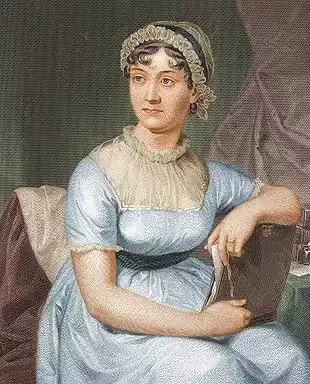
Jane Austen
When Stretch'd on One's Bed
When Stretch'd on One's Bed
When stretch'd on one's bed
With a fierce-throbbing head,
Which preculdes alike thought or repose,
How little one cares
For the grandest affairs
That may busy the world as it goes!
How little one feels
For the waltzes and reels
Of our Dance-loving friends at a Ball!
How slight one's concern
To conjecture or learn
What their flounces or hearts may befall.
How little one minds
If a company dines
On the best that the Season affords!
How short is one's muse
O'er the Sauces and Stews,
Or the Guests, be they Beggars or Lords.
How little the Bells,
Ring they Peels, toll they Knells,
Can attract our attention or Ears!
The Bride may be married,
The Corse may be carried
And touch nor our hopes nor our fears.
Our own bodily pains
Ev'ry faculty chains;
We can feel on no subject besides.
Tis in health and in ease
We the power must seize
For our friends and our souls to provide.
When stretch'd on one's bed
With a fierce-throbbing head,
Which preculdes alike thought or repose,
How little one cares
For the grandest affairs
That may busy the world as it goes!
How little one feels
For the waltzes and reels
Of our Dance-loving friends at a Ball!
How slight one's concern
To conjecture or learn
What their flounces or hearts may befall.
How little one minds
If a company dines
On the best that the Season affords!
How short is one's muse
O'er the Sauces and Stews,
Or the Guests, be they Beggars or Lords.
How little the Bells,
Ring they Peels, toll they Knells,
Can attract our attention or Ears!
The Bride may be married,
The Corse may be carried
And touch nor our hopes nor our fears.
Our own bodily pains
Ev'ry faculty chains;
We can feel on no subject besides.
Tis in health and in ease
We the power must seize
For our friends and our souls to provide.
155
Johann Wolfgang von Goethe
A Legacy
A Legacy
No living atom comes at last to naught!
Active in each is still the eternal Thought:
Hold fast to Being if thou wouldst be blest.
Being is without end; for changeless laws
Bind that from which the All its glory draws
Of living treasures endlessly possessed.
Unto the wise of old this truth was known,
Such wisdom knit their noble souls in one;
Then hold thou still the lore of ancient days!
To that high power thou ow'st it, son of man,
By whose decree the earth its circuit ran
And all the planets went their various ways.
Then inward turn at once thy searching eyes;
Thence shalt thou see the central truth arise
From which no lofty soul goes e'er astray;
There shalt thou miss no needful guiding sign-
For conscience lives, and still its light divine
Shall be the sun of all thy moral day.
Next shalt thou trust thy senses' evidence,
And fear from them no treacherous offence
While the mind's watchful eye thy road commands:
With lively pleasure contemplate the scene
And roam securely, teachable, serene,
At will throughout a world of fruitful lands.
Enjoy in moderation all life gives:
Where it rejoices in each thing that lives
Let reason be thy guide and make thee see.
Then shall the distant past be present still,
The future, ere it comes, thy vision fill-
Each single moment touch eternity.
Then at the last shalt thou achieve thy quest,
And in one final, firm conviction rest:
What bears for thee true fruit alone is true.
Prove all things, watch the movement of the world
As down the various ways its tribes are whirled;
Take thou thy stand among the chosen few.
Thus hath it been of old; in solitude
The artist shaped what thing to him seemed good,
The wise man hearkened to his own soul's voice.
Thus also shalt thou find thy greatest bliss;
To lead where the elect shall follow-this
And this alone is worth a hero's choice.
No living atom comes at last to naught!
Active in each is still the eternal Thought:
Hold fast to Being if thou wouldst be blest.
Being is without end; for changeless laws
Bind that from which the All its glory draws
Of living treasures endlessly possessed.
Unto the wise of old this truth was known,
Such wisdom knit their noble souls in one;
Then hold thou still the lore of ancient days!
To that high power thou ow'st it, son of man,
By whose decree the earth its circuit ran
And all the planets went their various ways.
Then inward turn at once thy searching eyes;
Thence shalt thou see the central truth arise
From which no lofty soul goes e'er astray;
There shalt thou miss no needful guiding sign-
For conscience lives, and still its light divine
Shall be the sun of all thy moral day.
Next shalt thou trust thy senses' evidence,
And fear from them no treacherous offence
While the mind's watchful eye thy road commands:
With lively pleasure contemplate the scene
And roam securely, teachable, serene,
At will throughout a world of fruitful lands.
Enjoy in moderation all life gives:
Where it rejoices in each thing that lives
Let reason be thy guide and make thee see.
Then shall the distant past be present still,
The future, ere it comes, thy vision fill-
Each single moment touch eternity.
Then at the last shalt thou achieve thy quest,
And in one final, firm conviction rest:
What bears for thee true fruit alone is true.
Prove all things, watch the movement of the world
As down the various ways its tribes are whirled;
Take thou thy stand among the chosen few.
Thus hath it been of old; in solitude
The artist shaped what thing to him seemed good,
The wise man hearkened to his own soul's voice.
Thus also shalt thou find thy greatest bliss;
To lead where the elect shall follow-this
And this alone is worth a hero's choice.
456
Jane Austen
Oh! Mr Best You're Very Bad
Oh! Mr Best You're Very Bad
Oh! Mr. Best, you're very bad
And all the world shall know it;
Your base behaviour shall be sung
By me, a tunefull Poet.--
You used to go to Harrowgate
Each summer as it came,
And why I pray should you refuse
To go this year the same?--
The way's as plain, the road's as smooth,
The Posting not increased;
You're scarcely stouter than you were,
Not younger Sir at least.--
If e'er the waters were of use
Why now their use forego?
You may not live another year,
All's mortal here below.--
It is your duty Mr Best
To give your health repair.
Vain else your Richard's pills will be,
And vain your Consort's care.
But yet a nobler Duty calls
You now towards the North.
Arise ennobled--as Escort
Of Martha Lloyd stand forth.
She wants your aid--she honours you
With a distinguished call.
Stand forth to be the friend of her
Who is the friend of all.--
Take her, and wonder at your luck,
In having such a Trust.
Her converse sensible and sweet
Will banish heat and dust.--
So short she'll make the journey seem
You'll bid the Chaise stand still.
T'will be like driving at full speed
From Newb'ry to Speen hill.--
Convey her safe to Morton's wife
And I'll forget the past,
And write some verses in your praise
As finely and as fast.
But if you still refuse to go
I'll never let your rest,
Buy haunt you with reproachful song
Oh! wicked Mr. Best!--
Oh! Mr. Best, you're very bad
And all the world shall know it;
Your base behaviour shall be sung
By me, a tunefull Poet.--
You used to go to Harrowgate
Each summer as it came,
And why I pray should you refuse
To go this year the same?--
The way's as plain, the road's as smooth,
The Posting not increased;
You're scarcely stouter than you were,
Not younger Sir at least.--
If e'er the waters were of use
Why now their use forego?
You may not live another year,
All's mortal here below.--
It is your duty Mr Best
To give your health repair.
Vain else your Richard's pills will be,
And vain your Consort's care.
But yet a nobler Duty calls
You now towards the North.
Arise ennobled--as Escort
Of Martha Lloyd stand forth.
She wants your aid--she honours you
With a distinguished call.
Stand forth to be the friend of her
Who is the friend of all.--
Take her, and wonder at your luck,
In having such a Trust.
Her converse sensible and sweet
Will banish heat and dust.--
So short she'll make the journey seem
You'll bid the Chaise stand still.
T'will be like driving at full speed
From Newb'ry to Speen hill.--
Convey her safe to Morton's wife
And I'll forget the past,
And write some verses in your praise
As finely and as fast.
But if you still refuse to go
I'll never let your rest,
Buy haunt you with reproachful song
Oh! wicked Mr. Best!--
137
Jane Austen
This Little Bag
This Little Bag
This little bag I hope will prove
To be not vainly made--
For, if you should a needle want
It will afford you aid.
And as we are about to part
T'will serve another end,
For when you look upon the Bag
You'll recollect your friend
This little bag I hope will prove
To be not vainly made--
For, if you should a needle want
It will afford you aid.
And as we are about to part
T'will serve another end,
For when you look upon the Bag
You'll recollect your friend
162