

Poems List
Explore poems from our collection
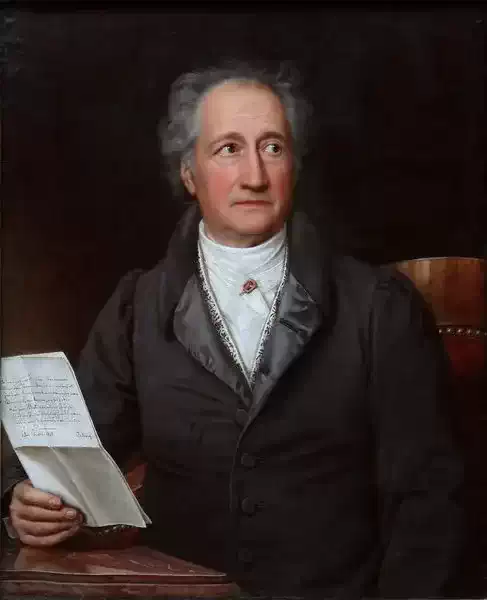
Johann Wolfgang von Goethe
For Ever
For Ever
THE happiness that man, whilst prison'd here,
Is wont with heavenly rapture to compare,--
The harmony of Truth, from wavering clear,--
Of Friendship that is free from doubting care,--
The light which in stray thoughts alone can cheer
The wise,--the bard alone in visions fair,--
In my best hours I found in her all this,
And made mine own, to mine exceeding bliss.
THE happiness that man, whilst prison'd here,
Is wont with heavenly rapture to compare,--
The harmony of Truth, from wavering clear,--
Of Friendship that is free from doubting care,--
The light which in stray thoughts alone can cheer
The wise,--the bard alone in visions fair,--
In my best hours I found in her all this,
And made mine own, to mine exceeding bliss.
306
Johann Wolfgang von Goethe
Flower-Salute
Flower-Salute
THIS nosegay,--'twas I dress'd it,--
Greets thee a thousand times!
Oft stoop'd I, and caress'd it,
Ah! full a thousand times,
And 'gainst my bosom press'd it
A hundred thousand times!
THIS nosegay,--'twas I dress'd it,--
Greets thee a thousand times!
Oft stoop'd I, and caress'd it,
Ah! full a thousand times,
And 'gainst my bosom press'd it
A hundred thousand times!
352
Johann Wolfgang von Goethe
Finnish Song
Finnish Song
IF the loved one, the well-known one,
Should return as he departed,
On his lips would ring my kisses,
Though the wolf's blood might have dyed them;
And a hearty grasp I'd give him,
Though his finger-ends were serpents.
Wind! Oh, if thou hadst but reason,
Word for word in turns thou'dst carry,
E'en though some perchance might perish
'Tween two lovers so far distant.
All choice morsels I'd dispense with,
Table-flesh of priests neglect too,
Sooner than renounce my lover,
Whom, in Summer having vanquish'd,
I in Winter tamed still longer.
IF the loved one, the well-known one,
Should return as he departed,
On his lips would ring my kisses,
Though the wolf's blood might have dyed them;
And a hearty grasp I'd give him,
Though his finger-ends were serpents.
Wind! Oh, if thou hadst but reason,
Word for word in turns thou'dst carry,
E'en though some perchance might perish
'Tween two lovers so far distant.
All choice morsels I'd dispense with,
Table-flesh of priests neglect too,
Sooner than renounce my lover,
Whom, in Summer having vanquish'd,
I in Winter tamed still longer.
415
Johann Wolfgang von Goethe
Faithful Eckart
Faithful Eckart
"OH, would we were further! Oh, would we were home,
The phantoms of night tow'rd us hastily come,
The band of the Sorceress sisters.
They hitherward speed, and on finding us here,
They'll drink, though with toil we have fetch'd it, the beer,
And leave us the pitchers all empty."
Thus speaking, the children with fear take to flight,
When sudden an old man appears in their sight:
"Be quiet, child! children, be quiet!
From hunting they come, and their thirst they would still,
So leave them to swallow as much as they will,
And the Evil Ones then will be gracious."
As said, so 'twas done! and the phantoms draw near,
And shadowlike seem they, and grey they appear,
~Yet blithely they sip and they revel
The beer has all vanish'd, the pitchers are void;
With cries and with shouts the wild hunters, o'erjoy'd,
Speed onward o'er vale and o'er mountain.
The children in terror fly nimbly tow'rd home,
And with them the kind one is careful to come:
"My darlings, oh, be not so mournful!-
"They'll blame us and beat us, until we are dead."-"
No, no! ye will find that all goes well," he said;
"Be silent as mice, then, and listen!
"And he by whose counsels thus wisely ye're taught,
Is he who with children loves ever to sport.
The trusty and faithful old Eckart.
Ye have heard of the wonder for many a day,
But ne'er had a proof of the marvellous lay,--
Your hands hold a proof most convincing."
They arrive at their home, and their pitchers they place
By the side of their parents, with fear on their face,
Awaiting a beating and scolding.
But see what they're tasting: the choicest of beer!
Though three times and four times they quaff the good cheer
The pitchers remain still unemptied.
The marvel it lasts till the dawning of day;
All people who hear of it doubtless will say:
"What happen'd at length to the pitchers?"
In secret the children they smile, as they wait;
At last, though, they stammer, and stutter, and prate,
And straightway the pitchers were empty.
And if, children, with kindness address'd ye may be,
Whether father, or master, or alderman he,
Obey him, and follow his bidding!
And if 'tis unpleasant to bridle the tongue,
Yet talking is bad, silence good for the young--
And then will the beer fill your pitchers!
"OH, would we were further! Oh, would we were home,
The phantoms of night tow'rd us hastily come,
The band of the Sorceress sisters.
They hitherward speed, and on finding us here,
They'll drink, though with toil we have fetch'd it, the beer,
And leave us the pitchers all empty."
Thus speaking, the children with fear take to flight,
When sudden an old man appears in their sight:
"Be quiet, child! children, be quiet!
From hunting they come, and their thirst they would still,
So leave them to swallow as much as they will,
And the Evil Ones then will be gracious."
As said, so 'twas done! and the phantoms draw near,
And shadowlike seem they, and grey they appear,
~Yet blithely they sip and they revel
The beer has all vanish'd, the pitchers are void;
With cries and with shouts the wild hunters, o'erjoy'd,
Speed onward o'er vale and o'er mountain.
The children in terror fly nimbly tow'rd home,
And with them the kind one is careful to come:
"My darlings, oh, be not so mournful!-
"They'll blame us and beat us, until we are dead."-"
No, no! ye will find that all goes well," he said;
"Be silent as mice, then, and listen!
"And he by whose counsels thus wisely ye're taught,
Is he who with children loves ever to sport.
The trusty and faithful old Eckart.
Ye have heard of the wonder for many a day,
But ne'er had a proof of the marvellous lay,--
Your hands hold a proof most convincing."
They arrive at their home, and their pitchers they place
By the side of their parents, with fear on their face,
Awaiting a beating and scolding.
But see what they're tasting: the choicest of beer!
Though three times and four times they quaff the good cheer
The pitchers remain still unemptied.
The marvel it lasts till the dawning of day;
All people who hear of it doubtless will say:
"What happen'd at length to the pitchers?"
In secret the children they smile, as they wait;
At last, though, they stammer, and stutter, and prate,
And straightway the pitchers were empty.
And if, children, with kindness address'd ye may be,
Whether father, or master, or alderman he,
Obey him, and follow his bidding!
And if 'tis unpleasant to bridle the tongue,
Yet talking is bad, silence good for the young--
And then will the beer fill your pitchers!
404
Johann Wolfgang von Goethe
Ever And Everywhere
Ever And Everywhere
FAR explore the mountain hollow,
High in air the clouds then follow!
To each brook and vale the Muse
Thousand times her call renews.
Soon as a flow'ret blooms in spring,
It wakens many a strain;
And when Time spreads his fleeting wing,
The seasons come again.
FAR explore the mountain hollow,
High in air the clouds then follow!
To each brook and vale the Muse
Thousand times her call renews.
Soon as a flow'ret blooms in spring,
It wakens many a strain;
And when Time spreads his fleeting wing,
The seasons come again.
407
Johann Wolfgang von Goethe
Explanation Of An Ancient Woodcut
Explanation Of An Ancient Woodcut
EARLY within his workshop here,
On Sundays stands our master dear;
His dirty apron he puts away,
And wears a cleanly doublet to-day;
Lets wax'd thread, hammer, and pincers rest,
And lays his awl within his chest;
The seventh day he takes repose
From many pulls and many blows.
Soon as the spring-sun meets his view,
Repose begets him labour anew;
He feels that he holds within his brain
A little world, that broods there amain,
And that begins to act and to live,
Which he to others would gladly give.
He had a skillful eye and true,
And was full kind and loving too.
For contemplation, clear and pure,--
For making all his own again, sure;
He had a tongue that charm'd when 'twas heard,
And graceful and light flow'd ev'ry word;
Which made the Muses in him rejoice,
The Master-singer of their choice.
And now a maiden enter'd there,
With swelling breast, and body fair;
With footing firm she took her place,
And moved with stately, noble grace;
She did not walk in wanton mood,
Nor look around with glances lewd.
She held a measure in her hand,
Her girdle was a golden band,
A wreath of corn was on her head,
Her eye the day's bright lustre shed;
Her name is honest Industry,
Else, Justice, Magnanimity.
She enter'd with a kindly greeting;
He felt no wonder at the meeting,
For, kind and fair as she might be,
He long had known her, fancied he.
"I have selected thee," she said,
"From all who earth's wild mazes tread,
That thou shouldst have clear-sighted sense,
And nought that's wrong shouldst e'er commence.
When others run in strange confusion,
Thy gaze shall see through each illusion
When others dolefully complain,
Thy cause with jesting thou shalt gain,
Honour and right shalt value duly,
In everything act simply, truly,--
Virtue and godliness proclaim,
And call all evil by its name,
Nought soften down, attempt no quibble,
Nought polish up, nought vainly scribble.
The world shall stand before thee, then,
As seen by Albert Durer's ken,
In manliness and changeless life,
In inward strength, with firmness rife.
Fair Nature's Genius by the hand
Shall lead thee on through every land,
Teach thee each different life to scan,
Show thee the wondrous ways of man,
His shifts, confusions, thrustings, and drubbings,
Pushings, tearings, pressings, and rubbings;
The varying madness of the crew,
The anthill's ravings bring to view;
But thou shalt see all this express'd,
As though 'twere in a magic chest.
Write these things down for folks on earth,
In hopes they may to wit give birth."--
Then she a window open'd wide,
And show'd a motley crowd outside,
All kinds of beings 'neath the sky,
As in his writings one may spy.
Our master dear was, after this,
On Nature thinking, full of bliss,
When tow'rd him, from the other side
He saw an aged woman glide;
The name she bears, Historia,
Mythologia, Fabula;
With footstep tottering and unstable
She dragg'd a large and wooden carved-table,
Where, with wide sleeves and human mien,
The Lord was catechizing seen;
Adam, Eve, Eden, the Serpent's seduction,
Gomorrah and Sodom's awful destruction,
The twelve illustrious women, too,
That mirror of honour brought to view;
All kinds of bloodthirstiness, murder, and sin,
The twelve wicked tyrants also were in,
And all kinds of goodly doctrine and law;
Saint Peter with his scourge you saw,
With the world's ways dissatisfied,
And by our Lord with power supplied.
Her train and dress, behind and before,
And e'en the seams, were painted o'er
With tales of worldly virtue and crime.--
Our master view'd all this for a time;
The sight right gladly he survey'd,
So useful for him in his trade,
Whence he was able to procure
Example good and precept sure,
Recounting all with truthful care,
As though he had been present there.
His spirit seem'd from earth to fly,
He ne'er had turned away his eye,
Did he not just behind him hear
A rattle of bells approaching near.
And now a fool doth catch his eye,
With goat and ape's leap drawing nigh
A merry interlude preparing
With fooleries and jests unsparing.
Behind him, in a line drawn out,
He dragg'd all fools, the lean and stout,
The great and little, the empty and full,
All too witty, and all too dull,
A lash he flourish'd overhead,
As though a dance of apes he led,
Abusing them with bitterness,
As though his wrath would ne'er grow less.
While on this sight our master gazed,
His head was growing well-nigh crazed:
What words for all could he e'er find,
Could such a medley be combined?
Could he continue with delight
For evermore to sing and write?
When lo, from out a cloud's dark bed
In at the upper window sped
The Muse, in all her majesty,
As fair as our loved maids we see.
With clearness she around him threw
Her truth, that ever stronger grew.
"I, to ordain thee come," she spake:
"So prosper, and my blessing take!
The holy fire that slumb'ring lies
Within thee, in bright flames shall rise;
Yet that thine ever-restless life
May still with kindly strength be rife,
I, for thine inward spirit's calm.
Have granted nourishment and balm,
That rapture may thy soul imbue,
Like some fair blossom bathed in dew."--
Behind his house then secretly
Outside the doorway pointed she,
Where, in a shady garden-nook,
A beauteous maid with downcast look
Was sitting where a stream was flowing,
With elder bushes near it growing,
She sat beneath an apple tree,
And nought around her seem'd to see.
Her lap was full of roses fair,
Which in a wreath she twined with care.
And, with them, leaves and blossoms blended:
For whom was that sweet wreath intended?
Thus sat she, modest and retired,
Her bosom throbb'd, with hope inspired;
Such deep forebodings fill'd her mind,
No room for wishing could she find,
And with the thoughts that o'er it flew,
Perchance a sigh was mingled too.
"But why should sorrow cloud thy brow?
That, dearest love, which fills thee now
Is fraught with joy and ecstasy.
Prepared in one alone for thee,
That he within thine eye may find
Solace when fortune proves unkind,
And be newborn through many a kiss,
That he receives with inward bliss;
When'er he clasps thee to his breast.
May he from all his toils find rest
When he in thy dear arms shall sink,
May he new life and vigour drink:
Fresh joys of youth shalt thou obtain,
In merry jest rejoice again.
With raillery and roguish spite,
Thou now shalt tease him, now delight.
Thus Love will nevermore grow old,
Thus will the minstrel ne'er be cold!"
While he thus lives, in secret bless'd,
Above him in the clouds doth rest
An oak-wreath, verdant and sublime,
Placed on his brow in after-time;
While they are banish'd to the slough,
Who their great master disavow.
EARLY within his workshop here,
On Sundays stands our master dear;
His dirty apron he puts away,
And wears a cleanly doublet to-day;
Lets wax'd thread, hammer, and pincers rest,
And lays his awl within his chest;
The seventh day he takes repose
From many pulls and many blows.
Soon as the spring-sun meets his view,
Repose begets him labour anew;
He feels that he holds within his brain
A little world, that broods there amain,
And that begins to act and to live,
Which he to others would gladly give.
He had a skillful eye and true,
And was full kind and loving too.
For contemplation, clear and pure,--
For making all his own again, sure;
He had a tongue that charm'd when 'twas heard,
And graceful and light flow'd ev'ry word;
Which made the Muses in him rejoice,
The Master-singer of their choice.
And now a maiden enter'd there,
With swelling breast, and body fair;
With footing firm she took her place,
And moved with stately, noble grace;
She did not walk in wanton mood,
Nor look around with glances lewd.
She held a measure in her hand,
Her girdle was a golden band,
A wreath of corn was on her head,
Her eye the day's bright lustre shed;
Her name is honest Industry,
Else, Justice, Magnanimity.
She enter'd with a kindly greeting;
He felt no wonder at the meeting,
For, kind and fair as she might be,
He long had known her, fancied he.
"I have selected thee," she said,
"From all who earth's wild mazes tread,
That thou shouldst have clear-sighted sense,
And nought that's wrong shouldst e'er commence.
When others run in strange confusion,
Thy gaze shall see through each illusion
When others dolefully complain,
Thy cause with jesting thou shalt gain,
Honour and right shalt value duly,
In everything act simply, truly,--
Virtue and godliness proclaim,
And call all evil by its name,
Nought soften down, attempt no quibble,
Nought polish up, nought vainly scribble.
The world shall stand before thee, then,
As seen by Albert Durer's ken,
In manliness and changeless life,
In inward strength, with firmness rife.
Fair Nature's Genius by the hand
Shall lead thee on through every land,
Teach thee each different life to scan,
Show thee the wondrous ways of man,
His shifts, confusions, thrustings, and drubbings,
Pushings, tearings, pressings, and rubbings;
The varying madness of the crew,
The anthill's ravings bring to view;
But thou shalt see all this express'd,
As though 'twere in a magic chest.
Write these things down for folks on earth,
In hopes they may to wit give birth."--
Then she a window open'd wide,
And show'd a motley crowd outside,
All kinds of beings 'neath the sky,
As in his writings one may spy.
Our master dear was, after this,
On Nature thinking, full of bliss,
When tow'rd him, from the other side
He saw an aged woman glide;
The name she bears, Historia,
Mythologia, Fabula;
With footstep tottering and unstable
She dragg'd a large and wooden carved-table,
Where, with wide sleeves and human mien,
The Lord was catechizing seen;
Adam, Eve, Eden, the Serpent's seduction,
Gomorrah and Sodom's awful destruction,
The twelve illustrious women, too,
That mirror of honour brought to view;
All kinds of bloodthirstiness, murder, and sin,
The twelve wicked tyrants also were in,
And all kinds of goodly doctrine and law;
Saint Peter with his scourge you saw,
With the world's ways dissatisfied,
And by our Lord with power supplied.
Her train and dress, behind and before,
And e'en the seams, were painted o'er
With tales of worldly virtue and crime.--
Our master view'd all this for a time;
The sight right gladly he survey'd,
So useful for him in his trade,
Whence he was able to procure
Example good and precept sure,
Recounting all with truthful care,
As though he had been present there.
His spirit seem'd from earth to fly,
He ne'er had turned away his eye,
Did he not just behind him hear
A rattle of bells approaching near.
And now a fool doth catch his eye,
With goat and ape's leap drawing nigh
A merry interlude preparing
With fooleries and jests unsparing.
Behind him, in a line drawn out,
He dragg'd all fools, the lean and stout,
The great and little, the empty and full,
All too witty, and all too dull,
A lash he flourish'd overhead,
As though a dance of apes he led,
Abusing them with bitterness,
As though his wrath would ne'er grow less.
While on this sight our master gazed,
His head was growing well-nigh crazed:
What words for all could he e'er find,
Could such a medley be combined?
Could he continue with delight
For evermore to sing and write?
When lo, from out a cloud's dark bed
In at the upper window sped
The Muse, in all her majesty,
As fair as our loved maids we see.
With clearness she around him threw
Her truth, that ever stronger grew.
"I, to ordain thee come," she spake:
"So prosper, and my blessing take!
The holy fire that slumb'ring lies
Within thee, in bright flames shall rise;
Yet that thine ever-restless life
May still with kindly strength be rife,
I, for thine inward spirit's calm.
Have granted nourishment and balm,
That rapture may thy soul imbue,
Like some fair blossom bathed in dew."--
Behind his house then secretly
Outside the doorway pointed she,
Where, in a shady garden-nook,
A beauteous maid with downcast look
Was sitting where a stream was flowing,
With elder bushes near it growing,
She sat beneath an apple tree,
And nought around her seem'd to see.
Her lap was full of roses fair,
Which in a wreath she twined with care.
And, with them, leaves and blossoms blended:
For whom was that sweet wreath intended?
Thus sat she, modest and retired,
Her bosom throbb'd, with hope inspired;
Such deep forebodings fill'd her mind,
No room for wishing could she find,
And with the thoughts that o'er it flew,
Perchance a sigh was mingled too.
"But why should sorrow cloud thy brow?
That, dearest love, which fills thee now
Is fraught with joy and ecstasy.
Prepared in one alone for thee,
That he within thine eye may find
Solace when fortune proves unkind,
And be newborn through many a kiss,
That he receives with inward bliss;
When'er he clasps thee to his breast.
May he from all his toils find rest
When he in thy dear arms shall sink,
May he new life and vigour drink:
Fresh joys of youth shalt thou obtain,
In merry jest rejoice again.
With raillery and roguish spite,
Thou now shalt tease him, now delight.
Thus Love will nevermore grow old,
Thus will the minstrel ne'er be cold!"
While he thus lives, in secret bless'd,
Above him in the clouds doth rest
An oak-wreath, verdant and sublime,
Placed on his brow in after-time;
While they are banish'd to the slough,
Who their great master disavow.
357
Johann Wolfgang von Goethe
Epitaph
Epitaph
As a boy, reserved and naughty;
As a youth, a coxcomb and haughty;
As a man, for action inclined;
As a greybeard, fickle in mind.--
Upon thy grave will people read:
This was a very man, indeed!
As a boy, reserved and naughty;
As a youth, a coxcomb and haughty;
As a man, for action inclined;
As a greybeard, fickle in mind.--
Upon thy grave will people read:
This was a very man, indeed!
405
Johann Wolfgang von Goethe
Effects At A Distance
Effects At A Distance
THE queen in the lofty hall takes her place,
The tapers around her are flaming;
She speaks to the page: "With a nimble pace
Go, fetch me my purse for gaming.
'Tis lying, I'll pledge,
On my table's edge."
Each nerve the nimble boy straineth,
And the end of the castle soon gaineth.
The fairest of maidens was sipping sherbet
Beside the queen that minute;
Near her mouth broke the cup,--and she got so wet!
The very devil seem'd in it
What fearful distress
'Tis spoilt, her gay dress.
She hastens, and ev'ry nerve straineth,
And the end of the castle soon gaineth.
The boy was returning, and quickly came,
And met the sorrowing maiden;
None knew of the fact,--and yet with Love's flame,
Those two had their hearts full laden.
And, oh the bliss
Of a moment like this!
Each falls on the breast of the other,
With kisses that well nigh might smother.
They tear themselves asunder at last,
To her chamber she hastens quickly,
To reach the queen the page hies him fast,
Midst the swords and the fans crowded thickly.
The queen spied amain
On his waistcoat a stain;
For nought was inscrutable to her,
Like Sheba's queen--Solomon's wooer.
To her chief attendant she forthwith cried
"We lately together contended,
And thou didst assert, with obstinate pride,
That the spirit through space never wended,-
That traces alone
By the present were shown,--
That afar nought was fashion'd--not even
By the stars that illumine you heaven.
"Now see! while a goblet beside me they drain'd,
They spilt all the drink in the chalice;
And straightway the boy had his waistcoat stain'd
At the furthermost end of the palace.-Let
them newly be clad!
And since I am glad
That it served as a proof so decided,
The cost will by me be provided."
THE queen in the lofty hall takes her place,
The tapers around her are flaming;
She speaks to the page: "With a nimble pace
Go, fetch me my purse for gaming.
'Tis lying, I'll pledge,
On my table's edge."
Each nerve the nimble boy straineth,
And the end of the castle soon gaineth.
The fairest of maidens was sipping sherbet
Beside the queen that minute;
Near her mouth broke the cup,--and she got so wet!
The very devil seem'd in it
What fearful distress
'Tis spoilt, her gay dress.
She hastens, and ev'ry nerve straineth,
And the end of the castle soon gaineth.
The boy was returning, and quickly came,
And met the sorrowing maiden;
None knew of the fact,--and yet with Love's flame,
Those two had their hearts full laden.
And, oh the bliss
Of a moment like this!
Each falls on the breast of the other,
With kisses that well nigh might smother.
They tear themselves asunder at last,
To her chamber she hastens quickly,
To reach the queen the page hies him fast,
Midst the swords and the fans crowded thickly.
The queen spied amain
On his waistcoat a stain;
For nought was inscrutable to her,
Like Sheba's queen--Solomon's wooer.
To her chief attendant she forthwith cried
"We lately together contended,
And thou didst assert, with obstinate pride,
That the spirit through space never wended,-
That traces alone
By the present were shown,--
That afar nought was fashion'd--not even
By the stars that illumine you heaven.
"Now see! while a goblet beside me they drain'd,
They spilt all the drink in the chalice;
And straightway the boy had his waistcoat stain'd
At the furthermost end of the palace.-Let
them newly be clad!
And since I am glad
That it served as a proof so decided,
The cost will by me be provided."
465
Johann Wolfgang von Goethe
Dedication - The Poems Of Goeth
Dedication - The Poems Of Goeth
The morn arrived; his footstep quickly scared
The gentle sleep that round my senses clung,
And I, awak'ning, from my cottage fared,
And up the mountain side with light heart sprung;
At every step I felt my gaze ensnared
By new-born flow'rs that full of dew-drops hung;
The youthful day awoke with ecstacy,
And all things quicken'd were, to quicken me.
And as I mounted, from the valley rose
A streaky mist, that upward slowly spread,
Then bent, as though my form it would enclose,
Then, as on pinions, soar'd above my head:
My gaze could now on no fair view repose,
in mournful veil conceal'd, the world seem'd dead;
The clouds soon closed around me, as a tomb,
And I was left alone in twilight gloom.
At once the sun his lustre seem'd to pour,
And through the mist was seen a radiant light;
Here sank it gently to the ground once more,
There parted it, and climb'd o'er wood and height.
How did I yearn to greet him as of yore,
After the darkness waxing doubly bright!
The airy conflict ofttimes was renew'd,
Then blinded by a dazzling glow I stood.
Ere long an inward impulse prompted me
A hasty glance with boldness round to throw;
At first mine eyes had scarcely strength to see,
For all around appear'd to burn and glow.
Then saw I, on the clouds borne gracefully,
A godlike woman hov'ring to and fro.
In life I ne'er had seen a form so fair--
She gazed at me, and still she hover'd there.
"Dost thou not know me?" were the words she said
In tones where love and faith were sweetly bound;
"Knowest thou not Her who oftentimes hath shed
The purest balsam in each earthly wound?
Thou knows't me well; thy panting heart I led
To join me in a bond with rapture crown'd.
Did I not see thee, when a stripling, yearning
To welcome me with tears, heartfelt and burning?"
"Yes!" I exclaim'd, whilst, overcome with joy,
I sank to earth; "I long have worshipp'd thee;
Thou gav'st me rest, when passions rack'd the boy,
Pervading ev'ry limb unceasingly;
Thy heav'nly pinions thou didst then employ
The scorching sunbeams to ward off from me.
From thee alone Earth's fairest gifts I gain'd,
Through thee alone, true bliss can be obtain'd.
"Thy name I know not; yet I hear thee nam'd
By many a one who boasts thee as his own;
Each eye believes that tow'rd thy form 'tis aim'd,
Yet to most eyes thy rays are anguish-sown.
Ah! whilst I err'd, full many a friend I claim'd,
Now that I know thee, I am left alone;
With but myself can I my rapture share,
I needs must veil and hide thy radiance fair.
She smiled, and answering said: "Thou see'st how wise,
How prudent 'twas but little to unveil!
Scarce from the clumsiest cheat are clear'd thine eyes,
Scarce hast thou strength thy childish bars to scale,
When thou dost rank thee 'mongst the deities,
And so man's duties to perform would'st fail!
How dost thou differ from all other men?
Live with the world in peace, and know thee then!"
"Oh, pardon me," I cried, "I meant it well:
Not vainly did'st thou bless mine eyes with light;
For in my blood glad aspirations swell,
The value of thy gifts I know aright!
Those treasures in my breast for others dwell,
The buried pound no more I'll hide from sight.
Why did I seek the road so anxiously,
If hidden from my brethren 'twere to be?"
And as I answer'd, tow'rd me turn'd her face,
With kindly sympathy, that god-like one;
Within her eye full plainly could I trace
What I had fail'd in, and what rightly done.
She smiled, and cured me with that smile's sweet grace,
To new-born joys my spirit soar'd anon;
With inward confidence I now could dare
To draw yet closer, and observe her there.
Through the light cloud she then stretch'd forth her hand,
As if to bid the streaky vapour fly:
At once it seemed to yield to her command,
Contracted, and no mist then met mine eye.
My glance once more survey'd the smiling land,
Unclouded and serene appear'd the sky.
Nought but a veil of purest white she held,
And round her in a thousand folds it swell'd.
"I know thee, and I know thy wav'ring will.
I know the good that lives and glows in thee!"--
Thus spake she, and methinks I hear her still-
"The prize long destined, now receive from me;
That blest one will be safe from ev'ry ill,
Who takes this gift with soul of purity,--"
The veil of Minstrelsy from Truth's own hand,
Of sunlight and of morn's sweet fragrance plann'd.
"And when thou and thy friends at fierce noon-day
Are parched with heat, straight cast it in the air!
Then Zephyr's cooling breath will round you play,
Distilling balm and flowers' sweet incense there;
The tones of earthly woe will die away,
The grave become a bed of clouds so fair,
To sing to rest life's billows will be seen,
The day be lovely, and the night serene."-
Come, then, my friends! and whensoe'er ye find
Upon your way increase life's heavy load;
If by fresh-waken'd blessings flowers are twin'd
Around your path, and golden fruits bestow'd,
We'll seek the coming day with joyous mind!
Thus blest, we'll live, thus wander on our road
And when our grandsons sorrow o'er our tomb,
Our love, to glad their bosoms, still shall bloom.
The morn arrived; his footstep quickly scared
The gentle sleep that round my senses clung,
And I, awak'ning, from my cottage fared,
And up the mountain side with light heart sprung;
At every step I felt my gaze ensnared
By new-born flow'rs that full of dew-drops hung;
The youthful day awoke with ecstacy,
And all things quicken'd were, to quicken me.
And as I mounted, from the valley rose
A streaky mist, that upward slowly spread,
Then bent, as though my form it would enclose,
Then, as on pinions, soar'd above my head:
My gaze could now on no fair view repose,
in mournful veil conceal'd, the world seem'd dead;
The clouds soon closed around me, as a tomb,
And I was left alone in twilight gloom.
At once the sun his lustre seem'd to pour,
And through the mist was seen a radiant light;
Here sank it gently to the ground once more,
There parted it, and climb'd o'er wood and height.
How did I yearn to greet him as of yore,
After the darkness waxing doubly bright!
The airy conflict ofttimes was renew'd,
Then blinded by a dazzling glow I stood.
Ere long an inward impulse prompted me
A hasty glance with boldness round to throw;
At first mine eyes had scarcely strength to see,
For all around appear'd to burn and glow.
Then saw I, on the clouds borne gracefully,
A godlike woman hov'ring to and fro.
In life I ne'er had seen a form so fair--
She gazed at me, and still she hover'd there.
"Dost thou not know me?" were the words she said
In tones where love and faith were sweetly bound;
"Knowest thou not Her who oftentimes hath shed
The purest balsam in each earthly wound?
Thou knows't me well; thy panting heart I led
To join me in a bond with rapture crown'd.
Did I not see thee, when a stripling, yearning
To welcome me with tears, heartfelt and burning?"
"Yes!" I exclaim'd, whilst, overcome with joy,
I sank to earth; "I long have worshipp'd thee;
Thou gav'st me rest, when passions rack'd the boy,
Pervading ev'ry limb unceasingly;
Thy heav'nly pinions thou didst then employ
The scorching sunbeams to ward off from me.
From thee alone Earth's fairest gifts I gain'd,
Through thee alone, true bliss can be obtain'd.
"Thy name I know not; yet I hear thee nam'd
By many a one who boasts thee as his own;
Each eye believes that tow'rd thy form 'tis aim'd,
Yet to most eyes thy rays are anguish-sown.
Ah! whilst I err'd, full many a friend I claim'd,
Now that I know thee, I am left alone;
With but myself can I my rapture share,
I needs must veil and hide thy radiance fair.
She smiled, and answering said: "Thou see'st how wise,
How prudent 'twas but little to unveil!
Scarce from the clumsiest cheat are clear'd thine eyes,
Scarce hast thou strength thy childish bars to scale,
When thou dost rank thee 'mongst the deities,
And so man's duties to perform would'st fail!
How dost thou differ from all other men?
Live with the world in peace, and know thee then!"
"Oh, pardon me," I cried, "I meant it well:
Not vainly did'st thou bless mine eyes with light;
For in my blood glad aspirations swell,
The value of thy gifts I know aright!
Those treasures in my breast for others dwell,
The buried pound no more I'll hide from sight.
Why did I seek the road so anxiously,
If hidden from my brethren 'twere to be?"
And as I answer'd, tow'rd me turn'd her face,
With kindly sympathy, that god-like one;
Within her eye full plainly could I trace
What I had fail'd in, and what rightly done.
She smiled, and cured me with that smile's sweet grace,
To new-born joys my spirit soar'd anon;
With inward confidence I now could dare
To draw yet closer, and observe her there.
Through the light cloud she then stretch'd forth her hand,
As if to bid the streaky vapour fly:
At once it seemed to yield to her command,
Contracted, and no mist then met mine eye.
My glance once more survey'd the smiling land,
Unclouded and serene appear'd the sky.
Nought but a veil of purest white she held,
And round her in a thousand folds it swell'd.
"I know thee, and I know thy wav'ring will.
I know the good that lives and glows in thee!"--
Thus spake she, and methinks I hear her still-
"The prize long destined, now receive from me;
That blest one will be safe from ev'ry ill,
Who takes this gift with soul of purity,--"
The veil of Minstrelsy from Truth's own hand,
Of sunlight and of morn's sweet fragrance plann'd.
"And when thou and thy friends at fierce noon-day
Are parched with heat, straight cast it in the air!
Then Zephyr's cooling breath will round you play,
Distilling balm and flowers' sweet incense there;
The tones of earthly woe will die away,
The grave become a bed of clouds so fair,
To sing to rest life's billows will be seen,
The day be lovely, and the night serene."-
Come, then, my friends! and whensoe'er ye find
Upon your way increase life's heavy load;
If by fresh-waken'd blessings flowers are twin'd
Around your path, and golden fruits bestow'd,
We'll seek the coming day with joyous mind!
Thus blest, we'll live, thus wander on our road
And when our grandsons sorrow o'er our tomb,
Our love, to glad their bosoms, still shall bloom.
350
Johann Wolfgang von Goethe
Different Emotions On The Same Spot
Different Emotions On The Same Spot
THE MAIDEN.
I'VE seen him before me!
What rapture steals o'er me!
Oh heavenly sight!
He's coming to meet me;
Perplex'd, I retreat me,
With shame take to flight.
My mind seems to wander!
Ye rocks and trees yonder,
Conceal ye my rapture.
Conceal my delight!
THE YOUTH.
'Tis here I must find her,
'Twas here she enshrined her,
Here vanish'd from sight.
She came, as to meet me,
Then fearing to greet me,
With shame took to flight.
Is't hope? Do I wander?
Ye rocks and trees yonder,
Disclose ye the loved one,
Disclose my delight!
THE LANGUISHING.
O'er my sad, fate I sorrow,
To each dewy morrow,
Veil'd here from man's sight
By the many mistaken,
Unknown and forsaken,
Here I wing my flight!
Compassionate spirit!
Let none ever hear it,--
Conceal my affliction,
Conceal thy delight!
THE HUNTER.
To-day I'm rewarded;
Rich booty's afforded
By Fortune so bright.
My servant the pheasants,
And hares fit for presents
Takes homeward at night;
Here see I enraptured
In nets the birds captured!--
Long life to the hunter!
Long live his delight!
THE MAIDEN.
I'VE seen him before me!
What rapture steals o'er me!
Oh heavenly sight!
He's coming to meet me;
Perplex'd, I retreat me,
With shame take to flight.
My mind seems to wander!
Ye rocks and trees yonder,
Conceal ye my rapture.
Conceal my delight!
THE YOUTH.
'Tis here I must find her,
'Twas here she enshrined her,
Here vanish'd from sight.
She came, as to meet me,
Then fearing to greet me,
With shame took to flight.
Is't hope? Do I wander?
Ye rocks and trees yonder,
Disclose ye the loved one,
Disclose my delight!
THE LANGUISHING.
O'er my sad, fate I sorrow,
To each dewy morrow,
Veil'd here from man's sight
By the many mistaken,
Unknown and forsaken,
Here I wing my flight!
Compassionate spirit!
Let none ever hear it,--
Conceal my affliction,
Conceal thy delight!
THE HUNTER.
To-day I'm rewarded;
Rich booty's afforded
By Fortune so bright.
My servant the pheasants,
And hares fit for presents
Takes homeward at night;
Here see I enraptured
In nets the birds captured!--
Long life to the hunter!
Long live his delight!
325
Johann Wolfgang von Goethe
Death-Lament Of The Noble Wife Of Asan Aga
Death-Lament Of The Noble Wife Of Asan Aga
WHAT is yonder white thing in the forest?
Is it snow, or can it swans perchance be?
Were it snow, ere this it had been melted,
Were it swans, they all away had hastend.
Snow, in truth, it is not, swans it is not,
'Tis the shining tents of Asan Aga.
He within is lying, sorely wounded;
To him come his mother and his sister;
Bashfully his wife delays to come there.
When the torment of his wounds had lessen'd,
To his faithful wife he sent this message:
"At my court no longer dare to tarry,
At my court, or e'en amongst my people."
When the woman heard this cruel message,
Mute and full of sorrow stood that true one.
At the doors she hears the feet of horses,
And bethinks that Asan comes--her husband,
To the tower she springs, to leap thence headlong,
Her two darling daughters follow sadly,
And whilst weeping bitter tears, exclaim they:
These are not our father Asan's horses;
'Tis thy brother Pintorowich coming!"
So the wife of Asan turns to meet him,
Clasps her arms in anguish round her brother:
"See thy sister's sad disgrace, oh brother!
How I'm banish'd--mother of five children!"
Silently her brother from his wallet,
Wrapp'd in deep red-silk, and ready written,
Draweth forth the letter of divorcement,
To return home to her mother's dwelling,
Free to be another's wife thenceforward.
When the woman saw that mournful letter,
Fervently she kiss'd her two sons' foreheads,
And her two girls' cheeks with fervour kiss'd she,
But she from the suckling in the cradle
Could not tear herself, so deep her sorrow!
So she's torn thence by her fiery brother,
On his nimble steed he lifts her quickly,
And so hastens, with the heart-sad woman,
Straightway tow'rd his father's lofty dwelling.
Short the time was--seven days had pass'd not,--
Yet enough 'twas; many mighty princes
Sought the woman in her widow's-mourning.
Sought the woman,--as their wife they sought her.
And the mightiest was Imoski's Cadi,
And the woman weeping begg'd her brother:
By thy life, my brother, I entreat thee,
Let me not another's wife be ever,
Lest my heart be broken at the image
Of my poor, my dearly-cherish'd children!"
To her prayer her brother would not hearken,
Fix'd to wed her to Imoski's Cadi.
Yet the good one ceaselessly implored him:
"Send, at least a letter, oh, my brother,
With this message to Imoski's Cadi:
'The young widow sends thee friendly greeting;
Earnestly she prays thee, through this letter,
That, when thou com'st hither, with thy Suatians,
A long veil thou'lt bring me, 'neath whose shadow
I may hide, when near the house of Asan,
And not see my dearly cherish'd orphans.'"
Scarcely had the Cadi read this letter,
Than he gather'd all his Suatians round him,
And then tow'rd the bride his course directed,
And the veil she ask'd for, took he with him.
Happily they reach'd the princess' dwelling,
From the dwelling happily they led her.
But when they approach'd the house of Asan,
Lo! the children saw from high their mother,
And they shouted: "To thy halls return thou!
Eat thy supper with thy darling children!"
Mournfully the wife of Asan heard it,
Tow'rd the Suatian prince then turn'd she, saying:
"Let, I pray, the Suatians and the horses
At the loved ones' door a short time tarry,
That I may give presents to my children."
And before the loved ones' door they tarried,
And she presents gave to her poor children,
To the boys gave gold-embroider'd buskins,
To the girls gave long and costly dresses,
To the suckling, helpless in the cradle,
Gave a garment, to be worn hereafter.
This aside saw Father Asan Aga,--
Sadly cried he to his darling children:
"Hither come, ye dear unhappy infants,
For your mother's breast is turn'd to iron,
Lock'd for ever, closed to all compassion!"
When the wife of Asan heard him speak thus,
On the ground, all pale and trembling, fell she,
And her spirit fled her sorrowing bosom,
When she saw her children flying from her.
WHAT is yonder white thing in the forest?
Is it snow, or can it swans perchance be?
Were it snow, ere this it had been melted,
Were it swans, they all away had hastend.
Snow, in truth, it is not, swans it is not,
'Tis the shining tents of Asan Aga.
He within is lying, sorely wounded;
To him come his mother and his sister;
Bashfully his wife delays to come there.
When the torment of his wounds had lessen'd,
To his faithful wife he sent this message:
"At my court no longer dare to tarry,
At my court, or e'en amongst my people."
When the woman heard this cruel message,
Mute and full of sorrow stood that true one.
At the doors she hears the feet of horses,
And bethinks that Asan comes--her husband,
To the tower she springs, to leap thence headlong,
Her two darling daughters follow sadly,
And whilst weeping bitter tears, exclaim they:
These are not our father Asan's horses;
'Tis thy brother Pintorowich coming!"
So the wife of Asan turns to meet him,
Clasps her arms in anguish round her brother:
"See thy sister's sad disgrace, oh brother!
How I'm banish'd--mother of five children!"
Silently her brother from his wallet,
Wrapp'd in deep red-silk, and ready written,
Draweth forth the letter of divorcement,
To return home to her mother's dwelling,
Free to be another's wife thenceforward.
When the woman saw that mournful letter,
Fervently she kiss'd her two sons' foreheads,
And her two girls' cheeks with fervour kiss'd she,
But she from the suckling in the cradle
Could not tear herself, so deep her sorrow!
So she's torn thence by her fiery brother,
On his nimble steed he lifts her quickly,
And so hastens, with the heart-sad woman,
Straightway tow'rd his father's lofty dwelling.
Short the time was--seven days had pass'd not,--
Yet enough 'twas; many mighty princes
Sought the woman in her widow's-mourning.
Sought the woman,--as their wife they sought her.
And the mightiest was Imoski's Cadi,
And the woman weeping begg'd her brother:
By thy life, my brother, I entreat thee,
Let me not another's wife be ever,
Lest my heart be broken at the image
Of my poor, my dearly-cherish'd children!"
To her prayer her brother would not hearken,
Fix'd to wed her to Imoski's Cadi.
Yet the good one ceaselessly implored him:
"Send, at least a letter, oh, my brother,
With this message to Imoski's Cadi:
'The young widow sends thee friendly greeting;
Earnestly she prays thee, through this letter,
That, when thou com'st hither, with thy Suatians,
A long veil thou'lt bring me, 'neath whose shadow
I may hide, when near the house of Asan,
And not see my dearly cherish'd orphans.'"
Scarcely had the Cadi read this letter,
Than he gather'd all his Suatians round him,
And then tow'rd the bride his course directed,
And the veil she ask'd for, took he with him.
Happily they reach'd the princess' dwelling,
From the dwelling happily they led her.
But when they approach'd the house of Asan,
Lo! the children saw from high their mother,
And they shouted: "To thy halls return thou!
Eat thy supper with thy darling children!"
Mournfully the wife of Asan heard it,
Tow'rd the Suatian prince then turn'd she, saying:
"Let, I pray, the Suatians and the horses
At the loved ones' door a short time tarry,
That I may give presents to my children."
And before the loved ones' door they tarried,
And she presents gave to her poor children,
To the boys gave gold-embroider'd buskins,
To the girls gave long and costly dresses,
To the suckling, helpless in the cradle,
Gave a garment, to be worn hereafter.
This aside saw Father Asan Aga,--
Sadly cried he to his darling children:
"Hither come, ye dear unhappy infants,
For your mother's breast is turn'd to iron,
Lock'd for ever, closed to all compassion!"
When the wife of Asan heard him speak thus,
On the ground, all pale and trembling, fell she,
And her spirit fled her sorrowing bosom,
When she saw her children flying from her.
376
Johann Wolfgang von Goethe
Coptic Song
Coptic Song
LEAVE we the pedants to quarrel and strive,
Rigid and cautious the teachers to be!
All of the wisest men e'er seen alive
Smile, nod, and join in the chorus with me:
"Vain 'tis to wait till the dolt grows less silly!
Play then the fool with the fool, willy-nilly,--
Children of wisdom,--remember the word!"
Merlin the old, from his glittering grave,
When I, a stripling, once spoke to him,--gave
Just the same answer as that I've preferr'd;
"Vain 'tis to wait till the dolt grows less silly!
Play then the fool with the fool, willy-nilly,--
Children of wisdom,--remember the word!"
And on the Indian breeze as it booms,
And in the depths of Egyptian tombs,
Only the same holy saying I've heard:
"Vain 'tis to wait till the dolt grows less silly!
Play then the fool with the fool, willy-nilly,--
Children of wisdom,--remember the word!"
LEAVE we the pedants to quarrel and strive,
Rigid and cautious the teachers to be!
All of the wisest men e'er seen alive
Smile, nod, and join in the chorus with me:
"Vain 'tis to wait till the dolt grows less silly!
Play then the fool with the fool, willy-nilly,--
Children of wisdom,--remember the word!"
Merlin the old, from his glittering grave,
When I, a stripling, once spoke to him,--gave
Just the same answer as that I've preferr'd;
"Vain 'tis to wait till the dolt grows less silly!
Play then the fool with the fool, willy-nilly,--
Children of wisdom,--remember the word!"
And on the Indian breeze as it booms,
And in the depths of Egyptian tombs,
Only the same holy saying I've heard:
"Vain 'tis to wait till the dolt grows less silly!
Play then the fool with the fool, willy-nilly,--
Children of wisdom,--remember the word!"
398
Johann Wolfgang von Goethe
Conflict Of Wit And Beauty
Conflict Of Wit And Beauty
Sir Wit, who is so much esteem'd,
And who is worthy of all honour,
Saw Beauty his superior deem'd
By folks who loved to gaze upon her;
At this he was most sorely vex'd.
Then came Sir Breath (long known as fit
To represent the cause of wit),
Beginning, rudely, I admit,
To treat the lady with a text.
To this she hearken'd not at all,
But hasten'd to his principal:
'None are so wise, they say, as you,--
Is not the world enough for two?
If you are obstinate, good-bye!
If wise, to love me you will try,
For be assured the world can ne'er
Give birth to a more handsome pair.'
Sir Wit, who is so much esteem'd,
And who is worthy of all honour,
Saw Beauty his superior deem'd
By folks who loved to gaze upon her;
At this he was most sorely vex'd.
Then came Sir Breath (long known as fit
To represent the cause of wit),
Beginning, rudely, I admit,
To treat the lady with a text.
To this she hearken'd not at all,
But hasten'd to his principal:
'None are so wise, they say, as you,--
Is not the world enough for two?
If you are obstinate, good-bye!
If wise, to love me you will try,
For be assured the world can ne'er
Give birth to a more handsome pair.'
348
Johann Wolfgang von Goethe
Christel
Christel
My senses ofttimes are oppress'd,
Oft stagnant is my blood;
But when by Christel's sight I'm blest,
I feel my strength renew'd.
I see her here, I see her there,
And really cannot tell
The manner how, the when, the where,
The why I love her well.
If with the merest glance I view
Her black and roguish eyes,
And gaze on her black eyebrows too,
My spirit upward flies.
Has any one a mouth so sweet,
Such love-round cheeks as she?
Ah, when the eye her beauties meet,
It ne'er content can be.
And when in airy German dance
I clasp her form divine,
So quick we whirl, so quick advance,
What rapture then like mine!
And when she's giddy, and feels warm,
I cradle her, poor thing,
Upon my breast, and in mine arm,-I'm
then a very king!
And when she looks with love on me,
Forgetting all but this,
When press'd against my bosom, she
Exchanges kiss for kiss,
All through my marrow runs a thrill,
Runs e'en my foot along!
I feel so well, I feel so ill,
I feel so weak, so strong!
Would that such moments ne'er would end!
The day ne'er long I find;
Could I the night too with her spend,
E'en that I should not mind.
If she were in mine arms but held,
To quench love's thirst I'd try;
And could my torments not be quell'd,
Upon her breast would die.
My senses ofttimes are oppress'd,
Oft stagnant is my blood;
But when by Christel's sight I'm blest,
I feel my strength renew'd.
I see her here, I see her there,
And really cannot tell
The manner how, the when, the where,
The why I love her well.
If with the merest glance I view
Her black and roguish eyes,
And gaze on her black eyebrows too,
My spirit upward flies.
Has any one a mouth so sweet,
Such love-round cheeks as she?
Ah, when the eye her beauties meet,
It ne'er content can be.
And when in airy German dance
I clasp her form divine,
So quick we whirl, so quick advance,
What rapture then like mine!
And when she's giddy, and feels warm,
I cradle her, poor thing,
Upon my breast, and in mine arm,-I'm
then a very king!
And when she looks with love on me,
Forgetting all but this,
When press'd against my bosom, she
Exchanges kiss for kiss,
All through my marrow runs a thrill,
Runs e'en my foot along!
I feel so well, I feel so ill,
I feel so weak, so strong!
Would that such moments ne'er would end!
The day ne'er long I find;
Could I the night too with her spend,
E'en that I should not mind.
If she were in mine arms but held,
To quench love's thirst I'd try;
And could my torments not be quell'd,
Upon her breast would die.
500
Johann Wolfgang von Goethe
Celebrity
Celebrity
ON bridges small and bridges great
Stands Nepomucks in ev'ry state,
Of bronze, wood, painted, or of stone,
Some small as dolls, some giants grown;
Each passer must worship before Nepomuck,
Who to die on a bridge chanced to have the ill luck,
When once a man with head and ears
A saint in people's eyes appears,
Or has been sentenced piteously
Beneath the hangman's hand to die,
He's as a noted person prized,
In portrait is immortalized.
Engravings, woodcuts, are supplied,
And through the world spread far and wide.
Upon them all is seen his name,
And ev'ry one admits his claim;
Even the image of the Lord
Is not with greater zeal ador'd.
Strange fancy of the human race!
Half sinner frail, half child of grace
We see HERR WERTHER of the story
In all the pomp of woodcut glory.
His worth is first made duly known,
By having his sad features shown
At ev'ry fair the country round;
In ev'ry alehouse too they're found.
His stick is pointed by each dunce
"The ball would reach his brain at once!"
And each says, o'er his beer and bread:
"Thank Heav'n that 'tis not we are dead!"
ON bridges small and bridges great
Stands Nepomucks in ev'ry state,
Of bronze, wood, painted, or of stone,
Some small as dolls, some giants grown;
Each passer must worship before Nepomuck,
Who to die on a bridge chanced to have the ill luck,
When once a man with head and ears
A saint in people's eyes appears,
Or has been sentenced piteously
Beneath the hangman's hand to die,
He's as a noted person prized,
In portrait is immortalized.
Engravings, woodcuts, are supplied,
And through the world spread far and wide.
Upon them all is seen his name,
And ev'ry one admits his claim;
Even the image of the Lord
Is not with greater zeal ador'd.
Strange fancy of the human race!
Half sinner frail, half child of grace
We see HERR WERTHER of the story
In all the pomp of woodcut glory.
His worth is first made duly known,
By having his sad features shown
At ev'ry fair the country round;
In ev'ry alehouse too they're found.
His stick is pointed by each dunce
"The ball would reach his brain at once!"
And each says, o'er his beer and bread:
"Thank Heav'n that 'tis not we are dead!"
378
Johann Wolfgang von Goethe
Calm At Sea
Calm At Sea
SILENCE deep rules o'er the waters,
Calmly slumb'ring lies the main,
While the sailor views with trouble
Nought but one vast level plain.
Not a zephyr is in motion!
Silence fearful as the grave!
In the mighty waste of ocean
Sunk to rest is ev'ry wave.
SILENCE deep rules o'er the waters,
Calmly slumb'ring lies the main,
While the sailor views with trouble
Nought but one vast level plain.
Not a zephyr is in motion!
Silence fearful as the grave!
In the mighty waste of ocean
Sunk to rest is ev'ry wave.
354
Johann Wolfgang von Goethe
Book Of Timur - To Suleika
Book Of Timur - To Suleika
FITTING perfumes to prepare,
And to raise thy rapture high,
Must a thousand rosebuds fair
First in fiery torments die.
One small flask's contents to glean,
Whose sweet fragrance aye may live,
Slender as thy finger e'en,
Must a world its treasures give;
Yes, a world where life is moving,
Which, with impulse full and strong,
Could forbode the Bulbul's loving,
Sweet, and spirit-stirring song.
Since they thus have swell'd our joy,
Should such torments grieve us, then?
Doth not Timur's rule destroy
Myriad souls of living men?
FITTING perfumes to prepare,
And to raise thy rapture high,
Must a thousand rosebuds fair
First in fiery torments die.
One small flask's contents to glean,
Whose sweet fragrance aye may live,
Slender as thy finger e'en,
Must a world its treasures give;
Yes, a world where life is moving,
Which, with impulse full and strong,
Could forbode the Bulbul's loving,
Sweet, and spirit-stirring song.
Since they thus have swell'd our joy,
Should such torments grieve us, then?
Doth not Timur's rule destroy
Myriad souls of living men?
295
Johann Wolfgang von Goethe
By The River
By The River
FLOW on, ye lays so loved, so fair,
On to Oblivion's ocean flow!
May no rapt boy recall you e'er,
No maiden in her beauty's glow!
My love alone was then your theme,
But now she scorns my passion true.
Ye were but written in the stream;
As it flows on, then, flow ye too!
FLOW on, ye lays so loved, so fair,
On to Oblivion's ocean flow!
May no rapt boy recall you e'er,
No maiden in her beauty's glow!
My love alone was then your theme,
But now she scorns my passion true.
Ye were but written in the stream;
As it flows on, then, flow ye too!
322
Johann Wolfgang von Goethe
Book Of Suleika - These Tufted Branches
Book Of Suleika - These Tufted Branches
THESE tufted branches fair
Observe, my loved one, well!
And see the fruits they bear
In green and prickly shell!
They've hung roll'd up, till now,
Unconsciously and still;
A loosely-waving bough
Doth rock them at its will.
Yet, ripening from within.
The kernel brown swells fast;
It seeks the air to win,
It seeks the sun at last.
With joy it bursts its thrall,
The shell must needs give way.
'Tis thus my numbers fall
Before thy feet, each day.
THESE tufted branches fair
Observe, my loved one, well!
And see the fruits they bear
In green and prickly shell!
They've hung roll'd up, till now,
Unconsciously and still;
A loosely-waving bough
Doth rock them at its will.
Yet, ripening from within.
The kernel brown swells fast;
It seeks the air to win,
It seeks the sun at last.
With joy it bursts its thrall,
The shell must needs give way.
'Tis thus my numbers fall
Before thy feet, each day.
366
Johann Wolfgang von Goethe
Book Of Suleika - The Reunion
Book Of Suleika - The Reunion
CAN it be! of stars the star,
Do I press thee to my heart?
In the night of distance far,
What deep gulf, what bitter smart!
Yes, 'tis thou, indeed, at last,
Of my joys the partner dear!
Mindful, though, of sorrows past,
I the present needs must fear.
When the still-unfashion'd earth
Lay on God's eternal breast,
He ordain'd its hour of birth,
With creative joy possess'd.
Then a heavy sigh arose,
When He spake the sentence:--"Be!"
And the All, with mighty throes,
Burst into reality.
And when thus was born the light,
Darkness near it fear'd to stay,
And the elements with might
Fled on every side away;
Each on some far-distant trace,
Each with visions wild employ,
Numb, in boundless realm of space,
Harmony and feeling-void.
Dumb was all, all still and dead,
For the first time, God alone!
Then He form'd the morning-red,
Which soon made its kindness known:
It unravelled from the waste,
Bright and glowing harmony,
And once more with love was grac'd
What contended formerly.
And with earnest, noble strife,
Each its own Peculiar sought;
Back to full, unbounded life
Sight and feeling soon were brought.
Wherefore, if 'tis done, explore
How? why give the manner, name?
Allah need create no more,
We his world ourselves can frame.
So, with morning pinions bright,
To thy mouth was I impell'd;
Stamped with thousand seals by night,
Star-clear is the bond fast held.
Paragons on earth are we
Both of grief and joy sublime,
And a second sentence:--"Be!"
Parts us not a second time.
CAN it be! of stars the star,
Do I press thee to my heart?
In the night of distance far,
What deep gulf, what bitter smart!
Yes, 'tis thou, indeed, at last,
Of my joys the partner dear!
Mindful, though, of sorrows past,
I the present needs must fear.
When the still-unfashion'd earth
Lay on God's eternal breast,
He ordain'd its hour of birth,
With creative joy possess'd.
Then a heavy sigh arose,
When He spake the sentence:--"Be!"
And the All, with mighty throes,
Burst into reality.
And when thus was born the light,
Darkness near it fear'd to stay,
And the elements with might
Fled on every side away;
Each on some far-distant trace,
Each with visions wild employ,
Numb, in boundless realm of space,
Harmony and feeling-void.
Dumb was all, all still and dead,
For the first time, God alone!
Then He form'd the morning-red,
Which soon made its kindness known:
It unravelled from the waste,
Bright and glowing harmony,
And once more with love was grac'd
What contended formerly.
And with earnest, noble strife,
Each its own Peculiar sought;
Back to full, unbounded life
Sight and feeling soon were brought.
Wherefore, if 'tis done, explore
How? why give the manner, name?
Allah need create no more,
We his world ourselves can frame.
So, with morning pinions bright,
To thy mouth was I impell'd;
Stamped with thousand seals by night,
Star-clear is the bond fast held.
Paragons on earth are we
Both of grief and joy sublime,
And a second sentence:--"Be!"
Parts us not a second time.
483
Johann Wolfgang von Goethe
Book Of Suleika - Suleika 04
Book Of Suleika - Suleika 04
WITH what inward joy, sweet lay,
I thy meaning have descried!
Lovingly thou seem'st to say
That I'm ever by his side;
That he ever thinks of me,
That he to the absent gives
All his love's sweet ecstasy,
While for him alone she lives.
Yes, the mirror which reveals
Thee, my loved one, is my breast;
This the bosom, where thy seals
Endless kisses have impress'd.
Numbers sweet, unsullied truth,
Chain me down in sympathy!
Love's embodied radiant youth,
In the garb of poesy!
WITH what inward joy, sweet lay,
I thy meaning have descried!
Lovingly thou seem'st to say
That I'm ever by his side;
That he ever thinks of me,
That he to the absent gives
All his love's sweet ecstasy,
While for him alone she lives.
Yes, the mirror which reveals
Thee, my loved one, is my breast;
This the bosom, where thy seals
Endless kisses have impress'd.
Numbers sweet, unsullied truth,
Chain me down in sympathy!
Love's embodied radiant youth,
In the garb of poesy!
455
Johann Wolfgang von Goethe
Book Of Suleika - The Loving One Again
Book Of Suleika - The Loving One Again
WRITES he in Neski,
Faithfully speaks he;
Writes he in Tali,
Joy to give, seeks he:
Writes he in either,
Good!--for he loves!
WRITES he in Neski,
Faithfully speaks he;
Writes he in Tali,
Joy to give, seeks he:
Writes he in either,
Good!--for he loves!
291
Johann Wolfgang von Goethe
Book Of Suleika - Suleika 02
Book Of Suleika - Suleika 02
WHAT is by this stir reveal'd?
Doth the East glad tidings bring?
For my heart's deep wounds are heal'd
By his mild and cooling wing.
He the dust with sports doth meet,
And in gentle cloudlets chase;
To the vineleaf's safe retreat
Drives the insects' happy race,
Cools these burning cheeks of mine,
Checks the sun's fierce glow Adam,
Kisses, as he flies, the vine,
Flaunting over hill and plain.
And his whispers soft convey
Thousand greetings from my friend;
Ere these hills own night's dark sway,
Kisses greet me, without end.
Thus canst thou still onward go,
Serving friend and mourner too!
There, where lofty ramparts glow,
Soon the loved one shall I view.
Ah, what makes the heart's truth known,-Love's
sweet breath,--a newborn life,--
Learn I from his mouth alone,
In his breath alone is rife!
WHAT is by this stir reveal'd?
Doth the East glad tidings bring?
For my heart's deep wounds are heal'd
By his mild and cooling wing.
He the dust with sports doth meet,
And in gentle cloudlets chase;
To the vineleaf's safe retreat
Drives the insects' happy race,
Cools these burning cheeks of mine,
Checks the sun's fierce glow Adam,
Kisses, as he flies, the vine,
Flaunting over hill and plain.
And his whispers soft convey
Thousand greetings from my friend;
Ere these hills own night's dark sway,
Kisses greet me, without end.
Thus canst thou still onward go,
Serving friend and mourner too!
There, where lofty ramparts glow,
Soon the loved one shall I view.
Ah, what makes the heart's truth known,-Love's
sweet breath,--a newborn life,--
Learn I from his mouth alone,
In his breath alone is rife!
377
Johann Wolfgang von Goethe
Book Of Suleika - Love For Love
Book Of Suleika - Love For Love
LOVE for love, and moments sweet,
Lips returning kiss for kiss,
Word for word, and eyes that meet;
Breath for breath, and bliss for bliss.
Thus at eve, and thus the morrow!
Yet thou feeblest, at my lay,
Ever some half-hidden sorrow;
Could I Joseph's graces borrow,
All thy beauty I'd repay!
LOVE for love, and moments sweet,
Lips returning kiss for kiss,
Word for word, and eyes that meet;
Breath for breath, and bliss for bliss.
Thus at eve, and thus the morrow!
Yet thou feeblest, at my lay,
Ever some half-hidden sorrow;
Could I Joseph's graces borrow,
All thy beauty I'd repay!
356