
Poems List
Explore poems from our collection
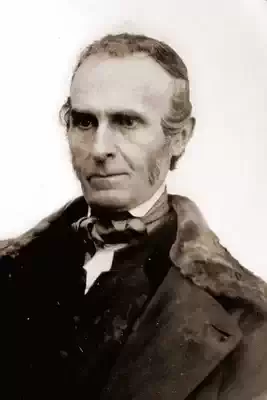
John Greenleaf Whittier
The Wish Of To-Day
The Wish Of To-Day
I ask not now for gold to gild
With mocking shine a weary frame;
The yearning of the mind is stilled,
I ask not now for Fame.
A rose-cloud, dimly seen above,
Melting in heaven's blue depths away;
Oh, sweet, fond dream of human Love
For thee I may not pray.
But, bowed in lowliness of mind,
I make my humble wishes known;
I only ask a will resigned,
O Father, to Thine own!
To-day, beneath Thy chastening eye
I crave alone for peace and rest,
Submissive in Thy hand to lie,
And feel that it is best.
A marvel seems the Universe,
A miracle our Life and Death;
A mystery which I cannot pierce,
Around, above, beneath.
In vain I task my aching brain,
In vain the sage's thought I scan,
I only feel how weak and vain,
How poor and blind, is man.
And now my spirit sighs for home,
And longs for light whereby to see,
And, like a weary child, would come,
O Father, unto Thee!
Though oft, like letters traced on sand,
My weak resolves have passed away,
In mercy lend Thy helping hand
Unto my prayer to-day!
I ask not now for gold to gild
With mocking shine a weary frame;
The yearning of the mind is stilled,
I ask not now for Fame.
A rose-cloud, dimly seen above,
Melting in heaven's blue depths away;
Oh, sweet, fond dream of human Love
For thee I may not pray.
But, bowed in lowliness of mind,
I make my humble wishes known;
I only ask a will resigned,
O Father, to Thine own!
To-day, beneath Thy chastening eye
I crave alone for peace and rest,
Submissive in Thy hand to lie,
And feel that it is best.
A marvel seems the Universe,
A miracle our Life and Death;
A mystery which I cannot pierce,
Around, above, beneath.
In vain I task my aching brain,
In vain the sage's thought I scan,
I only feel how weak and vain,
How poor and blind, is man.
And now my spirit sighs for home,
And longs for light whereby to see,
And, like a weary child, would come,
O Father, unto Thee!
Though oft, like letters traced on sand,
My weak resolves have passed away,
In mercy lend Thy helping hand
Unto my prayer to-day!
250
John Greenleaf Whittier
The Wife Of Manoah To Her Husband
The Wife Of Manoah To Her Husband
Against the sunset's glowing wall
The city towers rise black and tall,
Where Zorah, on its rocky height,
Stands like an armed man in the light.
Down Eshtaol's vales of ripened grain
Falls like a cloud the night amain,
And up the hillsides climbing slow
The barley reapers homeward go.
Look, dearest! how our fair child's head
The sunset light hath hallowed,
Where at this olive's foot he lies,
Uplooking to the tranquil skies.
Oh, while beneath the fervent heat
Thy sickle swept the bearded wheat,
I've watched, with mingled joy and dread,
Our child upon his grassy bed.
Joy, which the mother feels alone
Whose morning hope like mine had flown,
When to her bosom, over-blessed,
A dearer life than hers is pressed.
Dread, for the future dark and still,
Which shapes our dear one to its will;
Forever in his large calm eyes,
I read a tale of sacrifice.
The same foreboding awe I felt
When at the altar's side we knelt,
And he, who as a pilgrim came,
Rose, winged and glorious, through the flame.
I slept not, though the wild bees made
A dreamlike murmuring in the shade,
And on me the warm-fingered hours
Pressed with the drowsy smell of flowers.
Before me, in a vision, rose
The hosts of Israel's scornful foes,-Rank
over rank, helm, shield, and spear,
Glittered in noon's hot atmosphere.
I heard their boast, and bitter word,
Their mockery of the Hebrew's Lord,
I saw their hands His ark assail,
Their feet profane His holy veil.
No angel down the blue space spoke,
No thunder from the still sky broke;
But in their midst, in power and awe,
Like God's waked wrath, our child I saw!
A child no more!--harsh-browed and strong,
He towered a giant in the throng,
And down his shoulders, broad and bare,
Swept the black terror of his hair.
He raised his arm--he smote amain;
As round the reaper falls the grain,
So the dark host around him fell,
So sank the foes of Israel!
Again I looked. In sunlight shone
The towers and domes of Askelon;
Priest, warrior, slave, a mighty crowd
Within her idol temple bowed.
Yet one knelt not; stark, gaunt, and blind,
His arms the massive pillars twined,-An
eyeless captive, strong with hate,
He stood there like an evil Fate.
The red shrines smoked,--the trumpets pealed
He stooped,--the giant columns reeled;
Reeled tower and fane, sank arch and wall,
And the thick dust-cloud closed o'er all!
Above the shriek, the crash, the groan
Of the fallen pride of Askelon,
I heard, sheer down the echoing sky,
A voice as of an angel cry,-
The voice of him, who at our side
Sat through the golden eventide;
Of him who, on thy altar's blaze,
Rose fire-winged, with his song of praise.
'Rejoice o'er Israel's broken chain,
Gray mother of the mighty slain!
Rejoice!' it cried, 'he vanquisheth!
The strong in life is strong in death!
'To him shall Zorah's daughters raise
Through coming years their hymns of praise,
And gray old men at evening tell
Of all be wrought for Israel.
'And they who sing and they who hear
Alike shall hold thy memory dear,
And pour their blessings on thy head,
O mother of the mighty dead!'
It ceased; and though a sound I heard
As if great wings the still air stirred,
I only saw the barley sheaves
And hills half hid by olive leaves.
I bowed my face, in awe and fear,
On the dear child who slumbered near;
'With me, as with my only son,
O God,' I said, 'Thy will be done!'
Against the sunset's glowing wall
The city towers rise black and tall,
Where Zorah, on its rocky height,
Stands like an armed man in the light.
Down Eshtaol's vales of ripened grain
Falls like a cloud the night amain,
And up the hillsides climbing slow
The barley reapers homeward go.
Look, dearest! how our fair child's head
The sunset light hath hallowed,
Where at this olive's foot he lies,
Uplooking to the tranquil skies.
Oh, while beneath the fervent heat
Thy sickle swept the bearded wheat,
I've watched, with mingled joy and dread,
Our child upon his grassy bed.
Joy, which the mother feels alone
Whose morning hope like mine had flown,
When to her bosom, over-blessed,
A dearer life than hers is pressed.
Dread, for the future dark and still,
Which shapes our dear one to its will;
Forever in his large calm eyes,
I read a tale of sacrifice.
The same foreboding awe I felt
When at the altar's side we knelt,
And he, who as a pilgrim came,
Rose, winged and glorious, through the flame.
I slept not, though the wild bees made
A dreamlike murmuring in the shade,
And on me the warm-fingered hours
Pressed with the drowsy smell of flowers.
Before me, in a vision, rose
The hosts of Israel's scornful foes,-Rank
over rank, helm, shield, and spear,
Glittered in noon's hot atmosphere.
I heard their boast, and bitter word,
Their mockery of the Hebrew's Lord,
I saw their hands His ark assail,
Their feet profane His holy veil.
No angel down the blue space spoke,
No thunder from the still sky broke;
But in their midst, in power and awe,
Like God's waked wrath, our child I saw!
A child no more!--harsh-browed and strong,
He towered a giant in the throng,
And down his shoulders, broad and bare,
Swept the black terror of his hair.
He raised his arm--he smote amain;
As round the reaper falls the grain,
So the dark host around him fell,
So sank the foes of Israel!
Again I looked. In sunlight shone
The towers and domes of Askelon;
Priest, warrior, slave, a mighty crowd
Within her idol temple bowed.
Yet one knelt not; stark, gaunt, and blind,
His arms the massive pillars twined,-An
eyeless captive, strong with hate,
He stood there like an evil Fate.
The red shrines smoked,--the trumpets pealed
He stooped,--the giant columns reeled;
Reeled tower and fane, sank arch and wall,
And the thick dust-cloud closed o'er all!
Above the shriek, the crash, the groan
Of the fallen pride of Askelon,
I heard, sheer down the echoing sky,
A voice as of an angel cry,-
The voice of him, who at our side
Sat through the golden eventide;
Of him who, on thy altar's blaze,
Rose fire-winged, with his song of praise.
'Rejoice o'er Israel's broken chain,
Gray mother of the mighty slain!
Rejoice!' it cried, 'he vanquisheth!
The strong in life is strong in death!
'To him shall Zorah's daughters raise
Through coming years their hymns of praise,
And gray old men at evening tell
Of all be wrought for Israel.
'And they who sing and they who hear
Alike shall hold thy memory dear,
And pour their blessings on thy head,
O mother of the mighty dead!'
It ceased; and though a sound I heard
As if great wings the still air stirred,
I only saw the barley sheaves
And hills half hid by olive leaves.
I bowed my face, in awe and fear,
On the dear child who slumbered near;
'With me, as with my only son,
O God,' I said, 'Thy will be done!'
204
John Greenleaf Whittier
The Watchers
The Watchers
BESIDE a stricken field I stood;
On the torn turf, on grass and wood,
Hung heavily the dew of blood.
Still in their fresh mounds lay the slain,
But all the air was quick with pain
And gusty sighs and tearful rain.
Two angels, each with drooping head
And folded wings and noiseless tread,
Watched by that valley of the dead.
The one, with forehead saintly bland
And lips of blessing, not command,
Leaned, weeping, on her olive wand.
The other's brows were scarred and knit,
His restless eyes were watch-fires lit,
His hands for battle-gauntlets fit.
'How long!' — I knew the voice of Peace, —
'Is there no respite? no release?
When shall the hopeless quarrel cease?
'O Lord, how long! One human soul
Is more than any parchment scroll,
Or any flag thy winds unroll.
'What price was Ellsworth's, young and brave?
How weigh the gift that Lyon gave,
Or count the cost of Winthrop's grave?
'O brother! if thine eye can see,
Tell how and when the end shall be,
What hope remains for thee and me.'
Then Freedom sternly said: 'I shun
No strife nor pang beneath the sun,
When human rights are staked and won.
'I knelt with Ziska's hunted flock,
I watched in Toussaint's cell of rock,
I walked with Sidney to the block.
'The moor of Marston felt my tread,
Through Jersey snows the march I led,
My voice Magenta's charges sped.
'But now, through weary day and night,
I watch a vague and aimless fight
For leave to strike one blow aright.
'On either side my foe they own:
One guards through love his ghastly throne,
And one through fear to reverence grown.
'Why wait we longer, mocked, betrayed,
By open foes, or those afraid
To speed thy coming through my aid?
'Why watch to see who win or fall?
I shake the dust against them all,
I leave them to their senseless brawl.'
'Nay,' Peace implored: 'yet longer wait;
The doom is near, the stake is great:
God knoweth if it be too late.
'Still wait and watch; the way prepare
Where I with folded wings of prayer
May follow, weaponless and bare.'
'Too late!' the stern, sad voice replied,
'Too late!' its mournful echo sighed,
In low lament the answer died.
A rustling as of wings in flight,
An upward gleam of lessening white,
So passed the vision, sound and sight.
But round me, like a silver bell
Rung down the listening sky to tell
Of holy help, a sweet voice fell.
'Still hope and trust,' it sang; 'the rod
Must fall, the wine-press must be trod,
But all is possible with God!'
BESIDE a stricken field I stood;
On the torn turf, on grass and wood,
Hung heavily the dew of blood.
Still in their fresh mounds lay the slain,
But all the air was quick with pain
And gusty sighs and tearful rain.
Two angels, each with drooping head
And folded wings and noiseless tread,
Watched by that valley of the dead.
The one, with forehead saintly bland
And lips of blessing, not command,
Leaned, weeping, on her olive wand.
The other's brows were scarred and knit,
His restless eyes were watch-fires lit,
His hands for battle-gauntlets fit.
'How long!' — I knew the voice of Peace, —
'Is there no respite? no release?
When shall the hopeless quarrel cease?
'O Lord, how long! One human soul
Is more than any parchment scroll,
Or any flag thy winds unroll.
'What price was Ellsworth's, young and brave?
How weigh the gift that Lyon gave,
Or count the cost of Winthrop's grave?
'O brother! if thine eye can see,
Tell how and when the end shall be,
What hope remains for thee and me.'
Then Freedom sternly said: 'I shun
No strife nor pang beneath the sun,
When human rights are staked and won.
'I knelt with Ziska's hunted flock,
I watched in Toussaint's cell of rock,
I walked with Sidney to the block.
'The moor of Marston felt my tread,
Through Jersey snows the march I led,
My voice Magenta's charges sped.
'But now, through weary day and night,
I watch a vague and aimless fight
For leave to strike one blow aright.
'On either side my foe they own:
One guards through love his ghastly throne,
And one through fear to reverence grown.
'Why wait we longer, mocked, betrayed,
By open foes, or those afraid
To speed thy coming through my aid?
'Why watch to see who win or fall?
I shake the dust against them all,
I leave them to their senseless brawl.'
'Nay,' Peace implored: 'yet longer wait;
The doom is near, the stake is great:
God knoweth if it be too late.
'Still wait and watch; the way prepare
Where I with folded wings of prayer
May follow, weaponless and bare.'
'Too late!' the stern, sad voice replied,
'Too late!' its mournful echo sighed,
In low lament the answer died.
A rustling as of wings in flight,
An upward gleam of lessening white,
So passed the vision, sound and sight.
But round me, like a silver bell
Rung down the listening sky to tell
Of holy help, a sweet voice fell.
'Still hope and trust,' it sang; 'the rod
Must fall, the wine-press must be trod,
But all is possible with God!'
193
John Greenleaf Whittier
The Vow Of Washington
The Vow Of Washington
The sword was sheathed: in April's sun
Lay green the fields by Freedom won;
And severed sections, weary of debates,
Joined hands at last and were United States.
O City sitting by the Sea
How proud the day that dawned on thee,
When the new era, long desired, began,
And, in its need, the hour had found the man!
One thought the cannon salvos spoke,
The resonant bell-tower's vibrant stroke,
The voiceful streets, the plaudit-echoing halls,
And prayer and hymn borne heavenward from St. Paul's!
How felt the land in every part
The strong throb of a nation's heart,
As its great leader gave, with reverent awe,
His pledge to Union, Liberty, and Law.
That pledge the heavens above him heard,
That vow the sleep of centuries stirred;
In world-wide wonder listening peoples bent
Their gaze on Freedom's great experiment.
Could it succeed? Of honor sold
And hopes deceived all history told.
Above the wrecks that strewed the mournful past,
Was the long dream of ages true at last?
Thank God! the people's choice was just,
The one man equal to his trust,
Wise beyond lore, and without weakness good,
Calm in the strength of flawless rectitude.
His rule of justice, order, peace,
Made possible the world's release;
Taught prince and serf that power is but a trust,
And rule, alone, which serves the ruled, is just;
That Freedom generous is, but strong
In hate of fraud and selfish wrong,
Pretence that turns her holy truths to lies,
And lawless license masking in her guise.
Land of his love! with one glad voice
Let thy great sisterhood rejoice;
A century's suns o'er thee have risen and set,
And, God be praised, we are one nation yet.
And still we trust the years to be
Shall prove his hope was destiny,
Leaving our flag, with all its added stars,
Unrent by faction and unstained by wars.
Lo! where with patient toil he nursed
And trained the new-set plant at first,
The widening branches of a stately tree
Stretch from the sunrise to the sunset sea.
And in its broad and sheltering shade,
Sitting with none to make afraid,
Were we now silent, through each mighty limb,
The winds of heaven would sing the praise of him.
Our first and best!--his ashes lie
Beneath his own Virginian sky.
Forgive, forget, O true and just and brave,
The storm that swept above thy sacred grave.
For, ever in the awful strife
And dark hours of the nation's life,
Through the fierce tumult pierced his warning word,
Their father's voice his erring children heard.
The change for which he prayed and sought
In that sharp agony was wrought;
No partial interest draws its alien line
'Twixt North and South, the cypress and the pine!
One people now, all doubt beyond,
His name shall be our Union-bond;
We lift our hands to Heaven, and here and now.
Take on our lips the old Centennial vow.
For rule and trust must needs be ours;
Chooser and chosen both are powers
Equal in service as in rights; the claim
Of Duty rests on each and all the same.
Then let the sovereign millions, where
Our banner floats in sun and air,
From the warm palm-lands to Alaska's cold,
Repeat with us the pledge a century old?
The sword was sheathed: in April's sun
Lay green the fields by Freedom won;
And severed sections, weary of debates,
Joined hands at last and were United States.
O City sitting by the Sea
How proud the day that dawned on thee,
When the new era, long desired, began,
And, in its need, the hour had found the man!
One thought the cannon salvos spoke,
The resonant bell-tower's vibrant stroke,
The voiceful streets, the plaudit-echoing halls,
And prayer and hymn borne heavenward from St. Paul's!
How felt the land in every part
The strong throb of a nation's heart,
As its great leader gave, with reverent awe,
His pledge to Union, Liberty, and Law.
That pledge the heavens above him heard,
That vow the sleep of centuries stirred;
In world-wide wonder listening peoples bent
Their gaze on Freedom's great experiment.
Could it succeed? Of honor sold
And hopes deceived all history told.
Above the wrecks that strewed the mournful past,
Was the long dream of ages true at last?
Thank God! the people's choice was just,
The one man equal to his trust,
Wise beyond lore, and without weakness good,
Calm in the strength of flawless rectitude.
His rule of justice, order, peace,
Made possible the world's release;
Taught prince and serf that power is but a trust,
And rule, alone, which serves the ruled, is just;
That Freedom generous is, but strong
In hate of fraud and selfish wrong,
Pretence that turns her holy truths to lies,
And lawless license masking in her guise.
Land of his love! with one glad voice
Let thy great sisterhood rejoice;
A century's suns o'er thee have risen and set,
And, God be praised, we are one nation yet.
And still we trust the years to be
Shall prove his hope was destiny,
Leaving our flag, with all its added stars,
Unrent by faction and unstained by wars.
Lo! where with patient toil he nursed
And trained the new-set plant at first,
The widening branches of a stately tree
Stretch from the sunrise to the sunset sea.
And in its broad and sheltering shade,
Sitting with none to make afraid,
Were we now silent, through each mighty limb,
The winds of heaven would sing the praise of him.
Our first and best!--his ashes lie
Beneath his own Virginian sky.
Forgive, forget, O true and just and brave,
The storm that swept above thy sacred grave.
For, ever in the awful strife
And dark hours of the nation's life,
Through the fierce tumult pierced his warning word,
Their father's voice his erring children heard.
The change for which he prayed and sought
In that sharp agony was wrought;
No partial interest draws its alien line
'Twixt North and South, the cypress and the pine!
One people now, all doubt beyond,
His name shall be our Union-bond;
We lift our hands to Heaven, and here and now.
Take on our lips the old Centennial vow.
For rule and trust must needs be ours;
Chooser and chosen both are powers
Equal in service as in rights; the claim
Of Duty rests on each and all the same.
Then let the sovereign millions, where
Our banner floats in sun and air,
From the warm palm-lands to Alaska's cold,
Repeat with us the pledge a century old?
247
John Greenleaf Whittier
The Vanishers
The Vanishers
Sweetest of all childlike dreams
In the simple Indian lore
Still to me the legend seems
Of the shapes who flit before.
Flitting, passing, seen and gone,
Never reached nor found at rest,
Baffling search, but beckoning on
To the Sunset of the Blest.
From the clefts of mountain rocks,
Through the dark of lowland firs,
Flash the eyes and flow the locks
Of the mystic Vanishers!
And the fisher in his skiff,
And the hunter on the moss,
Hear their call from cape and cliff,
See their hands the birch-leaves toss.
Wistful, longing, through the green
Twilight of the clustered pines,
In their faces rarely seen
Beauty more than mortal shines.
Fringed with gold their mantles flow
On the slopes of westering knolls;
In the wind they whisper low
Of the Sunset Land of Souls.
Doubt who may, O friend of mine!
Thou and I have seen them too;
On before with beck and sign
Still they glide, and we pursue.
More than clouds of purple trail
In the gold of setting day;
More than gleams of wing or sail
Beckon from the sea-mist gray.
Glimpses of immortal youth,
Gleams and glories seen and flown,
Far-heard voices sweet with truth,
Airs from viewless Eden blown;
Beauty that eludes our grasp,
Sweetness that transcends our taste,
Loving hands we may not clasp,
Shining feet that mock our haste;
Gentle eyes we closed below,
Tender voices heard once more,
Smile and call us, as they go
On and onward, still before.
Guided thus, O friend of mine
Let us walk our little way,
Knowing by each beckoning sign
That we are not quite astray.
Chase we still, with baffled feet,
Smiling eye and waving hand,
Sought and seeker soon shall meet,
Lost and found, in Sunset Land
Sweetest of all childlike dreams
In the simple Indian lore
Still to me the legend seems
Of the shapes who flit before.
Flitting, passing, seen and gone,
Never reached nor found at rest,
Baffling search, but beckoning on
To the Sunset of the Blest.
From the clefts of mountain rocks,
Through the dark of lowland firs,
Flash the eyes and flow the locks
Of the mystic Vanishers!
And the fisher in his skiff,
And the hunter on the moss,
Hear their call from cape and cliff,
See their hands the birch-leaves toss.
Wistful, longing, through the green
Twilight of the clustered pines,
In their faces rarely seen
Beauty more than mortal shines.
Fringed with gold their mantles flow
On the slopes of westering knolls;
In the wind they whisper low
Of the Sunset Land of Souls.
Doubt who may, O friend of mine!
Thou and I have seen them too;
On before with beck and sign
Still they glide, and we pursue.
More than clouds of purple trail
In the gold of setting day;
More than gleams of wing or sail
Beckon from the sea-mist gray.
Glimpses of immortal youth,
Gleams and glories seen and flown,
Far-heard voices sweet with truth,
Airs from viewless Eden blown;
Beauty that eludes our grasp,
Sweetness that transcends our taste,
Loving hands we may not clasp,
Shining feet that mock our haste;
Gentle eyes we closed below,
Tender voices heard once more,
Smile and call us, as they go
On and onward, still before.
Guided thus, O friend of mine
Let us walk our little way,
Knowing by each beckoning sign
That we are not quite astray.
Chase we still, with baffled feet,
Smiling eye and waving hand,
Sought and seeker soon shall meet,
Lost and found, in Sunset Land
248
John Greenleaf Whittier
The Vision Of Echard
The Vision Of Echard
The Benedictine Echard
Sat by the wayside well,
Where Marsberg sees the bridal
Of the Sarre and the Moselle.
Fair with its sloping vineyards
And tawny chestnut bloom,
The happy vale Ausonius sunk
For holy Treves made room.
On the shrine Helena builded
To keep the Christ coat well,
On minster tower and kloster cross,
The westering sunshine fell.
There, where the rock-hewn circles
O'erlooked the Roman's game,
The veil of sleep fell on him,
And his thought a dream became.
He felt the heart of silence
Throb with a soundless word,
And by the inward ear alone
A spirit's voice he heard.
And the spoken word seemed written
On air and wave and sod,
And the bending walls of sapphire
Blazed with the thought of God.
'What lack I, O my children?
All things are in my band;
The vast earth and the awful stars
I hold as grains of sand.
'Need I your alms? The silver
And gold are mine alone;
The gifts ye bring before me
Were evermore my own.
'Heed I the noise of viols,
Your pomp of masque and show?
Have I not dawns and sunsets
Have I not winds that blow?
'Do I smell your gums of incense?
Is my ear with chantings fed?
Taste I your wine of worship,
Or eat your holy bread?
'Of rank and name and honors
Am I vain as ye are vain?
What can Eternal Fulness
From your lip-service gain?
'Ye make me not your debtor
Who serve yourselves alone;
Ye boast to me of homage
Whose gain is all your own.
'For you I gave the prophets,
For you the Psalmist's lay
For you the law's stone tables,
And holy book and day.
'Ye change to weary burdens
The helps that should uplift;
Ye lose in form the spirit,
The Giver in the gift.
'Who called ye to self-torment,
To fast and penance vain?
Dream ye Eternal Goodness
Has joy in mortal pain?
'For the death in life of Nitria,
For your Chartreuse ever dumb,
What better is the neighbor,
Or happier the home?
'Who counts his brother's welfare
As sacred as his own,
And loves, forgives, and pities,
He serveth me alone.
'I note each gracious purpose,
Each kindly word and deed;
Are ye not all my children?
Shall not the Father heed?
'No prayer for light and guidance
Is lost upon mine ear
The child's cry in the darkness
Shall not the Father hear?
'I loathe your wrangling councils,
I tread upon your creeds;
Who made ye mine avengers,
Or told ye of my needs;
'I bless men and ye curse them,
I love them and ye hate;
Ye bite and tear each other,
I suffer long and wait.
'Ye bow to ghastly symbols,
To cross and scourge and thorn;
Ye seek his Syrian manger
Who in the heart is born.
'For the dead Christ, not the living,
Ye watch His empty grave,
Whose life alone within you
Has power to bless and save.
'O blind ones, outward groping,
The idle quest forego;
Who listens to His inward voice
Alone of Him shall know.
'His love all love exceeding
The heart must needs recall,
Its self-surrendering freedom,
Its loss that gaineth all.
'Climb not the holy mountains,
Their eagles know not me;
Seek not the Blessed Islands,
I dwell not in the sea.
'Gone is the mount of Meru,
The triple gods are gone,
And, deaf to all the lama's prayers,
The Buddha slumbers on.
'No more from rocky Horeb
The smitten waters gush;
Fallen is Bethel's ladder,
Quenched is the burning bush.
'The jewels of the Urim
And Thurnmim all are dim;
The fire has left the altar,
The sign the teraphim.
'No more in ark or hill grove
The Holiest abides;
Not in the scroll's dead letter
The eternal secret hides.
'The eye shall fail that searches
For me the hollow sky;
The far is even as the near,
The low is as the high.
'What if the earth is hiding
Her old faiths, long outworn?
What is it to the changeless truth
That yours shall fail in turn?
'What if the o'erturned altar
Lays bare the ancient lie?
What if the dreams and legends
Of the world's childhood die?
'Have ye not still my witness
Within yourselves alway,
My hand that on the keys of life
For bliss or bale I lay?
'Still, in perpetual judgment,
I hold assize within,
With sure reward of holiness,
And dread rebuke of sin.
'A light, a guide, a warning,
A presence ever near,
Through the deep silence of the flesh
I reach the inward ear.
'My Gerizim and Ebal
Are in each human soul,
The still, small voice of blessing,
And Sinai's thunder-roll.
'The stern behest of duty,
The doom-book open thrown,
The heaven ye seek, the hell ye fear,
Are with yourselves alone.'
. . . . .
A gold and purple sunset
Flowed down the broad Moselle;
On hills of vine and meadow lands
The peace of twilight fell.
A slow, cool wind of evening
Blew over leaf and bloom;
And, faint and far, the Angelus
Rang from Saint Matthew's tomb.
Then up rose Master Echard,
And marvelled: 'Can it be
That here, in dream and vision,
The Lord hath talked with me?'
He went his way; behind him
The shrines of saintly dead,
The holy coat and nail of cross,
He left unvisited.
He sought the vale of Eltzbach
His burdened soul to free,
Where the foot-hills of the Eifel
Are glassed in Laachersee.
And, in his Order's kloster,
He sat, in night-long parle,
With Tauler of the Friends of God,
And Nicolas of Basle.
And lo! the twain made answer
'Yea, brother, even thus
The Voice above all voices
Hath spoken unto us.
'The world will have its idols,
And flesh and sense their sign
But the blinded eyes shall open,
And the gross ear be fine.
'What if the vision tarry?
God's time is always best;
The true Light shall be witnessed,
The Christ within confessed.
'In mercy or in judgment
He shall turn and overturn,
Till the heart shall be His temple
Where all of Him shall learn.'
The Benedictine Echard
Sat by the wayside well,
Where Marsberg sees the bridal
Of the Sarre and the Moselle.
Fair with its sloping vineyards
And tawny chestnut bloom,
The happy vale Ausonius sunk
For holy Treves made room.
On the shrine Helena builded
To keep the Christ coat well,
On minster tower and kloster cross,
The westering sunshine fell.
There, where the rock-hewn circles
O'erlooked the Roman's game,
The veil of sleep fell on him,
And his thought a dream became.
He felt the heart of silence
Throb with a soundless word,
And by the inward ear alone
A spirit's voice he heard.
And the spoken word seemed written
On air and wave and sod,
And the bending walls of sapphire
Blazed with the thought of God.
'What lack I, O my children?
All things are in my band;
The vast earth and the awful stars
I hold as grains of sand.
'Need I your alms? The silver
And gold are mine alone;
The gifts ye bring before me
Were evermore my own.
'Heed I the noise of viols,
Your pomp of masque and show?
Have I not dawns and sunsets
Have I not winds that blow?
'Do I smell your gums of incense?
Is my ear with chantings fed?
Taste I your wine of worship,
Or eat your holy bread?
'Of rank and name and honors
Am I vain as ye are vain?
What can Eternal Fulness
From your lip-service gain?
'Ye make me not your debtor
Who serve yourselves alone;
Ye boast to me of homage
Whose gain is all your own.
'For you I gave the prophets,
For you the Psalmist's lay
For you the law's stone tables,
And holy book and day.
'Ye change to weary burdens
The helps that should uplift;
Ye lose in form the spirit,
The Giver in the gift.
'Who called ye to self-torment,
To fast and penance vain?
Dream ye Eternal Goodness
Has joy in mortal pain?
'For the death in life of Nitria,
For your Chartreuse ever dumb,
What better is the neighbor,
Or happier the home?
'Who counts his brother's welfare
As sacred as his own,
And loves, forgives, and pities,
He serveth me alone.
'I note each gracious purpose,
Each kindly word and deed;
Are ye not all my children?
Shall not the Father heed?
'No prayer for light and guidance
Is lost upon mine ear
The child's cry in the darkness
Shall not the Father hear?
'I loathe your wrangling councils,
I tread upon your creeds;
Who made ye mine avengers,
Or told ye of my needs;
'I bless men and ye curse them,
I love them and ye hate;
Ye bite and tear each other,
I suffer long and wait.
'Ye bow to ghastly symbols,
To cross and scourge and thorn;
Ye seek his Syrian manger
Who in the heart is born.
'For the dead Christ, not the living,
Ye watch His empty grave,
Whose life alone within you
Has power to bless and save.
'O blind ones, outward groping,
The idle quest forego;
Who listens to His inward voice
Alone of Him shall know.
'His love all love exceeding
The heart must needs recall,
Its self-surrendering freedom,
Its loss that gaineth all.
'Climb not the holy mountains,
Their eagles know not me;
Seek not the Blessed Islands,
I dwell not in the sea.
'Gone is the mount of Meru,
The triple gods are gone,
And, deaf to all the lama's prayers,
The Buddha slumbers on.
'No more from rocky Horeb
The smitten waters gush;
Fallen is Bethel's ladder,
Quenched is the burning bush.
'The jewels of the Urim
And Thurnmim all are dim;
The fire has left the altar,
The sign the teraphim.
'No more in ark or hill grove
The Holiest abides;
Not in the scroll's dead letter
The eternal secret hides.
'The eye shall fail that searches
For me the hollow sky;
The far is even as the near,
The low is as the high.
'What if the earth is hiding
Her old faiths, long outworn?
What is it to the changeless truth
That yours shall fail in turn?
'What if the o'erturned altar
Lays bare the ancient lie?
What if the dreams and legends
Of the world's childhood die?
'Have ye not still my witness
Within yourselves alway,
My hand that on the keys of life
For bliss or bale I lay?
'Still, in perpetual judgment,
I hold assize within,
With sure reward of holiness,
And dread rebuke of sin.
'A light, a guide, a warning,
A presence ever near,
Through the deep silence of the flesh
I reach the inward ear.
'My Gerizim and Ebal
Are in each human soul,
The still, small voice of blessing,
And Sinai's thunder-roll.
'The stern behest of duty,
The doom-book open thrown,
The heaven ye seek, the hell ye fear,
Are with yourselves alone.'
. . . . .
A gold and purple sunset
Flowed down the broad Moselle;
On hills of vine and meadow lands
The peace of twilight fell.
A slow, cool wind of evening
Blew over leaf and bloom;
And, faint and far, the Angelus
Rang from Saint Matthew's tomb.
Then up rose Master Echard,
And marvelled: 'Can it be
That here, in dream and vision,
The Lord hath talked with me?'
He went his way; behind him
The shrines of saintly dead,
The holy coat and nail of cross,
He left unvisited.
He sought the vale of Eltzbach
His burdened soul to free,
Where the foot-hills of the Eifel
Are glassed in Laachersee.
And, in his Order's kloster,
He sat, in night-long parle,
With Tauler of the Friends of God,
And Nicolas of Basle.
And lo! the twain made answer
'Yea, brother, even thus
The Voice above all voices
Hath spoken unto us.
'The world will have its idols,
And flesh and sense their sign
But the blinded eyes shall open,
And the gross ear be fine.
'What if the vision tarry?
God's time is always best;
The true Light shall be witnessed,
The Christ within confessed.
'In mercy or in judgment
He shall turn and overturn,
Till the heart shall be His temple
Where all of Him shall learn.'
254
John Greenleaf Whittier
The Two Loves
The Two Loves
Smoothing soft the nestling head
Of a maiden fancy-led,
Thus a grave-eyed woman said:
'Richest gifts are those we make,
Dearer than the love we take
That we give for love's own sake.
'Well I know the heart's unrest;
Mine has been the common quest,
To be loved and therefore blest.
'Favors undeserved were mine;
At my feet as on a shrine
Love has laid its gifts divine.
'Sweet the offerings seemed, and yet
With their sweetness came regret,
And a sense of unpaid debt.
'Heart of mine unsatisfied,
Was it vanity or pride
That a deeper joy denied?
'Hands that ope but to receive
Empty close; they only live
Richly who can richly give.
'Still,' she sighed, with moistening eyes,
'Love is sweet in any guise;
But its best is sacrifice!
'He who, giving, does not crave
Likest is to Him who gave
Life itself the loved to save.
'Love, that self-forgetful gives,
Sows surprise of ripened sheaves,
Late or soon its own receives.'
Smoothing soft the nestling head
Of a maiden fancy-led,
Thus a grave-eyed woman said:
'Richest gifts are those we make,
Dearer than the love we take
That we give for love's own sake.
'Well I know the heart's unrest;
Mine has been the common quest,
To be loved and therefore blest.
'Favors undeserved were mine;
At my feet as on a shrine
Love has laid its gifts divine.
'Sweet the offerings seemed, and yet
With their sweetness came regret,
And a sense of unpaid debt.
'Heart of mine unsatisfied,
Was it vanity or pride
That a deeper joy denied?
'Hands that ope but to receive
Empty close; they only live
Richly who can richly give.
'Still,' she sighed, with moistening eyes,
'Love is sweet in any guise;
But its best is sacrifice!
'He who, giving, does not crave
Likest is to Him who gave
Life itself the loved to save.
'Love, that self-forgetful gives,
Sows surprise of ripened sheaves,
Late or soon its own receives.'
302
John Greenleaf Whittier
The Two Angels
The Two Angels
God called the nearest angels who dwell with Him above:
The tenderest one was Pity, the dearest one was Love.
'Arise,' He said, 'my angels! a wail of woe and sin
Steals through the gates of heaven, and saddens all within.
'My harps take up the mournful strain that from a lost world swells,
The smoke of torment clouds the light and blights the asphodels.
'Fly downward to that under world, and on its souls of pain,
Let Love drop smiles like sunshine, and Pity tears like rain!'
Two faces bowed before the Throne, veiled in their golden hair;
Four white wings lessened swiftly down the dark abyss of air.
The way was strange, the flight was long; at last the angels came
Where swung the lost and nether world, red-wrapped in rayless flame.
There Pity, shuddering, wept; but Love, with faith too strong for fear,
Took heart from God's almightiness and smiled a smile of cheer.
And lo! that tear of Pity quenched the flame whereon it fell,
And, with the sunshine of that smile, hope entered into hell!
Two unveiled faces full of joy looked upward to the Throne,
Four white wings folded at the feet of Him who sat thereon!
And deeper than the sound of seas, more soft than falling flake,
Amidst the hush of wing and song the Voice Eternal spake:
'Welcome, my angels! ye have brought a holier joy to heaven;
Henceforth its sweetest song shall be the song of sin forgiven!'
God called the nearest angels who dwell with Him above:
The tenderest one was Pity, the dearest one was Love.
'Arise,' He said, 'my angels! a wail of woe and sin
Steals through the gates of heaven, and saddens all within.
'My harps take up the mournful strain that from a lost world swells,
The smoke of torment clouds the light and blights the asphodels.
'Fly downward to that under world, and on its souls of pain,
Let Love drop smiles like sunshine, and Pity tears like rain!'
Two faces bowed before the Throne, veiled in their golden hair;
Four white wings lessened swiftly down the dark abyss of air.
The way was strange, the flight was long; at last the angels came
Where swung the lost and nether world, red-wrapped in rayless flame.
There Pity, shuddering, wept; but Love, with faith too strong for fear,
Took heart from God's almightiness and smiled a smile of cheer.
And lo! that tear of Pity quenched the flame whereon it fell,
And, with the sunshine of that smile, hope entered into hell!
Two unveiled faces full of joy looked upward to the Throne,
Four white wings folded at the feet of Him who sat thereon!
And deeper than the sound of seas, more soft than falling flake,
Amidst the hush of wing and song the Voice Eternal spake:
'Welcome, my angels! ye have brought a holier joy to heaven;
Henceforth its sweetest song shall be the song of sin forgiven!'
293
John Greenleaf Whittier
The Trailing Arbutus
The Trailing Arbutus
I wandered lonely where the pine-trees made
Against the bitter East their barricade,
And, guided by its sweet
Perfume, I found, within a narrow dell,
The trailing spring flower tinted like a shell
Amid dry leaves and mosses at my feet.
From under dead boughs, for whose loss the pines
Moaned ceaseless overhead, the blossoming vines
Lifted their glad surprise,
While yet the bluebird smoothed in leafless trees
His feathers ruffled by the chill sea-breeze,
And snow-drifts lingered under April skies.
As, pausing, o'er the lonely flower I bent,
I thought of lives thus lowly, clogged and pent,
Which yet find room,
Through care and cumber, coldness and decay,
To lend a sweetness to the ungenial day
And make the sad earth happier for their bloom.
I wandered lonely where the pine-trees made
Against the bitter East their barricade,
And, guided by its sweet
Perfume, I found, within a narrow dell,
The trailing spring flower tinted like a shell
Amid dry leaves and mosses at my feet.
From under dead boughs, for whose loss the pines
Moaned ceaseless overhead, the blossoming vines
Lifted their glad surprise,
While yet the bluebird smoothed in leafless trees
His feathers ruffled by the chill sea-breeze,
And snow-drifts lingered under April skies.
As, pausing, o'er the lonely flower I bent,
I thought of lives thus lowly, clogged and pent,
Which yet find room,
Through care and cumber, coldness and decay,
To lend a sweetness to the ungenial day
And make the sad earth happier for their bloom.
335
John Greenleaf Whittier
The Tent On The Beach
The Tent On The Beach
I would not sin, in this half-playful strain,-Too
light perhaps for serious years, though born
Of the enforced leisure of slow pain,-Against
the pure ideal which has drawn
My feet to follow its far-shining gleam.
A simple plot is mine: legends and runes
Of credulous days, old fancies that have lain
Silent, from boyhood taking voice again,
Warmed into life once more, even as the tunes
That, frozen in the fabled hunting-horn,
Thawed into sound:--a winter fireside dream
Of dawns and-sunsets by the summer sea,
Whose sands are traversed by a silent throng
Of voyagers from that vaster mystery
Of which it is an emblem;--and the dear
Memory of one who might have tuned my song
To sweeter music by her delicate ear.
When heats as of a tropic clime
Burned all our inland valleys through,
Three friends, the guests of summer time,
Pitched their white tent where sea-winds blew.
Behind them, marshes, seamed and crossed
With narrow creeks, and flower-embossed,
Stretched to the dark oak wood, whose leafy arms
Screened from the stormy East the pleasant inland farms.
At full of tide their bolder shore
Of sun-bleached sand the waters beat;
At ebb, a smooth and glistening floor
They touched with light, receding feet.
Northward a 'green bluff broke the chain
Of sand-hills; southward stretched a plain
Of salt grass, with a river winding down,
Sail-whitened, and beyond the steeples of the town,
Whence sometimes, when the wind was light
And dull the thunder of the beach,
They heard the bells of morn and night
Swing, miles away, their silver speech.
Above low scarp and turf-grown wall
They saw the fort-flag rise and fall;
And, the first star to signal twilight's hour,
The lamp-fire glimmer down from the tall light-house tower.
They rested there, escaped awhile
From cares that wear the life away,
To eat the lotus of the Nile
And drink the poppies of Cathay,-To
fling their loads of custom down,
Like drift-weed, on the sand-slopes brown,
And in the sea waves drown the restless pack
Of duties, claims, and needs that barked upon their track.
One, with his beard scarce silvered, bore
A ready credence in his looks,
A lettered magnate, lording o'er
An ever-widening realm of books.
In him brain-currents, near and far,
Converged as in a Leyden jar;
The old, dead authors thronged him round about,
And Elzevir's gray ghosts from leathern graves looked out.
He knew each living pundit well,
Could weigh the gifts of him or her,
And well the market value tell
Of poet and philosopher.
But if he lost, the scenes behind,
Somewhat of reverence vague and blind,
Finding the actors human at the best,
No readier lips than his the good he saw confessed.
His boyhood fancies not outgrown,
He loved himself the singer's art;
Tenderly, gently, by his own
He knew and judged an author's heart.
No Rhadamanthine brow of doom
Bowed the dazed pedant from his room;
And bards, whose name is legion, if denied,
Bore off alike intact their verses and their pride.
Pleasant it was to roam about
The lettered world as he had, done,
And see the lords of song without
Their singing robes and garlands on.
With Wordsworth paddle Rydal mere,
Taste rugged Elliott's home-brewed beer,
And with the ears of Rogers, at fourscore,
Hear Garrick's buskined tread and Walpole's wit once more.
And one there was, a dreamer born,
Who, with a mission to fulfil,
Had left the Muses' haunts to turn
The crank of an opinion-mill,
Making his rustic reed of song
A weapon in the war with wrong,
Yoking his fancy to the breaking-plough
That beam-deep turned the soil for truth to spring and grow.
Too quiet seemed the man to ride
The winged Hippogriff Reform;
Was his a voice from side to side
To pierce the tumult of the storm?
A silent, shy, peace-loving man,
He seemed no fiery partisan
To hold his way against the public frown,
The ban of Church and State, the fierce mob's hounding down.
For while he wrought with strenuous will
The work his hands had found to do,
He heard the fitful music still
Of winds that out of dream-land blew.
The din about him could not drown
What the strange voices whispered down;
Along his task-field weird processions swept,
The visionary pomp of stately phantoms stepped:
The common air was thick with dreams,-He
told them to the toiling crowd;
Such music as the woods and streams
Sang in his ear he sang aloud;
In still, shut bays, on windy capes,
He heard the call of beckoning shapes,
And, as the gray old shadows prompted him,
To homely moulds of rhyme he shaped their legends grim.
He rested now his weary hands,
And lightly moralized and laughed,
As, tracing on the shifting sands
A burlesque of his paper-craft,
He saw the careless waves o'errun
His words, as time before had done,
Each day's tide-water washing clean away,
Like letters from the sand, the work of yesterday.
And one, whose Arab face was tanned
By tropic sun and boreal frost,
So travelled there was scarce a land
Or people left him to exhaust,
In idling mood had from him hurled
The poor squeezed orange of the world,
And in the tent-shade, as beneath a palm,
Smoked, cross-legged like a Turk, in Oriental calm.
The very waves that washed the sand
Below him, he had seen before
Whitening the Scandinavian strand
And sultry Mauritanian shore.
From ice-rimmed isles, from summer seas
Palm-fringed, they bore him messages;
He heard the plaintive Nubian songs again,
And mule-bells tinkling down the mountain-paths of Spain.
His memory round the ransacked earth
On Puck's long girdle slid at ease;
And, instant, to the valley's girth
Of mountains, spice isles of the seas,
Faith flowered in minster stones, Art's guess
At truth and beauty, found access;
Yet loved the while, that free cosmopolite,
Old friends, old ways, and kept his boyhood's dreams in sight.
Untouched as yet by wealth and pride,
That virgin innocence of beach
No shingly monster, hundred-eyed,
Stared its gray sand-birds out of reach;
Unhoused, save where, at intervals,
The white tents showed their canvas walls,
Where brief sojourners, in the cool, soft air,
Forgot their inland heats, hard toil, and year-long care.
Sometimes along the wheel-deep sand
A one-horse wagon slowly crawled,
Deep laden with a youthful band,
Whose look some homestead old recalled;
Brother perchance, and sisters twain,
And one whose blue eyes told, more plain
Than the free language of her rosy lip,
Of the still dearer claim of love's relationship.
With cheeks of russet-orchard tint,
The light laugh of their native rills,
The perfume of their garden's mint,
The breezy freedom of the hills,
They bore, in unrestrained delight,
The motto of the Garter's knight,
Careless as if from every gazing thing
Hid by their innocence, as Gyges by his ring.
The clanging sea-fowl came and went,
The hunter's gun in the marshes rang;
At nightfall from a neighboring tent
A flute-voiced woman sweetly sang.
Loose-haired, barefooted, hand-in-hand,
Young girls went tripping down the sand;
And youths and maidens, sitting in the moon,
Dreamed o'er the old fond dream from which we wake too soon.
At times their fishing-lines they plied,
With an old Triton at the oar,
Salt as the sea-wind, tough and dried
As a lean cusk from Labrador.
Strange tales he told of wreck and storm,-Had
seen the sea-snake's awful form,
And heard the ghosts on Haley's Isle complain,
Speak him off shore, and beg a passage to old Spain!
And there, on breezy morns, they saw
The fishing-schooners outward run,
Their low-bent sails in tack and flaw
Turned white or dark to shade and sun.
Sometimes, in calms of closing day,
They watched the spectral mirage play,
Saw low, far islands looming tall and nigh,
And ships, with upturned keels, sail like a sea the sky.
Sometimes a cloud, with thunder black,
Stooped low upon the darkening main,
Piercing the waves along its track
With the slant javelins of rain.
And when west-wind and sunshine warm
Chased out to sea its wrecks of storm,
They saw the prismy hues in thin spray showers
Where the green buds of waves burst into white froth flowers.
And when along the line of shore
The mists crept upward chill and damp,
Stretched, careless, on their sandy floor
Beneath the flaring lantern lamp,
They talked of all things old and new,
Read, slept, and dreamed as idlers do;
And in the unquestioned freedom of the tent,
Body and o'er-taxed mind to healthful ease unbent.
Once, when the sunset splendors died,
And, trampling up the sloping sand,
In lines outreaching far and wide,
The white-waned billows swept to land,
Dim seen across the gathering shade,
A vast and ghostly cavalcade,
They sat around their lighted kerosene,
Hearing the deep bass roar their every pause between.
Then, urged thereto, the Editor
Within his full portfolio dipped,
Feigning excuse while seaching for
(With secret pride) his manuscript.
His pale face flushed from eye to beard,
With nervous cough his throat he cleared,
And, in a voice so tremulous it betrayed
The anxious fondness of an author's heart, he read:
I would not sin, in this half-playful strain,-Too
light perhaps for serious years, though born
Of the enforced leisure of slow pain,-Against
the pure ideal which has drawn
My feet to follow its far-shining gleam.
A simple plot is mine: legends and runes
Of credulous days, old fancies that have lain
Silent, from boyhood taking voice again,
Warmed into life once more, even as the tunes
That, frozen in the fabled hunting-horn,
Thawed into sound:--a winter fireside dream
Of dawns and-sunsets by the summer sea,
Whose sands are traversed by a silent throng
Of voyagers from that vaster mystery
Of which it is an emblem;--and the dear
Memory of one who might have tuned my song
To sweeter music by her delicate ear.
When heats as of a tropic clime
Burned all our inland valleys through,
Three friends, the guests of summer time,
Pitched their white tent where sea-winds blew.
Behind them, marshes, seamed and crossed
With narrow creeks, and flower-embossed,
Stretched to the dark oak wood, whose leafy arms
Screened from the stormy East the pleasant inland farms.
At full of tide their bolder shore
Of sun-bleached sand the waters beat;
At ebb, a smooth and glistening floor
They touched with light, receding feet.
Northward a 'green bluff broke the chain
Of sand-hills; southward stretched a plain
Of salt grass, with a river winding down,
Sail-whitened, and beyond the steeples of the town,
Whence sometimes, when the wind was light
And dull the thunder of the beach,
They heard the bells of morn and night
Swing, miles away, their silver speech.
Above low scarp and turf-grown wall
They saw the fort-flag rise and fall;
And, the first star to signal twilight's hour,
The lamp-fire glimmer down from the tall light-house tower.
They rested there, escaped awhile
From cares that wear the life away,
To eat the lotus of the Nile
And drink the poppies of Cathay,-To
fling their loads of custom down,
Like drift-weed, on the sand-slopes brown,
And in the sea waves drown the restless pack
Of duties, claims, and needs that barked upon their track.
One, with his beard scarce silvered, bore
A ready credence in his looks,
A lettered magnate, lording o'er
An ever-widening realm of books.
In him brain-currents, near and far,
Converged as in a Leyden jar;
The old, dead authors thronged him round about,
And Elzevir's gray ghosts from leathern graves looked out.
He knew each living pundit well,
Could weigh the gifts of him or her,
And well the market value tell
Of poet and philosopher.
But if he lost, the scenes behind,
Somewhat of reverence vague and blind,
Finding the actors human at the best,
No readier lips than his the good he saw confessed.
His boyhood fancies not outgrown,
He loved himself the singer's art;
Tenderly, gently, by his own
He knew and judged an author's heart.
No Rhadamanthine brow of doom
Bowed the dazed pedant from his room;
And bards, whose name is legion, if denied,
Bore off alike intact their verses and their pride.
Pleasant it was to roam about
The lettered world as he had, done,
And see the lords of song without
Their singing robes and garlands on.
With Wordsworth paddle Rydal mere,
Taste rugged Elliott's home-brewed beer,
And with the ears of Rogers, at fourscore,
Hear Garrick's buskined tread and Walpole's wit once more.
And one there was, a dreamer born,
Who, with a mission to fulfil,
Had left the Muses' haunts to turn
The crank of an opinion-mill,
Making his rustic reed of song
A weapon in the war with wrong,
Yoking his fancy to the breaking-plough
That beam-deep turned the soil for truth to spring and grow.
Too quiet seemed the man to ride
The winged Hippogriff Reform;
Was his a voice from side to side
To pierce the tumult of the storm?
A silent, shy, peace-loving man,
He seemed no fiery partisan
To hold his way against the public frown,
The ban of Church and State, the fierce mob's hounding down.
For while he wrought with strenuous will
The work his hands had found to do,
He heard the fitful music still
Of winds that out of dream-land blew.
The din about him could not drown
What the strange voices whispered down;
Along his task-field weird processions swept,
The visionary pomp of stately phantoms stepped:
The common air was thick with dreams,-He
told them to the toiling crowd;
Such music as the woods and streams
Sang in his ear he sang aloud;
In still, shut bays, on windy capes,
He heard the call of beckoning shapes,
And, as the gray old shadows prompted him,
To homely moulds of rhyme he shaped their legends grim.
He rested now his weary hands,
And lightly moralized and laughed,
As, tracing on the shifting sands
A burlesque of his paper-craft,
He saw the careless waves o'errun
His words, as time before had done,
Each day's tide-water washing clean away,
Like letters from the sand, the work of yesterday.
And one, whose Arab face was tanned
By tropic sun and boreal frost,
So travelled there was scarce a land
Or people left him to exhaust,
In idling mood had from him hurled
The poor squeezed orange of the world,
And in the tent-shade, as beneath a palm,
Smoked, cross-legged like a Turk, in Oriental calm.
The very waves that washed the sand
Below him, he had seen before
Whitening the Scandinavian strand
And sultry Mauritanian shore.
From ice-rimmed isles, from summer seas
Palm-fringed, they bore him messages;
He heard the plaintive Nubian songs again,
And mule-bells tinkling down the mountain-paths of Spain.
His memory round the ransacked earth
On Puck's long girdle slid at ease;
And, instant, to the valley's girth
Of mountains, spice isles of the seas,
Faith flowered in minster stones, Art's guess
At truth and beauty, found access;
Yet loved the while, that free cosmopolite,
Old friends, old ways, and kept his boyhood's dreams in sight.
Untouched as yet by wealth and pride,
That virgin innocence of beach
No shingly monster, hundred-eyed,
Stared its gray sand-birds out of reach;
Unhoused, save where, at intervals,
The white tents showed their canvas walls,
Where brief sojourners, in the cool, soft air,
Forgot their inland heats, hard toil, and year-long care.
Sometimes along the wheel-deep sand
A one-horse wagon slowly crawled,
Deep laden with a youthful band,
Whose look some homestead old recalled;
Brother perchance, and sisters twain,
And one whose blue eyes told, more plain
Than the free language of her rosy lip,
Of the still dearer claim of love's relationship.
With cheeks of russet-orchard tint,
The light laugh of their native rills,
The perfume of their garden's mint,
The breezy freedom of the hills,
They bore, in unrestrained delight,
The motto of the Garter's knight,
Careless as if from every gazing thing
Hid by their innocence, as Gyges by his ring.
The clanging sea-fowl came and went,
The hunter's gun in the marshes rang;
At nightfall from a neighboring tent
A flute-voiced woman sweetly sang.
Loose-haired, barefooted, hand-in-hand,
Young girls went tripping down the sand;
And youths and maidens, sitting in the moon,
Dreamed o'er the old fond dream from which we wake too soon.
At times their fishing-lines they plied,
With an old Triton at the oar,
Salt as the sea-wind, tough and dried
As a lean cusk from Labrador.
Strange tales he told of wreck and storm,-Had
seen the sea-snake's awful form,
And heard the ghosts on Haley's Isle complain,
Speak him off shore, and beg a passage to old Spain!
And there, on breezy morns, they saw
The fishing-schooners outward run,
Their low-bent sails in tack and flaw
Turned white or dark to shade and sun.
Sometimes, in calms of closing day,
They watched the spectral mirage play,
Saw low, far islands looming tall and nigh,
And ships, with upturned keels, sail like a sea the sky.
Sometimes a cloud, with thunder black,
Stooped low upon the darkening main,
Piercing the waves along its track
With the slant javelins of rain.
And when west-wind and sunshine warm
Chased out to sea its wrecks of storm,
They saw the prismy hues in thin spray showers
Where the green buds of waves burst into white froth flowers.
And when along the line of shore
The mists crept upward chill and damp,
Stretched, careless, on their sandy floor
Beneath the flaring lantern lamp,
They talked of all things old and new,
Read, slept, and dreamed as idlers do;
And in the unquestioned freedom of the tent,
Body and o'er-taxed mind to healthful ease unbent.
Once, when the sunset splendors died,
And, trampling up the sloping sand,
In lines outreaching far and wide,
The white-waned billows swept to land,
Dim seen across the gathering shade,
A vast and ghostly cavalcade,
They sat around their lighted kerosene,
Hearing the deep bass roar their every pause between.
Then, urged thereto, the Editor
Within his full portfolio dipped,
Feigning excuse while seaching for
(With secret pride) his manuscript.
His pale face flushed from eye to beard,
With nervous cough his throat he cleared,
And, in a voice so tremulous it betrayed
The anxious fondness of an author's heart, he read:
277
John Greenleaf Whittier
The Swan Song of Parson Avery
The Swan Song of Parson Avery
When the reaper's task was ended, and the summer wearing late,
Parson Avery sailed from Newbury, with his wife and children eight,
Dropping down the river-harbor in the shallop 'Watch and Wait.'
Pleasantly lay the clearings in the mellow summer-morn,
With the newly planted orchards dropping their fruits first-born,
And the home-roofs like brown islands amid a sea of corn.
Broad meadows reached out 'seaward the tided creeks between,
And hills rolled wave-like inland, with oaks and walnuts green;A
fairer home, a-goodlier land, his eyes had never seen.
Yet away sailed Parson Avery, away where duty led,
And the voice of God seemed calling, to break the living bread
To the souls of fishers starving on the rocks of Marblehead.
All day they sailed: at nightfall the pleasant land-breeze died,
The blackening sky, at midnight, its starry lights denied,
And far and low the thunder of tempest prophesied.
Blotted out were all the coast-lines, gone were rock, and wood, and sand;
Grimly anxious stood the skipper with the rudder in his hand,
And questioned of the darkness what was sea and what was land.
And the preacher heard his dear ones, nestled round him, weeping sore,
'Never heed, my little children! Christ is walking on before;
To the pleasant land of heaven, where the sea shall be no more.'
All at once the great cloud parted, like a curtain drawn aside,
To let down the torch of lightning on the terror far and wide;
And the thunder and the whirlwind together smote the tide.
There was wailing in the shallop, woman's wail and man's despair,
A crash of breaking timbers on the rocks so sharp and bare,
And, through it all, the murmur of Father Avery's prayer.
From his struggle in the darkness with the wild waves and the blast,
On a rock, where every billow broke above him as it passed,
Alone, of all his household, the man of God was cast.
There a comrade heard him praying, in the pause of wave and wind
'All my own have gone before me, and I linger just behind;
Not for life I ask, but only for the rest Thy ransomed find!
'In this night of death I challenge the promise of Thy word!Let
me see the great salvation of which mine ears have heard!Let
me pass from hence forgiven, through the grace of Christ, our Lord!
'In the baptism of these waters wash white my every sin,
And let me follow up to Thee my household and my kin!
Open the sea-gate of Thy heaven, and let me enter in!'
When the Christian sings his death-song, all the listening heavens draw near,
And the angels, leaning over the walls of crystal, hear
How the notes so faint and broken swell to music in God's ear.
The ear of God was open to His servant's last request;
As the strong wave swept him downward the sweet hymn upward pressed,
And the soul of Father Avery went, singing, to its rest.
There was wailing on the mainland, from the rocks of Marblehead;
In the stricken church of Newbury the notes of prayer were read;
And long, by board and hearthstone, the living mourned the dead.
And still the fishers outbound, or scudding from the squall,
With grave and reverent faces, the ancient tale recall,
When they see the white waves breaking on the Rock of Avery's Fall!
When the reaper's task was ended, and the summer wearing late,
Parson Avery sailed from Newbury, with his wife and children eight,
Dropping down the river-harbor in the shallop 'Watch and Wait.'
Pleasantly lay the clearings in the mellow summer-morn,
With the newly planted orchards dropping their fruits first-born,
And the home-roofs like brown islands amid a sea of corn.
Broad meadows reached out 'seaward the tided creeks between,
And hills rolled wave-like inland, with oaks and walnuts green;A
fairer home, a-goodlier land, his eyes had never seen.
Yet away sailed Parson Avery, away where duty led,
And the voice of God seemed calling, to break the living bread
To the souls of fishers starving on the rocks of Marblehead.
All day they sailed: at nightfall the pleasant land-breeze died,
The blackening sky, at midnight, its starry lights denied,
And far and low the thunder of tempest prophesied.
Blotted out were all the coast-lines, gone were rock, and wood, and sand;
Grimly anxious stood the skipper with the rudder in his hand,
And questioned of the darkness what was sea and what was land.
And the preacher heard his dear ones, nestled round him, weeping sore,
'Never heed, my little children! Christ is walking on before;
To the pleasant land of heaven, where the sea shall be no more.'
All at once the great cloud parted, like a curtain drawn aside,
To let down the torch of lightning on the terror far and wide;
And the thunder and the whirlwind together smote the tide.
There was wailing in the shallop, woman's wail and man's despair,
A crash of breaking timbers on the rocks so sharp and bare,
And, through it all, the murmur of Father Avery's prayer.
From his struggle in the darkness with the wild waves and the blast,
On a rock, where every billow broke above him as it passed,
Alone, of all his household, the man of God was cast.
There a comrade heard him praying, in the pause of wave and wind
'All my own have gone before me, and I linger just behind;
Not for life I ask, but only for the rest Thy ransomed find!
'In this night of death I challenge the promise of Thy word!Let
me see the great salvation of which mine ears have heard!Let
me pass from hence forgiven, through the grace of Christ, our Lord!
'In the baptism of these waters wash white my every sin,
And let me follow up to Thee my household and my kin!
Open the sea-gate of Thy heaven, and let me enter in!'
When the Christian sings his death-song, all the listening heavens draw near,
And the angels, leaning over the walls of crystal, hear
How the notes so faint and broken swell to music in God's ear.
The ear of God was open to His servant's last request;
As the strong wave swept him downward the sweet hymn upward pressed,
And the soul of Father Avery went, singing, to its rest.
There was wailing on the mainland, from the rocks of Marblehead;
In the stricken church of Newbury the notes of prayer were read;
And long, by board and hearthstone, the living mourned the dead.
And still the fishers outbound, or scudding from the squall,
With grave and reverent faces, the ancient tale recall,
When they see the white waves breaking on the Rock of Avery's Fall!
341
John Greenleaf Whittier
The Star Of Bethlehem
The Star Of Bethlehem
Where Time the measure of his hours
By changeful bud and blossom keeps,
And, like a young bride crowned with flowers,
Fair Shiraz in her garden sleeps;
Where, to her poet's turban stone,
The Spring her gift of flowers imparts,
Less sweet than those his thoughts have sown
In the warm soil of Persian hearts:
There sat the stranger, where the shade
Of scattered date-trees thinly lay,
While in the hot clear heaven delayed
The long and still and weary day.
Strange trees and fruits above him hung,
Strange odors filled the sultry air,
Strange birds upon the branches swung,
Strange insect voices murmured there.
And strange bright blossoms shone around,
Turned sunward from the shadowy bowers,
As if the Gheber's soul had found
A fitting home in Iran's flowers.
Whate'er he saw, whate'er he heard,
Awakened feelings new and sad,-No
Christian garb, nor Christian word,
Nor church with Sabbath-bell chimes glad,
But Moslem graves, with turban stones,
And mosque-spires gleaming white, in view,
And graybeard Mollahs in low tones
Chanting their Koran service through.
The flowers which smiled on either hand,
Like tempting fiends, were such as they
Which once, o'er all that Eastern land,
As gifts on demon altars lay.
As if the burning eye of Baal
The servant of his Conqueror knew,
From skies which knew no cloudy veil,
The Sun's hot glances smote him through.
'Ah me!' the lonely stranger said,
'The hope which led my footsteps on,
And light from heaven around them shed,
O'er weary wave and waste, is gone!
'Where are the harvest fields all white,
For Truth to thrust her sickle in?
Where flock the souls, like doves in flight,
From the dark hiding-place of sin?
'A silent-horror broods o'er all,-The
burden of a hateful spell,-The
very flowers around recall
The hoary magi's rites of hell!
'And what am I, o'er such a land
The banner of the Cross to bear?
Dear Lord, uphold me with Thy hand,
Thy strength with human weakness share!'
He ceased; for at his very feet
In mild rebuke a floweret smiled;
How thrilled his sinking heart to greet
The Star-flower of the Virgin's child!
Sown by some wandering Frank, it drew
Its life from alien air and earth,
And told to Paynim sun and dew
The story of the Saviour's birth.
From scorching beams, in kindly mood,
The Persian plants its beauty screened,
And on its pagan sisterhood,
In love, the Christian floweret leaned.
With tears of joy the wanderer felt
The darkness of his long despair
Before that hallowed symbol melt,
Which God's dear love had nurtured there.
From Nature's face, that simple flower
The lines of sin and sadness swept;
And Magian pile and Paynim bower
In peace like that of Eden slept.
Each Moslem tomb, and cypress old,
Looked holy through the sunset air;
And, angel-like, the Muezzin told
From tower and mosque the hour of prayer.
With cheerful steps, the morrow's dawn
From Shiraz saw the stranger part;
The Star-flower of the Virgin-Born
Still blooming in his hopeful heart!
Where Time the measure of his hours
By changeful bud and blossom keeps,
And, like a young bride crowned with flowers,
Fair Shiraz in her garden sleeps;
Where, to her poet's turban stone,
The Spring her gift of flowers imparts,
Less sweet than those his thoughts have sown
In the warm soil of Persian hearts:
There sat the stranger, where the shade
Of scattered date-trees thinly lay,
While in the hot clear heaven delayed
The long and still and weary day.
Strange trees and fruits above him hung,
Strange odors filled the sultry air,
Strange birds upon the branches swung,
Strange insect voices murmured there.
And strange bright blossoms shone around,
Turned sunward from the shadowy bowers,
As if the Gheber's soul had found
A fitting home in Iran's flowers.
Whate'er he saw, whate'er he heard,
Awakened feelings new and sad,-No
Christian garb, nor Christian word,
Nor church with Sabbath-bell chimes glad,
But Moslem graves, with turban stones,
And mosque-spires gleaming white, in view,
And graybeard Mollahs in low tones
Chanting their Koran service through.
The flowers which smiled on either hand,
Like tempting fiends, were such as they
Which once, o'er all that Eastern land,
As gifts on demon altars lay.
As if the burning eye of Baal
The servant of his Conqueror knew,
From skies which knew no cloudy veil,
The Sun's hot glances smote him through.
'Ah me!' the lonely stranger said,
'The hope which led my footsteps on,
And light from heaven around them shed,
O'er weary wave and waste, is gone!
'Where are the harvest fields all white,
For Truth to thrust her sickle in?
Where flock the souls, like doves in flight,
From the dark hiding-place of sin?
'A silent-horror broods o'er all,-The
burden of a hateful spell,-The
very flowers around recall
The hoary magi's rites of hell!
'And what am I, o'er such a land
The banner of the Cross to bear?
Dear Lord, uphold me with Thy hand,
Thy strength with human weakness share!'
He ceased; for at his very feet
In mild rebuke a floweret smiled;
How thrilled his sinking heart to greet
The Star-flower of the Virgin's child!
Sown by some wandering Frank, it drew
Its life from alien air and earth,
And told to Paynim sun and dew
The story of the Saviour's birth.
From scorching beams, in kindly mood,
The Persian plants its beauty screened,
And on its pagan sisterhood,
In love, the Christian floweret leaned.
With tears of joy the wanderer felt
The darkness of his long despair
Before that hallowed symbol melt,
Which God's dear love had nurtured there.
From Nature's face, that simple flower
The lines of sin and sadness swept;
And Magian pile and Paynim bower
In peace like that of Eden slept.
Each Moslem tomb, and cypress old,
Looked holy through the sunset air;
And, angel-like, the Muezzin told
From tower and mosque the hour of prayer.
With cheerful steps, the morrow's dawn
From Shiraz saw the stranger part;
The Star-flower of the Virgin-Born
Still blooming in his hopeful heart!
301
John Greenleaf Whittier
The Sisters
The Sisters
ANNIE and Rhoda, sisters twain,
Woke in the night to the sound of rain,
The rush of wind, the ramp and roar
Of great waves climbing a rocky shore.
Annie rose up in her bed-gown white,
And looked out into the storm and night.
'Hush, and hearken!' she cried in fear,
'Hearest thou nothing, sister dear?'
'I hear the sea, and the plash of rain,
And roar of the northeast hurricane.
'Get thee back to the bed so warm,
No good comes of watching a storm.
'What is it to thee, I fain would know,
That waves are roaring and wild winds blow?
'No lover of thine's afloat to miss
The harbor-lights on a night like this.'
'But I heard a voice cry out my name,
Up from the sea on the wind it came.
'Twice and thrice have I heard it call,
And the voice is the voice of Estwick Hall!'
On her pillow the sister tossed her head.
'Hall of the Heron is safe,' she said.
'In the tautest schooner that ever swam
He rides at anchor in Anisquam.
'And, if in peril from swamping sea
Or lee shore rocks, would he call on thee?'
But the girl heard only the wind and tide,
And wringing her small white hands she cried,
'O sister Rhoda, there's something wrong;
I hear it again, so loud and long.
''Annie! Annie!' I hear it call,
And the voice is the voice of Estwick Hall!'
Up sprang the elder, with eyes aflame,
'Thou liest! He never would call thy name!
'If he did, I would pray the wind and sea
To keep him forever from thee and me!'
Then out of the sea blew a dreadful blast;
Like the cry of a dying man it passed.
The young girl hushed on her lips a groan,
But through her tears a strange light shone,-
The solemn joy of her heart's release
To own and cherish its love in peace.
'Dearest!' she whispered, under breath,
'Life was a lie, but true is death.
'The love I hid from myself away
Shall crown me now in the light of day.
'My ears shall never to wooer list,
Never by lover my lips be kissed.
'Sacred to thee am I henceforth,
Thou in heaven and I on earth!'
She came and stood by her sister's bed
'Hall of the Heron is dead!' she said.
'The wind and the waves their work have done,
We shall see him no more beneath the sun.
'Little will reek that heart of thine,
It loved him not with a love like mine.
'I, for his sake, were he but here,
Could hem and 'broider thy bridal gear,
'Though hands should tremble and eyes be wet,
And stitch for stitch in my heart be set.
'But now my soul with his soul I wed;
Thine the living, and mine the dead!'
ANNIE and Rhoda, sisters twain,
Woke in the night to the sound of rain,
The rush of wind, the ramp and roar
Of great waves climbing a rocky shore.
Annie rose up in her bed-gown white,
And looked out into the storm and night.
'Hush, and hearken!' she cried in fear,
'Hearest thou nothing, sister dear?'
'I hear the sea, and the plash of rain,
And roar of the northeast hurricane.
'Get thee back to the bed so warm,
No good comes of watching a storm.
'What is it to thee, I fain would know,
That waves are roaring and wild winds blow?
'No lover of thine's afloat to miss
The harbor-lights on a night like this.'
'But I heard a voice cry out my name,
Up from the sea on the wind it came.
'Twice and thrice have I heard it call,
And the voice is the voice of Estwick Hall!'
On her pillow the sister tossed her head.
'Hall of the Heron is safe,' she said.
'In the tautest schooner that ever swam
He rides at anchor in Anisquam.
'And, if in peril from swamping sea
Or lee shore rocks, would he call on thee?'
But the girl heard only the wind and tide,
And wringing her small white hands she cried,
'O sister Rhoda, there's something wrong;
I hear it again, so loud and long.
''Annie! Annie!' I hear it call,
And the voice is the voice of Estwick Hall!'
Up sprang the elder, with eyes aflame,
'Thou liest! He never would call thy name!
'If he did, I would pray the wind and sea
To keep him forever from thee and me!'
Then out of the sea blew a dreadful blast;
Like the cry of a dying man it passed.
The young girl hushed on her lips a groan,
But through her tears a strange light shone,-
The solemn joy of her heart's release
To own and cherish its love in peace.
'Dearest!' she whispered, under breath,
'Life was a lie, but true is death.
'The love I hid from myself away
Shall crown me now in the light of day.
'My ears shall never to wooer list,
Never by lover my lips be kissed.
'Sacred to thee am I henceforth,
Thou in heaven and I on earth!'
She came and stood by her sister's bed
'Hall of the Heron is dead!' she said.
'The wind and the waves their work have done,
We shall see him no more beneath the sun.
'Little will reek that heart of thine,
It loved him not with a love like mine.
'I, for his sake, were he but here,
Could hem and 'broider thy bridal gear,
'Though hands should tremble and eyes be wet,
And stitch for stitch in my heart be set.
'But now my soul with his soul I wed;
Thine the living, and mine the dead!'
279
John Greenleaf Whittier
The Slave Ships
The Slave Ships
'ALL ready?' cried the captain;
'Ay, ay!' the seamen said;
'Heave up the worthless lubbers, —
The dying and the dead.'
Up from the slave-ship's prison
Fierce, bearded heads were thrust
'Now let the sharks look to it,—
Toss up the dead ones first!'
Corpse after corpse came.up, —
Death had been busy there;
Where every blow is mercy,
Why should the spoiler spare?
Corpse after corpse they cast
Sullenly from the ship,
Yet bloody with the traces
Of fetter-link and whip.
Gloomily stood the captain,
With his arms upon his breast,
With his cold brow sternly knotted,
And his iron lip compressed.
'Are all the dead dogs over?'
Growled through that matted lip;
'The blind ones are no better,
Let's lighten the good ship.'
Hark! from the ship's dark bosom,
The very sounds of hell!
The ringing clank of iron,
The maniac's short, sharp yell!
The hoarse, low curse, throat-stified;
The starving infant's moan,
The horror of a breaking heart
Poured through a mother's groan.
Up from that loathsome prison
The stricken blind ones came:
Below, had all been darkness,
Above, was still the same.
Yet the holy breath of heaven
Was sweetly breathing there,
And the heated brow of fever
Cooled in the soft sea air.
'Overboard with them, shipmates!'
Cutlass and dirk were plied;
Fettered and blind, one after one,
Plunged down the vessel's side.
The sabre smote above,.
Beneath, the lean shark lay,
Waiting with wide and bloody jaw
His quick and human prey.
God of the earth! what cries
Rang upward unto thee?
Voices of agony and blood,
From ship-deck and from sea.
The last dull plunge was heard,
The last wave caught its stain,
And the unsated shark looked up
For human hearts in vain.
. . . . . . . .
Red glowed the western waters,
The setting sun was there,
Scattering alike on wave and cloud
His fiery mesh of hair.
Amidst a group in blindness,
A solitary eye
Gazed, from the burdened slaver's deck,
Into that burning sky.
' A storm,' spoke out the gazer,
'Is gathering and at hand;
Curse on't, I'd give my other eye
For one firm rood of land.'
And then he laughed, but only
His echoed laugh replied,
For the blinded and the suffering
Alone were at his side.
Night settled on the waters,
And on a stormy heaven,
While fiercely on that lone ship's track
The thunder-gust was driven.
'A sail! — thank God, a sail!'
And as the helmsman spoke,
Up through the stormy murmur
A shout of gladness broke.
Down came the stranger vessel,
Unheeding on her way,
So near that on the slaver's deck
Fell off her driven spray.
' Ho! for the love of mercy,
We're perishing and blind!'
A wail of utter agony
Came back upon the wind:
' Help us! for we are stricken
With blindness every one;
Ten days we've floated fearfully,
Unnoting star or sun.
Our ship's the slaver Leon, —
We're but a score on board;
Our slaves are all gone over, —
Help, for the love of God!'
On livid brows of agony
The broad red lightning shone;
But the roar of wind and thunder
Stifled the answering groan;
Wailed from the broken waters
A last despairing cry,
As, kindling in the stormy light,
The stranger ship went by.
. . . . . . . .
In the sunny Guadaloupe
A dark-hulled vessel lay,
With a crew who noted never
The nightfall or the day.
The blossom of the orange
Was white by every stream,
And tropic leaf, and flower, and bird
Were in the warm sunbeam.
And the sky was bright as ever,
And the moonlight slept as well,
On the palm-trees by the hillside,
And the streamlet of the dell:
And the glances of the Creole
Were still as archly deep,
And her smiles as full as ever
Of passion and of sleep.
But vain were bird and blossom,
The green earth and the sky,
And the smile of human faces,
To the slaver's darkened eye;
At the breaking of the morning,
At the star-lit evening time,
O'er a world of light and beauty
Fell the blackness of his crime.
'ALL ready?' cried the captain;
'Ay, ay!' the seamen said;
'Heave up the worthless lubbers, —
The dying and the dead.'
Up from the slave-ship's prison
Fierce, bearded heads were thrust
'Now let the sharks look to it,—
Toss up the dead ones first!'
Corpse after corpse came.up, —
Death had been busy there;
Where every blow is mercy,
Why should the spoiler spare?
Corpse after corpse they cast
Sullenly from the ship,
Yet bloody with the traces
Of fetter-link and whip.
Gloomily stood the captain,
With his arms upon his breast,
With his cold brow sternly knotted,
And his iron lip compressed.
'Are all the dead dogs over?'
Growled through that matted lip;
'The blind ones are no better,
Let's lighten the good ship.'
Hark! from the ship's dark bosom,
The very sounds of hell!
The ringing clank of iron,
The maniac's short, sharp yell!
The hoarse, low curse, throat-stified;
The starving infant's moan,
The horror of a breaking heart
Poured through a mother's groan.
Up from that loathsome prison
The stricken blind ones came:
Below, had all been darkness,
Above, was still the same.
Yet the holy breath of heaven
Was sweetly breathing there,
And the heated brow of fever
Cooled in the soft sea air.
'Overboard with them, shipmates!'
Cutlass and dirk were plied;
Fettered and blind, one after one,
Plunged down the vessel's side.
The sabre smote above,.
Beneath, the lean shark lay,
Waiting with wide and bloody jaw
His quick and human prey.
God of the earth! what cries
Rang upward unto thee?
Voices of agony and blood,
From ship-deck and from sea.
The last dull plunge was heard,
The last wave caught its stain,
And the unsated shark looked up
For human hearts in vain.
. . . . . . . .
Red glowed the western waters,
The setting sun was there,
Scattering alike on wave and cloud
His fiery mesh of hair.
Amidst a group in blindness,
A solitary eye
Gazed, from the burdened slaver's deck,
Into that burning sky.
' A storm,' spoke out the gazer,
'Is gathering and at hand;
Curse on't, I'd give my other eye
For one firm rood of land.'
And then he laughed, but only
His echoed laugh replied,
For the blinded and the suffering
Alone were at his side.
Night settled on the waters,
And on a stormy heaven,
While fiercely on that lone ship's track
The thunder-gust was driven.
'A sail! — thank God, a sail!'
And as the helmsman spoke,
Up through the stormy murmur
A shout of gladness broke.
Down came the stranger vessel,
Unheeding on her way,
So near that on the slaver's deck
Fell off her driven spray.
' Ho! for the love of mercy,
We're perishing and blind!'
A wail of utter agony
Came back upon the wind:
' Help us! for we are stricken
With blindness every one;
Ten days we've floated fearfully,
Unnoting star or sun.
Our ship's the slaver Leon, —
We're but a score on board;
Our slaves are all gone over, —
Help, for the love of God!'
On livid brows of agony
The broad red lightning shone;
But the roar of wind and thunder
Stifled the answering groan;
Wailed from the broken waters
A last despairing cry,
As, kindling in the stormy light,
The stranger ship went by.
. . . . . . . .
In the sunny Guadaloupe
A dark-hulled vessel lay,
With a crew who noted never
The nightfall or the day.
The blossom of the orange
Was white by every stream,
And tropic leaf, and flower, and bird
Were in the warm sunbeam.
And the sky was bright as ever,
And the moonlight slept as well,
On the palm-trees by the hillside,
And the streamlet of the dell:
And the glances of the Creole
Were still as archly deep,
And her smiles as full as ever
Of passion and of sleep.
But vain were bird and blossom,
The green earth and the sky,
And the smile of human faces,
To the slaver's darkened eye;
At the breaking of the morning,
At the star-lit evening time,
O'er a world of light and beauty
Fell the blackness of his crime.
224
John Greenleaf Whittier
The Shoemakers
The Shoemakers
Ho! workers of the old time styled
The Gentle Craft of Leather!
Young brothers of the ancient guild,
Stand forth once more together!
Call out again your long array,
In the olden merry manner!
Once more, on gay St. Crispin's day,
Fling out your blazoned banner!
Rap, rap! upon the well-worn stone
How falls the polished hammer!
Rap, rap! the measured sound has grown
A quick and merry clamor.
Now shape the sole! now deftly curl
The glossy vamp around it,
And bless the while the bright-eyed girl
Whose gentle fingers bound it!
For you, along the Spanish main
A hundred keels are ploughing;
For you, the Indian on the plain
His lasso-coil is throwing;
For you, deep glens with hemlock dark
The woodman's fire is lighting;
For you, upon the oak's gray bark,
The woodman's axe is smiting.
For you, from Carolina's pine
The rosin-gum is stealing;
For you, the dark-eyed Florentine
Her silken skein is reeling;
For you, the dizzy goatherd roams
His rugged Alpine ledges;
For you, round all her shepherd homes,
Bloom England's thorny hedges.
The foremost still, by day or night,
On moated mound or heather,
Whete'er the need of trampled right
Brought toiling men together;
Where the free burghers from the wall
Defied the mail-clad master,
Than yours, at Freedom's trumpet-call,
No craftsmen rallied faster.
Let foplings sneer, let fools deride,
Ye heed no idle scorner;
Free hands and hearts are still your pride,
And duty done, your honor.
Ye dare to trust, for honest fame,
The jury Time empanels,
And leave to truth each noble name
Which glorifies your annals.
Thy songs, Han Sachs, are living yet,
In strong and hearty German;
And Bloomfield's lay, and Gifford's wit,
And patriot fame of Sherman;
Still from his book, a mystic seer,
The soul of Behmen teaches,
And England's priestcraft shakes to hear
Of Fox's leathern breeches.
The foot is yours; where'er it falls,
It treads your well-wrought leather,
On earthen floor, in marble halls,
On carpet, or on heather.
Still there the sweetest charm is found
Of matron grace or vestal's,
As Hebe's foot bore nectar round
Among the old celestials!
Rap, rap! — your stout and bluff brogan,
With footsteps slow and weary,
May wander where the sky's blue span
Shuts down upon the prairie.
On Beauty's foot your slippers glance,
By Saratoga's fountains,
Or twinkle down the summer dance
Beneath the Crystal Mountains!
The red brick to the mason's hand,
The brown earth to the tiller's,
The shoe in yours shall wealth command,
Like fairy Cinderella's!
As they who shunned the household maid
Beheld the crown upon her,
So all shall see your toil repaid
With hearth and home and honor.
Then let the toast be freely quaffed,
In water cool and brimming,
'All honor to the good old Craft,
Its merry men and women!'
Call out again your long array,
In the old time's pleasant manner:
Once more, on gay St. Crispin's day,
Fling out his blazoned banner!
Ho! workers of the old time styled
The Gentle Craft of Leather!
Young brothers of the ancient guild,
Stand forth once more together!
Call out again your long array,
In the olden merry manner!
Once more, on gay St. Crispin's day,
Fling out your blazoned banner!
Rap, rap! upon the well-worn stone
How falls the polished hammer!
Rap, rap! the measured sound has grown
A quick and merry clamor.
Now shape the sole! now deftly curl
The glossy vamp around it,
And bless the while the bright-eyed girl
Whose gentle fingers bound it!
For you, along the Spanish main
A hundred keels are ploughing;
For you, the Indian on the plain
His lasso-coil is throwing;
For you, deep glens with hemlock dark
The woodman's fire is lighting;
For you, upon the oak's gray bark,
The woodman's axe is smiting.
For you, from Carolina's pine
The rosin-gum is stealing;
For you, the dark-eyed Florentine
Her silken skein is reeling;
For you, the dizzy goatherd roams
His rugged Alpine ledges;
For you, round all her shepherd homes,
Bloom England's thorny hedges.
The foremost still, by day or night,
On moated mound or heather,
Whete'er the need of trampled right
Brought toiling men together;
Where the free burghers from the wall
Defied the mail-clad master,
Than yours, at Freedom's trumpet-call,
No craftsmen rallied faster.
Let foplings sneer, let fools deride,
Ye heed no idle scorner;
Free hands and hearts are still your pride,
And duty done, your honor.
Ye dare to trust, for honest fame,
The jury Time empanels,
And leave to truth each noble name
Which glorifies your annals.
Thy songs, Han Sachs, are living yet,
In strong and hearty German;
And Bloomfield's lay, and Gifford's wit,
And patriot fame of Sherman;
Still from his book, a mystic seer,
The soul of Behmen teaches,
And England's priestcraft shakes to hear
Of Fox's leathern breeches.
The foot is yours; where'er it falls,
It treads your well-wrought leather,
On earthen floor, in marble halls,
On carpet, or on heather.
Still there the sweetest charm is found
Of matron grace or vestal's,
As Hebe's foot bore nectar round
Among the old celestials!
Rap, rap! — your stout and bluff brogan,
With footsteps slow and weary,
May wander where the sky's blue span
Shuts down upon the prairie.
On Beauty's foot your slippers glance,
By Saratoga's fountains,
Or twinkle down the summer dance
Beneath the Crystal Mountains!
The red brick to the mason's hand,
The brown earth to the tiller's,
The shoe in yours shall wealth command,
Like fairy Cinderella's!
As they who shunned the household maid
Beheld the crown upon her,
So all shall see your toil repaid
With hearth and home and honor.
Then let the toast be freely quaffed,
In water cool and brimming,
'All honor to the good old Craft,
Its merry men and women!'
Call out again your long array,
In the old time's pleasant manner:
Once more, on gay St. Crispin's day,
Fling out his blazoned banner!
324
John Greenleaf Whittier
The Shadow And The Light
The Shadow And The Light
The fourteen centuries fall away
Between us and the Afric saint,
And at his side we urge, to-day,
The immemorial quest and old complaint.
No outward sign to us is given,-From
sea or earth comes no reply;
Hushed as the warm Numidian heaven
He vainly questioned bends our frozen sky.
No victory comes of all our strife,-From
all we grasp the meaning slips;
The Sphinx sits at the gate of life,
With the old question on her awful lips.
In paths unknown we hear the feet
Of fear before, and guilt behind;
We pluck the wayside fruit, and eat
Ashes and dust beneath its golden rind.
From age to age descends unchecked
The sad bequest of sire to son,
The body's taint, the mind's defect;
Through every web of life the dark threads run.
Oh, why and whither? God knows all;
I only know that He is good,
And that whatever may befall
Or here or there, must be the best that could.
Between the dreadful cherubim
A Father's face I still discern,
As Moses looked of old on Him,
And saw His glory into goodness turn!
For He is merciful as just;
And so, by faith correcting sight,
I bow before His will, and trust
Howe'er they seem He doeth all things right.
And dare to hope that Tie will make
The rugged smooth, the doubtful plain;
His mercy never quite forsake;
His healing visit every realm of pain;
That suffering is not His revenge
Upon His creatures weak and frail,
Sent on a pathway new and strange
With feet that wander and with eyes that fail;
That, o'er the crucible of pain,
Watches the tender eye of Love
The slow transmuting of the chain
Whose links are iron below to gold above!
Ah me! we doubt the shining skies,
Seen through our shadows of offence,
And drown with our poor childish cries
The cradle-hymn of kindly Providence.
And still we love the evil cause,
And of the just effect complain
We tread upon life's broken laws,
And murmur at our self-inflicted pain;
We turn us from the light, and find
Our spectral shapes before us thrown,
As they who leave the sun behind
Walk in the shadows of themselves alone.
And scarce by will or strength of ours
We set our faces to the day;
Weak, wavering, blind, the Eternal Powers
Alone can turn us from ourselves away.
Our weakness is the strength of sin,
But love must needs be stronger far,
Outreaching all and gathering in
The erring spirit and the wandering star.
A Voice grows with the growing years;
Earth, hushing down her bitter cry,
Looks upward from her graves, and hears,
'The Resurrection and the Life am I.'
O Love Divine!--whose constant beam
Shines on the eyes that will not see,
And waits to bless us, while we dream
Thou leavest us because we turn from thee!
All souls that struggle and aspire,
All hearts of prayer by thee are lit;
And, dim or clear, thy tongues of fire
On dusky tribes and twilight centuries sit.
Nor bounds, nor clime, nor creed thou know'st,
Wide as our need thy favors fall;
The white wings of the Holy Ghost
Stoop, seen or unseen, o'er the heads of all.
O Beauty, old yet ever new!
Eternal Voice, and Inward Word,
The Logos of the Greek and Jew,
The old sphere-music which the Samian heard!
Truth, which the sage and prophet saw,
Long sought without, but found within,
The Law of Love beyond all law,
The Life o'erflooding mortal death and sin!
Shine on us with the light which glowed
Upon the trance-bound shepherd's way.
Who saw the Darkness overflowed
And drowned by tides of everlasting Day.
Shine, light of God!--make broad thy scope
To all who sin and suffer; more
And better than we dare to hope
With Heaven's compassion make our longings poor!
The fourteen centuries fall away
Between us and the Afric saint,
And at his side we urge, to-day,
The immemorial quest and old complaint.
No outward sign to us is given,-From
sea or earth comes no reply;
Hushed as the warm Numidian heaven
He vainly questioned bends our frozen sky.
No victory comes of all our strife,-From
all we grasp the meaning slips;
The Sphinx sits at the gate of life,
With the old question on her awful lips.
In paths unknown we hear the feet
Of fear before, and guilt behind;
We pluck the wayside fruit, and eat
Ashes and dust beneath its golden rind.
From age to age descends unchecked
The sad bequest of sire to son,
The body's taint, the mind's defect;
Through every web of life the dark threads run.
Oh, why and whither? God knows all;
I only know that He is good,
And that whatever may befall
Or here or there, must be the best that could.
Between the dreadful cherubim
A Father's face I still discern,
As Moses looked of old on Him,
And saw His glory into goodness turn!
For He is merciful as just;
And so, by faith correcting sight,
I bow before His will, and trust
Howe'er they seem He doeth all things right.
And dare to hope that Tie will make
The rugged smooth, the doubtful plain;
His mercy never quite forsake;
His healing visit every realm of pain;
That suffering is not His revenge
Upon His creatures weak and frail,
Sent on a pathway new and strange
With feet that wander and with eyes that fail;
That, o'er the crucible of pain,
Watches the tender eye of Love
The slow transmuting of the chain
Whose links are iron below to gold above!
Ah me! we doubt the shining skies,
Seen through our shadows of offence,
And drown with our poor childish cries
The cradle-hymn of kindly Providence.
And still we love the evil cause,
And of the just effect complain
We tread upon life's broken laws,
And murmur at our self-inflicted pain;
We turn us from the light, and find
Our spectral shapes before us thrown,
As they who leave the sun behind
Walk in the shadows of themselves alone.
And scarce by will or strength of ours
We set our faces to the day;
Weak, wavering, blind, the Eternal Powers
Alone can turn us from ourselves away.
Our weakness is the strength of sin,
But love must needs be stronger far,
Outreaching all and gathering in
The erring spirit and the wandering star.
A Voice grows with the growing years;
Earth, hushing down her bitter cry,
Looks upward from her graves, and hears,
'The Resurrection and the Life am I.'
O Love Divine!--whose constant beam
Shines on the eyes that will not see,
And waits to bless us, while we dream
Thou leavest us because we turn from thee!
All souls that struggle and aspire,
All hearts of prayer by thee are lit;
And, dim or clear, thy tongues of fire
On dusky tribes and twilight centuries sit.
Nor bounds, nor clime, nor creed thou know'st,
Wide as our need thy favors fall;
The white wings of the Holy Ghost
Stoop, seen or unseen, o'er the heads of all.
O Beauty, old yet ever new!
Eternal Voice, and Inward Word,
The Logos of the Greek and Jew,
The old sphere-music which the Samian heard!
Truth, which the sage and prophet saw,
Long sought without, but found within,
The Law of Love beyond all law,
The Life o'erflooding mortal death and sin!
Shine on us with the light which glowed
Upon the trance-bound shepherd's way.
Who saw the Darkness overflowed
And drowned by tides of everlasting Day.
Shine, light of God!--make broad thy scope
To all who sin and suffer; more
And better than we dare to hope
With Heaven's compassion make our longings poor!
280
John Greenleaf Whittier
The Rock In El Ghor
The Rock In El Ghor
Dead Petra in her hill-tomb sleeps,
Her stones of emptiness remain;
Around her sculptured mystery sweeps
The lonely waste of Edom's plain.
From the doomed dwellers in the cleft
The bow of vengeance turns not back;
Of all her myriads none are left
Along the Wady Mousa's track.
Clear in the hot Arabian day
Her arches spring, her statues climb;
Unchanged, the graven wonders pay
No tribute to the spoiler, Time!
Unchanged the awful lithograph
Of power and glory undertrod;
Of nations scattered like the chaff
Blown from the threshing-floor of God.
Yet shall the thoughtful stranger turn
From Petra's gates with deeper awe,
To mark afar the burial urn
Of Aaron on the cliffs of Hor;
And where upon its ancient guard
Thy Rock, El Ghor, is standing yet,-Looks
from its turrets desertward,
And keeps the watch that God has set.
The same as when in thunders loud
It heard the voice of God to man,
As when it saw in fire and cloud
The angels walk in Israel's van,
Or when from Ezion-Geber's way
It saw the long procession file,
And heard the Hebrew timbrels play
The music of the lordly Nile;
Or saw the tabernacle pause,
Cloud-bound, by Kadesh Barnea's wells,
While Moses graved the sacred laws,
And Aaron swung his golden bells.
Rock of the desert, prophet-sung!
How grew its shadowing pile at length,
A symbol, in the Hebrew tongue,
Of God's eternal love and strength.
On lip of bard and scroll of seer,
From age to age went down the name,
Until the Shiloh's promised year,
And Christ, the Rock of Ages, came!
The path of life we walk to-day
Is strange as that the Hebrews trod;
We need the shadowing rock, as they,-We
need, like them, the guides of God.
God send His angels, Cloud and Fire,
To lead us o'er the desert sand!
God give our hearts their long desire,
His shadow in a weary land!
Dead Petra in her hill-tomb sleeps,
Her stones of emptiness remain;
Around her sculptured mystery sweeps
The lonely waste of Edom's plain.
From the doomed dwellers in the cleft
The bow of vengeance turns not back;
Of all her myriads none are left
Along the Wady Mousa's track.
Clear in the hot Arabian day
Her arches spring, her statues climb;
Unchanged, the graven wonders pay
No tribute to the spoiler, Time!
Unchanged the awful lithograph
Of power and glory undertrod;
Of nations scattered like the chaff
Blown from the threshing-floor of God.
Yet shall the thoughtful stranger turn
From Petra's gates with deeper awe,
To mark afar the burial urn
Of Aaron on the cliffs of Hor;
And where upon its ancient guard
Thy Rock, El Ghor, is standing yet,-Looks
from its turrets desertward,
And keeps the watch that God has set.
The same as when in thunders loud
It heard the voice of God to man,
As when it saw in fire and cloud
The angels walk in Israel's van,
Or when from Ezion-Geber's way
It saw the long procession file,
And heard the Hebrew timbrels play
The music of the lordly Nile;
Or saw the tabernacle pause,
Cloud-bound, by Kadesh Barnea's wells,
While Moses graved the sacred laws,
And Aaron swung his golden bells.
Rock of the desert, prophet-sung!
How grew its shadowing pile at length,
A symbol, in the Hebrew tongue,
Of God's eternal love and strength.
On lip of bard and scroll of seer,
From age to age went down the name,
Until the Shiloh's promised year,
And Christ, the Rock of Ages, came!
The path of life we walk to-day
Is strange as that the Hebrews trod;
We need the shadowing rock, as they,-We
need, like them, the guides of God.
God send His angels, Cloud and Fire,
To lead us o'er the desert sand!
God give our hearts their long desire,
His shadow in a weary land!
230
John Greenleaf Whittier
The Seeking Of The Waterfall
The Seeking Of The Waterfall
They left their home of summer ease
Beneath the lowland's sheltering trees,
To seek, by ways unknown to all,
The promise of the waterfall.
Some vague, faint rumor to the vale
Had crept--perchance a hunter's tale-Of
its wild mirth of waters lost
On the dark woods through which it tossed.
Somewhere it laughed and sang; somewhere
Whirled in mad dance its misty hair;
But who had raised its veil, or seen
The rainbow skirts of that Undine?
They sought it where the mountain brook
Its swift way to the valley took;
Along the rugged slope they clomb,
Their guide a thread of sound and foam.
Height after height they slowly won;
The fiery javelins of the sun
Smote the bare ledge; the tangled shade
With rock and vine their steps delayed.
But, through leaf-openings, now and then
They saw the cheerful homes of men,
And the great mountains with their wall
Of misty purple girdling all.
The leaves through which the glad winds blew
Shared. the wild dance the waters knew;
And where the shadows deepest fell
The wood-thrush rang his silver bell.
Fringing the stream, at every turn
Swung low the waving fronds of fern;
From stony cleft and mossy sod
Pale asters sprang, and golden-rod.
And still the water sang the sweet,
Glad song that stirred its gliding feet,
And found in rock and root the keys
Of its beguiling melodies.
Beyond, above, its signals flew
Of tossing foam the birch-trees through;
Now seen, now lost, but baffling still
The weary seekers' slackening will.
Each called to each: 'Lo here! Lo there!
Its white scarf flutters in the air!'
They climbed anew; the vision fled,
To beckon higher overhead.
So toiled they up the mountain-slope
With faint and ever fainter hope;
With faint and fainter voice the brook
Still bade them listen, pause, and look.
Meanwhile below the day was done;
Above the tall peaks saw the sun
Sink, beam-shorn, to its misty set
Behind the hills of violet.
'Here ends our quest!' the seekers cried,
'The brook and rumor both have lied!
The phantom of a waterfall
Has led us at its beck and call.'
But one, with years grown wiser, said
'So, always baffled, not misled,
We follow where before us runs
The vision of the shining ones.
'Not where they seem their signals fly,
Their voices while we listen die;
We cannot keep, however fleet,
The quick time of their winged feet.
'From youth to age unresting stray
These kindly mockers in our way;
Yet lead they not, the baffling elves,
To something better than themselves?
'Here, though unreached the goal we sought,
Its own reward our toil has brought:
The winding water's sounding rush,
The long note of the hermit thrush,
'The turquoise lakes, the glimpse of pond
And river track, and, vast, beyond
Broad meadows belted round with pines,
The grand uplift of mountain lines!
'What matter though we seek with pain
The garden of the gods in vain,
If lured thereby we climb to greet
Some wayside blossom Eden-sweet?
'To seek is better than to gain,
The fond hope dies as we attain;
Life's fairest things are those which seem,
The best is that of which we dream.
'Then let us trust our waterfall
Still flashes down its rocky wall,
With rainbow crescent curved across
Its sunlit spray from moss to moss.
'And we, forgetful of our pain,
In thought shall seek it oft again;
Shall see this aster-blossomed sod,
This sunshine of the golden-rod,
'And haply gain, through parting boughs,
Grand glimpses of great mountain brows
Cloud-turbaned, and the sharp steel sheen
Of lakes deep set in valleys green.
'So failure wins; the consequence
Of loss becomes its recompense;
And evermore the end shall tell
The unreached ideal guided well.
'Our sweet illusions only die
Fulfilling love's sure prophecy;
And every wish for better things
An undreamed beauty nearer brings.
'For fate is servitor of love;
Desire and hope and longing prove
The secret of immortal youth,
And Nature cheats us into truth.
'O kind allurers, wisely sent,
Beguiling with benign intent,
Still move us, through divine unrest,
To seek the loveliest and the best!
'Go with us when our souls go free,
And, in the clear, white light to be,
Add unto Heaven's beatitude
The old delight of seeking good!'
They left their home of summer ease
Beneath the lowland's sheltering trees,
To seek, by ways unknown to all,
The promise of the waterfall.
Some vague, faint rumor to the vale
Had crept--perchance a hunter's tale-Of
its wild mirth of waters lost
On the dark woods through which it tossed.
Somewhere it laughed and sang; somewhere
Whirled in mad dance its misty hair;
But who had raised its veil, or seen
The rainbow skirts of that Undine?
They sought it where the mountain brook
Its swift way to the valley took;
Along the rugged slope they clomb,
Their guide a thread of sound and foam.
Height after height they slowly won;
The fiery javelins of the sun
Smote the bare ledge; the tangled shade
With rock and vine their steps delayed.
But, through leaf-openings, now and then
They saw the cheerful homes of men,
And the great mountains with their wall
Of misty purple girdling all.
The leaves through which the glad winds blew
Shared. the wild dance the waters knew;
And where the shadows deepest fell
The wood-thrush rang his silver bell.
Fringing the stream, at every turn
Swung low the waving fronds of fern;
From stony cleft and mossy sod
Pale asters sprang, and golden-rod.
And still the water sang the sweet,
Glad song that stirred its gliding feet,
And found in rock and root the keys
Of its beguiling melodies.
Beyond, above, its signals flew
Of tossing foam the birch-trees through;
Now seen, now lost, but baffling still
The weary seekers' slackening will.
Each called to each: 'Lo here! Lo there!
Its white scarf flutters in the air!'
They climbed anew; the vision fled,
To beckon higher overhead.
So toiled they up the mountain-slope
With faint and ever fainter hope;
With faint and fainter voice the brook
Still bade them listen, pause, and look.
Meanwhile below the day was done;
Above the tall peaks saw the sun
Sink, beam-shorn, to its misty set
Behind the hills of violet.
'Here ends our quest!' the seekers cried,
'The brook and rumor both have lied!
The phantom of a waterfall
Has led us at its beck and call.'
But one, with years grown wiser, said
'So, always baffled, not misled,
We follow where before us runs
The vision of the shining ones.
'Not where they seem their signals fly,
Their voices while we listen die;
We cannot keep, however fleet,
The quick time of their winged feet.
'From youth to age unresting stray
These kindly mockers in our way;
Yet lead they not, the baffling elves,
To something better than themselves?
'Here, though unreached the goal we sought,
Its own reward our toil has brought:
The winding water's sounding rush,
The long note of the hermit thrush,
'The turquoise lakes, the glimpse of pond
And river track, and, vast, beyond
Broad meadows belted round with pines,
The grand uplift of mountain lines!
'What matter though we seek with pain
The garden of the gods in vain,
If lured thereby we climb to greet
Some wayside blossom Eden-sweet?
'To seek is better than to gain,
The fond hope dies as we attain;
Life's fairest things are those which seem,
The best is that of which we dream.
'Then let us trust our waterfall
Still flashes down its rocky wall,
With rainbow crescent curved across
Its sunlit spray from moss to moss.
'And we, forgetful of our pain,
In thought shall seek it oft again;
Shall see this aster-blossomed sod,
This sunshine of the golden-rod,
'And haply gain, through parting boughs,
Grand glimpses of great mountain brows
Cloud-turbaned, and the sharp steel sheen
Of lakes deep set in valleys green.
'So failure wins; the consequence
Of loss becomes its recompense;
And evermore the end shall tell
The unreached ideal guided well.
'Our sweet illusions only die
Fulfilling love's sure prophecy;
And every wish for better things
An undreamed beauty nearer brings.
'For fate is servitor of love;
Desire and hope and longing prove
The secret of immortal youth,
And Nature cheats us into truth.
'O kind allurers, wisely sent,
Beguiling with benign intent,
Still move us, through divine unrest,
To seek the loveliest and the best!
'Go with us when our souls go free,
And, in the clear, white light to be,
Add unto Heaven's beatitude
The old delight of seeking good!'
301
John Greenleaf Whittier
The Reunion
The Reunion
The gulf of seven and fifty years
We stretch our welcoming hands across;
The distance but a pebble's toss
Between us and our youth appears.
For in life's school we linger on
The remnant of a once full list;
Conning our lessons, undismissed,
With faces to the setting sun.
And some have gone the unknown way,
And some await the call to rest;
Who knoweth whether it is best
For those who went or those who stay?
And yet despite of loss and ill,
If faith and love and hope remain,
Our length of days is not in vain,
And life is well worth living still.
Still to a gracious Providence
The thanks of grateful hearts are due,
For blessings when our lives were new,
For all the good vouchsafed us since.
The pain that spared us sorer hurt,
The wish denied, the purpose crossed,
And pleasure's fond occasions lost,
Were mercies to our small desert.
'T is something that we wander back,
Gray pilgrims, to our ancient ways,
And tender memories of old days
Walk with us by the Merrimac;
That even in life's afternoon
A sense of youth comes back again,
As through this cool September rain
The still green woodlands dream of June.
The eyes grown dim to present things
Have keener sight for bygone years,
And sweet and clear, in deafening ears,
The bird that sang at morning sings.
Dear comrades, scattered wide and far,
Send from their homes their kindly word,
And dearer ones, unseen, unheard,
Smile on us from some heavenly star.
For life and death with God are one,
Unchanged by seeming change His care
And love are round us here and there;
He breaks no thread His hand has spun.
Soul touches soul, the muster roll
Of life eternal has no gaps;
And after half a century's lapse
Our school-day ranks are closed and whole.
Hail and farewell! We go our way;
Where shadows end, we trust in light;
The star that ushers in the night
Is herald also of the day!
The gulf of seven and fifty years
We stretch our welcoming hands across;
The distance but a pebble's toss
Between us and our youth appears.
For in life's school we linger on
The remnant of a once full list;
Conning our lessons, undismissed,
With faces to the setting sun.
And some have gone the unknown way,
And some await the call to rest;
Who knoweth whether it is best
For those who went or those who stay?
And yet despite of loss and ill,
If faith and love and hope remain,
Our length of days is not in vain,
And life is well worth living still.
Still to a gracious Providence
The thanks of grateful hearts are due,
For blessings when our lives were new,
For all the good vouchsafed us since.
The pain that spared us sorer hurt,
The wish denied, the purpose crossed,
And pleasure's fond occasions lost,
Were mercies to our small desert.
'T is something that we wander back,
Gray pilgrims, to our ancient ways,
And tender memories of old days
Walk with us by the Merrimac;
That even in life's afternoon
A sense of youth comes back again,
As through this cool September rain
The still green woodlands dream of June.
The eyes grown dim to present things
Have keener sight for bygone years,
And sweet and clear, in deafening ears,
The bird that sang at morning sings.
Dear comrades, scattered wide and far,
Send from their homes their kindly word,
And dearer ones, unseen, unheard,
Smile on us from some heavenly star.
For life and death with God are one,
Unchanged by seeming change His care
And love are round us here and there;
He breaks no thread His hand has spun.
Soul touches soul, the muster roll
Of life eternal has no gaps;
And after half a century's lapse
Our school-day ranks are closed and whole.
Hail and farewell! We go our way;
Where shadows end, we trust in light;
The star that ushers in the night
Is herald also of the day!
318
John Greenleaf Whittier
The River Path
The River Path
No bird-song floated down the hill,
The tangled bank below was still;
No rustle from the birchen stem,
No ripple from the water's hem.
The dusk of twilight round us grew,
We felt the falling of the dew;
For, from us, ere the day was done,
The wooded hills shut out the sun.
But on the river's farther side
We saw the hill-tops glorified,-
A tender glow, exceeding fair,
A dream of day without its glare.
With us the damp, the chill, the gloom
With them the sunset's rosy bloom;
While dark, through willowy vistas seen,
The river rolled in shade between.
From out the darkness where we trod,
We gazed upon those bills of God,
Whose light seemed not of moon or sun.
We spake not, but our thought was one.
We paused, as if from that bright shore
Beckoned our dear ones gone before;
And stilled our beating hearts to hear
The voices lost to mortal ear!
Sudden our pathway turned from night;
The hills swung open to the light;
Through their green gates the sunshine showed,
A long, slant splendor downward flowed.
Down glade and glen and bank it rolled;
It bridged the shaded stream with gold;
And, borne on piers of mist, allied
The shadowy with the sunlit side!
'So,' prayed we, 'when our feet draw near
The river dark, with mortal fear,
'And the night cometh chill with dew,
O Father! let Thy light break through!
'So let the hills of doubt divide,
So bridge with faith the sunless tide!
'So let the eyes that fail on earth
On Thy eternal hills look forth;
'And in Thy beckoning angels know
The dear ones whom we loved below!'
No bird-song floated down the hill,
The tangled bank below was still;
No rustle from the birchen stem,
No ripple from the water's hem.
The dusk of twilight round us grew,
We felt the falling of the dew;
For, from us, ere the day was done,
The wooded hills shut out the sun.
But on the river's farther side
We saw the hill-tops glorified,-
A tender glow, exceeding fair,
A dream of day without its glare.
With us the damp, the chill, the gloom
With them the sunset's rosy bloom;
While dark, through willowy vistas seen,
The river rolled in shade between.
From out the darkness where we trod,
We gazed upon those bills of God,
Whose light seemed not of moon or sun.
We spake not, but our thought was one.
We paused, as if from that bright shore
Beckoned our dear ones gone before;
And stilled our beating hearts to hear
The voices lost to mortal ear!
Sudden our pathway turned from night;
The hills swung open to the light;
Through their green gates the sunshine showed,
A long, slant splendor downward flowed.
Down glade and glen and bank it rolled;
It bridged the shaded stream with gold;
And, borne on piers of mist, allied
The shadowy with the sunlit side!
'So,' prayed we, 'when our feet draw near
The river dark, with mortal fear,
'And the night cometh chill with dew,
O Father! let Thy light break through!
'So let the hills of doubt divide,
So bridge with faith the sunless tide!
'So let the eyes that fail on earth
On Thy eternal hills look forth;
'And in Thy beckoning angels know
The dear ones whom we loved below!'
182
John Greenleaf Whittier
The Relic
The Relic
TOKEN Of friendship true and tried,
From one whose fiery heart of youth
With mine has beaten, side by side,
For Liberty and Truth;
With honest pride the gift I take,
And prize it for the giver's sake.
But not alone because it tells
Of generous hand and heart sincere;
Around that gift of friendship dwells
A memory doubly dear;
Earth's noblest aim, man's holiest thought,
With that memorial frail inwrought!
Pure thoughts and sweet like flowers unfold,
And precious memories round it cling,
Even as the Prophet's rod of old
In beauty blossoming:
And buds of feeling, pure and good,
Spring from its cold unconscious wood.
Relic of Freedom's shrine! a brand
Plucked from its burning! let it be
Dear as a jewel from the hand
Of a lost friend to me!
Flower of a perished garland left,
Of life and beauty unbereft!
Oh, if the young enthusiast bears,
O'er weary waste and sea, the stone
Which crumbled from the Forum's stairs,
Or round the Parthenon;
Or olive-bough from some wild tree
Hung over old Thermopylæ:
If leaflets from some hero's tomb,
Or moss-wreath torn from ruins hoary;
Or faded flowers whose sisters bloom
On fields renowned in story;
Or fragment from the Alhambra's crest,
Or the gray rock by Druids blessed;
Sad Erin's shamrock greenly growing
Where Freedom led her stalwart kern,
Or Scotia's 'rough bur thistle' blowing
On Bruce's Bannockburn;
Or Runnymede's wild English rose,
Or lichen plucked from Sempach's snows!
If it be true that things like these
To heart and eye bright visions bring,
Shall not far holier memories
To this memorial cling?
Which needs no mellowing mist of time
To hide the crimson stains of crime!
Wreck of a temple, unprofaned;
Of courts where Peace with Freedom trod,
Lifting on high, with hands unstained,
Thanksgiving unto God;
Where Mercy's voice of love was pleading
For human hearts in bondage bleeding!
Where, midst the sound of rushing feet
And curses on the night-air flung,
That pleading voice rose calm and sweet
From woman's earnest tongue;
And Riot turned his scowling glance,
Awed, from her tranquil countenance!
That temple now in ruin lies!
The fire-stain on its shattered wall,
And open to the changing skies
Its black and roofless hall,
It stands before a nation's sight
A gravestone over buried Right!
But from that ruin, as of old,
The fire-scorched stones themselves are crying,
And from their ashes white and cold
Its timbers are replying!
A voice which slavery cannot kill
Speaks from the crumbling arches still!
And even this relic from thy shrine,
O holy Freedom! hath to me
A potent power, a voice and sign
To testify of thee;
And, grasping it, methinks I feel
A deeper faith, a stronger zeal.
And not unlike that mystic rod,
Of old stretched o'er the Egyptian wave,
Which opened, in the strength of God,
A pathway for the slave,
It yet may point the bondman's way,
And turn the spoiler from his prey.
TOKEN Of friendship true and tried,
From one whose fiery heart of youth
With mine has beaten, side by side,
For Liberty and Truth;
With honest pride the gift I take,
And prize it for the giver's sake.
But not alone because it tells
Of generous hand and heart sincere;
Around that gift of friendship dwells
A memory doubly dear;
Earth's noblest aim, man's holiest thought,
With that memorial frail inwrought!
Pure thoughts and sweet like flowers unfold,
And precious memories round it cling,
Even as the Prophet's rod of old
In beauty blossoming:
And buds of feeling, pure and good,
Spring from its cold unconscious wood.
Relic of Freedom's shrine! a brand
Plucked from its burning! let it be
Dear as a jewel from the hand
Of a lost friend to me!
Flower of a perished garland left,
Of life and beauty unbereft!
Oh, if the young enthusiast bears,
O'er weary waste and sea, the stone
Which crumbled from the Forum's stairs,
Or round the Parthenon;
Or olive-bough from some wild tree
Hung over old Thermopylæ:
If leaflets from some hero's tomb,
Or moss-wreath torn from ruins hoary;
Or faded flowers whose sisters bloom
On fields renowned in story;
Or fragment from the Alhambra's crest,
Or the gray rock by Druids blessed;
Sad Erin's shamrock greenly growing
Where Freedom led her stalwart kern,
Or Scotia's 'rough bur thistle' blowing
On Bruce's Bannockburn;
Or Runnymede's wild English rose,
Or lichen plucked from Sempach's snows!
If it be true that things like these
To heart and eye bright visions bring,
Shall not far holier memories
To this memorial cling?
Which needs no mellowing mist of time
To hide the crimson stains of crime!
Wreck of a temple, unprofaned;
Of courts where Peace with Freedom trod,
Lifting on high, with hands unstained,
Thanksgiving unto God;
Where Mercy's voice of love was pleading
For human hearts in bondage bleeding!
Where, midst the sound of rushing feet
And curses on the night-air flung,
That pleading voice rose calm and sweet
From woman's earnest tongue;
And Riot turned his scowling glance,
Awed, from her tranquil countenance!
That temple now in ruin lies!
The fire-stain on its shattered wall,
And open to the changing skies
Its black and roofless hall,
It stands before a nation's sight
A gravestone over buried Right!
But from that ruin, as of old,
The fire-scorched stones themselves are crying,
And from their ashes white and cold
Its timbers are replying!
A voice which slavery cannot kill
Speaks from the crumbling arches still!
And even this relic from thy shrine,
O holy Freedom! hath to me
A potent power, a voice and sign
To testify of thee;
And, grasping it, methinks I feel
A deeper faith, a stronger zeal.
And not unlike that mystic rod,
Of old stretched o'er the Egyptian wave,
Which opened, in the strength of God,
A pathway for the slave,
It yet may point the bondman's way,
And turn the spoiler from his prey.
229
John Greenleaf Whittier
The Red River Voyageur
The Red River Voyageur
Out and in the river is winding
The links of its long, red chain,
Through belts of dusky pine-land
And gusty leagues of plain.
Only, at times, a smoke-wreath
With the drifting cloud-rack joins,The
smoke of the hunting-lodges
Of the wild Assiniboins.
Drearily blows the north-wind
From the land of ice and snow;
The eyes that look are weary,
And heavy the hands that row.
And with one foot on the water,
And one upon the shore,
The Angel of Shadow gives warning
That day shall be no more.
Is it the clang of wild-geese?
Is it the Indian's yell,
That lends to the voice of the north-wind
The tones of a far-off bell?
The voyageur smiles as he listens
To the sound that grows apace;
Well he knows the vesper ringing
Of the bells of St. Boniface.
The bells of the Roman Mission,
That call from their turrets twain,
To the boatman on the river,
To the hunter on the plain!
Even so in our mortal journey
The bitter north-winds blow,
And thus upon life's Red River
Our hearts, as oarsmen, row.
And when the Angel of Shadow
Rests his feet on wave and shore,
And our eyes grow dim with watching
And our hearts faint at the oar,
Happy is he who heareth
The signal of his release
In the bells of the Holy City,
The chimes of eternal peace!
Out and in the river is winding
The links of its long, red chain,
Through belts of dusky pine-land
And gusty leagues of plain.
Only, at times, a smoke-wreath
With the drifting cloud-rack joins,The
smoke of the hunting-lodges
Of the wild Assiniboins.
Drearily blows the north-wind
From the land of ice and snow;
The eyes that look are weary,
And heavy the hands that row.
And with one foot on the water,
And one upon the shore,
The Angel of Shadow gives warning
That day shall be no more.
Is it the clang of wild-geese?
Is it the Indian's yell,
That lends to the voice of the north-wind
The tones of a far-off bell?
The voyageur smiles as he listens
To the sound that grows apace;
Well he knows the vesper ringing
Of the bells of St. Boniface.
The bells of the Roman Mission,
That call from their turrets twain,
To the boatman on the river,
To the hunter on the plain!
Even so in our mortal journey
The bitter north-winds blow,
And thus upon life's Red River
Our hearts, as oarsmen, row.
And when the Angel of Shadow
Rests his feet on wave and shore,
And our eyes grow dim with watching
And our hearts faint at the oar,
Happy is he who heareth
The signal of his release
In the bells of the Holy City,
The chimes of eternal peace!
353
John Greenleaf Whittier
The Pumpkin
The Pumpkin
Oh, greenly and fair in the lands of the sun,
The vines of the gourd and the rich melon run,
And the rock and the tree and the cottage enfold,
With broad leaves all greenness and blossoms all gold,
Like that which o'er Nineveh's prophet once grew,
While he waited to know that his warning was true,
And longed for the storm-cloud, and listened in vain
For the rush of the whirlwind and red fire-rain.
On the banks of the Xenil the dark Spanish maiden
Comes up with the fruit of the tangled vine laden;
And the Creole of Cuba laughs out to behold
Through orange-leaves shining the broad spheres of gold;
Yet with dearer delight from his home in the North,
On the fields of his harvest the Yankee looks forth,
Where crook-necks are coiling and yellow fruit shines,
And the sun of September melts down on his vines.
Ah! on Thanksgiving day, when from East and from West,
From North and from South comes the pilgrim and guest;
When the gray-haired New Englander sees round his board
The old broken links of affection restored;
When the care-wearied man seeks his mother once more,
And the worn matron smiles where the girl smiled before;
What moistens the lip and what brightens the eye,
What calls back the past, like the rich Pumpkin pie?
Oh, fruit loved of boyhood! the old days recalling,
When wood-grapes were purpling and brown nuts were falling!
When wild, ugly faces we carved in its skin,
Glaring out through the dark with a candle within!
When we laughed round the corn-heap, with hearts all in tune,
Our chair a broad pumpkin, -- our lantern the moon,
Telling tales of the fairy who travelled like steam
In a pumpkin-shell coach, with two rats for her team!
Then thanks for thy present! none sweeter or better
E'er smoked from an oven or circled a platter!
Fairer hands never wrought at a pastry more fine,
Brighter eyes never watched o'er its baking, than thine!
And the prayer, which my mouth is too full to express,
Swells my heart that thy shadow may never be less,
That the days of thy lot may be lengthened below,
And the fame of thy worth like a pumpkin-vine grow,
And thy life be as sweet, and its last sunset sky
Golden-tinted and fair as thy own Pumpkin pie!
Oh, greenly and fair in the lands of the sun,
The vines of the gourd and the rich melon run,
And the rock and the tree and the cottage enfold,
With broad leaves all greenness and blossoms all gold,
Like that which o'er Nineveh's prophet once grew,
While he waited to know that his warning was true,
And longed for the storm-cloud, and listened in vain
For the rush of the whirlwind and red fire-rain.
On the banks of the Xenil the dark Spanish maiden
Comes up with the fruit of the tangled vine laden;
And the Creole of Cuba laughs out to behold
Through orange-leaves shining the broad spheres of gold;
Yet with dearer delight from his home in the North,
On the fields of his harvest the Yankee looks forth,
Where crook-necks are coiling and yellow fruit shines,
And the sun of September melts down on his vines.
Ah! on Thanksgiving day, when from East and from West,
From North and from South comes the pilgrim and guest;
When the gray-haired New Englander sees round his board
The old broken links of affection restored;
When the care-wearied man seeks his mother once more,
And the worn matron smiles where the girl smiled before;
What moistens the lip and what brightens the eye,
What calls back the past, like the rich Pumpkin pie?
Oh, fruit loved of boyhood! the old days recalling,
When wood-grapes were purpling and brown nuts were falling!
When wild, ugly faces we carved in its skin,
Glaring out through the dark with a candle within!
When we laughed round the corn-heap, with hearts all in tune,
Our chair a broad pumpkin, -- our lantern the moon,
Telling tales of the fairy who travelled like steam
In a pumpkin-shell coach, with two rats for her team!
Then thanks for thy present! none sweeter or better
E'er smoked from an oven or circled a platter!
Fairer hands never wrought at a pastry more fine,
Brighter eyes never watched o'er its baking, than thine!
And the prayer, which my mouth is too full to express,
Swells my heart that thy shadow may never be less,
That the days of thy lot may be lengthened below,
And the fame of thy worth like a pumpkin-vine grow,
And thy life be as sweet, and its last sunset sky
Golden-tinted and fair as thy own Pumpkin pie!
268
John Greenleaf Whittier
The Quaker Of The Olden Time
The Quaker Of The Olden Time
THE Quaker of the olden time!
How calm and firm and true,
Unspotted by its wrong and crime,
He walked the dark earth through.
The lust of power, the love of gain,
The thousand lures of sin
Around him, had no power to stain
The purity within.
With that deep insight which detects
All great things in the small,
And knows how each man's life affects
The spiritual life of all,
He walked by faith and not by sight,
By love and not by law;
The presence of the wrong or right
He rather felt than saw.
He felt that wrong with wrong partakes,
That nothing stands alone,
That whoso gives the motive, makes
His brother's sin his own.
And, pausing not for doubtful choice
Of evils great or small,
He listened to that inward voice
Which called away from all.
O Spirit of that early day,
So pure and strong and true,
Be with us in the narrow way
Our faithful fathers knew.
Give strength the evil to forsake,
The cross of Truth to bear,
And love and reverent fear to make
Our daily lives a prayer!
THE Quaker of the olden time!
How calm and firm and true,
Unspotted by its wrong and crime,
He walked the dark earth through.
The lust of power, the love of gain,
The thousand lures of sin
Around him, had no power to stain
The purity within.
With that deep insight which detects
All great things in the small,
And knows how each man's life affects
The spiritual life of all,
He walked by faith and not by sight,
By love and not by law;
The presence of the wrong or right
He rather felt than saw.
He felt that wrong with wrong partakes,
That nothing stands alone,
That whoso gives the motive, makes
His brother's sin his own.
And, pausing not for doubtful choice
Of evils great or small,
He listened to that inward voice
Which called away from all.
O Spirit of that early day,
So pure and strong and true,
Be with us in the narrow way
Our faithful fathers knew.
Give strength the evil to forsake,
The cross of Truth to bear,
And love and reverent fear to make
Our daily lives a prayer!
291