
Poems List
Explore poems from our collection
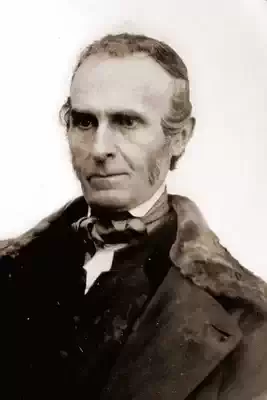
John Greenleaf Whittier
Toussaint L’Ouverture
Toussaint L’Ouverture
'T WAS night. The tranquil moonlight smile
With which Heaven dreams of Earth, shed down
Its beauty on the Indian isle, —
On broad green field and white-walled town;
And inland waste of rock and wood,
In searching sunshine, wild and rude,
Rose, mellowed through the silver gleam,
Soft as the landscape of a dream.
All motionless and dewy wet,
Tree, vine, and flower in shadow met:
The myrtle with its snowy bloom,
Crossing the nightshade's solemn gloom, —
The white cecropia's silver rind
Relieved by deeper green behind,
The orange with its fruit of gold,
The lithe paullinia's verdant fold,
The passion-flower, with symbol holy,
Twining its tendrils long and lowly,
The rhexias dark, and cassia tall,
And proudly rising over all,
The kingly palm's imperial stem,.
Crowned with its leafy diadem,
Star-like, beneath whose sombre shade,
The fiery-winged cucullo played!
How lovely was thine aspect, then,
Fair island of the Western Sea!
Lavish of beauty, even whe
Thy brutes were happier than thy men,
For they, at least, were free!
Regardless of thy glorious clime,
Unmindful of thy soil of flowers,
The toiling negro sighed, that Time
No faster sped his hours.
For, by the dewy moonlight still,
He fed the weary-turning mill,
Or bent him in the chill morass,
To pluck the long and tangled grass,
And hear above his scar-worn back
The heavy slave-whip's frequent crack:
While in his heart one evil thought
In solitary madness wrought,
One baleful fire surviving still
The quenching of the immortal mind,
One sterner passion of his kind,
Which even fetters could not kill,
The savage hope, to deal, erelong,
A vengeance bitterer than his wrong!
Hark to that cry! long, loud, and shrill,
From field and forest, rock and hill,
Thrilling and horrible it rang,
Around, beneath, above;
The wild beast from his cavern sprang,
The wild bird from her grove!
Nor fear, nor joy, nor agony
Were mingled in that midnight cry;
But like the lion's growl of wrath,
When falls that hunter in his path
Whose barbed arrow, deeply set,
Is rankling in his bosom yet,
It told of hate, full, deep, and strong,
Of vengeance kindling out of wrong;
It was as if the crimes of years —
The unrequited toil, the tears,
The shame and hate, which liken well
Earth's garden to the nether hell—
Had found in nature's self a tongue,
On which the gathered horror hung;
As if from cliff, and stream, and glen
Burst on the startled ears of men
That voice which rises unto God,
Solemn and stern, —the cry of blood!
It ceased, and all was still once more,
Save ocean chafing on his shore,
The sighing of the wind between
The broad banana's leaves of green,
Or bough by restless plumage shook,
Or murmuring voice of mountain brook.
Brief was the silence. Once again
Pealed to the skies that frantic yell,
Glowed on the heavens a fiery stain,
And flashes rose and fell;
And painted on the blood-red sky,
Dark, naked arms were tossed on high;
And, round the white man's lordly hall,
Trod, fierce and free, the brute he made;
And those who crept along the wall,
And answered to his lightest call
With more than spaniel dread,
The creatures of his lawless beck,
Were trampling on his very neck!
And on the night-air, wild and clear,
Rose woman's shriek of more than fear;
For bloodied arms were round her thrown,
Aan dark cheeks pressed against her own!
Then, injured Afric! for the shame
Of thy own daughters, vengeance came
Full on the scornful hearts of those,
Who mocked thee in thy nameless woes,
And to thy hapless children gave
One choice,—pollution or the grave!
Where then was he whose fiery zeal
Had taught the trampled heart to feel,
Until despair itself grew strong,
And vengeance fed its torch from wrong?
Now, when the thunderbolt is speeding;
Now, when oppression's heart is bleeding;
Now, when the latent curse of Time
Is raining down in fire and blood,
That curse which, through long years of crime,
Has gathered, drop by drop, its flood, —
Why strikes he not, the foremost one,
Where murder's sternest deeds are done?
He stood the aged palms beneath,
That shadowed o'er his humble door,
Listening, with half-suspended breath,
To the wild sounds of fear and death,
Toussaint L'Ouverture!
What marvel that his heart beat high!
The blow for freedom had been given,
And blood had answered to the cry
Which Earth sent up to Heaven!
What marvel that a fierce delight
Smiled grimly o'er his brow of night,
As groan and shout and bursting flame
Told where the midnight tempest came,
With blood and fire along its van,
And death behind! he was a Man!
Yes, dark-souled chieftain! if the light
Of mild Religion's heavenly ray
Unveiled not to thy mental sight
The lowlier and the purer way,
In which the Holy Sufferer trod,
Meekly amidst the sons of crime;
That calm reliance upon God
For justice in His own good time;
That gentleness to which belongs
Forgiveness for its many wrongs,
Even as the primal martyr, kneeling
For mercy on the evil-dealing;
Let not the favored white man name
Thy stern appeal, with words of blame.
Has he not, with the light of heaven
Broadly around him, made the same?
Yea, on his thousand war-fields striven,
And gloried in his ghastly shame?
Kneeling amidst his brother's blood,
To offer mockery unto God,
As if the High and Holy One
Could smile on deeds of murder done!
As if a human sacrifice
Were purer in His holy eyes,
Though offered up by Christian hands,
Than the foul rites of Pagan lands!
. . . . . . . .
Sternly, amidst his household band,
His carbine grasped within his hand,
The white man stood, prepared and still,
Waiting the shock of maddened men,
Unchained, and fierce as tigers, when
The horn winds through their caverned hill.
And one was weeping in his sight,
The sweetest flower of all the isle,
The bride who seemed but yesternight
Love's fair embodied smile.
And, clinging to her trembling knee,
Looked up the form of infancy,
With tearful glance in either face
The secret of its fear to trace.
'Ha! stand or die!' The white man's eye
His steady musket gleamed along,
As a tall Negro hastened nigh,
With fearless step and strong.
'What, ho, Toussaint!' A moment more,
His shadow crossed the lighted floor.
'Away!' he shouted; 'fly with me,
The white man's bark is on the sea;
Her sails must catch the seaward wind,
For sudden vengeance sweeps behind.
Our brethren from their graves have spoken,
The yoke is spurned, the chain is broken;
On all the hills our fires are glowing,
Through all the vales red blood is flowing!
No more the mocking White shall rest
His foot upon the Negro's breast;
No more, at morn or eve, shall drip
The warm blood from the driver's whip:
Yet, though Tonssaint has vengeance sworn
For all the wrongs his race have borne,
Though for each drop of Negro blood
The white man's veins shall pour a flood;
Not all alone the sense of ill
Around his heart is lingering still,
Nor deeper can the white man feel
The generous warmth of grateful zeal.
Friends of the Negro! fly with me,
The path is open to the sea:
Away, for life!' He spoke, and pressed
The young child to his manly breast,
As, headlong, through the cracking cane,
Down swept the dark insurgent train,
Drunken and grim, with shout and yell
Howled through the dark, like sounds from hell.
Far out, in peace, the white man's sail
Swayed free before the sunrise gale.
Cloud-like that island hung afar,
Along the bright horizon's verge,
O'er which the curse of servile war
Rolled its red torrent, surge on surge;
And he, the Negro champion, where
In the fierce tumult struggled he?
Go trace him by the fiery glare
Of dwellings in the midnight air,
The yells of triumph and despair,
The streams that crimson to the sea!
Sleep calmly in thy dungeon-tomb,
Beneath Besançon's alien sky,
Dark Haytien! for the time shall come,
Yea, even now is nigh,
When, everywhere, thy name shall be
Redeemed from color's infamy;
And men shall learn to speak of thee
As one of earth's great spirits, born
In servitude, and nursed in scorn,
Casting aside the weary weight
And fetters of its low estate,
In that strong majesty of soul
Which knows no color, tongue, or clime,
Which still hath spurned the base control
Of tyrants through all time!
Far other hands than mine may wreathe
The laurel round thy brow of death,
And speak thy praise, as one whose word
A thousand fiery spirits stirred,
Who crushed his foeman as a worm,1
Whose step on human hearts fell firm:
Be mine the better task to find
A tribute for thy lofty mind,
Amidst whose gloomy vengeance shone
Some milder virtues all thine own,
Some gleams of feeling pure and warm,
Like sunshine on a sky of storm,
Proofs that the Negro's heart retains
Some nobleness amid its chains, —
That kindness to the wronged is never
Without its excellent reward,
Holy to human-kind and ever
Acceptable to God.
'T WAS night. The tranquil moonlight smile
With which Heaven dreams of Earth, shed down
Its beauty on the Indian isle, —
On broad green field and white-walled town;
And inland waste of rock and wood,
In searching sunshine, wild and rude,
Rose, mellowed through the silver gleam,
Soft as the landscape of a dream.
All motionless and dewy wet,
Tree, vine, and flower in shadow met:
The myrtle with its snowy bloom,
Crossing the nightshade's solemn gloom, —
The white cecropia's silver rind
Relieved by deeper green behind,
The orange with its fruit of gold,
The lithe paullinia's verdant fold,
The passion-flower, with symbol holy,
Twining its tendrils long and lowly,
The rhexias dark, and cassia tall,
And proudly rising over all,
The kingly palm's imperial stem,.
Crowned with its leafy diadem,
Star-like, beneath whose sombre shade,
The fiery-winged cucullo played!
How lovely was thine aspect, then,
Fair island of the Western Sea!
Lavish of beauty, even whe
Thy brutes were happier than thy men,
For they, at least, were free!
Regardless of thy glorious clime,
Unmindful of thy soil of flowers,
The toiling negro sighed, that Time
No faster sped his hours.
For, by the dewy moonlight still,
He fed the weary-turning mill,
Or bent him in the chill morass,
To pluck the long and tangled grass,
And hear above his scar-worn back
The heavy slave-whip's frequent crack:
While in his heart one evil thought
In solitary madness wrought,
One baleful fire surviving still
The quenching of the immortal mind,
One sterner passion of his kind,
Which even fetters could not kill,
The savage hope, to deal, erelong,
A vengeance bitterer than his wrong!
Hark to that cry! long, loud, and shrill,
From field and forest, rock and hill,
Thrilling and horrible it rang,
Around, beneath, above;
The wild beast from his cavern sprang,
The wild bird from her grove!
Nor fear, nor joy, nor agony
Were mingled in that midnight cry;
But like the lion's growl of wrath,
When falls that hunter in his path
Whose barbed arrow, deeply set,
Is rankling in his bosom yet,
It told of hate, full, deep, and strong,
Of vengeance kindling out of wrong;
It was as if the crimes of years —
The unrequited toil, the tears,
The shame and hate, which liken well
Earth's garden to the nether hell—
Had found in nature's self a tongue,
On which the gathered horror hung;
As if from cliff, and stream, and glen
Burst on the startled ears of men
That voice which rises unto God,
Solemn and stern, —the cry of blood!
It ceased, and all was still once more,
Save ocean chafing on his shore,
The sighing of the wind between
The broad banana's leaves of green,
Or bough by restless plumage shook,
Or murmuring voice of mountain brook.
Brief was the silence. Once again
Pealed to the skies that frantic yell,
Glowed on the heavens a fiery stain,
And flashes rose and fell;
And painted on the blood-red sky,
Dark, naked arms were tossed on high;
And, round the white man's lordly hall,
Trod, fierce and free, the brute he made;
And those who crept along the wall,
And answered to his lightest call
With more than spaniel dread,
The creatures of his lawless beck,
Were trampling on his very neck!
And on the night-air, wild and clear,
Rose woman's shriek of more than fear;
For bloodied arms were round her thrown,
Aan dark cheeks pressed against her own!
Then, injured Afric! for the shame
Of thy own daughters, vengeance came
Full on the scornful hearts of those,
Who mocked thee in thy nameless woes,
And to thy hapless children gave
One choice,—pollution or the grave!
Where then was he whose fiery zeal
Had taught the trampled heart to feel,
Until despair itself grew strong,
And vengeance fed its torch from wrong?
Now, when the thunderbolt is speeding;
Now, when oppression's heart is bleeding;
Now, when the latent curse of Time
Is raining down in fire and blood,
That curse which, through long years of crime,
Has gathered, drop by drop, its flood, —
Why strikes he not, the foremost one,
Where murder's sternest deeds are done?
He stood the aged palms beneath,
That shadowed o'er his humble door,
Listening, with half-suspended breath,
To the wild sounds of fear and death,
Toussaint L'Ouverture!
What marvel that his heart beat high!
The blow for freedom had been given,
And blood had answered to the cry
Which Earth sent up to Heaven!
What marvel that a fierce delight
Smiled grimly o'er his brow of night,
As groan and shout and bursting flame
Told where the midnight tempest came,
With blood and fire along its van,
And death behind! he was a Man!
Yes, dark-souled chieftain! if the light
Of mild Religion's heavenly ray
Unveiled not to thy mental sight
The lowlier and the purer way,
In which the Holy Sufferer trod,
Meekly amidst the sons of crime;
That calm reliance upon God
For justice in His own good time;
That gentleness to which belongs
Forgiveness for its many wrongs,
Even as the primal martyr, kneeling
For mercy on the evil-dealing;
Let not the favored white man name
Thy stern appeal, with words of blame.
Has he not, with the light of heaven
Broadly around him, made the same?
Yea, on his thousand war-fields striven,
And gloried in his ghastly shame?
Kneeling amidst his brother's blood,
To offer mockery unto God,
As if the High and Holy One
Could smile on deeds of murder done!
As if a human sacrifice
Were purer in His holy eyes,
Though offered up by Christian hands,
Than the foul rites of Pagan lands!
. . . . . . . .
Sternly, amidst his household band,
His carbine grasped within his hand,
The white man stood, prepared and still,
Waiting the shock of maddened men,
Unchained, and fierce as tigers, when
The horn winds through their caverned hill.
And one was weeping in his sight,
The sweetest flower of all the isle,
The bride who seemed but yesternight
Love's fair embodied smile.
And, clinging to her trembling knee,
Looked up the form of infancy,
With tearful glance in either face
The secret of its fear to trace.
'Ha! stand or die!' The white man's eye
His steady musket gleamed along,
As a tall Negro hastened nigh,
With fearless step and strong.
'What, ho, Toussaint!' A moment more,
His shadow crossed the lighted floor.
'Away!' he shouted; 'fly with me,
The white man's bark is on the sea;
Her sails must catch the seaward wind,
For sudden vengeance sweeps behind.
Our brethren from their graves have spoken,
The yoke is spurned, the chain is broken;
On all the hills our fires are glowing,
Through all the vales red blood is flowing!
No more the mocking White shall rest
His foot upon the Negro's breast;
No more, at morn or eve, shall drip
The warm blood from the driver's whip:
Yet, though Tonssaint has vengeance sworn
For all the wrongs his race have borne,
Though for each drop of Negro blood
The white man's veins shall pour a flood;
Not all alone the sense of ill
Around his heart is lingering still,
Nor deeper can the white man feel
The generous warmth of grateful zeal.
Friends of the Negro! fly with me,
The path is open to the sea:
Away, for life!' He spoke, and pressed
The young child to his manly breast,
As, headlong, through the cracking cane,
Down swept the dark insurgent train,
Drunken and grim, with shout and yell
Howled through the dark, like sounds from hell.
Far out, in peace, the white man's sail
Swayed free before the sunrise gale.
Cloud-like that island hung afar,
Along the bright horizon's verge,
O'er which the curse of servile war
Rolled its red torrent, surge on surge;
And he, the Negro champion, where
In the fierce tumult struggled he?
Go trace him by the fiery glare
Of dwellings in the midnight air,
The yells of triumph and despair,
The streams that crimson to the sea!
Sleep calmly in thy dungeon-tomb,
Beneath Besançon's alien sky,
Dark Haytien! for the time shall come,
Yea, even now is nigh,
When, everywhere, thy name shall be
Redeemed from color's infamy;
And men shall learn to speak of thee
As one of earth's great spirits, born
In servitude, and nursed in scorn,
Casting aside the weary weight
And fetters of its low estate,
In that strong majesty of soul
Which knows no color, tongue, or clime,
Which still hath spurned the base control
Of tyrants through all time!
Far other hands than mine may wreathe
The laurel round thy brow of death,
And speak thy praise, as one whose word
A thousand fiery spirits stirred,
Who crushed his foeman as a worm,1
Whose step on human hearts fell firm:
Be mine the better task to find
A tribute for thy lofty mind,
Amidst whose gloomy vengeance shone
Some milder virtues all thine own,
Some gleams of feeling pure and warm,
Like sunshine on a sky of storm,
Proofs that the Negro's heart retains
Some nobleness amid its chains, —
That kindness to the wronged is never
Without its excellent reward,
Holy to human-kind and ever
Acceptable to God.
203
John Greenleaf Whittier
Trust
Trust
The same old baffling questions! O my friend,
I cannot answer them. In vain I send
My soul into the dark, where never burn
The lamps of science, nor the natural light
Of Reason's sun and stars! I cannot learn
Their great and solemn meanings, nor discern
The awful secrets of the eyes which turn
Evermore on us through the day and night
With silent challenge and a dumb demand,
Proffering the riddles of the dread unknown,
Like the calm Sphinxes, with their eyes of stone,
Questioning the centuries from their veils of sand!
I have no answer for myself or thee,
Save that I learned beside my mother's knee;
'All is of God that is, and is to be;
And God is good.' Let this suffice us still,
Resting in childlike trust upon His will
Who moves to His great ends unthwarted by the ill.
The same old baffling questions! O my friend,
I cannot answer them. In vain I send
My soul into the dark, where never burn
The lamps of science, nor the natural light
Of Reason's sun and stars! I cannot learn
Their great and solemn meanings, nor discern
The awful secrets of the eyes which turn
Evermore on us through the day and night
With silent challenge and a dumb demand,
Proffering the riddles of the dread unknown,
Like the calm Sphinxes, with their eyes of stone,
Questioning the centuries from their veils of sand!
I have no answer for myself or thee,
Save that I learned beside my mother's knee;
'All is of God that is, and is to be;
And God is good.' Let this suffice us still,
Resting in childlike trust upon His will
Who moves to His great ends unthwarted by the ill.
403
John Greenleaf Whittier
To The Reformers Of England
To The Reformers Of England
GOD bless ye, brothers! in the fight
Ye 're waging now, ye cannot fail,
For better is your sense of right
Than king-craft's triple mail.
Than tyrant's law, or bigot's ban,
More mighty is your simplest word;
The free heart of an honest man
Than crosier or the sword.
Go, let your blinded Church rehearse
The lesson it has learned so well;
It moves not with its prayer or curse
The gates of heaven or hell.
Let the State scaffold rise again;
Did Freedom die when Russell died?
Forget ye how the blood of Vane
From earth's green bosom cried?
The great hearts of your olden time
Are beating with you, full and strong;
All holy memories and sublime
And glorious round ye throng.
The bluff, bold men of Runnymede
Are with ye still in times like these;
The shades of England's mighty dead,
Your cloud of witnesses!
The truths ye urge are borne abroad
By every wind and every tide;
The voice of Nature and of God
Speaks out upon your side.
The weapons which your hands have found
Are those which Heaven itself has wrought,
Light, Truth, and Love; your battle-ground
The free, broad field of Thought.
No partial, selfish purpose breaks
The simple beauty of your plan,
Nor lie from throne or altar shakes
Your steady faith in man.
The languid pulse of England starts
And bounds beneath your words of power,
The beating of her million hearts
Is with you at this hour!
O ye who, with undoubting eyes,
Through present cloud and gathering storm,
Behold the span of Freedom's skies,
And sunshine soft and warm;
Press bravely onward! not in vain
Your generous trust in human-kind;
The good which bloodshed could not gain
Your peaceful zeal shall find.
Press on! the triumph shall be won
Of common rights and equal laws,
The glorious dream of Harrington,
And Sidney's good old cause.
Blessing the cotter and the crown,
Sweetening worn Labor's bitter cup;
And, plucking not the highest down,
Lifting the lowest up.
Press on! and we who may not share
The toil or glory of your fight
May ask, at least, in earnest prayer,
God's blessing on the right!
GOD bless ye, brothers! in the fight
Ye 're waging now, ye cannot fail,
For better is your sense of right
Than king-craft's triple mail.
Than tyrant's law, or bigot's ban,
More mighty is your simplest word;
The free heart of an honest man
Than crosier or the sword.
Go, let your blinded Church rehearse
The lesson it has learned so well;
It moves not with its prayer or curse
The gates of heaven or hell.
Let the State scaffold rise again;
Did Freedom die when Russell died?
Forget ye how the blood of Vane
From earth's green bosom cried?
The great hearts of your olden time
Are beating with you, full and strong;
All holy memories and sublime
And glorious round ye throng.
The bluff, bold men of Runnymede
Are with ye still in times like these;
The shades of England's mighty dead,
Your cloud of witnesses!
The truths ye urge are borne abroad
By every wind and every tide;
The voice of Nature and of God
Speaks out upon your side.
The weapons which your hands have found
Are those which Heaven itself has wrought,
Light, Truth, and Love; your battle-ground
The free, broad field of Thought.
No partial, selfish purpose breaks
The simple beauty of your plan,
Nor lie from throne or altar shakes
Your steady faith in man.
The languid pulse of England starts
And bounds beneath your words of power,
The beating of her million hearts
Is with you at this hour!
O ye who, with undoubting eyes,
Through present cloud and gathering storm,
Behold the span of Freedom's skies,
And sunshine soft and warm;
Press bravely onward! not in vain
Your generous trust in human-kind;
The good which bloodshed could not gain
Your peaceful zeal shall find.
Press on! the triumph shall be won
Of common rights and equal laws,
The glorious dream of Harrington,
And Sidney's good old cause.
Blessing the cotter and the crown,
Sweetening worn Labor's bitter cup;
And, plucking not the highest down,
Lifting the lowest up.
Press on! and we who may not share
The toil or glory of your fight
May ask, at least, in earnest prayer,
God's blessing on the right!
212
John Greenleaf Whittier
To William H. Seward
To William H. Seward
STATESMAN, I thank thee! and, if yet dissent
Mingles, reluctant, with my large content,
I cannot censure what was nobly meant.
But, while constrained to hold even Union less
Than Liberty and Truth and Righteousness,
I thank thee in the sweet and holy name
Of peace, for wise calm words that put to shame
Passion and party. Courage may be shown
Not in defiance of the wrong alone;
He may be bravest who, unweaponed, bears
The olive branch, and, strong in justice, spares
The rash wrong-doer, giving widest scope
To Christian charity and generous hope.
If, without damage to the sacred cause
Of Freedom and the safeguard of its laws —
If, without yielding that for which alone
We prize the Union, thou canst save it now
From a baptism of blood, upon thy brow
A wreath whose flowers no earthly soil have known,
Woven of the beatitudes, shall rest,
And the peacemaker be forever blest!
STATESMAN, I thank thee! and, if yet dissent
Mingles, reluctant, with my large content,
I cannot censure what was nobly meant.
But, while constrained to hold even Union less
Than Liberty and Truth and Righteousness,
I thank thee in the sweet and holy name
Of peace, for wise calm words that put to shame
Passion and party. Courage may be shown
Not in defiance of the wrong alone;
He may be bravest who, unweaponed, bears
The olive branch, and, strong in justice, spares
The rash wrong-doer, giving widest scope
To Christian charity and generous hope.
If, without damage to the sacred cause
Of Freedom and the safeguard of its laws —
If, without yielding that for which alone
We prize the Union, thou canst save it now
From a baptism of blood, upon thy brow
A wreath whose flowers no earthly soil have known,
Woven of the beatitudes, shall rest,
And the peacemaker be forever blest!
190
John Greenleaf Whittier
To Ronge
To Ronge
Strike home, strong-hearted man! Down to the root
Of old oppression sink the Saxon steel.
Thy work is to hew down. In God's name then
Put nerve into thy task. Let other men
Plant, as they may, that better tree whose fruit
The wounded bosom of the Church shall heal.
Be thou the image-breaker. Let thy blows
Fall heavy as the Suabian's iron hand,
On crown or crosier, which shall interpose
Between thee and the weal of Fatherland.
Leave creeds to closet idlers. First of all,
Shake thou all German dream-land with the fall
Of that accursed tree, whose evil trunk
Was spared of old by Erfurt's stalwart monk.
Fight not with ghosts and shadows. Let us hear
The snap of chain-links. Let our gladdened ear
Catch the pale prisoner's welcome, as the light
Follows thy axe-stroke, through his cell of night.
Be faithful to both worlds; nor think to feed
Earth's starving millions with the husks of creed.
Servant of Him whose mission high and holy
Was to the wronged, the sorrowing, and the lowly,
Thrust not his Eden promise from our sphere,
Distant and dim beyond the blue sky's span;
Like him of Patmos, see it, now and here,
The New Jerusalem comes down to man
Be warned by Luther's error. Nor like him,
When the roused Teuton dashes from his limb
The rusted chain of ages, help to bind
His hands for whom thou claim'st the freedom of
the mind
Strike home, strong-hearted man! Down to the root
Of old oppression sink the Saxon steel.
Thy work is to hew down. In God's name then
Put nerve into thy task. Let other men
Plant, as they may, that better tree whose fruit
The wounded bosom of the Church shall heal.
Be thou the image-breaker. Let thy blows
Fall heavy as the Suabian's iron hand,
On crown or crosier, which shall interpose
Between thee and the weal of Fatherland.
Leave creeds to closet idlers. First of all,
Shake thou all German dream-land with the fall
Of that accursed tree, whose evil trunk
Was spared of old by Erfurt's stalwart monk.
Fight not with ghosts and shadows. Let us hear
The snap of chain-links. Let our gladdened ear
Catch the pale prisoner's welcome, as the light
Follows thy axe-stroke, through his cell of night.
Be faithful to both worlds; nor think to feed
Earth's starving millions with the husks of creed.
Servant of Him whose mission high and holy
Was to the wronged, the sorrowing, and the lowly,
Thrust not his Eden promise from our sphere,
Distant and dim beyond the blue sky's span;
Like him of Patmos, see it, now and here,
The New Jerusalem comes down to man
Be warned by Luther's error. Nor like him,
When the roused Teuton dashes from his limb
The rusted chain of ages, help to bind
His hands for whom thou claim'st the freedom of
the mind
295
John Greenleaf Whittier
To The Memory Of Charles B. Storrs
To The Memory Of Charles B. Storrs
Thou hast fallen in thine armor,
Thou martyr of the Lord
With thy last breath crying 'Onward!'
And thy hand upon the sword.
The haughty heart derideth,
And the sinful lip reviles,
But the blessing of the perishing
Around thy pillow smiles!
When to our cup of trembling
The added drop is given,
And the long-suspended thunder
Falls terribly from Heaven,-When
a new and fearful freedom
Is proffered of the Lord
To the slow-consuming Famine,
The Pestilence and Sword!
When the refuges of Falsehood
Shall be swept away in wrath,
And the temple shall be shaken,
With its idol, to the earth,
Shall not thy words of warning
Be all remembered then?
And thy now unheeded message
Burn in the hearts of men?
Oppression's hand may scatter
Its nettles on thy tomb,
And even Christian bosoms
Deny thy memory room;
For lying lips shall torture
Thy mercy into crime,
And the slanderer shall flourish
As the bay-tree for a time.
But where the south-wind lingers
On Carolina's pines,
Or falls the careless sunbeam
Down Georgia's golden mines;
Where now beneath his burthen
The toiling slave is driven;
Where now a tyrant's mockery
Is offered unto Heaven;
Where Mammon hath its altars
Wet o'er with human blood,
And pride and lust debases
The workmanship of God,-There
shall thy praise be spoken,
Redeemed from Falsehood's ban,
When the fetters shall be broken,
And the slave shall be a man!
Joy to thy spirit, brother!
A thousand hearts are warm,
A thousand kindred bosoms
Are baring to the storm.
What though red-handed Violence
With secret Fraud combine?
The wall of fire is round us,
Our Present Help was thine.
Lo, the waking up of nations,
From Slavery's fatal sleep;
The murmur of a Universe,
Deep calling unto Deep!
Joy to thy spirit, brother!
On every wind of heaven
The onward cheer and summons
Of Freedom's voice is given!
Glory to God forever!
Beyond the despot's will
The soul of Freedom liveth
Imperishable still.
The words which thou hast uttered
Are of that soul a part,
And the good seed thou hast scattered
Is springing from the heart.
In the evil days before us,
And the trials yet to come,
In the shadow of the prison,
Or the cruel martyrdom,-We
will think of thee, O brother!
And thy sainted name shall be
In the blessing of the captive,
And the anthem of the free.
Thou hast fallen in thine armor,
Thou martyr of the Lord
With thy last breath crying 'Onward!'
And thy hand upon the sword.
The haughty heart derideth,
And the sinful lip reviles,
But the blessing of the perishing
Around thy pillow smiles!
When to our cup of trembling
The added drop is given,
And the long-suspended thunder
Falls terribly from Heaven,-When
a new and fearful freedom
Is proffered of the Lord
To the slow-consuming Famine,
The Pestilence and Sword!
When the refuges of Falsehood
Shall be swept away in wrath,
And the temple shall be shaken,
With its idol, to the earth,
Shall not thy words of warning
Be all remembered then?
And thy now unheeded message
Burn in the hearts of men?
Oppression's hand may scatter
Its nettles on thy tomb,
And even Christian bosoms
Deny thy memory room;
For lying lips shall torture
Thy mercy into crime,
And the slanderer shall flourish
As the bay-tree for a time.
But where the south-wind lingers
On Carolina's pines,
Or falls the careless sunbeam
Down Georgia's golden mines;
Where now beneath his burthen
The toiling slave is driven;
Where now a tyrant's mockery
Is offered unto Heaven;
Where Mammon hath its altars
Wet o'er with human blood,
And pride and lust debases
The workmanship of God,-There
shall thy praise be spoken,
Redeemed from Falsehood's ban,
When the fetters shall be broken,
And the slave shall be a man!
Joy to thy spirit, brother!
A thousand hearts are warm,
A thousand kindred bosoms
Are baring to the storm.
What though red-handed Violence
With secret Fraud combine?
The wall of fire is round us,
Our Present Help was thine.
Lo, the waking up of nations,
From Slavery's fatal sleep;
The murmur of a Universe,
Deep calling unto Deep!
Joy to thy spirit, brother!
On every wind of heaven
The onward cheer and summons
Of Freedom's voice is given!
Glory to God forever!
Beyond the despot's will
The soul of Freedom liveth
Imperishable still.
The words which thou hast uttered
Are of that soul a part,
And the good seed thou hast scattered
Is springing from the heart.
In the evil days before us,
And the trials yet to come,
In the shadow of the prison,
Or the cruel martyrdom,-We
will think of thee, O brother!
And thy sainted name shall be
In the blessing of the captive,
And the anthem of the free.
274
John Greenleaf Whittier
To My Sister,
To My Sister,
WITH A COPY OF 'THE SUPERNATURALISM OF NEW ENGLAND.'
Dear Sister! while the wise and sage
Turn coldly from my playful page,
And count it strange that ripened age
Should stoop to boyhood's folly;
I know that thou wilt judge aright
Of all which makes the heart more light,
Or lends one star-gleam to the night
Of clouded Melancholy.
Away with weary cares and themes!
Swing wide the moonlit gate of dreams!
Leave free once more the land which teems
With wonders and romances
Where thou, with clear discerning eyes,
Shalt rightly read the truth which lies
Beneath the quaintly masking guise
Of wild and wizard fancies.
Lo! once again our feet we set
On still green wood-paths, twilight wet,
By lonely brooks, whose waters fret
The roots of spectral beeches;
Again the hearth-fire glimmers o'er
Home's whitewashed wall and painted floor,
And young eyes widening to the lore
Of faery-folks and witches.
Dear heart! the legend is not vain
Which lights that holy hearth again,
And calling back from care and pain,
And death's funereal sadness,
Draws round its old familiar blaze
The clustering groups of happier days,
And lends to sober manhood's gaze
A glimpse of childish gladness.
And, knowing how my life hath been
A weary work of tongue and pen,
A long, harsh strife with strong-willed men,
Thou wilt not chide my turning
To con, at times, an idle rhyme,
To pluck a flower from childhood's clime,
Or listen, at Life's noonday chime,
For the sweet bells of Morning!
WITH A COPY OF 'THE SUPERNATURALISM OF NEW ENGLAND.'
Dear Sister! while the wise and sage
Turn coldly from my playful page,
And count it strange that ripened age
Should stoop to boyhood's folly;
I know that thou wilt judge aright
Of all which makes the heart more light,
Or lends one star-gleam to the night
Of clouded Melancholy.
Away with weary cares and themes!
Swing wide the moonlit gate of dreams!
Leave free once more the land which teems
With wonders and romances
Where thou, with clear discerning eyes,
Shalt rightly read the truth which lies
Beneath the quaintly masking guise
Of wild and wizard fancies.
Lo! once again our feet we set
On still green wood-paths, twilight wet,
By lonely brooks, whose waters fret
The roots of spectral beeches;
Again the hearth-fire glimmers o'er
Home's whitewashed wall and painted floor,
And young eyes widening to the lore
Of faery-folks and witches.
Dear heart! the legend is not vain
Which lights that holy hearth again,
And calling back from care and pain,
And death's funereal sadness,
Draws round its old familiar blaze
The clustering groups of happier days,
And lends to sober manhood's gaze
A glimpse of childish gladness.
And, knowing how my life hath been
A weary work of tongue and pen,
A long, harsh strife with strong-willed men,
Thou wilt not chide my turning
To con, at times, an idle rhyme,
To pluck a flower from childhood's clime,
Or listen, at Life's noonday chime,
For the sweet bells of Morning!
302
John Greenleaf Whittier
To Pennsylvania
To Pennsylvania
O STATE prayer-founded! never hung
Such choice upon a people's tongue,
Such power to bless or ban,
As that which makes thy whisper Fate,
For which on thee the centuries wait,
And destinies of man!
Across thy Alleghanian chain,
With groanings from a land in pain,
The west-wind finds its way:
Wild-wailing from Missouri's flood
The crying of thy children's blood
Is in thy ears to-day!
And unto thee in Freedom's hour
Of sorest need God gives the power
To ruin or to save;
To wound or heal, to blight or bless
With fertile field or wilderness,
A free home or a grave!
Then let thy virtue match the crime,
Rise to a level with the time;
And, if a son of thine
Betray or tempt thee, Brutus-like
For Fatherland and Freedom strike
As Justice gives the sign.
Wake, sleeper, from thy dream of ease,
The great occasion's forelock seize;
And let the north-wind strong,
And golden leaves of autumn, be
Thy coronal of Victory
And thy triumphal song.
O STATE prayer-founded! never hung
Such choice upon a people's tongue,
Such power to bless or ban,
As that which makes thy whisper Fate,
For which on thee the centuries wait,
And destinies of man!
Across thy Alleghanian chain,
With groanings from a land in pain,
The west-wind finds its way:
Wild-wailing from Missouri's flood
The crying of thy children's blood
Is in thy ears to-day!
And unto thee in Freedom's hour
Of sorest need God gives the power
To ruin or to save;
To wound or heal, to blight or bless
With fertile field or wilderness,
A free home or a grave!
Then let thy virtue match the crime,
Rise to a level with the time;
And, if a son of thine
Betray or tempt thee, Brutus-like
For Fatherland and Freedom strike
As Justice gives the sign.
Wake, sleeper, from thy dream of ease,
The great occasion's forelock seize;
And let the north-wind strong,
And golden leaves of autumn, be
Thy coronal of Victory
And thy triumphal song.
273
John Greenleaf Whittier
To My Friend OnThe Death Of His Sister
To My Friend OnThe Death Of His Sister
Thine is a grief, the depth of which another
May never know;
Yet, o'er the waters, O my stricken brother!
To thee I go.
I lean my heart unto thee, sadly folding
Thy hand in mine;
With even the weakness of my soul upholding
The strength of thine.
I never knew, like thee, the dear departed;
I stood not by
When, in calm trust, the pure and tranquil-hearted
Lay down to die.
And on thy ears my words of weak condoling
Must vainly fall
The funeral bell which in thy heart is tolling,
Sounds over all!
I will not mock thee with the poor world's common
And heartless phrase,
Nor wrong the memory of a sainted woman
With idle praise.
With silence only as their benediction,
God's angels come
Where, in the shadow of a great affliction,
The soul sits dumb!
Yet, would I say what thy own heart approveth
Our Father's will,
Calling to Him the dear one whom He loveth,
Is mercy still.
Not upon thee or thine the solemn angel
Hath evil wrought
Her funeral anthem is a glad evangel,-The
good die not!
God calls our loved ones, but we lose not wholly
What He hath given;
They live on earth, in thought and deed, as truly
As in His heaven.
And she is with thee; in thy path of trial
She walketh yet;
Still with the baptism of thy self-denial
Her locks are wet.
Up, then, my brother! Lo, the fields of harvest
Lie white in view
She lives and loves thee, and the God thou servest
To both is true.
Thrust in thy sickle! England's toilworn peasants
Thy call abide;
And she thou mourn'st, a pure and holy presence,
Shall glean beside!
Thine is a grief, the depth of which another
May never know;
Yet, o'er the waters, O my stricken brother!
To thee I go.
I lean my heart unto thee, sadly folding
Thy hand in mine;
With even the weakness of my soul upholding
The strength of thine.
I never knew, like thee, the dear departed;
I stood not by
When, in calm trust, the pure and tranquil-hearted
Lay down to die.
And on thy ears my words of weak condoling
Must vainly fall
The funeral bell which in thy heart is tolling,
Sounds over all!
I will not mock thee with the poor world's common
And heartless phrase,
Nor wrong the memory of a sainted woman
With idle praise.
With silence only as their benediction,
God's angels come
Where, in the shadow of a great affliction,
The soul sits dumb!
Yet, would I say what thy own heart approveth
Our Father's will,
Calling to Him the dear one whom He loveth,
Is mercy still.
Not upon thee or thine the solemn angel
Hath evil wrought
Her funeral anthem is a glad evangel,-The
good die not!
God calls our loved ones, but we lose not wholly
What He hath given;
They live on earth, in thought and deed, as truly
As in His heaven.
And she is with thee; in thy path of trial
She walketh yet;
Still with the baptism of thy self-denial
Her locks are wet.
Up, then, my brother! Lo, the fields of harvest
Lie white in view
She lives and loves thee, and the God thou servest
To both is true.
Thrust in thy sickle! England's toilworn peasants
Thy call abide;
And she thou mourn'st, a pure and holy presence,
Shall glean beside!
195
John Greenleaf Whittier
To Lydia Maria Child
To Lydia Maria Child
ON READING HER POEM IN 'THE STANDARD.'
The sweet spring day is glad with music,
But through it sounds a sadder strain;
The worthiest of our narrowing circle
Sings Loring's dirges o'er again.
O woman greatly loved! I join thee
In tender memories of our friend;
With thee across the awful spaces
The greeting of a soul I send!
What cheer hath he? How is it with him?
Where lingers he this weary while?
Over what pleasant fields of Heaven
Dawns the sweet sunrise of his smile?
Does he not know our feet are treading
The earth hard down on Slavery's grave?
That, in our crowning exultations,
We miss the charm his presence gave?
Why on this spring air comes no whisper
From him to tell us all is well?
Why to our flower-time comes no token
Of lily and of asphodel?
I feel the unutterable longing,
Thy hunger of the heart is mine;
I reach and grope for hands in darkness,
My ear grows sharp for voice or sign.
Still on the lips of all we question
The finger of God's silence lies;
Will the lost hands in ours be folded?
Will the shut eyelids ever rise?
O friend! no proof beyond this yearning,
This outreach of our hearts, we need;
God will not mock the hope He giveth,
No love He prompts shall vainly plead.
Then let us stretch our hands in darkness,
And call our loved ones o'er and o'er;
Some day their arms shall close about us,
And the old voices speak once more.
No dreary splendors wait our coming
Where rapt ghost sits from ghost apart;
Homeward we go to Heaven's thanksgiving,
The harvest-gathering of the heart.
ON READING HER POEM IN 'THE STANDARD.'
The sweet spring day is glad with music,
But through it sounds a sadder strain;
The worthiest of our narrowing circle
Sings Loring's dirges o'er again.
O woman greatly loved! I join thee
In tender memories of our friend;
With thee across the awful spaces
The greeting of a soul I send!
What cheer hath he? How is it with him?
Where lingers he this weary while?
Over what pleasant fields of Heaven
Dawns the sweet sunrise of his smile?
Does he not know our feet are treading
The earth hard down on Slavery's grave?
That, in our crowning exultations,
We miss the charm his presence gave?
Why on this spring air comes no whisper
From him to tell us all is well?
Why to our flower-time comes no token
Of lily and of asphodel?
I feel the unutterable longing,
Thy hunger of the heart is mine;
I reach and grope for hands in darkness,
My ear grows sharp for voice or sign.
Still on the lips of all we question
The finger of God's silence lies;
Will the lost hands in ours be folded?
Will the shut eyelids ever rise?
O friend! no proof beyond this yearning,
This outreach of our hearts, we need;
God will not mock the hope He giveth,
No love He prompts shall vainly plead.
Then let us stretch our hands in darkness,
And call our loved ones o'er and o'er;
Some day their arms shall close about us,
And the old voices speak once more.
No dreary splendors wait our coming
Where rapt ghost sits from ghost apart;
Homeward we go to Heaven's thanksgiving,
The harvest-gathering of the heart.
262
John Greenleaf Whittier
To George B. Cheever
To George B. Cheever
So spake Esaias: so, in words of flame,
Tekoa's prophet-herdsman smote with blame
The traffickers in men, and put to shame,
All earth and heaven before,
The sacerdotal robbers of the poor.
All the dread Scripture lives for thee again,
To smite like lightning on the hands profane
Lifted to bless the slave-whip and the chain.
Once more the old Hebrew tongue
Bends with the shafts of God a bow new-strung!
Take up the mantle which the prophets wore;
Warn with their warnings, show the Christ once more
Bound, scourged, and crucified in His blameless poor;
And shake above our land
The unquenched bolts that blazed in Hosea's hand!
Not vainly shalt thou cast upon our years
The solemn burdens of the Orient seers,
And smite with truth a guilty nation's ears.
Mightier was Luther's word
Than Seckingen's mailed arm or Hutton's sword!
So spake Esaias: so, in words of flame,
Tekoa's prophet-herdsman smote with blame
The traffickers in men, and put to shame,
All earth and heaven before,
The sacerdotal robbers of the poor.
All the dread Scripture lives for thee again,
To smite like lightning on the hands profane
Lifted to bless the slave-whip and the chain.
Once more the old Hebrew tongue
Bends with the shafts of God a bow new-strung!
Take up the mantle which the prophets wore;
Warn with their warnings, show the Christ once more
Bound, scourged, and crucified in His blameless poor;
And shake above our land
The unquenched bolts that blazed in Hosea's hand!
Not vainly shalt thou cast upon our years
The solemn burdens of the Orient seers,
And smite with truth a guilty nation's ears.
Mightier was Luther's word
Than Seckingen's mailed arm or Hutton's sword!
280
John Greenleaf Whittier
To James T. Fields
To James T. Fields
ON A BLANK LEAF OF 'POEMS PRINTED, NOT PUBLISHED.'
Well thought! who would not rather hear
The songs to Love and Friendship sung
Than those which move the stranger's tongue,
And feed his unselected ear?
Our social joys are more than fame;
Life withers in the public look.
Why mount the pillory of a book,
Or barter comfort for a name?
Who in a house of glass would dwell,
With curious eyes at every pane?
To ring him in and out again,
Who wants the public crier's bell?
To see the angel in one's way,
Who wants to play the ass's part,-Bear
on his back the wizard Art,
And in his service speak or bray?
And who his manly locks would shave,
And quench the eyes of common sense,
To share the noisy recompense
That mocked the shorn and blinded slave?
The heart has needs beyond the head,
And, starving in the plenitude
Of strange gifts, craves its common food,-Our
human nature's daily bread.
We are but men: no gods are we,
To sit in mid-heaven, cold and bleak,
Each separate, on his painful peak,
Thin-cloaked in self-complacency.
Better his lot whose axe is swung
In Wartburg woods, or that poor girl's
Who by the him her spindle whirls
And sings the songs that Luther sung,
Than his who, old, and cold, and vain,
At Weimar sat, a demigod,
And bowed with Jove's imperial nod
His votaries in and out again!
Ply, Vanity, thy winged feet!
Ambition, hew thy rocky stair!
Who envies him who feeds on air
The icy splendor of his seat?
I see your Alps, above me, cut
The dark, cold sky; and dim and lone
I see ye sitting,--stone on stone,-With
human senses dulled and shut.
I could not reach you, if I would,
Nor sit among your cloudy shapes;
And (spare the fable of the grapes
And fox) I would not if I could.
Keep to your lofty pedestals!
The safer plain below I choose
Who never wins can rarely lose,
Who never climbs as rarely falls.
Let such as love the eagle's scream
Divide with him his home of ice
For me shall gentler notes suffice,-The
valley-song of bird and stream;
The pastoral bleat, the drone of bees,
The flail-beat chiming far away,
The cattle-low, at shut of day,
The voice of God in leaf and breeze;
Then lend thy hand, my wiser friend,
And help me to the vales below,
(In truth, I have not far to go,)
Where sweet with flowers the fields extend.
ON A BLANK LEAF OF 'POEMS PRINTED, NOT PUBLISHED.'
Well thought! who would not rather hear
The songs to Love and Friendship sung
Than those which move the stranger's tongue,
And feed his unselected ear?
Our social joys are more than fame;
Life withers in the public look.
Why mount the pillory of a book,
Or barter comfort for a name?
Who in a house of glass would dwell,
With curious eyes at every pane?
To ring him in and out again,
Who wants the public crier's bell?
To see the angel in one's way,
Who wants to play the ass's part,-Bear
on his back the wizard Art,
And in his service speak or bray?
And who his manly locks would shave,
And quench the eyes of common sense,
To share the noisy recompense
That mocked the shorn and blinded slave?
The heart has needs beyond the head,
And, starving in the plenitude
Of strange gifts, craves its common food,-Our
human nature's daily bread.
We are but men: no gods are we,
To sit in mid-heaven, cold and bleak,
Each separate, on his painful peak,
Thin-cloaked in self-complacency.
Better his lot whose axe is swung
In Wartburg woods, or that poor girl's
Who by the him her spindle whirls
And sings the songs that Luther sung,
Than his who, old, and cold, and vain,
At Weimar sat, a demigod,
And bowed with Jove's imperial nod
His votaries in and out again!
Ply, Vanity, thy winged feet!
Ambition, hew thy rocky stair!
Who envies him who feeds on air
The icy splendor of his seat?
I see your Alps, above me, cut
The dark, cold sky; and dim and lone
I see ye sitting,--stone on stone,-With
human senses dulled and shut.
I could not reach you, if I would,
Nor sit among your cloudy shapes;
And (spare the fable of the grapes
And fox) I would not if I could.
Keep to your lofty pedestals!
The safer plain below I choose
Who never wins can rarely lose,
Who never climbs as rarely falls.
Let such as love the eagle's scream
Divide with him his home of ice
For me shall gentler notes suffice,-The
valley-song of bird and stream;
The pastoral bleat, the drone of bees,
The flail-beat chiming far away,
The cattle-low, at shut of day,
The voice of God in leaf and breeze;
Then lend thy hand, my wiser friend,
And help me to the vales below,
(In truth, I have not far to go,)
Where sweet with flowers the fields extend.
271
John Greenleaf Whittier
To Fredrika Bremer
To Fredrika Bremer
Seeress of the misty Norland,
Daughter of the Vikings bold,
Welcome to the sunny Vineland,
Which thy fathers sought of old!
Soft as flow of Siija's waters,
When the moon of summer shines,
Strong as Winter from his mountains
Roaring through the sleeted pines.
Heart and ear, we long have listened
To thy saga, rune, and song;
As a household joy and presence
We have known and loved thee long.
By the mansion's marble mantel,
Round the log-walled cabin's hearth,
Thy sweet thoughts and northern fancies
Meet and mingle with our mirth.
And o'er weary spirits keeping
Sorrow's night-watch, long and chill,
Shine they like thy sun of summer
Over midnight vale and hill.
We alone to thee are strangers,
Thou our friend and teacher art;
Come, and know us as we know thee;
Let us meet thee heart to heart!
To our homes and household altars
We, in turn, thy steps would lead,
As thy loving hand has led us
O'er the threshold of the Swede.
Seeress of the misty Norland,
Daughter of the Vikings bold,
Welcome to the sunny Vineland,
Which thy fathers sought of old!
Soft as flow of Siija's waters,
When the moon of summer shines,
Strong as Winter from his mountains
Roaring through the sleeted pines.
Heart and ear, we long have listened
To thy saga, rune, and song;
As a household joy and presence
We have known and loved thee long.
By the mansion's marble mantel,
Round the log-walled cabin's hearth,
Thy sweet thoughts and northern fancies
Meet and mingle with our mirth.
And o'er weary spirits keeping
Sorrow's night-watch, long and chill,
Shine they like thy sun of summer
Over midnight vale and hill.
We alone to thee are strangers,
Thou our friend and teacher art;
Come, and know us as we know thee;
Let us meet thee heart to heart!
To our homes and household altars
We, in turn, thy steps would lead,
As thy loving hand has led us
O'er the threshold of the Swede.
303
John Greenleaf Whittier
To Englishmen
To Englishmen
You flung your taunt across the wave;
We bore it as became us,
Well knowing that the fettered slave
Left friendly lips no option save
To pity or to blame us.
You scoffed our plea. 'Mere lack of will,
Not lack of power,' you told us:
We showed our free-state records; still
You mocked, confounding good and ill,
Slave-haters and slaveholders.
We struck at Slavery; to the verge
Of power and means we checked it;
Lo! — presto, change! its claims you urge,
Send greetings to it o'er the surge,
And comfort and protect it.
But yesterday you scarce could shake,
In slave-abhorring rigor,
Our Northern palms for conscience' sake:
To-day you clasp the hands that ache
With 'walloping the nigger!'
O Englishmen! — in hope and creed,
In blood and tongue our brothers!
We too are heirs of Runnymede;
And Shakespeare's fame and Cromwell's deed
Are not alone our mother's.
'Thicker than water,' in one rill
Through centuries of story
Our Saxon blood has flowed, and still
We share with you its good and ill,
The shadow and the glory.
Joint heirs and kinfolk, leagues of wave
Nor length of years can part us:
Your right is ours to shrine and grave,
The common freehold of the brave,
The gift of saints and martyrs.
Our very sins and follies teach
Our kindred frail and human:
We carp at faults with bitter speech,
The while, for one unshared by each,
We have a score in common.
We bowed the heart, if not the knee,
To England's Queen, God bless her!
We praised you when your slaves went free:
We seek to unchain ours. Will ye
Join hands with the oppressor?
And is it Christian England cheers
The bruiser, not the bruisëd?
And must she run, despite the tears
And prayers of eighteen hundred years,
Amuck in Slavery's crusade?
Oh, black disgrace! Oh, shame and loss
Too deep for tongue to phrase on!
Tear from your flag its holy cross,
And in your van of battle toss
The pirate's skull-bone blazon!
You flung your taunt across the wave;
We bore it as became us,
Well knowing that the fettered slave
Left friendly lips no option save
To pity or to blame us.
You scoffed our plea. 'Mere lack of will,
Not lack of power,' you told us:
We showed our free-state records; still
You mocked, confounding good and ill,
Slave-haters and slaveholders.
We struck at Slavery; to the verge
Of power and means we checked it;
Lo! — presto, change! its claims you urge,
Send greetings to it o'er the surge,
And comfort and protect it.
But yesterday you scarce could shake,
In slave-abhorring rigor,
Our Northern palms for conscience' sake:
To-day you clasp the hands that ache
With 'walloping the nigger!'
O Englishmen! — in hope and creed,
In blood and tongue our brothers!
We too are heirs of Runnymede;
And Shakespeare's fame and Cromwell's deed
Are not alone our mother's.
'Thicker than water,' in one rill
Through centuries of story
Our Saxon blood has flowed, and still
We share with you its good and ill,
The shadow and the glory.
Joint heirs and kinfolk, leagues of wave
Nor length of years can part us:
Your right is ours to shrine and grave,
The common freehold of the brave,
The gift of saints and martyrs.
Our very sins and follies teach
Our kindred frail and human:
We carp at faults with bitter speech,
The while, for one unshared by each,
We have a score in common.
We bowed the heart, if not the knee,
To England's Queen, God bless her!
We praised you when your slaves went free:
We seek to unchain ours. Will ye
Join hands with the oppressor?
And is it Christian England cheers
The bruiser, not the bruisëd?
And must she run, despite the tears
And prayers of eighteen hundred years,
Amuck in Slavery's crusade?
Oh, black disgrace! Oh, shame and loss
Too deep for tongue to phrase on!
Tear from your flag its holy cross,
And in your van of battle toss
The pirate's skull-bone blazon!
254
John Greenleaf Whittier
To Charles Sumner
To Charles Sumner
If I have seemed more prompt to censure wrong
Than praise the right; if seldom to thine ear
My voice hath mingled with the exultant cheer
Borne upon all our Northern winds along;
If I have failed to join the fickle throng
In wide-eyed wonder, that thou standest strong
In victory, surprised in thee to find
Brougham's scathing power with Canning's grace combined;
That he, for whom the ninefold Muses sang,
From their twined arms a giant athlete sprang,
Barbing the arrows of his native tongue
With the spent shafts Latona's archer flung,
To smite the Python of our land and time,
Fell as the monster born of Crissa's slime,
Like the blind bard who in Castalian springs
Tempered the steel that clove the crest of kings,
And on the shrine of England's freedom laid
The gifts of Cumve and of Delphi's' shade,-Small
need hast thou of words of praise from me.
Thou knowest my heart, dear friend, and well canst guess
That, even though silent, I have not the less
Rejoiced to see thy actual life agree
With the large future which I shaped for thee,
When, years ago, beside the summer sea,
White in the moon, we saw the long waves fall
Baffled and broken from the rocky wall,
That, to the menace of the brawling flood,
Opposed alone its massive quietude,
Calm as a fate; with not a leaf nor vine
Nor birch-spray trembling in the still moonshine,
Crowning it like God's peace. I sometimes think
That night-scene by the sea prophetical,
(For Nature speaks in symbols and in signs,
And through her pictures human fate divines),
That rock, wherefrom we saw the billows sink
In murmuring rout, uprising clear and tall
In the white light of heaven, the type of one
Who, momently by Error's host assailed,
Stands strong as Truth, in greaves of granite mailed;
And, tranquil-fronted, listening over all
The tumult, hears the angels say, Well done!
If I have seemed more prompt to censure wrong
Than praise the right; if seldom to thine ear
My voice hath mingled with the exultant cheer
Borne upon all our Northern winds along;
If I have failed to join the fickle throng
In wide-eyed wonder, that thou standest strong
In victory, surprised in thee to find
Brougham's scathing power with Canning's grace combined;
That he, for whom the ninefold Muses sang,
From their twined arms a giant athlete sprang,
Barbing the arrows of his native tongue
With the spent shafts Latona's archer flung,
To smite the Python of our land and time,
Fell as the monster born of Crissa's slime,
Like the blind bard who in Castalian springs
Tempered the steel that clove the crest of kings,
And on the shrine of England's freedom laid
The gifts of Cumve and of Delphi's' shade,-Small
need hast thou of words of praise from me.
Thou knowest my heart, dear friend, and well canst guess
That, even though silent, I have not the less
Rejoiced to see thy actual life agree
With the large future which I shaped for thee,
When, years ago, beside the summer sea,
White in the moon, we saw the long waves fall
Baffled and broken from the rocky wall,
That, to the menace of the brawling flood,
Opposed alone its massive quietude,
Calm as a fate; with not a leaf nor vine
Nor birch-spray trembling in the still moonshine,
Crowning it like God's peace. I sometimes think
That night-scene by the sea prophetical,
(For Nature speaks in symbols and in signs,
And through her pictures human fate divines),
That rock, wherefrom we saw the billows sink
In murmuring rout, uprising clear and tall
In the white light of heaven, the type of one
Who, momently by Error's host assailed,
Stands strong as Truth, in greaves of granite mailed;
And, tranquil-fronted, listening over all
The tumult, hears the angels say, Well done!
320
John Greenleaf Whittier
To A Southern Statesman
To A Southern Statesman
IS this thy voice whose treble notes of fear
Wail in the wind? And dost thou shake to hear,
Actæon-like, the bay of thine own hounds,
Spurning the leash, and leaping o'er their bounds?
Sore-baffled statesman! when thy eager hand,
With game afoot, unslipped the hungry pack,
To hunt down Freedom in her chosen land,
Hadst thou no fear, that, erelong, doubling back,
These dogs of thine might snuff on Slavery's track?
Where's now the boast, which even thy guarded tongue,
Cold, calm, and proud, in the teeth o' the Senate flung,
O'er the fulfilment of thy baleful plan,
Like Satan's triumph at the fall of man?
How stood'st thou then, thy feet on Freedom planting,
And pointing to the lurid heaven afar,
Whence all could see, through the south windows slanting,
Crimson as blood, the beams of that Lone Star!
The Fates are just; they give us but our own;
Nemesis ripens what our hands have sown.
There is an Eastern story, not unknown,
Doubtless, to thee, of one whose magic skill
Called demons up his water-jars to fill;
Defty and silently, they did his will,
But, when the task was done, kept pouring still.
In vain with spell and charm the wizard wrought,
Faster and faster were the buckets brought,
Higher and higher rose the flood around,
Till the fiends clapped their hands above their master drowned!
So, Carolinian, it may prove with thee,
For God still overrules man's schemes, and takes
Craftiness in its self-set snare, and makes
The wrath of man to praise Him. It may be,
That the roused spirits of Democracy
May leave to freer States the same wide door
Through which thy slave-cursed Texas entered in,
From out the blood and fire, the wrong and sin,
Of the stormed city and the ghastly plain,
Beat by hot hail, and wet with bloody rain,
The myriad-handed pioneer may pour,
And the wild West with the roused North combine
And heave the engineer of evil with his mine.
IS this thy voice whose treble notes of fear
Wail in the wind? And dost thou shake to hear,
Actæon-like, the bay of thine own hounds,
Spurning the leash, and leaping o'er their bounds?
Sore-baffled statesman! when thy eager hand,
With game afoot, unslipped the hungry pack,
To hunt down Freedom in her chosen land,
Hadst thou no fear, that, erelong, doubling back,
These dogs of thine might snuff on Slavery's track?
Where's now the boast, which even thy guarded tongue,
Cold, calm, and proud, in the teeth o' the Senate flung,
O'er the fulfilment of thy baleful plan,
Like Satan's triumph at the fall of man?
How stood'st thou then, thy feet on Freedom planting,
And pointing to the lurid heaven afar,
Whence all could see, through the south windows slanting,
Crimson as blood, the beams of that Lone Star!
The Fates are just; they give us but our own;
Nemesis ripens what our hands have sown.
There is an Eastern story, not unknown,
Doubtless, to thee, of one whose magic skill
Called demons up his water-jars to fill;
Defty and silently, they did his will,
But, when the task was done, kept pouring still.
In vain with spell and charm the wizard wrought,
Faster and faster were the buckets brought,
Higher and higher rose the flood around,
Till the fiends clapped their hands above their master drowned!
So, Carolinian, it may prove with thee,
For God still overrules man's schemes, and takes
Craftiness in its self-set snare, and makes
The wrath of man to praise Him. It may be,
That the roused spirits of Democracy
May leave to freer States the same wide door
Through which thy slave-cursed Texas entered in,
From out the blood and fire, the wrong and sin,
Of the stormed city and the ghastly plain,
Beat by hot hail, and wet with bloody rain,
The myriad-handed pioneer may pour,
And the wild West with the roused North combine
And heave the engineer of evil with his mine.
234
John Greenleaf Whittier
To E. C. S.
To E. C. S.
Poet and friend of poets, if thy glass
Detects no flower in winter's tuft of grass,
Let this slight token of the debt I owe
Outlive for thee December's frozen day,
And, like the arbutus budding under snow,
Take bloom and fragrance from some morn of May
When he who gives it shall have gone the way
Where faith shall see and reverent trust shall know.
Poet and friend of poets, if thy glass
Detects no flower in winter's tuft of grass,
Let this slight token of the debt I owe
Outlive for thee December's frozen day,
And, like the arbutus budding under snow,
Take bloom and fragrance from some morn of May
When he who gives it shall have gone the way
Where faith shall see and reverent trust shall know.
327
John Greenleaf Whittier
To A Cape Ann Schooner
To A Cape Ann Schooner
Luck to the craft that bears this name of mine,
Good fortune follow with her golden spoon
The glazed hat and tarry pantaloon;
And wheresoe'er her keel shall cut the brine,
Cod, hake and haddock quarrel for her line.
Shipped with her crew, whatever wind may blow,
Or tides delay, my wish with her shall go,
Fishing by proxy. Would that it might show
At need her course, in lack of sun and star,
Where icebergs threaten, and the sharp reefs are;
Lift the blind fog on Anticosti's lee
And Avalon's rock; make populous the sea
Round Grand Manan with eager finny swarms,
Break the long calms, and charm away the storms.
Luck to the craft that bears this name of mine,
Good fortune follow with her golden spoon
The glazed hat and tarry pantaloon;
And wheresoe'er her keel shall cut the brine,
Cod, hake and haddock quarrel for her line.
Shipped with her crew, whatever wind may blow,
Or tides delay, my wish with her shall go,
Fishing by proxy. Would that it might show
At need her course, in lack of sun and star,
Where icebergs threaten, and the sharp reefs are;
Lift the blind fog on Anticosti's lee
And Avalon's rock; make populous the sea
Round Grand Manan with eager finny swarms,
Break the long calms, and charm away the storms.
272
John Greenleaf Whittier
Thy Will Be Done
Thy Will Be Done
WE see not, know not; all our way
Is night, — with Thee alone is day:
From out the torrent's troubled drift,
Above the storm our prayers we lift,
Thy will be done!
The flesh may fail, the heart may faint,
But who are we to make complaint,
Or dare to plead, in times like these,
The weakness of our love of ease?
Thy will be done!
We take with solemn thankfulness
Our burden up, nor ask it less,
And count it joy that even we
May suffer, serve, or wait for Thee,
Whose will be done!
Though dim as yet in tint and line,
We trace Thy picture's wise design,
And thank Thee that our age supplies
Its dark relief of sacrifice.
Thy will be done!
And if, in our unworthiness,
Thy sacrificial wine we press;
If from Thy ordeal's heated bars
Our feet are seamed with crimson scars,
Thy will be done!
If, for the age to come, this hour
Of trial hath vicarious power,
And, blest by Thee, our present pain,
Be Liberty's eternal gain,
Thy will be done!
Strike, Thou the Master, we Thy keys,
The anthem of the destinies!
The minor of Thy loftier strain,
Our hearts shall breathe the old refrain,
Thy will be done!
WE see not, know not; all our way
Is night, — with Thee alone is day:
From out the torrent's troubled drift,
Above the storm our prayers we lift,
Thy will be done!
The flesh may fail, the heart may faint,
But who are we to make complaint,
Or dare to plead, in times like these,
The weakness of our love of ease?
Thy will be done!
We take with solemn thankfulness
Our burden up, nor ask it less,
And count it joy that even we
May suffer, serve, or wait for Thee,
Whose will be done!
Though dim as yet in tint and line,
We trace Thy picture's wise design,
And thank Thee that our age supplies
Its dark relief of sacrifice.
Thy will be done!
And if, in our unworthiness,
Thy sacrificial wine we press;
If from Thy ordeal's heated bars
Our feet are seamed with crimson scars,
Thy will be done!
If, for the age to come, this hour
Of trial hath vicarious power,
And, blest by Thee, our present pain,
Be Liberty's eternal gain,
Thy will be done!
Strike, Thou the Master, we Thy keys,
The anthem of the destinies!
The minor of Thy loftier strain,
Our hearts shall breathe the old refrain,
Thy will be done!
321
John Greenleaf Whittier
Theirs
Theirs
I.
Fate summoned, in gray-bearded age, to act
A history stranger than his written fact,
Him who portrayed the splendor and the gloom
Of that great hour when throne and altar fell
With long death-groan which still is audible.
He, when around the walls of Paris rung
The Prussian bugle like the blast of doom,
And every ill which follows unblest war
Maddened all France from Finistere to Var,
The weight of fourscore from his shoulders flung,
And guided Freedom in the path he saw
Lead out of chaos into light and law,
Peace, not imperial, but republican,
And order pledged to all the Rights of Man.
II.
Death called him from a need as imminent
As that from which the Silent William went
When powers of evil, like the smiting seas
On Holland's dikes, assailed her liberties.
Sadly, while yet in doubtful balance hung
The weal and woe of France, the bells were rung
For her lost leader. Paralyzed of will,
Above his bier the hearts of men stood still.
Then, as if set to his dead lips, the horn
Of Roland wound once more to rouse and warn,
The old voice filled the air! His last brave word
Not vainly France to all her boundaries stirred.
Strong as in life, he still for Freedom wrought,
As the dead Cid at red Toloso fought.
I.
Fate summoned, in gray-bearded age, to act
A history stranger than his written fact,
Him who portrayed the splendor and the gloom
Of that great hour when throne and altar fell
With long death-groan which still is audible.
He, when around the walls of Paris rung
The Prussian bugle like the blast of doom,
And every ill which follows unblest war
Maddened all France from Finistere to Var,
The weight of fourscore from his shoulders flung,
And guided Freedom in the path he saw
Lead out of chaos into light and law,
Peace, not imperial, but republican,
And order pledged to all the Rights of Man.
II.
Death called him from a need as imminent
As that from which the Silent William went
When powers of evil, like the smiting seas
On Holland's dikes, assailed her liberties.
Sadly, while yet in doubtful balance hung
The weal and woe of France, the bells were rung
For her lost leader. Paralyzed of will,
Above his bier the hearts of men stood still.
Then, as if set to his dead lips, the horn
Of Roland wound once more to rouse and warn,
The old voice filled the air! His last brave word
Not vainly France to all her boundaries stirred.
Strong as in life, he still for Freedom wrought,
As the dead Cid at red Toloso fought.
209
John Greenleaf Whittier
The World’s Convention Of The Friends Of Emancipation, Held In London In
The World’s Convention Of The Friends Of Emancipation, Held In London In
1840
YES, let them gather! Summon forth
The pledged philanthropy of Earth.
From every land, whose hills have heard
The bugle blast of Freedom waking;
Or shrieking of her symbol-bird
From out his cloudy eyrie breaking:
Where Justice hath one worshipper,
Or truth one altar built to her;
Where'er a human eye is weeping
O'er wrongs which Earth's sad children know;
Where'er a single heart is keeping
Its prayerful watch with human woe:
Thence let them come, and greet each other,
And know in each a friend and brother!
Yes, let them come! from each green vale
Where England's old baronial halls
Still bear upon their storied walls
The grim crusader's rusted mail,
Battered by Paynim spear and brand
On Malta's rock or Syria's sand.!
And mouldering pennon-staves once set
Within the soil of Palestine,
By Jordan and Gennesaret;
Or, borne with England's battle line,
O'er Acre's shattered turrets stooping,
Or, midst the camp their banners drooping,
With dews from hallowed Hermon wet,
A holier summons now is given
Than that gray herinit's voice of old,
Which unto all the winds of heaven
The banners of the Cross unrolled!
Not for the long-deserted shrine;
Not for the dull unconscious sod,
Which tells not by one lingering sign
That there the hope of Israel trod;
But for that truth, for which alone
In pilgrim eyes are sanctified
The garden moss, the mountain stone,
Whereon His holy sandals pressed, —
The fountain which His lip hath blessed, —
Whate'er hath touched His garment's hem
At Bethany or Bethlehem,
Or Jordan's river-side.
For Freedom in the name of Him
Who came to raise Earth's drooping poor,
To break the chain from every limb,
The bolt from every prison door!
For these, o'er all the earth hath passed
An ever-deepening trumpet blast,
As if an angel's breath had lent
Its vigor to the instrument.
And Wales, from Snowrich's mountain wall,
Shall startle at that thrilling call,
As if she heard her bards again;
And Erin's 'harp on Tara's wall'
Give out its ancient strain,
Mirthful and sweet, yet sad withal, —
The melody which Erin loves,
When o'er that harp, 'mid bursts of gladness
And slogan cries and lyke-wake sadness,
The hand of her O'Connell moves!
Scotland, from lake and tarn and rill,
And mountain hold, and heathery hill,
Shall catch and echo back the note,
As if she heard upon the air
Once more her Cameronian's prayer.
And song of Freedom float.
And cheering echoes shall reply
From each remote dependency,
Where Britain's mighty sway is known,
In tropic sea or frozen zone;
Where'er her sunset flag is furling,
Or morning gun-fire's smoke is curling;
From Indian Bengal's groves of palm
And rosy fields and gales of balm,
Where Eastern pomp and power are rolled
Through regal Ava's gates of gold;
And from the lakes and ancient woods
And dim Canadian solitudes,
Whence, sternly from her rocky throne,
Queen of the North, Quebec looks down;
And from those bright and ransomed Isles
Where all unwonted Freedom smiles,
And the dark laborer still retains
The scar of slavery's broken chains!
From the hoar Alps, which sentinel
The gateways of the land of Tell,
Where morning's keen and earliest glance
On Jura's rocky wall is thrown,
And from the olive bowers of France
And vine groves garlanding the Rhone, —
'Friends of the Blacks,' as true and tried
As those who stood by Oge's side,
And heard the Haytien's tale of wrong,
Shall gather at that summons strong;
Broglie, Passy, and he whose song
Breathed over Syria's holy sod,
And in the paths which Jesus trod,
And murmured midst the hills which hem
Crownless and sad Jerusalem,
Hath echoes whereso'er the tone
Of Israel's prophey-lyre is known.
Still let them come; from Quito's walls,
And from the Orinoco's tide,
From Lima's Inca-haunted halls,
From Santa Fe and Yucatan, —
Men who by swart Guerrero's side
Proclaimed the deathless rights of man,
Broke every bond and fetter off,
And hailed in every sable serf
A free and brother Mexican!
Chiefs who across the Andes' chain
Have followed Freedom's flowing pennon,
And seen on Junin's fearful plain,
Glare o'er the broken ranks of Spain
The fire-burst of Bolivar's cannon!
And Hayti, from her mountain land,
Shall send the sons of those who hurled
Defiance from her blazing strand,
The war-gage from her Petition's hand,
Alone against a hostile world.
Nor all unmindful, thou, the while,
Land of the dark and mystic Nile!
Thy Moslem mercy yet may shame
All tyrants of a Christian name,
When in the shade of Gizeh's pile,
Or, where, from Abyssinian hills
El Gerek's upper fountain fills,
Or where from Mountains of the Moon
El Abiad bears his watery boon,
Where'er thy lotus blossoms swim
Within their ancient hallowed waters;
Where'er is heard the Coptic hymn,
Or song of Nubia's sable daughters;
The curse of slavery and the crime,
Thy bequest from remotest time,
At thy dark Mehemet's decree
Forevermore shall pass from thee;
And chains forsake each captive's limb
Of all those tribes, whose hills around
Have echoed back the cymbal sound
And victor horn of Ibrahim.
And thou whose glory and whose crime
To earth's remotest bound and clime,
In mingled tones of awe and scorn,
The echoes of a world have borne,
My country! glorious at thy birth,
A day-star flashing brightly forth,
The herald-sign of Freedom's dawn!
Oh, who could dream that saw thee then,
And watched thy rising from afar,
That vapors from oppression's fen
Would cloud the upward tending star?
Or, that earth's tyrant powers, which heard,
Awe-struck, the shout which hailed thy dawning,
Would rise so soon, prince, peer, and king,
To mock thee with their welcoming,
Like Hades when her thrones were stirred
To greet the down-east Star of Morning!
'Aha! and art thou fallen thus?
Art thou become as one of us?'
Land of my fathers! there will stand,
Amidst that world-assembled band,
Those owning thy maternal claim
Unweakened by thy crime and shame;
The sad reprovers of thy wrong;
The children thou hast spurned so long.
Still with affection's fondest yearning
To their unnatural mother turning.
No traitors they! but tried and leal,
Whose own is but thy general weal,
Still blending with the patriot's zeal
The Christian's love for human kind,
To caste and climate unconfined.
A holy gathering! peaceful all:
No threat of war, no savage call
For vengeance on an erring brother!
But in their stead the godlike plan
To teach the brotherhood of man
To love and reverence one another,
As sharers of a common blood,
The children of a common God!
Yet, even at its lightest word,
Shall Slavery's darkest depths be stirred:
Spain, watching from her Moro's keep
Her slave-ships traversing the deep,
And Rio, in her strength and pride,
Lifting, along her mountain-side,
Her snowy battlements and towers,
Her lemon-groves and tropic bowers,
With bitter hate and sullen fear
Its freedom-giving voice shall hear;
And where my country's flag is flowing,
On breezes from Mount Vernon blowing,
Above the Nation's council halls,
Where Freedom's praise is loud and long,
While close beneath the outward walls
The driver plies his reeking thong;
The hammer of the man-thief falls,
O'er hypocritic cheek and brow
The crimson flush of shame shall glow
And all who for their native land
Are pledging life and heart and hand,
Worn watchers o'er her changing weal,
Who for her tarnished honor feel,
Through cottage door and council-hall
Shall thunder an awakening call.
The pen along its page shall burn
With all intolerable scorn;
An eloquent rebuke shall go
On all the winds that Southward blow;
From priestly lips, now sealed and dumb,
Warning and dread appeal shall come,
Like those which Israel heard from him,
The Prophet of the Cherubim;
Or those which sad Esaias hurled
Against a sin-accursed world!
Its wizard leaves the Press shall fling
Unceasing from its iron wing,
With characters inscribed thereon,
As fearful in the despot's hall
As to the pomp of Babylon
The fire-sign on the palace wall!
And, from her dark iniquities,
Methinks I see my country rise:
Not challenging the nations round
To note her tardy justice done;
Her captives from their chains unbound,
Her prisons opening to the sun:
But tearfully her arms extending
Over the poor and unoffending;
Her regal emblem now no longer
A bird of prey with talons reeking,
Above the dying captive shrieking,
But, spreading out her ample wing,
A broad, impartial covering,
The weaker sheltered by the stronger!
Oh, then to Faith's anointed eyes
The promised token shall be given;
And on a nation's sacrifice,
Atoning for the sin of years,
And wet with penitential tears,
The fire shall fall from Heaven!
1840
YES, let them gather! Summon forth
The pledged philanthropy of Earth.
From every land, whose hills have heard
The bugle blast of Freedom waking;
Or shrieking of her symbol-bird
From out his cloudy eyrie breaking:
Where Justice hath one worshipper,
Or truth one altar built to her;
Where'er a human eye is weeping
O'er wrongs which Earth's sad children know;
Where'er a single heart is keeping
Its prayerful watch with human woe:
Thence let them come, and greet each other,
And know in each a friend and brother!
Yes, let them come! from each green vale
Where England's old baronial halls
Still bear upon their storied walls
The grim crusader's rusted mail,
Battered by Paynim spear and brand
On Malta's rock or Syria's sand.!
And mouldering pennon-staves once set
Within the soil of Palestine,
By Jordan and Gennesaret;
Or, borne with England's battle line,
O'er Acre's shattered turrets stooping,
Or, midst the camp their banners drooping,
With dews from hallowed Hermon wet,
A holier summons now is given
Than that gray herinit's voice of old,
Which unto all the winds of heaven
The banners of the Cross unrolled!
Not for the long-deserted shrine;
Not for the dull unconscious sod,
Which tells not by one lingering sign
That there the hope of Israel trod;
But for that truth, for which alone
In pilgrim eyes are sanctified
The garden moss, the mountain stone,
Whereon His holy sandals pressed, —
The fountain which His lip hath blessed, —
Whate'er hath touched His garment's hem
At Bethany or Bethlehem,
Or Jordan's river-side.
For Freedom in the name of Him
Who came to raise Earth's drooping poor,
To break the chain from every limb,
The bolt from every prison door!
For these, o'er all the earth hath passed
An ever-deepening trumpet blast,
As if an angel's breath had lent
Its vigor to the instrument.
And Wales, from Snowrich's mountain wall,
Shall startle at that thrilling call,
As if she heard her bards again;
And Erin's 'harp on Tara's wall'
Give out its ancient strain,
Mirthful and sweet, yet sad withal, —
The melody which Erin loves,
When o'er that harp, 'mid bursts of gladness
And slogan cries and lyke-wake sadness,
The hand of her O'Connell moves!
Scotland, from lake and tarn and rill,
And mountain hold, and heathery hill,
Shall catch and echo back the note,
As if she heard upon the air
Once more her Cameronian's prayer.
And song of Freedom float.
And cheering echoes shall reply
From each remote dependency,
Where Britain's mighty sway is known,
In tropic sea or frozen zone;
Where'er her sunset flag is furling,
Or morning gun-fire's smoke is curling;
From Indian Bengal's groves of palm
And rosy fields and gales of balm,
Where Eastern pomp and power are rolled
Through regal Ava's gates of gold;
And from the lakes and ancient woods
And dim Canadian solitudes,
Whence, sternly from her rocky throne,
Queen of the North, Quebec looks down;
And from those bright and ransomed Isles
Where all unwonted Freedom smiles,
And the dark laborer still retains
The scar of slavery's broken chains!
From the hoar Alps, which sentinel
The gateways of the land of Tell,
Where morning's keen and earliest glance
On Jura's rocky wall is thrown,
And from the olive bowers of France
And vine groves garlanding the Rhone, —
'Friends of the Blacks,' as true and tried
As those who stood by Oge's side,
And heard the Haytien's tale of wrong,
Shall gather at that summons strong;
Broglie, Passy, and he whose song
Breathed over Syria's holy sod,
And in the paths which Jesus trod,
And murmured midst the hills which hem
Crownless and sad Jerusalem,
Hath echoes whereso'er the tone
Of Israel's prophey-lyre is known.
Still let them come; from Quito's walls,
And from the Orinoco's tide,
From Lima's Inca-haunted halls,
From Santa Fe and Yucatan, —
Men who by swart Guerrero's side
Proclaimed the deathless rights of man,
Broke every bond and fetter off,
And hailed in every sable serf
A free and brother Mexican!
Chiefs who across the Andes' chain
Have followed Freedom's flowing pennon,
And seen on Junin's fearful plain,
Glare o'er the broken ranks of Spain
The fire-burst of Bolivar's cannon!
And Hayti, from her mountain land,
Shall send the sons of those who hurled
Defiance from her blazing strand,
The war-gage from her Petition's hand,
Alone against a hostile world.
Nor all unmindful, thou, the while,
Land of the dark and mystic Nile!
Thy Moslem mercy yet may shame
All tyrants of a Christian name,
When in the shade of Gizeh's pile,
Or, where, from Abyssinian hills
El Gerek's upper fountain fills,
Or where from Mountains of the Moon
El Abiad bears his watery boon,
Where'er thy lotus blossoms swim
Within their ancient hallowed waters;
Where'er is heard the Coptic hymn,
Or song of Nubia's sable daughters;
The curse of slavery and the crime,
Thy bequest from remotest time,
At thy dark Mehemet's decree
Forevermore shall pass from thee;
And chains forsake each captive's limb
Of all those tribes, whose hills around
Have echoed back the cymbal sound
And victor horn of Ibrahim.
And thou whose glory and whose crime
To earth's remotest bound and clime,
In mingled tones of awe and scorn,
The echoes of a world have borne,
My country! glorious at thy birth,
A day-star flashing brightly forth,
The herald-sign of Freedom's dawn!
Oh, who could dream that saw thee then,
And watched thy rising from afar,
That vapors from oppression's fen
Would cloud the upward tending star?
Or, that earth's tyrant powers, which heard,
Awe-struck, the shout which hailed thy dawning,
Would rise so soon, prince, peer, and king,
To mock thee with their welcoming,
Like Hades when her thrones were stirred
To greet the down-east Star of Morning!
'Aha! and art thou fallen thus?
Art thou become as one of us?'
Land of my fathers! there will stand,
Amidst that world-assembled band,
Those owning thy maternal claim
Unweakened by thy crime and shame;
The sad reprovers of thy wrong;
The children thou hast spurned so long.
Still with affection's fondest yearning
To their unnatural mother turning.
No traitors they! but tried and leal,
Whose own is but thy general weal,
Still blending with the patriot's zeal
The Christian's love for human kind,
To caste and climate unconfined.
A holy gathering! peaceful all:
No threat of war, no savage call
For vengeance on an erring brother!
But in their stead the godlike plan
To teach the brotherhood of man
To love and reverence one another,
As sharers of a common blood,
The children of a common God!
Yet, even at its lightest word,
Shall Slavery's darkest depths be stirred:
Spain, watching from her Moro's keep
Her slave-ships traversing the deep,
And Rio, in her strength and pride,
Lifting, along her mountain-side,
Her snowy battlements and towers,
Her lemon-groves and tropic bowers,
With bitter hate and sullen fear
Its freedom-giving voice shall hear;
And where my country's flag is flowing,
On breezes from Mount Vernon blowing,
Above the Nation's council halls,
Where Freedom's praise is loud and long,
While close beneath the outward walls
The driver plies his reeking thong;
The hammer of the man-thief falls,
O'er hypocritic cheek and brow
The crimson flush of shame shall glow
And all who for their native land
Are pledging life and heart and hand,
Worn watchers o'er her changing weal,
Who for her tarnished honor feel,
Through cottage door and council-hall
Shall thunder an awakening call.
The pen along its page shall burn
With all intolerable scorn;
An eloquent rebuke shall go
On all the winds that Southward blow;
From priestly lips, now sealed and dumb,
Warning and dread appeal shall come,
Like those which Israel heard from him,
The Prophet of the Cherubim;
Or those which sad Esaias hurled
Against a sin-accursed world!
Its wizard leaves the Press shall fling
Unceasing from its iron wing,
With characters inscribed thereon,
As fearful in the despot's hall
As to the pomp of Babylon
The fire-sign on the palace wall!
And, from her dark iniquities,
Methinks I see my country rise:
Not challenging the nations round
To note her tardy justice done;
Her captives from their chains unbound,
Her prisons opening to the sun:
But tearfully her arms extending
Over the poor and unoffending;
Her regal emblem now no longer
A bird of prey with talons reeking,
Above the dying captive shrieking,
But, spreading out her ample wing,
A broad, impartial covering,
The weaker sheltered by the stronger!
Oh, then to Faith's anointed eyes
The promised token shall be given;
And on a nation's sacrifice,
Atoning for the sin of years,
And wet with penitential tears,
The fire shall fall from Heaven!
186
John Greenleaf Whittier
The Wreck Of Rivermouth
The Wreck Of Rivermouth
Rivermouth Rocks are fair to see,
By dawn or sunset shone across,
When the ebb of the sea has left them free,
To dry their fringes of gold-green moss
For there the river comes winding down,
From salt sea-meadows and uplands brown,
And waves on the outer rocks afoam
Shout to its waters, 'Welcome home!'
And fair are the sunny isles in view
East of the grisly Head of the Boar,
And Agamenticus lifts its blue
Disk of a cloud the woodlands o'er;
And southerly, when the tide is down,
'Twixt white sea-waves and sand-hills brown,
The beach-birds dance and the gray gulls wheel
Over a floor of burnished steel.
Once, in the old Colonial days,
Two hundred years ago and more,
A boat sailed down through the winding ways
Of Hampton River to that low shore,
Full of a goodly company
Sailing out on the summer sea,
Veering to catch the land-breeze light,
With the Boar to left and the Rocks to right.
In Hampton meadows, where mowers laid
Their scythes to the swaths of salted grass,
'Ah, well-a-day! our hay must be made!'
A young man sighed, who saw them pass.
Loud laughed his fellows to see him stand
Whetting his scythe with a listless hand,
Hearing a voice in a far-off song,
Watching a white hand beckoning long.
'Fie on the witch!' cried a merry girl,
As they rounded the point where Goody Cole
Sat by her door with her wheel atwirl,
A bent and blear-eyed poor old soul.
'Oho!' she muttered, 'ye 're brave to-day!
But I hear the little waves laugh and say,
'The broth will be cold that waits at home;
For it 's one to go, but another to come!''
'She's cursed,' said the skipper; 'speak her fair:
I'm scary always to see her shake
Her wicked head, with its wild gray hair,
And nose like a hawk, and eyes like a snake.'
But merrily still, with laugh and shout,
From Hampton River the boat sailed out,
Till the huts and the flakes on Star seemed nigh,
And they lost the scent of the pines of Rye.
They dropped their lines in the lazy tide,
Drawing up haddock and mottled cod;
They saw not the Shadow that walked beside,
They heard not the feet with silence shod.
But thicker and thicker a hot mist grew,
Shot by the lightnings through and through;
And muffled growls, like the growl of a beast,
Ran along the sky from west to east.
Then the skipper looked from the darkening sea
Up to the dimmed and wading sun;
But he spake like a brave man cheerily,
'Yet there is time for our homeward run.'
Veering and tacking, they backward wore;
And just as a breath-from the woods ashore
Blew out to whisper of danger past,
The wrath of the storm came down at last!
The skipper hauled at the heavy sail
'God be our help!' he only cried,
As the roaring gale, like the stroke of a flail,
Smote the boat on its starboard side.
The Shoalsmen looked, but saw alone
Dark films of rain-cloud slantwise blown,
Wild rocks lit up by the lightning's glare,
The strife and torment of sea and air.
Goody Cole looked out from her door
The Isles of Shoals were drowned and gone,
Scarcely she saw the Head of the Boar
Toss the foam from tusks of stone.
She clasped her hands with a grip of pain,
The tear on her cheek was not of rain
'They are lost,' she muttered, 'boat and crew!
Lord, forgive me! my words were true!'
Suddenly seaward swept the squall;
The low sun smote through cloudy rack;
The Shoals stood clear in the light, and all
The trend of the coast lay hard and black.
But far and wide as eye could reach,
No life was seen upon wave or beach;
The boat that went out at morning never
Sailed back again into Hampton River.
O mower, lean on thy bended snath,
Look from the meadows green and low
The wind of the sea is a waft of death,
The waves are singing a song of woe!
By silent river, by moaning sea,
Long and vain shall thy watching be
Never again shall the sweet voice call,
Never the white hand rise and fall!
O Rivermouth Rocks, how sad a sight
Ye saw in the light of breaking day
Dead faces looking up cold and white
From sand and seaweed where they lay.
The mad old witch-wife wailed and wept,
And cursed the tide as it backward crept
'Crawl back, crawl back, blue water-snake
Leave your dead for the hearts that break!'
Solemn it was in that old day
In Hampton town and its log-built church,
Where side by side the coffins lay
And the mourners stood in aisle and porch.
In the singing-seats young eyes were dim,
The voices faltered that raised the hymn,
And Father Dalton, grave and stern,
Sobbed through his prayer and wept in turn.
But his ancient colleague did not pray;
Under the weight of his fourscore years
He stood apart with the iron-gray
Of his strong brows knitted to hide his tears;
And a fair-faced woman of doubtful fame,
Linking her own with his honored name,
Subtle as sin, at his side withstood
The felt reproach of her neighborhood.
Apart with them, like them forbid,
Old Goody Cole looked drearily round,
As, two by two, with their faces hid,
The mourners walked to the burying-ground.
She let the staff from her clasped hands fall
'Lord, forgive us! we're sinners all!'
And the voice of the old man answered her
'Amen!' said Father Bachiler.
So, as I sat upon Appledore
In the calm of a closing summer day,
And the broken lines of Hampton shore
In purple mist of cloudland lay,
The Rivermouth Rocks their story told;
And waves aglow with sunset gold,
Rising and breaking in steady chime,
Beat the rhythm and kept the time.
And the sunset paled, and warmed once more
With a softer, tenderer after-glow;
In the east was moon-rise, with boats off-shore
And sails in the distance drifting slow.
The beacon glimmered from Portsmouth bar,
The White Isle kindled its great red star;
And life and death in my old-time lay
Mingled in peace like the night and day!
. . . . .
'Well!' said the Man of Books, 'your story
Is really not ill told in verse.
As the Celt said of purgatory,
One might go farther and fare worse.'
The Reader smiled; and once again
With steadier voice took up his strain,
While the fair singer from the neighboring tent
Drew near, and at his side a graceful listener bent.
Rivermouth Rocks are fair to see,
By dawn or sunset shone across,
When the ebb of the sea has left them free,
To dry their fringes of gold-green moss
For there the river comes winding down,
From salt sea-meadows and uplands brown,
And waves on the outer rocks afoam
Shout to its waters, 'Welcome home!'
And fair are the sunny isles in view
East of the grisly Head of the Boar,
And Agamenticus lifts its blue
Disk of a cloud the woodlands o'er;
And southerly, when the tide is down,
'Twixt white sea-waves and sand-hills brown,
The beach-birds dance and the gray gulls wheel
Over a floor of burnished steel.
Once, in the old Colonial days,
Two hundred years ago and more,
A boat sailed down through the winding ways
Of Hampton River to that low shore,
Full of a goodly company
Sailing out on the summer sea,
Veering to catch the land-breeze light,
With the Boar to left and the Rocks to right.
In Hampton meadows, where mowers laid
Their scythes to the swaths of salted grass,
'Ah, well-a-day! our hay must be made!'
A young man sighed, who saw them pass.
Loud laughed his fellows to see him stand
Whetting his scythe with a listless hand,
Hearing a voice in a far-off song,
Watching a white hand beckoning long.
'Fie on the witch!' cried a merry girl,
As they rounded the point where Goody Cole
Sat by her door with her wheel atwirl,
A bent and blear-eyed poor old soul.
'Oho!' she muttered, 'ye 're brave to-day!
But I hear the little waves laugh and say,
'The broth will be cold that waits at home;
For it 's one to go, but another to come!''
'She's cursed,' said the skipper; 'speak her fair:
I'm scary always to see her shake
Her wicked head, with its wild gray hair,
And nose like a hawk, and eyes like a snake.'
But merrily still, with laugh and shout,
From Hampton River the boat sailed out,
Till the huts and the flakes on Star seemed nigh,
And they lost the scent of the pines of Rye.
They dropped their lines in the lazy tide,
Drawing up haddock and mottled cod;
They saw not the Shadow that walked beside,
They heard not the feet with silence shod.
But thicker and thicker a hot mist grew,
Shot by the lightnings through and through;
And muffled growls, like the growl of a beast,
Ran along the sky from west to east.
Then the skipper looked from the darkening sea
Up to the dimmed and wading sun;
But he spake like a brave man cheerily,
'Yet there is time for our homeward run.'
Veering and tacking, they backward wore;
And just as a breath-from the woods ashore
Blew out to whisper of danger past,
The wrath of the storm came down at last!
The skipper hauled at the heavy sail
'God be our help!' he only cried,
As the roaring gale, like the stroke of a flail,
Smote the boat on its starboard side.
The Shoalsmen looked, but saw alone
Dark films of rain-cloud slantwise blown,
Wild rocks lit up by the lightning's glare,
The strife and torment of sea and air.
Goody Cole looked out from her door
The Isles of Shoals were drowned and gone,
Scarcely she saw the Head of the Boar
Toss the foam from tusks of stone.
She clasped her hands with a grip of pain,
The tear on her cheek was not of rain
'They are lost,' she muttered, 'boat and crew!
Lord, forgive me! my words were true!'
Suddenly seaward swept the squall;
The low sun smote through cloudy rack;
The Shoals stood clear in the light, and all
The trend of the coast lay hard and black.
But far and wide as eye could reach,
No life was seen upon wave or beach;
The boat that went out at morning never
Sailed back again into Hampton River.
O mower, lean on thy bended snath,
Look from the meadows green and low
The wind of the sea is a waft of death,
The waves are singing a song of woe!
By silent river, by moaning sea,
Long and vain shall thy watching be
Never again shall the sweet voice call,
Never the white hand rise and fall!
O Rivermouth Rocks, how sad a sight
Ye saw in the light of breaking day
Dead faces looking up cold and white
From sand and seaweed where they lay.
The mad old witch-wife wailed and wept,
And cursed the tide as it backward crept
'Crawl back, crawl back, blue water-snake
Leave your dead for the hearts that break!'
Solemn it was in that old day
In Hampton town and its log-built church,
Where side by side the coffins lay
And the mourners stood in aisle and porch.
In the singing-seats young eyes were dim,
The voices faltered that raised the hymn,
And Father Dalton, grave and stern,
Sobbed through his prayer and wept in turn.
But his ancient colleague did not pray;
Under the weight of his fourscore years
He stood apart with the iron-gray
Of his strong brows knitted to hide his tears;
And a fair-faced woman of doubtful fame,
Linking her own with his honored name,
Subtle as sin, at his side withstood
The felt reproach of her neighborhood.
Apart with them, like them forbid,
Old Goody Cole looked drearily round,
As, two by two, with their faces hid,
The mourners walked to the burying-ground.
She let the staff from her clasped hands fall
'Lord, forgive us! we're sinners all!'
And the voice of the old man answered her
'Amen!' said Father Bachiler.
So, as I sat upon Appledore
In the calm of a closing summer day,
And the broken lines of Hampton shore
In purple mist of cloudland lay,
The Rivermouth Rocks their story told;
And waves aglow with sunset gold,
Rising and breaking in steady chime,
Beat the rhythm and kept the time.
And the sunset paled, and warmed once more
With a softer, tenderer after-glow;
In the east was moon-rise, with boats off-shore
And sails in the distance drifting slow.
The beacon glimmered from Portsmouth bar,
The White Isle kindled its great red star;
And life and death in my old-time lay
Mingled in peace like the night and day!
. . . . .
'Well!' said the Man of Books, 'your story
Is really not ill told in verse.
As the Celt said of purgatory,
One might go farther and fare worse.'
The Reader smiled; and once again
With steadier voice took up his strain,
While the fair singer from the neighboring tent
Drew near, and at his side a graceful listener bent.
336
John Greenleaf Whittier
The Wood Giant
The Wood Giant
From Alton Bay to Sandwich Dome,
From Mad to Saco river,
For patriarchs of the primal wood
We sought with vain endeavor.
And then we said: 'The giants old
Are lost beyond retrieval;
This pygmy growth the axe has spared
Is not the wood primeval.
'Look where we will o'er vale and hill,
How idle are our searches
For broad-girthed maples, wide-limbed oaks,
Centennial pines and birches.
'Their tortured limbs the axe and saw
Have changed to beams and trestles;
They rest in walls, they float on seas,
They rot in sunken vessels.
'This shorn and wasted mountain land
Of underbrush and boulder,-Who
thinks to see its full-grown tree
Must live a century older.'
At last to us a woodland path,
To open sunset leading,
Revealed the Anakim of pines
Our wildest wish exceeding.
Alone, the level sun before;
Below, the lake's green islands;
Beyond, in misty distance dim,
The rugged Northern Highlands.
Dark Titan on his Sunset Hill
Of time and change defiant
How dwarfed the common woodland seemed,
Before the old-time giant!
What marvel that, in simpler days
Of the world's early childhood,
Men crowned with garlands, gifts, and praise
Such monarchs of the wild-wood?
That Tyrian maids with flower and song
Danced through the hill grove's spaces,
And hoary-bearded Druids found
In woods their holy places?
With somewhat of that Pagan awe
With Christian reverence blending,
We saw our pine-tree's mighty arms
Above our heads extending.
We heard his needles' mystic rune,
Now rising, and now dying,
As erst Dodona's priestess heard
The oak leaves prophesying.
Was it the half-unconscious moan
Of one apart and mateless,
The weariness of unshared power,
The loneliness of greatness?
O dawns and sunsets, lend to him
Your beauty and your wonder!
Blithe sparrow, sing thy summer song
His solemn shadow under!
Play lightly on his slender keys,
O wind of summer, waking
For hills like these the sound of seas
On far-off beaches breaking,
And let the eagle and the crow
Find shelter in his branches,
When winds shake down his winter snow
In silver avalanches.
The brave are braver for their cheer,
The strongest need assurance,
The sigh of longing makes not less
The lesson of endurance.
From Alton Bay to Sandwich Dome,
From Mad to Saco river,
For patriarchs of the primal wood
We sought with vain endeavor.
And then we said: 'The giants old
Are lost beyond retrieval;
This pygmy growth the axe has spared
Is not the wood primeval.
'Look where we will o'er vale and hill,
How idle are our searches
For broad-girthed maples, wide-limbed oaks,
Centennial pines and birches.
'Their tortured limbs the axe and saw
Have changed to beams and trestles;
They rest in walls, they float on seas,
They rot in sunken vessels.
'This shorn and wasted mountain land
Of underbrush and boulder,-Who
thinks to see its full-grown tree
Must live a century older.'
At last to us a woodland path,
To open sunset leading,
Revealed the Anakim of pines
Our wildest wish exceeding.
Alone, the level sun before;
Below, the lake's green islands;
Beyond, in misty distance dim,
The rugged Northern Highlands.
Dark Titan on his Sunset Hill
Of time and change defiant
How dwarfed the common woodland seemed,
Before the old-time giant!
What marvel that, in simpler days
Of the world's early childhood,
Men crowned with garlands, gifts, and praise
Such monarchs of the wild-wood?
That Tyrian maids with flower and song
Danced through the hill grove's spaces,
And hoary-bearded Druids found
In woods their holy places?
With somewhat of that Pagan awe
With Christian reverence blending,
We saw our pine-tree's mighty arms
Above our heads extending.
We heard his needles' mystic rune,
Now rising, and now dying,
As erst Dodona's priestess heard
The oak leaves prophesying.
Was it the half-unconscious moan
Of one apart and mateless,
The weariness of unshared power,
The loneliness of greatness?
O dawns and sunsets, lend to him
Your beauty and your wonder!
Blithe sparrow, sing thy summer song
His solemn shadow under!
Play lightly on his slender keys,
O wind of summer, waking
For hills like these the sound of seas
On far-off beaches breaking,
And let the eagle and the crow
Find shelter in his branches,
When winds shake down his winter snow
In silver avalanches.
The brave are braver for their cheer,
The strongest need assurance,
The sigh of longing makes not less
The lesson of endurance.
287
John Greenleaf Whittier
The Witch of Wenham
The Witch of Wenham
I.
Along Crane River's sunny slopes
Blew warm the winds of May,
And over Naumkeag's ancient oaks
The green outgrew the gray.
The grass was green on Rial-side,
The early birds at will
Waked up the violet in its dell,
The wind-flower on its hill.
'Where go you, in your Sunday coat,
Son Andrew, tell me, pray.'
For striped perch in Wenham Lake
I go to fish to-day.'
'Unharmed of thee in Wenham Lake
The mottled perch shall be
A blue-eyed witch sits on the bank
And weaves her net for thee.
'She weaves her golden hair; she sings
Her spell-song low and faint;
The wickedest witch in Salem jail
Is to that girl a saint.'
'Nay, mother, hold thy cruel tongue;
God knows,' the young man cried,
'He never made a whiter soul
Than hers by Wenham side.
'She tends her mother sick and blind,
And every want supplies;
To her above the blessed Book
She lends her soft blue eyes.
'Her voice is glad with holy songs,
Her lips are sweet with prayer;
Go where you will, in ten miles round
Is none more good and fair.'
'Son Andrew, for the love of God
And of thy mother, stay!'
She clasped her hands, she wept aloud,
But Andrew rode away.
'O reverend sir, my Andrew's soul
The Wenham witch has caught;
She holds him with the curled gold
Whereof her snare is wrought.
'She charms him with her great blue eyes,
She binds him with her hair;
Oh, break the spell with holy words,
Unbind him with a prayer!'
'Take heart,' the painful preacher said,
'This mischief shall not be;
The witch shall perish in her sins
And Andrew shall go free.
'Our poor Ann Putnam testifies
She saw her weave a spell,
Bare-armed, loose-haired, at full of moon,
Around a dried-up well.
''Spring up, O well!' she softly sang
The Hebrew's old refrain
(For Satan uses Bible words),
Till water flowed a-main.
'And many a goodwife heard her speak
By Wenham water words
That made the buttercups take wings
And turn to yellow birds.
'They say that swarming wild bees seek
The hive at her command;
And fishes swim to take their food
From out her dainty hand.
'Meek as she sits in meeting-time,
The godly minister
Notes well the spell that doth compel
The young men's eyes to her.
'The mole upon her dimpled chin
Is Satan's seal and sign;
Her lips are red with evil bread
And stain of unblest wine.
'For Tituba, my Indian, saith
At Quasycung she took
The Black Man's godless sacrament
And signed his dreadful book.
'Last night my sore-afflicted child
Against the young witch cried.
To take her Marshal Herrick rides
Even now to Wenham side.'
The marshal in his saddle sat,
His daughter at his knee;
'I go to fetch that arrant witch,
Thy fair playmate,' quoth he.
'Her spectre walks the parsonage,
And haunts both hall and stair;
They know her by the great blue eyes
And floating gold of hair.'
'They lie, they lie, my father dear!
No foul old witch is she,
But sweet and good and crystal-pure
As Wenham waters be.'
'I tell thee, child, the Lord hath set
Before us good and ill,
And woe to all whose carnal loves
Oppose His righteous will.
'Between Him and the powers of hell
Choose thou, my child, to-day
No sparing hand, no pitying eye,
When God commands to slay!'
He went his way; the old wives shook
With fear as he drew nigh;
The children in the dooryards held
Their breath as he passed by.
Too well they knew the gaunt gray horse
The grim witch-hunter rode
The pale Apocalyptic beast
By grisly Death bestrode.
II.
Oh, fair the face of Wenham Lake
Upon the young girl's shone,
Her tender mouth, her dreaming eyes,
Her yellow hair outblown.
By happy youth and love attuned
To natural harmonies,
The singing birds, the whispering wind,
She sat beneath the trees.
Sat shaping for her bridal dress
Her mother's wedding gown,
When lo! the marshal, writ in hand,
From Alford hill rode down.
His face was hard with cruel fear,
He grasped the maiden's hands
'Come with me unto Salem town,
For so the law commands!'
'Oh, let me to my mother say
Farewell before I go!'
He closer tied her little hands
Unto his saddle bow.
'Unhand me,' cried she piteously,
'For thy sweet daughter's sake.'
'I'll keep my daughter safe,' he said,
'From the witch of Wenham Lake.'
'Oh, leave me for my mother's sake,
She needs my eyes to see.'
'Those eyes, young witch, the crows shall peck
From off the gallows-tree.'
He bore her to a farm-house old,
And up its stairway long,
And closed on her the garret-door
With iron bolted strong.
The day died out, the night came down
Her evening prayer she said,
While, through the dark, strange faces seemed
To mock her as she prayed.
The present horror deepened all
The fears her childhood knew;
The awe wherewith the air was filled
With every breath she drew.
And could it be, she trembling asked,
Some secret thought or sin
Had shut good angels from her heart
And let the bad ones in?
Had she in some forgotten dream
Let go her hold on Heaven,
And sold herself unwittingly
To spirits unforgiven?
Oh, weird and still the dark hours passed;
No human sound she heard,
But up and down the chimney stack
The swallows moaned and stirred.
And o'er her, with a dread surmise
Of evil sight and sound,
The blind bats on their leathern wings
Went wheeling round and round.
Low hanging in the midnight sky
Looked in a half-faced moon.
Was it a dream, or did she hear
Her lover's whistled tune?
She forced the oaken scuttle back;
A whisper reached her ear
'Slide down the roof to me,' it said,
'So softly none may hear.'
She slid along the sloping roof
Till from its eaves she hung,
And felt the loosened shingles yield
To which her fingers clung.
Below, her lover stretched his hands
And touched her feet so small;
'Drop down to me, dear heart,' he said,
'My arms shall break the fall.'
He set her on his pillion soft,
Her arms about him twined;
And, noiseless as if velvet-shod,
They left the house behind.
But when they reached the open way,
Full free the rein he cast;
Oh, never through the mirk midnight
Rode man and maid more fast.
Along the wild wood-paths they sped,
The bridgeless streams they swam;
At set of moon they passed the Bass,
At sunrise Agawam.
At high noon on the Merrimac
The ancient ferryman
Forgot, at times, his idle oars,
So fair a freight to scan.
And when from off his grounded boat
He saw them mount and ride,
'God keep her from the evil eye,
And harm of witch!' he cried.
The maiden laughed, as youth will laugh
At all its fears gone by;
'He does not know,' she whispered low,
'A little witch am I.'
All day he urged his weary horse,
And, in the red sundown,
Drew rein before a friendly door
In distant Berwick town.
A fellow-feeling for the wronged
The Quaker people felt;
And safe beside their kindly hearths
The hunted maiden dwelt,
Until from off its breast the land
The haunting horror threw,
And hatred, born of ghastly dreams,
To shame and pity grew.
Sad were the year's spring morns, and sad
Its golden summer day,
But blithe and glad its withered fields,
And skies of ashen gray;
For spell and charm had power no more,
The spectres ceased to roam,
And scattered households knelt again
Around the hearths of home.
And when once more by Beaver Dam
The meadow-lark outsang,
And once again on all the hills
The early violets sprang,
And all the windy pasture slopes
Lay green within the arms
Of creeks that bore the salted sea
To pleasant inland farms,
The smith filed off the chains he forged,
The jail-bolts backward fell;
And youth and hoary age came forth
Like souls escaped from hell.
I.
Along Crane River's sunny slopes
Blew warm the winds of May,
And over Naumkeag's ancient oaks
The green outgrew the gray.
The grass was green on Rial-side,
The early birds at will
Waked up the violet in its dell,
The wind-flower on its hill.
'Where go you, in your Sunday coat,
Son Andrew, tell me, pray.'
For striped perch in Wenham Lake
I go to fish to-day.'
'Unharmed of thee in Wenham Lake
The mottled perch shall be
A blue-eyed witch sits on the bank
And weaves her net for thee.
'She weaves her golden hair; she sings
Her spell-song low and faint;
The wickedest witch in Salem jail
Is to that girl a saint.'
'Nay, mother, hold thy cruel tongue;
God knows,' the young man cried,
'He never made a whiter soul
Than hers by Wenham side.
'She tends her mother sick and blind,
And every want supplies;
To her above the blessed Book
She lends her soft blue eyes.
'Her voice is glad with holy songs,
Her lips are sweet with prayer;
Go where you will, in ten miles round
Is none more good and fair.'
'Son Andrew, for the love of God
And of thy mother, stay!'
She clasped her hands, she wept aloud,
But Andrew rode away.
'O reverend sir, my Andrew's soul
The Wenham witch has caught;
She holds him with the curled gold
Whereof her snare is wrought.
'She charms him with her great blue eyes,
She binds him with her hair;
Oh, break the spell with holy words,
Unbind him with a prayer!'
'Take heart,' the painful preacher said,
'This mischief shall not be;
The witch shall perish in her sins
And Andrew shall go free.
'Our poor Ann Putnam testifies
She saw her weave a spell,
Bare-armed, loose-haired, at full of moon,
Around a dried-up well.
''Spring up, O well!' she softly sang
The Hebrew's old refrain
(For Satan uses Bible words),
Till water flowed a-main.
'And many a goodwife heard her speak
By Wenham water words
That made the buttercups take wings
And turn to yellow birds.
'They say that swarming wild bees seek
The hive at her command;
And fishes swim to take their food
From out her dainty hand.
'Meek as she sits in meeting-time,
The godly minister
Notes well the spell that doth compel
The young men's eyes to her.
'The mole upon her dimpled chin
Is Satan's seal and sign;
Her lips are red with evil bread
And stain of unblest wine.
'For Tituba, my Indian, saith
At Quasycung she took
The Black Man's godless sacrament
And signed his dreadful book.
'Last night my sore-afflicted child
Against the young witch cried.
To take her Marshal Herrick rides
Even now to Wenham side.'
The marshal in his saddle sat,
His daughter at his knee;
'I go to fetch that arrant witch,
Thy fair playmate,' quoth he.
'Her spectre walks the parsonage,
And haunts both hall and stair;
They know her by the great blue eyes
And floating gold of hair.'
'They lie, they lie, my father dear!
No foul old witch is she,
But sweet and good and crystal-pure
As Wenham waters be.'
'I tell thee, child, the Lord hath set
Before us good and ill,
And woe to all whose carnal loves
Oppose His righteous will.
'Between Him and the powers of hell
Choose thou, my child, to-day
No sparing hand, no pitying eye,
When God commands to slay!'
He went his way; the old wives shook
With fear as he drew nigh;
The children in the dooryards held
Their breath as he passed by.
Too well they knew the gaunt gray horse
The grim witch-hunter rode
The pale Apocalyptic beast
By grisly Death bestrode.
II.
Oh, fair the face of Wenham Lake
Upon the young girl's shone,
Her tender mouth, her dreaming eyes,
Her yellow hair outblown.
By happy youth and love attuned
To natural harmonies,
The singing birds, the whispering wind,
She sat beneath the trees.
Sat shaping for her bridal dress
Her mother's wedding gown,
When lo! the marshal, writ in hand,
From Alford hill rode down.
His face was hard with cruel fear,
He grasped the maiden's hands
'Come with me unto Salem town,
For so the law commands!'
'Oh, let me to my mother say
Farewell before I go!'
He closer tied her little hands
Unto his saddle bow.
'Unhand me,' cried she piteously,
'For thy sweet daughter's sake.'
'I'll keep my daughter safe,' he said,
'From the witch of Wenham Lake.'
'Oh, leave me for my mother's sake,
She needs my eyes to see.'
'Those eyes, young witch, the crows shall peck
From off the gallows-tree.'
He bore her to a farm-house old,
And up its stairway long,
And closed on her the garret-door
With iron bolted strong.
The day died out, the night came down
Her evening prayer she said,
While, through the dark, strange faces seemed
To mock her as she prayed.
The present horror deepened all
The fears her childhood knew;
The awe wherewith the air was filled
With every breath she drew.
And could it be, she trembling asked,
Some secret thought or sin
Had shut good angels from her heart
And let the bad ones in?
Had she in some forgotten dream
Let go her hold on Heaven,
And sold herself unwittingly
To spirits unforgiven?
Oh, weird and still the dark hours passed;
No human sound she heard,
But up and down the chimney stack
The swallows moaned and stirred.
And o'er her, with a dread surmise
Of evil sight and sound,
The blind bats on their leathern wings
Went wheeling round and round.
Low hanging in the midnight sky
Looked in a half-faced moon.
Was it a dream, or did she hear
Her lover's whistled tune?
She forced the oaken scuttle back;
A whisper reached her ear
'Slide down the roof to me,' it said,
'So softly none may hear.'
She slid along the sloping roof
Till from its eaves she hung,
And felt the loosened shingles yield
To which her fingers clung.
Below, her lover stretched his hands
And touched her feet so small;
'Drop down to me, dear heart,' he said,
'My arms shall break the fall.'
He set her on his pillion soft,
Her arms about him twined;
And, noiseless as if velvet-shod,
They left the house behind.
But when they reached the open way,
Full free the rein he cast;
Oh, never through the mirk midnight
Rode man and maid more fast.
Along the wild wood-paths they sped,
The bridgeless streams they swam;
At set of moon they passed the Bass,
At sunrise Agawam.
At high noon on the Merrimac
The ancient ferryman
Forgot, at times, his idle oars,
So fair a freight to scan.
And when from off his grounded boat
He saw them mount and ride,
'God keep her from the evil eye,
And harm of witch!' he cried.
The maiden laughed, as youth will laugh
At all its fears gone by;
'He does not know,' she whispered low,
'A little witch am I.'
All day he urged his weary horse,
And, in the red sundown,
Drew rein before a friendly door
In distant Berwick town.
A fellow-feeling for the wronged
The Quaker people felt;
And safe beside their kindly hearths
The hunted maiden dwelt,
Until from off its breast the land
The haunting horror threw,
And hatred, born of ghastly dreams,
To shame and pity grew.
Sad were the year's spring morns, and sad
Its golden summer day,
But blithe and glad its withered fields,
And skies of ashen gray;
For spell and charm had power no more,
The spectres ceased to roam,
And scattered households knelt again
Around the hearths of home.
And when once more by Beaver Dam
The meadow-lark outsang,
And once again on all the hills
The early violets sprang,
And all the windy pasture slopes
Lay green within the arms
Of creeks that bore the salted sea
To pleasant inland farms,
The smith filed off the chains he forged,
The jail-bolts backward fell;
And youth and hoary age came forth
Like souls escaped from hell.
265