
Poems List
Explore poems from our collection

Edward Lear
Limerick: There was an Old Man of the Hague
Limerick: There was an Old Man of the Hague
There was an Old Man of the Hague,
Whose ideas were excessively vague;
He built a balloon
To examine the moon,
That deluded Old Man of the Hague.
There was an Old Man of the Hague,
Whose ideas were excessively vague;
He built a balloon
To examine the moon,
That deluded Old Man of the Hague.
141
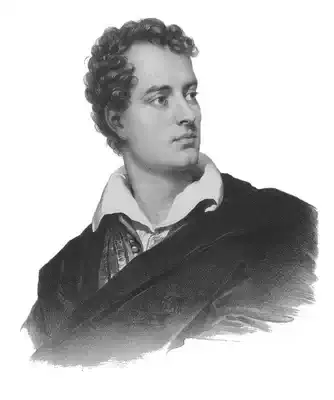
Lord Byron
The Siege and Conquest of Alhama
The Siege and Conquest of Alhama
The Moorish King rides up and down,
Through Granada's royal town;
From Elvira's gate to those
Of Bivarambla on he goes.
Woe is me, Alhama!
Letters to the monarch tell
How Alhama's city fell:
In the fire the scroll he threw,
And the messenger he slew.
Woe is me, Albamal
He quits his mule, and mounts his horse,
And through the street directs his course;
Through the street of Zacatin
To the Alhambra spurring in.
Woe is me, Alhama!
When the Alhambra walls he gain'd,
On the moment he ordain'd
That the trumpet straight should sound
With the silver clarion round.
Woe is me, Alhamal
And when the hollow drums of war
Beat the loud alarm afar,
That the Moors of town and plain
Might answer to the martial strain.
Woe is me, Alhama!
Then the Moors, by this aware,
That bloody Mars recall'd them there,
One by one, and two by two,
To a mighty squadron grew.
Woe is me, Alhama!
Out then spake an aged Moor
In these words the king before,
'Wherefore call on us, oh King?
What may mean this gathering?'
Woe is me, Alhama!
'Friends! ye have, alas! to know
Of a most disastrous blow;
That the Christians, stern and bold,
Have obtain'd Alhama's hold.'
Woe is me, Alhama!
Out then spake old Alfaqui,
With his beard so white to see,
'Good King! thou art justly served,
Good King! this thou hast deserved.
Woe is me, Alhama!
'By thee were slain, in evil hour,
The Abencerrage, Granada's flower;
And strangers were received by thee
Of Cordova the Chivalry.
Woe is me, Alhama!
'And for this, oh King! is sent
On thee a double chastisement:
Thee and thine, thy crown and realm,
One last wreck shall overwhelm.
Woe is me, Alhama!
'He who holds no laws in awe,
He must perish by the law;
And Granada must be won,
And thyself with her undone.'
Woe is me, Alhama!
Fire crashed from out the old Moor's eyes,
The Monarch's wrath began to rise,
Because he answer'd, and because
He spake exceeding well of laws.
Woe is me, Alhama!
'There is no law to say such things
As may disgust the ear of kings:
'Thus, snorting with his choler, said
The Moorish King, and doom'd him dead.
Woe is me, Alhama!
Moor Alfaqui! Moor Alfaqui!
Though thy beard so hoary be,
The King hath sent to have thee seized,
For Alhama's loss displeased.
Woe is me, Alhama!
And to fix thy head upon
High Alhambra's loftiest stone;
That thus for thee should be the law,
And others tremble when they saw.
Woe is me, Alhama!
'Cavalier, and man of worth!
Let these words of mine go forth!
Let the Moorish Monarch know,
That to him I nothing owe.
Woe is me, Alhama!
'But on my soul Alhama weighs,
And on my inmost spirit preys;
And if the King his land hath lost,
Yet others may have lost the most.
Woe is me, Alhama!
'Sires have lost their children, wives
Their lords, and valiant men their lives!
One what best his love might claim
Hath lost, another wealth, or fame.
Woe is me, Alhama!
'I lost a damsel in that hour,
Of all the land the loveliest flower;
Doubloons a hundred I would pay,
And think her ransom cheap that day.'
Woe is me, Alhama!
And as these things the old Moor said,
They sever'd from the trunk his head;
And to the Alhambra's wall with speed
'Twas carried, as the King decreed.
Woe is me, Alhama!
And men and infants therein weep
Their loss, so heavy and so deep;
Granada's ladies, all she rears
Within her walls, burst into tears.
Woe is me, Alhama!
And from the windows o'er the walls
The sable web of mourning falls;
The King weeps as a woman o'er
His loss, for it is much and sore.
Woe is me, Alhama!
The Moorish King rides up and down,
Through Granada's royal town;
From Elvira's gate to those
Of Bivarambla on he goes.
Woe is me, Alhama!
Letters to the monarch tell
How Alhama's city fell:
In the fire the scroll he threw,
And the messenger he slew.
Woe is me, Albamal
He quits his mule, and mounts his horse,
And through the street directs his course;
Through the street of Zacatin
To the Alhambra spurring in.
Woe is me, Alhama!
When the Alhambra walls he gain'd,
On the moment he ordain'd
That the trumpet straight should sound
With the silver clarion round.
Woe is me, Alhamal
And when the hollow drums of war
Beat the loud alarm afar,
That the Moors of town and plain
Might answer to the martial strain.
Woe is me, Alhama!
Then the Moors, by this aware,
That bloody Mars recall'd them there,
One by one, and two by two,
To a mighty squadron grew.
Woe is me, Alhama!
Out then spake an aged Moor
In these words the king before,
'Wherefore call on us, oh King?
What may mean this gathering?'
Woe is me, Alhama!
'Friends! ye have, alas! to know
Of a most disastrous blow;
That the Christians, stern and bold,
Have obtain'd Alhama's hold.'
Woe is me, Alhama!
Out then spake old Alfaqui,
With his beard so white to see,
'Good King! thou art justly served,
Good King! this thou hast deserved.
Woe is me, Alhama!
'By thee were slain, in evil hour,
The Abencerrage, Granada's flower;
And strangers were received by thee
Of Cordova the Chivalry.
Woe is me, Alhama!
'And for this, oh King! is sent
On thee a double chastisement:
Thee and thine, thy crown and realm,
One last wreck shall overwhelm.
Woe is me, Alhama!
'He who holds no laws in awe,
He must perish by the law;
And Granada must be won,
And thyself with her undone.'
Woe is me, Alhama!
Fire crashed from out the old Moor's eyes,
The Monarch's wrath began to rise,
Because he answer'd, and because
He spake exceeding well of laws.
Woe is me, Alhama!
'There is no law to say such things
As may disgust the ear of kings:
'Thus, snorting with his choler, said
The Moorish King, and doom'd him dead.
Woe is me, Alhama!
Moor Alfaqui! Moor Alfaqui!
Though thy beard so hoary be,
The King hath sent to have thee seized,
For Alhama's loss displeased.
Woe is me, Alhama!
And to fix thy head upon
High Alhambra's loftiest stone;
That thus for thee should be the law,
And others tremble when they saw.
Woe is me, Alhama!
'Cavalier, and man of worth!
Let these words of mine go forth!
Let the Moorish Monarch know,
That to him I nothing owe.
Woe is me, Alhama!
'But on my soul Alhama weighs,
And on my inmost spirit preys;
And if the King his land hath lost,
Yet others may have lost the most.
Woe is me, Alhama!
'Sires have lost their children, wives
Their lords, and valiant men their lives!
One what best his love might claim
Hath lost, another wealth, or fame.
Woe is me, Alhama!
'I lost a damsel in that hour,
Of all the land the loveliest flower;
Doubloons a hundred I would pay,
And think her ransom cheap that day.'
Woe is me, Alhama!
And as these things the old Moor said,
They sever'd from the trunk his head;
And to the Alhambra's wall with speed
'Twas carried, as the King decreed.
Woe is me, Alhama!
And men and infants therein weep
Their loss, so heavy and so deep;
Granada's ladies, all she rears
Within her walls, burst into tears.
Woe is me, Alhama!
And from the windows o'er the walls
The sable web of mourning falls;
The King weeps as a woman o'er
His loss, for it is much and sore.
Woe is me, Alhama!
456

Emily Dickinson
The Color of a Queen, is this
The Color of a Queen, is this
776
The Color of a Queen, is this-
The Color of a Sun
At setting-this and AmberBeryl-
and this, at Noon-
And when at night-Auroran widths
Fling suddenly on men'
Tis this-and Witchcraft-nature keeps
A Rank-for Iodine-
776
The Color of a Queen, is this-
The Color of a Sun
At setting-this and AmberBeryl-
and this, at Noon-
And when at night-Auroran widths
Fling suddenly on men'
Tis this-and Witchcraft-nature keeps
A Rank-for Iodine-
227

Ella Wheeler Wilcox
Two Loves
Two Loves
The woman he loved, while he dreamed of her,
Danced on till the stars grew dim,
But alone with her heart, from the world apart
Sat the woman who loved him.
The woman he worshipped only smiled
When he poured out his passionate love.
But the other somewhere, kissed her treasure most rare,
A book he had touched with his glove.
The woman he loved betrayed his trust,
And he wore the scars for life;
And he cared not, nor knew, that the other was true;
But no man called her his wife.
The woman he loved trod festal halls,
While they sang his funeral hymn,
But the sad bells tolled, ere the year was old,
For the woman that loved him.
The woman he loved, while he dreamed of her,
Danced on till the stars grew dim,
But alone with her heart, from the world apart
Sat the woman who loved him.
The woman he worshipped only smiled
When he poured out his passionate love.
But the other somewhere, kissed her treasure most rare,
A book he had touched with his glove.
The woman he loved betrayed his trust,
And he wore the scars for life;
And he cared not, nor knew, that the other was true;
But no man called her his wife.
The woman he loved trod festal halls,
While they sang his funeral hymn,
But the sad bells tolled, ere the year was old,
For the woman that loved him.
343

William Shakespeare
Sonnet 15: When I consider every thing that grows
Sonnet 15: When I consider every thing that grows
When I consider every thing that grows
Holds in perfection but a little moment.
That this huge stage presenteth nought but shows
Whereon the stars in secret influence comment.
When I perceive that men as plants increase,
Cheerèd and checked even by the self-same sky,
Vaunt in their youthful sap, at height decrease,
And wear their brave state out of memory;
Then the conceit of this inconstant stay,
Sets you most rich in youth before my sight,
Where wasteful Time debateth with decay
To change your day of youth to sullied night;
And all in war with Time for love of you,
As he takes from you, I engraft you new.
When I consider every thing that grows
Holds in perfection but a little moment.
That this huge stage presenteth nought but shows
Whereon the stars in secret influence comment.
When I perceive that men as plants increase,
Cheerèd and checked even by the self-same sky,
Vaunt in their youthful sap, at height decrease,
And wear their brave state out of memory;
Then the conceit of this inconstant stay,
Sets you most rich in youth before my sight,
Where wasteful Time debateth with decay
To change your day of youth to sullied night;
And all in war with Time for love of you,
As he takes from you, I engraft you new.
225
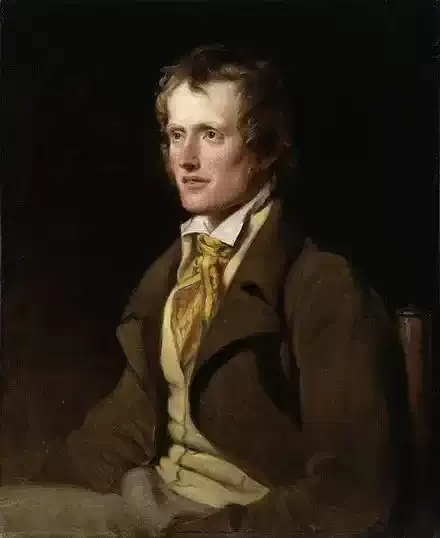
John Clare
The Shepherd's Calendar - June
The Shepherd's Calendar - June
Now summer is in flower and natures hum
Is never silent round her sultry bloom
Insects as small as dust are never done
Wi' glittering dance and reeling in the sun
And green wood fly and blossom haunting bee
Are never weary of their melody
Round field hedge now flowers in full glory twine
Large bindweed bells wild hop and streakd woodbine
That lift athirst their slender throated flowers
Agape for dew falls and for honey showers
These round each bush in sweet disorder run
And spread their wild hues to the sultry sun
Where its silk netting lace on twigs and leaves
The mottld spider at eves leisure weaves
That every morning meet the poets eye
Like faireys dew wet dresses hung to dry
The wheat swells into ear and leaves below
The may month wild flowers and their gaudy show
Bright carlock bluecap and corn poppy red
Which in such clouds of colors wid [e] ly spread
That at the sun rise might to fancys eye
Seem to reflect the many colord sky
And leverets seat and lark and partridge nest
It leaves a schoolboys height in snugger rest
And oer the weeders labour overgrows
Who now in merry groups each morning goes
To willow skirted meads wi fork and rake
The scented hay cocks in long rows to make
Where their old visitors in russet brown
The haytime butterflyes dance up and down
And gads that teaze like whasps the timid maid
And drive the herdboys cows to pond and shade
Who when his dogs assistance fails to stop
Is forcd his half made oaten pipes to drop
And start and hallo thro the dancing heat
To keep their gadding tumult from the wheat
Who in their rage will dangers overlook
And leap like hunters oer the pasture brook
Brushing thro blossomd beans in maddening haste
And 'stroying corn they scarce can stop to taste
Labour pursues its toil in weary mood
And feign woud rest wi shadows in the wood
The mowing gangs bend oer the beeded grass
Where oft the gipseys hungry journeying ass
Will turn its wishes from the meadow paths
Listning the rustle of the falling swaths
The ploughman sweats along the fallow vales
And down the suncrackt furrow slowly trails
Oft seeking when athirst the brooks supply
Where brushing eager the brinks bushes bye
For coolest water he oft brakes the rest
Of ring dove brooding oer its idle nest
And there as loath to leave the swaily place
He'll stand to breath and whipe his burning face
The shepherds idle hours are over now
Nor longer leaves him neath the hedgrow bough
On shadow pillowd banks and lolling stile
Wilds looses now their summer friends awhile
Shrill whistles barking dogs and chiding scold
Drive bleating sheep each morn from fallow fold
To wash pits where the willow shadows lean
Dashing them in their fold staind coats to clean
Then turnd on sunning sward to dry agen
They drove them homeward to the clipping pen
In hurdles pent where elm or sycamore
Shut out the sun-or in some threshing floor
There they wi scraps of songs and laugh and tale
Lighten their anual toils while merry ale
Goes round and gladdens old mens hearts to praise
The thread bare customs of old farmers days
Who while the sturting sheep wi trembling fears
Lies neath the snipping of his harmless sheers
Recalls full many a thing by bards unsung
And pride forgot-that reignd when he was young
How the hugh bowl was in the middle set
At breakfast time as clippers yearly met
Filld full of frumity where yearly swum
The streaking sugar and the spotting plumb
Which maids coud never to the table bring
Without one rising from the merry ring
To lend a hand who if twas taen amiss
Woud sell his kindness for a stolen kiss
The large stone pitcher in its homly trim
And clouded pint horn wi its copper rim
Oer which rude healths was drank in spirits high
From the best broach the cellar woud supply
While sung the ancient swains in homly ryhmes
Songs that were pictures of the good old times
When leathern bottles held the beer nut brown
That wakd the sun wi songs and sung him down
Thus will the old man ancient ways bewail
Till toiling sheers gain ground upon the tale
And brakes it off-when from the timid sheep
The fleece is shorn and wi a fearfull leap
He starts-while wi a pressing hand
His sides are printed by the tarry brand
Shaking his naked skin wi wondering joys
And fresh ones are tugd in by sturdy boys
Who when theyre thrown down neath the sheering swain
Will wipe his brow and start his tale again
Tho fashions haughtv frown hath thrown aside
Half the old forms simplicity supplyd
Yet their are some prides winter deigns to spare
Left like green ivy when the trees are bare
And now when sheering of the flocks are done
Some ancient customs mixd wi harmless fun
Crowns the swains merry toils-the timid maid
Pleasd to be praisd and yet of praise affraid
Seeks her best flowers not those of woods and fields
But such as every farmers garden yield
Fine cabbage roses painted like her face
And shining pansys trimmd in golden lace
And tall tuft larkheels featherd thick wi flowers
And woodbines climbing oer the door in bowers
And London tufts of many a mottld hue
And pale pink pea and monkshood darkly blue
And white and purple jiliflowers that stay
Lingering in blossom summer half away
And single blood walls of a lucious smell
Old fashiond flowers which huswives love so well
And columbines stone blue or deep night brown
Their honey-comb-like blossoms hanging down
Each cottage gardens fond adopted child
Tho heaths still claim them where they yet grow wild
Mong their old wild companions summer blooms
Furze brake and mozzling ling and golden broom
Snap dragons gaping like to sleeping clowns
And 'clipping pinks' (which maidens sunday gowns
Full often wear catcht at by tozing chaps)
Pink as the ribbons round their snowy caps
'Bess in her bravery' too of glowing dyes
As deep as sunsets crimson pillowd skyes
And majoram notts sweet briar and ribbon grass
And lavender the choice of every lass
And sprigs of lads love all familiar names
Which every garden thro the village claims
These the maid gathers wi a coy delight
And tyes them up in readiness for night
Giving to every swain tween love and shame
Her 'clipping poseys' as their yearly claim
And turning as he claims the custom kiss
Wi stifld smiles half ankering after bliss
She shrinks away and blushing calls it rude
But turns to smile and hopes to be pursued
While one to whom the seeming hint applied
Follows to claim it and is not denyd
No doubt a lover for within his coat
His nosegay owns each flower of better sort
And when the envious mutter oer their beer
And nodd the secret to his neighbor near
Raising the laugh to make the mutter known
She blushes silent and will not disown
And ale and songs and healths and merry ways
Keeps up a shadow of old farmers days
But the old beachen bowl that once supplyd
Its feast of frumity is thrown aside
And the old freedom that was living then
When masters made them merry wi their men
Whose coat was like his neighbors russet brown
And whose rude speech was vulgar as his clown
Who in the same horn drank the rest among
And joind the chorus while a labourer sung
All this is past-and soon may pass away
The time torn remnant of the holiday
As proud distinction makes a wider space
Between the genteel and the vulgar race
Then must they fade as pride oer custom showers
Its blighting mildew on her feeble flowers
Now summer is in flower and natures hum
Is never silent round her sultry bloom
Insects as small as dust are never done
Wi' glittering dance and reeling in the sun
And green wood fly and blossom haunting bee
Are never weary of their melody
Round field hedge now flowers in full glory twine
Large bindweed bells wild hop and streakd woodbine
That lift athirst their slender throated flowers
Agape for dew falls and for honey showers
These round each bush in sweet disorder run
And spread their wild hues to the sultry sun
Where its silk netting lace on twigs and leaves
The mottld spider at eves leisure weaves
That every morning meet the poets eye
Like faireys dew wet dresses hung to dry
The wheat swells into ear and leaves below
The may month wild flowers and their gaudy show
Bright carlock bluecap and corn poppy red
Which in such clouds of colors wid [e] ly spread
That at the sun rise might to fancys eye
Seem to reflect the many colord sky
And leverets seat and lark and partridge nest
It leaves a schoolboys height in snugger rest
And oer the weeders labour overgrows
Who now in merry groups each morning goes
To willow skirted meads wi fork and rake
The scented hay cocks in long rows to make
Where their old visitors in russet brown
The haytime butterflyes dance up and down
And gads that teaze like whasps the timid maid
And drive the herdboys cows to pond and shade
Who when his dogs assistance fails to stop
Is forcd his half made oaten pipes to drop
And start and hallo thro the dancing heat
To keep their gadding tumult from the wheat
Who in their rage will dangers overlook
And leap like hunters oer the pasture brook
Brushing thro blossomd beans in maddening haste
And 'stroying corn they scarce can stop to taste
Labour pursues its toil in weary mood
And feign woud rest wi shadows in the wood
The mowing gangs bend oer the beeded grass
Where oft the gipseys hungry journeying ass
Will turn its wishes from the meadow paths
Listning the rustle of the falling swaths
The ploughman sweats along the fallow vales
And down the suncrackt furrow slowly trails
Oft seeking when athirst the brooks supply
Where brushing eager the brinks bushes bye
For coolest water he oft brakes the rest
Of ring dove brooding oer its idle nest
And there as loath to leave the swaily place
He'll stand to breath and whipe his burning face
The shepherds idle hours are over now
Nor longer leaves him neath the hedgrow bough
On shadow pillowd banks and lolling stile
Wilds looses now their summer friends awhile
Shrill whistles barking dogs and chiding scold
Drive bleating sheep each morn from fallow fold
To wash pits where the willow shadows lean
Dashing them in their fold staind coats to clean
Then turnd on sunning sward to dry agen
They drove them homeward to the clipping pen
In hurdles pent where elm or sycamore
Shut out the sun-or in some threshing floor
There they wi scraps of songs and laugh and tale
Lighten their anual toils while merry ale
Goes round and gladdens old mens hearts to praise
The thread bare customs of old farmers days
Who while the sturting sheep wi trembling fears
Lies neath the snipping of his harmless sheers
Recalls full many a thing by bards unsung
And pride forgot-that reignd when he was young
How the hugh bowl was in the middle set
At breakfast time as clippers yearly met
Filld full of frumity where yearly swum
The streaking sugar and the spotting plumb
Which maids coud never to the table bring
Without one rising from the merry ring
To lend a hand who if twas taen amiss
Woud sell his kindness for a stolen kiss
The large stone pitcher in its homly trim
And clouded pint horn wi its copper rim
Oer which rude healths was drank in spirits high
From the best broach the cellar woud supply
While sung the ancient swains in homly ryhmes
Songs that were pictures of the good old times
When leathern bottles held the beer nut brown
That wakd the sun wi songs and sung him down
Thus will the old man ancient ways bewail
Till toiling sheers gain ground upon the tale
And brakes it off-when from the timid sheep
The fleece is shorn and wi a fearfull leap
He starts-while wi a pressing hand
His sides are printed by the tarry brand
Shaking his naked skin wi wondering joys
And fresh ones are tugd in by sturdy boys
Who when theyre thrown down neath the sheering swain
Will wipe his brow and start his tale again
Tho fashions haughtv frown hath thrown aside
Half the old forms simplicity supplyd
Yet their are some prides winter deigns to spare
Left like green ivy when the trees are bare
And now when sheering of the flocks are done
Some ancient customs mixd wi harmless fun
Crowns the swains merry toils-the timid maid
Pleasd to be praisd and yet of praise affraid
Seeks her best flowers not those of woods and fields
But such as every farmers garden yield
Fine cabbage roses painted like her face
And shining pansys trimmd in golden lace
And tall tuft larkheels featherd thick wi flowers
And woodbines climbing oer the door in bowers
And London tufts of many a mottld hue
And pale pink pea and monkshood darkly blue
And white and purple jiliflowers that stay
Lingering in blossom summer half away
And single blood walls of a lucious smell
Old fashiond flowers which huswives love so well
And columbines stone blue or deep night brown
Their honey-comb-like blossoms hanging down
Each cottage gardens fond adopted child
Tho heaths still claim them where they yet grow wild
Mong their old wild companions summer blooms
Furze brake and mozzling ling and golden broom
Snap dragons gaping like to sleeping clowns
And 'clipping pinks' (which maidens sunday gowns
Full often wear catcht at by tozing chaps)
Pink as the ribbons round their snowy caps
'Bess in her bravery' too of glowing dyes
As deep as sunsets crimson pillowd skyes
And majoram notts sweet briar and ribbon grass
And lavender the choice of every lass
And sprigs of lads love all familiar names
Which every garden thro the village claims
These the maid gathers wi a coy delight
And tyes them up in readiness for night
Giving to every swain tween love and shame
Her 'clipping poseys' as their yearly claim
And turning as he claims the custom kiss
Wi stifld smiles half ankering after bliss
She shrinks away and blushing calls it rude
But turns to smile and hopes to be pursued
While one to whom the seeming hint applied
Follows to claim it and is not denyd
No doubt a lover for within his coat
His nosegay owns each flower of better sort
And when the envious mutter oer their beer
And nodd the secret to his neighbor near
Raising the laugh to make the mutter known
She blushes silent and will not disown
And ale and songs and healths and merry ways
Keeps up a shadow of old farmers days
But the old beachen bowl that once supplyd
Its feast of frumity is thrown aside
And the old freedom that was living then
When masters made them merry wi their men
Whose coat was like his neighbors russet brown
And whose rude speech was vulgar as his clown
Who in the same horn drank the rest among
And joind the chorus while a labourer sung
All this is past-and soon may pass away
The time torn remnant of the holiday
As proud distinction makes a wider space
Between the genteel and the vulgar race
Then must they fade as pride oer custom showers
Its blighting mildew on her feeble flowers
381
Lord Byron
The Prayer Of Nature
The Prayer Of Nature
Father of Light! great God of Heaven!
Hear'st thou the accents of despair?
Can guilt like man's be e'er forgiven?
Can vice atone for crimes by prayer?
Father of Light, on thee I call!
Thou seest my soul is dark within;
Thou who canst'mark the sparrow's fall,
Avert from me the death of sin.
No shrine I seek, to sects unknown;
Oh, point to me the path of truth!
Thy dread omnipotence I own;
Spare, yet amend, the faults of youth.
Let bigots rear a gloomy fane,
Let superstitition hail the pile,
Let priests, to spread their sable reign,
With tales of mystic rites beguile.
Shall man confine his Maker's sway
To Gothic domes of mouldering stone?
Thy temple is the face of the day;
Earth, ocean, heaven, thy boundless throne.
Shall man condemn his race to hell,
Unless they bend in pompous form?
Tell us that all, of one who fell,
Must perish in the mingling storm?
Shall each pretend to reach the skies,
Yet doom his brother to expire,
Whose soul a different hope supplies,
Or doctrines less severe inspire?
Shall these, by creeds they can't expound,
Prepare a fancied bliss or woe?
Shall reptiles, grovelling on the ground,
Their great Creator's purpose know?
Shall those, who live for self alone,
Whose years float on in a daily crime Shall
they by Faith for guilt atone,
And live beyond the bounds of Time?
Father! no prophet's laws I seek,Thy
laws in Nature's works appear;I
own myself corrupt and weak,
Yet will I pray, for thou wilt hear!
Thou, who canst guide the wandering star
Through trackness realms of other's space;
Who calm'st the elemental war,
Whose hand from pole to pole I trace.
Thou, who in wisdom placed me here,
Who, when thou wilt, canst take me hence,
Ah! whilst I tread this earthly sphere,
Extend to me thy wide defence.
To Thee, my God, to thee I call!
Whatever weal or woe betide,
By thy command I rise or fall,
In thy protection I confide.
If, when this dust to dust's restored,
My soul shall float on airy wing,
How shall thy glorious name adored
Inspire her feedle voice to sing!
But, if this fleeting spirit share
With clay the gaves eternal bed,
While life yet throbs I raise my prayer,
Though doom'd no more to quit the dead.
To Thee I breathe my humble strain;
Grateful for all thy mercies past,
And hope, my God, to thee again
This erring life may fly at last.
December 29, 1806
Father of Light! great God of Heaven!
Hear'st thou the accents of despair?
Can guilt like man's be e'er forgiven?
Can vice atone for crimes by prayer?
Father of Light, on thee I call!
Thou seest my soul is dark within;
Thou who canst'mark the sparrow's fall,
Avert from me the death of sin.
No shrine I seek, to sects unknown;
Oh, point to me the path of truth!
Thy dread omnipotence I own;
Spare, yet amend, the faults of youth.
Let bigots rear a gloomy fane,
Let superstitition hail the pile,
Let priests, to spread their sable reign,
With tales of mystic rites beguile.
Shall man confine his Maker's sway
To Gothic domes of mouldering stone?
Thy temple is the face of the day;
Earth, ocean, heaven, thy boundless throne.
Shall man condemn his race to hell,
Unless they bend in pompous form?
Tell us that all, of one who fell,
Must perish in the mingling storm?
Shall each pretend to reach the skies,
Yet doom his brother to expire,
Whose soul a different hope supplies,
Or doctrines less severe inspire?
Shall these, by creeds they can't expound,
Prepare a fancied bliss or woe?
Shall reptiles, grovelling on the ground,
Their great Creator's purpose know?
Shall those, who live for self alone,
Whose years float on in a daily crime Shall
they by Faith for guilt atone,
And live beyond the bounds of Time?
Father! no prophet's laws I seek,Thy
laws in Nature's works appear;I
own myself corrupt and weak,
Yet will I pray, for thou wilt hear!
Thou, who canst guide the wandering star
Through trackness realms of other's space;
Who calm'st the elemental war,
Whose hand from pole to pole I trace.
Thou, who in wisdom placed me here,
Who, when thou wilt, canst take me hence,
Ah! whilst I tread this earthly sphere,
Extend to me thy wide defence.
To Thee, my God, to thee I call!
Whatever weal or woe betide,
By thy command I rise or fall,
In thy protection I confide.
If, when this dust to dust's restored,
My soul shall float on airy wing,
How shall thy glorious name adored
Inspire her feedle voice to sing!
But, if this fleeting spirit share
With clay the gaves eternal bed,
While life yet throbs I raise my prayer,
Though doom'd no more to quit the dead.
To Thee I breathe my humble strain;
Grateful for all thy mercies past,
And hope, my God, to thee again
This erring life may fly at last.
December 29, 1806
550
Emily Dickinson
The Chemical conviction
The Chemical conviction
954
The Chemical conviction
That Nought be lost
Enable in Disaster
My fractured Trust-
The Faces of the Atoms
If I shall see
How more the Finished Creatures
Departed me!
954
The Chemical conviction
That Nought be lost
Enable in Disaster
My fractured Trust-
The Faces of the Atoms
If I shall see
How more the Finished Creatures
Departed me!
314
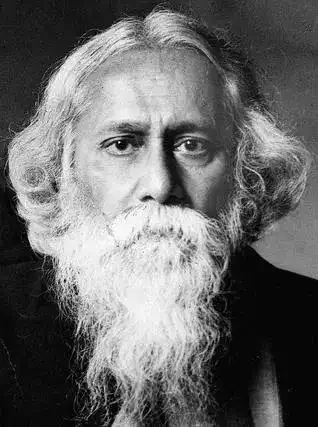
Rabindranath Tagore
The Lotus
The Lotus
On the day when the lotus bloomed, alas, my mind was straying,
and I knew it not. My basket was empty and the flower remained unheeded.
Only now and again a sadness fell upon me, and I started up from my
dream and felt a sweet trace of a strange fragrance in the south wind.
That vague sweetness made my heart ache with longing and it seemed to
me that is was the eager breath of the summer seeking for its completion.
I knew not then that it was so near, that it was mine, and that this
perfect sweetness had blossomed in the depth of my own heart.
On the day when the lotus bloomed, alas, my mind was straying,
and I knew it not. My basket was empty and the flower remained unheeded.
Only now and again a sadness fell upon me, and I started up from my
dream and felt a sweet trace of a strange fragrance in the south wind.
That vague sweetness made my heart ache with longing and it seemed to
me that is was the eager breath of the summer seeking for its completion.
I knew not then that it was so near, that it was mine, and that this
perfect sweetness had blossomed in the depth of my own heart.
540
William Shakespeare
Sonnet 149: Canst thou, O cruel, say I love thee not
Sonnet 149: Canst thou, O cruel, say I love thee not
Canst thou, O cruel, say I love thee not,
When I against my self with thee partake?
Do I not think on thee when I forgot
Am of my self, all tyrant, for thy sake?
Who hateth thee that I do call my friend?
On whom frown'st thou that I do fawn upon?
Nay, if thou lour'st on me, do I not spend
Revenge upon my self with present moan?
What merit do I in my self respect,
That is so proud thy service to despise,
When all my best doth worship thy defect,
Commanded by the motion of thine eyes?
But, love, hate on, for now I know thy mind:
Those that can see thou lov'st, and I am blind.
Canst thou, O cruel, say I love thee not,
When I against my self with thee partake?
Do I not think on thee when I forgot
Am of my self, all tyrant, for thy sake?
Who hateth thee that I do call my friend?
On whom frown'st thou that I do fawn upon?
Nay, if thou lour'st on me, do I not spend
Revenge upon my self with present moan?
What merit do I in my self respect,
That is so proud thy service to despise,
When all my best doth worship thy defect,
Commanded by the motion of thine eyes?
But, love, hate on, for now I know thy mind:
Those that can see thou lov'st, and I am blind.
193
Edward Lear
Limerick: There was an Old Man of the Dee
Limerick: There was an Old Man of the Dee
There was an Old Man of the Dee,
Who was sadly annoyed by a flea;
When he said, 'I will scratch it,'
They gave him a hatchet,
Which grieved that Old Man of the Dee.
There was an Old Man of the Dee,
Who was sadly annoyed by a flea;
When he said, 'I will scratch it,'
They gave him a hatchet,
Which grieved that Old Man of the Dee.
165
Lord Byron
The Isles of Greece
The Isles of Greece
The isles of Greece, the isles of Greece!
Where burning Sappho loved and sung,
Where grew the arts of war and peace,
Where Delos rose, and Phoebus
sprung!
Eternal summer gilds them yet,
But all, except their sun, is set...
The mountains look on MarathonAnd
Marathon looks on the sea;
And musing there an hour alone,
I dreamed that Greece might still be free;
For standing on the Persians' grave,
I could not deem myself a slave.
A king sat on the rocky brow
Which looks o'er seaborn
Salamis;
And ships, by thousands, lay below,
And men in nationsall
were his!
He counted them at break of dayAnd
when the sun set, where were they?
And where are they? And where art thou?
My country? On thy voiceless shore
The heroic lay is tuneless nowThe
heroic bosom beats no more!
And must thy lyre, so long divine,
Degenerate into hands like mine?
'Tis something, in the dearth of fame,
Though linked among a fettered race,
To feel at least a patriot's shame,
Even as I sing, suffuse my face;
For what is left the poet here?
For Greeks a blushfor
Greece a tear....
Fill high the bowl with Samian wine!
Our virgins dance beneath the shadeI
see their glorious black eyes shine;
But gazing on each glowing maid,
My own the burning teardrop laves,
To think such breasts must suckle slaves.
Place me on Sunium's marbled steep,
Where nothing, save the waves and I,
May hear our mutual murmurs sweep;
There, swanlike, let me sing and die:
A land of slaves shall ne'er be mineDash
down yon cup of Samian wine!
The isles of Greece, the isles of Greece!
Where burning Sappho loved and sung,
Where grew the arts of war and peace,
Where Delos rose, and Phoebus
sprung!
Eternal summer gilds them yet,
But all, except their sun, is set...
The mountains look on MarathonAnd
Marathon looks on the sea;
And musing there an hour alone,
I dreamed that Greece might still be free;
For standing on the Persians' grave,
I could not deem myself a slave.
A king sat on the rocky brow
Which looks o'er seaborn
Salamis;
And ships, by thousands, lay below,
And men in nationsall
were his!
He counted them at break of dayAnd
when the sun set, where were they?
And where are they? And where art thou?
My country? On thy voiceless shore
The heroic lay is tuneless nowThe
heroic bosom beats no more!
And must thy lyre, so long divine,
Degenerate into hands like mine?
'Tis something, in the dearth of fame,
Though linked among a fettered race,
To feel at least a patriot's shame,
Even as I sing, suffuse my face;
For what is left the poet here?
For Greeks a blushfor
Greece a tear....
Fill high the bowl with Samian wine!
Our virgins dance beneath the shadeI
see their glorious black eyes shine;
But gazing on each glowing maid,
My own the burning teardrop laves,
To think such breasts must suckle slaves.
Place me on Sunium's marbled steep,
Where nothing, save the waves and I,
May hear our mutual murmurs sweep;
There, swanlike, let me sing and die:
A land of slaves shall ne'er be mineDash
down yon cup of Samian wine!
489
Emily Dickinson
The bustle in a house
The bustle in a house
The bustle in a house
The morning after death
Is solemnest of industries
Enacted upon earth,-
The sweeping up the heart,
And putting love away
We shall not want to use again
Until eternity.
The bustle in a house
The morning after death
Is solemnest of industries
Enacted upon earth,-
The sweeping up the heart,
And putting love away
We shall not want to use again
Until eternity.
246
Ella Wheeler Wilcox
True Charity
True Charity
I gave a beggar from my little store
Of well-earned gold. He spent the shining ore
And came again, and yet again, still cold
And hungry, as before.
I gave a thought, and through that thought of mine
He found himself, the man, supreme, divine!
Fed, clothed, and crowned with blessings manifold.
And now he begs no more.
I gave a beggar from my little store
Of well-earned gold. He spent the shining ore
And came again, and yet again, still cold
And hungry, as before.
I gave a thought, and through that thought of mine
He found himself, the man, supreme, divine!
Fed, clothed, and crowned with blessings manifold.
And now he begs no more.
305
William Shakespeare
Sonnet 147: My love is as a fever, longing still
Sonnet 147: My love is as a fever, longing still
My love is as a fever, longing still
For that which longer nurseth the disease,
Feeding on that which doth preserve the ill,
Th' uncertain sickly appetite to please.
My reason, the physician to my love,
Angry that his prescriptions are not kept,
Hath left me, and I desperate now approve
Desire is death, which physic did except.
Past cure I am, now reason is past care,
And frantic-mad with evermore unrest;
My thoughts and my discourse as mad men's are,
At random from the truth vainly expressed.
For I have sworn thee fair, and thought thee bright,
Who art as black as hell, as dark as night.
My love is as a fever, longing still
For that which longer nurseth the disease,
Feeding on that which doth preserve the ill,
Th' uncertain sickly appetite to please.
My reason, the physician to my love,
Angry that his prescriptions are not kept,
Hath left me, and I desperate now approve
Desire is death, which physic did except.
Past cure I am, now reason is past care,
And frantic-mad with evermore unrest;
My thoughts and my discourse as mad men's are,
At random from the truth vainly expressed.
For I have sworn thee fair, and thought thee bright,
Who art as black as hell, as dark as night.
301
John Clare
The Shepherds Calendar - July
The Shepherds Calendar - July
Daughter of pastoral smells and sights
And sultry days and dewy nights
July resumes her yearly place
Wi her milking maiden face
Ruddy and tand yet sweet to view
When everywhere's a vale of dew
And raps it round her looks that smiles
A lovly rest to daily toils
Wi last months closing scenes and dins
Her sultry beaming birth begins
Hay makers still in grounds appear
And some are thinning nearly clear
Save oddly lingering shocks about
Which the tithman counteth out
Sticking their green boughs where they go
The parsons yearly claims to know
Which farmers view wi grudging eye
And grumbling drive their waggons bye
In hedge bound close and meadow plains
Stript groups of busy bustling swains
From all her hants wi noises rude
Drives to the wood lands solitude
That seeks a spot unmarkd wi paths
Far from the close and meadow swaths
Wi smutty song and story gay
They cart the witherd smelling hay
Boys loading on the waggon stand
And men below wi sturdy hand
Heave up the shocks on lathy prong
While horse boys lead the team along
And maidens drag the rake behind
Wi light dress shaping to the wind
And trembling locks of curly hair
And snow white bosoms nearly bare
That charms ones sight amid the hay
Like lingering blossoms of the may
From clowns rude jokes they often turn
And oft their cheeks wi blushes burn
From talk which to escape a sneer
They oft affect as not to hear
Some in the nooks about the ground
Pile up the stacks swelld bellying round
The milking cattles winter fare
That in the snow are fodderd there
Warm spots wi black thorn thickets lind
And trees to brake the northern wind
While masters oft the sultry hours
Will urge their speed and talk of showers
When boy from home trotts to the stack
Wi dinner upon dobbins back
And bottles to the saddle tyd
Or ballancd upon either side
A horse thats past his toiling day
Yet still a favorite in his way
That trotts on errands up and down
The fields and too and fro from town
Long ere his presence comes in sight
Boys listen wi heart felt delight
And know his footsteps down the road
Hastening wi the dinner load
Then they seek in close or meadows
High hedgerows wi grey willow shadows
To hide beneath from sultry noon
And rest them at their dinner boon
Where helping shepherd for the lass
Will seek a hillock on the grass
The thickset hedge or stack beside
Where teazing pismires ne'er abide
And when tis found down drops the maid
Proud wi the kind attention paid
And still the swain wi notice due
Waits on her all the dinner through
And fills her horn which she tho dry
In shoyness often pushes bye
While he will urge wi many a smile
It as a strength to help her toil
And in her hand will oft contrive
From out his pocket pulld to slive
Stole fruit when no one turns his eve
To wet her mouth when shes adry
Offerd when she refuses ale
Noons sultry labour to regale
Teazd wi the countless multitude
Of flyes that every where intrude
While boys wi boughs will often try
To beat them from them as they lye
Who find their labour all in vain
And soon as scard they swarm again
Thus while each swain and boy and lass
Sit at their dinner on the grass
The teams wi gears thrown on their backs
Stand pulling at the shocks or racks
Switching their tails and turning round
To knap the gadflys teazing wound
While dob that brought the dinners load
Too tricky to be turnd abroad
Needing the scuttle shook wi grain
To coax him to be caught again
Is to a tree at tether tyd
Ready for boy to mount and ride
Nipping the grass about his pound
And stamping battering hooves around
Soon as each ground is clear of hay
The shepherd whoops his flocks away
From fallow fields to plentys scenes
Shining as smooth as bowling greens
But scard wi clipping tides alarms
They bleat about the close in swarms
And hide neath hedges in the cool
Still panting tho wi out their whool
Markd wi the tard brands lasting dye
And make a restless hue and cry
Answering the lambs that call again
And for their old dams seek in vain
Running mid the stranger throng
And ever meeting wi the wrong
Fiegn wi some old yoe to abide
Who smells and tosses them aside
And some as if they know its face
Will meet a lamb wi mended pace
But proving hopes indulgd in vain
They turn around and blair again
Till weand from memory half forgot
They spread and feed and notice not
Save now and then to lambs shrill crys
Odd yoes in hoarser tone replys
Still may be seen the mowing swain
On balks between the fields of grain
Who often stops his thirst to ease
To pick the juicy pods of pease
And oft as chances bring to pass
Stoops oer his scythe stuck in the grass
To seek the brimming honey comb
Which bees so long were toiling home
And rifld from so many flowers
And carried thro so many hours
He tears their small hives mossy ball
Where the brown labourers hurded all
Who gather homward one by one
And see their nest and honey gone
Humming around his rushing toil
Their mellancholly wrongs awhile
Then oer the sweltering swaths they stray
And hum disconsolate away
And oft neath hedges cooler screen
Where meadow sorrel lingers green
Calld 'sour grass' by the knowing clown
The mower gladly chews it down
And slakes his thirst the best he may
When singing brooks are far away
And his hoopd bottle woeful tale
Is emptied of its cheering ale
That lulld him in unconsious sleep
At dinners hour beneath a heap
Of grass or bush or edding shock
Till startld by the country clock
That told the hours his toil had lost
Who coud but spare an hour at most
And wearing past the setting sun
He stays to get his labour done
The gipsey down the meadow brook
Wi long pole and reaping hook
Tyd at its end amid the streams
That glitters wi the hot sunbeams
Reachs and cuts the bulrush down
And hawks them round each neighboring town
Packd at his back or tyd in loads
On asses down the dusty roads
He jogs and shouts from door to door
His well known note of calling oer
Offering to huswives cheap repairs
Mending their broken bottomd chairs
Wi step half walk half dance, and eye
Ready to smile on passers bye
Wi load well suiting weather warm
Tuckd carlessly beneath his arm
Or peeping coat and side between
In woolen bag of faded green
Half conseald and half displayd
A purpose tell tale to his trade
The gipsey fiddler jogs away
To village feast and holiday
Scraping in public house to trye
What beer his music will supply
From clowns who happy wi the din
Dance their hand naild hilos thin
Along the roads in passing crowds
Followd by dust like smoaking clouds
Scotch droves of beast a little breed
In swelterd weary mood proceed
A patient race from scottish hills
To fatten by our pasture rills
Lean wi the wants of mountain soil
But short and stout for travels toil
Wi cockd up horns and curling crown
And dewlap bosom hanging down
Followd by slowly pacing swains
Wild to our rushy flats and plains
At whom the shepherds dog will rise
And shake himself and in supprise
Draw back and waffle in affright
Barking the traveller out of sight
And mowers oer their scythes will bear
Upon their uncooth dress to stare
And shepherds as they trample bye
Leaves oer their hooks a wondering eye
To witness men so oddly clad
In petticoats of banded plad
Wi blankets oer their shoulders slung
To camp at night the fields among
When they for rest on commons stop
And blue cap like a stocking top
Cockt oer their faces summer brown
Wi scarlet tazzeles on the crown
Rude patterns of the thistle flower
Untrickd and open to the shower
And honest faces fresh and free
That breath of mountain liberty
The pindar on the sabbath day
Soon as the darkness waxes grey
Before one sun beam oer the ground
Spindles its light and shadow round
Goes round the fields at early morn
To see what stock are in the corn
To see what chances sheep may win
Thro gaps the gipsey pilfers thin
Or if theyve forcd a restless way
By rubbing at a loosend tray
Or nuzling colt that trys to catch
A gate at night left off the latch
By traveller seeking home in haste
Or the clown by fareys chas'd
That listning while he makes a stand
Opens each gate wi fearful hand
And dreads a minute to remain
To put it on the latch again
And cows who often wi their horns
Toss from the gaps the stuffing thorns
These like a fox upon the watch
He in the morning trycs to catch
And drives them to the pound for pay
Carless about the sabbath day
Soon as the morning wakens red
The shepherd startles from his bed
And rocks afield his moving pace
While folded sheep will know his face
Rising as he appears in sight
To shake their coats as in delight
His shadow stalking stride for stride
Stretches a jiant by his side
Long as a tree without a top
And oft it urges him to stop
Both in his journey and his song
And wonders why it seems so long
And bye and bye as morning dies
Shrinks to an unbrichd boy in size
Then as the evening gathers blue
Grows to a jiants length anew
Puzzld the more he stops to pause
His wisdom vainly seeks the cause
Again his journey he pursues
Lengthening his track along the dews
And his dog that turnd to pick
From his sides the sucking tick
Insects that on cattle creep
And bites the labourer laid asleep
Pricks up his ears to see twas gone
Ana shakes his hide and hastens on
And the while the shepherd stayd
Trailing a track the hare had made
Bolts thro the creeping hedge again
And hurring follows wi the swain
The singing shouting herding boys
Follows again their wild employs
And ere the sun puts half his head
From out his crimson pillowd bed
And bawls behind his cows again
That one by one lobs down the lane
Wi wild weeds in his hat anew
The summer sorts of every hue
And twigs of leaves that please his eye
To his old haunts he hallows bye
Wi dog that loiters bv his side
Or trotts before wi nimble stridc
That waits till bid to bark and run
And panteth from the dreaded sun
And oft amid the sunny day
Will join a partner in his play
And in his antic tricks and glee
Will prove as fond of sport as he
And by the flag pool summer warm
He'll watch the motions of his arm
That holds a stick or stone to throw
In the sun gilded flood below
And head oer ears he danses in
Nor fears to wet his curly skin
The boys field cudgel to restore
And brings it in his mouth ashore
And eager as for crust or bone
He'll run to catch the pelted stone
Till wearied out he shakes his hide
And drops his tail and sneaks aside
Unheeding whistles shouts and calls
To take a rest where thickly falls
The rush clumps shadows there he lyes
Licking his skin and catching flyes
Or picking tween his stretching feet
The bone he had not time to eat
Before when wi the teazing boy
He was so throngd wi plays employ
Noon gathers wi its blistering breath
Around and day dyes still as death
The breeze is stopt the lazy bough
Hath not a leaf that dances now
The totter grass upon the hill
And spiders threads is hanging still
The feathers dropt from morehens wings
Upon the waters surface clings
As stedfast and as heavy seem
As stones beneath them in the stream
Hawkweed and groundsels fairey downs
Unruffld keep their seeding crowns
And in the oven heated air
Not one light thing is floating there
Save that to the earnest eye
The restless heat swims twittering bye
The swine run restless down the street
Anxious some pond or ditch to meet
From days hot swoonings to retire
Wallowing in the weeds and mire
The linnets seek the twiggs that lye
Close to the brook and brig stones drye
At top and sit and dip their bills
Till they have drunk their little fills
Then flurt their wings and wet their feathers
To cool them in the blazing weathers
Dashing the water oer their heads
Then high them to some cooling sheds
Where dark wood glooms about the plain
To pick their feathers smooth again
The young quick's branches seem as dead
And scorch from yellow into red
Ere autumn hath its pencil taen
Their shades in different hues to stain
Following behind the crawling ploughs
Whiping oft their sweating brows
The boys lead horses yokd in pairs
To jumping harrows linkd that tears
And teazes the hard clods to dust
Placing for showers in hopes their trust
The farmer follows sprinkling round
Wi turnip seed the panting ground
Providing food for beast and sheep
When winters snows are falling deep
Oft proving hopes and wishes vain
While clouds disperse that promisd rain
When soon as ere the turnip creeps
From out the crust burnt soil and peeps
Upon the farmers watching eye
Tis eaten by the jumping flye
And eager neath the midday sun
Soon as each plough teams toil is done
Scarse waiting till the gears are taen
From off their backs by boy and swain
From hayfilld racks they turn away
Nor in the stable care to stay
Hurr[y]ing to the trough to drink
Or from the yard ponds muddy brink
Rush in and wi long winded soak
Drink till theyre almost fit to choak
And from the horsbees teazing din
Thrust deep their burning noses in
Almost above their greedy eyes
To cool their mouths and shun the flyes
Deaf to the noise the geese will make
That grudge the worthy share they take
Boys now neath green lanes meeting bough
Each noons half holiday from plough
Take out their hungry teams till night
That nipp the grass wi eager bite
Wi long tails switching never still
They lounge neath trees when eat their fill
And stamp and switch till closing day
Brushing the teazing flyes away
Endless labour all in vain
That start in crowds to turn again
When the sun is sinking down
And dyes more deep the shadows brown
And gradual into slumber glooms
How sweet the village evening comes
To weary hinds from toil releasd
And panting sheep and torturd beast
The shepherd long wi heat opprest
Betakes him to his cottage rest
And his tird dog that plods along
Wi panting breath and lolling tongue
Runs eager as the brook appears
And dashes in head over ears
Startling reed sparrow broods to fiye
That in the reed woods slumberd nigh
And water rotts in haste to hide
Nibbling the sedges close beside
Lapping while he floats about
To quench his thirst then drabbles out
And shakes his coat and like the swain
Is happy night is come again
The beast that to the pond did creep
And rushd in water belly deep
The gad flyes threatning hums to shun
And horse bee darting in the sun
Lashing their tails the while they stood
And sprinkling thick their sides wi mud
Snuff the cool air now day is gone
And linger slow and idly on
To the pebbly fore to drink
And drop and rest upon its brink
Ruminating on their beds
Calm as the sky above their heads
The horse whose mouth is seldom still
Is up and cropping at his will
The moisting grass unteazd and free
In summer eves serenity
Uncheckt by flyes he grazes on
Right happy that the day is gone
Ne'er leaving off to turn around
His stooping head to knap the wound
And tail that switchd his sides all day
Is quiet now the suns away
The cowboys as their herd plod on
Before them homward one by one
Grows happy as their toil grows short
And full of fancys restless sport
Oft starts along wi sinking day
Acting proud their soldier play
Wi peeld bark sash around each waist
And rush caps oer each beaver placd
Stuck wi a headaches red cockade
And wooden swords and sticks displayd
For flags-thus march the evening troop
While soon one strikes a whistle up
And others wi their dinner tins
The evenings falling quiet dins
Patting wi hollow sounding tums
And imitating pipes and drums
Calling their cows that plod before
Their army marching from the moor
And thus they act till met the town
Carless of laughs from passing clown
Even their dogs too tird for play
Loiter on their evening way
Oft rolling on the damping grass
Or stopping wi the milking lass
Waiting a chance the ways conseal
A mouth full from her pails to steal
Dropping down to pick a bone
The hedger from his wallets thrown
Or found upon some greensward platt
Where hayfolks at their dinner sat
Sweet the cows breath down the lane
Steaming the fragrance of the plain
As home they rock and bawling wait
Till boys run to unloose the gate
And from their milksheds all adry
Turn to the pump wi anxious eye
Where shoud the maids wi boys repair
To fill the dashing bucket there
They hurry spite of threatning clown
And kick the milkers bucket down
And horses oft wi eager stoop
Will bend adown to steal a sup
Watching a moments chance to win
And dip their eager noses in
As by they pass or set it down
To rest or chatter to a clown
And knats wi their small slender noise
Bother too the troubld boys
And teaze the cows that while she chides
Will kick and turn to lick their sides
And like so many hanting sprites
Will bite and weal the maid anights
Who dreams of love and sleeps so sound
As ne'er to feel each little wound
Till waken by the morning sun
She wonders at the injury done
Thinking in fears simplicity
That faireys dreaded mistery
On her white bosom in the dark
Had been and left each blisterd mark
The fox begins his stunt odd bark
Down in its dew bed drops the lark
And on the heath amid the gorse
The night hawk stints the feeding horse
That pricks his ear wi startling eye
And snorts to hear its trembling crye
The owlet leaves his ivy tree
Into its hive slow sails the bee
The mower seeks his cloaths and hides
His scythe home bent wi weary strides
And oer his shoulder swings his bag
Bearing in hand his empty cag
Hay makers on their homward way
Into the fields will often stray
Among the grain when no one sees
Nestle and fill their laps wi peas
Sheep scard wi tweenlight doubting eye
Leap the path and canter bye
Nipping wi moment stoops the plain
And turning quick to gaze again
Till silence upon eve awaits
And milkmaids cease to clap the gates
And homward to the town are gone
Wi whispering sweethearts chatting on
And shepherds homward tracks are past
And dogs rude barks are still at last
Then down they drop as suits their wills
Or nips the thyme on pismire hills
Where nought is seen but timid hares
That nights sweet welcome gladly shares
And shadows stooping as they stoop
Beside them when the moon gets up
Reviving wi the ruddy moon
The nightingale resumes his tune
What time the horsboy drives away
His loose teams from the toils of day
To crop the closes dewy blade
Where the hay stacks fencd and made
Or on the commons bushy plain
To rest till the sun comes again
Whistling and bawling loud and long
The burthen of some drawling song
That grows more loud as eve grows late
Yet when he opes the clapping gate
He cant help turning in his joys
To look if his fear damping noise
Has raisd a mischief in the wind
And wakd a ghost to stalk behind
And when hes turnd them safe aground
And hookd the chain the gate around
Wi quicker speed he homward sings
And leaves them in the mushroom rings
Wi the dewdrunk dancing elves
To eat or rest as suits themselves
And as he hastes from labour done
An owlets whoop een makes him run
And bats shill flickerings bobbing near
Turns his heart blood cold wi fear
And when at home wi partner ralph
He hugs himself to think hes safe
And tells his tale while others smile
Of all he thought and feard the while
The black house bee hath ceasd to sing
And white nosd one wi out a sting
That boys will catch devoid of dread
Are in their little holes abed
And martins neath the mossey eves
Oft startld at the sparrow thieves
That in their house will often peep
Breaking their little weary sleep
And oft succeed when left alone
In making their clay huts their own
Where the cock sparrow on the scout
Watches and keeps the owner out
The geese have left the home close moats
And at the yard gate clean their coats
Or neath their feathers tuck their heads
Asleep till driven to their sheds
The pigeon droves in whisking flight
Hurrying to their coats ere night
In coveys round the village meet
And in the dove coat holes retreat
Nor more about the wheaten grounds
The bird boys bell and clapper sounds
Retiring wi the setting sun
His toil and shout and song is done
The shrill bat wi its flitting mate
Starts thro the church vaults iron grate
Deaths daily visitors and all
He meets save slanting suns that fall
At eve as if they lovd to shed
Their daily memory oer the dead
Hodge neath the climbing elms that drop
Their branches oer a dove coat top
Hath milkd his cows and taken in
On yokes the reeking pales or tin
And been across the straw to chain
The hen roost wicket safe again
And done his yard rounds hunting eggs
And taen his hat from off the peggs
To scamper to the circling cross
To have a game at pitch and toss
And day boy hath his supper got
Of milk before twas hardly hot
Eager from toil to get away
And join the boys at taw to play
Neath black smiths cinder litterd shed
Till the hour to go to bed
Old gossips on the greensward bench
Sit where the hombound milking wench
Will set her buckets down to rest
And be awhile their evening guest
To whom their box is held while she
Takes the smallest nips that be
That soon as snift begins to teaze
And makes her turn away to sneeze
While old dames say the sign is plain
That she will dream about her swain
And toss the cloaths from off her bed
And cautions her of roguish ned
Holding their hands agen their hips
To laugh as up she starts and trip
In quickend speed along the town
Bidding good night to passing clown
From the black smiths shop the swain
Jogs wi ploughshares laid again
And drops them by the stable shed
Where gears on pegs hang over head
Ready for driving boys to take
On fore horse when their toils awake
The kitchen wench wi face red hot
As blazing fire neath supper pot
Hath cleand her pails and pansions all
And set them leaning by the wall
And twirld her whool mop clean again
And hung it on the pales to drain
Now by the maids requesting smile
The shepherd mounts the wood stack pile
Reard high against the orchard pales
And cause of thorns she oft bewails
Prickd hands and holes in sunday gown
He throws the smoothest faggot down
And hawls it in at her desire
Ready for the kitching fire
Beneath the elderns village shade
Oer her well curb leans the maid
To draw the brimming bucket up
While passing boy to beg a sup
Will stop his roll or rocking cart
And the maidens gentle heart
Gives ready leave-the eager clown
Throws off his hat and stoops adown
Soaking his fill then hastens on
To catch his team already gone
Eager from toil to get release
And in the hay field feed at peace
The weary thresher leaves his barn
And emptys from his shoes the corn
That gatherd in them thro the day
And homward bends his weary way
The gardener he is sprinkling showers
From watering pans on drooping flowers
And set away his hoe and spade
While goody neath the cottage shade
Sits wi a baskett tween her knees
Ready for supper shelling peas
And cobler chatting in the town
Hath put his window shutter down
And the knowing parish clerk
Feign to do his jobs ere dark
ilath timd the church clock to the sun
And wound it up for night and done
And turud the hugh kev in the door
Chatting his evening story oer
Up the street the servant maid
Runs wi her errands long delayd
And ere the door she enters in
She stops to right a loosend pin
And smooth wi hasty fingers down
The crumpling creases in her gown
Which Rogers oggles rudly made
For may games forfeit never paid
And seizd a kiss against her will
While playing quoits upon the hill
Wi other shepherds laughing nigh
That made her shoy and hurry bye
The blacksmiths gangling toil is oer
And shut his hot shops branded door
Folding up his arms to start
And take at ease his evening quart
And farmer giles his business done
Wi face a very setting sun
Jogging home on dobbins back
From helping at the clover stack
The horse knows well nor trys to pass
The door where for his custom glass
He nightly from the saddle jumps
To slake his thirst or cheer the dumps
Leaving old dob his breath to catch
Wi bridle hanging at the latch
The shepherd too will often spare
A sixpence to be merry there
While the dog that trackd his feet
Adown the dusty printed street
Lies as one weary loath to roam
Agen the door to wait him home
While the taylors long day thirst
Is still unquenchd tho fit to burst
Whose been at truants merry play
From sheers and bodkin all the day
Still soaks the tankard reeling ripe
And scarce can stoop to light his pipe
The labourer sitting by his door
Happy that the day is oer
Is stooping downwards to unloose
His leathern baffles or his shoes
Making ready for his rest
Quickly to be the pillows guest
While on mothers lap wi in
The childern each their prayers begin
That taen from play are loath to go
And looking round repeating slow
Each prayer they stammer in delay
To gain from bed a longer stay
Goody hath set her spinning bye
Deafend by her chattering pye
That calls her up wi hungry rage
To put his supper in the cage
That done she sought a neighbours door
A minutes time to gossip oer
And neath her apron now tis night
Huddles for home, her candle light
Hid from the wind-to burn an hour
As clouds wi threatend thunder lower
The mastiff from his kennel free
Is now unchaind at liberty
In readiness to put to rout
The thieves that night may bring about
Thus evening deepning to a close
Leaves toil and nature to repose
Daughter of pastoral smells and sights
And sultry days and dewy nights
July resumes her yearly place
Wi her milking maiden face
Ruddy and tand yet sweet to view
When everywhere's a vale of dew
And raps it round her looks that smiles
A lovly rest to daily toils
Wi last months closing scenes and dins
Her sultry beaming birth begins
Hay makers still in grounds appear
And some are thinning nearly clear
Save oddly lingering shocks about
Which the tithman counteth out
Sticking their green boughs where they go
The parsons yearly claims to know
Which farmers view wi grudging eye
And grumbling drive their waggons bye
In hedge bound close and meadow plains
Stript groups of busy bustling swains
From all her hants wi noises rude
Drives to the wood lands solitude
That seeks a spot unmarkd wi paths
Far from the close and meadow swaths
Wi smutty song and story gay
They cart the witherd smelling hay
Boys loading on the waggon stand
And men below wi sturdy hand
Heave up the shocks on lathy prong
While horse boys lead the team along
And maidens drag the rake behind
Wi light dress shaping to the wind
And trembling locks of curly hair
And snow white bosoms nearly bare
That charms ones sight amid the hay
Like lingering blossoms of the may
From clowns rude jokes they often turn
And oft their cheeks wi blushes burn
From talk which to escape a sneer
They oft affect as not to hear
Some in the nooks about the ground
Pile up the stacks swelld bellying round
The milking cattles winter fare
That in the snow are fodderd there
Warm spots wi black thorn thickets lind
And trees to brake the northern wind
While masters oft the sultry hours
Will urge their speed and talk of showers
When boy from home trotts to the stack
Wi dinner upon dobbins back
And bottles to the saddle tyd
Or ballancd upon either side
A horse thats past his toiling day
Yet still a favorite in his way
That trotts on errands up and down
The fields and too and fro from town
Long ere his presence comes in sight
Boys listen wi heart felt delight
And know his footsteps down the road
Hastening wi the dinner load
Then they seek in close or meadows
High hedgerows wi grey willow shadows
To hide beneath from sultry noon
And rest them at their dinner boon
Where helping shepherd for the lass
Will seek a hillock on the grass
The thickset hedge or stack beside
Where teazing pismires ne'er abide
And when tis found down drops the maid
Proud wi the kind attention paid
And still the swain wi notice due
Waits on her all the dinner through
And fills her horn which she tho dry
In shoyness often pushes bye
While he will urge wi many a smile
It as a strength to help her toil
And in her hand will oft contrive
From out his pocket pulld to slive
Stole fruit when no one turns his eve
To wet her mouth when shes adry
Offerd when she refuses ale
Noons sultry labour to regale
Teazd wi the countless multitude
Of flyes that every where intrude
While boys wi boughs will often try
To beat them from them as they lye
Who find their labour all in vain
And soon as scard they swarm again
Thus while each swain and boy and lass
Sit at their dinner on the grass
The teams wi gears thrown on their backs
Stand pulling at the shocks or racks
Switching their tails and turning round
To knap the gadflys teazing wound
While dob that brought the dinners load
Too tricky to be turnd abroad
Needing the scuttle shook wi grain
To coax him to be caught again
Is to a tree at tether tyd
Ready for boy to mount and ride
Nipping the grass about his pound
And stamping battering hooves around
Soon as each ground is clear of hay
The shepherd whoops his flocks away
From fallow fields to plentys scenes
Shining as smooth as bowling greens
But scard wi clipping tides alarms
They bleat about the close in swarms
And hide neath hedges in the cool
Still panting tho wi out their whool
Markd wi the tard brands lasting dye
And make a restless hue and cry
Answering the lambs that call again
And for their old dams seek in vain
Running mid the stranger throng
And ever meeting wi the wrong
Fiegn wi some old yoe to abide
Who smells and tosses them aside
And some as if they know its face
Will meet a lamb wi mended pace
But proving hopes indulgd in vain
They turn around and blair again
Till weand from memory half forgot
They spread and feed and notice not
Save now and then to lambs shrill crys
Odd yoes in hoarser tone replys
Still may be seen the mowing swain
On balks between the fields of grain
Who often stops his thirst to ease
To pick the juicy pods of pease
And oft as chances bring to pass
Stoops oer his scythe stuck in the grass
To seek the brimming honey comb
Which bees so long were toiling home
And rifld from so many flowers
And carried thro so many hours
He tears their small hives mossy ball
Where the brown labourers hurded all
Who gather homward one by one
And see their nest and honey gone
Humming around his rushing toil
Their mellancholly wrongs awhile
Then oer the sweltering swaths they stray
And hum disconsolate away
And oft neath hedges cooler screen
Where meadow sorrel lingers green
Calld 'sour grass' by the knowing clown
The mower gladly chews it down
And slakes his thirst the best he may
When singing brooks are far away
And his hoopd bottle woeful tale
Is emptied of its cheering ale
That lulld him in unconsious sleep
At dinners hour beneath a heap
Of grass or bush or edding shock
Till startld by the country clock
That told the hours his toil had lost
Who coud but spare an hour at most
And wearing past the setting sun
He stays to get his labour done
The gipsey down the meadow brook
Wi long pole and reaping hook
Tyd at its end amid the streams
That glitters wi the hot sunbeams
Reachs and cuts the bulrush down
And hawks them round each neighboring town
Packd at his back or tyd in loads
On asses down the dusty roads
He jogs and shouts from door to door
His well known note of calling oer
Offering to huswives cheap repairs
Mending their broken bottomd chairs
Wi step half walk half dance, and eye
Ready to smile on passers bye
Wi load well suiting weather warm
Tuckd carlessly beneath his arm
Or peeping coat and side between
In woolen bag of faded green
Half conseald and half displayd
A purpose tell tale to his trade
The gipsey fiddler jogs away
To village feast and holiday
Scraping in public house to trye
What beer his music will supply
From clowns who happy wi the din
Dance their hand naild hilos thin
Along the roads in passing crowds
Followd by dust like smoaking clouds
Scotch droves of beast a little breed
In swelterd weary mood proceed
A patient race from scottish hills
To fatten by our pasture rills
Lean wi the wants of mountain soil
But short and stout for travels toil
Wi cockd up horns and curling crown
And dewlap bosom hanging down
Followd by slowly pacing swains
Wild to our rushy flats and plains
At whom the shepherds dog will rise
And shake himself and in supprise
Draw back and waffle in affright
Barking the traveller out of sight
And mowers oer their scythes will bear
Upon their uncooth dress to stare
And shepherds as they trample bye
Leaves oer their hooks a wondering eye
To witness men so oddly clad
In petticoats of banded plad
Wi blankets oer their shoulders slung
To camp at night the fields among
When they for rest on commons stop
And blue cap like a stocking top
Cockt oer their faces summer brown
Wi scarlet tazzeles on the crown
Rude patterns of the thistle flower
Untrickd and open to the shower
And honest faces fresh and free
That breath of mountain liberty
The pindar on the sabbath day
Soon as the darkness waxes grey
Before one sun beam oer the ground
Spindles its light and shadow round
Goes round the fields at early morn
To see what stock are in the corn
To see what chances sheep may win
Thro gaps the gipsey pilfers thin
Or if theyve forcd a restless way
By rubbing at a loosend tray
Or nuzling colt that trys to catch
A gate at night left off the latch
By traveller seeking home in haste
Or the clown by fareys chas'd
That listning while he makes a stand
Opens each gate wi fearful hand
And dreads a minute to remain
To put it on the latch again
And cows who often wi their horns
Toss from the gaps the stuffing thorns
These like a fox upon the watch
He in the morning trycs to catch
And drives them to the pound for pay
Carless about the sabbath day
Soon as the morning wakens red
The shepherd startles from his bed
And rocks afield his moving pace
While folded sheep will know his face
Rising as he appears in sight
To shake their coats as in delight
His shadow stalking stride for stride
Stretches a jiant by his side
Long as a tree without a top
And oft it urges him to stop
Both in his journey and his song
And wonders why it seems so long
And bye and bye as morning dies
Shrinks to an unbrichd boy in size
Then as the evening gathers blue
Grows to a jiants length anew
Puzzld the more he stops to pause
His wisdom vainly seeks the cause
Again his journey he pursues
Lengthening his track along the dews
And his dog that turnd to pick
From his sides the sucking tick
Insects that on cattle creep
And bites the labourer laid asleep
Pricks up his ears to see twas gone
Ana shakes his hide and hastens on
And the while the shepherd stayd
Trailing a track the hare had made
Bolts thro the creeping hedge again
And hurring follows wi the swain
The singing shouting herding boys
Follows again their wild employs
And ere the sun puts half his head
From out his crimson pillowd bed
And bawls behind his cows again
That one by one lobs down the lane
Wi wild weeds in his hat anew
The summer sorts of every hue
And twigs of leaves that please his eye
To his old haunts he hallows bye
Wi dog that loiters bv his side
Or trotts before wi nimble stridc
That waits till bid to bark and run
And panteth from the dreaded sun
And oft amid the sunny day
Will join a partner in his play
And in his antic tricks and glee
Will prove as fond of sport as he
And by the flag pool summer warm
He'll watch the motions of his arm
That holds a stick or stone to throw
In the sun gilded flood below
And head oer ears he danses in
Nor fears to wet his curly skin
The boys field cudgel to restore
And brings it in his mouth ashore
And eager as for crust or bone
He'll run to catch the pelted stone
Till wearied out he shakes his hide
And drops his tail and sneaks aside
Unheeding whistles shouts and calls
To take a rest where thickly falls
The rush clumps shadows there he lyes
Licking his skin and catching flyes
Or picking tween his stretching feet
The bone he had not time to eat
Before when wi the teazing boy
He was so throngd wi plays employ
Noon gathers wi its blistering breath
Around and day dyes still as death
The breeze is stopt the lazy bough
Hath not a leaf that dances now
The totter grass upon the hill
And spiders threads is hanging still
The feathers dropt from morehens wings
Upon the waters surface clings
As stedfast and as heavy seem
As stones beneath them in the stream
Hawkweed and groundsels fairey downs
Unruffld keep their seeding crowns
And in the oven heated air
Not one light thing is floating there
Save that to the earnest eye
The restless heat swims twittering bye
The swine run restless down the street
Anxious some pond or ditch to meet
From days hot swoonings to retire
Wallowing in the weeds and mire
The linnets seek the twiggs that lye
Close to the brook and brig stones drye
At top and sit and dip their bills
Till they have drunk their little fills
Then flurt their wings and wet their feathers
To cool them in the blazing weathers
Dashing the water oer their heads
Then high them to some cooling sheds
Where dark wood glooms about the plain
To pick their feathers smooth again
The young quick's branches seem as dead
And scorch from yellow into red
Ere autumn hath its pencil taen
Their shades in different hues to stain
Following behind the crawling ploughs
Whiping oft their sweating brows
The boys lead horses yokd in pairs
To jumping harrows linkd that tears
And teazes the hard clods to dust
Placing for showers in hopes their trust
The farmer follows sprinkling round
Wi turnip seed the panting ground
Providing food for beast and sheep
When winters snows are falling deep
Oft proving hopes and wishes vain
While clouds disperse that promisd rain
When soon as ere the turnip creeps
From out the crust burnt soil and peeps
Upon the farmers watching eye
Tis eaten by the jumping flye
And eager neath the midday sun
Soon as each plough teams toil is done
Scarse waiting till the gears are taen
From off their backs by boy and swain
From hayfilld racks they turn away
Nor in the stable care to stay
Hurr[y]ing to the trough to drink
Or from the yard ponds muddy brink
Rush in and wi long winded soak
Drink till theyre almost fit to choak
And from the horsbees teazing din
Thrust deep their burning noses in
Almost above their greedy eyes
To cool their mouths and shun the flyes
Deaf to the noise the geese will make
That grudge the worthy share they take
Boys now neath green lanes meeting bough
Each noons half holiday from plough
Take out their hungry teams till night
That nipp the grass wi eager bite
Wi long tails switching never still
They lounge neath trees when eat their fill
And stamp and switch till closing day
Brushing the teazing flyes away
Endless labour all in vain
That start in crowds to turn again
When the sun is sinking down
And dyes more deep the shadows brown
And gradual into slumber glooms
How sweet the village evening comes
To weary hinds from toil releasd
And panting sheep and torturd beast
The shepherd long wi heat opprest
Betakes him to his cottage rest
And his tird dog that plods along
Wi panting breath and lolling tongue
Runs eager as the brook appears
And dashes in head over ears
Startling reed sparrow broods to fiye
That in the reed woods slumberd nigh
And water rotts in haste to hide
Nibbling the sedges close beside
Lapping while he floats about
To quench his thirst then drabbles out
And shakes his coat and like the swain
Is happy night is come again
The beast that to the pond did creep
And rushd in water belly deep
The gad flyes threatning hums to shun
And horse bee darting in the sun
Lashing their tails the while they stood
And sprinkling thick their sides wi mud
Snuff the cool air now day is gone
And linger slow and idly on
To the pebbly fore to drink
And drop and rest upon its brink
Ruminating on their beds
Calm as the sky above their heads
The horse whose mouth is seldom still
Is up and cropping at his will
The moisting grass unteazd and free
In summer eves serenity
Uncheckt by flyes he grazes on
Right happy that the day is gone
Ne'er leaving off to turn around
His stooping head to knap the wound
And tail that switchd his sides all day
Is quiet now the suns away
The cowboys as their herd plod on
Before them homward one by one
Grows happy as their toil grows short
And full of fancys restless sport
Oft starts along wi sinking day
Acting proud their soldier play
Wi peeld bark sash around each waist
And rush caps oer each beaver placd
Stuck wi a headaches red cockade
And wooden swords and sticks displayd
For flags-thus march the evening troop
While soon one strikes a whistle up
And others wi their dinner tins
The evenings falling quiet dins
Patting wi hollow sounding tums
And imitating pipes and drums
Calling their cows that plod before
Their army marching from the moor
And thus they act till met the town
Carless of laughs from passing clown
Even their dogs too tird for play
Loiter on their evening way
Oft rolling on the damping grass
Or stopping wi the milking lass
Waiting a chance the ways conseal
A mouth full from her pails to steal
Dropping down to pick a bone
The hedger from his wallets thrown
Or found upon some greensward platt
Where hayfolks at their dinner sat
Sweet the cows breath down the lane
Steaming the fragrance of the plain
As home they rock and bawling wait
Till boys run to unloose the gate
And from their milksheds all adry
Turn to the pump wi anxious eye
Where shoud the maids wi boys repair
To fill the dashing bucket there
They hurry spite of threatning clown
And kick the milkers bucket down
And horses oft wi eager stoop
Will bend adown to steal a sup
Watching a moments chance to win
And dip their eager noses in
As by they pass or set it down
To rest or chatter to a clown
And knats wi their small slender noise
Bother too the troubld boys
And teaze the cows that while she chides
Will kick and turn to lick their sides
And like so many hanting sprites
Will bite and weal the maid anights
Who dreams of love and sleeps so sound
As ne'er to feel each little wound
Till waken by the morning sun
She wonders at the injury done
Thinking in fears simplicity
That faireys dreaded mistery
On her white bosom in the dark
Had been and left each blisterd mark
The fox begins his stunt odd bark
Down in its dew bed drops the lark
And on the heath amid the gorse
The night hawk stints the feeding horse
That pricks his ear wi startling eye
And snorts to hear its trembling crye
The owlet leaves his ivy tree
Into its hive slow sails the bee
The mower seeks his cloaths and hides
His scythe home bent wi weary strides
And oer his shoulder swings his bag
Bearing in hand his empty cag
Hay makers on their homward way
Into the fields will often stray
Among the grain when no one sees
Nestle and fill their laps wi peas
Sheep scard wi tweenlight doubting eye
Leap the path and canter bye
Nipping wi moment stoops the plain
And turning quick to gaze again
Till silence upon eve awaits
And milkmaids cease to clap the gates
And homward to the town are gone
Wi whispering sweethearts chatting on
And shepherds homward tracks are past
And dogs rude barks are still at last
Then down they drop as suits their wills
Or nips the thyme on pismire hills
Where nought is seen but timid hares
That nights sweet welcome gladly shares
And shadows stooping as they stoop
Beside them when the moon gets up
Reviving wi the ruddy moon
The nightingale resumes his tune
What time the horsboy drives away
His loose teams from the toils of day
To crop the closes dewy blade
Where the hay stacks fencd and made
Or on the commons bushy plain
To rest till the sun comes again
Whistling and bawling loud and long
The burthen of some drawling song
That grows more loud as eve grows late
Yet when he opes the clapping gate
He cant help turning in his joys
To look if his fear damping noise
Has raisd a mischief in the wind
And wakd a ghost to stalk behind
And when hes turnd them safe aground
And hookd the chain the gate around
Wi quicker speed he homward sings
And leaves them in the mushroom rings
Wi the dewdrunk dancing elves
To eat or rest as suits themselves
And as he hastes from labour done
An owlets whoop een makes him run
And bats shill flickerings bobbing near
Turns his heart blood cold wi fear
And when at home wi partner ralph
He hugs himself to think hes safe
And tells his tale while others smile
Of all he thought and feard the while
The black house bee hath ceasd to sing
And white nosd one wi out a sting
That boys will catch devoid of dread
Are in their little holes abed
And martins neath the mossey eves
Oft startld at the sparrow thieves
That in their house will often peep
Breaking their little weary sleep
And oft succeed when left alone
In making their clay huts their own
Where the cock sparrow on the scout
Watches and keeps the owner out
The geese have left the home close moats
And at the yard gate clean their coats
Or neath their feathers tuck their heads
Asleep till driven to their sheds
The pigeon droves in whisking flight
Hurrying to their coats ere night
In coveys round the village meet
And in the dove coat holes retreat
Nor more about the wheaten grounds
The bird boys bell and clapper sounds
Retiring wi the setting sun
His toil and shout and song is done
The shrill bat wi its flitting mate
Starts thro the church vaults iron grate
Deaths daily visitors and all
He meets save slanting suns that fall
At eve as if they lovd to shed
Their daily memory oer the dead
Hodge neath the climbing elms that drop
Their branches oer a dove coat top
Hath milkd his cows and taken in
On yokes the reeking pales or tin
And been across the straw to chain
The hen roost wicket safe again
And done his yard rounds hunting eggs
And taen his hat from off the peggs
To scamper to the circling cross
To have a game at pitch and toss
And day boy hath his supper got
Of milk before twas hardly hot
Eager from toil to get away
And join the boys at taw to play
Neath black smiths cinder litterd shed
Till the hour to go to bed
Old gossips on the greensward bench
Sit where the hombound milking wench
Will set her buckets down to rest
And be awhile their evening guest
To whom their box is held while she
Takes the smallest nips that be
That soon as snift begins to teaze
And makes her turn away to sneeze
While old dames say the sign is plain
That she will dream about her swain
And toss the cloaths from off her bed
And cautions her of roguish ned
Holding their hands agen their hips
To laugh as up she starts and trip
In quickend speed along the town
Bidding good night to passing clown
From the black smiths shop the swain
Jogs wi ploughshares laid again
And drops them by the stable shed
Where gears on pegs hang over head
Ready for driving boys to take
On fore horse when their toils awake
The kitchen wench wi face red hot
As blazing fire neath supper pot
Hath cleand her pails and pansions all
And set them leaning by the wall
And twirld her whool mop clean again
And hung it on the pales to drain
Now by the maids requesting smile
The shepherd mounts the wood stack pile
Reard high against the orchard pales
And cause of thorns she oft bewails
Prickd hands and holes in sunday gown
He throws the smoothest faggot down
And hawls it in at her desire
Ready for the kitching fire
Beneath the elderns village shade
Oer her well curb leans the maid
To draw the brimming bucket up
While passing boy to beg a sup
Will stop his roll or rocking cart
And the maidens gentle heart
Gives ready leave-the eager clown
Throws off his hat and stoops adown
Soaking his fill then hastens on
To catch his team already gone
Eager from toil to get release
And in the hay field feed at peace
The weary thresher leaves his barn
And emptys from his shoes the corn
That gatherd in them thro the day
And homward bends his weary way
The gardener he is sprinkling showers
From watering pans on drooping flowers
And set away his hoe and spade
While goody neath the cottage shade
Sits wi a baskett tween her knees
Ready for supper shelling peas
And cobler chatting in the town
Hath put his window shutter down
And the knowing parish clerk
Feign to do his jobs ere dark
ilath timd the church clock to the sun
And wound it up for night and done
And turud the hugh kev in the door
Chatting his evening story oer
Up the street the servant maid
Runs wi her errands long delayd
And ere the door she enters in
She stops to right a loosend pin
And smooth wi hasty fingers down
The crumpling creases in her gown
Which Rogers oggles rudly made
For may games forfeit never paid
And seizd a kiss against her will
While playing quoits upon the hill
Wi other shepherds laughing nigh
That made her shoy and hurry bye
The blacksmiths gangling toil is oer
And shut his hot shops branded door
Folding up his arms to start
And take at ease his evening quart
And farmer giles his business done
Wi face a very setting sun
Jogging home on dobbins back
From helping at the clover stack
The horse knows well nor trys to pass
The door where for his custom glass
He nightly from the saddle jumps
To slake his thirst or cheer the dumps
Leaving old dob his breath to catch
Wi bridle hanging at the latch
The shepherd too will often spare
A sixpence to be merry there
While the dog that trackd his feet
Adown the dusty printed street
Lies as one weary loath to roam
Agen the door to wait him home
While the taylors long day thirst
Is still unquenchd tho fit to burst
Whose been at truants merry play
From sheers and bodkin all the day
Still soaks the tankard reeling ripe
And scarce can stoop to light his pipe
The labourer sitting by his door
Happy that the day is oer
Is stooping downwards to unloose
His leathern baffles or his shoes
Making ready for his rest
Quickly to be the pillows guest
While on mothers lap wi in
The childern each their prayers begin
That taen from play are loath to go
And looking round repeating slow
Each prayer they stammer in delay
To gain from bed a longer stay
Goody hath set her spinning bye
Deafend by her chattering pye
That calls her up wi hungry rage
To put his supper in the cage
That done she sought a neighbours door
A minutes time to gossip oer
And neath her apron now tis night
Huddles for home, her candle light
Hid from the wind-to burn an hour
As clouds wi threatend thunder lower
The mastiff from his kennel free
Is now unchaind at liberty
In readiness to put to rout
The thieves that night may bring about
Thus evening deepning to a close
Leaves toil and nature to repose
348
Emily Dickinson
The Brain—is wider than the Sky
The Brain—is wider than the Sky
632
The Brain—is wider than the Sky—
For—put them side by side—
The one the other will contain
With ease—and You—beside—
The Brain is deeper than the sea—
For—hold them—Blue to Blue—
The one the other will absorb—
As Sponges—Buckets—do—
The Brain is just the weight of God—
For—Heft them—Pound for Pound—
And they will differ—if they do—
As Syllable from Sound—
632
The Brain—is wider than the Sky—
For—put them side by side—
The one the other will contain
With ease—and You—beside—
The Brain is deeper than the sea—
For—hold them—Blue to Blue—
The one the other will absorb—
As Sponges—Buckets—do—
The Brain is just the weight of God—
For—Heft them—Pound for Pound—
And they will differ—if they do—
As Syllable from Sound—
194
Lord Byron
The Island: Canto III.
The Island: Canto III.
I.
The fight was o'er; the flashing through the gloom,
Which robes the cannon as he wings a tomb,
Had ceased; and sulphury vapours upward driven
Had left the Earth, and but polluted Heaven:
The rattling roar which rung in every volley
Had left the echoes to their melancholy;
No more they shrieked their horror, boom for boom;
The strife was done, the vanquished had their doom;
The mutineers were crushed, dispersed, or ta'en,
Or lived to deem the happiest were the slain.
Few, few escaped, and these were hunted o'er
The isle they loved beyond their native shore.
No further home was theirs, it seemed, on earth,
Once renegades to that which gave them birth;
Tracked like wild beasts, like them they sought the wild,
As to a Mother's bosom flies the child;
But vainly wolves and lions seek their den,
And still more vainly men escape from men,
II.
Beneath a rock whose jutting base protrudes
Far over Ocean in its fiercest moods,
When scaling his enormous crag the wave
Is hurled down headlong, like the foremost brave,
And falls back on the foaming crowd behind,
Which fight beneath the banners of the wind,
But now at rest, a little remnant drew
Together, bleeding, thirsty, faint, and few;
But still their weapons in their hands, and still
With something of the pride of former will,
As men not all unused to meditate,
And strive much more than wonder at their fate.
Their present lot was what they had foreseen,
And dared as what was likely to have been;
Yet still the lingering hope, which deemed their lot
Not pardoned, but unsought for or forgot,
Or trusted that, if sought, their distant caves
Might still be missed amidst the world of waves,
Had weaned their thoughts in part from what they saw
And felt, the vengeance of their country's law.
Their seagreen
isle, their guiltwon
Paradise,
No more could shield their Virtue or their Vice:
Their better feelings, if such were, were thrown
Back on themselves,their
sins remained alone.
Proscribed even in their second country, they
Were lost; in vain the World before them lay;
All outlets seemed secured. Their new allies
Had fought and bled in mutual sacrifice;
But what availed the club and spear, and arm
Of Hercules, against the sulphury charm,
The magic of the thunder, which destroyed
The warrior ere his strength could be employed?
Dug, like a spreading pestilence, the grave
No less of human bravery than the brave!
Their own scant numbers acted all the few
Against the many oft will dare and do;
But though the choice seems native to die free,
Even Greece can boast but one Thermopylae,
Till now, when she has forged her broken chain
Back to a sword, and dies and lives again!
III.
Beside the jutting rock the few appeared,
Like the last remnant of the reddeer's
herd;
Their eyes were feverish, and their aspect worn,
But still the hunter's blood was on their horn.
A little stream came tumbling from the height,
And straggling into ocean as it might,
Its bounding crystal frolicked in the ray,
And gushed from cliff to crag with saltless spray;
Close on the wild, wide ocean, yet as pure
And fresh as Innocettce, and more secure,
Its silver torrent glittered o'er the deep,
As the shy chamois' eye o'erlooks the steep,
While far below the vast and sullen swell
Of Ocean's alpine azure rose and fell.
To this young spring they rushed,all
feelings first
Absorbed in Passion's and in Nature's thirst,Drank
as they do who drink their last, and threw
Their arms aside to revel in its dew;
Cooled their scorched throats, and washed the gory stains
From wounds whose only bandage might be chains;
Then,when their drought was quenched, looked sadly round,
As wondering how so many still were found
Alive and fetterless:but
silent all,
Each sought his fellow's eyes, as if to call
On him for language which his lips denied,
As though their voices with their cause had died.
IV.
Stern, and aloof a little from the rest,
Stood Christian, with his arms across his chest.
The ruddy, reckless, dauntless hue once spread
Along his cheek was livid now as lead;
His lightbrown
locks, so graceful in their flow,
Now rose like startled vipers o'er his brow.
Still as a statue, with his lips coinprest
To stifle even the breath within his breast,
Fast by the rock, all menacing, but mute,
He stood; and, save a slight beat of his foot,
Which deepened now and then the sandy dint
Beneath his heel, his form seemed turned to flint.
Some paces further Torquil leaned his head
Against a bank, and spoke not, but he bled,Not
mortally:his
worst wound was within;
His brow was pale, his blue eyes sunken in,too
And blooddrops,
sprinkled o'er his yellow hair,
Showed that his faintness came not from despair,
But Nature's ebb. Beside him was another,
Rough as a bear, but willing as a brother,Ben
Bunting, who essayed to wash, and wipe,
And bind his woundthen
calmly lit his pipe,
A trophy which survived a hundred fights,
A beacon which had cheered ten thousand nights.
The fourth and last of this deserted group
Walked up and downat
times would stand, then stoop
To pick a pebble upthen
let it dropThen
hurry as in hastethen
quickly stopThen
cast his eyes on his companionsthen
Half whistle half a tune, and pause againAnd
then his former movements would redouble,
With something between carelessness and trouble.
This is a long description, but applies
To scarce five minutes passed before the eyes;
But yet what minutes! Moments like to these
Rend men's lives into immortalities.
V.
At length Jack Skyscrape, a mercurial man,
Who fluttered over all things like a fan,
More brave than firm, and more disposed to dare
And die at once than wrestle with despair,
Exclaimed, 'Gd
damn I'those
syllables intense,Nucleus
of England's native eloquence,
As the Turk's 'Allah!' or the Roman's more
Pagan 'Proh Jupiter!' was wont of yore
To give their first impressions such a vent,
By way of echo to embarrassment.
Jack was embarrassed,never
hero more,
Till on the surf their skimming paddles play,
Buoyant as wings, and flitting through the spray;Now
perching on the wave's high curl, and now
Dashed downward in the thundering foam below,
Which flings it broad and boiling sheet on sheet,
And slings its high flakes, shivered into sleet:
But floating still through surf and swell, drew nigh
The barks, like small birds through a lowering sky.
Their art seemed naturesuch
the skill to sweep
The wave of these born playmates of the deep.
VIII.
And who the first that, springing on the strand,
Leaped like a Nereid from her shell to land,
With dark but brilliant skin, and dewy eye
Shining with love, and, hope, and constancy?
Neuhathe
fond, the faithful, the adoredHer
heart on Torquil's like a torrent poured;
And smiled, and wept, and near, and nearer clasped,
As if to be assured 'twas him she grasped;
Shuddered to see his yet warm wound, and then,
To find it trivial, smiled and wept again.
She was a warrior's daughter, and could bear
Such sights, and feel, and mourn, but not despair.
Her lover lived,nor
foes nor fears could blight
That fullblown
moment in its all delight:
Joy trickled in her tears, joy filled the sob
That rocked her heart till almost HEARD to throb;
And Paradise was breathing in the sigh
Of Nature's child in Nature's ecstasy.
IX.
The sterner spirits who beheld that meeting
Were not unmoved; who are, when hearts are greeting?
Even Christian gazed upon the maid and boy
With tearless eye, but yet a gloomy joy
Mixed with those bitter thoughts the soul arrays
In hopeless visions of our better days,
When all 's goneto
the rainbow's latest ray.
'And but for me!' he said, and turned away;
Then gazed upon the pair, as in his den
A lion looks upon his cubs again;
And then relapsed into his sullen guise,
As heedless of his further destinies.
X.
But brief their time for good or evil thought;
The billows round the promontory brought
The plash of hostile oars.Alas!
who made
That sound a dread? All around them seemed arrayed
Against them, save the bride of Toobonai
She, as she caught the first glimpse o'er the bay
Of the armed boats, which hurried to complete
The remnant's ruin with their flying feet,
Beckoned the natives round her to their prows,
Embarked their guests and launched their light canoes;
In one placed Christian and his comrades twainBut
she and Torquil must not part again.
She fixed him in her own.Away!
away!
They cleared the breakers, dart along the bay,
And towards a group of islets, such as bear
The seabird's
nest and seal's surfhollowed
lair,
They skim the blue tops of the billows; fast
They flew, and fast their fierce pursuers chased.
They gain upon themnow
they lose again,Again
make way and menace o'er the main;
And now the two canoes in chase divide,
Arid follow different courses o'er the tide,
To baffle the pursuit.Away!
away!
As Life is on each paddle's flight today,
And more than Life or lives to Neuha: Love
Freights the frail bark and urges to the cove;
And now the refuge and the foe are nighYet,
yet a moment! Fly, thou light ark, fly!
I.
The fight was o'er; the flashing through the gloom,
Which robes the cannon as he wings a tomb,
Had ceased; and sulphury vapours upward driven
Had left the Earth, and but polluted Heaven:
The rattling roar which rung in every volley
Had left the echoes to their melancholy;
No more they shrieked their horror, boom for boom;
The strife was done, the vanquished had their doom;
The mutineers were crushed, dispersed, or ta'en,
Or lived to deem the happiest were the slain.
Few, few escaped, and these were hunted o'er
The isle they loved beyond their native shore.
No further home was theirs, it seemed, on earth,
Once renegades to that which gave them birth;
Tracked like wild beasts, like them they sought the wild,
As to a Mother's bosom flies the child;
But vainly wolves and lions seek their den,
And still more vainly men escape from men,
II.
Beneath a rock whose jutting base protrudes
Far over Ocean in its fiercest moods,
When scaling his enormous crag the wave
Is hurled down headlong, like the foremost brave,
And falls back on the foaming crowd behind,
Which fight beneath the banners of the wind,
But now at rest, a little remnant drew
Together, bleeding, thirsty, faint, and few;
But still their weapons in their hands, and still
With something of the pride of former will,
As men not all unused to meditate,
And strive much more than wonder at their fate.
Their present lot was what they had foreseen,
And dared as what was likely to have been;
Yet still the lingering hope, which deemed their lot
Not pardoned, but unsought for or forgot,
Or trusted that, if sought, their distant caves
Might still be missed amidst the world of waves,
Had weaned their thoughts in part from what they saw
And felt, the vengeance of their country's law.
Their seagreen
isle, their guiltwon
Paradise,
No more could shield their Virtue or their Vice:
Their better feelings, if such were, were thrown
Back on themselves,their
sins remained alone.
Proscribed even in their second country, they
Were lost; in vain the World before them lay;
All outlets seemed secured. Their new allies
Had fought and bled in mutual sacrifice;
But what availed the club and spear, and arm
Of Hercules, against the sulphury charm,
The magic of the thunder, which destroyed
The warrior ere his strength could be employed?
Dug, like a spreading pestilence, the grave
No less of human bravery than the brave!
Their own scant numbers acted all the few
Against the many oft will dare and do;
But though the choice seems native to die free,
Even Greece can boast but one Thermopylae,
Till now, when she has forged her broken chain
Back to a sword, and dies and lives again!
III.
Beside the jutting rock the few appeared,
Like the last remnant of the reddeer's
herd;
Their eyes were feverish, and their aspect worn,
But still the hunter's blood was on their horn.
A little stream came tumbling from the height,
And straggling into ocean as it might,
Its bounding crystal frolicked in the ray,
And gushed from cliff to crag with saltless spray;
Close on the wild, wide ocean, yet as pure
And fresh as Innocettce, and more secure,
Its silver torrent glittered o'er the deep,
As the shy chamois' eye o'erlooks the steep,
While far below the vast and sullen swell
Of Ocean's alpine azure rose and fell.
To this young spring they rushed,all
feelings first
Absorbed in Passion's and in Nature's thirst,Drank
as they do who drink their last, and threw
Their arms aside to revel in its dew;
Cooled their scorched throats, and washed the gory stains
From wounds whose only bandage might be chains;
Then,when their drought was quenched, looked sadly round,
As wondering how so many still were found
Alive and fetterless:but
silent all,
Each sought his fellow's eyes, as if to call
On him for language which his lips denied,
As though their voices with their cause had died.
IV.
Stern, and aloof a little from the rest,
Stood Christian, with his arms across his chest.
The ruddy, reckless, dauntless hue once spread
Along his cheek was livid now as lead;
His lightbrown
locks, so graceful in their flow,
Now rose like startled vipers o'er his brow.
Still as a statue, with his lips coinprest
To stifle even the breath within his breast,
Fast by the rock, all menacing, but mute,
He stood; and, save a slight beat of his foot,
Which deepened now and then the sandy dint
Beneath his heel, his form seemed turned to flint.
Some paces further Torquil leaned his head
Against a bank, and spoke not, but he bled,Not
mortally:his
worst wound was within;
His brow was pale, his blue eyes sunken in,too
And blooddrops,
sprinkled o'er his yellow hair,
Showed that his faintness came not from despair,
But Nature's ebb. Beside him was another,
Rough as a bear, but willing as a brother,Ben
Bunting, who essayed to wash, and wipe,
And bind his woundthen
calmly lit his pipe,
A trophy which survived a hundred fights,
A beacon which had cheered ten thousand nights.
The fourth and last of this deserted group
Walked up and downat
times would stand, then stoop
To pick a pebble upthen
let it dropThen
hurry as in hastethen
quickly stopThen
cast his eyes on his companionsthen
Half whistle half a tune, and pause againAnd
then his former movements would redouble,
With something between carelessness and trouble.
This is a long description, but applies
To scarce five minutes passed before the eyes;
But yet what minutes! Moments like to these
Rend men's lives into immortalities.
V.
At length Jack Skyscrape, a mercurial man,
Who fluttered over all things like a fan,
More brave than firm, and more disposed to dare
And die at once than wrestle with despair,
Exclaimed, 'Gd
damn I'those
syllables intense,Nucleus
of England's native eloquence,
As the Turk's 'Allah!' or the Roman's more
Pagan 'Proh Jupiter!' was wont of yore
To give their first impressions such a vent,
By way of echo to embarrassment.
Jack was embarrassed,never
hero more,
Till on the surf their skimming paddles play,
Buoyant as wings, and flitting through the spray;Now
perching on the wave's high curl, and now
Dashed downward in the thundering foam below,
Which flings it broad and boiling sheet on sheet,
And slings its high flakes, shivered into sleet:
But floating still through surf and swell, drew nigh
The barks, like small birds through a lowering sky.
Their art seemed naturesuch
the skill to sweep
The wave of these born playmates of the deep.
VIII.
And who the first that, springing on the strand,
Leaped like a Nereid from her shell to land,
With dark but brilliant skin, and dewy eye
Shining with love, and, hope, and constancy?
Neuhathe
fond, the faithful, the adoredHer
heart on Torquil's like a torrent poured;
And smiled, and wept, and near, and nearer clasped,
As if to be assured 'twas him she grasped;
Shuddered to see his yet warm wound, and then,
To find it trivial, smiled and wept again.
She was a warrior's daughter, and could bear
Such sights, and feel, and mourn, but not despair.
Her lover lived,nor
foes nor fears could blight
That fullblown
moment in its all delight:
Joy trickled in her tears, joy filled the sob
That rocked her heart till almost HEARD to throb;
And Paradise was breathing in the sigh
Of Nature's child in Nature's ecstasy.
IX.
The sterner spirits who beheld that meeting
Were not unmoved; who are, when hearts are greeting?
Even Christian gazed upon the maid and boy
With tearless eye, but yet a gloomy joy
Mixed with those bitter thoughts the soul arrays
In hopeless visions of our better days,
When all 's goneto
the rainbow's latest ray.
'And but for me!' he said, and turned away;
Then gazed upon the pair, as in his den
A lion looks upon his cubs again;
And then relapsed into his sullen guise,
As heedless of his further destinies.
X.
But brief their time for good or evil thought;
The billows round the promontory brought
The plash of hostile oars.Alas!
who made
That sound a dread? All around them seemed arrayed
Against them, save the bride of Toobonai
She, as she caught the first glimpse o'er the bay
Of the armed boats, which hurried to complete
The remnant's ruin with their flying feet,
Beckoned the natives round her to their prows,
Embarked their guests and launched their light canoes;
In one placed Christian and his comrades twainBut
she and Torquil must not part again.
She fixed him in her own.Away!
away!
They cleared the breakers, dart along the bay,
And towards a group of islets, such as bear
The seabird's
nest and seal's surfhollowed
lair,
They skim the blue tops of the billows; fast
They flew, and fast their fierce pursuers chased.
They gain upon themnow
they lose again,Again
make way and menace o'er the main;
And now the two canoes in chase divide,
Arid follow different courses o'er the tide,
To baffle the pursuit.Away!
away!
As Life is on each paddle's flight today,
And more than Life or lives to Neuha: Love
Freights the frail bark and urges to the cove;
And now the refuge and the foe are nighYet,
yet a moment! Fly, thou light ark, fly!
513
Rabindranath Tagore
The Last Bargain
The Last Bargain
"Come and hire me," I cried, while in the morning I was walking on the stone-paved
road.
Sword in hand, the King came in his chariot.
He held my hand and said, "I will hire you with my power."
But his power counted for nought, and he went away in his chariot.
In the heat of the midday the houses stood with shut doors.
I wandered along the crooked lane.
An old man came out with his bag of gold.
He pondered and said, "I will hire you with my money."
He weighed his coins one by one, but I turned away.
It was evening. The garden hedge was all aflower.
The fair maid came out and said, "I will hire you with a smile."
Her smile paled and melted into tears, and she went back alone into the dark.
The sun glistened on the sand, and the sea waves broke waywardly.
A child sat playing with shells.
He raised his head and seemed to know me, and said, "I hire you with nothing."
From thenceforward that bargain struck in child's play made me a free man.
"Come and hire me," I cried, while in the morning I was walking on the stone-paved
road.
Sword in hand, the King came in his chariot.
He held my hand and said, "I will hire you with my power."
But his power counted for nought, and he went away in his chariot.
In the heat of the midday the houses stood with shut doors.
I wandered along the crooked lane.
An old man came out with his bag of gold.
He pondered and said, "I will hire you with my money."
He weighed his coins one by one, but I turned away.
It was evening. The garden hedge was all aflower.
The fair maid came out and said, "I will hire you with a smile."
Her smile paled and melted into tears, and she went back alone into the dark.
The sun glistened on the sand, and the sea waves broke waywardly.
A child sat playing with shells.
He raised his head and seemed to know me, and said, "I hire you with nothing."
From thenceforward that bargain struck in child's play made me a free man.
778
William Shakespeare
Sonnet 146:
Sonnet 146:
Poor soul, the centre of my sinful earth,
[……] these rebel powers that thee array,
Why dost thou pine within and suffer dearth,
Painting thy outward walls so costly gay?
Why so large cost, having so short a lease,
Dost thou upon thy fading mansion spend?
Shall worms, inheritors of this excess,
Eat up thy charge? Is this thy body's end?
Then soul, live thou upon thy servant's loss
And let that pine to aggravate thy store;
Buy terms divine in selling hours of dross;
Within be fed, without be rich no more.
So shalt thou feed on Death, that feeds on men,
And, Death once dead, there's no more dying then.
Poor soul, the centre of my sinful earth,
[……] these rebel powers that thee array,
Why dost thou pine within and suffer dearth,
Painting thy outward walls so costly gay?
Why so large cost, having so short a lease,
Dost thou upon thy fading mansion spend?
Shall worms, inheritors of this excess,
Eat up thy charge? Is this thy body's end?
Then soul, live thou upon thy servant's loss
And let that pine to aggravate thy store;
Buy terms divine in selling hours of dross;
Within be fed, without be rich no more.
So shalt thou feed on Death, that feeds on men,
And, Death once dead, there's no more dying then.
263
Edward Lear
Limerick: There was an Old Man of Peru
Limerick: There was an Old Man of Peru
There was an Old Man of Peru,
Who never knew what he should do;
So he tore off his hair,
And behaved like a bear,
That intrinsic Old Man of Peru.
There was an Old Man of Peru,
Who never knew what he should do;
So he tore off his hair,
And behaved like a bear,
That intrinsic Old Man of Peru.
210
Emily Dickinson
The Brain-is wider than the Sky
The Brain-is wider than the Sky
632
The Brain-is wider than the SkyFor-
put them side by side-
The one the other will contain
With ease-and You-beside-
The Brain is deeper than the seaFor-
hold them-Blue to Blue-
The one the other will absorb-
As Sponges-Buckets-do-
The Brain is just the weight of GodFor-
Heft them-Pound for Pound-
And they will differ-if they do-
As Syllable from Sound-
632
The Brain-is wider than the SkyFor-
put them side by side-
The one the other will contain
With ease-and You-beside-
The Brain is deeper than the seaFor-
hold them-Blue to Blue-
The one the other will absorb-
As Sponges-Buckets-do-
The Brain is just the weight of GodFor-
Heft them-Pound for Pound-
And they will differ-if they do-
As Syllable from Sound-
228
Lord Byron
The Island: Canto I.
The Island: Canto I.
I.
The morning watch was come; the vessel lay
Her course, and gently made her liquid way;
The cloven billow flashed from off her prow
In furrows formed by that majestic plough;
The waters with their world were all before;
Behind, the South Sea's many an islet shore.
The quiet night, now dappling, 'gan to wane,
Dividing darkness from the dawning main;
The dolphins, not unconscious of the day,
Swam high, as eager of the coming ray;
The stars from broader beams began to creep,
And lift their shining eyelids from the deep;
The sail resumed its lately shadowed white,
And the wind fluttered with a freshening flight;
The purpling Ocean owns the coming Sun,
But ere he breaka
deed is to be done.
e
II.
The gallant Chief within his cabin slept,
Secure in those by whom the watch was kept:
His dreams were of Old England's welcome shore,
Of toils rewarded, and of dangers o'er;
His name was added to the glorious roll
Of those who search the stormsurrounded
Pole.
The worst was over, and the rest seemed sure,
And why should not his slumber be secure?
Alas! his deck was trod by unwilling feet,
And wilder hands would hold the vessel's sheet;
Young hearts, which languished for some sunny isle,
Where summer years and summer women smile;
Men without country, who, too long estranged,
Had found no native home, or found it changed,
And, half uncivilised, preferred the cave
Of some soft savage to the uncertain waveThe
gushing fruits that nature gave untilled;
The wood without a pathbut
where they willed;
The field o'er which promiscuous Plenty poured
Her horn; the equal land without a lord;
The wishwhich
ages have not yet subdued
In manto
have no master save his mood
The earth, whose mine was on its face, unsold,
The glowing sun and produce all its gold;
The Freedom which can call each grot a home;
The general garden, where all steps may roam,
Where Nature owns a nation as her child,
Exulting in the enjoyment of the wild
Their shells, their fruits, the only wealth they know,
Their unexploring navy, the canoe
Their sport, the dashing breakers and the chase;
Their strangest sight, an European face
Such was the country which these strangers yearned
To see againa
sight they dearly earned.
III.
Awake, bold Bligh! the foe is at the gate!
Awake! awake!Alas!
it is too late!
Fiercely beside thy cot the mutineer
Stands, and proclaims the reign of rage and fear.
Thy limbs are bound, the bayonet at thy breast;
The hands, which trembled at thy voice, arrest;
Dragged o'er the deck, no more at thy command
The obedient helm shall veer, the sail expand;
That savage Spirit, which would lull by wrath
Its desperate escape from Duty's path,
Glares round thee, in the scarce believing eyes
Of those who fear the Chief they sacrifice:
For ne'er can Man his conscience all assuage,
Unless he drain the wine of PassionRage.
IV.
In vain, not silenced by the eye of Death,
Thou call'st the loyal with thy menaced breath
They come not; they are few, and, overawed,
Must acquiesce, while sterner hearts applaud.
In vain thou dost demand the cause: a curse
Is all the answer, with the threat of worse.
Full in thine eyes is waved the glittering blade,
Close to thy throat the pointed bayonet laid.
The levelled muskets circle round thy breast
In hands as steeled to do the deadly rest.
Thou dar'st them to their worst, exclaiming'
Fire!'
But they who pitied not could yet admire;
Some lurking remnant of their former awe
Restrained them longer than their broken law;
They would not dip their souls at once in blood,
But left thee to the mercies of the flood.
V.
'Hoist out the boat!' was now the leader's cry;
And who dare answer 'No!' to Mutiny,
In the first dawning of the drunken hour,
The Saturnalia of unhopedfor
power?
The boat is lowered with all the haste of hate,
With its slight plank between thee and thy fate;
Her only cargo such a scant supply
As promises the death their hands deny;
And just enough of water and of bread
To keep, some days, the dying from the dead:
Some cordage, canvass, sails, and lines, and twine,
But treasures all to hermits of the brine,
Were added after, to the earnest prayer
Of those who saw no hope, save sea and air;
And last, that trembling vassal of the Polewww.
PoemHunter.com The
World's Poetry Archive
The feeling compassNavigation's
soul.
VI.
And now the selfelected
Chief finds time
To stun the first sensation of his crime,
And raise it in his followers'
Ho! the bowl!'
Lest passion should return to reason's shoal.
'Brandy for heroes!' Burke could once exclaimNo
doubt a liquid path to Epic fame;
And such the newborn
heroes found it here,
And drained the draught with an applauding cheer,
'Huzza! for Otaheite!' was the cry.
How strange such shouts from sons of Mutiny!
The gentle island, and the genial soil,
The friendly hearts, the feasts without a toil,
The courteous manners but from nature caught,
The wealth unhoarded, and the love unbought; sic
Could these have charms for rudest seaboys,
driven
Before the mast by every wind of heaven?
And now, even now prepared with others' woes
To earn mild Virtue's vain desire, repose?
Alas! such is our nature! all but aim
At the same end by pathways not the same;
Our meansour
birthour
nation, and our name,
Our fortunetempereven
our outward frame,
Are far more potent o'er our yielding clay
Than aught we know beyond our little day.
Yet still there whispers the small voice within,
Heard through Gain's silence, and o'er Glory's din:
Whatever creed be taught, or land be trod,
Man's conscience is the Oracle of God.
VII.
The launch is crowded with the faithful few
Who wait their Chief, a melancholy crew:
But some remained reluctant on the deck
Of that proud vesselnow
a moral wreckAnd
viewed their Captain's fate with piteous eyes;
While others scoffed his augured miseries,
Sneered at the prospect of his pigmy sail,
And the slight bark so laden and so frail.
The tender nautilus, who steers his prow,
The seaborn
sailor of his shell canoe,
The ocean Mab, the fairy of the sea,
Seems far less fragile, and, alas! more free.
He, when the lightningwinged
Tornados sweep
The surge, is safehis
port is in the deepAnd
triumphs o'er the armadas of Mankind,
Which shake the World, yet crumble in the wind.
VIII.
When all was now prepared, the vessel clear
Which hailed her master in the mutineer,
A seaman, less obdurate than his mates,
Showed the vain pity which but irritates;
Watched his late Chieftain with exploring eye,
And told, in signs, repentant sympathy;
Held the moist shaddock to his parchéd mouth,
Which felt Exhaustion's deep and bitter drouth.
But soon observed, this guardian was withdrawn,
Nor further Mercy clouds Rebellion's dawn.
Then forward stepped the bold and froward boy
His Chief had cherished only to destroy,
And, pointing to the helpless prow beneath,
Exclaimed, 'Depart at once! delay is death!'
Yet then, even then, his feelings ceased not all:
In that last moment could a word recall
Remorse for the black deed as yet half done,
And what he hid from many showed to one:
When Bligh in stern reproach demanded where
Was now his grateful sense of former care?
Where all his hopes to see his name aspire,
And blazon Britain's thousand glories higher?
His feverish lips thus broke their gloomy spell,
''Tis that! 'Tis that! I am in hell! in hell!'
No more he said; but urging to the bark
His Chief, commits him to his fragile ark;
These the sole accents from his tongue that fell,
But volumes lurked below his fierce farewell.
IX.
The arctic Sun rose broad above the wave;
The breeze now sank, now whispered from his cave;
As on the Aeolian harp, his fitful wings
Now swelled, now fluttered o'er his Ocean strings.
With slow, despairing oar, the abandoned skiff
Ploughs its drear progress to the scarce seen cliff,
Which lifts its peak a cloud above the main:
That boat and ship shall never meet again!
But 'tis not mine to tell their tale of grief,
Their constant peril, and their scant relief;
Their days of danger, and their nights of pain;
Their manly courage even when deemed in vain;
The sapping famine, rendering scarce a son
Known to his mother in the skeleton;
The ills that lessened still their little store,
And starved even Hunger till he wrung no more;
The varying frowns and favours of the deep,
That now almost ingulfs, then leaves to creep
With crazy oar and shattered strength along
The tide that yields reluctant to the strong;
The incessant fever of that arid thirst
Which welcomes, as a well, the clouds that burst
Above their naked bones, and feels delight
In the cold drenching of the stormy night,
And from the outspread canvass gladly wrings
A drop to moisten Life's allgasping
springs;
The savage foe escaped, to seek again
More hospitable shelter from the main;
The ghastly Spectres which were doomed at last
To tell as true a tale of dangers past,
As ever the dark annals of the deep
Disclosed for man to dread or woman weep.
X.
We leave them to their fate, but not unknown
Nor unredressed. Revenge may have her own:
Roused Discipline aloud proclaims their cause,
And injured Navies urge their broken laws.
Pursue we on his track the mutineer,
Whom distant vengeance had not taught to fear.
Wide o'er the waveaway!
away! away!
Once more his eyes shall hail the welcome bay;
Once more the happy shores without a law
Receive the outlaws whom they lately saw;
Nature, and Nature's goddessWomanwoos
To lands where, save their conscience, none accuse;
Where all partake the earth without dispute,
And bread itself is gathered as a fruit;
Where none contest the fields, the woods, the streams
The goldless Age, where Gold disturbs no dreams,
Inhabits or inhabited the shore,
Till Europe taught them better than before;
Bestowed her customs, and amended theirs,
But left her vices also to their heirs.
Away with this! behold them as they were,
Do good with Nature, or with Nature err.
'Huzza! for Otaheite!' was the cry,
As stately swept the gallant vessel by.
The breeze springs up; the lately flapping sail
Extends its arch before the growing gale;
In swifter ripples stream aside the seas,
Which her bold bow flings off with dashing ease.
Thus Argo ploughed the Euxine's virgin foam,
But those she wafted still looked back to home;
These spurn their country with their rebel bark,
And fly her as the raven fled the Ark;
And yet they seek to nestle with the dove,
And tame their fiery spirits down to Love.
I.
The morning watch was come; the vessel lay
Her course, and gently made her liquid way;
The cloven billow flashed from off her prow
In furrows formed by that majestic plough;
The waters with their world were all before;
Behind, the South Sea's many an islet shore.
The quiet night, now dappling, 'gan to wane,
Dividing darkness from the dawning main;
The dolphins, not unconscious of the day,
Swam high, as eager of the coming ray;
The stars from broader beams began to creep,
And lift their shining eyelids from the deep;
The sail resumed its lately shadowed white,
And the wind fluttered with a freshening flight;
The purpling Ocean owns the coming Sun,
But ere he breaka
deed is to be done.
e
II.
The gallant Chief within his cabin slept,
Secure in those by whom the watch was kept:
His dreams were of Old England's welcome shore,
Of toils rewarded, and of dangers o'er;
His name was added to the glorious roll
Of those who search the stormsurrounded
Pole.
The worst was over, and the rest seemed sure,
And why should not his slumber be secure?
Alas! his deck was trod by unwilling feet,
And wilder hands would hold the vessel's sheet;
Young hearts, which languished for some sunny isle,
Where summer years and summer women smile;
Men without country, who, too long estranged,
Had found no native home, or found it changed,
And, half uncivilised, preferred the cave
Of some soft savage to the uncertain waveThe
gushing fruits that nature gave untilled;
The wood without a pathbut
where they willed;
The field o'er which promiscuous Plenty poured
Her horn; the equal land without a lord;
The wishwhich
ages have not yet subdued
In manto
have no master save his mood
The earth, whose mine was on its face, unsold,
The glowing sun and produce all its gold;
The Freedom which can call each grot a home;
The general garden, where all steps may roam,
Where Nature owns a nation as her child,
Exulting in the enjoyment of the wild
Their shells, their fruits, the only wealth they know,
Their unexploring navy, the canoe
Their sport, the dashing breakers and the chase;
Their strangest sight, an European face
Such was the country which these strangers yearned
To see againa
sight they dearly earned.
III.
Awake, bold Bligh! the foe is at the gate!
Awake! awake!Alas!
it is too late!
Fiercely beside thy cot the mutineer
Stands, and proclaims the reign of rage and fear.
Thy limbs are bound, the bayonet at thy breast;
The hands, which trembled at thy voice, arrest;
Dragged o'er the deck, no more at thy command
The obedient helm shall veer, the sail expand;
That savage Spirit, which would lull by wrath
Its desperate escape from Duty's path,
Glares round thee, in the scarce believing eyes
Of those who fear the Chief they sacrifice:
For ne'er can Man his conscience all assuage,
Unless he drain the wine of PassionRage.
IV.
In vain, not silenced by the eye of Death,
Thou call'st the loyal with thy menaced breath
They come not; they are few, and, overawed,
Must acquiesce, while sterner hearts applaud.
In vain thou dost demand the cause: a curse
Is all the answer, with the threat of worse.
Full in thine eyes is waved the glittering blade,
Close to thy throat the pointed bayonet laid.
The levelled muskets circle round thy breast
In hands as steeled to do the deadly rest.
Thou dar'st them to their worst, exclaiming'
Fire!'
But they who pitied not could yet admire;
Some lurking remnant of their former awe
Restrained them longer than their broken law;
They would not dip their souls at once in blood,
But left thee to the mercies of the flood.
V.
'Hoist out the boat!' was now the leader's cry;
And who dare answer 'No!' to Mutiny,
In the first dawning of the drunken hour,
The Saturnalia of unhopedfor
power?
The boat is lowered with all the haste of hate,
With its slight plank between thee and thy fate;
Her only cargo such a scant supply
As promises the death their hands deny;
And just enough of water and of bread
To keep, some days, the dying from the dead:
Some cordage, canvass, sails, and lines, and twine,
But treasures all to hermits of the brine,
Were added after, to the earnest prayer
Of those who saw no hope, save sea and air;
And last, that trembling vassal of the Polewww.
PoemHunter.com The
World's Poetry Archive
The feeling compassNavigation's
soul.
VI.
And now the selfelected
Chief finds time
To stun the first sensation of his crime,
And raise it in his followers'
Ho! the bowl!'
Lest passion should return to reason's shoal.
'Brandy for heroes!' Burke could once exclaimNo
doubt a liquid path to Epic fame;
And such the newborn
heroes found it here,
And drained the draught with an applauding cheer,
'Huzza! for Otaheite!' was the cry.
How strange such shouts from sons of Mutiny!
The gentle island, and the genial soil,
The friendly hearts, the feasts without a toil,
The courteous manners but from nature caught,
The wealth unhoarded, and the love unbought; sic
Could these have charms for rudest seaboys,
driven
Before the mast by every wind of heaven?
And now, even now prepared with others' woes
To earn mild Virtue's vain desire, repose?
Alas! such is our nature! all but aim
At the same end by pathways not the same;
Our meansour
birthour
nation, and our name,
Our fortunetempereven
our outward frame,
Are far more potent o'er our yielding clay
Than aught we know beyond our little day.
Yet still there whispers the small voice within,
Heard through Gain's silence, and o'er Glory's din:
Whatever creed be taught, or land be trod,
Man's conscience is the Oracle of God.
VII.
The launch is crowded with the faithful few
Who wait their Chief, a melancholy crew:
But some remained reluctant on the deck
Of that proud vesselnow
a moral wreckAnd
viewed their Captain's fate with piteous eyes;
While others scoffed his augured miseries,
Sneered at the prospect of his pigmy sail,
And the slight bark so laden and so frail.
The tender nautilus, who steers his prow,
The seaborn
sailor of his shell canoe,
The ocean Mab, the fairy of the sea,
Seems far less fragile, and, alas! more free.
He, when the lightningwinged
Tornados sweep
The surge, is safehis
port is in the deepAnd
triumphs o'er the armadas of Mankind,
Which shake the World, yet crumble in the wind.
VIII.
When all was now prepared, the vessel clear
Which hailed her master in the mutineer,
A seaman, less obdurate than his mates,
Showed the vain pity which but irritates;
Watched his late Chieftain with exploring eye,
And told, in signs, repentant sympathy;
Held the moist shaddock to his parchéd mouth,
Which felt Exhaustion's deep and bitter drouth.
But soon observed, this guardian was withdrawn,
Nor further Mercy clouds Rebellion's dawn.
Then forward stepped the bold and froward boy
His Chief had cherished only to destroy,
And, pointing to the helpless prow beneath,
Exclaimed, 'Depart at once! delay is death!'
Yet then, even then, his feelings ceased not all:
In that last moment could a word recall
Remorse for the black deed as yet half done,
And what he hid from many showed to one:
When Bligh in stern reproach demanded where
Was now his grateful sense of former care?
Where all his hopes to see his name aspire,
And blazon Britain's thousand glories higher?
His feverish lips thus broke their gloomy spell,
''Tis that! 'Tis that! I am in hell! in hell!'
No more he said; but urging to the bark
His Chief, commits him to his fragile ark;
These the sole accents from his tongue that fell,
But volumes lurked below his fierce farewell.
IX.
The arctic Sun rose broad above the wave;
The breeze now sank, now whispered from his cave;
As on the Aeolian harp, his fitful wings
Now swelled, now fluttered o'er his Ocean strings.
With slow, despairing oar, the abandoned skiff
Ploughs its drear progress to the scarce seen cliff,
Which lifts its peak a cloud above the main:
That boat and ship shall never meet again!
But 'tis not mine to tell their tale of grief,
Their constant peril, and their scant relief;
Their days of danger, and their nights of pain;
Their manly courage even when deemed in vain;
The sapping famine, rendering scarce a son
Known to his mother in the skeleton;
The ills that lessened still their little store,
And starved even Hunger till he wrung no more;
The varying frowns and favours of the deep,
That now almost ingulfs, then leaves to creep
With crazy oar and shattered strength along
The tide that yields reluctant to the strong;
The incessant fever of that arid thirst
Which welcomes, as a well, the clouds that burst
Above their naked bones, and feels delight
In the cold drenching of the stormy night,
And from the outspread canvass gladly wrings
A drop to moisten Life's allgasping
springs;
The savage foe escaped, to seek again
More hospitable shelter from the main;
The ghastly Spectres which were doomed at last
To tell as true a tale of dangers past,
As ever the dark annals of the deep
Disclosed for man to dread or woman weep.
X.
We leave them to their fate, but not unknown
Nor unredressed. Revenge may have her own:
Roused Discipline aloud proclaims their cause,
And injured Navies urge their broken laws.
Pursue we on his track the mutineer,
Whom distant vengeance had not taught to fear.
Wide o'er the waveaway!
away! away!
Once more his eyes shall hail the welcome bay;
Once more the happy shores without a law
Receive the outlaws whom they lately saw;
Nature, and Nature's goddessWomanwoos
To lands where, save their conscience, none accuse;
Where all partake the earth without dispute,
And bread itself is gathered as a fruit;
Where none contest the fields, the woods, the streams
The goldless Age, where Gold disturbs no dreams,
Inhabits or inhabited the shore,
Till Europe taught them better than before;
Bestowed her customs, and amended theirs,
But left her vices also to their heirs.
Away with this! behold them as they were,
Do good with Nature, or with Nature err.
'Huzza! for Otaheite!' was the cry,
As stately swept the gallant vessel by.
The breeze springs up; the lately flapping sail
Extends its arch before the growing gale;
In swifter ripples stream aside the seas,
Which her bold bow flings off with dashing ease.
Thus Argo ploughed the Euxine's virgin foam,
But those she wafted still looked back to home;
These spurn their country with their rebel bark,
And fly her as the raven fled the Ark;
And yet they seek to nestle with the dove,
And tame their fiery spirits down to Love.
517
Ella Wheeler Wilcox
To Men
To Men
Sirs, when you pity us, I say
You waste your pity. Let it stay,
Well corked and stored upon your shelves,
Until you need it for yourselves.
We do appreciate God's thought
In forming you, before He brought
Us into life. His art was crude,
But oh, so virile in its rude
Large elemental strength: and then
He learned His trade in making men;
Learned how to mix and mould the clay
And fashion in a finer way.
How fine that skilful way can be
You need but lift your eyes to see;
And we are glad God placed you there
To lift your eyes and find us fair.
Apprentice labour though you were,
He made you great enough to stir
The best and deepest depths of us,
And we are glad he made you thus.
Ay! we are glad of many things.
God strung our hearts with such fine strings
The least breath movces them, and we hear
Music where silence greets your ear.
We suffer so? but women's souls
Like violet powder dropped on coals,
Give forth their best in anguish. Oh,
The subtle secrets that we know,
Of joy in sorrow, strange delights
Of ecstasy in pain-filled nights,
And mysteries of gain in loss
Known but to Christ upon the Cross!
Our tears are pitiful to you?
Look how the heaven-reflecting dew
Dissolves its life in tears. The sand
Meanwhile lies hard upon the strand.
How could your pity find a place
For us, the mothers of the race?
Men may be fathers unaware,
So poor the title is you wear,
But mothers -? Who that crown adorns
Knows all its mingled blooms and thorns;
And she whose feet that path hath trod
Has walked upon the heights with God.
No, offer us not pity's cup.
There is no looking down or up
Between us: eye looks straight in eye:
Born equals, so we live and die.
Sirs, when you pity us, I say
You waste your pity. Let it stay,
Well corked and stored upon your shelves,
Until you need it for yourselves.
We do appreciate God's thought
In forming you, before He brought
Us into life. His art was crude,
But oh, so virile in its rude
Large elemental strength: and then
He learned His trade in making men;
Learned how to mix and mould the clay
And fashion in a finer way.
How fine that skilful way can be
You need but lift your eyes to see;
And we are glad God placed you there
To lift your eyes and find us fair.
Apprentice labour though you were,
He made you great enough to stir
The best and deepest depths of us,
And we are glad he made you thus.
Ay! we are glad of many things.
God strung our hearts with such fine strings
The least breath movces them, and we hear
Music where silence greets your ear.
We suffer so? but women's souls
Like violet powder dropped on coals,
Give forth their best in anguish. Oh,
The subtle secrets that we know,
Of joy in sorrow, strange delights
Of ecstasy in pain-filled nights,
And mysteries of gain in loss
Known but to Christ upon the Cross!
Our tears are pitiful to you?
Look how the heaven-reflecting dew
Dissolves its life in tears. The sand
Meanwhile lies hard upon the strand.
How could your pity find a place
For us, the mothers of the race?
Men may be fathers unaware,
So poor the title is you wear,
But mothers -? Who that crown adorns
Knows all its mingled blooms and thorns;
And she whose feet that path hath trod
Has walked upon the heights with God.
No, offer us not pity's cup.
There is no looking down or up
Between us: eye looks straight in eye:
Born equals, so we live and die.
380