
Quotes
Quotes to inspire and reflect
Man’s life is not a business.
New York makes one think of the collapse of civilization, about Sodom and Gomorrah, the end of the world. The end wouldn’t come as a surprise here. Many people already bank on it.
The waterbeetle here shall teach
I am an American, Chicago born—Chicago, that somber city—and go at things as I have taught myself, free-style, and will make the record in my own way: first to knock, first admitted; sometimes an innocent knock, sometimes a not so innocent.

Happy he who like Ulysses has made a great journey.
Child! do not throw this book about;
France, mother of arts, of warfare, and of laws.
[ Reply to Goethe when the latter complained about constant greetings from passers-by when the two of them were walking together :] Do not let that trouble your Excellency, perhaps the greetings are intended for me.
[ “Last words,” referring to his deafness :] I shall hear in heaven.
Beethoven can write music, thank God—but he can do nothing else on earth.
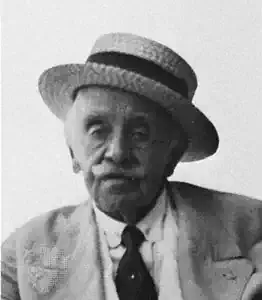
Death cancels all engagements.
Prince, what you are, you are by accident of birth; what I am, I am of myself. There are and there will be thousands of princes. There is only one Beethoven.
[ Of British music-hall comedian Dan Leno :] Only mediocrity can be trusted to be always at its best. Genius must always have lapses proportionate to its triumphs.
To give an accurate and exhaustive account of the period would need a far less brilliant pen than mine.
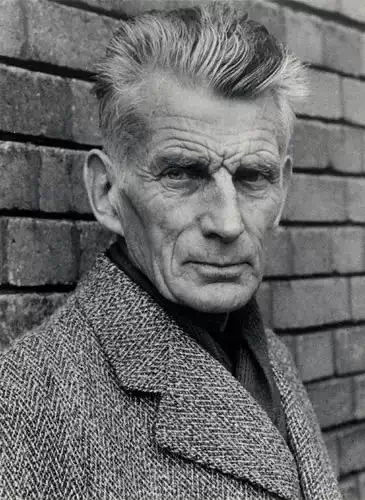
There is no use indicting words, they are no shoddier than what they peddle.
I could not have gone through the awful wretched mess of life without having left a stain upon the silence.
We always find something, eh Didi, to give us the impression we exist?
[ Estragon :] Let’s go.
The sun shone, having no alternative, on the nothing new.
Waiting for Godot act 1 (1952)
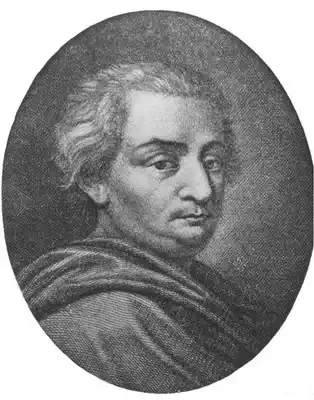
No man can be judged a criminal until he be found guilty; nor can society take from him the public protection, until it have been proved that he has violated the conditions on which it was granted. What right, then, but that of power, can authorize the punishment of a citizen, so long as there remains any doubt of his guilt? The dilemma is frequent. Either he is guilty, or not guilty. If guilty, he should only suffer the punishment ordained by the laws, and torture becomes useless, as his confession is unnecessary. If he be not guilty, you torture the innocent; for, in the eye of the law, every man is innocent, whose crime has not been proved.
[ On the death penalty :] It seems so absurd to me that the laws, that are the expression of the public will, that hate and punish the murder, make one themselves, and, to dissuade citizens from the murder, order a public murder.
If we glance at the pages of history, we will find that laws, which surely are, or ought to be, compacts of free men, have been, for the most part, a mere tool of the passions of some, or have arisen from an accidental and temporary need. Never have they been dictated by a dispassionate student of human nature who might, by bringing the actions of a multitude of men into focus, consider them from this single point of view: the greatest happiness shared by the greatest number.
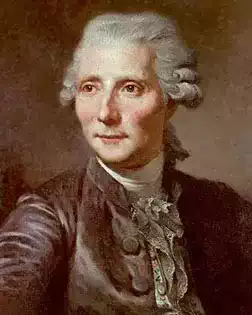
Vous vous êtes donné la peine de naître, et rien de plus .
If you assure me that your intentions are honorable.
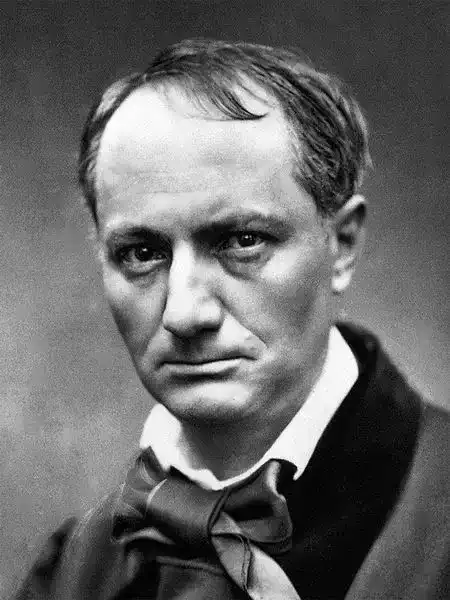
Theory of the true civilization. It is not to be found in gas or steam or table turning. It consists in the diminution of the traces of original sin.
Belief in progress is a doctrine of idlers and Belgians. It is the individual relying upon his neighbors to do his work.
La plus belle des ruses du Diable est de vous persuader qu’il n’existe pas!
Nous voulons, tant ce feu nous brûle le cerveau ,
J’ai plus de souvenirs que si j’avais mille ans .
Ô Mort, vieux capitaine, il est temps! levons l’ancre .
Là, tout n’est qu’ordre et beauté, Luxe, calme et volupté .
Je suis la plaie et le couteau!
Les parfums, les couleurs, et les sons se répondent .
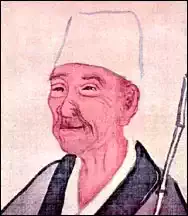
On a journey, ill,
On a withered branch
The summer grasses:
Cooling, so cooling,
Clouds now and again
Refinement’s origin:
An old pond—
Days and months are travellers of eternity. So are the years that pass by.
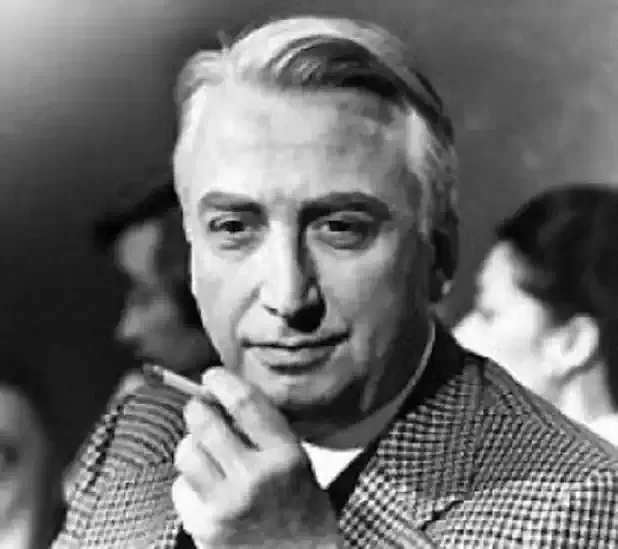
Opposite the writerly text, then, is its countervalue, its negative, reactive value: what can be read, but not written: the readerly . We call any readerly text a classic text.
The goal of literary work (of literature as work) is to make the reader no longer a consumer, but a producer of the text. Our literature is characterized by the pitiless divorce which the literary institution maintains between the producer of the text and its user, between its owner and its consumer, between its author and its reader. This reader is thereby plunged into a kind of idleness—he is intransitive; he is, in short, serious : instead of functioning himself, instead of gaining access to the magic of the signifier, to the pleasure of writing, he is left with no more than the poor freedom either to accept or reject the text: reading is nothing more than a referendum .
The birth of the reader must be at the cost of the death of the Author.
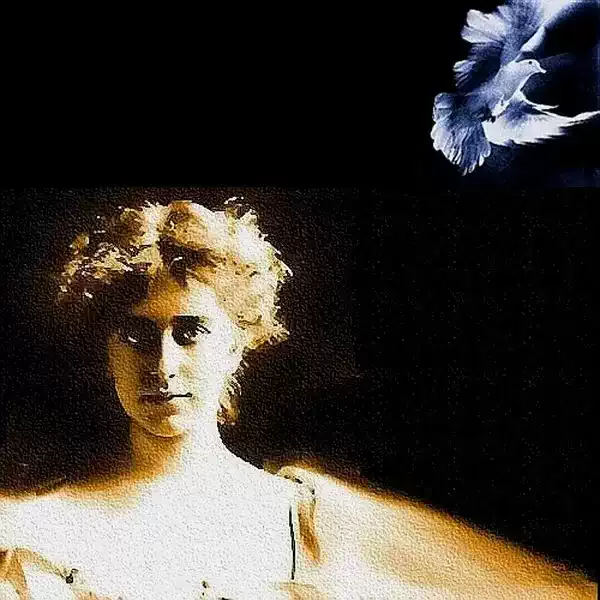
The most beautiful life is one spent creating oneself, not procreating.
Lately, I’ve become accustomed to the way
We want “poems that kill.”