

Authors List
Browse our collection of authors
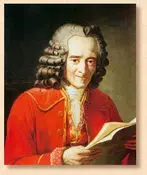
Voltaire

1694-11-21 – 1778-05-30
Voltaire was a prolific French writer, historian, and philosopher, a central figure of the Enlightenment. Known for his sharp intellect, sense of humor, and advocacy for freedom of speech, he vehemently criticized religious intolerance and the tyranny of the aristocracy and clergy of his time. His vast work spans poetry, essays, plays, correspondence, and philosophical texts, exerting a profound influence on Western thought.
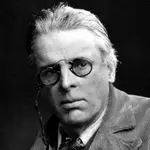
William Butler Yeats

1865-06-13 – 1939-01-28
William Butler Yeats was a prominent Irish poet, playwright, and mystic, widely regarded as one of the greatest poets of the 20th century. His early work was deeply influenced by Irish mythology and folklore, and he was a key figure in the Irish Literary Revival. Over his career, his style evolved, becoming more personal, symbolic, and philosophical, grappling with themes of love, aging, politics, and the spiritual life. Yeats's poetry is characterized by its rich imagery, musicality, and intellectual depth. He explored the complexities of the human condition, the nature of art, and the turbulent history of Ireland. His later works, in particular, are known for their aphoristic power and profound meditations on life and mortality. He received the Nobel Prize in Literature in 1923, solidifying his international literary stature.
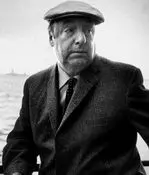
Pablo Neruda

1904-07-12 – 1973-09-23
Pablo Neruda was a Chilean poet, diplomat, and politician. He is widely regarded as one of the most influential poets of the 20th century, celebrated for his lyrical and evocative verse, which often explored themes of love, nature, politics, and everyday life. Neruda's prolific output and diverse thematic concerns earned him international acclaim, culminating in the Nobel Prize in Literature in 1971. His work is characterized by its passionate imagery, sensuous language, and profound connection to the landscapes and people of Latin America.
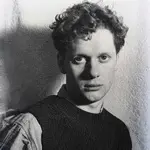
Dylan Thomas

1914-10-27 – 1953-11-09
Dylan Thomas was a celebrated Welsh poet whose vivid imagery, lyrical intensity, and unique use of language captivated readers worldwide. His work, often characterized by its passionate exploration of life, death, love, and nature, combined a deep connection to his Welsh heritage with a modernist sensibility. Despite a tragically short and often tumultuous life, his poems possess an enduring power and musicality that have secured his place as one of the 20th century's most important poets.
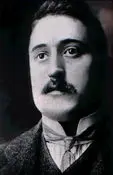
Guillaume Apollinaire
1880-08-26 – 1918-11-09
Guillaume Apollinaire was a highly influential French poet, playwright, short story writer, novelist, and art critic. He is considered one of the most important figures of early 20th-century European literature, particularly associated with the Symbolist movement and the development of Surrealism. Apollinaire is credited with coining the term 'Surrealism' and is renowned for his innovative use of language, experimental typography, and exploration of modern themes. His poetry often blends lyricism with everyday experiences, reflecting the vibrant, often chaotic, spirit of his time.
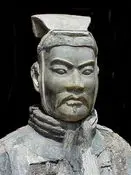
Sun Tzu
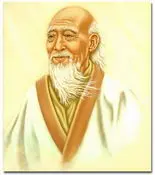
Lao Zi

0604-01-01 – -600ac
Lao Zi (or Lao Tzu) is traditionally credited as the author of the "Tao Te Ching" and a central figure in Taoist philosophy. His historical existence is debated, but his influence through the teachings on the Tao – the Way – is immeasurable. His philosophy emphasizes harmony with nature, simplicity, non-action (wu wei), and wisdom through introspection and observation of the universe.
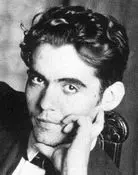
Federico García Lorca

1898-06-05 – 1936-08-18
Federico García Lorca was a Spanish poet, playwright, and theatre director, widely regarded as one of the most important figures of the Generation of '27. His work is characterized by its lyrical intensity, exploration of Andalusian folklore, and profound engagement with themes of love, death, desire, and social injustice. Lorca's poetic and dramatic output, infused with elements of surrealism and symbolism, has had a lasting impact on Spanish and world literature.
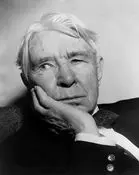
Carl Sandburg

1878-01-06 – 1967-07-22
Carl Sandburg was an American poet, historian, novelist, and lexicographer. He is considered one of the most important American poets of the 20th century, known for his free verse and his focus on the American working class and the landscapes of the American Midwest. His poetry often celebrated the common man and the industrial might of America, earning him a reputation as the "poet of the people." Beyond his poetry, Sandburg was also a prolific biographer, most notably of Abraham Lincoln, and a collector of folklore and songs.
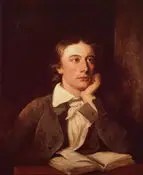
John Keats
1795-10-31 – 1821-02-23
John Keats was a leading figure of the second generation of English Romantic poets. Despite a short life, his prolific output of some of the most celebrated odes and sonnets in the English language profoundly impacted literature. His poetry is renowned for its sensory richness, exploration of beauty, and philosophical depth, often delving into themes of love, mortality, and the transient nature of existence. Keats's work, though not widely appreciated during his lifetime, is now considered a cornerstone of Romantic literature, celebrated for its exquisite craftsmanship and emotional intensity.
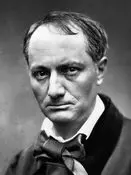
Charles Baudelaire
1821-04-09 – 1867-08-31
Charles Baudelaire was a pioneering French poet, critic, and translator, best known for his collection 'Les Fleurs du mal' (The Flowers of Madness). He is considered a key figure in Symbolism and Modernism, often described as the "father of modern poetry." His work explored themes of urban life, sensuality, and the darker aspects of human experience with unprecedented frankness and aesthetic innovation.
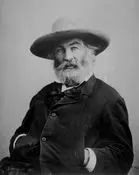
Walt Whitman
1819-05-31 – 1892-03-26
Walt Whitman was an American poet, essayist, journalist, and a deliberate humanist who became one of the most influential figures in American poetry. He is often called the "father of free verse." His seminal work, "Leaves of Grass," was a radical departure from the conventional poetry of its time, celebrating the individual, democracy, the body, and the spirit in expansive, cataloging lines. Whitman's poetry embraced a wide range of subjects, from the natural world and urban life to the experiences of laborers and soldiers. His work is characterized by its inclusive spirit, its celebration of the sensual and the spiritual, and its democratic vision. He sought to capture the diverse American experience in all its complexity and vitality, making him a truly unique voice in literature.
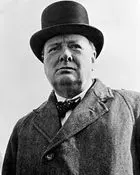
Winston Churchill
1874-11-30 – 1965-01-24
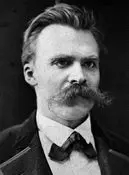
Friedrich Nietzsche

1844-10-15 – 1900-08-25
Friedrich Nietzsche was an influential German philosopher, philologist, and cultural critic. His work addresses themes such as morality, religion, truth, art, and the human condition, with a radical critique of traditional Western values. He is known for concepts such as the "death of God", the "superman" (Übermensch), and the "will to power" (Wille zur Macht). His writing is marked by an aphoristic and provocative style, which challenges the reader to rethink their beliefs and values.
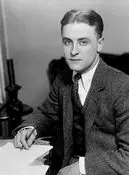
F. Scott Fitzgerald
1896-09-24 – 1940-12-21
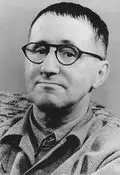
Bertolt Brecht
1898-02-10 – 1956-08-14
Bertolt Brecht was a highly influential German playwright, poet, and theatre director. He is renowned for his pioneering work in epic theatre, which aimed to provoke critical thought rather than emotional immersion. His writings often carried strong political and social messages, critiquing capitalism, war, and injustice. Brecht's innovative techniques, such as the alienation effect (Verfremdungseffekt), revolutionized modern theatre.
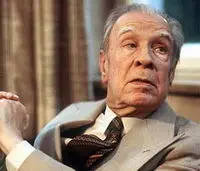
Jorge Luis Borges

1899-08-24 – 1986-06-14
Jorge Luis Borges was an Argentine writer, poet, essayist, and translator. His work is characterized by its philosophical depth, intricate plots, and exploration of themes such as time, infinity, identity, and the nature of reality. Borges is considered one of the most significant literary figures of the 20th century, renowned for his innovative use of literary devices and his profound influence on postmodern literature.
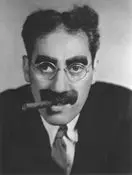
Groucho Marx
1890-10-02 – 1977-08-19
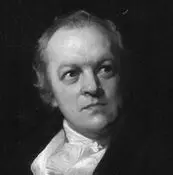
William Blake
1757-11-28 – 1827-08-12
William Blake was an English poet, painter, and printmaker whose visionary works explored profound spiritual and philosophical themes. He is renowned for his prophetic books, which combine his unique mythology with his distinct artistic style, often characterized by intense symbolism and imaginative power. Blake's work defied easy categorization, blending elements of Romanticism with his own highly personal brand of mysticism. His poetry, such as "Songs of Innocence and of Experience," continues to captivate readers with its exploration of dualities like innocence and corruption, joy and sorrow, and the spiritual and the material.
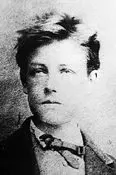
Arthur Rimbaud
1854-10-20 – 1891-11-10
Arthur Rimbaud was a French poet whose brief but intensely prolific career produced some of the most influential works in Symbolist and Modernist literature. Known for his rebellious spirit and visionary poetry, Rimbaud explored themes of transcendence, alienation, and the limits of perception. His innovative use of language, imagery, and verse forms, often fueled by intense personal experiences and experimentation, had a profound and lasting impact on poetry and other art forms, despite his early abandonment of writing.
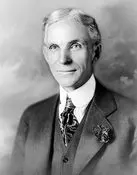
Henry Ford
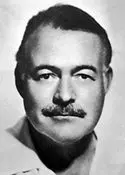
Ernest Hemingway
1899-07-21 – 1961-07-02
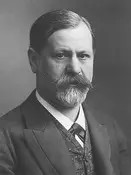
Sigmund Freud
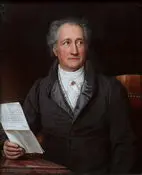
Johann Wolfgang von Goethe
1749-08-28 – 1832-03-22
Johann Wolfgang von Goethe was a prolific German writer, poet, playwright, and statesman whose vast body of work significantly impacted European literature and thought. His writings explored profound themes of nature, humanity, science, and the human condition, often blending romantic idealism with classical restraint. Goethe's influence extended beyond literature; he was also a respected figure in science and politics, embodying the ideal of the well-rounded Renaissance man. His literary creations, such as "Faust," remain cornerstones of world literature.