Identification and basic context
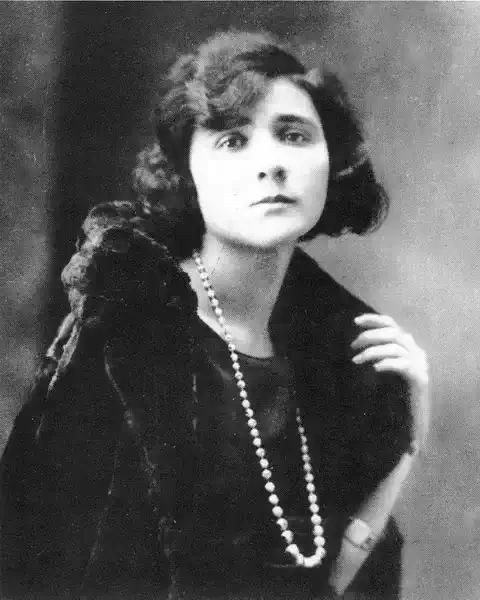
Florbela de Alma da Conceição Espanca, known as Florbela Espanca, was a Portuguese poet. She was born in Vila Viçosa, Alentejo. Pseudonyms such as "Flor" or "Florbela de Alma" were used by her. She belonged to the Orpheu generation, although her work sometimes escapes the strict categories of literary movements of the time. She lived in the first half of the 20th century, a period of great social and political transformations in Portugal.
Childhood and education
Florbela's childhood was marked by the loss of her mother, who died giving birth, and she was raised by her father and stepmother. This fact, along with her own amorous experiences, would profoundly influence her work. She was a dedicated student, graduating in Law from the University of Lisbon, a remarkable achievement for a woman of her time. She absorbed influences from romantic and symbolist literature and from poets like Camões and Antero de Quental.
Literary career
Her literary career began early with the writing of poems and short stories, but the publication of her first book, "Isto é... Viv-e-morrer", only occurred in 1925. Her work, although short, is of remarkable intensity, marked by an evolution in form and theme, always centered on her personal experience and feelings. She collaborated in newspapers and magazines, notably in the magazine "Contemporânea", where she shared space with other prominent figures in Portuguese literature.
Work, style, and literary characteristics
Her best-known works include "Isto é... Viv-e-morrer" (1925), "Vida" (1925), "Serenidade" (1927), and the posthumous collections "Fumo, Chão e Outras Poesias" and "Poemas de Florbela". The dominant themes in her work are love (in its most passionate, idealized, and sometimes suffering aspects), death, solitude, existential anguish, and the search for identity. Her style is intensely lyrical, confessional, and dramatic, with strong musicality and an expressive use of metaphor and hyperbole. She predominantly used the sonnet, with great mastery, but also free verse. Her language is passionate, at times desperate, reflecting the intensity of her feelings. Florbela Espanca's work, although part of Modernism, possesses a unique and unmistakable voice, focused on exploring the depths of the self and amorous experience.
Cultural and historical context
Florbela lived in a time when women had a very restricted social role, and their literary expression, especially the confessional and passionate kind, was viewed with suspicion by some sectors of society. Her work, however, echoed the desire for freedom and expression that was in the air, dialoguing with the concerns of her generation.
Personal life
Florbela's life was marked by an intense search for idealized love, with amorous relationships that often ended in disillusionment and suffering. She suffered from the loss of a child and from sentimental mismatches. She married twice. She dedicated herself to teaching in primary schools, which provided her with a livelihood, but her true vocation was poetry. Her personal life and her work are intrinsically linked, with poetry serving as a means to exorcise her pains and anxieties.
Recognition and reception
During her lifetime, Florbela Espanca had limited recognition, but her work gained prominence after her death. Today, she is considered one of the most important and influential poets in Portuguese literature, with a legion of admirers who identify with her emotional intensity and poetic honesty.
Influences and legacy
Influenced by poets such as Camões, Antero de Quental, and Camilo Pessanha, Florbela Espanca, in turn, influenced numerous female and male poets, especially those who delve into the themes of love and pain. Her legacy lies in her ability to give voice to the deepest anguishes of the human heart, making her poetry a mirror for many.
Interpretation and critical analysis
Florbela's work has been the subject of various interpretations, which highlight its psychological and existential dimension, her rebellion against social conventions, and her incessant search for a love that would bring her fulfillment. Her poetry is often analyzed from the perspective of helplessness and resilience.
Curiosities and lesser-known aspects
Florbela was known for her beauty and strong temperament. Her passion for writing was so intense that many of her poems were written during moments of great suffering. Her complex relationship with her father and the idealized figure of love profoundly marked her life and work.
Death and memory
Florbela Espanca died prematurely, from tuberculosis, in Espinho. Her death, so young, left a void in Portuguese literature. The posthumous publication of her poems allowed her voice to resonate over time, ensuring her literary immortality.

 PT
PT