Identificação e contexto básico
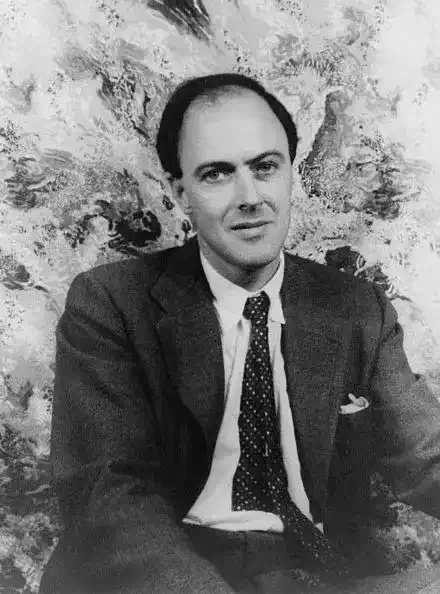
Roald Dahl é principalmente conhecido pela sua literatura infantil, embora também tenha escrito para adultos e elaborado guiões. Nasceu em Llandaff, Cardiff, País de Gales. Os seus pais eram imigrantes noruegueses. A nacionalidade de Dahl era britânica.
Infância e educação
A infância de Dahl foi marcada por eventos significativos, incluindo a morte do seu pai e da sua irmã mais velha em tenra idade. Frequentou várias escolas internas em Inglaterra, onde as suas experiências foram frequentemente desafiadoras e, por vezes, traumáticas, o que mais tarde influenciou parte da sua escrita. Tinha uma paixão pela leitura desde jovem e foi influenciado pelas histórias que encontrou.
Trajetória literária
A carreira de escrita de Dahl começou após a Segunda Guerra Mundial. A sua primeira obra publicada foi "The Gremlins", um livro infantil. Mais tarde, ganhou imensa popularidade com romances como "Charlie e a Fábrica de Chocolate", "Matilda", "O Bom Gigante Amigo" e "James e o Pêssego Gigante". Escreveu também romances de sucesso para adultos, incluindo "My Uncle Oswald", e coleções de contos como "Someone Like You" e "Kiss, Kiss". Os seus créditos de guionismo incluem adaptações de "Chitty Chitty Bang Bang" e "You Only Live Twice" de Ian Fleming.
Obras, estilo e características literárias
Os livros infantis de Dahl são caracterizados pelas suas tramas inventivas, personagens memoráveis (frequentemente excêntricas ou grotescas) e uma mistura de humor e ameaça leve. Os temas giram frequentemente em torno do triunfo do underdog, do poder da imaginação e da subversão da autoridade adulta. O seu estilo é direto, envolvente e utiliza frequentemente linguagem inventiva e neologismos. As suas obras para adultos exploram temas mais sombrios, muitas vezes com um tom macabro ou de suspense.
Contexto cultural e histórico
A vida de Dahl abrangeu períodos históricos significativos, incluindo a Segunda Guerra Mundial, durante a qual serviu como piloto na Royal Air Force. As suas experiências durante a guerra, embora muitas vezes angustiantes, contribuíram para a sua narrativa. As suas obras surgiram num período de mudança de normas sociais e de evolução das perspetivas sobre a infância e a educação.
Vida pessoal
Dahl teve uma vida pessoal vibrante e complexa. Casou-se duas vezes, primeiro com a atriz Patricia Neal, com quem teve vários filhos. A sua relação com Neal foi marcada por grande amor e dificuldades significativas, particularmente após os seus graves acidentes vasculares cerebrais. Era também conhecido pelas suas fortes opiniões e pela sua dedicação à sua arte.
Reconhecimento e receção
Roald Dahl é um dos contadores de histórias mais lidos e amados do mundo. Os seus livros venderam centenas de milhões de exemplares e foram traduzidos para inúmeras línguas. Embora os seus livros infantis sejam universalmente aclamados, alguns dos seus temas e representações mais sombrias para adultos provocaram ocasionalmente debates.
Influências e legado
A obra de Dahl teve uma profunda influência na literatura infantil e na cultura popular. A sua voz narrativa única e a sua construção de mundos imaginativos continuam a inspirar escritores e artistas. As suas histórias foram adaptadas em inúmeros filmes de sucesso, peças de teatro e musicais, garantindo que o seu legado continua a prosperar.
Interpretação e análise crítica
As obras de Dahl são frequentemente analisadas pela sua profundidade psicológica, pela sua exploração da moralidade e pelo seu comentário sobre as estruturas sociais. Os críticos exploraram os temas subjacentes de bem contra o mal, a importância da empatia e a subversão das figuras de autoridade tradicionais nas suas narrativas.
Curiosidades e aspetos menos conhecidos
Apesar da sua fama, Dahl era conhecido por ser bastante reservado. Tinha uma rotina de escrita única, trabalhando frequentemente numa cabana especialmente concebida no seu jardim. Foi também um inventor ávido, desenvolvendo dispositivos médicos.
Morte e memória
Roald Dahl faleceu em 1990. O seu legado é preservado através da sua extensa obra, do Roald Dahl Museum and Story Centre e do trabalho de caridade da Roald Dahl's Marvellous Children's Charity.

 --
--