
 Português
 English
 Español
Emoções
Poemas neste tema

Eduardo Guimaraens
Tudo que faz da carne um mistério inquietante
D'une beauté effrayante, presque
spectrale
THÉOPHILE GAUTIER
Tudo que faz da carne um mistério inquietante,
languescências, brancor de túmulos ao luar,
marfins de rosa murcha, inerte e singular,
tudo o seu corpo tem, de abandonada amante.
Nimba-lhe a fronte o horror. Quando emudece, o olhar
mostra a antiga tortura eterna e alucinante,
porque os seus olhos são dois tercetos de Dante
que Gustavo Doré deixou por ilustrar!
Do gesto vão, jamais de arremesso ou de assomo,
fez o esforço brutal que dá glória ao perigo;
atrai assim, contudo, a alma do sonhador,
magnífica, fatal e funerária como
hirta e nua, ao entrar de um cenotáfio antigo,
uma estátua da morte, um mármore de dor!
Publicado no livro A divina quimera (1916).
In: GUIMARAENS, Eduardo. A divina quimera. Org. e pref. Mansueto Bernardi. Porto Alegre: Globo, 1944
spectrale
THÉOPHILE GAUTIER
Tudo que faz da carne um mistério inquietante,
languescências, brancor de túmulos ao luar,
marfins de rosa murcha, inerte e singular,
tudo o seu corpo tem, de abandonada amante.
Nimba-lhe a fronte o horror. Quando emudece, o olhar
mostra a antiga tortura eterna e alucinante,
porque os seus olhos são dois tercetos de Dante
que Gustavo Doré deixou por ilustrar!
Do gesto vão, jamais de arremesso ou de assomo,
fez o esforço brutal que dá glória ao perigo;
atrai assim, contudo, a alma do sonhador,
magnífica, fatal e funerária como
hirta e nua, ao entrar de um cenotáfio antigo,
uma estátua da morte, um mármore de dor!
Publicado no livro A divina quimera (1916).
In: GUIMARAENS, Eduardo. A divina quimera. Org. e pref. Mansueto Bernardi. Porto Alegre: Globo, 1944
930
Eduardo Guimaraens
Às vezes, quando vou por altas horas, quando
Às vezes, quando vou por altas horas, quando
fujo através da noite, a este amor que reveste
de um tênue véu de névoa a face do meu sonho,
de lábios infantis que, uma e outra vez, murmuram
uma queixa, como a de alguém que se maltrata,
um murmúrio, afinal, que só tu poderias
compreender, fico a olhar os jardins solitários
que ornam a calma azul por onde vou passando.
E às vezes, paro e sonho à frente de um cipreste;
outras, invejo o ardor de um canteiro tristonho
alvos lírios claustrais que aromam e fulguram,
como fantásticos turíbulos de prata.
Outras, quando anda a lua entre as ruas sombrias
e as flores tomam o ar de votos funerários,
cada aléia é como um regato cintilando,
onde um Ofélia, de alva e imponderável veste
loira e fria, tombou, morta de amor e sonho.
Junto às grades hostis que os jardins enclausuram
e que, ao fulgor da luz, são de ouro, bronze ou prata,
descanso, muita vez, as mãos longas e frias.
E enquanto a lua evoca extáticos cenários
de paisagens do polo e torna em verde brando
todo o azul que lhe nimba a tristeza celeste,
das grades através, como através de um sonho
de prisioneiro, a cujo olhar se transfiguram
as visões do exterior, tenho a visão exata
da noite que convida às grandes nostalgias.
Eu sou o doce irmão dos jardins solitários,
que lhes conhece a dor, que os vê da sombra, olhando
pelo ermo e triste e verde olhar de algum cipreste...
Uns são feitos de tudo, enfim, que há no meu sonho.
E é por isso, talvez, que ora ardem e fulguram,
ora são tristes como esses vitrais de prata
onde Cristo ergue a Deus as mãos longas e frias.
Eu sou o doce irmão dos jardins solitários,
desses jardins que exalto, amo e celebro, quando
por horas mortas vou, do amor que me reveste
de amargura, fugindo, ao longo do meu sonho.
E, ao longo do meu sonho, os jardins se enclausuram
de lágrimas! (Ah! sobre essas grades de prata
quando virás pousar as mãos longas e frias?
Quando abrirás, sorrindo, os jardins solitários,
tu que hás de amar-me um dia e que eu espero? Quando?
Publicado no livro A divina quimera (1916).
In: GUIMARAENS, Eduardo. A divina quimera. Org e pref. Mansueto Bernardi. Porto Alegre: Globo, 1944
fujo através da noite, a este amor que reveste
de um tênue véu de névoa a face do meu sonho,
de lábios infantis que, uma e outra vez, murmuram
uma queixa, como a de alguém que se maltrata,
um murmúrio, afinal, que só tu poderias
compreender, fico a olhar os jardins solitários
que ornam a calma azul por onde vou passando.
E às vezes, paro e sonho à frente de um cipreste;
outras, invejo o ardor de um canteiro tristonho
alvos lírios claustrais que aromam e fulguram,
como fantásticos turíbulos de prata.
Outras, quando anda a lua entre as ruas sombrias
e as flores tomam o ar de votos funerários,
cada aléia é como um regato cintilando,
onde um Ofélia, de alva e imponderável veste
loira e fria, tombou, morta de amor e sonho.
Junto às grades hostis que os jardins enclausuram
e que, ao fulgor da luz, são de ouro, bronze ou prata,
descanso, muita vez, as mãos longas e frias.
E enquanto a lua evoca extáticos cenários
de paisagens do polo e torna em verde brando
todo o azul que lhe nimba a tristeza celeste,
das grades através, como através de um sonho
de prisioneiro, a cujo olhar se transfiguram
as visões do exterior, tenho a visão exata
da noite que convida às grandes nostalgias.
Eu sou o doce irmão dos jardins solitários,
que lhes conhece a dor, que os vê da sombra, olhando
pelo ermo e triste e verde olhar de algum cipreste...
Uns são feitos de tudo, enfim, que há no meu sonho.
E é por isso, talvez, que ora ardem e fulguram,
ora são tristes como esses vitrais de prata
onde Cristo ergue a Deus as mãos longas e frias.
Eu sou o doce irmão dos jardins solitários,
desses jardins que exalto, amo e celebro, quando
por horas mortas vou, do amor que me reveste
de amargura, fugindo, ao longo do meu sonho.
E, ao longo do meu sonho, os jardins se enclausuram
de lágrimas! (Ah! sobre essas grades de prata
quando virás pousar as mãos longas e frias?
Quando abrirás, sorrindo, os jardins solitários,
tu que hás de amar-me um dia e que eu espero? Quando?
Publicado no livro A divina quimera (1916).
In: GUIMARAENS, Eduardo. A divina quimera. Org e pref. Mansueto Bernardi. Porto Alegre: Globo, 1944
985
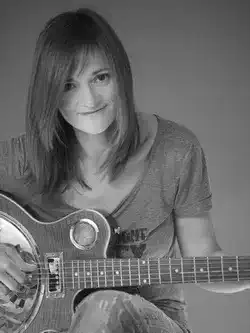
Mafalda Veiga
Fonte dos Deuses
A lua dança na mata
Até despontar o dia
Andam ninfas na cascata
E os deuses em romaria
E os bravos guerreiro mouros
Cravam lanças ao luar
Pra afugentar maus agouros
Como a fonte a transbordar
Rio aberto, quase mar
Acaba todo o sossego
Inundada a pradaria
Se os deuses contam segredos
E água vem que não devi
E os bravos guerreiros
Cravam lanças ao luar
Pra afugentar maus agouros
Como a fonte a transbordar
Rio aberto, quase mar
E estava a princesa moura
A beber água na fonte
Onde a vida é uma espora
Cravada no horizonte
Todo o dia a toda a hora
Sempre vem o trovador
Cantar à princesa moura
E a toda a moirama em flor
Ai toda a moura é uma flor
Cantaria à luz do fogo
Se me fosse perdoado
Pelos deuses todo o sonho
Toda a falta de cuidado
Mas nem sempre acorda a chama
Onde a noite é demorada
Enquanto os deuses recolhem
Água em fonte transbordada
Luz em noite enluarada
E estava a princesa moura
A beber água na fonte
Onde a vida é uma espora
Cravada no horizonte
Todo o dia a toda a hora
Sempre vem o trovador
Cantar à princesa moura
E a toda a moirama em flor
Ai toda a moura é uma flor
Toco na lira dos deuses
Pela margem da ribeira
É esse o riso dos deuses
E das caraças da feira
Dias de amor nunca esquecem
Tirando algum que esqueceu
Quando os deuses enlouquecem
E arrancam estrelas do céu
E deixam noites de breu
E estava a princesa moura
A beber água na fonte
Onde a vida é uma espora
Cravada no horizonte
Todo o dia a toda a hora
Sempre vem o trovador
Cantar à princesa moura
E a toda a moirama em flor
Ai toda a moura é uma flor
Até despontar o dia
Andam ninfas na cascata
E os deuses em romaria
E os bravos guerreiro mouros
Cravam lanças ao luar
Pra afugentar maus agouros
Como a fonte a transbordar
Rio aberto, quase mar
Acaba todo o sossego
Inundada a pradaria
Se os deuses contam segredos
E água vem que não devi
E os bravos guerreiros
Cravam lanças ao luar
Pra afugentar maus agouros
Como a fonte a transbordar
Rio aberto, quase mar
E estava a princesa moura
A beber água na fonte
Onde a vida é uma espora
Cravada no horizonte
Todo o dia a toda a hora
Sempre vem o trovador
Cantar à princesa moura
E a toda a moirama em flor
Ai toda a moura é uma flor
Cantaria à luz do fogo
Se me fosse perdoado
Pelos deuses todo o sonho
Toda a falta de cuidado
Mas nem sempre acorda a chama
Onde a noite é demorada
Enquanto os deuses recolhem
Água em fonte transbordada
Luz em noite enluarada
E estava a princesa moura
A beber água na fonte
Onde a vida é uma espora
Cravada no horizonte
Todo o dia a toda a hora
Sempre vem o trovador
Cantar à princesa moura
E a toda a moirama em flor
Ai toda a moura é uma flor
Toco na lira dos deuses
Pela margem da ribeira
É esse o riso dos deuses
E das caraças da feira
Dias de amor nunca esquecem
Tirando algum que esqueceu
Quando os deuses enlouquecem
E arrancam estrelas do céu
E deixam noites de breu
E estava a princesa moura
A beber água na fonte
Onde a vida é uma espora
Cravada no horizonte
Todo o dia a toda a hora
Sempre vem o trovador
Cantar à princesa moura
E a toda a moirama em flor
Ai toda a moura é uma flor
1 098
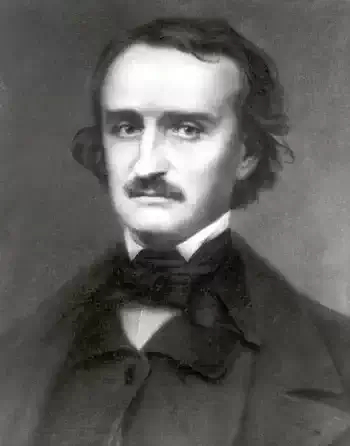
Edgar Allan Poe
Eulalie
I dwelt alone
In a world of moan,
And my soul was a stagnant tide,
Till the fair and gentle Eulalie became my blushing bride—
Till the yellow-haired young Eulalie became my smiling bride.
Ah, less— less bright
The stars of the night
Than the eyes of the radiant girl!
That the vapor can make
With the moon-tints of purple and pearl,
Can vie with the modest Eulalie's most unregarded curl—
Can compare with the bright-eyed Eulalie's most humble and careless curl.
Now Doubt- now Pain
Come never again,
For her soul gives me sigh for sigh,
And all day long
Shines, bright and strong,
Astarte within the sky,
While ever to her dear Eulalie upturns her matron eye—
While ever to her young Eulalie upturns her violet eye.
1850
In a world of moan,
And my soul was a stagnant tide,
Till the fair and gentle Eulalie became my blushing bride—
Till the yellow-haired young Eulalie became my smiling bride.
Ah, less— less bright
The stars of the night
Than the eyes of the radiant girl!
That the vapor can make
With the moon-tints of purple and pearl,
Can vie with the modest Eulalie's most unregarded curl—
Can compare with the bright-eyed Eulalie's most humble and careless curl.
Now Doubt- now Pain
Come never again,
For her soul gives me sigh for sigh,
And all day long
Shines, bright and strong,
Astarte within the sky,
While ever to her dear Eulalie upturns her matron eye—
While ever to her young Eulalie upturns her violet eye.
1850
2 107
Mafalda Veiga
Por Tu Amor
Hoy ha entregado más que cuerpo y alma
todo lo aposte
mi cansacio com un trago de silencio
my fuerza y mi fe
Hoy ha habido una luna casi negra
en un cielo gris
y uno es guerrero
es compañeiro aunque no vuelva
yo a saber de ti
mas que más da
Si por tu amor hay que a aprender
a hacer revoluciones en la calle
si hay que luchar hasta ya no poder
yo lucharé
cantando en noches de silencio
ganando sobre piedras mi destino
si hay que ser fuerte
yo aprenderé
Hoy he buscado hasta el final de la oscuridad
la risa o la muerte
he arrancado muy muy dentro de mi alma
raíces de flor o dolor
mas que más da
Si por tu amor hay que a aprender
a hacer revoluciones en la calle
si hay que luchar hasta ya no poder
yo lucharé
cantando en noches de silencio
ganando sobre piedras mi destino
si hay que ser fuerte
yo aprenderé
todo lo aposte
mi cansacio com un trago de silencio
my fuerza y mi fe
Hoy ha habido una luna casi negra
en un cielo gris
y uno es guerrero
es compañeiro aunque no vuelva
yo a saber de ti
mas que más da
Si por tu amor hay que a aprender
a hacer revoluciones en la calle
si hay que luchar hasta ya no poder
yo lucharé
cantando en noches de silencio
ganando sobre piedras mi destino
si hay que ser fuerte
yo aprenderé
Hoy he buscado hasta el final de la oscuridad
la risa o la muerte
he arrancado muy muy dentro de mi alma
raíces de flor o dolor
mas que más da
Si por tu amor hay que a aprender
a hacer revoluciones en la calle
si hay que luchar hasta ya no poder
yo lucharé
cantando en noches de silencio
ganando sobre piedras mi destino
si hay que ser fuerte
yo aprenderé
1 140
Edgar Allan Poe
The Lake
In youth's spring, it was my lot
To haunt of the wide earth a spot
The which I could not love the less;
So lovely was the loneliness
Of a wild lake, with black rock bound.
And the tall pines that tower'd around.
But when the night had thrown her pall
Upon that spot — as upon all,
And the wind would pass me by
In its stilly melody,
My infant spirit would awake
To the terror of the lone lake.
Yet that terror was not fright —
But a tremulous delight,
And a feeling undefin'd,
Springing from a darken'd mind.
Death was in that poison'd wave
And in its gulf a fitting grave
For him who thence could solace bring
To his dark imagining;
Whose wild'ring thought could even make
An Eden of that dim lake.
1827
To haunt of the wide earth a spot
The which I could not love the less;
So lovely was the loneliness
Of a wild lake, with black rock bound.
And the tall pines that tower'd around.
But when the night had thrown her pall
Upon that spot — as upon all,
And the wind would pass me by
In its stilly melody,
My infant spirit would awake
To the terror of the lone lake.
Yet that terror was not fright —
But a tremulous delight,
And a feeling undefin'd,
Springing from a darken'd mind.
Death was in that poison'd wave
And in its gulf a fitting grave
For him who thence could solace bring
To his dark imagining;
Whose wild'ring thought could even make
An Eden of that dim lake.
1827
1 545
Edgar Allan Poe
To
Sleep on, sleep on, another hour —
I would not break so calm a sleep,
To wake to sunshine and to show'r,
To smile and weep.
Sleep on, sleep on, like sculptured thing,
Majestic, beautiful art thou;
Sure seraph shields thee with his wing
And fans thy brow —
We would not deem thee child of earth,
For, O, angelic, is thy form!
But, that in heav'n thou had'st thy birth,
Where comes no storm
To mar the bright, the perfect flow'r,
But all is beautiful and still —
And golden sands proclaim the hour
Which brings no ill.
Sleep on, sleep on, some fairy dream
Perchance is woven in thy sleep —
But, O, thy spirit, calm, serene,
Must wake to weep.
Tamerlane
1833
I would not break so calm a sleep,
To wake to sunshine and to show'r,
To smile and weep.
Sleep on, sleep on, like sculptured thing,
Majestic, beautiful art thou;
Sure seraph shields thee with his wing
And fans thy brow —
We would not deem thee child of earth,
For, O, angelic, is thy form!
But, that in heav'n thou had'st thy birth,
Where comes no storm
To mar the bright, the perfect flow'r,
But all is beautiful and still —
And golden sands proclaim the hour
Which brings no ill.
Sleep on, sleep on, some fairy dream
Perchance is woven in thy sleep —
But, O, thy spirit, calm, serene,
Must wake to weep.
Tamerlane
1833
1 045
Mafalda Veiga
Por todo este mundo
Saiu à rua, indiferente
Seguiu pra longe
Longe do olhar de toda a gente
Na luz intacta da madrugada
Seguiu sem norte e sem estrada
Descalça na terra molhada
Despiu o corpo e o pensamento
Seguiu o vento
Esqueceu a mágoa de acabar
E o tempo perdeu-se do tempo
E o chão raso fez-se mar
No mundo que somos por dentro
Por todo este mundo
Enquanto o sonho existir
E nos levar até ao fim
De tudo o que há pra sentir
Tudo o que há pra sentir
Segui o rasto do calor
Na areia quente
O sol doía como o fogo
Incendiou a cor do dia
Levou no corpo a ventania
E um beijo roubado do amor
Por todo este mundo
Enquanto o sonho existir
E nos levar até ao fim
De tudo o que há pra sentir
Tudo o que há pra sentir.
Seguiu pra longe
Longe do olhar de toda a gente
Na luz intacta da madrugada
Seguiu sem norte e sem estrada
Descalça na terra molhada
Despiu o corpo e o pensamento
Seguiu o vento
Esqueceu a mágoa de acabar
E o tempo perdeu-se do tempo
E o chão raso fez-se mar
No mundo que somos por dentro
Por todo este mundo
Enquanto o sonho existir
E nos levar até ao fim
De tudo o que há pra sentir
Tudo o que há pra sentir
Segui o rasto do calor
Na areia quente
O sol doía como o fogo
Incendiou a cor do dia
Levou no corpo a ventania
E um beijo roubado do amor
Por todo este mundo
Enquanto o sonho existir
E nos levar até ao fim
De tudo o que há pra sentir
Tudo o que há pra sentir.
1 042
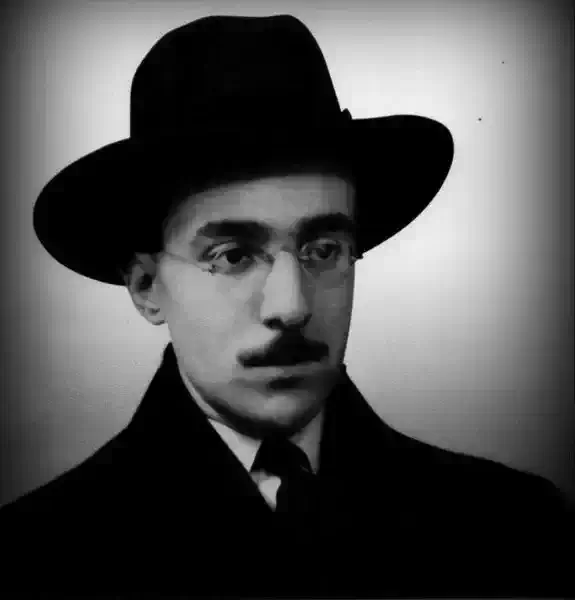
Fernando Pessoa
[1] A Cabeça do Grifo: O INFANTE D. HENRIQUE
Em seu trono entre o brilho das esferas,
Com seu manto de noite e solidão,
Tem aos pés o mar novo e as mortas eras —
O único imperador que tem, deveras,
O globo mundo em sua mão.
Com seu manto de noite e solidão,
Tem aos pés o mar novo e as mortas eras —
O único imperador que tem, deveras,
O globo mundo em sua mão.
6 895
Mafalda Veiga
Grito
Meu Deus, se nos velas
diz-nos o que é que nos separa
e porque é que o sol demora
atrás da colina escura
anda dar luz ao caminho
que a gente assim desespera
É como sonhar sozinho
como se o mar fosse raso
e o céu não tivesse altura
Sempre no silêncio
dá gozo a voz deste chão
mas inda me dói a alma
na dor do corpo e das mãos
tenho medo deste frio
que à noite sinto no peito
como se andasem cavando
como se andassem fechando
buracos de solidão
Agente não sabe
o que há depois do horizonte
a gente é um vulto curvado
com uma sombra defronte
a ouvir rumores na distância
a sentir dentro um segredo
feito de sonhos calados
feito de braços fechados
num poço fundo de medo
Anda dar luz ao caminho
que já nos dói a demora
É como sonhar sozinho
um sonho que nunca vinga
num grito que nunca chora
diz-nos o que é que nos separa
e porque é que o sol demora
atrás da colina escura
anda dar luz ao caminho
que a gente assim desespera
É como sonhar sozinho
como se o mar fosse raso
e o céu não tivesse altura
Sempre no silêncio
dá gozo a voz deste chão
mas inda me dói a alma
na dor do corpo e das mãos
tenho medo deste frio
que à noite sinto no peito
como se andasem cavando
como se andassem fechando
buracos de solidão
Agente não sabe
o que há depois do horizonte
a gente é um vulto curvado
com uma sombra defronte
a ouvir rumores na distância
a sentir dentro um segredo
feito de sonhos calados
feito de braços fechados
num poço fundo de medo
Anda dar luz ao caminho
que já nos dói a demora
É como sonhar sozinho
um sonho que nunca vinga
num grito que nunca chora
1 084
Mafalda Veiga
Ilha
Dancei no fio
de uma espada
num poço aberto
em sol vermelho
há tanto tempo
não sei de ti
toquei na chama
mas era um espelho
Soltei a dor
como um segredo
que se guardou
e não se deu
lambi a ferida
de te esperar
mas este sangue
sabia a mar
Há uma ilha
dentro do deserto
há um caminho
numa vaga
há espaço para correr
sob o sol
há um barco vazio
que me arrasta
Andei num fio
de navalha
fui acrobata
e enlouqueci
abri uma fenda
e foi-se o mar
mas este mar
não chega a ti
Há uma ilha
dentro do deserto
há um caminho
numa vaga
há espaço para correr
sob o sol
há um barco vazio
que me arrasta
És uma ilha
dentro do deserto
és um caminho
numa vaga
És espaço pra correr
sob o sol
és um barco vazio
que me arrasta
és um barco vazio
que me arrasta
de uma espada
num poço aberto
em sol vermelho
há tanto tempo
não sei de ti
toquei na chama
mas era um espelho
Soltei a dor
como um segredo
que se guardou
e não se deu
lambi a ferida
de te esperar
mas este sangue
sabia a mar
Há uma ilha
dentro do deserto
há um caminho
numa vaga
há espaço para correr
sob o sol
há um barco vazio
que me arrasta
Andei num fio
de navalha
fui acrobata
e enlouqueci
abri uma fenda
e foi-se o mar
mas este mar
não chega a ti
Há uma ilha
dentro do deserto
há um caminho
numa vaga
há espaço para correr
sob o sol
há um barco vazio
que me arrasta
És uma ilha
dentro do deserto
és um caminho
numa vaga
És espaço pra correr
sob o sol
és um barco vazio
que me arrasta
és um barco vazio
que me arrasta
1 379
Edgar Allan Poe
Untitled - The happiest day — the happiest hour
The happiest day — the happiest hour
My sear'd and blighted heart hath known,
The highest hope of pride, and power,
I feel hath flown.
Of power! said I? yes! such I ween
But they have vanish'd long alas!
The visions of my youth have been —
But let them pass.
And, pride, what have I now with thee?
Another brow may ev'n inherit
The venom thou hast pour'd on me —
Be still my spirit.
The happiest day — the happiest hour
Mine eyes shall see — have ever seen
The brightest glance of pride and power
I feel — have been:
But were that hope of pride and power
Now offer'd, with the pain
Ev'n then I felt — that brightest hour
I would not live again:
For on its wing wall dark alloy
And as it flutter'd — fell
An essence — powerful to destroy
A soul that knew it well.
1827
My sear'd and blighted heart hath known,
The highest hope of pride, and power,
I feel hath flown.
Of power! said I? yes! such I ween
But they have vanish'd long alas!
The visions of my youth have been —
But let them pass.
And, pride, what have I now with thee?
Another brow may ev'n inherit
The venom thou hast pour'd on me —
Be still my spirit.
The happiest day — the happiest hour
Mine eyes shall see — have ever seen
The brightest glance of pride and power
I feel — have been:
But were that hope of pride and power
Now offer'd, with the pain
Ev'n then I felt — that brightest hour
I would not live again:
For on its wing wall dark alloy
And as it flutter'd — fell
An essence — powerful to destroy
A soul that knew it well.
1827
1 047
Mafalda Veiga
Em toda a parte
A distância é um fogo
Onde vou chegar
Num abraço fechado
Para te levar
Por campos abertos
Por onde puder
Levar-te por dentro
Pra não te perder
Nem com mil tormentas
Que arrasem o mundo
Em qualquer lado
Onde quer que eu vá
Levo no corpo o desejo
De te abraçar
Em toda a parte
Onde quer que o sonho me leve
Hei-de lembrar-me de ti
Por outros caminhos
Hei-de vaguear
Num abraço fechado
Para te levar
E há uma canção
Que um dia aprendi
Eu hei-de cantá-la
A pensar em ti
Em qualquer lado
Onde quer que eu vá
Levo no corpo o desejo
De te abraçar
Em toda a parte
Onde quer que o sonho me leve
hei-de lembrar-me de ti
Onde vou chegar
Num abraço fechado
Para te levar
Por campos abertos
Por onde puder
Levar-te por dentro
Pra não te perder
Nem com mil tormentas
Que arrasem o mundo
Em qualquer lado
Onde quer que eu vá
Levo no corpo o desejo
De te abraçar
Em toda a parte
Onde quer que o sonho me leve
Hei-de lembrar-me de ti
Por outros caminhos
Hei-de vaguear
Num abraço fechado
Para te levar
E há uma canção
Que um dia aprendi
Eu hei-de cantá-la
A pensar em ti
Em qualquer lado
Onde quer que eu vá
Levo no corpo o desejo
De te abraçar
Em toda a parte
Onde quer que o sonho me leve
hei-de lembrar-me de ti
1 071
Edgar Allan Poe
The Valley of Unrest
Once it smiled a silent dell
Where the people did not dwell;
They had gone unto the wars,
Trusting to the mild-eyed stars,
Nightly, from their azure towers,
To keep watch above the flowers,
In the midst of which all day
The red sunlight lazily lay.
Now each visitor shall confess
The sad valley's restlessness.
Nothing there is motionless-
Nothing save the airs that brood
Over the magic solitude.
Ah, by no wind are stirred those trees
That palpitate like the chill seas
Around the misty Hebrides!
Ah, by no wind those clouds are driven
That rustle through the unquiet Heaven
Uneasily, from morn till even,
Over the violets there that lie
In myriad types of the human eye-
Over the lilies there that wave
And weep above a nameless grave!
They wave: — from out their fragrant tops
Eternal dews come down in drops.
They weep: — from off their delicate stems
Perennial tears descend in gems.
1845
Where the people did not dwell;
They had gone unto the wars,
Trusting to the mild-eyed stars,
Nightly, from their azure towers,
To keep watch above the flowers,
In the midst of which all day
The red sunlight lazily lay.
Now each visitor shall confess
The sad valley's restlessness.
Nothing there is motionless-
Nothing save the airs that brood
Over the magic solitude.
Ah, by no wind are stirred those trees
That palpitate like the chill seas
Around the misty Hebrides!
Ah, by no wind those clouds are driven
That rustle through the unquiet Heaven
Uneasily, from morn till even,
Over the violets there that lie
In myriad types of the human eye-
Over the lilies there that wave
And weep above a nameless grave!
They wave: — from out their fragrant tops
Eternal dews come down in drops.
They weep: — from off their delicate stems
Perennial tears descend in gems.
1845
1 182
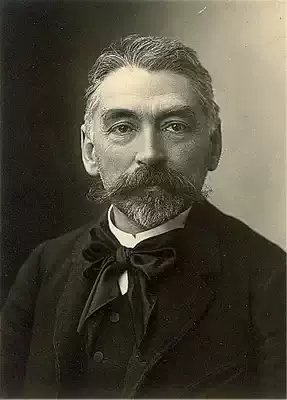
Stéphane Mallarmé
Salut
Rien, cette écume, vierge vers
À ne désigner que la coupe;
Telle loin se noie une troupe
De sirènes mainte à l'envers.
Nous naviguons, ô mes divers
Amis, moi déjà sur la poupe
Vous l'avant fastueux qui coupe
Le flot de foudres et d'hivers;
Une ivresse belle m'engage
Sans craindre même son tangage
De porter debout ce salut
Solitude, récif, étoile
À n'importe ce qui valut
Le blanc souci de notre toile.
À ne désigner que la coupe;
Telle loin se noie une troupe
De sirènes mainte à l'envers.
Nous naviguons, ô mes divers
Amis, moi déjà sur la poupe
Vous l'avant fastueux qui coupe
Le flot de foudres et d'hivers;
Une ivresse belle m'engage
Sans craindre même son tangage
De porter debout ce salut
Solitude, récif, étoile
À n'importe ce qui valut
Le blanc souci de notre toile.
2 660
Edgar Allan Poe
Bridal Ballad
The ring is on my hand,
And the wreath is on my brow;
Satin and jewels grand
Are all at my command,
And many a rood of land
And I am happy now.
And my lord he loves me well;
But, when first he breathed his vow,
I felt my bosom swell—
And the voice seemed his who fell
For the words rang as a knell,
In the battle down the dell,
And who is happy now.
But he spoke to re-assure me,
And he kissed my pallid brow,
While a reverie came o'er me,
And to the church-yard bore me,
And I sighed to him before me,
"Oh, I am happy now!"
And thus the words were spoken,
And this the plighted vow,
And, though my faith be broken,
And, though my heart be broken,
Behold the golden token
That proves me happy now!
Would God I could awaken!
For I dream I know not how!
And my soul is sorely shaken
Lest an evil step be taken,—--
Lest the dead who is forsaken
May not be happy now.
1837
And the wreath is on my brow;
Satin and jewels grand
Are all at my command,
And many a rood of land
And I am happy now.
And my lord he loves me well;
But, when first he breathed his vow,
I felt my bosom swell—
And the voice seemed his who fell
For the words rang as a knell,
In the battle down the dell,
And who is happy now.
But he spoke to re-assure me,
And he kissed my pallid brow,
While a reverie came o'er me,
And to the church-yard bore me,
And I sighed to him before me,
"Oh, I am happy now!"
And thus the words were spoken,
And this the plighted vow,
And, though my faith be broken,
And, though my heart be broken,
Behold the golden token
That proves me happy now!
Would God I could awaken!
For I dream I know not how!
And my soul is sorely shaken
Lest an evil step be taken,—--
Lest the dead who is forsaken
May not be happy now.
1837
1 403
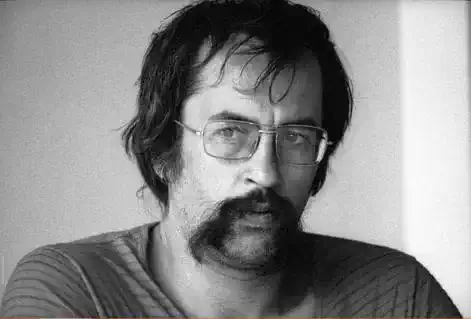
Paulo Leminski
desta vez não vai ter neve como em
desta vez não vai ter neve como em petrogrado aquele dia
o céu vai estar limpo e o sol brilhando
você dormindo e eu sonhando
nem casacos nem cossacos como em petrogrado aquele dia
apenas você nua e eu como nasci
eu dormindo e você sonhando
não vai mais ter multidões gritando como em petrogrado
[aquele dia
silêncio nós dois murmúrios azuis
eu e você dormindo e sonhando
nunca mais vai ter um dia como em petrogrado aquele dia
nada como um dia indo atrás do outro vindo
você e eu sonhando e dormindo
o céu vai estar limpo e o sol brilhando
você dormindo e eu sonhando
nem casacos nem cossacos como em petrogrado aquele dia
apenas você nua e eu como nasci
eu dormindo e você sonhando
não vai mais ter multidões gritando como em petrogrado
[aquele dia
silêncio nós dois murmúrios azuis
eu e você dormindo e sonhando
nunca mais vai ter um dia como em petrogrado aquele dia
nada como um dia indo atrás do outro vindo
você e eu sonhando e dormindo
1 758
Edgar Allan Poe
Dreams
Oh! that my young life were a lasting dream!
My spirit not awakening, till the beam
Of an Eternity should bring the morrow.
Yes! tho' that long dream were of hopeless sorrow,
'Twere better than the cold reality
Of waking life, to him whose heart must be,
And hath been still, upon the lovely earth,
A chaos of deep passion, from his birth.
But should it be— that dream eternally
Continuing— as dreams have been to me
In my young boyhood— should it thus be given,
'Twere folly still to hope for higher Heaven.
For I have revell'd, when the sun was bright
I' the summer sky, in dreams of living light
And loveliness,— have left my very heart
In climes of my imagining, apart
From mine own home, with beings that have been
Of mine own thought— what more could I have seen?
'Twas once— and only once— and the wild hour
From my remembrance shall not pass— some power
Or spell had bound me— 'twas the chilly wind
Came o'er me in the night, and left behind
Its image on my spirit— or the moon
Shone on my slumbers in her lofty noon
Too coldly— or the stars— howe'er it was
That dream was as that night—wind— let it pass.
I have been happy, tho' in a dream.
I have been happy— and I love the theme:
Dreams! in their vivid coloring of life,
As in that fleeting, shadowy, misty strife
Of semblance with reality, which brings
To the delirious eye, more lovely things
Of Paradise and Love— and all our own!
Than young Hope in his sunniest hour hath known.
1827
My spirit not awakening, till the beam
Of an Eternity should bring the morrow.
Yes! tho' that long dream were of hopeless sorrow,
'Twere better than the cold reality
Of waking life, to him whose heart must be,
And hath been still, upon the lovely earth,
A chaos of deep passion, from his birth.
But should it be— that dream eternally
Continuing— as dreams have been to me
In my young boyhood— should it thus be given,
'Twere folly still to hope for higher Heaven.
For I have revell'd, when the sun was bright
I' the summer sky, in dreams of living light
And loveliness,— have left my very heart
In climes of my imagining, apart
From mine own home, with beings that have been
Of mine own thought— what more could I have seen?
'Twas once— and only once— and the wild hour
From my remembrance shall not pass— some power
Or spell had bound me— 'twas the chilly wind
Came o'er me in the night, and left behind
Its image on my spirit— or the moon
Shone on my slumbers in her lofty noon
Too coldly— or the stars— howe'er it was
That dream was as that night—wind— let it pass.
I have been happy, tho' in a dream.
I have been happy— and I love the theme:
Dreams! in their vivid coloring of life,
As in that fleeting, shadowy, misty strife
Of semblance with reality, which brings
To the delirious eye, more lovely things
Of Paradise and Love— and all our own!
Than young Hope in his sunniest hour hath known.
1827
1 602
Edgar Allan Poe
Eldorado
Gaily bedight,
A gallant knight,
In sunshine and in shadow,
Had journeyed long,
Singing a song,
In search of Eldorado.
But he grew old—
This knight so bold—
And o'er his heart a shadow
Fell as he found
No spot of ground
That looked like Eldorado.
And, as his strength
Failed him at length,
He met a pilgrim shadow—
"Shadow," said he,
"Where can it be—
This land of Eldorado?"
"Over the Mountains
Of the Moon,
Down the Valley of the Shadow,
Ride, boldly ride,"
The shade replied—
"If you seek for Eldorado!"
1849
A gallant knight,
In sunshine and in shadow,
Had journeyed long,
Singing a song,
In search of Eldorado.
But he grew old—
This knight so bold—
And o'er his heart a shadow
Fell as he found
No spot of ground
That looked like Eldorado.
And, as his strength
Failed him at length,
He met a pilgrim shadow—
"Shadow," said he,
"Where can it be—
This land of Eldorado?"
"Over the Mountains
Of the Moon,
Down the Valley of the Shadow,
Ride, boldly ride,"
The shade replied—
"If you seek for Eldorado!"
1849
2 105
Edgar Allan Poe
The Coliseum
Lone ampitheatre ! Grey Coliseum !
Type of the antique Rome ! Rich reliquary
Of lofty contemplation left to Time
By buried centuries of pomp and power !
At length, at length — after so many days
Of weary pilgrimage, and burning thirst,
(Thirst for the springs of love [lore] that in thee lie,)
I kneel, an altered, and an humble man,
Amid thy shadows, and so drink within
My very soul thy grandeur, gloom, and glory.
Vastness ! and Age ! and Memories of Eld !
Silence and Desolation! and dim Night!
Gaunt vestibules! and phantom-peopled aisles !
I feel ye now: I feel ye in your strength!
O spells more sure then [than] e'er Judæan king
Taught in the gardens of Gethsemane !
O charms more potent than the rapt Chaldee
Ever drew down from out the quiet stars !
Here, where a hero fell, a column falls :
Here, where the mimic eagle glared in gold,
A midnight vigil holds the swarthy bat:
Here, where the dames of Rome their yellow hair
Wav'd to the wind, now wave the reed and thistle :
Here, where on ivory couch the Cæsar sate,
On bed of moss lies gloating the foul adder :
Here, where on golden throne the monarch loll'd,
Glides spectre-like unto his marble home,
Lit by the wan light of the horned moon,
The swift and silent lizard of the stones.
These crumbling walls; these tottering arcades ;
These mouldering plinths; these sad, and blacken'd shafts ;
These vague entablatures; this broken frieze ;
These shattered cornices; this wreck; this ruin ;
These stones, alas! — these grey stones — are they all ;
All of the great and the colossal left
By the corrosive hours to Fate and me ?
"Not all," — the echoes answer me; "not all :
Prophetic sounds, and loud, arise forever
From us, and from all ruin, unto the wise,
As in old days from Memnon to the sun.
We rule the hearts of mightiest men: — we rule
With a despotic sway all giant minds.
We are not desolate — we pallid stones ;
Not all our power is gone; not all our Fame ;
Not all the magic of our high renown ;
Not all the wonder that encircles us ;
Not all the mysteries that in us lie;
Not all the memories that hang upon,
And cling around about us now and ever,
And clothe us in a robe of more than glory."
1833
Type of the antique Rome ! Rich reliquary
Of lofty contemplation left to Time
By buried centuries of pomp and power !
At length, at length — after so many days
Of weary pilgrimage, and burning thirst,
(Thirst for the springs of love [lore] that in thee lie,)
I kneel, an altered, and an humble man,
Amid thy shadows, and so drink within
My very soul thy grandeur, gloom, and glory.
Vastness ! and Age ! and Memories of Eld !
Silence and Desolation! and dim Night!
Gaunt vestibules! and phantom-peopled aisles !
I feel ye now: I feel ye in your strength!
O spells more sure then [than] e'er Judæan king
Taught in the gardens of Gethsemane !
O charms more potent than the rapt Chaldee
Ever drew down from out the quiet stars !
Here, where a hero fell, a column falls :
Here, where the mimic eagle glared in gold,
A midnight vigil holds the swarthy bat:
Here, where the dames of Rome their yellow hair
Wav'd to the wind, now wave the reed and thistle :
Here, where on ivory couch the Cæsar sate,
On bed of moss lies gloating the foul adder :
Here, where on golden throne the monarch loll'd,
Glides spectre-like unto his marble home,
Lit by the wan light of the horned moon,
The swift and silent lizard of the stones.
These crumbling walls; these tottering arcades ;
These mouldering plinths; these sad, and blacken'd shafts ;
These vague entablatures; this broken frieze ;
These shattered cornices; this wreck; this ruin ;
These stones, alas! — these grey stones — are they all ;
All of the great and the colossal left
By the corrosive hours to Fate and me ?
"Not all," — the echoes answer me; "not all :
Prophetic sounds, and loud, arise forever
From us, and from all ruin, unto the wise,
As in old days from Memnon to the sun.
We rule the hearts of mightiest men: — we rule
With a despotic sway all giant minds.
We are not desolate — we pallid stones ;
Not all our power is gone; not all our Fame ;
Not all the magic of our high renown ;
Not all the wonder that encircles us ;
Not all the mysteries that in us lie;
Not all the memories that hang upon,
And cling around about us now and ever,
And clothe us in a robe of more than glory."
1833
1 444
Edgar Allan Poe
The Bells — A Song
The bells! — hear the bells!
The merry wedding bells!
The little silver bells!
How fairy-like a melody there swells
From the silver tinkling cells
Of the bells, bells, bells!
Of the bells!
The bells! — ah, the bells!
The heavy iron bells!
Hear the tolling of the bells!
Hear the knells!
How horrible a monody there floats
From their throats —
From their deep-toned throats!
How I shudder at the notes
From the melancholy throats
Of the bells, bells, bells —
Of the bells —
1849
The merry wedding bells!
The little silver bells!
How fairy-like a melody there swells
From the silver tinkling cells
Of the bells, bells, bells!
Of the bells!
The bells! — ah, the bells!
The heavy iron bells!
Hear the tolling of the bells!
Hear the knells!
How horrible a monody there floats
From their throats —
From their deep-toned throats!
How I shudder at the notes
From the melancholy throats
Of the bells, bells, bells —
Of the bells —
1849
1 058
Edgar Allan Poe
Alone
From childhood's hour I have not been
As others were; I have not seen
As others saw; I could not bring
My passions from a common spring.
From the same source I have not taken
My sorrow; I could not awaken
My heart to joy at the same tone;
And all I loved, I loved alone.
Then- in my childhood, in the dawn
Of a most stormy life- was drawn
From every depth of good and ill
The mystery which binds me still:
From the torrent, or the fountain,
From the red cliff of the mountain,
From the sun that round me rolled
In its autumn tint of gold,
From the lightning in the sky
As it passed me flying by,
From the thunder and the storm,
And the cloud that took the form
(When the rest of Heaven was blue)
Of a demon in my view.
1829
As others were; I have not seen
As others saw; I could not bring
My passions from a common spring.
From the same source I have not taken
My sorrow; I could not awaken
My heart to joy at the same tone;
And all I loved, I loved alone.
Then- in my childhood, in the dawn
Of a most stormy life- was drawn
From every depth of good and ill
The mystery which binds me still:
From the torrent, or the fountain,
From the red cliff of the mountain,
From the sun that round me rolled
In its autumn tint of gold,
From the lightning in the sky
As it passed me flying by,
From the thunder and the storm,
And the cloud that took the form
(When the rest of Heaven was blue)
Of a demon in my view.
1829
1 871
Paulo Leminski
você está tão longe
você está tão longe
que às vezes penso
que nem existo
nem fale em amor
que amor é isto
que às vezes penso
que nem existo
nem fale em amor
que amor é isto
2 467
Paulo Leminski
ver
ver
é dor
ouvir
é dor
ter
é dor
perder
é dor
só doer
não é dor
delícia
de experimentador
é dor
ouvir
é dor
ter
é dor
perder
é dor
só doer
não é dor
delícia
de experimentador
1 764