
 Português
 English
 Español
Natureza
Poemas neste tema
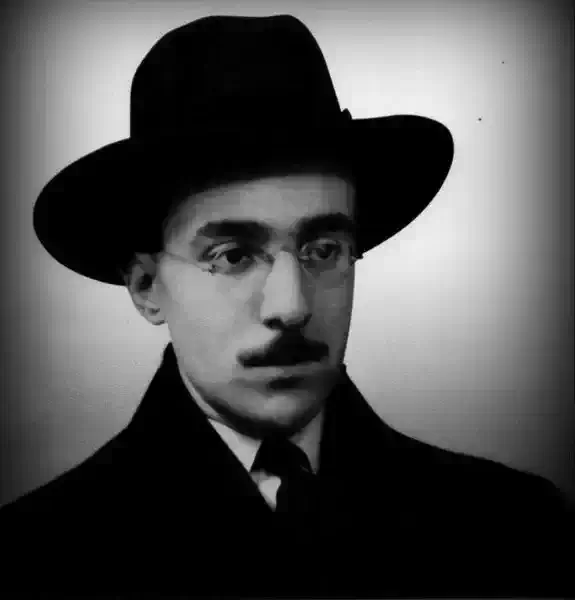
Fernando Pessoa
Jovem morreste, porque regressaste,
A. Caeiro
Jovem morreste, porque regressaste,
Ó deus inconsciente, onde teus pares
De após Cronos te esperam
Ressuscitados deles.
Antes de ti já era a Natureza,
Mas não a alma de compreendê-la.
Deu-te o deus o instinto
Com que sentir as cousas.
Os deuses imortais reconduziste
À humana visão obscurecida
(...)
(...)
Sós ficamos, mas não abandonados,
Porque a obra, que deixaste, és tu ainda
Qual luz à extinta estrela
Póstuma a terra alaga.
Por seu os deuses contam quem
E com teu nome a divindade prestas
De ser eterna à pátria
Odisseia cidade
Igual des ti às sete que contendem,
Cidades por Homero, ou alcaica Lesbos,
Ou heptápila Tebas
Ogígia mãe de Píndaro.
Jovem morreste, porque regressaste,
Ó deus inconsciente, onde teus pares
De após Cronos te esperam
Ressuscitados deles.
Antes de ti já era a Natureza,
Mas não a alma de compreendê-la.
Deu-te o deus o instinto
Com que sentir as cousas.
Os deuses imortais reconduziste
À humana visão obscurecida
(...)
(...)
Sós ficamos, mas não abandonados,
Porque a obra, que deixaste, és tu ainda
Qual luz à extinta estrela
Póstuma a terra alaga.
Por seu os deuses contam quem
E com teu nome a divindade prestas
De ser eterna à pátria
Odisseia cidade
Igual des ti às sete que contendem,
Cidades por Homero, ou alcaica Lesbos,
Ou heptápila Tebas
Ogígia mãe de Píndaro.
1 328
Fernando Pessoa
Mother, my cheeks are wet.
Mother, my cheeks are wet.
Let down my hair and kiss
My brow. I seem to forget
Even if I think of this.
Lullaby to me, mother,
Lullaby to me.
I loved and was not loved, mother.
Kiss me and let me be.
Let me sleep as of old, thy hand
On my brow, so calm and so deep,
That I feel't on my soul, my soul fanned
By thy breath on the face of my sleep.
I am but a little ship, mother,
Lost out in the sea.
Lullaby to me, mother,
Lullaby to me.
Let down my hair and kiss
My brow. I seem to forget
Even if I think of this.
Lullaby to me, mother,
Lullaby to me.
I loved and was not loved, mother.
Kiss me and let me be.
Let me sleep as of old, thy hand
On my brow, so calm and so deep,
That I feel't on my soul, my soul fanned
By thy breath on the face of my sleep.
I am but a little ship, mother,
Lost out in the sea.
Lullaby to me, mother,
Lullaby to me.
1 304
Fernando Pessoa
Tu és Maria da Graça,
Tu és Maria da Graça,
Mas a que graça é que vem
Ser essa graça a desgraça
De quem a graça não tem?
Mas a que graça é que vem
Ser essa graça a desgraça
De quem a graça não tem?
1 185
Fernando Pessoa
Vai longe, na serra alta,
Vai longe, na serra alta,
A nuvem que nela toca...
Dá-me aquilo que me falta —
Os beijos da tua boca.
A nuvem que nela toca...
Dá-me aquilo que me falta —
Os beijos da tua boca.
874
Fernando Pessoa
42 - THE FORESELF
I had a self and life
Before this life and self.
When the moon makes woods rife
With possible fay or elf,
There comes in me a dreaming
That is like a light gleaming
Somewhere in me away,
On seas that I have known
And placeless lands that own
Another kind of day.
I dream, and as a blast
Fans into fire an ember,
My heart gleams with a past
That I cannot remember.
And as the ember's glowing
Is not fire but fire's showing,
I waste the empty pelf
Of my mute sense of me.
As rain within the sea
I fade within myself.
There are mazes of I.
I am my unknown being.
I have, I know not why,
Another kind of seeing
(Other than this vain vision
That is my soul's division
From what girds sight about)
Where to see is to know,
Whose life is faith, and woe
Fled by the hand of Doubt.
My life has happy hours:
'Tis when I feel not living;
And, as the scent of flowers
Round flowers a flower‑soul weaving
That is a corporate spirit,
From myself I inherit,
My soul's blood's spirit‑air,
A foreself and inself
Which is the being‑pelf
That with God's loss I share.
Before this life and self.
When the moon makes woods rife
With possible fay or elf,
There comes in me a dreaming
That is like a light gleaming
Somewhere in me away,
On seas that I have known
And placeless lands that own
Another kind of day.
I dream, and as a blast
Fans into fire an ember,
My heart gleams with a past
That I cannot remember.
And as the ember's glowing
Is not fire but fire's showing,
I waste the empty pelf
Of my mute sense of me.
As rain within the sea
I fade within myself.
There are mazes of I.
I am my unknown being.
I have, I know not why,
Another kind of seeing
(Other than this vain vision
That is my soul's division
From what girds sight about)
Where to see is to know,
Whose life is faith, and woe
Fled by the hand of Doubt.
My life has happy hours:
'Tis when I feel not living;
And, as the scent of flowers
Round flowers a flower‑soul weaving
That is a corporate spirit,
From myself I inherit,
My soul's blood's spirit‑air,
A foreself and inself
Which is the being‑pelf
That with God's loss I share.
1 500
Fernando Pessoa
Li vaga — inerte — e sonhadoramente li
Li vaga — inerte — e sonhadoramente li
Compreendendo mais do que havia
Em frase (...)
Fechei tremendo, os livros, e sentindo
Como que de detrás da consciência,
Negrume transcendendo o que de horror
(...)
Desde então o constante persistir
Do mistério em minha alma não me deixa
Quieto o espírito, por meditar
Que seja, meditando sempre.
Compreendendo mais do que havia
Em frase (...)
Fechei tremendo, os livros, e sentindo
Como que de detrás da consciência,
Negrume transcendendo o que de horror
(...)
Desde então o constante persistir
Do mistério em minha alma não me deixa
Quieto o espírito, por meditar
Que seja, meditando sempre.
1 262
Fernando Pessoa
O mistério supremo do Universo
O mistério supremo do Universo
O único mistério, tudo e em tudo
É haver um mistério do universo,
É haver o universo, qualquer cousa,
É haver haver. Ó forma abstracta e vaga
Que tão corrente haver em mim demora
Que pensar isto é-me no corpo um frio
Que sopra d'além terra e d'além-túmulo
E vai da alma a Deus.
O único mistério, tudo e em tudo
É haver um mistério do universo,
É haver o universo, qualquer cousa,
É haver haver. Ó forma abstracta e vaga
Que tão corrente haver em mim demora
Que pensar isto é-me no corpo um frio
Que sopra d'além terra e d'além-túmulo
E vai da alma a Deus.
1 216
Fernando Pessoa
Ah, tudo é símbolo e analogia!
Ah, tudo é símbolo e analogia!
O vento que passa, a noite que esfria
São outra cousa que a noite e o vento —
Sombras de vida e de pensamento.
Tudo que vemos é outra cousa.
A maré vasta, a maré ansiosa,
É o eco de outra maré que está
Onde é real o mundo que há.
Tudo que temos é esquecimento.
A noite fria, o passar do vento
São sombras de mãos cujos gestos são
A ilusão mãe desta ilusão.
O vento que passa, a noite que esfria
São outra cousa que a noite e o vento —
Sombras de vida e de pensamento.
Tudo que vemos é outra cousa.
A maré vasta, a maré ansiosa,
É o eco de outra maré que está
Onde é real o mundo que há.
Tudo que temos é esquecimento.
A noite fria, o passar do vento
São sombras de mãos cujos gestos são
A ilusão mãe desta ilusão.
1 557
Fernando Pessoa
No dia em que te casares
No dia em que te casares
Hei-de te ir ver à Igreja
Para haver o sacramento
De amar-te alguém que ali esteja.
Hei-de te ir ver à Igreja
Para haver o sacramento
De amar-te alguém que ali esteja.
1 284
Fernando Pessoa
Andei sozinho na praia
Andei sozinho na praia
Andei na praia a pensar
No jeito da tua saia
Quando lá estiveste a andar.
Andei na praia a pensar
No jeito da tua saia
Quando lá estiveste a andar.
2 042
Fernando Pessoa
Trazes uma cruz no peito.
Trazes uma cruz no peito.
Não sei se é por devoção.
Antes tivesse o jeito
De ter lá um coração.
Não sei se é por devoção.
Antes tivesse o jeito
De ter lá um coração.
912
Fernando Pessoa
Onda que vens e que vais
Onda que vens e que vais
Mar que vais e depois vens,
Já não sei se tu me atrais,
E, se me atrais, se me tens.
Mar que vais e depois vens,
Já não sei se tu me atrais,
E, se me atrais, se me tens.
1 513
Fernando Pessoa
Floriu a roseira toda
Floriu a roseira toda
Com as rosas de trepar...
Tua cabeça anda à roda
Mas sabes-te equilibrar.
Com as rosas de trepar...
Tua cabeça anda à roda
Mas sabes-te equilibrar.
1 406
Fernando Pessoa
IV - Doura o dia. Silente, o vento dura.
........IV
Doura o dia. Silente, o vento dura.
Verde as árvores, mole a terra escura,
Onde flores, vazia a álea e os bancos.
No pinhal erva cresce nos barrancos.
Nuvens vagas no pérfido horizonte.
O moinho longínquo no ermo monte.
Eu alma, que contempla tudo isto,
Nada conhece e tudo reconhece.
Nestas sombras de me sentir existo,
E é falsa a teia que tecer me tece.
Doura o dia. Silente, o vento dura.
Verde as árvores, mole a terra escura,
Onde flores, vazia a álea e os bancos.
No pinhal erva cresce nos barrancos.
Nuvens vagas no pérfido horizonte.
O moinho longínquo no ermo monte.
Eu alma, que contempla tudo isto,
Nada conhece e tudo reconhece.
Nestas sombras de me sentir existo,
E é falsa a teia que tecer me tece.
1 228
Fernando Pessoa
The sky is a great turquoise shining glee
The sky is a great turquoise shining glee,
All the earth is gathered up in the blue sea
Ev'n the green fields tend thereto in their joy,
The whole day playeth like a happy boy
Among the dales the hours build with their glee.
How happy, had I no cares, would I be!
But there is too much sorrow in mere seeing
The feminine disease of consciousness
Eats like a worm into the source of being.
The very thought I live gives me distress.
My heart is felt by me like some heavy place.
All the earth is gathered up in the blue sea
Ev'n the green fields tend thereto in their joy,
The whole day playeth like a happy boy
Among the dales the hours build with their glee.
How happy, had I no cares, would I be!
But there is too much sorrow in mere seeing
The feminine disease of consciousness
Eats like a worm into the source of being.
The very thought I live gives me distress.
My heart is felt by me like some heavy place.
1 149
Fernando Pessoa
SECOND SIGHT
Whene'er thou dost undo
Thy dark, strange hair before the wind
And the wind takes it up and makes it woo
Tumult and violence in the way it sweeps
Along the air, mingling, unmingling, undefined
In the snake‑like madness it keeps.
Then I do know
That somewhere whence dreams come
And passions go,
Somewhere in that world contrary to this,
Yet landscaped, peopled as this is,
In a great southern sea
There is a storm and a hurled wreck
On rising rocks that cannot reck
For human misery.
The two things are but one.
Thy floating hair is that great ship undone
In a tossed, turbulent, dashed ocean.
Neither precedeth nor doth cause the other
Nor are the two as brother and brother,
But absolutely one, samely the same,
They have somehow an equal name
Where speech is of the essence of what is.
A real sight, like God's, should see the kiss
Of the wind through thy hair and the far storm
One thing, - yet two things because we see two
When we conceive them one, the double form
Coming to oneness in what we construe.
Therefore I grieve when thou letst thy hair take
The wind upon its long, thin, changing fingers,
For that sight of me that translates that to
The sterner meaning in what world I know
Only through what in me is not here awake, -
That sight of that mad wreck visibly lingers
And does in my imagination ache.
Alas! all things are linked, and we know not
Half the contents of our each casual thought.
We never see save one little dreamed bit
Of each feeling we have; we pass through it
Like rapid travellers that scarce can see
What they pass by and what they see see erringly.
What is the meaning of my writing this?
Nothing, save that this is,
I know not why, something I know and must
Utter, the purpose of it being with
That secret Being that made my body of dust
Bear my soul's ignored presence, and that breath
Of life that survives my each moment's death.
Thy dark, strange hair before the wind
And the wind takes it up and makes it woo
Tumult and violence in the way it sweeps
Along the air, mingling, unmingling, undefined
In the snake‑like madness it keeps.
Then I do know
That somewhere whence dreams come
And passions go,
Somewhere in that world contrary to this,
Yet landscaped, peopled as this is,
In a great southern sea
There is a storm and a hurled wreck
On rising rocks that cannot reck
For human misery.
The two things are but one.
Thy floating hair is that great ship undone
In a tossed, turbulent, dashed ocean.
Neither precedeth nor doth cause the other
Nor are the two as brother and brother,
But absolutely one, samely the same,
They have somehow an equal name
Where speech is of the essence of what is.
A real sight, like God's, should see the kiss
Of the wind through thy hair and the far storm
One thing, - yet two things because we see two
When we conceive them one, the double form
Coming to oneness in what we construe.
Therefore I grieve when thou letst thy hair take
The wind upon its long, thin, changing fingers,
For that sight of me that translates that to
The sterner meaning in what world I know
Only through what in me is not here awake, -
That sight of that mad wreck visibly lingers
And does in my imagination ache.
Alas! all things are linked, and we know not
Half the contents of our each casual thought.
We never see save one little dreamed bit
Of each feeling we have; we pass through it
Like rapid travellers that scarce can see
What they pass by and what they see see erringly.
What is the meaning of my writing this?
Nothing, save that this is,
I know not why, something I know and must
Utter, the purpose of it being with
That secret Being that made my body of dust
Bear my soul's ignored presence, and that breath
Of life that survives my each moment's death.
1 490
Fernando Pessoa
Now are no Janus’ temple-doors thrown wide
Now are no Janus' temple‑doors thrown wide
To utter thougts of war upon the land.
Now doth no double facing God divide
Him from himself, that sight of him may brand
The symbol of opposed things upon
Our hearts that at our eyes on him are thrown.
Now do no pagan cults tremble at Mars' name
Because bad‑auguring birds like clouds have flown
O'er nations' frontiers, nor do oracles frame
Strange answers unto ears of armoured chiefs,
Replies that leave perplexed their perplexed eyes
That know not whether that heart‑pang they hear
Is the first grief heralding their peoples' griefs
Or the strange cold that the Gods' mysteries
Speak to his soul that is to conquest near.
No. All is dead that wreathed war round with Gods.
Nor omens mute, nor the foiled sacrifice,
No dim words spoken by spilt blood on sods.
Nay, nor the later sense that vice and sloth,
When in a people's heart they nestle both
Do on them call the wrath of heaven, us move.
Our souls are void, like a stage mummer's cries
And our hate and our love mock hate and love.
Something of coldness, like the coming winter,
Crosses our autumn like a profecy.
Round our leaves now no swallows circle and twitter.
No more, no more, shall we heart‑wholesome be.
There is a sadness that with us doth stay
Like a billetted guest, and far away
Our ultimate death awaits us like a sea.
Alas! that even the poesy of wars
Should, like a tired thing, have gone where things go.
Alas! alas! that we have come thus far
Knowing still the same nothing that we know,
To meet more than ourselves, nor no throe
That shall be herald of a newer man.
And ever as the old woes the cold new woe
Fills with its deathless measure our life's span.
No, even the Christian manner of love or hate
Is dead. No God that lives in us survives
The winter in us that snow‑kills God and Fate
And has iced o'er the rivers of our lives.
With cuirass and with pike we laid aside
All that made battle worth the death in it.
Our science‑made war‑gestures now deride
The great eternal things that war doth fit
With helm and armour.
With mortal pomp yet pomp. We are on death's side.
All is as if were not part of it.
All clashes, rings and turmoils as if far.
The foiled imagining within our wit
Ousts war's clear image with bare thought of war.
Our plans are cold, our courage cold, our eyes
When they look inwards dream but the far plain
And vague, picture‑seen faces and their pain
Touches no sense of ours, nor do dreamed cries
Rise in us. What cold thing has become of
Our very hatred? What way has strength gone?
We die as if the sky were not above
Our heads and beneath us sand, grass and stone.
The great eternal presence of all things
No longer doth with us collaborate
To lift our hearts up on invisible wings
And bid us tremble at the thrill of Fate.
The possible fall of empires doth no more
Touch us with that great and mysterious dread
That John on Pathmos saw rise o'er his head
Like a space‑filling sea without a shore.
Alas! our nobler fear has gone away
Where our weariness pointed. We are blind
And learned to blindness. Our wild gestures stray
From us like leaves that fall far off with the wind,
And we fight clearly, coldly, night and day.
These things I thought, knowing that far behind
My visible horizon war was slave
Of that Invisible Master who doth wave
His speechless hand o'er continents and seas
And men like reaped things fall, and the blind wind
With groping hands that in the night are blind
Touches the dead men's faces' mysteries.
This I thought when, lo! before me there was
A door of iron, or what iron seemed,
An unsized portal, and its live‑seeming lock
Seemed all the uses of a lock to mock.
To see that door was to know none could pass
Through it, nor could its other‑side be dreamed.
A ribbon of broad stairs led up to it
But had no meaning, like a laugh unseen,
I looked and the door seemed to sway as hit
By blows, but no blows fell on it. That screen
Was interposed between me and no scene,
Yet, like an eye staring from out the night,
It touched my heart cold with its iron mean.
And this was not in space nor in a light.
Somewhere in me where dreams do themselves show
And have an inner meaning God doth know,
The door was set, and it seemed to my soul
That there since some inner eternity
It ever had been and I something had seen,
Yet half forgot, that like a half‑shown scroll,
Concealed its sense in what it showed to me.
And lo! as my heart looked, the door grew clear
As a near‑lit thing seen in a black night,
And a great sense of a great coming fear
Was fear already in my heart's affright.
Then as I looked I saw - yet it did seem
That in my vision that had ever been -
From beneath the strange door down the steps flow
A string of silent blood, that step by step,
Fell with a motion desolate and slow.
The thin red stream seemed conscious of its course
Though its course seemed to be none, but to fall.
I looked and it fell ever, with a force
Of relinquishment to its fall, a knell
To some hope in me, and the blood
That ever was but a small line did flood
All my pained soul and made it red. The spell
Of its thin redness spreade o'er my thought's mood
And all my thoughts became a great red wall
Set up in front of what in me doth brood.
Then everything shifted, yet was the same.
I looked on as one who sees a child's game
And finds its eyes at interest in it
And knows not why. A sense of end did hit
My power of having feelings with a rain
That did with deep red all my dim soul stain
As it had stained that soul.
Then all the outer world was dashed to night
And, though no floor remained, no sides, no light
To that space‑missed new world, set far from being,
Yet by some clearer virtue of my seeing
All I saw was without nor left nor right
With a name to it, without a place
Even in itself, without an I to see.
The mere great door and the red blood's thin trace
And all the rest was void and mystery.
Then all again seemed changing unto some
New, unimaginable and fearful thing.
The door and that blood‑line seemed to come
A strange new‑featured Face looking out through
The Universe's whole frame, traversing
It like light an invisible glass - a wing
Belonging to no bird our thoughts construe.
Then the door seemed to recede - nay, to have
Receded, when I knew not, nor was there
A when, for Time seem'd as seems a far wave
On a wide sea, something gone past. The bare
Eternal door seemed to have gone to the end
Of a visible infinity, and all
That now remained on which my soul could spend
Its terror was the blood ever at its fall.
Then, though still the same small line of red,
The blood seeemed to grow glass and in it I saw
A mighty river full of strange things - dead
Men, children, wrecks of bridges, cities, thrones,
And still the line was a small red line, (...)
Of other meaning than that
That before God for the clear world atones.
But the (...) visions in that line contained
Seemed wide as space. The red line seemed a slit
In a thin door through which our eyes can see
Large fields, a city and the whole sky stained
With clouds, and all this in the line could be;
And from some unknown where I looked on it.
It seemed the edge of a cube opening
Sideways to sides of visions, more and more.
Now and then across its glass - like being a wing
Passed a tremor ran over everything
That had in it a clear and tragic being.
Then ceased. And from, past space, the door
Still held my unconscious consciousness of seeing.
It seemed sometimes a bright, red moving veil
And through it as through a stained window I guessed
A night and stars on a vague pale day pressed,
On a same horizon desolate and pale.
Then, as I stared, suddenly before me,
Like a fan suddenly opened, the blood‑line
Took space from side to side, leaving naught to me
Left or right of it. Its red (...) fact
Became a red Niagara, a cataract.
But there were no steps, nothing: it did fall
As if drawn in the air, over no edge, and all
Was this and this was its own mystery.
Then lo! over the edge, no longer now,
But empires rolled, and I saw Greece and Rome
Pass. And still over the eternal flow
Reddened from left to right my inner sight's home
Of seeing. And all like to God's blood did come
Like a great rain off a huge thorn‑crowned brow.
And I saw more and more strange empires roll
Down and some I knew not, nor seeing them, guessed.
Awhile their falling the fall's brink caressed
Then they sunk down somewhere within my soul,
And my soul was the soul of all the world,
And from my (...) eyes that saw all this
Suddenly I felt, as if a flag unfurled,
God in me look out at these mysteries.
My eyes seemed windows of another sight
Of someone set behind my soul in the night
Looking through my eyes and my sight, mine own
Was but a glass those unknown eyes looked through,
And still the vision was blood falling down
In cataracts into Mystery, red and slow.
I became one with world and Fate and God,
And the great River that came on and fell
Let me see through its veil of (...) blood
The stars shine and a vague moonlight, then fell
Something from me. The cataract came more near
To my sight; then it seemed into mine eyes
To creep to become with them and the fear
To pass behind them into some soul (...).
Then all that did remain was the stars light
And again in the dark infinity
My pity and my dread alone with me
And my dream's meaning like a paling night.
To utter thougts of war upon the land.
Now doth no double facing God divide
Him from himself, that sight of him may brand
The symbol of opposed things upon
Our hearts that at our eyes on him are thrown.
Now do no pagan cults tremble at Mars' name
Because bad‑auguring birds like clouds have flown
O'er nations' frontiers, nor do oracles frame
Strange answers unto ears of armoured chiefs,
Replies that leave perplexed their perplexed eyes
That know not whether that heart‑pang they hear
Is the first grief heralding their peoples' griefs
Or the strange cold that the Gods' mysteries
Speak to his soul that is to conquest near.
No. All is dead that wreathed war round with Gods.
Nor omens mute, nor the foiled sacrifice,
No dim words spoken by spilt blood on sods.
Nay, nor the later sense that vice and sloth,
When in a people's heart they nestle both
Do on them call the wrath of heaven, us move.
Our souls are void, like a stage mummer's cries
And our hate and our love mock hate and love.
Something of coldness, like the coming winter,
Crosses our autumn like a profecy.
Round our leaves now no swallows circle and twitter.
No more, no more, shall we heart‑wholesome be.
There is a sadness that with us doth stay
Like a billetted guest, and far away
Our ultimate death awaits us like a sea.
Alas! that even the poesy of wars
Should, like a tired thing, have gone where things go.
Alas! alas! that we have come thus far
Knowing still the same nothing that we know,
To meet more than ourselves, nor no throe
That shall be herald of a newer man.
And ever as the old woes the cold new woe
Fills with its deathless measure our life's span.
No, even the Christian manner of love or hate
Is dead. No God that lives in us survives
The winter in us that snow‑kills God and Fate
And has iced o'er the rivers of our lives.
With cuirass and with pike we laid aside
All that made battle worth the death in it.
Our science‑made war‑gestures now deride
The great eternal things that war doth fit
With helm and armour.
With mortal pomp yet pomp. We are on death's side.
All is as if were not part of it.
All clashes, rings and turmoils as if far.
The foiled imagining within our wit
Ousts war's clear image with bare thought of war.
Our plans are cold, our courage cold, our eyes
When they look inwards dream but the far plain
And vague, picture‑seen faces and their pain
Touches no sense of ours, nor do dreamed cries
Rise in us. What cold thing has become of
Our very hatred? What way has strength gone?
We die as if the sky were not above
Our heads and beneath us sand, grass and stone.
The great eternal presence of all things
No longer doth with us collaborate
To lift our hearts up on invisible wings
And bid us tremble at the thrill of Fate.
The possible fall of empires doth no more
Touch us with that great and mysterious dread
That John on Pathmos saw rise o'er his head
Like a space‑filling sea without a shore.
Alas! our nobler fear has gone away
Where our weariness pointed. We are blind
And learned to blindness. Our wild gestures stray
From us like leaves that fall far off with the wind,
And we fight clearly, coldly, night and day.
These things I thought, knowing that far behind
My visible horizon war was slave
Of that Invisible Master who doth wave
His speechless hand o'er continents and seas
And men like reaped things fall, and the blind wind
With groping hands that in the night are blind
Touches the dead men's faces' mysteries.
This I thought when, lo! before me there was
A door of iron, or what iron seemed,
An unsized portal, and its live‑seeming lock
Seemed all the uses of a lock to mock.
To see that door was to know none could pass
Through it, nor could its other‑side be dreamed.
A ribbon of broad stairs led up to it
But had no meaning, like a laugh unseen,
I looked and the door seemed to sway as hit
By blows, but no blows fell on it. That screen
Was interposed between me and no scene,
Yet, like an eye staring from out the night,
It touched my heart cold with its iron mean.
And this was not in space nor in a light.
Somewhere in me where dreams do themselves show
And have an inner meaning God doth know,
The door was set, and it seemed to my soul
That there since some inner eternity
It ever had been and I something had seen,
Yet half forgot, that like a half‑shown scroll,
Concealed its sense in what it showed to me.
And lo! as my heart looked, the door grew clear
As a near‑lit thing seen in a black night,
And a great sense of a great coming fear
Was fear already in my heart's affright.
Then as I looked I saw - yet it did seem
That in my vision that had ever been -
From beneath the strange door down the steps flow
A string of silent blood, that step by step,
Fell with a motion desolate and slow.
The thin red stream seemed conscious of its course
Though its course seemed to be none, but to fall.
I looked and it fell ever, with a force
Of relinquishment to its fall, a knell
To some hope in me, and the blood
That ever was but a small line did flood
All my pained soul and made it red. The spell
Of its thin redness spreade o'er my thought's mood
And all my thoughts became a great red wall
Set up in front of what in me doth brood.
Then everything shifted, yet was the same.
I looked on as one who sees a child's game
And finds its eyes at interest in it
And knows not why. A sense of end did hit
My power of having feelings with a rain
That did with deep red all my dim soul stain
As it had stained that soul.
Then all the outer world was dashed to night
And, though no floor remained, no sides, no light
To that space‑missed new world, set far from being,
Yet by some clearer virtue of my seeing
All I saw was without nor left nor right
With a name to it, without a place
Even in itself, without an I to see.
The mere great door and the red blood's thin trace
And all the rest was void and mystery.
Then all again seemed changing unto some
New, unimaginable and fearful thing.
The door and that blood‑line seemed to come
A strange new‑featured Face looking out through
The Universe's whole frame, traversing
It like light an invisible glass - a wing
Belonging to no bird our thoughts construe.
Then the door seemed to recede - nay, to have
Receded, when I knew not, nor was there
A when, for Time seem'd as seems a far wave
On a wide sea, something gone past. The bare
Eternal door seemed to have gone to the end
Of a visible infinity, and all
That now remained on which my soul could spend
Its terror was the blood ever at its fall.
Then, though still the same small line of red,
The blood seeemed to grow glass and in it I saw
A mighty river full of strange things - dead
Men, children, wrecks of bridges, cities, thrones,
And still the line was a small red line, (...)
Of other meaning than that
That before God for the clear world atones.
But the (...) visions in that line contained
Seemed wide as space. The red line seemed a slit
In a thin door through which our eyes can see
Large fields, a city and the whole sky stained
With clouds, and all this in the line could be;
And from some unknown where I looked on it.
It seemed the edge of a cube opening
Sideways to sides of visions, more and more.
Now and then across its glass - like being a wing
Passed a tremor ran over everything
That had in it a clear and tragic being.
Then ceased. And from, past space, the door
Still held my unconscious consciousness of seeing.
It seemed sometimes a bright, red moving veil
And through it as through a stained window I guessed
A night and stars on a vague pale day pressed,
On a same horizon desolate and pale.
Then, as I stared, suddenly before me,
Like a fan suddenly opened, the blood‑line
Took space from side to side, leaving naught to me
Left or right of it. Its red (...) fact
Became a red Niagara, a cataract.
But there were no steps, nothing: it did fall
As if drawn in the air, over no edge, and all
Was this and this was its own mystery.
Then lo! over the edge, no longer now,
But empires rolled, and I saw Greece and Rome
Pass. And still over the eternal flow
Reddened from left to right my inner sight's home
Of seeing. And all like to God's blood did come
Like a great rain off a huge thorn‑crowned brow.
And I saw more and more strange empires roll
Down and some I knew not, nor seeing them, guessed.
Awhile their falling the fall's brink caressed
Then they sunk down somewhere within my soul,
And my soul was the soul of all the world,
And from my (...) eyes that saw all this
Suddenly I felt, as if a flag unfurled,
God in me look out at these mysteries.
My eyes seemed windows of another sight
Of someone set behind my soul in the night
Looking through my eyes and my sight, mine own
Was but a glass those unknown eyes looked through,
And still the vision was blood falling down
In cataracts into Mystery, red and slow.
I became one with world and Fate and God,
And the great River that came on and fell
Let me see through its veil of (...) blood
The stars shine and a vague moonlight, then fell
Something from me. The cataract came more near
To my sight; then it seemed into mine eyes
To creep to become with them and the fear
To pass behind them into some soul (...).
Then all that did remain was the stars light
And again in the dark infinity
My pity and my dread alone with me
And my dream's meaning like a paling night.
1 573
Fernando Pessoa
O canário já não canta.
O canário já não canta.
Não canta o canário já.
Aquilo que em ti me encanta
Talvez não me encantará.
Não canta o canário já.
Aquilo que em ti me encanta
Talvez não me encantará.
1 610
Fernando Pessoa
ARETHUSA
Still Arethusa keeps her course,
For, though the corporal dark of earth
Stifle, like an unconscious nurse,
The impulse for her second birth,
Yet her true will must ever be
These captive waves that shall be free.
So the forgotten water ever
With withdrawn life and hid emotion
Moves on in darkness, still a river,
Towards a sun upon an ocean;
And the found place there will not cease
To be the river's, not the sea's.
So keeps she, under the void dark
Of her oppressed seclusion still
Her careful self, whose soul shall work
Towards the outlet from the hill,
Past hived vaults and humid walls
And her dropped noise of waterfalls.
Uncaught throughout the spell of caves,
Forlorn under the mother stone,
Still the great destined river craves
Its purpose, liquid and alone,
And more, yet less, under the hills
Its unresisting motion wills.
And ever, while time frets the rocks
And space shuts dark the godless flow,
She runs, a will in waves that flocks
Around a darkness for a glow;
And onward still, because it is
What shall be, and the Gods are this.
And, still remembering to forget,
Still onward because Fate inclines,
Veiled Arethusa still doth wet
With purpose the weird cavern shrines,
Where, past their blind, dead, solid being,
Her watery will moves on to seeing.
Dim under phosphorescent zones
Of darkness wronged and stalactites,
Or complete darkness, where the moans
Of waters wail for destined sights,
Her course, that knows no day, doth still
Work out to day its nightly will.
Till, bright at last in the aired arms
Of the lone rocks laid in the sea,
Bare Arethusa free her charms
To light and to its panic glee,
And the sea clasp her, as she were
Venus there born and mistress there.
For, though the corporal dark of earth
Stifle, like an unconscious nurse,
The impulse for her second birth,
Yet her true will must ever be
These captive waves that shall be free.
So the forgotten water ever
With withdrawn life and hid emotion
Moves on in darkness, still a river,
Towards a sun upon an ocean;
And the found place there will not cease
To be the river's, not the sea's.
So keeps she, under the void dark
Of her oppressed seclusion still
Her careful self, whose soul shall work
Towards the outlet from the hill,
Past hived vaults and humid walls
And her dropped noise of waterfalls.
Uncaught throughout the spell of caves,
Forlorn under the mother stone,
Still the great destined river craves
Its purpose, liquid and alone,
And more, yet less, under the hills
Its unresisting motion wills.
And ever, while time frets the rocks
And space shuts dark the godless flow,
She runs, a will in waves that flocks
Around a darkness for a glow;
And onward still, because it is
What shall be, and the Gods are this.
And, still remembering to forget,
Still onward because Fate inclines,
Veiled Arethusa still doth wet
With purpose the weird cavern shrines,
Where, past their blind, dead, solid being,
Her watery will moves on to seeing.
Dim under phosphorescent zones
Of darkness wronged and stalactites,
Or complete darkness, where the moans
Of waters wail for destined sights,
Her course, that knows no day, doth still
Work out to day its nightly will.
Till, bright at last in the aired arms
Of the lone rocks laid in the sea,
Bare Arethusa free her charms
To light and to its panic glee,
And the sea clasp her, as she were
Venus there born and mistress there.
1 497
Fernando Pessoa
All my heart weeps for
All my heart weeps for
Is a cottage left
By some one before
Time into space crept,
A small cottage left
Near a silent shore.
There the constant waves
Murmur like vain rest.
There the soft raves
Like a soul possessed
Of rest that not saves.
There the shore‑winds breathe
Possibilities
Of less cares than wreathe
Round our lives their cries
From up and beneath.
Where that cottage is
Rests with wishing it.
Is therewhere is bliss?
No, nor does bliss fit
Into that strange place.
Why desire it then?
Ah, it's different
From the homes of men.
There perhaps are blent
Dreams and what we ken.
There at least alone,
Alone by the sea,
We shall cease to moan...
To moan need not be
Where we are alone...
These are words. Let sleep
Close our eyes to find
That small cottage, deep
In Farness. We are blind
And life is to weep.
Is a cottage left
By some one before
Time into space crept,
A small cottage left
Near a silent shore.
There the constant waves
Murmur like vain rest.
There the soft raves
Like a soul possessed
Of rest that not saves.
There the shore‑winds breathe
Possibilities
Of less cares than wreathe
Round our lives their cries
From up and beneath.
Where that cottage is
Rests with wishing it.
Is therewhere is bliss?
No, nor does bliss fit
Into that strange place.
Why desire it then?
Ah, it's different
From the homes of men.
There perhaps are blent
Dreams and what we ken.
There at least alone,
Alone by the sea,
We shall cease to moan...
To moan need not be
Where we are alone...
These are words. Let sleep
Close our eyes to find
That small cottage, deep
In Farness. We are blind
And life is to weep.
1 444
Fernando Pessoa
Que te fez assim tão linda
Que te fez assim tão linda
Não o fez para mostrar
Que se é mais linda ainda
Quando se sabe negar.
Não o fez para mostrar
Que se é mais linda ainda
Quando se sabe negar.
1 844
Fernando Pessoa
37 - SONG
Lilies cast and roses throw
In the way that she must go
Whom the singing planets hymn,
Sister of the seraphim!
Shifting motes of early sun
In the morning freshness spun
To light dresses for the breeze -
Clothe her coming such as these!
Shadows purple, fountain breaths,
Low mists such as dawning wreathes
Round the tree‑tops - these be made
Hers, for whom spring's feast is laid!
She to us from heaven descended
That dreams might with earth seem blended,
And unquietness more blest
Mingle with our life's unrest.
These the chosen offerings
From what earthly deep joy sings -
These to her we daily bear
Lest she pine for heaven here.
In the way that she must go
Whom the singing planets hymn,
Sister of the seraphim!
Shifting motes of early sun
In the morning freshness spun
To light dresses for the breeze -
Clothe her coming such as these!
Shadows purple, fountain breaths,
Low mists such as dawning wreathes
Round the tree‑tops - these be made
Hers, for whom spring's feast is laid!
She to us from heaven descended
That dreams might with earth seem blended,
And unquietness more blest
Mingle with our life's unrest.
These the chosen offerings
From what earthly deep joy sings -
These to her we daily bear
Lest she pine for heaven here.
1 457
Fernando Pessoa
POEMA DE AMOR EM ESTADO NOVO
Tens o olhar misterioso
Com um jeito nevoento,
Indeciso, duvidoso,
Minha Marta Francisca,
Meu amor, meu orçamento!
A tua face de rosa
Tem o colorido esquivo
De uma nota oficiosa.
Quem dera ter-te em meus braços,
Ó meu saldo positivo!
E o teu cabelo — não choro
Seu regresso ao natural —Abandona o padrão-ouro
Amor, pomba, estrada, porta,
Sindicato nacional!
Não sei por que me desprezas.
Fita-me mais um instante,
Lindo corte nas despesas,
Adorada abolição
Da dívida flutuante!
Com que madrigais mostrar-te
Este amor que é chama viva?
Ouve, escuta: vou chamar-te
Assembleia Nacional
Câmara Corporativa.
Como te amo, como, como,
Meu Acto Colonial!
De amor já quase não como,
Meu Estatuto de Trabalho,
Meu Banco de Portugal!
Meu crédito no estrangeiro!
Meu encaixe — ouro adorado!
Serei sempre o teu romeiro...
Pousa a cabeça em meu ombro,
Ó meu Conselho de Estado!
Ó minha corporativa,
Minha lei de Estado Novo,
Não me sejas mais esquiva!
Meu coração quer guarida
Ó linda Casa do Povo!
União Nacional querida,
Teus olhos enchem de mágoa
A sombra da minha vida
Que passa como uma esquadra
Sobre a energia da água.
Que aristocrático ri,
O teu cabelo em cifrões — Finanças em mise-en-plis! —
Meu activo plebiscito,
Nunca desceste a eleições!
Por isso nunca me escolhes
E a minha esperança é vã.
Nem sequer por dó me acolhes,
Minha imprevidente linda
Civilização cristã!
Bem sei: por estes meus modos
Nunca me podes amar.
Olha, desculpa-mas todas.
Estou seguindo as directrizes
Do professor Salazar.
Com um jeito nevoento,
Indeciso, duvidoso,
Minha Marta Francisca,
Meu amor, meu orçamento!
A tua face de rosa
Tem o colorido esquivo
De uma nota oficiosa.
Quem dera ter-te em meus braços,
Ó meu saldo positivo!
E o teu cabelo — não choro
Seu regresso ao natural —Abandona o padrão-ouro
Amor, pomba, estrada, porta,
Sindicato nacional!
Não sei por que me desprezas.
Fita-me mais um instante,
Lindo corte nas despesas,
Adorada abolição
Da dívida flutuante!
Com que madrigais mostrar-te
Este amor que é chama viva?
Ouve, escuta: vou chamar-te
Assembleia Nacional
Câmara Corporativa.
Como te amo, como, como,
Meu Acto Colonial!
De amor já quase não como,
Meu Estatuto de Trabalho,
Meu Banco de Portugal!
Meu crédito no estrangeiro!
Meu encaixe — ouro adorado!
Serei sempre o teu romeiro...
Pousa a cabeça em meu ombro,
Ó meu Conselho de Estado!
Ó minha corporativa,
Minha lei de Estado Novo,
Não me sejas mais esquiva!
Meu coração quer guarida
Ó linda Casa do Povo!
União Nacional querida,
Teus olhos enchem de mágoa
A sombra da minha vida
Que passa como uma esquadra
Sobre a energia da água.
Que aristocrático ri,
O teu cabelo em cifrões — Finanças em mise-en-plis! —
Meu activo plebiscito,
Nunca desceste a eleições!
Por isso nunca me escolhes
E a minha esperança é vã.
Nem sequer por dó me acolhes,
Minha imprevidente linda
Civilização cristã!
Bem sei: por estes meus modos
Nunca me podes amar.
Olha, desculpa-mas todas.
Estou seguindo as directrizes
Do professor Salazar.
1 390
Fernando Pessoa
Meu coração, mistério batido pelas lonas dos ventos...
Meu coração, mistério batido pelas lonas dos ventos...
Bandeira a estralejar desfraldadamente ao alto,
Árvore misturada, curvada, sacudida pelo vendaval,
Agitada como uma espuma verde pegada a si mesma,
(...)
Para sempre condenada à raiz de não se poder exprimir!
Queria gritar alto com uma voz que dissesse!
Queria levar ao menos a um outro coração a consciência do meu!
Queria ser lá fora...
Mas o que Sou? O trapo que foi bandeira,
As folhas varridas para o canto que foram ramos,
As palavras socialmente desentendidas, até por quem as aprecia,
Eu que quis fora a minha alma inteira,
E ficou só a chapéu do mendigo debaixo do automóvel,
Estragado estragado,
E o riso dos rápidos Soou para trás na estrada dos felizes...
Bandeira a estralejar desfraldadamente ao alto,
Árvore misturada, curvada, sacudida pelo vendaval,
Agitada como uma espuma verde pegada a si mesma,
(...)
Para sempre condenada à raiz de não se poder exprimir!
Queria gritar alto com uma voz que dissesse!
Queria levar ao menos a um outro coração a consciência do meu!
Queria ser lá fora...
Mas o que Sou? O trapo que foi bandeira,
As folhas varridas para o canto que foram ramos,
As palavras socialmente desentendidas, até por quem as aprecia,
Eu que quis fora a minha alma inteira,
E ficou só a chapéu do mendigo debaixo do automóvel,
Estragado estragado,
E o riso dos rápidos Soou para trás na estrada dos felizes...
1 117