
 Português
 English
 Español
Natureza
Poemas neste tema
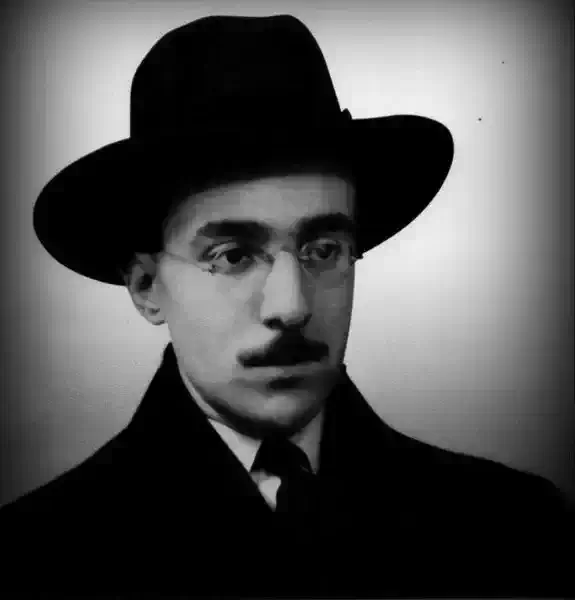
Fernando Pessoa
III - Ah, mas aqui, onde irreais erramos,
III
Ah, mas aqui, onde irreais erramos,
Dormimos o que somos, e a verdade,
Inda que enfim em sonhos a vejamos,
Vemo-la, porque em sonho, em falsidade.
Sombras buscando corpos, se os achamos
Como sentir a sua realidade?
Com mãos de sombra, Sombras, que tocamos?
Nosso toque é ausência e vacuidade.
Quem desta Alma fechada nos liberta?
Sem ver, ouvimos para além da sala
De ser; mas como, aqui, a porta aberta?
......
Calmo na falsa morte a nós exposto,
O Livro ocluso contra o peito posto,
Nosso Pai Roseacruz conhece e cala.
Ah, mas aqui, onde irreais erramos,
Dormimos o que somos, e a verdade,
Inda que enfim em sonhos a vejamos,
Vemo-la, porque em sonho, em falsidade.
Sombras buscando corpos, se os achamos
Como sentir a sua realidade?
Com mãos de sombra, Sombras, que tocamos?
Nosso toque é ausência e vacuidade.
Quem desta Alma fechada nos liberta?
Sem ver, ouvimos para além da sala
De ser; mas como, aqui, a porta aberta?
......
Calmo na falsa morte a nós exposto,
O Livro ocluso contra o peito posto,
Nosso Pai Roseacruz conhece e cala.
1 019
Fernando Pessoa
Eu voltei-me para trás
Eu voltei-me para trás
Para ver se te voltavas.
Há quem dê favas aos burros,
Mas eles comem as favas.
Para ver se te voltavas.
Há quem dê favas aos burros,
Mas eles comem as favas.
1 156
Fernando Pessoa
O relógio de sol partido marca
O relógio de sol partido marca
Do mesmo modo que o inteiro o lapso
Da mesma hora perdida…
O mesmo gozo com que esqueço, ou o creio,
A vida, finda, me a mim mesmo mostra
Mais fatal e mortal,
Para onde quer que siga a certa noite
Quer ou não a vejamos.
Do mesmo modo que o inteiro o lapso
Da mesma hora perdida…
O mesmo gozo com que esqueço, ou o creio,
A vida, finda, me a mim mesmo mostra
Mais fatal e mortal,
Para onde quer que siga a certa noite
Quer ou não a vejamos.
1 487
Fernando Pessoa
Enquanto eu vir o sol luzir nas folhas
Enquanto eu vir o sol luzir nas folhas
E sentir toda a brisa nos cabelos
Não quererei mais nada.
Que me pode o Destino conceder
Melhor que o lapso sensual da vida
Entre ignorâncias destas?
Sábio deveras o que não procura,
Que, procurando, achara o abismo em tudo
E a dúvida em si mesmo.
Pomos a dúvida onde há rosas. Damos
Quase tudo do sentido a entendê-lo
E ignoramos, pensantes.
Estranha a nós a natureza extensa
Campos ondula, flores abre, frutos
Cora, e a morte chega.
Terei razão, se a alguém razão é dada,
Quando me a morte conturbar a mente
E já não veja mais
Que à razão de saber porque vivemos
Nós nem a achamos nem achar se deve,
Impropícia e profunda.
E sentir toda a brisa nos cabelos
Não quererei mais nada.
Que me pode o Destino conceder
Melhor que o lapso sensual da vida
Entre ignorâncias destas?
Sábio deveras o que não procura,
Que, procurando, achara o abismo em tudo
E a dúvida em si mesmo.
Pomos a dúvida onde há rosas. Damos
Quase tudo do sentido a entendê-lo
E ignoramos, pensantes.
Estranha a nós a natureza extensa
Campos ondula, flores abre, frutos
Cora, e a morte chega.
Terei razão, se a alguém razão é dada,
Quando me a morte conturbar a mente
E já não veja mais
Que à razão de saber porque vivemos
Nós nem a achamos nem achar se deve,
Impropícia e profunda.
943
Fernando Pessoa
Grinalda ou coroa
Grinalda ou coroa
É só peso posto
Na fronte antes limpa.
Grinalda de rosas,
Coroa de louros,
A fronte transtornam.
Que o vento nos possa
Mexer nos cabelos,
Refrescar a fronte!
Que a fronte despida
Possa reclinar-se,
Serena, onde durma.
Cloé! Não conheço
Melhor alegria
Que esta fronte lisa.
É só peso posto
Na fronte antes limpa.
Grinalda de rosas,
Coroa de louros,
A fronte transtornam.
Que o vento nos possa
Mexer nos cabelos,
Refrescar a fronte!
Que a fronte despida
Possa reclinar-se,
Serena, onde durma.
Cloé! Não conheço
Melhor alegria
Que esta fronte lisa.
1 934
Fernando Pessoa
OH, SOLITARY STAR
Oh, solitary star, that with bright ray
Lookst from the bosom of envolving night,
Loveliest that none contests thy spaceful way
Now when with rivals is the sky not dight.
Vouch safe on me to keep thy tiny stare
Blinking at night as if in sleepy joy,
Or as the sleepy eyes of some young fair
Who chides their closing to her thought's warm toy.
That there are other stars I well do know
And others that may shine more bright and true;
And yet I wish them not, for one doth so
Outwit decision and attention sue.
And if from this thou can no lesson learn.
Much hast thou spurned that Goodness may not spurn
Lookst from the bosom of envolving night,
Loveliest that none contests thy spaceful way
Now when with rivals is the sky not dight.
Vouch safe on me to keep thy tiny stare
Blinking at night as if in sleepy joy,
Or as the sleepy eyes of some young fair
Who chides their closing to her thought's warm toy.
That there are other stars I well do know
And others that may shine more bright and true;
And yet I wish them not, for one doth so
Outwit decision and attention sue.
And if from this thou can no lesson learn.
Much hast thou spurned that Goodness may not spurn
1 470
Fernando Pessoa
Fizeste molhos de flores
Fizeste molhos de flores
Para não dar a ninguém.
São como os molhos de amores
Que foras fazer a alguém.
Para não dar a ninguém.
São como os molhos de amores
Que foras fazer a alguém.
1 024
Fernando Pessoa
Não torna ao ramo a folha que o deixou,
Não torna ao ramo a folha que o deixou,
Nem com seu mesmo pó se uma outra forma.
O momento, que acaba ao começar
Este, morreu p'ra sempre.
Não me promete o incerto e vão futuro
Mais do que esta iterada experiência
Da mutada sorte e a condição deserta
Das cousas e de mim.
Por isso, neste rio universal
De que sou, não uma onda, senão ondas,
Decorro inerte, sem pedido, nem
Deuses em quem o empregue.
Nem com seu mesmo pó se uma outra forma.
O momento, que acaba ao começar
Este, morreu p'ra sempre.
Não me promete o incerto e vão futuro
Mais do que esta iterada experiência
Da mutada sorte e a condição deserta
Das cousas e de mim.
Por isso, neste rio universal
De que sou, não uma onda, senão ondas,
Decorro inerte, sem pedido, nem
Deuses em quem o empregue.
1 385
Fernando Pessoa
THE WOMAN IN BLACK
I
My tale is simple, sad and brief -
As simple as all tales of grief,
As brief as all that is ours, though
It seem eternal to its woe;
No tale of glorious deeds or fair,
But one short poem of despair;
Dark as all things where man is caught
In the fine‑poisoned nets of thought.
Here is no flame of love's old fire,
Nor song of pent or free desire,
No thousand herses [?] fill its plan,
But it is centred round one man.
A man? A boy, if boyhood be
That where is sober misery.
About a boy all moves, an elf
Careless of happiness or pelf,
But fated to sing but himself.
I was not born to joy nor love.
The earth below, the sky above
Compel a sense within my soul
That deeply, heavily doth roll,
Like a tremendous, mystic sea
In lands where dreams alone can be;
A feeling that a sadness is,
Weeping in broken‑hearted bliss;
A sense that is a deep despair -
I know not why I should feel this
Before the things that are most fair.
Beauty is more than pleasure's joy:
That which must please is made to cloy,
And Nature cloys not with distaste
But gives a sorrow [?], as of past
Things whence the Present does inherit
Something where [...] is and deep
Beauty delicious in a sleep
That is half‑sadness to the spirit.
For Pleasure is not Joy - we know
Joy lives as sorrow in the heart;
One or the other lives; the dart
That Sorrow kills comes from Joy's bow.
Pleasure and distaste are not so.
Sorrow and Joy are as the strange
And unknown forms of life and change
That are ignored in depths of ocean:
Pure is the depth of their emotion.
Pleasure and Pain are not like these,
But as on surfaces of seas
The alternation of their motion
And shows of shifting without end.
Joy may like the sun's light transcend
The clouds of Pain; Pleasure may be
The face and look of Misery.
III
Ay, Nature chills me with deep fear,
For Nature, to my seeing, spent
With looking on my woes too near,
It is but Mystery eloquent.
The plainest stone, the simplest flower -
All have a meaning deep and vast,
Mocking their living of an hour.
But this significance, that hath past
So oft to poet’s song and word,
Makes them but madmen, even as I,
Speaking in outline [?] sense absurd
Strange thoughts for beings that must die.
But Man to me is dreader still,
The thing of thought, feeling and will,
Which is so dark unto mine eyes
That of the sense he calls his soul
- Let not of seeing speak the mole [?] -
I cannot dream to theorize.
For men, who have wrought creeds and codes
And guided nations by the roads
Of feeling and of speculation,
Have seen as much - nothing - as I
Into the world. All could perceive
That Nature aught doth signify:
Beyond this they could stop or rave.
Most raved and therefore could believe.
Yet I, naturally wrapt about,
Normally, as in feathers the bird,
With hesitation and with doubt,
Find all the world a thing absurd.
Because myself, a part of it,
Am an absurdity unfit.
Too young I learnt to reason coldly
And draw conclusions firmly, boldly,
From thoughts and facts to shatter creeds,
Careless of man's mendacious needs.
Preciseness cast in me the seeds
Of madness, and the soil was good
For that abnormal growth of pain
Whose flowers are red, colour of blood.
Too soon I learned to see too clear,
And therefore nothing now can capture
My heart, to which reasoning is rapture,
That sees night where most poets say
«'Tis day - I see it all - 'tis day.ª
They sing of joy, T sing of fear.
Alas! Why should I stop thus long
Over the illness of my life,
That has Insanity for wife?
Turn I back with an impulse strong.
Leave I this shallowness and sing.
The deeper sorrow of my song.
My tale is simple, sad and brief -
As simple as all tales of grief,
As brief as all that is ours, though
It seem eternal to its woe;
No tale of glorious deeds or fair,
But one short poem of despair;
Dark as all things where man is caught
In the fine‑poisoned nets of thought.
Here is no flame of love's old fire,
Nor song of pent or free desire,
No thousand herses [?] fill its plan,
But it is centred round one man.
A man? A boy, if boyhood be
That where is sober misery.
About a boy all moves, an elf
Careless of happiness or pelf,
But fated to sing but himself.
I was not born to joy nor love.
The earth below, the sky above
Compel a sense within my soul
That deeply, heavily doth roll,
Like a tremendous, mystic sea
In lands where dreams alone can be;
A feeling that a sadness is,
Weeping in broken‑hearted bliss;
A sense that is a deep despair -
I know not why I should feel this
Before the things that are most fair.
Beauty is more than pleasure's joy:
That which must please is made to cloy,
And Nature cloys not with distaste
But gives a sorrow [?], as of past
Things whence the Present does inherit
Something where [...] is and deep
Beauty delicious in a sleep
That is half‑sadness to the spirit.
For Pleasure is not Joy - we know
Joy lives as sorrow in the heart;
One or the other lives; the dart
That Sorrow kills comes from Joy's bow.
Pleasure and distaste are not so.
Sorrow and Joy are as the strange
And unknown forms of life and change
That are ignored in depths of ocean:
Pure is the depth of their emotion.
Pleasure and Pain are not like these,
But as on surfaces of seas
The alternation of their motion
And shows of shifting without end.
Joy may like the sun's light transcend
The clouds of Pain; Pleasure may be
The face and look of Misery.
III
Ay, Nature chills me with deep fear,
For Nature, to my seeing, spent
With looking on my woes too near,
It is but Mystery eloquent.
The plainest stone, the simplest flower -
All have a meaning deep and vast,
Mocking their living of an hour.
But this significance, that hath past
So oft to poet’s song and word,
Makes them but madmen, even as I,
Speaking in outline [?] sense absurd
Strange thoughts for beings that must die.
But Man to me is dreader still,
The thing of thought, feeling and will,
Which is so dark unto mine eyes
That of the sense he calls his soul
- Let not of seeing speak the mole [?] -
I cannot dream to theorize.
For men, who have wrought creeds and codes
And guided nations by the roads
Of feeling and of speculation,
Have seen as much - nothing - as I
Into the world. All could perceive
That Nature aught doth signify:
Beyond this they could stop or rave.
Most raved and therefore could believe.
Yet I, naturally wrapt about,
Normally, as in feathers the bird,
With hesitation and with doubt,
Find all the world a thing absurd.
Because myself, a part of it,
Am an absurdity unfit.
Too young I learnt to reason coldly
And draw conclusions firmly, boldly,
From thoughts and facts to shatter creeds,
Careless of man's mendacious needs.
Preciseness cast in me the seeds
Of madness, and the soil was good
For that abnormal growth of pain
Whose flowers are red, colour of blood.
Too soon I learned to see too clear,
And therefore nothing now can capture
My heart, to which reasoning is rapture,
That sees night where most poets say
«'Tis day - I see it all - 'tis day.ª
They sing of joy, T sing of fear.
Alas! Why should I stop thus long
Over the illness of my life,
That has Insanity for wife?
Turn I back with an impulse strong.
Leave I this shallowness and sing.
The deeper sorrow of my song.
1 557
Fernando Pessoa
Roseiral que não dás rosas
Roseiral que não dás rosas
Senão quando as rosas vêm,
Há muitas que são formosas
Sem que o amor lhes vá bem.
Senão quando as rosas vêm,
Há muitas que são formosas
Sem que o amor lhes vá bem.
1 484
Fernando Pessoa
Na praia de Monte Gordo,
Na praia de Monte Gordo,
Meu amor, te conheci.
Por ter estado em Monte Gordo
É que assim emagreci.
Meu amor, te conheci.
Por ter estado em Monte Gordo
É que assim emagreci.
1 634
Fernando Pessoa
II - Mas antes era o Verbo, aqui perdido
II
Mas antes era o Verbo, aqui perdido
Quando a Infinita Luz, já apagada
Do Caos, chão do Ser, foi levantada
Em Sombra, e o Verbo ausente escurecido.
Mas se a Alma sente a sua forma errada,
Em si, que é Sombra, vê enfim luzido
O Verbo deste Mundo, humano e ungido.
Rosa Perfeita, em Deus crucificada.
Então, senhores do limiar dos Céus,
Podemos ir buscar além de Deus
O Segredo do Mestre e o Bem profundo;
Não só de aqui, mas já de nós, despertos,
No sangue actual de Cristo enfim libertos
Do a Deus que morre a geração do Mundo.
Mas antes era o Verbo, aqui perdido
Quando a Infinita Luz, já apagada
Do Caos, chão do Ser, foi levantada
Em Sombra, e o Verbo ausente escurecido.
Mas se a Alma sente a sua forma errada,
Em si, que é Sombra, vê enfim luzido
O Verbo deste Mundo, humano e ungido.
Rosa Perfeita, em Deus crucificada.
Então, senhores do limiar dos Céus,
Podemos ir buscar além de Deus
O Segredo do Mestre e o Bem profundo;
Não só de aqui, mas já de nós, despertos,
No sangue actual de Cristo enfim libertos
Do a Deus que morre a geração do Mundo.
1 277
Fernando Pessoa
A WINTER DAY
I
'Tis a void winter day, sad as a moan.
A sense of loneliness, as of a stone
Upon a grave, or of a rock in sea
Rests like a mighty shadow over me.
I am unnerved, unminded by the pall
Of solemn clouds that, weighty over all,
Curtail the vision; and upon mine ear
The City's rumble brings despair and fear
To crush my spirit free and wild.
The rain,
Reiterated horribly, again
Beast with its drops at my cold window‑pane
With such a sound as makes us know it cold.
The world is ghostly, undaylike and old,
And weary passengers, with cautious tread,
Yet hurried, walk within the streets soul‑dead
In the unkindness of their hue of lead.
The streets are streamlets, and perpetual
A sound of little waters, on roof, on wall,
Down in the streets, in pipes, in window‑glass
And into rooms doth wetly come and pass.
All is the rain's.
All is pale wetness, darkness inly cold,
A sentiment of waste things and of old
Making all things exterior sorrows, pains;
And all we hear and feel and know and see
Is wrapt around as with a masking cloak
In inconceivable monotony.
All in the houses and up from the street
Is a long watery shuffle of heavy feet,
A sound of drenched garments, and a sense
Of a sad chillness, latently intense.
Through cracks in doors and windows a gust cold
Of wind penetrates like a memory of old
Times to make freeze my body, ill reclined
Upon a couch, a sufferer with my mind.
Life in the streets is sad, a monotone
More dull than usual ordinariness:
Business and work have lost their usual stress,
The vender's cries are each of them a moan
Grotesque, desolate, as forlorn and half‑dead
Hearts might produce which make a war (?) attempt
At talking normally, as if they not bled.
Half‑childish urchins, gloriously unkempt
Laugh at the water that cart‑wheels upshed.
The muddy urchins in the streets that play
Make shades of envy in my soul to stay.
Couples, some newly‑married, others not,
Who in the commonness of their no‑thought
Have a deep happiness I would not have,
A joy to which I would prefer the grave,
Pass in the street. some gay and some sedate.
I feel me no like men in any way.
I envy those - I speak true - without hate
And without admiration, isolate (?).
I would that l were happy as they are
But not with that their happiness. Thus far
Such living as theirs is were unto me
Misery, penury, monotony.
Alas for all who dream! Alas for us,
Poor poets, more or less mad, more or less
Foolish! In this consists true happiness!
In knowing how to be monotonous.
Happy are they who can see without sorrow
To‑day yield us to‑morrow
And yet to‑morrow and to‑day to them
Different days because different days,
Which are to me (save that they pass) the same.
II
The view I have of this cold winter day,
The deep depression that makes my thoughts stray
Is but a symbol and a synthesis
Of what my life perpetually is.
How deep my thoughts in pain and sadness are!
How wreck'd my soul in its intense despair!
How desolate, disconsolately mute
My heart is of the words that like scents shoot
From the full flower of true youthfulness!
How locked am I within my own distress!
How in the tragic circle soul‑confined
Of my abhorred self!
Not one ambition leads me - power nor pelf,
No wish for fame, no love of poor mankind.
But I am weary, desolate and cold
E'vn as this winter day. I have grown old
In watching dreams go by and pass away
Leaving a memory pure and bright
Of aught that was and died as light
Without the living horror of decay.
Is this thy life, irresolute soul of mine?
How pale the sun of thy sad morn doth shine!
How it forebodes the cloudiness that comes
Outstretched wings of the storm whose muffled drums
Of warning in the paling day are heard
Deep in the distance lesseningly blurred.
Thou look'st not death nor evil in the face
Poor soul despairing in life's troubled race!
All forms of life, all things have been to thee
Mutations of eternal misery.
All years, all homes to thee have been
In the same drama many a change of scene.
Thou hast not learned to live, but thou dost cling
Madly to life (dreading Death's night severe),
As if life or the world were anything!
'Tis a void winter day, sad as a moan.
A sense of loneliness, as of a stone
Upon a grave, or of a rock in sea
Rests like a mighty shadow over me.
I am unnerved, unminded by the pall
Of solemn clouds that, weighty over all,
Curtail the vision; and upon mine ear
The City's rumble brings despair and fear
To crush my spirit free and wild.
The rain,
Reiterated horribly, again
Beast with its drops at my cold window‑pane
With such a sound as makes us know it cold.
The world is ghostly, undaylike and old,
And weary passengers, with cautious tread,
Yet hurried, walk within the streets soul‑dead
In the unkindness of their hue of lead.
The streets are streamlets, and perpetual
A sound of little waters, on roof, on wall,
Down in the streets, in pipes, in window‑glass
And into rooms doth wetly come and pass.
All is the rain's.
All is pale wetness, darkness inly cold,
A sentiment of waste things and of old
Making all things exterior sorrows, pains;
And all we hear and feel and know and see
Is wrapt around as with a masking cloak
In inconceivable monotony.
All in the houses and up from the street
Is a long watery shuffle of heavy feet,
A sound of drenched garments, and a sense
Of a sad chillness, latently intense.
Through cracks in doors and windows a gust cold
Of wind penetrates like a memory of old
Times to make freeze my body, ill reclined
Upon a couch, a sufferer with my mind.
Life in the streets is sad, a monotone
More dull than usual ordinariness:
Business and work have lost their usual stress,
The vender's cries are each of them a moan
Grotesque, desolate, as forlorn and half‑dead
Hearts might produce which make a war (?) attempt
At talking normally, as if they not bled.
Half‑childish urchins, gloriously unkempt
Laugh at the water that cart‑wheels upshed.
The muddy urchins in the streets that play
Make shades of envy in my soul to stay.
Couples, some newly‑married, others not,
Who in the commonness of their no‑thought
Have a deep happiness I would not have,
A joy to which I would prefer the grave,
Pass in the street. some gay and some sedate.
I feel me no like men in any way.
I envy those - I speak true - without hate
And without admiration, isolate (?).
I would that l were happy as they are
But not with that their happiness. Thus far
Such living as theirs is were unto me
Misery, penury, monotony.
Alas for all who dream! Alas for us,
Poor poets, more or less mad, more or less
Foolish! In this consists true happiness!
In knowing how to be monotonous.
Happy are they who can see without sorrow
To‑day yield us to‑morrow
And yet to‑morrow and to‑day to them
Different days because different days,
Which are to me (save that they pass) the same.
II
The view I have of this cold winter day,
The deep depression that makes my thoughts stray
Is but a symbol and a synthesis
Of what my life perpetually is.
How deep my thoughts in pain and sadness are!
How wreck'd my soul in its intense despair!
How desolate, disconsolately mute
My heart is of the words that like scents shoot
From the full flower of true youthfulness!
How locked am I within my own distress!
How in the tragic circle soul‑confined
Of my abhorred self!
Not one ambition leads me - power nor pelf,
No wish for fame, no love of poor mankind.
But I am weary, desolate and cold
E'vn as this winter day. I have grown old
In watching dreams go by and pass away
Leaving a memory pure and bright
Of aught that was and died as light
Without the living horror of decay.
Is this thy life, irresolute soul of mine?
How pale the sun of thy sad morn doth shine!
How it forebodes the cloudiness that comes
Outstretched wings of the storm whose muffled drums
Of warning in the paling day are heard
Deep in the distance lesseningly blurred.
Thou look'st not death nor evil in the face
Poor soul despairing in life's troubled race!
All forms of life, all things have been to thee
Mutations of eternal misery.
All years, all homes to thee have been
In the same drama many a change of scene.
Thou hast not learned to live, but thou dost cling
Madly to life (dreading Death's night severe),
As if life or the world were anything!
1 652
Fernando Pessoa
Nem vã esperança vem, não anos vão,
Nem vã esperança vem, não anos vão,
Desesperança, Lídia, nos governa
A consumanda vida.
Só espera ou desespera quem conhece
Que há que esperar. Nós, no labento curso
Do ser, só ignoramos.
Breves no triste gozo desfolhamos
Rosas. Mais breves que nós fingem legar
A comparada vida.
Desesperança, Lídia, nos governa
A consumanda vida.
Só espera ou desespera quem conhece
Que há que esperar. Nós, no labento curso
Do ser, só ignoramos.
Breves no triste gozo desfolhamos
Rosas. Mais breves que nós fingem legar
A comparada vida.
1 383
Fernando Pessoa
42 - THE FORESELF
I had a self and life
Before this life and self.
When the moon makes woods rife
With possible fay or elf,
There comes in me a dreaming
That is like a light gleaming
Somewhere in me away,
On seas that I have known
And placeless lands that own
Another kind of day.
I dream, and as a blast
Fans into fire an ember,
My heart gleams with a past
That I cannot remember.
And as the ember's glowing
Is not fire but fire's showing,
I waste the empty pelf
Of my mute sense of me.
As rain within the sea
I fade within myself.
There are mazes of I.
I am my unknown being.
I have, I know not why,
Another kind of seeing
(Other than this vain vision
That is my soul's division
From what girds sight about)
Where to see is to know,
Whose life is faith, and woe
Fled by the hand of Doubt.
My life has happy hours:
'Tis when I feel not living;
And, as the scent of flowers
Round flowers a flower‑soul weaving
That is a corporate spirit,
From myself I inherit,
My soul's blood's spirit‑air,
A foreself and inself
Which is the being‑pelf
That with God's loss I share.
Before this life and self.
When the moon makes woods rife
With possible fay or elf,
There comes in me a dreaming
That is like a light gleaming
Somewhere in me away,
On seas that I have known
And placeless lands that own
Another kind of day.
I dream, and as a blast
Fans into fire an ember,
My heart gleams with a past
That I cannot remember.
And as the ember's glowing
Is not fire but fire's showing,
I waste the empty pelf
Of my mute sense of me.
As rain within the sea
I fade within myself.
There are mazes of I.
I am my unknown being.
I have, I know not why,
Another kind of seeing
(Other than this vain vision
That is my soul's division
From what girds sight about)
Where to see is to know,
Whose life is faith, and woe
Fled by the hand of Doubt.
My life has happy hours:
'Tis when I feel not living;
And, as the scent of flowers
Round flowers a flower‑soul weaving
That is a corporate spirit,
From myself I inherit,
My soul's blood's spirit‑air,
A foreself and inself
Which is the being‑pelf
That with God's loss I share.
1 500
Fernando Pessoa
Li vaga — inerte — e sonhadoramente li
Li vaga — inerte — e sonhadoramente li
Compreendendo mais do que havia
Em frase (...)
Fechei tremendo, os livros, e sentindo
Como que de detrás da consciência,
Negrume transcendendo o que de horror
(...)
Desde então o constante persistir
Do mistério em minha alma não me deixa
Quieto o espírito, por meditar
Que seja, meditando sempre.
Compreendendo mais do que havia
Em frase (...)
Fechei tremendo, os livros, e sentindo
Como que de detrás da consciência,
Negrume transcendendo o que de horror
(...)
Desde então o constante persistir
Do mistério em minha alma não me deixa
Quieto o espírito, por meditar
Que seja, meditando sempre.
1 262
Fernando Pessoa
O mistério dos olhos e do olhar
O mistério dos olhos e do olhar
Do sujeito e do objecto, transparente
Ao horror que além dele está; o mudo
Sentimento de se desconhecer,
E a confrangida comoção que nasce
De sentir a loucura do vazio;
O horror duma existência incompreendida
Quando à alma se chega desse horror
Faz toda a dor humana uma ilusão.
Essa é a suprema dor, a vera cruz.
Querem desdenhar o teu sentir orgulho
Oh, Cristo!
Então eu vejo — horror — a íntima alma,
O perene mistério que atravessa
Como um suspiro céus e corações.
Do sujeito e do objecto, transparente
Ao horror que além dele está; o mudo
Sentimento de se desconhecer,
E a confrangida comoção que nasce
De sentir a loucura do vazio;
O horror duma existência incompreendida
Quando à alma se chega desse horror
Faz toda a dor humana uma ilusão.
Essa é a suprema dor, a vera cruz.
Querem desdenhar o teu sentir orgulho
Oh, Cristo!
Então eu vejo — horror — a íntima alma,
O perene mistério que atravessa
Como um suspiro céus e corações.
1 130
Fernando Pessoa
Quando Neptuno houver alongado
Quando Neptuno houver alongado
Até quase aos bosques ao cimo da praia
Os seus braços com mãos ruidosas de espuma
E Éolo houver
Largado por sobre o mar sob o azul
Onde Apolo aquece
Os cavalos frescos dos ventos leves,
Eu irei contigo
Passear na altura cheirosa a mar
Dos (...) altos
E concluir que esta vida é pouco
Desde que os deuses
Foram velados e os homens ingratos
Dos altares esquecidos tiraram todos
Os ex-votos velhos,
Os ex-votos velhos que eram (...)
(...)
Que Cristo e Maria
E de antes que a cruz pusesse a nudez
Da sua secura
De encontro ao céu sempre velho e novo.
Até quase aos bosques ao cimo da praia
Os seus braços com mãos ruidosas de espuma
E Éolo houver
Largado por sobre o mar sob o azul
Onde Apolo aquece
Os cavalos frescos dos ventos leves,
Eu irei contigo
Passear na altura cheirosa a mar
Dos (...) altos
E concluir que esta vida é pouco
Desde que os deuses
Foram velados e os homens ingratos
Dos altares esquecidos tiraram todos
Os ex-votos velhos,
Os ex-votos velhos que eram (...)
(...)
Que Cristo e Maria
E de antes que a cruz pusesse a nudez
Da sua secura
De encontro ao céu sempre velho e novo.
1 493
Fernando Pessoa
Vai longe, na serra alta,
Vai longe, na serra alta,
A nuvem que nela toca...
Dá-me aquilo que me falta —
Os beijos da tua boca.
A nuvem que nela toca...
Dá-me aquilo que me falta —
Os beijos da tua boca.
874
Fernando Pessoa
Nada me dizem vossos deuses mortos
Nada me dizem vossos deuses mortos
Que eu haja de aprender. O Crucifixo
Sem amor e sem ódio
Do meu (...) afasto.
Que tenho eu com as crenças que o Cristo
Curvado o torso a mim, latino, morra?
Mais com o sol me entendo
Que com essas verdades.
Que o sejam... Deus a mim não só foi dado
Que uma visão das cousas que há na terra
E uma razão incerta,
E um saber que há deuses...
Que eu haja de aprender. O Crucifixo
Sem amor e sem ódio
Do meu (...) afasto.
Que tenho eu com as crenças que o Cristo
Curvado o torso a mim, latino, morra?
Mais com o sol me entendo
Que com essas verdades.
Que o sejam... Deus a mim não só foi dado
Que uma visão das cousas que há na terra
E uma razão incerta,
E um saber que há deuses...
1 203
Fernando Pessoa
Tu és Maria da Graça,
Tu és Maria da Graça,
Mas a que graça é que vem
Ser essa graça a desgraça
De quem a graça não tem?
Mas a que graça é que vem
Ser essa graça a desgraça
De quem a graça não tem?
1 185
Fernando Pessoa
Mother, my cheeks are wet.
Mother, my cheeks are wet.
Let down my hair and kiss
My brow. I seem to forget
Even if I think of this.
Lullaby to me, mother,
Lullaby to me.
I loved and was not loved, mother.
Kiss me and let me be.
Let me sleep as of old, thy hand
On my brow, so calm and so deep,
That I feel't on my soul, my soul fanned
By thy breath on the face of my sleep.
I am but a little ship, mother,
Lost out in the sea.
Lullaby to me, mother,
Lullaby to me.
Let down my hair and kiss
My brow. I seem to forget
Even if I think of this.
Lullaby to me, mother,
Lullaby to me.
I loved and was not loved, mother.
Kiss me and let me be.
Let me sleep as of old, thy hand
On my brow, so calm and so deep,
That I feel't on my soul, my soul fanned
By thy breath on the face of my sleep.
I am but a little ship, mother,
Lost out in the sea.
Lullaby to me, mother,
Lullaby to me.
1 304
Fernando Pessoa
O Suspiro do mundo: - Vida, morte,
Vida, morte,
Riso, pranto
É o manto
Que me cobre.
Natureza,
Amor, beleza,
Tudo quanto
A alma descobre.
O Mistério
Deste mundo
Teu profundo
Olhar leu;
D'além dele —
Cerra a alma
De pavor! —
Venho eu.
Nada, nada
Já acalma
Tua dor.
Tu bem sabes
Ser minha voz
Mais atroz
De mudo horror
No que não diz,
E só tu sentes
E compreendes.
Cerra, infeliz
Cerra a (tua) alma
Ao meu pavor!
(Fausto, com os olhos fechados, encolhido na cadeira, treme como que dum grande frio.)
Riso, pranto
É o manto
Que me cobre.
Natureza,
Amor, beleza,
Tudo quanto
A alma descobre.
O Mistério
Deste mundo
Teu profundo
Olhar leu;
D'além dele —
Cerra a alma
De pavor! —
Venho eu.
Nada, nada
Já acalma
Tua dor.
Tu bem sabes
Ser minha voz
Mais atroz
De mudo horror
No que não diz,
E só tu sentes
E compreendes.
Cerra, infeliz
Cerra a (tua) alma
Ao meu pavor!
(Fausto, com os olhos fechados, encolhido na cadeira, treme como que dum grande frio.)
1 462
Fernando Pessoa
NAVAL ODE
Alone, on the deserted quay, this summer morning,
I look towards the bar, I look towards the Indefinite,
I look and find pleasure in seeing,
Little, black and clear, a steamer coming in.
It is very far yet, distinct and classic after its own fashion.
It leaves on the distant air behind it the vain curls of its smoke.
It is coming in, and morn comes in with it, and on the river
Here, there, naval life awakes,
Sails arise, tugs advance,
Small boats jut out from behind the ships in the port.
There is a vague breeze.
But my soul is with the things that I see least,
With the in-coming steamer,
Because it is with Distance, with Morn,
With the naval meaning of this Hour,
With the painful softness that rises in me like a qualm,
Like a beginning of sea-sickness, but in my soul.
I look from afar at the steamer, with a great independence of mind
And a whell begins to spin in me, very slowly.
The steamers that enter the bar in the morning,
Bring to my eyes with their coming
The glad and sad mystery of all who arrive and depart.
They bring memories of distant quays, and of other moments
Of another kind of the same mankind in other ports.
Every (...), every departure of a ship,
Is — I feel it in me like my blood —
Unconsciously symbolic, terribly
Threatening metaphysical meanings
That startle in me the being I once …
Ah, every quay is a regret made of stone!
And when the ship leaves the quay
And we note suddenly that a space is widening
Between the quay and the ship,
There comes to me, I know not why, a recent anguish,
A mist of feelings of sadness
That shines in the sun of my mosy anguishes
Like the first window the morning strikes on,
And clings round me like some one else's remembrance
Which is somehow mysteriously mine.
Ah, who knows, who knows,
If I did not leave long ago, before Myself,
A quay; if I did not depart, a ship in
The oblique sun of morning,
From another kind of port?
Who knows if I did not leave, before the hour
Of the exterior world as I see it
Dawned for me,
A large quay full of few people,
Of a great half-awakened city,
Of a great city commercial, overgrown, apopletical,
As much as that can be outside Time and Space?
Ay, from a quay, from a quay somehow material,
Real, visible as a quay, really a quay,
The Absolute Quay on whose type, unconsciously imitated,
Insensibly evoked,
We men have built
Our quays in our harbours,
Our quays, of actual stone overlooking true water,
Which, once built, suddenly show themselves to be
Real-Things, Things-Spirits, Entities in Stone-Souls,
At certain moments of ours of root-sentiments
When it seems that a door is opened in the outer world
And, without anything changing
Everything reveals itself to be different.
Ah, the Great Quay whence we embarked in Ship-Nations!
The Great Earlier Quay, eternal and divine!
Of what port? Over what waters? And why do I think of this?
A Great Quay like all other quays, but the Only One.
Full, as they are, of murmurous silences in the fore-dawns
And budding with the dawns in a noise of cranes
And arrivals of goods-trains
And under the black, occasional and light cloud
Of the smoke of the chimneys of the near factories
Which clouds its ground, black with small shining coal,
As if it were the shadow of a cloud passing over dark water.
Ah, what essentiality of mystery and arrested senses
In a divine revealing ecstasy
At the hours coloured like silences and anguishes
Is the bridge between any quay and THE QUAY!
Quay blackly reflected in the still waters,
Suddle [?] on board the ships,
Oh wandering and unstable soul of the people who live in ships,
Of the symbolic people who pass and for whom, nothing lasts
For when the vessel returns to the port,
There is always some change on board!
On continual flights, goings, drunknness of the Different!
Eternal soul of navigators and navigations!
Hulls slowly reflected in the waters
When the ship leaves the port!
To float as soul of life, to depart as voice,
To live the moment tremulously on eternal waters!
To wake to more direct days than the days of Europe,
To see mysterious ports over the loneliness of the sea,
To double distant capes and see sudden great landscapes
Of unnumbred astonished alones!
Ah, the distant beaches, the quays seen from afar,
And then the near beaches and the quays seen from near.
The mystery of each departure and of each arrival,
The painful instability and incomprehensibility
Of this impossible universe
At each naval hour ever more deeply felt right in my skin.
The absurd sob that our souls spill
Over the ever-different tracts of seas with islands afar,
Over the distant lines of the coasts we merely pass by,
Over the clear growing-clear of ports, with their houses and their people,
When the ship nears the land.
Ah, the freshness of morns when we arrive,
And the paleness of the morns when we depart,
When our entrails are gripped up
And a vague sensation resembling a fear
— The ancestral fear of going away and leaving,
The mysterious ancestral terror of Arrivals and New Things —
Grips up our skin and gives us qualms
And all our anguished body feels,
As if it were our soul,
An unexplained desire to feel this in some other way:
A regret at something,
A perturbation of tendernesses towards what vague fatherland?
What coast? what ship? what quay?
That thought sickens within us
And only a great vaccum remains in us,
A hollow satiety of naval minutes,
And a vague anxiety that would be weariness or pain
If it knew how to be that…
The summer morning is, nevertheless, slightly cool,
A slight night-dullness lies yet on the shaken air.
The wheel within me quickens its motion slightly.
And the steamer keeps on coming in, because surely it must coming in,
And not because I see it moving in its excessive distance.
In my imagination it is already near and visible
In all the extent of the lines of its portholes,
And everything trembles in me, all my flesh and all my skin,
On account of that creature that never arrives in any ship
And whom I have come to await to-day on this quay, through an oblique command.
I look towards the bar, I look towards the Indefinite,
I look and find pleasure in seeing,
Little, black and clear, a steamer coming in.
It is very far yet, distinct and classic after its own fashion.
It leaves on the distant air behind it the vain curls of its smoke.
It is coming in, and morn comes in with it, and on the river
Here, there, naval life awakes,
Sails arise, tugs advance,
Small boats jut out from behind the ships in the port.
There is a vague breeze.
But my soul is with the things that I see least,
With the in-coming steamer,
Because it is with Distance, with Morn,
With the naval meaning of this Hour,
With the painful softness that rises in me like a qualm,
Like a beginning of sea-sickness, but in my soul.
I look from afar at the steamer, with a great independence of mind
And a whell begins to spin in me, very slowly.
The steamers that enter the bar in the morning,
Bring to my eyes with their coming
The glad and sad mystery of all who arrive and depart.
They bring memories of distant quays, and of other moments
Of another kind of the same mankind in other ports.
Every (...), every departure of a ship,
Is — I feel it in me like my blood —
Unconsciously symbolic, terribly
Threatening metaphysical meanings
That startle in me the being I once …
Ah, every quay is a regret made of stone!
And when the ship leaves the quay
And we note suddenly that a space is widening
Between the quay and the ship,
There comes to me, I know not why, a recent anguish,
A mist of feelings of sadness
That shines in the sun of my mosy anguishes
Like the first window the morning strikes on,
And clings round me like some one else's remembrance
Which is somehow mysteriously mine.
Ah, who knows, who knows,
If I did not leave long ago, before Myself,
A quay; if I did not depart, a ship in
The oblique sun of morning,
From another kind of port?
Who knows if I did not leave, before the hour
Of the exterior world as I see it
Dawned for me,
A large quay full of few people,
Of a great half-awakened city,
Of a great city commercial, overgrown, apopletical,
As much as that can be outside Time and Space?
Ay, from a quay, from a quay somehow material,
Real, visible as a quay, really a quay,
The Absolute Quay on whose type, unconsciously imitated,
Insensibly evoked,
We men have built
Our quays in our harbours,
Our quays, of actual stone overlooking true water,
Which, once built, suddenly show themselves to be
Real-Things, Things-Spirits, Entities in Stone-Souls,
At certain moments of ours of root-sentiments
When it seems that a door is opened in the outer world
And, without anything changing
Everything reveals itself to be different.
Ah, the Great Quay whence we embarked in Ship-Nations!
The Great Earlier Quay, eternal and divine!
Of what port? Over what waters? And why do I think of this?
A Great Quay like all other quays, but the Only One.
Full, as they are, of murmurous silences in the fore-dawns
And budding with the dawns in a noise of cranes
And arrivals of goods-trains
And under the black, occasional and light cloud
Of the smoke of the chimneys of the near factories
Which clouds its ground, black with small shining coal,
As if it were the shadow of a cloud passing over dark water.
Ah, what essentiality of mystery and arrested senses
In a divine revealing ecstasy
At the hours coloured like silences and anguishes
Is the bridge between any quay and THE QUAY!
Quay blackly reflected in the still waters,
Suddle [?] on board the ships,
Oh wandering and unstable soul of the people who live in ships,
Of the symbolic people who pass and for whom, nothing lasts
For when the vessel returns to the port,
There is always some change on board!
On continual flights, goings, drunknness of the Different!
Eternal soul of navigators and navigations!
Hulls slowly reflected in the waters
When the ship leaves the port!
To float as soul of life, to depart as voice,
To live the moment tremulously on eternal waters!
To wake to more direct days than the days of Europe,
To see mysterious ports over the loneliness of the sea,
To double distant capes and see sudden great landscapes
Of unnumbred astonished alones!
Ah, the distant beaches, the quays seen from afar,
And then the near beaches and the quays seen from near.
The mystery of each departure and of each arrival,
The painful instability and incomprehensibility
Of this impossible universe
At each naval hour ever more deeply felt right in my skin.
The absurd sob that our souls spill
Over the ever-different tracts of seas with islands afar,
Over the distant lines of the coasts we merely pass by,
Over the clear growing-clear of ports, with their houses and their people,
When the ship nears the land.
Ah, the freshness of morns when we arrive,
And the paleness of the morns when we depart,
When our entrails are gripped up
And a vague sensation resembling a fear
— The ancestral fear of going away and leaving,
The mysterious ancestral terror of Arrivals and New Things —
Grips up our skin and gives us qualms
And all our anguished body feels,
As if it were our soul,
An unexplained desire to feel this in some other way:
A regret at something,
A perturbation of tendernesses towards what vague fatherland?
What coast? what ship? what quay?
That thought sickens within us
And only a great vaccum remains in us,
A hollow satiety of naval minutes,
And a vague anxiety that would be weariness or pain
If it knew how to be that…
The summer morning is, nevertheless, slightly cool,
A slight night-dullness lies yet on the shaken air.
The wheel within me quickens its motion slightly.
And the steamer keeps on coming in, because surely it must coming in,
And not because I see it moving in its excessive distance.
In my imagination it is already near and visible
In all the extent of the lines of its portholes,
And everything trembles in me, all my flesh and all my skin,
On account of that creature that never arrives in any ship
And whom I have come to await to-day on this quay, through an oblique command.
1 580