

Poemas neste tema
Tristeza e Melancolia
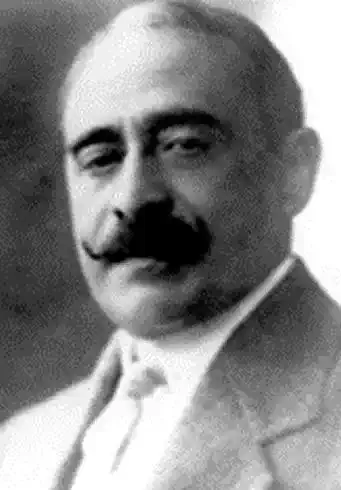
Emiliano Perneta
Vencidos
Nós ficaremos, como os menestréis da rua,
Uns infames reais, mendigos por incúria,
Agoureiros da Treva, adivinhos da Lua,
Desferindo ao luar cantigas de penúria?
Nossa cantiga irá conduzir-nos à tua
Maldição, ó Roland?... E, mortos pela injúria,
Mortos, bem mortos, e, mudos, a fronte nua,
Dormiremos ouvindo uma estranha lamúria?
Seja. Os grandes um dia hão de cair de bruço...
Hão de os grandes rolar dos palácios infectos!
E glória à fome dos vermes concupiscentes!
Embora, nós também, nós, num rouco soluço,
Corda a corda, o violão dos nervos inquietos
Partamos! inquietando as estrelas dormentes!
Publicado no livro Ilusão (1911).
In: PERNETA, Emiliano. Poesias completas. Biogr. Andrade Muricy. Est. crít. Tasso da Silveira. Rio de Janeiro: Z. Valverde, 1945. v.
Uns infames reais, mendigos por incúria,
Agoureiros da Treva, adivinhos da Lua,
Desferindo ao luar cantigas de penúria?
Nossa cantiga irá conduzir-nos à tua
Maldição, ó Roland?... E, mortos pela injúria,
Mortos, bem mortos, e, mudos, a fronte nua,
Dormiremos ouvindo uma estranha lamúria?
Seja. Os grandes um dia hão de cair de bruço...
Hão de os grandes rolar dos palácios infectos!
E glória à fome dos vermes concupiscentes!
Embora, nós também, nós, num rouco soluço,
Corda a corda, o violão dos nervos inquietos
Partamos! inquietando as estrelas dormentes!
Publicado no livro Ilusão (1911).
In: PERNETA, Emiliano. Poesias completas. Biogr. Andrade Muricy. Est. crít. Tasso da Silveira. Rio de Janeiro: Z. Valverde, 1945. v.
2 659
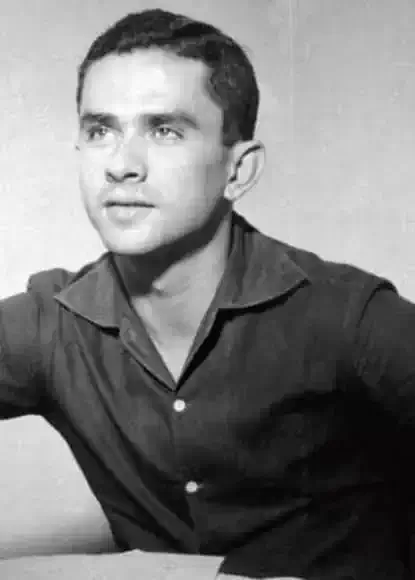
Mário Faustino
Gaivota, vais e voltas
...
Gaivota, vais e voltas,
gaivota, vais — e não voltas.
Somem-se os homens, deixam-se os peixes
ir à deriva —
mal se respira
o ar do mundo
e experimenta-se a voracidade
do mar, do fundo
envenenado:
esperma — e mente,
ira — e sorriso,
esperança — e dança.
Alguém traz a mirra,
traz açafrão, azeite, vinagre:
eis o homem disposto, com suas faixas,
ei-lo em templo deposto, entre seus panos.
Maresia, santidade — que perfume!
Exaure-se a vela de ouro, esgota-se o pavio,
cala-se alguém que não quis beber seu cálice,
alguém que não quis beber,
alguém que não quis
o mar, em vão e nada, o árduo mundo,
gota após gota, anos e anos.
Contemplando o poente, os albatrozes
refletem-se nos elmos derrotados.
Alguém canta o refrão. As algas dançam
no mar de vinho amargo. Xerxes, Xerxes,
açoite após açoite,
agora, enfim, é noite
e esvaem-se os navios.
— É esta, então, a Vera Cidade?
— É essa, Adão, a tua verdade?
Alguém não quis viver,
alguém não quis seu fardo, suas rotas,
alguém entre alcatrazes,
entre peixes vorazes, ser disforme —
santo lume nascente, ou heresia?
Um rei entre santelmos —
(pássaro, pássaro, cala-te, dorme,
Lázaro, Lázaro, vai-te, não voltes.)
Publicado no livro Poesia (1966). Poema integrante da série Esparsos e Inéditos.
In: FAUSTINO, Mário. Os melhores poemas. 2.ed. São Paulo: Global, 1988. (Os Melhores poemas, 14
Gaivota, vais e voltas,
gaivota, vais — e não voltas.
Somem-se os homens, deixam-se os peixes
ir à deriva —
mal se respira
o ar do mundo
e experimenta-se a voracidade
do mar, do fundo
envenenado:
esperma — e mente,
ira — e sorriso,
esperança — e dança.
Alguém traz a mirra,
traz açafrão, azeite, vinagre:
eis o homem disposto, com suas faixas,
ei-lo em templo deposto, entre seus panos.
Maresia, santidade — que perfume!
Exaure-se a vela de ouro, esgota-se o pavio,
cala-se alguém que não quis beber seu cálice,
alguém que não quis beber,
alguém que não quis
o mar, em vão e nada, o árduo mundo,
gota após gota, anos e anos.
Contemplando o poente, os albatrozes
refletem-se nos elmos derrotados.
Alguém canta o refrão. As algas dançam
no mar de vinho amargo. Xerxes, Xerxes,
açoite após açoite,
agora, enfim, é noite
e esvaem-se os navios.
— É esta, então, a Vera Cidade?
— É essa, Adão, a tua verdade?
Alguém não quis viver,
alguém não quis seu fardo, suas rotas,
alguém entre alcatrazes,
entre peixes vorazes, ser disforme —
santo lume nascente, ou heresia?
Um rei entre santelmos —
(pássaro, pássaro, cala-te, dorme,
Lázaro, Lázaro, vai-te, não voltes.)
Publicado no livro Poesia (1966). Poema integrante da série Esparsos e Inéditos.
In: FAUSTINO, Mário. Os melhores poemas. 2.ed. São Paulo: Global, 1988. (Os Melhores poemas, 14
1 431
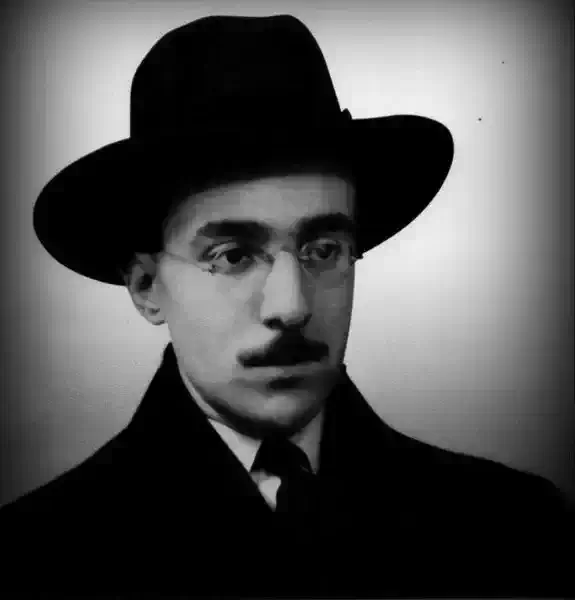
Fernando Pessoa
O meu coração quebrou-se
O meu coração quebrou-se
Como um bocado de vidro
Quis viver e enganou-se...
Como um bocado de vidro
Quis viver e enganou-se...
1 526
Emiliano Perneta
Donzelas
Donzelas que passais com esse gesto ameno,
E a doce palidez enfim d'uma cecém,
Em vão esse ar é grave, e esse aspecto é sereno,
Não me olheis, não me olheis, que não vos quero bem.
Sulamitas gracis e de rosto moreno,
E claras como luz, e cheias de desdém,
Tendes perfume, sei, mas não tendes veneno,
Sois muito lindas, sois, não vos quero porém...
Lírios do campo com figura de mulher,
A minha decadência é um fruto caprichoso
Desta época sem luz que não sabe o que quer.
Não sabe nada; mas é candidez ideal,
Eu não posso querer senão o Monstruoso,
E o bem Maravilhoso, e o bem Fenomenal!
Janeiro de 1904
Publicado no livro Ilusão (1911).
In: PERNETA, Emiliano. Poesias completas. Biogr. Andrade Muricy. Est. crít. Tasso da Silveira. Rio de Janeiro: Z. Valverde, 1945. v.
E a doce palidez enfim d'uma cecém,
Em vão esse ar é grave, e esse aspecto é sereno,
Não me olheis, não me olheis, que não vos quero bem.
Sulamitas gracis e de rosto moreno,
E claras como luz, e cheias de desdém,
Tendes perfume, sei, mas não tendes veneno,
Sois muito lindas, sois, não vos quero porém...
Lírios do campo com figura de mulher,
A minha decadência é um fruto caprichoso
Desta época sem luz que não sabe o que quer.
Não sabe nada; mas é candidez ideal,
Eu não posso querer senão o Monstruoso,
E o bem Maravilhoso, e o bem Fenomenal!
Janeiro de 1904
Publicado no livro Ilusão (1911).
In: PERNETA, Emiliano. Poesias completas. Biogr. Andrade Muricy. Est. crít. Tasso da Silveira. Rio de Janeiro: Z. Valverde, 1945. v.
1 792
Fernando Pessoa
I have outwatched the Lesser Wain, and seen
I have outwatched the Lesser Wain, and seen
The remnant stars grow pale; but the used night
Has to the thought that used it sterile been,
Nor lost that use by pressure of delight.
My fixed, impatient thought no reason read;
What I scarce read my unthought thought made stray;
My soul between the living and the dead
Was a blown vapour, without place or way.
What the morn brought or took I cannot tell,
That had no use to bring or use to find.
All night I lay under the barren spell.
The day cannot dispel what the void wind
Ruinous built in the shorn night: its glow
Can but the night's made desert brightly show.
The remnant stars grow pale; but the used night
Has to the thought that used it sterile been,
Nor lost that use by pressure of delight.
My fixed, impatient thought no reason read;
What I scarce read my unthought thought made stray;
My soul between the living and the dead
Was a blown vapour, without place or way.
What the morn brought or took I cannot tell,
That had no use to bring or use to find.
All night I lay under the barren spell.
The day cannot dispel what the void wind
Ruinous built in the shorn night: its glow
Can but the night's made desert brightly show.
1 397
Fernando Pessoa
IV - Leva-me longe, meu suspiro fundo.
IV
Leva me longe, meu suspiro fundo,
Além do que deseja e que começa,
Lá muito longe, onde o viver se esqueça
Das formas metafísicas do mundo.
Aí que o meu sentir vago e profundo
O seu lugar exterior conheça,
Aí durma em fim, aí enfim faleça
O cintilar do espírito fecundo.
Aí... mas de que serve imaginar
Regiões onde o sonho é verdadeiro
Ou terras para o ser atormentar?
É elevar demais a aspiração,
E, falhado esse sonho derradeiro,
Encontrar mais vazio o coração.
Leva me longe, meu suspiro fundo,
Além do que deseja e que começa,
Lá muito longe, onde o viver se esqueça
Das formas metafísicas do mundo.
Aí que o meu sentir vago e profundo
O seu lugar exterior conheça,
Aí durma em fim, aí enfim faleça
O cintilar do espírito fecundo.
Aí... mas de que serve imaginar
Regiões onde o sonho é verdadeiro
Ou terras para o ser atormentar?
É elevar demais a aspiração,
E, falhado esse sonho derradeiro,
Encontrar mais vazio o coração.
1 253
Fernando Pessoa
Morena dos olhos baços
Morena dos olhos baços
Velados de não sei quê,
No mundo há falta de braços
Para o que o teu olhar vê.
Velados de não sei quê,
No mundo há falta de braços
Para o que o teu olhar vê.
1 989
Fernando Pessoa
D. T.
The other day indeed,
With my shoe, on the wall,
I killed a centipede
Which was not there at all.
How can that be?
It's very simple, you see -
Just the beginning of D. T.
When the pink alligator
And the tiger without a head
Begin to take stature
And demanded to be fed,
As I have no shoes
Fit to kill those,
I think I'll start thinking:
Should I stop drinking?
But it really doesn't matter...
Am I thinner or fatter
Because this is this?
Would I be wiser or better
If life were other than this is?
No, nothing is right.
Your love might
Make me better than I
Can be or can try.
But we never know
Darling, I don't know
If the sugar of your heart
Would not turn out candy...
So I let my heart smart
And I drink brandy.
Then the centipede come
Without trouble.
I can see them well.
Or even double.
I'll see them home
With my shoe,
And, when they all go to hell,
I'll go too.
Then, on a whole,
I shall be happy indeed,
Because, with a shoe
Real and true,
I shall kill the true centipede -
My lost soul!...
With my shoe, on the wall,
I killed a centipede
Which was not there at all.
How can that be?
It's very simple, you see -
Just the beginning of D. T.
When the pink alligator
And the tiger without a head
Begin to take stature
And demanded to be fed,
As I have no shoes
Fit to kill those,
I think I'll start thinking:
Should I stop drinking?
But it really doesn't matter...
Am I thinner or fatter
Because this is this?
Would I be wiser or better
If life were other than this is?
No, nothing is right.
Your love might
Make me better than I
Can be or can try.
But we never know
Darling, I don't know
If the sugar of your heart
Would not turn out candy...
So I let my heart smart
And I drink brandy.
Then the centipede come
Without trouble.
I can see them well.
Or even double.
I'll see them home
With my shoe,
And, when they all go to hell,
I'll go too.
Then, on a whole,
I shall be happy indeed,
Because, with a shoe
Real and true,
I shall kill the true centipede -
My lost soul!...
1 729

Helga Holtz
Ausente
Ele dorme ausente dos meus olhos abertos,
guarda para si paisagens que desejo sonhar.
Sob pálpebras alvas de tecido sonolento
percebo o claro volume genital do seu olhar.
Desejo amparo de algum sono, quero fugir
do olho molhado, vermelho, recém-acordado,
intumescido de sono e que me espia chorar.
guarda para si paisagens que desejo sonhar.
Sob pálpebras alvas de tecido sonolento
percebo o claro volume genital do seu olhar.
Desejo amparo de algum sono, quero fugir
do olho molhado, vermelho, recém-acordado,
intumescido de sono e que me espia chorar.
953
Fernando Pessoa
V - Braços cruzados, sem pensar nem crer.
V
Braços cruzados, sem pensar nem crer,
Fiquemos pois sem mágoas nem desejos.
Deixemos beijos, pois o que são beijos ?
A vida é só o esperar morrer.
Longe da dor e longe do prazer,
Conheçamos no sono os benfazejos
Poderes únicos; sem urzes, brejos,
A sua estrada sabe apetecer.
Coroado de papoilas e trazendo
Artes porque com sono tira sonhos,
Venha Morfeu, que as almas envolvendo,
Faça a felicidade ao mundo vir
Num nada onde sentimo-nos risonhos
Só de sentirmos nada já sentir.
Braços cruzados, sem pensar nem crer,
Fiquemos pois sem mágoas nem desejos.
Deixemos beijos, pois o que são beijos ?
A vida é só o esperar morrer.
Longe da dor e longe do prazer,
Conheçamos no sono os benfazejos
Poderes únicos; sem urzes, brejos,
A sua estrada sabe apetecer.
Coroado de papoilas e trazendo
Artes porque com sono tira sonhos,
Venha Morfeu, que as almas envolvendo,
Faça a felicidade ao mundo vir
Num nada onde sentimo-nos risonhos
Só de sentirmos nada já sentir.
1 339
Fernando Pessoa
All my heart weeps for
All my heart weeps for
Is a cottage left
By some one before
Time into space crept,
A small cottage left
Near a silent shore.
There the constant waves
Murmur like vain rest.
There the soft raves
Like a soul possessed
Of rest that not saves.
There the shore‑winds breathe
Possibilities
Of less cares than wreathe
Round our lives their cries
From up and beneath.
Where that cottage is
Rests with wishing it.
Is therewhere is bliss?
No, nor does bliss fit
Into that strange place.
Why desire it then?
Ah, it's different
From the homes of men.
There perhaps are blent
Dreams and what we ken.
There at least alone,
Alone by the sea,
We shall cease to moan...
To moan need not be
Where we are alone...
These are words. Let sleep
Close our eyes to find
That small cottage, deep
In Farness. We are blind
And life is to weep.
Is a cottage left
By some one before
Time into space crept,
A small cottage left
Near a silent shore.
There the constant waves
Murmur like vain rest.
There the soft raves
Like a soul possessed
Of rest that not saves.
There the shore‑winds breathe
Possibilities
Of less cares than wreathe
Round our lives their cries
From up and beneath.
Where that cottage is
Rests with wishing it.
Is therewhere is bliss?
No, nor does bliss fit
Into that strange place.
Why desire it then?
Ah, it's different
From the homes of men.
There perhaps are blent
Dreams and what we ken.
There at least alone,
Alone by the sea,
We shall cease to moan...
To moan need not be
Where we are alone...
These are words. Let sleep
Close our eyes to find
That small cottage, deep
In Farness. We are blind
And life is to weep.
1 514
Fernando Pessoa
VI - Ó sono — Oh! ilusão! — o sono?
VI
O sono — Oh, ilusão! — o sono? quem
Logrará esse vácuo ao qual aspira
A alma que, de aspirar em vão, delira,
E já nem força para querer tem?
Que sono apetecemos? O d'alguém
Adormecido na feliz mentira
Da sonolência vaga que nos tira
Todo o sentir no qual a dor nos vem?
Ilusão tudo! Querer um sono eterno,
Um descanso, uma paz, não é senão
O último anseio desesperado e vão.
Perdido, resta o derradeiro inferno
Do tédio intérmino, esse de já não
Nem aspirar a ter aspiração.
O sono — Oh, ilusão! — o sono? quem
Logrará esse vácuo ao qual aspira
A alma que, de aspirar em vão, delira,
E já nem força para querer tem?
Que sono apetecemos? O d'alguém
Adormecido na feliz mentira
Da sonolência vaga que nos tira
Todo o sentir no qual a dor nos vem?
Ilusão tudo! Querer um sono eterno,
Um descanso, uma paz, não é senão
O último anseio desesperado e vão.
Perdido, resta o derradeiro inferno
Do tédio intérmino, esse de já não
Nem aspirar a ter aspiração.
1 591

José Eustáquio da Silva
De Manhã
chora o poeta
no deslumbre da manhã
sol mal acordado
doira o lume dos teus olhos
olhos tão tristonhos
que se perdem na paisagem
e se lançam numa viajem
que só os poetas sabem ter
pedaços de saudades
que se esmeram em doer
razões irracionais
que até os animais
não ousam entender
loucuras de poeta
não tem palavra certa
e este amor tão complicado
tão certo e tão errado
desperta este poeta
na inocência da manhã...
no deslumbre da manhã
sol mal acordado
doira o lume dos teus olhos
olhos tão tristonhos
que se perdem na paisagem
e se lançam numa viajem
que só os poetas sabem ter
pedaços de saudades
que se esmeram em doer
razões irracionais
que até os animais
não ousam entender
loucuras de poeta
não tem palavra certa
e este amor tão complicado
tão certo e tão errado
desperta este poeta
na inocência da manhã...
783
Fernando Pessoa
Dá-me um sorriso daqueles
Dá-me um sorriso daqueles
Que te não servem de nada
Como se dá às crianças
Uma caixa esvaziada.
Que te não servem de nada
Como se dá às crianças
Uma caixa esvaziada.
1 002
José Eustáquio da Silva
Confidente
dedos à deriva
navegando entre cordas
nau sem direção
neste mar meu violão
toada dissonante
mar revolto intrigante
maremoto de saudade
avesso de realidade
desafino de coração
geme violão
confidente dos meus ais
não quero mais
navegar assim
geme violão
confidente dos meus ais
não quero mais
me afogar assim
navegando entre cordas
nau sem direção
neste mar meu violão
toada dissonante
mar revolto intrigante
maremoto de saudade
avesso de realidade
desafino de coração
geme violão
confidente dos meus ais
não quero mais
navegar assim
geme violão
confidente dos meus ais
não quero mais
me afogar assim
1 060
José Eustáquio da Silva
Fim De Tarde
hoje a tarde chegou mais tarde
como se quisesse evitar a noite
ainda que tarde, clamo calado o teu nome
e, tristonho, ouço-te não me escutar
em vão são os meus versos
pois se tornam dispersos e sem cor
dor, é o que sinto nesta tarde
em que a saudade anoiteceu meu coração
antes nada tivesse acontecido
para que nesta tão fria tarde
eu não sentisse o ontem impossível
chamado saudade...
como se quisesse evitar a noite
ainda que tarde, clamo calado o teu nome
e, tristonho, ouço-te não me escutar
em vão são os meus versos
pois se tornam dispersos e sem cor
dor, é o que sinto nesta tarde
em que a saudade anoiteceu meu coração
antes nada tivesse acontecido
para que nesta tão fria tarde
eu não sentisse o ontem impossível
chamado saudade...
989
Fernando Pessoa
Now are no Janus’ temple-doors thrown wide
Now are no Janus' temple‑doors thrown wide
To utter thougts of war upon the land.
Now doth no double facing God divide
Him from himself, that sight of him may brand
The symbol of opposed things upon
Our hearts that at our eyes on him are thrown.
Now do no pagan cults tremble at Mars' name
Because bad‑auguring birds like clouds have flown
O'er nations' frontiers, nor do oracles frame
Strange answers unto ears of armoured chiefs,
Replies that leave perplexed their perplexed eyes
That know not whether that heart‑pang they hear
Is the first grief heralding their peoples' griefs
Or the strange cold that the Gods' mysteries
Speak to his soul that is to conquest near.
No. All is dead that wreathed war round with Gods.
Nor omens mute, nor the foiled sacrifice,
No dim words spoken by spilt blood on sods.
Nay, nor the later sense that vice and sloth,
When in a people's heart they nestle both
Do on them call the wrath of heaven, us move.
Our souls are void, like a stage mummer's cries
And our hate and our love mock hate and love.
Something of coldness, like the coming winter,
Crosses our autumn like a profecy.
Round our leaves now no swallows circle and twitter.
No more, no more, shall we heart‑wholesome be.
There is a sadness that with us doth stay
Like a billetted guest, and far away
Our ultimate death awaits us like a sea.
Alas! that even the poesy of wars
Should, like a tired thing, have gone where things go.
Alas! alas! that we have come thus far
Knowing still the same nothing that we know,
To meet more than ourselves, nor no throe
That shall be herald of a newer man.
And ever as the old woes the cold new woe
Fills with its deathless measure our life's span.
No, even the Christian manner of love or hate
Is dead. No God that lives in us survives
The winter in us that snow‑kills God and Fate
And has iced o'er the rivers of our lives.
With cuirass and with pike we laid aside
All that made battle worth the death in it.
Our science‑made war‑gestures now deride
The great eternal things that war doth fit
With helm and armour.
With mortal pomp yet pomp. We are on death's side.
All is as if were not part of it.
All clashes, rings and turmoils as if far.
The foiled imagining within our wit
Ousts war's clear image with bare thought of war.
Our plans are cold, our courage cold, our eyes
When they look inwards dream but the far plain
And vague, picture‑seen faces and their pain
Touches no sense of ours, nor do dreamed cries
Rise in us. What cold thing has become of
Our very hatred? What way has strength gone?
We die as if the sky were not above
Our heads and beneath us sand, grass and stone.
The great eternal presence of all things
No longer doth with us collaborate
To lift our hearts up on invisible wings
And bid us tremble at the thrill of Fate.
The possible fall of empires doth no more
Touch us with that great and mysterious dread
That John on Pathmos saw rise o'er his head
Like a space‑filling sea without a shore.
Alas! our nobler fear has gone away
Where our weariness pointed. We are blind
And learned to blindness. Our wild gestures stray
From us like leaves that fall far off with the wind,
And we fight clearly, coldly, night and day.
These things I thought, knowing that far behind
My visible horizon war was slave
Of that Invisible Master who doth wave
His speechless hand o'er continents and seas
And men like reaped things fall, and the blind wind
With groping hands that in the night are blind
Touches the dead men's faces' mysteries.
This I thought when, lo! before me there was
A door of iron, or what iron seemed,
An unsized portal, and its live‑seeming lock
Seemed all the uses of a lock to mock.
To see that door was to know none could pass
Through it, nor could its other‑side be dreamed.
A ribbon of broad stairs led up to it
But had no meaning, like a laugh unseen,
I looked and the door seemed to sway as hit
By blows, but no blows fell on it. That screen
Was interposed between me and no scene,
Yet, like an eye staring from out the night,
It touched my heart cold with its iron mean.
And this was not in space nor in a light.
Somewhere in me where dreams do themselves show
And have an inner meaning God doth know,
The door was set, and it seemed to my soul
That there since some inner eternity
It ever had been and I something had seen,
Yet half forgot, that like a half‑shown scroll,
Concealed its sense in what it showed to me.
And lo! as my heart looked, the door grew clear
As a near‑lit thing seen in a black night,
And a great sense of a great coming fear
Was fear already in my heart's affright.
Then as I looked I saw - yet it did seem
That in my vision that had ever been -
From beneath the strange door down the steps flow
A string of silent blood, that step by step,
Fell with a motion desolate and slow.
The thin red stream seemed conscious of its course
Though its course seemed to be none, but to fall.
I looked and it fell ever, with a force
Of relinquishment to its fall, a knell
To some hope in me, and the blood
That ever was but a small line did flood
All my pained soul and made it red. The spell
Of its thin redness spreade o'er my thought's mood
And all my thoughts became a great red wall
Set up in front of what in me doth brood.
Then everything shifted, yet was the same.
I looked on as one who sees a child's game
And finds its eyes at interest in it
And knows not why. A sense of end did hit
My power of having feelings with a rain
That did with deep red all my dim soul stain
As it had stained that soul.
Then all the outer world was dashed to night
And, though no floor remained, no sides, no light
To that space‑missed new world, set far from being,
Yet by some clearer virtue of my seeing
All I saw was without nor left nor right
With a name to it, without a place
Even in itself, without an I to see.
The mere great door and the red blood's thin trace
And all the rest was void and mystery.
Then all again seemed changing unto some
New, unimaginable and fearful thing.
The door and that blood‑line seemed to come
A strange new‑featured Face looking out through
The Universe's whole frame, traversing
It like light an invisible glass - a wing
Belonging to no bird our thoughts construe.
Then the door seemed to recede - nay, to have
Receded, when I knew not, nor was there
A when, for Time seem'd as seems a far wave
On a wide sea, something gone past. The bare
Eternal door seemed to have gone to the end
Of a visible infinity, and all
That now remained on which my soul could spend
Its terror was the blood ever at its fall.
Then, though still the same small line of red,
The blood seeemed to grow glass and in it I saw
A mighty river full of strange things - dead
Men, children, wrecks of bridges, cities, thrones,
And still the line was a small red line, (...)
Of other meaning than that
That before God for the clear world atones.
But the (...) visions in that line contained
Seemed wide as space. The red line seemed a slit
In a thin door through which our eyes can see
Large fields, a city and the whole sky stained
With clouds, and all this in the line could be;
And from some unknown where I looked on it.
It seemed the edge of a cube opening
Sideways to sides of visions, more and more.
Now and then across its glass - like being a wing
Passed a tremor ran over everything
That had in it a clear and tragic being.
Then ceased. And from, past space, the door
Still held my unconscious consciousness of seeing.
It seemed sometimes a bright, red moving veil
And through it as through a stained window I guessed
A night and stars on a vague pale day pressed,
On a same horizon desolate and pale.
Then, as I stared, suddenly before me,
Like a fan suddenly opened, the blood‑line
Took space from side to side, leaving naught to me
Left or right of it. Its red (...) fact
Became a red Niagara, a cataract.
But there were no steps, nothing: it did fall
As if drawn in the air, over no edge, and all
Was this and this was its own mystery.
Then lo! over the edge, no longer now,
But empires rolled, and I saw Greece and Rome
Pass. And still over the eternal flow
Reddened from left to right my inner sight's home
Of seeing. And all like to God's blood did come
Like a great rain off a huge thorn‑crowned brow.
And I saw more and more strange empires roll
Down and some I knew not, nor seeing them, guessed.
Awhile their falling the fall's brink caressed
Then they sunk down somewhere within my soul,
And my soul was the soul of all the world,
And from my (...) eyes that saw all this
Suddenly I felt, as if a flag unfurled,
God in me look out at these mysteries.
My eyes seemed windows of another sight
Of someone set behind my soul in the night
Looking through my eyes and my sight, mine own
Was but a glass those unknown eyes looked through,
And still the vision was blood falling down
In cataracts into Mystery, red and slow.
I became one with world and Fate and God,
And the great River that came on and fell
Let me see through its veil of (...) blood
The stars shine and a vague moonlight, then fell
Something from me. The cataract came more near
To my sight; then it seemed into mine eyes
To creep to become with them and the fear
To pass behind them into some soul (...).
Then all that did remain was the stars light
And again in the dark infinity
My pity and my dread alone with me
And my dream's meaning like a paling night.
To utter thougts of war upon the land.
Now doth no double facing God divide
Him from himself, that sight of him may brand
The symbol of opposed things upon
Our hearts that at our eyes on him are thrown.
Now do no pagan cults tremble at Mars' name
Because bad‑auguring birds like clouds have flown
O'er nations' frontiers, nor do oracles frame
Strange answers unto ears of armoured chiefs,
Replies that leave perplexed their perplexed eyes
That know not whether that heart‑pang they hear
Is the first grief heralding their peoples' griefs
Or the strange cold that the Gods' mysteries
Speak to his soul that is to conquest near.
No. All is dead that wreathed war round with Gods.
Nor omens mute, nor the foiled sacrifice,
No dim words spoken by spilt blood on sods.
Nay, nor the later sense that vice and sloth,
When in a people's heart they nestle both
Do on them call the wrath of heaven, us move.
Our souls are void, like a stage mummer's cries
And our hate and our love mock hate and love.
Something of coldness, like the coming winter,
Crosses our autumn like a profecy.
Round our leaves now no swallows circle and twitter.
No more, no more, shall we heart‑wholesome be.
There is a sadness that with us doth stay
Like a billetted guest, and far away
Our ultimate death awaits us like a sea.
Alas! that even the poesy of wars
Should, like a tired thing, have gone where things go.
Alas! alas! that we have come thus far
Knowing still the same nothing that we know,
To meet more than ourselves, nor no throe
That shall be herald of a newer man.
And ever as the old woes the cold new woe
Fills with its deathless measure our life's span.
No, even the Christian manner of love or hate
Is dead. No God that lives in us survives
The winter in us that snow‑kills God and Fate
And has iced o'er the rivers of our lives.
With cuirass and with pike we laid aside
All that made battle worth the death in it.
Our science‑made war‑gestures now deride
The great eternal things that war doth fit
With helm and armour.
With mortal pomp yet pomp. We are on death's side.
All is as if were not part of it.
All clashes, rings and turmoils as if far.
The foiled imagining within our wit
Ousts war's clear image with bare thought of war.
Our plans are cold, our courage cold, our eyes
When they look inwards dream but the far plain
And vague, picture‑seen faces and their pain
Touches no sense of ours, nor do dreamed cries
Rise in us. What cold thing has become of
Our very hatred? What way has strength gone?
We die as if the sky were not above
Our heads and beneath us sand, grass and stone.
The great eternal presence of all things
No longer doth with us collaborate
To lift our hearts up on invisible wings
And bid us tremble at the thrill of Fate.
The possible fall of empires doth no more
Touch us with that great and mysterious dread
That John on Pathmos saw rise o'er his head
Like a space‑filling sea without a shore.
Alas! our nobler fear has gone away
Where our weariness pointed. We are blind
And learned to blindness. Our wild gestures stray
From us like leaves that fall far off with the wind,
And we fight clearly, coldly, night and day.
These things I thought, knowing that far behind
My visible horizon war was slave
Of that Invisible Master who doth wave
His speechless hand o'er continents and seas
And men like reaped things fall, and the blind wind
With groping hands that in the night are blind
Touches the dead men's faces' mysteries.
This I thought when, lo! before me there was
A door of iron, or what iron seemed,
An unsized portal, and its live‑seeming lock
Seemed all the uses of a lock to mock.
To see that door was to know none could pass
Through it, nor could its other‑side be dreamed.
A ribbon of broad stairs led up to it
But had no meaning, like a laugh unseen,
I looked and the door seemed to sway as hit
By blows, but no blows fell on it. That screen
Was interposed between me and no scene,
Yet, like an eye staring from out the night,
It touched my heart cold with its iron mean.
And this was not in space nor in a light.
Somewhere in me where dreams do themselves show
And have an inner meaning God doth know,
The door was set, and it seemed to my soul
That there since some inner eternity
It ever had been and I something had seen,
Yet half forgot, that like a half‑shown scroll,
Concealed its sense in what it showed to me.
And lo! as my heart looked, the door grew clear
As a near‑lit thing seen in a black night,
And a great sense of a great coming fear
Was fear already in my heart's affright.
Then as I looked I saw - yet it did seem
That in my vision that had ever been -
From beneath the strange door down the steps flow
A string of silent blood, that step by step,
Fell with a motion desolate and slow.
The thin red stream seemed conscious of its course
Though its course seemed to be none, but to fall.
I looked and it fell ever, with a force
Of relinquishment to its fall, a knell
To some hope in me, and the blood
That ever was but a small line did flood
All my pained soul and made it red. The spell
Of its thin redness spreade o'er my thought's mood
And all my thoughts became a great red wall
Set up in front of what in me doth brood.
Then everything shifted, yet was the same.
I looked on as one who sees a child's game
And finds its eyes at interest in it
And knows not why. A sense of end did hit
My power of having feelings with a rain
That did with deep red all my dim soul stain
As it had stained that soul.
Then all the outer world was dashed to night
And, though no floor remained, no sides, no light
To that space‑missed new world, set far from being,
Yet by some clearer virtue of my seeing
All I saw was without nor left nor right
With a name to it, without a place
Even in itself, without an I to see.
The mere great door and the red blood's thin trace
And all the rest was void and mystery.
Then all again seemed changing unto some
New, unimaginable and fearful thing.
The door and that blood‑line seemed to come
A strange new‑featured Face looking out through
The Universe's whole frame, traversing
It like light an invisible glass - a wing
Belonging to no bird our thoughts construe.
Then the door seemed to recede - nay, to have
Receded, when I knew not, nor was there
A when, for Time seem'd as seems a far wave
On a wide sea, something gone past. The bare
Eternal door seemed to have gone to the end
Of a visible infinity, and all
That now remained on which my soul could spend
Its terror was the blood ever at its fall.
Then, though still the same small line of red,
The blood seeemed to grow glass and in it I saw
A mighty river full of strange things - dead
Men, children, wrecks of bridges, cities, thrones,
And still the line was a small red line, (...)
Of other meaning than that
That before God for the clear world atones.
But the (...) visions in that line contained
Seemed wide as space. The red line seemed a slit
In a thin door through which our eyes can see
Large fields, a city and the whole sky stained
With clouds, and all this in the line could be;
And from some unknown where I looked on it.
It seemed the edge of a cube opening
Sideways to sides of visions, more and more.
Now and then across its glass - like being a wing
Passed a tremor ran over everything
That had in it a clear and tragic being.
Then ceased. And from, past space, the door
Still held my unconscious consciousness of seeing.
It seemed sometimes a bright, red moving veil
And through it as through a stained window I guessed
A night and stars on a vague pale day pressed,
On a same horizon desolate and pale.
Then, as I stared, suddenly before me,
Like a fan suddenly opened, the blood‑line
Took space from side to side, leaving naught to me
Left or right of it. Its red (...) fact
Became a red Niagara, a cataract.
But there were no steps, nothing: it did fall
As if drawn in the air, over no edge, and all
Was this and this was its own mystery.
Then lo! over the edge, no longer now,
But empires rolled, and I saw Greece and Rome
Pass. And still over the eternal flow
Reddened from left to right my inner sight's home
Of seeing. And all like to God's blood did come
Like a great rain off a huge thorn‑crowned brow.
And I saw more and more strange empires roll
Down and some I knew not, nor seeing them, guessed.
Awhile their falling the fall's brink caressed
Then they sunk down somewhere within my soul,
And my soul was the soul of all the world,
And from my (...) eyes that saw all this
Suddenly I felt, as if a flag unfurled,
God in me look out at these mysteries.
My eyes seemed windows of another sight
Of someone set behind my soul in the night
Looking through my eyes and my sight, mine own
Was but a glass those unknown eyes looked through,
And still the vision was blood falling down
In cataracts into Mystery, red and slow.
I became one with world and Fate and God,
And the great River that came on and fell
Let me see through its veil of (...) blood
The stars shine and a vague moonlight, then fell
Something from me. The cataract came more near
To my sight; then it seemed into mine eyes
To creep to become with them and the fear
To pass behind them into some soul (...).
Then all that did remain was the stars light
And again in the dark infinity
My pity and my dread alone with me
And my dream's meaning like a paling night.
1 650
José Eustáquio da Silva
Psicograma
já estou morto de viver
basta-me ver a lua
não tem rua onde moro
nem motivo porque choro
existem espinhos demais
não quero mais
chega de poesia
bastam-me as estrelas
quando eu puder sorrir
a lua será cheia
a rua será alegre
motivo não terá motivo
e as estrelas
sorriram também
basta-me ver a lua
não tem rua onde moro
nem motivo porque choro
existem espinhos demais
não quero mais
chega de poesia
bastam-me as estrelas
quando eu puder sorrir
a lua será cheia
a rua será alegre
motivo não terá motivo
e as estrelas
sorriram também
852
Fernando Pessoa
Was it the lyrical nightingale
Was it the lyrical nightingale
Forgot this music or told this tale?
A murmur of sorrow within me moves
Among the ghosts of unfound loves,
A breath of loss; like a lily faded,
By nought but the spell of that music aided.
I dream, and the sadness of being alive
Is like a mist round the things that strive
For an uttered word or a sense of being.
What sickness of having no seeing but seeing
Haunts with a murmur, thrills with a fear
The unnatural sense of my being here?
Nothing: the moonlight. Nothing: the breeze.
For sure there are, on remoter seas
Than mere containing of thoughts and dreams,
More earthless sorrows, less lucid gleams.
Care, and the fret of not having aught
If there, yet weigh not on life and thought.
Was it the music that came or ended?
Was it that it lost me or that it blended
With that of me that was born to hear it?
A voiceless sighing incarnate spirit,
A murmur of waters that somewhere shine,
A moonlight of dreaming it, a curious wine,
A splendour of opening vision to stars
No separateness from seeing them mars,
A clarion of moon-morn issuing from
The earliest place before love and home —
This, and the music I scarce can hear …
Lie still, my heart! be a dream, my fear!
Forgot this music or told this tale?
A murmur of sorrow within me moves
Among the ghosts of unfound loves,
A breath of loss; like a lily faded,
By nought but the spell of that music aided.
I dream, and the sadness of being alive
Is like a mist round the things that strive
For an uttered word or a sense of being.
What sickness of having no seeing but seeing
Haunts with a murmur, thrills with a fear
The unnatural sense of my being here?
Nothing: the moonlight. Nothing: the breeze.
For sure there are, on remoter seas
Than mere containing of thoughts and dreams,
More earthless sorrows, less lucid gleams.
Care, and the fret of not having aught
If there, yet weigh not on life and thought.
Was it the music that came or ended?
Was it that it lost me or that it blended
With that of me that was born to hear it?
A voiceless sighing incarnate spirit,
A murmur of waters that somewhere shine,
A moonlight of dreaming it, a curious wine,
A splendour of opening vision to stars
No separateness from seeing them mars,
A clarion of moon-morn issuing from
The earliest place before love and home —
This, and the music I scarce can hear …
Lie still, my heart! be a dream, my fear!
1 433
Fernando Pessoa
VISÃO
Há um país imenso mais real
Do que a vida que o mundo mostra ter
Mais do que a Natureza natural
À verdade tremendo de viver.
Sob um céu uno e plácido e normal
Onde nada se mostra haver ou ser
Onde nem vento geme, nem fatal
A ideia de uma nuvem se faz crer,
Jaz — uma terra não — não um solo
Mas estranha, gelando em desconsolo
A alma que vê esse pais sem véu,
Hirtamente silente nos espaços
Uma floresta de escarnados braços
Inutilmente erguidos para o céu.
Do que a vida que o mundo mostra ter
Mais do que a Natureza natural
À verdade tremendo de viver.
Sob um céu uno e plácido e normal
Onde nada se mostra haver ou ser
Onde nem vento geme, nem fatal
A ideia de uma nuvem se faz crer,
Jaz — uma terra não — não um solo
Mas estranha, gelando em desconsolo
A alma que vê esse pais sem véu,
Hirtamente silente nos espaços
Uma floresta de escarnados braços
Inutilmente erguidos para o céu.
2 998

João Fortunato
História Triste
Ao Vasco Granja
Debaixo da magnólia
No jardim sossegado
O menddigo adormecera…
Agora,
Já não tinha calor
Aquele corpo enregelado,
Ali, no banco, abandonado,
A vida, dele se esquecera.
Uma flor que caíra
Ao velho chapéu se lhe prendera…
E os raros que passavam
Na noite silencioso,
Não passavam,
E, de mais não cuidando,
Riam
Da caricatura
Do chapéu roto florido!
Somente um cão vadio
Que se fora aproximando
Tentou saber quqlquer coisa;
Mas logo também se ia,
Soltando triste latido,
Ao sentir a mão tão fria
Que, do banco, imóvel, pendia…
Neste momento fugiu
Um pássaro que se assustou;
A magnólia estremeceu,
E mais uma flor tombou…
Já longe, o cão vadio,
Aos pávidos astros uivou…
(in Antologia de Poetas Alentejanos)
Debaixo da magnólia
No jardim sossegado
O menddigo adormecera…
Agora,
Já não tinha calor
Aquele corpo enregelado,
Ali, no banco, abandonado,
A vida, dele se esquecera.
Uma flor que caíra
Ao velho chapéu se lhe prendera…
E os raros que passavam
Na noite silencioso,
Não passavam,
E, de mais não cuidando,
Riam
Da caricatura
Do chapéu roto florido!
Somente um cão vadio
Que se fora aproximando
Tentou saber quqlquer coisa;
Mas logo também se ia,
Soltando triste latido,
Ao sentir a mão tão fria
Que, do banco, imóvel, pendia…
Neste momento fugiu
Um pássaro que se assustou;
A magnólia estremeceu,
E mais uma flor tombou…
Já longe, o cão vadio,
Aos pávidos astros uivou…
(in Antologia de Poetas Alentejanos)
837
Fernando Pessoa
ON BABY'S DEATH
With the doleful dead man's bell
Ring, oh, ring not Baby's knell!
Let her calmly, calmly sleep,
But with the flow’rs fresh from the dell
Make thou a music wild and deep,
Such as men can but know well
When their souls have learnt to weep.
As if Love's self had gone from earth
Oh, sing a music that has birth
In the suspension of commotion
For thus hath death made our emotion.
Sing thou a song more deep and true
Than the vague, soft song of ocean
The quiet darkness moaning through.
Sing into sad tears our distress!
Oh, let soft sorrow be thy strain!
She's gone beyond our love's caress,
Giving to life more loneliness
And to mystery more pain.
Ring, oh, ring not Baby's knell!
Let her calmly, calmly sleep,
But with the flow’rs fresh from the dell
Make thou a music wild and deep,
Such as men can but know well
When their souls have learnt to weep.
As if Love's self had gone from earth
Oh, sing a music that has birth
In the suspension of commotion
For thus hath death made our emotion.
Sing thou a song more deep and true
Than the vague, soft song of ocean
The quiet darkness moaning through.
Sing into sad tears our distress!
Oh, let soft sorrow be thy strain!
She's gone beyond our love's caress,
Giving to life more loneliness
And to mystery more pain.
1 529

José Maria Nascimento
Tempos de Zona
A gilete se aprofunda sobre um amontoado de sífilis
as coxas um mapa de tantas cicatrizes.
Em cada mesa uma constante mudança
nunca ou quase nunca renovada
que é infeliz a nostálgica canção
brotando do disco como brota um fruto.
A toalha que envolve o corpo
é a miragem de tantas taras
é a fumaça perdida no trago
é a faca jogada no bueiro
é o anel cravado nos dentes
é o ouro entranhado no ventre
é o líquido da virgindade vendida.
Por dentro de uma garrafa
toda uma vida aqui se torna calma.
No espaço do gole
para o soluço inauguramos
os encontros passados com os amigos mais tristes
bailando nesta rua 28
vinte e oito vezes apaixonados.
as coxas um mapa de tantas cicatrizes.
Em cada mesa uma constante mudança
nunca ou quase nunca renovada
que é infeliz a nostálgica canção
brotando do disco como brota um fruto.
A toalha que envolve o corpo
é a miragem de tantas taras
é a fumaça perdida no trago
é a faca jogada no bueiro
é o anel cravado nos dentes
é o ouro entranhado no ventre
é o líquido da virgindade vendida.
Por dentro de uma garrafa
toda uma vida aqui se torna calma.
No espaço do gole
para o soluço inauguramos
os encontros passados com os amigos mais tristes
bailando nesta rua 28
vinte e oito vezes apaixonados.
851
Fernando Pessoa
Meu pobre Portugal,
Meu pobre Portugal,
Dóis-me no coração.
Teu mal é o meu mal
Por imaginação.
Tão fraco, tão doente,
E com a boa cor
Que a tísica põe quente
Na cara, o exterior.
Meu pobre e magro povo
A quem deram, às peças,
Um fato em estado novo
Para que o não pareças!
Tens a cara lavada,
Um fato de se ver
Mas não te deram nada,
Coitado, que comer.
E aí, nessa cadeira,
Jazes, apresentável.
(…)
O transeunte amável.
Dóis-me no coração.
Teu mal é o meu mal
Por imaginação.
Tão fraco, tão doente,
E com a boa cor
Que a tísica põe quente
Na cara, o exterior.
Meu pobre e magro povo
A quem deram, às peças,
Um fato em estado novo
Para que o não pareças!
Tens a cara lavada,
Um fato de se ver
Mas não te deram nada,
Coitado, que comer.
E aí, nessa cadeira,
Jazes, apresentável.
(…)
O transeunte amável.
1 671