

Poemas neste tema
Fé, Espiritualidade e Religião
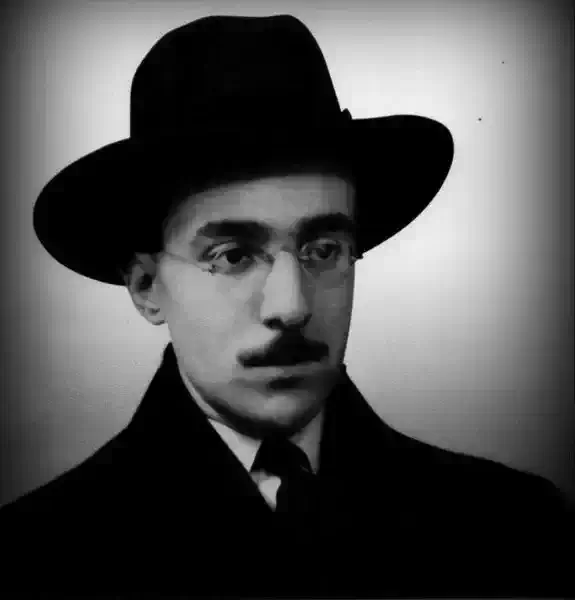
Fernando Pessoa
Mas Deus não terá Deus? Não haverá
Mas Deus não terá Deus? Não haverá
Como dos brutos até o homem, uma
Ladeira ou escadaria entre os supremos?
Como dos brutos até o homem, uma
Ladeira ou escadaria entre os supremos?
1 053
Fernando Pessoa
Desejava querer fugir de mim.
ali. ali. ali
e...e...e...
Palavras, não sois nada!
O que é Deus?
Uma palavra,
Pouco mais que um som.
E um som?
Nada.
e...e...e...
Palavras, não sois nada!
O que é Deus?
Uma palavra,
Pouco mais que um som.
E um som?
Nada.
1 510
Fernando Pessoa
HORROR
In the darkness of my soul,
Just as dark as the souls of men,
By the blessing of their eternal curse,
Flashes like a bodiless ghoul,
In its rare fulness above all ken,
The sense of the sense of the universe.
And such a cowardice of thought,
Absorbing all my life and all
I have in me, more gall than gall,
Takes me, that I fear to open my eyes
And my mind to a most horrid surprise,
And I feel my being near to suppression
In a horror past Fancy's confession.
More than the cowardest of beasts
Before a gaping flash overhead,
More than the drunkard in his unrests
Who sees visions of more than dread,
More than all that fear can conceive,
More than madness can make to believe,
More than cannot be imagined,
The sense of the mystery of all,
When it flashes on me full as can be,
Doth my maddened soul appal.
Speak it not ‑ nor can it be spoken, -
No, not the shadow of the sensation,
Of the chord of sanity that is broken
In me by that moment's distress
And intensity of negation;
Think it not, thought is powerless
This horror less than to express.
The meanest thing grows terrible
And the basest thought sublime -
All in a world more horrible
Than the sense of the soul of time,
Than the fear of the depth of death,
Than the remorse of more than crime.
‘Tis half as if its solution it brought,
That mystery that foul is as rot.
Yet if it did so bring
Dead were my thought
And my whole self dead as any thing:
'Tis this that coarsely men can name,
Looking on the face of God.
And that feeling, that sense can more than maim
The spirit, more than make it a clod;
It would kill outright straight, outright,
With a shock of which hell is no mirror,
More than is known in terror,
More than is dreamt of fright.
Just as dark as the souls of men,
By the blessing of their eternal curse,
Flashes like a bodiless ghoul,
In its rare fulness above all ken,
The sense of the sense of the universe.
And such a cowardice of thought,
Absorbing all my life and all
I have in me, more gall than gall,
Takes me, that I fear to open my eyes
And my mind to a most horrid surprise,
And I feel my being near to suppression
In a horror past Fancy's confession.
More than the cowardest of beasts
Before a gaping flash overhead,
More than the drunkard in his unrests
Who sees visions of more than dread,
More than all that fear can conceive,
More than madness can make to believe,
More than cannot be imagined,
The sense of the mystery of all,
When it flashes on me full as can be,
Doth my maddened soul appal.
Speak it not ‑ nor can it be spoken, -
No, not the shadow of the sensation,
Of the chord of sanity that is broken
In me by that moment's distress
And intensity of negation;
Think it not, thought is powerless
This horror less than to express.
The meanest thing grows terrible
And the basest thought sublime -
All in a world more horrible
Than the sense of the soul of time,
Than the fear of the depth of death,
Than the remorse of more than crime.
‘Tis half as if its solution it brought,
That mystery that foul is as rot.
Yet if it did so bring
Dead were my thought
And my whole self dead as any thing:
'Tis this that coarsely men can name,
Looking on the face of God.
And that feeling, that sense can more than maim
The spirit, more than make it a clod;
It would kill outright straight, outright,
With a shock of which hell is no mirror,
More than is known in terror,
More than is dreamt of fright.
1 834
Fernando Pessoa
Sorrow came and wept
Sorrow came and wept
By my side.
Slow and light she stept
As I walked towards God
By my side.
But I can never find that Great Abode,
And there is darkness in Descried.
By my side.
Slow and light she stept
As I walked towards God
By my side.
But I can never find that Great Abode,
And there is darkness in Descried.
1 253
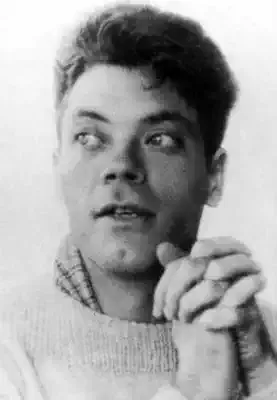
Reinaldo Ferreira
Domina-me um terror incoerente
Domina-me um terror incoerente
Do Nada, da final insensação
Por isso creio em Deus com Fé demente,
Por medo, por defesa, com paixão.
Se busco todavia uma razão
Que fortaleça a Fé de que sou crente,
Tortura-me o saber que tudo é vão,
Que tudo se aniquila finalmente,
Que tudo se transmuta e se transforma
E que perdura apenas noutra forma
Aquilo que no mundo é material.
Concebo que tudo isto tenha um fim.
Só não concebo o que será de mim,
Cumprido o meu degredo terreal.
Do Nada, da final insensação
Por isso creio em Deus com Fé demente,
Por medo, por defesa, com paixão.
Se busco todavia uma razão
Que fortaleça a Fé de que sou crente,
Tortura-me o saber que tudo é vão,
Que tudo se aniquila finalmente,
Que tudo se transmuta e se transforma
E que perdura apenas noutra forma
Aquilo que no mundo é material.
Concebo que tudo isto tenha um fim.
Só não concebo o que será de mim,
Cumprido o meu degredo terreal.
1 825
Fernando Pessoa
A PARTIDA [b]
A PARTIDA
Ave atque vale, ó assombroso universo!
Ave atque vale, de que diversa maneira
É que eu te verei, e será definitivamente,
Se haverá ainda mais vida, mais modos de te conhecer,
Mais lados de onde te olhar, — e talvez nunca te verei do Único —
Seja como for, ave atque vale, ó Mundo!
Partirei para aquele teu aspecto que a Morte deve revelar-me
Com o coração confrangido, a alma ansiosa, o olhar vago,
E toda a consciência da aventura pondo-me ondas no sangue...
Eu partirei para a Morte nada esperando encontrar
Mas disposto a ver coisas prodigiosas do outro lado do Mundo.
Ave atque vale, ó Universo espontâneo!
Verde esmiuçado a ervas nos prados contentes,
Verde escurecido das copas das árvores ao vento,
Escura brancura da água,
Penugem invisível dos brejos
Garras de sombra imaterial dos vendavais,
Grandes extensões (...) dos mares
Curso evidente dos rios
Ave atque vale! Até Deus! Até Mim! Até Vós!
Quando eu abandonar o meu ser como uma cadeira donde me levanto
Deixar atrás o mundo como a um quarto donde saio,
Abandonar toda esta forma, de sentidos e pensamento, de sentir as coisas,
Como uma capa que me prenda,
Quando de vez minha alma chegar à superfície da minha pele
E dispersar o meu ser pelo universo exterior,
Seja com alegria que eu reconheça que a Morte
Vem como um sol distante na antemanhã do meu novo ser.
Numa viagem oblíqua do meu leito de moribundo
Viagem em diagonal às dimensões dos objectos
Para o canto do tecto mais longe, a cama erguer-se-á do chão,
Erguer-se-á como um balão ridículo e seguirá
Como um comboio sobre os rails directamente...
(...)
Não tenho medo, ó Morte, ao que não deixa entrever
O teu postigo proibido na tua porta sobre o mundo.
Estendo os braços para ti como uma criança
Do colo da ama para o aparecimento da mãe...
Por ti deixo contente os meus brinquedos de adulto,
Por ti não tenho parentes, não tenho nada que me prenda
A este prodigioso, constante e doentio universo...
Todo o Definitivo deve estar em Ti ou em parte nenhuma.
Ave atque vale, ó assombroso universo!
Ave atque vale, de que diversa maneira
É que eu te verei, e será definitivamente,
Se haverá ainda mais vida, mais modos de te conhecer,
Mais lados de onde te olhar, — e talvez nunca te verei do Único —
Seja como for, ave atque vale, ó Mundo!
Partirei para aquele teu aspecto que a Morte deve revelar-me
Com o coração confrangido, a alma ansiosa, o olhar vago,
E toda a consciência da aventura pondo-me ondas no sangue...
Eu partirei para a Morte nada esperando encontrar
Mas disposto a ver coisas prodigiosas do outro lado do Mundo.
Ave atque vale, ó Universo espontâneo!
Verde esmiuçado a ervas nos prados contentes,
Verde escurecido das copas das árvores ao vento,
Escura brancura da água,
Penugem invisível dos brejos
Garras de sombra imaterial dos vendavais,
Grandes extensões (...) dos mares
Curso evidente dos rios
Ave atque vale! Até Deus! Até Mim! Até Vós!
Quando eu abandonar o meu ser como uma cadeira donde me levanto
Deixar atrás o mundo como a um quarto donde saio,
Abandonar toda esta forma, de sentidos e pensamento, de sentir as coisas,
Como uma capa que me prenda,
Quando de vez minha alma chegar à superfície da minha pele
E dispersar o meu ser pelo universo exterior,
Seja com alegria que eu reconheça que a Morte
Vem como um sol distante na antemanhã do meu novo ser.
Numa viagem oblíqua do meu leito de moribundo
Viagem em diagonal às dimensões dos objectos
Para o canto do tecto mais longe, a cama erguer-se-á do chão,
Erguer-se-á como um balão ridículo e seguirá
Como um comboio sobre os rails directamente...
(...)
Não tenho medo, ó Morte, ao que não deixa entrever
O teu postigo proibido na tua porta sobre o mundo.
Estendo os braços para ti como uma criança
Do colo da ama para o aparecimento da mãe...
Por ti deixo contente os meus brinquedos de adulto,
Por ti não tenho parentes, não tenho nada que me prenda
A este prodigioso, constante e doentio universo...
Todo o Definitivo deve estar em Ti ou em parte nenhuma.
1 134
Fernando Pessoa
ODE IN CONSOLATION FOR MISFORTUNE
He that would conquer must a soldier be.
He that a soldier will be must be made
To bear all the hard preface of his trade,
All the rough training must he bear
Whereby he shall the conqueror
……
All pain, all failure and all woe
These are but training we must undergo
Ere those heights of ourselves we full can reach
Whence God has things to teach
And the discarnate fate that girds us round
Still more to teach and more to wound.
With patience and with fortitude
Bear thou thy training rude,
Support with grace thy masters that are days
Made of pain and amaze,
Thy potion take, even it that potion look
That Socrates for his divinity took.
To Aesculape the cock immolate,
To the Masters of thy fate
Abandon life, thyself strong above all
Thy power to let things thee appall,
By the sole virtue of thy power set far
Over thy power to feel fate's war.
The rest, that thing that shall remain of thee
When land and sky and sea
Alike are mist in thy unseeing eyes,
This shall nowise
Mater, nor all when all is thine abode,
Nor God himself when all is God.
He that a soldier will be must be made
To bear all the hard preface of his trade,
All the rough training must he bear
Whereby he shall the conqueror
……
All pain, all failure and all woe
These are but training we must undergo
Ere those heights of ourselves we full can reach
Whence God has things to teach
And the discarnate fate that girds us round
Still more to teach and more to wound.
With patience and with fortitude
Bear thou thy training rude,
Support with grace thy masters that are days
Made of pain and amaze,
Thy potion take, even it that potion look
That Socrates for his divinity took.
To Aesculape the cock immolate,
To the Masters of thy fate
Abandon life, thyself strong above all
Thy power to let things thee appall,
By the sole virtue of thy power set far
Over thy power to feel fate's war.
The rest, that thing that shall remain of thee
When land and sky and sea
Alike are mist in thy unseeing eyes,
This shall nowise
Mater, nor all when all is thine abode,
Nor God himself when all is God.
1 405
Fernando Pessoa
A PARTIDA [c]
A PARTIDA
E eu o complexo, eu o numeroso,
Eu a saturnália de todas as possibilidades,
Eu o quebrar do dique de todas as personalizações,
Eu o excessivo, eu o sucessivo, eu o (...)
Eu o prolixo até de continências e paragens,
Eu que tenho vivido através do meu sangue e dos meus nervos
Todas as sensibilidades correspondentes a rodas as metafísicas
Que tenho desembarcado em todos os portos da alma,
Passado em aeroplano sobre todas as terras do espírito,
Eu o explorador de todos os sertões do raciocínio,
O (...)
O criador de Weltanschauungen,
Pródigo semeador pela minha própria indiferença
De correntes de moderno todas diferentes
Todas no momento em que são concebidas verdades
Todas pessoas diferentes, todas eu-próprio apenas —
Eu morrerei assim? Não: o universo é grande
E tem possibilidade de coisas infinitas acontecerem.
Não: tudo é melhor e maior que nós o pensamos
E a morte revelará coisas absolutamente inéditas...
Deus será mais contente.
Salve, ó novas coisas, a acontecer-me quando eu morrer,
Nova mobilidade do universo a despontar no meu horizonte
Quando definitivamente
Como um vapor largando do cais para longa viagem,
Com a banda de bordo a tocar o hino nacional da Alma
Eu largado para X, perturbado pela partida
Mas cheio da vaga esperança ignorante dos emigrantes,
Cheio de fé no Novo, de Crença limpa no Ultramar,
Eia — por aí fora, por esses mares internado,
À busca do meu futuro — nas terras, lagos e rios
Que ligam a redondeza da terra — todo o Universo —
Que oscila à vista. Eia por aí fora...
Ave atque vale, ó prodigioso Universo...
Haverá primeiro
Uma grande aceleração das sensações, um (...)
Com grandes dérapages nas estradas da minha consciência,
(...)
(E até à aterissage final do meu aero (...) )
Uma grande conglobação das sensações incontíguas,
Veloz silvo voraz do espaço entre a alma e Deus
Do meu (...)
Os meus estados de alma, de sucessivos, tornar-se-ão simultâneos,
Toda a minha individualidade se amarrotará num só ponto,
E quando, prestes a partir,
Tudo quanto vivo, e o que viverei para além do mundo,
Será fundido num só conjunto homogéneo e incandescente
E com um tal aumentar do ruído dos motores
Que se torna um ruído já não férreo, mas apenas abstracto,
Irei num silvo de sonho de velocidade pelo Incógnito fora
Deixando prados, paisagens, vilas dos dois lados
E cada vez mais no confim, nos longes do cognoscível,
Sulco de movimento no estaleiro das coisas,
Nova espécie de eternidade dinâmica ondeando através da eternidade estática —
s-s-s-ss-sss
z-z-z-z-z-z automóvel divino
E eu o complexo, eu o numeroso,
Eu a saturnália de todas as possibilidades,
Eu o quebrar do dique de todas as personalizações,
Eu o excessivo, eu o sucessivo, eu o (...)
Eu o prolixo até de continências e paragens,
Eu que tenho vivido através do meu sangue e dos meus nervos
Todas as sensibilidades correspondentes a rodas as metafísicas
Que tenho desembarcado em todos os portos da alma,
Passado em aeroplano sobre todas as terras do espírito,
Eu o explorador de todos os sertões do raciocínio,
O (...)
O criador de Weltanschauungen,
Pródigo semeador pela minha própria indiferença
De correntes de moderno todas diferentes
Todas no momento em que são concebidas verdades
Todas pessoas diferentes, todas eu-próprio apenas —
Eu morrerei assim? Não: o universo é grande
E tem possibilidade de coisas infinitas acontecerem.
Não: tudo é melhor e maior que nós o pensamos
E a morte revelará coisas absolutamente inéditas...
Deus será mais contente.
Salve, ó novas coisas, a acontecer-me quando eu morrer,
Nova mobilidade do universo a despontar no meu horizonte
Quando definitivamente
Como um vapor largando do cais para longa viagem,
Com a banda de bordo a tocar o hino nacional da Alma
Eu largado para X, perturbado pela partida
Mas cheio da vaga esperança ignorante dos emigrantes,
Cheio de fé no Novo, de Crença limpa no Ultramar,
Eia — por aí fora, por esses mares internado,
À busca do meu futuro — nas terras, lagos e rios
Que ligam a redondeza da terra — todo o Universo —
Que oscila à vista. Eia por aí fora...
Ave atque vale, ó prodigioso Universo...
Haverá primeiro
Uma grande aceleração das sensações, um (...)
Com grandes dérapages nas estradas da minha consciência,
(...)
(E até à aterissage final do meu aero (...) )
Uma grande conglobação das sensações incontíguas,
Veloz silvo voraz do espaço entre a alma e Deus
Do meu (...)
Os meus estados de alma, de sucessivos, tornar-se-ão simultâneos,
Toda a minha individualidade se amarrotará num só ponto,
E quando, prestes a partir,
Tudo quanto vivo, e o que viverei para além do mundo,
Será fundido num só conjunto homogéneo e incandescente
E com um tal aumentar do ruído dos motores
Que se torna um ruído já não férreo, mas apenas abstracto,
Irei num silvo de sonho de velocidade pelo Incógnito fora
Deixando prados, paisagens, vilas dos dois lados
E cada vez mais no confim, nos longes do cognoscível,
Sulco de movimento no estaleiro das coisas,
Nova espécie de eternidade dinâmica ondeando através da eternidade estática —
s-s-s-ss-sss
z-z-z-z-z-z automóvel divino
4 956

Zito Batista
Meu Coração
Meu coração é um lúgubre convento:
Dentro dele, a rezar noites inteiras,
As minhas ilusões — tristonhas freiras
Vivem presas de estranho desalento...
E ouvindo, às vezes, queixas agourentas,
E ameaças de morte e sofrimento,
— Soluçando, no escuro isolamento,
Falam de amor as pobres prisioneiras...
No entanto outrora, alegre, iluminado,
Como a igreja formosa em que se canta
A missa azul da crença e do conforto...
Meu coração foi céu alcandorado,
Onde imperava, ingenuamente santa,
A Forma viva do meu Sonho morto!
Dentro dele, a rezar noites inteiras,
As minhas ilusões — tristonhas freiras
Vivem presas de estranho desalento...
E ouvindo, às vezes, queixas agourentas,
E ameaças de morte e sofrimento,
— Soluçando, no escuro isolamento,
Falam de amor as pobres prisioneiras...
No entanto outrora, alegre, iluminado,
Como a igreja formosa em que se canta
A missa azul da crença e do conforto...
Meu coração foi céu alcandorado,
Onde imperava, ingenuamente santa,
A Forma viva do meu Sonho morto!
976
Fernando Pessoa
SECOND SIGHT
Whene'er thou dost undo
Thy dark, strange hair before the wind
And the wind takes it up and makes it woo
Tumult and violence in the way it sweeps
Along the air, mingling, unmingling, undefined
In the snake‑like madness it keeps.
Then I do know
That somewhere whence dreams come
And passions go,
Somewhere in that world contrary to this,
Yet landscaped, peopled as this is,
In a great southern sea
There is a storm and a hurled wreck
On rising rocks that cannot reck
For human misery.
The two things are but one.
Thy floating hair is that great ship undone
In a tossed, turbulent, dashed ocean.
Neither precedeth nor doth cause the other
Nor are the two as brother and brother,
But absolutely one, samely the same,
They have somehow an equal name
Where speech is of the essence of what is.
A real sight, like God's, should see the kiss
Of the wind through thy hair and the far storm
One thing, - yet two things because we see two
When we conceive them one, the double form
Coming to oneness in what we construe.
Therefore I grieve when thou letst thy hair take
The wind upon its long, thin, changing fingers,
For that sight of me that translates that to
The sterner meaning in what world I know
Only through what in me is not here awake, -
That sight of that mad wreck visibly lingers
And does in my imagination ache.
Alas! all things are linked, and we know not
Half the contents of our each casual thought.
We never see save one little dreamed bit
Of each feeling we have; we pass through it
Like rapid travellers that scarce can see
What they pass by and what they see see erringly.
What is the meaning of my writing this?
Nothing, save that this is,
I know not why, something I know and must
Utter, the purpose of it being with
That secret Being that made my body of dust
Bear my soul's ignored presence, and that breath
Of life that survives my each moment's death.
Thy dark, strange hair before the wind
And the wind takes it up and makes it woo
Tumult and violence in the way it sweeps
Along the air, mingling, unmingling, undefined
In the snake‑like madness it keeps.
Then I do know
That somewhere whence dreams come
And passions go,
Somewhere in that world contrary to this,
Yet landscaped, peopled as this is,
In a great southern sea
There is a storm and a hurled wreck
On rising rocks that cannot reck
For human misery.
The two things are but one.
Thy floating hair is that great ship undone
In a tossed, turbulent, dashed ocean.
Neither precedeth nor doth cause the other
Nor are the two as brother and brother,
But absolutely one, samely the same,
They have somehow an equal name
Where speech is of the essence of what is.
A real sight, like God's, should see the kiss
Of the wind through thy hair and the far storm
One thing, - yet two things because we see two
When we conceive them one, the double form
Coming to oneness in what we construe.
Therefore I grieve when thou letst thy hair take
The wind upon its long, thin, changing fingers,
For that sight of me that translates that to
The sterner meaning in what world I know
Only through what in me is not here awake, -
That sight of that mad wreck visibly lingers
And does in my imagination ache.
Alas! all things are linked, and we know not
Half the contents of our each casual thought.
We never see save one little dreamed bit
Of each feeling we have; we pass through it
Like rapid travellers that scarce can see
What they pass by and what they see see erringly.
What is the meaning of my writing this?
Nothing, save that this is,
I know not why, something I know and must
Utter, the purpose of it being with
That secret Being that made my body of dust
Bear my soul's ignored presence, and that breath
Of life that survives my each moment's death.
1 547
Fernando Pessoa
Meu pensamento é um rio subterrâneo
Meu pensamento é um rio subterrâneo.
Para que terras vai e donde vem?
Não sei... Na noite em que o meu ser o tem
Emerge dele um ruído subitâneo
De origens no Mistério extraviadas
De eu compreendê-las..., misteriosas fontes
Habitando a distância de ermos montes
Onde os momentos são a Deus chegados...
De vez em quando luze em minha mágoa
Como um farol num mar desconhecido
Um movimento de correr, perdido
Em mim, um pálido soluço de água...
E eu relembro de tempos mais antigos
Que a minha consciência da ilusão
Águas divinas percorrendo o chão
De verdores uníssonos e amigos,
E a ideia de uma Pátria anterior
À forma consciente do meu ser
Dói‑me no que desejo, e vem bater
Como uma onda de encontro à minha dor.
Escuto‑o... Ao longe, no meu vago tacto
Da minha alma, perdido som incerto,
Como um eterno rio indescoberto,
Mais que a ideia de rio certo e abstracto...
E p'ra onde é que ele vai, que se extravia
Do meu ouvi‑lo ? A que cavernas desce?
Em que frios de Assombro é que arrefece?
De que névoas soturnas se anuvia?
Não sei... Eu perco‑o... E outra vez regressa
A luz e a cor do mundo claro e actual,
E na interior distância do meu Real
Como se a alma acabasse, o rio cessa...
Para que terras vai e donde vem?
Não sei... Na noite em que o meu ser o tem
Emerge dele um ruído subitâneo
De origens no Mistério extraviadas
De eu compreendê-las..., misteriosas fontes
Habitando a distância de ermos montes
Onde os momentos são a Deus chegados...
De vez em quando luze em minha mágoa
Como um farol num mar desconhecido
Um movimento de correr, perdido
Em mim, um pálido soluço de água...
E eu relembro de tempos mais antigos
Que a minha consciência da ilusão
Águas divinas percorrendo o chão
De verdores uníssonos e amigos,
E a ideia de uma Pátria anterior
À forma consciente do meu ser
Dói‑me no que desejo, e vem bater
Como uma onda de encontro à minha dor.
Escuto‑o... Ao longe, no meu vago tacto
Da minha alma, perdido som incerto,
Como um eterno rio indescoberto,
Mais que a ideia de rio certo e abstracto...
E p'ra onde é que ele vai, que se extravia
Do meu ouvi‑lo ? A que cavernas desce?
Em que frios de Assombro é que arrefece?
De que névoas soturnas se anuvia?
Não sei... Eu perco‑o... E outra vez regressa
A luz e a cor do mundo claro e actual,
E na interior distância do meu Real
Como se a alma acabasse, o rio cessa...
1 122
Fernando Pessoa
VICENTE: Todos, oh mestre, têm horror à morte...
[VICENTE]:
Todos, oh mestre, têm horror à morte...
FAUSTO:
Ah não me ofendas com palavras vãs
O horror do pensamento. Ninguém
Como eu teve esse horror, nem poderá
Nas veias e na alma e no sangue
Tê-lo tão íntimo, tão internado
Tão feito um comigo.
Ah,
São as primeiras, únicas palavras
Em que a outro mostrei parte do ser.
Tu não as compreendeste, nem podias,
Nem nunca poderás. Tenta esquecer...
Nunca mais me ouvirás falar assim...
Estava ainda só comigo n'alma
E falava comigo respondendo-te.
Mas dize-me a que vinhas.
[VICENTE]:
Vinha... eu...
Eu vinha... ah... eu vinha procurar-vos
Para falar... nada... Já me retiro.
Estais febril, mestre, sim, sim, vejo bem
E os vossos olhos brilham não sei como,
Que...
FAUSTO:
Dize.
[VICENTE]:
Que...
FAUSTO:
O quê?
[VICENTE]:
Que me apavora.
FAUSTO:
Escuta, aproxima-te, é a primeira
Vez que direi o que te digo. Tu
Não compreenderás talvez ainda,
Nem nunca... a essência do que digo
Nunca, ai nunca. Escuta-me Vicente,
São as últimas palavras que direi.
Não compreendes isto,
Não tomes susto. Escuta.
O mundo
Encerra um sonho como realidade
E em cada seu fragmento — não me entendes (
Vive todo.
Interpenetração de (...)
E complexos mistérios desconhecidos.
As figuras de sonho não conhecem
O sonho (...) de quem são figuras,
Porque o mundo não só é (...) sonhado
Mas é dentro dum sonho um outro sonho
Em que sonhados são os sonhadores
Também. Tu compreendes?
[VICENTE]:
Vagamente.
FAUSTO:
Possas tu sempre assim compreender
Como todos na terra que existiram
Menos um.
[VICENTE]:
Cristo?
FAUSTO:
Cristo? Quem é Cristo?
Ah ri-te, ri-te desta distracção,
Desta pergunta minha, de alheado
Que ando do meu próprio ver e ouvir
Feito. Deixemos isto, pois Lembra-me
Uma cousa a que podes responder.
Diz-me que pensas
Do orgulho? De imperadores, reis
E príncipes da terra e seu orgulho?
Que pensas?
[VICENTE]:
Eu? Do orgulho? Julgo-o vão.
FAUSTO:
Todo o orgulho vão?
[VICENTE]:
Todo o orgulho.
Assim mo ensinaram, assim creio
E assim razoável me parece.
FAUSTO:
Mas o orgulho do génio, desse que sente
Retratar-se no espírito soturno
A ilusão de existir definida
Em mistérios e abismos e visões?
E o desse?
[VICENTE]:
O talento é dom de Deus.
Não sei que orgulho haverá em tê-lo
Como se fora cousa produzida
Pelo próprio. Por que quereis saber?
FAUSTO:
Eu? Nada. O talento é dom de Deus.
E o orgulho não é dom de Deus?
[VICENTE]:
Por, parecendo humano que é nascido
Da vã contemplação, como direi?
Da maravilha de si mesmo. Eu,
Se fosse talentoso — não o sou (
A Deus diariamente o agradecia.
Dar-me-ia prazer, mas não orgulho.
FAUSTO:
Bem agradeço-te. Deixa-me agora.
Preciso de pensar Lembrou-me súbito
Uma cousa... Logo te verei.
Continuaremos.
[VICENTE]:
Mestre, até então.
FAUSTO: (só)
Em todo os raciocínios em que vivo
Aquele (...) nunca fizera.
Como aquelas palavras me feriram!
Sim, por que ter orgulho — para quê?
Mas — ah, quantos problemas e mistérios
Essas palavras dum inconsciente
Me abrem no pensamento. Que intenso
Atropelar de (...) e teorias
De raciocínios, conclusões d'espírito
Mal geradas dentro em mim,
Não poder apagar este tormento;
Não poder despegar-me deste ser;
Não poder esquecer-me desta vida...
Todos, oh mestre, têm horror à morte...
FAUSTO:
Ah não me ofendas com palavras vãs
O horror do pensamento. Ninguém
Como eu teve esse horror, nem poderá
Nas veias e na alma e no sangue
Tê-lo tão íntimo, tão internado
Tão feito um comigo.
Ah,
São as primeiras, únicas palavras
Em que a outro mostrei parte do ser.
Tu não as compreendeste, nem podias,
Nem nunca poderás. Tenta esquecer...
Nunca mais me ouvirás falar assim...
Estava ainda só comigo n'alma
E falava comigo respondendo-te.
Mas dize-me a que vinhas.
[VICENTE]:
Vinha... eu...
Eu vinha... ah... eu vinha procurar-vos
Para falar... nada... Já me retiro.
Estais febril, mestre, sim, sim, vejo bem
E os vossos olhos brilham não sei como,
Que...
FAUSTO:
Dize.
[VICENTE]:
Que...
FAUSTO:
O quê?
[VICENTE]:
Que me apavora.
FAUSTO:
Escuta, aproxima-te, é a primeira
Vez que direi o que te digo. Tu
Não compreenderás talvez ainda,
Nem nunca... a essência do que digo
Nunca, ai nunca. Escuta-me Vicente,
São as últimas palavras que direi.
Não compreendes isto,
Não tomes susto. Escuta.
O mundo
Encerra um sonho como realidade
E em cada seu fragmento — não me entendes (
Vive todo.
Interpenetração de (...)
E complexos mistérios desconhecidos.
As figuras de sonho não conhecem
O sonho (...) de quem são figuras,
Porque o mundo não só é (...) sonhado
Mas é dentro dum sonho um outro sonho
Em que sonhados são os sonhadores
Também. Tu compreendes?
[VICENTE]:
Vagamente.
FAUSTO:
Possas tu sempre assim compreender
Como todos na terra que existiram
Menos um.
[VICENTE]:
Cristo?
FAUSTO:
Cristo? Quem é Cristo?
Ah ri-te, ri-te desta distracção,
Desta pergunta minha, de alheado
Que ando do meu próprio ver e ouvir
Feito. Deixemos isto, pois Lembra-me
Uma cousa a que podes responder.
Diz-me que pensas
Do orgulho? De imperadores, reis
E príncipes da terra e seu orgulho?
Que pensas?
[VICENTE]:
Eu? Do orgulho? Julgo-o vão.
FAUSTO:
Todo o orgulho vão?
[VICENTE]:
Todo o orgulho.
Assim mo ensinaram, assim creio
E assim razoável me parece.
FAUSTO:
Mas o orgulho do génio, desse que sente
Retratar-se no espírito soturno
A ilusão de existir definida
Em mistérios e abismos e visões?
E o desse?
[VICENTE]:
O talento é dom de Deus.
Não sei que orgulho haverá em tê-lo
Como se fora cousa produzida
Pelo próprio. Por que quereis saber?
FAUSTO:
Eu? Nada. O talento é dom de Deus.
E o orgulho não é dom de Deus?
[VICENTE]:
Por, parecendo humano que é nascido
Da vã contemplação, como direi?
Da maravilha de si mesmo. Eu,
Se fosse talentoso — não o sou (
A Deus diariamente o agradecia.
Dar-me-ia prazer, mas não orgulho.
FAUSTO:
Bem agradeço-te. Deixa-me agora.
Preciso de pensar Lembrou-me súbito
Uma cousa... Logo te verei.
Continuaremos.
[VICENTE]:
Mestre, até então.
FAUSTO: (só)
Em todo os raciocínios em que vivo
Aquele (...) nunca fizera.
Como aquelas palavras me feriram!
Sim, por que ter orgulho — para quê?
Mas — ah, quantos problemas e mistérios
Essas palavras dum inconsciente
Me abrem no pensamento. Que intenso
Atropelar de (...) e teorias
De raciocínios, conclusões d'espírito
Mal geradas dentro em mim,
Não poder apagar este tormento;
Não poder despegar-me deste ser;
Não poder esquecer-me desta vida...
826
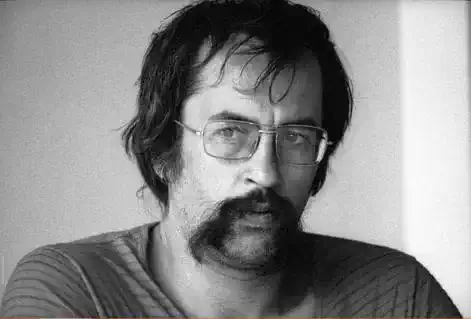
Paulo Leminski
tenho andado fraco
tenho andado fraco
levanto a mão
é uma mão de macaco
tenho andado só
lembrando que sou pó
tenho andado tanto
diabo querendo ser santo
tenho andado cheio
o copo pelo meio
tenho andado sem pai
yo no creo en caminos
pero que los hay
hay
Publicado no livro Polonaises (1980).
In: LEMINSKI, Paulo. Caprichos e relaxos. Prefácio de Haroldo de Campos. 2. ed. São Paulo: Brasiliense, 198
levanto a mão
é uma mão de macaco
tenho andado só
lembrando que sou pó
tenho andado tanto
diabo querendo ser santo
tenho andado cheio
o copo pelo meio
tenho andado sem pai
yo no creo en caminos
pero que los hay
hay
Publicado no livro Polonaises (1980).
In: LEMINSKI, Paulo. Caprichos e relaxos. Prefácio de Haroldo de Campos. 2. ed. São Paulo: Brasiliense, 198
3 357

Isabel Câmara
Lençóis
Aos domingos se vai ao longe. . .
Lavam-se panos brancos e os
denominamos roupas de cama:
Roupas de baixo
Roupas de cima –
Coisas da Casa
Aos Domingos todos se cansam cedo:
há enlaces matutinos
e muitos hinos.
Aos domingos há missa, música
entreveros. Há quem chore
nalguma hora e há também
possibilidades novas:
Há pares, bares, porres.
Aos domingos semeiam
as lavadeiras
seus azuis/brancos lençóis
lúcidos dos dias de semana.
Para elas lençóis
Prata da Casa
Lençóis louça de Porcelana
Lavam-se panos brancos e os
denominamos roupas de cama:
Roupas de baixo
Roupas de cima –
Coisas da Casa
Aos Domingos todos se cansam cedo:
há enlaces matutinos
e muitos hinos.
Aos domingos há missa, música
entreveros. Há quem chore
nalguma hora e há também
possibilidades novas:
Há pares, bares, porres.
Aos domingos semeiam
as lavadeiras
seus azuis/brancos lençóis
lúcidos dos dias de semana.
Para elas lençóis
Prata da Casa
Lençóis louça de Porcelana
913

Sérgio Godinho
Aos amores!
Aos amores!
A vida que tudo arrasta os amores também
uns dão à costa, exaustos, outros vao mais além
navegadores só solitários dois a dois
heróis sem nome e até por isso heróis
Desde que o John partiu a Rosinha passa mal
vive na Loneley Street, Heartbreak Hotel, Portugal
ainda em si mora a doce mentira do amor
tomou-lhe o gosto ao provar-lhe o sabor
Os amores são facas de dois gumes
têem de um lado a paixão, do outro os ciúmes
são desencantos que vivem encantados
como velas que ardem por dois lados
Aos amores!
No convento as noviças cantam as madrugadas
e a bela monja escreve cartas arrebatadas
"é por virtude tua que tu és o meu vício
por ti eu lanço os ventos ao precipício"
O Rui da Casa Pia sabe que sabe amar
sopra na franja, maneira de se pentear
vai à posta restante para ver quem lhe escreveu
foi uma bela monja que nunca conheceu
Aos amores!
(desordeiros irresistíveis deleituosos entranhantes
verdadeiros evitáveis buliçosos como dantes
bicolores transgressores impostores cantadores)
A Marta, quinze anos, vê na televisão
um beijo igual ao que ontem deu junto do vulcão
faz baby-sitting à espera de parecer mulher
quando é que o amor lhe explica o que dela quer?
Depois da dor, como conservar a inocência?
leia um bom livro, legue as lágrimas à ciência
e parta o vidro em caso de necessidade
deixe o seu coração ir em liberdade
Aos amores!
A vida que tudo arrasta os amores também
uns dão à costa, exaustos, outros vao mais além
navegadores só solitários dois a dois
heróis sem nome e até por isso heróis
Desde que o John partiu a Rosinha passa mal
vive na Loneley Street, Heartbreak Hotel, Portugal
ainda em si mora a doce mentira do amor
tomou-lhe o gosto ao provar-lhe o sabor
Os amores são facas de dois gumes
têem de um lado a paixão, do outro os ciúmes
são desencantos que vivem encantados
como velas que ardem por dois lados
Aos amores!
No convento as noviças cantam as madrugadas
e a bela monja escreve cartas arrebatadas
"é por virtude tua que tu és o meu vício
por ti eu lanço os ventos ao precipício"
O Rui da Casa Pia sabe que sabe amar
sopra na franja, maneira de se pentear
vai à posta restante para ver quem lhe escreveu
foi uma bela monja que nunca conheceu
Aos amores!
(desordeiros irresistíveis deleituosos entranhantes
verdadeiros evitáveis buliçosos como dantes
bicolores transgressores impostores cantadores)
A Marta, quinze anos, vê na televisão
um beijo igual ao que ontem deu junto do vulcão
faz baby-sitting à espera de parecer mulher
quando é que o amor lhe explica o que dela quer?
Depois da dor, como conservar a inocência?
leia um bom livro, legue as lágrimas à ciência
e parta o vidro em caso de necessidade
deixe o seu coração ir em liberdade
Aos amores!
1 303
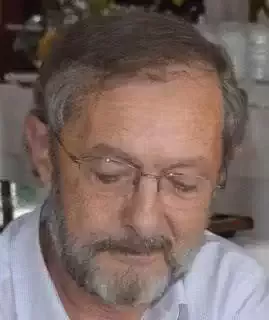
Fernando Correia Pina
Lição de História Pátria
Sabias - disse-me ela fazendo-me a punheta -
que muito valentão entala a costeleta
e que entre os nossos reis, valorosos guerreiros,
muitos houve que foram famosos paneleiros
que entre duras batalhas e esforçados trabalhos
recheavam o cu com túrgidos caralhos.
Sabias por acaso que o primeiro Pedro, o Cru,
mais que a foder gozou indo levar no cu?
E que o primeiro Afonso que à mãe não perdoava
se deixava montar por Fernão Peres de Trava?
E quantos, ah! ó quantos grandes deste país
fizeram do cu vaso para meter a raiz?
Cuidado! gritei eu afagando-lhe o lombo -
faz isso com mais calma que os colhões não são bombo.
Desculpa - disse-me ela. - Depois continuou
revelando-me a rir que o seu próprio avô
que morrera com fama de grande putanheiro
passara toda a vida a levar no traseiro.
E a Igreja? - gritou - Do padre ao cardeal
toda ela se entregou à banana fatal
e a esse mesmo fruto que faz de um cu vulcão
se entrega toda a cáfila que governa a nação :
ministros, secretários e directores-gerais
todos abrigam pichas nos albergues anais...
E safou-se Salazar de ser também rabicho
porque nesse momento gritei e vim-me em esguicho.
que muito valentão entala a costeleta
e que entre os nossos reis, valorosos guerreiros,
muitos houve que foram famosos paneleiros
que entre duras batalhas e esforçados trabalhos
recheavam o cu com túrgidos caralhos.
Sabias por acaso que o primeiro Pedro, o Cru,
mais que a foder gozou indo levar no cu?
E que o primeiro Afonso que à mãe não perdoava
se deixava montar por Fernão Peres de Trava?
E quantos, ah! ó quantos grandes deste país
fizeram do cu vaso para meter a raiz?
Cuidado! gritei eu afagando-lhe o lombo -
faz isso com mais calma que os colhões não são bombo.
Desculpa - disse-me ela. - Depois continuou
revelando-me a rir que o seu próprio avô
que morrera com fama de grande putanheiro
passara toda a vida a levar no traseiro.
E a Igreja? - gritou - Do padre ao cardeal
toda ela se entregou à banana fatal
e a esse mesmo fruto que faz de um cu vulcão
se entrega toda a cáfila que governa a nação :
ministros, secretários e directores-gerais
todos abrigam pichas nos albergues anais...
E safou-se Salazar de ser também rabicho
porque nesse momento gritei e vim-me em esguicho.
1 505
Fernando Pessoa
Crucificado, / Não como Cristo numa mera cruz,
Crucificado,
Não como Cristo numa mera cruz,
Mas no mistério do universo. (Sempre
Me foi a alma, ao ver a exterior
Vaidade monótona do mundo
Para ver em cada cousa e abstracto objecto
No seu misterioso ali-local de ser,
Sempre os meus pensamentos supervistos
Como coisas alheias me eram pontes
Donde eu partia para perguntar-me
Generalidades.)
Não como Cristo numa mera cruz,
Mas no mistério do universo. (Sempre
Me foi a alma, ao ver a exterior
Vaidade monótona do mundo
Para ver em cada cousa e abstracto objecto
No seu misterioso ali-local de ser,
Sempre os meus pensamentos supervistos
Como coisas alheias me eram pontes
Donde eu partia para perguntar-me
Generalidades.)
1 240
Fernando Pessoa
39 - CHALICE
Chalice of my communion
With the lost thing that gleams!
Communion‑bond of union
Between me and my dreams!
O chalice of love's most!
In thy wine, earth's wine's ghost
To lips that are God's flowers,
My soul has dipped the host
Of my diviner hours.
My lips are as lips kissed.
My sad soul happy sings.
O shining through the mist
Of tremulous angels' wings!
I feel me God's moon's node,
A child again, outside life's road,
Remembering how I found me
When I awoke from God
And felt the world around me.
With the lost thing that gleams!
Communion‑bond of union
Between me and my dreams!
O chalice of love's most!
In thy wine, earth's wine's ghost
To lips that are God's flowers,
My soul has dipped the host
Of my diviner hours.
My lips are as lips kissed.
My sad soul happy sings.
O shining through the mist
Of tremulous angels' wings!
I feel me God's moon's node,
A child again, outside life's road,
Remembering how I found me
When I awoke from God
And felt the world around me.
1 387
Fernando Pessoa
40 - ELEVATION
Before light was, light's bright idea lit
God's thought of it,
And, because through God's thought light's thought did pass,
Light ever was,
And from beyond eternity became
The living flame
That trembles into life and reddens with
Our life's soul‑width.
Before light was, when yet the night was queen
O'er what had been,
In God's realized prescience it could be
Light from eternity,
For no time enters into God's thoughts or
Their spaceless Hour.
Take thou therefore, my Song, from light the mood
Of being, and brood,
Like the Dove unbegot, over the abyss
Of consciousness,
Taking as thy true part that thought of God
Whence light issued.
Let my words burst into that divine flame
That lights its name
Of each thing from within with ultimate meaning.
Though earth be screening
With fixed appearance the Sun in each Thing,
Bear, on thy wing
High‑lifted, rays from the unrisen Sun
Whence life is spun.
Soar out, my Song, out of despair and night
And catch that light
Ere it appear, from neath the horizon
Of action,
Borne out of dreams by intuition bright
Of endless light.
Though none believe nor any understand,
Yet feel thee fanned
With those breeze‑breaths that come up with the morn
From the Unborn.
Soar like a lark into the coming day
And bear thy way
Into the possibility of noon
Hid in the dawn.
No matter that none know what thy words speak.
A day shall break
Out of eternity as each day bright
Out of each night.
Thy wings shall touch the slanting light of dawn
And, upwards drawn
By being light‑struck, shall to light be near
When light's yet far.
Hope is thy ready and high‑soaring flight
Out of the night,
Joy is thy touching of the first high rays
That day betrays,
Life is the course thy flight sequesters from
Earth and its nightly doom,
And these three things are one in thy belief
That pain is brief.
II
Thou, unseeen Bird, essence of spiritual light,
That yet art bright
With the epitome of the outer shine,
Thou that art mine
And yet not mine but general to the earth,
Wings of rebirth,
Whose song, though in me heard, participates
Of all that all elates,
Thou point of meeting of me with the wings
Hidden in all things,
Thou breath, thou vapour, seen and not seen, of
Some abstract love,
Thou exhalation of the prisoned flight
Of all things' weight,
Thou that in me art fear, mad splendour, all
To ache and enthral,
Attract me, take me, o pure flight, and rise
With me in thine eyes,
Lost, cast, unpetalled and divine, up to
What thou dost woo!
O Spirit‑Lark that wakest ere the morn
And art reborn
At each recoming of the sun, and art
The wiser part
Of all that message is to our low eyes
Of what shall rise!
Life‑weightless Bird that no meads can attract,
But that must act
Its fate in air, above our marshes sad
And meads low‑laid,
In free heights communing with the Great Horn
As yet unborn!
O sterile Bird that hast no nest nor home
But what shall come,
That hast no song save in the heights above
Nests, homes and love,
Nor any thought save for the coming day,
Though far away
It seem to those who measure yet thy flight
But by its height
And not by its intention, that is carried
From life and married
To those diviner hours that winged things
Find with their wings!
O Bird of ruthless song and untold wishes,
Whose high flight reaches
Heights not of earth, but of pure air, encumbered
With no joys weighed and numbered!
Take all my heart in thy purpose of going
And make the flowing
Down to earth of my song be like thy song,
Something strange, strong
With distance, eerily half‑perishing
From farness! Sing,
And let my heart be what thou meanst with singings
My life with winging.
My hopes and fears with th’tone wherewith thy note
To me doth float
And the great purpose hidden in my fate
With thy mere height!
My heart shall thus be happy even if pained,
Free even if strained
To keep that height of joy whence tremble down
Thy songs to our own.
My soul may thus be happy, full and free.
Oh, happily
Raise me from me and lift my life unto
That thou dost woo -
The light, the sky, the distance and the morn,
Till I be unborn
Again to pure dispersion in the seas
Of the high breeze
That speaks to thee, ere light be born, of light,
Till the delight
Of without being being shall make me
Song and sky be!
God's thought of it,
And, because through God's thought light's thought did pass,
Light ever was,
And from beyond eternity became
The living flame
That trembles into life and reddens with
Our life's soul‑width.
Before light was, when yet the night was queen
O'er what had been,
In God's realized prescience it could be
Light from eternity,
For no time enters into God's thoughts or
Their spaceless Hour.
Take thou therefore, my Song, from light the mood
Of being, and brood,
Like the Dove unbegot, over the abyss
Of consciousness,
Taking as thy true part that thought of God
Whence light issued.
Let my words burst into that divine flame
That lights its name
Of each thing from within with ultimate meaning.
Though earth be screening
With fixed appearance the Sun in each Thing,
Bear, on thy wing
High‑lifted, rays from the unrisen Sun
Whence life is spun.
Soar out, my Song, out of despair and night
And catch that light
Ere it appear, from neath the horizon
Of action,
Borne out of dreams by intuition bright
Of endless light.
Though none believe nor any understand,
Yet feel thee fanned
With those breeze‑breaths that come up with the morn
From the Unborn.
Soar like a lark into the coming day
And bear thy way
Into the possibility of noon
Hid in the dawn.
No matter that none know what thy words speak.
A day shall break
Out of eternity as each day bright
Out of each night.
Thy wings shall touch the slanting light of dawn
And, upwards drawn
By being light‑struck, shall to light be near
When light's yet far.
Hope is thy ready and high‑soaring flight
Out of the night,
Joy is thy touching of the first high rays
That day betrays,
Life is the course thy flight sequesters from
Earth and its nightly doom,
And these three things are one in thy belief
That pain is brief.
II
Thou, unseeen Bird, essence of spiritual light,
That yet art bright
With the epitome of the outer shine,
Thou that art mine
And yet not mine but general to the earth,
Wings of rebirth,
Whose song, though in me heard, participates
Of all that all elates,
Thou point of meeting of me with the wings
Hidden in all things,
Thou breath, thou vapour, seen and not seen, of
Some abstract love,
Thou exhalation of the prisoned flight
Of all things' weight,
Thou that in me art fear, mad splendour, all
To ache and enthral,
Attract me, take me, o pure flight, and rise
With me in thine eyes,
Lost, cast, unpetalled and divine, up to
What thou dost woo!
O Spirit‑Lark that wakest ere the morn
And art reborn
At each recoming of the sun, and art
The wiser part
Of all that message is to our low eyes
Of what shall rise!
Life‑weightless Bird that no meads can attract,
But that must act
Its fate in air, above our marshes sad
And meads low‑laid,
In free heights communing with the Great Horn
As yet unborn!
O sterile Bird that hast no nest nor home
But what shall come,
That hast no song save in the heights above
Nests, homes and love,
Nor any thought save for the coming day,
Though far away
It seem to those who measure yet thy flight
But by its height
And not by its intention, that is carried
From life and married
To those diviner hours that winged things
Find with their wings!
O Bird of ruthless song and untold wishes,
Whose high flight reaches
Heights not of earth, but of pure air, encumbered
With no joys weighed and numbered!
Take all my heart in thy purpose of going
And make the flowing
Down to earth of my song be like thy song,
Something strange, strong
With distance, eerily half‑perishing
From farness! Sing,
And let my heart be what thou meanst with singings
My life with winging.
My hopes and fears with th’tone wherewith thy note
To me doth float
And the great purpose hidden in my fate
With thy mere height!
My heart shall thus be happy even if pained,
Free even if strained
To keep that height of joy whence tremble down
Thy songs to our own.
My soul may thus be happy, full and free.
Oh, happily
Raise me from me and lift my life unto
That thou dost woo -
The light, the sky, the distance and the morn,
Till I be unborn
Again to pure dispersion in the seas
Of the high breeze
That speaks to thee, ere light be born, of light,
Till the delight
Of without being being shall make me
Song and sky be!
1 663
Fernando Pessoa
41 - TO ONE SINGING
O voice the angels kissed when unbreathed yet!
O lips made spiritual with uttering it!
O eyes wild with the lust of the divine
In thy felt presence, making thee its shrine!
O that this moment of thee were Thyself!
That thou ne’er fell'st from this Thou, and the pelf
Of gathered days with avarice of living,
Touched thee not from this moment of God's giving!
O eternal actuality of thee!
O by thy voice sculptured immutably
In some stone‑flesh of spirit! O set free
From being all contained in being seen!
O firmament of joy purely serene
With spaciousness of soul and stars of song
Above thyself, God's human heights among!
Sing on, and let thy singing be a couch
To that of me which to my soul doth vouch
Of God as of a self and of a home!
Dissolve me to thy notes! Make me become
An outside of myself, and have in me
Nought but a selfless sense of hearing thee!
Let me pertain to the sounds thou dost voice!
Let me be other than I and rejoice
Hearing time like a breeze pass by the place
Thy song imprisons in its halcyon grace!
Thy voice compels to parapets from heaven
Dim winged happinesses whence is woven
To our souls such a glamour, spirit‑fair,
That, feeling it, all life becomes despair
And all the sense of life to wish to die.
Sing on! Between the music's human cry
And thy song's meaning there is interposed
Some third reality, less life‑enclosed,
Some subtler tenderness than music makes
Or words sung, and its moonless moonlight takes
Our visionary moods by their child‑hand
And our tired steps begin to understand.
Sing, nor stop singing till bliss ache too much!
O that I could, without moving my hand,
Stretch forth some hand imaginary and touch
That body of thine thy singing giveth thee!
That kiss‑like touch would wake eternity
In me again, and, as by a great morn,
The night my body makes of me were torn
Away from being, and my unbodied shape
Would, like a ship doubling the final cape,
Come to that sight of port and shiver of coming
That God allows to those whose bliss of roaming
Is no more than the wish to find His peace
And mingle with it as a scent with the breeze.
O lips made spiritual with uttering it!
O eyes wild with the lust of the divine
In thy felt presence, making thee its shrine!
O that this moment of thee were Thyself!
That thou ne’er fell'st from this Thou, and the pelf
Of gathered days with avarice of living,
Touched thee not from this moment of God's giving!
O eternal actuality of thee!
O by thy voice sculptured immutably
In some stone‑flesh of spirit! O set free
From being all contained in being seen!
O firmament of joy purely serene
With spaciousness of soul and stars of song
Above thyself, God's human heights among!
Sing on, and let thy singing be a couch
To that of me which to my soul doth vouch
Of God as of a self and of a home!
Dissolve me to thy notes! Make me become
An outside of myself, and have in me
Nought but a selfless sense of hearing thee!
Let me pertain to the sounds thou dost voice!
Let me be other than I and rejoice
Hearing time like a breeze pass by the place
Thy song imprisons in its halcyon grace!
Thy voice compels to parapets from heaven
Dim winged happinesses whence is woven
To our souls such a glamour, spirit‑fair,
That, feeling it, all life becomes despair
And all the sense of life to wish to die.
Sing on! Between the music's human cry
And thy song's meaning there is interposed
Some third reality, less life‑enclosed,
Some subtler tenderness than music makes
Or words sung, and its moonless moonlight takes
Our visionary moods by their child‑hand
And our tired steps begin to understand.
Sing, nor stop singing till bliss ache too much!
O that I could, without moving my hand,
Stretch forth some hand imaginary and touch
That body of thine thy singing giveth thee!
That kiss‑like touch would wake eternity
In me again, and, as by a great morn,
The night my body makes of me were torn
Away from being, and my unbodied shape
Would, like a ship doubling the final cape,
Come to that sight of port and shiver of coming
That God allows to those whose bliss of roaming
Is no more than the wish to find His peace
And mingle with it as a scent with the breeze.
1 398
Fernando Pessoa
Crer é errar. Não crer de nada serve.
Crer é errar. Não crer de nada serve.
1 583
Fernando Pessoa
Ah que nunca a verdade definida
Ah que nunca a verdade definida
Mate a alma, que vive de não tê-la!
Talvez que nunca, ó negra sperança linda!,
A alma encontre o horror definitivo
Da verdade absoluta, onde se acabe
Que ser, que ter, que procurar.
Cada Deus seja falso e, onde é, supremo;
Sol centro dum sistema de verdades
E sistemas solares de ilusão
No espaço da verdade sem limite
E sem definição — inexistente
Para quanto é o sujeito.
Mate a alma, que vive de não tê-la!
Talvez que nunca, ó negra sperança linda!,
A alma encontre o horror definitivo
Da verdade absoluta, onde se acabe
Que ser, que ter, que procurar.
Cada Deus seja falso e, onde é, supremo;
Sol centro dum sistema de verdades
E sistemas solares de ilusão
No espaço da verdade sem limite
E sem definição — inexistente
Para quanto é o sujeito.
824
Fernando Pessoa
SUSPIRO DO MUNDO: Tremo de medo:
Tremo de medo:
Eis o segredo aberto.
Além de ti
Nada há, decerto
Nem pode haver:
Além de ti
Que não tens essência
Nem tens existência
E te chamas só SER.
Oh
Nada pode haver!
Eis o segredo aberto.
Além de ti
Nada há, decerto
Nem pode haver:
Além de ti
Que não tens essência
Nem tens existência
E te chamas só SER.
Oh
Nada pode haver!
1 595
Fernando Pessoa
Nos vastos céus estrelados
Nos vastos céus estrelados
Que além de espaços estão,
Sob a regência de fados
Que ninguém sabe o que são,
Há sistemas infinitos,
Sóis centros de mundos seus,
E cada sol é um Deus.
Eternamente excluídos
Uns dos outros, cada um
É universo.
Mundo dentro de mundos
Infinidades variadas,
Abismos muitos, sem fundo
(...)
Que além de espaços estão,
Sob a regência de fados
Que ninguém sabe o que são,
Há sistemas infinitos,
Sóis centros de mundos seus,
E cada sol é um Deus.
Eternamente excluídos
Uns dos outros, cada um
É universo.
Mundo dentro de mundos
Infinidades variadas,
Abismos muitos, sem fundo
(...)
1 839