

Poemas neste tema
Fé, Espiritualidade e Religião

Raquel Nobre Guerra
Deixa que nos chamem
Deixa que nos chamem
pequeno cemitério de animais em flor.
O meu coração gótico espera por ti
aqui onde ninguém dança.
Porque havemos sempre de brincar
vestidos de santos até adormecer
nos olhos da cabra que, escuta:
I touched her thigh and death smiled.
Se perguntarem por nós aponta para cima
e responde com humor tipicamente irlandês
Senhor Roubado. Linha Amarela. Estação Terminal.
pequeno cemitério de animais em flor.
O meu coração gótico espera por ti
aqui onde ninguém dança.
Porque havemos sempre de brincar
vestidos de santos até adormecer
nos olhos da cabra que, escuta:
I touched her thigh and death smiled.
Se perguntarem por nós aponta para cima
e responde com humor tipicamente irlandês
Senhor Roubado. Linha Amarela. Estação Terminal.
722
Raquel Nobre Guerra
deus por cima
deus por cima
o grande abandono
o grande abandono
1 234
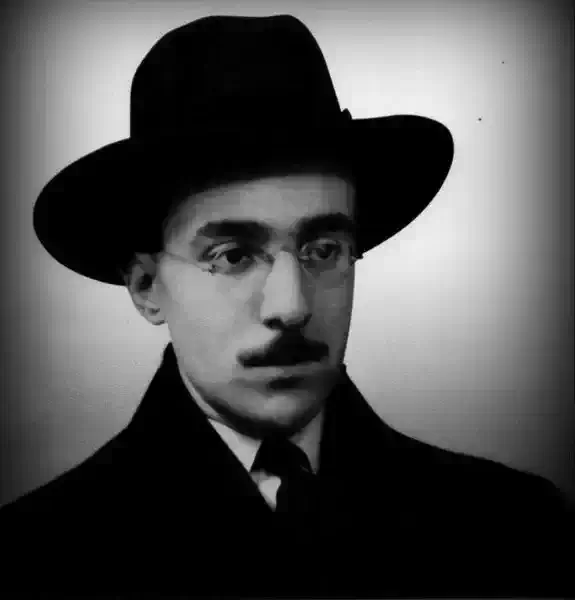
Fernando Pessoa
Voam débeis e enganadas
Voam débeis e enganadas
As folhas que o vento toma.
Bem sei: deitamos os dados
Mas Deus é que deita a soma.
As folhas que o vento toma.
Bem sei: deitamos os dados
Mas Deus é que deita a soma.
1 323
Fernando Pessoa
Sorrow came and wept
Sorrow came and wept
By my side.
Slow and light she stept
As I walked towards God
By my side.
But I can never find that Great Abode,
And there is darkness in Descried.
By my side.
Slow and light she stept
As I walked towards God
By my side.
But I can never find that Great Abode,
And there is darkness in Descried.
1 253
Fernando Pessoa
SECOND SIGHT
Whene'er thou dost undo
Thy dark, strange hair before the wind
And the wind takes it up and makes it woo
Tumult and violence in the way it sweeps
Along the air, mingling, unmingling, undefined
In the snake‑like madness it keeps.
Then I do know
That somewhere whence dreams come
And passions go,
Somewhere in that world contrary to this,
Yet landscaped, peopled as this is,
In a great southern sea
There is a storm and a hurled wreck
On rising rocks that cannot reck
For human misery.
The two things are but one.
Thy floating hair is that great ship undone
In a tossed, turbulent, dashed ocean.
Neither precedeth nor doth cause the other
Nor are the two as brother and brother,
But absolutely one, samely the same,
They have somehow an equal name
Where speech is of the essence of what is.
A real sight, like God's, should see the kiss
Of the wind through thy hair and the far storm
One thing, - yet two things because we see two
When we conceive them one, the double form
Coming to oneness in what we construe.
Therefore I grieve when thou letst thy hair take
The wind upon its long, thin, changing fingers,
For that sight of me that translates that to
The sterner meaning in what world I know
Only through what in me is not here awake, -
That sight of that mad wreck visibly lingers
And does in my imagination ache.
Alas! all things are linked, and we know not
Half the contents of our each casual thought.
We never see save one little dreamed bit
Of each feeling we have; we pass through it
Like rapid travellers that scarce can see
What they pass by and what they see see erringly.
What is the meaning of my writing this?
Nothing, save that this is,
I know not why, something I know and must
Utter, the purpose of it being with
That secret Being that made my body of dust
Bear my soul's ignored presence, and that breath
Of life that survives my each moment's death.
Thy dark, strange hair before the wind
And the wind takes it up and makes it woo
Tumult and violence in the way it sweeps
Along the air, mingling, unmingling, undefined
In the snake‑like madness it keeps.
Then I do know
That somewhere whence dreams come
And passions go,
Somewhere in that world contrary to this,
Yet landscaped, peopled as this is,
In a great southern sea
There is a storm and a hurled wreck
On rising rocks that cannot reck
For human misery.
The two things are but one.
Thy floating hair is that great ship undone
In a tossed, turbulent, dashed ocean.
Neither precedeth nor doth cause the other
Nor are the two as brother and brother,
But absolutely one, samely the same,
They have somehow an equal name
Where speech is of the essence of what is.
A real sight, like God's, should see the kiss
Of the wind through thy hair and the far storm
One thing, - yet two things because we see two
When we conceive them one, the double form
Coming to oneness in what we construe.
Therefore I grieve when thou letst thy hair take
The wind upon its long, thin, changing fingers,
For that sight of me that translates that to
The sterner meaning in what world I know
Only through what in me is not here awake, -
That sight of that mad wreck visibly lingers
And does in my imagination ache.
Alas! all things are linked, and we know not
Half the contents of our each casual thought.
We never see save one little dreamed bit
Of each feeling we have; we pass through it
Like rapid travellers that scarce can see
What they pass by and what they see see erringly.
What is the meaning of my writing this?
Nothing, save that this is,
I know not why, something I know and must
Utter, the purpose of it being with
That secret Being that made my body of dust
Bear my soul's ignored presence, and that breath
Of life that survives my each moment's death.
1 547

José Lopes Ferreira
Soneto
Santíssima Senhora Virgem Pura,
Estrela do Mar, luz resplandecente,
Brilhante Aurora Espelho Transparente,
Divina, sendo humana criatura,
Protótipo da Graça em que se apura
A grandeza de Deus Onipotente,
Mortal flagelo, da infernal serpente,
Flor de Nazaré, Neve na candura.
lá que por nós, em vós baixou à terra
Um Deus que sendo Deus, homem se cria,
Que o nosso maior mal assim desterra;
Lembrai-vos pois, Puríssima Maria,
Do nosso puro afeto que se encerra,
De ser perpétua a vossa Academia.
Estrela do Mar, luz resplandecente,
Brilhante Aurora Espelho Transparente,
Divina, sendo humana criatura,
Protótipo da Graça em que se apura
A grandeza de Deus Onipotente,
Mortal flagelo, da infernal serpente,
Flor de Nazaré, Neve na candura.
lá que por nós, em vós baixou à terra
Um Deus que sendo Deus, homem se cria,
Que o nosso maior mal assim desterra;
Lembrai-vos pois, Puríssima Maria,
Do nosso puro afeto que se encerra,
De ser perpétua a vossa Academia.
952
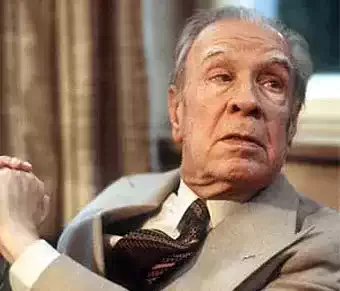
Jorge Luis Borges
Un sajón (449 A. D.)
Ya se había hundido la encorvada luna;lento en el alba el hombre rubio y rudo
pisó con receloso pie desnudo
la arena minuciosa de la duna.
Más allá de la pálida bahía,
blancas tierras miró y negros alcores,
en esa hora elemental del día
en que Dios no ha creado los colores.
Era tenaz. Obraron su fortuna
remos, redes, arado, espada, escudo;
la dura mano que guerreaba pudo
grabar con hierro una porfiada runa.
De una tierra de ciénagas venía
a esta que roen los pesados mares;
sobre él se abovedaba como el día
el Destino, y también sobre sus lares,
Woden o Thunor, que con torpe mano
engalanó de trapos y de clavos
y en cuyo altar sacrificó al arcano
caballos, perros, pájaros y esclavos.
Para cantar memorias o alabanzas
amonedaba laboriosos nombres;
la guerra era el encuentro de los hombres
y también el encuentro de las lanzas.
Su mundo era de magias en los mares,
de reyes y de lobos y del Hado
que no perdona y del horror sagrado
que hay en el corazón de los pinares.
Traía las palabras esenciales
de una lengua que el tiempo exaltaría
a música de Shakespeare: noche, día,
agua, fuego, colores y metales,
hambre, sed, amargura, sueño, guerra,
muerte y los otros hábitos humanos;
en arduos montes y en abiertos llanos,
sus hijos engendraron a Inglaterra.
"El otro, el mismo" (1964)
Jorge Luis Borges | "Poesia Completa", págs. 191 e 192 | Debolsillo, 3ª. edição, 2016
pisó con receloso pie desnudo
la arena minuciosa de la duna.
Más allá de la pálida bahía,
blancas tierras miró y negros alcores,
en esa hora elemental del día
en que Dios no ha creado los colores.
Era tenaz. Obraron su fortuna
remos, redes, arado, espada, escudo;
la dura mano que guerreaba pudo
grabar con hierro una porfiada runa.
De una tierra de ciénagas venía
a esta que roen los pesados mares;
sobre él se abovedaba como el día
el Destino, y también sobre sus lares,
Woden o Thunor, que con torpe mano
engalanó de trapos y de clavos
y en cuyo altar sacrificó al arcano
caballos, perros, pájaros y esclavos.
Para cantar memorias o alabanzas
amonedaba laboriosos nombres;
la guerra era el encuentro de los hombres
y también el encuentro de las lanzas.
Su mundo era de magias en los mares,
de reyes y de lobos y del Hado
que no perdona y del horror sagrado
que hay en el corazón de los pinares.
Traía las palabras esenciales
de una lengua que el tiempo exaltaría
a música de Shakespeare: noche, día,
agua, fuego, colores y metales,
hambre, sed, amargura, sueño, guerra,
muerte y los otros hábitos humanos;
en arduos montes y en abiertos llanos,
sus hijos engendraron a Inglaterra.
"El otro, el mismo" (1964)
Jorge Luis Borges | "Poesia Completa", págs. 191 e 192 | Debolsillo, 3ª. edição, 2016
1 316
Jorge Luis Borges
Emanuel Swedenborg
Taller than the others, this man
Walked among them, at a distance,
Now and then calling the angels
By their secret names. He would see
That which earthly eyes do not see:
The fierce geometry, the crystal
Labyrinth of God and the sordid
Milling of infernal delights.
He knew that Glory and Hell too
Are in your soul, with all their myths;
He knew, like the Greek, that the days
Of time are Eternity"s mirrors.
In unadorned Latin he went on listing
The unconditional Last Things.
Jorge Luis Borges | "Poesia Completa", pág. 220 | Debolsillo, 3ª. edição, 2016
Walked among them, at a distance,
Now and then calling the angels
By their secret names. He would see
That which earthly eyes do not see:
The fierce geometry, the crystal
Labyrinth of God and the sordid
Milling of infernal delights.
He knew that Glory and Hell too
Are in your soul, with all their myths;
He knew, like the Greek, that the days
Of time are Eternity"s mirrors.
In unadorned Latin he went on listing
The unconditional Last Things.
Jorge Luis Borges | "Poesia Completa", pág. 220 | Debolsillo, 3ª. edição, 2016
1 675
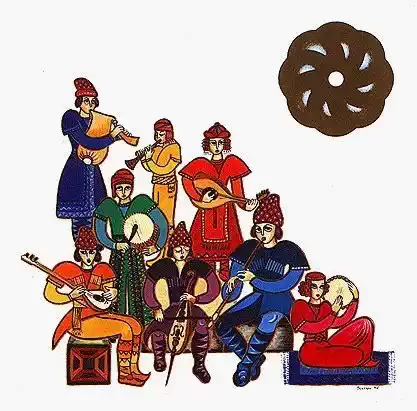
Rui Queimado
Nostro Senhor! E Ora Que Será
Nostro Senhor! e ora que será
de mim? Que moiro, porque me parti
de mia senhor mui fremosa, que vi
polo meu mal! E de mi que será,
Nostro Senhor? Ou ora que farei?
Ca, de pram, nẽum conselho nom hei,
nem sei que faça, nem que xe será
de mim, que moiro e nom me sei já
nẽum conselh'outro senom morrer!
E tam bom conselho nom poss'haver,
pois que nom cuido nunca veer já
esta senhor, que por meu mal amei,
des que a vi, e am'e amarei
mentr'eu viver; mais nom viverei já
mais des aqui, de pram, per nulha rem,
cuidando sempre no meu coraçom
no mui gram bem que lh'hoj'eu quer', e non'
a veer, nen'a cuidar já per rem
a veer. E com aqueste cuidar
cuid'a morrer; ca nom poss'hoj'osmar
com'eu possa viver per nulha rem,
poila nom vej'; e cuid'em quanto bem
lhe Vós fezestes em tod', ar cuid'al,
em com'a mim fezestes muito mal:
pois já quisestes que lh'eu tam gram bem
quisesse, nom mi fazer alongar
de a veer, e tam a meu pesar!
Nostro Senhor, u me faredes bem?
A la fé, nenlhur, aquesto sei já!
Ca, se a nom vir, nunc'haverei rem.
de mim? Que moiro, porque me parti
de mia senhor mui fremosa, que vi
polo meu mal! E de mi que será,
Nostro Senhor? Ou ora que farei?
Ca, de pram, nẽum conselho nom hei,
nem sei que faça, nem que xe será
de mim, que moiro e nom me sei já
nẽum conselh'outro senom morrer!
E tam bom conselho nom poss'haver,
pois que nom cuido nunca veer já
esta senhor, que por meu mal amei,
des que a vi, e am'e amarei
mentr'eu viver; mais nom viverei já
mais des aqui, de pram, per nulha rem,
cuidando sempre no meu coraçom
no mui gram bem que lh'hoj'eu quer', e non'
a veer, nen'a cuidar já per rem
a veer. E com aqueste cuidar
cuid'a morrer; ca nom poss'hoj'osmar
com'eu possa viver per nulha rem,
poila nom vej'; e cuid'em quanto bem
lhe Vós fezestes em tod', ar cuid'al,
em com'a mim fezestes muito mal:
pois já quisestes que lh'eu tam gram bem
quisesse, nom mi fazer alongar
de a veer, e tam a meu pesar!
Nostro Senhor, u me faredes bem?
A la fé, nenlhur, aquesto sei já!
Ca, se a nom vir, nunc'haverei rem.
621
Jorge Luis Borges
Otro fragmento apócrifo
Uno de los discípulos del maestro quería hablar a solas
con él, pero no se atrevía. El maestro le dijo:
-Dime qué pesadumbre te oprime.
El discípulo replicó:
-Me falta valor.
El maestro dijo:
-Yo te doy el valor.
La historia es muy antigua, pero una tradición, que bien
puede no ser apócrifa, ha conservado las palabras que esos hombres dijeron,
en los linderos del desierto y del alba.
Dijo el discípulo:
-He cometido hace tres años un gran pecado. No lo
saben los otros pero yo lo sé, y no puedo mirar sin horror
mi mano derecha.
Dijo el maestro:
-Todos los hombres han pecado. No es de hombres no
pecar. El que mirare a un hombre con odio ya le ha
dado muerte en su corazón.
Dijo el discípulo:
-Hace tres años, en Samaria, yo maté a un hombre.
El maestro guardó silencio, pero su rostro se demudó y el
discípulo pudo temer su ira. Dijo al fin:
-Hace diecinueve años, en Samaria, yo engendré a un
hombre. Ya te has arrepentido de lo que hiciste.
Dijo el discípulo:
-Así es. Mis noches son de plegaria y de llanto. Quiero
que tú me des tu perdón.
Dijo el maestro:
-Nadie puede perdonar, ni siquiera el Señor. Si a un
hombre lo juzgaran por sus actos, no hay quien no fuera
merecedor del infierno y del cielo. ¿Estás seguro de
ser aún aquel hombre que dio muerte a su hermano?
Dijo el discípulo:
-Ya no entiendo la ira que me hizo desnudar el acero.
Dijo el maestro:
-Suelo hablar en parábolas para que la verdad se grabe
en las almas, pero hablaré contigo como un padre habla
con su hijo. Yo no soy aquel hombre que pecó; tú no
eres aquel asesino y no hay razón alguna para que sigas
siendo su esclavo. Te incumben los deberes de todo
hombre: ser justo y ser feliz. Tú mismo tienes que salvarte.
Si algo ha quedado de tu culpa yo cargaré con ella.
Lo demás de aquel diálogo se ha perdido.
Jorge Luis Borges | "Poesia Completa", págs. 619 e 620 | Debolsillo, 3ª. edição, 2016
con él, pero no se atrevía. El maestro le dijo:
-Dime qué pesadumbre te oprime.
El discípulo replicó:
-Me falta valor.
El maestro dijo:
-Yo te doy el valor.
La historia es muy antigua, pero una tradición, que bien
puede no ser apócrifa, ha conservado las palabras que esos hombres dijeron,
en los linderos del desierto y del alba.
Dijo el discípulo:
-He cometido hace tres años un gran pecado. No lo
saben los otros pero yo lo sé, y no puedo mirar sin horror
mi mano derecha.
Dijo el maestro:
-Todos los hombres han pecado. No es de hombres no
pecar. El que mirare a un hombre con odio ya le ha
dado muerte en su corazón.
Dijo el discípulo:
-Hace tres años, en Samaria, yo maté a un hombre.
El maestro guardó silencio, pero su rostro se demudó y el
discípulo pudo temer su ira. Dijo al fin:
-Hace diecinueve años, en Samaria, yo engendré a un
hombre. Ya te has arrepentido de lo que hiciste.
Dijo el discípulo:
-Así es. Mis noches son de plegaria y de llanto. Quiero
que tú me des tu perdón.
Dijo el maestro:
-Nadie puede perdonar, ni siquiera el Señor. Si a un
hombre lo juzgaran por sus actos, no hay quien no fuera
merecedor del infierno y del cielo. ¿Estás seguro de
ser aún aquel hombre que dio muerte a su hermano?
Dijo el discípulo:
-Ya no entiendo la ira que me hizo desnudar el acero.
Dijo el maestro:
-Suelo hablar en parábolas para que la verdad se grabe
en las almas, pero hablaré contigo como un padre habla
con su hijo. Yo no soy aquel hombre que pecó; tú no
eres aquel asesino y no hay razón alguna para que sigas
siendo su esclavo. Te incumben los deberes de todo
hombre: ser justo y ser feliz. Tú mismo tienes que salvarte.
Si algo ha quedado de tu culpa yo cargaré con ella.
Lo demás de aquel diálogo se ha perdido.
Jorge Luis Borges | "Poesia Completa", págs. 619 e 620 | Debolsillo, 3ª. edição, 2016
2 140
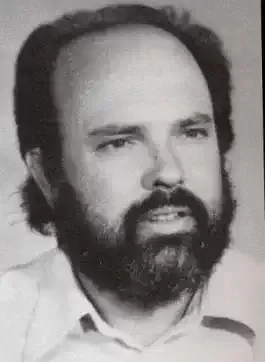
Ruy Belo
Cerimonial
Eu vou colhendo com unção os dias
conforme tu os confias
à minha mão:
leves vestes que enfio
quando me despe o coração.
Ruy Belo | "Obra Poética de Ruy Belo" - Vol. 1, pág. 36 | Editorial Presença Lda., 1984
conforme tu os confias
à minha mão:
leves vestes que enfio
quando me despe o coração.
Ruy Belo | "Obra Poética de Ruy Belo" - Vol. 1, pág. 36 | Editorial Presença Lda., 1984
1 305
Fernando Pessoa
EPIGRAMS - VII
Pius the Tenth, your letter, bull -
Whate'er it is, with great attention
I read, although 'tis rather dull;
And, to speak true, not to deceive,
These words synthetise the impression
That from your bull I did receive: -
How much of that do you believe?
Whate'er it is, with great attention
I read, although 'tis rather dull;
And, to speak true, not to deceive,
These words synthetise the impression
That from your bull I did receive: -
How much of that do you believe?
1 180
Fernando Pessoa
39 - CHALICE
Chalice of my communion
With the lost thing that gleams!
Communion‑bond of union
Between me and my dreams!
O chalice of love's most!
In thy wine, earth's wine's ghost
To lips that are God's flowers,
My soul has dipped the host
Of my diviner hours.
My lips are as lips kissed.
My sad soul happy sings.
O shining through the mist
Of tremulous angels' wings!
I feel me God's moon's node,
A child again, outside life's road,
Remembering how I found me
When I awoke from God
And felt the world around me.
With the lost thing that gleams!
Communion‑bond of union
Between me and my dreams!
O chalice of love's most!
In thy wine, earth's wine's ghost
To lips that are God's flowers,
My soul has dipped the host
Of my diviner hours.
My lips are as lips kissed.
My sad soul happy sings.
O shining through the mist
Of tremulous angels' wings!
I feel me God's moon's node,
A child again, outside life's road,
Remembering how I found me
When I awoke from God
And felt the world around me.
1 387
Fernando Pessoa
EPIGRAMS- VI
Pius, of pious anger full,
In's bull makes priests and men of bias
Spy us. Although Pius is pious,
His bull (if that's a bull) 's a bull.
In's bull makes priests and men of bias
Spy us. Although Pius is pious,
His bull (if that's a bull) 's a bull.
1 214
Fernão Garcia Esgaravunha
A Que Vos Fui, Senhor, Dizer Por Mi
A que vos fui, senhor, dizer por mi
que vos queria mao preço dar,
do que eu quer'agora a Deus rogar,
ponh'eu dela e de mi outrossi:
que El i leixe mao prez haver
a quem mal preço vos quer apoer!
A que a gram torto me vosco miscrou
e que gram torto vos disse, senhor,
por en serei sempr'[a] Deus rogador,
de mim e dela, que m'esto buscou,
que El i leixe mao prez haver
a quem mal preço vos quer apoer!
Mais torne-se na verdade, por Deus,
(ca vos nom disse verdad', e[u] o sei!)
log'eu dela e de mim rogarei
a Deus, que vejam estes olhos meus,
que El i leixe mao prez haver
a quem mal preço vos quer apoer!
que vos queria mao preço dar,
do que eu quer'agora a Deus rogar,
ponh'eu dela e de mi outrossi:
que El i leixe mao prez haver
a quem mal preço vos quer apoer!
A que a gram torto me vosco miscrou
e que gram torto vos disse, senhor,
por en serei sempr'[a] Deus rogador,
de mim e dela, que m'esto buscou,
que El i leixe mao prez haver
a quem mal preço vos quer apoer!
Mais torne-se na verdade, por Deus,
(ca vos nom disse verdad', e[u] o sei!)
log'eu dela e de mim rogarei
a Deus, que vejam estes olhos meus,
que El i leixe mao prez haver
a quem mal preço vos quer apoer!
562

Afonso X
Direi-Vos Eu D'um Ric'home
Direi-vos eu d'um ric'home
de com'aprendi que come:
mandou cozer o vil home
meio rabo de carneiro
- assi com'o cavaleiro.
E outro meio filhou,
e peiteá-lo mandou,
[e] ao colo o atou,
tal que o nom aolhasse
quen'o visse e o catasse.
E pois ali o liou,
estendeu-se e bucijou;
por ũa velha enviou,
que o veesse escantar
d'olho mao de manejar.
A velha e[n] diss'atal:
- Daquesto foi, que nom d'al:
de que comestes mui mal.
E começou de riir
muito del [e] escarnir.
Nun'Eanes diss'assi:
- Fiinda mester há i.
Dom Afonso diss'atal:
- Faça-xo quem faz o al.
de com'aprendi que come:
mandou cozer o vil home
meio rabo de carneiro
- assi com'o cavaleiro.
E outro meio filhou,
e peiteá-lo mandou,
[e] ao colo o atou,
tal que o nom aolhasse
quen'o visse e o catasse.
E pois ali o liou,
estendeu-se e bucijou;
por ũa velha enviou,
que o veesse escantar
d'olho mao de manejar.
A velha e[n] diss'atal:
- Daquesto foi, que nom d'al:
de que comestes mui mal.
E começou de riir
muito del [e] escarnir.
Nun'Eanes diss'assi:
- Fiinda mester há i.
Dom Afonso diss'atal:
- Faça-xo quem faz o al.
602
Fernão Garcia Esgaravunha
Tod'home Que Deus Faz Morar
Tod'home que Deus faz morar
u est a molher que gram bem
quer, bem sei eu ca nunca tem
gram coita no seu coraçom,
pero se a pode veer;
mais quem end'há lonj'a viver
aquesta coita nom há par!
Ca, pois u ela est' estar
pode, nom sabe nulha rem
de gram coita, ca, de pram, tem
assi eno seu coraçom:
qual bem lhi quer de lho dizer;
e nom pode gram coita haver
enquant'en'aquesto cuidar.
E quem bem quiser preguntar
por gram coita, mim pregunt'en,
ca eu a sei, vedes per quem:
per mim e per meu coraçom.
E mia senhor mi a faz saber
e o seu mui bom parecer
e Deus, que m'en fez alongar
por viver sempr'em gram pesar
de mim, e por perder o sem
com haver a viver sem quem
sei eu bem no meu coraçom.
Ca nunca já posso prazer,
u a nom vir, de rem prender.
Vedes que coita d'endurar!
E o que atal nom sofrer
non'o devedes a creer
de gram coita, se i falar!
u est a molher que gram bem
quer, bem sei eu ca nunca tem
gram coita no seu coraçom,
pero se a pode veer;
mais quem end'há lonj'a viver
aquesta coita nom há par!
Ca, pois u ela est' estar
pode, nom sabe nulha rem
de gram coita, ca, de pram, tem
assi eno seu coraçom:
qual bem lhi quer de lho dizer;
e nom pode gram coita haver
enquant'en'aquesto cuidar.
E quem bem quiser preguntar
por gram coita, mim pregunt'en,
ca eu a sei, vedes per quem:
per mim e per meu coraçom.
E mia senhor mi a faz saber
e o seu mui bom parecer
e Deus, que m'en fez alongar
por viver sempr'em gram pesar
de mim, e por perder o sem
com haver a viver sem quem
sei eu bem no meu coraçom.
Ca nunca já posso prazer,
u a nom vir, de rem prender.
Vedes que coita d'endurar!
E o que atal nom sofrer
non'o devedes a creer
de gram coita, se i falar!
688
Afonso X
Se Me Graça Fezesse Este Papa de Roma!
Se me graça fezesse este Papa de Roma!
Pois que or'[estes] panos da mia reposte toma,
que levass'el os cabos e dess'a mi a soma;
mais doutra guisa me foi el vendê'la galdrapa.
Quisera eu assi deste nosso Papa
que me talhasse melhor aquesta capa.
Se m'el graça fezesse, con'os seus cardeaes,
[dos panos] que lh'eu desse que mos talhass'iguaes!
Mais vedes em que vi en'el[e] maos sinaes:
que do que me furtou, foi cobri-l[o] a sa capa.
Quisera eu assi deste nosso Papa
que me talhasse melhor aquesta capa.
Se con'os cardeaes com que faz seus conselhos
posesse que guardasse nós de maos trebelhos,
fezera gram mercêe, ca nom furtar com elhos
e [os] panos dos cristãos meter sô sa capa.
Quisera eu assi deste nosso Papa
que me talhasse melhor aquesta capa.
Pois que or'[estes] panos da mia reposte toma,
que levass'el os cabos e dess'a mi a soma;
mais doutra guisa me foi el vendê'la galdrapa.
Quisera eu assi deste nosso Papa
que me talhasse melhor aquesta capa.
Se m'el graça fezesse, con'os seus cardeaes,
[dos panos] que lh'eu desse que mos talhass'iguaes!
Mais vedes em que vi en'el[e] maos sinaes:
que do que me furtou, foi cobri-l[o] a sa capa.
Quisera eu assi deste nosso Papa
que me talhasse melhor aquesta capa.
Se con'os cardeaes com que faz seus conselhos
posesse que guardasse nós de maos trebelhos,
fezera gram mercêe, ca nom furtar com elhos
e [os] panos dos cristãos meter sô sa capa.
Quisera eu assi deste nosso Papa
que me talhasse melhor aquesta capa.
695
Fernando Pessoa
41 - TO ONE SINGING
O voice the angels kissed when unbreathed yet!
O lips made spiritual with uttering it!
O eyes wild with the lust of the divine
In thy felt presence, making thee its shrine!
O that this moment of thee were Thyself!
That thou ne’er fell'st from this Thou, and the pelf
Of gathered days with avarice of living,
Touched thee not from this moment of God's giving!
O eternal actuality of thee!
O by thy voice sculptured immutably
In some stone‑flesh of spirit! O set free
From being all contained in being seen!
O firmament of joy purely serene
With spaciousness of soul and stars of song
Above thyself, God's human heights among!
Sing on, and let thy singing be a couch
To that of me which to my soul doth vouch
Of God as of a self and of a home!
Dissolve me to thy notes! Make me become
An outside of myself, and have in me
Nought but a selfless sense of hearing thee!
Let me pertain to the sounds thou dost voice!
Let me be other than I and rejoice
Hearing time like a breeze pass by the place
Thy song imprisons in its halcyon grace!
Thy voice compels to parapets from heaven
Dim winged happinesses whence is woven
To our souls such a glamour, spirit‑fair,
That, feeling it, all life becomes despair
And all the sense of life to wish to die.
Sing on! Between the music's human cry
And thy song's meaning there is interposed
Some third reality, less life‑enclosed,
Some subtler tenderness than music makes
Or words sung, and its moonless moonlight takes
Our visionary moods by their child‑hand
And our tired steps begin to understand.
Sing, nor stop singing till bliss ache too much!
O that I could, without moving my hand,
Stretch forth some hand imaginary and touch
That body of thine thy singing giveth thee!
That kiss‑like touch would wake eternity
In me again, and, as by a great morn,
The night my body makes of me were torn
Away from being, and my unbodied shape
Would, like a ship doubling the final cape,
Come to that sight of port and shiver of coming
That God allows to those whose bliss of roaming
Is no more than the wish to find His peace
And mingle with it as a scent with the breeze.
O lips made spiritual with uttering it!
O eyes wild with the lust of the divine
In thy felt presence, making thee its shrine!
O that this moment of thee were Thyself!
That thou ne’er fell'st from this Thou, and the pelf
Of gathered days with avarice of living,
Touched thee not from this moment of God's giving!
O eternal actuality of thee!
O by thy voice sculptured immutably
In some stone‑flesh of spirit! O set free
From being all contained in being seen!
O firmament of joy purely serene
With spaciousness of soul and stars of song
Above thyself, God's human heights among!
Sing on, and let thy singing be a couch
To that of me which to my soul doth vouch
Of God as of a self and of a home!
Dissolve me to thy notes! Make me become
An outside of myself, and have in me
Nought but a selfless sense of hearing thee!
Let me pertain to the sounds thou dost voice!
Let me be other than I and rejoice
Hearing time like a breeze pass by the place
Thy song imprisons in its halcyon grace!
Thy voice compels to parapets from heaven
Dim winged happinesses whence is woven
To our souls such a glamour, spirit‑fair,
That, feeling it, all life becomes despair
And all the sense of life to wish to die.
Sing on! Between the music's human cry
And thy song's meaning there is interposed
Some third reality, less life‑enclosed,
Some subtler tenderness than music makes
Or words sung, and its moonless moonlight takes
Our visionary moods by their child‑hand
And our tired steps begin to understand.
Sing, nor stop singing till bliss ache too much!
O that I could, without moving my hand,
Stretch forth some hand imaginary and touch
That body of thine thy singing giveth thee!
That kiss‑like touch would wake eternity
In me again, and, as by a great morn,
The night my body makes of me were torn
Away from being, and my unbodied shape
Would, like a ship doubling the final cape,
Come to that sight of port and shiver of coming
That God allows to those whose bliss of roaming
Is no more than the wish to find His peace
And mingle with it as a scent with the breeze.
1 398

Fernanda Teixeira
Nos Campos do Senhor
Nos campos do senhor,
aqui,
reflito,
penso:
vida
Nos campos do senhor,
aqui compartilho
lágrimas:
me obrigam a pedir:
Oh, tristeza!
Cadê teu fim?
aqui,
reflito,
penso:
vida
Nos campos do senhor,
aqui compartilho
lágrimas:
me obrigam a pedir:
Oh, tristeza!
Cadê teu fim?
862

David Mestre
Que outro nome
Que rio se pode
abrir na língua acesa
para o capim crepitando
baixo. Que palavra
por ele nasce
e corre corre a lua
e outra lua sem que regresse
ao corpo. Que outro nome
te demos
vestida e no escuro desposada.
Liberdade.
Que tempo de
ocultar o nome sabíamos
perder e nem
de moscardo zumbias: Ngola
nosso pouco maruvo eras
no terreiro anunciada.
Liberdade.
Quem das copas pronuncia
os teus lábios na terra? Nzambi
neles tivesse
mordiscado leve.
Liberdade.
abrir na língua acesa
para o capim crepitando
baixo. Que palavra
por ele nasce
e corre corre a lua
e outra lua sem que regresse
ao corpo. Que outro nome
te demos
vestida e no escuro desposada.
Liberdade.
Que tempo de
ocultar o nome sabíamos
perder e nem
de moscardo zumbias: Ngola
nosso pouco maruvo eras
no terreiro anunciada.
Liberdade.
Quem das copas pronuncia
os teus lábios na terra? Nzambi
neles tivesse
mordiscado leve.
Liberdade.
1 040

Dutra e Melo
A Noite
Luminoso esteirão mal deixa ao longe,
De ouro e púrpura aceso, o vasto carro
Em que o Dia cercado de seus raios
Pelo éter passeia:
E a Noite melancólica e sombria,
Colhendo sobre a fronte, os soltos cachos
Dos úmidos cabelos,
Em tomo aos ombros ajeitando o manto
Lança às rédeas a mão, solta a carreira
A seus negros ginetes.
Enquanto despeitosa murcham, pendem
Nas campinas as flores,
Enquanto um suspirar surdo e longínquo
Lamenta a ausência do esplendor do dia,
Lúcidas brilham trêmulas estrelas
De faróis lhe servindo — Ai! como é triste
A solitária marcha da amargura
Que abatida percorre a linda noite!
Seus negros olhos e a carroça ebânea
Que pelos céus a tira,
As suas lonas roupas tenebrosas,
Olhos desviam que o fulgor da Aurora
Rutilante convida.
Oh! ninguém busca vê-la — Aves e plantas,
Homens, tudo a abandona! Ingratos, fogem
Como ao leito mortal do extinto amigo.
Tú és, ó Dia, o predileto encanto
Da natureza inteira;
Todos amam colher as áureas flores
Que as rodas do teu carro à terra lançam;
Para o teu rutilar voltam-me os olhos,
E ninguém busca a Noite. — O sono os prende
Enquanto vagaroso vai seu plaustro
As campinas do céu plácido arando.
Mas tu me és sempre deleitosa e cara,
Noite melancólica; a minha alma
Atrativos em ti descobre ansiosa.
Não ama o pirilampo a luz do dia,
Nem as aves da morte então soluçam!
Noite amiga dos homens! — No silêncio,
Na calma vaporosa que desdobras,
No sossego dos campos, das florestas
A vida interna saboreio ardente.
Só então vive o espírito do homem;
Tenaz rebenta o pensamento algemas;
Linguagem da ternura e sentimento
Lhe fala o coração nas doces horas;
Surge a contemplação dos seios da alma
Em cujas dobras cerra-se aos combates
Da vida labiríntica do mundo;
E fresca mão na fronte vem pousar-nos
Mansa a filosofia animadora.
Noite amiga dos homens! — Teus mistérios
Coração de quem ama não deslembra.
Podem muitos cantar-te em liras de ouro
Enlaçadas de brancas sempre-viva,
De perlas, não de lágrimas, bordada;
Sons de fogo arrancar das lisas cordas,
Confiá-los à brisa das cidades,
Sem que um riso de mofa os enregele;
Correr dedos na lira olhando uns olhos,
E ver descer um beijo, e as mãos queimar-lhes.
Mas eu na harpa de bronze dos finados,
Onde a roxa Perpétua, onde o suspiro
Abrançando a saudade entrelaçam,
Donde um véu cor da morte à terra desce,
Eu só posso cantar fúnebres cantos,
Carpidas nênias que o feliz desama,
Só, no campo, e lá quando abrindo as asas
Tu me acolhes saudosa, ó Noite, esperto
Essa lembrança que só tu conheces,
Que eu guardo, e que uma tumba nos comparte.
Noite amiga dos homens! Quando imperas,
Maior o Criador se nos antolha.
Que importa do teu Sol a pompa, ó Dia?
Essa luz triunfal de resplendores,
Esse golfo da vida pra os sentidos?
Que importa esse brilhar da atmosfera,
Esse vário matiz que adorna a terra?
Perde-se a alma encarando o firmamento,
Quando, ó Noite, o sombreias. — Vê brilhando
Milhões de estrelas, que a distância imensa
Minora a vista luminosa facha,
Que em tomo a infindos sóis, infindos mundos
Abismando a razão, lhe patenteia.
E tu, mágica chave das ciências,
Tu, vasta analogia,
Que véus não rasgas, desdobrando à vista
Mistérios que o entrever mais engrandece!
Noite, ó Noite formosa! — Eu, que amo os astros,
Eu, que neles suspeito mais que as luzes,
Não sei te abandonar, pois, refletindo,
Prezo ver nesses globos outros mundos
Mais felizes que o nosso — onde outros seres
Mal, dor, pecado e morte não conheçam;
Onde o sopro da dúvida não tolde
A argêntea luz da cândida verdade;
E onde a hipótese louca e ambiciosa
Criações moribundas não produza.
Noite amiga dos homens! — Teus altares
Não se mancham de tantos malefícios
Com que as aras do Dia se deturpam.
Unes o esposo à esposa, e aos dois a prole;
A família vê juntos os seus membros,
Irmãos, imito, em doce entretimento,
Fruem prazeres que interrompe o Dia.
Riso, amizade, e gosto sobrevoa
Nessa amena tranqüila sociedade.
A alma se acrisola e purifica
Das escórias que o Dia lhe injetara.
Noite amiga dos homens! — Grato o sono
De teu carro debruça-se na terra;
Quem fadigas e penas por minutos
Contou no dia, — quem deseja a morte,
Quem deseja acalmar o pensamento,
Pertinaz suicida, espelho ustório
Onde os raios de mim longes desgraças
Vêm franger-se e abrasar uma alma fraca;
Quem deseja num caos submergir-se,
Ver o que ama, fugir o que detesta,
Busca a sombra propícia do teu manto.
Então é que ele frui tréguas aos males;
Então é que o sossego alguns momentos
Visita o coração do desditoso;
Que essas almas que os homens não conhecem,
Lassas do mundo já na tenra idade,
Sob as asas do sono o mundo olvidam.
Noite amiga dos homens! — Pensa o vate,
Supremo fogo desce-lhe na fronte,
Quando plácida reinas. — Turbulentas,
Mil imagens descrevem-se nos ares,
Ante a vista em figuras deslumbrosas:
A lucerna do sábio, radiando,
Assiste à criação daltos mistérios,
Lucubrações do gênio, ardente estudo,
Em que os séculos pálidos, mirrados,
Pelas mágicas fórmulas de análise,
Recompondo o esqueleto, ressuscitam.
Noite amiga dos homens! – Quando a Lua
Iluminaste a rota solitária,
Então vibras destalma a última corda.
Então nem mesmo tu, ó poesia,
Nem tu, divina música, soltaras
Som que os sons imitasse desse harpejo;
O céu cheio de nuvens como o oceano,
Que devora uma nau, cheia de espólios;
O mar, em que argentina se prolonga
Essa imagem da luz — e ela tão linda,
Tão sã, tão melancólica, tão pura!...
Noite, ó Noite formosa! — mesmo quando
Não tivesses tão grande majestade,
Bastara o melancólico silêncio,
O calmo rutilar de teu luzeiro,
Para minhalma te sagrar seus hinos;
Bastara duma lágrima a lembrança,
O passado surgindo ante meus olhos,
E esse nome que então murmuram sempre
A aragem frouxa, as ondas sonolentas.
Tu, só tu, bem no âmago do peito,
Vês a serpe roer-me o engenho e a vida;
Vês gotejarem sangue ainda as fridas
De punhal traiçoeiro em mão de amigo.
Oh! vem pois com teu bálsamo saná-las;
Vem, ó Noite propícia, consolar-me,
Té que a Noite no túmulo me salve
De um mundo que me esmaga, e que eu detesto.
De ouro e púrpura aceso, o vasto carro
Em que o Dia cercado de seus raios
Pelo éter passeia:
E a Noite melancólica e sombria,
Colhendo sobre a fronte, os soltos cachos
Dos úmidos cabelos,
Em tomo aos ombros ajeitando o manto
Lança às rédeas a mão, solta a carreira
A seus negros ginetes.
Enquanto despeitosa murcham, pendem
Nas campinas as flores,
Enquanto um suspirar surdo e longínquo
Lamenta a ausência do esplendor do dia,
Lúcidas brilham trêmulas estrelas
De faróis lhe servindo — Ai! como é triste
A solitária marcha da amargura
Que abatida percorre a linda noite!
Seus negros olhos e a carroça ebânea
Que pelos céus a tira,
As suas lonas roupas tenebrosas,
Olhos desviam que o fulgor da Aurora
Rutilante convida.
Oh! ninguém busca vê-la — Aves e plantas,
Homens, tudo a abandona! Ingratos, fogem
Como ao leito mortal do extinto amigo.
Tú és, ó Dia, o predileto encanto
Da natureza inteira;
Todos amam colher as áureas flores
Que as rodas do teu carro à terra lançam;
Para o teu rutilar voltam-me os olhos,
E ninguém busca a Noite. — O sono os prende
Enquanto vagaroso vai seu plaustro
As campinas do céu plácido arando.
Mas tu me és sempre deleitosa e cara,
Noite melancólica; a minha alma
Atrativos em ti descobre ansiosa.
Não ama o pirilampo a luz do dia,
Nem as aves da morte então soluçam!
Noite amiga dos homens! — No silêncio,
Na calma vaporosa que desdobras,
No sossego dos campos, das florestas
A vida interna saboreio ardente.
Só então vive o espírito do homem;
Tenaz rebenta o pensamento algemas;
Linguagem da ternura e sentimento
Lhe fala o coração nas doces horas;
Surge a contemplação dos seios da alma
Em cujas dobras cerra-se aos combates
Da vida labiríntica do mundo;
E fresca mão na fronte vem pousar-nos
Mansa a filosofia animadora.
Noite amiga dos homens! — Teus mistérios
Coração de quem ama não deslembra.
Podem muitos cantar-te em liras de ouro
Enlaçadas de brancas sempre-viva,
De perlas, não de lágrimas, bordada;
Sons de fogo arrancar das lisas cordas,
Confiá-los à brisa das cidades,
Sem que um riso de mofa os enregele;
Correr dedos na lira olhando uns olhos,
E ver descer um beijo, e as mãos queimar-lhes.
Mas eu na harpa de bronze dos finados,
Onde a roxa Perpétua, onde o suspiro
Abrançando a saudade entrelaçam,
Donde um véu cor da morte à terra desce,
Eu só posso cantar fúnebres cantos,
Carpidas nênias que o feliz desama,
Só, no campo, e lá quando abrindo as asas
Tu me acolhes saudosa, ó Noite, esperto
Essa lembrança que só tu conheces,
Que eu guardo, e que uma tumba nos comparte.
Noite amiga dos homens! Quando imperas,
Maior o Criador se nos antolha.
Que importa do teu Sol a pompa, ó Dia?
Essa luz triunfal de resplendores,
Esse golfo da vida pra os sentidos?
Que importa esse brilhar da atmosfera,
Esse vário matiz que adorna a terra?
Perde-se a alma encarando o firmamento,
Quando, ó Noite, o sombreias. — Vê brilhando
Milhões de estrelas, que a distância imensa
Minora a vista luminosa facha,
Que em tomo a infindos sóis, infindos mundos
Abismando a razão, lhe patenteia.
E tu, mágica chave das ciências,
Tu, vasta analogia,
Que véus não rasgas, desdobrando à vista
Mistérios que o entrever mais engrandece!
Noite, ó Noite formosa! — Eu, que amo os astros,
Eu, que neles suspeito mais que as luzes,
Não sei te abandonar, pois, refletindo,
Prezo ver nesses globos outros mundos
Mais felizes que o nosso — onde outros seres
Mal, dor, pecado e morte não conheçam;
Onde o sopro da dúvida não tolde
A argêntea luz da cândida verdade;
E onde a hipótese louca e ambiciosa
Criações moribundas não produza.
Noite amiga dos homens! — Teus altares
Não se mancham de tantos malefícios
Com que as aras do Dia se deturpam.
Unes o esposo à esposa, e aos dois a prole;
A família vê juntos os seus membros,
Irmãos, imito, em doce entretimento,
Fruem prazeres que interrompe o Dia.
Riso, amizade, e gosto sobrevoa
Nessa amena tranqüila sociedade.
A alma se acrisola e purifica
Das escórias que o Dia lhe injetara.
Noite amiga dos homens! — Grato o sono
De teu carro debruça-se na terra;
Quem fadigas e penas por minutos
Contou no dia, — quem deseja a morte,
Quem deseja acalmar o pensamento,
Pertinaz suicida, espelho ustório
Onde os raios de mim longes desgraças
Vêm franger-se e abrasar uma alma fraca;
Quem deseja num caos submergir-se,
Ver o que ama, fugir o que detesta,
Busca a sombra propícia do teu manto.
Então é que ele frui tréguas aos males;
Então é que o sossego alguns momentos
Visita o coração do desditoso;
Que essas almas que os homens não conhecem,
Lassas do mundo já na tenra idade,
Sob as asas do sono o mundo olvidam.
Noite amiga dos homens! — Pensa o vate,
Supremo fogo desce-lhe na fronte,
Quando plácida reinas. — Turbulentas,
Mil imagens descrevem-se nos ares,
Ante a vista em figuras deslumbrosas:
A lucerna do sábio, radiando,
Assiste à criação daltos mistérios,
Lucubrações do gênio, ardente estudo,
Em que os séculos pálidos, mirrados,
Pelas mágicas fórmulas de análise,
Recompondo o esqueleto, ressuscitam.
Noite amiga dos homens! – Quando a Lua
Iluminaste a rota solitária,
Então vibras destalma a última corda.
Então nem mesmo tu, ó poesia,
Nem tu, divina música, soltaras
Som que os sons imitasse desse harpejo;
O céu cheio de nuvens como o oceano,
Que devora uma nau, cheia de espólios;
O mar, em que argentina se prolonga
Essa imagem da luz — e ela tão linda,
Tão sã, tão melancólica, tão pura!...
Noite, ó Noite formosa! — mesmo quando
Não tivesses tão grande majestade,
Bastara o melancólico silêncio,
O calmo rutilar de teu luzeiro,
Para minhalma te sagrar seus hinos;
Bastara duma lágrima a lembrança,
O passado surgindo ante meus olhos,
E esse nome que então murmuram sempre
A aragem frouxa, as ondas sonolentas.
Tu, só tu, bem no âmago do peito,
Vês a serpe roer-me o engenho e a vida;
Vês gotejarem sangue ainda as fridas
De punhal traiçoeiro em mão de amigo.
Oh! vem pois com teu bálsamo saná-las;
Vem, ó Noite propícia, consolar-me,
Té que a Noite no túmulo me salve
De um mundo que me esmaga, e que eu detesto.
1 110
Fernando Pessoa
40 - ELEVATION
Before light was, light's bright idea lit
God's thought of it,
And, because through God's thought light's thought did pass,
Light ever was,
And from beyond eternity became
The living flame
That trembles into life and reddens with
Our life's soul‑width.
Before light was, when yet the night was queen
O'er what had been,
In God's realized prescience it could be
Light from eternity,
For no time enters into God's thoughts or
Their spaceless Hour.
Take thou therefore, my Song, from light the mood
Of being, and brood,
Like the Dove unbegot, over the abyss
Of consciousness,
Taking as thy true part that thought of God
Whence light issued.
Let my words burst into that divine flame
That lights its name
Of each thing from within with ultimate meaning.
Though earth be screening
With fixed appearance the Sun in each Thing,
Bear, on thy wing
High‑lifted, rays from the unrisen Sun
Whence life is spun.
Soar out, my Song, out of despair and night
And catch that light
Ere it appear, from neath the horizon
Of action,
Borne out of dreams by intuition bright
Of endless light.
Though none believe nor any understand,
Yet feel thee fanned
With those breeze‑breaths that come up with the morn
From the Unborn.
Soar like a lark into the coming day
And bear thy way
Into the possibility of noon
Hid in the dawn.
No matter that none know what thy words speak.
A day shall break
Out of eternity as each day bright
Out of each night.
Thy wings shall touch the slanting light of dawn
And, upwards drawn
By being light‑struck, shall to light be near
When light's yet far.
Hope is thy ready and high‑soaring flight
Out of the night,
Joy is thy touching of the first high rays
That day betrays,
Life is the course thy flight sequesters from
Earth and its nightly doom,
And these three things are one in thy belief
That pain is brief.
II
Thou, unseeen Bird, essence of spiritual light,
That yet art bright
With the epitome of the outer shine,
Thou that art mine
And yet not mine but general to the earth,
Wings of rebirth,
Whose song, though in me heard, participates
Of all that all elates,
Thou point of meeting of me with the wings
Hidden in all things,
Thou breath, thou vapour, seen and not seen, of
Some abstract love,
Thou exhalation of the prisoned flight
Of all things' weight,
Thou that in me art fear, mad splendour, all
To ache and enthral,
Attract me, take me, o pure flight, and rise
With me in thine eyes,
Lost, cast, unpetalled and divine, up to
What thou dost woo!
O Spirit‑Lark that wakest ere the morn
And art reborn
At each recoming of the sun, and art
The wiser part
Of all that message is to our low eyes
Of what shall rise!
Life‑weightless Bird that no meads can attract,
But that must act
Its fate in air, above our marshes sad
And meads low‑laid,
In free heights communing with the Great Horn
As yet unborn!
O sterile Bird that hast no nest nor home
But what shall come,
That hast no song save in the heights above
Nests, homes and love,
Nor any thought save for the coming day,
Though far away
It seem to those who measure yet thy flight
But by its height
And not by its intention, that is carried
From life and married
To those diviner hours that winged things
Find with their wings!
O Bird of ruthless song and untold wishes,
Whose high flight reaches
Heights not of earth, but of pure air, encumbered
With no joys weighed and numbered!
Take all my heart in thy purpose of going
And make the flowing
Down to earth of my song be like thy song,
Something strange, strong
With distance, eerily half‑perishing
From farness! Sing,
And let my heart be what thou meanst with singings
My life with winging.
My hopes and fears with th’tone wherewith thy note
To me doth float
And the great purpose hidden in my fate
With thy mere height!
My heart shall thus be happy even if pained,
Free even if strained
To keep that height of joy whence tremble down
Thy songs to our own.
My soul may thus be happy, full and free.
Oh, happily
Raise me from me and lift my life unto
That thou dost woo -
The light, the sky, the distance and the morn,
Till I be unborn
Again to pure dispersion in the seas
Of the high breeze
That speaks to thee, ere light be born, of light,
Till the delight
Of without being being shall make me
Song and sky be!
God's thought of it,
And, because through God's thought light's thought did pass,
Light ever was,
And from beyond eternity became
The living flame
That trembles into life and reddens with
Our life's soul‑width.
Before light was, when yet the night was queen
O'er what had been,
In God's realized prescience it could be
Light from eternity,
For no time enters into God's thoughts or
Their spaceless Hour.
Take thou therefore, my Song, from light the mood
Of being, and brood,
Like the Dove unbegot, over the abyss
Of consciousness,
Taking as thy true part that thought of God
Whence light issued.
Let my words burst into that divine flame
That lights its name
Of each thing from within with ultimate meaning.
Though earth be screening
With fixed appearance the Sun in each Thing,
Bear, on thy wing
High‑lifted, rays from the unrisen Sun
Whence life is spun.
Soar out, my Song, out of despair and night
And catch that light
Ere it appear, from neath the horizon
Of action,
Borne out of dreams by intuition bright
Of endless light.
Though none believe nor any understand,
Yet feel thee fanned
With those breeze‑breaths that come up with the morn
From the Unborn.
Soar like a lark into the coming day
And bear thy way
Into the possibility of noon
Hid in the dawn.
No matter that none know what thy words speak.
A day shall break
Out of eternity as each day bright
Out of each night.
Thy wings shall touch the slanting light of dawn
And, upwards drawn
By being light‑struck, shall to light be near
When light's yet far.
Hope is thy ready and high‑soaring flight
Out of the night,
Joy is thy touching of the first high rays
That day betrays,
Life is the course thy flight sequesters from
Earth and its nightly doom,
And these three things are one in thy belief
That pain is brief.
II
Thou, unseeen Bird, essence of spiritual light,
That yet art bright
With the epitome of the outer shine,
Thou that art mine
And yet not mine but general to the earth,
Wings of rebirth,
Whose song, though in me heard, participates
Of all that all elates,
Thou point of meeting of me with the wings
Hidden in all things,
Thou breath, thou vapour, seen and not seen, of
Some abstract love,
Thou exhalation of the prisoned flight
Of all things' weight,
Thou that in me art fear, mad splendour, all
To ache and enthral,
Attract me, take me, o pure flight, and rise
With me in thine eyes,
Lost, cast, unpetalled and divine, up to
What thou dost woo!
O Spirit‑Lark that wakest ere the morn
And art reborn
At each recoming of the sun, and art
The wiser part
Of all that message is to our low eyes
Of what shall rise!
Life‑weightless Bird that no meads can attract,
But that must act
Its fate in air, above our marshes sad
And meads low‑laid,
In free heights communing with the Great Horn
As yet unborn!
O sterile Bird that hast no nest nor home
But what shall come,
That hast no song save in the heights above
Nests, homes and love,
Nor any thought save for the coming day,
Though far away
It seem to those who measure yet thy flight
But by its height
And not by its intention, that is carried
From life and married
To those diviner hours that winged things
Find with their wings!
O Bird of ruthless song and untold wishes,
Whose high flight reaches
Heights not of earth, but of pure air, encumbered
With no joys weighed and numbered!
Take all my heart in thy purpose of going
And make the flowing
Down to earth of my song be like thy song,
Something strange, strong
With distance, eerily half‑perishing
From farness! Sing,
And let my heart be what thou meanst with singings
My life with winging.
My hopes and fears with th’tone wherewith thy note
To me doth float
And the great purpose hidden in my fate
With thy mere height!
My heart shall thus be happy even if pained,
Free even if strained
To keep that height of joy whence tremble down
Thy songs to our own.
My soul may thus be happy, full and free.
Oh, happily
Raise me from me and lift my life unto
That thou dost woo -
The light, the sky, the distance and the morn,
Till I be unborn
Again to pure dispersion in the seas
Of the high breeze
That speaks to thee, ere light be born, of light,
Till the delight
Of without being being shall make me
Song and sky be!
1 663
Fernão Garcia Esgaravunha
Senhor Fremosa, Convém-Mi a Rogar
Senhor fremosa, convém-mi a rogar
por vosso mal, enquant'eu vivo for,
a Deus, ca faz-me tanto mal Amor,
que eu já sempr'assi lh'hei de rogar:
que El cofonda vós e vosso sem
e mim, senhor, porque vos quero bem,
e o Amor, que me vos faz amar.
E [por] vosso sem, que em mi errar
vos faz tam muito, serei rogador
a Deus assi: que confonda, senhor,
el muit'e vós e mim, em que errar
vos el faz tanto. E al mi ar convém
de lhe rogar: que ar cofonda quem
me nom leixa convosco mais morar.
E os meus olhos, a que vos mostrar
fui eu, por que viv'hoje na maior
coita do mundo, ca nom hei sabor
de nulha rem, u vo-lhes eu mostrar
nom poss'; e Deus cofonda mi por en,
e vós, senhor, e eles e quem tem
em coraçom de me vosco mezcrar.
por vosso mal, enquant'eu vivo for,
a Deus, ca faz-me tanto mal Amor,
que eu já sempr'assi lh'hei de rogar:
que El cofonda vós e vosso sem
e mim, senhor, porque vos quero bem,
e o Amor, que me vos faz amar.
E [por] vosso sem, que em mi errar
vos faz tam muito, serei rogador
a Deus assi: que confonda, senhor,
el muit'e vós e mim, em que errar
vos el faz tanto. E al mi ar convém
de lhe rogar: que ar cofonda quem
me nom leixa convosco mais morar.
E os meus olhos, a que vos mostrar
fui eu, por que viv'hoje na maior
coita do mundo, ca nom hei sabor
de nulha rem, u vo-lhes eu mostrar
nom poss'; e Deus cofonda mi por en,
e vós, senhor, e eles e quem tem
em coraçom de me vosco mezcrar.
471