
Premio Bellas Artes de Poesía Aguascalientes
Premio Bellas Artes Poesía Aguascaliente
Descriptión
Origen y Objetivos
El Premio Bellas Artes de Poesía Aguascalientes, anteriormente conocido como Premio Nacional de Poesía Aguascalientes, es una distinción de gran relevancia en el panorama literario mexicano y latinoamericano. Creado en 1968, este premio tiene como objetivo principal incentivar la creación poética y reconocer la obra de poetas que se destacan por su calidad literaria, originalidad y contribución a la renovación del lenguaje poético. Su institución está ligada al Instituto Nacional de Bellas Artes y Literatura (INBAL) de México y al Gobierno del Estado de Aguascalientes, lo que confiere al premio un carácter oficial y un prestigio considerable.
Proceso de Selección y Criterios
A lo largo de sus más de cinco décadas de existencia, el premio ha sido un trampolín para muchos poetas, tanto consagrados como emergentes, que han visto sus obras ser reconocidas y difundidas a un público más amplio. La selección de los ganadores es realizada por un jurado compuesto por reconocidos especialistas en literatura, críticos literarios y poetas de renombre, garantizando un proceso de evaluación riguroso e imparcial. Los criterios de selección generalmente incluyen la originalidad temática y formal, la profundidad expresiva, la maestría técnica y la capacidad del autor para dialogar con la tradición poética, al mismo tiempo que la trasciende.
Ceremonia y Reconocimiento
El premio no se limita a reconocer una obra específica, sino la trayectoria y la calidad general del trabajo del poeta, aunque es común que el galardón se otorgue a un libro de poemas inédito o publicado recientemente. La ceremonia de entrega del premio, que generalmente tiene lugar en la ciudad de Aguascalientes, es un evento cultural significativo, que atrae la atención de escritores, académicos y amantes de la literatura. El galardón incluye, además del reconocimiento público, un premio monetario y, en muchos casos, la publicación de la obra premiada, lo que contribuye a su difusión e impacto en el medio literario.
Alcance Internacional e Importancia
Una de las características distintivas de este premio es su apertura a poetas de toda América Latina, lo que lo convierte en uno de los pocos galardones de poesía con alcance panamericano en México. Esta amplitud geográfica enriquece el debate poético y permite el descubrimiento de nuevas voces y perspectivas dentro de la poesía en lengua española. A lo largo de los años, el premio ha sido otorgado a figuras de proa de la poesía en español, cuyas obras se han convertido en hitos de la literatura contemporánea. Su longevidad y la consistencia en la calidad de los premiados solidifican su posición como uno de los premios literarios más importantes y respetados del mundo hispánico, un verdadero faro para la poesía en lengua española.
Evolución del Nombre
El nombre del premio ha sufrido cambios a lo largo del tiempo, reflejando su evolución y la colaboración entre las instituciones promotoras. Inicialmente, era conocido como Premio Nacional de Poesía Aguascalientes, pero con el tiempo, y para reflejar su creciente proyección y la participación de autores de otros países, pasó a denominarse Premio Bellas Artes de Poesía Aguascalientes, subrayando su vínculo con el Instituto Nacional de Bellas Artes y su vocación más amplia. Esta adaptación demuestra la capacidad del premio de mantenerse relevante y de ajustarse a las dinámicas del escenario literario internacional.
Ganadores

Ángel Vargas

Ángel Vargas é reconhecido por sua contribuição como escritor e poeta. Sua obra se caracteriza pela exploração de temas profundos e universais, abordados com uma sensibilidade particular e um domínio notável da linguagem. Vargas é um nome importante na literatura contemporânea, cujos versos e narrativas convidam à reflexão sobre a existência, as emoções e a sociedade. Sua escrita é marcada pela intensidade e pela beleza lírica.

Fabián Espejel
Fabián Espejel é um escritor conhecido por suas contribuições para a literatura contemporânea. Sua obra frequentemente aborda temas de identidade, memória e as complexidades da vida moderna. Com uma escrita envolvente e reflexiva, Espejel consegue capturar a essência de suas narrativas, convidando os leitores a explorar as nuances das experiências humanas. Sua participação no cenário literário é marcada pela originalidade e pela profundidade de suas composições.

Rubén Rivera García

Rubén Rivera García é um escritor e poeta espanhol cuja obra se caracteriza por uma linguagem lírica e reflexiva. Seus textos exploram temas como a existência, a natureza e a busca por significado, com uma sensibilidade que dialoga com a tradição literária, mas também aponta para novas perspectivas. Ele tem contribuído para a divulgação da literatura através de sua participação em eventos e publicações.

Elisa Díaz Castelo
Elisa Díaz Castelo é uma escritora mexicana reconhecida por sua obra em prosa, especialmente contos e romances, que frequentemente exploram a identidade, a memória e as complexidades das relações humanas. Sua escrita é caracterizada por uma prosa precisa e uma profunda sensibilidade na construção de personagens e narrativas, com um olhar atento às nuances do cotidiano.

César Cañedo
César Cañedo é um escritor e poeta espanhol. Sua obra poética é reconhecida por sua intensidade lírica e pela exploração de temas como o amor, a perda e a passagem do tempo, muitas vezes com uma abordagem existencial. Ele também se dedica à crítica literária e à organização de eventos culturais, contribuindo ativamente para o cenário literário espanhol.

Balam Rodrigo
Balam Rodrigo é um escritor mexicano com uma obra diversificada que inclui poesia, prosa e ensaios. Sua escrita é frequentemente marcada por uma abordagem reflexiva sobre a cultura, a identidade e a condição humana, com uma linguagem que transita entre o erudito e o coloquial. Ele tem um papel importante na divulgação da literatura e na crítica literária em seu país.

Renato Tinajero

Renato Tinajero é um escritor e poeta equatoriano. Sua obra literária abrange poesia e prosa, explorando temas existenciais e sociais com uma linguagem rica e evocativa. Ele é conhecido por sua capacidade de mesclar o lírico com o narrativo, criando textos que ressoam com profundidade emocional e reflexão crítica. Tinajero tem se destacado na cena literária de seu país e internacionalmente, participando de festivais e publicando em diversas antologias.

Minerva Margarita Villarreal
Minerva Margarita Villarreal é uma escritora e poeta reconhecida por sua obra que mergulha nas complexidades da experiência feminina e nas questões sociais. Sua escrita é marcada pela inteligência, pela sensibilidade e por um olhar crítico sobre o mundo. Com uma carreira literária consolidada, Villarreal tem se destacado pela profundidade de suas reflexões e pela força de sua prosa e poesia. Sua obra é um convite à empatia e à compreensão das diversas realidades que moldam a vida das mulheres e da sociedade em geral.

Jesús Ramón Ibarra
Jesús Ramón Ibarra é um escritor e poeta cuja obra se destaca pela exploração de temas existenciais e pela força de sua linguagem poética. Sua escrita é reconhecida pela profundidade com que aborda a condição humana e as nuances da identidade. Com uma carreira literária em ascensão, Ibarra tem se dedicado a construir um corpo de trabalho que ressoa com leitores que apreciam a reflexão sobre a vida, a morte e o amor. Sua poesia, em particular, é um convite a uma imersão no universo interior e nas complexidades do sentimento humano.

Jorge Humberto Chávez

Jorge Humberto Chávez é um nome proeminente na literatura, reconhecido por sua contribuição significativa como escritor e poeta. Sua obra é frequentemente elogiada pela riqueza de sua linguagem e pela profundidade com que aborda temas culturais e sociais. Com uma carreira consolidada, Chávez tem se destacado pela capacidade de transitar entre diferentes gêneros literários, sempre mantendo uma identidade autoral forte. Sua escrita é um convite à reflexão sobre a identidade, a história e a identidade latino-americana.

Jeremías Marquines
Jeremías Marquines é um autor cuja obra se destaca pela força expressiva e pela exploração de realidades muitas vezes negligenciadas. Sua escrita é marcada por uma profunda empatia e por uma capacidade ímpar de dar voz a experiências humanas intensas. Com uma carreira dedicada à literatura, Marquines tem se consolidado como um observador atento da sociedade, utilizando sua prosa para provocar reflexão e questionamento. Seu trabalho é um reflexo de sua visão de mundo, onde a sensibilidade e a crítica social caminham lado a lado.

A.E. Quintero
A.E. Quintero é um autor conhecido por suas contribuições para a literatura contemporânea. Sua obra frequentemente explora temas complexos e oferece perspectivas únicas sobre a condição humana. Ele se destaca pela habilidade em construir narrativas envolventes e personagens memoráveis. Com uma prosa rica e elaborada, Quintero tem construído uma carreira sólida, conquistando leitores e críticos. Sua escrita é marcada pela profundidade e pela capacidade de tocar em questões existenciais, tornando-o uma voz importante em seu campo.

Javier Acosta Escareño
Javier Acosta Escareño é um escritor e professor mexicano, com uma obra que se concentra em explorar as relações humanas, a identidade e as complexidades sociais, frequentemente ambientada em contextos urbanos e contemporâneos. Sua escrita é marcada por um olhar aguçado sobre os detalhes da vida cotidiana e pelas reflexões que emergem das interações sociais. Como educador, Acosta Escareño também se dedica à formação de novos leitores e escritores, compartilhando seu conhecimento e sua paixão pela literatura. Sua obra contribui para o panorama literário mexicano com narrativas que dialogam com as realidades atuais.

Mario Bojórquez
Mario Bojórquez é um poeta e tradutor mexicano, reconhecido por sua contribuição à poesia contemporânea em língua espanhola. Sua obra poética é frequentemente marcada por uma linguagem densa, com reflexões sobre a identidade, a memória, o corpo e a paisagem, muitas vezes com um toque existencial e uma sonoridade particular. Bojórquez também se destaca como um importante divulgador da literatura, atuando como tradutor e editor, conectando diferentes tradições literárias. Sua sensibilidade poética e seu rigor formal o consolidam como uma figura relevante no cenário literário de seu país e além.

Dana Gelinas
Dana Gelinas é uma autora conhecida por sua escrita que transita entre o ficcional e o ensaístico, abordando temas como a identidade, a memória e as dinâmicas sociais contemporâneas. Sua obra é marcada por uma abordagem introspectiva e por uma análise perspicaz das relações humanas e culturais. Gelinas explora as subjetividades e as interconexões em um mundo em constante transformação, utilizando uma linguagem que busca a clareza e a profundidade. Seus textos convidam à reflexão sobre a condição humana e sobre os desafios de se construir um sentido em meio à complexidade moderna.

María Rivera
María Rivera é uma escritora mexicana contemporânea. Sua obra explora as complexidades da identidade, memória e as experiências femininas em contextos sociais e culturais diversos. Através de sua escrita, ela busca dar voz a narrativas muitas vezes marginalizadas, utilizando uma linguagem poética e introspectiva para mergulhar nas profundezas da condição humana. Seu trabalho se destaca pela sensibilidade ao retratar as nuances das relações interpessoais e os desafios enfrentados pelas mulheres em suas jornadas pessoais e coletivas. Rivera é reconhecida por sua prosa envolvente e por sua capacidade de evocar emoções profundas em seus leitores, consolidando-se como uma voz importante na literatura atual.

Luis Vicente de Aguinaga
Luis Vicente de Aguinaga foi um escritor e intelectual espanhol, conhecido por sua participação em movimentos literários e culturais de sua época. Sua obra, embora talvez menos conhecida hoje em dia, reflete o contexto intelectual e social da Espanha do início do século XX, com interesse em temas sociais e estéticos.

Héctor Carreto
Héctor Carreto é um poeta, ensaísta e tradutor mexicano. Sua obra poética é reconhecida por sua rigorosa construção formal, seu tom reflexivo e a exploração de temas como a memória, o tempo e a condição humana. Carreto é também uma figura importante na crítica literária e na tradução de poesia.

Jorge Hernández Campos
Jorge Hernández Campos é um escritor mexicano, autor de romances e contos que exploram as complexidades da vida moderna e as relações humanas. Sua escrita é conhecida por sua capacidade de retratar personagens realistas e situações cotidianas com profundidade e perspicácia, abordando temas como identidade, sociedade e busca por sentido.

Malva Flores
Malva Flores é uma poetisa e ensaísta mexicana, conhecida por sua obra que transita entre a reflexão lírica e o comentário social. Sua poesia é marcada pela sensibilidade, pela exploração da condição humana e pela observação atenta do mundo ao seu redor, muitas vezes com um toque de ironia e profundidade existencial.

Jorge Valdés Díaz-Vélez

Jorge Valdés Díaz-Vélez é um escritor, dramaturgo e professor cubano. Sua obra abrange diversos gêneros, incluindo romances, contos e peças teatrais, frequentemente explorando temas sociais e existenciais com uma linguagem rica e expressiva. Como professor, tem dedicado parte de sua carreira à docência e à disseminação da literatura.

Antonio Deltoro
Antonio Deltoro é um renomado poeta e tradutor mexicano. Sua obra poética é reconhecida por sua concisão, profundidade e um olhar atento sobre a realidade cotidiana e as experiências humanas. Como tradutor, tem um papel importante na difusão de outras literaturas para o espanhol.

Juan Domingo Argüelles
Juan Domingo Argüelles foi um poeta, ensaísta e crítico literário cubano de grande relevância. Sua poesia é marcada pela profundidade reflexiva e pela musicalidade, abordando temas como a identidade, a memória e a condição humana. Como ensaísta, contribuiu significativamente para a crítica literária.

Baudelio Camarillo
Baudelio Camarillo é um escritor com uma obra voltada para a narrativa, explorando as complexidades da experiência humana. Seus contos e romances frequentemente mergulham em aspectos psicológicos e sociais, com personagens que enfrentam dilemas morais e existenciais.

Ernesto Lumbreras
Ernesto Lumbreras é um reconhecido escritor e ensaísta mexicano. Sua obra se destaca pela profundidade na análise da literatura e da cultura, abordando temas contemporâneos com uma perspectiva crítica e reflexiva. Ele tem contribuído significativamente para o debate intelectual em seu país.

Fabio Morábito
Fabio Morábito é um escritor ítalo-mexicano, conhecido por sua obra em prosa e poesia, que frequentemente aborda o cotidiano, a condição humana e as complexidades das relações sociais com um olhar irônico e sensível. Sua escrita se caracteriza pela clareza, pela precisão e por uma notável capacidade de observar os detalhes que compõem a experiência humana. Morábito é um autor com uma obra diversificada e aclamada, que transita entre o humor e a melancolia.

Jorge Esquinca
Jorge Esquinca é um poeta e ensaísta mexicano contemporâneo, cuja obra poética é marcada por uma linguagem precisa e uma profunda reflexão sobre a condição humana e a percepção da realidade. Sua poesia explora temas como o tempo, a memória, a cidade e a interioridade do ser, com um estilo que combina rigor formal com uma intensidade lírica notável. Esquinca é considerado um dos poetas mais importantes de sua geração no México.

Myriam Moscona
Myriam Moscona é uma poetisa, tradutora e ensaísta mexicana de origem búlgara. Sua obra poética é reconhecida por sua intensidade lírica, sua exploração da memória e da identidade, e pela forma como entrelaça experiências pessoais com questões universais. Moscona é também uma figura ativa na promoção da literatura, atuando como tradutora e crítica. Sua escrita é marcada por uma profunda sensibilidade e por uma linguagem que busca capturar a essência dos sentimentos e das experiências humanas.

José Javier Villarreal
José Javier Villarreal é um escritor mexicano conhecido por sua prosa envolvente e pela exploração de temas contemporâneos com uma perspectiva autêntica. Suas obras frequentemente abordam as complexidades da vida urbana, as relações interpessoais e a busca por identidade. Com um estilo narrativo direto e ao mesmo tempo poético, Villarreal consegue cativar seus leitores, convidando-os a refletir sobre a condição humana em um mundo em constante transformação. Sua literatura é marcada pela sensibilidade e pela observação atenta da realidade.
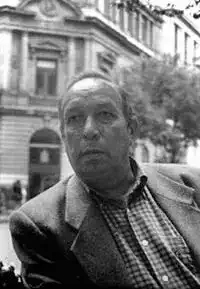
António Castañeda
António Castañeda é um poeta português cuja obra se distingue pela exploração de temas como a memória, a paisagem, a efemeridade e a introspeção. Sua poesia é marcada por uma linguagem cuidada e por uma sensibilidade apurada para captar as nuances do quotidiano e do mundo interior. Ao longo de sua trajetória, tem contribuído para a poesia contemporânea portuguesa com uma voz singular e reflexiva, que convida o leitor a uma imersão em universos de profunda subjetividade.

Efraín Bartolomé

Hugo de Sanctis

Miguel Ángel Flores

Miguel Ángel Flores é um poeta contemporâneo cuja obra se destaca pela introspeção e pela exploração da condição humana. Com uma linguagem rica em imagens e sensibilidade, os seus versos abordam temas universais como o amor, a perda, a passagem do tempo e a busca por sentido. A sua poesia convida à reflexão sobre a efemeridade da vida e a força dos sentimentos, estabelecendo um diálogo íntimo com o leitor.

Elías Nandino

Elena Jordana

Raúl Navarrete

José de Jesús Sampedro
José de Jesús Sampedro é um autor cuja obra se insere no campo da literatura, com um foco particular na poesia e na prosa que exploram a condição humana e a sociedade. A sua escrita é marcada por uma linguagem cuidada e pela reflexão sobre as experiências do quotidiano. Com uma presença na cena literária, Sampedro busca através das suas palavras conectar-se com o leitor, partilhando visões e sentimentos que convidam à contemplação e ao diálogo sobre temas relevantes da vida contemporânea.

Eduardo Lizalde
Eduardo Lizalde foi um poeta, ensaísta e crítico literário espanhol, cuja obra é marcada por uma profunda reflexão sobre a existência, a arte e a condição humana. Sua poesia, frequentemente enigmática e filosófica, convida à introspecção e ao questionamento. Lizalde também se destacou por sua atividade como crítico, analisando com perspicácia a literatura e a cultura.

Desiderio Macías Silva
Desiderio Macías Silva é um escritor e poeta cuja obra se caracteriza pela sua forte ligação às raízes culturais e pela exploração de temas sociais e humanos. A sua escrita reflete uma profunda sensibilidade e um compromisso com a expressão da identidade e da experiência coletiva. Com uma carreira dedicada à literatura, Macías Silva tem contribuído para a valorização da cultura e da linguagem, oferecendo narrativas e poemas que tocam o leitor pela sua autenticidade e pela sua capacidade de retratar a vida em suas diversas manifestações.

Óscar Oliva
Óscar Oliva é um poeta e escritor reconhecido pela sua lírica profunda e pela sua exploração de temas universais como o amor, a morte e a condição humana. A sua obra poética é marcada por uma linguagem cuidada e uma sensibilidade ímpar na abordagem das emoções. Com uma carreira dedicada à arte da palavra, Oliva tem vindo a consolidar a sua voz na literatura, oferecendo aos leitores perspetivas singulares sobre a vida e o universo. A sua poesia convida à reflexão e à contemplação, tecendo versos que ressoam com a alma.

Uwe Frisch

Uwe Frisch é um autor conhecido pela sua escrita multifacetada, explorando temas que vão desde o social ao pessoal. As suas obras caracterizam-se por uma profundidade psicológica e uma abordagem inovadora da linguagem literária, buscando sempre expandir os limites da expressão. Ele tem um olhar atento às nuances da experiência humana, traduzindo-as em narrativas que ressoam com os leitores. A sua contribuição para a literatura contemporânea reside na sua capacidade de criar mundos vívidos e personagens complexos, convidando à reflexão sobre a condição humana.