
Petrarca Preis
Descriptión
Origins and Purpose of the Prize
The Petrarca Prize, or Petrarca-Preis, is one of the most important literary awards in Germany, founded in 1975 by the Würth Foundation (formerly known as Stiftung Würth). The prize aims to honor authors who, through their work, demonstrate a deep mastery of language, a unique artistic vision, and a significant contribution to literature, especially in the realm of poetry and lyrical prose.
Homage to Francesco Petrarca
The name of the prize is a tribute to Francesco Petrarca, the Italian poet and humanist of the 14th century, considered one of the founders of the Renaissance and a central figure in the history of Western poetry. The choice of name underscores the prize's connection to the European literary tradition and the appreciation of poetic expression.
Characteristics and Frequency
Originally, the prize was awarded every two years, but since 2006 it has been awarded annually. The Petrarca Prize is distinguished by its emphasis on the intrinsic literary quality of the work, valuing stylistic innovation, thematic depth, and the ability to evoke emotions and reflections through language. It is not a prize that necessarily rewards commercial success or popularity, but rather artistic excellence and originality.
The Würth Foundation
The Würth Foundation, based in Künzelsau, Germany, is the entity responsible for awarding the prize. The foundation, established by Reinhold Würth, has a strong commitment to culture and the arts, supporting various artistic and literary initiatives. The Petrarca Prize is one of the pillars of this commitment, reflecting the foundation's vision of promoting and celebrating high-quality literature.
Selection Criteria and Scope
The selection criteria for laureates are rigorous and involve a jury composed of academics, literary critics, and renowned writers. The jury evaluates the author's entire body of work, with particular attention to their most recent poetic or narrative output. Although the prize is of German origin and often recognizes German-language authors, its scope is European, having been awarded to writers of various nationalities, such as Italy, France, Austria, and Switzerland. This openness reflects the prize's ambition to recognize the diversity and richness of contemporary European literature.
Distinguished Laureates
Over the years, the Petrarca Prize has been awarded to some of the most influential European writers, whose works have marked modern literature. Among the laureates are names such as Hans Magnus Enzensberger, Peter Handke, W. G. Sebald, Elfriede Jelinek, and Herta Müller, all prominent figures in the literary scene, many of whom would later receive other prestigious awards, including the Nobel Prize in Literature. The awarding of the Petrarca Prize to these authors has solidified their reputation and underscored their importance in the European literary context.
Nature and Significance of the Prize
The prize does not have specific categories, being awarded to a single author per year in recognition of their literary work as a whole. The monetary value of the prize has varied over time, but its main recognition lies in the prestige and literary distinction it confers. The Petrarca Prize is, therefore, a seal of quality and an indicator of an author's relevance in the contemporary literary landscape, celebrating the art of the word and its ability to shape our understanding of the world and ourselves.
Ganadores

Franz Mon

Kito Lorenc

Erri De Luca

Gennadij Ajgi

Gennadij Ajgi (também conhecido como Gely Aygi) foi um poeta e tradutor chubash e russo. Sua obra é profundamente marcada pela cultura e língua chubash, buscando preservar e revitalizar essa herança em sua poesia. Ele é conhecido por uma linguagem poética original, que mescla elementos da tradição oral chubash com influências da poesia russa e europeia moderna. Ajgi abordou em seus versos temas como a identidade cultural, a espiritualidade, a relação com a terra e a busca por uma expressão autêntica. Sua poesia é caracterizada por uma sonoridade única, por imagens evocativas e por uma reflexão sobre a condição humana em um contexto de multiculturalismo e mudanças sociais. Ele também atuou como tradutor, trazendo para o russo obras de poesia estrangeira, e lutou pela preservação das minorias linguísticas e culturais.

Philippe Jaccottet

Philippe Jaccottet foi um poeta e ensaísta suíço de língua francesa, amplamente reconhecido por sua obra lírica e reflexiva. Sua poesia explora a relação entre o homem e a natureza, a passagem do tempo, a memória e a busca por um olhar mais atento sobre o mundo. Jaccottet também se destacou como tradutor e crítico literário, deixando um legado intelectual significativo.
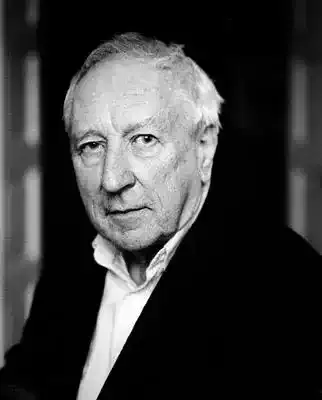
Tomas Tranströmer

Tomas Tranströmer foi um poeta e psicólogo sueco, amplamente reconhecido pela sua obra lírica e introspectiva que explora a relação entre a natureza, o eu e o mundo. A sua poesia caracteriza-se pela clareza, imaginação e pela capacidade de evocar estados de espírito profundos através de imagens vívidas e de um ritmo contemplativo. Foi laureado com o Prémio Nobel da Literatura em 2011, distinguindo-se pela sua voz única na poesia contemporânea.

Zbigniew Herbert

Zbigniew Herbert foi um poeta, ensaísta e dramaturgo polaco, amplamente reconhecido como um dos mais importantes poetas europeus da segunda metade do século XX. A sua obra é marcada por uma profunda reflexão sobre a condição humana, a história, a moralidade e a cultura clássica, expressa numa linguagem precisa e rigorosa. Foi uma voz de integridade e resistência intelectual em tempos de opressão. Herbert é conhecido pela sua perspetiva irónica e muitas vezes estoica sobre os grandes temas da vida, utilizando frequentemente a figura do "Sr. Cogito" para explorar a complexidade da existência e a luta pela dignidade.
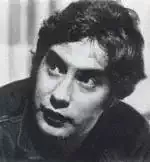
Rolf Dieter Brinkmann

Rolf Dieter Brinkmann foi um poeta alemão, figura central da poesia experimental e da poesia concreta na Alemanha do pós-guerra. A sua obra, marcada pela desconstrução da linguagem e pela exploração de novas formas de expressão, abordou temas como a alienação urbana, a cultura de massa e a busca por autenticidade num mundo cada vez mais mediático e fragmentado. Brinkmann foi um inovador, desafiando as convenções literárias e abrindo caminho para futuras experimentações poéticas.