
Grand prémio de literatura DST
Grande Prémio DST
Descriptión
Origen y Objetivos del Premio
El Gran Premio de Literatura DST, instituido en 2003, es una iniciativa de la Fundación Dr. Luís da Silva (DST) y la Sociedad de Autores (SPA), con el objetivo de distinguir y promover la obra literaria de autores de lengua portuguesa.
Características y Criterios
Este premio distingue anualmente una obra literaria publicada el año anterior, abarcando géneros como novela, cuento, poesía y crónica, aunque su énfasis ha recaído predominantemente sobre la prosa, en particular la novela.
La selección de los ganadores es realizada por un jurado compuesto por personalidades de renombre en el medio literario, académico y cultural, garantizando un alto grado de rigor e imparcialidad.
Prestigio y Reconocimiento
El premio tiene un valor monetario significativo, además de un trofeo, y su atribución confiere un prestigio considerable al autor galardonado, impulsando su obra y visibilidad en el panorama literario nacional e internacional.
Impacto Cultural y Literario
A lo largo de los años, el Gran Premio DST ha sido un faro en el descubrimiento y consagración de talentos, tanto de autores ya establecidos como de voces emergentes, contribuyendo a la vitalidad y diversidad de la literatura en lengua portuguesa.
Su relevancia reside no solo en el reconocimiento individual de los escritores, sino también en el estímulo a la creación literaria y en la promoción de la lectura. La Fundación DST, a través de este premio, demuestra un compromiso continuo con la cultura y las artes, reforzando su posición como mecenas importantes en el contexto portugués.
Legado e Importancia
La historia del premio está marcada por la distinción de obras que se han convertido en hitos en la literatura contemporánea en lengua portuguesa, abordando temas universales y cuestiones sociales relevantes, con una calidad literaria incuestionable. Su longevidad y la consistencia en la calidad de los premiados solidifican su posición como uno de los galardones más codiciados y respetados en el mundo literario lusófono.
En cada edición, la expectativa en torno al ganador alimenta el debate literario y atrae la atención de lectores, críticos y otros escritores, subrayando su importancia cultural y literaria.
Ganadores

José Viale Moutinho

José Viale Moutinho foi um poeta, contista e romancista português, associado ao movimento surrealista português. A sua obra é marcada pela imaginação, pelo onírico e pela exploração do subconsciente, com um estilo que transita entre o poético e o narrativo. É conhecido por uma linguagem rica e evocativa.

João Luís Barreto Guimarães
João Luís Barreto Guimarães é um escritor e poeta português, conhecido pela sua obra lírica e pela sua abordagem introspectiva. Seus poemas exploram temas como a memória, a identidade, a passagem do tempo e a relação do indivego com o mundo.

João de Melo
João de Melo foi um poeta português cujo trabalho se insere no contexto da poesia moderna. A sua obra é marcada por uma exploração profunda da condição humana, com ênfase nas complexidades das relações interpessoais e na busca por sentido numa realidade multifacetada. O seu estilo poético distingue-se pela linguagem cuidada e pela capacidade de evocar imagens sensoriais, que convidam à reflexão. Melo abordou temas universais como o amor, a saudade, o tempo e a efemeridade da vida, sempre com uma perspetiva introspectiva e por vezes melancólica.
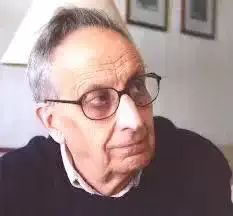
Fernando Guimarães
Fernando Guimarães é um poeta português contemporâneo, reconhecido pela sua exploração profunda da condição humana, da memória e da passagem do tempo. A sua obra poética, marcada por uma linguagem cuidada e uma sensibilidade ímpar, reflete sobre a fragilidade da existência e a busca por sentido num mundo em constante transformação. Com uma carreira consolidada, o poeta tem vindo a construir um corpo de trabalho que o afirma como uma voz relevante na poesia portuguesa moderna.
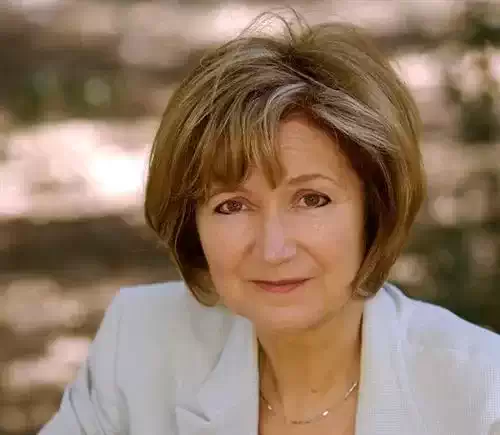
Lídia Jorge
Lídia Jorge é uma das mais proeminentes e celebradas escritoras portuguesas contemporâneas, com uma obra vasta que abrange poesia, romance e conto. A sua escrita é frequentemente caracterizada pela profundidade psicológica, pela exploração de temas como a memória, a identidade, a condição feminina, a história de Portugal e a complexidade das relações humanas. Com uma linguagem rica e evocativa, Lídia Jorge tem vindo a construir um legado literário significativo, marcado pela sensibilidade, pela inteligência e por um olhar crítico sobre a sociedade. Reconhecida com múltiplos prémios nacionais e internacionais, a sua obra é traduzida para diversas línguas, atestando a sua importância no panorama literário mundial. Lídia Jorge é uma voz incontornável na literatura de expressão portuguesa, cuja obra continua a cativar e a provocar a reflexão nos seus leitores.
Daniel Jonas
Daniel Jonas é um poeta contemporâneo cuja obra se caracteriza por uma exploração profunda da linguagem e da condição humana, abordando temas como a memória, o tempo, a identidade e a relação com o outro. A sua poesia distingue-se pela sua complexidade formal e pela busca incessante por novas formas de expressão, dialogando com a tradição literária e, simultaneamente, inovando em termos de estrutura e vocabulário. Jonas é uma voz importante na poesia contemporânea, marcada por uma reflexão intensa sobre a existência.
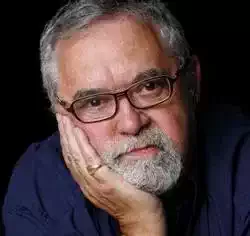
Mário Cláudio
Mário Cláudio é um escritor português contemporâneo, conhecido pela sua prosa envolvente e pela sua capacidade de explorar a complexidade da condição humana, a memória e a identidade. As suas obras, que frequentemente se debruçam sobre o passado e as suas reverberações no presente, distinguem-se pela riqueza estilística e pela profundidade psicológica. Com uma carreira literária consolidada, Mário Cláudio é um nome de relevo na literatura portuguesa, cujos livros convidam à reflexão sobre temas universais, apresentados através de narrativas que cativam o leitor pela sua inteligência e sensibilidade.
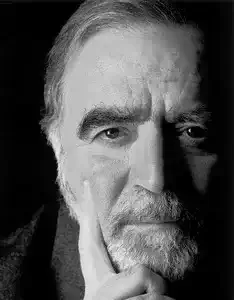
Manuel Alegre
Manuel Alegre é uma figura proeminente da literatura portuguesa contemporânea, conhecido pela sua poesia engajada, lírica e profundamente humana. A sua obra é marcada por uma forte ligação à história recente de Portugal, em particular ao período da ditadura e à luta pela liberdade. Com um estilo que conjuga a força da palavra com a subtileza do sentimento, Alegre explora temas como a identidade, a memória, a justiça e a esperança. A sua poesia, de grande alcance popular e reconhecimento crítico, é um testemunho da sua passagem pela vida política e pela vivência dos ideais de democracia e de intervenção cívica.
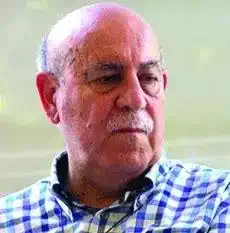
Armando Silva Carvalho
Armando Silva Carvalho foi um poeta, ensaísta e tradutor português cuja obra é marcada por uma profunda reflexão sobre a condição humana, a memória e a passagem do tempo. A sua poesia, caracterizada por uma linguagem cuidada e um lirismo contido, explora temas universais com uma sensibilidade ímpar. Figura incontornável da literatura portuguesa contemporânea, Silva Carvalho destacou-se também pela sua atividade como tradutor, trazendo para a língua portuguesa obras de relevo da literatura universal, e como ensaísta, aprofundando a sua visão sobre a arte e a vida.
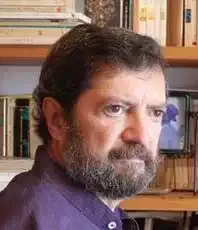
Manuel Gusmão
Manuel Gusmão é um poeta português cuja obra se distingue pela sua rigorosa exploração da linguagem e pela procura incessante de novas formas de expressão poética. Ao longo da sua carreira, Gusmão tem desenvolvido uma poesia que é simultaneamente intelectual e visceral, marcada por uma profunda reflexão sobre o tempo, a memória, a identidade e a própria natureza da poesia. Com uma obra que desafia classificações fáceis, Gusmão é reconhecido pela sua experimentação formal e pela densidade do seu discurso poético. A sua poesia convida o leitor a um diálogo complexo, onde a forma e o conteúdo se interligam de maneira intrínseca, consolidando-o como uma figura singular e influente na poesia contemporânea portuguesa.
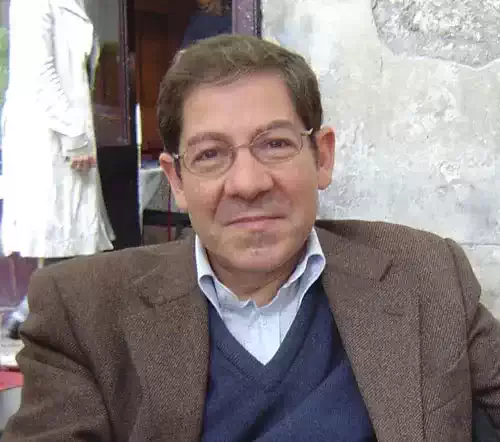
Nuno Júdice
Nuno Júdice foi um proeminente poeta, ensaísta, romancista e crítico literário português. Sua obra poética é caracterizada pela inteligência, ironia e um constante questionamento sobre a linguagem, a identidade e a própria realidade. Com um estilo que transita entre o lírico e o reflexivo, Júdice abordou temas universais como o tempo, a memória, o amor e a condição humana, sempre com um olhar aguçado sobre os paradoxos da existência. Sua vasta produção, reconhecida nacional e internacionalmente, o consagra como um dos mais importantes autores da literatura contemporânea em língua portuguesa.
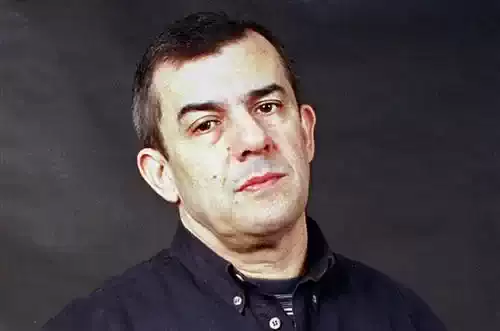
Gastão Cruz
Gastão Cruz foi um poeta e crítico literário português, conhecido pela sua poesia depurada e intelectualizada. A sua obra explora temas como a memória, o tempo, a linguagem e a efemeridade da existência, com uma forte consciência da tradição literária e da sua reformulação. Foi também uma figura importante na divulgação e estudo da literatura, com um percurso marcado pela erudição e pela sensibilidade estética.

Vergílio Alberto Vieira
Vergílio Alberto Vieira é um poeta português conhecido pela sua escrita lírica e reflexiva. A sua obra explora frequentemente temas como a memória, o tempo, a condição humana e a busca de sentido. Com uma linguagem cuidada e imagética, o poeta constrói versos que convidam à introspeção e ao questionamento existencial. A sua poesia é marcada por uma sensibilidade apurada e um profundo humanismo, estabelecendo um diálogo com a tradição literária, mas sem deixar de inovar em forma e conteúdo.

José Leon Machado
Vergílio Alberto Vieira
Vergílio Alberto Vieira é um poeta português conhecido pela sua escrita lírica e reflexiva. A sua obra explora frequentemente temas como a memória, o tempo, a condição humana e a busca de sentido. Com uma linguagem cuidada e imagética, o poeta constrói versos que convidam à introspeção e ao questionamento existencial. A sua poesia é marcada por uma sensibilidade apurada e um profundo humanismo, estabelecendo um diálogo com a tradição literária, mas sem deixar de inovar em forma e conteúdo.

Maria Ondina Braga
Maria Ondina Braga foi uma escritora portuguesa cuja obra abrangeu a ficção, a poesia e o conto, notabilizando-se pela sua prosa lírica e pela exploração de temas como a identidade, a memória, a condição feminina e a travessia do tempo. A sua escrita é marcada por uma profunda sensibilidade, um estilo elegante e uma capacidade ímpar de retratar a complexidade das relações humanas e os dilemas existenciais. Reconhecida pela sua contribuição para a literatura portuguesa do século XX, Maria Ondina Braga deixou um legado literário rico e diversificado. A sua obra continua a ser estudada e valorizada pela sua qualidade estética, pela sua pertinência temática e pela sua voz singular no panorama literário.

Firmino Mendes
Firmino Mendes foi um escritor e poeta português, cuja obra se distingue pela sua abordagem temática variada, que abrange desde a reflexão social até à introspeção lírica. A sua escrita é marcada por um estilo cuidado e uma forte capacidade de observação, explorando a linguagem para transmitir as suas visões sobre o mundo e a condição humana, deixando um contributo para a literatura portuguesa.

Francisco Duarte Mangas
Francisco Duarte Mangas é um poeta português contemporâneo, conhecido pela sua obra que explora as profundezas da experiência humana com uma linguagem cuidada e reflexiva. A sua poesia distingue-se pela capacidade de evocar sensações e imagens vívidas, abordando temas como a memória, o tempo, a identidade e a relação do indivíduo com o mundo. A sua escrita reflete uma profunda sensibilidade e uma constante interrogação sobre a existência. Com uma obra que se desenvolve de forma consistente, Duarte Mangas tem vindo a consolidar a sua voz no panorama poético português. As suas publicações são acolhidas com interesse pela crítica e pelo público leitor, que reconhecem na sua poesia uma qualidade estética e uma capacidade de tocar em questões universais. A sua contribuição para a poesia contemporânea assenta numa exploração íntima e filosófica da condição humana.
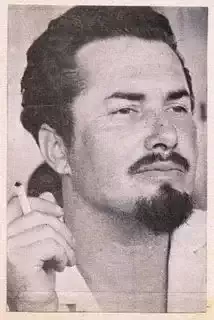
Sebastião Alba
Sebastião Alba foi um poeta e professor açoriano, conhecido pela sua obra marcada pela forte ligação à terra natal, à identidade insular e à condição humana. Sua poesia, frequentemente melancólica e reflexiva, explora temas como a solidão, a memória, a passagem do tempo e a busca por sentido num universo muitas vezes adverso. Com um estilo depurado e uma linguagem que evoca a paisagem e a alma do arquipélago, Alba consolidou-se como uma voz singular na poesia portuguesa contemporânea.

Orlando de Albuquerque

Orlando de Albuquerque foi um poeta português cuja obra se distingue pela sua profundidade lírica e pela exploração de temas universais. A sua poesia é marcada por uma linguagem cuidada, por vezes melancólica, e pela capacidade de evocar imagens poderosas sobre a condição humana, o amor, a natureza e o tempo. Ao longo do seu percurso, demonstrou uma sensibilidade apurada para as nuances da existência, oferecendo reflexões sobre a vida e a morte com uma voz autêntica e comovente.
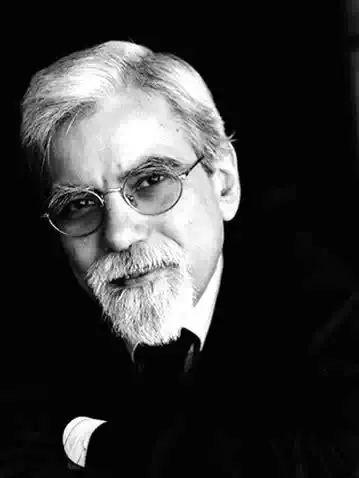
José Manuel Mendes

José Manuel Mendes foi um poeta, ensaísta e crítico literário português cuja obra se caracterizou pela profundidade reflexiva e pela exploração de temas como a condição humana, o tempo e a memória. A sua escrita, muitas vezes marcada por um tom elegíaco e por uma linguagem cuidada, reflete um olhar atento sobre a existência e a sua complexidade. Mendes destacou-se também pela sua atividade académica e pela sua contribuição para o estudo da literatura.