
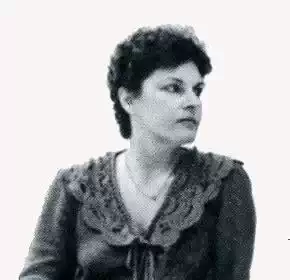
Wanda Ramos
 AO
AO
Wanda Ramos was a Brazilian poet and short story writer, recognized for her work that is part of Brazilian Modernism. Her poetry, often marked by direct language and themes that address everyday life, the female condition, and social criticism, echoed the concerns of her generation. She was one of the few prominent female voices in the literary scene of the time, contributing a unique and often forceful perspective. Her literary production, although not extensive, left an important mark on Brazilian literature, especially for how she portrayed the nuances of urban life and the complexities of human relationships.
n. 1948, Dundo · m. 1998, Lisboa
Bio
Identification and basic context
Wanda Ramos was a Brazilian writer, primarily known for her poetry and short stories. She was born on February 2, 1909, in Rio de Janeiro, and passed away in the same city on November 23, 1955. Her family background and social class are not widely detailed in available sources, but her involvement in literary circles suggests access to a culturally active environment. She was Brazilian and wrote in Portuguese.Childhood and education
Information about her childhood and education is scarce. It is known that she actively participated in the cultural life of Rio de Janeiro, which suggests an education and environment conducive to intellectual development. It is likely that she had access to readings and discussions that introduced her to the literary movements of her time, such as Modernism.Literary career
Wanda Ramos's literary career is associated with the second phase of Brazilian Modernism. She began publishing her poems and short stories in newspapers and literary magazines of the time. Her main work, the poetry collection "Maré" (Tide), was published in 1947. Although her production is not vast, she left a mark for her originality and the strength of her voice.Work, style, and literary characteristics
In "Maré", Wanda Ramos explores themes such as urban daily life, human relationships, the female condition, and melancholy. Her poetry is marked by clear and direct language, with a strong sensory appeal and an at times ironic or confessional tone. She uses free verse and more flexible meter, in line with modernist proposals. Her writing is distinguished by how she captures the emotions and complexities of modern life. The style is intimate and realistic, dialoguing with literary tradition but presenting a contemporary sensibility.Work, style, and literary characteristics
Cultural and historical context Wanda Ramos lived in a period of cultural effervescence in Brazil, with the peak of Modernism and the development of a national identity through the arts. She integrated into the literary and intellectual circles of Rio de Janeiro, interacting with other writers and artists. Her work reflects the urban environment and the social transformations of Brazil in the first half of the 20th century.Work, style, and literary characteristics
Personal life Details about her personal life are limited. It is known that she married the also writer João Condé. Her position as a female writer in a male-dominated era certainly influenced her perspective and how her work was perceived.Work, style, and literary characteristics
Recognition and reception Wanda Ramos was recognized in her time for her contribution to Brazilian modernist poetry. Although she did not achieve the fame of other figures, her work was valued by critics and her literary peers. Her female voice in poetry is an important aspect of her recognition.Work, style, and literary characteristics
Influences and legacy She was likely influenced by the major figures of Brazilian Modernism. Her legacy lies in her ability to give voice to female and urban experiences with originality and sensitivity, enriching the panorama of Brazilian literature.Work, style, and literary characteristics
Interpretation and critical analysis Wanda Ramos's work is seen as an authentic expression of modern sensibility, with a particular focus on the emotions and challenges of contemporary life. Her poetry is praised for its honesty and the depth with which it addresses universal themes.Work, style, and literary characteristics
Curiosities and lesser-known aspects An interesting aspect is her connection with the poet João Condé, forming a kind of literary couple. The scarcity of detailed information about her life contributes to a certain mystery surrounding her figure, increasing interest in her work.Work, style, and literary characteristics
Death and memory Wanda Ramos passed away relatively young, at the age of 46, in Rio de Janeiro. Her early death may have limited the extent of her literary production. Posthumous publications or reissues of her work help keep her memory and literary legacy alive.Poems
0No poems found
Comments (0)
No comments yet. Be the first to comment.