
Youth
Poems in this topic

William Shakespeare
Carpe Diem
Carpe Diem
O mistress mine, where are you roaming?
O stay and hear! your true-love's coming
That can sing both high and low;
Trip no further, pretty sweeting,
Journey's end in lovers' meeting--
Every wise man's son doth know.
What is love? 'tis not hereafter;
Present mirth hath present laughter;
What's to come is still unsure:
In delay there lies no plenty,--
Then come kiss me, Sweet and twenty,
Youth's a stuff will not endure.
O mistress mine, where are you roaming?
O stay and hear! your true-love's coming
That can sing both high and low;
Trip no further, pretty sweeting,
Journey's end in lovers' meeting--
Every wise man's son doth know.
What is love? 'tis not hereafter;
Present mirth hath present laughter;
What's to come is still unsure:
In delay there lies no plenty,--
Then come kiss me, Sweet and twenty,
Youth's a stuff will not endure.
2,200
1
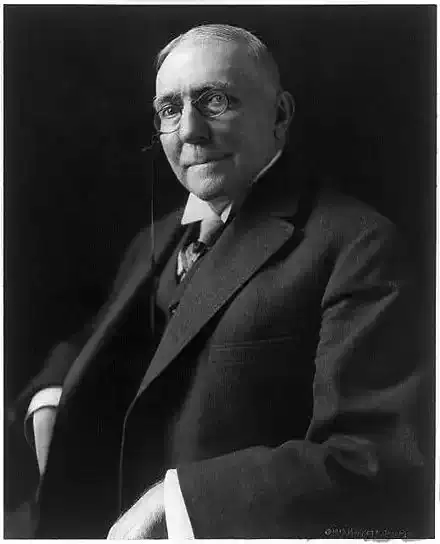
James Whitcomb Riley
Grant At Rest-- August 8, 1885
Grant At Rest-- August 8, 1885
Sir Launcelot rode overthwart and endlong in a wide forest, and held no
path but as wild adventure led him... And he returned and came again to his
horse, and took off his saddle and his bridle, and let him pasture; and
unlaced his helm, and ungirdled his sword, and laid him down to sleep upon
his shield before the cross. --Age of Chivalary
_Grant_
What shall we say of the soldier. Grant,
His sword put by and his great soul free?
How shall we cheer him now or chant
His requiem befittingly?
The fields of his conquest now are seen
Ranged no more with his armed men--
But the rank and file of the gold and green
Of the waving grain is there again.
Though his valiant life is a nation's pride,
And his death heroic and half divine,
And our grief as great as the world is wide,
There breaks in speech but a single line--:
We loved him living, revere him dead--!
A silence then on our lips is laid:
We can say no thing that has not been said,
Nor pray one prayer that has not been prayed.
But a spirit within us speaks: and lo,
We lean and listen to wondrous words
That have a sound as of winds that blow,
And the voice of waters and low of herds;
And we hear, as the song flows on serene,
The neigh of horses, and then the beat
Of hooves that skurry o'er pastures green,
And the patter and pad of a boy's bare feet.
A brave lad, wearing a manly brow,
Knit as with problems of grave dispute,
And a face, like the bloom of the orchard bough,
Pink and pallid, but resolute;
And flushed it grows as the clover-bloom,
And fresh it gleams as the morning dew,
As he reins his steed where the quick quails boom
Up from the grasses he races through.
And ho! As he rides what dreams are his?
And what have the breezes to suggest--?
Do they whisper to him of shells that whiz
O'er fields made ruddy with wrongs redressed?
Does the hawk above him an Eagle float?
Does he thrill and his boyish heart beat high,
Hearing the ribbon about his throat
Flap as a Flag as the winds go by?
And does he dream of the Warrior's fame--
This Western boy in his rustic dress?
For in miniature, this is the man that came
Riding out of the Wilderness--!
The selfsame figure-- the knitted brow--
The eyes full steady-- the lips full mute--
And the face, like the bloom of the orchard bough,
Pink and pallid, but resolute.
Ay, this is the man, with features grim
And stoical as the Sphinx's own,
That heard the harsh guns calling him,
As musical as the bugle blown,
When the sweet spring heavens were clouded o'er
With a tempest, glowering and wild,
And our country's flag bowed down before
Its bursting wrath as a stricken child.
Thus, ready mounted and booted and spurred,
He loosed his bridle and dashed away--!
Like a roll of drums were his hoof-beats heard,
Like the shriek of the fife his charger's neigh!
And over his shoulder and backward blown,
We heard his voice, and we saw the sod
Reel, as our wild steeds chased his own
As though hurled on by the hand of God!
And still, in fancy, we see him ride
In the blood-red front of a hundred frays,
His face set stolid, but glorified
As a knight's of the old Arthurian days:
And victor ever as courtly too,
Gently lifting the vanquished foe,
And staying him with a hand as true
As dealt the deadly avenging blow.
So brighter than all of the cluster of stars
Of the flag enshrouding his form to-day,
His face shines forth from the grime of wars
With a glory that shall not pass away:
He rests at last: he has borne his part
Of salutes and salvos and cheers on cheers--
But O the sobs of his country's heart,
And the driving rain of a nations tears!
Sir Launcelot rode overthwart and endlong in a wide forest, and held no
path but as wild adventure led him... And he returned and came again to his
horse, and took off his saddle and his bridle, and let him pasture; and
unlaced his helm, and ungirdled his sword, and laid him down to sleep upon
his shield before the cross. --Age of Chivalary
_Grant_
What shall we say of the soldier. Grant,
His sword put by and his great soul free?
How shall we cheer him now or chant
His requiem befittingly?
The fields of his conquest now are seen
Ranged no more with his armed men--
But the rank and file of the gold and green
Of the waving grain is there again.
Though his valiant life is a nation's pride,
And his death heroic and half divine,
And our grief as great as the world is wide,
There breaks in speech but a single line--:
We loved him living, revere him dead--!
A silence then on our lips is laid:
We can say no thing that has not been said,
Nor pray one prayer that has not been prayed.
But a spirit within us speaks: and lo,
We lean and listen to wondrous words
That have a sound as of winds that blow,
And the voice of waters and low of herds;
And we hear, as the song flows on serene,
The neigh of horses, and then the beat
Of hooves that skurry o'er pastures green,
And the patter and pad of a boy's bare feet.
A brave lad, wearing a manly brow,
Knit as with problems of grave dispute,
And a face, like the bloom of the orchard bough,
Pink and pallid, but resolute;
And flushed it grows as the clover-bloom,
And fresh it gleams as the morning dew,
As he reins his steed where the quick quails boom
Up from the grasses he races through.
And ho! As he rides what dreams are his?
And what have the breezes to suggest--?
Do they whisper to him of shells that whiz
O'er fields made ruddy with wrongs redressed?
Does the hawk above him an Eagle float?
Does he thrill and his boyish heart beat high,
Hearing the ribbon about his throat
Flap as a Flag as the winds go by?
And does he dream of the Warrior's fame--
This Western boy in his rustic dress?
For in miniature, this is the man that came
Riding out of the Wilderness--!
The selfsame figure-- the knitted brow--
The eyes full steady-- the lips full mute--
And the face, like the bloom of the orchard bough,
Pink and pallid, but resolute.
Ay, this is the man, with features grim
And stoical as the Sphinx's own,
That heard the harsh guns calling him,
As musical as the bugle blown,
When the sweet spring heavens were clouded o'er
With a tempest, glowering and wild,
And our country's flag bowed down before
Its bursting wrath as a stricken child.
Thus, ready mounted and booted and spurred,
He loosed his bridle and dashed away--!
Like a roll of drums were his hoof-beats heard,
Like the shriek of the fife his charger's neigh!
And over his shoulder and backward blown,
We heard his voice, and we saw the sod
Reel, as our wild steeds chased his own
As though hurled on by the hand of God!
And still, in fancy, we see him ride
In the blood-red front of a hundred frays,
His face set stolid, but glorified
As a knight's of the old Arthurian days:
And victor ever as courtly too,
Gently lifting the vanquished foe,
And staying him with a hand as true
As dealt the deadly avenging blow.
So brighter than all of the cluster of stars
Of the flag enshrouding his form to-day,
His face shines forth from the grime of wars
With a glory that shall not pass away:
He rests at last: he has borne his part
Of salutes and salvos and cheers on cheers--
But O the sobs of his country's heart,
And the driving rain of a nations tears!
289
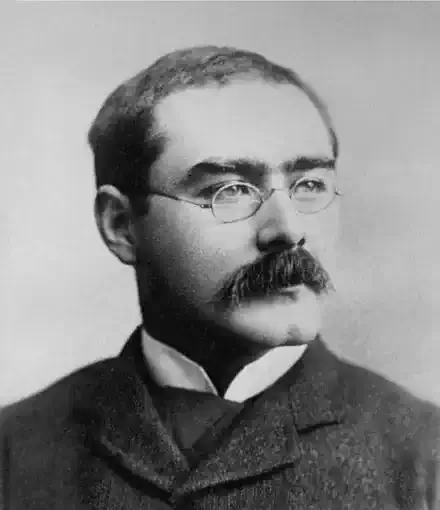
Rudyard Kipling
My Rival
My Rival
I go to concert, party, ball --
What profit is in these?
I sit alone against the wall
And strive to look at ease.
The incense that is mine by right
They burn before her shrine;
And that's because I'm seventeen
And She is forty-nine.
I cannot check my girlish blush,
My color comes and goes;
I redden to my finger-tips,
And sometimes to my nose.
But She is white where white should be,
And red where red should shine.
The blush that flies at seventeen
Is fixed at forty-nine.
I wish I had Her constant cheek;
I wish that I could sing
All sorts of funny little songs,
Not quite the proper thing.
I'm very gauche and very shy,
Her jokes aren't in my line;
And, worst of all, I'm seventeen
While She is forty-nine.
The young men come, the young men go
Each pink and white and neat,
She's older than their mothers, but
They grovel at Her feet.
They walk beside Her 'rickshaw wheels --
None ever walk by mine;
And that's because I'm seventeen
And She is foty-nine.
She rides with half a dozen men,
(She calls them "boys" and "mashers")
I trot along the Mall alone;
My prettiest frocks and sashes
Don't help to fill my programme-card,
And vainly I repine
From ten to two A.M. Ah me!
Would I were forty-nine!
She calls me "darling," "pet," and "dear,"
And "sweet retiring maid."
I'm always at the back, I know,
She puts me in the shade.
She introduces me to men,
"Cast" lovers, I opine,
For sixty takes to seventeen,
Nineteen to foty-nine.
But even She must older grow
And end Her dancing days,
She can't go on forever so
At concerts, balls and plays.
One ray of priceless hope I see
Before my footsteps shine;
Just think, that She'll be eighty-one
When I am forty-nine.
I go to concert, party, ball --
What profit is in these?
I sit alone against the wall
And strive to look at ease.
The incense that is mine by right
They burn before her shrine;
And that's because I'm seventeen
And She is forty-nine.
I cannot check my girlish blush,
My color comes and goes;
I redden to my finger-tips,
And sometimes to my nose.
But She is white where white should be,
And red where red should shine.
The blush that flies at seventeen
Is fixed at forty-nine.
I wish I had Her constant cheek;
I wish that I could sing
All sorts of funny little songs,
Not quite the proper thing.
I'm very gauche and very shy,
Her jokes aren't in my line;
And, worst of all, I'm seventeen
While She is forty-nine.
The young men come, the young men go
Each pink and white and neat,
She's older than their mothers, but
They grovel at Her feet.
They walk beside Her 'rickshaw wheels --
None ever walk by mine;
And that's because I'm seventeen
And She is foty-nine.
She rides with half a dozen men,
(She calls them "boys" and "mashers")
I trot along the Mall alone;
My prettiest frocks and sashes
Don't help to fill my programme-card,
And vainly I repine
From ten to two A.M. Ah me!
Would I were forty-nine!
She calls me "darling," "pet," and "dear,"
And "sweet retiring maid."
I'm always at the back, I know,
She puts me in the shade.
She introduces me to men,
"Cast" lovers, I opine,
For sixty takes to seventeen,
Nineteen to foty-nine.
But even She must older grow
And end Her dancing days,
She can't go on forever so
At concerts, balls and plays.
One ray of priceless hope I see
Before my footsteps shine;
Just think, that She'll be eighty-one
When I am forty-nine.
420
Rudyard Kipling
Gentleman-rankers
Gentleman-rankers
To the legion of the lost ones, to the cohort of the damned,
To my brethren in their sorrow overseas,
Sings a gentleman of England cleanly bred, machinely crammed,
And a trooper of the Empress, if you please.
Yea, a trooper of the forces who has run his own six horses,
And faith he went the pace and went it blind,
And the world was more than kin while he held the ready tin,
But to-day the Sergeant's something less than kind.
We're poor little lambs who've lost our way,
Baa! Baa! Baa!
We're little black sheep who've gone astray,
Baa--aa--aa!
Gentlemen-rankers out on the spree,
Damned from here to Eternity,
God ha' mercy on such as we,
Baa! Yah! Bah!
Oh, it's sweet to sweat through stables, sweet to empty kitchen slops,
And it's sweet to hear the tales the troopers tell,
To dance with blowzy housemaids at the regimental hops
And thrash the cad who says you waltz too well.
Yes, it makes you cock-a-hoop to be "Rider" to your troop,
And branded with a blasted worsted spur,
When you envy, O how keenly, one poor Tommy being cleanly
Who blacks your boots and sometimes calls you "Sir".
If the home we never write to, and the oaths we never keep,
And all we know most distant and most dear,
Across the snoring barrack-room return to break our sleep,
Can you blame us if we soak ourselves in beer?
When the drunken comrade mutters and the great guard-lantern gutters
And the horror of our fall is written plain,
Every secret, self-revealing on the aching white-washed ceiling,
Do you wonder that we drug ourselves from pain?
We have done with Hope and Honour, we are lost to Love and Truth,
We are dropping down the ladder rung by rung,
And the measure of our torment is the measure of our youth.
God help us, for we knew the worst too young!
Our shame is clean repentance for the crime that brought the sentence,
Our pride it is to know no spur of pride,
And the Curse of Reuben holds us till an alien turf enfolds us
And we die, and none can tell Them where we died.
We're poor little lambs who've lost our way,
Baa! Baa! Baa!
We're little black sheep who've gone astray,
Baa--aa--aa!
Gentlemen-rankers out on the spree,
Damned from here to Eternity,
God ha' mercy on such as we,
Baa! Yah! Bah!
To the legion of the lost ones, to the cohort of the damned,
To my brethren in their sorrow overseas,
Sings a gentleman of England cleanly bred, machinely crammed,
And a trooper of the Empress, if you please.
Yea, a trooper of the forces who has run his own six horses,
And faith he went the pace and went it blind,
And the world was more than kin while he held the ready tin,
But to-day the Sergeant's something less than kind.
We're poor little lambs who've lost our way,
Baa! Baa! Baa!
We're little black sheep who've gone astray,
Baa--aa--aa!
Gentlemen-rankers out on the spree,
Damned from here to Eternity,
God ha' mercy on such as we,
Baa! Yah! Bah!
Oh, it's sweet to sweat through stables, sweet to empty kitchen slops,
And it's sweet to hear the tales the troopers tell,
To dance with blowzy housemaids at the regimental hops
And thrash the cad who says you waltz too well.
Yes, it makes you cock-a-hoop to be "Rider" to your troop,
And branded with a blasted worsted spur,
When you envy, O how keenly, one poor Tommy being cleanly
Who blacks your boots and sometimes calls you "Sir".
If the home we never write to, and the oaths we never keep,
And all we know most distant and most dear,
Across the snoring barrack-room return to break our sleep,
Can you blame us if we soak ourselves in beer?
When the drunken comrade mutters and the great guard-lantern gutters
And the horror of our fall is written plain,
Every secret, self-revealing on the aching white-washed ceiling,
Do you wonder that we drug ourselves from pain?
We have done with Hope and Honour, we are lost to Love and Truth,
We are dropping down the ladder rung by rung,
And the measure of our torment is the measure of our youth.
God help us, for we knew the worst too young!
Our shame is clean repentance for the crime that brought the sentence,
Our pride it is to know no spur of pride,
And the Curse of Reuben holds us till an alien turf enfolds us
And we die, and none can tell Them where we died.
We're poor little lambs who've lost our way,
Baa! Baa! Baa!
We're little black sheep who've gone astray,
Baa--aa--aa!
Gentlemen-rankers out on the spree,
Damned from here to Eternity,
God ha' mercy on such as we,
Baa! Yah! Bah!
433
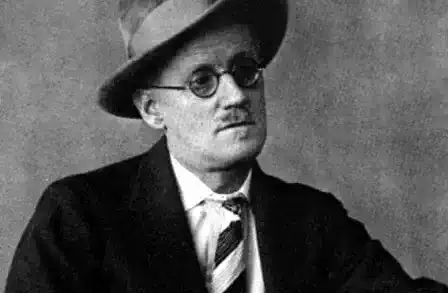
James Joyce
Bid Adieu to Maidenhood
Bid Adieu to Maidenhood
Bid adieu, adieu, adieu,
Bid adieu to girlish days,
Happy Love is come to woo
Thee and woo thy girlish ways—
The zone that doth become thee fair,
The snood upon thy yellow hair,
When thou hast heard his name upon
The bugles of the cherubim
Begin thou softly to unzone
Thy girlish bosom unto him
And softly to undo the snood
That is the sign of maidenhood.
Bid adieu, adieu, adieu,
Bid adieu to girlish days,
Happy Love is come to woo
Thee and woo thy girlish ways—
The zone that doth become thee fair,
The snood upon thy yellow hair,
When thou hast heard his name upon
The bugles of the cherubim
Begin thou softly to unzone
Thy girlish bosom unto him
And softly to undo the snood
That is the sign of maidenhood.
172

Horace
BkIII:XII Neobule, to Herself
BkIII:XII Neobule, to Herself
Girls are wretched who can’t allow free play to love, or drown their cares
with sweet wine, those who, terrified, go around in fear of a tongue
lashing from one of their uncles.
Neobule, Cytherea’s winged boy snatches your wool stuff away
and your work, your devotion to busy Minerva, whenever
shining Liparean Hebrus,
that lover of yours, has bathed his oiled shoulders in Tiber’s waters,
even better a horseman than Bellerephon, never beaten
through slowness of fists or of feet,
clever too at spearing the deer, as they pour, in a startled herd,
across the wide open spaces, and quick to come at the wild boar
as it lurks in the dense thicket.
Girls are wretched who can’t allow free play to love, or drown their cares
with sweet wine, those who, terrified, go around in fear of a tongue
lashing from one of their uncles.
Neobule, Cytherea’s winged boy snatches your wool stuff away
and your work, your devotion to busy Minerva, whenever
shining Liparean Hebrus,
that lover of yours, has bathed his oiled shoulders in Tiber’s waters,
even better a horseman than Bellerephon, never beaten
through slowness of fists or of feet,
clever too at spearing the deer, as they pour, in a startled herd,
across the wide open spaces, and quick to come at the wild boar
as it lurks in the dense thicket.
237

Roger Mcgough
Let Me Die a Youngman's Death
Let Me Die a Youngman's Death
Let me die a youngman's death
not a clean and inbetween
the sheets holywater death
not a famous-last-words
peaceful out of breath death
When I'm
and in constant good tumour
may I be mown down at dawn
by a bright red sports car
on my way home
from an allnight party
Or when I'm
with silver hair
and sitting in a barber's chair
may rival gangsters
with hamfisted tommyguns burst in
and give me a short back and insides
Or when I'm
and banned from the Cavern
may my mistress
catching me in bed with her daughter
and fearing for her son
cut me up into little pieces
and throw away every piece but one
Let me die a youngman's death
not a free from sin tiptoe in
candle wax and waning death
not a curtains drawn by angels borne
'what a nice way to go' death
Let me die a youngman's death
not a clean and inbetween
the sheets holywater death
not a famous-last-words
peaceful out of breath death
When I'm
and in constant good tumour
may I be mown down at dawn
by a bright red sports car
on my way home
from an allnight party
Or when I'm
with silver hair
and sitting in a barber's chair
may rival gangsters
with hamfisted tommyguns burst in
and give me a short back and insides
Or when I'm
and banned from the Cavern
may my mistress
catching me in bed with her daughter
and fearing for her son
cut me up into little pieces
and throw away every piece but one
Let me die a youngman's death
not a free from sin tiptoe in
candle wax and waning death
not a curtains drawn by angels borne
'what a nice way to go' death
805
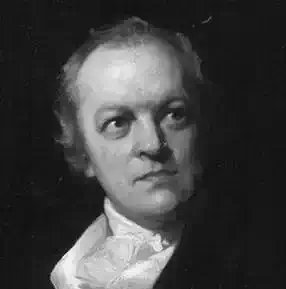
William Blake
Angel, The
Angel, The
I dreamt a dream! What can it mean?
And that I was a maiden Queen
Guarded by an Angel mild:
Witless woe was ne'er beguiled!
And I wept both night and day,
And he wiped my tears away;
And I wept both day and night,
And hid from him my heart's delight.
So he took his wings, and fled;
Then the morn blushed rosy red.
I dried my tears, and armed my fears
With ten-thousand shields and spears.
Soon my Angel came again;
I was armed, he came in vain;
For the time of youth was fled,
And grey hairs were on my head.
I dreamt a dream! What can it mean?
And that I was a maiden Queen
Guarded by an Angel mild:
Witless woe was ne'er beguiled!
And I wept both night and day,
And he wiped my tears away;
And I wept both day and night,
And hid from him my heart's delight.
So he took his wings, and fled;
Then the morn blushed rosy red.
I dried my tears, and armed my fears
With ten-thousand shields and spears.
Soon my Angel came again;
I was armed, he came in vain;
For the time of youth was fled,
And grey hairs were on my head.
449

Robert W. Service
The Rover
The Rover
Oh, how good it is to be
Foot-loose and heart-free!
Just my dog and pipe and I, underneath the vast sky;
Trail to try and goal to win, white road and cool inn;
Fields to lure a lad afar, clear spring and still star;
Lilting feet that never tire, green dingle, fagot fire;
None to hurry, none to hold, heather hill and hushed fold;
Nature like a picture book, laughing leaf and bright brook;
Every day a jewel bright, set serenely in the night;
Every night a holy shrine, radiant for a day divine.
Weathered cheek and kindly eye, let the wanderer go by.
Woman-love and wistful heart, let the gipsy one depart.
For the farness and the road are his glory and his goad.
Oh, the lilt of youth and Spring! Eyes laugh and lips sing.
Yea, but it is good to be
Foot-loose and heart-free!
II
Yet how good it is to come
Home at last, home, home!
On the clover swings the bee, overhead's the hale tree;
Sky of turquoise gleams through, yonder glints the lake's blue.
In a hammock let's swing, weary of wandering;
Tired of wild, uncertain lands, strange faces, faint hands.
Has the wondrous world gone cold? Am I growing old, old?
Grey and weary . . . let me dream, glide on the tranquil stream.
Oh, what joyous days I've had, full, fervid, gay, glad!
Yet there comes a subtile change, let the stripling rove, range.
From sweet roving comes sweet rest, after all, home's best.
And if there's a little bit of woman-love with it,
I will count my life content, God-blest and well spent. . . .
Oh but it is good to be
Foot-loose and heart-free!
Yet how good it is to come
Home at last, home, home!
Oh, how good it is to be
Foot-loose and heart-free!
Just my dog and pipe and I, underneath the vast sky;
Trail to try and goal to win, white road and cool inn;
Fields to lure a lad afar, clear spring and still star;
Lilting feet that never tire, green dingle, fagot fire;
None to hurry, none to hold, heather hill and hushed fold;
Nature like a picture book, laughing leaf and bright brook;
Every day a jewel bright, set serenely in the night;
Every night a holy shrine, radiant for a day divine.
Weathered cheek and kindly eye, let the wanderer go by.
Woman-love and wistful heart, let the gipsy one depart.
For the farness and the road are his glory and his goad.
Oh, the lilt of youth and Spring! Eyes laugh and lips sing.
Yea, but it is good to be
Foot-loose and heart-free!
II
Yet how good it is to come
Home at last, home, home!
On the clover swings the bee, overhead's the hale tree;
Sky of turquoise gleams through, yonder glints the lake's blue.
In a hammock let's swing, weary of wandering;
Tired of wild, uncertain lands, strange faces, faint hands.
Has the wondrous world gone cold? Am I growing old, old?
Grey and weary . . . let me dream, glide on the tranquil stream.
Oh, what joyous days I've had, full, fervid, gay, glad!
Yet there comes a subtile change, let the stripling rove, range.
From sweet roving comes sweet rest, after all, home's best.
And if there's a little bit of woman-love with it,
I will count my life content, God-blest and well spent. . . .
Oh but it is good to be
Foot-loose and heart-free!
Yet how good it is to come
Home at last, home, home!
217
Robert W. Service
The Rhyme Of The Restless Ones
The Rhyme Of The Restless Ones
We couldn't sit and study for the law;
The stagnation of a bank we couldn't stand;
For our riot blood was surging, and we didn't need much urging
To excitements and excesses that are banned.
So we took to wine and drink and other things,
And the devil in us struggled to be free;
Till our friends rose up in wrath, and they pointed out the path,
And they paid our debts and packed us o'er the sea.
Oh, they shook us off and shipped us o'er the foam,
To the larger lands that lure a man to roam;
And we took the chance they gave
Of a far and foreign grave,
And we bade good-by for evermore to home.
And some of us are climbing on the peak,
And some of us are camping on the plain;
By pine and palm you'll find us, with never claim to bind us,
By track and trail you'll meet us once again.
We are the fated serfs to freedom -- sky and sea;
We have failed where slummy cities overflow;
But the stranger ways of earth know our pride and know our worth,
And we go into the dark as fighters go.
Yes, we go into the night as brave men go,
Though our faces they be often streaked with woe;
Yet we're hard as cats to kill,
And our hearts are reckless still,
And we've danced with death a dozen times or so.
And you'll find us in Alaska after gold,
And you'll find us herding cattle in the South.
We like strong drink and fun, and, when the race is run,
We often die with curses in our mouth.
We are wild as colts unbroke, but never mean.
Of our sins we've shoulders broad to bear the blame;
But we'll never stay in town and we'll never settle down,
And we'll never have an object or an aim.
No, there's that in us that time can never tame;
And life will always seem a careless game;
And they'd better far forget -Those
who say they love us yet --
Forget, blot out with bitterness our name.
We couldn't sit and study for the law;
The stagnation of a bank we couldn't stand;
For our riot blood was surging, and we didn't need much urging
To excitements and excesses that are banned.
So we took to wine and drink and other things,
And the devil in us struggled to be free;
Till our friends rose up in wrath, and they pointed out the path,
And they paid our debts and packed us o'er the sea.
Oh, they shook us off and shipped us o'er the foam,
To the larger lands that lure a man to roam;
And we took the chance they gave
Of a far and foreign grave,
And we bade good-by for evermore to home.
And some of us are climbing on the peak,
And some of us are camping on the plain;
By pine and palm you'll find us, with never claim to bind us,
By track and trail you'll meet us once again.
We are the fated serfs to freedom -- sky and sea;
We have failed where slummy cities overflow;
But the stranger ways of earth know our pride and know our worth,
And we go into the dark as fighters go.
Yes, we go into the night as brave men go,
Though our faces they be often streaked with woe;
Yet we're hard as cats to kill,
And our hearts are reckless still,
And we've danced with death a dozen times or so.
And you'll find us in Alaska after gold,
And you'll find us herding cattle in the South.
We like strong drink and fun, and, when the race is run,
We often die with curses in our mouth.
We are wild as colts unbroke, but never mean.
Of our sins we've shoulders broad to bear the blame;
But we'll never stay in town and we'll never settle down,
And we'll never have an object or an aim.
No, there's that in us that time can never tame;
And life will always seem a careless game;
And they'd better far forget -Those
who say they love us yet --
Forget, blot out with bitterness our name.
206
Robert W. Service
The Petit Vieux
The Petit Vieux
"Sow your wild oats in your youth," so we're always told;
But I say with deeper sooth: "Sow them when you're old."
I'll be wise till I'm about seventy or so:
Then, by Gad! I'll blossom out as an ancient beau.
I'll assume a dashing air, laugh with loud Ha! ha! . . .
How my grandchildren will stare at their grandpapa!
Their perfection aureoled I will scandalize:
Won't I be a hoary old sinner in their eyes!
Watch me, how I'll learn to chaff barmaids in a bar;
Scotches daily, gayly quaff, puff a fierce cigar.
I will haunt the Tango teas, at the stage-door stand;
Wait for Dolly Dimpleknees, bouquet in my hand.
Then at seventy I'll take flutters at roulette;
While at eighty hope I'll make good at poker yet;
And in fashionable togs to the races go,
Gayest of the gay old dogs, ninety years or so.
"Sow your wild oats while you're young," that's what you are told;
Don't believe the foolish tongue -- sow 'em when you're old.
Till you're threescore years and ten, take my humble tip,
Sow your nice tame oats and then . . . Hi, boys! Let 'er rip.
"Sow your wild oats in your youth," so we're always told;
But I say with deeper sooth: "Sow them when you're old."
I'll be wise till I'm about seventy or so:
Then, by Gad! I'll blossom out as an ancient beau.
I'll assume a dashing air, laugh with loud Ha! ha! . . .
How my grandchildren will stare at their grandpapa!
Their perfection aureoled I will scandalize:
Won't I be a hoary old sinner in their eyes!
Watch me, how I'll learn to chaff barmaids in a bar;
Scotches daily, gayly quaff, puff a fierce cigar.
I will haunt the Tango teas, at the stage-door stand;
Wait for Dolly Dimpleknees, bouquet in my hand.
Then at seventy I'll take flutters at roulette;
While at eighty hope I'll make good at poker yet;
And in fashionable togs to the races go,
Gayest of the gay old dogs, ninety years or so.
"Sow your wild oats while you're young," that's what you are told;
Don't believe the foolish tongue -- sow 'em when you're old.
Till you're threescore years and ten, take my humble tip,
Sow your nice tame oats and then . . . Hi, boys! Let 'er rip.
194
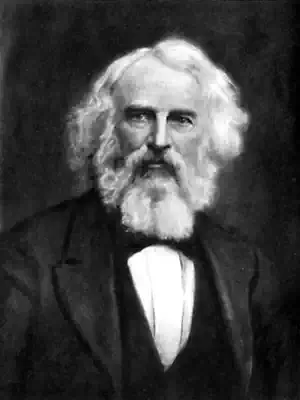
Henry Wadsworth Longfellow
Youth And Age. (Sonnet III.)
Youth And Age. (Sonnet III.)
Oh give me back the days when loose and free
To my blind passion were the curb and rein,
Oh give me back the angelic face again,
With which all virtue buried seems to be!
Oh give my panting footsteps back to me,
That are in age so slow and fraught with pain,
And fire and moisture in the heart and brain,
If thou wouldst have me burn and weep for thee!
If it be true thou livest alone, Amor,
On the sweet-bitter tears of human hearts,
In an old man thou canst not wake desire;
Souls that have almost reached the other shore
Of a diviner love should feel the darts,
And be as tinder to a holier fire.
Oh give me back the days when loose and free
To my blind passion were the curb and rein,
Oh give me back the angelic face again,
With which all virtue buried seems to be!
Oh give my panting footsteps back to me,
That are in age so slow and fraught with pain,
And fire and moisture in the heart and brain,
If thou wouldst have me burn and weep for thee!
If it be true thou livest alone, Amor,
On the sweet-bitter tears of human hearts,
In an old man thou canst not wake desire;
Souls that have almost reached the other shore
Of a diviner love should feel the darts,
And be as tinder to a holier fire.
388

Siegfried Sassoon
The Troops
The Troops
Dim, gradual thinning of the shapeless gloom
Shudders to drizzling daybreak that reveals
Disconsolate men who stamp their sodden boots
And turn dulled, sunken faces to the sky
Haggard and hopeless. They, who have beaten down
The stale despair of night, must now renew
Their desolation in the truce of dawn,
Murdering the livid hours that grope for peace.
Yet these, who cling to life with stubborn hands,
Can grin through storms of death and find a gap
In the clawed, cruel tangles of his defence.
They march from safety, and the bird-sung joy
Of grass-green thickets, to the land where all
Is ruin, and nothing blossoms but the sky
That hastens over them where they endure
Sad, smoking, flat horizons, reeking woods,
And foundered trench-lines volleying doom for doom.
O my brave brown companions, when your souls
Flock silently away, and the eyeless dead
Shame the wild beast of battle on the ridge,
Death will stand grieving in that field of war
Since your unvanquished hardihood is spent.
And through some mooned Valhalla there will pass
Battalions and battalions, scarred from hell;
The unreturning army that was youth;
The legions who have suffered and are dust.
Dim, gradual thinning of the shapeless gloom
Shudders to drizzling daybreak that reveals
Disconsolate men who stamp their sodden boots
And turn dulled, sunken faces to the sky
Haggard and hopeless. They, who have beaten down
The stale despair of night, must now renew
Their desolation in the truce of dawn,
Murdering the livid hours that grope for peace.
Yet these, who cling to life with stubborn hands,
Can grin through storms of death and find a gap
In the clawed, cruel tangles of his defence.
They march from safety, and the bird-sung joy
Of grass-green thickets, to the land where all
Is ruin, and nothing blossoms but the sky
That hastens over them where they endure
Sad, smoking, flat horizons, reeking woods,
And foundered trench-lines volleying doom for doom.
O my brave brown companions, when your souls
Flock silently away, and the eyeless dead
Shame the wild beast of battle on the ridge,
Death will stand grieving in that field of war
Since your unvanquished hardihood is spent.
And through some mooned Valhalla there will pass
Battalions and battalions, scarred from hell;
The unreturning army that was youth;
The legions who have suffered and are dust.
99
Robert W. Service
The Fool
The Fool
"But it isn't playing the game," he said,
And he slammed his books away;
"The Latin and Greek I've got in my head
Will do for a duller day."
"Rubbish!" I cried; "The bugle's call
Isn't for lads from school."
D'ye think he'd listen? Oh, not at all:
So I called him a fool, a fool.
Now there's his dog by his empty bed,
And the flute he used to play,
And his favourite bat . . . but Dick he's dead,
Somewhere in France, they say:
Dick with his rapture of song and sun,
Dick of the yellow hair,
Dicky whose life had but begun,
Carrion-cold out there.
Look at his prizes all in a row:
Surely a hint of fame.
Now he's finished with, -- nothing to show:
Doesn't it seem a shame?
Look from the window! All you see
Was to be his one day:
Forest and furrow, lawn and lea,
And he goes and chucks it away.
Chucks it away to die in the dark:
Somebody saw him fall,
Part of him mud, part of him blood,
The rest of him -- not at all.
And yet I'll bet he was never afraid,
And he went as the best of 'em go,
For his hand was clenched on his broken blade,
And his face was turned to the foe.
And I called him a fool . . . oh how blind was I!
And the cup of my grief's abrim.
Will Glory o' England ever die
So long as we've lads like him?
So long as we've fond and fearless fools,
Who, spurning fortune and fame,
Turn out with the rallying cry of their schools,
Just bent on playing the game.
A fool! Ah no! He was more than wise.
His was the proudest part.
He died with the glory of faith in his eyes,
And the glory of love in his heart.
And though there's never a grave to tell,
Nor a cross to mark his fall,
Thank God! we know that he "batted well"
In the last great Game of all.
"But it isn't playing the game," he said,
And he slammed his books away;
"The Latin and Greek I've got in my head
Will do for a duller day."
"Rubbish!" I cried; "The bugle's call
Isn't for lads from school."
D'ye think he'd listen? Oh, not at all:
So I called him a fool, a fool.
Now there's his dog by his empty bed,
And the flute he used to play,
And his favourite bat . . . but Dick he's dead,
Somewhere in France, they say:
Dick with his rapture of song and sun,
Dick of the yellow hair,
Dicky whose life had but begun,
Carrion-cold out there.
Look at his prizes all in a row:
Surely a hint of fame.
Now he's finished with, -- nothing to show:
Doesn't it seem a shame?
Look from the window! All you see
Was to be his one day:
Forest and furrow, lawn and lea,
And he goes and chucks it away.
Chucks it away to die in the dark:
Somebody saw him fall,
Part of him mud, part of him blood,
The rest of him -- not at all.
And yet I'll bet he was never afraid,
And he went as the best of 'em go,
For his hand was clenched on his broken blade,
And his face was turned to the foe.
And I called him a fool . . . oh how blind was I!
And the cup of my grief's abrim.
Will Glory o' England ever die
So long as we've lads like him?
So long as we've fond and fearless fools,
Who, spurning fortune and fame,
Turn out with the rallying cry of their schools,
Just bent on playing the game.
A fool! Ah no! He was more than wise.
His was the proudest part.
He died with the glory of faith in his eyes,
And the glory of love in his heart.
And though there's never a grave to tell,
Nor a cross to mark his fall,
Thank God! we know that he "batted well"
In the last great Game of all.
226
Henry Wadsworth Longfellow
The Song Of Hiawatha IV: Hiawatha And Mudjekeewis
The Song Of Hiawatha IV: Hiawatha And Mudjekeewis
Out of childhood into manhood
Now had grown my Hiawatha,
Skilled in all the craft of hunters,
Learned in all the lore of old men,
In all youthful sports and pastimes,
In all manly arts and labors.
Swift of foot was Hiawatha;
He could shoot an arrow from him,
And run forward with such fleetness,
That the arrow fell behind him!
Strong of arm was Hiawatha;
He could shoot ten arrows upward,
Shoot them with such strength and swiftness,
That the tenth had left the bow-string
Ere the first to earth had fallen!
He had mittens, Minjekahwun,
Magic mittens made of deer-skin;
When upon his hands he wore them,
He could smite the rocks asunder,
He could grind them into powder.
He had moccasins enchanted,
Magic moccasins of deer-skin;
When he bound them round his ankles,
When upon his feet he tied them,
At each stride a mile he measured!
Much he questioned old Nokomis
Of his father Mudjekeewis;
Learned from her the fatal secret
Of the beauty of his mother,
Of the falsehood of his father;
And his heart was hot within him,
Like a living coal his heart was.
Then he said to old Nokomis,
'I will go to Mudjekeewis,
See how fares it with my father,
At the doorways of the West-Wind,
At the portals of the Sunset!'
From his lodge went Hiawatha,
Dressed for travel, armed for hunting;
Dressed in deer-skin shirt and leggings,
Richly wrought with quills and wampum;
On his head his eagle-feathers,
Round his waist his belt of wampum,
In his hand his bow of ash-wood,
Strung with sinews of the reindeer;
In his quiver oaken arrows,
Tipped with jasper, winged with feathers;
With his mittens, Minjekahwun,
With his moccasins enchanted.
Warning said the old Nokomis,
'Go not forth, O Hiawatha!
To the kingdom of the West-Wind,
To the realms of Mudjekeewis,
Lest he harm you with his magic,
Lest he kill you with his cunning!'
But the fearless Hiawatha
Heeded not her woman's warning;
Forth he strode into the forest,
At each stride a mile he measured;
Lurid seemed the sky above him,
Lurid seemed the earth beneath him,
Hot and close the air around him,
Filled with smoke and fiery vapors,
As of burning woods and prairies,
For his heart was hot within him,
Like a living coal his heart was.
So he journeyed westward, westward,
Left the fleetest deer behind him,
Left the antelope and bison;
Crossed the rushing Esconaba,
Crossed the mighty Mississippi,
Passed the Mountains of the Prairie,
Passed the land of Crows and Foxes,
Passed the dwellings of the Blackfeet,
Came unto the Rocky Mountains,
To the kingdom of the West-Wind,
Where upon the gusty summits
Sat the ancient Mudjekeewis,
Ruler of the winds of heaven.
Filled with awe was Hiawatha
At the aspect of his father.
On the air about him wildly
Tossed and streamed his cloudy tresses,
Gleamed like drifting snow his tresses,
Glared like Ishkoodah, the comet,
Like the star with fiery tresses.
Filled with joy was Mudjekeewis
When he looked on Hiawatha,
Saw his youth rise up before him
In the face of Hiawatha,
Saw the beauty of Wenonah
From the grave rise up before him.
'Welcome!' said he, 'Hiawatha,
To the kingdom of the West-Wind
Long have I been waiting for you
Youth is lovely, age is lonely,
Youth is fiery, age is frosty;
You bring back the days departed,
You bring back my youth of passion,
And the beautiful Wenonah!'
Many days they talked together,
Questioned, listened, waited, answered;
Much the mighty Mudjekeewis
Boasted of his ancient prowess,
Of his perilous adventures,
His indomitable courage,
His invulnerable body.
Patiently sat Hiawatha,
Listening to his father's boasting;
With a smile he sat and listened,
Uttered neither threat nor menace,
Neither word nor look betrayed him,
But his heart was hot within him,
Like a living coal his heart was.
Then he said, 'O Mudjekeewis,
Is there nothing that can harm you?
Nothing that you are afraid of?'
And the mighty Mudjekeewis,
Grand and gracious in his boasting,
Answered, saying, 'There is nothing,
Nothing but the black rock yonder,
Nothing but the fatal Wawbeek!'
And he looked at Hiawatha
With a wise look and benignant,
With a countenance paternal,
Looked with pride upon the beauty
Of his tall and graceful figure,
Saying, 'O my Hiawatha!
Is there anything can harm you?
Anything you are afraid of?'
But the wary Hiawatha
Paused awhile, as if uncertain,
Held his peace, as if resolving,
And then answered, 'There is nothing,
Nothing but the bulrush yonder,
Nothing but the great Apukwa!'
And as Mudjekeewis, rising,
Stretched his hand to pluck the bulrush,
Hiawatha cried in terror,
Cried in well-dissembled terror,
'Kago! kago! do not touch it!'
'Ah, kaween!' said Mudjekeewis,
'No indeed, I will not touch it!'
Then they talked of other matters;
First of Hiawatha's brothers,
First of Wabun, of the East-Wind,
Of the South-Wind, Shawondasee,
Of the North, Kabibonokka;
Then of Hiawatha's mother,
Of the beautiful Wenonah,
Of her birth upon the meadow,
Of her death, as old Nokomis
Had remembered and related.
And he cried, 'O Mudjekeewis,
It was you who killed Wenonah,
Took her young life and her beauty,
Broke the Lily of the Prairie,
Trampled it beneath your footsteps;
You confess it! you confess it!'
And the mighty Mudjekeewis
Tossed upon the wind his tresses,
Bowed his hoary head in anguish,
With a silent nod assented.
Then up started Hiawatha,
And with threatening look and gesture
Laid his hand upon the black rock,
On the fatal Wawbeek laid it,
With his mittens, Minjekahwun,
Rent the jutting crag asunder,
Smote and crushed it into fragments,
Hurled them madly at his father,
The remorseful Mudjekeewis,
For his heart was hot within him,
Like a living coal his heart was.
But the ruler of the West-Wind
Blew the fragments backward from him,
With the breathing of his nostrils,
With the tempest of his anger,
Blew them back at his assailant;
Seized the bulrush, the Apukwa,
Dragged it with its roots and fibres
From the margin of the meadow,
From its ooze the giant bulrush;
Long and loud laughed Hiawatha!
Then began the deadly conflict,
Hand to hand among the mountains;
From his eyry screamed the eagle,
The Keneu, the great war-eagle,
Sat upon the crags around them,
Wheeling flapped his wings above them.
Like a tall tree in the tempest
Bent and lashed the giant bulrush;
And in masses huge and heavy
Crashing fell the fatal Wawbeek;
Till the earth shook with the tumult
And confusion of the battle,
And the air was full of shoutings,
And the thunder of the mountains,
Starting, answered, 'Baim-wawa!'
Back retreated Mudjekeewis,
Rushing westward o'er the mountains,
Stumbling westward down the mountains,
Three whole days retreated fighting,
Still pursued by Hiawatha
To the doorways of the West-Wind,
To the portals of the Sunset,
To the earth's remotest border,
Where into the empty spaces
Sinks the sun, as a flamingo
Drops into her nest at nightfall
In the melancholy marshes.
'Hold!' at length cried Mudjekeewis,
'Hold, my son, my Hiawatha!
'T is impossible to kill me,
For you cannot kill the immortal
I have put you to this trial,
But to know and prove your courage;
Now receive the prize of valor!
'Go back to your home and people,
Live among them, toil among them,
Cleanse the earth from all that harms it,
Clear the fishing-grounds and rivers,
Slay all monsters and magicians,
All the Wendigoes, the giants,
All the serpents, the Kenabeeks,
As I slew the Mishe-Mokwa,
Slew the Great Bear of the mountains.
'And at last when Death draws near you,
When the awful eyes of Pauguk
Glare upon you in the darkness,
I will share my kingdom with you,
Ruler shall you be thenceforward
Of the Northwest-Wind, Keewaydin,
Of the home-wind, the Keewaydin.'
Thus was fought that famous battle
In the dreadful days of Shah-shah,
In the days long since departed,
In the kingdom of the West-Wind.
Still the hunter sees its traces
Scattered far o'er hill and valley;
Sees the giant bulrush growing
By the ponds and water-courses,
Sees the masses of the Wawbeek
Lying still in every valley.
Homeward now went Hiawatha;
Pleasant was the landscape round him,
Pleasant was the air above him,
For the bitterness of anger
Had departed wholly from him,
From his brain the thought of vengeance,
From his heart the burning fever.
Only once his pace he slackened,
Only once he paused or halted,
Paused to purchase heads of arrows
Of the ancient Arrow-maker,
In the land of the Dacotahs,
Where the Falls of Minnehaha
Flash and gleam among the oak-trees,
Laugh and leap into the valley.
There the ancient Arrow-maker
Made his arrow-heads of sandstone,
Arrow-heads of chalcedony,
Arrow-heads of flint and jasper,
Smoothed and sharpened at the edges,
Hard and polished, keen and costly.
With him dwelt his dark-eyed daughter,
Wayward as the Minnehaha,
With her moods of shade and sunshine,
Eyes that smiled and frowned alternate,
Feet as rapid as the river,
Tresses flowing like the water,
And as musical a laughter:
And he named her from the river,
From the water-fall he named her,
Minnehaha, Laughing Water.
Was it then for heads of arrows,
Arrow-heads of chalcedony,
Arrow-heads of flint and jasper,
That my Hiawatha halted
In the land of the Dacotahs?
Was it not to see the maiden,
See the face of Laughing Water
Peeping from behind the curtain,
Hear the rustling of her garments
From behind the waving curtain,
As one sees the Minnehaha
Gleaming, glancing through the branches,
As one hears the Laughing Water
From behind its screen of branches?
Who shall say what thoughts and visions
Fill the fiery brains of young men?
Who shall say what dreams of beauty
Filled the heart of Hiawatha?
All he told to old Nokomis,
When he reached the lodge at sunset,
Was the meeting with his father,
Was his fight with Mudjekeewis;
Not a word he said of arrows,
Not a word of Laughing Water.
Out of childhood into manhood
Now had grown my Hiawatha,
Skilled in all the craft of hunters,
Learned in all the lore of old men,
In all youthful sports and pastimes,
In all manly arts and labors.
Swift of foot was Hiawatha;
He could shoot an arrow from him,
And run forward with such fleetness,
That the arrow fell behind him!
Strong of arm was Hiawatha;
He could shoot ten arrows upward,
Shoot them with such strength and swiftness,
That the tenth had left the bow-string
Ere the first to earth had fallen!
He had mittens, Minjekahwun,
Magic mittens made of deer-skin;
When upon his hands he wore them,
He could smite the rocks asunder,
He could grind them into powder.
He had moccasins enchanted,
Magic moccasins of deer-skin;
When he bound them round his ankles,
When upon his feet he tied them,
At each stride a mile he measured!
Much he questioned old Nokomis
Of his father Mudjekeewis;
Learned from her the fatal secret
Of the beauty of his mother,
Of the falsehood of his father;
And his heart was hot within him,
Like a living coal his heart was.
Then he said to old Nokomis,
'I will go to Mudjekeewis,
See how fares it with my father,
At the doorways of the West-Wind,
At the portals of the Sunset!'
From his lodge went Hiawatha,
Dressed for travel, armed for hunting;
Dressed in deer-skin shirt and leggings,
Richly wrought with quills and wampum;
On his head his eagle-feathers,
Round his waist his belt of wampum,
In his hand his bow of ash-wood,
Strung with sinews of the reindeer;
In his quiver oaken arrows,
Tipped with jasper, winged with feathers;
With his mittens, Minjekahwun,
With his moccasins enchanted.
Warning said the old Nokomis,
'Go not forth, O Hiawatha!
To the kingdom of the West-Wind,
To the realms of Mudjekeewis,
Lest he harm you with his magic,
Lest he kill you with his cunning!'
But the fearless Hiawatha
Heeded not her woman's warning;
Forth he strode into the forest,
At each stride a mile he measured;
Lurid seemed the sky above him,
Lurid seemed the earth beneath him,
Hot and close the air around him,
Filled with smoke and fiery vapors,
As of burning woods and prairies,
For his heart was hot within him,
Like a living coal his heart was.
So he journeyed westward, westward,
Left the fleetest deer behind him,
Left the antelope and bison;
Crossed the rushing Esconaba,
Crossed the mighty Mississippi,
Passed the Mountains of the Prairie,
Passed the land of Crows and Foxes,
Passed the dwellings of the Blackfeet,
Came unto the Rocky Mountains,
To the kingdom of the West-Wind,
Where upon the gusty summits
Sat the ancient Mudjekeewis,
Ruler of the winds of heaven.
Filled with awe was Hiawatha
At the aspect of his father.
On the air about him wildly
Tossed and streamed his cloudy tresses,
Gleamed like drifting snow his tresses,
Glared like Ishkoodah, the comet,
Like the star with fiery tresses.
Filled with joy was Mudjekeewis
When he looked on Hiawatha,
Saw his youth rise up before him
In the face of Hiawatha,
Saw the beauty of Wenonah
From the grave rise up before him.
'Welcome!' said he, 'Hiawatha,
To the kingdom of the West-Wind
Long have I been waiting for you
Youth is lovely, age is lonely,
Youth is fiery, age is frosty;
You bring back the days departed,
You bring back my youth of passion,
And the beautiful Wenonah!'
Many days they talked together,
Questioned, listened, waited, answered;
Much the mighty Mudjekeewis
Boasted of his ancient prowess,
Of his perilous adventures,
His indomitable courage,
His invulnerable body.
Patiently sat Hiawatha,
Listening to his father's boasting;
With a smile he sat and listened,
Uttered neither threat nor menace,
Neither word nor look betrayed him,
But his heart was hot within him,
Like a living coal his heart was.
Then he said, 'O Mudjekeewis,
Is there nothing that can harm you?
Nothing that you are afraid of?'
And the mighty Mudjekeewis,
Grand and gracious in his boasting,
Answered, saying, 'There is nothing,
Nothing but the black rock yonder,
Nothing but the fatal Wawbeek!'
And he looked at Hiawatha
With a wise look and benignant,
With a countenance paternal,
Looked with pride upon the beauty
Of his tall and graceful figure,
Saying, 'O my Hiawatha!
Is there anything can harm you?
Anything you are afraid of?'
But the wary Hiawatha
Paused awhile, as if uncertain,
Held his peace, as if resolving,
And then answered, 'There is nothing,
Nothing but the bulrush yonder,
Nothing but the great Apukwa!'
And as Mudjekeewis, rising,
Stretched his hand to pluck the bulrush,
Hiawatha cried in terror,
Cried in well-dissembled terror,
'Kago! kago! do not touch it!'
'Ah, kaween!' said Mudjekeewis,
'No indeed, I will not touch it!'
Then they talked of other matters;
First of Hiawatha's brothers,
First of Wabun, of the East-Wind,
Of the South-Wind, Shawondasee,
Of the North, Kabibonokka;
Then of Hiawatha's mother,
Of the beautiful Wenonah,
Of her birth upon the meadow,
Of her death, as old Nokomis
Had remembered and related.
And he cried, 'O Mudjekeewis,
It was you who killed Wenonah,
Took her young life and her beauty,
Broke the Lily of the Prairie,
Trampled it beneath your footsteps;
You confess it! you confess it!'
And the mighty Mudjekeewis
Tossed upon the wind his tresses,
Bowed his hoary head in anguish,
With a silent nod assented.
Then up started Hiawatha,
And with threatening look and gesture
Laid his hand upon the black rock,
On the fatal Wawbeek laid it,
With his mittens, Minjekahwun,
Rent the jutting crag asunder,
Smote and crushed it into fragments,
Hurled them madly at his father,
The remorseful Mudjekeewis,
For his heart was hot within him,
Like a living coal his heart was.
But the ruler of the West-Wind
Blew the fragments backward from him,
With the breathing of his nostrils,
With the tempest of his anger,
Blew them back at his assailant;
Seized the bulrush, the Apukwa,
Dragged it with its roots and fibres
From the margin of the meadow,
From its ooze the giant bulrush;
Long and loud laughed Hiawatha!
Then began the deadly conflict,
Hand to hand among the mountains;
From his eyry screamed the eagle,
The Keneu, the great war-eagle,
Sat upon the crags around them,
Wheeling flapped his wings above them.
Like a tall tree in the tempest
Bent and lashed the giant bulrush;
And in masses huge and heavy
Crashing fell the fatal Wawbeek;
Till the earth shook with the tumult
And confusion of the battle,
And the air was full of shoutings,
And the thunder of the mountains,
Starting, answered, 'Baim-wawa!'
Back retreated Mudjekeewis,
Rushing westward o'er the mountains,
Stumbling westward down the mountains,
Three whole days retreated fighting,
Still pursued by Hiawatha
To the doorways of the West-Wind,
To the portals of the Sunset,
To the earth's remotest border,
Where into the empty spaces
Sinks the sun, as a flamingo
Drops into her nest at nightfall
In the melancholy marshes.
'Hold!' at length cried Mudjekeewis,
'Hold, my son, my Hiawatha!
'T is impossible to kill me,
For you cannot kill the immortal
I have put you to this trial,
But to know and prove your courage;
Now receive the prize of valor!
'Go back to your home and people,
Live among them, toil among them,
Cleanse the earth from all that harms it,
Clear the fishing-grounds and rivers,
Slay all monsters and magicians,
All the Wendigoes, the giants,
All the serpents, the Kenabeeks,
As I slew the Mishe-Mokwa,
Slew the Great Bear of the mountains.
'And at last when Death draws near you,
When the awful eyes of Pauguk
Glare upon you in the darkness,
I will share my kingdom with you,
Ruler shall you be thenceforward
Of the Northwest-Wind, Keewaydin,
Of the home-wind, the Keewaydin.'
Thus was fought that famous battle
In the dreadful days of Shah-shah,
In the days long since departed,
In the kingdom of the West-Wind.
Still the hunter sees its traces
Scattered far o'er hill and valley;
Sees the giant bulrush growing
By the ponds and water-courses,
Sees the masses of the Wawbeek
Lying still in every valley.
Homeward now went Hiawatha;
Pleasant was the landscape round him,
Pleasant was the air above him,
For the bitterness of anger
Had departed wholly from him,
From his brain the thought of vengeance,
From his heart the burning fever.
Only once his pace he slackened,
Only once he paused or halted,
Paused to purchase heads of arrows
Of the ancient Arrow-maker,
In the land of the Dacotahs,
Where the Falls of Minnehaha
Flash and gleam among the oak-trees,
Laugh and leap into the valley.
There the ancient Arrow-maker
Made his arrow-heads of sandstone,
Arrow-heads of chalcedony,
Arrow-heads of flint and jasper,
Smoothed and sharpened at the edges,
Hard and polished, keen and costly.
With him dwelt his dark-eyed daughter,
Wayward as the Minnehaha,
With her moods of shade and sunshine,
Eyes that smiled and frowned alternate,
Feet as rapid as the river,
Tresses flowing like the water,
And as musical a laughter:
And he named her from the river,
From the water-fall he named her,
Minnehaha, Laughing Water.
Was it then for heads of arrows,
Arrow-heads of chalcedony,
Arrow-heads of flint and jasper,
That my Hiawatha halted
In the land of the Dacotahs?
Was it not to see the maiden,
See the face of Laughing Water
Peeping from behind the curtain,
Hear the rustling of her garments
From behind the waving curtain,
As one sees the Minnehaha
Gleaming, glancing through the branches,
As one hears the Laughing Water
From behind its screen of branches?
Who shall say what thoughts and visions
Fill the fiery brains of young men?
Who shall say what dreams of beauty
Filled the heart of Hiawatha?
All he told to old Nokomis,
When he reached the lodge at sunset,
Was the meeting with his father,
Was his fight with Mudjekeewis;
Not a word he said of arrows,
Not a word of Laughing Water.
381
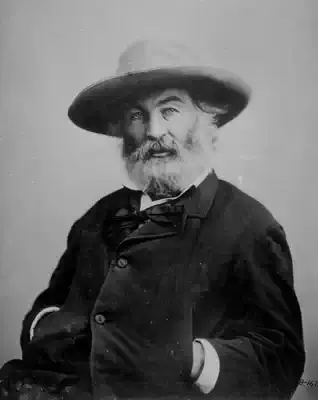
Walt Whitman
Pioneers! O Pioneers!
Pioneers! O Pioneers!
COME, my tan-faced children,
Follow well in order, get your weapons ready;
Have you your pistols? have you your sharp edged axes?
Pioneers! O pioneers!
For we cannot tarry here,
We must march my darlings, we must bear the brunt of danger,
We, the youthful sinewy races, all the rest on us depend,
Pioneers! O pioneers!
O you youths, western youths,
So impatient, full of action, full of manly pride and friendship, 10
Plain I see you, western youths, see you tramping with the foremost,
Pioneers! O pioneers!
Have the elder races halted?
Do they droop and end their lesson, wearied, over there beyond the
seas?
We take up the task eternal, and the burden, and the lesson,
Pioneers! O pioneers!
All the past we leave behind;
We debouch upon a newer, mightier world, varied world,
Fresh and strong the world we seize, world of labor and the march,
Pioneers! O pioneers! 20
We detachments steady throwing,
Down the edges, through the passes, up the mountains steep,
Conquering, holding, daring, venturing, as we go, the unknown ways,
Pioneers! O pioneers!
We primeval forests felling,
We the rivers stemming, vexing we, and piercing deep the mines
within;
We the surface broad surveying, we the virgin soil upheaving,
Pioneers! O pioneers!
Colorado men are we,
From the peaks gigantic, from the great sierras and the high
plateaus, 30
From the mine and from the gully, from the hunting trail we come,
Pioneers! O pioneers!
From Nebraska, from Arkansas,
Central inland race are we, from Missouri, with the continental blood
intervein'd;
All the hands of comrades clasping, all the Southern, all the
Northern,
Pioneers! O pioneers!
O resistless, restless race!
O beloved race in all! O my breast aches with tender love for all!
O I mourn and yet exult--I am rapt with love for all,
Pioneers! O pioneers! 40
Raise the mighty mother mistress,
Waving high the delicate mistress, over all the starry mistress,
(bend your heads all,)
Raise the fang'd and warlike mistress, stern, impassive, weapon'd
mistress,
Pioneers! O pioneers!
See, my children, resolute children,
By those swarms upon our rear, we must never yield or falter,
Ages back in ghostly millions, frowning there behind us urging,
Pioneers! O pioneers!
On and on, the compact ranks,
With accessions ever waiting, with the places of the dead quickly
fill'd, 50
Through the battle, through defeat, moving yet and never stopping,
Pioneers! O pioneers!
O to die advancing on!
Are there some of us to droop and die? has the hour come?
Then upon the march we fittest die, soon and sure the gap is fill'd,
Pioneers! O pioneers!
All the pulses of the world,
Falling in, they beat for us, with the western movement beat;
Holding single or together, steady moving, to the front, all for us,
Pioneers! O pioneers! 60
Life's involv'd and varied pageants,
All the forms and shows, all the workmen at their work,
All the seamen and the landsmen, all the masters with their slaves,
Pioneers! O pioneers!
All the hapless silent lovers,
All the prisoners in the prisons, all the righteous and the wicked,
All the joyous, all the sorrowing, all the living, all the dying,
Pioneers! O pioneers!
I too with my soul and body,
We, a curious trio, picking, wandering on our way, 70
Through these shores, amid the shadows, with the apparitions
pressing,
Pioneers! O pioneers!
Lo! the darting bowling orb!
Lo! the brother orbs around! all the clustering suns and planets,
All the dazzling days, all the mystic nights with dreams,
Pioneers! O pioneers!
These are of us, they are with us,
All for primal needed work, while the followers there in embryo wait
behind,
We to-day's procession heading, we the route for travel clearing,
Pioneers! O pioneers! 80
O you daughters of the west!
O you young and elder daughters! O you mothers and you wives!
Never must you be divided, in our ranks you move united,
Pioneers! O pioneers!
Minstrels latent on the prairies!
(Shrouded bards of other lands! you may sleep--you have done your
work;)
Soon I hear you coming warbling, soon you rise and tramp amid us,
Pioneers! O pioneers!
Not for delectations sweet;
Not the cushion and the slipper, not the peaceful and the
studious; 90
Not the riches safe and palling, not for us the tame enjoyment,
Pioneers! O pioneers!
Do the feasters gluttonous feast?
Do the corpulent sleepers sleep? have they lock'd and bolted doors?
Still be ours the diet hard, and the blanket on the ground,
Pioneers! O pioneers!
Has the night descended?
Was the road of late so toilsome? did we stop discouraged, nodding on
our way?
Yet a passing hour I yield you, in your tracks to pause oblivious,
Pioneers! O pioneers! 100
Till with sound of trumpet,
Far, far off the day-break call--hark! how loud and clear I hear it
wind;
Swift! to the head of the army!--swift! spring to your places, Pioneers! O
pioneers.
COME, my tan-faced children,
Follow well in order, get your weapons ready;
Have you your pistols? have you your sharp edged axes?
Pioneers! O pioneers!
For we cannot tarry here,
We must march my darlings, we must bear the brunt of danger,
We, the youthful sinewy races, all the rest on us depend,
Pioneers! O pioneers!
O you youths, western youths,
So impatient, full of action, full of manly pride and friendship, 10
Plain I see you, western youths, see you tramping with the foremost,
Pioneers! O pioneers!
Have the elder races halted?
Do they droop and end their lesson, wearied, over there beyond the
seas?
We take up the task eternal, and the burden, and the lesson,
Pioneers! O pioneers!
All the past we leave behind;
We debouch upon a newer, mightier world, varied world,
Fresh and strong the world we seize, world of labor and the march,
Pioneers! O pioneers! 20
We detachments steady throwing,
Down the edges, through the passes, up the mountains steep,
Conquering, holding, daring, venturing, as we go, the unknown ways,
Pioneers! O pioneers!
We primeval forests felling,
We the rivers stemming, vexing we, and piercing deep the mines
within;
We the surface broad surveying, we the virgin soil upheaving,
Pioneers! O pioneers!
Colorado men are we,
From the peaks gigantic, from the great sierras and the high
plateaus, 30
From the mine and from the gully, from the hunting trail we come,
Pioneers! O pioneers!
From Nebraska, from Arkansas,
Central inland race are we, from Missouri, with the continental blood
intervein'd;
All the hands of comrades clasping, all the Southern, all the
Northern,
Pioneers! O pioneers!
O resistless, restless race!
O beloved race in all! O my breast aches with tender love for all!
O I mourn and yet exult--I am rapt with love for all,
Pioneers! O pioneers! 40
Raise the mighty mother mistress,
Waving high the delicate mistress, over all the starry mistress,
(bend your heads all,)
Raise the fang'd and warlike mistress, stern, impassive, weapon'd
mistress,
Pioneers! O pioneers!
See, my children, resolute children,
By those swarms upon our rear, we must never yield or falter,
Ages back in ghostly millions, frowning there behind us urging,
Pioneers! O pioneers!
On and on, the compact ranks,
With accessions ever waiting, with the places of the dead quickly
fill'd, 50
Through the battle, through defeat, moving yet and never stopping,
Pioneers! O pioneers!
O to die advancing on!
Are there some of us to droop and die? has the hour come?
Then upon the march we fittest die, soon and sure the gap is fill'd,
Pioneers! O pioneers!
All the pulses of the world,
Falling in, they beat for us, with the western movement beat;
Holding single or together, steady moving, to the front, all for us,
Pioneers! O pioneers! 60
Life's involv'd and varied pageants,
All the forms and shows, all the workmen at their work,
All the seamen and the landsmen, all the masters with their slaves,
Pioneers! O pioneers!
All the hapless silent lovers,
All the prisoners in the prisons, all the righteous and the wicked,
All the joyous, all the sorrowing, all the living, all the dying,
Pioneers! O pioneers!
I too with my soul and body,
We, a curious trio, picking, wandering on our way, 70
Through these shores, amid the shadows, with the apparitions
pressing,
Pioneers! O pioneers!
Lo! the darting bowling orb!
Lo! the brother orbs around! all the clustering suns and planets,
All the dazzling days, all the mystic nights with dreams,
Pioneers! O pioneers!
These are of us, they are with us,
All for primal needed work, while the followers there in embryo wait
behind,
We to-day's procession heading, we the route for travel clearing,
Pioneers! O pioneers! 80
O you daughters of the west!
O you young and elder daughters! O you mothers and you wives!
Never must you be divided, in our ranks you move united,
Pioneers! O pioneers!
Minstrels latent on the prairies!
(Shrouded bards of other lands! you may sleep--you have done your
work;)
Soon I hear you coming warbling, soon you rise and tramp amid us,
Pioneers! O pioneers!
Not for delectations sweet;
Not the cushion and the slipper, not the peaceful and the
studious; 90
Not the riches safe and palling, not for us the tame enjoyment,
Pioneers! O pioneers!
Do the feasters gluttonous feast?
Do the corpulent sleepers sleep? have they lock'd and bolted doors?
Still be ours the diet hard, and the blanket on the ground,
Pioneers! O pioneers!
Has the night descended?
Was the road of late so toilsome? did we stop discouraged, nodding on
our way?
Yet a passing hour I yield you, in your tracks to pause oblivious,
Pioneers! O pioneers! 100
Till with sound of trumpet,
Far, far off the day-break call--hark! how loud and clear I hear it
wind;
Swift! to the head of the army!--swift! spring to your places, Pioneers! O
pioneers.
426
Walt Whitman
Offerings
Offerings
A THOUSAND perfect men and women appear,
Around each gathers a cluster of friends, and gay children and
youths, with offerings.
A THOUSAND perfect men and women appear,
Around each gathers a cluster of friends, and gay children and
youths, with offerings.
347

Sarah Teasdale
Old Tunes
Old Tunes
As the waves of perfume, heliotrope, rose,
Float in the garden when no wind blows,
Come to us, go from us, whence no one knows;
So the old tunes float in my mind,
And go from me leaving no trace behind,
Like fragrance borne on the hush of the wind.
But in the instant the airs remain
I know the laughter and the pain
Of times that will not come again.
I try to catch at many a tune
Like petals of light fallen from the moon,
Broken and bright on a dark lagoon,
But they float away -- for who can hold
Youth, or perfume or the moon's gold?
As the waves of perfume, heliotrope, rose,
Float in the garden when no wind blows,
Come to us, go from us, whence no one knows;
So the old tunes float in my mind,
And go from me leaving no trace behind,
Like fragrance borne on the hush of the wind.
But in the instant the airs remain
I know the laughter and the pain
Of times that will not come again.
I try to catch at many a tune
Like petals of light fallen from the moon,
Broken and bright on a dark lagoon,
But they float away -- for who can hold
Youth, or perfume or the moon's gold?
432
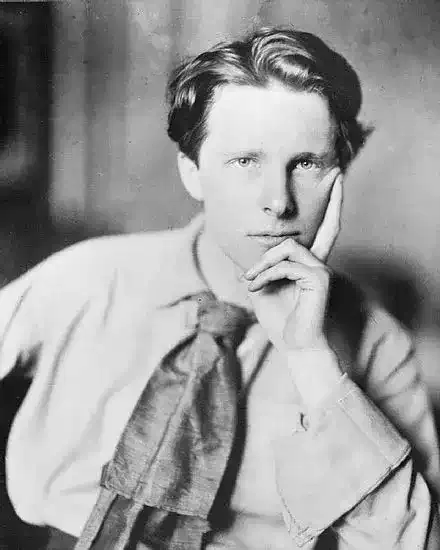
Rupert Brooke
Hill, The
Hill, The
Breathless, we flung us on the windy hill,
Laughed in the sun, and kissed the lovely grass.
You said, "Through glory and ecstasy we pass;
Wind, sun, and earth remain, the birds sing still,
When we are old, are old. . . ." "And when we die
All's over that is ours; and life burns on
Through other lovers, other lips," said I,
-- "Heart of my heart, our heaven is now, is won!"
"We are Earth's best, that learnt her lesson here.
Life is our cry. We have kept the faith!" we said;
"We shall go down with unreluctant tread
Rose-crowned into the darkness!" . . . Proud we were,
And laughed, that had such brave true things to say.
-- And then you suddenly cried, and turned away.
Breathless, we flung us on the windy hill,
Laughed in the sun, and kissed the lovely grass.
You said, "Through glory and ecstasy we pass;
Wind, sun, and earth remain, the birds sing still,
When we are old, are old. . . ." "And when we die
All's over that is ours; and life burns on
Through other lovers, other lips," said I,
-- "Heart of my heart, our heaven is now, is won!"
"We are Earth's best, that learnt her lesson here.
Life is our cry. We have kept the faith!" we said;
"We shall go down with unreluctant tread
Rose-crowned into the darkness!" . . . Proud we were,
And laughed, that had such brave true things to say.
-- And then you suddenly cried, and turned away.
173
Rudyard Kipling
To the Companions
To the Companions
How comes it that, at even-tide,
When level beams should show most truth,
Man, failing, takes unfailing pride
In memories of his frolic youth?
Venus and Liber fill their hour;
The games engage, the law-courts prove;
Till hardened life breeds love of power
Or Avarice, Age's final love.
Yet at the end, these comfort not--
Nor any triumph Fate decrees--
Compared with glorious, unforgot--
Ten innocent enormities
Of frontless days before the beard,
When, instant on the casual jest,
The God Himself of Mirth appeared
And snatched us to His heaving breast
And we--not caring who He was
But certain He would come again--
Accepted all He brought to pass
As Gods accept the lives of men...
Then He withdrew from sight and speech,
Nor left a shrine. How comes it now,
While Charon's keel grates on the beach,
He calls so clear: "Rememberest thou?"
How comes it that, at even-tide,
When level beams should show most truth,
Man, failing, takes unfailing pride
In memories of his frolic youth?
Venus and Liber fill their hour;
The games engage, the law-courts prove;
Till hardened life breeds love of power
Or Avarice, Age's final love.
Yet at the end, these comfort not--
Nor any triumph Fate decrees--
Compared with glorious, unforgot--
Ten innocent enormities
Of frontless days before the beard,
When, instant on the casual jest,
The God Himself of Mirth appeared
And snatched us to His heaving breast
And we--not caring who He was
But certain He would come again--
Accepted all He brought to pass
As Gods accept the lives of men...
Then He withdrew from sight and speech,
Nor left a shrine. How comes it now,
While Charon's keel grates on the beach,
He calls so clear: "Rememberest thou?"
428
Henry Wadsworth Longfellow
My Lost Youth
My Lost Youth
Often I think of the beautiful town
That is seated by the sea;
Often in thought go up and down
The pleasant streets of that dear old town,
And my youth comes back to me.
And a verse of a Lapland song
Is haunting my memory still:
"A boy's will is the wind's will,
And the thoughts of youth are long, long thoughts."
I can see the shadowy lines of its trees,
And catch, in sudden gleams,
The sheen of the far-surrounding seas,
And islands that were the Hesperides
Of all my boyish dreams.
And the burden of that old song,
It murmurs and whispers still:
"A boy's will is the wind's will,
And the thoughts of youth are long, long thoughts."
I remember the black wharves and the ships,
And the sea-tides tossing free;
And Spanish sailors with bearded lips,
And the beauty and mystery of the ships,
And the magic of the sea.
And the voice of that wayward song
Is singing and saying still:
"A boy's will is the wind's will,
And the thoughts of youth are long, long thoughts."
I remember the bulwarks by the shore,
And the fort upon the hill;
The sunrise gun, with its hollow roar,
The drum-beat repeated o'er and o'er,
And the bugle wild and shrill.
And the music of that old song
Throbs in my memory still:
"A boy's will is the wind's will,
And the thoughts of youth are long, long thoughts."
I remember the sea-fight far away,
How it thundered o'er the tide!
And the dead captains, as they lay
In their graves, o'erlooking the tranquil bay
Where they in battle died.
And the sound of that mournful song
Goes through me with a thrill:
"A boy's will is the wind's will,
And the thoughts of youth are long, long thoughts."
I can see the breezy dome of groves,
The shadows of Deering's Woods;
And the friendships old and the early loves
Come back with a Sabbath sound, as of doves
In quiet neighborhoods.
And the verse of that sweet old song,
It flutters and murmurs still:
"A boy's will is the wind's will,
And the thoughts of youth are long, long thoughts."
I remember the gleams and glooms that dart
Across the school-boy's brain;
The song and the silence in the heart,
That in part are prophecies, and in part
Are longings wild and vain.
And the voice of that fitful song
Sings on, and is never still:
"A boy's will is the wind's will,
And the thoughts of youth are long, long thoughts."
There are things of which I may not speak;
There are dreams that cannot die;
There are thoughts that make the strong heart weak,
And bring a pallor into the cheek,
And a mist before the eye.
And the words of that fatal song
Come over me like a chill:
"A boy's will is the wind's will,
And the thoughts of youth are long, long thoughts."
Strange to me now are the forms I meet
When I visit the dear old town;
But the native air is pure and sweet,
And the trees that o'ershadow each well-known street,
As they balance up and down,
Are singing the beautiful song,
Are sighing and whispering still:
"A boy's will is the wind's will,
And the thoughts of youth are long, long thoughts."
And Deering's Woods are fresh and fair,
And with joy that is almost pain
My heart goes back to wander there,
And among the dreams of the days that were,
I find my lost youth again.
And the strange and beautiful song,
The groves are repeating it still:
"A boy's will is the wind's will,
And the thoughts of youth are long, long thoughts."
Often I think of the beautiful town
That is seated by the sea;
Often in thought go up and down
The pleasant streets of that dear old town,
And my youth comes back to me.
And a verse of a Lapland song
Is haunting my memory still:
"A boy's will is the wind's will,
And the thoughts of youth are long, long thoughts."
I can see the shadowy lines of its trees,
And catch, in sudden gleams,
The sheen of the far-surrounding seas,
And islands that were the Hesperides
Of all my boyish dreams.
And the burden of that old song,
It murmurs and whispers still:
"A boy's will is the wind's will,
And the thoughts of youth are long, long thoughts."
I remember the black wharves and the ships,
And the sea-tides tossing free;
And Spanish sailors with bearded lips,
And the beauty and mystery of the ships,
And the magic of the sea.
And the voice of that wayward song
Is singing and saying still:
"A boy's will is the wind's will,
And the thoughts of youth are long, long thoughts."
I remember the bulwarks by the shore,
And the fort upon the hill;
The sunrise gun, with its hollow roar,
The drum-beat repeated o'er and o'er,
And the bugle wild and shrill.
And the music of that old song
Throbs in my memory still:
"A boy's will is the wind's will,
And the thoughts of youth are long, long thoughts."
I remember the sea-fight far away,
How it thundered o'er the tide!
And the dead captains, as they lay
In their graves, o'erlooking the tranquil bay
Where they in battle died.
And the sound of that mournful song
Goes through me with a thrill:
"A boy's will is the wind's will,
And the thoughts of youth are long, long thoughts."
I can see the breezy dome of groves,
The shadows of Deering's Woods;
And the friendships old and the early loves
Come back with a Sabbath sound, as of doves
In quiet neighborhoods.
And the verse of that sweet old song,
It flutters and murmurs still:
"A boy's will is the wind's will,
And the thoughts of youth are long, long thoughts."
I remember the gleams and glooms that dart
Across the school-boy's brain;
The song and the silence in the heart,
That in part are prophecies, and in part
Are longings wild and vain.
And the voice of that fitful song
Sings on, and is never still:
"A boy's will is the wind's will,
And the thoughts of youth are long, long thoughts."
There are things of which I may not speak;
There are dreams that cannot die;
There are thoughts that make the strong heart weak,
And bring a pallor into the cheek,
And a mist before the eye.
And the words of that fatal song
Come over me like a chill:
"A boy's will is the wind's will,
And the thoughts of youth are long, long thoughts."
Strange to me now are the forms I meet
When I visit the dear old town;
But the native air is pure and sweet,
And the trees that o'ershadow each well-known street,
As they balance up and down,
Are singing the beautiful song,
Are sighing and whispering still:
"A boy's will is the wind's will,
And the thoughts of youth are long, long thoughts."
And Deering's Woods are fresh and fair,
And with joy that is almost pain
My heart goes back to wander there,
And among the dreams of the days that were,
I find my lost youth again.
And the strange and beautiful song,
The groves are repeating it still:
"A boy's will is the wind's will,
And the thoughts of youth are long, long thoughts."
308
Henry Wadsworth Longfellow
Morituri Salutamus: Poem for the Fiftieth Anniversary of th
Morituri Salutamus: Poem for the Fiftieth Anniversary of th
Tempora labuntur, tacitisque senescimus annis,
Et fugiunt freno non remorante dies.
Ovid, Fastorum, Lib. vi.
"O Cæsar, we who are about to die
Salute you!" was the gladiators' cry
In the arena, standing face to face
With death and with the Roman populace.
O ye familiar scenes,--ye groves of pine,
That once were mine and are no longer mine,-Thou
river, widening through the meadows green
To the vast sea, so near and yet unseen,-Ye
halls, in whose seclusion and repose
Phantoms of fame, like exhalations, rose
And vanished,--we who are about to die,
Salute you; earth and air and sea and sky,
And the Imperial Sun that scatters down
His sovereign splendors upon grove and town.
Ye do not answer us! ye do not hear!
We are forgotten; and in your austere
And calm indifference, ye little care
Whether we come or go, or whence or where.
What passing generations fill these halls,
What passing voices echo from these walls,
Ye heed not; we are only as the blast,
A moment heard, and then forever past.
Not so the teachers who in earlier days
Led our bewildered feet through learning's maze;
They answer us--alas! what have I said?
What greetings come there from the voiceless dead?
What salutation, welcome, or reply?
What pressure from the hands that lifeless lie?
They are no longer here; they all are gone
Into the land of shadows,--all save one.
Honor and reverence, and the good repute
That follows faithful service as its fruit,
Be unto him, whom living we salute.
The great Italian poet, when he made
His dreadful journey to the realms of shade,
Met there the old instructor of his youth,
And cried in tones of pity and of ruth:
"Oh, never from the memory of my heart
Your dear, paternal image shall depart,
Who while on earth, ere yet by death surprised,
Taught me how mortals are immortalized;
How grateful am I for that patient care
All my life long my language shall declare."
To-day we make the poet's words our own,
And utter them in plaintive undertone;
Nor to the living only be they said,
But to the other living called the dead,
Whose dear, paternal images appear
Not wrapped in gloom, but robed in sunshine here;
Whose simple lives, complete and without flaw,
Were part and parcel of great Nature's law;
Who said not to their Lord, as if afraid,
"Here is thy talent in a napkin laid,"
But labored in their sphere, as men who live
In the delight that work alone can give.
Peace be to them; eternal peace and rest,
And the fulfilment of the great behest:
"Ye have been faithful over a few things,
Over ten cities shall ye reign as kings."
And ye who fill the places we once filled,
And follow in the furrows that we tilled,
Young men, whose generous hearts are beating high,
We who are old, and are about to die,
Salute you; hail you; take your hands in ours,
And crown you with our welcome as with flowers!
How beautiful is youth! how bright it gleams
With its illusions, aspirations, dreams!
Book of Beginnings, Story without End,
Each maid a heroine, and each man a friend!
Aladdin's Lamp, and Fortunatus' Purse,
That holds the treasures of the universe!
All possibilities are in its hands,
No danger daunts it, and no foe withstands;
In its sublime audacity of faith,
"Be thou removed!" it to the mountain saith,
And with ambitious feet, secure and proud,
Ascends the ladder leaning on the cloud!
As ancient Priam at the Scæan gate
Sat on the walls of Troy in regal state
With the old men, too old and weak to fight,
Chirping like grasshoppers in their delight
To see the embattled hosts, with spear and shield,
Of Trojans and Achaians in the field;
So from the snowy summits of our years
We see you in the plain, as each appears,
And question of you; asking, "Who is he
That towers above the others? Which may be
Atreides, Menelaus, Odysseus,
Ajax the great, or bold Idomeneus?"
Let him not boast who puts his armor on
As he who puts it off, the battle done.
Study yourselves; and most of all note well
Wherein kind Nature meant you to excel.
Not every blossom ripens into fruit;
Minerva, the inventress of the flute,
Flung it aside, when she her face surveyed
Distorted in a fountain as she played;
The unlucky Marsyas found it, and his fate
Was one to make the bravest hesitate.
Write on your doors the saying wise and old,
"Be bold! be bold!" and everywhere, "Be bold;
Be not too bold!" Yet better the excess
Than the defect; better the more than less;
Better like Hector in the field to die,
Than like a perfumed Paris turn and fly.
And now, my classmates; ye remaining few
That number not the half of those we knew,
Ye, against whose familiar names not yet
The fatal asterisk of death is set,
Ye I salute! The horologe of Time
Strikes the half-century with a solemn chime,
And summons us together once again,
The joy of meeting not unmixed with pain.
Where are the others? Voices from the deep
Caverns of darkness answer me: "They sleep!"
I name no names; instinctively I feel
Each at some well-remembered grave will kneel,
And from the inscription wipe the weeds and moss,
For every heart best knoweth its own loss.
I see their scattered gravestones gleaming white
Through the pale dusk of the impending night;
O'er all alike the impartial sunset throws
Its golden lilies mingled with the rose;
We give to each a tender thought, and pass
Out of the graveyards with their tangled grass,
Unto these scenes frequented by our feet
When we were young, and life was fresh and sweet.
What shall I say to you? What can I say
Better than silence is? When I survey
This throng of faces turned to meet my own,
Friendly and fair, and yet to me unknown,
Transformed the very landscape seems to be;
It is the same, yet not the same to me.
So many memories crowd upon my brain,
So many ghosts are in the wooded plain,
I fain would steal away, with noiseless tread,
As from a house where some one lieth dead.
I cannot go;--I pause;--I hesitate;
My feet reluctant linger at the gate;
As one who struggles in a troubled dream
To speak and cannot, to myself I seem.
Vanish the dream! Vanish the idle fears!
Vanish the rolling mists of fifty years!
Whatever time or space may intervene,
I will not be a stranger in this scene.
Here every doubt, all indecision, ends;
Hail, my companions, comrades, classmates, friends!
Ah me! the fifty years since last we met
Seem to me fifty folios bound and set
By Time, the great transcriber, on his shelves,
Wherein are written the histories of ourselves.
What tragedies, what comedies, are there;
What joy and grief, what rapture and despair!
What chronicles of triumph and defeat,
Of struggle, and temptation, and retreat!
What records of regrets, and doubts, and fears!
What pages blotted, blistered by our tears!
What lovely landscapes on the margin shine,
What sweet, angelic faces, what divine
And holy images of love and trust,
Undimmed by age, unsoiled by damp or dust!
Whose hand shall dare to open and explore
These volumes, closed and clasped forevermore?
Not mine. With reverential feet I pass;
I hear a voice that cries, "Alas! alas!
Whatever hath been written shall remain,
Nor be erased nor written o'er again;
The unwritten only still belongs to thee:
Take heed, and ponder well what that shall be."
As children frightened by a thunder-cloud
Are reassured if some one reads aloud
A tale of wonder, with enchantment fraught,
Or wild adventure, that diverts their thought,
Let me endeavor with a tale to chase
The gathering shadows of the time and place,
And banish what we all too deeply feel
Wholly to say, or wholly to conceal.
In mediæval Rome, I know not where,
There stood an image with its arm in air,
And on its lifted finger, shining clear,
A golden ring with the device, "Strike here!"
Greatly the people wondered, though none guessed
The meaning that these words but half expressed,
Until a learned clerk, who at noonday
With downcast eyes was passing on his way,
Paused, and observed the spot, and marked it well,
Whereon the shadow of the finger fell;
And, coming back at midnight, delved, and found
A secret stairway leading underground.
Down this he passed into a spacious hall,
Lit by a flaming jewel on the wall;
And opposite, in threatening attitude,
With bow and shaft a brazen statue stood.
Upon its forehead, like a coronet,
Were these mysterious words of menace set:
"That which I am, I am; my fatal aim
None can escape, not even yon luminous flame!"
Midway the hall was a fair table placed,
With cloth of gold, and golden cups enchased
With rubies, and the plates and knives were gold,
And gold the bread and viands manifold.
Around it, silent, motionless, and sad,
Were seated gallant knights in armor clad,
And ladies beautiful with plume and zone,
But they were stone, their hearts within were stone;
And the vast hall was filled in every part
With silent crowds, stony in face and heart.
Long at the scene, bewildered and amazed
The trembling clerk in speechless wonder gazed;
Then from the table, by his greed made bold,
He seized a goblet and a knife of gold,
And suddenly from their seats the guests upsprang,
The vaulted ceiling with loud clamors rang,
The archer sped his arrow, at their call,
Shattering the lambent jewel on the wall,
And all was dark around and overhead;-Stark
on the floor the luckless clerk lay dead!
The writer of this legend then records
Its ghostly application in these words:
The image is the Adversary old,
Whose beckoning finger points to realms of gold;
Our lusts and passions are the downward stair
That leads the soul from a diviner air;
The archer, Death; the flaming jewel, Life;
Terrestrial goods, the goblet and the knife;
The knights and ladies, all whose flesh and bone
By avarice have been hardened into stone;
The clerk, the scholar whom the love of pelf
Tempts from his books and from his nobler self.
The scholar and the world! The endless strife,
The discord in the harmonies of life!
The love of learning, the sequestered nooks,
And all the sweet serenity of books;
The market-place, the eager love of gain,
Whose aim is vanity, and whose end is pain!
But why, you ask me, should this tale be told
To men grown old, or who are growing old?
It is too late! Ah, nothing is too late
Till the tired heart shall cease to palpitate.
Cato learned Greek at eighty; Sophocles
Wrote his grand Oedipus, and Simonides
Bore off the prize of verse from his compeers,
When each had numbered more than fourscore years,
And Theophrastus, at fourscore and ten,
Had but begun his "Characters of Men."
Chaucer, at Woodstock with the nightingales,
At sixty wrote the Canterbury Tales;
Goethe at Weimar, toiling to the last,
Completed Faust when eighty years were past.
These are indeed exceptions; but they show
How far the gulf-stream of our youth may flow
Into the arctic regions of our lives,
Where little else than life itself survives.
As the barometer foretells the storm
While still the skies are clear, the weather warm
So something in us, as old age draws near,
Betrays the pressure of the atmosphere.
The nimble mercury, ere we are aware,
Descends the elastic ladder of the air;
The telltale blood in artery and vein
Sinks from its higher levels in the brain;
Whatever poet, orator, or sage
May say of it, old age is still old age.
It is the waning, not the crescent moon;
The dusk of evening, not the blaze of noon;
It is not strength, but weakness; not desire,
But its surcease; not the fierce heat of fire,
The burning and consuming element,
But that of ashes and of embers spent,
In which some living sparks we still discern,
Enough to warm, but not enough to burn.
What then? Shall we sit idly down and say
The night hath come; it is no longer day?
The night hath not yet come; we are not quite
Cut off from labor by the failing light;
Something remains for us to do or dare;
Even the oldest tree some fruit may bear;
Not Oedipus Coloneus, or Greek Ode,
Or tales of pilgrims that one morning rode
Out of the gateway of the Tabard Inn,
But other something, would we but begin;
For age is opportunity no less
Than youth itself, though in another dress,
And as the evening twilight fades away
The sky is filled with stars, invisible by day.
Tempora labuntur, tacitisque senescimus annis,
Et fugiunt freno non remorante dies.
Ovid, Fastorum, Lib. vi.
"O Cæsar, we who are about to die
Salute you!" was the gladiators' cry
In the arena, standing face to face
With death and with the Roman populace.
O ye familiar scenes,--ye groves of pine,
That once were mine and are no longer mine,-Thou
river, widening through the meadows green
To the vast sea, so near and yet unseen,-Ye
halls, in whose seclusion and repose
Phantoms of fame, like exhalations, rose
And vanished,--we who are about to die,
Salute you; earth and air and sea and sky,
And the Imperial Sun that scatters down
His sovereign splendors upon grove and town.
Ye do not answer us! ye do not hear!
We are forgotten; and in your austere
And calm indifference, ye little care
Whether we come or go, or whence or where.
What passing generations fill these halls,
What passing voices echo from these walls,
Ye heed not; we are only as the blast,
A moment heard, and then forever past.
Not so the teachers who in earlier days
Led our bewildered feet through learning's maze;
They answer us--alas! what have I said?
What greetings come there from the voiceless dead?
What salutation, welcome, or reply?
What pressure from the hands that lifeless lie?
They are no longer here; they all are gone
Into the land of shadows,--all save one.
Honor and reverence, and the good repute
That follows faithful service as its fruit,
Be unto him, whom living we salute.
The great Italian poet, when he made
His dreadful journey to the realms of shade,
Met there the old instructor of his youth,
And cried in tones of pity and of ruth:
"Oh, never from the memory of my heart
Your dear, paternal image shall depart,
Who while on earth, ere yet by death surprised,
Taught me how mortals are immortalized;
How grateful am I for that patient care
All my life long my language shall declare."
To-day we make the poet's words our own,
And utter them in plaintive undertone;
Nor to the living only be they said,
But to the other living called the dead,
Whose dear, paternal images appear
Not wrapped in gloom, but robed in sunshine here;
Whose simple lives, complete and without flaw,
Were part and parcel of great Nature's law;
Who said not to their Lord, as if afraid,
"Here is thy talent in a napkin laid,"
But labored in their sphere, as men who live
In the delight that work alone can give.
Peace be to them; eternal peace and rest,
And the fulfilment of the great behest:
"Ye have been faithful over a few things,
Over ten cities shall ye reign as kings."
And ye who fill the places we once filled,
And follow in the furrows that we tilled,
Young men, whose generous hearts are beating high,
We who are old, and are about to die,
Salute you; hail you; take your hands in ours,
And crown you with our welcome as with flowers!
How beautiful is youth! how bright it gleams
With its illusions, aspirations, dreams!
Book of Beginnings, Story without End,
Each maid a heroine, and each man a friend!
Aladdin's Lamp, and Fortunatus' Purse,
That holds the treasures of the universe!
All possibilities are in its hands,
No danger daunts it, and no foe withstands;
In its sublime audacity of faith,
"Be thou removed!" it to the mountain saith,
And with ambitious feet, secure and proud,
Ascends the ladder leaning on the cloud!
As ancient Priam at the Scæan gate
Sat on the walls of Troy in regal state
With the old men, too old and weak to fight,
Chirping like grasshoppers in their delight
To see the embattled hosts, with spear and shield,
Of Trojans and Achaians in the field;
So from the snowy summits of our years
We see you in the plain, as each appears,
And question of you; asking, "Who is he
That towers above the others? Which may be
Atreides, Menelaus, Odysseus,
Ajax the great, or bold Idomeneus?"
Let him not boast who puts his armor on
As he who puts it off, the battle done.
Study yourselves; and most of all note well
Wherein kind Nature meant you to excel.
Not every blossom ripens into fruit;
Minerva, the inventress of the flute,
Flung it aside, when she her face surveyed
Distorted in a fountain as she played;
The unlucky Marsyas found it, and his fate
Was one to make the bravest hesitate.
Write on your doors the saying wise and old,
"Be bold! be bold!" and everywhere, "Be bold;
Be not too bold!" Yet better the excess
Than the defect; better the more than less;
Better like Hector in the field to die,
Than like a perfumed Paris turn and fly.
And now, my classmates; ye remaining few
That number not the half of those we knew,
Ye, against whose familiar names not yet
The fatal asterisk of death is set,
Ye I salute! The horologe of Time
Strikes the half-century with a solemn chime,
And summons us together once again,
The joy of meeting not unmixed with pain.
Where are the others? Voices from the deep
Caverns of darkness answer me: "They sleep!"
I name no names; instinctively I feel
Each at some well-remembered grave will kneel,
And from the inscription wipe the weeds and moss,
For every heart best knoweth its own loss.
I see their scattered gravestones gleaming white
Through the pale dusk of the impending night;
O'er all alike the impartial sunset throws
Its golden lilies mingled with the rose;
We give to each a tender thought, and pass
Out of the graveyards with their tangled grass,
Unto these scenes frequented by our feet
When we were young, and life was fresh and sweet.
What shall I say to you? What can I say
Better than silence is? When I survey
This throng of faces turned to meet my own,
Friendly and fair, and yet to me unknown,
Transformed the very landscape seems to be;
It is the same, yet not the same to me.
So many memories crowd upon my brain,
So many ghosts are in the wooded plain,
I fain would steal away, with noiseless tread,
As from a house where some one lieth dead.
I cannot go;--I pause;--I hesitate;
My feet reluctant linger at the gate;
As one who struggles in a troubled dream
To speak and cannot, to myself I seem.
Vanish the dream! Vanish the idle fears!
Vanish the rolling mists of fifty years!
Whatever time or space may intervene,
I will not be a stranger in this scene.
Here every doubt, all indecision, ends;
Hail, my companions, comrades, classmates, friends!
Ah me! the fifty years since last we met
Seem to me fifty folios bound and set
By Time, the great transcriber, on his shelves,
Wherein are written the histories of ourselves.
What tragedies, what comedies, are there;
What joy and grief, what rapture and despair!
What chronicles of triumph and defeat,
Of struggle, and temptation, and retreat!
What records of regrets, and doubts, and fears!
What pages blotted, blistered by our tears!
What lovely landscapes on the margin shine,
What sweet, angelic faces, what divine
And holy images of love and trust,
Undimmed by age, unsoiled by damp or dust!
Whose hand shall dare to open and explore
These volumes, closed and clasped forevermore?
Not mine. With reverential feet I pass;
I hear a voice that cries, "Alas! alas!
Whatever hath been written shall remain,
Nor be erased nor written o'er again;
The unwritten only still belongs to thee:
Take heed, and ponder well what that shall be."
As children frightened by a thunder-cloud
Are reassured if some one reads aloud
A tale of wonder, with enchantment fraught,
Or wild adventure, that diverts their thought,
Let me endeavor with a tale to chase
The gathering shadows of the time and place,
And banish what we all too deeply feel
Wholly to say, or wholly to conceal.
In mediæval Rome, I know not where,
There stood an image with its arm in air,
And on its lifted finger, shining clear,
A golden ring with the device, "Strike here!"
Greatly the people wondered, though none guessed
The meaning that these words but half expressed,
Until a learned clerk, who at noonday
With downcast eyes was passing on his way,
Paused, and observed the spot, and marked it well,
Whereon the shadow of the finger fell;
And, coming back at midnight, delved, and found
A secret stairway leading underground.
Down this he passed into a spacious hall,
Lit by a flaming jewel on the wall;
And opposite, in threatening attitude,
With bow and shaft a brazen statue stood.
Upon its forehead, like a coronet,
Were these mysterious words of menace set:
"That which I am, I am; my fatal aim
None can escape, not even yon luminous flame!"
Midway the hall was a fair table placed,
With cloth of gold, and golden cups enchased
With rubies, and the plates and knives were gold,
And gold the bread and viands manifold.
Around it, silent, motionless, and sad,
Were seated gallant knights in armor clad,
And ladies beautiful with plume and zone,
But they were stone, their hearts within were stone;
And the vast hall was filled in every part
With silent crowds, stony in face and heart.
Long at the scene, bewildered and amazed
The trembling clerk in speechless wonder gazed;
Then from the table, by his greed made bold,
He seized a goblet and a knife of gold,
And suddenly from their seats the guests upsprang,
The vaulted ceiling with loud clamors rang,
The archer sped his arrow, at their call,
Shattering the lambent jewel on the wall,
And all was dark around and overhead;-Stark
on the floor the luckless clerk lay dead!
The writer of this legend then records
Its ghostly application in these words:
The image is the Adversary old,
Whose beckoning finger points to realms of gold;
Our lusts and passions are the downward stair
That leads the soul from a diviner air;
The archer, Death; the flaming jewel, Life;
Terrestrial goods, the goblet and the knife;
The knights and ladies, all whose flesh and bone
By avarice have been hardened into stone;
The clerk, the scholar whom the love of pelf
Tempts from his books and from his nobler self.
The scholar and the world! The endless strife,
The discord in the harmonies of life!
The love of learning, the sequestered nooks,
And all the sweet serenity of books;
The market-place, the eager love of gain,
Whose aim is vanity, and whose end is pain!
But why, you ask me, should this tale be told
To men grown old, or who are growing old?
It is too late! Ah, nothing is too late
Till the tired heart shall cease to palpitate.
Cato learned Greek at eighty; Sophocles
Wrote his grand Oedipus, and Simonides
Bore off the prize of verse from his compeers,
When each had numbered more than fourscore years,
And Theophrastus, at fourscore and ten,
Had but begun his "Characters of Men."
Chaucer, at Woodstock with the nightingales,
At sixty wrote the Canterbury Tales;
Goethe at Weimar, toiling to the last,
Completed Faust when eighty years were past.
These are indeed exceptions; but they show
How far the gulf-stream of our youth may flow
Into the arctic regions of our lives,
Where little else than life itself survives.
As the barometer foretells the storm
While still the skies are clear, the weather warm
So something in us, as old age draws near,
Betrays the pressure of the atmosphere.
The nimble mercury, ere we are aware,
Descends the elastic ladder of the air;
The telltale blood in artery and vein
Sinks from its higher levels in the brain;
Whatever poet, orator, or sage
May say of it, old age is still old age.
It is the waning, not the crescent moon;
The dusk of evening, not the blaze of noon;
It is not strength, but weakness; not desire,
But its surcease; not the fierce heat of fire,
The burning and consuming element,
But that of ashes and of embers spent,
In which some living sparks we still discern,
Enough to warm, but not enough to burn.
What then? Shall we sit idly down and say
The night hath come; it is no longer day?
The night hath not yet come; we are not quite
Cut off from labor by the failing light;
Something remains for us to do or dare;
Even the oldest tree some fruit may bear;
Not Oedipus Coloneus, or Greek Ode,
Or tales of pilgrims that one morning rode
Out of the gateway of the Tabard Inn,
But other something, would we but begin;
For age is opportunity no less
Than youth itself, though in another dress,
And as the evening twilight fades away
The sky is filled with stars, invisible by day.
326
Henry Wadsworth Longfellow
Maidenhood
Maidenhood
Maiden! with the meek, brown eyes,
In whose orbs a shadow lies
Like the dusk in evening skies!
Thou whose locks outshine the sun,
Golden tresses, wreathed in one,
As the braided streamlets run!
Standing, with reluctant feet,
Where the brook and river meet,
Womanhood and childhood fleet!
Gazing, with a timid glance,
On the brooklet's swift advance,
On the river's broad expanse!
Deep and still, that gliding stream
Beautiful to thee must seem,
As the river of a dream.
Then why pause with indecision,
When bright angels in thy vision
Beckon thee to fields Elysian?
Seest thou shadows sailing by,
As the dove, with startled eye,
Sees the falcon's shadow fly?
Hearest thou voices on the shore,
That our ears perceive no more,
Deafened by the cataract's roar?
O, thou child of many prayers!
Life hath quickeands,--Life hath snares
Care and age come unawares!
Like the swell of some sweet tune,
Morning rises into noon,
May glides onward into June.
Childhood is the bough, where slumbered
Birds and blossoms many-numbered;--
Age, that bough with snows encumbered.
Gather, then, each flower that grows,
When the young heart overflows,
To embalm that tent of snows.
Bear a lily in thy hand;
Gates of brass cannot withstand
One touch of that magic wand.
Bear through sorrow, wrong, and ruth,
In thy heart the dew of youth,
On thy lips the smile of truth1
O, that dew, like balm, shall steal
Into wounds that cannot heal,
Even as sleep our eyes doth seal;
And that smile, like sunshine, dart
Into many a sunless heart,
For a smile of God thou art.
Maiden! with the meek, brown eyes,
In whose orbs a shadow lies
Like the dusk in evening skies!
Thou whose locks outshine the sun,
Golden tresses, wreathed in one,
As the braided streamlets run!
Standing, with reluctant feet,
Where the brook and river meet,
Womanhood and childhood fleet!
Gazing, with a timid glance,
On the brooklet's swift advance,
On the river's broad expanse!
Deep and still, that gliding stream
Beautiful to thee must seem,
As the river of a dream.
Then why pause with indecision,
When bright angels in thy vision
Beckon thee to fields Elysian?
Seest thou shadows sailing by,
As the dove, with startled eye,
Sees the falcon's shadow fly?
Hearest thou voices on the shore,
That our ears perceive no more,
Deafened by the cataract's roar?
O, thou child of many prayers!
Life hath quickeands,--Life hath snares
Care and age come unawares!
Like the swell of some sweet tune,
Morning rises into noon,
May glides onward into June.
Childhood is the bough, where slumbered
Birds and blossoms many-numbered;--
Age, that bough with snows encumbered.
Gather, then, each flower that grows,
When the young heart overflows,
To embalm that tent of snows.
Bear a lily in thy hand;
Gates of brass cannot withstand
One touch of that magic wand.
Bear through sorrow, wrong, and ruth,
In thy heart the dew of youth,
On thy lips the smile of truth1
O, that dew, like balm, shall steal
Into wounds that cannot heal,
Even as sleep our eyes doth seal;
And that smile, like sunshine, dart
Into many a sunless heart,
For a smile of God thou art.
331
William Shakespeare
Sonnet 96: Some say thy fault is youth, some wantonness
Sonnet 96: Some say thy fault is youth, some wantonness
Some say thy fault is youth, some wantonness;
Some say thy grace is youth and gentle sport;
Both grace and faults are loved of more and less;
Thou mak'st faults graces that to thee resort.
As on the finger of a thronèd queen,
The basest jewel will be well esteemed.
So are those errors that in thee are seen
To truths translated, and for true things deemed.
How many lambs might the stern wolf betray,
If like a lamb he could his looks translate!
How many gazers mightst thou lead away,
if thou wouldst use the strength of all thy state!
But do not so; I love thee in such sort
As thou being mine, mine is thy good report.
Some say thy fault is youth, some wantonness;
Some say thy grace is youth and gentle sport;
Both grace and faults are loved of more and less;
Thou mak'st faults graces that to thee resort.
As on the finger of a thronèd queen,
The basest jewel will be well esteemed.
So are those errors that in thee are seen
To truths translated, and for true things deemed.
How many lambs might the stern wolf betray,
If like a lamb he could his looks translate!
How many gazers mightst thou lead away,
if thou wouldst use the strength of all thy state!
But do not so; I love thee in such sort
As thou being mine, mine is thy good report.
261
Page 1
Next