
Wisdom
Poems in this topic
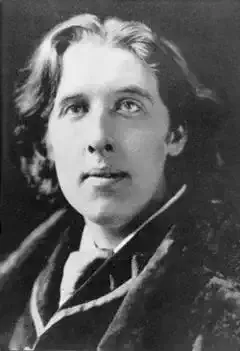
Oscar Wilde
A Vision
Two crowned Kings, and One that stood alone
With no green weight of laurels round his head,
But with sad eyes as one uncomforted,
And wearied with man's never-ceasing moan
For sins no bleating victim can atone,
And sweet long lips with tears and kisses fed.
Girt was he in a garment black and red,
And at his feet I marked a broken stone
Which sent up lilies, dove-like, to his knees.
Now at their sight, my heart being lit with flame,
I cried to Beatrice, 'Who are these?'
And she made answer, knowing well each name,
'AEschylos first, the second Sophokles,
And last (wide stream of tears!) Euripides.'
With no green weight of laurels round his head,
But with sad eyes as one uncomforted,
And wearied with man's never-ceasing moan
For sins no bleating victim can atone,
And sweet long lips with tears and kisses fed.
Girt was he in a garment black and red,
And at his feet I marked a broken stone
Which sent up lilies, dove-like, to his knees.
Now at their sight, my heart being lit with flame,
I cried to Beatrice, 'Who are these?'
And she made answer, knowing well each name,
'AEschylos first, the second Sophokles,
And last (wide stream of tears!) Euripides.'
2,016
1
Oscar Wilde
Tristitiae
O well for him who lives at ease
With garnered gold in wide domain,
Nor heeds the splashing of the rain,
The crashing down of forest trees.
O well for him who ne'er hath known
The travail of the hungry years,
A father grey with grief and tears,
A mother weeping all alone.
But well for him whose foot hath trod
The weary road of toil and strife,
Yet from the sorrows of his life.
Builds ladders to be nearer God.
With garnered gold in wide domain,
Nor heeds the splashing of the rain,
The crashing down of forest trees.
O well for him who ne'er hath known
The travail of the hungry years,
A father grey with grief and tears,
A mother weeping all alone.
But well for him whose foot hath trod
The weary road of toil and strife,
Yet from the sorrows of his life.
Builds ladders to be nearer God.
545
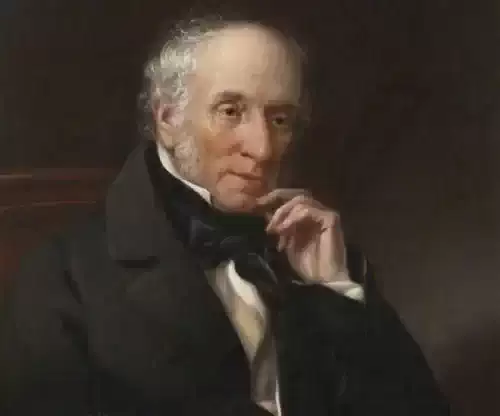
William Wordsworth
Written in London. September,
Written in London. September,
. O Friend! I know not which way I must look
For comfort, being, as I am, opprest,
To think that now our life is only drest
For show; mean handy-work of craftsman, cook,
Or groom! -- We must run glittering like a brook
In the open sunshine, or we are unblest:
The wealthiest man among us is the best:
No grandeur now in nature or in book
Delights us. Rapine, avarice, expense,
This is idolatry; and these we adore:
Plain living and high thinking are no more:
The homely beauty of the good old cause
Is gone; our peace, our fearful innocence,
And pure religion breathing household laws.
. O Friend! I know not which way I must look
For comfort, being, as I am, opprest,
To think that now our life is only drest
For show; mean handy-work of craftsman, cook,
Or groom! -- We must run glittering like a brook
In the open sunshine, or we are unblest:
The wealthiest man among us is the best:
No grandeur now in nature or in book
Delights us. Rapine, avarice, expense,
This is idolatry; and these we adore:
Plain living and high thinking are no more:
The homely beauty of the good old cause
Is gone; our peace, our fearful innocence,
And pure religion breathing household laws.
170
William Wordsworth
The Tables Turned
The Tables Turned
Up! up! my Friend, and quit your books;
Or surely you'll grow double:
Up! up! my Friend, and clear your looks;
Why all this toil and trouble?
The sun above the mountain's head,
A freshening lustre mellow
Through all the long green fields has spread,
His first sweet evening yellow.
Books! 'tis a dull and endless strife:
Come, hear the woodland linnet,
How sweet his music! on my life,
There's more of wisdom in it.
And hark! how blithe the throstle sings!
He, too, is no mean preacher:
Come forth into the light of things,
Let Nature be your teacher.
She has a world of ready wealth,
Our minds and hearts to bless--
Spontaneous wisdom breathed by health,
Truth breathed by cheerfulness.
One impulse from a vernal wood
May teach you more of man,
Of moral evil and of good,
Than all the sages can.
Sweet is the lore which Nature brings;
Our meddling intellect
Mis-shapes the beauteous forms of things:--
We murder to dissect.
Enough of Science and of Art;
Close up those barren leaves;
Come forth, and bring with you a heart
That watches and receives.
Up! up! my Friend, and quit your books;
Or surely you'll grow double:
Up! up! my Friend, and clear your looks;
Why all this toil and trouble?
The sun above the mountain's head,
A freshening lustre mellow
Through all the long green fields has spread,
His first sweet evening yellow.
Books! 'tis a dull and endless strife:
Come, hear the woodland linnet,
How sweet his music! on my life,
There's more of wisdom in it.
And hark! how blithe the throstle sings!
He, too, is no mean preacher:
Come forth into the light of things,
Let Nature be your teacher.
She has a world of ready wealth,
Our minds and hearts to bless--
Spontaneous wisdom breathed by health,
Truth breathed by cheerfulness.
One impulse from a vernal wood
May teach you more of man,
Of moral evil and of good,
Than all the sages can.
Sweet is the lore which Nature brings;
Our meddling intellect
Mis-shapes the beauteous forms of things:--
We murder to dissect.
Enough of Science and of Art;
Close up those barren leaves;
Come forth, and bring with you a heart
That watches and receives.
205
William Wordsworth
Oak and The Broom, The: A Pastoral Poem
Oak and The Broom, The: A Pastoral Poem
I
His simple truths did Andrew glean
Beside the babbling rills;
A careful student he had been
Among the woods and hills.
One winter's night, when through the trees
The wind was roaring, on his knees
His youngest born did Andrew hold:
And while the rest, a ruddy quire,
Were seated round their blazing fire,
This Tale the Shepherd told.
II
"I saw a crag, a lofty stone
As ever tempest beat!
Out of its head an Oak had grown,
A Broom out of its feet.
The time was March, a cheerful noon--
The thaw-wind, with the breath of June,
Breathed gently from the warm south-west:
When, in a voice sedate with age,
This Oak, a giant and a sage,
His neighbour thus addressed:--
III
"'Eight weary weeks, through rock and clay,
Along this mountain's edge,
The Frost hath wrought both night and day,
Wedge driving after wedge.
Look up! and think, above your head
What trouble, surely, will be bred;
Last night I heard a crash--'tis true,
The splinters took another road--
I see them yonder--what a load
For such a Thing as you!
IV
"'You are preparing as before,
To deck your slender shape;
And yet, just three years back--no more--
You had a strange escape:
Down from yon cliff a fragment broke;
It thundered down, with fire and smoke,
And hitherward pursued its way;
This ponderous block was caught by me,
And o'er your head, as you may see,
'Tis hanging to this day!
V
"'If breeze or bird to this rough steep
Your kind's first seed did bear;
The breeze had better been asleep,
The bird caught in a snare:
For you and your green twigs decoy
The little witless shepherd-boy
To come and slumber in your bower;
And, trust me, on some sultry noon,
Both you and he, Heaven knows how soon!
Will perish in one hour.
VI
"'From me this friendly warning take'--
The Broom began to doze,
And thus, to keep herself awake,
Did gently interpose:
'My thanks for your discourse are due;
That more than what you say is true,
I know, and I have known it long;
Frail is the bond by which we hold
Our being, whether young or old,
Wise, foolish, weak, or strong.
VII
"'Disasters, do the best we can,
Will reach both great and small;
And he is oft the wisest man,
Who is not wise at all.
For me, why should I wish to roam?
This spot is my paternal home,
It is my pleasant heritage;
My father many a happy year,
Spread here his careless blossoms, here
Attained a good old age.
VIII
"'Even such as his may be my lot.
What cause have I to haunt
My heart with terrors? Am I not
In truth a favoured plant!
On me such bounty Summer pours,
That I am covered o'er with flowers;
And, when the Frost is in the sky,
My branches are so fresh and gay
That you might look at me and say,
This Plant can never die.
IX
"'The butterfly, all green and gold,
To me hath often flown,
Here in my blossoms to behold
Wings lovely as his own.
When grass is chill with rain or dew,
Beneath my shade, the mother-ewe
Lies with her infant lamb; I see
The love they to each other make,
And the sweet joy which they partake,
It is a joy to me.'
X
"Her voice was blithe, her heart was light;
The Broom might have pursued
Her speech, until the stars of night
Their journey had renewed;
But in the branches of the oak
Two ravens now began to croak
Their nuptial song, a gladsome air;
And to her own green bower the breeze
That instant brought two stripling bees
To rest, or murmur there.
XI
"One night, my Children! from the north
There came a furious blast;
At break of day I ventured forth,
And near the cliff I passed.
The storm had fallen upon the Oak,
And struck him with a mighty stroke,
And whirled, and whirled him far away;
And, in one hospitable cleft,
The little careless Broom was left
To live for many a day."
I
His simple truths did Andrew glean
Beside the babbling rills;
A careful student he had been
Among the woods and hills.
One winter's night, when through the trees
The wind was roaring, on his knees
His youngest born did Andrew hold:
And while the rest, a ruddy quire,
Were seated round their blazing fire,
This Tale the Shepherd told.
II
"I saw a crag, a lofty stone
As ever tempest beat!
Out of its head an Oak had grown,
A Broom out of its feet.
The time was March, a cheerful noon--
The thaw-wind, with the breath of June,
Breathed gently from the warm south-west:
When, in a voice sedate with age,
This Oak, a giant and a sage,
His neighbour thus addressed:--
III
"'Eight weary weeks, through rock and clay,
Along this mountain's edge,
The Frost hath wrought both night and day,
Wedge driving after wedge.
Look up! and think, above your head
What trouble, surely, will be bred;
Last night I heard a crash--'tis true,
The splinters took another road--
I see them yonder--what a load
For such a Thing as you!
IV
"'You are preparing as before,
To deck your slender shape;
And yet, just three years back--no more--
You had a strange escape:
Down from yon cliff a fragment broke;
It thundered down, with fire and smoke,
And hitherward pursued its way;
This ponderous block was caught by me,
And o'er your head, as you may see,
'Tis hanging to this day!
V
"'If breeze or bird to this rough steep
Your kind's first seed did bear;
The breeze had better been asleep,
The bird caught in a snare:
For you and your green twigs decoy
The little witless shepherd-boy
To come and slumber in your bower;
And, trust me, on some sultry noon,
Both you and he, Heaven knows how soon!
Will perish in one hour.
VI
"'From me this friendly warning take'--
The Broom began to doze,
And thus, to keep herself awake,
Did gently interpose:
'My thanks for your discourse are due;
That more than what you say is true,
I know, and I have known it long;
Frail is the bond by which we hold
Our being, whether young or old,
Wise, foolish, weak, or strong.
VII
"'Disasters, do the best we can,
Will reach both great and small;
And he is oft the wisest man,
Who is not wise at all.
For me, why should I wish to roam?
This spot is my paternal home,
It is my pleasant heritage;
My father many a happy year,
Spread here his careless blossoms, here
Attained a good old age.
VIII
"'Even such as his may be my lot.
What cause have I to haunt
My heart with terrors? Am I not
In truth a favoured plant!
On me such bounty Summer pours,
That I am covered o'er with flowers;
And, when the Frost is in the sky,
My branches are so fresh and gay
That you might look at me and say,
This Plant can never die.
IX
"'The butterfly, all green and gold,
To me hath often flown,
Here in my blossoms to behold
Wings lovely as his own.
When grass is chill with rain or dew,
Beneath my shade, the mother-ewe
Lies with her infant lamb; I see
The love they to each other make,
And the sweet joy which they partake,
It is a joy to me.'
X
"Her voice was blithe, her heart was light;
The Broom might have pursued
Her speech, until the stars of night
Their journey had renewed;
But in the branches of the oak
Two ravens now began to croak
Their nuptial song, a gladsome air;
And to her own green bower the breeze
That instant brought two stripling bees
To rest, or murmur there.
XI
"One night, my Children! from the north
There came a furious blast;
At break of day I ventured forth,
And near the cliff I passed.
The storm had fallen upon the Oak,
And struck him with a mighty stroke,
And whirled, and whirled him far away;
And, in one hospitable cleft,
The little careless Broom was left
To live for many a day."
173
William Wordsworth
Most Sweet it is
Most Sweet it is
. Most sweet it is with unuplifted eyes
To pace the ground, if path be there or none,
While a fair region round the traveller lies
Which he forbears again to look upon;
Pleased rather with some soft ideal scene,
The work of Fancy, or some happy tone
Of meditation, slipping in between
The beauty coming and the beauty gone.
If Thought and Love desert us, from that day
Let us break off all commerce with the Muse:
With Thought and Love companions of our way,
Whate'er the senses take or may refuse,
The Mind's internal heaven shall shed her dews
Of inspiration on the humblest lay.
. Most sweet it is with unuplifted eyes
To pace the ground, if path be there or none,
While a fair region round the traveller lies
Which he forbears again to look upon;
Pleased rather with some soft ideal scene,
The work of Fancy, or some happy tone
Of meditation, slipping in between
The beauty coming and the beauty gone.
If Thought and Love desert us, from that day
Let us break off all commerce with the Muse:
With Thought and Love companions of our way,
Whate'er the senses take or may refuse,
The Mind's internal heaven shall shed her dews
Of inspiration on the humblest lay.
205
William Wordsworth
Inside of King's College Chapel, Cambridge
Inside of King's College Chapel, Cambridge
. Tax not the royal Saint with vain expense,
With ill-matched aims the Architect who planned--
Albeit labouring for a scanty band
Of white-robed Scholars only--this immense
And glorious Work of fine intelligence!
Give all thou canst; high Heaven rejects the lore
Of nicely-calculated less or more;
So deemed the man who fashioned for the sense
These lofty pillars, spread that branching roof
Self-poised, and scooped into ten thousand cells,
Where light and shade repose, where music dwells
Lingering--and wandering on as loth to die;
Like thoughts whose very sweetness yieldeth proof
That they were born for immortality.
. Tax not the royal Saint with vain expense,
With ill-matched aims the Architect who planned--
Albeit labouring for a scanty band
Of white-robed Scholars only--this immense
And glorious Work of fine intelligence!
Give all thou canst; high Heaven rejects the lore
Of nicely-calculated less or more;
So deemed the man who fashioned for the sense
These lofty pillars, spread that branching roof
Self-poised, and scooped into ten thousand cells,
Where light and shade repose, where music dwells
Lingering--and wandering on as loth to die;
Like thoughts whose very sweetness yieldeth proof
That they were born for immortality.
162
William Wordsworth
Character of the Happy Warrior
Character of the Happy Warrior
. Who is the happy Warrior? Who is he
That every man in arms should wish to be?
--It is the generous Spirit, who, when brought
Among the tasks of real life, hath wrought
Upon the plan that pleased his boyish thought:
Whose high endeavours are an inward light
That makes the path before him always bright;
Who, with a natural instinct to discern
What knowledge can perform, is diligent to learn;
Abides by this resolve, and stops not there,
But makes his moral being his prime care;
Who, doomed to go in company with Pain,
And Fear, and Bloodshed, miserable train!
Turns his necessity to glorious gain;
In face of these doth exercise a power
Which is our human nature's highest dower:
Controls them and subdues, transmutes, bereaves
Of their bad influence, and their good receives:
By objects, which might force the soul to abate
Her feeling, rendered more compassionate;
Is placable--because occasions rise
So often that demand such sacrifice;
More skilful in self-knowledge, even more pure,
As tempted more; more able to endure,
As more exposed to suffering and distress;
Thence, also, more alive to tenderness.
--'Tis he whose law is reason; who depends
Upon that law as on the best of friends;
Whence, in a state where men are tempted still
To evil for a guard against worse ill,
And what in quality or act is best
Doth seldom on a right foundation rest,
He labours good on good to fix, and owes
To virtue every triumph that he knows:
--Who, if he rise to station of command,
Rises by open means; and there will stand
On honourable terms, or else retire,
And in himself possess his own desire;
Who comprehends his trust, and to the same
Keeps faithful with a singleness of aim;
And therefore does not stoop, nor lie in wait
For wealth, or honours, or for worldly state;
Whom they must follow; on whose head must fall,
Like showers of manna, if they come at all:
Whose powers shed round him in the common strife,
Or mild concerns of ordinary life,
A constant influence, a peculiar grace;
But who, if he be called upon to face
Some awful moment to which Heaven has joined
Great issues, good or bad for human kind,
Is happy as a Lover; and attired
With sudden brightness, like a Man inspired;
And, through the heat of conflict, keeps the law
In calmness made, and sees what he foresaw;
Or if an unexpected call succeed,
Come when it will, is equal to the need:
--He who, though thus endued as with a sense
And faculty for storm and turbulence,
Is yet a Soul whose master-bias leans
To homefelt pleasures and to gentle scenes;
Sweet images! which, wheresoe'er he be,
Are at his heart; and such fidelity
It is his darling passion to approve;
More brave for this, that he hath much to love:--
'Tis, finally, the Man, who, lifted high,
Conspicuous object in a Nation's eye,
Or left unthought-of in obscurity,--
Who, with a toward or untoward lot,
Prosperous or adverse, to his wish or not--
Plays, in the many games of life, that one
Where what he most doth value must be won:
Whom neither shape or danger can dismay,
Nor thought of tender happiness betray;
Who, not content that former worth stand fast,
Looks forward, persevering to the last,
From well to better, daily self-surpast:
Who, whether praise of him must walk the earth
For ever, and to noble deeds give birth,
Or he must fall, to sleep without his fame,
And leave a dead unprofitable name--
Finds comfort in himself and in his cause;
And, while the mortal mist is gathering, draws
His breath in confidence of Heaven's applause:
This is the happy Warrior; this is he
That every man in arms should wish to be.
. Who is the happy Warrior? Who is he
That every man in arms should wish to be?
--It is the generous Spirit, who, when brought
Among the tasks of real life, hath wrought
Upon the plan that pleased his boyish thought:
Whose high endeavours are an inward light
That makes the path before him always bright;
Who, with a natural instinct to discern
What knowledge can perform, is diligent to learn;
Abides by this resolve, and stops not there,
But makes his moral being his prime care;
Who, doomed to go in company with Pain,
And Fear, and Bloodshed, miserable train!
Turns his necessity to glorious gain;
In face of these doth exercise a power
Which is our human nature's highest dower:
Controls them and subdues, transmutes, bereaves
Of their bad influence, and their good receives:
By objects, which might force the soul to abate
Her feeling, rendered more compassionate;
Is placable--because occasions rise
So often that demand such sacrifice;
More skilful in self-knowledge, even more pure,
As tempted more; more able to endure,
As more exposed to suffering and distress;
Thence, also, more alive to tenderness.
--'Tis he whose law is reason; who depends
Upon that law as on the best of friends;
Whence, in a state where men are tempted still
To evil for a guard against worse ill,
And what in quality or act is best
Doth seldom on a right foundation rest,
He labours good on good to fix, and owes
To virtue every triumph that he knows:
--Who, if he rise to station of command,
Rises by open means; and there will stand
On honourable terms, or else retire,
And in himself possess his own desire;
Who comprehends his trust, and to the same
Keeps faithful with a singleness of aim;
And therefore does not stoop, nor lie in wait
For wealth, or honours, or for worldly state;
Whom they must follow; on whose head must fall,
Like showers of manna, if they come at all:
Whose powers shed round him in the common strife,
Or mild concerns of ordinary life,
A constant influence, a peculiar grace;
But who, if he be called upon to face
Some awful moment to which Heaven has joined
Great issues, good or bad for human kind,
Is happy as a Lover; and attired
With sudden brightness, like a Man inspired;
And, through the heat of conflict, keeps the law
In calmness made, and sees what he foresaw;
Or if an unexpected call succeed,
Come when it will, is equal to the need:
--He who, though thus endued as with a sense
And faculty for storm and turbulence,
Is yet a Soul whose master-bias leans
To homefelt pleasures and to gentle scenes;
Sweet images! which, wheresoe'er he be,
Are at his heart; and such fidelity
It is his darling passion to approve;
More brave for this, that he hath much to love:--
'Tis, finally, the Man, who, lifted high,
Conspicuous object in a Nation's eye,
Or left unthought-of in obscurity,--
Who, with a toward or untoward lot,
Prosperous or adverse, to his wish or not--
Plays, in the many games of life, that one
Where what he most doth value must be won:
Whom neither shape or danger can dismay,
Nor thought of tender happiness betray;
Who, not content that former worth stand fast,
Looks forward, persevering to the last,
From well to better, daily self-surpast:
Who, whether praise of him must walk the earth
For ever, and to noble deeds give birth,
Or he must fall, to sleep without his fame,
And leave a dead unprofitable name--
Finds comfort in himself and in his cause;
And, while the mortal mist is gathering, draws
His breath in confidence of Heaven's applause:
This is the happy Warrior; this is he
That every man in arms should wish to be.
460
William Wordsworth
After-Thought
After-Thought
. I thought of Thee, my partner and my guide,
As being past away.--Vain sympathies!
For, backward, Duddon! as I cast my eyes,
I see what was, and is, and will abide;
Still glides the Stream, and shall for ever glide;
The Form remains, the Function never dies;
While we, the brave, the mighty, and the wise,
We Men, who in our morn of youth defied
The elements, must vanish;--be it so!
Enough, if something from our hands have power
To live, and act, and serve the future hour;
And if, as toward the silent tomb we go,
Through love, through hope, and faith's transcendent dower,
We feel that we are greater than we know.
. I thought of Thee, my partner and my guide,
As being past away.--Vain sympathies!
For, backward, Duddon! as I cast my eyes,
I see what was, and is, and will abide;
Still glides the Stream, and shall for ever glide;
The Form remains, the Function never dies;
While we, the brave, the mighty, and the wise,
We Men, who in our morn of youth defied
The elements, must vanish;--be it so!
Enough, if something from our hands have power
To live, and act, and serve the future hour;
And if, as toward the silent tomb we go,
Through love, through hope, and faith's transcendent dower,
We feel that we are greater than we know.
194
William Wordsworth
A Poet! He Hath Put his Heart to School
A Poet! He Hath Put his Heart to School
. A poet!--He hath put his heart to school,
Nor dares to move unpropped upon the staff
Which art hath lodged within his hand--must laugh
By precept only, and shed tears by rule.
Thy Art be Nature; the live current quaff,
And let the groveller sip his stagnant pool,
In fear that else, when Critics grave and cool
Have killed him, Scorn should write his epitaph.
How does the Meadow-flower its bloom unfold?
Because the lovely little flower is free
Down to its root, and, in that freedom, bold;
And so the grandeur of the Forest-tree
Comes not by casting in a formal mould,
But from its own divine vitality.
. A poet!--He hath put his heart to school,
Nor dares to move unpropped upon the staff
Which art hath lodged within his hand--must laugh
By precept only, and shed tears by rule.
Thy Art be Nature; the live current quaff,
And let the groveller sip his stagnant pool,
In fear that else, when Critics grave and cool
Have killed him, Scorn should write his epitaph.
How does the Meadow-flower its bloom unfold?
Because the lovely little flower is free
Down to its root, and, in that freedom, bold;
And so the grandeur of the Forest-tree
Comes not by casting in a formal mould,
But from its own divine vitality.
173

William Shakespeare
Sonnets xi
Sonnets xi
THEY that have power to hurt and will do none,
That do not do the thing they most do show,
Who, moving others, are themselves as stone,
Unmoved, cold, and to temptation slow--
They rightly do inherit heaven's graces,
And husband nature's riches from expense;
They are the Lords and owners of their faces,
Others, but stewards of their excellence.
The summer's flower is to the summer sweet,
Though to itself it only live and die;
But if that flower with base infection meet,
The basest weed outbraves his dignity:
For sweetest things turn sourest by their deeds;
Lilies that fester smell far worse than weeds.
THEY that have power to hurt and will do none,
That do not do the thing they most do show,
Who, moving others, are themselves as stone,
Unmoved, cold, and to temptation slow--
They rightly do inherit heaven's graces,
And husband nature's riches from expense;
They are the Lords and owners of their faces,
Others, but stewards of their excellence.
The summer's flower is to the summer sweet,
Though to itself it only live and die;
But if that flower with base infection meet,
The basest weed outbraves his dignity:
For sweetest things turn sourest by their deeds;
Lilies that fester smell far worse than weeds.
339
William Shakespeare
Sonnet XCIV: They That Have Power to Hurt and Will Do None
Sonnet XCIV: They That Have Power to Hurt and Will Do None
They that have power to hurt and will do none,
That do not do the thing they most do show,
Who, moving others, are themselves as stone,
Unmoved, cold, and to temptation slow:
They rightly do inherit heaven's graces
And husband nature's riches from expense;
They are the lords and owners of their faces,
Others but stewards of their excellence.
The summer's flower is to the summer sweet
Though to itself it only live and die,
But if that flower with base infection meet,
The basest weed outbraves his dignity:
For sweetest things turn sourest by their deeds;
Lilies that fester smell far worse than weeds.
They that have power to hurt and will do none,
That do not do the thing they most do show,
Who, moving others, are themselves as stone,
Unmoved, cold, and to temptation slow:
They rightly do inherit heaven's graces
And husband nature's riches from expense;
They are the lords and owners of their faces,
Others but stewards of their excellence.
The summer's flower is to the summer sweet
Though to itself it only live and die,
But if that flower with base infection meet,
The basest weed outbraves his dignity:
For sweetest things turn sourest by their deeds;
Lilies that fester smell far worse than weeds.
219
William Shakespeare
Sonnet LXIX
Sonnet LXIX
Those parts of thee that the world's eye doth view
Want nothing that the thought of hearts can mend;
All tongues, the voice of souls, give thee that due,
Uttering bare truth, even so as foes commend.
Thy outward thus with outward praise is crown'd;
But those same tongues that give thee so thine own
In other accents do this praise confound
By seeing farther than the eye hath shown.
They look into the beauty of thy mind,
And that, in guess, they measure by thy deeds;
Then, churls, their thoughts, although their eyes were kind,
To thy fair flower add the rank smell of weeds:
But why thy odour matcheth not thy show,
The solve is this, that thou dost common grow.
Those parts of thee that the world's eye doth view
Want nothing that the thought of hearts can mend;
All tongues, the voice of souls, give thee that due,
Uttering bare truth, even so as foes commend.
Thy outward thus with outward praise is crown'd;
But those same tongues that give thee so thine own
In other accents do this praise confound
By seeing farther than the eye hath shown.
They look into the beauty of thy mind,
And that, in guess, they measure by thy deeds;
Then, churls, their thoughts, although their eyes were kind,
To thy fair flower add the rank smell of weeds:
But why thy odour matcheth not thy show,
The solve is this, that thou dost common grow.
273
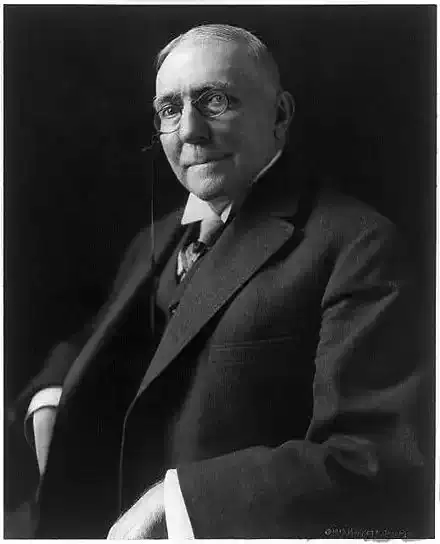
James Whitcomb Riley
Doc Sifers
Doc Sifers
Of all the doctors I could cite you to in this-'ere town
Doc Sifers is my favorite, jes' take him up and down!
Count in the Bethel Neighberhood, and Rollins, and Big Bear,
And Sifers' standin's jes' as good as ary doctor's there!
There's old Doc Wick, and Glenn, and Hall, and Wurgler, and McVeigh,
But I'll buck Sifers 'ginst 'em all and down 'em any day!
Most old Wick ever knowed, I s'pose, was _whisky!_ Wurgler--well,
He et morphine--ef actions shows, and facts' reliable!
But Sifers--though he ain't no sot, he's got his faults; and yit
When you _git_ Sifers one't, you've got _a doctor_, don't fergit!
He ain't much at his office, er his house, er anywhere
You'd natchurly think certain far to ketch the feller there.--
But don't blame Doc: he's got all sorts o' cur'ous notions--as
The feller says; his odd-come-shorts, like smart men mostly has.
He'll more'n like be potter'n 'round the Blacksmith Shop; er in
Some back lot, spadin' up the ground, er gradin' it agin.
Er at the workbench, planin' things; er buildin' little traps
To ketch birds; galvenizin' rings; er graftin' plums, perhaps.
Make anything! good as the best!--a gunstock--er a flute;
He whittled out a set o' chesstmen one't o' laurel root,
Durin' the Army--got his trade o' surgeon there--I own
To-day a finger-ring Doc made out of a Sesesh bone!
An' glued a fiddle one't far me--jes' all so busted you
'D a throwed the thing away, but he fixed her as good as new!
And take Doc, now, in _ager_, say, er _biles_, er _rheumatiz_,
And all afflictions thataway, and he's the best they is!
Er janders--milksick--I don't keer--k-yore anything he tries--
A abscess; getherin' in yer yeer; er granilated eyes!
There was the Widder Daubenspeck they all give up far dead;
A blame cowbuncle on her neck, and clean out of her head!
First had this doctor, what's-his-name, from 'Puddlesburg,' and then
This little red-head, 'Burnin' Shame' they call him--Dr. Glenn.
And they 'consulted' on the case, and claimed she'd haf to die,--
I jes' was joggin' by the place, and heerd her dorter cry,
And stops and calls her to the fence; and I-says-I, 'Let me
Send Sifers--bet you fifteen cents he'll k-yore her!' 'Well,' says
she,
'Light out!' she says: And, lipp-tee-cut! I loped in town, and rid
'Bout two hours more to find him, but I kussed him when I did!
He was down at the Gunsmith Shop a-stuffin' birds! Says he,
'My sulky's broke.' Says I, 'You hop right on and ride with me!'
I got him there.--'Well, Aunty, ten days k-yores you,' Sifers said,
'But what's yer idy livin' when yer jes' as good as dead?'
And there's Dave Banks--jes' back from war without a scratch--one
day
Got ketched up in a sickle-bar, a reaper runaway.--
His shoulders, arms, and hands and legs jes' sawed in strips! And
Jake
Dunn starts far Sifers--feller begs to shoot him far God-sake.
Doc, 'course, was gone, but he had penned the notice, 'At Big Bear--
Be back to-morry; Gone to 'tend the Bee Convention there.'
But Jake, he tracked him--rid and rode the whole endurin' night!
And 'bout the time the roosters crowed they both hove into sight.
Doc had to ampitate, but 'greed to save Dave's arms, and swore
He could a-saved his legs ef he'd ben there the day before.
Like when his wife's own mother died 'fore Sifers could be found,
And all the neighbors far and wide a' all jes' chasin' round;
Tel finally--I had to laugh--it's jes' like Doc, you know,--
Was learnin' far to telegraph, down at the old deepo.
But all they're faultin' Sifers far, there's none of 'em kin say
He's biggoty, er keerless, er not posted anyway;
He ain't built on the common plan of doctors now-a-days,
He's jes' a great, big, brainy man--that's where the trouble lays!
Of all the doctors I could cite you to in this-'ere town
Doc Sifers is my favorite, jes' take him up and down!
Count in the Bethel Neighberhood, and Rollins, and Big Bear,
And Sifers' standin's jes' as good as ary doctor's there!
There's old Doc Wick, and Glenn, and Hall, and Wurgler, and McVeigh,
But I'll buck Sifers 'ginst 'em all and down 'em any day!
Most old Wick ever knowed, I s'pose, was _whisky!_ Wurgler--well,
He et morphine--ef actions shows, and facts' reliable!
But Sifers--though he ain't no sot, he's got his faults; and yit
When you _git_ Sifers one't, you've got _a doctor_, don't fergit!
He ain't much at his office, er his house, er anywhere
You'd natchurly think certain far to ketch the feller there.--
But don't blame Doc: he's got all sorts o' cur'ous notions--as
The feller says; his odd-come-shorts, like smart men mostly has.
He'll more'n like be potter'n 'round the Blacksmith Shop; er in
Some back lot, spadin' up the ground, er gradin' it agin.
Er at the workbench, planin' things; er buildin' little traps
To ketch birds; galvenizin' rings; er graftin' plums, perhaps.
Make anything! good as the best!--a gunstock--er a flute;
He whittled out a set o' chesstmen one't o' laurel root,
Durin' the Army--got his trade o' surgeon there--I own
To-day a finger-ring Doc made out of a Sesesh bone!
An' glued a fiddle one't far me--jes' all so busted you
'D a throwed the thing away, but he fixed her as good as new!
And take Doc, now, in _ager_, say, er _biles_, er _rheumatiz_,
And all afflictions thataway, and he's the best they is!
Er janders--milksick--I don't keer--k-yore anything he tries--
A abscess; getherin' in yer yeer; er granilated eyes!
There was the Widder Daubenspeck they all give up far dead;
A blame cowbuncle on her neck, and clean out of her head!
First had this doctor, what's-his-name, from 'Puddlesburg,' and then
This little red-head, 'Burnin' Shame' they call him--Dr. Glenn.
And they 'consulted' on the case, and claimed she'd haf to die,--
I jes' was joggin' by the place, and heerd her dorter cry,
And stops and calls her to the fence; and I-says-I, 'Let me
Send Sifers--bet you fifteen cents he'll k-yore her!' 'Well,' says
she,
'Light out!' she says: And, lipp-tee-cut! I loped in town, and rid
'Bout two hours more to find him, but I kussed him when I did!
He was down at the Gunsmith Shop a-stuffin' birds! Says he,
'My sulky's broke.' Says I, 'You hop right on and ride with me!'
I got him there.--'Well, Aunty, ten days k-yores you,' Sifers said,
'But what's yer idy livin' when yer jes' as good as dead?'
And there's Dave Banks--jes' back from war without a scratch--one
day
Got ketched up in a sickle-bar, a reaper runaway.--
His shoulders, arms, and hands and legs jes' sawed in strips! And
Jake
Dunn starts far Sifers--feller begs to shoot him far God-sake.
Doc, 'course, was gone, but he had penned the notice, 'At Big Bear--
Be back to-morry; Gone to 'tend the Bee Convention there.'
But Jake, he tracked him--rid and rode the whole endurin' night!
And 'bout the time the roosters crowed they both hove into sight.
Doc had to ampitate, but 'greed to save Dave's arms, and swore
He could a-saved his legs ef he'd ben there the day before.
Like when his wife's own mother died 'fore Sifers could be found,
And all the neighbors far and wide a' all jes' chasin' round;
Tel finally--I had to laugh--it's jes' like Doc, you know,--
Was learnin' far to telegraph, down at the old deepo.
But all they're faultin' Sifers far, there's none of 'em kin say
He's biggoty, er keerless, er not posted anyway;
He ain't built on the common plan of doctors now-a-days,
He's jes' a great, big, brainy man--that's where the trouble lays!
284
James Whitcomb Riley
As My Uncle Used To Say
As My Uncle Used To Say
I've thought a power on men and things,
As my uncle ust to say,--
And ef folks don't work as they pray, i jings!
W'y, they ain't no use to pray!
Ef you want somepin', and jes dead-set
A-pleadin' fer it with both eyes wet,
And _tears_ won't bring it, w'y, you try _sweat_,
As my uncle ust to say.
They's some don't know their A, B, Cs,
As my uncle ust to say,
And yit don't waste no candle-grease,
Ner whistle their lives away!
But ef they can't write no book, ner rhyme
No ringin' song fer to last all time,
They can blaze the way fer the march sublime,
As my uncle ust to say.
Whoever's Foreman of all things here,
As my uncle ust to say,
He knows each job 'at we 're best fit fer,
And our round-up, night and day:
And a-sizin' _His_ work, east and west,
And north and south, and worst and best
I ain't got nothin' to suggest,
As my uncle ust to say.
I've thought a power on men and things,
As my uncle ust to say,--
And ef folks don't work as they pray, i jings!
W'y, they ain't no use to pray!
Ef you want somepin', and jes dead-set
A-pleadin' fer it with both eyes wet,
And _tears_ won't bring it, w'y, you try _sweat_,
As my uncle ust to say.
They's some don't know their A, B, Cs,
As my uncle ust to say,
And yit don't waste no candle-grease,
Ner whistle their lives away!
But ef they can't write no book, ner rhyme
No ringin' song fer to last all time,
They can blaze the way fer the march sublime,
As my uncle ust to say.
Whoever's Foreman of all things here,
As my uncle ust to say,
He knows each job 'at we 're best fit fer,
And our round-up, night and day:
And a-sizin' _His_ work, east and west,
And north and south, and worst and best
I ain't got nothin' to suggest,
As my uncle ust to say.
275
James Whitcomb Riley
A Worn-Out Pencil
A Worn-Out Pencil
Welladay!
Here I lay
You at rest--all worn away,
O my pencil, to the tip
Of our old companionship!
Memory
Sighs to see
What you are, and used to be,
Looking backward to the time
When you wrote your earliest rhyme!--
When I sat
Filing at
Your first point, and dreaming that
Your initial song should be
Worthy of posterity.
With regret
I forget
If the song be living yet,
Yet remember, vaguely now,
It was honest, anyhow.
You have brought
Me a thought--
Truer yet was never taught,--
That the silent song is best,
And the unsung worthiest.
So if I,
When I die,
May as uncomplainingly
Drop aside as now you do,
Write of me, as I of you:--
Here lies one
Who begun
Life a-singing, heard of none;
And he died, satisfied,
With his dead songs by his side.
Welladay!
Here I lay
You at rest--all worn away,
O my pencil, to the tip
Of our old companionship!
Memory
Sighs to see
What you are, and used to be,
Looking backward to the time
When you wrote your earliest rhyme!--
When I sat
Filing at
Your first point, and dreaming that
Your initial song should be
Worthy of posterity.
With regret
I forget
If the song be living yet,
Yet remember, vaguely now,
It was honest, anyhow.
You have brought
Me a thought--
Truer yet was never taught,--
That the silent song is best,
And the unsung worthiest.
So if I,
When I die,
May as uncomplainingly
Drop aside as now you do,
Write of me, as I of you:--
Here lies one
Who begun
Life a-singing, heard of none;
And he died, satisfied,
With his dead songs by his side.
269
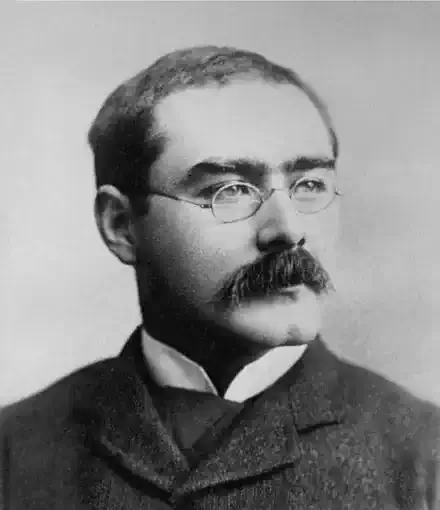
Rudyard Kipling
Outsong in the Jungle
Outsong in the Jungle
Baloo
For the sake of him who showed
One wise Frog the Jungle-Road,
Keep the Law the Man-Pack make
For thy blind old Baloo's sake!
Clean or tainted, hot or stale,
Hold it as it were the Trail,
Through the day and through the night,
Questing neither left nor right.
For the sake of him who loves
Thee beyond all else that moves,
When thy Pack would make thee pain,
Say: " Tabaqui sings again."
When thy Pack would work thee ill,
Say: "Shere Khan is yet to kill."
When the knife is drawn to slay,
Keep the Law and go thy way.
(Root and honey, palm and spathe,
Guard a cub from harm and scathe!)
Wood and Water, Wind and Tree,
Jungle-Favour go with thee!
Kaa
Anger is the egg of Fear--
Only lidless eyes see clear.
Cobra-poison none may leech--
Even so with Cobra-speech.
Open talk shall call to thee
Strength, whose mate is Courtesy.
Send no lunge beyond thy length.
Lend no rotten bough thy strength.
Gauge thy gape with buck or goat,
Lest thine eye should choke thy throat.
After gorging, wouldst thou sleep ?
Look thy den be hid and deep,
Lest a wrong, by thee forgot,
Draw thy killer to the spot.
East and West and North and South,
Wash thy hide and close thy mouth.
(Pit and rift and blue pool-brim,
Middle-Jungle follow him!)
Wood and Water, Wind and Tree,
Jungle-Favour go with thee!
Bagheera
In the cage my life began;
Well I know the worth of Man.
By the Broken Lock that freed--
Man-cub, ware the Man-cub's breed!
Scenting-dew or starlight pale,
Choose no tangled tree-cat trail.
Pack or council, hunt or den,
Cry no truce with Jackal-Men.
Feed them silence when they say:
"Come with us an easy way."
Feed them silence when they seek
Help of thine to hurt the weak.
Make no bandar's boast of skill;
Hold thy peace above the kill.
Let nor call nor song nor sign
Turn thee from thy hunting-line.
(Morning mist or twilight clear,
Serve him, Wardens of the Deer!)
Wood and Water, Wind and Tree,
Jungle-Favour go with thee!
The Three
On the trail that thou must tread
To the threshold of our dread,
Where the Flower blossoms red;
Through the nights when thou shalt lie
Prisoned from our Mother-sky,
Hearing us, thy loves, go by;
In the dawns when thou. shalt wake
To the toil thou canst not break,
Heartsick for the Jungle's sake;
Wood and Water, Wind air Tree,
Wisdom, Strength, and Courtesy,
Jungle-Favour go with thee!
Baloo
For the sake of him who showed
One wise Frog the Jungle-Road,
Keep the Law the Man-Pack make
For thy blind old Baloo's sake!
Clean or tainted, hot or stale,
Hold it as it were the Trail,
Through the day and through the night,
Questing neither left nor right.
For the sake of him who loves
Thee beyond all else that moves,
When thy Pack would make thee pain,
Say: " Tabaqui sings again."
When thy Pack would work thee ill,
Say: "Shere Khan is yet to kill."
When the knife is drawn to slay,
Keep the Law and go thy way.
(Root and honey, palm and spathe,
Guard a cub from harm and scathe!)
Wood and Water, Wind and Tree,
Jungle-Favour go with thee!
Kaa
Anger is the egg of Fear--
Only lidless eyes see clear.
Cobra-poison none may leech--
Even so with Cobra-speech.
Open talk shall call to thee
Strength, whose mate is Courtesy.
Send no lunge beyond thy length.
Lend no rotten bough thy strength.
Gauge thy gape with buck or goat,
Lest thine eye should choke thy throat.
After gorging, wouldst thou sleep ?
Look thy den be hid and deep,
Lest a wrong, by thee forgot,
Draw thy killer to the spot.
East and West and North and South,
Wash thy hide and close thy mouth.
(Pit and rift and blue pool-brim,
Middle-Jungle follow him!)
Wood and Water, Wind and Tree,
Jungle-Favour go with thee!
Bagheera
In the cage my life began;
Well I know the worth of Man.
By the Broken Lock that freed--
Man-cub, ware the Man-cub's breed!
Scenting-dew or starlight pale,
Choose no tangled tree-cat trail.
Pack or council, hunt or den,
Cry no truce with Jackal-Men.
Feed them silence when they say:
"Come with us an easy way."
Feed them silence when they seek
Help of thine to hurt the weak.
Make no bandar's boast of skill;
Hold thy peace above the kill.
Let nor call nor song nor sign
Turn thee from thy hunting-line.
(Morning mist or twilight clear,
Serve him, Wardens of the Deer!)
Wood and Water, Wind and Tree,
Jungle-Favour go with thee!
The Three
On the trail that thou must tread
To the threshold of our dread,
Where the Flower blossoms red;
Through the nights when thou shalt lie
Prisoned from our Mother-sky,
Hearing us, thy loves, go by;
In the dawns when thou. shalt wake
To the toil thou canst not break,
Heartsick for the Jungle's sake;
Wood and Water, Wind air Tree,
Wisdom, Strength, and Courtesy,
Jungle-Favour go with thee!
400
Rudyard Kipling
Our Fathers Also
Our Fathers Also
Thrones, Powers, Dominions, Peoples, Kings,
Are changing 'neath our hand.
Our fathers also see these things
But they do not understand.
By--they are by with mirth and tears,
Wit or the works of Desire-
Cushioned about on the kindly years
Between the wall and the fire.
The grapes are pressed, the corn is shocked--
Standeth no more to glean;
For the Gates of Love and Learning locked
When they went out between.
All lore our Lady Venus bares,
Signalled it was or told
By the dear lips long given to theirs
And longer to the mould.
All Profit, all Device, all Truth,
Written it was or said
By the mighty men of their mighty youth,
Which is mighty being dead.
The film that floats before their eyes
The Temple's Veil they call;
And the dust that on the Shewbread lies
Is holy over all.
Warn them of seas that slip our yoke,
Of slow-conspiring stars-
The ancient Front of Things unbroke
But heavy with new wars?
By--they are by with mirth and tears,
Wit or the waste of Desire-
Cushioned about on the kindly years
Between the wall and the fire!
Thrones, Powers, Dominions, Peoples, Kings,
Are changing 'neath our hand.
Our fathers also see these things
But they do not understand.
By--they are by with mirth and tears,
Wit or the works of Desire-
Cushioned about on the kindly years
Between the wall and the fire.
The grapes are pressed, the corn is shocked--
Standeth no more to glean;
For the Gates of Love and Learning locked
When they went out between.
All lore our Lady Venus bares,
Signalled it was or told
By the dear lips long given to theirs
And longer to the mould.
All Profit, all Device, all Truth,
Written it was or said
By the mighty men of their mighty youth,
Which is mighty being dead.
The film that floats before their eyes
The Temple's Veil they call;
And the dust that on the Shewbread lies
Is holy over all.
Warn them of seas that slip our yoke,
Of slow-conspiring stars-
The ancient Front of Things unbroke
But heavy with new wars?
By--they are by with mirth and tears,
Wit or the waste of Desire-
Cushioned about on the kindly years
Between the wall and the fire!
432
Rudyard Kipling
One Viceroy Resigns
One Viceroy Resigns
(Lord Dufferin to Lord Lansdowne)
So here's your Empire. No more wine, then?
Good.
We'll clear the Aides and khitmatgars away.
(You'll know that fat old fellow with the knife --
He keeps the Name Book, talks in English too,
And almost thinks himself the Government.)
O Youth, Youth, Youth! Forgive me, you're so young.
Forty from sixty -- twenty years of work
And power to back the working. Ay def mi!
You want to know, you want to see, to touch,
And, by your lights, to act. It's natural.
I wonder can I help you. Let me try.
You saw -- what did you see from Bombay east?
Enough to frighten any one but me?
Neat that! It frightened Me in Eighty-Four!
You shouldn't take a man from Canada
And bid him smoke in powder-magazines;
Nor with a Reputation such as -- Bah!
That ghost has haunted me for twenty years,
My Reputation now full blown -- Your fault --
Yours, with your stories of the strife at Home,
Who's up, who's down, who leads and who is led --
One reads so much, one hears so little here.
Well, now's your turn of exile. I go back
To Rome and leisure. All roads lead to Rome,
Or books -- the refuge of the destitute.
When you ... that brings me back to India. See!
Start clear. I couldn't. Egypt served my turn.
You'll never plumb the Oriental mind,
And if you did it isn't worth the toil.
Think of a sleek French priest in Canada;
Divide by twenty half-breeds. Multiply
By twice the Sphinx's silence. There's your East,
And you're as wise as ever. So am I.
Accept on trust and work in darkness, strike
At venture, stumble forward, make your mark,
(It's chalk on granite), then thank God no flame
Leaps from the rock to shrivel mark and man.
I'm clear -- my mark is made. Three months of drought
Had ruined much. It rained and washed away
The specks that might have gathered on my Name.
I took a country twice the size of France,
And shuttered up one doorway in the North.
I stand by those. You'll find that both will pay,
I pledged my Name on both -- they're yours to-night.
Hold to them -- they hold fame enough for two.
I'm old, but I shall live till Burma pays.
Men there -- not German traders -- Crsthw-te knows --
You'll find it in my papers. For the North
Guns always -- quietly -- but always guns.
You've seen your Council? Yes, they'll try to rule,
And prize their Reputations. Have you met
A grim lay-reader with a taste for coins,
And faith in Sin most men withhold from God?
He's gone to England. R-p-n knew his grip
And kicked. A Council always has its H-pes.
They look for nothing from the West but Death
Or Bath or Bournemouth. Here's their ground.
They fight
Until the middle classes take them back,
One of ten millions plus a C.S.I.
Or drop in harness. Legion of the Lost?
Not altogether -- earnest, narrow men,
But chiefly earnest, and they'll do your work,
And end by writing letters to the Times,
(Shall I write letters, answering H-nt-r -- fawn
With R-p-n on the Yorkshire grocers? Ugh!)
They have their Reputations. Look to one --
I work with him -- the smallest of them all,
White-haired, red-faced, who sat the plunging horse
Out in the garden. He's your right-hand man,
And dreams of tilting W-ls-y from the throne,
But while he dreams gives work we cannot buy;
He has his Reputation -- wants the Lords
By way of Frontier Roads. Meantime, I think,
He values very much the hand that falls
Upon his shoulder at the Council table --
Hates cats and knows his business; which is yours.
Your business! twice a hundered million souls.
Your business! I could tell you what I did
Some nights of Eighty-Five, at Simla, worth
A Kingdom's ransom. When a big ship drives,
God knows to what new reef the man at the whee!
Prays with the passengers. They lose their lives,
Or rescued go their way; but he's no man
To take his trick at the wheel again -- that's worse
Than drowning. Well, a galled Mashobra mule
(You'll see Mashobra) passed me on the Mall,
And I was -- some fool's wife and ducked and bowed
To show the others I would stop and speak.
Then the mule fell -- three galls, a hund-breadth each,
Behind the withers. Mrs. Whatsisname
Leers at the mule and me by turns, thweet thoul!
"How could they make him carry such a load!"
I saw -- it isn't often I dream dreams --
More than the mule that minute -- smoke and flame
From Simla to the haze below. That's weak.
You're younger. You'll dream dreams before you've done.
You've youth, that's one -- good workmen -- that means two
Fair chances in your favor. Fate's the third.
I know what I did. Do you ask me, "Preach"?
I answer by my past or else go back
To platitudes of rule -- or take you thus
In confidence and say: "You know the trick:
You've governed Canada. You know. You know!"
And all the while commend you to Fate's hand
(Here at the top on loses sight o' God),
Commend you, then, to something more than you --
The Other People's blunders and
. . . that's all.
I'd agonize to serve you if I could.
It's incommunicable, like the cast
That drops the tackle with the gut adry.
Too much -- too little -- there's your salmon lost!
And so I tell you nothing --with you luck,
And wonder -- how I wonder! -- for your sake
And triumph for my own. You're young, you're young,
You hold to half a hundred Shibboleths.
I'm old. I followed Power to the last,
Gave her my best, and Power followed Me.
It's worth it -- on my sould I'm speaking plain,
Here by the claret glasses! -- worth it all.
I gave -- no matter what I gave -- I win.
I know I win. Mine's work, good work that lives!
A country twice the size of France -- the North
Safeguarded. That's my record: sink the rest
And better if you can. The Rains may serve,
Rupees may rise -- three pence will give you Fame --
It's rash to hope for sixpence -- If they rise
Get guns, more guns, and lift the salt-tax.
Oh!
I told you what the Congress meant or thought?
I'll answer nothing. Half a year will prove
The full extent of time and thought you'll spare
To Congress. Ask a Lady Doctor once
How little Begums see the light -- deduce
Thence how the True Reformer's child is born.
It's interesting, curious . . . and vile.
I told the Turk he was a gentlman.
I told the Russian that his Tartar veins
Bled pure Parisian ichor; and he purred.
The Congress doesn't purr. I think it swears.
You're young -- you'll swear to ere you've reached the end.
The End! God help you, if there be a God.
(There must be one to startle Gl-dst-ne's soul
In that new land where all the wires are cut.
And Cr-ss snores anthems on the asphodel.)
God help you! And I'd help you if I could,
But that's beyond me. Yes, your speech was crude.
Sound claret after olives -- yours and mine;
But Medoc slips into vin ordinaire.
(I'll drink my first at Genoa to your health.)
Raise it to Hock. You'll never catch my style.
And, after all, the middle-classes grip
The middle-class -- for Brompton talk Earl's Court.
Perhaps you're right. I'll see you in the Times --
A quarter-column of eye-searing print,
A leader once a quarter -- then a war;
The Strand abellow through the fog: "Defeat!"
"'Orrible slaughter!" While you lie awake
And wonder. Oh, you'll wonder ere you're free!
I wonder now. The four years slide away
So fast, so fast, and leave me here alone.
R-y, C-lv-n, L-l, R-b-rts, B-ck, the rest,
Princes and Powers of Darkness troops and trains,
(I cannot sleep in trains), land piled on land,
Whitewash and weariness, red rockets, dust,
White snows that mocked me, palaces -- with draughts,
And W-stl-nd with the drafts he couldn't pay,
Poor W-ls-n reading his obituary.
Before he died, and H-pe, the man with bones,
And A-tch-s-n a dripping mackintosh
At Council in the Rains, his grating "Sirrr"
Half drowned by H-nt-r's silky: "Bat my lahnd."
Hunterian always: M-rsh-l spinning plates
Or standing on his head; the Rent Bill's roar,
A hundred thousand speeches, must red cloth,
And Smiths thrice happy if I call them Jones,
(I can't remember half their names) or reined
My pony on the Mall to greet their wives.
More trains, more troops, more dust, and then all's done.
Four years, and I forget. If I forget
How will they bear me in their minds? The North
Safeguarded -- nearly (R-b-rts knows the rest),
A country twice the size of France annexed.
That stays at least. The rest may pass -- may pass --
Your heritage -- and I can teach you nought.
"High trust," "vast honor," "interests twice as vast,"
"Due reverence to your Council" -- keep to those.
I envy you the twenty years you've gained,
But not the five to follow. What's that? One?
Two! -- Surely not so late. Good-night. Don't dream.
(Lord Dufferin to Lord Lansdowne)
So here's your Empire. No more wine, then?
Good.
We'll clear the Aides and khitmatgars away.
(You'll know that fat old fellow with the knife --
He keeps the Name Book, talks in English too,
And almost thinks himself the Government.)
O Youth, Youth, Youth! Forgive me, you're so young.
Forty from sixty -- twenty years of work
And power to back the working. Ay def mi!
You want to know, you want to see, to touch,
And, by your lights, to act. It's natural.
I wonder can I help you. Let me try.
You saw -- what did you see from Bombay east?
Enough to frighten any one but me?
Neat that! It frightened Me in Eighty-Four!
You shouldn't take a man from Canada
And bid him smoke in powder-magazines;
Nor with a Reputation such as -- Bah!
That ghost has haunted me for twenty years,
My Reputation now full blown -- Your fault --
Yours, with your stories of the strife at Home,
Who's up, who's down, who leads and who is led --
One reads so much, one hears so little here.
Well, now's your turn of exile. I go back
To Rome and leisure. All roads lead to Rome,
Or books -- the refuge of the destitute.
When you ... that brings me back to India. See!
Start clear. I couldn't. Egypt served my turn.
You'll never plumb the Oriental mind,
And if you did it isn't worth the toil.
Think of a sleek French priest in Canada;
Divide by twenty half-breeds. Multiply
By twice the Sphinx's silence. There's your East,
And you're as wise as ever. So am I.
Accept on trust and work in darkness, strike
At venture, stumble forward, make your mark,
(It's chalk on granite), then thank God no flame
Leaps from the rock to shrivel mark and man.
I'm clear -- my mark is made. Three months of drought
Had ruined much. It rained and washed away
The specks that might have gathered on my Name.
I took a country twice the size of France,
And shuttered up one doorway in the North.
I stand by those. You'll find that both will pay,
I pledged my Name on both -- they're yours to-night.
Hold to them -- they hold fame enough for two.
I'm old, but I shall live till Burma pays.
Men there -- not German traders -- Crsthw-te knows --
You'll find it in my papers. For the North
Guns always -- quietly -- but always guns.
You've seen your Council? Yes, they'll try to rule,
And prize their Reputations. Have you met
A grim lay-reader with a taste for coins,
And faith in Sin most men withhold from God?
He's gone to England. R-p-n knew his grip
And kicked. A Council always has its H-pes.
They look for nothing from the West but Death
Or Bath or Bournemouth. Here's their ground.
They fight
Until the middle classes take them back,
One of ten millions plus a C.S.I.
Or drop in harness. Legion of the Lost?
Not altogether -- earnest, narrow men,
But chiefly earnest, and they'll do your work,
And end by writing letters to the Times,
(Shall I write letters, answering H-nt-r -- fawn
With R-p-n on the Yorkshire grocers? Ugh!)
They have their Reputations. Look to one --
I work with him -- the smallest of them all,
White-haired, red-faced, who sat the plunging horse
Out in the garden. He's your right-hand man,
And dreams of tilting W-ls-y from the throne,
But while he dreams gives work we cannot buy;
He has his Reputation -- wants the Lords
By way of Frontier Roads. Meantime, I think,
He values very much the hand that falls
Upon his shoulder at the Council table --
Hates cats and knows his business; which is yours.
Your business! twice a hundered million souls.
Your business! I could tell you what I did
Some nights of Eighty-Five, at Simla, worth
A Kingdom's ransom. When a big ship drives,
God knows to what new reef the man at the whee!
Prays with the passengers. They lose their lives,
Or rescued go their way; but he's no man
To take his trick at the wheel again -- that's worse
Than drowning. Well, a galled Mashobra mule
(You'll see Mashobra) passed me on the Mall,
And I was -- some fool's wife and ducked and bowed
To show the others I would stop and speak.
Then the mule fell -- three galls, a hund-breadth each,
Behind the withers. Mrs. Whatsisname
Leers at the mule and me by turns, thweet thoul!
"How could they make him carry such a load!"
I saw -- it isn't often I dream dreams --
More than the mule that minute -- smoke and flame
From Simla to the haze below. That's weak.
You're younger. You'll dream dreams before you've done.
You've youth, that's one -- good workmen -- that means two
Fair chances in your favor. Fate's the third.
I know what I did. Do you ask me, "Preach"?
I answer by my past or else go back
To platitudes of rule -- or take you thus
In confidence and say: "You know the trick:
You've governed Canada. You know. You know!"
And all the while commend you to Fate's hand
(Here at the top on loses sight o' God),
Commend you, then, to something more than you --
The Other People's blunders and
. . . that's all.
I'd agonize to serve you if I could.
It's incommunicable, like the cast
That drops the tackle with the gut adry.
Too much -- too little -- there's your salmon lost!
And so I tell you nothing --with you luck,
And wonder -- how I wonder! -- for your sake
And triumph for my own. You're young, you're young,
You hold to half a hundred Shibboleths.
I'm old. I followed Power to the last,
Gave her my best, and Power followed Me.
It's worth it -- on my sould I'm speaking plain,
Here by the claret glasses! -- worth it all.
I gave -- no matter what I gave -- I win.
I know I win. Mine's work, good work that lives!
A country twice the size of France -- the North
Safeguarded. That's my record: sink the rest
And better if you can. The Rains may serve,
Rupees may rise -- three pence will give you Fame --
It's rash to hope for sixpence -- If they rise
Get guns, more guns, and lift the salt-tax.
Oh!
I told you what the Congress meant or thought?
I'll answer nothing. Half a year will prove
The full extent of time and thought you'll spare
To Congress. Ask a Lady Doctor once
How little Begums see the light -- deduce
Thence how the True Reformer's child is born.
It's interesting, curious . . . and vile.
I told the Turk he was a gentlman.
I told the Russian that his Tartar veins
Bled pure Parisian ichor; and he purred.
The Congress doesn't purr. I think it swears.
You're young -- you'll swear to ere you've reached the end.
The End! God help you, if there be a God.
(There must be one to startle Gl-dst-ne's soul
In that new land where all the wires are cut.
And Cr-ss snores anthems on the asphodel.)
God help you! And I'd help you if I could,
But that's beyond me. Yes, your speech was crude.
Sound claret after olives -- yours and mine;
But Medoc slips into vin ordinaire.
(I'll drink my first at Genoa to your health.)
Raise it to Hock. You'll never catch my style.
And, after all, the middle-classes grip
The middle-class -- for Brompton talk Earl's Court.
Perhaps you're right. I'll see you in the Times --
A quarter-column of eye-searing print,
A leader once a quarter -- then a war;
The Strand abellow through the fog: "Defeat!"
"'Orrible slaughter!" While you lie awake
And wonder. Oh, you'll wonder ere you're free!
I wonder now. The four years slide away
So fast, so fast, and leave me here alone.
R-y, C-lv-n, L-l, R-b-rts, B-ck, the rest,
Princes and Powers of Darkness troops and trains,
(I cannot sleep in trains), land piled on land,
Whitewash and weariness, red rockets, dust,
White snows that mocked me, palaces -- with draughts,
And W-stl-nd with the drafts he couldn't pay,
Poor W-ls-n reading his obituary.
Before he died, and H-pe, the man with bones,
And A-tch-s-n a dripping mackintosh
At Council in the Rains, his grating "Sirrr"
Half drowned by H-nt-r's silky: "Bat my lahnd."
Hunterian always: M-rsh-l spinning plates
Or standing on his head; the Rent Bill's roar,
A hundred thousand speeches, must red cloth,
And Smiths thrice happy if I call them Jones,
(I can't remember half their names) or reined
My pony on the Mall to greet their wives.
More trains, more troops, more dust, and then all's done.
Four years, and I forget. If I forget
How will they bear me in their minds? The North
Safeguarded -- nearly (R-b-rts knows the rest),
A country twice the size of France annexed.
That stays at least. The rest may pass -- may pass --
Your heritage -- and I can teach you nought.
"High trust," "vast honor," "interests twice as vast,"
"Due reverence to your Council" -- keep to those.
I envy you the twenty years you've gained,
But not the five to follow. What's that? One?
Two! -- Surely not so late. Good-night. Don't dream.
508
Rudyard Kipling
If -
If -
If you can keep your head when all about you
Are losing theirs and blaming it on you;
If you can trust yourself when all men doubt you,
But make allowance for their doubting too;
If you can wait and not be tired by waiting,
Or, being lied about, don't deal in lies,
Or, being hated, don't give way to hating,
And yet don't look too good, nor talk too wise;
If you can dream - and not make dreams your master;
If you can think - and not make thoughts your aim;
If you can meet with triumph and disaster
And treat those two imposters just the same;
If you can bear to hear the truth you've spoken
Twisted by knaves to make a trap for fools,
Or watch the things you gave your life to broken,
And stoop and build 'em up with wornout tools;
If you can make one heap of all your winnings
And risk it on one turn of pitch-and-toss,
And lose, and start again at your beginnings
And never breath a word about your loss;
If you can force your heart and nerve and sinew
To serve your turn long after they are gone,
And so hold on when there is nothing in you
Except the Will which says to them: "Hold on";
If you can talk with crowds and keep your virtue,
Or walk with kings - nor lose the common touch;
If neither foes nor loving friends can hurt you;
If all men count with you, but none too much;
If you can fill the unforgiving minute
With sixty seconds' worth of distance run -
Yours is the Earth and everything that's in it,
And - which is more - you'll be a Man my son!
If you can keep your head when all about you
Are losing theirs and blaming it on you;
If you can trust yourself when all men doubt you,
But make allowance for their doubting too;
If you can wait and not be tired by waiting,
Or, being lied about, don't deal in lies,
Or, being hated, don't give way to hating,
And yet don't look too good, nor talk too wise;
If you can dream - and not make dreams your master;
If you can think - and not make thoughts your aim;
If you can meet with triumph and disaster
And treat those two imposters just the same;
If you can bear to hear the truth you've spoken
Twisted by knaves to make a trap for fools,
Or watch the things you gave your life to broken,
And stoop and build 'em up with wornout tools;
If you can make one heap of all your winnings
And risk it on one turn of pitch-and-toss,
And lose, and start again at your beginnings
And never breath a word about your loss;
If you can force your heart and nerve and sinew
To serve your turn long after they are gone,
And so hold on when there is nothing in you
Except the Will which says to them: "Hold on";
If you can talk with crowds and keep your virtue,
Or walk with kings - nor lose the common touch;
If neither foes nor loving friends can hurt you;
If all men count with you, but none too much;
If you can fill the unforgiving minute
With sixty seconds' worth of distance run -
Yours is the Earth and everything that's in it,
And - which is more - you'll be a Man my son!
487
Rudyard Kipling
If
If
If you can keep your head when all about you
Are losing theirs and blaming it on you;
If you can trust yourself when all men doubt you,
But make allowance for their doubting too:
If you can wait and not be tired by waiting,
Or, being lied about, don't deal in lies,
Or being hated don't give way to hating,
And yet don't look too good, nor talk too wise;
If you can dream---and not make dreams your master;
If you can think---and not make thoughts your aim,
If you can meet with Triumph and Disaster
And treat those two impostors just the same:.
If you can bear to hear the truth you've spoken
Twisted by knaves to make a trap for fools,
Or watch the things you gave your life to, broken,
And stoop and build'em up with worn-out tools;
If you can make one heap of all your winnings
And risk it on one turn of pitch-and-toss,
And lose, and start again at your beginnings,
And never breathe a word about your loss:
If you can force your heart and nerve and sinew
To serve your turn long after they are gone,
And so hold on when there is nothing in you
Except the Will which says to them: "Hold on!"
If you can talk with crowds and keep your virtue,
Or walk with Kings---nor lose the common touch,
If neither foes nor loving friends can hurt you,
If all men count with you, but none too much:
If you can fill the unforgiving minute
With sixty seconds' worth of distance run,
Yours is the Earth and everything that's in it,
And---which is more---you'll be a Man, my son!
If you can keep your head when all about you
Are losing theirs and blaming it on you;
If you can trust yourself when all men doubt you,
But make allowance for their doubting too:
If you can wait and not be tired by waiting,
Or, being lied about, don't deal in lies,
Or being hated don't give way to hating,
And yet don't look too good, nor talk too wise;
If you can dream---and not make dreams your master;
If you can think---and not make thoughts your aim,
If you can meet with Triumph and Disaster
And treat those two impostors just the same:.
If you can bear to hear the truth you've spoken
Twisted by knaves to make a trap for fools,
Or watch the things you gave your life to, broken,
And stoop and build'em up with worn-out tools;
If you can make one heap of all your winnings
And risk it on one turn of pitch-and-toss,
And lose, and start again at your beginnings,
And never breathe a word about your loss:
If you can force your heart and nerve and sinew
To serve your turn long after they are gone,
And so hold on when there is nothing in you
Except the Will which says to them: "Hold on!"
If you can talk with crowds and keep your virtue,
Or walk with Kings---nor lose the common touch,
If neither foes nor loving friends can hurt you,
If all men count with you, but none too much:
If you can fill the unforgiving minute
With sixty seconds' worth of distance run,
Yours is the Earth and everything that's in it,
And---which is more---you'll be a Man, my son!
634
Rudyard Kipling
Divided Destinies
Divided Destinies
It was an artless Bandar, and he danced upon a pine,
And much I wondered how he lived, and where the beast might dine,
And many, many other things, till, o'er my morning smoke,
I slept the sleep of idleness and dreamt that Bandar spoke.
He said: "O man of many clothes! Sad crawler on the Hills!
Observe, I know not Ranken's shop, nor Ranken's monthly bills;
I take no heed to trousers or the coats that you call dress;
Nor am I plagued with little cards for little drinks at Mess.
"I steal the bunnia's grain at morn, at noon and eventide,
(For he is fat and I am spare), I roam the mountain side,
I follow no man's carriage, and no, never in my life
Have I flirted at Peliti's with another Bandar's wife.
"O man of futile fopperies -- unnecessary wraps;
I own no ponies in the hills, I drive no tall-wheeled traps;
I buy me not twelve-button gloves, 'short-sixes' eke, or rings,
Nor do I waste at Hamilton's my wealth on 'pretty things.'
"I quarrel with my wife at home, we never fight abroad;
But Mrs. B. has grasped the fact I am her only lord.
I never heard of fever -- dumps nor debts depress my soul;
And I pity and despise you!" Here he pouched my breakfast-roll.
His hide was very mangy, and his face was very red,
And ever and anon he scratched with energy his head.
His manners were not always nice, but how my spirit cried
To be an artless Bandar loose upon the mountain side!
So I answered: "Gentle Bandar, and inscrutable Decree
Makes thee a gleesome fleasome Thou, and me a wretched Me.
Go! Depart in peace, my brother, to thy home amid the pine;
Yet forget not once a mortal wished to change his lot for thine."
It was an artless Bandar, and he danced upon a pine,
And much I wondered how he lived, and where the beast might dine,
And many, many other things, till, o'er my morning smoke,
I slept the sleep of idleness and dreamt that Bandar spoke.
He said: "O man of many clothes! Sad crawler on the Hills!
Observe, I know not Ranken's shop, nor Ranken's monthly bills;
I take no heed to trousers or the coats that you call dress;
Nor am I plagued with little cards for little drinks at Mess.
"I steal the bunnia's grain at morn, at noon and eventide,
(For he is fat and I am spare), I roam the mountain side,
I follow no man's carriage, and no, never in my life
Have I flirted at Peliti's with another Bandar's wife.
"O man of futile fopperies -- unnecessary wraps;
I own no ponies in the hills, I drive no tall-wheeled traps;
I buy me not twelve-button gloves, 'short-sixes' eke, or rings,
Nor do I waste at Hamilton's my wealth on 'pretty things.'
"I quarrel with my wife at home, we never fight abroad;
But Mrs. B. has grasped the fact I am her only lord.
I never heard of fever -- dumps nor debts depress my soul;
And I pity and despise you!" Here he pouched my breakfast-roll.
His hide was very mangy, and his face was very red,
And ever and anon he scratched with energy his head.
His manners were not always nice, but how my spirit cried
To be an artless Bandar loose upon the mountain side!
So I answered: "Gentle Bandar, and inscrutable Decree
Makes thee a gleesome fleasome Thou, and me a wretched Me.
Go! Depart in peace, my brother, to thy home amid the pine;
Yet forget not once a mortal wished to change his lot for thine."
359

Horace
BkIV:XII Spring
BkIV:XII Spring
Now Spring’s companions, the Thracian northerlies,
that quieten the ocean, are swelling the canvas:
now fields are unfrozen, and rivers stop roaring
with their volumes of winter snow.
The sad swallow, tearfully mourning Itys, builds
her nest, she’s the House of Cecrops’ eternal shame,
avenging the barbarous lust of Tereus
with too savage a cruelty.
The shepherds, with indolent sheep, in the soft grass,
sing their songs to the sound of the pipes, and delight
great god, Pan, who is pleased with the flocks, and is pleased
by the dark hills of Arcady.
And, Virgil, the season has brought its thirst to us:
but if you’re eager to sip at a grape that was pressed
at Cales, you follower of noble youth, then
earn your wine with a gift of nard.
One small onyx box of nard elicits a jar
that’s lying there now in Sulpicius’ cellar,
sufficient for granting fresh hope, and effective
at washing away bitter care.
If you’re in a rush for pleasures like this, come quick
with your purchase: since I refuse to consider
dipping a gift-less you, in my wine, as if I’m
rich, my house filled with everything.
But abolish delay, and desire for profit,
and, remembering death’s sombre flames, while you can,
mix a little brief foolishness with your wisdom:
it’s sweet sometimes to play the fool.
Now Spring’s companions, the Thracian northerlies,
that quieten the ocean, are swelling the canvas:
now fields are unfrozen, and rivers stop roaring
with their volumes of winter snow.
The sad swallow, tearfully mourning Itys, builds
her nest, she’s the House of Cecrops’ eternal shame,
avenging the barbarous lust of Tereus
with too savage a cruelty.
The shepherds, with indolent sheep, in the soft grass,
sing their songs to the sound of the pipes, and delight
great god, Pan, who is pleased with the flocks, and is pleased
by the dark hills of Arcady.
And, Virgil, the season has brought its thirst to us:
but if you’re eager to sip at a grape that was pressed
at Cales, you follower of noble youth, then
earn your wine with a gift of nard.
One small onyx box of nard elicits a jar
that’s lying there now in Sulpicius’ cellar,
sufficient for granting fresh hope, and effective
at washing away bitter care.
If you’re in a rush for pleasures like this, come quick
with your purchase: since I refuse to consider
dipping a gift-less you, in my wine, as if I’m
rich, my house filled with everything.
But abolish delay, and desire for profit,
and, remembering death’s sombre flames, while you can,
mix a little brief foolishness with your wisdom:
it’s sweet sometimes to play the fool.
211
Horace
BkIII:XXX Aere Perennius
BkIII:XXX Aere Perennius
I’ve raised a monument, more durable than bronze,
one higher than the Pyramids’ royal towers,
that no devouring rain, or fierce northerly gale,
has power to destroy: nor the immeasurable
succession of years, and the swift passage of time.
I’ll not utterly die, but a rich part of me,
will escape Persephone: and fresh with the praise
of posterity, I’ll rise, beyond. While the High
Priest, and the silent Virgin, climb the Capitol,
I’ll be famous, I, born of humble origin,
(from where wild Aufidus roars, and where Daunus once,
lacking in streams, ruled over a rural people)
as the first to re-create Aeolian song
in Italian verse. Melpomene, take pride,
in what has been earned by your merit, and, Muse,
willingly, crown my hair, with the Delphic laurel.
I’ve raised a monument, more durable than bronze,
one higher than the Pyramids’ royal towers,
that no devouring rain, or fierce northerly gale,
has power to destroy: nor the immeasurable
succession of years, and the swift passage of time.
I’ll not utterly die, but a rich part of me,
will escape Persephone: and fresh with the praise
of posterity, I’ll rise, beyond. While the High
Priest, and the silent Virgin, climb the Capitol,
I’ll be famous, I, born of humble origin,
(from where wild Aufidus roars, and where Daunus once,
lacking in streams, ruled over a rural people)
as the first to re-create Aeolian song
in Italian verse. Melpomene, take pride,
in what has been earned by your merit, and, Muse,
willingly, crown my hair, with the Delphic laurel.
228
Page 1
Next