
Success and Failure
Poems in this topic

Robert W. Service
Wonder
Wonder
For failure I was well equipped
And should have come to grief,
By atavism grimly gripped,
A fool beyond belief.
But lo! the Lord was good to me,
And with a heart to sing,
He gave me to a rare degree
The Gift of Wondering.
I could not play a stalwart part
My shoddy soul to save,
And should have gone with broken heart
A begger to the grave;
But praise to my anointed sight
As wandering I went,
I sang of living with delight
In terms of Wonderment.
Aye, starry-eyed did I rejoice
With marvel of a child,
And there were those who heard my voice
Although my words were wild:
So as I go my wistful way,
With worship let me sing,
A treasure to my farewell day
God's Gift of Wondering.
For failure I was well equipped
And should have come to grief,
By atavism grimly gripped,
A fool beyond belief.
But lo! the Lord was good to me,
And with a heart to sing,
He gave me to a rare degree
The Gift of Wondering.
I could not play a stalwart part
My shoddy soul to save,
And should have gone with broken heart
A begger to the grave;
But praise to my anointed sight
As wandering I went,
I sang of living with delight
In terms of Wonderment.
Aye, starry-eyed did I rejoice
With marvel of a child,
And there were those who heard my voice
Although my words were wild:
So as I go my wistful way,
With worship let me sing,
A treasure to my farewell day
God's Gift of Wondering.
240
Robert W. Service
The Sum-Up
The Sum-Up
It is not power and fame
That make success;
It is not rank or name
Rate happiness.
It is not honour due
Nor pile of pelf:
The pay-off is: Did you
Enjoy yourself?
A pal of days gone by
I reckon more
Of a success than I
Who've gold in store
His life, though none too long,
Was never dull:
Of woman, wine and song
Bill had his full.
Friend, you are a success
If you can say:
"A heap of happiness
Has come my way.
No cheers have made me glad,
No wealth I've won;
But oh how I have had
A heap of FUN!"
It is not power and fame
That make success;
It is not rank or name
Rate happiness.
It is not honour due
Nor pile of pelf:
The pay-off is: Did you
Enjoy yourself?
A pal of days gone by
I reckon more
Of a success than I
Who've gold in store
His life, though none too long,
Was never dull:
Of woman, wine and song
Bill had his full.
Friend, you are a success
If you can say:
"A heap of happiness
Has come my way.
No cheers have made me glad,
No wealth I've won;
But oh how I have had
A heap of FUN!"
206
Robert W. Service
The Man From Eldorado
The Man From Eldorado
He's the man from Eldorado, and he's just arrived in town,
In moccasins and oily buckskin shirt.
He's gaunt as any Indian, and pretty nigh as brown;
He's greasy, and he smells of sweat and dirt.
He sports a crop of whiskers that would shame a healthy hog;
Hard work has racked his joints and stooped his back;
He slops along the sidewalk followed by his yellow dog,
But he's got a bunch of gold-dust in his sack.
He seems a little wistful as he blinks at all the lights,
And maybe he is thinking of his claim
And the dark and dwarfish cabin where he lay and dreamed at nights,
(Thank God, he'll never see the place again!)
Where he lived on tinned tomatoes, beef embalmed and sourdough bread,
On rusty beans and bacon furred with mould;
His stomach's out of kilter and his system full of lead,
But it's over, and his poke is full of gold.
He has panted at the windlass, he has loaded in the drift,
He has pounded at the face of oozy clay;
He has taxed himself to sickness, dark and damp and double shift,
He has labored like a demon night and day.
And now, praise God, it's over, and he seems to breathe again
Of new-mown hay, the warm, wet, friendly loam;
He sees a snowy orchard in a green and dimpling plain,
And a little vine-clad cottage, and it's--Home.
II
He's the man from Eldorado, and he's had a bite and sup,
And he's met in with a drouthy friend or two;
He's cached away his gold-dust, but he's sort of bucking up,
So he's kept enough to-night to see him through.
His eye is bright and genial, his tongue no longer lags;
`His heart is brimming o'er with joy and mirth;
He may be far from savory, he may be clad in rags,
`But to-night he feels as if he owns the earth.
Says he: "Boys, here is where the shaggy North and I will shake;
I thought I'd never manage to get free.
I kept on making misses; but at last I've got my stake;
There's no more thawing frozen muck for me.
I am going to God's Country, where I'll live the simple life;
I'll buy a bit of land and make a start;
I'll carve a little homestead, and I'll win a little wife,
And raise ten little kids to cheer my heart."
They signified their sympathy by crowding to the bar;
They bellied up three deep and drank his health.
He shed a radiant smile around and smoked a rank cigar;
They wished him honor, happiness and wealth.
They drank unto his wife to be--that unsuspecting maid;
They drank unto his children half a score;
And when they got through drinking very tenderly they laid
The man from Eldorado on the floor.
III
He's the man from Eldorado, and he's only starting in
To cultivate a thousand-dollar jag.
His poke is full of gold-dust and his heart is full of sin,
And he's dancing with a girl called Muckluck Mag.
She's as light as any fairy; she's as pretty as a peach;
She's mistress of the witchcraft to beguile;
There's sunshine in her manner, there is music in her speech,
And there's concentrated honey in her smile.
Oh, the fever of the dance-hall and the glitter and the shine,
The beauty, and the jewels, and the whirl,
The madness of the music, the rapture of the wine,
The languorous allurement of a girl!
She is like a lost madonna; he is gaunt, unkempt and grim;
But she fondles him and gazes in his eyes;
Her kisses seek his heavy lips, and soon it seems to him
He has staked a little claim in Paradise.
"Who's for a juicy two-step?" cries the master of the floor;
The music throbs with soft, seductive beat.
There's glitter, gilt and gladness; there are pretty girls galore;
There's a woolly man with moccasins on feet.
They know they've got him going; he is buying wine for all;
They crowd around as buzzards at a feast,
Then when his poke is empty they boost him from the hall,
And spurn him in the gutter like a beast.
He's the man from Eldorado, and he's painting red the town;
Behind he leaves a trail of yellow dust;
In a whirl of senseless riot he is ramping up and down;
There's nothing checks his madness and his lust.
And soon the word is passed around--it travels like a flame;
They fight to clutch his hand and call him friend,
The chevaliers of lost repute, the dames of sorry fame;
Then comes the grim awakening--the end.
IV
He's the man from Eldorado, and he gives a grand affair;
There's feasting, dancing, wine without restraint.
The smooth Beau Brummels of the bar, the faro men, are there;
The tinhorns and purveyors of red paint;
The sleek and painted women, their predacious eyes aglow-Sure
Klondike City never saw the like;
Then Muckluck Mag proposed the toast, "The giver of the show,
The livest sport that ever hit the pike."
The "live one" rises to his feet; he stammers to reply-And
then there comes before his muddled brain
A vision of green vastitudes beneath an April sky,
And clover pastures drenched with silver rain.
He knows that it can never be, that he is down and out;
Life leers at him with foul and fetid breath;
And then amid the revelry, the song and cheer and shout,
He suddenly grows grim and cold as death.
He grips the table tensely, and he says: "Dear friends of mine,
I've let you dip your fingers in my purse;
I've crammed you at my table, and I've drowned you in my wine,
And I've little left to give you but--my curse.
I've failed supremely in my plans; it's rather late to whine;
My poke is mighty weasened up and small.
I thank you each for coming here; the happiness is mine-And
now, you thieves and harlots, take it all."
He twists the thong from off his poke; he swings it o'er his head;
The nuggets fall around their feet like grain.
They rattle over roof and wall; they scatter, roll and spread;
The dust is like a shower of golden rain.
The guests a moment stand aghast, then grovel on the floor;
They fight, and snarl, and claw, like beasts of prey;
And then, as everybody grabbed and everybody swore,
The man from Eldorado slipped away.
V
He's the man from Eldorado, and they found him stiff and dead,
Half covered by the freezing ooze and dirt.
A clotted Colt was in his hand, a hole was in his head,
And he wore an old and oily buckskin shirt.
His eyes were fixed and horrible, as one who hails the end;
The frost had set him rigid as a log;
And there, half lying on his breast, his last and only friend,
There crouched and whined a mangy yellow dog.
He's the man from Eldorado, and he's just arrived in town,
In moccasins and oily buckskin shirt.
He's gaunt as any Indian, and pretty nigh as brown;
He's greasy, and he smells of sweat and dirt.
He sports a crop of whiskers that would shame a healthy hog;
Hard work has racked his joints and stooped his back;
He slops along the sidewalk followed by his yellow dog,
But he's got a bunch of gold-dust in his sack.
He seems a little wistful as he blinks at all the lights,
And maybe he is thinking of his claim
And the dark and dwarfish cabin where he lay and dreamed at nights,
(Thank God, he'll never see the place again!)
Where he lived on tinned tomatoes, beef embalmed and sourdough bread,
On rusty beans and bacon furred with mould;
His stomach's out of kilter and his system full of lead,
But it's over, and his poke is full of gold.
He has panted at the windlass, he has loaded in the drift,
He has pounded at the face of oozy clay;
He has taxed himself to sickness, dark and damp and double shift,
He has labored like a demon night and day.
And now, praise God, it's over, and he seems to breathe again
Of new-mown hay, the warm, wet, friendly loam;
He sees a snowy orchard in a green and dimpling plain,
And a little vine-clad cottage, and it's--Home.
II
He's the man from Eldorado, and he's had a bite and sup,
And he's met in with a drouthy friend or two;
He's cached away his gold-dust, but he's sort of bucking up,
So he's kept enough to-night to see him through.
His eye is bright and genial, his tongue no longer lags;
`His heart is brimming o'er with joy and mirth;
He may be far from savory, he may be clad in rags,
`But to-night he feels as if he owns the earth.
Says he: "Boys, here is where the shaggy North and I will shake;
I thought I'd never manage to get free.
I kept on making misses; but at last I've got my stake;
There's no more thawing frozen muck for me.
I am going to God's Country, where I'll live the simple life;
I'll buy a bit of land and make a start;
I'll carve a little homestead, and I'll win a little wife,
And raise ten little kids to cheer my heart."
They signified their sympathy by crowding to the bar;
They bellied up three deep and drank his health.
He shed a radiant smile around and smoked a rank cigar;
They wished him honor, happiness and wealth.
They drank unto his wife to be--that unsuspecting maid;
They drank unto his children half a score;
And when they got through drinking very tenderly they laid
The man from Eldorado on the floor.
III
He's the man from Eldorado, and he's only starting in
To cultivate a thousand-dollar jag.
His poke is full of gold-dust and his heart is full of sin,
And he's dancing with a girl called Muckluck Mag.
She's as light as any fairy; she's as pretty as a peach;
She's mistress of the witchcraft to beguile;
There's sunshine in her manner, there is music in her speech,
And there's concentrated honey in her smile.
Oh, the fever of the dance-hall and the glitter and the shine,
The beauty, and the jewels, and the whirl,
The madness of the music, the rapture of the wine,
The languorous allurement of a girl!
She is like a lost madonna; he is gaunt, unkempt and grim;
But she fondles him and gazes in his eyes;
Her kisses seek his heavy lips, and soon it seems to him
He has staked a little claim in Paradise.
"Who's for a juicy two-step?" cries the master of the floor;
The music throbs with soft, seductive beat.
There's glitter, gilt and gladness; there are pretty girls galore;
There's a woolly man with moccasins on feet.
They know they've got him going; he is buying wine for all;
They crowd around as buzzards at a feast,
Then when his poke is empty they boost him from the hall,
And spurn him in the gutter like a beast.
He's the man from Eldorado, and he's painting red the town;
Behind he leaves a trail of yellow dust;
In a whirl of senseless riot he is ramping up and down;
There's nothing checks his madness and his lust.
And soon the word is passed around--it travels like a flame;
They fight to clutch his hand and call him friend,
The chevaliers of lost repute, the dames of sorry fame;
Then comes the grim awakening--the end.
IV
He's the man from Eldorado, and he gives a grand affair;
There's feasting, dancing, wine without restraint.
The smooth Beau Brummels of the bar, the faro men, are there;
The tinhorns and purveyors of red paint;
The sleek and painted women, their predacious eyes aglow-Sure
Klondike City never saw the like;
Then Muckluck Mag proposed the toast, "The giver of the show,
The livest sport that ever hit the pike."
The "live one" rises to his feet; he stammers to reply-And
then there comes before his muddled brain
A vision of green vastitudes beneath an April sky,
And clover pastures drenched with silver rain.
He knows that it can never be, that he is down and out;
Life leers at him with foul and fetid breath;
And then amid the revelry, the song and cheer and shout,
He suddenly grows grim and cold as death.
He grips the table tensely, and he says: "Dear friends of mine,
I've let you dip your fingers in my purse;
I've crammed you at my table, and I've drowned you in my wine,
And I've little left to give you but--my curse.
I've failed supremely in my plans; it's rather late to whine;
My poke is mighty weasened up and small.
I thank you each for coming here; the happiness is mine-And
now, you thieves and harlots, take it all."
He twists the thong from off his poke; he swings it o'er his head;
The nuggets fall around their feet like grain.
They rattle over roof and wall; they scatter, roll and spread;
The dust is like a shower of golden rain.
The guests a moment stand aghast, then grovel on the floor;
They fight, and snarl, and claw, like beasts of prey;
And then, as everybody grabbed and everybody swore,
The man from Eldorado slipped away.
V
He's the man from Eldorado, and they found him stiff and dead,
Half covered by the freezing ooze and dirt.
A clotted Colt was in his hand, a hole was in his head,
And he wore an old and oily buckskin shirt.
His eyes were fixed and horrible, as one who hails the end;
The frost had set him rigid as a log;
And there, half lying on his breast, his last and only friend,
There crouched and whined a mangy yellow dog.
169
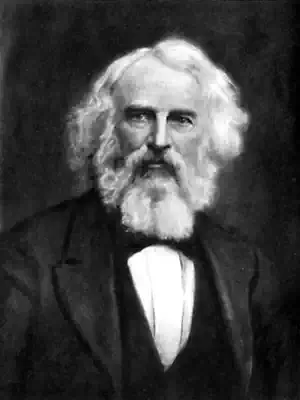
Henry Wadsworth Longfellow
Loss And Gain
Loss And Gain
When I compare
What I have lost with what I have gained,
What I have missed with what attained,
Little room do I find for pride.
I am aware
How many days have been idly spent;
How like an arrow the good intent
Has fallen short or been turned aside.
But who shall dare
To measure loss and gain in this wise?
Defeat may be victory in disguise;
The lowest ebb is the turn of the tide.
When I compare
What I have lost with what I have gained,
What I have missed with what attained,
Little room do I find for pride.
I am aware
How many days have been idly spent;
How like an arrow the good intent
Has fallen short or been turned aside.
But who shall dare
To measure loss and gain in this wise?
Defeat may be victory in disguise;
The lowest ebb is the turn of the tide.
406
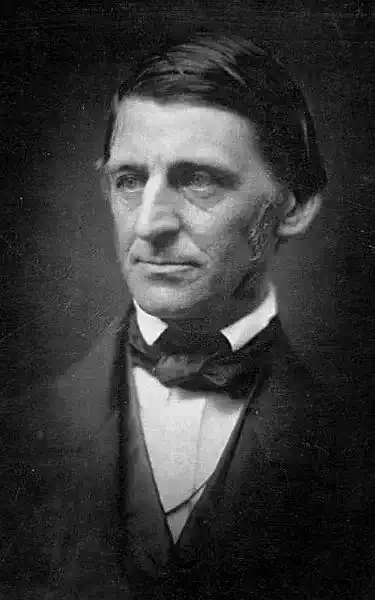
Ralph Waldo Emerson
Tact
Tact
What boots it, thy virtue,
What profit thy parts,
While one thing thou lackest,
The art of all arts!
The only credentials,
Passport to success,
Opens castle and parlor,—
Address, man, Address.
The maiden in danger
Was saved by the swain,
His stout arm restored her
To Broadway again:
The maid would reward him,—
Gay company come,—
They laugh, she laughs with them,
He is moonstruck and dumb.
This clenches the bargain,
Sails out of the bay,
Gets the vote in the Senate,
Spite of Webster and Clay;
Has for genius no mercy,
For speeches no heed,—
It lurks in the eyebeam,
It leaps to its deed.
Church, tavern, and market,
Bed and board it will sway;
It has no to-morrow,
It ends with to-day.
What boots it, thy virtue,
What profit thy parts,
While one thing thou lackest,
The art of all arts!
The only credentials,
Passport to success,
Opens castle and parlor,—
Address, man, Address.
The maiden in danger
Was saved by the swain,
His stout arm restored her
To Broadway again:
The maid would reward him,—
Gay company come,—
They laugh, she laughs with them,
He is moonstruck and dumb.
This clenches the bargain,
Sails out of the bay,
Gets the vote in the Senate,
Spite of Webster and Clay;
Has for genius no mercy,
For speeches no heed,—
It lurks in the eyebeam,
It leaps to its deed.
Church, tavern, and market,
Bed and board it will sway;
It has no to-morrow,
It ends with to-day.
341

Ella Wheeler Wilcox
What I Have Seen #4
What I Have Seen #4
I saw a youth, one of God's favored few,
Crowned with beauty, and talents, and health;
He had climbed the steep pathway, and cut his way through
To the summit of glory and wealth.
The day is breaking, hearts are waking,
Refreshed for the field of labor:
Arise, arise, like the king of the skies,
With a greeting for friend and neighbor.
He had toiled hard for the honors he'd won,
He had climbed over high rocks, forded streams;
Braved the bleak winter snow, the hot summer sun,
He was reaching the goal of his dreams.
The day hangs around us, the sun hath bound us
With fetters silken and yellow:
Flow, flow away, fleeting day,
Golden-hearted and mellow.
I saw the youth lift a mug to his mouth,
Drink the last drop of the fearful first glass!
Ah! his veins thrill in a fierce, scorching drouth,
He fills it again, again drinks it! alas!
The day is dying, hearts are sighing,
Crushed with a weight of sorrow:
Sleep, oh! sleep, in a slumber deep,
And wait for a bright to-morrow.
I saw him low in the dust at my feet,
Gone beauty, health, wealth, strength, talents, all;
From the summit of Fame to the slime of the street,
He had bartered his soul for the fiend Alcohol.
The night hangs o'er us, the wind's wild chorus
Shrieks like a demons' revel:
Weep, sob, weep, for the fog is deep,
And the world is sold to the devil.
I saw a youth, one of God's favored few,
Crowned with beauty, and talents, and health;
He had climbed the steep pathway, and cut his way through
To the summit of glory and wealth.
The day is breaking, hearts are waking,
Refreshed for the field of labor:
Arise, arise, like the king of the skies,
With a greeting for friend and neighbor.
He had toiled hard for the honors he'd won,
He had climbed over high rocks, forded streams;
Braved the bleak winter snow, the hot summer sun,
He was reaching the goal of his dreams.
The day hangs around us, the sun hath bound us
With fetters silken and yellow:
Flow, flow away, fleeting day,
Golden-hearted and mellow.
I saw the youth lift a mug to his mouth,
Drink the last drop of the fearful first glass!
Ah! his veins thrill in a fierce, scorching drouth,
He fills it again, again drinks it! alas!
The day is dying, hearts are sighing,
Crushed with a weight of sorrow:
Sleep, oh! sleep, in a slumber deep,
And wait for a bright to-morrow.
I saw him low in the dust at my feet,
Gone beauty, health, wealth, strength, talents, all;
From the summit of Fame to the slime of the street,
He had bartered his soul for the fiend Alcohol.
The night hangs o'er us, the wind's wild chorus
Shrieks like a demons' revel:
Weep, sob, weep, for the fog is deep,
And the world is sold to the devil.
14
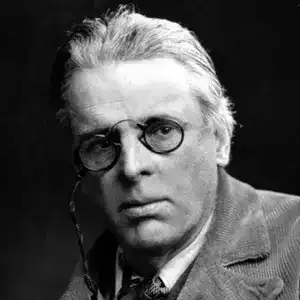
William Butler Yeats
To A Friend Whose Work Has Come To Nothing
To A Friend Whose Work Has Come To Nothing
NOW all the truth is out,
Be secret and take defeat
From any brazen throat,
For how can you compete,
Being honour bred, with one
Who, were it proved he lies,
Were neither shamed in his own
Nor in his neighbours' eyes?
Bred to a harder thing
Than Triumph, turn away
And like a laughing string
Whereon mad fingers play
Amid a place of stone,
Be secret and exult,
Because of all things known
That is most difficult.
NOW all the truth is out,
Be secret and take defeat
From any brazen throat,
For how can you compete,
Being honour bred, with one
Who, were it proved he lies,
Were neither shamed in his own
Nor in his neighbours' eyes?
Bred to a harder thing
Than Triumph, turn away
And like a laughing string
Whereon mad fingers play
Amid a place of stone,
Be secret and exult,
Because of all things known
That is most difficult.
451
Ella Wheeler Wilcox
Refuted
Refuted
‘Anticipation is sweeter than realisation.’
It may be, yet I have not found it so.
In those first golden dreams of future fame
I did not find such happiness as came
When toil was crowned with triumph. Now I know
My words have recognition, and will go
Straight to some listening heart, my early aim,
To win the idle glory of a name,
Pales like a candle in the noonday’s glow.
So with the deeper joys of which I dreamed:
Life yields more rapture than did childhood’s fancies,
And each year brings more pleasure than I waited.
Friendship proves truer than of old it seemed,
And, all beyond youth’s passion-hued romances,
Love is more perfect than anticipated.
‘Anticipation is sweeter than realisation.’
It may be, yet I have not found it so.
In those first golden dreams of future fame
I did not find such happiness as came
When toil was crowned with triumph. Now I know
My words have recognition, and will go
Straight to some listening heart, my early aim,
To win the idle glory of a name,
Pales like a candle in the noonday’s glow.
So with the deeper joys of which I dreamed:
Life yields more rapture than did childhood’s fancies,
And each year brings more pleasure than I waited.
Friendship proves truer than of old it seemed,
And, all beyond youth’s passion-hued romances,
Love is more perfect than anticipated.
394

Emily Dickinson
I had the Glory—that will do
I had the Glory—that will do
349
I had the Glory—that will do—
An Honor, Thought can turn her to
When lesser Fames invite—
With one long "Nay"—
Bliss' early shape
Deforming—Dwindling—Gulfing up—
Time's possibility.
349
I had the Glory—that will do—
An Honor, Thought can turn her to
When lesser Fames invite—
With one long "Nay"—
Bliss' early shape
Deforming—Dwindling—Gulfing up—
Time's possibility.
229
Emily Dickinson
I gained it so
I gained it so
359
I gained it so-
By Climbing slow-
By Catching at the Twigs that grow
Between the Bliss-and me-
It hung so high
As well the Sky
Attempt by Strategy-
I said I gained itThis-
was all-
Look, how I clutch it
Lest it fall-
And I a Pauper go-
Unfitted by an instant's Grace
For the Contented-Beggar's face
I wore-an hour ago-
359
I gained it so-
By Climbing slow-
By Catching at the Twigs that grow
Between the Bliss-and me-
It hung so high
As well the Sky
Attempt by Strategy-
I said I gained itThis-
was all-
Look, how I clutch it
Lest it fall-
And I a Pauper go-
Unfitted by an instant's Grace
For the Contented-Beggar's face
I wore-an hour ago-
277
Emily Dickinson
How fortunate the Grave
How fortunate the Grave
897
How fortunate the Grave-
All Prizes to obtain-
Successful certain, if at last,
First Suitor not in vain.
897
How fortunate the Grave-
All Prizes to obtain-
Successful certain, if at last,
First Suitor not in vain.
283
Emily Dickinson
Finding is the first Act
Finding is the first Act
870
Finding is the first Act
The second, loss,
Third, Expedition for
The "Golden Fleece"
Fourth, no Discovery-
Fifth, no Crew-
Finally, no Golden FleeceJason-
sham-too.
870
Finding is the first Act
The second, loss,
Third, Expedition for
The "Golden Fleece"
Fourth, no Discovery-
Fifth, no Crew-
Finally, no Golden FleeceJason-
sham-too.
290
Emily Dickinson
Who never lost, are unprepared
Who never lost, are unprepared
73
Who never lost, are unprepared
A Coronet to find!
Who never thirsted
Flagons, and Cooling Tamarind!
Who never climbed the weary league-
Can such a foot explore
The purple territories
On Pizarro's shore?
How many Legions overcome-
The Emperor will say?
How many Colors taken
On Revolution Day?
How many Bullets bearest?
Hast Thou the Royal scar?
Angels! Write "Promoted"
On this Soldier's brow!
73
Who never lost, are unprepared
A Coronet to find!
Who never thirsted
Flagons, and Cooling Tamarind!
Who never climbed the weary league-
Can such a foot explore
The purple territories
On Pizarro's shore?
How many Legions overcome-
The Emperor will say?
How many Colors taken
On Revolution Day?
How many Bullets bearest?
Hast Thou the Royal scar?
Angels! Write "Promoted"
On this Soldier's brow!
245
Ella Wheeler Wilcox
I Will Be Worthy Of It
I Will Be Worthy Of It
It
I may not reach the heights I seek,
My untried strength may fail me;
Or, halfway up the mountain peak
Fierce tempests may assail me.
But though that place I never gain,
Herein lies the comfort for my pain –
I will be worthy of it.
I may not triumph in success,
Despite my earnest labour;
I may not grasp results that bless
The efforts of my neighbour.
But though my goal I never see,
This thought shall always dwell with me –
I will be worthy of it.
The golden glory of Love’s light
May never fall on my way;
My path may always lead through night,
Like some deserted by-way.
But though life’s dearest joy I miss,
There lies a nameless strength in this –
I will be worthy of it.
It
I may not reach the heights I seek,
My untried strength may fail me;
Or, halfway up the mountain peak
Fierce tempests may assail me.
But though that place I never gain,
Herein lies the comfort for my pain –
I will be worthy of it.
I may not triumph in success,
Despite my earnest labour;
I may not grasp results that bless
The efforts of my neighbour.
But though my goal I never see,
This thought shall always dwell with me –
I will be worthy of it.
The golden glory of Love’s light
May never fall on my way;
My path may always lead through night,
Like some deserted by-way.
But though life’s dearest joy I miss,
There lies a nameless strength in this –
I will be worthy of it.
328
Ella Wheeler Wilcox
How Salvator Won
How Salvator Won
The gate was thrown open, I rode out alone,
More proud than a monarch who sits on a throne.
I am but a jockey, yet shout upon shout
Went up from the people who watched me ride out;
And the cheers that rang forth from that warm-hearted crowd,
Were as earnest as those to which monarch e'er bowed.
My heart thrilled with pleasure so keen it was pain
As I patted my Salvator's soft silken mane;
And a sweet shiver shot from his hide to my hand
As we passed by the multitude down to the stand.
The great waves of cheering came billowing back,
As the hoofs of brave Tenny rang swift down the track;
And he stood there beside us, all bone and all muscle,
Our noble opponent, well trained for the tussle
That waited us there on the smooth, shining course.
My Salvator, fair to the lovers of horse,
As a beautiful woman is fair to man's sight-
Pure type of the thoroughbred, clean-limbed and bright,-
Stood taking the plaudits as only his due,
And nothing at all unexpected or new.
And then, there before us the bright flag is spread,
There's a roar from the grand stand, and Tenny's ahead;
At the sound of the voices that shouted 'a go!'
He sprang like an arrow shot straight from the bow.
I tighten the reins on Prince Charlie's great son-
He is off like a rocket, the race is begun.
Half-way down the furlong, their heads are together,
Scarce room 'twixt their noses to wedge in a feather;
Past grand stand, and judges, in neck-to-neck strife,
Ah, Salvator, boy! 'tis the race of your life.
I press my knees closer, I coax him, I urge,
I feel him go out with a leap and a surge;
I see him creep on, inch by inch, stride by stride,
While backward, still backward, falls Tenny beside.
We are nearing the turn, the first quarter is past'
Twixt leader and chaser the daylight is cast.
The distance elongates, still Tenny sweeps on,
As graceful and free-limbed and swift as a fawn;
His awkwardness vanished, his muscles all strained-
A noble opponent, well born and well trained.
I glanced o'er my shoulder, ha! Tenny, the cost
Of that one second's flagging, will be-the race lost.
One second's weak yielding of courage and strength,
And the daylight between us has doubled its length.
The first mile is covered, the race is mine-no!
For the blue blood of Tenny responds to a blow.
He shoots through the air like a ball from a gun,
And the two lengths between us are shortened to one.
My heart is contracted, my throat feels a lump,
For Tenny's long neck is at Salvator's rump;
And now with new courage, grown bolder and bolder,
I see him once more running shoulder to shoulder.
With knees, hands and body I press my grand steed;
I urge him, I coax him, I pray him to heed!
Oh, Salvator! Salvator! list to my calls,
For the blow of my whip will hurt both if it falls.
There's a roar from the crowd like the ocean in storm,
As close to my saddle leaps Tenny's great form,
One more mighty plunge, and with knee, limb and hand,
I lift my horse first by a nose past the stand.
We are under the string now-the great race is done,
And Salvator, Salvator, Salvator won!
Cheer, hoar-headed patriarchs; cheer loud, I say
'Tis the race of a century witnessed to-day!
Though ye live twice the space that's allotted to men
Ye never will see such a grand race again.
Let the shouts of the populace roar like the surf
For Salvator, Salvator, king of the turf!
He has broken the record of thirteen long years;
He has won the first place in a vast line of peers.
'Twas a neck-to-neck contest, a grand, honest race,
And even his enemies grant him his place.
Down into the dust let old records be hurled,
And hang out 2.05 in the gaze of the world.
The gate was thrown open, I rode out alone,
More proud than a monarch who sits on a throne.
I am but a jockey, yet shout upon shout
Went up from the people who watched me ride out;
And the cheers that rang forth from that warm-hearted crowd,
Were as earnest as those to which monarch e'er bowed.
My heart thrilled with pleasure so keen it was pain
As I patted my Salvator's soft silken mane;
And a sweet shiver shot from his hide to my hand
As we passed by the multitude down to the stand.
The great waves of cheering came billowing back,
As the hoofs of brave Tenny rang swift down the track;
And he stood there beside us, all bone and all muscle,
Our noble opponent, well trained for the tussle
That waited us there on the smooth, shining course.
My Salvator, fair to the lovers of horse,
As a beautiful woman is fair to man's sight-
Pure type of the thoroughbred, clean-limbed and bright,-
Stood taking the plaudits as only his due,
And nothing at all unexpected or new.
And then, there before us the bright flag is spread,
There's a roar from the grand stand, and Tenny's ahead;
At the sound of the voices that shouted 'a go!'
He sprang like an arrow shot straight from the bow.
I tighten the reins on Prince Charlie's great son-
He is off like a rocket, the race is begun.
Half-way down the furlong, their heads are together,
Scarce room 'twixt their noses to wedge in a feather;
Past grand stand, and judges, in neck-to-neck strife,
Ah, Salvator, boy! 'tis the race of your life.
I press my knees closer, I coax him, I urge,
I feel him go out with a leap and a surge;
I see him creep on, inch by inch, stride by stride,
While backward, still backward, falls Tenny beside.
We are nearing the turn, the first quarter is past'
Twixt leader and chaser the daylight is cast.
The distance elongates, still Tenny sweeps on,
As graceful and free-limbed and swift as a fawn;
His awkwardness vanished, his muscles all strained-
A noble opponent, well born and well trained.
I glanced o'er my shoulder, ha! Tenny, the cost
Of that one second's flagging, will be-the race lost.
One second's weak yielding of courage and strength,
And the daylight between us has doubled its length.
The first mile is covered, the race is mine-no!
For the blue blood of Tenny responds to a blow.
He shoots through the air like a ball from a gun,
And the two lengths between us are shortened to one.
My heart is contracted, my throat feels a lump,
For Tenny's long neck is at Salvator's rump;
And now with new courage, grown bolder and bolder,
I see him once more running shoulder to shoulder.
With knees, hands and body I press my grand steed;
I urge him, I coax him, I pray him to heed!
Oh, Salvator! Salvator! list to my calls,
For the blow of my whip will hurt both if it falls.
There's a roar from the crowd like the ocean in storm,
As close to my saddle leaps Tenny's great form,
One more mighty plunge, and with knee, limb and hand,
I lift my horse first by a nose past the stand.
We are under the string now-the great race is done,
And Salvator, Salvator, Salvator won!
Cheer, hoar-headed patriarchs; cheer loud, I say
'Tis the race of a century witnessed to-day!
Though ye live twice the space that's allotted to men
Ye never will see such a grand race again.
Let the shouts of the populace roar like the surf
For Salvator, Salvator, king of the turf!
He has broken the record of thirteen long years;
He has won the first place in a vast line of peers.
'Twas a neck-to-neck contest, a grand, honest race,
And even his enemies grant him his place.
Down into the dust let old records be hurled,
And hang out 2.05 in the gaze of the world.
410
Emily Dickinson
A little bread-a crust-a crumb
A little bread-a crust-a crumb
159
A little bread-a crust-a crumb-
A little trust-a demijohn-
Can keep the soul alive-
Not portly, mind! but breathing-warmConscious-
as old Napoleon,
The night before the Crown!
A modest lot-A fame petite-
A brief Campaign of sting and sweet
Is plenty! Is enough!
A Sailor's business is the shore!
A Soldier's-balls! Who asketh more,
Must seek the neighboring life!
159
A little bread-a crust-a crumb-
A little trust-a demijohn-
Can keep the soul alive-
Not portly, mind! but breathing-warmConscious-
as old Napoleon,
The night before the Crown!
A modest lot-A fame petite-
A brief Campaign of sting and sweet
Is plenty! Is enough!
A Sailor's business is the shore!
A Soldier's-balls! Who asketh more,
Must seek the neighboring life!
267
Robert W. Service
Failure
Failure
He wrote a play; by day and night
He strove with passion and delight;
Yet knew, long ere the curtain drop,
His drama was a sorry flop.
In Parliament he sought a seat;
Election Day brought dire defeat;
Yet he had wooed with word and pen
Prodigiously his fellow men.
And then he wrote a lighter play
That made him famous in a day.
He won a seat in Parliament,
And starry was the way he went.
Yet as he neared the door of death
They heard him say with broken breath:
'For all I've spoken, planned and penned,
I'm just a wash-out in the end.'
So are we all; our triumphs won
Are mean by what we might have done.
Our victories that men applaud
Are sordid in the sight of God.
He wrote a play; by day and night
He strove with passion and delight;
Yet knew, long ere the curtain drop,
His drama was a sorry flop.
In Parliament he sought a seat;
Election Day brought dire defeat;
Yet he had wooed with word and pen
Prodigiously his fellow men.
And then he wrote a lighter play
That made him famous in a day.
He won a seat in Parliament,
And starry was the way he went.
Yet as he neared the door of death
They heard him say with broken breath:
'For all I've spoken, planned and penned,
I'm just a wash-out in the end.'
So are we all; our triumphs won
Are mean by what we might have done.
Our victories that men applaud
Are sordid in the sight of God.
241
Robert W. Service
Dumb Swede
Dumb Swede
With barbwire hooch they filled him full,
Till he was drunker than all hell,
And then they peddled him the bull
About a claim they had to sell.
A thousand bucks they made him pay,
Knowing that he had nothing more,
And when he begged it back next day,
And wept! - they kicked him from the door.
They reckoned they were mighty slick,
Them two tinhorns from Idaho;
That poor dumb Swede could swing a pick,
but that was all he'd ever know.
So sitting in a poker game,
They lost the price for which they sold
To that bonehead a poor dud claim
That didn't have a speck of gold.
My story's true as gospel creed
Of these bright boys from Idaho;
They made a sucker of that Swede
And laughed to see the poor boob go,
And work like nigger on his ground,
Bucked by the courage of despair . . .
Till lo! A rich pay-streak he found,
That made him twice a millionaire.
So two smart Alecs, mighty sick,
Begged jobs at fifteen bucks a day.
Then said the Swede: "Give each a pick
And let them sweat to make their pay."
And though he don't know what it means,
Folks call that Swede "magnanimous"
-But picking nuggets big as beans,
you oughta' hear them fellers cuss!
With barbwire hooch they filled him full,
Till he was drunker than all hell,
And then they peddled him the bull
About a claim they had to sell.
A thousand bucks they made him pay,
Knowing that he had nothing more,
And when he begged it back next day,
And wept! - they kicked him from the door.
They reckoned they were mighty slick,
Them two tinhorns from Idaho;
That poor dumb Swede could swing a pick,
but that was all he'd ever know.
So sitting in a poker game,
They lost the price for which they sold
To that bonehead a poor dud claim
That didn't have a speck of gold.
My story's true as gospel creed
Of these bright boys from Idaho;
They made a sucker of that Swede
And laughed to see the poor boob go,
And work like nigger on his ground,
Bucked by the courage of despair . . .
Till lo! A rich pay-streak he found,
That made him twice a millionaire.
So two smart Alecs, mighty sick,
Begged jobs at fifteen bucks a day.
Then said the Swede: "Give each a pick
And let them sweat to make their pay."
And though he don't know what it means,
Folks call that Swede "magnanimous"
-But picking nuggets big as beans,
you oughta' hear them fellers cuss!
166
Robert W. Service
Artist
Artist
He gave a picture exhibition,
Hiring a little empty shop.
Above its window: FREE ADMISSION
Cajoled the passers-by to stop;
Just to admire - no need to purchase,
Although his price might have been low:
But no proud artist ever urges
Potential buyers at his show.
Of course he badly needed money,
But more he needed moral aid.
Some people thought his pictures funny,
Too ultra-modern, I'm afraid.
His painting was experimental,
Which no poor artist can afford-
That is, if he would pay the rental
And guarantee his roof and board.
And so some came and saw and sniggered,
And some a puzzled brow would crease;
And some objected: "Well, I'm jiggered!"
What price Picasso and Matisse?
The artist sensitively quivered,
And stifled many a bitter sigh,
But day by day his hopes were shivered
For no one ever sought to buy.
And then he had a brilliant notion:
Half of his daubs he labeled: SOLD.
And lo! he viewed with queer emotion
A public keen and far from cold.
Then (strange it is beyond the telling),
He saw the people round him press:
His paintings went - they still are selling...
Well, nothing succeeds like success.
He gave a picture exhibition,
Hiring a little empty shop.
Above its window: FREE ADMISSION
Cajoled the passers-by to stop;
Just to admire - no need to purchase,
Although his price might have been low:
But no proud artist ever urges
Potential buyers at his show.
Of course he badly needed money,
But more he needed moral aid.
Some people thought his pictures funny,
Too ultra-modern, I'm afraid.
His painting was experimental,
Which no poor artist can afford-
That is, if he would pay the rental
And guarantee his roof and board.
And so some came and saw and sniggered,
And some a puzzled brow would crease;
And some objected: "Well, I'm jiggered!"
What price Picasso and Matisse?
The artist sensitively quivered,
And stifled many a bitter sigh,
But day by day his hopes were shivered
For no one ever sought to buy.
And then he had a brilliant notion:
Half of his daubs he labeled: SOLD.
And lo! he viewed with queer emotion
A public keen and far from cold.
Then (strange it is beyond the telling),
He saw the people round him press:
His paintings went - they still are selling...
Well, nothing succeeds like success.
195
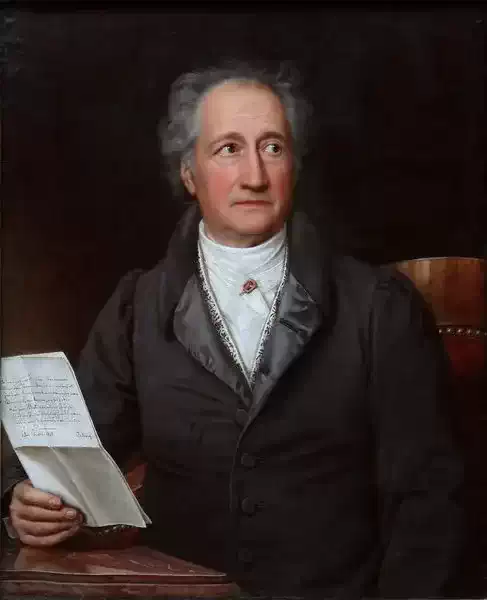
Johann Wolfgang Von Goethe
Book Of Contemplation - Five Things
Book Of Contemplation - Five Things
WHAT makes time short to me?
Activity!
What makes it long and spiritless?
'Tis idleness!
What brings us to debt?
To delay and forget!
What makes us succeed?
Decision with speed
How to fame to ascend?
Oneself to defend!
WHAT makes time short to me?
Activity!
What makes it long and spiritless?
'Tis idleness!
What brings us to debt?
To delay and forget!
What makes us succeed?
Decision with speed
How to fame to ascend?
Oneself to defend!
385

Henry Lawson
The Ships that Won't Go Down
The Ships that Won't Go Down
We hear a great commotion
'Bout the ship that comes to grief,
That founders in mid-ocean,
Or is driven on a reef;
Because it's cheap and brittle
A score of sinners drown.
But we hear but mighty little
Of the ships that won't go down.
Here's honour to the builders –
The builders of the past;
Here's honour to the builders
That builded ships to last;
Here's honour to the captain,
And honour to the crew;
Here's double-column headlines
To the ships that battle through.
They make a great sensation
About famous men that fail,
That sink a world of chances
In the city morgue or gaol,
Who drink, or blow their brains out,
Because of "Fortune's frown".
But we hear far too little
Of the men who won't go down.
The world is full of trouble,
And the world is full of wrong,
But the heart of man is noble,
And the heart of man is strong!
They say the sea sings dirges,
But I would say to you
That the wild wave's song's a paean
For the men that battle through.
We hear a great commotion
'Bout the ship that comes to grief,
That founders in mid-ocean,
Or is driven on a reef;
Because it's cheap and brittle
A score of sinners drown.
But we hear but mighty little
Of the ships that won't go down.
Here's honour to the builders –
The builders of the past;
Here's honour to the builders
That builded ships to last;
Here's honour to the captain,
And honour to the crew;
Here's double-column headlines
To the ships that battle through.
They make a great sensation
About famous men that fail,
That sink a world of chances
In the city morgue or gaol,
Who drink, or blow their brains out,
Because of "Fortune's frown".
But we hear far too little
Of the men who won't go down.
The world is full of trouble,
And the world is full of wrong,
But the heart of man is noble,
And the heart of man is strong!
They say the sea sings dirges,
But I would say to you
That the wild wave's song's a paean
For the men that battle through.
246
Dorothy Parker
Philosophy
Philosophy
If I should labor through daylight and dark,
Consecrate, valorous, serious, true,
Then on the world I may blazon my mark;
And what if I don't, and what if I do?
If I should labor through daylight and dark,
Consecrate, valorous, serious, true,
Then on the world I may blazon my mark;
And what if I don't, and what if I do?
345
Henry Lawson
Success
Success
Did you see that man riding past,
With shoulders bowed with care?
There’s failure in his eyes to last,
And in his heart despair.
He seldom looks to left or right,
He nods, but speaks to none,
And he’s a man who fought the fight—
God knows how hard!—and won.
No great “review” could rouse him now,
No printed lies could sting;
No kindness smooth his knitted brow,
Nor wrong one new line bring.
Through dull, dumb days and brooding nights,
From years of storm and stress,
He’s riding down from lonely heights—
The Mountains of Success.
He sees across the darkening land
The graveyards on the coasts;
He sees the broken columns stand
Like cold and bitter ghosts;
His world is dead while yet he lives,
Though known in continents;
His camp is where his country gives
Its pauper monuments.
Did you see that man riding past,
With shoulders bowed with care?
There’s failure in his eyes to last,
And in his heart despair.
He seldom looks to left or right,
He nods, but speaks to none,
And he’s a man who fought the fight—
God knows how hard!—and won.
No great “review” could rouse him now,
No printed lies could sting;
No kindness smooth his knitted brow,
Nor wrong one new line bring.
Through dull, dumb days and brooding nights,
From years of storm and stress,
He’s riding down from lonely heights—
The Mountains of Success.
He sees across the darkening land
The graveyards on the coasts;
He sees the broken columns stand
Like cold and bitter ghosts;
His world is dead while yet he lives,
Though known in continents;
His camp is where his country gives
Its pauper monuments.
237
James Whitcomb Riley
Philiper Flash
Philiper Flash
Young Philiper Flash was a promising lad,
His intentions were good--but oh, how sad
For a person to think
How the veriest pink
And bloom of perfection may turn out bad.
Old Flash himself was a moral man,
And prided himself on a moral plan,
Of a maxim as old
As the calf of gold,
Of making that boy do what he was told.
And such a good mother had Philiper Flash;
Her voice was as soft as the creamy plash
Of the milky wave
With its musical lave
That gushed through the holes of her patent churn-dash;--
And the excellent woman loved Philiper so,
She could cry sometimes when he stumped his toe,--
And she stroked his hair
With such motherly care
When the dear little angel learned to swear.
Old Flash himself would sometimes say
That his wife had 'such a ridiculous way,-She'd,
humor that child
Till he'd soon be sp'iled,
And then there'd be the devil to pay!'
And the excellent wife, with a martyr's look,
Would tell old Flash himself 'he took
No notice at all
Of the bright-eyed doll
Unless when he spanked him for getting a fall!'
Young Philiper Flash, as time passed by,
Grew into 'a boy with a roguish eye':
He could smoke a cigar,
And seemed by far
The most promising youth.--'He's powerful sly,
Old Flash himself once told a friend,
'Every copper he gets he's sure to spend--
And,' said he, 'don't you know
If he keeps on so
What a crop of wild oats the boy will grow!'
But his dear good mother knew Philiper's ways
So--well, she managed the money to raise;
And old Flash himself
Was 'laid on the shelf,'
(In the manner of speaking we have nowadays).
For 'gracious knows, her darling child,
If he went without money he'd soon grow wild.'
So Philiper Flash
With a regular dash
'Swung on to the reins,' and went 'slingin' the cash.'
As old Flash himself, in his office one day,
Was shaving notes in a barberous way,
At the hour of four
Death entered the door
And shaved the note on his life, they say.
And he had for his grave a magnificent tomb,
Though the venturous finger that pointed 'Gone Home,'
Looked white and cold
From being so bold,
As it feared that a popular lie was told.
Young Philiper Flash was a man of style
When he first began unpacking the pile
Of the dollars and dimes
Whose jingling chimes
Had clinked to the tune of his father's smile;
And he strewed his wealth with such lavish hand,
His rakish ways were the talk of the land,
And gossipers wise
Sat winking their eyes
(A certain foreboding of fresh surprise).
A 'fast young man' was Philiper Flash,
And wore 'loud clothes' and a weak mustache,
And 'done the Park,'
For an 'afternoon lark,'
With a very fast horse of 'remarkable dash.'
And Philiper handled a billiard-cue
About as well as the best he knew,
And used to say
'He could make it pay
By playing two or three games a day.'
And Philiper Flash was his mother's joy,
He seemed to her the magic alloy
That made her glad,
When her heart was sad,
With the thought that 'she lived for her darling boy.'
His dear good mother wasn't aware
How her darling boy relished a 'tare.'--
She said 'one night
He gave her a fright
By coming home late and ACTING tight.'
Young Philiper Flash, on a winterish day,
Was published a bankrupt, so they say--
And as far as I know
I suppose it was so,
For matters went on in a singular way;
His excellent mother, I think I was told,
Died from exposure and want and cold;
And Philiper Flash,
With a horrible slash,
Whacked his jugular open and went to smash.
Young Philiper Flash was a promising lad,
His intentions were good--but oh, how sad
For a person to think
How the veriest pink
And bloom of perfection may turn out bad.
Old Flash himself was a moral man,
And prided himself on a moral plan,
Of a maxim as old
As the calf of gold,
Of making that boy do what he was told.
And such a good mother had Philiper Flash;
Her voice was as soft as the creamy plash
Of the milky wave
With its musical lave
That gushed through the holes of her patent churn-dash;--
And the excellent woman loved Philiper so,
She could cry sometimes when he stumped his toe,--
And she stroked his hair
With such motherly care
When the dear little angel learned to swear.
Old Flash himself would sometimes say
That his wife had 'such a ridiculous way,-She'd,
humor that child
Till he'd soon be sp'iled,
And then there'd be the devil to pay!'
And the excellent wife, with a martyr's look,
Would tell old Flash himself 'he took
No notice at all
Of the bright-eyed doll
Unless when he spanked him for getting a fall!'
Young Philiper Flash, as time passed by,
Grew into 'a boy with a roguish eye':
He could smoke a cigar,
And seemed by far
The most promising youth.--'He's powerful sly,
Old Flash himself once told a friend,
'Every copper he gets he's sure to spend--
And,' said he, 'don't you know
If he keeps on so
What a crop of wild oats the boy will grow!'
But his dear good mother knew Philiper's ways
So--well, she managed the money to raise;
And old Flash himself
Was 'laid on the shelf,'
(In the manner of speaking we have nowadays).
For 'gracious knows, her darling child,
If he went without money he'd soon grow wild.'
So Philiper Flash
With a regular dash
'Swung on to the reins,' and went 'slingin' the cash.'
As old Flash himself, in his office one day,
Was shaving notes in a barberous way,
At the hour of four
Death entered the door
And shaved the note on his life, they say.
And he had for his grave a magnificent tomb,
Though the venturous finger that pointed 'Gone Home,'
Looked white and cold
From being so bold,
As it feared that a popular lie was told.
Young Philiper Flash was a man of style
When he first began unpacking the pile
Of the dollars and dimes
Whose jingling chimes
Had clinked to the tune of his father's smile;
And he strewed his wealth with such lavish hand,
His rakish ways were the talk of the land,
And gossipers wise
Sat winking their eyes
(A certain foreboding of fresh surprise).
A 'fast young man' was Philiper Flash,
And wore 'loud clothes' and a weak mustache,
And 'done the Park,'
For an 'afternoon lark,'
With a very fast horse of 'remarkable dash.'
And Philiper handled a billiard-cue
About as well as the best he knew,
And used to say
'He could make it pay
By playing two or three games a day.'
And Philiper Flash was his mother's joy,
He seemed to her the magic alloy
That made her glad,
When her heart was sad,
With the thought that 'she lived for her darling boy.'
His dear good mother wasn't aware
How her darling boy relished a 'tare.'--
She said 'one night
He gave her a fright
By coming home late and ACTING tight.'
Young Philiper Flash, on a winterish day,
Was published a bankrupt, so they say--
And as far as I know
I suppose it was so,
For matters went on in a singular way;
His excellent mother, I think I was told,
Died from exposure and want and cold;
And Philiper Flash,
With a horrible slash,
Whacked his jugular open and went to smash.
257
Page 1
Next