
Silence
Poems in this topic
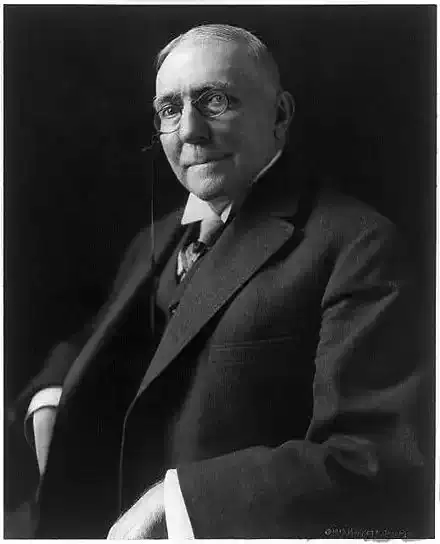
James Whitcomb Riley
A Summer Afternoon
A Summer Afternoon
A languid atmosphere, a lazy breeze,
With labored respiration, moves the wheat
From distant reaches, till the golden seas
Break in crisp whispers at my feet.
My book, neglected of an idle mind,
Hides for a moment from the eyes of men;
Or lightly opened by a critic wind,
Affrightedly reviews itself again.
Off through the haze that dances in the shine
The warm sun showers in the open glade,
The forest lies, a silhouette design
Dimmed through and through with shade.
A dreamy day; and tranquilly I lie
At anchor from all storms of mental strain;
With absent vision, gazing at the sky,
"Like one that hears it rain."
The Katydid, so boisterous last night,
Clinging, inverted, in uneasy poise,
Beneath a wheat-blade, has forgotten quite
If "Katy DID or DIDN'T" make a noise.
The twitter, sometimes, of a wayward bird
That checks the song abruptly at the sound,
And mildly, chiding echoes that have stirred,
Sink into silence, all the more profound.
And drowsily I hear the plaintive strain
Of some poor dove . . . Why, I can scarcely keep
My heavy eyelids--there it is again-"
Coo-coo!"--I mustn't--"Coo-coo!"--fall asleep!
A languid atmosphere, a lazy breeze,
With labored respiration, moves the wheat
From distant reaches, till the golden seas
Break in crisp whispers at my feet.
My book, neglected of an idle mind,
Hides for a moment from the eyes of men;
Or lightly opened by a critic wind,
Affrightedly reviews itself again.
Off through the haze that dances in the shine
The warm sun showers in the open glade,
The forest lies, a silhouette design
Dimmed through and through with shade.
A dreamy day; and tranquilly I lie
At anchor from all storms of mental strain;
With absent vision, gazing at the sky,
"Like one that hears it rain."
The Katydid, so boisterous last night,
Clinging, inverted, in uneasy poise,
Beneath a wheat-blade, has forgotten quite
If "Katy DID or DIDN'T" make a noise.
The twitter, sometimes, of a wayward bird
That checks the song abruptly at the sound,
And mildly, chiding echoes that have stirred,
Sink into silence, all the more profound.
And drowsily I hear the plaintive strain
Of some poor dove . . . Why, I can scarcely keep
My heavy eyelids--there it is again-"
Coo-coo!"--I mustn't--"Coo-coo!"--fall asleep!
321

Siegfried Sassoon
Dream-Forest
Dream-Forest
Where sunshine flecks the green,
Through towering woods my way
Goes winding all the day.
Scant are the flowers that bloom
Beneath the bosky screen
And cage of golden gloom.
Few are the birds that call,
Shrill-voiced and seldom seen.
Where silence masters all,
And light my footsteps fall,
The whispering runnels only
With blazing noon confer;
And comes no breeze to stir
The tangled thickets lonely.
Where sunshine flecks the green,
Through towering woods my way
Goes winding all the day.
Scant are the flowers that bloom
Beneath the bosky screen
And cage of golden gloom.
Few are the birds that call,
Shrill-voiced and seldom seen.
Where silence masters all,
And light my footsteps fall,
The whispering runnels only
With blazing noon confer;
And comes no breeze to stir
The tangled thickets lonely.
82
Siegfried Sassoon
Bombardment
Bombardment
Four days the earth was rent and torn
By bursting steel,
The houses fell about us;
Three nights we dared not sleep,
Sweating, and listening for the imminent crash
Which meant our death.
The fourth night every man,
Nerve-tortured, racked to exhaustion,
Slept, muttering and twitching,
While the shells crashed overhead.
The fifth day there came a hush;
We left our holes
And looked above the wreckage of the earth
To where the white clouds moved in silent lines
Across the untroubled blue.
Four days the earth was rent and torn
By bursting steel,
The houses fell about us;
Three nights we dared not sleep,
Sweating, and listening for the imminent crash
Which meant our death.
The fourth night every man,
Nerve-tortured, racked to exhaustion,
Slept, muttering and twitching,
While the shells crashed overhead.
The fifth day there came a hush;
We left our holes
And looked above the wreckage of the earth
To where the white clouds moved in silent lines
Across the untroubled blue.
64

Sarah Teasdale
Night Song at Amalfi
Night Song at Amalfi
I asked the heaven of stars
What I should give my love --
It answered me with silence,
Silence above.
I asked the darkened sea
Down where the fishers go --
It answered me with silence,
Silence below.
Oh, I could give him weeping,
Or I could give him song --
But how can I give silence,
My whole life long?
I asked the heaven of stars
What I should give my love --
It answered me with silence,
Silence above.
I asked the darkened sea
Down where the fishers go --
It answered me with silence,
Silence below.
Oh, I could give him weeping,
Or I could give him song --
But how can I give silence,
My whole life long?
405

Robert W. Service
Silence
Silence
When I was cub reporter I
Would interview the Great,
And sometimes they would make reply,
And sometimes hesitate;
But often they would sharply say,
With bushy eyebrows bent:
"Young man, your answer for to-day
Is - No Comment."
Nigh sixty years have called the tune,
And silver is my pate;
No longer do I importune
Important men of state;
But time has made me wise, and so
When button-holed I shake
My head and say: "To-day, I've no
Comment to make."
Oh, silence is a mighty shield,
Verbosity is vain;
let others wordy warfare wield,
From arguments abstain;
When faced with dialectic foes
Just shrug and turn away:
Be sure your wisest words are those
You do not say.
Yea, Silence is a gleaming sword
Whose wounds are hard to heal;
Its quiet stuns the spoken word
More than a thunder peal;
Against it there is no defense,
For like the grave-yard sod
Its hush is Heaven's eloquence,
The VOICE OF GOD.
When I was cub reporter I
Would interview the Great,
And sometimes they would make reply,
And sometimes hesitate;
But often they would sharply say,
With bushy eyebrows bent:
"Young man, your answer for to-day
Is - No Comment."
Nigh sixty years have called the tune,
And silver is my pate;
No longer do I importune
Important men of state;
But time has made me wise, and so
When button-holed I shake
My head and say: "To-day, I've no
Comment to make."
Oh, silence is a mighty shield,
Verbosity is vain;
let others wordy warfare wield,
From arguments abstain;
When faced with dialectic foes
Just shrug and turn away:
Be sure your wisest words are those
You do not say.
Yea, Silence is a gleaming sword
Whose wounds are hard to heal;
Its quiet stuns the spoken word
More than a thunder peal;
Against it there is no defense,
For like the grave-yard sod
Its hush is Heaven's eloquence,
The VOICE OF GOD.
201
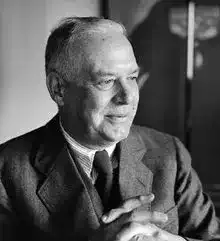
Wallace Stevens
The Snow Man
The Snow Man
One must have a mind of winter
To regard the frost and the boughs
Of the pine-trees crusted with snow;
And have been cold a long time
To behold the junipers shagged with ice,
The spruces rough in the distant glitter
Of the January sun; and not to think
Of any misery in the sound of the wind,
In the sound of a few leaves,
Which is the sound of the land
Full of the same wind
That is blowing in the same bare place
For the listener, who listens in the snow,
And, nothing himself, beholds
Nothing that is not there and the nothing that is.
One must have a mind of winter
To regard the frost and the boughs
Of the pine-trees crusted with snow;
And have been cold a long time
To behold the junipers shagged with ice,
The spruces rough in the distant glitter
Of the January sun; and not to think
Of any misery in the sound of the wind,
In the sound of a few leaves,
Which is the sound of the land
Full of the same wind
That is blowing in the same bare place
For the listener, who listens in the snow,
And, nothing himself, beholds
Nothing that is not there and the nothing that is.
293
Wallace Stevens
Continual Conversation With A Silent Man
Continual Conversation With A Silent Man
The old brown hen and the old blue sky,
Between the two we live and die--
The broken cartwheel on the hill.
As if, in the presence of the sea,
We dried our nets and mended sail
And talked of never-ending things,
Of the never-ending storm of will,
One will and many wills, and the wind,
Of many meanings in the leaves,
Brought down to one below the eaves,
Link, of that tempest, to the farm,
The chain of the turquoise hen and sky
And the wheel that broke as the cart went by.
It is not a voice that is under the eaves.
It is not speech, the sound we hear
In this conversation, but the sound
Of things and their motion: the other man,
A turquoise monster moving round.
The old brown hen and the old blue sky,
Between the two we live and die--
The broken cartwheel on the hill.
As if, in the presence of the sea,
We dried our nets and mended sail
And talked of never-ending things,
Of the never-ending storm of will,
One will and many wills, and the wind,
Of many meanings in the leaves,
Brought down to one below the eaves,
Link, of that tempest, to the farm,
The chain of the turquoise hen and sky
And the wheel that broke as the cart went by.
It is not a voice that is under the eaves.
It is not speech, the sound we hear
In this conversation, but the sound
Of things and their motion: the other man,
A turquoise monster moving round.
320
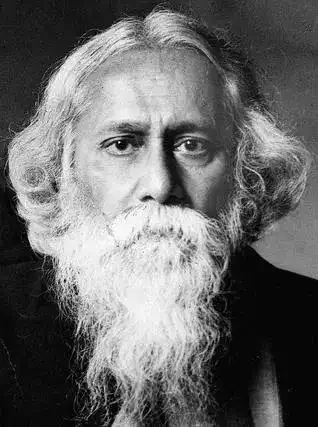
Rabindranath Tagore
The Gardener XXIX: Speak To Me My Love
The Gardener XXIX: Speak To Me My Love
Speak to me, my love! Tell me in
words what you sang.
The night is dark. The stars are
lost in clouds. The wind is sighing
through the leaves.
I will let loose my hair. My blue
cloak will cling round me like night. I
will clasp your head to my bosom; and
there in the sweet loneliness murmur
on your heart. I will shut my eyes
and listen. I will not look in your face.
When your words are ended, we will
sit still and silent. Only the trees will
whisper in the dark.
The night will pale. The day will
dawn. We shall look at each other's
eyes and go on our different paths.
Speak to me, my love! Tell me in
words what you sang.
Speak to me, my love! Tell me in
words what you sang.
The night is dark. The stars are
lost in clouds. The wind is sighing
through the leaves.
I will let loose my hair. My blue
cloak will cling round me like night. I
will clasp your head to my bosom; and
there in the sweet loneliness murmur
on your heart. I will shut my eyes
and listen. I will not look in your face.
When your words are ended, we will
sit still and silent. Only the trees will
whisper in the dark.
The night will pale. The day will
dawn. We shall look at each other's
eyes and go on our different paths.
Speak to me, my love! Tell me in
words what you sang.
442

Edward Estlin Cummings
Poem 42
Poem 42
n
OthI
n
g can
s
urPas
s
the m
y
SteR
y
of
s
tilLnes
s
n
OthI
n
g can
s
urPas
s
the m
y
SteR
y
of
s
tilLnes
s
580
Rabindranath Tagore
Stray Birds 11- 20
Stray Birds 11- 20
11
SOME unseen fingers, like idle breeze,
are playing upon my heart the music of the ripples.
12
'WHAT language is thine, O sea?'
'The language of eternal question.'
'What language is thy answer, O sky?
'The language of eternal silence.'
13
LISTEN,
my heart,
to the whispers of the world
with which it makes love to you.
14
THE mystery of creation
is like the darkness of night-it
is great.
Delusions of knowledge are like
the fog of the morning.
15
DO not seat your love upon a precipice because it is high.
16
I SIT at my window this morning
where the world like a passer-by stops for a moment,
nods to me and goes.
17
THESE little thoughts are the rustle of leaves;
they have their whisper of
joy in my mind.
18
WHAT you are you do not see,
what you see is your shadow.
19
MY wishes are fools, they shout across thy songs, my Master.
Let me but listen.
20
I CANNOT choose the best.
The best chooses me.
11
SOME unseen fingers, like idle breeze,
are playing upon my heart the music of the ripples.
12
'WHAT language is thine, O sea?'
'The language of eternal question.'
'What language is thy answer, O sky?
'The language of eternal silence.'
13
LISTEN,
my heart,
to the whispers of the world
with which it makes love to you.
14
THE mystery of creation
is like the darkness of night-it
is great.
Delusions of knowledge are like
the fog of the morning.
15
DO not seat your love upon a precipice because it is high.
16
I SIT at my window this morning
where the world like a passer-by stops for a moment,
nods to me and goes.
17
THESE little thoughts are the rustle of leaves;
they have their whisper of
joy in my mind.
18
WHAT you are you do not see,
what you see is your shadow.
19
MY wishes are fools, they shout across thy songs, my Master.
Let me but listen.
20
I CANNOT choose the best.
The best chooses me.
820
Edward Estlin Cummings
(a... (a leaf falls on loneliness)
(a... (a leaf falls on loneliness)
1(a
le
af
fa
ll
s)
one
l
iness
1(a
le
af
fa
ll
s)
one
l
iness
890

Emily Dickinson
I've heard an Organ talk, sometimes
I've heard an Organ talk, sometimes
183
I've heard an Organ talk, sometimes
In a Cathedral Aisle,
And understood no word it said-
Yet held my breath, the while-
And risen up-and gone away,
A more Berdardine GirlYet-
know not what was done to me
In that old Chapel Aisle.
183
I've heard an Organ talk, sometimes
In a Cathedral Aisle,
And understood no word it said-
Yet held my breath, the while-
And risen up-and gone away,
A more Berdardine GirlYet-
know not what was done to me
In that old Chapel Aisle.
257

Ezra Pound
Night Litany
Night Litany
O Dieu, purifiez nos cceurs!
Purifiez nos coeurs !
Yea the lines hast thou laid unto me
in pleasant places,
And the beauty of this thy Venice
hast thou shown unto me
Until is its loveliness become unto me
a thing of tears.
O God, what great kindness
have we done in times past
and forgotten it,
That thou givest this wonder unto us,
O God of waters?
O God of the night,
What great sorrow
Cometh unto us,
That thou thus repayest us
Before the time of its coming?
O God of silence,
Purifiez nos coeurs,
Purifiez nos coeurs,
For we have seen
The glory of the shadow of the
likeness of thine handmaid,
Yea, the glory of the shadow
of thy Beauty hath walked
Upon the shadow of the waters
In this thy Venice.
And before the holiness
Of the shadow of thy handmaid
Have I hidden mine eyes,
O God of waters.
O God of silence,
Purifiez nos coeurs,
Purifiez nos coeurs,
O God of waters,
make clean our hearts within us,
For I have seen the
Shadow of this thy Venice
Floating upon the waters,
And thy stars
Have seen this thing, out of their far courses
Have they seen this thing,
O God of waters,
Even as are thy stars
Silent unto us in their far-coursing,
Even so is mine heart
become silent within me.
Purifiez nos coeurs,
O God of the silence,
Purifiez nos coeurs,
O God of waters.
O Dieu, purifiez nos cceurs!
Purifiez nos coeurs !
Yea the lines hast thou laid unto me
in pleasant places,
And the beauty of this thy Venice
hast thou shown unto me
Until is its loveliness become unto me
a thing of tears.
O God, what great kindness
have we done in times past
and forgotten it,
That thou givest this wonder unto us,
O God of waters?
O God of the night,
What great sorrow
Cometh unto us,
That thou thus repayest us
Before the time of its coming?
O God of silence,
Purifiez nos coeurs,
Purifiez nos coeurs,
For we have seen
The glory of the shadow of the
likeness of thine handmaid,
Yea, the glory of the shadow
of thy Beauty hath walked
Upon the shadow of the waters
In this thy Venice.
And before the holiness
Of the shadow of thy handmaid
Have I hidden mine eyes,
O God of waters.
O God of silence,
Purifiez nos coeurs,
Purifiez nos coeurs,
O God of waters,
make clean our hearts within us,
For I have seen the
Shadow of this thy Venice
Floating upon the waters,
And thy stars
Have seen this thing, out of their far courses
Have they seen this thing,
O God of waters,
Even as are thy stars
Silent unto us in their far-coursing,
Even so is mine heart
become silent within me.
Purifiez nos coeurs,
O God of the silence,
Purifiez nos coeurs,
O God of waters.
500
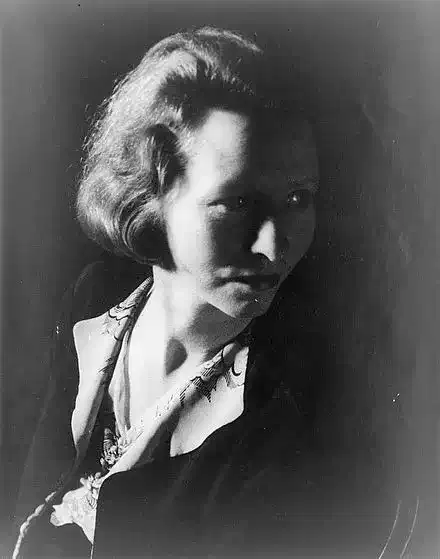
Edna St. Vincent Millay
Ode To Silence
Ode To Silence
Aye, but she?
Your other sister and my other soul
Grave Silence, lovelier
Than the three loveliest maidens, what of her?
Clio, not you,
Not you, Calliope,
Nor all your wanton line,
Not Beauty's perfect self shall comfort me
For Silence once departed,
For her the cool-tongued, her the tranquil-hearted,
Whom evermore I follow wistfully,
Wandering Heaven and Earth and Hell and the four seasons through;
Thalia, not you,
Not you, Melpomene,
Not your incomparable feet, O thin Terpsichore, I seek in this great hall,
But one more pale, more pensive, most beloved of you all.
I seek her from afar,
I come from temples where her altars are,
From groves that bear her name,
Noisy with stricken victims now and sacrificial flame,
And cymbals struck on high and strident faces
Obstreperous in her praise
They neither love nor know,
A goddess of gone days,
Departed long ago,
Abandoning the invaded shrines and fanes
Of her old sanctuary,
A deity obscure and legendary,
Of whom there now remains,
For sages to decipher and priests to garble,
Only and for a little while her letters wedged in marble,
Which even now, behold, the friendly mumbling rain erases,
And the inarticulate snow,
Leaving at last of her least signs and traces
None whatsoever, nor whither she is vanished from these places.
"She will love well," I said,
"If love be of that heart inhabiter,
The flowers of the dead;
The red anemone that with no sound
Moves in the wind, and from another wound
That sprang, the heavily-sweet blue hyacinth,
That blossoms underground,
And sallow poppies, will be dear to her.
And will not Silence know
In the black shade of what obsidian steep
Stiffens the white narcissus numb with sleep?
(Seed which Demeter's daughter bore from home,
Uptorn by desperate fingers long ago,
Reluctant even as she,
Undone Persephone,
And even as she set out again to grow
In twilight, in perdition's lean and inauspicious loam).
She will love well," I said,
"The flowers of the dead;
Where dark Persephone the winter round,
Uncomforted for home, uncomforted,
Lacking a sunny southern slope in northern Sicily,
With sullen pupils focussed on a dream,
Stares on the stagnant stream
That moats the unequivocable battlements of Hell,
There, there will she be found,
She that is Beauty veiled from men and Music in a swound."
"I long for Silence as they long for breath
Whose helpless nostrils drink the bitter sea;
What thing can be
So stout, what so redoubtable, in Death
What fury, what considerable rage, if only she,
Upon whose icy breast,
Unquestioned, uncaressed,
One time I lay,
And whom always I lack,
Even to this day,
Being by no means from that frigid bosom weaned away,
If only she therewith be given me back?"
I sought her down that dolorous labyrinth,
Wherein no shaft of sunlight ever fell,
And in among the bloodless everywhere
I sought her, but the air,
Breathed many times and spent,
Was fretful with a whispering discontent,
And questioning me, importuning me to tell
Some slightest tidings of the light of day they know no more,
Plucking my sleeve, the eager shades were with me where I went.
I paused at every grievous door,
And harked a moment, holding up my hand,—and for a space
A hush was on them, while they watched my face;
And then they fell a-whispering as before;
So that I smiled at them and left them, seeing she was not there.
I sought her, too,
Among the upper gods, although I knew
She was not like to be where feasting is,
Nor near to Heaven's lord,
Being a thing abhorred
And shunned of him, although a child of his,
(Not yours, not yours; to you she owes not breath,
Mother of Song, being sown of Zeus upon a dream of Death).
Fearing to pass unvisited some place
And later learn, too late, how all the while,
With her still face,
She had been standing there and seen me pass, without a smile,
I sought her even to the sagging board whereat
The stout immortals sat;
But such a laughter shook the mighty hall
No one could hear me say:
Had she been seen upon the Hill that day?
And no one knew at all
How long I stood, or when at last I sighed and went away.
There is a garden lying in a lull
Between the mountains and the mountainous sea,
I know not where, but which a dream diurnal
Paints on my lids a moment till the hull
Be lifted from the kernel
And Slumber fed to me.
Your foot-print is not there, Mnemosene,
Though it would seem a ruined place and after
Your lichenous heart, being full
Of broken columns, caryatides
Thrown to the earth and fallen forward on their jointless knees,
And urns funereal altered into dust
Minuter than the ashes of the dead,
And Psyche's lamp out of the earth up-thrust,
Dripping itself in marble wax on what was once the bed
Of Love, and his young body asleep, but now is dust instead.
There twists the bitter-sweet, the white wisteria Fastens its fingers in the strangling
wall,
And the wide crannies quicken with bright weeds;
There dumbly like a worm all day the still white orchid feeds;
But never an echo of your daughters' laughter
Is there, nor any sign of you at all
Swells fungous from the rotten bough, grey mother of Pieria!
Only her shadow once upon a stone
I saw,—and, lo, the shadow and the garden, too, were gone.
I tell you you have done her body an ill,
You chatterers, you noisy crew!
She is not anywhere!
I sought her in deep Hell;
And through the world as well;
I thought of Heaven and I sought her there;
Above nor under ground
Is Silence to be found,
That was the very warp and woof of you,
Lovely before your songs began and after they were through!
Oh, say if on this hill
Somewhere your sister's body lies in death,
So I may follow there, and make a wreath
Of my locked hands, that on her quiet breast
Shall lie till age has withered them!
(Ah, sweetly from the rest
I see
Turn and consider me
Compassionate Euterpe!)
"There is a gate beyond the gate of Death,
Beyond the gate of everlasting Life,
Beyond the gates of Heaven and Hell," she saith,
"Whereon but to believe is horror!
Whereon to meditate engendereth
Even in deathless spirits such as I
A tumult in the breath,
A chilling of the inexhaustible blood
Even in my veins that never will be dry,
And in the austere, divine monotony
That is my being, the madness of an unaccustomed mood.
This is her province whom you lack and seek;
And seek her not elsewhere.
Hell is a thoroughfare
For pilgrims,—Herakles,
And he that loved Euridice too well,
Have walked therein; and many more than these;
And witnessed the desire and the despair
Of souls that passed reluctantly and sicken for the air;
You, too, have entered Hell,
And issued thence; but thence whereof I speak
None has returned;—for thither fury brings
Only the driven ghosts of them that flee before all things.
Oblivion is the name of this abode: and she is there."
Oh, radiant Song! Oh, gracious Memory!
Be long upon this height
I shall not climb again!
I know the way you mean,—the little night,
And the long empty day,—never to see
Again the angry light,
Or hear the hungry noises cry my brain!
Ah, but she,
Your other sister and my other soul,
She shall again be mine;
And I shall drink her from a silver bowl,
A chilly thin green wine,
Not bitter to the taste,
Not sweet,
Not of your press, oh, restless, clamorous nine,—
To foam beneath the frantic hoofs of mirth—
But savoring faintly of the acid earth,
And trod by pensive feet
From perfect clusters ripened without haste
Out of the urgent heat
In some clear glimmering vaulted twilight under the odorous vine
. Lift up your lyres! Sing on!
But as for me, I seek your sister whither she is gone.
Aye, but she?
Your other sister and my other soul
Grave Silence, lovelier
Than the three loveliest maidens, what of her?
Clio, not you,
Not you, Calliope,
Nor all your wanton line,
Not Beauty's perfect self shall comfort me
For Silence once departed,
For her the cool-tongued, her the tranquil-hearted,
Whom evermore I follow wistfully,
Wandering Heaven and Earth and Hell and the four seasons through;
Thalia, not you,
Not you, Melpomene,
Not your incomparable feet, O thin Terpsichore, I seek in this great hall,
But one more pale, more pensive, most beloved of you all.
I seek her from afar,
I come from temples where her altars are,
From groves that bear her name,
Noisy with stricken victims now and sacrificial flame,
And cymbals struck on high and strident faces
Obstreperous in her praise
They neither love nor know,
A goddess of gone days,
Departed long ago,
Abandoning the invaded shrines and fanes
Of her old sanctuary,
A deity obscure and legendary,
Of whom there now remains,
For sages to decipher and priests to garble,
Only and for a little while her letters wedged in marble,
Which even now, behold, the friendly mumbling rain erases,
And the inarticulate snow,
Leaving at last of her least signs and traces
None whatsoever, nor whither she is vanished from these places.
"She will love well," I said,
"If love be of that heart inhabiter,
The flowers of the dead;
The red anemone that with no sound
Moves in the wind, and from another wound
That sprang, the heavily-sweet blue hyacinth,
That blossoms underground,
And sallow poppies, will be dear to her.
And will not Silence know
In the black shade of what obsidian steep
Stiffens the white narcissus numb with sleep?
(Seed which Demeter's daughter bore from home,
Uptorn by desperate fingers long ago,
Reluctant even as she,
Undone Persephone,
And even as she set out again to grow
In twilight, in perdition's lean and inauspicious loam).
She will love well," I said,
"The flowers of the dead;
Where dark Persephone the winter round,
Uncomforted for home, uncomforted,
Lacking a sunny southern slope in northern Sicily,
With sullen pupils focussed on a dream,
Stares on the stagnant stream
That moats the unequivocable battlements of Hell,
There, there will she be found,
She that is Beauty veiled from men and Music in a swound."
"I long for Silence as they long for breath
Whose helpless nostrils drink the bitter sea;
What thing can be
So stout, what so redoubtable, in Death
What fury, what considerable rage, if only she,
Upon whose icy breast,
Unquestioned, uncaressed,
One time I lay,
And whom always I lack,
Even to this day,
Being by no means from that frigid bosom weaned away,
If only she therewith be given me back?"
I sought her down that dolorous labyrinth,
Wherein no shaft of sunlight ever fell,
And in among the bloodless everywhere
I sought her, but the air,
Breathed many times and spent,
Was fretful with a whispering discontent,
And questioning me, importuning me to tell
Some slightest tidings of the light of day they know no more,
Plucking my sleeve, the eager shades were with me where I went.
I paused at every grievous door,
And harked a moment, holding up my hand,—and for a space
A hush was on them, while they watched my face;
And then they fell a-whispering as before;
So that I smiled at them and left them, seeing she was not there.
I sought her, too,
Among the upper gods, although I knew
She was not like to be where feasting is,
Nor near to Heaven's lord,
Being a thing abhorred
And shunned of him, although a child of his,
(Not yours, not yours; to you she owes not breath,
Mother of Song, being sown of Zeus upon a dream of Death).
Fearing to pass unvisited some place
And later learn, too late, how all the while,
With her still face,
She had been standing there and seen me pass, without a smile,
I sought her even to the sagging board whereat
The stout immortals sat;
But such a laughter shook the mighty hall
No one could hear me say:
Had she been seen upon the Hill that day?
And no one knew at all
How long I stood, or when at last I sighed and went away.
There is a garden lying in a lull
Between the mountains and the mountainous sea,
I know not where, but which a dream diurnal
Paints on my lids a moment till the hull
Be lifted from the kernel
And Slumber fed to me.
Your foot-print is not there, Mnemosene,
Though it would seem a ruined place and after
Your lichenous heart, being full
Of broken columns, caryatides
Thrown to the earth and fallen forward on their jointless knees,
And urns funereal altered into dust
Minuter than the ashes of the dead,
And Psyche's lamp out of the earth up-thrust,
Dripping itself in marble wax on what was once the bed
Of Love, and his young body asleep, but now is dust instead.
There twists the bitter-sweet, the white wisteria Fastens its fingers in the strangling
wall,
And the wide crannies quicken with bright weeds;
There dumbly like a worm all day the still white orchid feeds;
But never an echo of your daughters' laughter
Is there, nor any sign of you at all
Swells fungous from the rotten bough, grey mother of Pieria!
Only her shadow once upon a stone
I saw,—and, lo, the shadow and the garden, too, were gone.
I tell you you have done her body an ill,
You chatterers, you noisy crew!
She is not anywhere!
I sought her in deep Hell;
And through the world as well;
I thought of Heaven and I sought her there;
Above nor under ground
Is Silence to be found,
That was the very warp and woof of you,
Lovely before your songs began and after they were through!
Oh, say if on this hill
Somewhere your sister's body lies in death,
So I may follow there, and make a wreath
Of my locked hands, that on her quiet breast
Shall lie till age has withered them!
(Ah, sweetly from the rest
I see
Turn and consider me
Compassionate Euterpe!)
"There is a gate beyond the gate of Death,
Beyond the gate of everlasting Life,
Beyond the gates of Heaven and Hell," she saith,
"Whereon but to believe is horror!
Whereon to meditate engendereth
Even in deathless spirits such as I
A tumult in the breath,
A chilling of the inexhaustible blood
Even in my veins that never will be dry,
And in the austere, divine monotony
That is my being, the madness of an unaccustomed mood.
This is her province whom you lack and seek;
And seek her not elsewhere.
Hell is a thoroughfare
For pilgrims,—Herakles,
And he that loved Euridice too well,
Have walked therein; and many more than these;
And witnessed the desire and the despair
Of souls that passed reluctantly and sicken for the air;
You, too, have entered Hell,
And issued thence; but thence whereof I speak
None has returned;—for thither fury brings
Only the driven ghosts of them that flee before all things.
Oblivion is the name of this abode: and she is there."
Oh, radiant Song! Oh, gracious Memory!
Be long upon this height
I shall not climb again!
I know the way you mean,—the little night,
And the long empty day,—never to see
Again the angry light,
Or hear the hungry noises cry my brain!
Ah, but she,
Your other sister and my other soul,
She shall again be mine;
And I shall drink her from a silver bowl,
A chilly thin green wine,
Not bitter to the taste,
Not sweet,
Not of your press, oh, restless, clamorous nine,—
To foam beneath the frantic hoofs of mirth—
But savoring faintly of the acid earth,
And trod by pensive feet
From perfect clusters ripened without haste
Out of the urgent heat
In some clear glimmering vaulted twilight under the odorous vine
. Lift up your lyres! Sing on!
But as for me, I seek your sister whither she is gone.
317
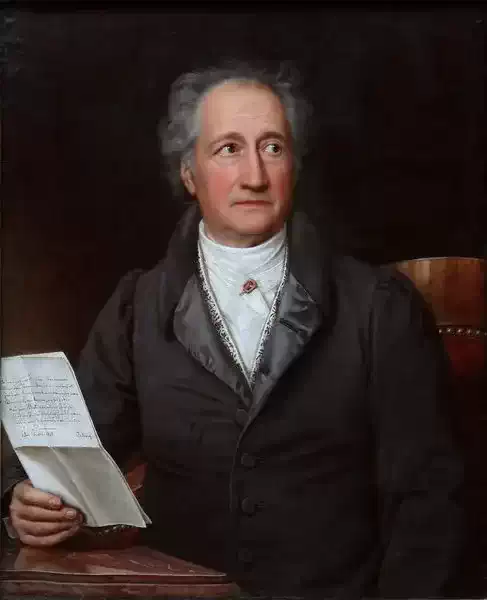
Johann Wolfgang Von Goethe
Sameness
Sameness
Over all hilltops
is peace
in all the treetops
you feel
barely a breeze;
The birds in the forest have
stopped their song
Wait, before long
you too will be still.
Over all hilltops
is peace
in all the treetops
you feel
barely a breeze;
The birds in the forest have
stopped their song
Wait, before long
you too will be still.
397
Emily Dickinson
By my Window have I for Scenery
By my Window have I for Scenery
797
By my Window have I for Scenery
Just a Sea-with a Stem-
If the Bird and the Farmer-deem it a "Pine"-
The Opinion will serve-for them-
It has no Port, nor a "Line"-but the Jays-
That split their route to the Sky-
Or a Squirrel, whose giddy Peninsula
May be easier reached-this way-
For Inlands-the Earth is the under side-
And the upper side-is the Sun-
And its Commerce-if Commerce it have-
Of Spice-I infer from the Odors borne-
Of its Voice-to affirm-when the Wind is within-
Can the Dumb-define the Divine?
The Definition of Melody-is-
That Definition is none
It-suggests to our FaithThey-
suggest to our Sight-
When the latter-is put away
I shall meet with Conviction I somewhere met
That Immortality-
Was the Pine at my Window a "Fellow
Of the Royal" Infinity?
Apprehensions-are God's introductions-
To be hallowed-accordingly-
797
By my Window have I for Scenery
Just a Sea-with a Stem-
If the Bird and the Farmer-deem it a "Pine"-
The Opinion will serve-for them-
It has no Port, nor a "Line"-but the Jays-
That split their route to the Sky-
Or a Squirrel, whose giddy Peninsula
May be easier reached-this way-
For Inlands-the Earth is the under side-
And the upper side-is the Sun-
And its Commerce-if Commerce it have-
Of Spice-I infer from the Odors borne-
Of its Voice-to affirm-when the Wind is within-
Can the Dumb-define the Divine?
The Definition of Melody-is-
That Definition is none
It-suggests to our FaithThey-
suggest to our Sight-
When the latter-is put away
I shall meet with Conviction I somewhere met
That Immortality-
Was the Pine at my Window a "Fellow
Of the Royal" Infinity?
Apprehensions-are God's introductions-
To be hallowed-accordingly-
249
Percy Bysshe Shelley
A Summer Evening Churchyard, Lechlade, Gloucestershire
A Summer Evening Churchyard, Lechlade, Gloucestershire
THE wind has swept from the wide atmosphere
Each vapour that obscured the sunset's ray,
And pallid Evening twines its beaming hair
In duskier braids around the languid eyes of Day:
Silence and Twilight, unbeloved of men,
Creep hand in hand from yon obscurest glen.
They breathe their spells towards the departing day,
Encompassing the earth, air, stars, and sea;
Light, sound, and motion, own the potent sway,
Responding to the charm with its own mystery.
The winds are still, or the dry church-tower grass
Knows not their gentle motions as they pass.
Thou too, aerial pile, whose pinnacles
Point from one shrine like pyramids of fire,
Obey'st I in silence their sweet solemn spells,
Clothing in hues of heaven thy dim and distant spire,
Around whose lessening and invisible height
Gather among the stars the clouds of night.
The dead are sleeping in their sepulchres:
And, mouldering as they sleep, a thrilling sound,
Half sense half thought, among the darkness stirs,
Breathed from their wormy beds all living things around,
And, mingling with the still night and mute sky,
Its awful hush is felt inaudibly.
Thus solemnized and softened, death is mild
And terrorless as this serenest night.
Here could I hope, like some enquiring child
Sporting on graves, that death did hide from human sight
Sweet secrets, or beside its breathless sleep
That loveliest dreams perpetual watch did keep.
THE wind has swept from the wide atmosphere
Each vapour that obscured the sunset's ray,
And pallid Evening twines its beaming hair
In duskier braids around the languid eyes of Day:
Silence and Twilight, unbeloved of men,
Creep hand in hand from yon obscurest glen.
They breathe their spells towards the departing day,
Encompassing the earth, air, stars, and sea;
Light, sound, and motion, own the potent sway,
Responding to the charm with its own mystery.
The winds are still, or the dry church-tower grass
Knows not their gentle motions as they pass.
Thou too, aerial pile, whose pinnacles
Point from one shrine like pyramids of fire,
Obey'st I in silence their sweet solemn spells,
Clothing in hues of heaven thy dim and distant spire,
Around whose lessening and invisible height
Gather among the stars the clouds of night.
The dead are sleeping in their sepulchres:
And, mouldering as they sleep, a thrilling sound,
Half sense half thought, among the darkness stirs,
Breathed from their wormy beds all living things around,
And, mingling with the still night and mute sky,
Its awful hush is felt inaudibly.
Thus solemnized and softened, death is mild
And terrorless as this serenest night.
Here could I hope, like some enquiring child
Sporting on graves, that death did hide from human sight
Sweet secrets, or beside its breathless sleep
That loveliest dreams perpetual watch did keep.
452
Emily Dickinson
Unit, like Death, for Whom?
Unit, like Death, for Whom?
408
Unit, like Death, for Whom?
True, like the Tomb,
Who tells no secret
Told to Him-
The Grave is strict-
Tickets admit
Just two-the Bearer-
And the Borne-
And seat-just One-
The Living-tell-
The Dying-but a Syllable-
The Coy Dead-None-
No Chatter-here-no tea-
So Babbler, and Bohea-stay there-
But Gravity-and Expectation-and Fear-
A tremor just, that All's not sure.
408
Unit, like Death, for Whom?
True, like the Tomb,
Who tells no secret
Told to Him-
The Grave is strict-
Tickets admit
Just two-the Bearer-
And the Borne-
And seat-just One-
The Living-tell-
The Dying-but a Syllable-
The Coy Dead-None-
No Chatter-here-no tea-
So Babbler, and Bohea-stay there-
But Gravity-and Expectation-and Fear-
A tremor just, that All's not sure.
244
Emily Dickinson
A Murmur in the Trees-to note
A Murmur in the Trees-to note
416
A Murmur in the Trees-to note-
Not loud enough-for Wind-
A Star-not far enough to seek-
Nor near enough-to find-
A long-long Yellow-on the Lawn-
A Hubbub-as of feet-
Not audible-as Ours-to Us-
But dapperer-More Sweet-
A Hurrying Home of little Men
To Houses unperceived-
All this-and more-if I should tell-
Would never be believed-
Of Robins in the Trundle bed
How many I espy
Whose Nightgowns could not hide the Wings-
Although I heard them try-
But then I promised ne'er to tell-
How could I break My Word?
So go your Way-and I'll go Mine-
No fear you'll miss the Road.
416
A Murmur in the Trees-to note-
Not loud enough-for Wind-
A Star-not far enough to seek-
Nor near enough-to find-
A long-long Yellow-on the Lawn-
A Hubbub-as of feet-
Not audible-as Ours-to Us-
But dapperer-More Sweet-
A Hurrying Home of little Men
To Houses unperceived-
All this-and more-if I should tell-
Would never be believed-
Of Robins in the Trundle bed
How many I espy
Whose Nightgowns could not hide the Wings-
Although I heard them try-
But then I promised ne'er to tell-
How could I break My Word?
So go your Way-and I'll go Mine-
No fear you'll miss the Road.
306
Emily Dickinson
This that would greet-an hour ago
This that would greet-an hour ago
778
This that would greet-an hour ago-
Is quaintest Distance-now-
Had it a Guest from Paradise-
Nor glow, would it, nor bow-
Had it a notice from the Noon
Nor beam would it nor warm-
Match me the Silver Reticence-
Match me the Solid Calm-
778
This that would greet-an hour ago-
Is quaintest Distance-now-
Had it a Guest from Paradise-
Nor glow, would it, nor bow-
Had it a notice from the Noon
Nor beam would it nor warm-
Match me the Silver Reticence-
Match me the Solid Calm-
251
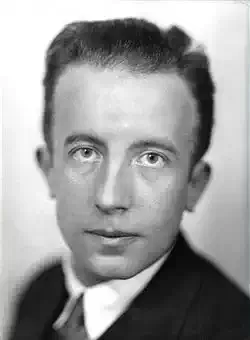
Paul Eluard
The Deaf and Blind
The Deaf and Blind
Do we reach the sea with clocks
In our pockets, with the noise of the sea
In the sea, or are we the carriers
Of a purer and more silent water?
The water rubbing against our hands sharpens knives.
The warriors have found their weapons in the waves
And the sound of their blows is like
The rocks that smash the boats at night.
It is the storm and the thunder. Why not the silence
Of the flood, for we have dreamt within us
Space for the greatest silence and we breathe
Like the wind over terrible seas, like the wind
That creeps slowly over every horizon.
Do we reach the sea with clocks
In our pockets, with the noise of the sea
In the sea, or are we the carriers
Of a purer and more silent water?
The water rubbing against our hands sharpens knives.
The warriors have found their weapons in the waves
And the sound of their blows is like
The rocks that smash the boats at night.
It is the storm and the thunder. Why not the silence
Of the flood, for we have dreamt within us
Space for the greatest silence and we breathe
Like the wind over terrible seas, like the wind
That creeps slowly over every horizon.
307
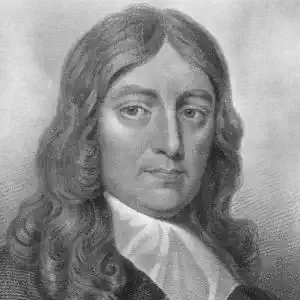
John Milton
Il Penseroso
Il Penseroso
HENCE, vain deluding Joys,
............The brood of Folly without father bred!
How little you bested
............Or fill the fixed mind with all your toys!
Dwell in some idle brain,
............And fancies fond with gaudy shapes possess,
As thick and numberless
............As the gay motes that people the sun-beams,
Or likest hovering dreams,
............The fickle pensioners of Morpheus' train.
But, hail! thou Goddess sage and holy!
Hail, divinest Melancholy!
Whose saintly visage is too bright
To hit the sense of human sight,
And therefore to our weaker view
O'erlaid with black, staid Wisdom's hue;
Black, but such as in esteem
Prince Memnon's sister might beseem,
Or that starred Ethiop queen that strove
To set her beauty's praise above
The Sea-Nymphs, and their powers offended.
Yet thou art higher far descended:
Thee bright-haired Vesta long of yore
To solitary Saturn bore;
His daughter she; in Saturn's reign
Such mixture was not held a stain.
Oft in glimmering bowers and glades
He met her, and in secret shades
Of woody Ida's inmost grove,
Whilst yet there was no fear of Jove.
Come, pensive Nun, devout and pure,
Sober, steadfast, and demure,
All in a robe of darkest grain,
Flowing with majestic train,
And sable stole of cypress lawn
Over thy decent shoulders drawn.
Come; but keep thy wonted state,
With even step, and musing gait,
And looks commercing with the skies,
Thy rapt soul sitting in thine eyes:
There, held in holy passion still,
Forget thyself to marble, till
With a sad leaden downward cast
Thou fix them on the earth as fast.
And join with thee calm Peace and Quiet,
Spare Fast, that oft with gods doth diet,
And hears the Muses in a ring
Aye round about Jove's altar sing;
And add to these retired Leisure,
That in trim gardens takes his pleasure;
But, first and chiefest, with thee bring
Him that yon soars on golden wing,
Guiding the fiery-wheeled throne,
The Cherub Contemplation;
And the mute Silence hist along,
'Less Philomel will deign a song,
In her sweetest saddest plight,
Smoothing the rugged brow of Night,
While Cynthia checks her dragon yoke
Gently o'er the accustomed oak.
Sweet bird, that shunn'st the noise of folly,
Most musical, most melancholy!
Thee, chauntress, oft the woods among
I woo, to hear thy even-song;
And, missing thee,I walk unseen
On the dry smooth-shaven green,
To behold the wandering moon,
Riding near her highest noon,
Like one that had been led astray
Through the heaven's wide pathless way,
And oft, as if her head she bowed,
Stooping through a fleecy cloud.
Oft, on a plat of rising ground,
I hear the far-off curfew sound,
Over some wide-watered shore,
Swinging slow with sullen roar;
Or, if the air will not permit,
Some still removed place will fit,
Where glowing embers through the room
Teach light to counterfeit a gloom,
Far from all resort of mirth,
Save the cricket on the hearth,
Or the bellman's drowsy charm
To bless the doors from nightly harm.
Or let my lamp, at midnight hour,
Be seen in some high lonely tower,
Where I may oft outwatch the Bear,
With thrice great Hermes, or unsphere
The spirit of Plato, to unfold
What worlds or what vast regions hold
The immortal mind that hath forsook
Her mansion in this fleshly nook;
And of those demons that are found
In fire, air, flood, or underground,
Whose power hath a true consent
With planet or with element.
Sometime let gorgeous Tragedy
In sceptred pall come sweeping by,
Presenting Thebes, or Pelops' line,
Or the tale of Troy divine,
Or what (though rare) of later age
Ennobled hath the buskined stage.
But, O sad Virgin! that thy power
Might raise Musaeus from his bower;
Or bid the soul of Orpheus sing
Such notes as, warbled to the string,
Drew iron tears down Pluto's cheek,
And made Hell grant what love did seek;
Or call up him that left half-told
The story of Cambuscan bold,
Of Camball, and of Algarsife,
And who had Canace to wife,
That owned the virtuous ring and glass,
And of the wondrous horse of brass
On which the Tartar king did ride;
And if aught else great bards beside
In sage and solemn tunes have sung,
Of turneys, and of trophies hung,
Of forests, and enchantments drear,
Where more is meant than meets the ear.
Thus, Night, oft see me in thy pale career,
Till civil-suited Morn appear,
Not tricked and frounced, as she was wont
With the Attic boy to hunt,
But kerchieft in a comely cloud
While rocking winds are piping loud,
Or ushered with a shower still,
When the gust hath blown his fill,
Ending on the rustling leaves,
With minute-drops from off the eaves.
And, when the sun begins to fling
His flaring beams, me, Goddess, bring
To arched walks of twilight groves,
And shadows brown, that Sylvan loves,
Of pine, or monumental oak,
Where the rude axe with heaved stroke
Was never heard the nymphs to daunt,
Or fright them from their hallowed haunt.
There, in close covert, by some brook,
Where no profaner eye may look,
Hide me from day's garish eye,
While the bee with honeyed thigh,
That at her flowery work doth sing,
And the waters murmuring,
With such consort as they keep,
Entice the dewy-feathered Sleep.
And let some strange mysterious dream
Wave at his wings, in airy stream
Of lively portraiture displayed,
Softly on my eyelids laid;
And, as I wake, sweet music breathe
Above, about, or underneath,
Sent by some Spirit to mortals good,
Or the unseen Genius of the wood.
But let my due feet never fail
To walk the studious cloister's pale,
And love the high embowed roof,
With antique pillars massy proof,
And storied windows richly dight,
Casting a dim religious light.
There let the pealing organ blow,
To the full-voiced quire below,
In service high and anthems clear,
As may with sweetness, through mine ear,
Dissolve me into ecstasies,
And bring all Heaven before mine eyes.
And may at last my weary age
Find out the peaceful hermitage,
The hairy gown and mossy cell,
Where I may sit and rightly spell
Of every star that heaven doth shew,
And every herb that sips the dew,
Till old experience do attain
To something like prophetic strain.
These pleasures, Melancholy, give;
And I with thee will choose to live.
HENCE, vain deluding Joys,
............The brood of Folly without father bred!
How little you bested
............Or fill the fixed mind with all your toys!
Dwell in some idle brain,
............And fancies fond with gaudy shapes possess,
As thick and numberless
............As the gay motes that people the sun-beams,
Or likest hovering dreams,
............The fickle pensioners of Morpheus' train.
But, hail! thou Goddess sage and holy!
Hail, divinest Melancholy!
Whose saintly visage is too bright
To hit the sense of human sight,
And therefore to our weaker view
O'erlaid with black, staid Wisdom's hue;
Black, but such as in esteem
Prince Memnon's sister might beseem,
Or that starred Ethiop queen that strove
To set her beauty's praise above
The Sea-Nymphs, and their powers offended.
Yet thou art higher far descended:
Thee bright-haired Vesta long of yore
To solitary Saturn bore;
His daughter she; in Saturn's reign
Such mixture was not held a stain.
Oft in glimmering bowers and glades
He met her, and in secret shades
Of woody Ida's inmost grove,
Whilst yet there was no fear of Jove.
Come, pensive Nun, devout and pure,
Sober, steadfast, and demure,
All in a robe of darkest grain,
Flowing with majestic train,
And sable stole of cypress lawn
Over thy decent shoulders drawn.
Come; but keep thy wonted state,
With even step, and musing gait,
And looks commercing with the skies,
Thy rapt soul sitting in thine eyes:
There, held in holy passion still,
Forget thyself to marble, till
With a sad leaden downward cast
Thou fix them on the earth as fast.
And join with thee calm Peace and Quiet,
Spare Fast, that oft with gods doth diet,
And hears the Muses in a ring
Aye round about Jove's altar sing;
And add to these retired Leisure,
That in trim gardens takes his pleasure;
But, first and chiefest, with thee bring
Him that yon soars on golden wing,
Guiding the fiery-wheeled throne,
The Cherub Contemplation;
And the mute Silence hist along,
'Less Philomel will deign a song,
In her sweetest saddest plight,
Smoothing the rugged brow of Night,
While Cynthia checks her dragon yoke
Gently o'er the accustomed oak.
Sweet bird, that shunn'st the noise of folly,
Most musical, most melancholy!
Thee, chauntress, oft the woods among
I woo, to hear thy even-song;
And, missing thee,I walk unseen
On the dry smooth-shaven green,
To behold the wandering moon,
Riding near her highest noon,
Like one that had been led astray
Through the heaven's wide pathless way,
And oft, as if her head she bowed,
Stooping through a fleecy cloud.
Oft, on a plat of rising ground,
I hear the far-off curfew sound,
Over some wide-watered shore,
Swinging slow with sullen roar;
Or, if the air will not permit,
Some still removed place will fit,
Where glowing embers through the room
Teach light to counterfeit a gloom,
Far from all resort of mirth,
Save the cricket on the hearth,
Or the bellman's drowsy charm
To bless the doors from nightly harm.
Or let my lamp, at midnight hour,
Be seen in some high lonely tower,
Where I may oft outwatch the Bear,
With thrice great Hermes, or unsphere
The spirit of Plato, to unfold
What worlds or what vast regions hold
The immortal mind that hath forsook
Her mansion in this fleshly nook;
And of those demons that are found
In fire, air, flood, or underground,
Whose power hath a true consent
With planet or with element.
Sometime let gorgeous Tragedy
In sceptred pall come sweeping by,
Presenting Thebes, or Pelops' line,
Or the tale of Troy divine,
Or what (though rare) of later age
Ennobled hath the buskined stage.
But, O sad Virgin! that thy power
Might raise Musaeus from his bower;
Or bid the soul of Orpheus sing
Such notes as, warbled to the string,
Drew iron tears down Pluto's cheek,
And made Hell grant what love did seek;
Or call up him that left half-told
The story of Cambuscan bold,
Of Camball, and of Algarsife,
And who had Canace to wife,
That owned the virtuous ring and glass,
And of the wondrous horse of brass
On which the Tartar king did ride;
And if aught else great bards beside
In sage and solemn tunes have sung,
Of turneys, and of trophies hung,
Of forests, and enchantments drear,
Where more is meant than meets the ear.
Thus, Night, oft see me in thy pale career,
Till civil-suited Morn appear,
Not tricked and frounced, as she was wont
With the Attic boy to hunt,
But kerchieft in a comely cloud
While rocking winds are piping loud,
Or ushered with a shower still,
When the gust hath blown his fill,
Ending on the rustling leaves,
With minute-drops from off the eaves.
And, when the sun begins to fling
His flaring beams, me, Goddess, bring
To arched walks of twilight groves,
And shadows brown, that Sylvan loves,
Of pine, or monumental oak,
Where the rude axe with heaved stroke
Was never heard the nymphs to daunt,
Or fright them from their hallowed haunt.
There, in close covert, by some brook,
Where no profaner eye may look,
Hide me from day's garish eye,
While the bee with honeyed thigh,
That at her flowery work doth sing,
And the waters murmuring,
With such consort as they keep,
Entice the dewy-feathered Sleep.
And let some strange mysterious dream
Wave at his wings, in airy stream
Of lively portraiture displayed,
Softly on my eyelids laid;
And, as I wake, sweet music breathe
Above, about, or underneath,
Sent by some Spirit to mortals good,
Or the unseen Genius of the wood.
But let my due feet never fail
To walk the studious cloister's pale,
And love the high embowed roof,
With antique pillars massy proof,
And storied windows richly dight,
Casting a dim religious light.
There let the pealing organ blow,
To the full-voiced quire below,
In service high and anthems clear,
As may with sweetness, through mine ear,
Dissolve me into ecstasies,
And bring all Heaven before mine eyes.
And may at last my weary age
Find out the peaceful hermitage,
The hairy gown and mossy cell,
Where I may sit and rightly spell
Of every star that heaven doth shew,
And every herb that sips the dew,
Till old experience do attain
To something like prophetic strain.
These pleasures, Melancholy, give;
And I with thee will choose to live.
708

Mirza Ghalib
Ghazal
Ghazal
I wish to go and dwell,
In such a place,
Where there's no one else.
No one to understand my speech,
No one around to talk with,
There, I want to reach.
I wish to build,
One such house,
Without a door to enter,
Without the boundary walls,
Thus there will be no neighbours,
And there will be no guard.
There will be no one thus,
To take care of me,
When I will fell ill.
And there will be no one,
To mourn or cry,
When I will die.
I wish to go and dwell,
In such a place,
Where there's no one else.
No one to understand my speech,
No one around to talk with,
There, I want to reach.
I wish to build,
One such house,
Without a door to enter,
Without the boundary walls,
Thus there will be no neighbours,
And there will be no guard.
There will be no one thus,
To take care of me,
When I will fell ill.
And there will be no one,
To mourn or cry,
When I will die.
325

Paul Celan
Alchemical
Alchemical
Silence, like Gold cooked in
charred
Hands.
Vast, grey,
near as all that is Lost
Sisterly-Shape:
All the Names, all the with-
Burnt up
Names. So much
Ash to be blessed. So much
Land gained
above
the light, so light
Soul-
Rings.
Vast. Grey. Clinkerless.
You, then.
You with the pale
bitten-out bud,
You in the Wine-Flood.
(Did it not discharge
us too, this Hour?
Good,
Good, that your Word died away here.)
Silence, like Gold cooked, in
charred, charred
Hands.
Fingers, smoke-thin. Like Crowns, Air-Crowns
around – –
Vast. Grey. Trackless.
Queenlike.
Silence, like Gold cooked in
charred
Hands.
Vast, grey,
near as all that is Lost
Sisterly-Shape:
All the Names, all the with-
Burnt up
Names. So much
Ash to be blessed. So much
Land gained
above
the light, so light
Soul-
Rings.
Vast. Grey. Clinkerless.
You, then.
You with the pale
bitten-out bud,
You in the Wine-Flood.
(Did it not discharge
us too, this Hour?
Good,
Good, that your Word died away here.)
Silence, like Gold cooked, in
charred, charred
Hands.
Fingers, smoke-thin. Like Crowns, Air-Crowns
around – –
Vast. Grey. Trackless.
Queenlike.
407
Page 1
Next