
Separation and Breakup
Poems in this topic
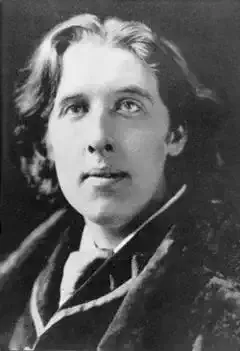
Oscar Wilde
Her Voice
The wild bee reels from bough to bough
With his furry coat and his gauzy wing,
Now in a lily-cup, and now
Setting a jacinth bell a-swing,
In his wandering;
Sit closer love: it was here I trow
I made that vow,
Swore that two lives should be like one
As long as the sea-gull loved the sea,
As long as the sunflower sought the sun, -
It shall be, I said, for eternity
'Twixt you and me!
Dear friend, those times are over and done;
Love's web is spun.
Look upward where the poplar trees
Sway and sway in the summer air,
Here in the valley never a breeze
Scatters the thistledown, but there
Great winds blow fair
From the mighty murmuring mystical seas,
And the wave-lashed leas.
Look upward where the white gull screams,
What does it see that we do not see?
Is that a star? or the lamp that gleams
On some outward voyaging argosy, -
Ah! can it be
We have lived our lives in a land of dreams!
How sad it seems.
Sweet, there is nothing left to say
But this, that love is never lost,
Keen winter stabs the breasts of May
Whose crimson roses burst his frost,
Ships tempest-tossed
Will find a harbour in some bay,
And so we may.
And there is nothing left to do
But to kiss once again, and part,
Nay, there is nothing we should rue,
I have my beauty, - you your Art,
Nay, do not start,
One world was not enough for two
Like me and you.
With his furry coat and his gauzy wing,
Now in a lily-cup, and now
Setting a jacinth bell a-swing,
In his wandering;
Sit closer love: it was here I trow
I made that vow,
Swore that two lives should be like one
As long as the sea-gull loved the sea,
As long as the sunflower sought the sun, -
It shall be, I said, for eternity
'Twixt you and me!
Dear friend, those times are over and done;
Love's web is spun.
Look upward where the poplar trees
Sway and sway in the summer air,
Here in the valley never a breeze
Scatters the thistledown, but there
Great winds blow fair
From the mighty murmuring mystical seas,
And the wave-lashed leas.
Look upward where the white gull screams,
What does it see that we do not see?
Is that a star? or the lamp that gleams
On some outward voyaging argosy, -
Ah! can it be
We have lived our lives in a land of dreams!
How sad it seems.
Sweet, there is nothing left to say
But this, that love is never lost,
Keen winter stabs the breasts of May
Whose crimson roses burst his frost,
Ships tempest-tossed
Will find a harbour in some bay,
And so we may.
And there is nothing left to do
But to kiss once again, and part,
Nay, there is nothing we should rue,
I have my beauty, - you your Art,
Nay, do not start,
One world was not enough for two
Like me and you.
642
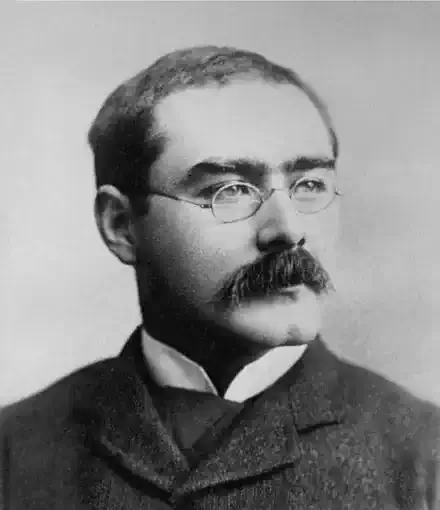
Rudyard Kipling
Harp Song of the Dane Women
Harp Song of the Dane Women
What is a woman that you forsake her,
And the hearth-fire and the home-acre.
To go with the old grey Widow-maker?
She has no house to lay a guest in
But one chill bed for all to rest in,
That the pale suns and the stray bergs nest in.
She has no strong white arms to fold you,
But the ten-times-fingering weed to hold you
Out on the rocks where the tide has rolled you.
Yet, when the signs of summer thicken,
And the ice breaks, and the birch-buds quicken,
Yearly you turn from our side, and sicken- -
Sicken again for the shouts and the slaughters.
You steal away to the lapping waters,
And look at your ship in her winter-quarters.
You forget our mirth, and talk at the tables,
The kine in the shed and the horse in the stables
To pitch her sides and go over her cables.
Then you drive out where the storm-clouds swallow,
And the sound of your oar-blades, falling hollow,
Is all we have left through the months to follow.
Ah, what is Woman that you forsake her,
And the hearth-fire and the home-acre,
To go with the old grey Widow-maker?
What is a woman that you forsake her,
And the hearth-fire and the home-acre.
To go with the old grey Widow-maker?
She has no house to lay a guest in
But one chill bed for all to rest in,
That the pale suns and the stray bergs nest in.
She has no strong white arms to fold you,
But the ten-times-fingering weed to hold you
Out on the rocks where the tide has rolled you.
Yet, when the signs of summer thicken,
And the ice breaks, and the birch-buds quicken,
Yearly you turn from our side, and sicken- -
Sicken again for the shouts and the slaughters.
You steal away to the lapping waters,
And look at your ship in her winter-quarters.
You forget our mirth, and talk at the tables,
The kine in the shed and the horse in the stables
To pitch her sides and go over her cables.
Then you drive out where the storm-clouds swallow,
And the sound of your oar-blades, falling hollow,
Is all we have left through the months to follow.
Ah, what is Woman that you forsake her,
And the hearth-fire and the home-acre,
To go with the old grey Widow-maker?
439

Spike Milligan
Goodbye S.S.
Goodbye S.S.
Go away girl, go away
and let me pack my dreams
Now where did I put those yesteryears
made up with broken seams
Where shall I sweep the pieces
my God they still look new
There's a taxi waiting at the door
but there's only room for you
Go away girl, go away
and let me pack my dreams
Now where did I put those yesteryears
made up with broken seams
Where shall I sweep the pieces
my God they still look new
There's a taxi waiting at the door
but there's only room for you
191
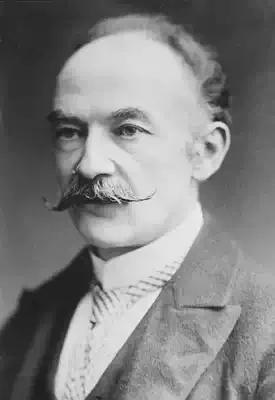
Thomas Hardy
The Dame of Athelhall
The Dame of Athelhall
I
"Soul! Shall I see thy face," she said,
"In one brief hour?
And away with thee from a loveless bed
To a far-off sun, to a vine-wrapt bower,
And be thine own unseparated,
And challenge the world's white glower?
II
She quickened her feet, and met him where
They had predesigned:
And they clasped, and mounted, and cleft the air
Upon whirling wheels; till the will to bind
Her life with his made the moments there
Efface the years behind.
III
Miles slid, and the sight of the port upgrew
As they sped on;
When slipping its bond the bracelet flew
From her fondled arm. Replaced anon,
Its cameo of the abjured one drew
Her musings thereupon.
IV
The gaud with his image once had been
A gift from him:
And so it was that its carving keen
Refurbished memories wearing dim,
Which set in her soul a throe of teen,
And a tear on her lashes' brim.
V
"I may not go!" she at length upspake,
"Thoughts call me back -
I would still lose all for your dear, dear sake;
My heart is thine, friend! But my track
I home to Athelhall must take
To hinder household wrack!"
VI
He appealed. But they parted, weak and wan:
And he left the shore;
His ship diminished, was low, was gone;
And she heard in the waves as the daytide wore,
And read in the leer of the sun that shone,
That they parted for evermore.
VII
She homed as she came, at the dip of eve
On Athel Coomb
Regaining the Hall she had sworn to leave . . .
The house was soundless as a tomb,
And she entered her chamber, there to grieve
Lone, kneeling, in the gloom.
VIII
From the lawn without rose her husband's voice
To one his friend:
"Another her Love, another my choice,
Her going is good. Our conditions mend;
In a change of mates we shall both rejoice;
I hoped that it thus might end!
IX
"A quick divorce; she will make him hers,
And I wed mine.
So Time rights all things in long, long years -
Or rather she, by her bold design!
I admire a woman no balk deters:
She has blessed my life, in fine.
X
"I shall build new rooms for my new true bride,
Let the bygone be:
By now, no doubt, she has crossed the tide
With the man to her mind. Far happier she
In some warm vineland by his side
Than ever she was with me."
I
"Soul! Shall I see thy face," she said,
"In one brief hour?
And away with thee from a loveless bed
To a far-off sun, to a vine-wrapt bower,
And be thine own unseparated,
And challenge the world's white glower?
II
She quickened her feet, and met him where
They had predesigned:
And they clasped, and mounted, and cleft the air
Upon whirling wheels; till the will to bind
Her life with his made the moments there
Efface the years behind.
III
Miles slid, and the sight of the port upgrew
As they sped on;
When slipping its bond the bracelet flew
From her fondled arm. Replaced anon,
Its cameo of the abjured one drew
Her musings thereupon.
IV
The gaud with his image once had been
A gift from him:
And so it was that its carving keen
Refurbished memories wearing dim,
Which set in her soul a throe of teen,
And a tear on her lashes' brim.
V
"I may not go!" she at length upspake,
"Thoughts call me back -
I would still lose all for your dear, dear sake;
My heart is thine, friend! But my track
I home to Athelhall must take
To hinder household wrack!"
VI
He appealed. But they parted, weak and wan:
And he left the shore;
His ship diminished, was low, was gone;
And she heard in the waves as the daytide wore,
And read in the leer of the sun that shone,
That they parted for evermore.
VII
She homed as she came, at the dip of eve
On Athel Coomb
Regaining the Hall she had sworn to leave . . .
The house was soundless as a tomb,
And she entered her chamber, there to grieve
Lone, kneeling, in the gloom.
VIII
From the lawn without rose her husband's voice
To one his friend:
"Another her Love, another my choice,
Her going is good. Our conditions mend;
In a change of mates we shall both rejoice;
I hoped that it thus might end!
IX
"A quick divorce; she will make him hers,
And I wed mine.
So Time rights all things in long, long years -
Or rather she, by her bold design!
I admire a woman no balk deters:
She has blessed my life, in fine.
X
"I shall build new rooms for my new true bride,
Let the bygone be:
By now, no doubt, she has crossed the tide
With the man to her mind. Far happier she
In some warm vineland by his side
Than ever she was with me."
214
John Donne
A Valediction: of Weeping
A Valediction: of Weeping
Let me pour forth
My tears before thy face, whil'st I stay here,
For thy face coins them, and thy stamp they bear,
And by this Mintage they are something worth,
For thus they be
Pregnant of thee;
Fruits of much grief they are, emblems of more,
When a tear falls, that thou falls which it bore,
So thou and I are nothing then, when on a divers shore.
On a round ball
A workman that hath copies by, can lay
An Europe, Afrique, and an Asia,
And quickly make that, which was nothing, All,
So doth each tear,
Which thee doth wear,
A globe, yea world by that impression grow,
Till thy tears mixt with mine do overflow
This world, by waters sent from thee, my heaven dissolved so.
O more than Moon,
Draw not up seas to drown me in thy sphere,
Weep me not dead, in thine arms, but forbear
To teach the sea, what it may do too soon;
Let not the wind
Example find,
To do me more harm, than it purposeth;
Since thou and I sigh one another's breath,
Who e'r sighs most, is cruellest, and hastes the other's death.
Let me pour forth
My tears before thy face, whil'st I stay here,
For thy face coins them, and thy stamp they bear,
And by this Mintage they are something worth,
For thus they be
Pregnant of thee;
Fruits of much grief they are, emblems of more,
When a tear falls, that thou falls which it bore,
So thou and I are nothing then, when on a divers shore.
On a round ball
A workman that hath copies by, can lay
An Europe, Afrique, and an Asia,
And quickly make that, which was nothing, All,
So doth each tear,
Which thee doth wear,
A globe, yea world by that impression grow,
Till thy tears mixt with mine do overflow
This world, by waters sent from thee, my heaven dissolved so.
O more than Moon,
Draw not up seas to drown me in thy sphere,
Weep me not dead, in thine arms, but forbear
To teach the sea, what it may do too soon;
Let not the wind
Example find,
To do me more harm, than it purposeth;
Since thou and I sigh one another's breath,
Who e'r sighs most, is cruellest, and hastes the other's death.
329

George Gordon Lord Byron
To Emma
To Emma
Since now the hour is come at last,
When you must quit your anxious lover;
Since now our dream of bliss is past,
One pang, my girl, and all is over.
Alas! that pang will be severe,
Which bids us part to meet no more;
Which tears me far from one so dear,
Departing for a distant shore.
Well! we have pass'd some happy hours,
And joy will mingle with our tears;
When thinking on these ancient towers,
We shelter of our infant years;
Where from this Gothic casement's height,
We view's the lake, the park, the dell,
And still, though tears obstruct our sight,
We lingering look a last farewell,
O'er fields through which we used to run,
And spend the hours in childish play;
O'er shades where, when our race was done,
Reposing on my breast you lay;
Whilst I, admiring, too remiss,
Forgot to scare the hovering flies,
Yet envied every fly the kiss
It dared to give your slumbering eyes:
See still the little painted bark,
In which I row'd you o'er the lake;
See there, high waving o'er the park,
The elm I clamber'd for your sake.
These times are past — our joys are gone,
You leave me, leave this happy vale;
These scenes I must retrace alone:
Without thee what will they avail?
Who can conceive, who has not proved,
The anguish of a last embrace?
When, torn from all you fondly loved,
You bid a long adieu to peace.
This is the deepest of our woes,
For this these tears our cheeks bedew;
This is of love the final close,
Oh, God! the fondest, last adieu!
Since now the hour is come at last,
When you must quit your anxious lover;
Since now our dream of bliss is past,
One pang, my girl, and all is over.
Alas! that pang will be severe,
Which bids us part to meet no more;
Which tears me far from one so dear,
Departing for a distant shore.
Well! we have pass'd some happy hours,
And joy will mingle with our tears;
When thinking on these ancient towers,
We shelter of our infant years;
Where from this Gothic casement's height,
We view's the lake, the park, the dell,
And still, though tears obstruct our sight,
We lingering look a last farewell,
O'er fields through which we used to run,
And spend the hours in childish play;
O'er shades where, when our race was done,
Reposing on my breast you lay;
Whilst I, admiring, too remiss,
Forgot to scare the hovering flies,
Yet envied every fly the kiss
It dared to give your slumbering eyes:
See still the little painted bark,
In which I row'd you o'er the lake;
See there, high waving o'er the park,
The elm I clamber'd for your sake.
These times are past — our joys are gone,
You leave me, leave this happy vale;
These scenes I must retrace alone:
Without thee what will they avail?
Who can conceive, who has not proved,
The anguish of a last embrace?
When, torn from all you fondly loved,
You bid a long adieu to peace.
This is the deepest of our woes,
For this these tears our cheeks bedew;
This is of love the final close,
Oh, God! the fondest, last adieu!
470

William Shakespeare
Sonnet 36: Let me confess that we two must be twain
Sonnet 36: Let me confess that we two must be twain
Let me confess that we two must be twain,
Although our undivided loves are one;
So shall those blots that do with me remain,
Without thy help, by me be borne alone.
In our two loves there is but one respect,
Though in our lives a separable spite,
Which, though it alter not love's sole effect,
Yet doth it steal sweet hours from love's delight.
I may not evermore acknowledge thee,
Lest my bewailèd guilt should do thee shame,
Nor thou with public kindness honour me
Unless thou take that honour from thy name.
But do not so; I love thee in such sort
As, thou being mine, mine is thy good report.
Let me confess that we two must be twain,
Although our undivided loves are one;
So shall those blots that do with me remain,
Without thy help, by me be borne alone.
In our two loves there is but one respect,
Though in our lives a separable spite,
Which, though it alter not love's sole effect,
Yet doth it steal sweet hours from love's delight.
I may not evermore acknowledge thee,
Lest my bewailèd guilt should do thee shame,
Nor thou with public kindness honour me
Unless thou take that honour from thy name.
But do not so; I love thee in such sort
As, thou being mine, mine is thy good report.
287
Edna St. Vincent Millay
Oh, Oh, You Will Be Sorry
Oh, Oh, You Will Be Sorry
Oh, oh, you will be sorry for that word!
Give me back my book and take my kiss instead.
Was it my enemy or my friend I heard,
"What a big book for such a little head!"
Come, I will show you now my newest hat,
And you may watch me purse my mouth and prink!
Oh, I shall love you still, and all of that.
I never again shall tell you what I think.
I shall be sweet and crafty, soft and sly;
You will not catch me reading any more:
I shall be called a wife to pattern by;
And some day when you knock and push the door,
Some sane day, not too bright and not too stormy,
I shall be gone, and you may whistle for me.
Oh, oh, you will be sorry for that word!
Give me back my book and take my kiss instead.
Was it my enemy or my friend I heard,
"What a big book for such a little head!"
Come, I will show you now my newest hat,
And you may watch me purse my mouth and prink!
Oh, I shall love you still, and all of that.
I never again shall tell you what I think.
I shall be sweet and crafty, soft and sly;
You will not catch me reading any more:
I shall be called a wife to pattern by;
And some day when you knock and push the door,
Some sane day, not too bright and not too stormy,
I shall be gone, and you may whistle for me.
344
William Butler Yeats
Reconciliation
Reconciliation
SOME may have blamed you that you took away
The verses that could move them on the day
When, the ears being deafened, the sight of the eyes blind
With lightning, you went from me, and I could find
Nothing to make a song about but kings,
Helmets, and swords, and half-forgotten things
That were like memories of you -- but now
We'll out, for the world lives as long ago;
And while we're in our laughing, weeping fit,
Hurl helmets, crowns, and swords into the pit.
But, dear, cling close to me; since you were gone,
My barren thoughts have chilled me to the bone.
SOME may have blamed you that you took away
The verses that could move them on the day
When, the ears being deafened, the sight of the eyes blind
With lightning, you went from me, and I could find
Nothing to make a song about but kings,
Helmets, and swords, and half-forgotten things
That were like memories of you -- but now
We'll out, for the world lives as long ago;
And while we're in our laughing, weeping fit,
Hurl helmets, crowns, and swords into the pit.
But, dear, cling close to me; since you were gone,
My barren thoughts have chilled me to the bone.
392
William Butler Yeats
Parting
Parting
He. Dear, I must be gone
While night Shuts the eyes
Of the household spies;
That song announces dawn.
She. No, night's bird and love's
Bids all true lovers rest,
While his loud song reproves
The murderous stealth of day.
He. Daylight already flies
From mountain crest to crest
She. That light is from the moon.
He. That bird...
She. Let him sing on,
I offer to love's play
My dark declivities.
He. Dear, I must be gone
While night Shuts the eyes
Of the household spies;
That song announces dawn.
She. No, night's bird and love's
Bids all true lovers rest,
While his loud song reproves
The murderous stealth of day.
He. Daylight already flies
From mountain crest to crest
She. That light is from the moon.
He. That bird...
She. Let him sing on,
I offer to love's play
My dark declivities.
292

Emily Jane Brontë
Silent is the House
Silent is the House
Come, the wind may never again
Blow as now it blows for us;
And the stars may never again shine as now they shine;
Long before October returns,
Seas of blood will have parted us;
And you must crush the love in your heart, and I the love in mine!
Come, the wind may never again
Blow as now it blows for us;
And the stars may never again shine as now they shine;
Long before October returns,
Seas of blood will have parted us;
And you must crush the love in your heart, and I the love in mine!
240

Emily Dickinson
Dying! To be afraid of thee
Dying! To be afraid of thee
831
Dying! To be afraid of thee
One must to thine Artillery
Have left exposed a Friend-
Than thine old Arrow is a Shot
Delivered straighter to the Heart
The leaving Love behind.
Not for itself, the Dust is shy,
But, enemy, Beloved be
Thy Batteries divorce.
Fight sternly in a Dying eye
Two Armies, Love and Certainty
And Love and the Reverse.
831
Dying! To be afraid of thee
One must to thine Artillery
Have left exposed a Friend-
Than thine old Arrow is a Shot
Delivered straighter to the Heart
The leaving Love behind.
Not for itself, the Dust is shy,
But, enemy, Beloved be
Thy Batteries divorce.
Fight sternly in a Dying eye
Two Armies, Love and Certainty
And Love and the Reverse.
239

Christina Georgina Rossetti
The Ghost’s Petition
The Ghost’s Petition
'There's a footstep coming: look out and see,'
'The leaves are falling, the wind is calling;
No one cometh across the lea.'—
'There's a footstep coming; O sister, look.'—
'The ripple flashes, the white foam dashes;
No one cometh across the brook.'—
'But he promised that he would come:
To-night, to-morrow, in joy or sorrow,
He must keep his word, and must come home.
'For he promised that he would come:
His word was given; from earth or heaven,
He must keep his word, and must come home.
'Go to sleep, my sweet sister Jane;
You can slumber, who need not number
Hour after hour, in doubt and pain.
'I shall sit here awhile, and watch;
Listening, hoping, for one hand groping
In deep shadow to find the latch.'
After the dark, and before the light,
One lay sleeping; and one sat weeping,
Who had watched and wept the weary night.
After the night, and before the day,
One lay sleeping; and one sat weeping—
Watching, weeping for one away.
There came a footstep climbing the stair;
Some one standing out on the landing
Shook the door like a puff of air—
Shook the door, and in he passed.
Did he enter? In the room centre
Stood her husband: the door shut fast.
'O Robin, but you are cold—
Chilled with the night-dew: so lily-white you
Look like a stray lamb from our fold.
'O Robin, but you are late:
Come and sit near me—sit here and cheer me.'—
(Blue the flame burnt in the grate.)
'Lay not down your head on my breast:
I cannot hold you, kind wife, nor fold you
In the shelter that you love best.
'Feel not after my clasping hand:
I am but a shadow, come from the meadow
Where many lie, but no tree can stand.
'We are trees which have shed their leaves:
Our heads lie low there, but no tears flow there;
Only I grieve for my wife who grieves.
'I could rest if you would not moan
Hour after hour; I have no power
To shut my ears where I lie alone.
'I could rest if you would not cry;
But there's no sleeping while you sit weeping—
Watching, weeping so bitterly.'—
'Woe's me! woe's me! for this I have heard.
Oh night of sorrow!—oh black to-morrow!
Is it thus that you keep your word?
'O you who used so to shelter me
Warm from the least wind—why, now the east wind
Is warmer than you, whom I quake to see.
'O my husband of flesh and blood,
For whom my mother I left, and brother,
And all I had, accounting it good,
'What do you do there, underground,
In the dark hollow? I'm fain to follow.
What do you do there?—what have you found?'—
'What I do there I must not tell:
But I have plenty: kind wife, content ye:
It is well with us—it is well.
'Tender hand hath made our nest;
Our fear is ended, our hope is blended
With present pleasure, and we have rest.'—
'Oh, but Robin, I'm fain to come,
If your present days are so pleasant;
For my days are so wearisome.
'Yet I'll dry my tears for your sake:
Why should I tease you, who cannot please you
Any more with the pains I take?'
'There's a footstep coming: look out and see,'
'The leaves are falling, the wind is calling;
No one cometh across the lea.'—
'There's a footstep coming; O sister, look.'—
'The ripple flashes, the white foam dashes;
No one cometh across the brook.'—
'But he promised that he would come:
To-night, to-morrow, in joy or sorrow,
He must keep his word, and must come home.
'For he promised that he would come:
His word was given; from earth or heaven,
He must keep his word, and must come home.
'Go to sleep, my sweet sister Jane;
You can slumber, who need not number
Hour after hour, in doubt and pain.
'I shall sit here awhile, and watch;
Listening, hoping, for one hand groping
In deep shadow to find the latch.'
After the dark, and before the light,
One lay sleeping; and one sat weeping,
Who had watched and wept the weary night.
After the night, and before the day,
One lay sleeping; and one sat weeping—
Watching, weeping for one away.
There came a footstep climbing the stair;
Some one standing out on the landing
Shook the door like a puff of air—
Shook the door, and in he passed.
Did he enter? In the room centre
Stood her husband: the door shut fast.
'O Robin, but you are cold—
Chilled with the night-dew: so lily-white you
Look like a stray lamb from our fold.
'O Robin, but you are late:
Come and sit near me—sit here and cheer me.'—
(Blue the flame burnt in the grate.)
'Lay not down your head on my breast:
I cannot hold you, kind wife, nor fold you
In the shelter that you love best.
'Feel not after my clasping hand:
I am but a shadow, come from the meadow
Where many lie, but no tree can stand.
'We are trees which have shed their leaves:
Our heads lie low there, but no tears flow there;
Only I grieve for my wife who grieves.
'I could rest if you would not moan
Hour after hour; I have no power
To shut my ears where I lie alone.
'I could rest if you would not cry;
But there's no sleeping while you sit weeping—
Watching, weeping so bitterly.'—
'Woe's me! woe's me! for this I have heard.
Oh night of sorrow!—oh black to-morrow!
Is it thus that you keep your word?
'O you who used so to shelter me
Warm from the least wind—why, now the east wind
Is warmer than you, whom I quake to see.
'O my husband of flesh and blood,
For whom my mother I left, and brother,
And all I had, accounting it good,
'What do you do there, underground,
In the dark hollow? I'm fain to follow.
What do you do there?—what have you found?'—
'What I do there I must not tell:
But I have plenty: kind wife, content ye:
It is well with us—it is well.
'Tender hand hath made our nest;
Our fear is ended, our hope is blended
With present pleasure, and we have rest.'—
'Oh, but Robin, I'm fain to come,
If your present days are so pleasant;
For my days are so wearisome.
'Yet I'll dry my tears for your sake:
Why should I tease you, who cannot please you
Any more with the pains I take?'
215

Anonymous
The Lass of Lochroyan
The Lass of Lochroyan
'O WHA will shoe my bonny foot?
And wha will glove my hand?
And wha will bind my middle jimp
Wi' a lang, lang linen band?
'O wha will kame my yellow hair,
With a haw bayberry kame?
And wha will be my babe's father
Till Gregory come hame?'
'They father, he will shoe thy foot,
Thy brother will glove thy hand,
Thy mither will bind thy middle jimp
Wi' a lang, lang linen band.
'Thy sister will kame thy yellow hair,
Wi' a haw bayberry kame;
The Almighty will be thy babe's father
Till Gregory come hame.'
'And wha will build a bonny ship,
And set it on the sea?
For I will go to seek my love,
My ain love Gregory.'
Up then spak her father dear,
A wafu' man was he;
'And I will build a bonny ship,
And set her on the sea.
'And I will build a bonny ship,
And set her on the sea,
And ye sal gae and seek your love,
Your ain love Gregory.'
Then he 's gart build a bonny ship,
And set it on the sea,
Wi' four-and-twenty mariners,
To bear her company.
O he 's gart build a bonny ship,
To sail on the salt sea;
The mast was o' the beaten gold,
The sails o' cramoisie.
The sides were o' the gude stout aik,
The deck o' mountain pine,
The anchor o' the silver shene,
The ropes o' silken twine.
She hadna sail'd but twenty leagues,
But twenty leagues and three,
When she met wi' a rank reiver,
And a' his companie.
'Now are ye Queen of Heaven hie,
Come to pardon a' our sin?
Or are ye Mary Magdalane,
Was born at Bethlam?'
'I'm no the Queen of Heaven hie,
Come to pardon ye your sin,
Nor am I Mary Magdalane,
Was born in Bethlam.
'But I'm the lass of Lochroyan,
That 's sailing on the sea
To see if I can find my love,
My ain love Gregory.'
'O see na ye yon bonny bower?
It 's a' covered owre wi' tin;
When thou hast sail'd it round about,
Lord Gregory is within.'
And when she saw the stately tower,
Shining both clear and bright,
Whilk stood aboon the jawing wave,
Built on a rock of height,
Says, 'Row the boat, my mariners,
And bring me to the land,
For yonder I see my love's castle,
Close by the salt sea strand.'
She sail'd it round, and sail'd it round,
And loud and loud cried she,
'Now break, now break your fairy charms,
And set my true-love free.'
She 's ta'en her young son in her arms,
And to the door she 's gane,
And long she knock'd, and sair she ca'd.
But answer got she nane.
'O open, open, Gregory!
O open! if ye be within;
For here 's the lass of Lochroyan,
Come far fra kith and kin.
'O open the door, Lord Gregory!
O open and let me in!
The wind blows loud and cauld, Gregory,
The rain drops fra my chin.
'The shoe is frozen to my foot,
The glove unto my hand,
The wet drops fra my yellow hair,
Na langer dow I stand.'
O up then spak his ill mither,
--An ill death may she die!
'Ye're no the lass of Lochroyan,
She 's far out-owre the sea.
'Awa', awa', ye ill woman,
Ye're no come here for gude;
Ye're but some witch or wil' warlock,
Or mermaid o' the flood.'
'I am neither witch nor wil' warlock,
Nor mermaid o' the sea,
But I am Annie of Lochroyan,
O open the door to me!'
'Gin ye be Annie of Lochroyan,
As I trow thou binna she,
Now tell me of some love-tokens
That pass'd 'tween thee and me.'
'O dinna ye mind, love Gregory,
As we sat at the wine,
We changed the rings frae our fingers?
And I can shew thee thine.
'O yours was gude, and gude enough,
But ay the best was mine,
For yours was o' the gude red gowd,
But mine o' the diamond fine.
'Yours was o' the gude red gowd,
Mine o' the diamond fine;
Mine was o' the purest troth,
But thine was false within.'
'If ye be the lass of Lochroyan,
As I kenna thou be,
Tell me some mair o' the love-tokens
Pass'd between thee and me.'
'And dinna ye mind, love Gregory!
As we sat on the hill,
Thou twin'd me o' my maidenheid,
Right sair against my will?
'Now open the door, love Gregory!
Open the door! I pray;
For thy young son is in my arms,
And will be dead ere day.'
'Ye lie, ye lie, ye ill woman,
So loud I hear ye lie;
For Annie of the Lochroyan
Is far out-owre the sea.'
Fair Annie turn'd her round about:
'Weel, sine that it be sae,
May ne'er woman that has borne a son
Hae a heart sae fu' o' wae!
'Tak down, tak down that mast o' gowd,
Set up a mast of tree;
It disna become a forsaken lady
To sail sae royallie.'
When the cock has crawn, and the day did dawn,
And the sun began to peep,
Up than raise Lord Gregory,
And sair, sair did he weep.
'O I hae dream'd a dream, mither,
I wish it may bring good!
That the bonny lass of Lochroyan
At my bower window stood.
'O I hae dream'd a dream, mither,
The thought o't gars me greet!
That fair Annie of Lochroyan
Lay dead at my bed-feet.'
'Gin it be for Annie of Lochroyan
That ye mak a' this mane,
She stood last night at your bower-door,
But I hae sent her hame.'
'O wae betide ye, ill woman,
An ill death may ye die!
That wadna open the door yoursell
Nor yet wad waken me.'
O he 's gane down to yon shore-side,
As fast as he could dree,
And there he saw fair Annie's bark
A rowing owre the sea.
'O Annie, Annie,' loud he cried,
'O Annie, O Annie, bide!'
But ay the mair he cried 'Annie,'
The braider grew the tide.
'O Annie, Annie, dear Annie,
Dear Annie, speak to me!'
But ay the louder he gan call,
The louder roar'd the sea.
The wind blew loud, the waves rose hie
And dash'd the boat on shore;
Fair Annie's corpse was in the faem,
The babe rose never more.
Lord Gregory tore his gowden locks
And made a wafu' moan;
Fair Annie's corpse lay at his feet,
His bonny son was gone.
'O cherry, cherry was her cheek,
And gowden was her hair,
And coral, coral was her lips,
Nane might with her compare.'
Then first he kiss'd her pale, pale cheek,
And syne he kiss'd her chin,
And syne he kiss'd her wane, wane lips,
There was na breath within.
'O wae betide my ill mither,
An ill death may she die!
She turn'd my true-love frae my door,
Who cam so far to me.
'O wae betide my ill mither,
An ill death may she die!
She has no been the deid o' ane,
But she 's been the deid of three.'
Then he 's ta'en out a little dart,
Hung low down by his gore,
He thrust it through and through his heart,
And words spak never more.
'O WHA will shoe my bonny foot?
And wha will glove my hand?
And wha will bind my middle jimp
Wi' a lang, lang linen band?
'O wha will kame my yellow hair,
With a haw bayberry kame?
And wha will be my babe's father
Till Gregory come hame?'
'They father, he will shoe thy foot,
Thy brother will glove thy hand,
Thy mither will bind thy middle jimp
Wi' a lang, lang linen band.
'Thy sister will kame thy yellow hair,
Wi' a haw bayberry kame;
The Almighty will be thy babe's father
Till Gregory come hame.'
'And wha will build a bonny ship,
And set it on the sea?
For I will go to seek my love,
My ain love Gregory.'
Up then spak her father dear,
A wafu' man was he;
'And I will build a bonny ship,
And set her on the sea.
'And I will build a bonny ship,
And set her on the sea,
And ye sal gae and seek your love,
Your ain love Gregory.'
Then he 's gart build a bonny ship,
And set it on the sea,
Wi' four-and-twenty mariners,
To bear her company.
O he 's gart build a bonny ship,
To sail on the salt sea;
The mast was o' the beaten gold,
The sails o' cramoisie.
The sides were o' the gude stout aik,
The deck o' mountain pine,
The anchor o' the silver shene,
The ropes o' silken twine.
She hadna sail'd but twenty leagues,
But twenty leagues and three,
When she met wi' a rank reiver,
And a' his companie.
'Now are ye Queen of Heaven hie,
Come to pardon a' our sin?
Or are ye Mary Magdalane,
Was born at Bethlam?'
'I'm no the Queen of Heaven hie,
Come to pardon ye your sin,
Nor am I Mary Magdalane,
Was born in Bethlam.
'But I'm the lass of Lochroyan,
That 's sailing on the sea
To see if I can find my love,
My ain love Gregory.'
'O see na ye yon bonny bower?
It 's a' covered owre wi' tin;
When thou hast sail'd it round about,
Lord Gregory is within.'
And when she saw the stately tower,
Shining both clear and bright,
Whilk stood aboon the jawing wave,
Built on a rock of height,
Says, 'Row the boat, my mariners,
And bring me to the land,
For yonder I see my love's castle,
Close by the salt sea strand.'
She sail'd it round, and sail'd it round,
And loud and loud cried she,
'Now break, now break your fairy charms,
And set my true-love free.'
She 's ta'en her young son in her arms,
And to the door she 's gane,
And long she knock'd, and sair she ca'd.
But answer got she nane.
'O open, open, Gregory!
O open! if ye be within;
For here 's the lass of Lochroyan,
Come far fra kith and kin.
'O open the door, Lord Gregory!
O open and let me in!
The wind blows loud and cauld, Gregory,
The rain drops fra my chin.
'The shoe is frozen to my foot,
The glove unto my hand,
The wet drops fra my yellow hair,
Na langer dow I stand.'
O up then spak his ill mither,
--An ill death may she die!
'Ye're no the lass of Lochroyan,
She 's far out-owre the sea.
'Awa', awa', ye ill woman,
Ye're no come here for gude;
Ye're but some witch or wil' warlock,
Or mermaid o' the flood.'
'I am neither witch nor wil' warlock,
Nor mermaid o' the sea,
But I am Annie of Lochroyan,
O open the door to me!'
'Gin ye be Annie of Lochroyan,
As I trow thou binna she,
Now tell me of some love-tokens
That pass'd 'tween thee and me.'
'O dinna ye mind, love Gregory,
As we sat at the wine,
We changed the rings frae our fingers?
And I can shew thee thine.
'O yours was gude, and gude enough,
But ay the best was mine,
For yours was o' the gude red gowd,
But mine o' the diamond fine.
'Yours was o' the gude red gowd,
Mine o' the diamond fine;
Mine was o' the purest troth,
But thine was false within.'
'If ye be the lass of Lochroyan,
As I kenna thou be,
Tell me some mair o' the love-tokens
Pass'd between thee and me.'
'And dinna ye mind, love Gregory!
As we sat on the hill,
Thou twin'd me o' my maidenheid,
Right sair against my will?
'Now open the door, love Gregory!
Open the door! I pray;
For thy young son is in my arms,
And will be dead ere day.'
'Ye lie, ye lie, ye ill woman,
So loud I hear ye lie;
For Annie of the Lochroyan
Is far out-owre the sea.'
Fair Annie turn'd her round about:
'Weel, sine that it be sae,
May ne'er woman that has borne a son
Hae a heart sae fu' o' wae!
'Tak down, tak down that mast o' gowd,
Set up a mast of tree;
It disna become a forsaken lady
To sail sae royallie.'
When the cock has crawn, and the day did dawn,
And the sun began to peep,
Up than raise Lord Gregory,
And sair, sair did he weep.
'O I hae dream'd a dream, mither,
I wish it may bring good!
That the bonny lass of Lochroyan
At my bower window stood.
'O I hae dream'd a dream, mither,
The thought o't gars me greet!
That fair Annie of Lochroyan
Lay dead at my bed-feet.'
'Gin it be for Annie of Lochroyan
That ye mak a' this mane,
She stood last night at your bower-door,
But I hae sent her hame.'
'O wae betide ye, ill woman,
An ill death may ye die!
That wadna open the door yoursell
Nor yet wad waken me.'
O he 's gane down to yon shore-side,
As fast as he could dree,
And there he saw fair Annie's bark
A rowing owre the sea.
'O Annie, Annie,' loud he cried,
'O Annie, O Annie, bide!'
But ay the mair he cried 'Annie,'
The braider grew the tide.
'O Annie, Annie, dear Annie,
Dear Annie, speak to me!'
But ay the louder he gan call,
The louder roar'd the sea.
The wind blew loud, the waves rose hie
And dash'd the boat on shore;
Fair Annie's corpse was in the faem,
The babe rose never more.
Lord Gregory tore his gowden locks
And made a wafu' moan;
Fair Annie's corpse lay at his feet,
His bonny son was gone.
'O cherry, cherry was her cheek,
And gowden was her hair,
And coral, coral was her lips,
Nane might with her compare.'
Then first he kiss'd her pale, pale cheek,
And syne he kiss'd her chin,
And syne he kiss'd her wane, wane lips,
There was na breath within.
'O wae betide my ill mither,
An ill death may she die!
She turn'd my true-love frae my door,
Who cam so far to me.
'O wae betide my ill mither,
An ill death may she die!
She has no been the deid o' ane,
But she 's been the deid of three.'
Then he 's ta'en out a little dart,
Hung low down by his gore,
He thrust it through and through his heart,
And words spak never more.
214
Dorothy Parker
They Part
They Part
And if, my friend, you'd have it end,
There's naught to hear or tell.
But need you try to black my eye
In wishing me farewell.
Though I admit an edged wit
In woe is warranted,
May I be frank? . . . Such words as "-"
Are better left unsaid.
There's rosemary for you and me;
But is it usual, dear,
To hire a man, and fill a van
By way of souvenir?
And if, my friend, you'd have it end,
There's naught to hear or tell.
But need you try to black my eye
In wishing me farewell.
Though I admit an edged wit
In woe is warranted,
May I be frank? . . . Such words as "-"
Are better left unsaid.
There's rosemary for you and me;
But is it usual, dear,
To hire a man, and fill a van
By way of souvenir?
270

Henry Lawson
The Separation
The Separation
We knew too little of the world,
And you and I were good—
’Twas paltry things that wrecked our lives
As well I knew they would.
The people said our love was dead,
But how were they to know?
Ah! had we loved each other less
We’d not have quarrelled so.
We knew too little of the world,
And you and I were kind,
We listened to what others said
And both of us were blind.
The people said ’twas selfishness,
But how were they to know?
Ah! had we both more selfish been
We’d not have parted so.
But still when all seems lost on earth
Then heaven sets a sign—
Kneel down beside your lonely bed,
And I will kneel by mine,
And let us pray for happy days—
Like those of long ago.
Ah! had we knelt together then
We’d not have parted so.
We knew too little of the world,
And you and I were good—
’Twas paltry things that wrecked our lives
As well I knew they would.
The people said our love was dead,
But how were they to know?
Ah! had we loved each other less
We’d not have quarrelled so.
We knew too little of the world,
And you and I were kind,
We listened to what others said
And both of us were blind.
The people said ’twas selfishness,
But how were they to know?
Ah! had we both more selfish been
We’d not have parted so.
But still when all seems lost on earth
Then heaven sets a sign—
Kneel down beside your lonely bed,
And I will kneel by mine,
And let us pray for happy days—
Like those of long ago.
Ah! had we knelt together then
We’d not have parted so.
230

Anne Brontë
The Parting
The Parting
1
The chestnut steed stood by the gate
His noble master's will to wait,
The woody park so green and bright
Was glowing in the morning light,
The young leaves of the aspen trees
Were dancing in the morning breeze.
The palace door was open wide,
Its lord was standing there,
And his sweet lady by his side
With soft dark eyes and raven hair.
He smiling took her wary hand
And said, 'No longer here I stand;
My charger shakes his flowing mane
And calls me with impatient neigh.
Adieu then till we meet again,
Sweet love, I must no longer stay.'
2
'You must not go so soon,' she said,
'I will not say farewell.
The sun has not dispelled the shade
In yonder dewy dell;
Dark shadows of gigantic length
Are sleeping on the lawn;
And scarcely have the birds begun
To hail the summer morn;
Then stay with me a little while,'
She said with soft and sunny smile.
3
He smiled again and did not speak,
But lightly kissed her rosy cheek,
And fondly clasped her in his arms,
Then vaulted on his steed.
And down the park's smooth winding road
He urged its flying speed.
Still by the door his lady stood
And watched his rapid flight,
Until he came to a distant wood
That hid him from her sight.
But ere he vanished from her view
He waved to her a last adieu,
Then onward hastily he steered
And in the forest disappeared.
4
The lady smiled a pensive smile
And heaved a gently sigh,
But her cheek was all unblanched the while
And tearless was her eye.
'A thousand lovely flowers,' she said,
'Are smiling on the plain.
And ere one half of them are dead,
My lord will come again.
The leaves are waving fresh and green
On every stately tree,
And long before they die away
He will return to me!' Alas!
Fair lady, say not so;
Thou canst not tell the weight of woe
That lies in store for thee.
5
Those flowers will fade, those leaves will fall,
Winter will darken yonder hall;
Sweet spring will smile o'er hill and plain
And trees and flowers will bloom again,
And years will still keep rolling on,
But thy beloved lord is gone.
His absence thou shalt deeply mourn,
And never smile on his return.
1
The chestnut steed stood by the gate
His noble master's will to wait,
The woody park so green and bright
Was glowing in the morning light,
The young leaves of the aspen trees
Were dancing in the morning breeze.
The palace door was open wide,
Its lord was standing there,
And his sweet lady by his side
With soft dark eyes and raven hair.
He smiling took her wary hand
And said, 'No longer here I stand;
My charger shakes his flowing mane
And calls me with impatient neigh.
Adieu then till we meet again,
Sweet love, I must no longer stay.'
2
'You must not go so soon,' she said,
'I will not say farewell.
The sun has not dispelled the shade
In yonder dewy dell;
Dark shadows of gigantic length
Are sleeping on the lawn;
And scarcely have the birds begun
To hail the summer morn;
Then stay with me a little while,'
She said with soft and sunny smile.
3
He smiled again and did not speak,
But lightly kissed her rosy cheek,
And fondly clasped her in his arms,
Then vaulted on his steed.
And down the park's smooth winding road
He urged its flying speed.
Still by the door his lady stood
And watched his rapid flight,
Until he came to a distant wood
That hid him from her sight.
But ere he vanished from her view
He waved to her a last adieu,
Then onward hastily he steered
And in the forest disappeared.
4
The lady smiled a pensive smile
And heaved a gently sigh,
But her cheek was all unblanched the while
And tearless was her eye.
'A thousand lovely flowers,' she said,
'Are smiling on the plain.
And ere one half of them are dead,
My lord will come again.
The leaves are waving fresh and green
On every stately tree,
And long before they die away
He will return to me!' Alas!
Fair lady, say not so;
Thou canst not tell the weight of woe
That lies in store for thee.
5
Those flowers will fade, those leaves will fall,
Winter will darken yonder hall;
Sweet spring will smile o'er hill and plain
And trees and flowers will bloom again,
And years will still keep rolling on,
But thy beloved lord is gone.
His absence thou shalt deeply mourn,
And never smile on his return.
84
James Whitcomb Riley
Their Sweet Sorrow
Their Sweet Sorrow
They meet to say farewell: Their way
Of saying this is hard to say--.
He holds her hand an Instant, wholly
Distressed-- and she unclasps it slowly,
He lends his gaze evasively
Over the printed page that she
Recurs to, with a new-moon shoulder
Glimpsed from the lace-mists that infold her.
The clock, beneath its crystal cup,
Discreetly clicks-- 'Quick! Act! Speak up!'
A tension circles both her slender
Wrists-- and her raised eyes flash in splendor,
Even as he feels his dazzled own--.
Then blindingly, round either thrown,
They feel a stress of arms that ever
Strain tremblingly-- and 'Never! Never!'
Is whispered brokenly, with half
A sob, like a belated laugh--,
While cloyingly their blurred kiss closes--,
Sweet as the dew's lip to the rose's.
They meet to say farewell: Their way
Of saying this is hard to say--.
He holds her hand an Instant, wholly
Distressed-- and she unclasps it slowly,
He lends his gaze evasively
Over the printed page that she
Recurs to, with a new-moon shoulder
Glimpsed from the lace-mists that infold her.
The clock, beneath its crystal cup,
Discreetly clicks-- 'Quick! Act! Speak up!'
A tension circles both her slender
Wrists-- and her raised eyes flash in splendor,
Even as he feels his dazzled own--.
Then blindingly, round either thrown,
They feel a stress of arms that ever
Strain tremblingly-- and 'Never! Never!'
Is whispered brokenly, with half
A sob, like a belated laugh--,
While cloyingly their blurred kiss closes--,
Sweet as the dew's lip to the rose's.
267
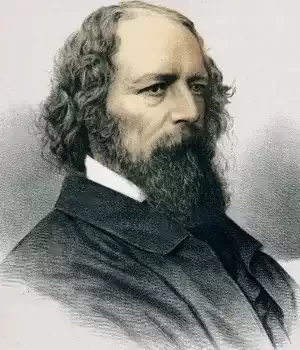
Alfred Lord Tennyson
The Letters
The Letters
Still on the tower stood the vane,
A black yew gloomed the stagnant air,
I peered athwart the chancel pane
And saw the altar cold and bare.
A clog of lead was round my feet,
A band of pain across my brow;
"Cold altar, Heaven and earth shall meet
Before you hear my marriage vow."
I turned and hummed a bitter song
That mocked the wholesome human heart,
And then we met in wrath and wrong,
We met, but only met to part.
Full cold my greeting was and dry;
She faintly smiled, she hardly moved;
I saw with half-unconscious eye
She wore the colours I approved.
She took the little ivory chest,
With half a sigh she turned the key,
Then raised her head with lips comprest,
And gave my letters back to me.
And gave the trinkets and the rings,
My gifts, when gifts of mine could please;
As looks a father on the things
Of his dead son, I looked on these.
She told me all her friends had said;
I raged against the public liar;
She talked as if her love were dead,
But in my words were seeds of fire.
"No more of love; your sex is known:
I never will be twice deceived.
Henceforth I trust the man alone,
The woman cannot be believed.
Through slander, meanest spawn of Hell -
And woman's slander is the worst,
And you, whom once I loved so well,
Through you, my life will be accurst."
I spoke with heart, and heat and force,
I shook her breast with vague alarms -
Like torrents from a mountain's source
We rushed into each other's arms.
We parted: sweetly gleamed the stars,
And sweet the vapour-braided blue,
Low breezes fanned the belfry bars,
As homeward by the church I drew.
The very graves appeared to smile,
So fresh they rose in shadowed swells;
"Dark porch," I said, "and silent aisle,
There comes a sound of marriage bells."
Still on the tower stood the vane,
A black yew gloomed the stagnant air,
I peered athwart the chancel pane
And saw the altar cold and bare.
A clog of lead was round my feet,
A band of pain across my brow;
"Cold altar, Heaven and earth shall meet
Before you hear my marriage vow."
I turned and hummed a bitter song
That mocked the wholesome human heart,
And then we met in wrath and wrong,
We met, but only met to part.
Full cold my greeting was and dry;
She faintly smiled, she hardly moved;
I saw with half-unconscious eye
She wore the colours I approved.
She took the little ivory chest,
With half a sigh she turned the key,
Then raised her head with lips comprest,
And gave my letters back to me.
And gave the trinkets and the rings,
My gifts, when gifts of mine could please;
As looks a father on the things
Of his dead son, I looked on these.
She told me all her friends had said;
I raged against the public liar;
She talked as if her love were dead,
But in my words were seeds of fire.
"No more of love; your sex is known:
I never will be twice deceived.
Henceforth I trust the man alone,
The woman cannot be believed.
Through slander, meanest spawn of Hell -
And woman's slander is the worst,
And you, whom once I loved so well,
Through you, my life will be accurst."
I spoke with heart, and heat and force,
I shook her breast with vague alarms -
Like torrents from a mountain's source
We rushed into each other's arms.
We parted: sweetly gleamed the stars,
And sweet the vapour-braided blue,
Low breezes fanned the belfry bars,
As homeward by the church I drew.
The very graves appeared to smile,
So fresh they rose in shadowed swells;
"Dark porch," I said, "and silent aisle,
There comes a sound of marriage bells."
402
John Donne
Pyramus and Thisbe
Pyramus and Thisbe
Two, by themselves, each other, love and fear,
Slain, cruel friends, by parting have join'd here.
Two, by themselves, each other, love and fear,
Slain, cruel friends, by parting have join'd here.
267
John Donne
Hero and Leander
Hero and Leander
Both robb'd of air, we both lie in one ground ;
Both whom one fire had burnt, one water drown'd
Both robb'd of air, we both lie in one ground ;
Both whom one fire had burnt, one water drown'd
276