
Sadness and Melancholy
Poems in this topic
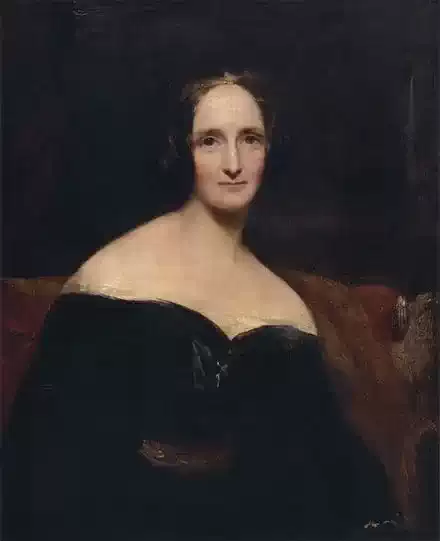
Percy Bysshe Shelley
On A Dead Violet
On A Dead Violet
The odor from the flower is gone
Which like thy kisses breathed on me;
The color from the flower is flown
Which glowed of thee and only thee!
A shrivelled, lifeless, vacant form,
It lies on my abandoned breast;
And mocks the heart, which yet is warm,
With cold and silent rest.
I weep--my tears revive it not;
I sigh--it breathes no more on me:
Its mute and uncomplaining lot
Is such as mine should be.
The odor from the flower is gone
Which like thy kisses breathed on me;
The color from the flower is flown
Which glowed of thee and only thee!
A shrivelled, lifeless, vacant form,
It lies on my abandoned breast;
And mocks the heart, which yet is warm,
With cold and silent rest.
I weep--my tears revive it not;
I sigh--it breathes no more on me:
Its mute and uncomplaining lot
Is such as mine should be.
976
1
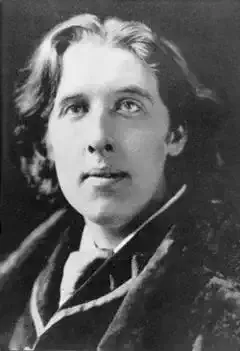
Oscar Wilde
Requiescat
Tread lightly, she is near
Under the snow,
Speak gently, she can hear
The daisies grow.
All her bright golden hair
Tarnished with rust,
She that was young and fair
Fallen to dust.
Lily-like, white as snow,
She hardly knew
She was a woman, so
Sweetly she grew.
Coffin-board, heavy stone,
Lie on her breast,
I vex my heart alone,
She is at rest.
Peace, Peace, she cannot hear
Lyre or sonnet,
All my life's buried here,
Heap earth upon it.
AVIGNON
Under the snow,
Speak gently, she can hear
The daisies grow.
All her bright golden hair
Tarnished with rust,
She that was young and fair
Fallen to dust.
Lily-like, white as snow,
She hardly knew
She was a woman, so
Sweetly she grew.
Coffin-board, heavy stone,
Lie on her breast,
I vex my heart alone,
She is at rest.
Peace, Peace, she cannot hear
Lyre or sonnet,
All my life's buried here,
Heap earth upon it.
AVIGNON
876
Oscar Wilde
My Voice
Within this restless, hurried, modern world
We took our hearts' full pleasure - You and I,
And now the white sails of our ship are furled,
And spent the lading of our argosy.
Wherefore my cheeks before their time are wan,
For very weeping is my gladness fled,
Sorrow has paled my young mouth's vermilion,
And Ruin draws the curtains of my bed.
But all this crowded life has been to thee
No more than lyre, or lute, or subtle spell
Of viols, or the music of the sea
That sleeps, a mimic echo, in the shell.
We took our hearts' full pleasure - You and I,
And now the white sails of our ship are furled,
And spent the lading of our argosy.
Wherefore my cheeks before their time are wan,
For very weeping is my gladness fled,
Sorrow has paled my young mouth's vermilion,
And Ruin draws the curtains of my bed.
But all this crowded life has been to thee
No more than lyre, or lute, or subtle spell
Of viols, or the music of the sea
That sleeps, a mimic echo, in the shell.
635
Oscar Wilde
Impression Du Matin
The Thames nocturne of blue and gold
Changed to a Harmony in grey:
A barge with ochre-coloured hay
Dropt from the wharf: and chill and cold
The yellow fog came creeping down
The bridges, till the houses' walls
Seemed changed to shadows and St. Paul's
Loomed like a bubble o'er the town.
Then suddenly arose the clang
Of waking life; the streets were stirred
With country waggons: and a bird
Flew to the glistening roofs and sang.
But one pale woman all alone,
The daylight kissing her wan hair,
Loitered beneath the gas lamps' flare,
With lips of flame and heart of stone.
Changed to a Harmony in grey:
A barge with ochre-coloured hay
Dropt from the wharf: and chill and cold
The yellow fog came creeping down
The bridges, till the houses' walls
Seemed changed to shadows and St. Paul's
Loomed like a bubble o'er the town.
Then suddenly arose the clang
Of waking life; the streets were stirred
With country waggons: and a bird
Flew to the glistening roofs and sang.
But one pale woman all alone,
The daylight kissing her wan hair,
Loitered beneath the gas lamps' flare,
With lips of flame and heart of stone.
604
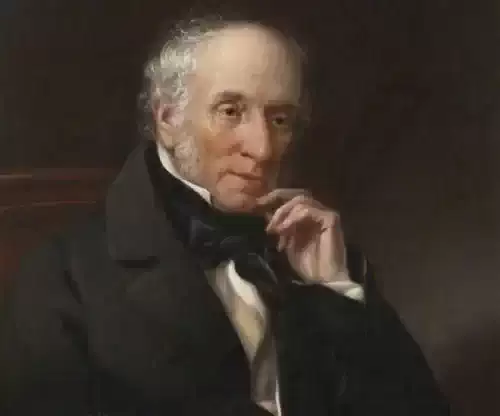
William Wordsworth
The Reaper
The Reaper
Behold her, single in the field,
Yon solitary Highland Lass!
Reaping and singing by herself;
Stop here, or gently pass!
Alone she cuts and binds the grain,
And sings a melancholy strain;
O listen! for the vale profound
Is overflowing with the sound.
No nightingale did ever chaunt
More welcome notes to weary bands
Of travellers in some shady haunt,
Among Arabian sands:
A voice so thrilling ne'er was heard
In spring-time from the cuckoo-bird
Breaking the silence of the seas
Among the farthest Hebrides.
Will no one tell me what she sings?
Perhaps the plaintive numbers flow
For old, unhappy, far-off things,
And battles long ago:
Or is it some more humble lay,
Familiar matter of today?
Some natural sorrow, loss, or pain,
That has been, and may be again!
Whate'er the theme, the maiden sang
As if her song could have no ending;
I saw her singing at her work,
And o'er the sickle bending;
I listened, motionless and still;
And as I mounted up the hill
The music in my heart I bore,
Long after it was heard no more.
Behold her, single in the field,
Yon solitary Highland Lass!
Reaping and singing by herself;
Stop here, or gently pass!
Alone she cuts and binds the grain,
And sings a melancholy strain;
O listen! for the vale profound
Is overflowing with the sound.
No nightingale did ever chaunt
More welcome notes to weary bands
Of travellers in some shady haunt,
Among Arabian sands:
A voice so thrilling ne'er was heard
In spring-time from the cuckoo-bird
Breaking the silence of the seas
Among the farthest Hebrides.
Will no one tell me what she sings?
Perhaps the plaintive numbers flow
For old, unhappy, far-off things,
And battles long ago:
Or is it some more humble lay,
Familiar matter of today?
Some natural sorrow, loss, or pain,
That has been, and may be again!
Whate'er the theme, the maiden sang
As if her song could have no ending;
I saw her singing at her work,
And o'er the sickle bending;
I listened, motionless and still;
And as I mounted up the hill
The music in my heart I bore,
Long after it was heard no more.
207
William Wordsworth
Lines Written In Early Spring
Lines Written In Early Spring
I HEARD a thousand blended notes,
While in a grove I sate reclined,
In that sweet mood when pleasant thoughts
Bring sad thoughts to the mind.
To her fair works did Nature link
The human soul that through me ran;
And much it grieved my heart to think
What man has made of man.
Through primrose tufts, in that green bower,
The periwinkle trailed its wreaths;
And 'tis my faith that every flower
Enjoys the air it breathes.
The birds around me hopped and played,
Their thoughts I cannot measure:---
But the least motion which they made,
It seemed a thrill of pleasure.
The budding twigs spread out their fan,
To catch the breezy air;
And I must think, do all I can,
That there was pleasure there.
If this belief from heaven be sent,
If such be Nature's holy plan,
Have I not reason to lament
What man has made of man?
I HEARD a thousand blended notes,
While in a grove I sate reclined,
In that sweet mood when pleasant thoughts
Bring sad thoughts to the mind.
To her fair works did Nature link
The human soul that through me ran;
And much it grieved my heart to think
What man has made of man.
Through primrose tufts, in that green bower,
The periwinkle trailed its wreaths;
And 'tis my faith that every flower
Enjoys the air it breathes.
The birds around me hopped and played,
Their thoughts I cannot measure:---
But the least motion which they made,
It seemed a thrill of pleasure.
The budding twigs spread out their fan,
To catch the breezy air;
And I must think, do all I can,
That there was pleasure there.
If this belief from heaven be sent,
If such be Nature's holy plan,
Have I not reason to lament
What man has made of man?
174
William Wordsworth
She Dwelt Among Untrodden Ways
"She Dwelt Among Untrodden Ways"
She dwelt among the untrodden ways
Beside the springs of Dove,
Maid whom there were none to praise
And very few to love:
A violet by a mosy tone
Half hidden from the eye!
---Fair as a star, when only one
Is shining in the sky.
She lived unknown, and few could know
When Lucy ceased to be;
But she is in her grave, and, oh,
The difference to me!
She dwelt among the untrodden ways
Beside the springs of Dove,
Maid whom there were none to praise
And very few to love:
A violet by a mosy tone
Half hidden from the eye!
---Fair as a star, when only one
Is shining in the sky.
She lived unknown, and few could know
When Lucy ceased to be;
But she is in her grave, and, oh,
The difference to me!
408

William Shakespeare
When to the sessions of sweet silent thought (Sonnet 30)
When to the sessions of sweet silent thought (Sonnet 30)
When to the sessions of sweet silent thought
I summon up remembrance of things past,
I sigh the lack of many a thing I sought,
And with old woes new wail my dear time's waste:
Then can I drown an eye, unused to flow,
For precious friends hid in death's dateless night,
And weep afresh love's long since cancelled woe,
And moan the expense of many a vanished sight:
Then can I grieve at grievances foregone,
And heavily from woe to woe tell o'er
The sad account of fore-bemoanèd moan,
Which I new pay as if not paid before.
But if the while I think on thee, dear friend,
All losses are restored and sorrows end.
When to the sessions of sweet silent thought
I summon up remembrance of things past,
I sigh the lack of many a thing I sought,
And with old woes new wail my dear time's waste:
Then can I drown an eye, unused to flow,
For precious friends hid in death's dateless night,
And weep afresh love's long since cancelled woe,
And moan the expense of many a vanished sight:
Then can I grieve at grievances foregone,
And heavily from woe to woe tell o'er
The sad account of fore-bemoanèd moan,
Which I new pay as if not paid before.
But if the while I think on thee, dear friend,
All losses are restored and sorrows end.
255
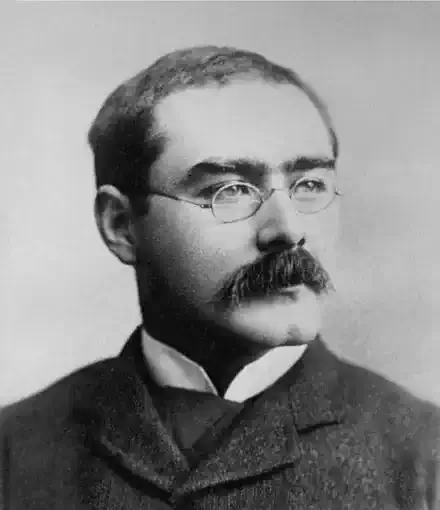
Rudyard Kipling
The City of Sleep
The City of Sleep
Over the edge of the purple down,
Where the single lamplight gleams,
Know ye the road to the Merciful Town
That is hard by the Sea of Dreams--
Where the poor may lay their wrongs away,
And the sick may forget to weep?
But we--pity us! Oh, pity us!
We wakeful; ah, pity us! --
We must go back with Policeman Day--
Back from the City of Sleep!
Weary they turn from the scroll and crown,
Fetter and prayer and plough--
They that go up to the Merciful Town,
For her gates are closing now.
It is their right in the Baths of Night
Body and soul to steep,
But we--pity us! ah, pity us!
We wakeful; oh, pity us!--
We must go back with Policeman Day--
Back from the City of Sleep!
Over the edge of the purple down,
Ere the tender dreams begin,
Look--we may look--at the Merciful Town,
But we may not enter in!
Outcasts all, from her guarded wall
Back to our watch we creep:
We--pity us! ah, pity us!
We wakeful; oh, pity us!--
We that go back with Policeman Day--
Back from the City of Sleep!
Over the edge of the purple down,
Where the single lamplight gleams,
Know ye the road to the Merciful Town
That is hard by the Sea of Dreams--
Where the poor may lay their wrongs away,
And the sick may forget to weep?
But we--pity us! Oh, pity us!
We wakeful; ah, pity us! --
We must go back with Policeman Day--
Back from the City of Sleep!
Weary they turn from the scroll and crown,
Fetter and prayer and plough--
They that go up to the Merciful Town,
For her gates are closing now.
It is their right in the Baths of Night
Body and soul to steep,
But we--pity us! ah, pity us!
We wakeful; oh, pity us!--
We must go back with Policeman Day--
Back from the City of Sleep!
Over the edge of the purple down,
Ere the tender dreams begin,
Look--we may look--at the Merciful Town,
But we may not enter in!
Outcasts all, from her guarded wall
Back to our watch we creep:
We--pity us! ah, pity us!
We wakeful; oh, pity us!--
We that go back with Policeman Day--
Back from the City of Sleep!
393
Rudyard Kipling
Shillin' A Day
Shillin' A Day
My name is O'Kelly, I've heard the Revelly
From Birr to Bareilly, from Leeds to Lahore,
Hong-Kong and Peshawur,
Lucknow and Etawah,
And fifty-five more all endin' in "pore".
Black Death and his quickness, the depth and the thickness,
Of sorrow and sickness I've known on my way,
But I'm old and I'm nervis,
I'm cast from the Service,
And all I deserve is a shillin' a day.
(~Chorus~) Shillin' a day,
Bloomin' good pay --
Lucky to touch it, a shillin' a day!
Oh, it drives me half crazy to think of the days I
Went slap for the Ghazi, my sword at my side,
When we rode Hell-for-leather
Both squadrons together,
That didn't care whether we lived or we died.
But it's no use despairin', my wife must go charin'
An' me commissairin' the pay-bills to better,
So if me you be'old
In the wet and the cold,
By the Grand Metropold, won't you give me a letter?
(~Full chorus~) Give 'im a letter --
'Can't do no better,
Late Troop-Sergeant-Major an' -- runs with a letter!
Think what 'e's been,
Think what 'e's seen,
Think of his pension an' ----
GAWD SAVE THE QUEEN.
My name is O'Kelly, I've heard the Revelly
From Birr to Bareilly, from Leeds to Lahore,
Hong-Kong and Peshawur,
Lucknow and Etawah,
And fifty-five more all endin' in "pore".
Black Death and his quickness, the depth and the thickness,
Of sorrow and sickness I've known on my way,
But I'm old and I'm nervis,
I'm cast from the Service,
And all I deserve is a shillin' a day.
(~Chorus~) Shillin' a day,
Bloomin' good pay --
Lucky to touch it, a shillin' a day!
Oh, it drives me half crazy to think of the days I
Went slap for the Ghazi, my sword at my side,
When we rode Hell-for-leather
Both squadrons together,
That didn't care whether we lived or we died.
But it's no use despairin', my wife must go charin'
An' me commissairin' the pay-bills to better,
So if me you be'old
In the wet and the cold,
By the Grand Metropold, won't you give me a letter?
(~Full chorus~) Give 'im a letter --
'Can't do no better,
Late Troop-Sergeant-Major an' -- runs with a letter!
Think what 'e's been,
Think what 'e's seen,
Think of his pension an' ----
GAWD SAVE THE QUEEN.
447
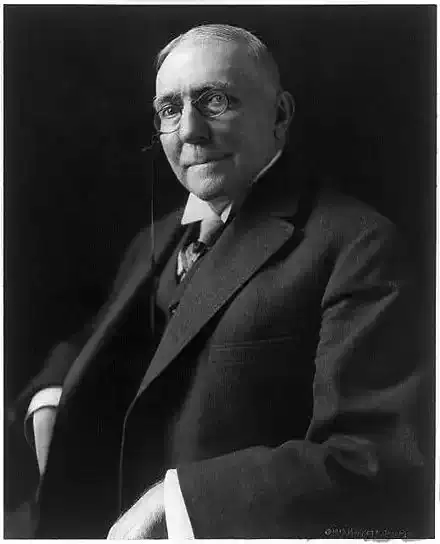
James Whitcomb Riley
At Crown Hill
At Crown Hill
Leave him here in the fresh
greening grasses and trees
And the symbols of love, and the solace of these-
The saintly white lilies and blossoms he keeps
In endless caress as
he breathlessly sleeps.
The tears of our eyes wrong the scene of his rest,
For the sky's at its clearest-the sun's at its best-
The earth at its greenest- its wild bud and bloom
At its sweetest-and sweetest its honey'd perfume.
Home! Home!-Leave him here in his lordly estate,
And with never a tear as we turn from the gate!
Turn back to the home that will know him no more,-
The vines at the window-the sun through the door,-
Nor sound of his voice, nor the light of his face!...
But the birds will sing on, and the rose, in his place,
Will tenderly smile til we daringly feign
He is home with us still, though the tremulous rain
Of our tears reappear, and again all is bloom,
And all prayerless we sob in the long-darkened room.
Heaven portions it thus-the old mystery dim,-
It is midnight to us-it is morning to him
Leave him here in the fresh
greening grasses and trees
And the symbols of love, and the solace of these-
The saintly white lilies and blossoms he keeps
In endless caress as
he breathlessly sleeps.
The tears of our eyes wrong the scene of his rest,
For the sky's at its clearest-the sun's at its best-
The earth at its greenest- its wild bud and bloom
At its sweetest-and sweetest its honey'd perfume.
Home! Home!-Leave him here in his lordly estate,
And with never a tear as we turn from the gate!
Turn back to the home that will know him no more,-
The vines at the window-the sun through the door,-
Nor sound of his voice, nor the light of his face!...
But the birds will sing on, and the rose, in his place,
Will tenderly smile til we daringly feign
He is home with us still, though the tremulous rain
Of our tears reappear, and again all is bloom,
And all prayerless we sob in the long-darkened room.
Heaven portions it thus-the old mystery dim,-
It is midnight to us-it is morning to him
267
James Whitcomb Riley
A Feel In The Chris'mas-Air
A Feel In The Chris'mas-Air
They's a kind o' _feel_ in the air, to me.
When the Chris'mas-times sets in.
That's about as much of a mystery
As ever I've run ag'in!--
Fer instunce, now, whilse I gain in weight
And gineral health, I swear
They's a _goneness_ somers I can't quite state--
A kind o' _feel_ in the air.
They's a feel in the Chris'mas-air goes right
To the spot where a man _lives_ at!--
It gives a feller a' appetite--
They ain't no doubt about _that_!--
And yit they's _somepin_'--I don't know what--
That follers me, here and there,
And ha'nts and worries and spares me not--
A kind o' feel in the air!
They's a _feel_, as I say, in the air that's jest
As blame-don sad as sweet!--
In the same ra-sho as I feel the best
And am spryest on my feet,
They's allus a kind o' sort of a' _ache_
That I can't lo-cate no-where;--
But it comes with _Chris'mas_, and no mistake!--
A kind o' feel in the air.
Is it the racket the childern raise?-W'y,
_no_!--God bless 'em!--_no_!--
Is it the eyes and the cheeks ablaze--
Like my _own_ wuz, long ago?--
Is it the bleat o' the whistle and beat
O' the little toy-drum and blare
O' the horn?--_No! no!_--it is jest the sweet--
The sad-sweet feel in the air.
They's a kind o' _feel_ in the air, to me.
When the Chris'mas-times sets in.
That's about as much of a mystery
As ever I've run ag'in!--
Fer instunce, now, whilse I gain in weight
And gineral health, I swear
They's a _goneness_ somers I can't quite state--
A kind o' _feel_ in the air.
They's a feel in the Chris'mas-air goes right
To the spot where a man _lives_ at!--
It gives a feller a' appetite--
They ain't no doubt about _that_!--
And yit they's _somepin_'--I don't know what--
That follers me, here and there,
And ha'nts and worries and spares me not--
A kind o' feel in the air!
They's a _feel_, as I say, in the air that's jest
As blame-don sad as sweet!--
In the same ra-sho as I feel the best
And am spryest on my feet,
They's allus a kind o' sort of a' _ache_
That I can't lo-cate no-where;--
But it comes with _Chris'mas_, and no mistake!--
A kind o' feel in the air.
Is it the racket the childern raise?-W'y,
_no_!--God bless 'em!--_no_!--
Is it the eyes and the cheeks ablaze--
Like my _own_ wuz, long ago?--
Is it the bleat o' the whistle and beat
O' the little toy-drum and blare
O' the horn?--_No! no!_--it is jest the sweet--
The sad-sweet feel in the air.
267
James Whitcomb Riley
A Christmas Memory
A Christmas Memory
Pa he bringed me here to stay
'Til my Ma she's well.--An' nen
He's go' hitch up, Chris'mus-day,
An' come take me back again
Wher' my Ma's at! Won't I be
Tickled when he comes fer me!
My Ma an' my A'nty they
'Uz each-uvver's sisters. Pa-A'nty
telled me, th' other day,--
He comed here an' married Ma....
A'nty said nen, 'Go run play,
I must work now!' ... An' I saw,
When she turn' her face away,
She 'uz cryin'.--An' nen I
'Tend-like I 'run play'--an' cry.
This-here house o' A'nty's wher'
They 'uz borned--my Ma an' her!--
An' her Ma 'uz my Ma's Ma,
An' her Pa 'uz my Ma's Pa-
Ain't that funny?--An' they're dead:
An' this-here's 'th' ole Homestead.'--
An' my A'nty said, an' cried,
It's mine, too, ef my Ma died-Don't
know what she mean--'cause my
Ma she's nuvver go' to die!
When Pa bringed me here 't 'uz night-'
Way dark night! An' A'nty spread
Me a piece--an' light the light
An' say I must go to bed.--
I cry not to---but Pa said,
'Be good boy now, like you telled
Mommy 'at you're go' to be!'
An', when he 'uz kissin' me
My good night, his cheeks' all wet
An' taste salty.--An' he held
Wite close to me an' rocked some
An' langhed-like--'til A'nty come
Git me while he's rockin' yet.
A'nty he'p me, 'til I be
Purt'-nigh strip-pud--nen hug me
In bofe arms an' lif' me 'way
Up in her high bed--an' pray
Wiv me,--'bout my Ma--an' Pa--
An' ole Santy Claus--an' Sleigh--
An' Reindeers an' little Drum--
Yes, an' Picture-books, 'Tom Thumb,'
An' 'Three Bears,' an' ole 'Fee-Faw'-
Yes, an' 'Tweedle-Dee' an' 'Dum,'
An' 'White Knight' an' 'Squidjicum,'
An' most things you ever saw!--
An' when A'nty kissed me, she
'Uz all cryin' over me!
Don't want Santy Claus--ner things
Any kind he ever brings!-Don't
want A'nty!--Don't want Pa!--
I ist only want my Ma!
Pa he bringed me here to stay
'Til my Ma she's well.--An' nen
He's go' hitch up, Chris'mus-day,
An' come take me back again
Wher' my Ma's at! Won't I be
Tickled when he comes fer me!
My Ma an' my A'nty they
'Uz each-uvver's sisters. Pa-A'nty
telled me, th' other day,--
He comed here an' married Ma....
A'nty said nen, 'Go run play,
I must work now!' ... An' I saw,
When she turn' her face away,
She 'uz cryin'.--An' nen I
'Tend-like I 'run play'--an' cry.
This-here house o' A'nty's wher'
They 'uz borned--my Ma an' her!--
An' her Ma 'uz my Ma's Ma,
An' her Pa 'uz my Ma's Pa-
Ain't that funny?--An' they're dead:
An' this-here's 'th' ole Homestead.'--
An' my A'nty said, an' cried,
It's mine, too, ef my Ma died-Don't
know what she mean--'cause my
Ma she's nuvver go' to die!
When Pa bringed me here 't 'uz night-'
Way dark night! An' A'nty spread
Me a piece--an' light the light
An' say I must go to bed.--
I cry not to---but Pa said,
'Be good boy now, like you telled
Mommy 'at you're go' to be!'
An', when he 'uz kissin' me
My good night, his cheeks' all wet
An' taste salty.--An' he held
Wite close to me an' rocked some
An' langhed-like--'til A'nty come
Git me while he's rockin' yet.
A'nty he'p me, 'til I be
Purt'-nigh strip-pud--nen hug me
In bofe arms an' lif' me 'way
Up in her high bed--an' pray
Wiv me,--'bout my Ma--an' Pa--
An' ole Santy Claus--an' Sleigh--
An' Reindeers an' little Drum--
Yes, an' Picture-books, 'Tom Thumb,'
An' 'Three Bears,' an' ole 'Fee-Faw'-
Yes, an' 'Tweedle-Dee' an' 'Dum,'
An' 'White Knight' an' 'Squidjicum,'
An' most things you ever saw!--
An' when A'nty kissed me, she
'Uz all cryin' over me!
Don't want Santy Claus--ner things
Any kind he ever brings!-Don't
want A'nty!--Don't want Pa!--
I ist only want my Ma!
313
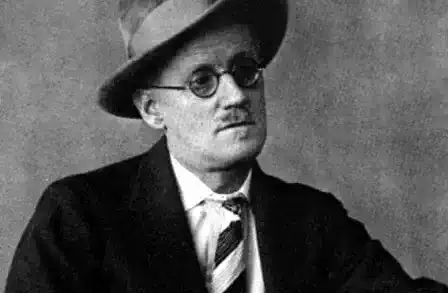
James Joyce
Be Not Sad
Be Not Sad
Be not sad because all men
Prefer a lying clamour before you:
Sweetheart, be at peace again -- -
Can they dishonour you?
They are sadder than all tears;
Their lives ascend as a continual sigh.
Proudly answer to their tears:
As they deny, deny.
Be not sad because all men
Prefer a lying clamour before you:
Sweetheart, be at peace again -- -
Can they dishonour you?
They are sadder than all tears;
Their lives ascend as a continual sigh.
Proudly answer to their tears:
As they deny, deny.
189
James Joyce
All Day I Hear the Noise of Waters
All Day I Hear the Noise of Waters
All day I hear the noise of waters
Making moan,
Sad as the sea-bird is when, going
Forth alone,
He hears the winds cry to the water's
Monotone.
The grey winds, the cold winds are blowing
Where I go.
I hear the noise of many waters
Far below.
All day, all night, I hear them flowing
To and fro.
All day I hear the noise of waters
Making moan,
Sad as the sea-bird is when, going
Forth alone,
He hears the winds cry to the water's
Monotone.
The grey winds, the cold winds are blowing
Where I go.
I hear the noise of many waters
Far below.
All day, all night, I hear them flowing
To and fro.
214
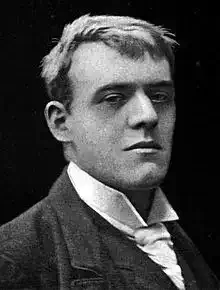
Hilaire Belloc
The Loser
The Loser
He lost his money first of all
And losing that is half the story-
And later on he tried a fall
With fate, in things less transitory
He lost his heart-and found it dead(
His one and only true discovery),
And after that he lost his head,
And lost his chances of recovery.
He lost his honour bit by bit
Until the thing was out of question.
He worried so at losing it,
He lost his sleep and his digestion.
He lost his temper- and for good-
The remnants of his reputation,
His taste in wine, his choice of food,
And then, in rapid culmination,
His certitudes, his sense of truth,
His memory, his self control,
The love that graced his early youth,
And lastly his immortal soul.
He lost his money first of all
And losing that is half the story-
And later on he tried a fall
With fate, in things less transitory
He lost his heart-and found it dead(
His one and only true discovery),
And after that he lost his head,
And lost his chances of recovery.
He lost his honour bit by bit
Until the thing was out of question.
He worried so at losing it,
He lost his sleep and his digestion.
He lost his temper- and for good-
The remnants of his reputation,
His taste in wine, his choice of food,
And then, in rapid culmination,
His certitudes, his sense of truth,
His memory, his self control,
The love that graced his early youth,
And lastly his immortal soul.
439

Robert W. Service
The Sewing-Girl
The Sewing-Girl
The humble garret where I dwell
Is in that Quarter called the Latin;
It isn't spacious -- truth to tell,
There's hardly room to swing a cat in.
But what of that! It's there I fight
For food and fame, my Muse inviting,
And all the day and half the night
You'll find me writing, writing, writing.
Now, it was in the month of May
As, wrestling with a rhyme rheumatic,
I chanced to look across the way,
And lo! within a neighbor attic,
A hand drew back the window shade,
And there, a picture glad and glowing,
I saw a sweet and slender maid,
And she was sewing, sewing, sewing.
So poor the room, so small, so scant,
Yet somehow oh, so bright and airy.
There was a pink geranium plant,
Likewise a very pert canary.
And in the maiden's heart it seemed
Some fount of gladness must be springing,
For as alone I sadly dreamed
I heard her singing, singing, singing.
God love her! how it cheered me then
To see her there so brave and pretty;
So she with needle, I with pen,
We slaved and sang above the city.
And as across my streams of ink
I watched her from a poet's distance,
She stitched and sang . . . I scarcely think
She was aware of my existence.
And then one day she sang no more.
That put me out, there's no denying.
I looked -- she labored as before,
But, bless me! she was crying, crying.
Her poor canary chirped in vain;
Her pink geranium drooped in sorrow;
"Of course," said I, "she'll sing again.
Maybe," I sighed, "she will to-morrow."
Poor child; 'twas finished with her song:
Day after day her tears were flowing;
And as I wondered what was wrong
She pined and peaked above her sewing.
And then one day the blind she drew,
Ah! though I sought with vain endeavor
To pierce the darkness, well I knew
My sewing-girl had gone for ever.
And as I sit alone to-night
My eyes unto her room are turning . . .
I'd give the sum of all I write
Once more to see her candle burning,
Once more to glimpse her happy face,
And while my rhymes of cheer I'm ringing,
Across the sunny sweep of space
To hear her singing, singing, singing.
The humble garret where I dwell
Is in that Quarter called the Latin;
It isn't spacious -- truth to tell,
There's hardly room to swing a cat in.
But what of that! It's there I fight
For food and fame, my Muse inviting,
And all the day and half the night
You'll find me writing, writing, writing.
Now, it was in the month of May
As, wrestling with a rhyme rheumatic,
I chanced to look across the way,
And lo! within a neighbor attic,
A hand drew back the window shade,
And there, a picture glad and glowing,
I saw a sweet and slender maid,
And she was sewing, sewing, sewing.
So poor the room, so small, so scant,
Yet somehow oh, so bright and airy.
There was a pink geranium plant,
Likewise a very pert canary.
And in the maiden's heart it seemed
Some fount of gladness must be springing,
For as alone I sadly dreamed
I heard her singing, singing, singing.
God love her! how it cheered me then
To see her there so brave and pretty;
So she with needle, I with pen,
We slaved and sang above the city.
And as across my streams of ink
I watched her from a poet's distance,
She stitched and sang . . . I scarcely think
She was aware of my existence.
And then one day she sang no more.
That put me out, there's no denying.
I looked -- she labored as before,
But, bless me! she was crying, crying.
Her poor canary chirped in vain;
Her pink geranium drooped in sorrow;
"Of course," said I, "she'll sing again.
Maybe," I sighed, "she will to-morrow."
Poor child; 'twas finished with her song:
Day after day her tears were flowing;
And as I wondered what was wrong
She pined and peaked above her sewing.
And then one day the blind she drew,
Ah! though I sought with vain endeavor
To pierce the darkness, well I knew
My sewing-girl had gone for ever.
And as I sit alone to-night
My eyes unto her room are turning . . .
I'd give the sum of all I write
Once more to see her candle burning,
Once more to glimpse her happy face,
And while my rhymes of cheer I'm ringing,
Across the sunny sweep of space
To hear her singing, singing, singing.
252

Wilfred Owen
The Send-off
The Send-off
Down the close, darkening lanes they sang their way
To the siding-shed,
And lined the train with faces grimly gay.
Their breasts were stuck all white with wreath and spray
As men's are, dead.
Dull porters watched them, and a casual tramp
Stood staring hard,
Sorry to miss them from the upland camp.
Then, unmoved, signals nodded, and a lamp
Winked to the guard.
So secretly, like wrongs hushed-up, they went.
They were not ours:
We never heard to which front these were sent.
Nor there if they yet mock what women meant
Who gave them flowers.
Shall they return to beatings of great bells
In wild trainloads?
A few, a few, too few for drums and yells,
May creep back, silent, to still village wells
Up half-known roads.
Down the close, darkening lanes they sang their way
To the siding-shed,
And lined the train with faces grimly gay.
Their breasts were stuck all white with wreath and spray
As men's are, dead.
Dull porters watched them, and a casual tramp
Stood staring hard,
Sorry to miss them from the upland camp.
Then, unmoved, signals nodded, and a lamp
Winked to the guard.
So secretly, like wrongs hushed-up, they went.
They were not ours:
We never heard to which front these were sent.
Nor there if they yet mock what women meant
Who gave them flowers.
Shall they return to beatings of great bells
In wild trainloads?
A few, a few, too few for drums and yells,
May creep back, silent, to still village wells
Up half-known roads.
397
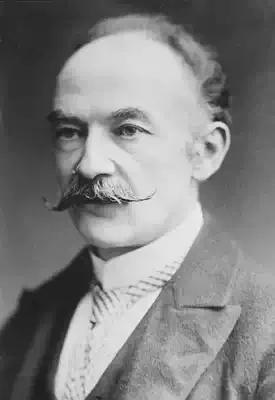
Thomas Hardy
How Great My Grief (Triolet)
"How Great My Grief" (Triolet)
How great my grief, my joys how few,
Since first it was my fate to know thee!
- Have the slow years not brought to view
How great my grief, my joys how few,
Nor memory shaped old times anew,
Nor loving-kindness helped to show thee
How great my grief, my joys how few,
Since first it was my fate to know thee?
How great my grief, my joys how few,
Since first it was my fate to know thee!
- Have the slow years not brought to view
How great my grief, my joys how few,
Nor memory shaped old times anew,
Nor loving-kindness helped to show thee
How great my grief, my joys how few,
Since first it was my fate to know thee?
183
Wilfred Owen
Happiness
Happiness
Ever again to breathe pure happiness,
So happy that we gave away our toy?
We smiled at nothings, needing no caress?
Have we not laughed too often since with Joy?
Have we not stolen too strange and sorrowful wrongs
For her hands' pardoning? The sun may cleanse,
And time, and starlight. Life will sing great songs,
And gods will show us pleasures more than men's.
Yet heaven looks smaller than the old doll's-home,
No nestling place is left in bluebell bloom,
And the wide arms of trees have lost their scope.
The former happiness is unreturning:
Boys' griefs are not so grievous as our yearning,
Boys have no sadness sadder than our hope.
Ever again to breathe pure happiness,
So happy that we gave away our toy?
We smiled at nothings, needing no caress?
Have we not laughed too often since with Joy?
Have we not stolen too strange and sorrowful wrongs
For her hands' pardoning? The sun may cleanse,
And time, and starlight. Life will sing great songs,
And gods will show us pleasures more than men's.
Yet heaven looks smaller than the old doll's-home,
No nestling place is left in bluebell bloom,
And the wide arms of trees have lost their scope.
The former happiness is unreturning:
Boys' griefs are not so grievous as our yearning,
Boys have no sadness sadder than our hope.
151

Spike Milligan
Halved
Halved
The essence of true beauty
Lingers in all-encompassing rainbows
Of your joy and laughter
You hold my hand and smile
As we ensconce ourselves in our world of fire
Our love is all there is
I touch your face
Your gentleness astounds me
I'm held in the honour of your love
Then overnight, the wrold truns suor
mInnIts past the ELevenTHH HouRR
I'M A L N E
The essence of true beauty
Lingers in all-encompassing rainbows
Of your joy and laughter
You hold my hand and smile
As we ensconce ourselves in our world of fire
Our love is all there is
I touch your face
Your gentleness astounds me
I'm held in the honour of your love
Then overnight, the wrold truns suor
mInnIts past the ELevenTHH HouRR
I'M A L N E
238
Spike Milligan
Feelings
Feelings
There must be a wound!
No one can be this hurt
and not bleed.
How could she injure me so?
No marks
No bruise
Worse!
People say 'My, you're looking well'
.....God help me!
She's mummified me -
ALIVE!
There must be a wound!
No one can be this hurt
and not bleed.
How could she injure me so?
No marks
No bruise
Worse!
People say 'My, you're looking well'
.....God help me!
She's mummified me -
ALIVE!
257
Robert W. Service
The Low-Down White
The Low-Down White
This is the pay-day up at the mines, when the bearded brutes come down;
There's money to burn in the streets to-night, so I've sent my klooch to town,
With a haggard face and a ribband of red entwined in her hair of brown.
And I know at the dawn she'll come reeling home with the bottles, one, two, three --
One for herself, to drown her shame, and two big bottles for me,
To make me forget the thing I am and the man I used to be.
To make me forget the brand of the dog, as I crouch in this hideous place;
To make me forget once I kindled the light of love in a lady's face,
Where even the squalid Siwash now holds me a black disgrace.
Oh, I have guarded my secret well! And who would dream as I speak
In a tribal tongue like a rogue unhung, 'mid the ranch-house filth and reek,
I could roll to bed with a Latin phrase and rise with a verse of Greek?
Yet I was a senior prizeman once, and the pride of a college eight;
Called to the bar -- my friends were true! but they could not keep me straight;
Then came the divorce, and I went abroad and "died" on the River Plate.
But I'm not dead yet; though with half a lung there isn't time to spare,
And I hope that the year will see me out, and, thank God, no one will care --
Save maybe the little slim Siwash girl with the rose of shame in her hair.
She will come with the dawn, and the dawn is near; I can see its evil glow,
Like a corpse-light seen through a frosty pane in a night of want and woe;
And yonder she comes by the bleak bull-pines, swift staggering through the snow.
This is the pay-day up at the mines, when the bearded brutes come down;
There's money to burn in the streets to-night, so I've sent my klooch to town,
With a haggard face and a ribband of red entwined in her hair of brown.
And I know at the dawn she'll come reeling home with the bottles, one, two, three --
One for herself, to drown her shame, and two big bottles for me,
To make me forget the thing I am and the man I used to be.
To make me forget the brand of the dog, as I crouch in this hideous place;
To make me forget once I kindled the light of love in a lady's face,
Where even the squalid Siwash now holds me a black disgrace.
Oh, I have guarded my secret well! And who would dream as I speak
In a tribal tongue like a rogue unhung, 'mid the ranch-house filth and reek,
I could roll to bed with a Latin phrase and rise with a verse of Greek?
Yet I was a senior prizeman once, and the pride of a college eight;
Called to the bar -- my friends were true! but they could not keep me straight;
Then came the divorce, and I went abroad and "died" on the River Plate.
But I'm not dead yet; though with half a lung there isn't time to spare,
And I hope that the year will see me out, and, thank God, no one will care --
Save maybe the little slim Siwash girl with the rose of shame in her hair.
She will come with the dawn, and the dawn is near; I can see its evil glow,
Like a corpse-light seen through a frosty pane in a night of want and woe;
And yonder she comes by the bleak bull-pines, swift staggering through the snow.
167

Siegfried Sassoon
The Dug-out
The Dug-out
Why do you lie with your legs ungainly huddled,
And one arm bent across your sullen, cold,
Exhausted face? It hurts my heart to watch you,
Deep-shadowed from the candle's guttering gold;
And you wonder why I shake you by the shoulder;
Drowsy, you mumble and sigh and turn your head...
You are too young to fall asleep for ever;
And when you sleep you remind me of the dead.
Why do you lie with your legs ungainly huddled,
And one arm bent across your sullen, cold,
Exhausted face? It hurts my heart to watch you,
Deep-shadowed from the candle's guttering gold;
And you wonder why I shake you by the shoulder;
Drowsy, you mumble and sigh and turn your head...
You are too young to fall asleep for ever;
And when you sleep you remind me of the dead.
57
Page 1
Next