
Rain and Storms
Poems in this topic
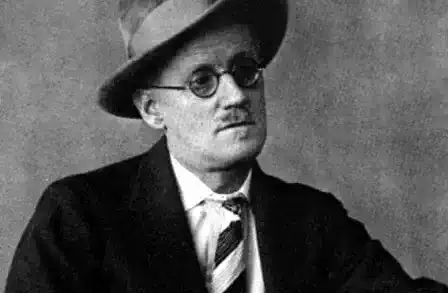
James Joyce
Rain Has Fallen All the Day
Rain Has Fallen All the Day
Rain has fallen all the day.
O come among the laden trees:
The leaves lie thick upon the way
Of memories.
Staying a little by the way
Of memories shall we depart.
Come, my beloved, where I may
Speak to your heart.
Rain has fallen all the day.
O come among the laden trees:
The leaves lie thick upon the way
Of memories.
Staying a little by the way
Of memories shall we depart.
Come, my beloved, where I may
Speak to your heart.
166
James Joyce
Flood
Flood
Goldbrown upon the sated flood
The rockvine clusters lift and sway;
Vast wings above the lambent waters brood
Of sullen day.
A waste of waters ruthlessly
Sways and uplifts its weedy mane
Where brooding day stares down upon the sea
In dull disdain.
Uplift and sway, O golden vine,
Your clustered fruits to love's full flood,
Lambent and vast and ruthless as is thine
Incertitude!
Goldbrown upon the sated flood
The rockvine clusters lift and sway;
Vast wings above the lambent waters brood
Of sullen day.
A waste of waters ruthlessly
Sways and uplifts its weedy mane
Where brooding day stares down upon the sea
In dull disdain.
Uplift and sway, O golden vine,
Your clustered fruits to love's full flood,
Lambent and vast and ruthless as is thine
Incertitude!
167

Jack Kerouac
Haiku (The taste...)
Haiku (The taste...)
The taste
of rain
—Why kneel?
The taste
of rain
—Why kneel?
326

Horace
BkIII:XVII The Approaching Storm
BkIII:XVII The Approaching Storm
Aelius, noble descendant of ancient
Lamus (and they say the Lamiae of old
were named from him, the ancestral line,
through all of our recorded history):
you come from him, the original founder,
who, it’s said, first held the walls of Formiae
and Latium’s River Liris where
it floods the shores of the nymph, Marica,
he the lord, far and wide. Tomorrow a storm
sent from the East, will fill all the woodland grove
with leaves, and the sands with useless weed,
unless the raven, old prophet of rain,
is wrong. Pile up the dry firewood while you can:
tomorrow, with your servants, released from their
labours, cheer your spirit with neat wine,
and a little pig, only two months old.
Aelius, noble descendant of ancient
Lamus (and they say the Lamiae of old
were named from him, the ancestral line,
through all of our recorded history):
you come from him, the original founder,
who, it’s said, first held the walls of Formiae
and Latium’s River Liris where
it floods the shores of the nymph, Marica,
he the lord, far and wide. Tomorrow a storm
sent from the East, will fill all the woodland grove
with leaves, and the sands with useless weed,
unless the raven, old prophet of rain,
is wrong. Pile up the dry firewood while you can:
tomorrow, with your servants, released from their
labours, cheer your spirit with neat wine,
and a little pig, only two months old.
195
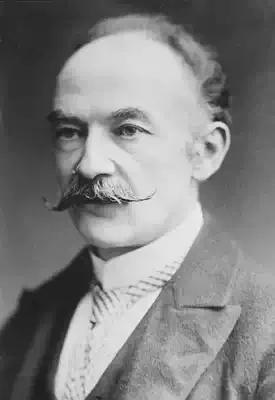
Thomas Hardy
An Autumn Rain-Scene
An Autumn Rain-Scene
There trudges one to a merry-making
With sturdy swing,
On whom the rain comes down.
To fetch the saving medicament
Is another bent,
On whom the rain comes down.
One slowly drives his herd to the stall
Ere ill befall,
On whom the rain comes down.
This bears his missives of life and death
With quickening breath,
On whom the rain comes down.
One watches for signals of wreck or war
From the hill afar,
On whom the rain comes down.
No care if he gain a shelter or none,
Unhired moves on,
On whom the rain comes down.
And another knows nought of its chilling fall
Upon him aat all,
On whom the rain comes down.
October
There trudges one to a merry-making
With sturdy swing,
On whom the rain comes down.
To fetch the saving medicament
Is another bent,
On whom the rain comes down.
One slowly drives his herd to the stall
Ere ill befall,
On whom the rain comes down.
This bears his missives of life and death
With quickening breath,
On whom the rain comes down.
One watches for signals of wreck or war
From the hill afar,
On whom the rain comes down.
No care if he gain a shelter or none,
Unhired moves on,
On whom the rain comes down.
And another knows nought of its chilling fall
Upon him aat all,
On whom the rain comes down.
October
277

Siegfried Sassoon
Storm and Sunlight
Storm and Sunlight
I
In barns we crouch, and under stacks of straw,
Harking the storm that rides a hurtling legion
Up the arched sky, and speeds quick heels of panic
With growling thunder loosed in fork and clap
That echoes crashing thro’ the slumbrous vault.
The whispering woodlands darken: vulture Gloom
Stoops, menacing the skeltering flocks of Light,
Where the gaunt shepherd shakes his gleaming staff
And foots with angry tidings down the slope.
Drip, drip; the rain steals in through soaking thatch
By cob-webbed rafters to the dusty floor.
Drums shatter in the tumult; wrathful Chaos
Points pealing din to the zenith, then resolves
Terror in wonderment with rich collapse.
II
Now from drenched eaves a swallow darts to skim
The crystal stillness of an air unveiled
To tremulous blue. Raise your bowed heads, and let
Your horns adore the sky, ye patient kine!
Haste, flashing brooks! Small, chuckling rills, rejoice!
Be open-eyed for Heaven, ye pools of peace!
Shine, rain-bow hills! Dream on, fair glimpsèd vale
In haze of drifting gold! And all sweet birds,
Sing out your raptures to the radiant leaves!
And ye, close huddling Men, come forth to stand
A moment simple in the gaze of God
That sweeps along your pastures! Breathe his might!
Lift your blind faces to be filled with day,
And share his benediction with the flowers.
I
In barns we crouch, and under stacks of straw,
Harking the storm that rides a hurtling legion
Up the arched sky, and speeds quick heels of panic
With growling thunder loosed in fork and clap
That echoes crashing thro’ the slumbrous vault.
The whispering woodlands darken: vulture Gloom
Stoops, menacing the skeltering flocks of Light,
Where the gaunt shepherd shakes his gleaming staff
And foots with angry tidings down the slope.
Drip, drip; the rain steals in through soaking thatch
By cob-webbed rafters to the dusty floor.
Drums shatter in the tumult; wrathful Chaos
Points pealing din to the zenith, then resolves
Terror in wonderment with rich collapse.
II
Now from drenched eaves a swallow darts to skim
The crystal stillness of an air unveiled
To tremulous blue. Raise your bowed heads, and let
Your horns adore the sky, ye patient kine!
Haste, flashing brooks! Small, chuckling rills, rejoice!
Be open-eyed for Heaven, ye pools of peace!
Shine, rain-bow hills! Dream on, fair glimpsèd vale
In haze of drifting gold! And all sweet birds,
Sing out your raptures to the radiant leaves!
And ye, close huddling Men, come forth to stand
A moment simple in the gaze of God
That sweeps along your pastures! Breathe his might!
Lift your blind faces to be filled with day,
And share his benediction with the flowers.
89
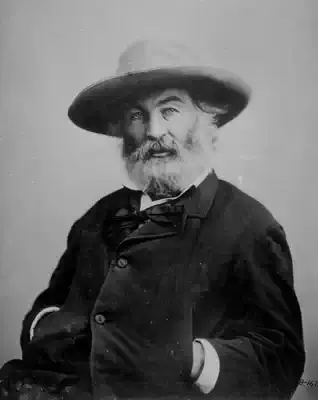
Walt Whitman
Patroling Barnegat
Patroling Barnegat
WILD, wild the storm, and the sea high running,
Steady the roar of the gale, with incessant undertone muttering,
Shouts of demoniac laughter fitfully piercing and pealing,
Waves, air, midnight, their savagest trinity lashing,
Out in the shadows there milk-white combs careering,
On beachy slush and sand spirts of snow fierce slanting,
Where through the murk the easterly death-wind breasting,
Through cutting swirl and spray watchful and firm advancing,
(That in the distance! is that a wreck? is the red signal flaring?)
Slush and sand of the beach tireless till daylight wending, 10
Steadily, slowly, through hoarse roar never remitting,
Along the midnight edge by those milk-white combs careering,
A group of dim, weird forms, struggling, the night confronting,
That savage trinity warily watching.
WILD, wild the storm, and the sea high running,
Steady the roar of the gale, with incessant undertone muttering,
Shouts of demoniac laughter fitfully piercing and pealing,
Waves, air, midnight, their savagest trinity lashing,
Out in the shadows there milk-white combs careering,
On beachy slush and sand spirts of snow fierce slanting,
Where through the murk the easterly death-wind breasting,
Through cutting swirl and spray watchful and firm advancing,
(That in the distance! is that a wreck? is the red signal flaring?)
Slush and sand of the beach tireless till daylight wending, 10
Steadily, slowly, through hoarse roar never remitting,
Along the midnight edge by those milk-white combs careering,
A group of dim, weird forms, struggling, the night confronting,
That savage trinity warily watching.
373

Sarah Teasdale
White Fog
White Fog
Heaven-invading hills are drowned
In wide moving waves of mist,
Phlox before my door are wound
In dripping wreaths of amethyst.
Ten feet away the solid earth
Changes into melting cloud,
There is a hush of pain and mirth,
No bird has heart to speak aloud.
Here in a world without a sky,
Without the ground, without the sea,
The one unchanging thing is I,
Myself remains to comfort me.
Heaven-invading hills are drowned
In wide moving waves of mist,
Phlox before my door are wound
In dripping wreaths of amethyst.
Ten feet away the solid earth
Changes into melting cloud,
There is a hush of pain and mirth,
No bird has heart to speak aloud.
Here in a world without a sky,
Without the ground, without the sea,
The one unchanging thing is I,
Myself remains to comfort me.
335
Sarah Teasdale
A Winter Night
A Winter Night
My window-pane is starred with frost,
The world is bitter cold to-night,
The moon is cruel, and the wind
Is like a two-edged sword to smite.
God pity all the homeless ones,
The beggars pacing to and fro,
God pity all the poor to-night
Who walk the lamp-lit streets of snow.
My room is like a bit of June,
Warm and close-curtained fold on fold,
But somewhere, like a homeless child,
My heart is crying in the cold.
My window-pane is starred with frost,
The world is bitter cold to-night,
The moon is cruel, and the wind
Is like a two-edged sword to smite.
God pity all the homeless ones,
The beggars pacing to and fro,
God pity all the poor to-night
Who walk the lamp-lit streets of snow.
My room is like a bit of June,
Warm and close-curtained fold on fold,
But somewhere, like a homeless child,
My heart is crying in the cold.
379
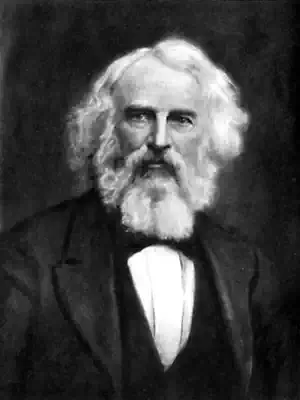
Henry Wadsworth Longfellow
Tales Of A Wayside Inn : Part 2. Prelude
Tales Of A Wayside Inn : Part 2. Prelude
A cold, uninterrupted rain,
That washed each southern window-pane,
And made a river of the road;
A sea of mist that overflowed
The house, the barns, the gilded vane,
And drowned the upland and the plain,
Through which the oak-trees, broad and high,
Like phantom ships went drifting by;
And, hidden behind a watery screen,
The sun unseen, or only seen
As a faint pallor in the sky;--
Thus cold and colorless and gray,
The morn of that autumnal day,
As if reluctant to begin,
Dawned on the silent Sudbury Inn,
And all the guests that in it lay.
Full late they slept. They did not hear
The challenge of Sir Chanticleer,
Who on the empty threshing-floor,
Disdainful of the rain outside,
Was strutting with a martial stride,
As if upon his thigh he wore
The famous broadsword of the Squire,
And said, 'Behold me, and admire!'
Only the Poet seemed to hear,
In drowse or dream, more near and near
Across the border-land of sleep,
The blowing of a blithesome horn,
That laughed the dismal day to scorn;
A splash of hoofs and rush of wheels
Through sand and mire like stranding keels,
As from the road with sudden sweep
The Mail drove up the little steep,
And stopped beside the tavern door;
A moment stopped, and then again
With crack of whip and bark of dog
Plunged forward through the sea of fog,
And all was silent as before,--
All silent save the dripping rain.
Then one by one the guests came down,
And greeted with a smile the Squire,
Who sat before the parlor fire,
Reading the paper fresh from town.
First the Sicilian, like a bird,
Before his form appeared, was heard
Whistling and singing down the stair;
Then came the Student, with a look
As placid as a meadow-brook;
The Theologian, still perplexed
With thoughts of this world and the next;
The Poet then, as one who seems
Walking in visions and in dreams;
Then the Musician, like a fair
Hyperion from whose golden hair
The radiance of the morning streams;
And last the aromatic Jew
Of Alicant, who, as he threw
The door wide open, on the air
Breathed round about him a perfume
Of damask roses in full bloom,
Making a garden of the room.
The breakfast ended, each pursued
The promptings of his various mood;
Beside the fire in silence smoked
The taciturn, impassive Jew,
Lost in a pleasant revery;
While, by his gravity provoked,
His portrait the Sicilian drew,
And wrote beneath it 'Edrehi,
At the Red Horse in Sudbury.'
By far the busiest of them all,
The Theologian in the hall
Was feeding robins in a cage,--
Two corpulent and lazy birds,
Vagrants and pilferers at best,
If one might trust the hostler's words,
Chief instrument of their arrest;
Two poets of the Golden Age,
Heirs of a boundless heritage
Of fields and orchards, east and west,
And sunshine of long summer days,
Though outlawed now and dispossessed!--
Such was the Theologian's phrase.
Meanwhile the Student held discourse
With the Musician, on the source
Of all the legendary lore
Among the nations, scattered wide
Like silt and seaweed by the force
And fluctuation of the tide;
The tale repeated o'er and o'er,
With change of place and change of name,
Disguised, transformed, and yet the same
We've heard a hundred times before.
The Poet at the window mused,
And saw, as in a dream confused,
The countenance of the Sun, discrowned,
And haggard with a pale despair,
And saw the cloud-rack trail and drift
Before it, and the trees uplift
Their leafless branches, and the air
Filled with the arrows of the rain,
And heard amid the mist below,
Like voices of distress and pain,
That haunt the thoughts of men insane,
The fateful cawings of the crow.
Then down the road, with mud besprent,
And drenched with rain from head to hoof,
The rain-drops dripping from his mane
And tail as from a pent-house roof,
A jaded horse, his head down bent,
Passed slowly, limping as he went.
The young Sicilian--who had grown
Impatient longer to abide
A prisoner, greatly mortified
To see completely overthrown
His plans for angling in the brook,
And, leaning o'er the bridge of stone,
To watch the speckled trout glide by,
And float through the inverted sky,
Still round and round the baited hook--
Now paced the room with rapid stride,
And, pausing at the Poet's side,
Looked forth, and saw the wretched steed,
And said: 'Alas for human greed,
That with cold hand and stony eye
Thus turns an old friend out to die,
Or beg his food from gate to gate!
This brings a tale into my mind,
Which, if you are not disinclined
To listen, I will now relate.'
All gave assent; all wished to hear,
Not without many a jest and jeer,
The story of a spavined steed;
And even the Student with the rest
Put in his pleasant little jest
Out of Malherbe, that Pegasus
Is but a horse that with all speed
Bears poets to the hospital;
While the Sicilian, self-possessed,
After a moment's interval
Began his simple story thus.
A cold, uninterrupted rain,
That washed each southern window-pane,
And made a river of the road;
A sea of mist that overflowed
The house, the barns, the gilded vane,
And drowned the upland and the plain,
Through which the oak-trees, broad and high,
Like phantom ships went drifting by;
And, hidden behind a watery screen,
The sun unseen, or only seen
As a faint pallor in the sky;--
Thus cold and colorless and gray,
The morn of that autumnal day,
As if reluctant to begin,
Dawned on the silent Sudbury Inn,
And all the guests that in it lay.
Full late they slept. They did not hear
The challenge of Sir Chanticleer,
Who on the empty threshing-floor,
Disdainful of the rain outside,
Was strutting with a martial stride,
As if upon his thigh he wore
The famous broadsword of the Squire,
And said, 'Behold me, and admire!'
Only the Poet seemed to hear,
In drowse or dream, more near and near
Across the border-land of sleep,
The blowing of a blithesome horn,
That laughed the dismal day to scorn;
A splash of hoofs and rush of wheels
Through sand and mire like stranding keels,
As from the road with sudden sweep
The Mail drove up the little steep,
And stopped beside the tavern door;
A moment stopped, and then again
With crack of whip and bark of dog
Plunged forward through the sea of fog,
And all was silent as before,--
All silent save the dripping rain.
Then one by one the guests came down,
And greeted with a smile the Squire,
Who sat before the parlor fire,
Reading the paper fresh from town.
First the Sicilian, like a bird,
Before his form appeared, was heard
Whistling and singing down the stair;
Then came the Student, with a look
As placid as a meadow-brook;
The Theologian, still perplexed
With thoughts of this world and the next;
The Poet then, as one who seems
Walking in visions and in dreams;
Then the Musician, like a fair
Hyperion from whose golden hair
The radiance of the morning streams;
And last the aromatic Jew
Of Alicant, who, as he threw
The door wide open, on the air
Breathed round about him a perfume
Of damask roses in full bloom,
Making a garden of the room.
The breakfast ended, each pursued
The promptings of his various mood;
Beside the fire in silence smoked
The taciturn, impassive Jew,
Lost in a pleasant revery;
While, by his gravity provoked,
His portrait the Sicilian drew,
And wrote beneath it 'Edrehi,
At the Red Horse in Sudbury.'
By far the busiest of them all,
The Theologian in the hall
Was feeding robins in a cage,--
Two corpulent and lazy birds,
Vagrants and pilferers at best,
If one might trust the hostler's words,
Chief instrument of their arrest;
Two poets of the Golden Age,
Heirs of a boundless heritage
Of fields and orchards, east and west,
And sunshine of long summer days,
Though outlawed now and dispossessed!--
Such was the Theologian's phrase.
Meanwhile the Student held discourse
With the Musician, on the source
Of all the legendary lore
Among the nations, scattered wide
Like silt and seaweed by the force
And fluctuation of the tide;
The tale repeated o'er and o'er,
With change of place and change of name,
Disguised, transformed, and yet the same
We've heard a hundred times before.
The Poet at the window mused,
And saw, as in a dream confused,
The countenance of the Sun, discrowned,
And haggard with a pale despair,
And saw the cloud-rack trail and drift
Before it, and the trees uplift
Their leafless branches, and the air
Filled with the arrows of the rain,
And heard amid the mist below,
Like voices of distress and pain,
That haunt the thoughts of men insane,
The fateful cawings of the crow.
Then down the road, with mud besprent,
And drenched with rain from head to hoof,
The rain-drops dripping from his mane
And tail as from a pent-house roof,
A jaded horse, his head down bent,
Passed slowly, limping as he went.
The young Sicilian--who had grown
Impatient longer to abide
A prisoner, greatly mortified
To see completely overthrown
His plans for angling in the brook,
And, leaning o'er the bridge of stone,
To watch the speckled trout glide by,
And float through the inverted sky,
Still round and round the baited hook--
Now paced the room with rapid stride,
And, pausing at the Poet's side,
Looked forth, and saw the wretched steed,
And said: 'Alas for human greed,
That with cold hand and stony eye
Thus turns an old friend out to die,
Or beg his food from gate to gate!
This brings a tale into my mind,
Which, if you are not disinclined
To listen, I will now relate.'
All gave assent; all wished to hear,
Not without many a jest and jeer,
The story of a spavined steed;
And even the Student with the rest
Put in his pleasant little jest
Out of Malherbe, that Pegasus
Is but a horse that with all speed
Bears poets to the hospital;
While the Sicilian, self-possessed,
After a moment's interval
Began his simple story thus.
266
Rudyard Kipling
The Floods
The Floods
The rain it rains without a stay
In the hills above us, in the hills;
And presently the floods break way
Whose strength is in the hills.
The trees they suck from every cloud,
The valley brooks they roar aloud--
Bank-high for the lowlands, lowlands,
Lowlands under the hills!
The first wood down is sere and small,
From the hills--the brishings off the hills;
And then come by the bats and all
We cut last year in the hills;
And then the roots we tried to cleave
But found too tough and had to leave--
Polting through the lowlands, lowlands,
Lowlands under the hills!
The eye shall look, the ear shall hark
To the hills, the doings in the hills,
And rivers mating in the dark
With tokens from the hills.
Now what is weak will! surely go,
And what is strong must prove it so--
Stand Fast in the lowlands, lowlands,
Lowlands under the hills!
The floods they shall not be afraid--
Nor the hills above 'em, nor the hills--
Of any fence which man has made
Betwixt him and the hills.
The waters shall not reckon twice
For any work of man's device,
But bid it down to the lowlands, lowlands,
Lowlands under the hills!
The floods shall sweep corruption clean--
By the hills, the blessing of the hills--
That more the meadows may be green
New-mended from the hills.
The crops and cattle shall increase,
Nor little children shall not cease.
Go--plough the lowlands, lowlands,
Lowlands under the hills!
The rain it rains without a stay
In the hills above us, in the hills;
And presently the floods break way
Whose strength is in the hills.
The trees they suck from every cloud,
The valley brooks they roar aloud--
Bank-high for the lowlands, lowlands,
Lowlands under the hills!
The first wood down is sere and small,
From the hills--the brishings off the hills;
And then come by the bats and all
We cut last year in the hills;
And then the roots we tried to cleave
But found too tough and had to leave--
Polting through the lowlands, lowlands,
Lowlands under the hills!
The eye shall look, the ear shall hark
To the hills, the doings in the hills,
And rivers mating in the dark
With tokens from the hills.
Now what is weak will! surely go,
And what is strong must prove it so--
Stand Fast in the lowlands, lowlands,
Lowlands under the hills!
The floods they shall not be afraid--
Nor the hills above 'em, nor the hills--
Of any fence which man has made
Betwixt him and the hills.
The waters shall not reckon twice
For any work of man's device,
But bid it down to the lowlands, lowlands,
Lowlands under the hills!
The floods shall sweep corruption clean--
By the hills, the blessing of the hills--
That more the meadows may be green
New-mended from the hills.
The crops and cattle shall increase,
Nor little children shall not cease.
Go--plough the lowlands, lowlands,
Lowlands under the hills!
597

Emily Dickinson
The wind begun to rock the grass
The wind begun to rock the grass
The wind begun to rock the grass
With threatening tunes and low,--
He flung a menace at the earth,
A menace at the sky.
The leaves unhooked themselves from trees
And started all abroad;
The dust did scoop itself like hands
And throw away the road.
The wagons quickened on the streets,
The thunder hurried slow;
The lightning showed a yellow beak,
And then a livid claw.
The birds put up the bars to nests,
The cattle fled to barns;
There came one drop of giant rain,
And then, as if the hands
That held the dams had parted hold,
The waters wrecked the sky
But overlooked my father's house,
lust quartering a tree.
The wind begun to rock the grass
With threatening tunes and low,--
He flung a menace at the earth,
A menace at the sky.
The leaves unhooked themselves from trees
And started all abroad;
The dust did scoop itself like hands
And throw away the road.
The wagons quickened on the streets,
The thunder hurried slow;
The lightning showed a yellow beak,
And then a livid claw.
The birds put up the bars to nests,
The cattle fled to barns;
There came one drop of giant rain,
And then, as if the hands
That held the dams had parted hold,
The waters wrecked the sky
But overlooked my father's house,
lust quartering a tree.
268
Rabindranath Tagore
The Rainy Day
The Rainy Day
Sullen clouds are gathering fast over the black fringe of the
forest.
O child, do not go out!
The palm trees in a row by the lake are smiting their heads
against the dismal sky; the crows with their dragged wings are
silent on the tamarind branches, and the eastern bank of the river
is haunted by a deepening gloom.
Our cow is lowing loud, ties at the fence.
O child, wait here till I bring her into the stall.
Men have crowded into the flooded field to catch the fishes
as they escape from the overflowing ponds; the rain-water is
running in rills through the narrow lanes like a laughing boy who
has run away from his mother to tease her.
Listen, someone is shouting for the boatman at the ford.
O child, the daylight is dim, and the crossing at the ferry
is closed.
The sky seems to ride fast upon the madly rushing rain; the
water in the river is loud and impatient; women have hastened home
early from the Ganges with their filled pitchers.
The evening lamps must be made ready.
O child, do not go out!
The road to the market is desolate, the lane to the river is
slippery. The wind is roaring and struggling among the bamboo
branches like a wild beast tangled in a net.
Sullen clouds are gathering fast over the black fringe of the
forest.
O child, do not go out!
The palm trees in a row by the lake are smiting their heads
against the dismal sky; the crows with their dragged wings are
silent on the tamarind branches, and the eastern bank of the river
is haunted by a deepening gloom.
Our cow is lowing loud, ties at the fence.
O child, wait here till I bring her into the stall.
Men have crowded into the flooded field to catch the fishes
as they escape from the overflowing ponds; the rain-water is
running in rills through the narrow lanes like a laughing boy who
has run away from his mother to tease her.
Listen, someone is shouting for the boatman at the ford.
O child, the daylight is dim, and the crossing at the ferry
is closed.
The sky seems to ride fast upon the madly rushing rain; the
water in the river is loud and impatient; women have hastened home
early from the Ganges with their filled pitchers.
The evening lamps must be made ready.
O child, do not go out!
The road to the market is desolate, the lane to the river is
slippery. The wind is roaring and struggling among the bamboo
branches like a wild beast tangled in a net.
588
Emily Dickinson
Summer Shower
Summer Shower
A drop fell on the apple tree,
Another on the roof;
A half a dozen kissed the eaves,
And made the gables laugh.
A few went out to help the brook,
That went to help the sea.
Myself conjectured, Were they pearls,
What necklaces could be!
The dust replaced in hoisted roads,
The birds jocoser sung;
The sunshine threw his hat away,
The orchards spangles hung.
The breezes brought dejected lutes,
And bathed them in the glee;
The East put out a single flag,
And signed the fete away.
A drop fell on the apple tree,
Another on the roof;
A half a dozen kissed the eaves,
And made the gables laugh.
A few went out to help the brook,
That went to help the sea.
Myself conjectured, Were they pearls,
What necklaces could be!
The dust replaced in hoisted roads,
The birds jocoser sung;
The sunshine threw his hat away,
The orchards spangles hung.
The breezes brought dejected lutes,
And bathed them in the glee;
The East put out a single flag,
And signed the fete away.
227

George Gordon Lord Byron
Stanzas Composed During A Thunderstorm
Stanzas Composed During A Thunderstorm
Chill and mirk is the nightly blast,
Where Pindus' mountains rise,
And angry clouds are pouring fast
The vengeance of the skies.
Our guides are gone, our hope is lost,
And lightnings, as they play,
But show where rocks our path have crost,
Or gild the torrent's spray.
Is yon a cot I saw, though low?
When lightning broke the gloom
How welcome were its shade!ah,
no!
'Tis but a Turkish tomb.
Through sounds of foaming waterfalls,
I hear a voice exclaim
My wayworn
countryman, who calls
On distant England's name.
A shot is firedby
foe or friend?
Another'
tis to tell
The mountainpeasants
to descend,
And lead us where they dwell.
Oh! who in such a night will dare
To tempt the wilderness?
And who 'mid thunderpeals
can hear
Our signal of distress?
And who that heard our shouts would rise
To try the dubious road?
Nor rather deem from nightly cries
That outlaws were abroad.
Clouds burst, skies flash, oh, dreadful hour!
More fiercely pours the storm!
Yet here one thought has still the power
To keep my bosom warm.
While wandering through each broken path,
O'er brake and craggy brow;
While elements exhaust their wrath,
Sweet Florence, where art thou?
Not on the sea, not on the seaThy
bark hath long been gone:
Oh, may the storm that pours on me,
Bow down my head alone!
Full swiftly blew the swift Siroc,
When last I pressed thy lip;
And long ere now, with foaming shock,
Impelled thy gallant ship.
Now thou art safe; nay, long ere now
Hast trod the shore of Spain;
'Twere hard if aught so fair as thou
Should linger on the main.
And since I now remember thee
In darkness and in dread,
As in those hours of revelry
Which Mirth and Music sped;
Do thou, amid the fair white walls,
If Cadiz yet be free,
At times from out her latticed halls
Look o'er the dark blue sea;
Then think upon Calypso's isles,
Endeared by days gone by;
To others give a thousand smiles,
To me a single sigh.
And when the admiring circle mark
The paleness of thy face,
A halfformed
tear, a transient spark
Of melancholy grace,
Again thou'lt smile, and blushing shun
Some coxcomb's raillery;
Nor own for once thou thought'st on one,
Who ever thinks on thee.
Though smile and sigh alike are vain,
When severed hearts repine
My spirit flies o'er Mount and Main
And mourns in search of thine.
Chill and mirk is the nightly blast,
Where Pindus' mountains rise,
And angry clouds are pouring fast
The vengeance of the skies.
Our guides are gone, our hope is lost,
And lightnings, as they play,
But show where rocks our path have crost,
Or gild the torrent's spray.
Is yon a cot I saw, though low?
When lightning broke the gloom
How welcome were its shade!ah,
no!
'Tis but a Turkish tomb.
Through sounds of foaming waterfalls,
I hear a voice exclaim
My wayworn
countryman, who calls
On distant England's name.
A shot is firedby
foe or friend?
Another'
tis to tell
The mountainpeasants
to descend,
And lead us where they dwell.
Oh! who in such a night will dare
To tempt the wilderness?
And who 'mid thunderpeals
can hear
Our signal of distress?
And who that heard our shouts would rise
To try the dubious road?
Nor rather deem from nightly cries
That outlaws were abroad.
Clouds burst, skies flash, oh, dreadful hour!
More fiercely pours the storm!
Yet here one thought has still the power
To keep my bosom warm.
While wandering through each broken path,
O'er brake and craggy brow;
While elements exhaust their wrath,
Sweet Florence, where art thou?
Not on the sea, not on the seaThy
bark hath long been gone:
Oh, may the storm that pours on me,
Bow down my head alone!
Full swiftly blew the swift Siroc,
When last I pressed thy lip;
And long ere now, with foaming shock,
Impelled thy gallant ship.
Now thou art safe; nay, long ere now
Hast trod the shore of Spain;
'Twere hard if aught so fair as thou
Should linger on the main.
And since I now remember thee
In darkness and in dread,
As in those hours of revelry
Which Mirth and Music sped;
Do thou, amid the fair white walls,
If Cadiz yet be free,
At times from out her latticed halls
Look o'er the dark blue sea;
Then think upon Calypso's isles,
Endeared by days gone by;
To others give a thousand smiles,
To me a single sigh.
And when the admiring circle mark
The paleness of thy face,
A halfformed
tear, a transient spark
Of melancholy grace,
Again thou'lt smile, and blushing shun
Some coxcomb's raillery;
Nor own for once thou thought'st on one,
Who ever thinks on thee.
Though smile and sigh alike are vain,
When severed hearts repine
My spirit flies o'er Mount and Main
And mourns in search of thine.
494

John Clare
November
November
The landscape sleeps in mist from morn till noon;
And, if the sun looks through, 'tis with a face
Beamless and pale and round, as if the moon,
When done the journey of her nightly race,
Had found him sleeping, and supplied his place.
For days the shepherds in the fields may be,
Nor mark a patch of sky - blindfold they trace,
The plains, that seem without a bush or tree,
Whistling aloud by guess, to flocks they cannot see.
The timid hare seems half its fears to lose,
Crouching and sleeping 'neath its grassy lair,
And scarcely startles, tho' the shepherd goes
Close by its home, and dogs are barking there;
The wild colt only turns around to stare
At passer by, then knaps his hide again;
And moody crows beside the road forbear
To fly, tho' pelted by the passing swain;
Thus day seems turn'd to night, and tries to wake in vain.
The owlet leaves her hiding-place at noon,
And flaps her grey wings in the doubling light;
The hoarse jay screams to see her out so soon,
And small birds chirp and startle with affright;
Much doth it scare the superstitious wight,
Who dreams of sorry luck, and sore dismay;
While cow-boys think the day a dream of night,
And oft grow fearful on their lonely way,
Fancying that ghosts may wake, and leave their graves by day.
Yet but awhile the slumbering weather flings
Its murky prison round - then winds wake loud;
With sudden stir the startled forest sings
Winter's returning song - cloud races cloud,
And the horizon throws away its shroud,
Sweeping a stretching circle from the eye;
Storms upon storms in quick succession crowd,
And o'er the sameness of the purple sky
Heaven paints, with hurried hand, wild hues of every dye.
At length it comes along the forest oaks,
With sobbing ebbs, and uproar gathering high;
The scared, hoarse raven on its cradle croaks,
And stockdove-flocks in hurried terrors fly,
While the blue hawk hangs o'er them in the sky.-
The hedger hastens from the storm begun,
To seek a shelter that may keep him dry;
And foresters low bent, the wind to shun,
Scarce hear amid the strife the poacher's muttering gun.
The ploughman hears its humming rage begin,
And hies for shelter from his naked toil;
Buttoning his doublet closer to his chin,
He bends and scampers o'er the elting soil,
While clouds above him in wild fury boil,
And winds drive heavily the beating rain;
He turns his back to catch his breath awhile,
Then ekes his speed and faces it again,
To seek the shepherd's hut beside the rushy plain.
The boy, that scareth from the spiry wheat
The melancholy crow - in hurry weaves,
Beneath an ivied tree, his sheltering seat,
Of rushy flags and sedges tied in sheaves,
Or from the field a shock of stubble thieves.
There he doth dithering sit, and entertain
His eyes with marking the storm-driven leaves;
Oft spying nests where he spring eggs had ta'en,
And wishing in his heart 'twas summer-time again.
Thus wears the month along, in checker'd moods,
Sunshine and shadows, tempests loud, and calms;
One hour dies silent o'er the sleepy woods,
The next wakes loud with unexpected storms;
A dreary nakedness the field deforms -
Yet many a rural sound, and rural sight,
Lives in the village still about the farms,
Where toil's rude uproar hums from morn till night
Noises, in which the ears of Industry delight.
At length the stir of rural labour's still,
And Industry her care awhile forgoes;
When Winter comes in earnest to fulfil
His yearly task, at bleak November's close,
And stops the plough, and hides the field in snows;
When frost locks up the stream in chill delay,
And mellows on the hedge the jetty sloes,
For little birds - then Toil hath time for play,
And nought but threshers' flails awake the dreary day.
The landscape sleeps in mist from morn till noon;
And, if the sun looks through, 'tis with a face
Beamless and pale and round, as if the moon,
When done the journey of her nightly race,
Had found him sleeping, and supplied his place.
For days the shepherds in the fields may be,
Nor mark a patch of sky - blindfold they trace,
The plains, that seem without a bush or tree,
Whistling aloud by guess, to flocks they cannot see.
The timid hare seems half its fears to lose,
Crouching and sleeping 'neath its grassy lair,
And scarcely startles, tho' the shepherd goes
Close by its home, and dogs are barking there;
The wild colt only turns around to stare
At passer by, then knaps his hide again;
And moody crows beside the road forbear
To fly, tho' pelted by the passing swain;
Thus day seems turn'd to night, and tries to wake in vain.
The owlet leaves her hiding-place at noon,
And flaps her grey wings in the doubling light;
The hoarse jay screams to see her out so soon,
And small birds chirp and startle with affright;
Much doth it scare the superstitious wight,
Who dreams of sorry luck, and sore dismay;
While cow-boys think the day a dream of night,
And oft grow fearful on their lonely way,
Fancying that ghosts may wake, and leave their graves by day.
Yet but awhile the slumbering weather flings
Its murky prison round - then winds wake loud;
With sudden stir the startled forest sings
Winter's returning song - cloud races cloud,
And the horizon throws away its shroud,
Sweeping a stretching circle from the eye;
Storms upon storms in quick succession crowd,
And o'er the sameness of the purple sky
Heaven paints, with hurried hand, wild hues of every dye.
At length it comes along the forest oaks,
With sobbing ebbs, and uproar gathering high;
The scared, hoarse raven on its cradle croaks,
And stockdove-flocks in hurried terrors fly,
While the blue hawk hangs o'er them in the sky.-
The hedger hastens from the storm begun,
To seek a shelter that may keep him dry;
And foresters low bent, the wind to shun,
Scarce hear amid the strife the poacher's muttering gun.
The ploughman hears its humming rage begin,
And hies for shelter from his naked toil;
Buttoning his doublet closer to his chin,
He bends and scampers o'er the elting soil,
While clouds above him in wild fury boil,
And winds drive heavily the beating rain;
He turns his back to catch his breath awhile,
Then ekes his speed and faces it again,
To seek the shepherd's hut beside the rushy plain.
The boy, that scareth from the spiry wheat
The melancholy crow - in hurry weaves,
Beneath an ivied tree, his sheltering seat,
Of rushy flags and sedges tied in sheaves,
Or from the field a shock of stubble thieves.
There he doth dithering sit, and entertain
His eyes with marking the storm-driven leaves;
Oft spying nests where he spring eggs had ta'en,
And wishing in his heart 'twas summer-time again.
Thus wears the month along, in checker'd moods,
Sunshine and shadows, tempests loud, and calms;
One hour dies silent o'er the sleepy woods,
The next wakes loud with unexpected storms;
A dreary nakedness the field deforms -
Yet many a rural sound, and rural sight,
Lives in the village still about the farms,
Where toil's rude uproar hums from morn till night
Noises, in which the ears of Industry delight.
At length the stir of rural labour's still,
And Industry her care awhile forgoes;
When Winter comes in earnest to fulfil
His yearly task, at bleak November's close,
And stops the plough, and hides the field in snows;
When frost locks up the stream in chill delay,
And mellows on the hedge the jetty sloes,
For little birds - then Toil hath time for play,
And nought but threshers' flails awake the dreary day.
381
John Clare
Night Wind
Night Wind
Darkness like midnight from the sobbing woods
Clamours with dismal tidings of the rain
Roaring as rivers breaking loose in floods
To spread and foam and deluge all the plain
The cotter listens at his door again
Half doubting whether it be floods or wind
And through the thickening darkness looks affraid
Thinking of roads that travel has to find
Through night's black depths in danger's garb arrayed
And the loud glabber round the flaze soon stops
When hushed to silence by a lifted hand
Of fearing dame who hears the noise in dread
And thinks a deluge comes to drown the land
Nor dares she go to bed untill the tempest drops
Darkness like midnight from the sobbing woods
Clamours with dismal tidings of the rain
Roaring as rivers breaking loose in floods
To spread and foam and deluge all the plain
The cotter listens at his door again
Half doubting whether it be floods or wind
And through the thickening darkness looks affraid
Thinking of roads that travel has to find
Through night's black depths in danger's garb arrayed
And the loud glabber round the flaze soon stops
When hushed to silence by a lifted hand
Of fearing dame who hears the noise in dread
And thinks a deluge comes to drown the land
Nor dares she go to bed untill the tempest drops
402
William Carlos Williams
The Dark Day
The Dark Day
A three-day-long rain from the east--
an terminable talking, talking
of no consequence--patter, patter, patter.
Hand in hand little winds
blow the thin streams aslant.
Warm. Distance cut off. Seclusion.
A few passers-by, drawn in upon themselves,
hurry from one place to another.
Winds of the white poppy! there is no escape!--
An interminable talking, talking,
talking . . .it has happened before.
Backward, backward, backward.
A three-day-long rain from the east--
an terminable talking, talking
of no consequence--patter, patter, patter.
Hand in hand little winds
blow the thin streams aslant.
Warm. Distance cut off. Seclusion.
A few passers-by, drawn in upon themselves,
hurry from one place to another.
Winds of the white poppy! there is no escape!--
An interminable talking, talking,
talking . . .it has happened before.
Backward, backward, backward.
432

Edward Estlin Cummings
i have found what you are like
i have found what you are like
i have found what you are like
the rain
(Who feathers frightened fields
with the superior dust-of-sleep. wields
easily the pale club of the wind
and swirled justly souls of flower strike
the air in utterable coolness
deeds of gren thrilling light
with thinned
newfragile yellows
lurch and press
--in the woods
which
stutter
and
sing
And the coolness of your smile is
stirringofbirds between my arms;but
i should rather than anything
have(almost when hugeness will shut
quietly)almost,
your kiss
i have found what you are like
the rain
(Who feathers frightened fields
with the superior dust-of-sleep. wields
easily the pale club of the wind
and swirled justly souls of flower strike
the air in utterable coolness
deeds of gren thrilling light
with thinned
newfragile yellows
lurch and press
--in the woods
which
stutter
and
sing
And the coolness of your smile is
stirringofbirds between my arms;but
i should rather than anything
have(almost when hugeness will shut
quietly)almost,
your kiss
521
William Carlos Williams
Blizzard
Blizzard
Snow falls:
years of anger following
hours that float idly down --
the blizzard
drifts its weight
deeper and deeper for three days
or sixty years, eh? Then
the sun! a clutter of
yellow and blue flakes --
Hairy looking trees stand out
in long alleys
over a wild solitude.
The man turns and there --
his solitary track stretched out
upon the world.
Snow falls:
years of anger following
hours that float idly down --
the blizzard
drifts its weight
deeper and deeper for three days
or sixty years, eh? Then
the sun! a clutter of
yellow and blue flakes --
Hairy looking trees stand out
in long alleys
over a wild solitude.
The man turns and there --
his solitary track stretched out
upon the world.
257
Rabindranath Tagore
Lover's Gifts XVI: She Dwelt Here by the Pool
Lover's Gifts XVI: She Dwelt Here by the Pool
She dwelt here by the pool with its landing-stairs in ruins. Many
an evening she had watched the moon made dizzy by the shaking of
bamboo leaves, and on many a rainy day the smell of the wet earth
had come to her over the young shoots of rice.
Her pet name is known here among those date-palm groves and
in the courtyards where girls sit and talk while stitching their
winter quilts. The water in this pool keeps in its depth the memory
of her swimming limbs, and her wet feet had left their marks, day
after day, on the footpath leading to the village.
The women who come to-day with their vessels to the water have
all seen her smile over simple jests, and the old peasant, taking
his bullocks to their bath, used to stop at her door every day to
greet her.
Many a sailing-boat passes by this village; many a traveller
takes rest beneath that banyan tree; the ferry-boat crosses to
yonder ford carrying crowds to the market; but they never notice
this spot by the village road, near the pool with its ruined
landing-stairs,-where dwelt she whom I love.
She dwelt here by the pool with its landing-stairs in ruins. Many
an evening she had watched the moon made dizzy by the shaking of
bamboo leaves, and on many a rainy day the smell of the wet earth
had come to her over the young shoots of rice.
Her pet name is known here among those date-palm groves and
in the courtyards where girls sit and talk while stitching their
winter quilts. The water in this pool keeps in its depth the memory
of her swimming limbs, and her wet feet had left their marks, day
after day, on the footpath leading to the village.
The women who come to-day with their vessels to the water have
all seen her smile over simple jests, and the old peasant, taking
his bullocks to their bath, used to stop at her door every day to
greet her.
Many a sailing-boat passes by this village; many a traveller
takes rest beneath that banyan tree; the ferry-boat crosses to
yonder ford carrying crowds to the market; but they never notice
this spot by the village road, near the pool with its ruined
landing-stairs,-where dwelt she whom I love.
467
John Clare
Bantry Bay
Bantry Bay
On the eighteenth of October we lay in Bantry Bay,
All ready to set sail, with a fresh and steady gale:
A fortnight and nine days we in the harbour lay,
And no breeze ever reached us or strained a single sail.
Three ships of war had we, and the great guns loaded all;
But our ships were dead and beaten that had never feared a foe.
The winds becalmed around us cared for no cannon ball;
They locked us in the harbour and would not let us go.
On the nineteenth of October, by eleven of the clock,
The sky turned black as midnight and a sudden storm came on--
Awful and sudden--and the cables felt the shock;
Our anchors they all broke away and every sheet was gone.
The guns fired off amid the strife, but little hope had we;
The billows broke above the ship and left us all below.
The crew with one consent cried 'Bear further out to sea,'
But the waves obeyed no sailor's call, and we knew not where to go.
She foundered on a rock, while we clambered up the shrouds,
And staggered like a mountain drunk, wedged in the waves almost.
The red hot boiling billows foamed in the stooping clouds,
And in that fatal tempest the whole ship's crew were lost.
Have pity for poor mariners, ye landsmen, in a storm.
O think what they endure at sea while safe at home you stay.
All ye that sleep on beds at night in houses dry and warm,
O think upon the whole ship's crew, all lost at Bantry Bay.
On the eighteenth of October we lay in Bantry Bay,
All ready to set sail, with a fresh and steady gale:
A fortnight and nine days we in the harbour lay,
And no breeze ever reached us or strained a single sail.
Three ships of war had we, and the great guns loaded all;
But our ships were dead and beaten that had never feared a foe.
The winds becalmed around us cared for no cannon ball;
They locked us in the harbour and would not let us go.
On the nineteenth of October, by eleven of the clock,
The sky turned black as midnight and a sudden storm came on--
Awful and sudden--and the cables felt the shock;
Our anchors they all broke away and every sheet was gone.
The guns fired off amid the strife, but little hope had we;
The billows broke above the ship and left us all below.
The crew with one consent cried 'Bear further out to sea,'
But the waves obeyed no sailor's call, and we knew not where to go.
She foundered on a rock, while we clambered up the shrouds,
And staggered like a mountain drunk, wedged in the waves almost.
The red hot boiling billows foamed in the stooping clouds,
And in that fatal tempest the whole ship's crew were lost.
Have pity for poor mariners, ye landsmen, in a storm.
O think what they endure at sea while safe at home you stay.
All ye that sleep on beds at night in houses dry and warm,
O think upon the whole ship's crew, all lost at Bantry Bay.
375
Emily Dickinson
It struck me every day
It struck me every day
It struck me every day
The lightning was as new
As if the cloud that instant slit
And let the fire through.
It burned me in the night,
It blistered in my dream;
It sickened fresh upon my sight
With every morning's beam.
I thought that storm was brief,-The
maddest, quickest by;
But Nature lost the date of this,
And left it in the sky.
It struck me every day
The lightning was as new
As if the cloud that instant slit
And let the fire through.
It burned me in the night,
It blistered in my dream;
It sickened fresh upon my sight
With every morning's beam.
I thought that storm was brief,-The
maddest, quickest by;
But Nature lost the date of this,
And left it in the sky.
297
Johann Wolfgang Von Goethe
Three Palinodias - 03 Rain And Rainbow
Three Palinodias - 03 Rain And Rainbow
DURING a heavy storm it chanced
That from his room a cockney glanced
At the fierce tempest as it broke,
While to his neighbour thus he spoke:
"The thunder has our awe inspired,
Our barns by lightning have been fired,--
Our sins to punish, I suppose;
But in return, to soothe our woes,
See how the rain in torrents fell,
Making the harvest promise well!
But it's a rainbow that I spy
Extending o'er the dark-grey sky?
With it I'm sure we may dispense,
The colour'd cheat! The vain pretence!"
Dame Iris straightway thus replied:
"Dost dare my beauty to deride?
In realms of space God station'd me
A type of better worlds to be
To eyes that from life's sorrows rove
In cheerful hope to Heav'n above,
And, through the mists that hover here
God and his precepts blest revere.
Do thou, then, grovel like the swine,
And to the ground thy snout confine,
But suffer the enlighten'd eye
To feast upon my majesty."
DURING a heavy storm it chanced
That from his room a cockney glanced
At the fierce tempest as it broke,
While to his neighbour thus he spoke:
"The thunder has our awe inspired,
Our barns by lightning have been fired,--
Our sins to punish, I suppose;
But in return, to soothe our woes,
See how the rain in torrents fell,
Making the harvest promise well!
But it's a rainbow that I spy
Extending o'er the dark-grey sky?
With it I'm sure we may dispense,
The colour'd cheat! The vain pretence!"
Dame Iris straightway thus replied:
"Dost dare my beauty to deride?
In realms of space God station'd me
A type of better worlds to be
To eyes that from life's sorrows rove
In cheerful hope to Heav'n above,
And, through the mists that hover here
God and his precepts blest revere.
Do thou, then, grovel like the swine,
And to the ground thy snout confine,
But suffer the enlighten'd eye
To feast upon my majesty."
390
Page 1
Next