
Purpose and Meaning of Life
Poems in this topic

Ezra Pound
Dum Capitolium Scandet
Dum Capitolium Scandet
How many will come after me
singing as well as I sing, none better;
Telling the heart of their truth
as I have taught them to tell it;
Fruit of my seed,
O my unnameable children.
Know then that I loved you from afore-time,
Clear speakers, naked in the sun, untrammelled.
How many will come after me
singing as well as I sing, none better;
Telling the heart of their truth
as I have taught them to tell it;
Fruit of my seed,
O my unnameable children.
Know then that I loved you from afore-time,
Clear speakers, naked in the sun, untrammelled.
1,114
1

Edward Estlin Cummings
I Am A Beggar Always
I Am A Beggar Always
i am a beggar always
who begs in your mind
(slightly smiling, patient, unspeaking
with a sign on his
chest
BLIND)yes i
am this person of whom somehow
you are never wholly rid(and who
does not ask for more than
just enough dreams to
live on)
after all, kid
you might as well
toss him a few thoughts
a little love preferably,
anything which you can't
pass off on other people: for
instance a
plugged promise
the he will maybe (hearing something
fall into his hat)go wandering
after it with fingers;till having
found
what was thrown away
himself
taptaptaps out of your brain, hopes, life
to(carefully turning a
corner)never bother you any more
Anonymous submission.
i am a beggar always
who begs in your mind
(slightly smiling, patient, unspeaking
with a sign on his
chest
BLIND)yes i
am this person of whom somehow
you are never wholly rid(and who
does not ask for more than
just enough dreams to
live on)
after all, kid
you might as well
toss him a few thoughts
a little love preferably,
anything which you can't
pass off on other people: for
instance a
plugged promise
the he will maybe (hearing something
fall into his hat)go wandering
after it with fingers;till having
found
what was thrown away
himself
taptaptaps out of your brain, hopes, life
to(carefully turning a
corner)never bother you any more
Anonymous submission.
1,338
1
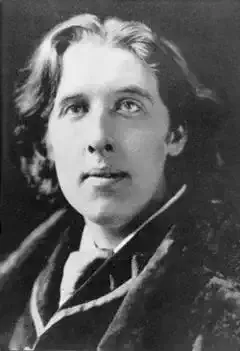
Oscar Wilde
Apologia
Is it thy will that I should wax and wane,
Barter my cloth of gold for hodden grey,
And at thy pleasure weave that web of pain
Whose brightest threads are each a wasted day?
Is it thy will - Love that I love so well -
That my Soul's House should be a tortured spot
Wherein, like evil paramours, must dwell
The quenchless flame, the worm that dieth not?
Nay, if it be thy will I shall endure,
And sell ambition at the common mart,
And let dull failure be my vestiture,
And sorrow dig its grave within my heart.
Perchance it may be better so - at least
I have not made my heart a heart of stone,
Nor starved my boyhood of its goodly feast,
Nor walked where Beauty is a thing unknown.
Many a man hath done so; sought to fence
In straitened bonds the soul that should be free,
Trodden the dusty road of common sense,
While all the forest sang of liberty,
Not marking how the spotted hawk in flight
Passed on wide pinion through the lofty air,
To where some steep untrodden mountain height
Caught the last tresses of the Sun God's hair.
Or how the little flower he trod upon,
The daisy, that white-feathered shield of gold,
Followed with wistful eyes the wandering sun
Content if once its leaves were aureoled.
But surely it is something to have been
The best beloved for a little while,
To have walked hand in hand with Love, and seen
His purple wings flit once across thy smile.
Ay! though the gorged asp of passion feed
On my boy's heart, yet have I burst the bars,
Stood face to face with Beauty, known indeed
The Love which moves the Sun and all the stars!
Barter my cloth of gold for hodden grey,
And at thy pleasure weave that web of pain
Whose brightest threads are each a wasted day?
Is it thy will - Love that I love so well -
That my Soul's House should be a tortured spot
Wherein, like evil paramours, must dwell
The quenchless flame, the worm that dieth not?
Nay, if it be thy will I shall endure,
And sell ambition at the common mart,
And let dull failure be my vestiture,
And sorrow dig its grave within my heart.
Perchance it may be better so - at least
I have not made my heart a heart of stone,
Nor starved my boyhood of its goodly feast,
Nor walked where Beauty is a thing unknown.
Many a man hath done so; sought to fence
In straitened bonds the soul that should be free,
Trodden the dusty road of common sense,
While all the forest sang of liberty,
Not marking how the spotted hawk in flight
Passed on wide pinion through the lofty air,
To where some steep untrodden mountain height
Caught the last tresses of the Sun God's hair.
Or how the little flower he trod upon,
The daisy, that white-feathered shield of gold,
Followed with wistful eyes the wandering sun
Content if once its leaves were aureoled.
But surely it is something to have been
The best beloved for a little while,
To have walked hand in hand with Love, and seen
His purple wings flit once across thy smile.
Ay! though the gorged asp of passion feed
On my boy's heart, yet have I burst the bars,
Stood face to face with Beauty, known indeed
The Love which moves the Sun and all the stars!
951
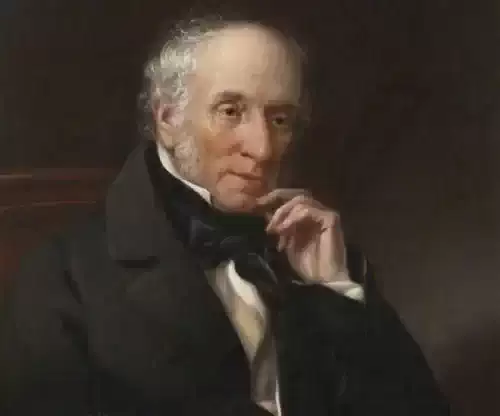
William Wordsworth
Simplon Pass, The
Simplon Pass, The
------Brook and road
Were fellow-travellers in this gloomy Pass,
And with them did we journey several hours
At a slow step. The immeasurable height
Of woods decaying, never to be decayed,
The stationary blasts of waterfalls,
And in the narrow rent, at every turn,
Winds thwarting winds bewildered and forlorn,
The torrents shooting from the clear blue sky,
The rocks that muttered close upon our ears,
Black drizzling crags that spake by the wayside
As if a voice were in them, the sick sight
And giddy prospect of the raving stream,
The unfettered clouds and region of the heavens,
Tumult and peace, the darkness and the light--
Were all like workings of one mind, the features
Of the same face, blossoms upon one tree,
Characters of the great Apocalypse,
The types and symbols of Eternity,
Of first, and last, and midst, and without end.
------Brook and road
Were fellow-travellers in this gloomy Pass,
And with them did we journey several hours
At a slow step. The immeasurable height
Of woods decaying, never to be decayed,
The stationary blasts of waterfalls,
And in the narrow rent, at every turn,
Winds thwarting winds bewildered and forlorn,
The torrents shooting from the clear blue sky,
The rocks that muttered close upon our ears,
Black drizzling crags that spake by the wayside
As if a voice were in them, the sick sight
And giddy prospect of the raving stream,
The unfettered clouds and region of the heavens,
Tumult and peace, the darkness and the light--
Were all like workings of one mind, the features
Of the same face, blossoms upon one tree,
Characters of the great Apocalypse,
The types and symbols of Eternity,
Of first, and last, and midst, and without end.
208
William Wordsworth
Ode on Intimations of Immortality from Recollections of Early Childhood
Ode on Intimations of Immortality from Recollections of Early Childhood
There was a time when meadow, grove, and stream,
The earth, and every common sight
To me did seem
Apparelled in celestial light,
The glory and the freshness of a dream.
It is not now as it hath been of yore;--
Turn wheresoe'er I may,
By night or day,
The things which I have seen I now can see no more.
The rainbow comes and goes,
And lovely is the rose;
The moon doth with delight
Look round her when the heavens are bare;
Waters on a starry night
Are beautiful and fair;
The sunshine is a glorious birth;
But yet I know, where'er I go,
That there hath past away a glory from the earth.
Now, while the birds thus sing a joyous song,
And while the young lambs bound
As to the tabor's sound,
To me alone there came a thought of grief:
A timely utterance gave that thought relief,
And I again am strong.
The cataracts blow their trumpets from the steep,--
No more shall grief of mine the season wrong:
I hear the echoes through the mountains throng.
The winds come to me from the fields of sleep,
And all the earth is gay;
Land and sea
Give themselves up to jollity,
And with the heart of May
Doth every beast keep holiday;--
Thou child of joy,
Shout round me, let me hear thy shouts, thou happy
Shepherd-boy!
Ye blesséd Creatures, I have heard the call
Ye to each other make; I see
The heavens laugh with you in your jubilee;
My heart is at your festival,
My head hath its coronal,
The fulness of your bliss, I feel--I feel it all.
O evil day! if I were sullen
While Earth herself is adorning
This sweet May-morning;
And the children are culling
On every side
In a thousand valleys far and wide
Fresh flowers; while the sun shines warm,
And the babe leaps up on his mother's arm:--
I hear, I hear, with joy I hear!
--But there's a tree, of many, one,
A single field which I have look'd upon,
Both of them speak of something that is gone:
The pansy at my feet
Doth the same tale repeat:
Whither is fled the visionary gleam?
Where is it now, the glory and the dream?
Our birth is but a sleep and a forgetting;
The Soul that rises with us, our life's Star,
Hath had elsewhere its setting
And cometh from afar;
Not in entire forgetfulness,
And not in utter nakedness,
But trailing clouds of glory do we come
From God, who is our home:
Heaven lies about us in our infancy!
Shades of the prison-house begin to close
Upon the growing Boy,
But he beholds the light, and whence it flows,
He sees it in his joy;
The Youth, who daily farther from the east
Must travel, still is Nature's priest,
And by the vision splendid
Is on his way attended;
At length the Man perceives it die away,
And fade into the light of common day.
Earth fills her lap with pleasures of her own;
Yearnings she hath in her own natural kind,
And, even with something of a mother's mind,
And no unworthy aim,
The homely nurse doth all she can
To make her foster-child, her inmate, Man,
Forget the glories he hath known,
And that imperial palace whence he came.
Behold the Child among his new-born blisses,
A six years' darling of a pigmy size!
See, where 'mid work of his own hand he lies,
Fretted by sallies of his mother's kisses,
With light upon him from his father's eyes!
See, at his feet, some little plan or chart,
Some fragment from his dream of human life,
Shaped by himself with newly-learned art;
A wedding or a festival,
A mourning or a funeral;
And this hath now his heart,
And unto this he frames his song:
Then will he fit his tongue
To dialogues of business, love, or strife;
But it will not be long
Ere this be thrown aside,
And with new joy and pride
The little actor cons another part;
Filling from time to time his 'humorous stage'
With all the Persons, down to palsied Age,
That life brings with her in her equipage;
As if his whole vocation
Were endless imitation.
Thou, whose exterior semblance doth belie
Thy soul's immensity;
Thou best philosopher, who yet dost keep
Thy heritage, thou eye among the blind,
That, deaf and silent, read'st the eternal deep,
Haunted for ever by the eternal Mind,--
Mighty Prophet! Seer blest!
On whom those truths rest
Which we are toiling all our lives to find,
In darkness lost, the darkness of the grave;
Thou, over whom thy Immortality
Broods like the day, a master o'er a slave,
A Presence which is not to be put by;
To whom the grave
Is but a lonely bed, without the sense of sight
Of day or the warm light,
A place of thoughts where we in waiting lie;
Thou little child, yet glorious in the might
Of heaven-born freedom on thy being's height,
Why with such earnest pains dost thou provoke
The years to bring the inevitable yoke,
Thus blindly with thy blessedness at strife?
Full soon thy soul shall have her earthly freight,
And custom lie upon thee with a weight
Heavy as frost, and deep almost as life!
joy! that in our embers
Is something that doth live,
That Nature yet remembers
What was so fugitive!
The thought of our past years in me doth breed
Perpetual benediction: not indeed
For that which is most worthy to be blest,
Delight and liberty, the simple creed
Of Childhood, whether busy or at rest,
With new-fledged hope still fluttering in his breast:--
--Not for these I raise
The song of thanks and praise;
But for those obstinate questionings
Of sense and outward things,
Failings from us, vanishings,
Blank misgivings of a creature
Moving about in worlds not realized,
High instincts, before which our mortal nature
Did tremble like a guilty thing surprised:
But for those first affections,
Those shadowy recollections,
Which, be they what they may,
Are yet the fountain-light of all our day,
Are yet a master-light of all our seeing;
Uphold us--cherish--and have power to make
Our noisy years seem moments in the being
Of the eternal Silence: truths that wake,
To perish never;
Which neither listlessness, nor mad endeavour,
Nor man nor boy,
Nor all that is at enmity with joy,
Can utterly abolish or destroy!
Hence, in a season of calm weather
Though inland far we be,
Our souls have sight of that immortal sea
Which brought us hither;
Can in a moment travel thither--
And see the children sport upon the shore,
And hear the mighty waters rolling evermore.
Then, sing, ye birds, sing, sing a joyous song!
And let the young lambs bound
As to the tabor's sound!
We, in thought, will join your throng,
Ye that pipe and ye that play,
Ye that through your hearts to-day
Feel the gladness of the May!
What though the radiance which was once so bright
Be now for ever taken from my sight,
Though nothing can bring back the hour
Of splendour in the grass, of glory in the flower;
We will grieve not, rather find
Strength in what remains behind;
In the primal sympathy
Which having been must ever be;
In the soothing thoughts that spring
Out of human suffering;
In the faith that looks through death,
In years that bring the philosophic mind.
And , ye Fountains, Meadows, Hills, and Groves,
Forebode not any severing of our loves!
Yet in my heart of hearts I feel your might;
I only have relinquish'd one delight
To live beneath your more habitual sway;
I love the brooks which down their channels fret
Even more than when I tripp'd lightly as they;
The innocent brightness of a new-born day
Is lovely yet;
The clouds that gather round the setting sun
Do take a sober colouring from an eye
That hath kept watch o'er man's mortality;
Another race hath been, and other palms are won.
Thanks to the human heart by which we live,
Thanks to its tenderness, its joys, and fears,
To me the meanest flower that blows can give
Thoughts that do often lie too deep for tears.
There was a time when meadow, grove, and stream,
The earth, and every common sight
To me did seem
Apparelled in celestial light,
The glory and the freshness of a dream.
It is not now as it hath been of yore;--
Turn wheresoe'er I may,
By night or day,
The things which I have seen I now can see no more.
The rainbow comes and goes,
And lovely is the rose;
The moon doth with delight
Look round her when the heavens are bare;
Waters on a starry night
Are beautiful and fair;
The sunshine is a glorious birth;
But yet I know, where'er I go,
That there hath past away a glory from the earth.
Now, while the birds thus sing a joyous song,
And while the young lambs bound
As to the tabor's sound,
To me alone there came a thought of grief:
A timely utterance gave that thought relief,
And I again am strong.
The cataracts blow their trumpets from the steep,--
No more shall grief of mine the season wrong:
I hear the echoes through the mountains throng.
The winds come to me from the fields of sleep,
And all the earth is gay;
Land and sea
Give themselves up to jollity,
And with the heart of May
Doth every beast keep holiday;--
Thou child of joy,
Shout round me, let me hear thy shouts, thou happy
Shepherd-boy!
Ye blesséd Creatures, I have heard the call
Ye to each other make; I see
The heavens laugh with you in your jubilee;
My heart is at your festival,
My head hath its coronal,
The fulness of your bliss, I feel--I feel it all.
O evil day! if I were sullen
While Earth herself is adorning
This sweet May-morning;
And the children are culling
On every side
In a thousand valleys far and wide
Fresh flowers; while the sun shines warm,
And the babe leaps up on his mother's arm:--
I hear, I hear, with joy I hear!
--But there's a tree, of many, one,
A single field which I have look'd upon,
Both of them speak of something that is gone:
The pansy at my feet
Doth the same tale repeat:
Whither is fled the visionary gleam?
Where is it now, the glory and the dream?
Our birth is but a sleep and a forgetting;
The Soul that rises with us, our life's Star,
Hath had elsewhere its setting
And cometh from afar;
Not in entire forgetfulness,
And not in utter nakedness,
But trailing clouds of glory do we come
From God, who is our home:
Heaven lies about us in our infancy!
Shades of the prison-house begin to close
Upon the growing Boy,
But he beholds the light, and whence it flows,
He sees it in his joy;
The Youth, who daily farther from the east
Must travel, still is Nature's priest,
And by the vision splendid
Is on his way attended;
At length the Man perceives it die away,
And fade into the light of common day.
Earth fills her lap with pleasures of her own;
Yearnings she hath in her own natural kind,
And, even with something of a mother's mind,
And no unworthy aim,
The homely nurse doth all she can
To make her foster-child, her inmate, Man,
Forget the glories he hath known,
And that imperial palace whence he came.
Behold the Child among his new-born blisses,
A six years' darling of a pigmy size!
See, where 'mid work of his own hand he lies,
Fretted by sallies of his mother's kisses,
With light upon him from his father's eyes!
See, at his feet, some little plan or chart,
Some fragment from his dream of human life,
Shaped by himself with newly-learned art;
A wedding or a festival,
A mourning or a funeral;
And this hath now his heart,
And unto this he frames his song:
Then will he fit his tongue
To dialogues of business, love, or strife;
But it will not be long
Ere this be thrown aside,
And with new joy and pride
The little actor cons another part;
Filling from time to time his 'humorous stage'
With all the Persons, down to palsied Age,
That life brings with her in her equipage;
As if his whole vocation
Were endless imitation.
Thou, whose exterior semblance doth belie
Thy soul's immensity;
Thou best philosopher, who yet dost keep
Thy heritage, thou eye among the blind,
That, deaf and silent, read'st the eternal deep,
Haunted for ever by the eternal Mind,--
Mighty Prophet! Seer blest!
On whom those truths rest
Which we are toiling all our lives to find,
In darkness lost, the darkness of the grave;
Thou, over whom thy Immortality
Broods like the day, a master o'er a slave,
A Presence which is not to be put by;
To whom the grave
Is but a lonely bed, without the sense of sight
Of day or the warm light,
A place of thoughts where we in waiting lie;
Thou little child, yet glorious in the might
Of heaven-born freedom on thy being's height,
Why with such earnest pains dost thou provoke
The years to bring the inevitable yoke,
Thus blindly with thy blessedness at strife?
Full soon thy soul shall have her earthly freight,
And custom lie upon thee with a weight
Heavy as frost, and deep almost as life!
joy! that in our embers
Is something that doth live,
That Nature yet remembers
What was so fugitive!
The thought of our past years in me doth breed
Perpetual benediction: not indeed
For that which is most worthy to be blest,
Delight and liberty, the simple creed
Of Childhood, whether busy or at rest,
With new-fledged hope still fluttering in his breast:--
--Not for these I raise
The song of thanks and praise;
But for those obstinate questionings
Of sense and outward things,
Failings from us, vanishings,
Blank misgivings of a creature
Moving about in worlds not realized,
High instincts, before which our mortal nature
Did tremble like a guilty thing surprised:
But for those first affections,
Those shadowy recollections,
Which, be they what they may,
Are yet the fountain-light of all our day,
Are yet a master-light of all our seeing;
Uphold us--cherish--and have power to make
Our noisy years seem moments in the being
Of the eternal Silence: truths that wake,
To perish never;
Which neither listlessness, nor mad endeavour,
Nor man nor boy,
Nor all that is at enmity with joy,
Can utterly abolish or destroy!
Hence, in a season of calm weather
Though inland far we be,
Our souls have sight of that immortal sea
Which brought us hither;
Can in a moment travel thither--
And see the children sport upon the shore,
And hear the mighty waters rolling evermore.
Then, sing, ye birds, sing, sing a joyous song!
And let the young lambs bound
As to the tabor's sound!
We, in thought, will join your throng,
Ye that pipe and ye that play,
Ye that through your hearts to-day
Feel the gladness of the May!
What though the radiance which was once so bright
Be now for ever taken from my sight,
Though nothing can bring back the hour
Of splendour in the grass, of glory in the flower;
We will grieve not, rather find
Strength in what remains behind;
In the primal sympathy
Which having been must ever be;
In the soothing thoughts that spring
Out of human suffering;
In the faith that looks through death,
In years that bring the philosophic mind.
And , ye Fountains, Meadows, Hills, and Groves,
Forebode not any severing of our loves!
Yet in my heart of hearts I feel your might;
I only have relinquish'd one delight
To live beneath your more habitual sway;
I love the brooks which down their channels fret
Even more than when I tripp'd lightly as they;
The innocent brightness of a new-born day
Is lovely yet;
The clouds that gather round the setting sun
Do take a sober colouring from an eye
That hath kept watch o'er man's mortality;
Another race hath been, and other palms are won.
Thanks to the human heart by which we live,
Thanks to its tenderness, its joys, and fears,
To me the meanest flower that blows can give
Thoughts that do often lie too deep for tears.
151
William Wordsworth
Character of the Happy Warrior
Character of the Happy Warrior
. Who is the happy Warrior? Who is he
That every man in arms should wish to be?
--It is the generous Spirit, who, when brought
Among the tasks of real life, hath wrought
Upon the plan that pleased his boyish thought:
Whose high endeavours are an inward light
That makes the path before him always bright;
Who, with a natural instinct to discern
What knowledge can perform, is diligent to learn;
Abides by this resolve, and stops not there,
But makes his moral being his prime care;
Who, doomed to go in company with Pain,
And Fear, and Bloodshed, miserable train!
Turns his necessity to glorious gain;
In face of these doth exercise a power
Which is our human nature's highest dower:
Controls them and subdues, transmutes, bereaves
Of their bad influence, and their good receives:
By objects, which might force the soul to abate
Her feeling, rendered more compassionate;
Is placable--because occasions rise
So often that demand such sacrifice;
More skilful in self-knowledge, even more pure,
As tempted more; more able to endure,
As more exposed to suffering and distress;
Thence, also, more alive to tenderness.
--'Tis he whose law is reason; who depends
Upon that law as on the best of friends;
Whence, in a state where men are tempted still
To evil for a guard against worse ill,
And what in quality or act is best
Doth seldom on a right foundation rest,
He labours good on good to fix, and owes
To virtue every triumph that he knows:
--Who, if he rise to station of command,
Rises by open means; and there will stand
On honourable terms, or else retire,
And in himself possess his own desire;
Who comprehends his trust, and to the same
Keeps faithful with a singleness of aim;
And therefore does not stoop, nor lie in wait
For wealth, or honours, or for worldly state;
Whom they must follow; on whose head must fall,
Like showers of manna, if they come at all:
Whose powers shed round him in the common strife,
Or mild concerns of ordinary life,
A constant influence, a peculiar grace;
But who, if he be called upon to face
Some awful moment to which Heaven has joined
Great issues, good or bad for human kind,
Is happy as a Lover; and attired
With sudden brightness, like a Man inspired;
And, through the heat of conflict, keeps the law
In calmness made, and sees what he foresaw;
Or if an unexpected call succeed,
Come when it will, is equal to the need:
--He who, though thus endued as with a sense
And faculty for storm and turbulence,
Is yet a Soul whose master-bias leans
To homefelt pleasures and to gentle scenes;
Sweet images! which, wheresoe'er he be,
Are at his heart; and such fidelity
It is his darling passion to approve;
More brave for this, that he hath much to love:--
'Tis, finally, the Man, who, lifted high,
Conspicuous object in a Nation's eye,
Or left unthought-of in obscurity,--
Who, with a toward or untoward lot,
Prosperous or adverse, to his wish or not--
Plays, in the many games of life, that one
Where what he most doth value must be won:
Whom neither shape or danger can dismay,
Nor thought of tender happiness betray;
Who, not content that former worth stand fast,
Looks forward, persevering to the last,
From well to better, daily self-surpast:
Who, whether praise of him must walk the earth
For ever, and to noble deeds give birth,
Or he must fall, to sleep without his fame,
And leave a dead unprofitable name--
Finds comfort in himself and in his cause;
And, while the mortal mist is gathering, draws
His breath in confidence of Heaven's applause:
This is the happy Warrior; this is he
That every man in arms should wish to be.
. Who is the happy Warrior? Who is he
That every man in arms should wish to be?
--It is the generous Spirit, who, when brought
Among the tasks of real life, hath wrought
Upon the plan that pleased his boyish thought:
Whose high endeavours are an inward light
That makes the path before him always bright;
Who, with a natural instinct to discern
What knowledge can perform, is diligent to learn;
Abides by this resolve, and stops not there,
But makes his moral being his prime care;
Who, doomed to go in company with Pain,
And Fear, and Bloodshed, miserable train!
Turns his necessity to glorious gain;
In face of these doth exercise a power
Which is our human nature's highest dower:
Controls them and subdues, transmutes, bereaves
Of their bad influence, and their good receives:
By objects, which might force the soul to abate
Her feeling, rendered more compassionate;
Is placable--because occasions rise
So often that demand such sacrifice;
More skilful in self-knowledge, even more pure,
As tempted more; more able to endure,
As more exposed to suffering and distress;
Thence, also, more alive to tenderness.
--'Tis he whose law is reason; who depends
Upon that law as on the best of friends;
Whence, in a state where men are tempted still
To evil for a guard against worse ill,
And what in quality or act is best
Doth seldom on a right foundation rest,
He labours good on good to fix, and owes
To virtue every triumph that he knows:
--Who, if he rise to station of command,
Rises by open means; and there will stand
On honourable terms, or else retire,
And in himself possess his own desire;
Who comprehends his trust, and to the same
Keeps faithful with a singleness of aim;
And therefore does not stoop, nor lie in wait
For wealth, or honours, or for worldly state;
Whom they must follow; on whose head must fall,
Like showers of manna, if they come at all:
Whose powers shed round him in the common strife,
Or mild concerns of ordinary life,
A constant influence, a peculiar grace;
But who, if he be called upon to face
Some awful moment to which Heaven has joined
Great issues, good or bad for human kind,
Is happy as a Lover; and attired
With sudden brightness, like a Man inspired;
And, through the heat of conflict, keeps the law
In calmness made, and sees what he foresaw;
Or if an unexpected call succeed,
Come when it will, is equal to the need:
--He who, though thus endued as with a sense
And faculty for storm and turbulence,
Is yet a Soul whose master-bias leans
To homefelt pleasures and to gentle scenes;
Sweet images! which, wheresoe'er he be,
Are at his heart; and such fidelity
It is his darling passion to approve;
More brave for this, that he hath much to love:--
'Tis, finally, the Man, who, lifted high,
Conspicuous object in a Nation's eye,
Or left unthought-of in obscurity,--
Who, with a toward or untoward lot,
Prosperous or adverse, to his wish or not--
Plays, in the many games of life, that one
Where what he most doth value must be won:
Whom neither shape or danger can dismay,
Nor thought of tender happiness betray;
Who, not content that former worth stand fast,
Looks forward, persevering to the last,
From well to better, daily self-surpast:
Who, whether praise of him must walk the earth
For ever, and to noble deeds give birth,
Or he must fall, to sleep without his fame,
And leave a dead unprofitable name--
Finds comfort in himself and in his cause;
And, while the mortal mist is gathering, draws
His breath in confidence of Heaven's applause:
This is the happy Warrior; this is he
That every man in arms should wish to be.
460
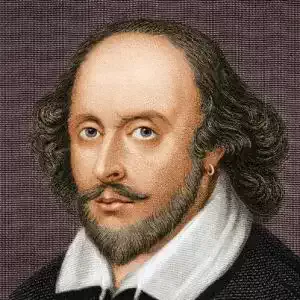
William Shakespeare
The Procreation Sonnets (1 - 17)
The Procreation Sonnets (1 - 17)
I
From fairest creatures we desire increase,
That thereby beauty's rose might never die,
But as the riper should by time decease,
His tender heir might bear his memory:
But thou contracted to thine own bright eyes,
Feed'st thy light's flame with self-substantial fuel,
Making a famine where abundance lies,
Thy self thy foe, to thy sweet self too cruel:
Thou that art now the world's fresh ornament,
And only herald to the gaudy spring,
Within thine own bud buriest thy content,
And, tender churl, mak'st waste in niggarding:
Pity the world, or else this glutton be,
To eat the world's due, by the grave and thee.
II
When forty winters shall besiege thy brow,
And dig deep trenches in thy beauty's field,
Thy youth's proud livery so gazed on now,
Will be a totter'd weed of small worth held:
Then being asked, where all thy beauty lies,
Where all the treasure of thy lusty days;
To say, within thine own deep sunken eyes,
Were an all-eating shame, and thriftless praise.
How much more praise deserv'd thy beauty's use,
If thou couldst answer 'This fair child of mine
Shall sum my count, and make my old excuse,'
Proving his beauty by succession thine!
This were to be new made when thou art old,
And see thy blood warm when thou feel'st it cold.
III
Look in thy glass and tell the face thou viewest
Now is the time that face should form another;
Whose fresh repair if now thou not renewest,
Thou dost beguile the world, unbless some mother.
For where is she so fair whose unear'd womb
Disdains the tillage of thy husbandry?
Or who is he so fond will be the tomb
Of his self-love, to stop posterity?
Thou art thy mother's glass and she in thee
Calls back the lovely April of her prime;
So thou through windows of thine age shalt see,
Despite of wrinkles this thy golden time.
But if thou live, remember'd not to be,
Die single and thine image dies with thee.
IV
Unthrifty loveliness, why dost thou spend
Upon thy self thy beauty's legacy?
Nature's bequest gives nothing, but doth lend,
And being frank she lends to those are free:
Then, beauteous niggard, why dost thou abuse
The bounteous largess given thee to give?
Profitless usurer, why dost thou use
So great a sum of sums, yet canst not live?
For having traffic with thy self alone,
Thou of thy self thy sweet self dost deceive:
Then how when nature calls thee to be gone,
What acceptable audit canst thou leave?
Thy unused beauty must be tombed with thee,
Which, used, lives th' executor to be.
V
Those hours, that with gentle work did frame
The lovely gaze where every eye doth dwell,
Will play the tyrants to the very same
And that unfair which fairly doth excel;
For never-resting time leads summer on
To hideous winter, and confounds him there;
Sap checked with frost, and lusty leaves quite gone,
Beauty o'er-snowed and bareness every where:
Then were not summer's distillation left,
A liquid prisoner pent in walls of glass,
Beauty's effect with beauty were bereft,
Nor it, nor no remembrance what it was:
But flowers distill'd, though they with winter meet,
Leese but their show; their substance still lives sweet.
VI
Then let not winter's ragged hand deface,
In thee thy summer, ere thou be distilled:
Make sweet some vial; treasure thou some place
With beauty's treasure ere it be self-killed.
That use is not forbidden usury,
Which happies those that pay the willing loan;
That's for thy self to breed another thee,
Or ten times happier, be it ten for one;
Ten times thy self were happier than thou art,
If ten of thine ten times refigured thee:
Then what could death do if thou shouldst depart,
Leaving thee living in posterity?
Be not self-willed, for thou art much too fair
To be death's conquest and make worms thine heir.
VII
Lo! in the orient when the gracious light
Lifts up his burning head, each under eye
Doth homage to his new-appearing sight,
Serving with looks his sacred majesty;
And having climbed the steep-up heavenly hill,
Resembling strong youth in his middle age,
Yet mortal looks adore his beauty still,
Attending on his golden pilgrimage:
But when from highmost pitch, with weary car,
Like feeble age, he reeleth from the day,
The eyes, 'fore duteous, now converted are
From his low tract, and look another way:
So thou, thyself outgoing in thy noon
Unlooked on diest unless thou get a son.
VIII
Music to hear, why hear'st thou music sadly?
Sweets with sweets war not, joy delights in joy:
Why lov'st thou that which thou receiv'st not gladly,
Or else receiv'st with pleasure thine annoy?
If the true concord of well-tuned sounds,
By unions married, do offend thine ear,
They do but sweetly chide thee, who confounds
In singleness the parts that thou shouldst bear.
Mark how one string, sweet husband to another,
Strikes each in each by mutual ordering;
Resembling sire and child and happy mother,
Who, all in one, one pleasing note do sing:
Whose speechless song being many, seeming one,
Sings this to thee: 'Thou single wilt prove none.'
IX
Is it for fear to wet a widow's eye,
That thou consum'st thy self in single life?
Ah! if thou issueless shalt hap to die,
The world will wail thee like a makeless wife;
The world will be thy widow and still weep
That thou no form of thee hast left behind,
When every private widow well may keep
By children's eyes, her husband's shape in mind:
Look what an unthrift in the world doth spend
Shifts but his place, for still the world enjoys it;
But beauty's waste hath in the world an end,
And kept unused the user so destroys it.
No love toward others in that bosom sits
That on himself such murd'rous shame commits.
X
For shame deny that thou bear'st love to any,
Who for thy self art so unprovident.
Grant, if thou wilt, thou art beloved of many,
But that thou none lov'st is most evident:
For thou art so possessed with murderous hate,
That 'gainst thy self thou stick'st not to conspire,
Seeking that beauteous roof to ruinate
Which to repair should be thy chief desire.
O! change thy thought, that I may change my mind:
Shall hate be fairer lodged than gentle love?
Be, as thy presence is, gracious and kind,
Or to thyself at least kind-hearted prove:
Make thee another self for love of me,
That beauty still may live in thine or thee.
XI
As fast as thou shalt wane, so fast thou grow'st
In one of thine, from that which thou departest;
And that fresh blood which youngly thou bestow'st,
Thou mayst call thine when thou from youth convertest.
Herein lives wisdom, beauty, and increase;
Without this folly, age, and cold decay:
If all were minded so, the times should cease
And threescore year would make the world away.
Let those whom nature hath not made for store,
Harsh, featureless, and rude, barrenly perish:
Look whom she best endow'd, she gave the more;
Which bounteous gift thou shouldst in bounty cherish:
She carv'd thee for her seal, and meant thereby,
Thou shouldst print more, not let that copy die.
XII
When I do count the clock that tells the time,
And see the brave day sunk in hideous night;
When I behold the violet past prime,
And sable curls, all silvered o'er with white;
When lofty trees I see barren of leaves,
Which erst from heat did canopy the herd,
And summer's green all girded up in sheaves,
Borne on the bier with white and bristly beard,
Then of thy beauty do I question make,
That thou among the wastes of time must go,
Since sweets and beauties do themselves forsake
And die as fast as they see others grow;
And nothing 'gainst Time's scythe can make defence
Save breed, to brave him when he takes thee hence.
XIII
O! that you were your self; but, love, you are
No longer yours, than you your self here live:
Against this coming end you should prepare,
And your sweet semblance to some other give:
So should that beauty which you hold in lease
Find no determination; then you were
Yourself again, after yourself's decease,
When your sweet issue your sweet form should bear.
Who lets so fair a house fall to decay,
Which husbandry in honour might uphold,
Against the stormy gusts of winter's day
And barren rage of death's eternal cold?
O! none but unthrifts. Dear my love, you know,
You had a father: let your son say so.
XIV
Not from the stars do I my judgement pluck;
And yet methinks I have Astronomy,
But not to tell of good or evil luck,
Of plagues, of dearths, or seasons' quality;
Nor can I fortune to brief minutes tell,
Pointing to each his thunder, rain and wind,
Or say with princes if it shall go well
By oft predict that I in heaven find:
But from thine eyes my knowledge I derive,
And, constant stars, in them I read such art
As truth and beauty shall together thrive,
If from thyself, to store thou wouldst convert;
Or else of thee this I prognosticate:
Thy end is truth's and beauty's doom and date.
XV
When I consider every thing that grows
Holds in perfection but a little moment,
That this huge stage presenteth nought but shows
Whereon the stars in secret influence comment;
When I perceive that men as plants increase,
Cheered and checked even by the self-same sky,
Vaunt in their youthful sap, at height decrease,
And wear their brave state out of memory;
Then the conceit of this inconstant stay
Sets you most rich in youth before my sight,
Where wasteful Time debateth with decay
To change your day of youth to sullied night,
And all in war with Time for love of you,
As he takes from you, I engraft you new.
XVI
But wherefore do not you a mightier way
Make war upon this bloody tyrant, Time?
And fortify your self in your decay
With means more blessed than my barren rhyme?
Now stand you on the top of happy hours,
And many maiden gardens, yet unset,
With virtuous wish would bear you living flowers,
Much liker than your painted counterfeit:
So should the lines of life that life repair,
Which this, Time's pencil, or my pupil pen,
Neither in inward worth nor outward fair,
Can make you live your self in eyes of men.
To give away yourself, keeps yourself still,
And you must live, drawn by your own sweet skill.
XVII
Who will believe my verse in time to come,
If it were fill'd with your most high deserts?
Though yet heaven knows it is but as a tomb
Which hides your life, and shows not half your parts.
If I could write the beauty of your eyes,
And in fresh numbers number all your graces,
The age to come would say 'This poet lies;
Such heavenly touches ne'er touch'd earthly faces.'
So should my papers, yellow'd with their age,
Be scorn'd, like old men of less truth than tongue,
And your true rights be term'd a poet's rage
And stretched metre of an antique song:
But were some child of yours alive that time,
You should live twice, in it, and in my rhyme.
I
From fairest creatures we desire increase,
That thereby beauty's rose might never die,
But as the riper should by time decease,
His tender heir might bear his memory:
But thou contracted to thine own bright eyes,
Feed'st thy light's flame with self-substantial fuel,
Making a famine where abundance lies,
Thy self thy foe, to thy sweet self too cruel:
Thou that art now the world's fresh ornament,
And only herald to the gaudy spring,
Within thine own bud buriest thy content,
And, tender churl, mak'st waste in niggarding:
Pity the world, or else this glutton be,
To eat the world's due, by the grave and thee.
II
When forty winters shall besiege thy brow,
And dig deep trenches in thy beauty's field,
Thy youth's proud livery so gazed on now,
Will be a totter'd weed of small worth held:
Then being asked, where all thy beauty lies,
Where all the treasure of thy lusty days;
To say, within thine own deep sunken eyes,
Were an all-eating shame, and thriftless praise.
How much more praise deserv'd thy beauty's use,
If thou couldst answer 'This fair child of mine
Shall sum my count, and make my old excuse,'
Proving his beauty by succession thine!
This were to be new made when thou art old,
And see thy blood warm when thou feel'st it cold.
III
Look in thy glass and tell the face thou viewest
Now is the time that face should form another;
Whose fresh repair if now thou not renewest,
Thou dost beguile the world, unbless some mother.
For where is she so fair whose unear'd womb
Disdains the tillage of thy husbandry?
Or who is he so fond will be the tomb
Of his self-love, to stop posterity?
Thou art thy mother's glass and she in thee
Calls back the lovely April of her prime;
So thou through windows of thine age shalt see,
Despite of wrinkles this thy golden time.
But if thou live, remember'd not to be,
Die single and thine image dies with thee.
IV
Unthrifty loveliness, why dost thou spend
Upon thy self thy beauty's legacy?
Nature's bequest gives nothing, but doth lend,
And being frank she lends to those are free:
Then, beauteous niggard, why dost thou abuse
The bounteous largess given thee to give?
Profitless usurer, why dost thou use
So great a sum of sums, yet canst not live?
For having traffic with thy self alone,
Thou of thy self thy sweet self dost deceive:
Then how when nature calls thee to be gone,
What acceptable audit canst thou leave?
Thy unused beauty must be tombed with thee,
Which, used, lives th' executor to be.
V
Those hours, that with gentle work did frame
The lovely gaze where every eye doth dwell,
Will play the tyrants to the very same
And that unfair which fairly doth excel;
For never-resting time leads summer on
To hideous winter, and confounds him there;
Sap checked with frost, and lusty leaves quite gone,
Beauty o'er-snowed and bareness every where:
Then were not summer's distillation left,
A liquid prisoner pent in walls of glass,
Beauty's effect with beauty were bereft,
Nor it, nor no remembrance what it was:
But flowers distill'd, though they with winter meet,
Leese but their show; their substance still lives sweet.
VI
Then let not winter's ragged hand deface,
In thee thy summer, ere thou be distilled:
Make sweet some vial; treasure thou some place
With beauty's treasure ere it be self-killed.
That use is not forbidden usury,
Which happies those that pay the willing loan;
That's for thy self to breed another thee,
Or ten times happier, be it ten for one;
Ten times thy self were happier than thou art,
If ten of thine ten times refigured thee:
Then what could death do if thou shouldst depart,
Leaving thee living in posterity?
Be not self-willed, for thou art much too fair
To be death's conquest and make worms thine heir.
VII
Lo! in the orient when the gracious light
Lifts up his burning head, each under eye
Doth homage to his new-appearing sight,
Serving with looks his sacred majesty;
And having climbed the steep-up heavenly hill,
Resembling strong youth in his middle age,
Yet mortal looks adore his beauty still,
Attending on his golden pilgrimage:
But when from highmost pitch, with weary car,
Like feeble age, he reeleth from the day,
The eyes, 'fore duteous, now converted are
From his low tract, and look another way:
So thou, thyself outgoing in thy noon
Unlooked on diest unless thou get a son.
VIII
Music to hear, why hear'st thou music sadly?
Sweets with sweets war not, joy delights in joy:
Why lov'st thou that which thou receiv'st not gladly,
Or else receiv'st with pleasure thine annoy?
If the true concord of well-tuned sounds,
By unions married, do offend thine ear,
They do but sweetly chide thee, who confounds
In singleness the parts that thou shouldst bear.
Mark how one string, sweet husband to another,
Strikes each in each by mutual ordering;
Resembling sire and child and happy mother,
Who, all in one, one pleasing note do sing:
Whose speechless song being many, seeming one,
Sings this to thee: 'Thou single wilt prove none.'
IX
Is it for fear to wet a widow's eye,
That thou consum'st thy self in single life?
Ah! if thou issueless shalt hap to die,
The world will wail thee like a makeless wife;
The world will be thy widow and still weep
That thou no form of thee hast left behind,
When every private widow well may keep
By children's eyes, her husband's shape in mind:
Look what an unthrift in the world doth spend
Shifts but his place, for still the world enjoys it;
But beauty's waste hath in the world an end,
And kept unused the user so destroys it.
No love toward others in that bosom sits
That on himself such murd'rous shame commits.
X
For shame deny that thou bear'st love to any,
Who for thy self art so unprovident.
Grant, if thou wilt, thou art beloved of many,
But that thou none lov'st is most evident:
For thou art so possessed with murderous hate,
That 'gainst thy self thou stick'st not to conspire,
Seeking that beauteous roof to ruinate
Which to repair should be thy chief desire.
O! change thy thought, that I may change my mind:
Shall hate be fairer lodged than gentle love?
Be, as thy presence is, gracious and kind,
Or to thyself at least kind-hearted prove:
Make thee another self for love of me,
That beauty still may live in thine or thee.
XI
As fast as thou shalt wane, so fast thou grow'st
In one of thine, from that which thou departest;
And that fresh blood which youngly thou bestow'st,
Thou mayst call thine when thou from youth convertest.
Herein lives wisdom, beauty, and increase;
Without this folly, age, and cold decay:
If all were minded so, the times should cease
And threescore year would make the world away.
Let those whom nature hath not made for store,
Harsh, featureless, and rude, barrenly perish:
Look whom she best endow'd, she gave the more;
Which bounteous gift thou shouldst in bounty cherish:
She carv'd thee for her seal, and meant thereby,
Thou shouldst print more, not let that copy die.
XII
When I do count the clock that tells the time,
And see the brave day sunk in hideous night;
When I behold the violet past prime,
And sable curls, all silvered o'er with white;
When lofty trees I see barren of leaves,
Which erst from heat did canopy the herd,
And summer's green all girded up in sheaves,
Borne on the bier with white and bristly beard,
Then of thy beauty do I question make,
That thou among the wastes of time must go,
Since sweets and beauties do themselves forsake
And die as fast as they see others grow;
And nothing 'gainst Time's scythe can make defence
Save breed, to brave him when he takes thee hence.
XIII
O! that you were your self; but, love, you are
No longer yours, than you your self here live:
Against this coming end you should prepare,
And your sweet semblance to some other give:
So should that beauty which you hold in lease
Find no determination; then you were
Yourself again, after yourself's decease,
When your sweet issue your sweet form should bear.
Who lets so fair a house fall to decay,
Which husbandry in honour might uphold,
Against the stormy gusts of winter's day
And barren rage of death's eternal cold?
O! none but unthrifts. Dear my love, you know,
You had a father: let your son say so.
XIV
Not from the stars do I my judgement pluck;
And yet methinks I have Astronomy,
But not to tell of good or evil luck,
Of plagues, of dearths, or seasons' quality;
Nor can I fortune to brief minutes tell,
Pointing to each his thunder, rain and wind,
Or say with princes if it shall go well
By oft predict that I in heaven find:
But from thine eyes my knowledge I derive,
And, constant stars, in them I read such art
As truth and beauty shall together thrive,
If from thyself, to store thou wouldst convert;
Or else of thee this I prognosticate:
Thy end is truth's and beauty's doom and date.
XV
When I consider every thing that grows
Holds in perfection but a little moment,
That this huge stage presenteth nought but shows
Whereon the stars in secret influence comment;
When I perceive that men as plants increase,
Cheered and checked even by the self-same sky,
Vaunt in their youthful sap, at height decrease,
And wear their brave state out of memory;
Then the conceit of this inconstant stay
Sets you most rich in youth before my sight,
Where wasteful Time debateth with decay
To change your day of youth to sullied night,
And all in war with Time for love of you,
As he takes from you, I engraft you new.
XVI
But wherefore do not you a mightier way
Make war upon this bloody tyrant, Time?
And fortify your self in your decay
With means more blessed than my barren rhyme?
Now stand you on the top of happy hours,
And many maiden gardens, yet unset,
With virtuous wish would bear you living flowers,
Much liker than your painted counterfeit:
So should the lines of life that life repair,
Which this, Time's pencil, or my pupil pen,
Neither in inward worth nor outward fair,
Can make you live your self in eyes of men.
To give away yourself, keeps yourself still,
And you must live, drawn by your own sweet skill.
XVII
Who will believe my verse in time to come,
If it were fill'd with your most high deserts?
Though yet heaven knows it is but as a tomb
Which hides your life, and shows not half your parts.
If I could write the beauty of your eyes,
And in fresh numbers number all your graces,
The age to come would say 'This poet lies;
Such heavenly touches ne'er touch'd earthly faces.'
So should my papers, yellow'd with their age,
Be scorn'd, like old men of less truth than tongue,
And your true rights be term'd a poet's rage
And stretched metre of an antique song:
But were some child of yours alive that time,
You should live twice, in it, and in my rhyme.
260
William Shakespeare
Sonnets CXLVI: Poor soul, the centre of my sinful earth
Sonnets CXLVI: Poor soul, the centre of my sinful earth
Poor soul, the centre of my sinful earth,
[......] these rebel powers that thee array,
Why dost thou pine within and suffer dearth,
Painting thy outward walls so costly gay?
Why so large cost, having so short a lease,
Dost thou upon thy fading mansion spend?
Shall worms, inheritors of this excess,
Eat up thy charge? Is this thy body's end?
Then soul, live thou upon thy servant's loss
And let that pine to aggravate thy store;
Buy terms divine in selling hours of dross;
Within be fed, without be rich no more.
So shalt thou feed on Death, that feeds on men,
And, Death once dead, there's no more dying then.
Poor soul, the centre of my sinful earth,
[......] these rebel powers that thee array,
Why dost thou pine within and suffer dearth,
Painting thy outward walls so costly gay?
Why so large cost, having so short a lease,
Dost thou upon thy fading mansion spend?
Shall worms, inheritors of this excess,
Eat up thy charge? Is this thy body's end?
Then soul, live thou upon thy servant's loss
And let that pine to aggravate thy store;
Buy terms divine in selling hours of dross;
Within be fed, without be rich no more.
So shalt thou feed on Death, that feeds on men,
And, Death once dead, there's no more dying then.
317
William Shakespeare
Sonnet XI
Sonnet XI
As fast as thou shalt wane, so fast thou growest
In one of thine, from that which thou departest;
And that fresh blood which youngly thou bestowest
Thou mayst call thine when thou from youth convertest.
Herein lives wisdom, beauty and increase:
Without this, folly, age and cold decay:
If all were minded so, the times should cease
And threescore year would make the world away.
Let those whom Nature hath not made for store,
Harsh featureless and rude, barrenly perish:
Look, whom she best endow'd she gave the more;
Which bounteous gift thou shouldst in bounty cherish:
She carved thee for her seal, and meant thereby
Thou shouldst print more, not let that copy die.
As fast as thou shalt wane, so fast thou growest
In one of thine, from that which thou departest;
And that fresh blood which youngly thou bestowest
Thou mayst call thine when thou from youth convertest.
Herein lives wisdom, beauty and increase:
Without this, folly, age and cold decay:
If all were minded so, the times should cease
And threescore year would make the world away.
Let those whom Nature hath not made for store,
Harsh featureless and rude, barrenly perish:
Look, whom she best endow'd she gave the more;
Which bounteous gift thou shouldst in bounty cherish:
She carved thee for her seal, and meant thereby
Thou shouldst print more, not let that copy die.
226
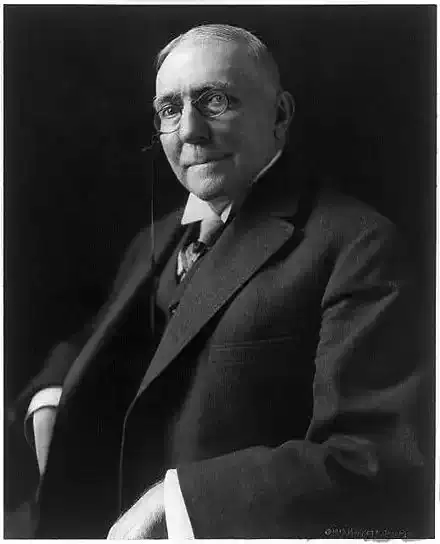
James Whitcomb Riley
As My Uncle Used To Say
As My Uncle Used To Say
I've thought a power on men and things,
As my uncle ust to say,--
And ef folks don't work as they pray, i jings!
W'y, they ain't no use to pray!
Ef you want somepin', and jes dead-set
A-pleadin' fer it with both eyes wet,
And _tears_ won't bring it, w'y, you try _sweat_,
As my uncle ust to say.
They's some don't know their A, B, Cs,
As my uncle ust to say,
And yit don't waste no candle-grease,
Ner whistle their lives away!
But ef they can't write no book, ner rhyme
No ringin' song fer to last all time,
They can blaze the way fer the march sublime,
As my uncle ust to say.
Whoever's Foreman of all things here,
As my uncle ust to say,
He knows each job 'at we 're best fit fer,
And our round-up, night and day:
And a-sizin' _His_ work, east and west,
And north and south, and worst and best
I ain't got nothin' to suggest,
As my uncle ust to say.
I've thought a power on men and things,
As my uncle ust to say,--
And ef folks don't work as they pray, i jings!
W'y, they ain't no use to pray!
Ef you want somepin', and jes dead-set
A-pleadin' fer it with both eyes wet,
And _tears_ won't bring it, w'y, you try _sweat_,
As my uncle ust to say.
They's some don't know their A, B, Cs,
As my uncle ust to say,
And yit don't waste no candle-grease,
Ner whistle their lives away!
But ef they can't write no book, ner rhyme
No ringin' song fer to last all time,
They can blaze the way fer the march sublime,
As my uncle ust to say.
Whoever's Foreman of all things here,
As my uncle ust to say,
He knows each job 'at we 're best fit fer,
And our round-up, night and day:
And a-sizin' _His_ work, east and west,
And north and south, and worst and best
I ain't got nothin' to suggest,
As my uncle ust to say.
275

Jack Kerouac
The Scripture of the Golden Eternity
The Scripture of the Golden Eternity
1
Did I create that sky? Yes, for, if it was anything other than a conception in my mind I
wouldnt have said 'Sky'-That is why I am the golden eternity. There are not two of us
here, reader and writer, but one, one golden eternity, One-Which-It-Is, That-WhichEverything-
Is.
2
The awakened Buddha to show the way, the chosen Messiah to die in the degradation
of sentience, is the golden eternity. One that is what is, the golden eternity, or, God,
or, Tathagata-the name. The Named One. The human God. Sentient Godhood. Animate
Divine. The Deified One. The Verified One. The Free One. The Liberator. The Still One.
The settled One. The Established One. Golden Eternity. All is Well. The Empty One. The
Ready One. The Quitter. The Sitter. The Justified One. The Happy One.
3
That sky, if it was anything other than an illusion of my mortal mind I wouldnt have
said 'that sky.' Thus I made that sky, I am the golden eternity. I am Mortal Golden
Eternity.
4
I was awakened to show the way, chosen to die in the degradation of life, because I
am Mortal Golden Eternity.
5
I am the golden eternity in mortal animate form.
6
Strictly speaking, there is no me, because all is emptiness. I am empty, I am
non-existent. All is bliss.
7
This truth law has no more reality than the world.
8
You are the golden eternity because there is no me and no you, only one golden
eternity.
9
The Realizer. Entertain no imaginations whatever, for the thing is a no-thing. Knowing
this then is Human Godhood.
10
This world is the movie of what everything is, it is one movie, made of the same stuff
throughout, belonging to nobody, which is what everything is.
11
If we were not all the golden eternity we wouldnt be here. Because we are here we
cant help being pure. To tell man to be pure on account of the punishing angel that
punishes the bad and the rewarding angel that rewards the good would be like telling
the water 'Be Wet'-Never the less, all things depend on supreme reality, which is
already established as the record of Karma earned-fate.
12
God is not outside us but is just us, the living and the dead, the never-lived and
never-died. That we should learn it only now, is supreme reality, it was written a long
time ago in the archives of universal mind, it is already done, there's no more to do.
13
This is the knowledge that sees the golden eternity in all things, which is us, you, me,
and which is no longer us, you, me.
14
What name shall we give it which hath no name, the common eternal matter of the
mind? If we were to call it essence, some might think it meant perfume, or gold, or
honey. It is not even mind. It is not even discussible, groupable into words; it is not
even endless, in fact it is not even mysterious or inscrutably inexplicable; it is what is;
it is that; it is this. We could easily call the golden eternity 'This.' But 'what's in a
name?' asked Shakespeare. The golden eternity by another name would be as sweet. A
Tathagata, a God, a Buddha by another name, an Allah, a Sri Krishna, a Coyote, a
Brahma, a Mazda, a Messiah, an Amida, an Aremedeia, a Maitreya, a Palalakonuh, 1 2
3 4 5 6 7 8 would be as sweet. The golden eternity is X, the golden eternity is A, the
golden eternity is /\, the golden eternity is O, the golden eternity is [ ], the golden
eternity is t-h-e-g-o-l-d-e-n-e-t-e-r- n-i-t-y. In the beginning was the word; before the
beginning, in the beginningless infinite neverendingness, was the essence. Both the
word 'god' and the essence of the word, are emptiness. The form of emptiness which is
emptiness having taken the form of form, is what you see and hear and feel right now,
and what you taste and smell and think as you read this. Wait awhile, close your eyes,
let your breathing stop three seconds or so, listen to the inside silence in the womb of
the world, let your hands and nerve-ends drop, re-recognize the bliss you forgot, the
emptiness and essence and ecstasy of ever having been and ever to be the golden
eternity. This is the lesson you forgot.
15
The lesson was taught long ago in the other world systems that have naturally changed
into the empty and awake, and are here now smiling in our smile and scowling in our
scowl. It is only like the golden eternity pretending to be smiling and scowling to itself;
like a ripple on the smooth ocean of knowing. The fate of humanity is to vanish into the
golden eternity, return pouring into its hands which are not hands. The navel shall
receive, invert, and take back what'd issued forth; the ring of flesh shall close; the
personalities of long dead heroes are blank dirt.
16
The point is we're waiting, not how comfortable we are while waiting. Paleolithic man
waited by caves for the realization of why he was there, and hunted; modern men wait
in beautified homes and try to forget death and birth. We're waiting for the realization
that this is the golden eternity.
17
It came on time.
18
There is a blessedness surely to be believed, and that is that everything abides in
eternal ecstasy, now and forever.
19
Mother Kali eats herself back. All things but come to go. All these holy forms,
unmanifest, not even forms, truebodies of blank bright ecstasy, abiding in a trance, 'in
emptiness and silence' as it is pointed out in the Diamond-cutter, asked to be only
what they are: GLAD.
20
The secret God-grin in the trees and in the teapot, in ashes and fronds, fire and brick,
flesh and mental human hope. All things, far from yearning to be re-united with God,
had never left themselves and here they are, Dharmakaya, the body of the truth law,
the universal Thisness.
21
'Beyond the reach of change and fear, beyond all praise and blame,' the Lankavatara
Scripture knows to say, is he who is what he is in time and time-less-ness, in ego and
in ego-less-ness, in self and in self-less-ness.
22
Stare deep into the world before you as if it were the void: innumerable holy ghosts,
buddhies, and savior gods there hide, smiling. All the atoms emitting light inside
wavehood, there is no personal separation of any of it. A hummingbird can come into a
house and a hawk will not: so rest and be assured. While looking for the light, you may
suddenly be devoured by the darkness and find the true light.
23
Things dont tire of going and coming. The flies end up with the delicate viands.
24
The cause of the world's woe is birth, The cure of the world's woe is a bent stick.
25
Though it is everything, strictly speaking there is no golden eternity because
everything is nothing: there are no things and no goings and comings: for all is
emptiness, and emptiness is these forms, emptiness is this one formhood.
26
All these selfnesses have already vanished. Einstein measured that this present
universe is an expanding bubble, and you know what that means.
27
Discard such definite imaginations of phenomena as your own self, thou human being,
thou'rt a numberless mass of sun-motes: each mote a shrine. The same as to your
shyness of other selves, selfness as divided into infinite numbers of beings, or selfness
as identified as one self existing eternally. Be obliging and noble, be generous with
your time and help and possessions, and be kind, because the emptiness of this little
place of flesh you carry around and call your soul, your entity, is the same emptiness in
every direction of space unmeasurable emptiness, the same, one, and holy emptiness
everywhere: why be selfy and unfree, Man God, in your dream? Wake up, thou'rt
selfless and free. 'Even and upright your mind abides nowhere,' states Hui Neng of
China. We're all in heaven now.
28
Roaring dreams take place in a perfectly silent mind. Now that we know this, throw the
raft away.
29
Are you tightwad and are you mean, those are the true sins, and sin is only a
conception of ours, due to long habit. Are you generous and are you kind, those are
the true virtues, and they're only conceptions. The golden eternity rests beyond sin and
virtue, is attached to neither, is attached to nothing, is unattached, because the golden
eternity is Alone. The mold has rills but it is one mold. The field has curves but it is one
field. All things are different forms of the same thing. I call it the golden eternity-what
do you call it, brother? for the blessing and merit of virtue, and the punishment and
bad fate of sin, are alike just so many words.
30
Sociability is a big smile, and a big smile is nothing but teeth. Rest and be kind.
31
There's no need to deny that evil thing called GOOGOO, which doesnt exist, just as
there's no need to deny that evil thing called Sex and Rebirth, which also doesn't exist,
as it is only a form of emptiness. The bead of semen comes from a long line of
awakened natures that were your parent, a holy flow, a succession of saviors pouring
from the womb of the dark void and back into it, fantastic magic imagination of the
lightning, flash, plays, dreams, not even plays, dreams.
32
'The womb of exuberant fertility,' Ashvhaghosha called it, radiating forms out of its
womb of exuberant emptiness. In emptiness there is no Why, no knowledge of Why, no
ignorance of Why, no asking and no answering of Why, and no significance attached to
this.
33
A disturbed and frightened man is like the golden eternity experimentally pretending at
feeling the disturbed-and-frightened mood; a calm and joyous man, is like the golden
eternity pretending at experimenting with that experience; a man experiencing his
Sentient Being, is like the golden eternity pretending at trying that out too; a man who
has no thoughts, is like the golden eternity pretending at being itself; because the
emptiness of everything has no beginning and no end and at present is infinite.
34
'Love is all in all,' said Sainte Therese, choosing Love for her vocation and pouring out
her happiness, from her garden by the gate, with a gentle smile, pouring roses on the
earth, so that the beggar in the thunderbolt received of the endless offering of her dark
void. Man goes a-beggaring into nothingness. 'Ignorance is the father, Habit-Energy is
the Mother.' Opposites are not the same for the same reason they are the same.
35
The words 'atoms of dust' and 'the great universes' are only words. The idea that they
imply is only an idea. The belief that we live here in this existence, divided into various
beings, passing food in and out of ourselves, and casting off husks of bodies one after
another with no cessation and no definite or particular discrimination, is only an idea.
The seat of our Immortal Intelligence can be seen in that beating light between the
eyes the Wisdom Eye of the ancients: we know what we're doing: we're not disturbed:
because we're like the golden eternity pretending at playing the magic cardgame and
making believe it's real, it's a big dream, a joyous ecstasy of words and ideas and
flesh, an ethereal flower unfolding a folding back, a movie, an exuberant bunch of lines
bounding emptiness, the womb of Avalokitesvara, a vast secret silence, springtime in
the Void, happy young gods talking and drinking on a cloud. Our 32,000 chillicosms
bear all the marks of excellence. Blind milky light fills our night; and the morning is
crystal.
36
Give a gift to your brother, but there's no gift to compare with the giving of assurance
that he is the golden eternity. The true understanding of this would bring tears to your
eyes. The other shore is right here, forgive and forget, protect and reassure. Your
tormenters will be purified. Raise thy diamond hand. Have faith and wait. The course of
your days is a river rumbling over your rocky back. You're sitting at the bottom of the
world with a head of iron. Religion is thy sad heart. You're the golden eternity and it
must be done by you. And means one thing: Nothing-Ever-Happened. This is the
golden eternity.
37
When the Prince of the Kalinga severed the flesh from the limbs and body of Buddha,
even then the Buddha was free from any such ideas as his own self, other self, living
beings divided into many selves, or living beings united and identified into one eternal
self. The golden eternity isnt 'me.' Before you can know that you're dreaming you'll
wake up, Atman. Had the Buddha, the Awakened One, cherished any of these
imaginary judgments of and about things, he would have fallen into impatience and
hatred in his suffering. Instead, like Jesus on the Cross he saw the light and died kind,
loving all living things.
38
The world was spun out of a blade of grass: the world was spun out of a mind. Heaven
was spun out of a blade of grass: heaven was spun out of a mind. Neither will do you
much good, neither will do you much harm. The Oriental imperturbed, is the golden
eternity.
39
He is called a Yogi, his is called a Priest, a Minister, a Brahmin, a Parson, a Chaplain, a
Roshi, a Laoshih, a Master, a Patriarch, a Pope, a Spiritual Commissar, a Counselor,
and Adviser, a Bodhisattva-Mahasattva, an Old Man, a Saint, a Shaman, a Leader, who
thinks nothing of himself as separate from another self, not higher nor lower, no stages
and no definite attainments, no mysterious stigmata or secret holyhood, no wild dark
knowledge and no venerable authoritativeness, nay a giggling sage sweeping out of the
kitchen with a broom. After supper, a silent smoke. Because there is no definite
teaching: the world is undisciplined. Nature endlessly in every direction inward to your
body and outward into space.
40
Meditate outdoors. The dark trees at night are not really the dark trees at night, it's
only the golden eternity.
41
A mosquito as big as Mount Everest is much bigger than you think: a horse's hoof is
more delicate than it looks. An altar consecrated to the golden eternity, filled with
roses and lotuses and diamonds, is the cell of the humble prisoner, the cell so cold and
dreary. Boethius kissed the Robe of the Mother Truth in a Roman dungeon.
42
Do you think the emptiness of the sky will ever crumble away? Every little child knows
that everybody will go to heaven. Knowing that nothing ever happened is not really
knowing that nothing ever happened, it's the golden eternity. In other words, nothing
can compare with telling your brother and your sister that what happened, what is
happening, and what will happen, never really happened, is not really happening and
never will happen, it is only the golden eternity. Nothing was ever born, nothing will
ever die. Indeed, it didnt even happen that you heard about golden eternity through
the accidental reading of this scripture. The thing is easily false. There are no warnings
whatever issuing from the golden eternity: do what you want.
43
Even in dreams be kind, because anyway there is no time, no space, no mind. 'It's all
not-born,' said Bankei of Japan, whose mother heard this from her son did what we call
'died happy.' And even if she had died unhappy, dying unhappy is not really dying
unhappy, it's the golden eternity. It's impossible to exist, it's impossible to be
persecuted, it's impossible to miss your reward.
44
Eight hundred and four thousand myriads of Awakened Ones throughout numberless
swirls of epochs appeared to work hard to save a grain of sand, and it was only the
golden eternity. And their combined reward will be no greater and no lesser than what
will be won by a piece of dried turd. It's a reward beyond thought.
45
When you've understood this scripture, throw it away. If you cant understand this
scripture, throw it away. I insist on your freedom.
46
O everlasting Eternity, all things and all truth laws are no- things, in three ways, which
is the same way: AS THINGS OF TIME they dont exist because there is no furthest
atom than can be found or weighed or grasped, it is emptiness through and through,
matter and empty space too. AS THINGS OF MIND they dont exist, because the mind
that conceives and makes them out does so by seeing, hearing touching, smelling,
tasting, and mentally-noticing and without this mind they would not be seen or heard
or felt or smelled or tasted or mentally-noticed, they are discriminated that which
they're not necessarily by imaginary judgments of the mind, they are actually
dependent on the mind that makes them out, by themselves they are no-things, they
are really mental, seen only of the mind, they are really empty visions of the mind,
heaven is a vision, everything is a vision. What does it mean that I am in this endless
universe thinking I'm a man sitting under the stars on the terrace of earth, but actually
empty and awake throughout the emptiness and awakedness of everything? It means
that I am empty and awake, knowing that I am empty and awake, and that there's no
difference between me and anything else. It means that I have attained to that which
everything is.
47
The-Attainer-To-That-Which-Everything-Is, the Sanskrit Tathagata, has no ideas
whatever but abides in essence identically with the essence of all things, which is what
it is, in emptiness and silence. Imaginary meaning stretched to make mountains and as
far as the germ is concerned it stretched even further to make molehills. A million souls
dropped through hell but nobody saw them or counted them. A lot of large people isnt
really a lot of large people, it's only the golden eternity. When St. Francis went to
heaven he did not add to heaven nor detract from earth. Locate silence, possess space,
spot me the ego. 'From the beginning,' said the Sixth Patriarch of the China School,
'not a thing is.'
48
He who loves all life with his pity and intelligence isnt really he who loves all life with
his pity and intelligence, it's only natural. The universe is fully known because it is
ignored. Enlightenment comes when you dont care. This is a good tree stump I'm
sitting on. You cant even grasp your own pain let alone your eternal reward. I love you
because you're me. I love you because there's nothing else to do. It's just the natural
golden eternity.
49
What does it mean that those trees and mountains are magic and unreal?- It means
that those trees and mountains are magic and unreal. What does it mean that those
trees and mountains are not magic but real?- it means that those trees and mountains
are not magic but real. Men are just making imaginary judgments both ways, and all
the time it's just the same natural golden eternity.
50
If the golden eternity was anything other than mere words, you could not have said
'golden eternity.' This means that the words are used to point at the endless
nothingness of reality. If the endless nothingness of reality was anything other than
mere words, you could not have said 'endless nothingness of reality,' you could not
have said it. This means that the golden eternity is out of our word-reach, it refuses
steadfastly to be described, it runs away from us and leads us in. The name is not
really the name. The same way, you could not have said 'this world' if this world was
anything other than mere words. There's nothing there but just that. They've long
known that there's nothing to life but just the living of it. It Is What It Is and That's All
It Is.
51
There's no system of teaching and no reward for teaching the golden eternity, because
nothing has happened. In the golden eternity teaching and reward havent even
vanished let alone appeared. The golden eternity doesnt even have to be perfect. It is
very silly of me to talk about it. I talk about it simply because here I am dreaming that
I talk about it in a dream already ended, ages ago, from which I'm already awake, and
it was only an empty dreaming, in fact nothing whatever, in fact nothing ever
happened at all. The beauty of attaining the golden eternity is that nothing will be
acquired, at last.
52
Kindness and sympathy, understanding and encouragement, these give: they are
better than just presents and gifts: no reason in the world why not. Anyhow, be nice.
Remember the golden eternity is yourself. 'If someone will simply practice kindness,'
said Gotama to Subhuti, 'he will soon attain highest perfect wisdom.' Then he added:
'Kindness after all is only a word and it should be done on the spot without thought of
kindness.' By practicing kindness all over with everyone you will soon come into the
holy trance, infinite distinctions of personalities will become what they really
mysteriously are, our common and eternal blissstuff, the pureness of everything
forever, the great bright essence of mind, even and one thing everywhere the holy
eternal milky love, the white light everywhere everything, emptybliss, svaha, shining,
ready, and awake, the compassion in the sound of silence, the swarming myriad
trillionaire you are.
53
Everything's alright, form is emptiness and emptiness is form, and we're here forever,
in one form or another, which is empty. Everything's alright, we're not here, there, or
anywhere. Everything's alright, cats sleep.
54
The everlasting and tranquil essence, look around and see the smiling essence
everywhere. How wily was the world made, Maya, not-even-made.
55
There's the world in the daylight. If it was completely dark you wouldnt see it but it
would still be there. If you close your eyes you really see what it's like: mysterious
particle-swarming emptiness. On the moon big mosquitos of straw know this in the
kindness of their hearts. Truly speaking, unrecognizably sweet it all is. Don't worry
about nothing.
56
Imaginary judgments about things, in the Nothing-Ever-Happened wonderful void, you
dont even have to reject them, let alone accept them. 'That looks like a tree, let's call it
a tree,' said Coyote to Earthmaker at the beginning, and they walked around the
rootdrinker patting their bellies.
57
Perfectly selfless, the beauty of it, the butterfly doesnt take it as a personal
achievement, he just disappears through the trees. You too, kind and humble and
not-even-here, it wasnt in a greedy mood that you saw the light that belongs to
everybody.
58
Look at your little finger, the emptiness of it is no different than the emptiness of
infinity.
59
Cats yawn because they realize that there's nothing to do.
60
Up in heaven you wont remember all these tricks of yours. You wont even sigh 'Why?'
Whether as atomic dust or as great cities, what's the difference in all this stuff. A tree
is still only a rootdrinker. The puma's twisted face continues to look at the blue sky
with sightless eyes, Ah sweet divine and indescribable verdurous paradise planted in
mid-air! Caitanya, it's only consciousness. Not with thoughts of your mind, but in the
believing sweetness of your heart, you snap the link and open the golden door and
disappear into the bright room, the everlasting ecstasy, eternal Now. Soldier, follow
me! - there never was a war. Arjuna, dont fight! - why fight over nothing? Bless and sit
down.
61
I remember that I'm supposed to be a man and consciousness and I focus my eyes and
the print reappears and the words of the poor book are saying, 'The world, as God has
made it' and there are no words in my pitying heart to express the knowless loveliness
of the trance there was before I read those words, I had no such idea that there was a
world.
62
This world has no marks, signs, or evidence of existence, nor the noises in it, like
accident of wind or voices or heehawing animals, yet listen closely the eternal hush of
silence goes on and on throughout all this, and has been gong on, and will go on and
on. This is because the world is nothing but a dream and is just thought of and the
everlasting eternity pays no attention to it. At night under the moon, or in a quiet
room, hush now, the secret music of the Unborn goes on and on, beyond conception,
awake beyond existence. Properly speaking, awake is not really awake because the
golden eternity never went to sleep; you can tell by the constant sound of Silence
which cuts through this world like a magic diamond through the trick of your not
realizing that your mind caused the world.
63
The God of the American Plateau Indian was Coyote. He says: 'Earth! those beings
living on your surface, none of them disappearing, will all be transformed. When I have
spoken to them, when they have spoken to me, from that moment on, their words and
their bodies which they usually use to move about with, will all change. I will not have
heard them.'
64
I was smelling flowers in the yard, and when I stood up I took a deep breath and the
blood all rushed to my brain and I woke up dead on my back in the grass. I had
apparently fainted, or died, for about sixty seconds. My neighbor saw me but he
thought I had just suddenly thrown myself on the grass to enjoy the sun. During that
timeless moment of unconsciousness I saw the golden eternity. I saw heaven. In it
nothing had ever happened, the events of a million years ago were just as phantom
and ungraspable as the events of now, or the events of the next ten minutes. It was
perfect, the golden solitude, the golden emptiness, Something-Or- Other, something
surely humble. There was a rapturous ring of silence abiding perfectly. There was no
question of being alive or not being alive, of likes and dislikes, of near or far, no
question of giving or gratitude, no question of mercy or judgment, or of suffering or its
opposite or anything. It was the womb itself, aloneness, alaya vijnana the universal
store, the Great Free Treasure, the Great Victory, infinite completion, the joyful
mysterious essence of Arrangement. It seemed like one smiling smile, one adorable
adoration, one gracious and adorable charity, everlasting safety, refreshing afternoon,
roses, infinite brilliant immaterial gold ash, the Golden Age. The 'golden' came from the
sun in my eyelids, and the 'eternity' from my sudden instant realization as I woke up
that I had just been where it all came from and where it was all returning, the
everlasting So, and so never coming or going; therefore I call it the golden eternity but
you can call it anything you want. As I regained consciousness I felt so sorry I had a
body and a mind suddenly realizing I didn't even have a body and a mind and nothing
had ever happened and everything is alright forever and forever and forever, O thank
you thank you thank you.
65
This is the first teaching from the golden eternity.
66
The second teaching from the golden eternity is that there never was a first teaching
from the golden eternity. So be sure.
1
Did I create that sky? Yes, for, if it was anything other than a conception in my mind I
wouldnt have said 'Sky'-That is why I am the golden eternity. There are not two of us
here, reader and writer, but one, one golden eternity, One-Which-It-Is, That-WhichEverything-
Is.
2
The awakened Buddha to show the way, the chosen Messiah to die in the degradation
of sentience, is the golden eternity. One that is what is, the golden eternity, or, God,
or, Tathagata-the name. The Named One. The human God. Sentient Godhood. Animate
Divine. The Deified One. The Verified One. The Free One. The Liberator. The Still One.
The settled One. The Established One. Golden Eternity. All is Well. The Empty One. The
Ready One. The Quitter. The Sitter. The Justified One. The Happy One.
3
That sky, if it was anything other than an illusion of my mortal mind I wouldnt have
said 'that sky.' Thus I made that sky, I am the golden eternity. I am Mortal Golden
Eternity.
4
I was awakened to show the way, chosen to die in the degradation of life, because I
am Mortal Golden Eternity.
5
I am the golden eternity in mortal animate form.
6
Strictly speaking, there is no me, because all is emptiness. I am empty, I am
non-existent. All is bliss.
7
This truth law has no more reality than the world.
8
You are the golden eternity because there is no me and no you, only one golden
eternity.
9
The Realizer. Entertain no imaginations whatever, for the thing is a no-thing. Knowing
this then is Human Godhood.
10
This world is the movie of what everything is, it is one movie, made of the same stuff
throughout, belonging to nobody, which is what everything is.
11
If we were not all the golden eternity we wouldnt be here. Because we are here we
cant help being pure. To tell man to be pure on account of the punishing angel that
punishes the bad and the rewarding angel that rewards the good would be like telling
the water 'Be Wet'-Never the less, all things depend on supreme reality, which is
already established as the record of Karma earned-fate.
12
God is not outside us but is just us, the living and the dead, the never-lived and
never-died. That we should learn it only now, is supreme reality, it was written a long
time ago in the archives of universal mind, it is already done, there's no more to do.
13
This is the knowledge that sees the golden eternity in all things, which is us, you, me,
and which is no longer us, you, me.
14
What name shall we give it which hath no name, the common eternal matter of the
mind? If we were to call it essence, some might think it meant perfume, or gold, or
honey. It is not even mind. It is not even discussible, groupable into words; it is not
even endless, in fact it is not even mysterious or inscrutably inexplicable; it is what is;
it is that; it is this. We could easily call the golden eternity 'This.' But 'what's in a
name?' asked Shakespeare. The golden eternity by another name would be as sweet. A
Tathagata, a God, a Buddha by another name, an Allah, a Sri Krishna, a Coyote, a
Brahma, a Mazda, a Messiah, an Amida, an Aremedeia, a Maitreya, a Palalakonuh, 1 2
3 4 5 6 7 8 would be as sweet. The golden eternity is X, the golden eternity is A, the
golden eternity is /\, the golden eternity is O, the golden eternity is [ ], the golden
eternity is t-h-e-g-o-l-d-e-n-e-t-e-r- n-i-t-y. In the beginning was the word; before the
beginning, in the beginningless infinite neverendingness, was the essence. Both the
word 'god' and the essence of the word, are emptiness. The form of emptiness which is
emptiness having taken the form of form, is what you see and hear and feel right now,
and what you taste and smell and think as you read this. Wait awhile, close your eyes,
let your breathing stop three seconds or so, listen to the inside silence in the womb of
the world, let your hands and nerve-ends drop, re-recognize the bliss you forgot, the
emptiness and essence and ecstasy of ever having been and ever to be the golden
eternity. This is the lesson you forgot.
15
The lesson was taught long ago in the other world systems that have naturally changed
into the empty and awake, and are here now smiling in our smile and scowling in our
scowl. It is only like the golden eternity pretending to be smiling and scowling to itself;
like a ripple on the smooth ocean of knowing. The fate of humanity is to vanish into the
golden eternity, return pouring into its hands which are not hands. The navel shall
receive, invert, and take back what'd issued forth; the ring of flesh shall close; the
personalities of long dead heroes are blank dirt.
16
The point is we're waiting, not how comfortable we are while waiting. Paleolithic man
waited by caves for the realization of why he was there, and hunted; modern men wait
in beautified homes and try to forget death and birth. We're waiting for the realization
that this is the golden eternity.
17
It came on time.
18
There is a blessedness surely to be believed, and that is that everything abides in
eternal ecstasy, now and forever.
19
Mother Kali eats herself back. All things but come to go. All these holy forms,
unmanifest, not even forms, truebodies of blank bright ecstasy, abiding in a trance, 'in
emptiness and silence' as it is pointed out in the Diamond-cutter, asked to be only
what they are: GLAD.
20
The secret God-grin in the trees and in the teapot, in ashes and fronds, fire and brick,
flesh and mental human hope. All things, far from yearning to be re-united with God,
had never left themselves and here they are, Dharmakaya, the body of the truth law,
the universal Thisness.
21
'Beyond the reach of change and fear, beyond all praise and blame,' the Lankavatara
Scripture knows to say, is he who is what he is in time and time-less-ness, in ego and
in ego-less-ness, in self and in self-less-ness.
22
Stare deep into the world before you as if it were the void: innumerable holy ghosts,
buddhies, and savior gods there hide, smiling. All the atoms emitting light inside
wavehood, there is no personal separation of any of it. A hummingbird can come into a
house and a hawk will not: so rest and be assured. While looking for the light, you may
suddenly be devoured by the darkness and find the true light.
23
Things dont tire of going and coming. The flies end up with the delicate viands.
24
The cause of the world's woe is birth, The cure of the world's woe is a bent stick.
25
Though it is everything, strictly speaking there is no golden eternity because
everything is nothing: there are no things and no goings and comings: for all is
emptiness, and emptiness is these forms, emptiness is this one formhood.
26
All these selfnesses have already vanished. Einstein measured that this present
universe is an expanding bubble, and you know what that means.
27
Discard such definite imaginations of phenomena as your own self, thou human being,
thou'rt a numberless mass of sun-motes: each mote a shrine. The same as to your
shyness of other selves, selfness as divided into infinite numbers of beings, or selfness
as identified as one self existing eternally. Be obliging and noble, be generous with
your time and help and possessions, and be kind, because the emptiness of this little
place of flesh you carry around and call your soul, your entity, is the same emptiness in
every direction of space unmeasurable emptiness, the same, one, and holy emptiness
everywhere: why be selfy and unfree, Man God, in your dream? Wake up, thou'rt
selfless and free. 'Even and upright your mind abides nowhere,' states Hui Neng of
China. We're all in heaven now.
28
Roaring dreams take place in a perfectly silent mind. Now that we know this, throw the
raft away.
29
Are you tightwad and are you mean, those are the true sins, and sin is only a
conception of ours, due to long habit. Are you generous and are you kind, those are
the true virtues, and they're only conceptions. The golden eternity rests beyond sin and
virtue, is attached to neither, is attached to nothing, is unattached, because the golden
eternity is Alone. The mold has rills but it is one mold. The field has curves but it is one
field. All things are different forms of the same thing. I call it the golden eternity-what
do you call it, brother? for the blessing and merit of virtue, and the punishment and
bad fate of sin, are alike just so many words.
30
Sociability is a big smile, and a big smile is nothing but teeth. Rest and be kind.
31
There's no need to deny that evil thing called GOOGOO, which doesnt exist, just as
there's no need to deny that evil thing called Sex and Rebirth, which also doesn't exist,
as it is only a form of emptiness. The bead of semen comes from a long line of
awakened natures that were your parent, a holy flow, a succession of saviors pouring
from the womb of the dark void and back into it, fantastic magic imagination of the
lightning, flash, plays, dreams, not even plays, dreams.
32
'The womb of exuberant fertility,' Ashvhaghosha called it, radiating forms out of its
womb of exuberant emptiness. In emptiness there is no Why, no knowledge of Why, no
ignorance of Why, no asking and no answering of Why, and no significance attached to
this.
33
A disturbed and frightened man is like the golden eternity experimentally pretending at
feeling the disturbed-and-frightened mood; a calm and joyous man, is like the golden
eternity pretending at experimenting with that experience; a man experiencing his
Sentient Being, is like the golden eternity pretending at trying that out too; a man who
has no thoughts, is like the golden eternity pretending at being itself; because the
emptiness of everything has no beginning and no end and at present is infinite.
34
'Love is all in all,' said Sainte Therese, choosing Love for her vocation and pouring out
her happiness, from her garden by the gate, with a gentle smile, pouring roses on the
earth, so that the beggar in the thunderbolt received of the endless offering of her dark
void. Man goes a-beggaring into nothingness. 'Ignorance is the father, Habit-Energy is
the Mother.' Opposites are not the same for the same reason they are the same.
35
The words 'atoms of dust' and 'the great universes' are only words. The idea that they
imply is only an idea. The belief that we live here in this existence, divided into various
beings, passing food in and out of ourselves, and casting off husks of bodies one after
another with no cessation and no definite or particular discrimination, is only an idea.
The seat of our Immortal Intelligence can be seen in that beating light between the
eyes the Wisdom Eye of the ancients: we know what we're doing: we're not disturbed:
because we're like the golden eternity pretending at playing the magic cardgame and
making believe it's real, it's a big dream, a joyous ecstasy of words and ideas and
flesh, an ethereal flower unfolding a folding back, a movie, an exuberant bunch of lines
bounding emptiness, the womb of Avalokitesvara, a vast secret silence, springtime in
the Void, happy young gods talking and drinking on a cloud. Our 32,000 chillicosms
bear all the marks of excellence. Blind milky light fills our night; and the morning is
crystal.
36
Give a gift to your brother, but there's no gift to compare with the giving of assurance
that he is the golden eternity. The true understanding of this would bring tears to your
eyes. The other shore is right here, forgive and forget, protect and reassure. Your
tormenters will be purified. Raise thy diamond hand. Have faith and wait. The course of
your days is a river rumbling over your rocky back. You're sitting at the bottom of the
world with a head of iron. Religion is thy sad heart. You're the golden eternity and it
must be done by you. And means one thing: Nothing-Ever-Happened. This is the
golden eternity.
37
When the Prince of the Kalinga severed the flesh from the limbs and body of Buddha,
even then the Buddha was free from any such ideas as his own self, other self, living
beings divided into many selves, or living beings united and identified into one eternal
self. The golden eternity isnt 'me.' Before you can know that you're dreaming you'll
wake up, Atman. Had the Buddha, the Awakened One, cherished any of these
imaginary judgments of and about things, he would have fallen into impatience and
hatred in his suffering. Instead, like Jesus on the Cross he saw the light and died kind,
loving all living things.
38
The world was spun out of a blade of grass: the world was spun out of a mind. Heaven
was spun out of a blade of grass: heaven was spun out of a mind. Neither will do you
much good, neither will do you much harm. The Oriental imperturbed, is the golden
eternity.
39
He is called a Yogi, his is called a Priest, a Minister, a Brahmin, a Parson, a Chaplain, a
Roshi, a Laoshih, a Master, a Patriarch, a Pope, a Spiritual Commissar, a Counselor,
and Adviser, a Bodhisattva-Mahasattva, an Old Man, a Saint, a Shaman, a Leader, who
thinks nothing of himself as separate from another self, not higher nor lower, no stages
and no definite attainments, no mysterious stigmata or secret holyhood, no wild dark
knowledge and no venerable authoritativeness, nay a giggling sage sweeping out of the
kitchen with a broom. After supper, a silent smoke. Because there is no definite
teaching: the world is undisciplined. Nature endlessly in every direction inward to your
body and outward into space.
40
Meditate outdoors. The dark trees at night are not really the dark trees at night, it's
only the golden eternity.
41
A mosquito as big as Mount Everest is much bigger than you think: a horse's hoof is
more delicate than it looks. An altar consecrated to the golden eternity, filled with
roses and lotuses and diamonds, is the cell of the humble prisoner, the cell so cold and
dreary. Boethius kissed the Robe of the Mother Truth in a Roman dungeon.
42
Do you think the emptiness of the sky will ever crumble away? Every little child knows
that everybody will go to heaven. Knowing that nothing ever happened is not really
knowing that nothing ever happened, it's the golden eternity. In other words, nothing
can compare with telling your brother and your sister that what happened, what is
happening, and what will happen, never really happened, is not really happening and
never will happen, it is only the golden eternity. Nothing was ever born, nothing will
ever die. Indeed, it didnt even happen that you heard about golden eternity through
the accidental reading of this scripture. The thing is easily false. There are no warnings
whatever issuing from the golden eternity: do what you want.
43
Even in dreams be kind, because anyway there is no time, no space, no mind. 'It's all
not-born,' said Bankei of Japan, whose mother heard this from her son did what we call
'died happy.' And even if she had died unhappy, dying unhappy is not really dying
unhappy, it's the golden eternity. It's impossible to exist, it's impossible to be
persecuted, it's impossible to miss your reward.
44
Eight hundred and four thousand myriads of Awakened Ones throughout numberless
swirls of epochs appeared to work hard to save a grain of sand, and it was only the
golden eternity. And their combined reward will be no greater and no lesser than what
will be won by a piece of dried turd. It's a reward beyond thought.
45
When you've understood this scripture, throw it away. If you cant understand this
scripture, throw it away. I insist on your freedom.
46
O everlasting Eternity, all things and all truth laws are no- things, in three ways, which
is the same way: AS THINGS OF TIME they dont exist because there is no furthest
atom than can be found or weighed or grasped, it is emptiness through and through,
matter and empty space too. AS THINGS OF MIND they dont exist, because the mind
that conceives and makes them out does so by seeing, hearing touching, smelling,
tasting, and mentally-noticing and without this mind they would not be seen or heard
or felt or smelled or tasted or mentally-noticed, they are discriminated that which
they're not necessarily by imaginary judgments of the mind, they are actually
dependent on the mind that makes them out, by themselves they are no-things, they
are really mental, seen only of the mind, they are really empty visions of the mind,
heaven is a vision, everything is a vision. What does it mean that I am in this endless
universe thinking I'm a man sitting under the stars on the terrace of earth, but actually
empty and awake throughout the emptiness and awakedness of everything? It means
that I am empty and awake, knowing that I am empty and awake, and that there's no
difference between me and anything else. It means that I have attained to that which
everything is.
47
The-Attainer-To-That-Which-Everything-Is, the Sanskrit Tathagata, has no ideas
whatever but abides in essence identically with the essence of all things, which is what
it is, in emptiness and silence. Imaginary meaning stretched to make mountains and as
far as the germ is concerned it stretched even further to make molehills. A million souls
dropped through hell but nobody saw them or counted them. A lot of large people isnt
really a lot of large people, it's only the golden eternity. When St. Francis went to
heaven he did not add to heaven nor detract from earth. Locate silence, possess space,
spot me the ego. 'From the beginning,' said the Sixth Patriarch of the China School,
'not a thing is.'
48
He who loves all life with his pity and intelligence isnt really he who loves all life with
his pity and intelligence, it's only natural. The universe is fully known because it is
ignored. Enlightenment comes when you dont care. This is a good tree stump I'm
sitting on. You cant even grasp your own pain let alone your eternal reward. I love you
because you're me. I love you because there's nothing else to do. It's just the natural
golden eternity.
49
What does it mean that those trees and mountains are magic and unreal?- It means
that those trees and mountains are magic and unreal. What does it mean that those
trees and mountains are not magic but real?- it means that those trees and mountains
are not magic but real. Men are just making imaginary judgments both ways, and all
the time it's just the same natural golden eternity.
50
If the golden eternity was anything other than mere words, you could not have said
'golden eternity.' This means that the words are used to point at the endless
nothingness of reality. If the endless nothingness of reality was anything other than
mere words, you could not have said 'endless nothingness of reality,' you could not
have said it. This means that the golden eternity is out of our word-reach, it refuses
steadfastly to be described, it runs away from us and leads us in. The name is not
really the name. The same way, you could not have said 'this world' if this world was
anything other than mere words. There's nothing there but just that. They've long
known that there's nothing to life but just the living of it. It Is What It Is and That's All
It Is.
51
There's no system of teaching and no reward for teaching the golden eternity, because
nothing has happened. In the golden eternity teaching and reward havent even
vanished let alone appeared. The golden eternity doesnt even have to be perfect. It is
very silly of me to talk about it. I talk about it simply because here I am dreaming that
I talk about it in a dream already ended, ages ago, from which I'm already awake, and
it was only an empty dreaming, in fact nothing whatever, in fact nothing ever
happened at all. The beauty of attaining the golden eternity is that nothing will be
acquired, at last.
52
Kindness and sympathy, understanding and encouragement, these give: they are
better than just presents and gifts: no reason in the world why not. Anyhow, be nice.
Remember the golden eternity is yourself. 'If someone will simply practice kindness,'
said Gotama to Subhuti, 'he will soon attain highest perfect wisdom.' Then he added:
'Kindness after all is only a word and it should be done on the spot without thought of
kindness.' By practicing kindness all over with everyone you will soon come into the
holy trance, infinite distinctions of personalities will become what they really
mysteriously are, our common and eternal blissstuff, the pureness of everything
forever, the great bright essence of mind, even and one thing everywhere the holy
eternal milky love, the white light everywhere everything, emptybliss, svaha, shining,
ready, and awake, the compassion in the sound of silence, the swarming myriad
trillionaire you are.
53
Everything's alright, form is emptiness and emptiness is form, and we're here forever,
in one form or another, which is empty. Everything's alright, we're not here, there, or
anywhere. Everything's alright, cats sleep.
54
The everlasting and tranquil essence, look around and see the smiling essence
everywhere. How wily was the world made, Maya, not-even-made.
55
There's the world in the daylight. If it was completely dark you wouldnt see it but it
would still be there. If you close your eyes you really see what it's like: mysterious
particle-swarming emptiness. On the moon big mosquitos of straw know this in the
kindness of their hearts. Truly speaking, unrecognizably sweet it all is. Don't worry
about nothing.
56
Imaginary judgments about things, in the Nothing-Ever-Happened wonderful void, you
dont even have to reject them, let alone accept them. 'That looks like a tree, let's call it
a tree,' said Coyote to Earthmaker at the beginning, and they walked around the
rootdrinker patting their bellies.
57
Perfectly selfless, the beauty of it, the butterfly doesnt take it as a personal
achievement, he just disappears through the trees. You too, kind and humble and
not-even-here, it wasnt in a greedy mood that you saw the light that belongs to
everybody.
58
Look at your little finger, the emptiness of it is no different than the emptiness of
infinity.
59
Cats yawn because they realize that there's nothing to do.
60
Up in heaven you wont remember all these tricks of yours. You wont even sigh 'Why?'
Whether as atomic dust or as great cities, what's the difference in all this stuff. A tree
is still only a rootdrinker. The puma's twisted face continues to look at the blue sky
with sightless eyes, Ah sweet divine and indescribable verdurous paradise planted in
mid-air! Caitanya, it's only consciousness. Not with thoughts of your mind, but in the
believing sweetness of your heart, you snap the link and open the golden door and
disappear into the bright room, the everlasting ecstasy, eternal Now. Soldier, follow
me! - there never was a war. Arjuna, dont fight! - why fight over nothing? Bless and sit
down.
61
I remember that I'm supposed to be a man and consciousness and I focus my eyes and
the print reappears and the words of the poor book are saying, 'The world, as God has
made it' and there are no words in my pitying heart to express the knowless loveliness
of the trance there was before I read those words, I had no such idea that there was a
world.
62
This world has no marks, signs, or evidence of existence, nor the noises in it, like
accident of wind or voices or heehawing animals, yet listen closely the eternal hush of
silence goes on and on throughout all this, and has been gong on, and will go on and
on. This is because the world is nothing but a dream and is just thought of and the
everlasting eternity pays no attention to it. At night under the moon, or in a quiet
room, hush now, the secret music of the Unborn goes on and on, beyond conception,
awake beyond existence. Properly speaking, awake is not really awake because the
golden eternity never went to sleep; you can tell by the constant sound of Silence
which cuts through this world like a magic diamond through the trick of your not
realizing that your mind caused the world.
63
The God of the American Plateau Indian was Coyote. He says: 'Earth! those beings
living on your surface, none of them disappearing, will all be transformed. When I have
spoken to them, when they have spoken to me, from that moment on, their words and
their bodies which they usually use to move about with, will all change. I will not have
heard them.'
64
I was smelling flowers in the yard, and when I stood up I took a deep breath and the
blood all rushed to my brain and I woke up dead on my back in the grass. I had
apparently fainted, or died, for about sixty seconds. My neighbor saw me but he
thought I had just suddenly thrown myself on the grass to enjoy the sun. During that
timeless moment of unconsciousness I saw the golden eternity. I saw heaven. In it
nothing had ever happened, the events of a million years ago were just as phantom
and ungraspable as the events of now, or the events of the next ten minutes. It was
perfect, the golden solitude, the golden emptiness, Something-Or- Other, something
surely humble. There was a rapturous ring of silence abiding perfectly. There was no
question of being alive or not being alive, of likes and dislikes, of near or far, no
question of giving or gratitude, no question of mercy or judgment, or of suffering or its
opposite or anything. It was the womb itself, aloneness, alaya vijnana the universal
store, the Great Free Treasure, the Great Victory, infinite completion, the joyful
mysterious essence of Arrangement. It seemed like one smiling smile, one adorable
adoration, one gracious and adorable charity, everlasting safety, refreshing afternoon,
roses, infinite brilliant immaterial gold ash, the Golden Age. The 'golden' came from the
sun in my eyelids, and the 'eternity' from my sudden instant realization as I woke up
that I had just been where it all came from and where it was all returning, the
everlasting So, and so never coming or going; therefore I call it the golden eternity but
you can call it anything you want. As I regained consciousness I felt so sorry I had a
body and a mind suddenly realizing I didn't even have a body and a mind and nothing
had ever happened and everything is alright forever and forever and forever, O thank
you thank you thank you.
65
This is the first teaching from the golden eternity.
66
The second teaching from the golden eternity is that there never was a first teaching
from the golden eternity. So be sure.
395
Jack Kerouac
th Chorus
th Chorus
The wheel of the quivering meat
conception
Turns in the void expelling human beings,
Pigs, turtles, frogs, insects, nits,
Mice, lice, lizards, rats, roan
Racinghorses, poxy bucolic pigtics,
Horrible unnameable lice of vultures,
Murderous attacking dog-armies
Of Africa, Rhinos roaming in the
jungle,
Vast boars and huge gigantic bull
Elephants, rams, eagles, condors,
Pones and Porcupines and Pills-
All the endless conception of living
beings
Gnashing everywhere in Consciousness
Throughout the ten directions of space
Occupying all the quarters in & out,
From supermicroscopic no-bug
To huge Galaxy Lightyear Bowell
Illuminating the sky of one Mind-
Poor!
I wish I was free
of that slaving meat wheel
and safe in heaven dead.
The wheel of the quivering meat
conception
Turns in the void expelling human beings,
Pigs, turtles, frogs, insects, nits,
Mice, lice, lizards, rats, roan
Racinghorses, poxy bucolic pigtics,
Horrible unnameable lice of vultures,
Murderous attacking dog-armies
Of Africa, Rhinos roaming in the
jungle,
Vast boars and huge gigantic bull
Elephants, rams, eagles, condors,
Pones and Porcupines and Pills-
All the endless conception of living
beings
Gnashing everywhere in Consciousness
Throughout the ten directions of space
Occupying all the quarters in & out,
From supermicroscopic no-bug
To huge Galaxy Lightyear Bowell
Illuminating the sky of one Mind-
Poor!
I wish I was free
of that slaving meat wheel
and safe in heaven dead.
310
Rudyard Kipling
At His Execution
At His Execution
I am made all things to all men--
Hebrew, Roman, and Greek--
In each one's tongue I speak,
Suiting to each my word,
That some may be drawn to the Lord!
I am made all things to all men--
In City or Wilderness
Praising the crafts they profess
That some may be drawn to the Lord--
By any means to my Lord!
Since I was overcome
By that great Light and Word,
I have forgot or forgone
The self men call their own
(Being made all things to all men)
So that I might save some
At such small price to the Lord,
As being all things to all men.
I was made all things to all men,
But now my course is done--
And now is my reward...
Ah, Christ, when I stand at Thy Throne
With those I have drawn to the Lord,
Restore me my self again!
I am made all things to all men--
Hebrew, Roman, and Greek--
In each one's tongue I speak,
Suiting to each my word,
That some may be drawn to the Lord!
I am made all things to all men--
In City or Wilderness
Praising the crafts they profess
That some may be drawn to the Lord--
By any means to my Lord!
Since I was overcome
By that great Light and Word,
I have forgot or forgone
The self men call their own
(Being made all things to all men)
So that I might save some
At such small price to the Lord,
As being all things to all men.
I was made all things to all men,
But now my course is done--
And now is my reward...
Ah, Christ, when I stand at Thy Throne
With those I have drawn to the Lord,
Restore me my self again!
444
Rudyard Kipling
A Song of Kabir
A Song of Kabir
Oh, light was the world that he weighed in his hands!
Oh, heavy the tale of his fiefs and his lands!
He has gone from the guddee and put on the shroud,
And departed in guise of bairagi avowed!
Now the white road to Delhi is mat for his feet.
The sal and the kikar must guard him from heat.
His home is the camp, and waste, and the crowd --
He is seeking the Way as bairagi avowed!
He has looked upon Man, and his eyeballs are clear --
(There was One; there is One, and but One, saith Kabir);
The Red Mist of Doing has thinned to a cloud --
He has taken the Path for bairagi avowed!
To learn and discern of his brother the clod,
Of his brother the brute, and his brother the God,
He has gone from the council and put on the shroud
("Can ye hear?" saith Kabir), a bairagi avowed!
Oh, light was the world that he weighed in his hands!
Oh, heavy the tale of his fiefs and his lands!
He has gone from the guddee and put on the shroud,
And departed in guise of bairagi avowed!
Now the white road to Delhi is mat for his feet.
The sal and the kikar must guard him from heat.
His home is the camp, and waste, and the crowd --
He is seeking the Way as bairagi avowed!
He has looked upon Man, and his eyeballs are clear --
(There was One; there is One, and but One, saith Kabir);
The Red Mist of Doing has thinned to a cloud --
He has taken the Path for bairagi avowed!
To learn and discern of his brother the clod,
Of his brother the brute, and his brother the God,
He has gone from the council and put on the shroud
("Can ye hear?" saith Kabir), a bairagi avowed!
423
Rudyard Kipling
A Pilgrim's Way
A Pilgrim's Way
I do not look for holy saints to guide me on my way,
Or male and female devilkins to lead my feet astray.
If these are added, I rejoice---if not, I shall not mind,
So long as I have leave and choice to meet my fellow-kind.
For as we come and as we go (and deadly-soon go we!)
The people, Lord, Thy people, are good enough for me!
Thus I will honour pious men whose virtue shines so bright
(Though none are more amazed than I when I by chance do right),
And I will pity foolish men for woe their sins have bred
(Though ninety-nine per cent. of mine I brought on my own head).
And, Amorite or Eremite, or General Averagee,
The people, Lord, Thy people, are good enough for me!
And when they bore me overmuch, I will not shake mine ears,
Recalling many thousand such whom I have bored to tears.
And when they labour to impress, I will not doubt nor scoff;
Since I myself have done no less and---sometimes pulled it off.
Yea, as we are and we are not, and we pretend to be,
The people, Lord, Thy people, are good enough for me!
And when they work me random wrong, as oftentimes hath been,
I will not cherish hate too long (my hands are none too clean).
And when they do me random good I will not feign surprise.
No more than those whom I have cheered with wayside charities.
But, as we give and as we take---whate'er our takings be---
The people, Lord, Thy people, are good enough for me!
But when I meet with frantic folk who sinfully declare
There is no pardon for their sin, the same I will not spare
Till I have proved that Heaven and Hell which in our hearts we have
Show nothing irredeemable on either side of the grave.
For as we live and as we die---if utter Death there be---
The people, Lord, Thy people, are good enough for me!
Deliver me from every pride---the Middle, High, and Low---
That bars me from a brother's side, whatever pride he show.
And purge me from all heresies of thought and speech and pen
That bid me judge him otherwise than I am judged. Amen!
That I may sing of Crowd or King or road-borne company,
That I may labour in my day, vocation and degree,
To prove the same in deed and name, and hold unshakenly
(Where'er I go, whate'er I know, whoe'er my neighbor be)
This single faith in Life and Death and to Eternity:
``The people, Lord, Thy people, are good enough for me!''
I do not look for holy saints to guide me on my way,
Or male and female devilkins to lead my feet astray.
If these are added, I rejoice---if not, I shall not mind,
So long as I have leave and choice to meet my fellow-kind.
For as we come and as we go (and deadly-soon go we!)
The people, Lord, Thy people, are good enough for me!
Thus I will honour pious men whose virtue shines so bright
(Though none are more amazed than I when I by chance do right),
And I will pity foolish men for woe their sins have bred
(Though ninety-nine per cent. of mine I brought on my own head).
And, Amorite or Eremite, or General Averagee,
The people, Lord, Thy people, are good enough for me!
And when they bore me overmuch, I will not shake mine ears,
Recalling many thousand such whom I have bored to tears.
And when they labour to impress, I will not doubt nor scoff;
Since I myself have done no less and---sometimes pulled it off.
Yea, as we are and we are not, and we pretend to be,
The people, Lord, Thy people, are good enough for me!
And when they work me random wrong, as oftentimes hath been,
I will not cherish hate too long (my hands are none too clean).
And when they do me random good I will not feign surprise.
No more than those whom I have cheered with wayside charities.
But, as we give and as we take---whate'er our takings be---
The people, Lord, Thy people, are good enough for me!
But when I meet with frantic folk who sinfully declare
There is no pardon for their sin, the same I will not spare
Till I have proved that Heaven and Hell which in our hearts we have
Show nothing irredeemable on either side of the grave.
For as we live and as we die---if utter Death there be---
The people, Lord, Thy people, are good enough for me!
Deliver me from every pride---the Middle, High, and Low---
That bars me from a brother's side, whatever pride he show.
And purge me from all heresies of thought and speech and pen
That bid me judge him otherwise than I am judged. Amen!
That I may sing of Crowd or King or road-borne company,
That I may labour in my day, vocation and degree,
To prove the same in deed and name, and hold unshakenly
(Where'er I go, whate'er I know, whoe'er my neighbor be)
This single faith in Life and Death and to Eternity:
``The people, Lord, Thy people, are good enough for me!''
508

Horace
BkII:II Money
BkII:II Money
Crispus, silver concealed in the greedy earth
has no colour, and you are an enemy
to all such metal unless, indeed, it gleams
from sensible use.
Proculeius will be famous in distant
ages for his generous feelings towards
his brothers: enduring fame will carry him
on its tireless wings.
You may rule a wider kingdom by taming
a greedy spirit, than by joining Spain
to far-off Libya, while Carthaginians
on both sides, serve one.
A fatal dropsy grows worse with indulgence,
the patient can’t rid himself of thirst unless
his veins are free of illness, and his pale flesh
of watery languor.
Though Phraates is back on the Armenian
throne, Virtue, differing from the rabble, excludes
him from the blessed, and instructs the people
not to misuse words,
instead conferring power, and security
of rule, and lasting laurels, on him alone
who can pass by enormous piles of treasure
without looking back.
Crispus, silver concealed in the greedy earth
has no colour, and you are an enemy
to all such metal unless, indeed, it gleams
from sensible use.
Proculeius will be famous in distant
ages for his generous feelings towards
his brothers: enduring fame will carry him
on its tireless wings.
You may rule a wider kingdom by taming
a greedy spirit, than by joining Spain
to far-off Libya, while Carthaginians
on both sides, serve one.
A fatal dropsy grows worse with indulgence,
the patient can’t rid himself of thirst unless
his veins are free of illness, and his pale flesh
of watery languor.
Though Phraates is back on the Armenian
throne, Virtue, differing from the rabble, excludes
him from the blessed, and instructs the people
not to misuse words,
instead conferring power, and security
of rule, and lasting laurels, on him alone
who can pass by enormous piles of treasure
without looking back.
236

Robert W. Service
To A Tycoon
To A Tycoon
Since much has been your mirth
And fair your fate,
Friend, leave your lot of earth
Less desolate.
With frailing overdue,
Why don't you try
The bit of God in you
To justify?
Try to discern the grace
All greed above,
That may uplift the race
To realm of love.
For in you is a spark,
A heaven-glow,
That will illume the dark
Before you go.
Aye, though it be that you
To Faith are blind,
There's one thing you can do,
It's--just be kind.
The anguish understand,
Of hearts that bleed:
Friends, lend a helping hand
To those in need.
Since much has been your mirth
And fair your fate,
Friend, leave your lot of earth
Less desolate.
With frailing overdue,
Why don't you try
The bit of God in you
To justify?
Try to discern the grace
All greed above,
That may uplift the race
To realm of love.
For in you is a spark,
A heaven-glow,
That will illume the dark
Before you go.
Aye, though it be that you
To Faith are blind,
There's one thing you can do,
It's--just be kind.
The anguish understand,
Of hearts that bleed:
Friends, lend a helping hand
To those in need.
197
Robert W. Service
The Woman And The Angel
The Woman And The Angel
An angel was tired of heaven, as he lounged in the golden street;
His halo was tilted sideways, and his harp lay mute at his feet;
So the Master stooped in His pity, and gave him a pass to go,
For the space of a moon, to the earth-world, to mix with the men below.
He doffed his celestial garments, scarce waiting to lay them straight;
He bade good by to Peter, who stood by the golden gate;
The sexless singers of heaven chanted a fond farewell,
And the imps looked up as they pattered on the red-hot flags of hell.
Never was seen such an angel -- eyes of heavenly blue,
Features that shamed Apollo, hair of a golden hue;
The women simply adored him; his lips were like Cupid's bow;
But he never ventured to use them -- and so they voted him slow.
Till at last there came One Woman, a marvel of loveliness,
And she whispered to him: "Do you love me?" And he answered that woman, "Yes."
And she said: "Put your arms around me, and kiss me, and hold me -- so --"
But fiercely he drew back, saying: "This thing is wrong, and I know."
Then sweetly she mocked his scruples, and softly she him beguiled:
"You, who are verily man among men, speak with the tongue of a child.
We have outlived the old standards; we have burst, like an over-tight thong,
The ancient, outworn, Puritanic traditions of Right and Wrong."
Then the Master feared for His angel, and called him again to His side,
For oh, the woman was wondrous, and oh, the angel was tried!
And deep in his hell sang the Devil, and this was the strain of his song:
"The ancient, outworn, Puritanic traditions of Right and Wrong."
An angel was tired of heaven, as he lounged in the golden street;
His halo was tilted sideways, and his harp lay mute at his feet;
So the Master stooped in His pity, and gave him a pass to go,
For the space of a moon, to the earth-world, to mix with the men below.
He doffed his celestial garments, scarce waiting to lay them straight;
He bade good by to Peter, who stood by the golden gate;
The sexless singers of heaven chanted a fond farewell,
And the imps looked up as they pattered on the red-hot flags of hell.
Never was seen such an angel -- eyes of heavenly blue,
Features that shamed Apollo, hair of a golden hue;
The women simply adored him; his lips were like Cupid's bow;
But he never ventured to use them -- and so they voted him slow.
Till at last there came One Woman, a marvel of loveliness,
And she whispered to him: "Do you love me?" And he answered that woman, "Yes."
And she said: "Put your arms around me, and kiss me, and hold me -- so --"
But fiercely he drew back, saying: "This thing is wrong, and I know."
Then sweetly she mocked his scruples, and softly she him beguiled:
"You, who are verily man among men, speak with the tongue of a child.
We have outlived the old standards; we have burst, like an over-tight thong,
The ancient, outworn, Puritanic traditions of Right and Wrong."
Then the Master feared for His angel, and called him again to His side,
For oh, the woman was wondrous, and oh, the angel was tried!
And deep in his hell sang the Devil, and this was the strain of his song:
"The ancient, outworn, Puritanic traditions of Right and Wrong."
149
Robert W. Service
The Three Voices
The Three Voices
The waves have a story to tell me,
As I lie on the lonely beach;
Chanting aloft in the pine-tops,
The wind has a lesson to teach;
But the stars sing an anthem of glory
I cannot put into speech.
The waves tell of ocean spaces,
Of hearts that are wild and brave,
Of populous city places,
Of desolate shores they lave,
Of men who sally in quest of gold
To sink in an ocean grave.
The wind is a mighty roamer;
He bids me keep me free,
Clean from the taint of the gold-lust,
Hardy and pure as he;
Cling with my love to nature,
As a child to the mother-knee.
But the stars throng out in their glory,
And they sing of the God in man;
They sing of the Mighty Master,
Of the loom his fingers span,
Where a star or a soul is a part of the whole,
And weft in the wondrous plan.
Here by the camp-fire's flicker,
Deep in my blanket curled,
I long for the peace of the pine-gloom,
When the scroll of the Lord is unfurled,
And the wind and the wave are silent,
And world is singing to world.
The waves have a story to tell me,
As I lie on the lonely beach;
Chanting aloft in the pine-tops,
The wind has a lesson to teach;
But the stars sing an anthem of glory
I cannot put into speech.
The waves tell of ocean spaces,
Of hearts that are wild and brave,
Of populous city places,
Of desolate shores they lave,
Of men who sally in quest of gold
To sink in an ocean grave.
The wind is a mighty roamer;
He bids me keep me free,
Clean from the taint of the gold-lust,
Hardy and pure as he;
Cling with my love to nature,
As a child to the mother-knee.
But the stars throng out in their glory,
And they sing of the God in man;
They sing of the Mighty Master,
Of the loom his fingers span,
Where a star or a soul is a part of the whole,
And weft in the wondrous plan.
Here by the camp-fire's flicker,
Deep in my blanket curled,
I long for the peace of the pine-gloom,
When the scroll of the Lord is unfurled,
And the wind and the wave are silent,
And world is singing to world.
223
Robert W. Service
The Spirit Of The Unborn Babe
The Spirit Of The Unborn Babe
The Spirit of the Unborn Babe peered through the window-pane,
Peered through the window-pane that glowed like beacon in the night;
For, oh, the sky was desolate and wild with wind and rain;
And how the little room was crammed with coziness and light!
Except the flirting of the fire there was no sound at all;
The Woman sat beside the hearth, her knitting on her knee;
The shadow of her husband's head was dancing on the wall;
She looked with staring eyes at it, she looked yet did not see.
She only saw a childish face that topped the table rim,
A little wistful ghost that smiled and vanished quick away;
And then because her tender eyes were flooding to the brim,
She lowered her head. . . . "Don't sorrow, dear," she heard him softly say;
"It's over now. We'll try to be as happy as before
(Ah! they who little children have, grant hostages to pain).
We gave Life chance to wound us once, but never, never more. . . ."
The Spirit of the Unborn Babe fled through the night again.
The Spirit of the Unborn Babe went wildered in the dark;
Like termagants the winds tore down and whirled it with the snow.
And then amid the writhing storm it saw a tiny spark,
A window broad, a spacious room all goldenly aglow,
A woman slim and Paris-gowned and exquisitely fair,
Who smiled with rapture as she watched her jewels catch the blaze;
A man in faultless evening dress, young, handsome, debonnaire,
Who smoked his cigarette and looked with frank admiring gaze.
"Oh, we are happy, sweet," said he; "youth, health, and wealth are ours.
What if a thousand toil and sweat that we may live at ease!
What if the hands are worn and torn that strew our path with flowers!
Ah, well! we did not make the world; let us not think of these.
Let's seek the beauty-spots of earth, Dear Heart, just you and I;
Let other women bring forth life with sorrow and with pain.
Above our door we'll hang the sign: `No children need apply. . . .'"
The Spirit of the Unborn Babe sped through the night again.
The Spirit of the Unborn Babe went whirling on and on;
It soared above a city vast, it swept down to a slum;
It saw within a grimy house a light that dimly shone;
It peered in through a window-pane and lo! a voice said: "Come!"
And so a little girl was born amid the dirt and din,
And lived in spite of everything, for life is ordered so;
A child whose eyes first opened wide to swinishness and sin,
A child whose love and innocence met only curse and blow.
And so in due and proper course she took the path of shame,
And gladly died in hospital, quite old at twenty years;
And when God comes to weigh it all, ah! whose shall be the blame
For all her maimed and poisoned life, her torture and her tears?
For oh, it is not what we do, but what we have not done!
And on that day of reckoning, when all is plain and clear,
What if we stand before the Throne, blood-guilty every one? . . .
Maybe the blackest sins of all are Selfishness and Fear.
The Spirit of the Unborn Babe peered through the window-pane,
Peered through the window-pane that glowed like beacon in the night;
For, oh, the sky was desolate and wild with wind and rain;
And how the little room was crammed with coziness and light!
Except the flirting of the fire there was no sound at all;
The Woman sat beside the hearth, her knitting on her knee;
The shadow of her husband's head was dancing on the wall;
She looked with staring eyes at it, she looked yet did not see.
She only saw a childish face that topped the table rim,
A little wistful ghost that smiled and vanished quick away;
And then because her tender eyes were flooding to the brim,
She lowered her head. . . . "Don't sorrow, dear," she heard him softly say;
"It's over now. We'll try to be as happy as before
(Ah! they who little children have, grant hostages to pain).
We gave Life chance to wound us once, but never, never more. . . ."
The Spirit of the Unborn Babe fled through the night again.
The Spirit of the Unborn Babe went wildered in the dark;
Like termagants the winds tore down and whirled it with the snow.
And then amid the writhing storm it saw a tiny spark,
A window broad, a spacious room all goldenly aglow,
A woman slim and Paris-gowned and exquisitely fair,
Who smiled with rapture as she watched her jewels catch the blaze;
A man in faultless evening dress, young, handsome, debonnaire,
Who smoked his cigarette and looked with frank admiring gaze.
"Oh, we are happy, sweet," said he; "youth, health, and wealth are ours.
What if a thousand toil and sweat that we may live at ease!
What if the hands are worn and torn that strew our path with flowers!
Ah, well! we did not make the world; let us not think of these.
Let's seek the beauty-spots of earth, Dear Heart, just you and I;
Let other women bring forth life with sorrow and with pain.
Above our door we'll hang the sign: `No children need apply. . . .'"
The Spirit of the Unborn Babe sped through the night again.
The Spirit of the Unborn Babe went whirling on and on;
It soared above a city vast, it swept down to a slum;
It saw within a grimy house a light that dimly shone;
It peered in through a window-pane and lo! a voice said: "Come!"
And so a little girl was born amid the dirt and din,
And lived in spite of everything, for life is ordered so;
A child whose eyes first opened wide to swinishness and sin,
A child whose love and innocence met only curse and blow.
And so in due and proper course she took the path of shame,
And gladly died in hospital, quite old at twenty years;
And when God comes to weigh it all, ah! whose shall be the blame
For all her maimed and poisoned life, her torture and her tears?
For oh, it is not what we do, but what we have not done!
And on that day of reckoning, when all is plain and clear,
What if we stand before the Throne, blood-guilty every one? . . .
Maybe the blackest sins of all are Selfishness and Fear.
192
William Blake
Four Zoas, The (excerpt)
Four Zoas, The (excerpt)
. "What is the price of Experience? do men buy it for a song?
. Or wisdom for a dance in the street? No, it is bought with the price
. Of all that a man hath, his house, his wife, his children.
. Wisdom is sold in the desolate market where none come to buy,
. And in the wither'd field where the farmer plows for bread in vain.
. It is an easy thing to triumph in the summer's sun
. And in the vintage and to sing on the waggon loaded with corn.
. It is an easy thing to talk of patience to the afflicted,
. To speak the laws of prudence to the houseless wanderer,
. To listen to the hungry raven's cry in wintry season
. When the red blood is fill'd with wine and with the marrow of lambs.
. It is an easy thing to laugh at wrathful elements,
. To hear the dog howl at the wintry door, the ox in the slaughter house moan;
. To see a god on every wind and a blessing on every blast;
. To hear sounds of love in the thunder storm that destroys our enemies' house;
. To rejoice in the blight that covers his field, and the sickness that cuts off his
children,
. While our olive and vine sing and laugh round our door, and our children bring
fruits and flowers.
. Then the groan and the dolor are quite forgotten, and the slave grinding at the
mill,
. And the captive in chains, and the poor in the prison, and the soldier in the field
. When the shatter'd bone hath laid him groaning among the happier dead.
. It is an easy thing to rejoice in the tents of prosperity:
. Thus could I sing and thus rejoice: but it is not so with me."
. "Compel the poor to live upon a crust of bread, by soft mild arts.
. Smile when they frown, frown when they smile; and when a man looks pale
. With labour and abstinence, say he looks healthy and happy;
. And when his children sicken, let them die; there are enough
. Born, even too many, and our earth will be overrun
. Without these arts. If you would make the poor live with temper,
. With pomp give every crust of bread you give; with gracious cunning
. Magnify small gifts; reduce the man to want a gift, and then give with pomp.
. Say he smiles if you hear him sigh. If pale, say he is ruddy.
. Preach temperance: say he is overgorg'd and drowns his wit
. In strong drink, though you know that bread and water are all
. He can afford. Flatter his wife, pity his children, till we can
. Reduce all to our will, as spaniels are taught with art."
. The sun has left his blackness and has found a fresher morning,
. And the mild moon rejoices in the clear and cloudless night,
. And Man walks forth from midst of the fires: the evil is all consum'd.
. His eyes behold the Angelic spheres arising night and day;
. The stars consum'd like a lamp blown out, and in their stead, behold
. The expanding eyes of Man behold the depths of wondrous worlds!
. One Earth, one sea beneath; nor erring globes wander, but stars
. Of fire rise up nightly from the ocean; and one sun
. Each morning, like a new born man, issues with songs and joy
. Calling the Plowman to his labour and the Shepherd to his rest.
. He walks upon the Eternal Mountains, raising his heavenly voice,
. Conversing with the animal forms of wisdom night and day,
. That, risen from the sea of fire, renew'd walk o'er the Earth;
. For Tharmas brought his flocks upon the hills, and in the vales
. Around the Eternal Man's bright tent, the little children play
. Among the woolly flocks. The hammer of Urthona sounds
. In the deep caves beneath; his limbs renew'd, his Lions roar
. Around the Furnaces and in evening sport upon the plains.
. They raise their faces from the earth, conversing with the Man:
. "How is it we have walk'd through fires and yet are not consum'd?
. How is it that all things are chang'd, even as in ancient times?"
. "What is the price of Experience? do men buy it for a song?
. Or wisdom for a dance in the street? No, it is bought with the price
. Of all that a man hath, his house, his wife, his children.
. Wisdom is sold in the desolate market where none come to buy,
. And in the wither'd field where the farmer plows for bread in vain.
. It is an easy thing to triumph in the summer's sun
. And in the vintage and to sing on the waggon loaded with corn.
. It is an easy thing to talk of patience to the afflicted,
. To speak the laws of prudence to the houseless wanderer,
. To listen to the hungry raven's cry in wintry season
. When the red blood is fill'd with wine and with the marrow of lambs.
. It is an easy thing to laugh at wrathful elements,
. To hear the dog howl at the wintry door, the ox in the slaughter house moan;
. To see a god on every wind and a blessing on every blast;
. To hear sounds of love in the thunder storm that destroys our enemies' house;
. To rejoice in the blight that covers his field, and the sickness that cuts off his
children,
. While our olive and vine sing and laugh round our door, and our children bring
fruits and flowers.
. Then the groan and the dolor are quite forgotten, and the slave grinding at the
mill,
. And the captive in chains, and the poor in the prison, and the soldier in the field
. When the shatter'd bone hath laid him groaning among the happier dead.
. It is an easy thing to rejoice in the tents of prosperity:
. Thus could I sing and thus rejoice: but it is not so with me."
. "Compel the poor to live upon a crust of bread, by soft mild arts.
. Smile when they frown, frown when they smile; and when a man looks pale
. With labour and abstinence, say he looks healthy and happy;
. And when his children sicken, let them die; there are enough
. Born, even too many, and our earth will be overrun
. Without these arts. If you would make the poor live with temper,
. With pomp give every crust of bread you give; with gracious cunning
. Magnify small gifts; reduce the man to want a gift, and then give with pomp.
. Say he smiles if you hear him sigh. If pale, say he is ruddy.
. Preach temperance: say he is overgorg'd and drowns his wit
. In strong drink, though you know that bread and water are all
. He can afford. Flatter his wife, pity his children, till we can
. Reduce all to our will, as spaniels are taught with art."
. The sun has left his blackness and has found a fresher morning,
. And the mild moon rejoices in the clear and cloudless night,
. And Man walks forth from midst of the fires: the evil is all consum'd.
. His eyes behold the Angelic spheres arising night and day;
. The stars consum'd like a lamp blown out, and in their stead, behold
. The expanding eyes of Man behold the depths of wondrous worlds!
. One Earth, one sea beneath; nor erring globes wander, but stars
. Of fire rise up nightly from the ocean; and one sun
. Each morning, like a new born man, issues with songs and joy
. Calling the Plowman to his labour and the Shepherd to his rest.
. He walks upon the Eternal Mountains, raising his heavenly voice,
. Conversing with the animal forms of wisdom night and day,
. That, risen from the sea of fire, renew'd walk o'er the Earth;
. For Tharmas brought his flocks upon the hills, and in the vales
. Around the Eternal Man's bright tent, the little children play
. Among the woolly flocks. The hammer of Urthona sounds
. In the deep caves beneath; his limbs renew'd, his Lions roar
. Around the Furnaces and in evening sport upon the plains.
. They raise their faces from the earth, conversing with the Man:
. "How is it we have walk'd through fires and yet are not consum'd?
. How is it that all things are chang'd, even as in ancient times?"
525
Thomas Hardy
Fragment
Fragment
At last I entered a long dark gallery,
Catacomb-lined; and ranged at the side
Were the bodies of men from far and wide
Who, motion past, were nevertheless not dead.
"The sense of waiting here strikes strong;
Everyone's waiting, waiting, it seems to me;
What are you waiting for so long? --
What is to happen?" I said.
"O we are waiting for one called God," said they,
"(Though by some the Will, or Force, or Laws;
And, vaguely, by some, the Ultimate Cause;)
Waiting for him to see us before we are clay.
Yes; waiting, waiting, for God to know it." ...
"To know what?" questioned I.
"To know how things have been going on earth and below it:
It is clear he must know some day."
I thereon asked them why.
"Since he made us humble pioneers
Of himself in consciousness of Life's tears,
It needs no mighty prophecy
To tell that what he could mindlessly show
His creatures, he himself will know.
"By some still close-cowled mystery
We have reached feeling faster than he,
But he will overtake us anon,
If the world goes on."
At last I entered a long dark gallery,
Catacomb-lined; and ranged at the side
Were the bodies of men from far and wide
Who, motion past, were nevertheless not dead.
"The sense of waiting here strikes strong;
Everyone's waiting, waiting, it seems to me;
What are you waiting for so long? --
What is to happen?" I said.
"O we are waiting for one called God," said they,
"(Though by some the Will, or Force, or Laws;
And, vaguely, by some, the Ultimate Cause;)
Waiting for him to see us before we are clay.
Yes; waiting, waiting, for God to know it." ...
"To know what?" questioned I.
"To know how things have been going on earth and below it:
It is clear he must know some day."
I thereon asked them why.
"Since he made us humble pioneers
Of himself in consciousness of Life's tears,
It needs no mighty prophecy
To tell that what he could mindlessly show
His creatures, he himself will know.
"By some still close-cowled mystery
We have reached feeling faster than he,
But he will overtake us anon,
If the world goes on."
226
Thomas Hardy
Doom and She
Doom and She
I
There dwells a mighty pair -
Slow, statuesque, intense -
Amid the vague Immense:
None can their chronicle declare,
Nor why they be, nor whence.
,h II
Mother of all things made,
Matchless in artistry,
Unlit with sight is she. -
And though her ever well-obeyed
Vacant of feeling he.
III
The Matron mildly asks -
A throb in every word -
"Our clay-made creatures, lord,
How fare they in their mortal tasks
Upon Earth's bounded bord?
IV
"The fate of those I bear,
Dear lord, pray turn and view,
And notify me true;
Shapings that eyelessly I dare
Maybe I would undo.
V
"Sometimes from lairs of life
Methinks I catch a groan,
Or multitudinous moan,
As though I had schemed a world of strife,
Working by touch alone."
VI
"World-weaver!" he replies,
"I scan all thy domain;
But since nor joy nor pain
Doth my clear substance recognize,
I read thy realms in vain.
VII
"World-weaver! what IS Grief?
And what are Right, and Wrong,
And Feeling, that belong
To creatures all who owe thee fief?
What worse is Weak than Strong?" . . .
VIII
--Unlightened, curious, meek,
She broods in sad surmise . . .
--Some say they have heard her sighs
On Alpine height or Polar peak
When the night tempests rise.
I
There dwells a mighty pair -
Slow, statuesque, intense -
Amid the vague Immense:
None can their chronicle declare,
Nor why they be, nor whence.
,h II
Mother of all things made,
Matchless in artistry,
Unlit with sight is she. -
And though her ever well-obeyed
Vacant of feeling he.
III
The Matron mildly asks -
A throb in every word -
"Our clay-made creatures, lord,
How fare they in their mortal tasks
Upon Earth's bounded bord?
IV
"The fate of those I bear,
Dear lord, pray turn and view,
And notify me true;
Shapings that eyelessly I dare
Maybe I would undo.
V
"Sometimes from lairs of life
Methinks I catch a groan,
Or multitudinous moan,
As though I had schemed a world of strife,
Working by touch alone."
VI
"World-weaver!" he replies,
"I scan all thy domain;
But since nor joy nor pain
Doth my clear substance recognize,
I read thy realms in vain.
VII
"World-weaver! what IS Grief?
And what are Right, and Wrong,
And Feeling, that belong
To creatures all who owe thee fief?
What worse is Weak than Strong?" . . .
VIII
--Unlightened, curious, meek,
She broods in sad surmise . . .
--Some say they have heard her sighs
On Alpine height or Polar peak
When the night tempests rise.
233
Robert W. Service
The Search
The Search
I bought a young and lovely bride,
Paying her father gold;
Lamblike she rested by my side,
As cold as ice is cold.
No love in her could I awake,
Even for pity's sake.
I bought rich books I could not read,
And pictures proud and rare;
Reproachfully they seemed to plead
And hunger for my care;
But to their beauty I was blind,
Even as is a hind.
The bearded merchants heard my cry:
'I'll give all I posses
If only, only I can buy
A little happiness.'
Alas! I sought without avail:
They had not that for sale.
I gave my riches to the poor
And dared the desert lone;
Now of God's heaven I am sure
Though I am rag and bone . . .
Aye, richer than the Aga Khan,
At last--a happy man.
I bought a young and lovely bride,
Paying her father gold;
Lamblike she rested by my side,
As cold as ice is cold.
No love in her could I awake,
Even for pity's sake.
I bought rich books I could not read,
And pictures proud and rare;
Reproachfully they seemed to plead
And hunger for my care;
But to their beauty I was blind,
Even as is a hind.
The bearded merchants heard my cry:
'I'll give all I posses
If only, only I can buy
A little happiness.'
Alas! I sought without avail:
They had not that for sale.
I gave my riches to the poor
And dared the desert lone;
Now of God's heaven I am sure
Though I am rag and bone . . .
Aye, richer than the Aga Khan,
At last--a happy man.
202
Page 1
Next