
Platonic Love
Poems in this topic
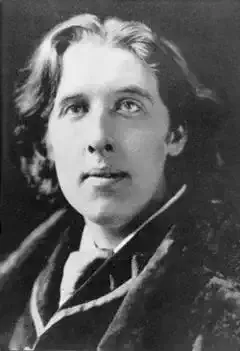
Oscar Wilde
Soneto: On the Sale by Auction of Keats' Love Letters
These are the letters which Endymion wrote
To one he loved in secret, and apart.
And now the brawlers of the auction mart
Bargain and bid for each poor blotted note,
Ay! for each separate pulse of passion quote
The merchant's price. I think they love not art
Who break the crystal of a poet's heart
That small and sickly eyes may glare and gloat.
Is it not said that many years ago,
In a far Eastern town, some soldiers ran
With torches through the midnight, and began
To wrangle for mean raiment, and to throw
Dice for the garments of a wretched man,
Not knowing the God's wonder, or His woe?
To one he loved in secret, and apart.
And now the brawlers of the auction mart
Bargain and bid for each poor blotted note,
Ay! for each separate pulse of passion quote
The merchant's price. I think they love not art
Who break the crystal of a poet's heart
That small and sickly eyes may glare and gloat.
Is it not said that many years ago,
In a far Eastern town, some soldiers ran
With torches through the midnight, and began
To wrangle for mean raiment, and to throw
Dice for the garments of a wretched man,
Not knowing the God's wonder, or His woe?
609
Oscar Wilde
Madonna Mia
A lily-girl, not made for this world's pain,
With brown, soft hair close braided by her ears,
And longing eyes half veiled by slumberous tears
Like bluest water seen through mists of rain:
Pale cheeks whereon no love hath left its stain,
Red underlip drawn in for fear of love,
And white throat, whiter than the silvered dove,
Through whose wan marble creeps one purple vein.
Yet, though my lips shall praise her without cease,
Even to kiss her feet I am not bold,
Being o'ershadowed by the wings of awe,
Like Dante, when he stood with Beatrice
Beneath the flaming Lion's breast, and saw
The seventh Crystal, and the Stair of Gold.
With brown, soft hair close braided by her ears,
And longing eyes half veiled by slumberous tears
Like bluest water seen through mists of rain:
Pale cheeks whereon no love hath left its stain,
Red underlip drawn in for fear of love,
And white throat, whiter than the silvered dove,
Through whose wan marble creeps one purple vein.
Yet, though my lips shall praise her without cease,
Even to kiss her feet I am not bold,
Being o'ershadowed by the wings of awe,
Like Dante, when he stood with Beatrice
Beneath the flaming Lion's breast, and saw
The seventh Crystal, and the Stair of Gold.
737
Oscar Wilde
La Bella Donna Della Mia Mente
My limbs are wasted with a flame,
My feet are sore with travelling,
For, calling on my Lady's name,
My lips have now forgot to sing.
O Linnet in the wild-rose brake
Strain for my Love thy melody,
O Lark sing louder for love's sake,
My gentle Lady passeth by.
She is too fair for any man
To see or hold his heart's delight,
Fairer than Queen or courtesan
Or moonlit water in the night.
Her hair is bound with myrtle leaves,
(Green leaves upon her golden hair!)
Green grasses through the yellow sheaves
Of autumn corn are not more fair.
Her little lips, more made to kiss
Than to cry bitterly for pain,
Are tremulous as brook-water is,
Or roses after evening rain.
Her neck is like white melilote
Flushing for pleasure of the sun,
The throbbing of the linnet's throat
Is not so sweet to look upon.
As a pomegranate, cut in twain,
White-seeded, is her crimson mouth,
Her cheeks are as the fading stain
Where the peach reddens to the south.
O twining hands! O delicate
White body made for love and pain!
O House of love! O desolate
Pale flower beaten by the rain!
My feet are sore with travelling,
For, calling on my Lady's name,
My lips have now forgot to sing.
O Linnet in the wild-rose brake
Strain for my Love thy melody,
O Lark sing louder for love's sake,
My gentle Lady passeth by.
She is too fair for any man
To see or hold his heart's delight,
Fairer than Queen or courtesan
Or moonlit water in the night.
Her hair is bound with myrtle leaves,
(Green leaves upon her golden hair!)
Green grasses through the yellow sheaves
Of autumn corn are not more fair.
Her little lips, more made to kiss
Than to cry bitterly for pain,
Are tremulous as brook-water is,
Or roses after evening rain.
Her neck is like white melilote
Flushing for pleasure of the sun,
The throbbing of the linnet's throat
Is not so sweet to look upon.
As a pomegranate, cut in twain,
White-seeded, is her crimson mouth,
Her cheeks are as the fading stain
Where the peach reddens to the south.
O twining hands! O delicate
White body made for love and pain!
O House of love! O desolate
Pale flower beaten by the rain!
689
Oscar Wilde
Canzonet
I have no store
Of gryphon-guarded gold;
Now, as before,
Bare is the shepherd's fold.
Rubies nor pearls
Have I to gem thy throat;
Yet woodland girls
Have loved the shepherd's note.
Then pluck a reed
And bid me sing to thee,
For I would feed
Thine ears with melody,
Who art more fair
Than fairest fleur-de-lys,
More sweet and rare
Than sweetest ambergris.
What dost thou fear?
Young Hyacinth is slain,
Pan is not here,
And will not come again.
No horned Faun
Treads down the yellow leas,
No God at dawn
Steals through the olive trees.
Hylas is dead,
Nor will he e'er divine
Those little red
Rose-petalled lips of thine.
On the high hill
No ivory dryads play,
Silver and still
Sinks the sad autumn day.
Of gryphon-guarded gold;
Now, as before,
Bare is the shepherd's fold.
Rubies nor pearls
Have I to gem thy throat;
Yet woodland girls
Have loved the shepherd's note.
Then pluck a reed
And bid me sing to thee,
For I would feed
Thine ears with melody,
Who art more fair
Than fairest fleur-de-lys,
More sweet and rare
Than sweetest ambergris.
What dost thou fear?
Young Hyacinth is slain,
Pan is not here,
And will not come again.
No horned Faun
Treads down the yellow leas,
No God at dawn
Steals through the olive trees.
Hylas is dead,
Nor will he e'er divine
Those little red
Rose-petalled lips of thine.
On the high hill
No ivory dryads play,
Silver and still
Sinks the sad autumn day.
676
Oscar Wilde
Ave Maria Gratia Plena
Was this His coming! I had hoped to see
A scene of wondrous glory, as was told
Of some great God who in a rain of gold
Broke open bars and fell on Danae:
Or a dread vision as when Semele
Sickening for love and unappeased desire
Prayed to see God's clear body, and the fire
Caught her brown limbs and slew her utterly:
With such glad dreams I sought this holy place,
And now with wondering eyes and heart I stand
Before this supreme mystery of Love:
Some kneeling girl with passionless pale face,
An angel with a lily in his hand,
And over both the white wings of a Dove.
FLORENCE.
A scene of wondrous glory, as was told
Of some great God who in a rain of gold
Broke open bars and fell on Danae:
Or a dread vision as when Semele
Sickening for love and unappeased desire
Prayed to see God's clear body, and the fire
Caught her brown limbs and slew her utterly:
With such glad dreams I sought this holy place,
And now with wondering eyes and heart I stand
Before this supreme mystery of Love:
Some kneeling girl with passionless pale face,
An angel with a lily in his hand,
And over both the white wings of a Dove.
FLORENCE.
702
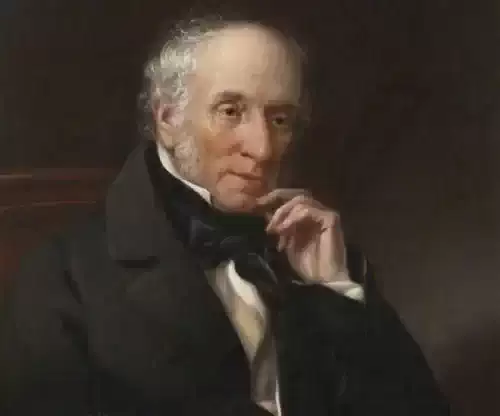
William Wordsworth
With Ships the Sea was Sprinkled Far and Nigh,
"With Ships the Sea was Sprinkled Far and Nigh,"
With ships the sea was sprinkled far and nigh,
Like stars in heaven, and joyously it showed;
Some lying fast at anchor in the road,
Some veering up and down, one knew not why.
A goodly vessel did I then espy
Come like a giant from a haven broad;
And lustily along the bay she strode,
Her tackling rich, and of apparel high.
The ship was nought to me, nor I to her,
Yet I pursued her with a lover's look;
This ship to all the rest did I prefer:
When will she turn, and whither? She will brook
No tarrying; where she comes the winds must stir:
On went she, and due north her journey took.
With ships the sea was sprinkled far and nigh,
Like stars in heaven, and joyously it showed;
Some lying fast at anchor in the road,
Some veering up and down, one knew not why.
A goodly vessel did I then espy
Come like a giant from a haven broad;
And lustily along the bay she strode,
Her tackling rich, and of apparel high.
The ship was nought to me, nor I to her,
Yet I pursued her with a lover's look;
This ship to all the rest did I prefer:
When will she turn, and whither? She will brook
No tarrying; where she comes the winds must stir:
On went she, and due north her journey took.
243

William Shakespeare
The Rival Poet Sonnets (78 - 86)
The Rival Poet Sonnets (78 - 86)
LXXVIII
So oft have I invoked thee for my Muse,
And found such fair assistance in my verse
As every alien pen hath got my use
And under thee their poesy disperse.
Thine eyes, that taught the dumb on high to sing
And heavy ignorance aloft to fly,
Have added feathers to the learned's wing
And given grace a double majesty.
Yet be most proud of that which I compile,
Whose influence is thine, and born of thee:
In others' works thou dost but mend the style,
And arts with thy sweet graces graced be;
But thou art all my art, and dost advance
As high as learning my rude ignorance.
LXXIX
Whilst I alone did call upon thy aid,
My verse alone had all thy gentle grace;
But now my gracious numbers are decay'd,
And my sick Muse doth give an other place.
I grant, sweet love, thy lovely argument
Deserves the travail of a worthier pen;
Yet what of thee thy poet doth invent
He robs thee of, and pays it thee again.
He lends thee virtue, and he stole that word
From thy behaviour; beauty doth he give,
And found it in thy cheek: he can afford
No praise to thee, but what in thee doth live.
Then thank him not for that which he doth say,
Since what he owes thee, thou thyself dost pay.
LXXX
O! how I faint when I of you do write,
Knowing a better spirit doth use your name,
And in the praise thereof spends all his might,
To make me tongue-tied speaking of your fame.
But since your worth, wide as the ocean is,
The humble as the proudest sail doth bear,
My saucy bark, inferior far to his,
On your broad main doth wilfully appear.
Your shallowest help will hold me up afloat,
Whilst he upon your soundless deep doth ride;
Or, being wrack'd, I am a worthless boat,
He of tall building, and of goodly pride:
Then if he thrive and I be cast away,
The worst was this, my love was my decay.
LXXXI
Or I shall live your epitaph to make,
Or you survive when I in earth am rotten,
From hence your memory death cannot take,
Although in me each part will be forgotten.
Your name from hence immortal life shall have,
Though I, once gone, to all the world must die:
The earth can yield me but a common grave,
When you entombed in men's eyes shall lie.
Your monument shall be my gentle verse,
Which eyes not yet created shall o'er-read;
And tongues to be, your being shall rehearse,
When all the breathers of this world are dead;
You still shall live, such virtue hath my pen,
Where breath most breathes, even in the mouths of men.
LXXXII
I grant thou wert not married to my Muse,
And therefore mayst without attaint o'erlook
The dedicated words which writers use
Of their fair subject, blessing every book.
Thou art as fair in knowledge as in hue,
Finding thy worth a limit past my praise;
And therefore art enforced to seek anew
Some fresher stamp of the time-bettering days.
And do so, love; yet when they have devis'd,
What strained touches rhetoric can lend,
Thou truly fair, wert truly sympathiz'd
In true plain words, by thy true-telling friend;
And their gross painting might be better usd
Where cheeks need blood; in thee it is abusd.
LXXXIII
I never saw that you did painting need,
And therefore to your fair no painting set;
I found, or thought I found, you did exceed
The barren tender of a poet's debt:
And therefore have I slept in your report,
That you yourself, being extant, well might show
How far a modern quill doth come too short,
Speaking of worth, what worth in you doth grow.
This silence for my sin you did impute,
Which shall be most my glory being dumb;
For I impair not beauty being mute,
When others would give life, and bring a tomb.
There lives more life in one of your fair eyes
Than both your poets can in praise devise.
LXXXIV
Who is it that says most, which can say more,
Than this rich praise, that you alone, are you,
In whose confine immured is the store
Which should example where your equal grew?
Lean penury within that pen doth dwell
That to his subject lends not some small glory;
But he that writes of you, if he can tell
That you are you, so dignifies his story.
Let him but copy what in you is writ,
Not making worse what nature made so clear,
And such a counterpart shall fame his wit,
Making his style admired every where.
You to your beauteous blessings add a curse,
Being fond on praise, which makes your praises worse.
LXXXV
My tongue-tied Muse in manners holds her still,
While comments of your praise richly compiled,
Reserve thy character with golden quill,
And precious phrase by all the Muses filed.
I think good thoughts, whilst others write good words,
And like unlettered clerk still cry 'Amen'
To every hymn that able spirit affords,
In polished form of well-refined pen.
Hearing you praised, I say ''tis so, 'tis true,'
And to the most of praise add something more;
But that is in my thought, whose love to you,
Though words come hindmost, holds his rank before.
Then others, for the breath of words respect,
Me for my dumb thoughts, speaking in effect.
LXXXVI
Was it the proud full sail of his great verse,
Bound for the prize of all too precious you,
That did my ripe thoughts in my brain inhearse,
Making their tomb the womb wherein they grew?
Was it his spirit, by spirits taught to write
Above a mortal pitch, that struck me dead?
No, neither he, nor his compeers by night
Giving him aid, my verse astonished.
He, nor that affable familiar ghost
Which nightly gulls him with intelligence,
As victors of my silence cannot boast;
I was not sick of any fear from thence:
But when your countenance filled up his line,
Then lacked I matter; that enfeebled mine.
LXXVIII
So oft have I invoked thee for my Muse,
And found such fair assistance in my verse
As every alien pen hath got my use
And under thee their poesy disperse.
Thine eyes, that taught the dumb on high to sing
And heavy ignorance aloft to fly,
Have added feathers to the learned's wing
And given grace a double majesty.
Yet be most proud of that which I compile,
Whose influence is thine, and born of thee:
In others' works thou dost but mend the style,
And arts with thy sweet graces graced be;
But thou art all my art, and dost advance
As high as learning my rude ignorance.
LXXIX
Whilst I alone did call upon thy aid,
My verse alone had all thy gentle grace;
But now my gracious numbers are decay'd,
And my sick Muse doth give an other place.
I grant, sweet love, thy lovely argument
Deserves the travail of a worthier pen;
Yet what of thee thy poet doth invent
He robs thee of, and pays it thee again.
He lends thee virtue, and he stole that word
From thy behaviour; beauty doth he give,
And found it in thy cheek: he can afford
No praise to thee, but what in thee doth live.
Then thank him not for that which he doth say,
Since what he owes thee, thou thyself dost pay.
LXXX
O! how I faint when I of you do write,
Knowing a better spirit doth use your name,
And in the praise thereof spends all his might,
To make me tongue-tied speaking of your fame.
But since your worth, wide as the ocean is,
The humble as the proudest sail doth bear,
My saucy bark, inferior far to his,
On your broad main doth wilfully appear.
Your shallowest help will hold me up afloat,
Whilst he upon your soundless deep doth ride;
Or, being wrack'd, I am a worthless boat,
He of tall building, and of goodly pride:
Then if he thrive and I be cast away,
The worst was this, my love was my decay.
LXXXI
Or I shall live your epitaph to make,
Or you survive when I in earth am rotten,
From hence your memory death cannot take,
Although in me each part will be forgotten.
Your name from hence immortal life shall have,
Though I, once gone, to all the world must die:
The earth can yield me but a common grave,
When you entombed in men's eyes shall lie.
Your monument shall be my gentle verse,
Which eyes not yet created shall o'er-read;
And tongues to be, your being shall rehearse,
When all the breathers of this world are dead;
You still shall live, such virtue hath my pen,
Where breath most breathes, even in the mouths of men.
LXXXII
I grant thou wert not married to my Muse,
And therefore mayst without attaint o'erlook
The dedicated words which writers use
Of their fair subject, blessing every book.
Thou art as fair in knowledge as in hue,
Finding thy worth a limit past my praise;
And therefore art enforced to seek anew
Some fresher stamp of the time-bettering days.
And do so, love; yet when they have devis'd,
What strained touches rhetoric can lend,
Thou truly fair, wert truly sympathiz'd
In true plain words, by thy true-telling friend;
And their gross painting might be better usd
Where cheeks need blood; in thee it is abusd.
LXXXIII
I never saw that you did painting need,
And therefore to your fair no painting set;
I found, or thought I found, you did exceed
The barren tender of a poet's debt:
And therefore have I slept in your report,
That you yourself, being extant, well might show
How far a modern quill doth come too short,
Speaking of worth, what worth in you doth grow.
This silence for my sin you did impute,
Which shall be most my glory being dumb;
For I impair not beauty being mute,
When others would give life, and bring a tomb.
There lives more life in one of your fair eyes
Than both your poets can in praise devise.
LXXXIV
Who is it that says most, which can say more,
Than this rich praise, that you alone, are you,
In whose confine immured is the store
Which should example where your equal grew?
Lean penury within that pen doth dwell
That to his subject lends not some small glory;
But he that writes of you, if he can tell
That you are you, so dignifies his story.
Let him but copy what in you is writ,
Not making worse what nature made so clear,
And such a counterpart shall fame his wit,
Making his style admired every where.
You to your beauteous blessings add a curse,
Being fond on praise, which makes your praises worse.
LXXXV
My tongue-tied Muse in manners holds her still,
While comments of your praise richly compiled,
Reserve thy character with golden quill,
And precious phrase by all the Muses filed.
I think good thoughts, whilst others write good words,
And like unlettered clerk still cry 'Amen'
To every hymn that able spirit affords,
In polished form of well-refined pen.
Hearing you praised, I say ''tis so, 'tis true,'
And to the most of praise add something more;
But that is in my thought, whose love to you,
Though words come hindmost, holds his rank before.
Then others, for the breath of words respect,
Me for my dumb thoughts, speaking in effect.
LXXXVI
Was it the proud full sail of his great verse,
Bound for the prize of all too precious you,
That did my ripe thoughts in my brain inhearse,
Making their tomb the womb wherein they grew?
Was it his spirit, by spirits taught to write
Above a mortal pitch, that struck me dead?
No, neither he, nor his compeers by night
Giving him aid, my verse astonished.
He, nor that affable familiar ghost
Which nightly gulls him with intelligence,
As victors of my silence cannot boast;
I was not sick of any fear from thence:
But when your countenance filled up his line,
Then lacked I matter; that enfeebled mine.
323
William Shakespeare
Sonnets xiii
Sonnets xiii
FROM you have I been absent in the spring,
When proud-pied April, dress'd in all his trim,
Hath put a spirit of youth in everything,
That heavy Saturn laugh'd and leap'd with him.
Yet nor the lays of birds, nor the sweet smell
Of different flowers in odour and in hue,
Could make me any summer's story tell,
Or from their proud lap pluck them where they grew;
Nor did I wonder at the Lily's white,
Nor praise the deep vermilion in the Rose;
They were but sweet, but figures of delight,
Drawn after you, you pattern of all those.
Yet seem'd it Winter still, and, you away,
As with your shadow I with these did play.
FROM you have I been absent in the spring,
When proud-pied April, dress'd in all his trim,
Hath put a spirit of youth in everything,
That heavy Saturn laugh'd and leap'd with him.
Yet nor the lays of birds, nor the sweet smell
Of different flowers in odour and in hue,
Could make me any summer's story tell,
Or from their proud lap pluck them where they grew;
Nor did I wonder at the Lily's white,
Nor praise the deep vermilion in the Rose;
They were but sweet, but figures of delight,
Drawn after you, you pattern of all those.
Yet seem'd it Winter still, and, you away,
As with your shadow I with these did play.
281
William Shakespeare
Sonnets iv
Sonnets iv
THY bosom is endeared with all hearts
Which I, by lacking, have supposed dead:
And there reigns Love, and all Love's loving parts,
And all those friends which I thought buried.
How many a holy and obsequious tear
Hath dear religious love stol'n from mine eye,
As interest of the dead!--which now appear
But things removed that hidden in thee lie.
Thou art the grave where buried love doth live,
Hung with the trophies of my lovers gone,
Who all their parts of me to thee did give:
--That due of many now is thine alone:
Their images I loved I view in thee,
And thou, all they, hast all the all of me.
WHAT is your substance, whereof are you made,
That millions of strange shadows on you tend?
Since every one hath, every one, one shade,
And you, but one, can every shadow lend.
Describe Adonis, and the counterfeit
Is poorly imitated after you;
On Helen's cheek all art of beauty set,
And you in Grecian tires are painted new:
Speak of the spring and foison of the year,
The one doth shadow of your beauty show,
The other as your bounty doth appear;
And you in every blessed shape we know.
In all external grace you have some part,
But you like none, none you, for constant heart.
THY bosom is endeared with all hearts
Which I, by lacking, have supposed dead:
And there reigns Love, and all Love's loving parts,
And all those friends which I thought buried.
How many a holy and obsequious tear
Hath dear religious love stol'n from mine eye,
As interest of the dead!--which now appear
But things removed that hidden in thee lie.
Thou art the grave where buried love doth live,
Hung with the trophies of my lovers gone,
Who all their parts of me to thee did give:
--That due of many now is thine alone:
Their images I loved I view in thee,
And thou, all they, hast all the all of me.
WHAT is your substance, whereof are you made,
That millions of strange shadows on you tend?
Since every one hath, every one, one shade,
And you, but one, can every shadow lend.
Describe Adonis, and the counterfeit
Is poorly imitated after you;
On Helen's cheek all art of beauty set,
And you in Grecian tires are painted new:
Speak of the spring and foison of the year,
The one doth shadow of your beauty show,
The other as your bounty doth appear;
And you in every blessed shape we know.
In all external grace you have some part,
But you like none, none you, for constant heart.
243
William Shakespeare
Sonnets ii
Sonnets ii
WHEN, in disgrace with Fortune and men's eyes,
I all alone beweep my outcast state,
And trouble deaf heaven with my bootless cries,
And look upon myself, and curse my fate,
Wishing me like to one more rich in hope,
Featured like him, like him with friends possest,
Desiring this man's art and that man's scope,
With what I most enjoy contented least;
Yet in these thoughts myself almost despising--
Haply I think on thee: and then my state,
Like to the Lark at break of day arising
From sullen earth, sings hymns at Heaven's gate;
For thy sweet love rememb'red such wealth brings
That then I scorn to change my state with Kings.
WHEN, in disgrace with Fortune and men's eyes,
I all alone beweep my outcast state,
And trouble deaf heaven with my bootless cries,
And look upon myself, and curse my fate,
Wishing me like to one more rich in hope,
Featured like him, like him with friends possest,
Desiring this man's art and that man's scope,
With what I most enjoy contented least;
Yet in these thoughts myself almost despising--
Haply I think on thee: and then my state,
Like to the Lark at break of day arising
From sullen earth, sings hymns at Heaven's gate;
For thy sweet love rememb'red such wealth brings
That then I scorn to change my state with Kings.
319
William Shakespeare
Sonnet XXXVIII: How Can My Muse Want Subject to Invent
Sonnet XXXVIII: How Can My Muse Want Subject to Invent
How can my muse want subject to invent,
While thou dost breathe, that pour'st into my verse
Thine own sweet argument, too excellent
For every vulgar paper to rehearse?
O! give thy self the thanks, if aught in me
Worthy perusal stand against thy sight;
For who's so dumb that cannot write to thee,
When thou thy self dost give invention light?
Be thou the tenth Muse, ten times more in worth
Than those old nine which rhymers invocate;
And he that calls on thee, let him bring forth
Eternal numbers to outlive long date.
If my slight muse do please these curious days,
The pain be mine, but thine shall be the praise.
How can my muse want subject to invent,
While thou dost breathe, that pour'st into my verse
Thine own sweet argument, too excellent
For every vulgar paper to rehearse?
O! give thy self the thanks, if aught in me
Worthy perusal stand against thy sight;
For who's so dumb that cannot write to thee,
When thou thy self dost give invention light?
Be thou the tenth Muse, ten times more in worth
Than those old nine which rhymers invocate;
And he that calls on thee, let him bring forth
Eternal numbers to outlive long date.
If my slight muse do please these curious days,
The pain be mine, but thine shall be the praise.
306
William Shakespeare
Sonnet XXXI
Sonnet XXXI
Thy bosom is endeared with all hearts,
Which I by lacking have supposed dead,
And there reigns love and all love's loving parts,
And all those friends which I thought buried.
How many a holy and obsequious tear
Hath dear religious love stol'n from mine eye
As interest of the dead, which now appear
But things removed that hidden in thee lie!
Thou art the grave where buried love doth live,
Hung with the trophies of my lovers gone,
Who all their parts of me to thee did give;
That due of many now is thine alone:
Their images I loved I view in thee,
And thou, all they, hast all the all of me.
Thy bosom is endeared with all hearts,
Which I by lacking have supposed dead,
And there reigns love and all love's loving parts,
And all those friends which I thought buried.
How many a holy and obsequious tear
Hath dear religious love stol'n from mine eye
As interest of the dead, which now appear
But things removed that hidden in thee lie!
Thou art the grave where buried love doth live,
Hung with the trophies of my lovers gone,
Who all their parts of me to thee did give;
That due of many now is thine alone:
Their images I loved I view in thee,
And thou, all they, hast all the all of me.
380
William Shakespeare
Sonnet XXVI
Sonnet XXVI
Lord of my love, to whom in vassalage
Thy merit hath my duty strongly knit,
To thee I send this written embassage,
To witness duty, not to show my wit:
Duty so great, which wit so poor as mine
May make seem bare, in wanting words to show it,
But that I hope some good conceit of thine
In thy soul's thought, all naked, will bestow it;
Till whatsoever star that guides my moving
Points on me graciously with fair aspect
And puts apparel on my tatter'd loving,
To show me worthy of thy sweet respect:
Then may I dare to boast how I do love thee;
Till then not show my head where thou mayst prove me.
Lord of my love, to whom in vassalage
Thy merit hath my duty strongly knit,
To thee I send this written embassage,
To witness duty, not to show my wit:
Duty so great, which wit so poor as mine
May make seem bare, in wanting words to show it,
But that I hope some good conceit of thine
In thy soul's thought, all naked, will bestow it;
Till whatsoever star that guides my moving
Points on me graciously with fair aspect
And puts apparel on my tatter'd loving,
To show me worthy of thy sweet respect:
Then may I dare to boast how I do love thee;
Till then not show my head where thou mayst prove me.
247
William Shakespeare
Sonnet XXI
Sonnet XXI
So is it not with me as with that Muse
Stirr'd by a painted beauty to his verse,
Who heaven itself for ornament doth use
And every fair with his fair doth rehearse
Making a couplement of proud compare,
With sun and moon, with earth and sea's rich gems,
With April's first-born flowers, and all things rare
That heaven's air in this huge rondure hems.
O' let me, true in love, but truly write,
And then believe me, my love is as fair
As any mother's child, though not so bright
As those gold candles fix'd in heaven's air:
Let them say more than like of hearsay well;
I will not praise that purpose not to sell.
So is it not with me as with that Muse
Stirr'd by a painted beauty to his verse,
Who heaven itself for ornament doth use
And every fair with his fair doth rehearse
Making a couplement of proud compare,
With sun and moon, with earth and sea's rich gems,
With April's first-born flowers, and all things rare
That heaven's air in this huge rondure hems.
O' let me, true in love, but truly write,
And then believe me, my love is as fair
As any mother's child, though not so bright
As those gold candles fix'd in heaven's air:
Let them say more than like of hearsay well;
I will not praise that purpose not to sell.
326
William Shakespeare
Sonnet LXXXIII
Sonnet LXXXIII
I never saw that you did painting need
And therefore to your fair no painting set;
I found, or thought I found, you did exceed
The barren tender of a poet's debt;
And therefore have I slept in your report,
That you yourself being extant well might show
How far a modern quill doth come too short,
Speaking of worth, what worth in you doth grow.
This silence for my sin you did impute,
Which shall be most my glory, being dumb;
For I impair not beauty being mute,
When others would give life and bring a tomb.
There lives more life in one of your fair eyes
Than both your poets can in praise devise.
I never saw that you did painting need
And therefore to your fair no painting set;
I found, or thought I found, you did exceed
The barren tender of a poet's debt;
And therefore have I slept in your report,
That you yourself being extant well might show
How far a modern quill doth come too short,
Speaking of worth, what worth in you doth grow.
This silence for my sin you did impute,
Which shall be most my glory, being dumb;
For I impair not beauty being mute,
When others would give life and bring a tomb.
There lives more life in one of your fair eyes
Than both your poets can in praise devise.
318
William Shakespeare
Sonnet LII
Sonnet LII
So am I as the rich, whose blessed key
Can bring him to his sweet up-locked treasure,
The which he will not every hour survey,
For blunting the fine point of seldom pleasure.
Therefore are feasts so solemn and so rare,
Since, seldom coming, in the long year set,
Like stones of worth they thinly placed are,
Or captain jewels in the carcanet.
So is the time that keeps you as my chest,
Or as the wardrobe which the robe doth hide,
To make some special instant special blest,
By new unfolding his imprison'd pride.
Blessed are you, whose worthiness gives scope,
Being had, to triumph, being lack'd, to hope.
So am I as the rich, whose blessed key
Can bring him to his sweet up-locked treasure,
The which he will not every hour survey,
For blunting the fine point of seldom pleasure.
Therefore are feasts so solemn and so rare,
Since, seldom coming, in the long year set,
Like stones of worth they thinly placed are,
Or captain jewels in the carcanet.
So is the time that keeps you as my chest,
Or as the wardrobe which the robe doth hide,
To make some special instant special blest,
By new unfolding his imprison'd pride.
Blessed are you, whose worthiness gives scope,
Being had, to triumph, being lack'd, to hope.
335
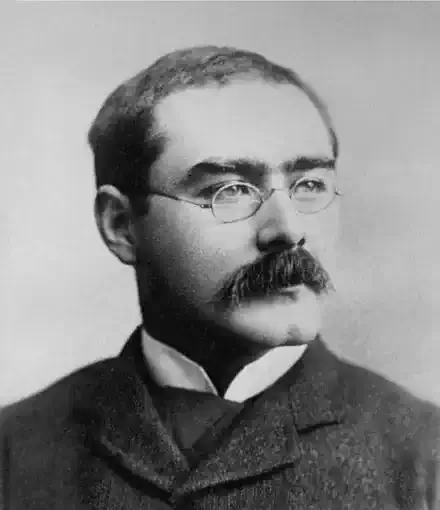
Rudyard Kipling
My Lady's Law
My Lady's Law
The Law whereby my lady moves
Was never Law to me,
But 'tis enough that she approves
Whatever Law it be.
For in that Law, and by that Law
My constant course I'll steer;
Not that I heed or deem it dread,
But that she holds it dear.
Tho' Asia sent for my content
Her richest argosies,
Those would I spurn, and bid return,
If that should give her ease.
With equal heart I'd watch depart
Each spiced sail from sight;
Sans bitterness, desiring less
Great gear than her delight.
Though Kings made swift with many a gift
My proven sword to hire--
I would not go nor serve 'em so--
Except at her desire.
With even mind, I'd put behind
Adventure and acclaim,
And clean give o'er, esteeming more
Her favour than my fame.
Yet such am I, yea, such am I--
Sore bond and freest free,
The Law that sways my lady's ways
Is mystery to me!
The Law whereby my lady moves
Was never Law to me,
But 'tis enough that she approves
Whatever Law it be.
For in that Law, and by that Law
My constant course I'll steer;
Not that I heed or deem it dread,
But that she holds it dear.
Tho' Asia sent for my content
Her richest argosies,
Those would I spurn, and bid return,
If that should give her ease.
With equal heart I'd watch depart
Each spiced sail from sight;
Sans bitterness, desiring less
Great gear than her delight.
Though Kings made swift with many a gift
My proven sword to hire--
I would not go nor serve 'em so--
Except at her desire.
With even mind, I'd put behind
Adventure and acclaim,
And clean give o'er, esteeming more
Her favour than my fame.
Yet such am I, yea, such am I--
Sore bond and freest free,
The Law that sways my lady's ways
Is mystery to me!
381
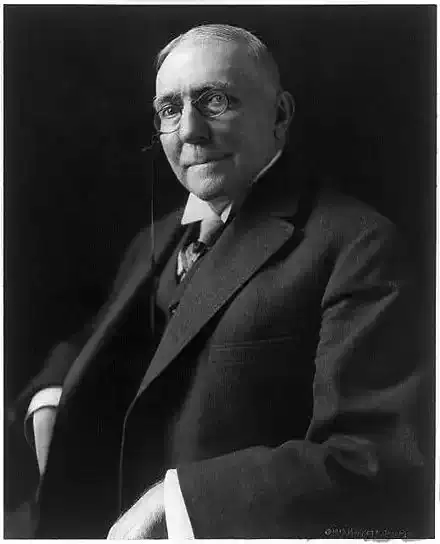
James Whitcomb Riley
A Discouraging Model
A Discouraging Model
Just the airiest, fairiest slip of a thing,
With a Gainsborough hat, like a butterfly's wing,
Tilted up at one side with the jauntiest air,
And a knot of red roses sown in under there
Where the shadows are lost in her hair.
Then a cameo face, carven in on a ground
Of that shadowy hair where the roses are wound;
And the gleam of a smile, O as fair and as faint
And as sweet as the master of old used to paint
Round the lips of their favorite saint!
And that lace at her throat-- and fluttering hands
Snowing there, with a grace that no art understands,
The flakes of their touches-- first fluttering at
The bow-- then the roses-- the hair and then that
Little tilt of the Gainsborough hat.
Ah, what artist on earth with a model like this,
Holding not on his palette the tint of a kiss,
Nor a pigment to hint of the hue of her hair
Nor the gold of her smile-- O what artist could dare
To expect a result half so fair?
Just the airiest, fairiest slip of a thing,
With a Gainsborough hat, like a butterfly's wing,
Tilted up at one side with the jauntiest air,
And a knot of red roses sown in under there
Where the shadows are lost in her hair.
Then a cameo face, carven in on a ground
Of that shadowy hair where the roses are wound;
And the gleam of a smile, O as fair and as faint
And as sweet as the master of old used to paint
Round the lips of their favorite saint!
And that lace at her throat-- and fluttering hands
Snowing there, with a grace that no art understands,
The flakes of their touches-- first fluttering at
The bow-- then the roses-- the hair and then that
Little tilt of the Gainsborough hat.
Ah, what artist on earth with a model like this,
Holding not on his palette the tint of a kiss,
Nor a pigment to hint of the hue of her hair
Nor the gold of her smile-- O what artist could dare
To expect a result half so fair?
252
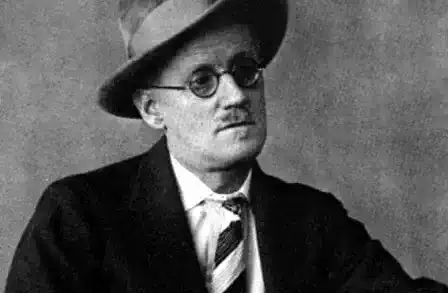
James Joyce
The Twilight Turns
The Twilight Turns
The twilight turns from amethyst
To deep and deeper blue,
The lamp fills with a pale green glow
The trees of the avenue.
The old piano plays an air,
Sedate and slow and gay;
She bends upon the yellow keys,
Her head inclines this way.
Shy thought and grave wide eyes and hands
That wander as they list -- -
The twilight turns to darker blue
With lights of amethyst.
The twilight turns from amethyst
To deep and deeper blue,
The lamp fills with a pale green glow
The trees of the avenue.
The old piano plays an air,
Sedate and slow and gay;
She bends upon the yellow keys,
Her head inclines this way.
Shy thought and grave wide eyes and hands
That wander as they list -- -
The twilight turns to darker blue
With lights of amethyst.
166
James Joyce
I Would in That Sweet Bosom Be
I Would in That Sweet Bosom Be
I would in that sweet bosom be
(O sweet it is and fair it is!)
Where no rude wind might visit me.
Because of sad austerities
I would in that sweet bosom be.
I would be ever in that heart
(O soft I knock and soft entreat her!)
Where only peace might be my part.
Austerities were all the sweeter
So I were ever in that heart.
I would in that sweet bosom be
(O sweet it is and fair it is!)
Where no rude wind might visit me.
Because of sad austerities
I would in that sweet bosom be.
I would be ever in that heart
(O soft I knock and soft entreat her!)
Where only peace might be my part.
Austerities were all the sweeter
So I were ever in that heart.
201
James Joyce
He Who Hath Glory Lost
He Who Hath Glory Lost
He who hath glory lost, nor hath
Found any soul to fellow his,
Among his foes in scorn and wrath
Holding to ancient nobleness,
That high unconsortable one ---
His love is his companion.
He who hath glory lost, nor hath
Found any soul to fellow his,
Among his foes in scorn and wrath
Holding to ancient nobleness,
That high unconsortable one ---
His love is his companion.
151

Robert W. Service
The Woman And The Angel
The Woman And The Angel
An angel was tired of heaven, as he lounged in the golden street;
His halo was tilted sideways, and his harp lay mute at his feet;
So the Master stooped in His pity, and gave him a pass to go,
For the space of a moon, to the earth-world, to mix with the men below.
He doffed his celestial garments, scarce waiting to lay them straight;
He bade good by to Peter, who stood by the golden gate;
The sexless singers of heaven chanted a fond farewell,
And the imps looked up as they pattered on the red-hot flags of hell.
Never was seen such an angel -- eyes of heavenly blue,
Features that shamed Apollo, hair of a golden hue;
The women simply adored him; his lips were like Cupid's bow;
But he never ventured to use them -- and so they voted him slow.
Till at last there came One Woman, a marvel of loveliness,
And she whispered to him: "Do you love me?" And he answered that woman, "Yes."
And she said: "Put your arms around me, and kiss me, and hold me -- so --"
But fiercely he drew back, saying: "This thing is wrong, and I know."
Then sweetly she mocked his scruples, and softly she him beguiled:
"You, who are verily man among men, speak with the tongue of a child.
We have outlived the old standards; we have burst, like an over-tight thong,
The ancient, outworn, Puritanic traditions of Right and Wrong."
Then the Master feared for His angel, and called him again to His side,
For oh, the woman was wondrous, and oh, the angel was tried!
And deep in his hell sang the Devil, and this was the strain of his song:
"The ancient, outworn, Puritanic traditions of Right and Wrong."
An angel was tired of heaven, as he lounged in the golden street;
His halo was tilted sideways, and his harp lay mute at his feet;
So the Master stooped in His pity, and gave him a pass to go,
For the space of a moon, to the earth-world, to mix with the men below.
He doffed his celestial garments, scarce waiting to lay them straight;
He bade good by to Peter, who stood by the golden gate;
The sexless singers of heaven chanted a fond farewell,
And the imps looked up as they pattered on the red-hot flags of hell.
Never was seen such an angel -- eyes of heavenly blue,
Features that shamed Apollo, hair of a golden hue;
The women simply adored him; his lips were like Cupid's bow;
But he never ventured to use them -- and so they voted him slow.
Till at last there came One Woman, a marvel of loveliness,
And she whispered to him: "Do you love me?" And he answered that woman, "Yes."
And she said: "Put your arms around me, and kiss me, and hold me -- so --"
But fiercely he drew back, saying: "This thing is wrong, and I know."
Then sweetly she mocked his scruples, and softly she him beguiled:
"You, who are verily man among men, speak with the tongue of a child.
We have outlived the old standards; we have burst, like an over-tight thong,
The ancient, outworn, Puritanic traditions of Right and Wrong."
Then the Master feared for His angel, and called him again to His side,
For oh, the woman was wondrous, and oh, the angel was tried!
And deep in his hell sang the Devil, and this was the strain of his song:
"The ancient, outworn, Puritanic traditions of Right and Wrong."
149
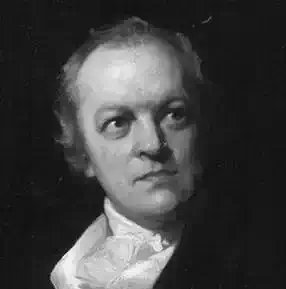
William Blake
Devine Image
Devine Image
To Mercy, Pity, Peace, and Love,
All pray in their distress,
And to these virtues of delight
Return their thankfulness.
For Mercy, Pity, Peace, and Love,
Is God our Father dear;
And Mercy, Pity, Peace, and Love,
Is man, his child and care.
For Mercy has a human heart
Pity, a human face;
And Love, the human form divine;
And Peace, the human dress.
Then every man, of every clime,
That prays in his distress,
Prays to the human form divine:
Love, Mercy, Pity, Peace.
And all must love the human form,
In heathen, Turk, or Jew.
Where Mercy, Love, and Pity dwell,
There God is dwelling too.
To Mercy, Pity, Peace, and Love,
All pray in their distress,
And to these virtues of delight
Return their thankfulness.
For Mercy, Pity, Peace, and Love,
Is God our Father dear;
And Mercy, Pity, Peace, and Love,
Is man, his child and care.
For Mercy has a human heart
Pity, a human face;
And Love, the human form divine;
And Peace, the human dress.
Then every man, of every clime,
That prays in his distress,
Prays to the human form divine:
Love, Mercy, Pity, Peace.
And all must love the human form,
In heathen, Turk, or Jew.
Where Mercy, Love, and Pity dwell,
There God is dwelling too.
470
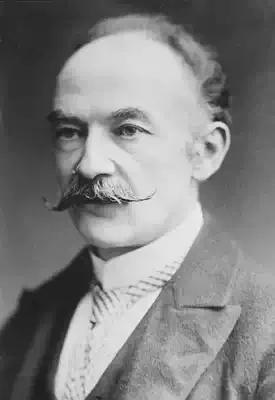
Thomas Hardy
Ditty
Ditty
(E. L. G.)
BENEATH a knap where flown
Nestlings play,
Within walls of weathered stone,
Far away
From the files of formal houses,
By the bough the firstling browses,
Lives a Sweet: no merchants meet,
No man barters, no man sells
Where she dwells.
Upon that fabric fair
"Here is she!"
Seems written everywhere
Unto me.
But to friends and nodding neighbors,
Fellow wights in lot and labors,
Who descry the times as I,
No such lucid legend tells
Where she dwells.
Should I lapse to what I was
In days by--
(Such cannot be, but because
Some loves die
Let me feign it)--none would notice
That where she I know by rote is
Spread a strange and withering change,
Like a drying of the wells
Where she dwells.
To feel I might have kissed--
Loved as true--
Otherwhere, nor Mine have missed
My life through,
Had I never wandered near her,
Is a smart severe--severer
In the thought that she is nought,
Even as I, beyond the dells
Where she dwells.
And Devotion droops her glance
To recall
What bond-servants of Chance
We are all.
I but found her in that, going
On my errant path unknowing,
I did not out-skirt the spot
That no spot on earth excels--
Where she dwells!
(E. L. G.)
BENEATH a knap where flown
Nestlings play,
Within walls of weathered stone,
Far away
From the files of formal houses,
By the bough the firstling browses,
Lives a Sweet: no merchants meet,
No man barters, no man sells
Where she dwells.
Upon that fabric fair
"Here is she!"
Seems written everywhere
Unto me.
But to friends and nodding neighbors,
Fellow wights in lot and labors,
Who descry the times as I,
No such lucid legend tells
Where she dwells.
Should I lapse to what I was
In days by--
(Such cannot be, but because
Some loves die
Let me feign it)--none would notice
That where she I know by rote is
Spread a strange and withering change,
Like a drying of the wells
Where she dwells.
To feel I might have kissed--
Loved as true--
Otherwhere, nor Mine have missed
My life through,
Had I never wandered near her,
Is a smart severe--severer
In the thought that she is nought,
Even as I, beyond the dells
Where she dwells.
And Devotion droops her glance
To recall
What bond-servants of Chance
We are all.
I but found her in that, going
On my errant path unknowing,
I did not out-skirt the spot
That no spot on earth excels--
Where she dwells!
257
Page 1
Next