
Pain and Despair
Poems in this topic
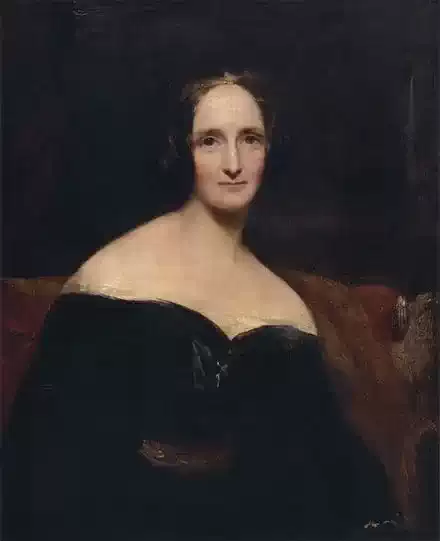
Percy Bysshe Shelley
On A Dead Violet
On A Dead Violet
The odor from the flower is gone
Which like thy kisses breathed on me;
The color from the flower is flown
Which glowed of thee and only thee!
A shrivelled, lifeless, vacant form,
It lies on my abandoned breast;
And mocks the heart, which yet is warm,
With cold and silent rest.
I weep--my tears revive it not;
I sigh--it breathes no more on me:
Its mute and uncomplaining lot
Is such as mine should be.
The odor from the flower is gone
Which like thy kisses breathed on me;
The color from the flower is flown
Which glowed of thee and only thee!
A shrivelled, lifeless, vacant form,
It lies on my abandoned breast;
And mocks the heart, which yet is warm,
With cold and silent rest.
I weep--my tears revive it not;
I sigh--it breathes no more on me:
Its mute and uncomplaining lot
Is such as mine should be.
976
1
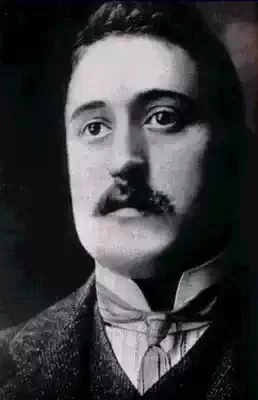
Guillaume Apollinaire
Shadow
Shadow
Here you are beside me again
Memories of my companions killed in the war
The olive-branch of time
Memories that make only a single memory
As a hundred skins make only a single coat
As these thousands of wounds make only a single
newspaper article
Impalpable and ark presence who have assumed
the changing shape of my shadow
an Indian on the watch through all Eternity
shadow you creep beside me
but you do not hear me any more
you will not know any more the divine poems I sing
but I hear you still and see you still
Destinies
Multiple shadows may the sun preserve you
You who love me so much that you will never leave me
And who dance in the sun without stirring the dust
Shadow ink of the sun
Signature of my light
Holder of sorrows
A god that condescends.
Here you are beside me again
Memories of my companions killed in the war
The olive-branch of time
Memories that make only a single memory
As a hundred skins make only a single coat
As these thousands of wounds make only a single
newspaper article
Impalpable and ark presence who have assumed
the changing shape of my shadow
an Indian on the watch through all Eternity
shadow you creep beside me
but you do not hear me any more
you will not know any more the divine poems I sing
but I hear you still and see you still
Destinies
Multiple shadows may the sun preserve you
You who love me so much that you will never leave me
And who dance in the sun without stirring the dust
Shadow ink of the sun
Signature of my light
Holder of sorrows
A god that condescends.
1,177
1

Emily Dickinson
We see-Comparatively
We see-Comparatively
534
We see-Comparatively-
The Thing so towering high
We could not grasp its segment
Unaided-Yesterday-
This Morning's finer Verdict-
Makes scarcely worth the toil-
A furrow-Our Cordillera-
Our Apennine-a Knoll-
Perhaps 'tis kindly-done us-
The Anguish-and the loss-
The wrenching-for His Firmament
The Thing belonged to us-
To spare these Striding Spirits
Some Morning of Chagrin-
The waking in a Gnat's-embrace-
Our Giants-further on-
534
We see-Comparatively-
The Thing so towering high
We could not grasp its segment
Unaided-Yesterday-
This Morning's finer Verdict-
Makes scarcely worth the toil-
A furrow-Our Cordillera-
Our Apennine-a Knoll-
Perhaps 'tis kindly-done us-
The Anguish-and the loss-
The wrenching-for His Firmament
The Thing belonged to us-
To spare these Striding Spirits
Some Morning of Chagrin-
The waking in a Gnat's-embrace-
Our Giants-further on-
999
1
Emily Dickinson
The Test of Love—is Death
The Test of Love—is Death
573
The Test of Love—is Death—
Our Lord—"so loved"—it saith—
What Largest Lover—hath
Another—doth—
If smaller Patience—be—
Through less Infinity—
If Bravo, sometimes swerve—
Through fainter Nerve—
Accept its Most—
And overlook—the Dust—
Last—Least—
The Cross'—Request—
573
The Test of Love—is Death—
Our Lord—"so loved"—it saith—
What Largest Lover—hath
Another—doth—
If smaller Patience—be—
Through less Infinity—
If Bravo, sometimes swerve—
Through fainter Nerve—
Accept its Most—
And overlook—the Dust—
Last—Least—
The Cross'—Request—
902
1

Elizabeth Bishop
Love Lies Sleeping
Love Lies Sleeping
Earliest morning, switching all the tracks
that cross the sky from cinder star to star,
coupling the ends of streets
to trains of light.
now draw us into daylight in our beds;
and clear away what presses on the brain:
put out the neon shapes
that float and swell and glare
down the gray avenue between the eyes
in pinks and yellows, letters and twitching signs.
Hang-over moons, wane, wane!
From the window I see
an immense city, carefully revealed,
made delicate by over-workmanship,
detail upon detail,
cornice upon facade,
reaching up so languidly up into
a weak white sky, it seems to waver there.
(Where it has slowly grown
in skies of water-glass
from fused beads of iron and copper crystals,
the little chemical "garden" in a jar
trembles and stands again,
pale blue, blue-green, and brick.)
The sparrows hurriedly begin their play.
Then, in the West, "Boom!" and a cloud of smoke.
"Boom!" and the exploding ball
of blossom blooms again.
(And all the employees who work in a plants
where such a sound says "Danger," or once said "Death,"
turn in their sleep and feel
the short hairs bristling
on backs of necks.) The cloud of smoke moves off.
A shirt is taken of a threadlike clothes-line.
Along the street below
the water-wagon comes
throwing its hissing, snowy fan across
peelings and newspapers. The water dries
light-dry, dark-wet, the pattern
of the cool watermelon.
I hear the day-springs of the morning strike
from stony walls and halls and iron beds,
scattered or grouped cascades,
alarms for the expected:
queer cupids of all persons getting up,
whose evening meal they will prepare all day,
you will dine well
on his heart, on his, and his,
so send them about your business affectionately,
dragging in the streets their unique loves.
Scourge them with roses only,
be light as helium,
for always to one, or several, morning comes
whose head has fallen over the edge of his bed,
whose face is turned
so that the image of
the city grows down into his open eyes
inverted and distorted. No. I mean
distorted and revealed,
if he sees it at all.
Earliest morning, switching all the tracks
that cross the sky from cinder star to star,
coupling the ends of streets
to trains of light.
now draw us into daylight in our beds;
and clear away what presses on the brain:
put out the neon shapes
that float and swell and glare
down the gray avenue between the eyes
in pinks and yellows, letters and twitching signs.
Hang-over moons, wane, wane!
From the window I see
an immense city, carefully revealed,
made delicate by over-workmanship,
detail upon detail,
cornice upon facade,
reaching up so languidly up into
a weak white sky, it seems to waver there.
(Where it has slowly grown
in skies of water-glass
from fused beads of iron and copper crystals,
the little chemical "garden" in a jar
trembles and stands again,
pale blue, blue-green, and brick.)
The sparrows hurriedly begin their play.
Then, in the West, "Boom!" and a cloud of smoke.
"Boom!" and the exploding ball
of blossom blooms again.
(And all the employees who work in a plants
where such a sound says "Danger," or once said "Death,"
turn in their sleep and feel
the short hairs bristling
on backs of necks.) The cloud of smoke moves off.
A shirt is taken of a threadlike clothes-line.
Along the street below
the water-wagon comes
throwing its hissing, snowy fan across
peelings and newspapers. The water dries
light-dry, dark-wet, the pattern
of the cool watermelon.
I hear the day-springs of the morning strike
from stony walls and halls and iron beds,
scattered or grouped cascades,
alarms for the expected:
queer cupids of all persons getting up,
whose evening meal they will prepare all day,
you will dine well
on his heart, on his, and his,
so send them about your business affectionately,
dragging in the streets their unique loves.
Scourge them with roses only,
be light as helium,
for always to one, or several, morning comes
whose head has fallen over the edge of his bed,
whose face is turned
so that the image of
the city grows down into his open eyes
inverted and distorted. No. I mean
distorted and revealed,
if he sees it at all.
1,031
1
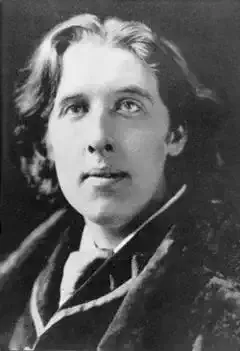
Oscar Wilde
Soneto: On Tht Massacre of the Christians in Bulgaria
Christ, dost Thou live indeed? or are Thy bones
Still straitened in their rock-hewn sepulchre?
And was Thy Rising only dreamed by her
Whose love of Thee for all her sin atones?
For here the air is horrid with men's groans,
The priests who call upon Thy name are slain,
Dost Thou not hear the bitter wail of pain
From those whose children lie upon the stones?
Come down, O Son of God! incestuous gloom
Curtains the land, and through the starless night
Over Thy Cross a Crescent moon I see!
If Thou in very truth didst burst the tomb
Come down, O Son of Man! and show Thy might
Lest Mahomet be crowned instead of Thee!
Still straitened in their rock-hewn sepulchre?
And was Thy Rising only dreamed by her
Whose love of Thee for all her sin atones?
For here the air is horrid with men's groans,
The priests who call upon Thy name are slain,
Dost Thou not hear the bitter wail of pain
From those whose children lie upon the stones?
Come down, O Son of God! incestuous gloom
Curtains the land, and through the starless night
Over Thy Cross a Crescent moon I see!
If Thou in very truth didst burst the tomb
Come down, O Son of Man! and show Thy might
Lest Mahomet be crowned instead of Thee!
685
Oscar Wilde
Soneto: E Tenebris
Come down, O Christ, and help me! reach Thy hand,
For I am drowning in a stormier sea
Than Simon on Thy lake of Galilee:
The wine of life is spilt upon the sand,
My heart is as some famine-murdered land
Whence all good things have perished utterly,
And well I know my soul in Hell must lie
If I this night before God's throne should stand.
'He sleeps perchance, or rideth to the chase,
Like Baal, when his prophets howled that name
From morn to noon on Carmel's smitten height.'
Nay, peace, I shall behold, before the night,
The feet of brass, the robe more white than flame,
The wounded hands, the weary human face.
For I am drowning in a stormier sea
Than Simon on Thy lake of Galilee:
The wine of life is spilt upon the sand,
My heart is as some famine-murdered land
Whence all good things have perished utterly,
And well I know my soul in Hell must lie
If I this night before God's throne should stand.
'He sleeps perchance, or rideth to the chase,
Like Baal, when his prophets howled that name
From morn to noon on Carmel's smitten height.'
Nay, peace, I shall behold, before the night,
The feet of brass, the robe more white than flame,
The wounded hands, the weary human face.
616
Oscar Wilde
Soneto: At Verona
How steep the stairs within King's houses are
For exile-wearied feet as mine to tread,
And O how salt and bitter is the bread
Which falls from this Hound's table, - better far
That I had died in the red ways of war,
Or that the gate of Florence bare my head,
Than to live thus, by all things comraded
Which seek the essence of my soul to mar.
'Curse God and die: what better hope than this?
He hath forgotten thee in all the bliss
Of his gold city, and eternal day' -
Nay peace: behind my prison's blinded bars
I do possess what none can take away,
My love and all the glory of the stars.
For exile-wearied feet as mine to tread,
And O how salt and bitter is the bread
Which falls from this Hound's table, - better far
That I had died in the red ways of war,
Or that the gate of Florence bare my head,
Than to live thus, by all things comraded
Which seek the essence of my soul to mar.
'Curse God and die: what better hope than this?
He hath forgotten thee in all the bliss
Of his gold city, and eternal day' -
Nay peace: behind my prison's blinded bars
I do possess what none can take away,
My love and all the glory of the stars.
668
Oscar Wilde
Vita Nuova
I stood by the unvintageable sea
Till the wet waves drenched face and hair with spray;
The long red fires of the dying day
Burned in the west; the wind piped drearily;
And to the land the clamorous gulls did flee:
'Alas!' I cried, 'my life is full of pain,
And who can garner fruit or golden grain
From these waste fields which travail ceaselessly!'
My nets gaped wide with many a break and flaw,
Nathless I threw them as my final cast
Into the sea, and waited for the end.
When lo! a sudden glory! and I saw
From the black waters of my tortured past
The argent splendour of white limbs ascend!
Till the wet waves drenched face and hair with spray;
The long red fires of the dying day
Burned in the west; the wind piped drearily;
And to the land the clamorous gulls did flee:
'Alas!' I cried, 'my life is full of pain,
And who can garner fruit or golden grain
From these waste fields which travail ceaselessly!'
My nets gaped wide with many a break and flaw,
Nathless I threw them as my final cast
Into the sea, and waited for the end.
When lo! a sudden glory! and I saw
From the black waters of my tortured past
The argent splendour of white limbs ascend!
744
Oscar Wilde
Tristitiae
O well for him who lives at ease
With garnered gold in wide domain,
Nor heeds the splashing of the rain,
The crashing down of forest trees.
O well for him who ne'er hath known
The travail of the hungry years,
A father grey with grief and tears,
A mother weeping all alone.
But well for him whose foot hath trod
The weary road of toil and strife,
Yet from the sorrows of his life.
Builds ladders to be nearer God.
With garnered gold in wide domain,
Nor heeds the splashing of the rain,
The crashing down of forest trees.
O well for him who ne'er hath known
The travail of the hungry years,
A father grey with grief and tears,
A mother weeping all alone.
But well for him whose foot hath trod
The weary road of toil and strife,
Yet from the sorrows of his life.
Builds ladders to be nearer God.
545
Oscar Wilde
San Miniato
See, I have climbed the mountain side
Up to this holy house of God,
Where once that Angel-Painter trod
Who saw the heavens opened wide,
And throned upon the crescent moon
The Virginal white Queen of Grace, -
Mary! could I but see thy face
Death could not come at all too soon.
O crowned by God with thorns and pain!
Mother of Christ! O mystic wife!
My heart is weary of this life
And over-sad to sing again.
O crowned by God with love and flame!
O crowned by Christ the Holy One!
O listen ere the searching sun
Show to the world my sin and shame.
Up to this holy house of God,
Where once that Angel-Painter trod
Who saw the heavens opened wide,
And throned upon the crescent moon
The Virginal white Queen of Grace, -
Mary! could I but see thy face
Death could not come at all too soon.
O crowned by God with thorns and pain!
Mother of Christ! O mystic wife!
My heart is weary of this life
And over-sad to sing again.
O crowned by God with love and flame!
O crowned by Christ the Holy One!
O listen ere the searching sun
Show to the world my sin and shame.
594
Oscar Wilde
Roses And Rue
(To L. L.)
Could we dig up this long-buried treasure,
Were it worth the pleasure,
We never could learn love's song,
We are parted too long.
Could the passionate past that is fled
Call back its dead,
Could we live it all over again,
Were it worth the pain!
I remember we used to meet
By an ivied seat,
And you warbled each pretty word
With the air of a bird;
And your voice had a quaver in it,
Just like a linnet,
And shook, as the blackbird's throat
With its last big note;
And your eyes, they were green and grey
Like an April day,
But lit into amethyst
When I stooped and kissed;
And your mouth, it would never smile
For a long, long while,
Then it rippled all over with laughter
Five minutes after.
You were always afraid of a shower,
Just like a flower:
I remember you started and ran
When the rain began.
I remember I never could catch you,
For no one could match you,
You had wonderful, luminous, fleet,
Little wings to your feet.
I remember your hair - did I tie it?
For it always ran riot -
Like a tangled sunbeam of gold:
These things are old.
I remember so well the room,
And the lilac bloom
That beat at the dripping pane
In the warm June rain;
And the colour of your gown,
It was amber-brown,
And two yellow satin bows
From your shoulders rose.
And the handkerchief of French lace
Which you held to your face -
Had a small tear left a stain?
Or was it the rain?
On your hand as it waved adieu
There were veins of blue;
In your voice as it said good-bye
Was a petulant cry,
'You have only wasted your life.'
(Ah, that was the knife!)
When I rushed through the garden gate
It was all too late.
Could we live it over again,
Were it worth the pain,
Could the passionate past that is fled
Call back its dead!
Well, if my heart must break,
Dear love, for your sake,
It will break in music, I know,
Poets' hearts break so.
But strange that I was not told
That the brain can hold
In a tiny ivory cell
God's heaven and hell.
Could we dig up this long-buried treasure,
Were it worth the pleasure,
We never could learn love's song,
We are parted too long.
Could the passionate past that is fled
Call back its dead,
Could we live it all over again,
Were it worth the pain!
I remember we used to meet
By an ivied seat,
And you warbled each pretty word
With the air of a bird;
And your voice had a quaver in it,
Just like a linnet,
And shook, as the blackbird's throat
With its last big note;
And your eyes, they were green and grey
Like an April day,
But lit into amethyst
When I stooped and kissed;
And your mouth, it would never smile
For a long, long while,
Then it rippled all over with laughter
Five minutes after.
You were always afraid of a shower,
Just like a flower:
I remember you started and ran
When the rain began.
I remember I never could catch you,
For no one could match you,
You had wonderful, luminous, fleet,
Little wings to your feet.
I remember your hair - did I tie it?
For it always ran riot -
Like a tangled sunbeam of gold:
These things are old.
I remember so well the room,
And the lilac bloom
That beat at the dripping pane
In the warm June rain;
And the colour of your gown,
It was amber-brown,
And two yellow satin bows
From your shoulders rose.
And the handkerchief of French lace
Which you held to your face -
Had a small tear left a stain?
Or was it the rain?
On your hand as it waved adieu
There were veins of blue;
In your voice as it said good-bye
Was a petulant cry,
'You have only wasted your life.'
(Ah, that was the knife!)
When I rushed through the garden gate
It was all too late.
Could we live it over again,
Were it worth the pain,
Could the passionate past that is fled
Call back its dead!
Well, if my heart must break,
Dear love, for your sake,
It will break in music, I know,
Poets' hearts break so.
But strange that I was not told
That the brain can hold
In a tiny ivory cell
God's heaven and hell.
706
Oscar Wilde
Quia Multum Amavi
Dear Heart, I think the young impassioned priest
When first he takes from out the hidden shrine
His God imprisoned in the Eucharist,
And eats the bread, and drinks the dreadful wine,
Feels not such awful wonder as I felt
When first my smitten eyes beat full on thee,
And all night long before thy feet I knelt
Till thou wert wearied of Idolatry.
Ah! hadst thou liked me less and loved me more,
Through all those summer days of joy and rain,
I had not now been sorrow's heritor,
Or stood a lackey in the House of Pain.
Yet, though remorse, youth's white-faced seneschal,
Tread on my heels with all his retinue,
I am most glad I loved thee - think of all
The suns that go to make one speedwell blue!
When first he takes from out the hidden shrine
His God imprisoned in the Eucharist,
And eats the bread, and drinks the dreadful wine,
Feels not such awful wonder as I felt
When first my smitten eyes beat full on thee,
And all night long before thy feet I knelt
Till thou wert wearied of Idolatry.
Ah! hadst thou liked me less and loved me more,
Through all those summer days of joy and rain,
I had not now been sorrow's heritor,
Or stood a lackey in the House of Pain.
Yet, though remorse, youth's white-faced seneschal,
Tread on my heels with all his retinue,
I am most glad I loved thee - think of all
The suns that go to make one speedwell blue!
712
Oscar Wilde
Easter Day
The silver trumpets rang across the Dome:
The people knelt upon the ground with awe:
And borne upon the necks of men I saw,
Like some great God, the Holy Lord of Rome.
Priest-like, he wore a robe more white than foam,
And, king-like, swathed himself in royal red,
Three crowns of gold rose high upon his head:
In splendour and in light the Pope passed home.
My heart stole back across wide wastes of years
To One who wandered by a lonely sea,
And sought in vain for any place of rest:
'Foxes have holes, and every bird its nest.
I, only I, must wander wearily,
And bruise my feet, and drink wine salt with tears.'
The people knelt upon the ground with awe:
And borne upon the necks of men I saw,
Like some great God, the Holy Lord of Rome.
Priest-like, he wore a robe more white than foam,
And, king-like, swathed himself in royal red,
Three crowns of gold rose high upon his head:
In splendour and in light the Pope passed home.
My heart stole back across wide wastes of years
To One who wandered by a lonely sea,
And sought in vain for any place of rest:
'Foxes have holes, and every bird its nest.
I, only I, must wander wearily,
And bruise my feet, and drink wine salt with tears.'
684
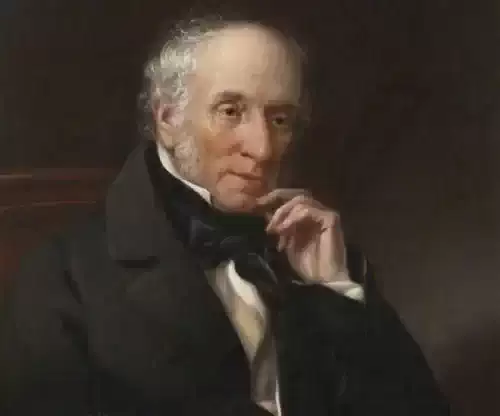
William Wordsworth
Two April Mornings, The
Two April Mornings, The
We walked along, while bright and red
Uprose the morning sun;
And Matthew stopped, he looked, and said,
"The will of God be done!"
A village schoolmaster was he,
With hair of glittering grey;
As blithe a man as yon could see
On a spring holiday.
And on that morning, through the grass,
And by the steaming rills,
We travelled merrily, to pass
A day among the hills.
"Our work," said I, "was well begun,
Then, from thy breast what thought,
Beneath so beautiful a sun,
So sad a sigh has brought?"
A second time did Matthew stop;
And fixing still his eye
Upon the eastern mountain-top,
To me he made reply:
"Yon cloud with that long purple cleft
Brings fresh into my mind
A day like this which I have left
Full thirty years behind.
"And just above yon slope of corn
Such colours, and no other,
Were in the sky, that April morn,
Of this the very brother.
"With rod and line I sued the sport
Which that sweet season gave,
And, to the church-yard come, stopped short
Beside my daughter's grave.
"Nine summers had she scarcely seen,
The pride of all the vale;
And then she sang;--she would have been
A very nightingale.
"Six feet in earth my Emma lay;
And yet I loved her more,
For so it seemed, than till that day
I e'er had loved before.
"And, turning from her grave, I met,
Beside the church-yard yew,
A blooming Girl, whose hair was wet
With points of morning dew.
"A basket on her head she bare;
Her brow was smooth and white:
To see a child so very fair,
It was a pure delight!
"No fountain from its rocky cave
E'er tripped with foot so free;
She seemed as happy as a wave
That dances on the sea.
"There came from me a sigh of pain
Which I could ill confine;
I looked at her, and looked again:
And did not wish her mine!"
Matthew is in his grave, yet now,
Methinks, I see him stand,
As at that moment, with a bough
Of wilding in his hand.
We walked along, while bright and red
Uprose the morning sun;
And Matthew stopped, he looked, and said,
"The will of God be done!"
A village schoolmaster was he,
With hair of glittering grey;
As blithe a man as yon could see
On a spring holiday.
And on that morning, through the grass,
And by the steaming rills,
We travelled merrily, to pass
A day among the hills.
"Our work," said I, "was well begun,
Then, from thy breast what thought,
Beneath so beautiful a sun,
So sad a sigh has brought?"
A second time did Matthew stop;
And fixing still his eye
Upon the eastern mountain-top,
To me he made reply:
"Yon cloud with that long purple cleft
Brings fresh into my mind
A day like this which I have left
Full thirty years behind.
"And just above yon slope of corn
Such colours, and no other,
Were in the sky, that April morn,
Of this the very brother.
"With rod and line I sued the sport
Which that sweet season gave,
And, to the church-yard come, stopped short
Beside my daughter's grave.
"Nine summers had she scarcely seen,
The pride of all the vale;
And then she sang;--she would have been
A very nightingale.
"Six feet in earth my Emma lay;
And yet I loved her more,
For so it seemed, than till that day
I e'er had loved before.
"And, turning from her grave, I met,
Beside the church-yard yew,
A blooming Girl, whose hair was wet
With points of morning dew.
"A basket on her head she bare;
Her brow was smooth and white:
To see a child so very fair,
It was a pure delight!
"No fountain from its rocky cave
E'er tripped with foot so free;
She seemed as happy as a wave
That dances on the sea.
"There came from me a sigh of pain
Which I could ill confine;
I looked at her, and looked again:
And did not wish her mine!"
Matthew is in his grave, yet now,
Methinks, I see him stand,
As at that moment, with a bough
Of wilding in his hand.
184
William Wordsworth
'Tis Said, That Some Have Died For Love
'Tis Said, That Some Have Died For Love
'Tis said, that some have died for love:
And here and there a churchyard grave is found
In the cold north's unhallowed ground,
Because the wretched man himself had slain,
His love was such a grievous pain.
And there is one whom I five years have known;
He dwells alone
Upon Helvellyn's side:
He loved--the pretty Barbara died;
And thus he makes his moan:
Three years had Barbara in her grave been laid
When thus his moan he made:
"Oh, move, thou Cottage, from behind that oak!
Or let the aged tree uprooted lie,
That in some other way yon smoke
May mount into the sky!
The clouds pass on; they from the heavens depart.
I look--the sky is empty space;
I know not what I trace;
But when I cease to look, my hand is on my heart.
"Oh! what a weight is in these shades! Ye leaves,
That murmur once so dear, when will it cease?
Your sound my heart of rest bereaves,
It robs my heart of peace.
Thou Thrush, that singest loud--and loud and free,
Into yon row of willows flit,
Upon that alder sit;
Or sing another song, or choose another tree.
"Roll back, sweet Rill! back to thy mountain-bounds,
And there for ever be thy waters chained!
For thou dost haunt the air with sounds
That cannot be sustained;
If still beneath that pine-tree's ragged bough
Headlong yon waterfall must come,
Oh let it then be dumb!
Be anything, sweet Rill, but that which thou art now.
"Thou Eglantine, so bright with sunny showers,
Proud as a rainbow spanning half the vale,
Thou one fair shrub, oh! shed thy flowers,
And stir not in the gale.
For thus to see thee nodding in the air,
To see thy arch thus stretch and bend,
Thus rise and thus descend,--
Disturbs me till the sight is more than I can dear."
The Man who makes this feverish complaint
Is one of giant stature, who could dance
Equipped from head to foot in iron mail.
Ah gentle Love! if ever thought was thine
To store up kindred hours for me, thy face
Turn from me, gentle Love! nor let me walk
Within the sound of Emma's voice, nor know
Such happiness as I have known to-day.
'Tis said, that some have died for love:
And here and there a churchyard grave is found
In the cold north's unhallowed ground,
Because the wretched man himself had slain,
His love was such a grievous pain.
And there is one whom I five years have known;
He dwells alone
Upon Helvellyn's side:
He loved--the pretty Barbara died;
And thus he makes his moan:
Three years had Barbara in her grave been laid
When thus his moan he made:
"Oh, move, thou Cottage, from behind that oak!
Or let the aged tree uprooted lie,
That in some other way yon smoke
May mount into the sky!
The clouds pass on; they from the heavens depart.
I look--the sky is empty space;
I know not what I trace;
But when I cease to look, my hand is on my heart.
"Oh! what a weight is in these shades! Ye leaves,
That murmur once so dear, when will it cease?
Your sound my heart of rest bereaves,
It robs my heart of peace.
Thou Thrush, that singest loud--and loud and free,
Into yon row of willows flit,
Upon that alder sit;
Or sing another song, or choose another tree.
"Roll back, sweet Rill! back to thy mountain-bounds,
And there for ever be thy waters chained!
For thou dost haunt the air with sounds
That cannot be sustained;
If still beneath that pine-tree's ragged bough
Headlong yon waterfall must come,
Oh let it then be dumb!
Be anything, sweet Rill, but that which thou art now.
"Thou Eglantine, so bright with sunny showers,
Proud as a rainbow spanning half the vale,
Thou one fair shrub, oh! shed thy flowers,
And stir not in the gale.
For thus to see thee nodding in the air,
To see thy arch thus stretch and bend,
Thus rise and thus descend,--
Disturbs me till the sight is more than I can dear."
The Man who makes this feverish complaint
Is one of giant stature, who could dance
Equipped from head to foot in iron mail.
Ah gentle Love! if ever thought was thine
To store up kindred hours for me, thy face
Turn from me, gentle Love! nor let me walk
Within the sound of Emma's voice, nor know
Such happiness as I have known to-day.
340
William Wordsworth
The Seven Sisters
The Seven Sisters
Or, The Solitude Of Binnorie
SEVEN Daughter had Lord Archibald,
All children of one mother:
You could not say in one short day
What love they bore each other.
A garland, of seven lilies, wrought!
Seven sisters that together dwell;
But he, bold Knight as ever fought,
Their Father, took of them no thought,
He loved the wars so well.
Sing, mournfully, oh! mournfully,
The solitude of Binnorie!
Fresh blows the wind, a western wind,
And from the shores of Erin,
Across the wave, a Rover brave
To Binnorie is steering:
Right onward to the Scottish strand
The gallant ship is borne;
The warriors leap upon the land,
And hark! the Leader of the band
Hath blown his bugle horn.
Sing, mournfully, oh! mournfully,
The solitude of Binnorie!
Beside a grotto of their own,
With boughs above them closing,
The Seven are laid, and in the shade
They lie like fawns reposing.
But now, upstarting with affright
At noise of man and steed,
Away they fly to left, to rightÑ
Of your fair household, Father-knight,
Methinks you take small heed!
Sing, mournfully, oh! mournfully,
The solitude of Binnorie!
Away the even fair Campbells fly,
And, over hill and hollow,
With menace proud, and insult loud,
The youthful Rovers follow.
Cried they, 'Your Father loves to roam:
Enough for him to find
The empty house when he comes home;
For us your yellow ringlets comb,
For us be fair and kind!'
Sing, mournfully, oh! mournfully,
The solitude of Binnorie!
Some close behind, some side to side,
Like clouds in stormy weather;
They run, and cry, 'Nay, let us die,
And let us die together.'
A lake was near; the shore was steep;
There never foot had been;
They ran, and with a deperate leap
Together plunged into the deep,
Nor ever more were seen.
Sing, mournfully, oh! mournfully,
The solitude of Binnorie!
The stream that flows out of the lake,
As through the glen it rambles,
Repeats a moan o'er moss and stone,
For those seven lovely Campbells.
Seven little Islands, green and bare,
Have risen from out the deep:
The fishers say, those sisters fair,
By faeries all are buried there,
And there together sleep.
Sing, mournfully, oh! mournfully,
The solitude of Binnorie!
Or, The Solitude Of Binnorie
SEVEN Daughter had Lord Archibald,
All children of one mother:
You could not say in one short day
What love they bore each other.
A garland, of seven lilies, wrought!
Seven sisters that together dwell;
But he, bold Knight as ever fought,
Their Father, took of them no thought,
He loved the wars so well.
Sing, mournfully, oh! mournfully,
The solitude of Binnorie!
Fresh blows the wind, a western wind,
And from the shores of Erin,
Across the wave, a Rover brave
To Binnorie is steering:
Right onward to the Scottish strand
The gallant ship is borne;
The warriors leap upon the land,
And hark! the Leader of the band
Hath blown his bugle horn.
Sing, mournfully, oh! mournfully,
The solitude of Binnorie!
Beside a grotto of their own,
With boughs above them closing,
The Seven are laid, and in the shade
They lie like fawns reposing.
But now, upstarting with affright
At noise of man and steed,
Away they fly to left, to rightÑ
Of your fair household, Father-knight,
Methinks you take small heed!
Sing, mournfully, oh! mournfully,
The solitude of Binnorie!
Away the even fair Campbells fly,
And, over hill and hollow,
With menace proud, and insult loud,
The youthful Rovers follow.
Cried they, 'Your Father loves to roam:
Enough for him to find
The empty house when he comes home;
For us your yellow ringlets comb,
For us be fair and kind!'
Sing, mournfully, oh! mournfully,
The solitude of Binnorie!
Some close behind, some side to side,
Like clouds in stormy weather;
They run, and cry, 'Nay, let us die,
And let us die together.'
A lake was near; the shore was steep;
There never foot had been;
They ran, and with a deperate leap
Together plunged into the deep,
Nor ever more were seen.
Sing, mournfully, oh! mournfully,
The solitude of Binnorie!
The stream that flows out of the lake,
As through the glen it rambles,
Repeats a moan o'er moss and stone,
For those seven lovely Campbells.
Seven little Islands, green and bare,
Have risen from out the deep:
The fishers say, those sisters fair,
By faeries all are buried there,
And there together sleep.
Sing, mournfully, oh! mournfully,
The solitude of Binnorie!
177
William Wordsworth
The Fountain
The Fountain
A Conversation
We talked with open heart, and tongue
Affectionate and true,
A pair of friends, though I was young,
And Matthew seventy-two.
We lay beneath a spreading oak,
Beside a mossy seat;
And from the turf a fountain broke
And gurgled at our feet.
`Now, Matthew!' said I, `let us match
This water's pleasant tune
With some old border-song, or catch
That suits a summer's noon;
`Or of the church-clock and the chimes
Sing here beneath the shade
That half-mad thing of witty rhymes
Which you last April made!'
In silence Matthew lay, and eyed
The spring beneath the tree;
And thus the dear old man replied,
The grey-haired man of glee:
`No check, no stay, this streamlet fears,
How merrily it goes!
'Twill murmur on a thousand years
And flow as now it flows.
`And here, on this delightful day,
I cannot choose but think
How oft, a vigorous man, I lay
Beside this fountain's brink.
`My eyes are dim with childish tears,
My heart is idly stirred,
For the same sound is in my ears
Which in those days I heard.
`Thus fares it still in our decay:
And yet the wiser mind
Mourns less for what Age takes away,
Than what it leaves behind.
`The blackbird amid leafy trees,
The lark above the hill,
Let loose their carols when they please,
Are quiet when they will.
`With Nature never do they wage
A foolish strife; they see
A happy youth, and their old age
Is beautiful and free:
`But we are pressed by heavy laws;
And often, glad no more,
We wear a face of joy, because
We have been glad of yore.
`If there be one who need bemoan
His kindred laid in earth,
The household hearts that were his own, -
It is the man of mirth.
`My days, my friend, are almost gone,
My life has been approved,
And many love me; but by none
Am I enough beloved.'
`Now both himself and me he wrongs,
The man who thus complains!
I live and sing my idle songs
Upon these happy plains:
`And, Matthew, for thy children dead
I'll be a son to thee!'
At this he grasped my hand and said
`Alas! that cannot be.'
We rose up from the fountain-side;
And down the smooth descent
Of the green sheep-track did we glide;
And through the wood we went;
And ere we came to Leonard's Rock
He sang those witty rhymes
About the crazy old church-clock,
And the bewildered chimes.
A Conversation
We talked with open heart, and tongue
Affectionate and true,
A pair of friends, though I was young,
And Matthew seventy-two.
We lay beneath a spreading oak,
Beside a mossy seat;
And from the turf a fountain broke
And gurgled at our feet.
`Now, Matthew!' said I, `let us match
This water's pleasant tune
With some old border-song, or catch
That suits a summer's noon;
`Or of the church-clock and the chimes
Sing here beneath the shade
That half-mad thing of witty rhymes
Which you last April made!'
In silence Matthew lay, and eyed
The spring beneath the tree;
And thus the dear old man replied,
The grey-haired man of glee:
`No check, no stay, this streamlet fears,
How merrily it goes!
'Twill murmur on a thousand years
And flow as now it flows.
`And here, on this delightful day,
I cannot choose but think
How oft, a vigorous man, I lay
Beside this fountain's brink.
`My eyes are dim with childish tears,
My heart is idly stirred,
For the same sound is in my ears
Which in those days I heard.
`Thus fares it still in our decay:
And yet the wiser mind
Mourns less for what Age takes away,
Than what it leaves behind.
`The blackbird amid leafy trees,
The lark above the hill,
Let loose their carols when they please,
Are quiet when they will.
`With Nature never do they wage
A foolish strife; they see
A happy youth, and their old age
Is beautiful and free:
`But we are pressed by heavy laws;
And often, glad no more,
We wear a face of joy, because
We have been glad of yore.
`If there be one who need bemoan
His kindred laid in earth,
The household hearts that were his own, -
It is the man of mirth.
`My days, my friend, are almost gone,
My life has been approved,
And many love me; but by none
Am I enough beloved.'
`Now both himself and me he wrongs,
The man who thus complains!
I live and sing my idle songs
Upon these happy plains:
`And, Matthew, for thy children dead
I'll be a son to thee!'
At this he grasped my hand and said
`Alas! that cannot be.'
We rose up from the fountain-side;
And down the smooth descent
Of the green sheep-track did we glide;
And through the wood we went;
And ere we came to Leonard's Rock
He sang those witty rhymes
About the crazy old church-clock,
And the bewildered chimes.
197
William Wordsworth
The Complaint Of a Forsaken Indian Woman
The Complaint Of a Forsaken Indian Woman
Before I see another day,
Oh let my body die away!
In sleep I heard the northern gleams;
The stars, they were among my dreams;
In rustling conflict through the skies,
I heard, I saw the flashes drive,
And yet they are upon my eyes,
And yet I am alive;
Before I see another day,
Oh let my body die away!
My fire is dead: it knew no pain;
Yet is it dead, and I remain:
All stiff with ice the ashes lie;
And they are dead, and I will die.
When I was well, I wished to live,
For clothes, for warmth, for food, and fire;
But they to me no joy can give,
No pleasure now, and no desire.
Then here contented will I lie
Alone, I cannot fear to die.
Alas! ye might have dragged me on
Another day, a single one!
Too soon I yielded to despair;
Why did ye listen to my prayer
When ye were gone my limb were stronger;
And oh, how grievously I rue,
That, afterward, a little longer,
My friends, I did not follow you!
For strong and without pain I lay,
Dear friends, when ye were gone away.
My Child! they gave thee to another,
A woman who was not thy mother.
When from my arms my Babe they took,
On me how strangely did he look !
Through his whole body something ran,
A most strange working did I see;
---As if he strove to be a man,
That he might pull the sledge for me:
And then he stretched his arm, how wild!
Oh mercy! like a helpless child.
My little joy! my little pride!
In two day more I must have died.
Then do not weep and grieve for me;
I feel I must have died with thee.
O wind, that o'er my head art flying
The way my friends their course did bend,
I should not feel the pain of dying,
Could I with thee a message end;
Too soon, my friend, ye went away;
For I had many thing to say.
I'll follow you across the snow;
Ye travel heavily and slow;
In spite of all my weary pain
I'll look upon your tent again.
---My fire is dead, and snowy white
The water which beside it stood:
The wolf has come to me to-night,
And he has stolen away my food.
Forever left alone am I;
Then wherefore should I fear to die ?
Young as I am, my course is run,
I shall not see another sun;
I cannot lift my limb to know
If they have any life or no.
My poor forsaken child, if I
For once could have thee close to me,
With happy heart I then would die,
And my last thought would happy be;
But thou, dear Babe, art far away,
Nor shall I see another day.
Before I see another day,
Oh let my body die away!
In sleep I heard the northern gleams;
The stars, they were among my dreams;
In rustling conflict through the skies,
I heard, I saw the flashes drive,
And yet they are upon my eyes,
And yet I am alive;
Before I see another day,
Oh let my body die away!
My fire is dead: it knew no pain;
Yet is it dead, and I remain:
All stiff with ice the ashes lie;
And they are dead, and I will die.
When I was well, I wished to live,
For clothes, for warmth, for food, and fire;
But they to me no joy can give,
No pleasure now, and no desire.
Then here contented will I lie
Alone, I cannot fear to die.
Alas! ye might have dragged me on
Another day, a single one!
Too soon I yielded to despair;
Why did ye listen to my prayer
When ye were gone my limb were stronger;
And oh, how grievously I rue,
That, afterward, a little longer,
My friends, I did not follow you!
For strong and without pain I lay,
Dear friends, when ye were gone away.
My Child! they gave thee to another,
A woman who was not thy mother.
When from my arms my Babe they took,
On me how strangely did he look !
Through his whole body something ran,
A most strange working did I see;
---As if he strove to be a man,
That he might pull the sledge for me:
And then he stretched his arm, how wild!
Oh mercy! like a helpless child.
My little joy! my little pride!
In two day more I must have died.
Then do not weep and grieve for me;
I feel I must have died with thee.
O wind, that o'er my head art flying
The way my friends their course did bend,
I should not feel the pain of dying,
Could I with thee a message end;
Too soon, my friend, ye went away;
For I had many thing to say.
I'll follow you across the snow;
Ye travel heavily and slow;
In spite of all my weary pain
I'll look upon your tent again.
---My fire is dead, and snowy white
The water which beside it stood:
The wolf has come to me to-night,
And he has stolen away my food.
Forever left alone am I;
Then wherefore should I fear to die ?
Young as I am, my course is run,
I shall not see another sun;
I cannot lift my limb to know
If they have any life or no.
My poor forsaken child, if I
For once could have thee close to me,
With happy heart I then would die,
And my last thought would happy be;
But thou, dear Babe, art far away,
Nor shall I see another day.
189
William Wordsworth
Song at the Feast of Brougham Castle upon the Restoration o
Song at the Feast of Brougham Castle upon the Restoration o
, High in the breathless Hall the Minstrel sate,
And Emont's murmur mingled with the Song.--
The words of ancient time I thus translate,
A festal strain that hath been silent long:--
"From town to town, from tower to tower,
The red rose is a gladsome flower.
Her thirty years of winter past,
The red rose is revived at last;
She lifts her head for endless spring,
For everlasting blossoming:
Both roses flourish, red and white:
In love and sisterly delight
The two that were at strife are blended,
And all old troubles now are ended.--
Joy! joy to both! but most to her
Who is the flower of Lancaster!
Behold her how She smiles to-day
On this great throng, this bright array!
Fair greeting doth she send to all
From every corner of the hall;
But chiefly from above the board
Where sits in state our rightful Lord,
A Clifford to his own restored!
"They came with banner, spear, and shield;
And it was proved in Bosworth-field.
Not long the Avenger was withstood--
Earth helped him with the cry of blood:
St. George was for us, and the might
Of blessed Angels crowned the right.
Loud voice the Land has uttered forth,
We loudest in the faithful north:
Our fields rejoice, our mountains ring,
Our streams proclaim a welcoming;
Our strong-abodes and castles see
The glory of their loyalty.
"How glad is Skipton at this hour--
Though lonely, a deserted Tower;
Knight, squire, and yeoman, page and groom,
We have them at the feast of Brough'm.
How glad Pendragon--though the sleep
Of years be on her!--She shall reap
A taste of this great pleasure, viewing
As in a dream her own renewing.
Rejoiced is Brough, right glad, I deem,
Beside her little humble stream;
And she that keepeth watch and ward
Her statelier Eden's course to guard;
They both are happy at this hour,
Though each is but a lonely Tower:--
But here is perfect joy and pride
For one fair House by Emont's side,
This day, distinguished without peer,
To see her Master and to cheer--
Him, and his Lady-mother dear!
"Oh! it was a time forlorn
When the fatherless was born--
Give her wings that she may fly,
Or she sees her infant die!
Swords that are with slaughter wild
Hunt the Mother and the Child.
Who will take them from the light?
--Yonder is a man in sight--
Yonder is a house--but where?
No, they must not enter there.
To the caves, and to the brooks,
To the clouds of heaven she looks;
She is speechless, but her eyes
Pray in ghostly agonies.
Blissful Mary, Mother mild,
Maid and Mother undefiled,
Save a Mother and her Child!
"Now who is he that bounds with joy
On Carrock's side, a Shepherd-boy?
No thoughts hath he but thoughts that pass
Light as the wind along the grass.
Can this be He who hither came
In secret, like a smothered flame?
O'er whom such thankful tears were shed
For shelter, and a poor man's bread!
God loves the Child; and God hath willed
That those dear words should be fulfilled,
The Lady's words, when forced away
The last she to her Babe did say:
"My own, my own, thy fellow-guest
I may not be; but rest thee, rest,
For lowly shepherd's life is best!"
"Alas! when evil men are strong
No life is good, no pleasure long.
The Boy must part from Mosedale's groves,
And leave Blencathara's rugged coves,
And quit the flowers that summer brings
To Glenderamakin's lofty springs;
Must vanish, and his careless cheer
Be turned to heaviness and fear.
--Give Sir Lancelot Threlkeld praise!
Hear it, good man, old in days!
Thou tree of covert and of rest
For this young Bird that is distrest;
Among thy branches safe he lay,
And he was free to sport and play,
When falcons were abroad for prey.
"A recreant harp, that sings of fear
And heaviness in Clifford's ear!
I said, when evil men are strong,
No life is good, no pleasure long,
A weak and cowardly untruth!
Our Clifford was a happy Youth,
And thankful through a weary time,
That brought him up to manhood's prime.
--Again he wanders forth at will,
And tends a flock from hill to hill:
His garb is humble; ne'er was seen
Such garb with such a noble mien;
Among the shepherd-grooms no mate
Hath he, a Child of strength and state!
Yet lacks not friends for simple glee,
Nor yet for higher sympathy.
To his side the fallow-deer
Came and rested without fear;
The eagle, lord of land and sea,
Stooped down to pay him fealty;
And both the undying fish that swim
Through Bowscale-tarn did wait on him;
The pair were servants of his eye
In their immortality;
And glancing, gleaming, dark or bright,
Moved to and fro, for his delight.
He knew the rocks which Angels haunt
Upon the mountains visitant;
He hath kenned them taking wing:
And into caves where Faeries sing
He hath entered; and been told
By Voices how men lived of old.
Among the heavens his eye can see
The face of thing that is to be;
And, if that men report him right,
His tongue could whisper words of might.
--Now another day is come,
Fitter hope, and nobler doom;
He hath thrown aside his crook,
And hath buried deep his book;
Armour rusting in his halls
On the blood of Clifford calls,--
'Quell the Scot,' exclaims the Lance--
Bear me to the heart of France,
Is the longing of the Shield--
Tell thy name, thou trembling field;
Field of death, where'er thou be,
Groan thou with our victory!
Happy day, and mighty hour,
When our Shepherd, in his power,
Mailed and horsed, with lance and sword,
To his ancestors restored
Like a re-appearing Star,
Like a glory from afar
First shall head the flock of war!"
Alas! the impassioned minstrel did not know
How, by Heaven's grace, this Clifford's heart was framed:
How he, long forced in humble walks to go,
Was softened into feeling, soothed, and tamed.
Love had he found in huts where poor men lie;
His daily teachers had been woods and rills,
The silence that is in the starry sky,
The sleep that is among the lonely hills.
In him the savage virtue of the Race,
Revenge and all ferocious thoughts were dead:
Nor did he change; but kept in lofty place
The wisdom which adversity had bred.
Glad were the vales, and every cottage-hearth;
The Shepherd-lord was honoured more and more;
And, ages after he was laid in earth,
"The good Lord Clifford" was the name he bore.
, High in the breathless Hall the Minstrel sate,
And Emont's murmur mingled with the Song.--
The words of ancient time I thus translate,
A festal strain that hath been silent long:--
"From town to town, from tower to tower,
The red rose is a gladsome flower.
Her thirty years of winter past,
The red rose is revived at last;
She lifts her head for endless spring,
For everlasting blossoming:
Both roses flourish, red and white:
In love and sisterly delight
The two that were at strife are blended,
And all old troubles now are ended.--
Joy! joy to both! but most to her
Who is the flower of Lancaster!
Behold her how She smiles to-day
On this great throng, this bright array!
Fair greeting doth she send to all
From every corner of the hall;
But chiefly from above the board
Where sits in state our rightful Lord,
A Clifford to his own restored!
"They came with banner, spear, and shield;
And it was proved in Bosworth-field.
Not long the Avenger was withstood--
Earth helped him with the cry of blood:
St. George was for us, and the might
Of blessed Angels crowned the right.
Loud voice the Land has uttered forth,
We loudest in the faithful north:
Our fields rejoice, our mountains ring,
Our streams proclaim a welcoming;
Our strong-abodes and castles see
The glory of their loyalty.
"How glad is Skipton at this hour--
Though lonely, a deserted Tower;
Knight, squire, and yeoman, page and groom,
We have them at the feast of Brough'm.
How glad Pendragon--though the sleep
Of years be on her!--She shall reap
A taste of this great pleasure, viewing
As in a dream her own renewing.
Rejoiced is Brough, right glad, I deem,
Beside her little humble stream;
And she that keepeth watch and ward
Her statelier Eden's course to guard;
They both are happy at this hour,
Though each is but a lonely Tower:--
But here is perfect joy and pride
For one fair House by Emont's side,
This day, distinguished without peer,
To see her Master and to cheer--
Him, and his Lady-mother dear!
"Oh! it was a time forlorn
When the fatherless was born--
Give her wings that she may fly,
Or she sees her infant die!
Swords that are with slaughter wild
Hunt the Mother and the Child.
Who will take them from the light?
--Yonder is a man in sight--
Yonder is a house--but where?
No, they must not enter there.
To the caves, and to the brooks,
To the clouds of heaven she looks;
She is speechless, but her eyes
Pray in ghostly agonies.
Blissful Mary, Mother mild,
Maid and Mother undefiled,
Save a Mother and her Child!
"Now who is he that bounds with joy
On Carrock's side, a Shepherd-boy?
No thoughts hath he but thoughts that pass
Light as the wind along the grass.
Can this be He who hither came
In secret, like a smothered flame?
O'er whom such thankful tears were shed
For shelter, and a poor man's bread!
God loves the Child; and God hath willed
That those dear words should be fulfilled,
The Lady's words, when forced away
The last she to her Babe did say:
"My own, my own, thy fellow-guest
I may not be; but rest thee, rest,
For lowly shepherd's life is best!"
"Alas! when evil men are strong
No life is good, no pleasure long.
The Boy must part from Mosedale's groves,
And leave Blencathara's rugged coves,
And quit the flowers that summer brings
To Glenderamakin's lofty springs;
Must vanish, and his careless cheer
Be turned to heaviness and fear.
--Give Sir Lancelot Threlkeld praise!
Hear it, good man, old in days!
Thou tree of covert and of rest
For this young Bird that is distrest;
Among thy branches safe he lay,
And he was free to sport and play,
When falcons were abroad for prey.
"A recreant harp, that sings of fear
And heaviness in Clifford's ear!
I said, when evil men are strong,
No life is good, no pleasure long,
A weak and cowardly untruth!
Our Clifford was a happy Youth,
And thankful through a weary time,
That brought him up to manhood's prime.
--Again he wanders forth at will,
And tends a flock from hill to hill:
His garb is humble; ne'er was seen
Such garb with such a noble mien;
Among the shepherd-grooms no mate
Hath he, a Child of strength and state!
Yet lacks not friends for simple glee,
Nor yet for higher sympathy.
To his side the fallow-deer
Came and rested without fear;
The eagle, lord of land and sea,
Stooped down to pay him fealty;
And both the undying fish that swim
Through Bowscale-tarn did wait on him;
The pair were servants of his eye
In their immortality;
And glancing, gleaming, dark or bright,
Moved to and fro, for his delight.
He knew the rocks which Angels haunt
Upon the mountains visitant;
He hath kenned them taking wing:
And into caves where Faeries sing
He hath entered; and been told
By Voices how men lived of old.
Among the heavens his eye can see
The face of thing that is to be;
And, if that men report him right,
His tongue could whisper words of might.
--Now another day is come,
Fitter hope, and nobler doom;
He hath thrown aside his crook,
And hath buried deep his book;
Armour rusting in his halls
On the blood of Clifford calls,--
'Quell the Scot,' exclaims the Lance--
Bear me to the heart of France,
Is the longing of the Shield--
Tell thy name, thou trembling field;
Field of death, where'er thou be,
Groan thou with our victory!
Happy day, and mighty hour,
When our Shepherd, in his power,
Mailed and horsed, with lance and sword,
To his ancestors restored
Like a re-appearing Star,
Like a glory from afar
First shall head the flock of war!"
Alas! the impassioned minstrel did not know
How, by Heaven's grace, this Clifford's heart was framed:
How he, long forced in humble walks to go,
Was softened into feeling, soothed, and tamed.
Love had he found in huts where poor men lie;
His daily teachers had been woods and rills,
The silence that is in the starry sky,
The sleep that is among the lonely hills.
In him the savage virtue of the Race,
Revenge and all ferocious thoughts were dead:
Nor did he change; but kept in lofty place
The wisdom which adversity had bred.
Glad were the vales, and every cottage-hearth;
The Shepherd-lord was honoured more and more;
And, ages after he was laid in earth,
"The good Lord Clifford" was the name he bore.
193
William Wordsworth
Lines Left upon a Seat in a Yew-tree
Lines Left upon a Seat in a Yew-tree
Nay, Traveller! rest. This lonely Yew-tree stands
Far from all human dwelling: what if here
No sparkling rivulet spread the verdant herb?
What if the bee love not these barren boughs?
Yet, if the wind breathe soft, the curling waves,
That break against the shore, shall lull thy mind
By one soft impulse saved from vacancy.
--------------------Who he was
That piled these stones and with the mossy sod
First covered, and here taught this aged Tree
With its dark arms to form a circling bower,
I well remember.--He was one who owned
No common soul. In youth by science nursed,
And led by nature into a wild scene
Of lofty hopes, he to the world went forth
A favoured Being, knowing no desire
Which genius did not hallow; 'gainst the taint
Of dissolute tongues, and jealousy, and hate,
And scorn,--against all enemies prepared,
All but neglect. The world, for so it thought,
Owed him no service; wherefore he at once
With indignation turned himself away,
And with the food of pride sustained his soul
In solitude.--Stranger! these gloomy boughs
Had charms for him; and here he loved to sit,
His only visitants a straggling sheep,
The stone-chat, or the glancing sand-piper:
And on these barren rocks, with fern and heath,
And juniper and thistle, sprinkled o'er,
Fixing his downcast eye, he many an hour
A morbid pleasure nourished, tracing here
An emblem of his own unfruitful life:
And, lifting up his head, he then would gaze
On the more distant scene,--how lovely 'tis
Thou seest,--and he would gaze till it became
Far lovelier, and his heart could not sustain
The beauty, still more beauteous! Nor, that time,
When nature had subdued him to herself,
Would he forget those Beings to whose minds,
Warm from the labours of benevolence,
The world, and human life, appeared a scene
Of kindred loveliness: then he would sigh,
Inly disturbed, to think that others felt
What he must never feel: and so, lost Man!
On visionary views would fancy feed,
Till his eye streamed with tears. In this deep vale
He died,--this seat his only monument.
If Thou be one whose heart the holy forms
Of young imagination have kept pure,
Stranger! henceforth be warned; and know that pride,
Howe'er disguised in its own majesty,
Is littleness; that he, who feels contempt
For any living thing, hath faculties
Which he has never used; that thought with him
Is in its infancy. The man whose eye
Is ever on himself doth look on one,
The least of Nature's works, one who might move
The wise man to that scorn which wisdom holds
Unlawful, ever. O be wiser, Thou!
Instructed that true knowledge leads to love;
True dignity abides with him alone
Who, in the silent hour of inward thought,
Can still suspect, and still revere himself
In lowliness of heart.
Nay, Traveller! rest. This lonely Yew-tree stands
Far from all human dwelling: what if here
No sparkling rivulet spread the verdant herb?
What if the bee love not these barren boughs?
Yet, if the wind breathe soft, the curling waves,
That break against the shore, shall lull thy mind
By one soft impulse saved from vacancy.
--------------------Who he was
That piled these stones and with the mossy sod
First covered, and here taught this aged Tree
With its dark arms to form a circling bower,
I well remember.--He was one who owned
No common soul. In youth by science nursed,
And led by nature into a wild scene
Of lofty hopes, he to the world went forth
A favoured Being, knowing no desire
Which genius did not hallow; 'gainst the taint
Of dissolute tongues, and jealousy, and hate,
And scorn,--against all enemies prepared,
All but neglect. The world, for so it thought,
Owed him no service; wherefore he at once
With indignation turned himself away,
And with the food of pride sustained his soul
In solitude.--Stranger! these gloomy boughs
Had charms for him; and here he loved to sit,
His only visitants a straggling sheep,
The stone-chat, or the glancing sand-piper:
And on these barren rocks, with fern and heath,
And juniper and thistle, sprinkled o'er,
Fixing his downcast eye, he many an hour
A morbid pleasure nourished, tracing here
An emblem of his own unfruitful life:
And, lifting up his head, he then would gaze
On the more distant scene,--how lovely 'tis
Thou seest,--and he would gaze till it became
Far lovelier, and his heart could not sustain
The beauty, still more beauteous! Nor, that time,
When nature had subdued him to herself,
Would he forget those Beings to whose minds,
Warm from the labours of benevolence,
The world, and human life, appeared a scene
Of kindred loveliness: then he would sigh,
Inly disturbed, to think that others felt
What he must never feel: and so, lost Man!
On visionary views would fancy feed,
Till his eye streamed with tears. In this deep vale
He died,--this seat his only monument.
If Thou be one whose heart the holy forms
Of young imagination have kept pure,
Stranger! henceforth be warned; and know that pride,
Howe'er disguised in its own majesty,
Is littleness; that he, who feels contempt
For any living thing, hath faculties
Which he has never used; that thought with him
Is in its infancy. The man whose eye
Is ever on himself doth look on one,
The least of Nature's works, one who might move
The wise man to that scorn which wisdom holds
Unlawful, ever. O be wiser, Thou!
Instructed that true knowledge leads to love;
True dignity abides with him alone
Who, in the silent hour of inward thought,
Can still suspect, and still revere himself
In lowliness of heart.
233

William Shakespeare
Sonnets XXX: When to the sessions of sweet silent thought
Sonnets XXX: When to the sessions of sweet silent thought
When to the sessions of sweet silent thought
I summon up remembrance of things past,
I sigh the lack of many a thing I sought,
And with old woes new wail my dear time's waste:
Then can I drown an eye, unus'd to flow,
For precious friends hid in death's dateless night,
And weep afresh love's long since cancell'd woe,
And moan th' expense of many a vanish'd sight;
Then can I grieve at grievances foregone,
And heavily from woe to woe tell o'er
The sad account of fore-bemoaned moan,
Which I new pay as if not paid before.
But if the while I think on thee, dear friend,
All losses are restor'd, and sorrows end.
When to the sessions of sweet silent thought
I summon up remembrance of things past,
I sigh the lack of many a thing I sought,
And with old woes new wail my dear time's waste:
Then can I drown an eye, unus'd to flow,
For precious friends hid in death's dateless night,
And weep afresh love's long since cancell'd woe,
And moan th' expense of many a vanish'd sight;
Then can I grieve at grievances foregone,
And heavily from woe to woe tell o'er
The sad account of fore-bemoaned moan,
Which I new pay as if not paid before.
But if the while I think on thee, dear friend,
All losses are restor'd, and sorrows end.
880
William Shakespeare
Sonnets xix
Sonnets xix
TH' expense of Spirit in a waste of shame
Is lust in action; and till action, lust
Is perjured, murderous, bloody, full of blame,
Savage, extreme, rude, cruel, not to trust;
Enjoy'd no sooner but despised straight;
Past reason hunted; and, no sooner had,
Past reason hated, as a swallow'd bait
On purpose laid to make the taker mad:
Mad in pursuit, and in possession so;
Had, having, and in quest to have, extreme;
A bliss in proof, and proved, a very woe;
Before, a joy proposed; behind, a dream.
All this the world well knows; yet none knows well
To shun the heaven that leads men to this hell.
TH' expense of Spirit in a waste of shame
Is lust in action; and till action, lust
Is perjured, murderous, bloody, full of blame,
Savage, extreme, rude, cruel, not to trust;
Enjoy'd no sooner but despised straight;
Past reason hunted; and, no sooner had,
Past reason hated, as a swallow'd bait
On purpose laid to make the taker mad:
Mad in pursuit, and in possession so;
Had, having, and in quest to have, extreme;
A bliss in proof, and proved, a very woe;
Before, a joy proposed; behind, a dream.
All this the world well knows; yet none knows well
To shun the heaven that leads men to this hell.
299
William Shakespeare
Sonnets CXXIX: Th' expense of spirit in a waste of shame
Sonnets CXXIX: Th' expense of spirit in a waste of shame
Th' expense of spirit in a waste of shame
Is lust in action; and till action, lust
Is perjur'd, murd'rous, bloody, full of blame,
Savage, extreme, rude, cruel, not to trust;
Enjoy'd no sooner but despised straight;
Past reason hunted; and, no sooner had,
Past reason hated, as a swallow'd bait,
On purpose laid to make the taker mad:
Mad in pursuit, and in possession so;
Had, having, and in quest to have, extreme;
A bliss in proof, and prov'd, a very woe;
Before, a joy propos'd; behind, a dream.
All this the world well knows; yet none knows well
To shun the heaven that leads men to this hell.
Th' expense of spirit in a waste of shame
Is lust in action; and till action, lust
Is perjur'd, murd'rous, bloody, full of blame,
Savage, extreme, rude, cruel, not to trust;
Enjoy'd no sooner but despised straight;
Past reason hunted; and, no sooner had,
Past reason hated, as a swallow'd bait,
On purpose laid to make the taker mad:
Mad in pursuit, and in possession so;
Had, having, and in quest to have, extreme;
A bliss in proof, and prov'd, a very woe;
Before, a joy propos'd; behind, a dream.
All this the world well knows; yet none knows well
To shun the heaven that leads men to this hell.
270
Page 1
Next