
New Year
Poems in this topic
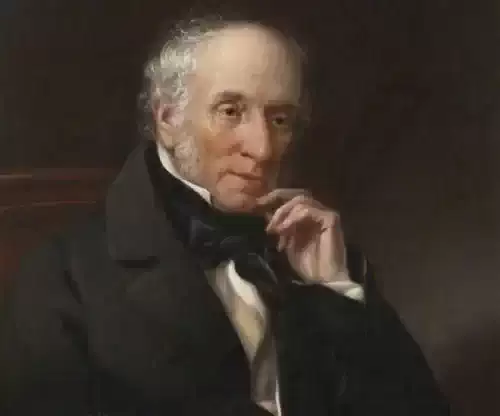
William Wordsworth
Lament of Mary Queen of Scots, on The Eve of a New Year
Lament of Mary Queen of Scots, on The Eve of a New Year
Smile of the Moon!---for I so name
That silent greeting from above;
A gentle flash of light that came
From her whom drooping captives love;
Or art thou of still higher birth?
Thou that didst part the clouds of earth,
My torpor to reprove!
Bright boon of pitying Heaven!---alas,
I may not trust thy placid cheer!
Pondering that Time tonight will pass
The threshold of another year;
For years to me are sad and dull;
My very moments are too full
Of hopelessness and fear.
And yet, the soul-awakening gleam,
That struck perchance the farthest cone
Of Scotland's rocky wilds, did seem
To visit me, and me alone;
Me, unapproached by any friend,
Save those who to my sorrow lend
Tears due unto their own.
To night the church-tower bells will ring
Through these wide realms a festire peal;
To the new year a welcoming;
A tuneful offering for the weal
Of happy millions lulled in deep;
While I am forced to watch and weep,
By wounds that may not heal.
Born all too high, by wedlock raised
Still higherÑto be cast thus low!
Would that mine eyes had never gazed
On aught of more ambitious show
Than the sweet flowerets of the fields
---It is my royal state that yields
This bitterness of woe.
Yet how?---for I, if there be truth
In the world's voice, was passing fair;
And beauty, for confiding youth,
Those shocks of passion can prepare
That kill the bloom before its time;
And blanch, without the owner's crime,
The most resplendent hair.
Unblest distinction! showered on me
To bind a lingering life in chains:
All that could quit my grasp, or flee,
Is gone;---but not the subtle stains
Fixed in the spirit; for even here
Can I be proud that jealous fear
Of what I was remains.
A Woman rules my prison's key;
A sister Queen, against the bent
O£ law and holiest sympathy,
Detains me, doubtful of the event;
Great God, who feel'st for my distress,
My thoughts are all that I possess,
O keep them innocent!
Farewell desire of human aid,
Which abject mortals vainly court!
By friends deceived, by foes betrayed,
Of fears the prey, of hopes the sport;
Nought but the world-redeeming Cross
Is able to support my loss,
My burthen to support.
Hark! the death-note of the year
Sounded by the castle-clock!
From her sunk eyes a stagnant tear
Stole forth, unsettled by the shock;
But oft the woods renewed their green,
Ere the tired head of Scotland's Queen
Reposed upon the block!
Smile of the Moon!---for I so name
That silent greeting from above;
A gentle flash of light that came
From her whom drooping captives love;
Or art thou of still higher birth?
Thou that didst part the clouds of earth,
My torpor to reprove!
Bright boon of pitying Heaven!---alas,
I may not trust thy placid cheer!
Pondering that Time tonight will pass
The threshold of another year;
For years to me are sad and dull;
My very moments are too full
Of hopelessness and fear.
And yet, the soul-awakening gleam,
That struck perchance the farthest cone
Of Scotland's rocky wilds, did seem
To visit me, and me alone;
Me, unapproached by any friend,
Save those who to my sorrow lend
Tears due unto their own.
To night the church-tower bells will ring
Through these wide realms a festire peal;
To the new year a welcoming;
A tuneful offering for the weal
Of happy millions lulled in deep;
While I am forced to watch and weep,
By wounds that may not heal.
Born all too high, by wedlock raised
Still higherÑto be cast thus low!
Would that mine eyes had never gazed
On aught of more ambitious show
Than the sweet flowerets of the fields
---It is my royal state that yields
This bitterness of woe.
Yet how?---for I, if there be truth
In the world's voice, was passing fair;
And beauty, for confiding youth,
Those shocks of passion can prepare
That kill the bloom before its time;
And blanch, without the owner's crime,
The most resplendent hair.
Unblest distinction! showered on me
To bind a lingering life in chains:
All that could quit my grasp, or flee,
Is gone;---but not the subtle stains
Fixed in the spirit; for even here
Can I be proud that jealous fear
Of what I was remains.
A Woman rules my prison's key;
A sister Queen, against the bent
O£ law and holiest sympathy,
Detains me, doubtful of the event;
Great God, who feel'st for my distress,
My thoughts are all that I possess,
O keep them innocent!
Farewell desire of human aid,
Which abject mortals vainly court!
By friends deceived, by foes betrayed,
Of fears the prey, of hopes the sport;
Nought but the world-redeeming Cross
Is able to support my loss,
My burthen to support.
Hark! the death-note of the year
Sounded by the castle-clock!
From her sunk eyes a stagnant tear
Stole forth, unsettled by the shock;
But oft the woods renewed their green,
Ere the tired head of Scotland's Queen
Reposed upon the block!
252
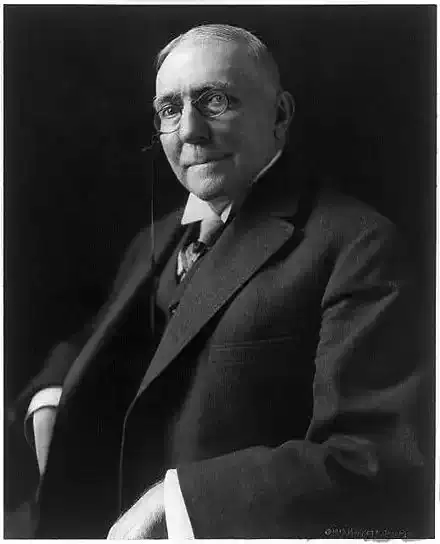
James Whitcomb Riley
A New Year's Time At Willards's
A New Year's Time At Willards's
1
The Hired Man Talks
There's old man Willards; an' his wife;
An' Marg'et-- S'repty's sister--; an'
There's me-- an' I'm the hired man;
An' Tomps McClure, you better yer life!
Well now, old Willards hain't so bad,
Considerin' the chance he's had.
Of course, he's rich, an' sleeps an' eats
Whenever he's a mind to: Takes
An' leans back in the Amen-seats
An' thanks the Lord fer all he makes--.
That's purty much all folks has got
Ag'inst the old man, like as not!
But there's his woman-- jes the turn
Of them-air two wild girls o' hern-Marg'et
an' S'repty-- allus in
Fer any cuttin'-up concern--
Church festibals, and foolishin'
Round Christmas-trees, an' New Year's sprees--
Set up to watch the Old Year go
An' New Year come-- sich things as these;
An' turkey-dinners, don't you know!
S'repty's younger, an' more gay,
An' purtier, an' finer dressed
Than Marg'et is-- but, lawzy-day!
She hain't the independentest!
'Take care!' old Willards used to say,
'Take care--! Let Marg'et have her way,
An' S'repty, you go off an' play
On your melodeum--!' But, best
Of all, comes Tomps! An' I'll be bound,
Ef he hain't jes the beatin'est
Young chap in all the country round!
Ef you knowed Tomps you'd like him, shore!
They hain't no man on top o' ground
Walks into my affections more--!
An' all the Settlement'll say
That Tomps was liked jes thataway
By ever'body, till he tuk
A shine to S'repty Willards--. Then
You'd ort'o see the old man buck
An' h'ist hisse'f, an' paw the dirt,
An' hint that 'common workin'-men
That didn't want their feelin's hurt
'Ud better hunt fer 'comp'ny' where
The folks was pore an' didn't care--!'
The pine-blank facts is--, the old man,
Last Christmas was a year ago,
Found out some presents Tomps had got
Fer S'repty, an' hit made him hot--
Set down an' tuk his pen in hand
An' writ to Tomps an' told him so
On legal cap, in white an' black,
An' give him jes to understand
'No Christmas-gifts o' 'lily-white'
An' bear's-ile could fix matters right,'
An' wropped 'em up an' sent 'em back!
Well, S'repty cried an' snuffled round
Consid'able. But Marg'et she
Toed out another sock, an' wound
Her knittin' up, an' drawed the tea,
An' then set on the supper-things,
An' went up in the loft an' dressed--
An' through it all you'd never guessed
What she was up to! An' she brings
Her best hat with her an her shawl,
An' gloves, an' redicule, an' all,
An' injirubbers, an' comes down
An' tells 'em she's a-goin' to town
To he'p the Christmas goin's-on
Her Church got up. An' go she does--
The best hosswoman ever was!
'An' what'll We do while you're gone?'
The old man says, a-tryin' to be
Agreeable. 'Oh! You?' says she--,
'You kin jaw S'repty, like you did,
An' slander Tomps!' An' off she rid!
Now, this is all I'm goin' to tell
Of this-here story-- that is, I
Have done my very level best
As fur as this, an' here I 'dwell,'
As auctioneers says, winkin' sly:
Hit's old man Willards tells the rest.
2
The Old Man Talks
Adzackly jes one year ago,
This New Year's day, Tomps comes to me--
In my own house, an' whilse the folks
Was gittin' dinner--, an' he pokes
His nose right in, an' says, says he:
'I got yer note-- an' read it slow!
You don't like me, ner I don't you,'
He says--, 'we're even there, you know!
But you've said, furder that no gal
Of yourn kin marry me, er shall,
An' I'd best shet off comin', too!'
An' then he says--, 'Well, them's Your views--;
But havin' talked with S'repty, we
Have both agreed to disagree
With your peculiar notions-- some;
An', that s the reason, I refuse
To quit a-comin' here, but come--
Not fer to threat, ner raise no skeer
An' spile yer turkey-dinner here--,
But jes fer S'repty's sake, to sheer
Yer New Year's. Shall I take a cheer?'
Well, blame-don! Ef I ever see
Sich impidence! I couldn't say
Not nary word! But Mother she
Sot out a cheer fer Tomps, an' they
Shuk hands an' turnt their back on me.
Then I riz-- mad as mad could be--!
But Marg'et says--, 'Now, Pap! You set
Right where you're settin'--! Don't you fret!
An' Tomps-- you warm yer feet!' says she,
'An throw yer mitts an' comfert on
The bed there! Where is S'repty gone!
The cabbage is a-scortchin'! Ma,
Stop cryin' there an' stir the slaw!'
Well--! What was Mother cryin' fer--?
I half riz up-- but Marg'et's chin
Hit squared-- an' I set down ag'in--
I allus was afeard o' her,
I was, by jucks! So there I set,
Betwixt a sinkin'-chill an' sweat,
An' scuffled with my wrath, an' shet
My teeth to mighty tight, you bet!
An' yit, fer all that I could do,
I eeched to jes git up an' whet
The carvin'-knife a rasp er two
On Tomps's ribs-- an' so would you--!
Fer he had riz an' faced around,
An' stood there, smilin', as they brung
The turkey in, all stuffed an' browned--
Too sweet fer nose, er tooth, er tongue!
With sniffs o' sage, an' p'r'aps a dash
Of old burnt brandy, steamin'-hot
Mixed kindo' in with apple-mash
An' mince-meat, an' the Lord knows what!
Nobody was a-talkin' then,
To 'filiate any awk'ardness--
No noise o' any kind but jes
The rattle o' the dishes when
They'd fetch 'em in an' set 'em down,
An' fix an' change 'em round an' round,
Like women does-- till Mother says--,
'Vittels is ready; Abner, call
Down S'repty-- she's up-stairs, I guess--.'
And Marg'et she says, 'Ef you bawl
Like that, she'll not come down at all!
Besides, we needn't wait till she
Gits down! Here Temps, set down by me,
An' Pap: say grace...!' Well, there I was--!
What could I do! I drapped my head
Behind my fists an' groaned; an' said--:
'Indulgent Parent! In Thy cause
We bow the head an' bend the knee
An' break the bread, an' pour the wine,
Feelin'--' (The stair-door suddently
Went bang! An' S'repty flounced by me--)
'Feelin',' I says, 'this feast is Thine--
This New Year's feast--' an' rap-rap-rap!
Went Marg'ets case-knife on her plate--
An' next, I heerd a sasser drap--,
Then I looked up, an' strange to state,
There S'repty set in Tomps lap--
An' huggin' him, as shore as fate!
An' Mother kissin' him k-slap!
An' Marg'et-- she chips in to drap
The ruther peert remark to me--:
'That 'grace' o' yourn,' she says, 'won't 'gee'--
This hain't no 'New Year's feast,'' says she--,
'This is a' Infair-Dinner, Pap!'
An' so it was--! Be'n married fer
Purt' nigh a week--! 'Twas Marg'et planned
The whole thing fer 'em, through an' through.
I'm rickonciled; an' understand,
I take things jes as they occur--,
Ef Marg'et liked Tomps, Tomps 'ud do--!
But I-says-I, a-holt his hand--,
'I'm glad you didn't marry Her-'
Cause Marg'et's my guardeen-- yes-sir--!
An' S'repty's good enough fer you!'
1
The Hired Man Talks
There's old man Willards; an' his wife;
An' Marg'et-- S'repty's sister--; an'
There's me-- an' I'm the hired man;
An' Tomps McClure, you better yer life!
Well now, old Willards hain't so bad,
Considerin' the chance he's had.
Of course, he's rich, an' sleeps an' eats
Whenever he's a mind to: Takes
An' leans back in the Amen-seats
An' thanks the Lord fer all he makes--.
That's purty much all folks has got
Ag'inst the old man, like as not!
But there's his woman-- jes the turn
Of them-air two wild girls o' hern-Marg'et
an' S'repty-- allus in
Fer any cuttin'-up concern--
Church festibals, and foolishin'
Round Christmas-trees, an' New Year's sprees--
Set up to watch the Old Year go
An' New Year come-- sich things as these;
An' turkey-dinners, don't you know!
S'repty's younger, an' more gay,
An' purtier, an' finer dressed
Than Marg'et is-- but, lawzy-day!
She hain't the independentest!
'Take care!' old Willards used to say,
'Take care--! Let Marg'et have her way,
An' S'repty, you go off an' play
On your melodeum--!' But, best
Of all, comes Tomps! An' I'll be bound,
Ef he hain't jes the beatin'est
Young chap in all the country round!
Ef you knowed Tomps you'd like him, shore!
They hain't no man on top o' ground
Walks into my affections more--!
An' all the Settlement'll say
That Tomps was liked jes thataway
By ever'body, till he tuk
A shine to S'repty Willards--. Then
You'd ort'o see the old man buck
An' h'ist hisse'f, an' paw the dirt,
An' hint that 'common workin'-men
That didn't want their feelin's hurt
'Ud better hunt fer 'comp'ny' where
The folks was pore an' didn't care--!'
The pine-blank facts is--, the old man,
Last Christmas was a year ago,
Found out some presents Tomps had got
Fer S'repty, an' hit made him hot--
Set down an' tuk his pen in hand
An' writ to Tomps an' told him so
On legal cap, in white an' black,
An' give him jes to understand
'No Christmas-gifts o' 'lily-white'
An' bear's-ile could fix matters right,'
An' wropped 'em up an' sent 'em back!
Well, S'repty cried an' snuffled round
Consid'able. But Marg'et she
Toed out another sock, an' wound
Her knittin' up, an' drawed the tea,
An' then set on the supper-things,
An' went up in the loft an' dressed--
An' through it all you'd never guessed
What she was up to! An' she brings
Her best hat with her an her shawl,
An' gloves, an' redicule, an' all,
An' injirubbers, an' comes down
An' tells 'em she's a-goin' to town
To he'p the Christmas goin's-on
Her Church got up. An' go she does--
The best hosswoman ever was!
'An' what'll We do while you're gone?'
The old man says, a-tryin' to be
Agreeable. 'Oh! You?' says she--,
'You kin jaw S'repty, like you did,
An' slander Tomps!' An' off she rid!
Now, this is all I'm goin' to tell
Of this-here story-- that is, I
Have done my very level best
As fur as this, an' here I 'dwell,'
As auctioneers says, winkin' sly:
Hit's old man Willards tells the rest.
2
The Old Man Talks
Adzackly jes one year ago,
This New Year's day, Tomps comes to me--
In my own house, an' whilse the folks
Was gittin' dinner--, an' he pokes
His nose right in, an' says, says he:
'I got yer note-- an' read it slow!
You don't like me, ner I don't you,'
He says--, 'we're even there, you know!
But you've said, furder that no gal
Of yourn kin marry me, er shall,
An' I'd best shet off comin', too!'
An' then he says--, 'Well, them's Your views--;
But havin' talked with S'repty, we
Have both agreed to disagree
With your peculiar notions-- some;
An', that s the reason, I refuse
To quit a-comin' here, but come--
Not fer to threat, ner raise no skeer
An' spile yer turkey-dinner here--,
But jes fer S'repty's sake, to sheer
Yer New Year's. Shall I take a cheer?'
Well, blame-don! Ef I ever see
Sich impidence! I couldn't say
Not nary word! But Mother she
Sot out a cheer fer Tomps, an' they
Shuk hands an' turnt their back on me.
Then I riz-- mad as mad could be--!
But Marg'et says--, 'Now, Pap! You set
Right where you're settin'--! Don't you fret!
An' Tomps-- you warm yer feet!' says she,
'An throw yer mitts an' comfert on
The bed there! Where is S'repty gone!
The cabbage is a-scortchin'! Ma,
Stop cryin' there an' stir the slaw!'
Well--! What was Mother cryin' fer--?
I half riz up-- but Marg'et's chin
Hit squared-- an' I set down ag'in--
I allus was afeard o' her,
I was, by jucks! So there I set,
Betwixt a sinkin'-chill an' sweat,
An' scuffled with my wrath, an' shet
My teeth to mighty tight, you bet!
An' yit, fer all that I could do,
I eeched to jes git up an' whet
The carvin'-knife a rasp er two
On Tomps's ribs-- an' so would you--!
Fer he had riz an' faced around,
An' stood there, smilin', as they brung
The turkey in, all stuffed an' browned--
Too sweet fer nose, er tooth, er tongue!
With sniffs o' sage, an' p'r'aps a dash
Of old burnt brandy, steamin'-hot
Mixed kindo' in with apple-mash
An' mince-meat, an' the Lord knows what!
Nobody was a-talkin' then,
To 'filiate any awk'ardness--
No noise o' any kind but jes
The rattle o' the dishes when
They'd fetch 'em in an' set 'em down,
An' fix an' change 'em round an' round,
Like women does-- till Mother says--,
'Vittels is ready; Abner, call
Down S'repty-- she's up-stairs, I guess--.'
And Marg'et she says, 'Ef you bawl
Like that, she'll not come down at all!
Besides, we needn't wait till she
Gits down! Here Temps, set down by me,
An' Pap: say grace...!' Well, there I was--!
What could I do! I drapped my head
Behind my fists an' groaned; an' said--:
'Indulgent Parent! In Thy cause
We bow the head an' bend the knee
An' break the bread, an' pour the wine,
Feelin'--' (The stair-door suddently
Went bang! An' S'repty flounced by me--)
'Feelin',' I says, 'this feast is Thine--
This New Year's feast--' an' rap-rap-rap!
Went Marg'ets case-knife on her plate--
An' next, I heerd a sasser drap--,
Then I looked up, an' strange to state,
There S'repty set in Tomps lap--
An' huggin' him, as shore as fate!
An' Mother kissin' him k-slap!
An' Marg'et-- she chips in to drap
The ruther peert remark to me--:
'That 'grace' o' yourn,' she says, 'won't 'gee'--
This hain't no 'New Year's feast,'' says she--,
'This is a' Infair-Dinner, Pap!'
An' so it was--! Be'n married fer
Purt' nigh a week--! 'Twas Marg'et planned
The whole thing fer 'em, through an' through.
I'm rickonciled; an' understand,
I take things jes as they occur--,
Ef Marg'et liked Tomps, Tomps 'ud do--!
But I-says-I, a-holt his hand--,
'I'm glad you didn't marry Her-'
Cause Marg'et's my guardeen-- yes-sir--!
An' S'repty's good enough fer you!'
268

Robert W. Service
The Passing Of The Year
The Passing Of The Year
My glass is filled, my pipe is lit,
My den is all a cosy glow;
And snug before the fire I sit,
And wait to feel the old year go.
I dedicate to solemn thought
Amid my too-unthinking days,
This sober moment, sadly fraught
With much of blame, with little praise.
Old Year! upon the Stage of Time
You stand to bow your last adieu;
A moment, and the prompter's chime
Will ring the curtain down on you.
Your mien is sad, your step is slow;
You falter as a Sage in pain;
Yet turn, Old Year, before you go,
And face your audience again.
That sphinx-like face, remote, austere,
Let us all read, whate'er the cost:
O Maiden! why that bitter tear?
Is it for dear one you have lost?
Is it for fond illusion gone?
For trusted lover proved untrue?
O sweet girl-face, so sad, so wan
What hath the Old Year meant to you?
And you, O neighbour on my right
So sleek, so prosperously clad!
What see you in that aged wight
That makes your smile so gay and glad?
What opportunity unmissed?
What golden gain, what pride of place?
What splendid hope? O Optimist!
What read you in that withered face?
And You, deep shrinking in the gloom,
What find you in that filmy gaze?
What menace of a tragic doom?
What dark, condemning yesterdays?
What urge to crime, what evil done?
What cold, confronting shape of fear?
O haggard, haunted, hidden One
What see you in the dying year?
And so from face to face I flit,
The countless eyes that stare and stare;
Some are with approbation lit,
And some are shadowed with despair.
Some show a smile and some a frown;
Some joy and hope, some pain and woe:
Enough! Oh, ring the curtain down!
Old weary year! it's time to go.
My pipe is out, my glass is dry;
My fire is almost ashes too;
But once again, before you go,
And I prepare to meet the New:
Old Year! a parting word that's true,
For we've been comrades, you and I --
I thank God for each day of you;
There! bless you now! Old Year, good-bye!
My glass is filled, my pipe is lit,
My den is all a cosy glow;
And snug before the fire I sit,
And wait to feel the old year go.
I dedicate to solemn thought
Amid my too-unthinking days,
This sober moment, sadly fraught
With much of blame, with little praise.
Old Year! upon the Stage of Time
You stand to bow your last adieu;
A moment, and the prompter's chime
Will ring the curtain down on you.
Your mien is sad, your step is slow;
You falter as a Sage in pain;
Yet turn, Old Year, before you go,
And face your audience again.
That sphinx-like face, remote, austere,
Let us all read, whate'er the cost:
O Maiden! why that bitter tear?
Is it for dear one you have lost?
Is it for fond illusion gone?
For trusted lover proved untrue?
O sweet girl-face, so sad, so wan
What hath the Old Year meant to you?
And you, O neighbour on my right
So sleek, so prosperously clad!
What see you in that aged wight
That makes your smile so gay and glad?
What opportunity unmissed?
What golden gain, what pride of place?
What splendid hope? O Optimist!
What read you in that withered face?
And You, deep shrinking in the gloom,
What find you in that filmy gaze?
What menace of a tragic doom?
What dark, condemning yesterdays?
What urge to crime, what evil done?
What cold, confronting shape of fear?
O haggard, haunted, hidden One
What see you in the dying year?
And so from face to face I flit,
The countless eyes that stare and stare;
Some are with approbation lit,
And some are shadowed with despair.
Some show a smile and some a frown;
Some joy and hope, some pain and woe:
Enough! Oh, ring the curtain down!
Old weary year! it's time to go.
My pipe is out, my glass is dry;
My fire is almost ashes too;
But once again, before you go,
And I prepare to meet the New:
Old Year! a parting word that's true,
For we've been comrades, you and I --
I thank God for each day of you;
There! bless you now! Old Year, good-bye!
193
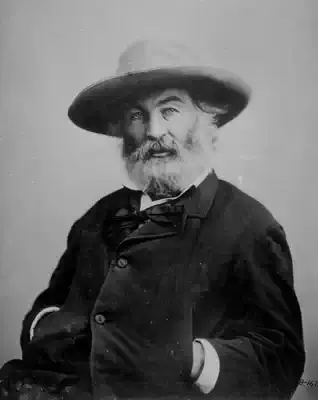
Walt Whitman
Years Of The Modern
Years Of The Modern
YEARS of the modern! years of the unperform'd!
Your horizon rises--I see it parting away for more august dramas;
I see not America only--I see not only Liberty's nation, but other
nations preparing;
I see tremendous entrances and exits--I see new combinations--I see
the solidarity of races;
I see that force advancing with irresistible power on the world's
stage;
(Have the old forces, the old wars, played their parts? are the acts
suitable to them closed?)
I see Freedom, completely arm'd, and victorious, and very haughty,
with Law on one side, and Peace on the other,
A stupendous Trio, all issuing forth against the idea of caste;
--What historic denouements are these we so rapidly approach?
I see men marching and countermarching by swift millions; 10
I see the frontiers and boundaries of the old aristocracies broken;
I see the landmarks of European kings removed;
I see this day the People beginning their landmarks, (all others give
way;)
--Never were such sharp questions ask'd as this day;
Never was average man, his soul, more energetic, more like a God;
Lo! how he urges and urges, leaving the masses no rest;
His daring foot is on land and sea everywhere--he colonizes the
Pacific, the archipelagoes;
With the steam-ship, the electric telegraph, the newspaper, the
wholesale engines of war,
With these, and the world-spreading factories, he interlinks all
geography, all lands;
--What whispers are these, O lands, running ahead of you, passing
under the seas? 20
Are all nations communing? is there going to be but one heart to the
globe?
Is humanity forming, en-masse?--for lo! tyrants tremble, crowns grow
dim;
The earth, restive, confronts a new era, perhaps a general divine
war;
No one knows what will happen next--such portents fill the days and
nights;
Years prophetical! the space ahead as I walk, as I vainly try to
pierce it, is full of phantoms;
Unborn deeds, things soon to be, project their shapes around me;
This incredible rush and heat--this strange extatic fever of dreams,
O years!
Your dreams, O year, how they penetrate through me! (I know not
whether I sleep or wake!)
The perform'd America and Europe grow dim, retiring in shadow behind
me,
The unperform'd, more gigantic than ever, advance, advance upon
me. 30
YEARS of the modern! years of the unperform'd!
Your horizon rises--I see it parting away for more august dramas;
I see not America only--I see not only Liberty's nation, but other
nations preparing;
I see tremendous entrances and exits--I see new combinations--I see
the solidarity of races;
I see that force advancing with irresistible power on the world's
stage;
(Have the old forces, the old wars, played their parts? are the acts
suitable to them closed?)
I see Freedom, completely arm'd, and victorious, and very haughty,
with Law on one side, and Peace on the other,
A stupendous Trio, all issuing forth against the idea of caste;
--What historic denouements are these we so rapidly approach?
I see men marching and countermarching by swift millions; 10
I see the frontiers and boundaries of the old aristocracies broken;
I see the landmarks of European kings removed;
I see this day the People beginning their landmarks, (all others give
way;)
--Never were such sharp questions ask'd as this day;
Never was average man, his soul, more energetic, more like a God;
Lo! how he urges and urges, leaving the masses no rest;
His daring foot is on land and sea everywhere--he colonizes the
Pacific, the archipelagoes;
With the steam-ship, the electric telegraph, the newspaper, the
wholesale engines of war,
With these, and the world-spreading factories, he interlinks all
geography, all lands;
--What whispers are these, O lands, running ahead of you, passing
under the seas? 20
Are all nations communing? is there going to be but one heart to the
globe?
Is humanity forming, en-masse?--for lo! tyrants tremble, crowns grow
dim;
The earth, restive, confronts a new era, perhaps a general divine
war;
No one knows what will happen next--such portents fill the days and
nights;
Years prophetical! the space ahead as I walk, as I vainly try to
pierce it, is full of phantoms;
Unborn deeds, things soon to be, project their shapes around me;
This incredible rush and heat--this strange extatic fever of dreams,
O years!
Your dreams, O year, how they penetrate through me! (I know not
whether I sleep or wake!)
The perform'd America and Europe grow dim, retiring in shadow behind
me,
The unperform'd, more gigantic than ever, advance, advance upon
me. 30
393
Robert W. Service
New Year's Eve
New Year's Eve
It's cruel cold on the water-front, silent and dark and drear;
Only the black tide weltering, only the hissing snow;
And I, alone, like a storm-tossed wreck, on this night of the glad New Year,
Shuffling along in the icy wind, ghastly and gaunt and slow.
They're playing a tune in McGuffy's saloon, and it's cheery and bright in there
(God! but I'm weak -- since the bitter dawn, and never a bite of food);
I'll just go over and slip inside -- I mustn't give way to despair -Perhaps
I can bum a little booze if the boys are feeling good.
They'll jeer at me, and they'll sneer at me, and they'll call me a whiskey soak;
("Have a drink? Well, thankee kindly, sir, I don't mind if I do.")
A drivelling, dirty, gin-joint fiend, the butt of the bar-room joke;
Sunk and sodden and hopeless -- "Another? Well, here's to you!"
McGuffy is showing a bunch of the boys how Bob Fitzsimmons hit;
The barman is talking of Tammany Hall, and why the ward boss got fired.
I'll just sneak into a corner and they'll let me alone a bit;
The room is reeling round and round . . .O God! but I'm tired, I'm tired. . . .
* * * * *
Roses she wore on her breast that night. Oh, but their scent was sweet!
Alone we sat on the balcony, and the fan-palms arched above;
The witching strain of a waltz by Strauss came up to our cool retreat,
And I prisoned her little hand in mine, and I whispered my plea of love.
Then sudden the laughter died on her lips, and lowly she bent her head;
And oh, there came in the deep, dark eyes a look that was heaven to see;
And the moments went, and I waited there, and never a word was said,
And she plucked from her bosom a rose of red and shyly gave it to me.
Then the music swelled to a crash of joy, and the lights blazed up like day,
And I held her fast to my throbbing heart, and I kissed her bonny brow.
"She is mine, she is mine for evermore!" the violins seemed to say,
And the bells were ringing the New Year in -- O God! I can hear them now.
Don't you remember that long, last waltz, with its sobbing, sad refrain?
Don't you remember that last good-by, and the dear eyes dim with tears?
Don't you remember that golden dream, with never a hint of pain,
Of lives that would blend like an angel-song in the bliss of the coming years?
Oh, what have I lost! What have I lost! Ethel, forgive, forgive!
The red, red rose is faded now, and it's fifty years ago.
'Twere better to die a thousand deaths than live each day as I live!
I have sinned, I have sunk to the lowest depths -- but oh, I have suffered so!
Hark! Oh, hark! I can hear the bells! . . . Look! I can see her there,
Fair as a dream . . . but it fades . . . And now -- I can hear the dreadful hum
Of the crowded court . . . See! the Judge looks down . . .
NOT GUILTY, my Lord, I swear . . .
The bells -- I can hear the bells again! . . . Ethel, I come, I come! . . .
* * * * *
"Rouse up, old man, it's twelve o'clock. You can't sleep here, you know.
Say! ain't you got no sentiment? Lift up your muddled head;
Have a drink to the glad New Year, a drop before you go -You
darned old dirty hobo . . . My God! Here, boys! He's DEAD!"
It's cruel cold on the water-front, silent and dark and drear;
Only the black tide weltering, only the hissing snow;
And I, alone, like a storm-tossed wreck, on this night of the glad New Year,
Shuffling along in the icy wind, ghastly and gaunt and slow.
They're playing a tune in McGuffy's saloon, and it's cheery and bright in there
(God! but I'm weak -- since the bitter dawn, and never a bite of food);
I'll just go over and slip inside -- I mustn't give way to despair -Perhaps
I can bum a little booze if the boys are feeling good.
They'll jeer at me, and they'll sneer at me, and they'll call me a whiskey soak;
("Have a drink? Well, thankee kindly, sir, I don't mind if I do.")
A drivelling, dirty, gin-joint fiend, the butt of the bar-room joke;
Sunk and sodden and hopeless -- "Another? Well, here's to you!"
McGuffy is showing a bunch of the boys how Bob Fitzsimmons hit;
The barman is talking of Tammany Hall, and why the ward boss got fired.
I'll just sneak into a corner and they'll let me alone a bit;
The room is reeling round and round . . .O God! but I'm tired, I'm tired. . . .
* * * * *
Roses she wore on her breast that night. Oh, but their scent was sweet!
Alone we sat on the balcony, and the fan-palms arched above;
The witching strain of a waltz by Strauss came up to our cool retreat,
And I prisoned her little hand in mine, and I whispered my plea of love.
Then sudden the laughter died on her lips, and lowly she bent her head;
And oh, there came in the deep, dark eyes a look that was heaven to see;
And the moments went, and I waited there, and never a word was said,
And she plucked from her bosom a rose of red and shyly gave it to me.
Then the music swelled to a crash of joy, and the lights blazed up like day,
And I held her fast to my throbbing heart, and I kissed her bonny brow.
"She is mine, she is mine for evermore!" the violins seemed to say,
And the bells were ringing the New Year in -- O God! I can hear them now.
Don't you remember that long, last waltz, with its sobbing, sad refrain?
Don't you remember that last good-by, and the dear eyes dim with tears?
Don't you remember that golden dream, with never a hint of pain,
Of lives that would blend like an angel-song in the bliss of the coming years?
Oh, what have I lost! What have I lost! Ethel, forgive, forgive!
The red, red rose is faded now, and it's fifty years ago.
'Twere better to die a thousand deaths than live each day as I live!
I have sinned, I have sunk to the lowest depths -- but oh, I have suffered so!
Hark! Oh, hark! I can hear the bells! . . . Look! I can see her there,
Fair as a dream . . . but it fades . . . And now -- I can hear the dreadful hum
Of the crowded court . . . See! the Judge looks down . . .
NOT GUILTY, my Lord, I swear . . .
The bells -- I can hear the bells again! . . . Ethel, I come, I come! . . .
* * * * *
"Rouse up, old man, it's twelve o'clock. You can't sleep here, you know.
Say! ain't you got no sentiment? Lift up your muddled head;
Have a drink to the glad New Year, a drop before you go -You
darned old dirty hobo . . . My God! Here, boys! He's DEAD!"
236
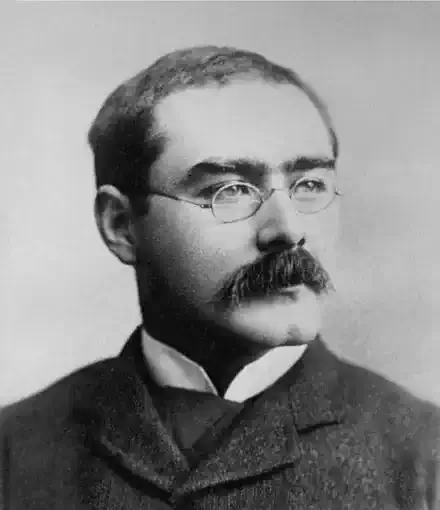
Rudyard Kipling
The Rupaiyat of Omar Kal'vin
The Rupaiyat of Omar Kal'vin
Allowing for the difference 'twixt prose and rhymed exaggeration, this ought to
reproduce the sense of what Sir A-- told the nation sometime ago, when the
Government struck from our incomes two per cent.
Now the New Year, reviving last Year's Debt,
The Thoughtful Fisher casteth wide his Net;
So I with begging Dish and ready Tongue
Assail all Men for all that I can get.
Imports indeed are gone with all their Dues --
Lo! Salt a Lever that I dare not use,
Nor may I ask the Tillers in Bengal --
Surely my Kith and Kin will not refuse!
Pay -- and I promise by the Dust of Spring,
Retrenchment. If my promises can bring
Comfort, Ye have Them now a thousandfold --
By Allah! I will promise Anything!
Indeed, indeed, Retrenchment oft before
I swore -- but did I mean it when I swore?
And then, and then, We wandered to the Hills,
And so the Little Less became Much More.
Whether a Boileaugunge or Babylon,
I know not how the wretched Thing is done,
The Items of Receipt grow surely small;
The Items of Expense mount one by one.
I cannot help it. What have I to do
With One and Five, or Four, or Three, or Two?
Let Scribes spit Blood and Sulphur as they please,
Or Statesmen call me foolish -- Heed not you.
Behold, I promise -- Anything You will.
Behold, I greet you with an empty Till --
Ah! Fellow-Sinners, of your Charity
Seek not the Reason of the Dearth, but fill.
For if I sinned and fell, where lies the Gain
Of Knowledge? Would it ease you of your Pain
To know the tangled Threads of Revenue,
I ravel deeper in a hopeless Skein?
"Who hath not Prudence" -- what was it I said,
Of Her who paints her Eyes and tires Her Head,
And gibes and mocks and People in the Street,
And fawns upon them for Her thriftless Bread?
Accursed is She of Eve's daughters -- She
Hath cast off Prudence, and Her End shall be
Destruction . . . Brethren, of your Bounty
Some portion of your daily Bread to Me.
Allowing for the difference 'twixt prose and rhymed exaggeration, this ought to
reproduce the sense of what Sir A-- told the nation sometime ago, when the
Government struck from our incomes two per cent.
Now the New Year, reviving last Year's Debt,
The Thoughtful Fisher casteth wide his Net;
So I with begging Dish and ready Tongue
Assail all Men for all that I can get.
Imports indeed are gone with all their Dues --
Lo! Salt a Lever that I dare not use,
Nor may I ask the Tillers in Bengal --
Surely my Kith and Kin will not refuse!
Pay -- and I promise by the Dust of Spring,
Retrenchment. If my promises can bring
Comfort, Ye have Them now a thousandfold --
By Allah! I will promise Anything!
Indeed, indeed, Retrenchment oft before
I swore -- but did I mean it when I swore?
And then, and then, We wandered to the Hills,
And so the Little Less became Much More.
Whether a Boileaugunge or Babylon,
I know not how the wretched Thing is done,
The Items of Receipt grow surely small;
The Items of Expense mount one by one.
I cannot help it. What have I to do
With One and Five, or Four, or Three, or Two?
Let Scribes spit Blood and Sulphur as they please,
Or Statesmen call me foolish -- Heed not you.
Behold, I promise -- Anything You will.
Behold, I greet you with an empty Till --
Ah! Fellow-Sinners, of your Charity
Seek not the Reason of the Dearth, but fill.
For if I sinned and fell, where lies the Gain
Of Knowledge? Would it ease you of your Pain
To know the tangled Threads of Revenue,
I ravel deeper in a hopeless Skein?
"Who hath not Prudence" -- what was it I said,
Of Her who paints her Eyes and tires Her Head,
And gibes and mocks and People in the Street,
And fawns upon them for Her thriftless Bread?
Accursed is She of Eve's daughters -- She
Hath cast off Prudence, and Her End shall be
Destruction . . . Brethren, of your Bounty
Some portion of your daily Bread to Me.
408

Ella Wheeler Wilcox
The Christian’s New Year Prayer
The Christian’s New Year Prayer
Thou Christ of mine, Thy gracious ear low bending
Through these glad New Year days,
To catch the countless prayers to heaven ascending –
For e’en hard hearts do raise
Some secret wish for fame, or gold, or power,
Or freedom from all care –
Dear, patient Christ, who listeneth hour on hour,
Hear now a Christian’s prayer.
Let this young year, silent, walks beside me,
Be as a means of grace
To lead me up, no matter what betide me,
Nearer the Master’s face.
If it need be ere I reach the Fountain
Where living waters play,
My feet should bleed from sharp stones on the mountain,
Then cast them in my way.
If my vain soul needs blows and bitter losses
To shape it for Thy crown,
Then bruise it, burn it, burden it with crosses,
With sorrows bear it down.
Do what Thou wilt to mould me to Thy pleasure,
And if I should complain,
Heap full of anguish yet another measure
Until I smile at pain.
Send dangers – deaths! but tell me how to dare them;
Enfold me in Thy care.
Send trials, tears! but give me strength to bear them –
This is a Christian’s prayer.
Thou Christ of mine, Thy gracious ear low bending
Through these glad New Year days,
To catch the countless prayers to heaven ascending –
For e’en hard hearts do raise
Some secret wish for fame, or gold, or power,
Or freedom from all care –
Dear, patient Christ, who listeneth hour on hour,
Hear now a Christian’s prayer.
Let this young year, silent, walks beside me,
Be as a means of grace
To lead me up, no matter what betide me,
Nearer the Master’s face.
If it need be ere I reach the Fountain
Where living waters play,
My feet should bleed from sharp stones on the mountain,
Then cast them in my way.
If my vain soul needs blows and bitter losses
To shape it for Thy crown,
Then bruise it, burn it, burden it with crosses,
With sorrows bear it down.
Do what Thou wilt to mould me to Thy pleasure,
And if I should complain,
Heap full of anguish yet another measure
Until I smile at pain.
Send dangers – deaths! but tell me how to dare them;
Enfold me in Thy care.
Send trials, tears! but give me strength to bear them –
This is a Christian’s prayer.
304
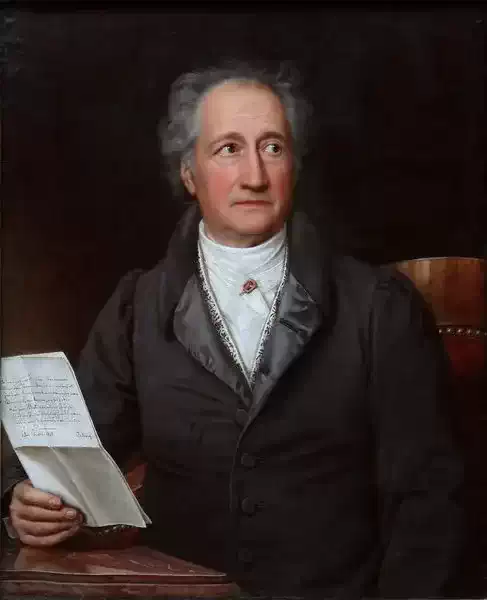
Johann Wolfgang Von Goethe
On The New Year
On The New Year
FATE now allows us,
'Twixt the departing
And the upstarting,
Happy to be;
And at the call of
Memory cherish'd,
Future and perish'd
Moments we see.
Seasons of anguish,--
Ah, they must ever
Truth from woe sever,
Love and joy part;
Days still more worthy
Soon will unite us,
Fairer songs light us,
Strength'ning the heart.
We, thus united,
Think of, with gladness,
Rapture and sadness,
Sorrow now flies.
Oh, how mysterious
Fortune's direction!
Old the connection,
New-born the prize!
Thank, for this, Fortune,
Wavering blindly!
Thank all that kindly
Fate may bestow!
Revel in change's
Impulses clearer,
Love far sincerer,
More heartfelt glow!
Over the old one,
Wrinkles collected,
Sad and dejected,
Others may view;
But, on us gently
Shineth a true one,
And to the new one
We, too, are new.
As a fond couple
'Midst the dance veering,
First disappearing,
Then reappear,
So let affection
Guide thro' life's mazy
Pathways so hazy
Into the year!
FATE now allows us,
'Twixt the departing
And the upstarting,
Happy to be;
And at the call of
Memory cherish'd,
Future and perish'd
Moments we see.
Seasons of anguish,--
Ah, they must ever
Truth from woe sever,
Love and joy part;
Days still more worthy
Soon will unite us,
Fairer songs light us,
Strength'ning the heart.
We, thus united,
Think of, with gladness,
Rapture and sadness,
Sorrow now flies.
Oh, how mysterious
Fortune's direction!
Old the connection,
New-born the prize!
Thank, for this, Fortune,
Wavering blindly!
Thank all that kindly
Fate may bestow!
Revel in change's
Impulses clearer,
Love far sincerer,
More heartfelt glow!
Over the old one,
Wrinkles collected,
Sad and dejected,
Others may view;
But, on us gently
Shineth a true one,
And to the new one
We, too, are new.
As a fond couple
'Midst the dance veering,
First disappearing,
Then reappear,
So let affection
Guide thro' life's mazy
Pathways so hazy
Into the year!
364

Paul Laurence Dunbar
Signs of the Times
Signs of the Times
Air a-gittin' cool an' coolah,
Frost a-comin' in de night,
Hicka' nuts an' wa'nuts fallin',
Possum keepin' out o' sight.
Tu'key struttin' in de ba'nya'd,
Nary a step so proud ez his;
Keep on struttin', Mistah Tu'key,
Yo' do' know whut time it is.
Cidah press commence a-squeakin'
Eatin' apples sto'ed away,
Chillun swa'min' 'roun' lak ho'nets,
Huntin' aigs ermung de hay.
Mistah Tu'key keep on gobblin'
At de geese a-flyin' souf,
Oomph! dat bird do' know whut's comin';
Ef he did he'd shet his mouf.
Pumpkin gittin' good an' yallah
Mek me open up my eyes;
Seems lak it's a-lookin' at me
Jes' a-la'in' dah sayin' "Pies."
Tu'key gobbler gwine 'roun' blowin',
Gwine 'roun' gibbin' sass an' slack;
Keep on talkin', Mistah Tu'key,
You ain't seed no almanac.
Fa'mer walkin' th'oo de ba'nya'd
Seein' how things is comin' on,
Sees ef all de fowls is fatt'nin' --
Good times comin' sho's you bo'n.
Hyeahs dat tu'key gobbler braggin',
Den his face break in a smile --
Nebbah min', you sassy rascal,
He's gwine nab you atter while.
Choppin' suet in de kitchen,
Stonin' raisins in de hall,
Beef a-cookin' fu' de mince meat,
Spices groun' -- I smell 'em all.
Look hyeah, Tu'key, stop dat gobblin',
You ain' luned de sense ob feah,
You ol' fool, yo' naik's in dangah,
Do' you know Thanksgibbin's hyeah?
Air a-gittin' cool an' coolah,
Frost a-comin' in de night,
Hicka' nuts an' wa'nuts fallin',
Possum keepin' out o' sight.
Tu'key struttin' in de ba'nya'd,
Nary a step so proud ez his;
Keep on struttin', Mistah Tu'key,
Yo' do' know whut time it is.
Cidah press commence a-squeakin'
Eatin' apples sto'ed away,
Chillun swa'min' 'roun' lak ho'nets,
Huntin' aigs ermung de hay.
Mistah Tu'key keep on gobblin'
At de geese a-flyin' souf,
Oomph! dat bird do' know whut's comin';
Ef he did he'd shet his mouf.
Pumpkin gittin' good an' yallah
Mek me open up my eyes;
Seems lak it's a-lookin' at me
Jes' a-la'in' dah sayin' "Pies."
Tu'key gobbler gwine 'roun' blowin',
Gwine 'roun' gibbin' sass an' slack;
Keep on talkin', Mistah Tu'key,
You ain't seed no almanac.
Fa'mer walkin' th'oo de ba'nya'd
Seein' how things is comin' on,
Sees ef all de fowls is fatt'nin' --
Good times comin' sho's you bo'n.
Hyeahs dat tu'key gobbler braggin',
Den his face break in a smile --
Nebbah min', you sassy rascal,
He's gwine nab you atter while.
Choppin' suet in de kitchen,
Stonin' raisins in de hall,
Beef a-cookin' fu' de mince meat,
Spices groun' -- I smell 'em all.
Look hyeah, Tu'key, stop dat gobblin',
You ain' luned de sense ob feah,
You ol' fool, yo' naik's in dangah,
Do' you know Thanksgibbin's hyeah?
459
Arthur Rimbaud
Parisian War Song
Parisian War Song
Spring is evidently here;
for the ascent of Thiers
and Picard from the green Estates lays
its splendours wide open! O May!
What delirious bare bums!
O Sevres Meudon, Bagneux, Asnieres,
listen now to the welcome arrivals
scattering springtime joys!
They have shakos, and sabers, and tom-toms,
and none of the old candleboxes;
and skiffs which have nev… nev..
are cutting the lake of bloodstained waters.
More than ever before, we roister,
as on to our ant-heaps come tumbling the yellow heads,
on these extraordinary dawns:
Theirs and Picards are Cupids;
and beheaders of sunflowers too;
they paint peaceful landscapes
(Corots) with insecticide (paraffin):
look how their tropes de-cockchafer the trees…
'They're familiars of the Great What's-his-name!...' -
And Favre, lying among the irisis,
blinks and weeps crocodile tears,
and sniffs his peppery sniff!
The Big City has hot cobblestones,
in spite of your showers of paraffin;
and decidedly we shall have to liven you up in your parts..
And the Rustics who take their ease in long squattings
will hear boughs breaking among the red rustlings.
Spring is evidently here;
for the ascent of Thiers
and Picard from the green Estates lays
its splendours wide open! O May!
What delirious bare bums!
O Sevres Meudon, Bagneux, Asnieres,
listen now to the welcome arrivals
scattering springtime joys!
They have shakos, and sabers, and tom-toms,
and none of the old candleboxes;
and skiffs which have nev… nev..
are cutting the lake of bloodstained waters.
More than ever before, we roister,
as on to our ant-heaps come tumbling the yellow heads,
on these extraordinary dawns:
Theirs and Picards are Cupids;
and beheaders of sunflowers too;
they paint peaceful landscapes
(Corots) with insecticide (paraffin):
look how their tropes de-cockchafer the trees…
'They're familiars of the Great What's-his-name!...' -
And Favre, lying among the irisis,
blinks and weeps crocodile tears,
and sniffs his peppery sniff!
The Big City has hot cobblestones,
in spite of your showers of paraffin;
and decidedly we shall have to liven you up in your parts..
And the Rustics who take their ease in long squattings
will hear boughs breaking among the red rustlings.
607
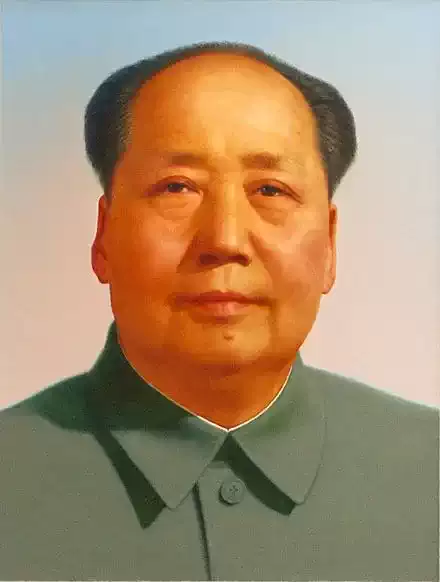
Mao Zedong
New Year's Day
New Year's Day
Ninghua, Chingliu, Kueihua
What narrow paths, deep woods and slippery moss!
Whither are we bound today?
Straight to the foot of Wuyi Mountain.
To the mountain, the foot of the mountain,
Red flags stream in the wind in a blaze of glory.
Ninghua, Chingliu, Kueihua
What narrow paths, deep woods and slippery moss!
Whither are we bound today?
Straight to the foot of Wuyi Mountain.
To the mountain, the foot of the mountain,
Red flags stream in the wind in a blaze of glory.
223

Christina Georgina Rossetti
Old And New Year Ditties
Old And New Year Ditties
New Year met me somewhat sad:
Old Year leaves me tired,
Stripped of favourite things I had
Baulked of much desired:
Yet farther on my road to-day
God willing, farther on my way.
New Year coming on apace
What have you to give me?
Bring you scathe, or bring you grace,
Face me with an honest face;
You shall not deceive me:
Be it good or ill, be it what you will,
It needs shall help me on my road,
My rugged way to heaven, please God.
Watch with me, men, women, and children dear,
You whom I love, for whom I hope and fear,
Watch with me this last vigil of the year.
Some hug their business, some their pleasure-scheme;
Some seize the vacant hour to sleep or dream;
Heart locked in heart some kneel and watch apart.
Watch with me blessed spirits, who delight
All through the holy night to walk in white,
Or take your ease after the long-drawn fight.
I know not if they watch with me: I know
They count this eve of resurrection slow,
And cry, 'How long?' with urgent utterance strong.
Watch with me Jesus, in my loneliness:
Though others say me nay, yet say Thou yes;
Though others pass me by, stop Thou to bless.
Yea, Thou dost stop with me this vigil night;
To-night of pain, to-morrow of delight:
I, Love, am Thine; Thou, Lord my God, art mine.
Passing away, saith the World, passing away:
Chances, beauty and youth sapped day by day:
Thy life never continueth in one stay.
Is the eye waxen dim, is the dark hair changing to grey
That hath won neither laurel nor bay?
I shall clothe myself in Spring and bud in May:
Thou, root-stricken, shalt not rebuild thy decay
On my bosom for aye.
Then I answered: Yea.
Passing away, saith my Soul, passing away:
With its burden of fear and hope, of labour and play;
Hearken what the past doth witness and say:
Rust in thy gold, a moth is in thine array,
A canker is in thy bud, thy leaf must decay.
At midnight, at cockcrow, at morning, one certain day
Lo, the Bridegroom shall come and shall not delay:
Watch thou and pray.
Then I answered: Yea.
Passing away, saith my God, passing away:
Winter passeth after the long delay:
New grapes on the vine, new figs on the tender spray,
Turtle calleth turtle in Heaven's May.
Though I tarry wait for Me, trust Me, watch and pray:
Arise, come away, night is past and lo it is day,
My love, My sister, My spouse, thou shalt hear Me say.
Then I answered: Yea.
New Year met me somewhat sad:
Old Year leaves me tired,
Stripped of favourite things I had
Baulked of much desired:
Yet farther on my road to-day
God willing, farther on my way.
New Year coming on apace
What have you to give me?
Bring you scathe, or bring you grace,
Face me with an honest face;
You shall not deceive me:
Be it good or ill, be it what you will,
It needs shall help me on my road,
My rugged way to heaven, please God.
Watch with me, men, women, and children dear,
You whom I love, for whom I hope and fear,
Watch with me this last vigil of the year.
Some hug their business, some their pleasure-scheme;
Some seize the vacant hour to sleep or dream;
Heart locked in heart some kneel and watch apart.
Watch with me blessed spirits, who delight
All through the holy night to walk in white,
Or take your ease after the long-drawn fight.
I know not if they watch with me: I know
They count this eve of resurrection slow,
And cry, 'How long?' with urgent utterance strong.
Watch with me Jesus, in my loneliness:
Though others say me nay, yet say Thou yes;
Though others pass me by, stop Thou to bless.
Yea, Thou dost stop with me this vigil night;
To-night of pain, to-morrow of delight:
I, Love, am Thine; Thou, Lord my God, art mine.
Passing away, saith the World, passing away:
Chances, beauty and youth sapped day by day:
Thy life never continueth in one stay.
Is the eye waxen dim, is the dark hair changing to grey
That hath won neither laurel nor bay?
I shall clothe myself in Spring and bud in May:
Thou, root-stricken, shalt not rebuild thy decay
On my bosom for aye.
Then I answered: Yea.
Passing away, saith my Soul, passing away:
With its burden of fear and hope, of labour and play;
Hearken what the past doth witness and say:
Rust in thy gold, a moth is in thine array,
A canker is in thy bud, thy leaf must decay.
At midnight, at cockcrow, at morning, one certain day
Lo, the Bridegroom shall come and shall not delay:
Watch thou and pray.
Then I answered: Yea.
Passing away, saith my God, passing away:
Winter passeth after the long delay:
New grapes on the vine, new figs on the tender spray,
Turtle calleth turtle in Heaven's May.
Though I tarry wait for Me, trust Me, watch and pray:
Arise, come away, night is past and lo it is day,
My love, My sister, My spouse, thou shalt hear Me say.
Then I answered: Yea.
212
James Whitcomb Riley
The Rapture of the Year
The Rapture of the Year
While skies glint bright with bluest light
Through clouds that race o'er fields and town,
And leaves go dancing left and right,
And orchard apples tumble down;
While school-girls sweet, in lane or street,
Lean 'gainst the wind and feel and hear
Its glad heart like a lover's beat,--
So reigns the rapture of the year.
The ho! and hey! and whop-hooray!
Though winter clouds be looming,
Remember a November day
Is merrier than mildest May
With all her blossoms blooming.
While birds in scattered flight are blown
Aloft and lost in dusky mist,
And truant boys scud home alone
'Neath skies of gold and amethyst;
While twilight falls, and Echo calls
Across the haunted atmosphere,
With low, sweet laughs at intervals,--
So reigns the rapture of the year.
The ho! and hey! and whop-hooray!
Though winter clouds be looming,
Remember a November day
Is merrier than mildest May
With all her blossoms blooming.
While skies glint bright with bluest light
Through clouds that race o'er fields and town,
And leaves go dancing left and right,
And orchard apples tumble down;
While school-girls sweet, in lane or street,
Lean 'gainst the wind and feel and hear
Its glad heart like a lover's beat,--
So reigns the rapture of the year.
The ho! and hey! and whop-hooray!
Though winter clouds be looming,
Remember a November day
Is merrier than mildest May
With all her blossoms blooming.
While birds in scattered flight are blown
Aloft and lost in dusky mist,
And truant boys scud home alone
'Neath skies of gold and amethyst;
While twilight falls, and Echo calls
Across the haunted atmosphere,
With low, sweet laughs at intervals,--
So reigns the rapture of the year.
The ho! and hey! and whop-hooray!
Though winter clouds be looming,
Remember a November day
Is merrier than mildest May
With all her blossoms blooming.
344
James Whitcomb Riley
The Old Year And The New
The Old Year And The New
I.
As one in sorrow looks upon
The dead face of a loyal friend,
By the dim light of New Year's dawn
I saw the Old Year end.
Upon the pallid features lay
The dear old smile--so warm and bright
Ere thus its cheer had died away
In ashes of delight.
The hands that I had learned to love
With strength of passion half divine,
Were folded now, all heedless of
The emptiness of mine.
The eyes that once had shed their bright
Sweet looks like sunshine, now were dull,
And ever lidded from the light
That made them beautiful.
II.
The chimes of bells were in the air,
And sounds of mirth in hall and street,
With pealing laughter everywhere
And throb of dancing feet:
The mirth and the convivial din
Of revelers in wanton glee,
With tunes of harp and violin
In tangled harmony.
But with a sense of nameless dread,
I turned me, from the merry face
Of this newcomer, to my dead;
And, kneeling there a space,
I sobbed aloud, all tearfully:--
By this dear face so fixed and cold,
O Lord, let not this New Year be
As happy as the old!
I.
As one in sorrow looks upon
The dead face of a loyal friend,
By the dim light of New Year's dawn
I saw the Old Year end.
Upon the pallid features lay
The dear old smile--so warm and bright
Ere thus its cheer had died away
In ashes of delight.
The hands that I had learned to love
With strength of passion half divine,
Were folded now, all heedless of
The emptiness of mine.
The eyes that once had shed their bright
Sweet looks like sunshine, now were dull,
And ever lidded from the light
That made them beautiful.
II.
The chimes of bells were in the air,
And sounds of mirth in hall and street,
With pealing laughter everywhere
And throb of dancing feet:
The mirth and the convivial din
Of revelers in wanton glee,
With tunes of harp and violin
In tangled harmony.
But with a sense of nameless dread,
I turned me, from the merry face
Of this newcomer, to my dead;
And, kneeling there a space,
I sobbed aloud, all tearfully:--
By this dear face so fixed and cold,
O Lord, let not this New Year be
As happy as the old!
257

Carl Sandburg
Statistics
Statistics
Napoleon shifted,
Restless in the old sarcophagus
And murmured to a watchguard:
"Who goes there?"
"Twenty-one million men,
Soldiers, armies, guns,
Twenty-one million
Afoot, horseback,
In the air,
Under the sea."
And Napoleon turned to his sleep:
"It is not my world answering;
It is some dreamer who knows not
The world I marched in
From Calais to Moscow."
And he slept on
In the old sarcophagus
While the aeroplanes
Droned their motors
Between Napoleon's mausoleum
And the cool night stars.
Napoleon shifted,
Restless in the old sarcophagus
And murmured to a watchguard:
"Who goes there?"
"Twenty-one million men,
Soldiers, armies, guns,
Twenty-one million
Afoot, horseback,
In the air,
Under the sea."
And Napoleon turned to his sleep:
"It is not my world answering;
It is some dreamer who knows not
The world I marched in
From Calais to Moscow."
And he slept on
In the old sarcophagus
While the aeroplanes
Droned their motors
Between Napoleon's mausoleum
And the cool night stars.
377
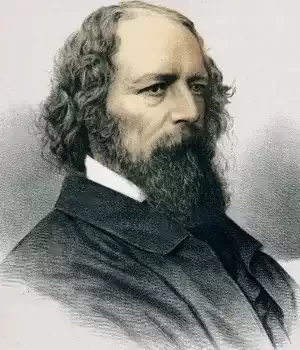
Alfred Lord Tennyson
Ring Out , Wild Bells
Ring Out , Wild Bells
Ring out, wild bells, to the wild sky,
The flying cloud, the frosty light;
The year is dying in the night;
Ring out, wild bells, and let him die.
Ring out the old, ring in the new,
Ring, happy bells, across the snow:
The year is going, let him go;
Ring out the false, ring in the true.
Ring out the grief that saps the mind,
For those that here we see no more,
Ring out the feud of rich and poor,
Ring in redress to all mankind.
Ring out a slowly dying cause,
And ancient forms of party strife;
Ring in the nobler modes of life,
With sweeter manners, purer laws.
Ring out the want, the care the sin,
The faithless coldness of the times;
Ring out, ring out my mournful rhymes,
But ring the fuller minstrel in.
Ring out false pride in place and blood,
The civic slander and the spite;
Ring in the love of truth and right,
Ring in the common love of good.
Ring out old shapes of foul disease,
Ring out the narrowing lust of gold;
Ring out the thousand wars of old,
Ring in the thousand years of peace.
Ring in the valiant man and free,
The larger heart, the kindlier hand;
Ring out the darkness of the land,
Ring in the Christ that is to be.
Ring out, wild bells, to the wild sky,
The flying cloud, the frosty light;
The year is dying in the night;
Ring out, wild bells, and let him die.
Ring out the old, ring in the new,
Ring, happy bells, across the snow:
The year is going, let him go;
Ring out the false, ring in the true.
Ring out the grief that saps the mind,
For those that here we see no more,
Ring out the feud of rich and poor,
Ring in redress to all mankind.
Ring out a slowly dying cause,
And ancient forms of party strife;
Ring in the nobler modes of life,
With sweeter manners, purer laws.
Ring out the want, the care the sin,
The faithless coldness of the times;
Ring out, ring out my mournful rhymes,
But ring the fuller minstrel in.
Ring out false pride in place and blood,
The civic slander and the spite;
Ring in the love of truth and right,
Ring in the common love of good.
Ring out old shapes of foul disease,
Ring out the narrowing lust of gold;
Ring out the thousand wars of old,
Ring in the thousand years of peace.
Ring in the valiant man and free,
The larger heart, the kindlier hand;
Ring out the darkness of the land,
Ring in the Christ that is to be.
671
James Whitcomb Riley
Song Of The New Year
Song Of The New Year
I heard the bells at midnight
Ring in the dawning year;
And above the clanging chorus
Of the song, I seemed to hear
A choir of mystic voices
Flinging echoes, ringing clear,
From a band of angels winging
Through the haunted atmosphere:
'Ring out the shame and sorrow,
And the misery and sin,
That the dawning of the morrow
May in peace be ushered in.'
And I thought of all the trials
The departed years had cost,
And the blooming hopes and pleasures
That are withered now and lost;
And with joy I drank the music
Stealing o'er the feeling there
As the spirit song came pealing
On the silence everywhere:
'Ring out the shame and sorrow,
And the misery and sin,
That the dawning of the morrow
May in peace be ushered in.'
And I listened as a lover
To an utterance that flows
In syllables like dewdrops
From the red lips of a rose,
Till the anthem, fainter growing,
Climbing higher, chiming on
Up the rounds of happy rhyming,
Slowly vanished in the dawn:
'Ring out the shame and sorrow,
And the misery and sin,
That the dawning of the morrow
May in peace be ushered in.'
Then I raised my eyes to Heaven,
And with trembling lips I pled
For a blessing for the living
And a pardon for the dead;
And like a ghost of music
Slowly whispered--lowly sung--
Came the echo pure and holy
In the happy angel tongue:
'Ring out the shame and sorrow,
And the misery and sin,
And the dawn of every morrow
Will in peace be ushered in.'
I heard the bells at midnight
Ring in the dawning year;
And above the clanging chorus
Of the song, I seemed to hear
A choir of mystic voices
Flinging echoes, ringing clear,
From a band of angels winging
Through the haunted atmosphere:
'Ring out the shame and sorrow,
And the misery and sin,
That the dawning of the morrow
May in peace be ushered in.'
And I thought of all the trials
The departed years had cost,
And the blooming hopes and pleasures
That are withered now and lost;
And with joy I drank the music
Stealing o'er the feeling there
As the spirit song came pealing
On the silence everywhere:
'Ring out the shame and sorrow,
And the misery and sin,
That the dawning of the morrow
May in peace be ushered in.'
And I listened as a lover
To an utterance that flows
In syllables like dewdrops
From the red lips of a rose,
Till the anthem, fainter growing,
Climbing higher, chiming on
Up the rounds of happy rhyming,
Slowly vanished in the dawn:
'Ring out the shame and sorrow,
And the misery and sin,
That the dawning of the morrow
May in peace be ushered in.'
Then I raised my eyes to Heaven,
And with trembling lips I pled
For a blessing for the living
And a pardon for the dead;
And like a ghost of music
Slowly whispered--lowly sung--
Came the echo pure and holy
In the happy angel tongue:
'Ring out the shame and sorrow,
And the misery and sin,
And the dawn of every morrow
Will in peace be ushered in.'
264

Henry Lawson
A Word from the Bards
A Word from the Bards
IT IS New Year’s Day and I rise to state that here on the Sydney side
The Bards have commenced to fill out of late and they’re showing their binjies with
pride
They’re patting their binjies with pride, old man, and I want you to understand,
That a binjied bard is a bard indeed when he sings in the Southern Land,
Old chaps,
When he sings in the Southern Land.
For the Southern Land is the Poet’s Home, and over the world’s wide roam,
There was never till now a binjied bard that lived in a poet’s home, old man;
For the poet’s home was a hell on earth, and I want you to understand,
That it isn’t exactly a paradise down here in the Southern Land,
Old chap,
Down here in the Southern Land.
The Beer and the Bailiff were gone last night and the “temple” doorstep clean,
And our heads are clear and our hearts are light with wine from the Riverine—
With wine from the Riverine, old man, and I want you to understand
That Bard, Beer and Bailiff too long were kin down here in the Southern Land,
Old man,
Down here in the Southern Land.
It is not because of a larger fee, nor yet that the bards are free,
For the bards I know and the bards I see are married enough for three;
Are married enough for three, old man, and I want you to understand,
They’ve a right to be married enough for four, down here in the Southern Land,
My girl,
Down here in the Southern Land.
But I think it’s because a bird went round and twittered in ears of men
That bards have care and the world seems bare as seen from the rhyming den,
And twittered in ears of men, old chaps, and got folks to understand
That a poet is something more than a joke down here in the Southern Land,
Old man,
Down here in the Southern Land.
IT IS New Year’s Day and I rise to state that here on the Sydney side
The Bards have commenced to fill out of late and they’re showing their binjies with
pride
They’re patting their binjies with pride, old man, and I want you to understand,
That a binjied bard is a bard indeed when he sings in the Southern Land,
Old chaps,
When he sings in the Southern Land.
For the Southern Land is the Poet’s Home, and over the world’s wide roam,
There was never till now a binjied bard that lived in a poet’s home, old man;
For the poet’s home was a hell on earth, and I want you to understand,
That it isn’t exactly a paradise down here in the Southern Land,
Old chap,
Down here in the Southern Land.
The Beer and the Bailiff were gone last night and the “temple” doorstep clean,
And our heads are clear and our hearts are light with wine from the Riverine—
With wine from the Riverine, old man, and I want you to understand
That Bard, Beer and Bailiff too long were kin down here in the Southern Land,
Old man,
Down here in the Southern Land.
It is not because of a larger fee, nor yet that the bards are free,
For the bards I know and the bards I see are married enough for three;
Are married enough for three, old man, and I want you to understand,
They’ve a right to be married enough for four, down here in the Southern Land,
My girl,
Down here in the Southern Land.
But I think it’s because a bird went round and twittered in ears of men
That bards have care and the world seems bare as seen from the rhyming den,
And twittered in ears of men, old chaps, and got folks to understand
That a poet is something more than a joke down here in the Southern Land,
Old man,
Down here in the Southern Land.
225
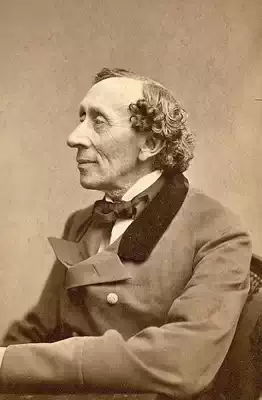
Hans Christian Andersen
Januar
Januar
'- Nyfødt Aaret er vorden!
Stolt, med den flagrende Lok, i Storm og i Blæst,
Paa sin vingede Hest
Jager Tiden hen over Jorden - !'
*
Vandringsmanden.
Et Hjem for Samojed og Pescheræ
Viser den frosne Jord med sin Snee;
Men her, som i et Feeland at see,
Staaer det riimfrosne Træ
Og løfter mod Solen sin glimrende Green
Mod en Luft, som Italiens, sortblaa, men reen.
Det er deiligt at see,
Hvor over den hvide Snee
Den sorte Rovfugl svæver,
Og Hytterne hist, hvor Røgen sig hæver,
Hvor Pigen strøer Korn af sin lille Kurv
For den qviddrende Spurv.
-Ja, nyfødt Aaret er vorden!
Stolt med den flagrende Lok, i Storm og i Blæst,
Paa sin vingede Hest
Jager Tiden hen over Jorden,
Trykker med faderlig Arm
Sine Børn, de kommende Aar, til sin Barm.
Er Maanen i Næ tolv Gange vorden,
Svæver et Barn fra hans Bryst til Jorden,
Hvorfra den ventende Broder vil stige
Igjen til sit evige Rige.
Thi Himmelens mægtige Blaa er det Hav,
Hvor Aaret forsvinder,
Hvorfra det nye oprinder
For vor Jord, denne altid blomstrende Grav.
Tiden
(paa sin vingede Hest).
Min Jord, Du er saa skjøn at see
I Sommer-Grønt, i Vinter-Snee!
Din Kamp, Din Færdsel, Død og Liv,
Alt peger til et Guddoms-Bliv!
Du Hvilepunkt for Tanken gav;
Først saae jeg kun et Taage-Hav,
Det maatte snart for Lyset døe,
Og Du fremstod, men alt var Sø!
Da voxte frem den første Ø,
Med Skov og Frugt og Blomster smaae,
Og Mennesket sin Skaber saae.
Hvert Aar et Barn jeg sendte ned,
Og gjennem Had og Kjærlighed
Det atter sig til Himlen svang,
Naar Maanen skifted' tolvte Gang.
Vandringsmanden.
See de henrundne Aar, som bevingede Smaae,
Svæve hen i det Blaae.
Men det yngste, smukt, med et flagrende Haar,
Nærmest ved Faderen staaer;
Verden det nævner: 'det gamle Aar'.
Det stirrer mod Jorden tilbage,
Hører dets Klage!
Tiden.
Hvorfor staaer Øiet fuldt af Graad?
Paa Jorden har Du endt din Daad,
Alt voxer der for Herrens Meed,
Til Frihed, Kraft og Kjærlighed.
Det yngste Barn vel græder meest,
Men har det derfor Sorger fleest?
Det gamle Aar.*
Hvor mellem Myrter og glødende Frugter
I Bugter
Floderne gaae
I den tryllende Nat, under sydlige Blaa,
Eet, kun Eet i Naturen jeg saae:
Kulsorte Ravne med hæse Skrig
Fløi om svævende Liig,
Og de sang, jeg det hører paa ny!
'- Stille det er i den mægtige By,
Stille, som her under Galgen.
Guitaren toner ei længer mod Sky,
Sværdet i Balgen!
Beder og drømmer, Qvinde og Mand,
I Tajos og Ebros blomstrende Land.
-Fra Fængslernes pestfyldte Gange,
Hvor Vandet steeg om den døende Fange,
Hørte jeg Suk og Forbandelsens Skrig;
Rundt om saae jeg tusinde blodige Liig;
Ungdommens Slægt,
Under Lænkernes Vægt,
Sendt bort, langt bort over Hav,
Til Africas brændende Grav,
Medens Munkene stolt, ved Orgelets Klang,
Sang en Vuggesang,
Og jeg, paa min sorte, fjedrede Vinge,
I mægtige Ringe,
Mig svang om Don Miguels Slot
Og sang for min Drot!'
-Saa qvad den sorte skrigende Ravn.
Men Friheds Hymner lød fra Frankrigs Havn,
Og Folket steeg paa Aandens stolte Bane;
Thi plantede jeg kjækt den franske Fane
Paa Atlasbjerget - - steeg igjen derned,
Men fandt kun Striid og Stræben, uden Meed.
-Hvor Donaufloden sig i Bugter snoer,
Hvor Vinen paa de varme Bjerge groer,
Jeg saae det ladte Trækskib glide frem,
Den stolte Flod bar Rigdom til sit Hjem.
Mod Natten sov den raske Bonde ind,
Med Sundheds-Æblet paa sin runde Kind,
Ved Dag-Gry laae han død - et sortblaa Liig,
Og hvor jeg kom, lød Skræk og vilde Skrig,
Thi Pestens fule Sot det monne være.
Den kom fra Ruslands Død-indviede Hære,
Hvis halve Magt, hvorhen mit Øie saae,
Som Aadsler paa de øde Marker laae,
Ja Ven og Fjende, henslængt Favn i Favn,
Et Bytte for den sultne Ulv og Ravn;
Men Himlen brændte i den røde Lue.
-I Grændsebyen, i den lave Stue,
Jeg saae en gammel Bedstemoer i Krogen;
Hun sad med Bibelen, hun aabned' Bogen
Og læste høit: - 'Den Rige havde
Eet tusind Faar, den Fattige kun eet,
Da tog den Rige dette eneste - -'
Hun standsede, Graad stod i hvert et Øie,
Og Sønnen, o, jeg husker det saa nøie!
'Hvor ligner det et Sagn', begyndte han,
'Som I og jeg og alle har oplevet;
Kun kom Propheten ikke der og sagde
Til ham, som gjorde dette: 'Du est Manden!'
- Tre Naboer - de vare mægtige -
Faldt paa at ville dele mellem sig
Den mindre rige Naboes Eiendomme;
Den Mægtigste tog selv hans Børn fra ham,
Og sendte disse bort, langt bort derfra,
Behandlede ham som en Hund i Lænke,
Og Lænken trængte ind i Kjødet paa ham,
Han havde intet mere - kun sit Navn,
Sit gamle Hæders-Navn, selv dette skulde
Udslettes nu. Da kogte Blodet i ham,
Han voved' Kampen mod den Mægtige;
Han kun forlangte Livet og sin Frihed!
Han stred. Han stred alene, uden Hjælp;
Og Mængden græd ved Mandens store Jammer,
Men taalte roligt dog, man slæbte ham
Til Slagterbænken, det forlangte jo
Den mægtige, den stolte Herres Ære!'
Han taug - jeg svang mig bort fra Friheds Grav
Over det svulmende Hav.
-Dybt, hvor Naturen synes at sove,
Hvor de vilde Huroners Tal
Søge Fjendernes Hjerneskal,
Hvor den svulmende Flod
Bliver Skum ved Fjeldmassens Fod,
I Amerikas uendelige Skove;
Hvor i Kredse Fuglene steeg
Om en tusindaarig Eeg,
Og hvor atter Stilheden, dyb og lang,
Gjorde Barmen trang,
Der saae jeg en Flok, nei en Hær,
Qvinder og Børn,
Hvem Øxen brød Vei over Skovens Tjørn
Ved det blaahvide Maaneskjær.
Indfødte, Kristne ved Daab og Ord,
I det blomstrende Fædreneland,
Forjagne fra Hjem og dyrkede Jord
Af den hvide Mand. -
Frihedens Land, med stigende Flor
Du hæver Dig blomstrende stor,
Mens de ældste Slægter vige og svinde!
Ja mod Vest, høit mod Polen,
Som Solen,
De hendøe bag Bjergenes Tinde.
-Dog, eet Sted fandt jeg Kjærlighed og Fred,
Hvor Bautastenen staaer ved Søens Bred,
Hvor Bøgen voxer, deilig uden Lige,
Og Danmark kaldte man det lille Rige!
-Ja der, og ved det stolte Dovrefjeld,
Flød, uden Bloddaab, Friheds Kildevæld,
Og Blomst og Frugt mit Øie kunde see,
Som Kornets Spiren under Vinter-Snee.
Tiden.
Og end Du græder, skjøndt Du saae,
Hvordan der Liv bag Døden laae?
Aarhundredet, som Aaret, har
Jo først sin kolde Januar!
Kan alt i den dit Øie see
Det Grønne bag den hvide Snee,
Da maa dit Hjerte glad Dig spaae,
Hvad Vaarens Kampe bringe maae.
Alt grønne Spirer Danmark har,
Og Jorden Friheds Januar! -
Vandringsmanden.
Forstod jeg dig, Du Tidens stærke Aand?
Forstod jeg vel Naturens dybe Tale?
Snart sprænges alle Vintrens snevre Baand,
Og Sandheds Sol bestraaler Fjeld og Dale!
Din Januar al Jorderige fik,
Snart Aandens Vaar de frie Slægter prise,
Af Januar fik Danmark Frederik,
Og Danmark kan det første Grønt fremvise!
'- Nyfødt Aaret er vorden!
Stolt, med den flagrende Lok, i Storm og i Blæst,
Paa sin vingede Hest
Jager Tiden hen over Jorden - !'
*
Vandringsmanden.
Et Hjem for Samojed og Pescheræ
Viser den frosne Jord med sin Snee;
Men her, som i et Feeland at see,
Staaer det riimfrosne Træ
Og løfter mod Solen sin glimrende Green
Mod en Luft, som Italiens, sortblaa, men reen.
Det er deiligt at see,
Hvor over den hvide Snee
Den sorte Rovfugl svæver,
Og Hytterne hist, hvor Røgen sig hæver,
Hvor Pigen strøer Korn af sin lille Kurv
For den qviddrende Spurv.
-Ja, nyfødt Aaret er vorden!
Stolt med den flagrende Lok, i Storm og i Blæst,
Paa sin vingede Hest
Jager Tiden hen over Jorden,
Trykker med faderlig Arm
Sine Børn, de kommende Aar, til sin Barm.
Er Maanen i Næ tolv Gange vorden,
Svæver et Barn fra hans Bryst til Jorden,
Hvorfra den ventende Broder vil stige
Igjen til sit evige Rige.
Thi Himmelens mægtige Blaa er det Hav,
Hvor Aaret forsvinder,
Hvorfra det nye oprinder
For vor Jord, denne altid blomstrende Grav.
Tiden
(paa sin vingede Hest).
Min Jord, Du er saa skjøn at see
I Sommer-Grønt, i Vinter-Snee!
Din Kamp, Din Færdsel, Død og Liv,
Alt peger til et Guddoms-Bliv!
Du Hvilepunkt for Tanken gav;
Først saae jeg kun et Taage-Hav,
Det maatte snart for Lyset døe,
Og Du fremstod, men alt var Sø!
Da voxte frem den første Ø,
Med Skov og Frugt og Blomster smaae,
Og Mennesket sin Skaber saae.
Hvert Aar et Barn jeg sendte ned,
Og gjennem Had og Kjærlighed
Det atter sig til Himlen svang,
Naar Maanen skifted' tolvte Gang.
Vandringsmanden.
See de henrundne Aar, som bevingede Smaae,
Svæve hen i det Blaae.
Men det yngste, smukt, med et flagrende Haar,
Nærmest ved Faderen staaer;
Verden det nævner: 'det gamle Aar'.
Det stirrer mod Jorden tilbage,
Hører dets Klage!
Tiden.
Hvorfor staaer Øiet fuldt af Graad?
Paa Jorden har Du endt din Daad,
Alt voxer der for Herrens Meed,
Til Frihed, Kraft og Kjærlighed.
Det yngste Barn vel græder meest,
Men har det derfor Sorger fleest?
Det gamle Aar.*
Hvor mellem Myrter og glødende Frugter
I Bugter
Floderne gaae
I den tryllende Nat, under sydlige Blaa,
Eet, kun Eet i Naturen jeg saae:
Kulsorte Ravne med hæse Skrig
Fløi om svævende Liig,
Og de sang, jeg det hører paa ny!
'- Stille det er i den mægtige By,
Stille, som her under Galgen.
Guitaren toner ei længer mod Sky,
Sværdet i Balgen!
Beder og drømmer, Qvinde og Mand,
I Tajos og Ebros blomstrende Land.
-Fra Fængslernes pestfyldte Gange,
Hvor Vandet steeg om den døende Fange,
Hørte jeg Suk og Forbandelsens Skrig;
Rundt om saae jeg tusinde blodige Liig;
Ungdommens Slægt,
Under Lænkernes Vægt,
Sendt bort, langt bort over Hav,
Til Africas brændende Grav,
Medens Munkene stolt, ved Orgelets Klang,
Sang en Vuggesang,
Og jeg, paa min sorte, fjedrede Vinge,
I mægtige Ringe,
Mig svang om Don Miguels Slot
Og sang for min Drot!'
-Saa qvad den sorte skrigende Ravn.
Men Friheds Hymner lød fra Frankrigs Havn,
Og Folket steeg paa Aandens stolte Bane;
Thi plantede jeg kjækt den franske Fane
Paa Atlasbjerget - - steeg igjen derned,
Men fandt kun Striid og Stræben, uden Meed.
-Hvor Donaufloden sig i Bugter snoer,
Hvor Vinen paa de varme Bjerge groer,
Jeg saae det ladte Trækskib glide frem,
Den stolte Flod bar Rigdom til sit Hjem.
Mod Natten sov den raske Bonde ind,
Med Sundheds-Æblet paa sin runde Kind,
Ved Dag-Gry laae han død - et sortblaa Liig,
Og hvor jeg kom, lød Skræk og vilde Skrig,
Thi Pestens fule Sot det monne være.
Den kom fra Ruslands Død-indviede Hære,
Hvis halve Magt, hvorhen mit Øie saae,
Som Aadsler paa de øde Marker laae,
Ja Ven og Fjende, henslængt Favn i Favn,
Et Bytte for den sultne Ulv og Ravn;
Men Himlen brændte i den røde Lue.
-I Grændsebyen, i den lave Stue,
Jeg saae en gammel Bedstemoer i Krogen;
Hun sad med Bibelen, hun aabned' Bogen
Og læste høit: - 'Den Rige havde
Eet tusind Faar, den Fattige kun eet,
Da tog den Rige dette eneste - -'
Hun standsede, Graad stod i hvert et Øie,
Og Sønnen, o, jeg husker det saa nøie!
'Hvor ligner det et Sagn', begyndte han,
'Som I og jeg og alle har oplevet;
Kun kom Propheten ikke der og sagde
Til ham, som gjorde dette: 'Du est Manden!'
- Tre Naboer - de vare mægtige -
Faldt paa at ville dele mellem sig
Den mindre rige Naboes Eiendomme;
Den Mægtigste tog selv hans Børn fra ham,
Og sendte disse bort, langt bort derfra,
Behandlede ham som en Hund i Lænke,
Og Lænken trængte ind i Kjødet paa ham,
Han havde intet mere - kun sit Navn,
Sit gamle Hæders-Navn, selv dette skulde
Udslettes nu. Da kogte Blodet i ham,
Han voved' Kampen mod den Mægtige;
Han kun forlangte Livet og sin Frihed!
Han stred. Han stred alene, uden Hjælp;
Og Mængden græd ved Mandens store Jammer,
Men taalte roligt dog, man slæbte ham
Til Slagterbænken, det forlangte jo
Den mægtige, den stolte Herres Ære!'
Han taug - jeg svang mig bort fra Friheds Grav
Over det svulmende Hav.
-Dybt, hvor Naturen synes at sove,
Hvor de vilde Huroners Tal
Søge Fjendernes Hjerneskal,
Hvor den svulmende Flod
Bliver Skum ved Fjeldmassens Fod,
I Amerikas uendelige Skove;
Hvor i Kredse Fuglene steeg
Om en tusindaarig Eeg,
Og hvor atter Stilheden, dyb og lang,
Gjorde Barmen trang,
Der saae jeg en Flok, nei en Hær,
Qvinder og Børn,
Hvem Øxen brød Vei over Skovens Tjørn
Ved det blaahvide Maaneskjær.
Indfødte, Kristne ved Daab og Ord,
I det blomstrende Fædreneland,
Forjagne fra Hjem og dyrkede Jord
Af den hvide Mand. -
Frihedens Land, med stigende Flor
Du hæver Dig blomstrende stor,
Mens de ældste Slægter vige og svinde!
Ja mod Vest, høit mod Polen,
Som Solen,
De hendøe bag Bjergenes Tinde.
-Dog, eet Sted fandt jeg Kjærlighed og Fred,
Hvor Bautastenen staaer ved Søens Bred,
Hvor Bøgen voxer, deilig uden Lige,
Og Danmark kaldte man det lille Rige!
-Ja der, og ved det stolte Dovrefjeld,
Flød, uden Bloddaab, Friheds Kildevæld,
Og Blomst og Frugt mit Øie kunde see,
Som Kornets Spiren under Vinter-Snee.
Tiden.
Og end Du græder, skjøndt Du saae,
Hvordan der Liv bag Døden laae?
Aarhundredet, som Aaret, har
Jo først sin kolde Januar!
Kan alt i den dit Øie see
Det Grønne bag den hvide Snee,
Da maa dit Hjerte glad Dig spaae,
Hvad Vaarens Kampe bringe maae.
Alt grønne Spirer Danmark har,
Og Jorden Friheds Januar! -
Vandringsmanden.
Forstod jeg dig, Du Tidens stærke Aand?
Forstod jeg vel Naturens dybe Tale?
Snart sprænges alle Vintrens snevre Baand,
Og Sandheds Sol bestraaler Fjeld og Dale!
Din Januar al Jorderige fik,
Snart Aandens Vaar de frie Slægter prise,
Af Januar fik Danmark Frederik,
Og Danmark kan det første Grønt fremvise!
316