
Mother and Motherhood
Poems in this topic
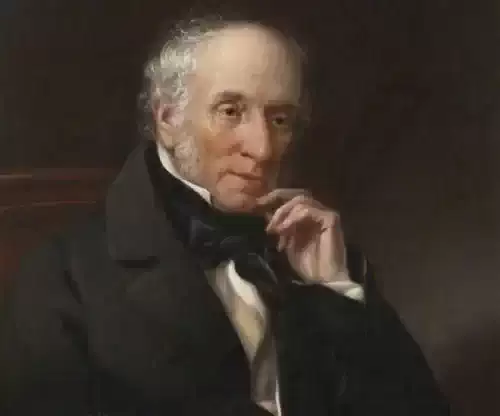
William Wordsworth
The Mother's Return
The Mother's Return
A MONTH, sweet Little-ones, is past
Since your dear Mother went away,---
And she tomorrow will return;
Tomorrow is the happy day.
O blessed tidings! thought of joy!
The eldest heard with steady glee;
Silent he stood; then laughed amain,---
And shouted, ' Mother, come to me!'
Louder and louder did he shout,
With witless hope to bring her near;
'Nay, patience! patience, little boy!
Your tender mother cannot hear.'
I told of hills, and far-off town,
And long, long vale to travel through;---
He listens, puzzled, sore perplexed,
But he submits; what can he do ?
No strife disturbs his sister's breast;
She wars not with the mystery
Of time and distance, night and day;
The bonds of our humanity.
Her joy is like an instinct, joy
Of kitten, bird, or summer fly;
She dances, runs without an aim,
She chatters in her ecstasy.
Her brother now takes up the note,
And echoes back his sister's glee;
They hug the infant in my arms,
As if to force his sympathy.
Then, settling into fond discourse,
We rested in the garden bower;
While sweetly shone the evening sun
In his departing hour.
We told o'er all that we had done,---
Our rambles by the swift brook's side
Far as the willow-skirted pool,
Where two fair swans together glide.
We talked of change, of winter gone,
Of green leaves on the hawthorn spray,
Of birds that build their nests and sing
And all 'since Mother went away!'
To her these tales they will repeat,
To her our new-born tribes will show,
The goslings green, the ass's colt,
The lambs that in the meadow go.
---But, see, the evening star comes forth!
To bed the children must depart;
A moment's heaviness they feel,
A sadness at the heart;
'Tis gone---and in a merry fit
They run up stairs in gamesome race;
I, too, infected by their mood,
I could have joined the wanton chase.
Five minutes past---and, O the change!
Asleep upon their beds they lie;
Their buy limbs in perfect rest,
And closed the sparkling eye.
A MONTH, sweet Little-ones, is past
Since your dear Mother went away,---
And she tomorrow will return;
Tomorrow is the happy day.
O blessed tidings! thought of joy!
The eldest heard with steady glee;
Silent he stood; then laughed amain,---
And shouted, ' Mother, come to me!'
Louder and louder did he shout,
With witless hope to bring her near;
'Nay, patience! patience, little boy!
Your tender mother cannot hear.'
I told of hills, and far-off town,
And long, long vale to travel through;---
He listens, puzzled, sore perplexed,
But he submits; what can he do ?
No strife disturbs his sister's breast;
She wars not with the mystery
Of time and distance, night and day;
The bonds of our humanity.
Her joy is like an instinct, joy
Of kitten, bird, or summer fly;
She dances, runs without an aim,
She chatters in her ecstasy.
Her brother now takes up the note,
And echoes back his sister's glee;
They hug the infant in my arms,
As if to force his sympathy.
Then, settling into fond discourse,
We rested in the garden bower;
While sweetly shone the evening sun
In his departing hour.
We told o'er all that we had done,---
Our rambles by the swift brook's side
Far as the willow-skirted pool,
Where two fair swans together glide.
We talked of change, of winter gone,
Of green leaves on the hawthorn spray,
Of birds that build their nests and sing
And all 'since Mother went away!'
To her these tales they will repeat,
To her our new-born tribes will show,
The goslings green, the ass's colt,
The lambs that in the meadow go.
---But, see, the evening star comes forth!
To bed the children must depart;
A moment's heaviness they feel,
A sadness at the heart;
'Tis gone---and in a merry fit
They run up stairs in gamesome race;
I, too, infected by their mood,
I could have joined the wanton chase.
Five minutes past---and, O the change!
Asleep upon their beds they lie;
Their buy limbs in perfect rest,
And closed the sparkling eye.
241
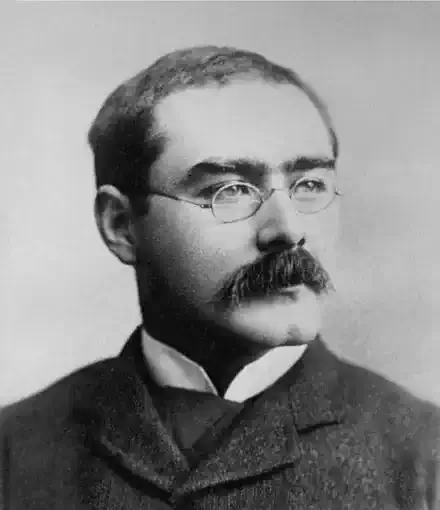
Rudyard Kipling
Mother o' Mine
Mother o' Mine
If I were hanged on the highest hill,
Mother o' mine, O mother o' mine!
I know whose love would follow me still,
Mother o' mine, O mother o' mine!
If I were drowned in the deepest sea,
Mother o' mine, O mother o' mine!
I know whose tears would come down to me,
Mother o' mine, O mother o' mine!
If I were damned of body and soul,
I know whose prayers would make me whole,
Mother o' mine, O mother o' mine!
If I were hanged on the highest hill,
Mother o' mine, O mother o' mine!
I know whose love would follow me still,
Mother o' mine, O mother o' mine!
If I were drowned in the deepest sea,
Mother o' mine, O mother o' mine!
I know whose tears would come down to me,
Mother o' mine, O mother o' mine!
If I were damned of body and soul,
I know whose prayers would make me whole,
Mother o' mine, O mother o' mine!
492

Jack Kerouac
th Chorus
th Chorus
I keep falling in love
with my mother,
I dont want to hurt her
-Of all people to hurt.
Every time I see her
she's grown older
But her uniform always
amazes me
For its Dutch simplicity
And the Doll she is,
The doll-like way
she stands
Bowlegged in my dreams,
Waiting to serve me.
And I am only an Apache
Smoking Hashi
In old Cabashy
By the Lamp.
I keep falling in love
with my mother,
I dont want to hurt her
-Of all people to hurt.
Every time I see her
she's grown older
But her uniform always
amazes me
For its Dutch simplicity
And the Doll she is,
The doll-like way
she stands
Bowlegged in my dreams,
Waiting to serve me.
And I am only an Apache
Smoking Hashi
In old Cabashy
By the Lamp.
232

Robert W. Service
The Little Old Log Cabin
The Little Old Log Cabin
When a man gits on his uppers in a hard-pan sort of town,
An' he ain't got nothin' comin' an' he can't afford ter eat,
An' he's in a fix for lodgin' an' he wanders up an' down,
An' you'd fancy he'd been boozin', he's so locoed 'bout the feet;
When he's feelin' sneakin' sorry an' his belt is hangin' slack,
An' his face is peaked an' gray-like an' his heart gits down an' whines,
Then he's apt ter git a-thinkin' an' a-wishin' he was back
In the little ol' log cabin in the shadder of the pines.
When he's on the blazin' desert an' his canteen's sprung a leak,
An' he's all alone an' crazy an' he's crawlin' like a snail,
An' his tongue's so black an' swollen that it hurts him fer to speak,
An' he gouges down fer water an' the raven's on his trail;
When he's done with care and cursin' an' he feels more like to cry,
An' he sees ol' Death a-grinnin' an' he thinks upon his crimes,
Then he's like ter hev' a vision, as he settles down ter die,
Of the little ol' log cabin an' the roses an' the vines.
Oh, the little ol' log cabin, it's a solemn shinin' mark,
When a feller gits ter sinnin' an' a-goin' ter the wall,
An' folks don't understand him an' he's gropin' in the dark,
An' he's sick of bein' cursed at an' he's longin' fer his call!
When the sun of life's a-sinkin' you can see it 'way above,
On the hill from out the shadder in a glory 'gin the sky,
An' your mother's voice is callin', an' her arms are stretched in love,
An' somehow you're glad you're goin', an' you ain't a-scared to die;
When you'll be like a kid again an' nestle to her breast,
An' never leave its shelter, an' forget, an' love, an' rest.
When a man gits on his uppers in a hard-pan sort of town,
An' he ain't got nothin' comin' an' he can't afford ter eat,
An' he's in a fix for lodgin' an' he wanders up an' down,
An' you'd fancy he'd been boozin', he's so locoed 'bout the feet;
When he's feelin' sneakin' sorry an' his belt is hangin' slack,
An' his face is peaked an' gray-like an' his heart gits down an' whines,
Then he's apt ter git a-thinkin' an' a-wishin' he was back
In the little ol' log cabin in the shadder of the pines.
When he's on the blazin' desert an' his canteen's sprung a leak,
An' he's all alone an' crazy an' he's crawlin' like a snail,
An' his tongue's so black an' swollen that it hurts him fer to speak,
An' he gouges down fer water an' the raven's on his trail;
When he's done with care and cursin' an' he feels more like to cry,
An' he sees ol' Death a-grinnin' an' he thinks upon his crimes,
Then he's like ter hev' a vision, as he settles down ter die,
Of the little ol' log cabin an' the roses an' the vines.
Oh, the little ol' log cabin, it's a solemn shinin' mark,
When a feller gits ter sinnin' an' a-goin' ter the wall,
An' folks don't understand him an' he's gropin' in the dark,
An' he's sick of bein' cursed at an' he's longin' fer his call!
When the sun of life's a-sinkin' you can see it 'way above,
On the hill from out the shadder in a glory 'gin the sky,
An' your mother's voice is callin', an' her arms are stretched in love,
An' somehow you're glad you're goin', an' you ain't a-scared to die;
When you'll be like a kid again an' nestle to her breast,
An' never leave its shelter, an' forget, an' love, an' rest.
182

Siegfried Sassoon
Hero
Hero
'Jack fell as he'd have wished,' the Mother said,
And folded up the letter that she'd read.
'The Colonel writes so nicely.' Something broke
In the tired voice that quavered to a choke.
She half looked up. 'We mothers are so proud
Of our dead soldiers.' Then her face was bowed.
Quietly the Brother Officer went out.
He'd told the poor old dear some gallant lies
That she would nourish all her days, no doubt.
For while he coughed and mumbled, her weak eyes
Had shone with gentle triumph, brimmed with joy,
Because he'd been so brave, her glorious boy.
He thought how 'Jack', cold-footed, useless swine,
Had panicked down the trench that night the mine
Went up at Wicked Corner; how he'd tried
To get sent home, and how, at last, he died,
Blown to small bits. And no one seemed to care
Except that lonely woman with white hair.
'Jack fell as he'd have wished,' the Mother said,
And folded up the letter that she'd read.
'The Colonel writes so nicely.' Something broke
In the tired voice that quavered to a choke.
She half looked up. 'We mothers are so proud
Of our dead soldiers.' Then her face was bowed.
Quietly the Brother Officer went out.
He'd told the poor old dear some gallant lies
That she would nourish all her days, no doubt.
For while he coughed and mumbled, her weak eyes
Had shone with gentle triumph, brimmed with joy,
Because he'd been so brave, her glorious boy.
He thought how 'Jack', cold-footed, useless swine,
Had panicked down the trench that night the mine
Went up at Wicked Corner; how he'd tried
To get sent home, and how, at last, he died,
Blown to small bits. And no one seemed to care
Except that lonely woman with white hair.
101
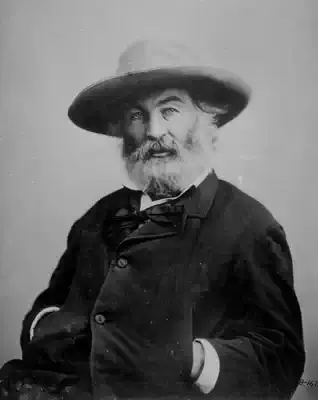
Walt Whitman
Pensive On Her Dead Gazing, I Heard The Mother Of All
Pensive On Her Dead Gazing, I Heard The Mother Of All
PENSIVE, on her dead gazing, I heard the Mother of All,
Desperate, on the torn bodies, on the forms covering the battle
fields gazing;
(As the last gun ceased--but the scent of the powder-smoke linger'd;)
As she call'd to her earth with mournful voice while she stalk'd:
Absorb them well, O my earth, she cried--I charge you, lose not my
sons! lose not an atom;
And you streams, absorb them well, taking their dear blood;
And you local spots, and you airs that swim above lightly,
And all you essences of soil and growth--and you, my rivers' depths;
And you, mountain sides--and the woods where my dear children's
blood, trickling, redden'd;
And you trees, down in your roots, to bequeath to all future
trees, 10
My dead absorb--my young men's beautiful bodies absorb--and their
precious, precious, precious blood;
Which holding in trust for me, faithfully back again give me, many a
year hence,
In unseen essence and odor of surface and grass, centuries hence;
In blowing airs from the fields, back again give me my darlings--give
my immortal heroes;
Exhale me them centuries hence--breathe me their breath--let not an
atom be lost;
O years and graves! O air and soil! O my dead, an aroma sweet!
Exhale them perennial, sweet death, years, centuries hence.
PENSIVE, on her dead gazing, I heard the Mother of All,
Desperate, on the torn bodies, on the forms covering the battle
fields gazing;
(As the last gun ceased--but the scent of the powder-smoke linger'd;)
As she call'd to her earth with mournful voice while she stalk'd:
Absorb them well, O my earth, she cried--I charge you, lose not my
sons! lose not an atom;
And you streams, absorb them well, taking their dear blood;
And you local spots, and you airs that swim above lightly,
And all you essences of soil and growth--and you, my rivers' depths;
And you, mountain sides--and the woods where my dear children's
blood, trickling, redden'd;
And you trees, down in your roots, to bequeath to all future
trees, 10
My dead absorb--my young men's beautiful bodies absorb--and their
precious, precious, precious blood;
Which holding in trust for me, faithfully back again give me, many a
year hence,
In unseen essence and odor of surface and grass, centuries hence;
In blowing airs from the fields, back again give me my darlings--give
my immortal heroes;
Exhale me them centuries hence--breathe me their breath--let not an
atom be lost;
O years and graves! O air and soil! O my dead, an aroma sweet!
Exhale them perennial, sweet death, years, centuries hence.
357
Robert W. Service
Spartan Mother
Spartan Mother
My mother loved her horses and
Her hounds of pedigree;
She did not kiss the baby hand
I held to her in glee.
Of course I had a sweet nou-nou
Who tended me with care,
And mother reined her nag to view
Me with a critic air.
So I went to a famous school,
But holidays were short;
My mother thought me just a fool,
Unfit for games and sport.
For I was fond of books and art,
And hated hound and steed:
Said Mother, 'Boy, you break my heart!
You are not of our breed.'
Then came the War. The Mater said:
'Thank God, a son I give
To King and Country,'--well, I'm dead
Who would have loved to live.
'For England's sake,' said she, 'he died.
For that my boy I bore.'
And now she talks of me with pride.
A hero of the War.
Mother, I think that you are glad
I ended up that way.
Your horses and your dogs you had,
And still you have today.
Your only child you say you gave
Your Country to defend . . .
Dear Mother, from a hero's grave
I--curse you in the end.
My mother loved her horses and
Her hounds of pedigree;
She did not kiss the baby hand
I held to her in glee.
Of course I had a sweet nou-nou
Who tended me with care,
And mother reined her nag to view
Me with a critic air.
So I went to a famous school,
But holidays were short;
My mother thought me just a fool,
Unfit for games and sport.
For I was fond of books and art,
And hated hound and steed:
Said Mother, 'Boy, you break my heart!
You are not of our breed.'
Then came the War. The Mater said:
'Thank God, a son I give
To King and Country,'--well, I'm dead
Who would have loved to live.
'For England's sake,' said she, 'he died.
For that my boy I bore.'
And now she talks of me with pride.
A hero of the War.
Mother, I think that you are glad
I ended up that way.
Your horses and your dogs you had,
And still you have today.
Your only child you say you gave
Your Country to defend . . .
Dear Mother, from a hero's grave
I--curse you in the end.
217
Robert W. Service
Sailor Son
Sailor Son
When you come home I'll not be round
To welcome you.
They'll take you to a grassy mound
So neat and new;
Where I'll be sleeping--O so sound!
The ages through.
I'll not be round to broom the hearth,
To feed the chicks;
And in the wee room of your birth
Your bed to fix;
Rose room that knew your baby mirth
Your tiny tricks.
I'll not be round . . . The garden still
With bees will hum;
To cheerful you the throstle's bill
Will not be dumb;
The rambler rose will overspill
When you will come.
Bird, bee and bloom, they'll greet you all
With scented sound;
Yet though the joy of your footfall
Will thrill the ground
Your mother with her old grey shawl-Will
not be round.
When you come home I'll not be round
To welcome you.
They'll take you to a grassy mound
So neat and new;
Where I'll be sleeping--O so sound!
The ages through.
I'll not be round to broom the hearth,
To feed the chicks;
And in the wee room of your birth
Your bed to fix;
Rose room that knew your baby mirth
Your tiny tricks.
I'll not be round . . . The garden still
With bees will hum;
To cheerful you the throstle's bill
Will not be dumb;
The rambler rose will overspill
When you will come.
Bird, bee and bloom, they'll greet you all
With scented sound;
Yet though the joy of your footfall
Will thrill the ground
Your mother with her old grey shawl-Will
not be round.
198
Walt Whitman
As At Thy Portals Also Death
As At Thy Portals Also Death
AS at thy portals also death,
Entering thy sovereign, dim, illimitable grounds,
To memories of my mother, to the divine blending, maternity,
To her, buried and gone, yet buried not, gone not from me,
(I see again the calm benignant face fresh and beautiful still,
I sit by the form in the coffin,
I kiss and kiss convulsively again the sweet old lips, the cheeks,
the closed eyes in the coffin;)
To her, the ideal woman, practical, spiritual, of all of earth, life,
love, to me the best,
I grave a monumental line, before I go, amid these songs,
And set a tombstone here. 10
AS at thy portals also death,
Entering thy sovereign, dim, illimitable grounds,
To memories of my mother, to the divine blending, maternity,
To her, buried and gone, yet buried not, gone not from me,
(I see again the calm benignant face fresh and beautiful still,
I sit by the form in the coffin,
I kiss and kiss convulsively again the sweet old lips, the cheeks,
the closed eyes in the coffin;)
To her, the ideal woman, practical, spiritual, of all of earth, life,
love, to me the best,
I grave a monumental line, before I go, amid these songs,
And set a tombstone here. 10
403
Wallace Stevens
Madame la Fleurie
Madame la Fleurie
Weight him down, O side-stars, with the great weightings of
the end.
Seal him there. He looked in a glass of the earth and thought
he lived in it.
Now, he brings all that he saw into the earth, to the waiting
parent.
His crisp knowledge is devoured by her, beneath a dew.
Weight him, weight, weight him with the sleepiness of the
moon.
It was only a glass because he looked in it. It was nothing he
could be told.
It was a language he spoke, because he must, yet did not know.
It was a page he had found in the handbook of heartbreak.
The black fugatos are strumming the blackness of black...
The thick strings stutter the finial gutturals.
He does not lie there remembering the blue-jay, say the jay.
His grief is that his mother should feed on him, himself and
what he saw,
In that distant chamber, a bearded queen, wicked in her dead
light.
Weight him down, O side-stars, with the great weightings of
the end.
Seal him there. He looked in a glass of the earth and thought
he lived in it.
Now, he brings all that he saw into the earth, to the waiting
parent.
His crisp knowledge is devoured by her, beneath a dew.
Weight him, weight, weight him with the sleepiness of the
moon.
It was only a glass because he looked in it. It was nothing he
could be told.
It was a language he spoke, because he must, yet did not know.
It was a page he had found in the handbook of heartbreak.
The black fugatos are strumming the blackness of black...
The thick strings stutter the finial gutturals.
He does not lie there remembering the blue-jay, say the jay.
His grief is that his mother should feed on him, himself and
what he saw,
In that distant chamber, a bearded queen, wicked in her dead
light.
261
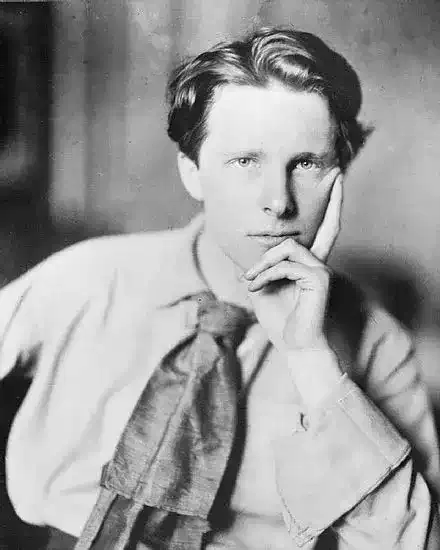
Rupert Brooke
Treasure, The
Treasure, The
When colour goes home into the eyes,
And lights that shine are shut again
With dancing girls and sweet birds' cries
Behind the gateways of the brain;
And that no-place which gave them birth, shall close
The rainbow and the rose: --
Still may Time hold some golden space
Where I'll unpack that scented store
Of song and flower and sky and face,
And count, and touch, and turn them o'er,
Musing upon them; as a mother, who
Has watched her children all the rich day through
Sits, quiet-handed, in the fading light,
When children sleep, ere night.
When colour goes home into the eyes,
And lights that shine are shut again
With dancing girls and sweet birds' cries
Behind the gateways of the brain;
And that no-place which gave them birth, shall close
The rainbow and the rose: --
Still may Time hold some golden space
Where I'll unpack that scented store
Of song and flower and sky and face,
And count, and touch, and turn them o'er,
Musing upon them; as a mother, who
Has watched her children all the rich day through
Sits, quiet-handed, in the fading light,
When children sleep, ere night.
174
Rupert Brooke
Retrospect
Retrospect
In your arms was still delight,
Quiet as a street at night;
And thoughts of you, I do remember,
Were green leaves in a darkened chamber,
Were dark clouds in a moonless sky.
Love, in you, went passing by,
Penetrative, remote, and rare,
Like a bird in the wide air,
And, as the bird, it left no trace
In the heaven of your face.
In your stupidity I found
The sweet hush after a sweet sound.
All about you was the light
That dims the greying end of night;
Desire was the unrisen sun,
Joy the day not yet begun,
With tree whispering to tree,
Without wind, quietly.
Wisdom slept within your hair,
And Long-Suffering was there,
And, in the flowing of your dress,
Undiscerning Tenderness.
And when you thought, it seemed to me,
Infinitely, and like a sea,
About the slight world you had known
Your vast unconsciousness was thrown. . . .
O haven without wave or tide!
Silence, in which all songs have died!
Holy book, where hearts are still!
And home at length under the hill!
O mother quiet, breasts of peace,
Where love itself would faint and cease!
O infinite deep I never knew,
I would come back, come back to you,
Find you, as a pool unstirred,
Kneel down by you, and never a word,
Lay my head, and nothing said,
In your hands, ungarlanded;
And a long watch you would keep;
And I should sleep, and I should sleep!
Mataiea, January
In your arms was still delight,
Quiet as a street at night;
And thoughts of you, I do remember,
Were green leaves in a darkened chamber,
Were dark clouds in a moonless sky.
Love, in you, went passing by,
Penetrative, remote, and rare,
Like a bird in the wide air,
And, as the bird, it left no trace
In the heaven of your face.
In your stupidity I found
The sweet hush after a sweet sound.
All about you was the light
That dims the greying end of night;
Desire was the unrisen sun,
Joy the day not yet begun,
With tree whispering to tree,
Without wind, quietly.
Wisdom slept within your hair,
And Long-Suffering was there,
And, in the flowing of your dress,
Undiscerning Tenderness.
And when you thought, it seemed to me,
Infinitely, and like a sea,
About the slight world you had known
Your vast unconsciousness was thrown. . . .
O haven without wave or tide!
Silence, in which all songs have died!
Holy book, where hearts are still!
And home at length under the hill!
O mother quiet, breasts of peace,
Where love itself would faint and cease!
O infinite deep I never knew,
I would come back, come back to you,
Find you, as a pool unstirred,
Kneel down by you, and never a word,
Lay my head, and nothing said,
In your hands, ungarlanded;
And a long watch you would keep;
And I should sleep, and I should sleep!
Mataiea, January
158
Rudyard Kipling
The Song of the Women
The Song of the Women
How shall she know the worship we would do her?
The walls are high, and she is very far.
How shall the woman's message reach unto her
Above the tumult of the packed bazaar?
Free wind of March, against the lattice blowing,
Bear thou our thanks, lest she depart unknowing.
Go forth across the fields we may not roam in,
Go forth beyond the trees that rim the city,
To whatsoe'er fair place she hath her home in,
Who dowered us with walth of love and pity.
Out of our shadow pass, and seek her singing --
"I have no gifts but Love alone for bringing."
Say that we be a feeble folk who greet her,
But old in grief, and very wise in tears;
Say that we, being desolate, entreat her
That she forget us not in after years;
For we have seen the light, and it were grievous
To dim that dawning if our lady leave us.
By life that ebbed with none to stanch the failing
By Love's sad harvest garnered in the spring,
When Love in ignorance wept unavailing
O'er young buds dead before their blossoming;
By all the grey owl watched, the pale moon viewed,
In past grim years, declare our gratitude!
By hands uplifted to the Gods that heard not,
By fits that found no favor in their sight,
By faces bent above the babe that stirred not,
By nameless horrors of the stifling night;
By ills foredone, by peace her toils discover,
Bid Earth be good beneath and Heaven above her!
If she have sent her servants in our pain
If she have fought with Death and dulled his sword;
If she have given back our sick again.
And to the breast the wakling lips restored,
Is it a little thing that she has wrought?
Then Life and Death and Motherhood be nought.
Go forth, O wind, our message on thy wings,
And they shall hear thee pass and bid thee speed,
In reed-roofed hut, or white-walled home of kings,
Who have been helpen by ther in their need.
All spring shall give thee fragrance, and the wheat
Shall be a tasselled floorcloth to thy feet.
Haste, for our hearts are with thee, take no rest!
Loud-voiced ambassador, from sea to sea
Proclaim the blessing, mainfold, confessed.
Of those in darkness by her hand set free.
Then very softly to her presence move,
And whisper: "Lady, lo, they know and love!"
How shall she know the worship we would do her?
The walls are high, and she is very far.
How shall the woman's message reach unto her
Above the tumult of the packed bazaar?
Free wind of March, against the lattice blowing,
Bear thou our thanks, lest she depart unknowing.
Go forth across the fields we may not roam in,
Go forth beyond the trees that rim the city,
To whatsoe'er fair place she hath her home in,
Who dowered us with walth of love and pity.
Out of our shadow pass, and seek her singing --
"I have no gifts but Love alone for bringing."
Say that we be a feeble folk who greet her,
But old in grief, and very wise in tears;
Say that we, being desolate, entreat her
That she forget us not in after years;
For we have seen the light, and it were grievous
To dim that dawning if our lady leave us.
By life that ebbed with none to stanch the failing
By Love's sad harvest garnered in the spring,
When Love in ignorance wept unavailing
O'er young buds dead before their blossoming;
By all the grey owl watched, the pale moon viewed,
In past grim years, declare our gratitude!
By hands uplifted to the Gods that heard not,
By fits that found no favor in their sight,
By faces bent above the babe that stirred not,
By nameless horrors of the stifling night;
By ills foredone, by peace her toils discover,
Bid Earth be good beneath and Heaven above her!
If she have sent her servants in our pain
If she have fought with Death and dulled his sword;
If she have given back our sick again.
And to the breast the wakling lips restored,
Is it a little thing that she has wrought?
Then Life and Death and Motherhood be nought.
Go forth, O wind, our message on thy wings,
And they shall hear thee pass and bid thee speed,
In reed-roofed hut, or white-walled home of kings,
Who have been helpen by ther in their need.
All spring shall give thee fragrance, and the wheat
Shall be a tasselled floorcloth to thy feet.
Haste, for our hearts are with thee, take no rest!
Loud-voiced ambassador, from sea to sea
Proclaim the blessing, mainfold, confessed.
Of those in darkness by her hand set free.
Then very softly to her presence move,
And whisper: "Lady, lo, they know and love!"
400

William Shakespeare
Sonnet CXLIII
Sonnet CXLIII
Lo! as a careful housewife runs to catch
One of her feather'd creatures broke away,
Sets down her babe and makes an swift dispatch
In pursuit of the thing she would have stay,
Whilst her neglected child holds her in chase,
Cries to catch her whose busy care is bent
To follow that which flies before her face,
Not prizing her poor infant's discontent;
So runn'st thou after that which flies from thee,
Whilst I thy babe chase thee afar behind;
But if thou catch thy hope, turn back to me,
And play the mother's part, kiss me, be kind:
So will I pray that thou mayst have thy 'Will,'
If thou turn back, and my loud crying still.
Lo! as a careful housewife runs to catch
One of her feather'd creatures broke away,
Sets down her babe and makes an swift dispatch
In pursuit of the thing she would have stay,
Whilst her neglected child holds her in chase,
Cries to catch her whose busy care is bent
To follow that which flies before her face,
Not prizing her poor infant's discontent;
So runn'st thou after that which flies from thee,
Whilst I thy babe chase thee afar behind;
But if thou catch thy hope, turn back to me,
And play the mother's part, kiss me, be kind:
So will I pray that thou mayst have thy 'Will,'
If thou turn back, and my loud crying still.
206
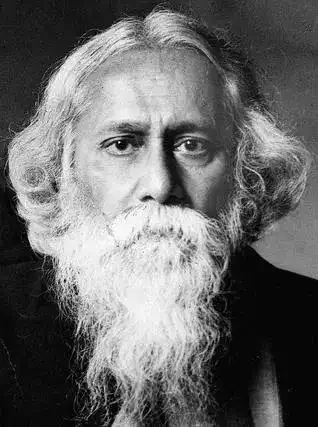
Rabindranath Tagore
The Unheeded Pageant
The Unheeded Pageant
Ah, who was it coloured that little frock, my child, and covered
your sweet limbs with that little red tunic?
You have come out in the morning to play in the courtyard,
tottering and tumbling as you run.
But who was it coloured that little frock, my child?
What is it makes you laugh, my little life-bud?
Mother smiles at you standing on the threshold.
She claps her hands and her bracelets jingle, and you dance
with your bamboo stick in your hand like a tiny little shepherd.
But what is it makes you laugh, my little life-bud?
O beggar, what do you bed for, clinging to your mother's neck
with both your hands?
O greedy heart, shall I pluck the world like a fruit from the
sky to place it on your little rosy palm?
O beggar, what are you begging for?
The wind carries away in glee the tinkling of your anklet
bells.
The sun smiles and watches your toilet.
The sky watches over you when you sleep in your mother's arms,
and the morning comes tiptoe to your bed and kisses your eyes.
The wind carried away in glee the tinkling of your anklet
bells.
The fairy mistress of dreams is coming towards you, flying
through the twilight sky.
The world-mother keeps her seat by you in your mother's heart.
He who plays his music to the stars is standing at your window
with his flute.
And the fairy mistress of dreams is coming towards you, flying
through the twilight sky.
Ah, who was it coloured that little frock, my child, and covered
your sweet limbs with that little red tunic?
You have come out in the morning to play in the courtyard,
tottering and tumbling as you run.
But who was it coloured that little frock, my child?
What is it makes you laugh, my little life-bud?
Mother smiles at you standing on the threshold.
She claps her hands and her bracelets jingle, and you dance
with your bamboo stick in your hand like a tiny little shepherd.
But what is it makes you laugh, my little life-bud?
O beggar, what do you bed for, clinging to your mother's neck
with both your hands?
O greedy heart, shall I pluck the world like a fruit from the
sky to place it on your little rosy palm?
O beggar, what are you begging for?
The wind carries away in glee the tinkling of your anklet
bells.
The sun smiles and watches your toilet.
The sky watches over you when you sleep in your mother's arms,
and the morning comes tiptoe to your bed and kisses your eyes.
The wind carried away in glee the tinkling of your anklet
bells.
The fairy mistress of dreams is coming towards you, flying
through the twilight sky.
The world-mother keeps her seat by you in your mother's heart.
He who plays his music to the stars is standing at your window
with his flute.
And the fairy mistress of dreams is coming towards you, flying
through the twilight sky.
521

George Gordon Lord Byron
Sonnet - to Genevra
Sonnet - to Genevra
Thy cheek is pale with thought, but not from woe,
And yet so lovely, that if Mirth could flush
Its rose of whiteness with the brightest blush,
My heart would wish away that ruder glow:
And dazzle not thy deepblue
eyesbut,
oh!
While gazing on them sterner eyes will gush,
And into mine my mother's weakness rush,
Soft as the last drops round Heaven's airy bow.
For, though thy long dark lashes low depending,
The soul of melancholy Gentleness
Gleams like a Seraph from the sky descending,
Above all pain, yet pitying all distress;
At once such majesty with sweetness blending,
I worship more, but cannot love thee less.
Thy cheek is pale with thought, but not from woe,
And yet so lovely, that if Mirth could flush
Its rose of whiteness with the brightest blush,
My heart would wish away that ruder glow:
And dazzle not thy deepblue
eyesbut,
oh!
While gazing on them sterner eyes will gush,
And into mine my mother's weakness rush,
Soft as the last drops round Heaven's airy bow.
For, though thy long dark lashes low depending,
The soul of melancholy Gentleness
Gleams like a Seraph from the sky descending,
Above all pain, yet pitying all distress;
At once such majesty with sweetness blending,
I worship more, but cannot love thee less.
630
Rabindranath Tagore
The Flower-School
The Flower-School
When storm-clouds rumble in the sky and June showers come down.
The moist east wind comes marching over the heath to blow its
bagpipes among the bamboos.
Then crowds of flowers come out of a sudden, from nobody knows
where, and dance upon the grass in wild glee.
Mother, I really think the flowers go to school underground.
They do their lessons with doors shut, and if they want to
come out to play before it is time, their master makes them stand
in a corner.
When the rain come they have their holidays.
Branches clash together in the forest, and the leaves rustle
in the wild wind, the thunder-clouds clap their giant hands and the
flower children rush out in dresses of pink and yellow and white.
Do you know, mother, their home is in the sky, where the stars
are.
Haven't you see how eager they are to get there? Don't you
know why they are in such a hurry?
Of course, I can guess to whom they raise their arms; they
have their mother as I have my own.
When storm-clouds rumble in the sky and June showers come down.
The moist east wind comes marching over the heath to blow its
bagpipes among the bamboos.
Then crowds of flowers come out of a sudden, from nobody knows
where, and dance upon the grass in wild glee.
Mother, I really think the flowers go to school underground.
They do their lessons with doors shut, and if they want to
come out to play before it is time, their master makes them stand
in a corner.
When the rain come they have their holidays.
Branches clash together in the forest, and the leaves rustle
in the wild wind, the thunder-clouds clap their giant hands and the
flower children rush out in dresses of pink and yellow and white.
Do you know, mother, their home is in the sky, where the stars
are.
Haven't you see how eager they are to get there? Don't you
know why they are in such a hurry?
Of course, I can guess to whom they raise their arms; they
have their mother as I have my own.
809
Rabindranath Tagore
The End
The End
It is time for me to go, mother; I am going.
When in the paling darkness of the lonely dawn you stretch out
your arms for your baby in the bed, I shall say, "Baby is not
here!"-mother, I am going.
I shall become a delicate draught of air and caress you and
I shall be ripples in the water when you bathe, and kiss you and
kiss you again.
In the gusty night when the rain patters on the leaves you
will hear my whisper in your bed, and my laughter will flash with
the lightning through the open window into your room.
If you lie awake, thinking of your baby till late into the
night, I shall sing to you from the stars, "Sleep, mother, sleep."
One the straying moonbeams I shall steal over your bed, and
lie upon your bosom while you sleep.
I shall become a dream, and through the little opening of your
eyelids I shall slip into the depths of your sleep; and when you
wake up and look round startled, like a twinkling firefly I shall
flit out into the darkness.
When, on the great festival of puja, the neighbours' children
come and play about the house, I shall melt into the music of the
flute and throb in your heart all day.
Dear auntie will come with puja-presents and will ask,"Where
is our baby, sister?" Mother, you will tell her softly, "He is in
the pupils of my eyes, he is in my body and in my soul."
It is time for me to go, mother; I am going.
When in the paling darkness of the lonely dawn you stretch out
your arms for your baby in the bed, I shall say, "Baby is not
here!"-mother, I am going.
I shall become a delicate draught of air and caress you and
I shall be ripples in the water when you bathe, and kiss you and
kiss you again.
In the gusty night when the rain patters on the leaves you
will hear my whisper in your bed, and my laughter will flash with
the lightning through the open window into your room.
If you lie awake, thinking of your baby till late into the
night, I shall sing to you from the stars, "Sleep, mother, sleep."
One the straying moonbeams I shall steal over your bed, and
lie upon your bosom while you sleep.
I shall become a dream, and through the little opening of your
eyelids I shall slip into the depths of your sleep; and when you
wake up and look round startled, like a twinkling firefly I shall
flit out into the darkness.
When, on the great festival of puja, the neighbours' children
come and play about the house, I shall melt into the music of the
flute and throb in your heart all day.
Dear auntie will come with puja-presents and will ask,"Where
is our baby, sister?" Mother, you will tell her softly, "He is in
the pupils of my eyes, he is in my body and in my soul."
502
Rabindranath Tagore
The Chanpa Flower
The Chanpa Flower
Supposing I became a chanpa flower, just for fun, and grew on a
branch high up that tree, and shook in the wind with laughter and
danced upon the newly budded leaves, would you know me, mother?
You would call, "Baby, where are you?" and I should laugh to
myself and keep quite quiet.
I should slyly open my petals and watch you at your work.
When after your bath, with wet hair spread on your shoulders,
you walked through the shadow of the champ tree to the little court
where you say your prayers, you would notice the scent of the
flower, but not know that it cane from me.
When after the midday meal you sat at the window reading
ramayana, and the tree's shadow fell over your hair and your lap,
I should fling my wee little shadow on to the page of your book,
just where you were reading.
But would you guess that it was the tiny shadow of your
little child?
When in the evening you went to the cow shed with the lighted
lamp in your hand I should suddenly drop on to the earth again and
be your own baby once more, and beg you to tell me a story.
"Where have you been, you naughty child?"
"I won't tell you, mother." That's what you and I would say
then.
Supposing I became a chanpa flower, just for fun, and grew on a
branch high up that tree, and shook in the wind with laughter and
danced upon the newly budded leaves, would you know me, mother?
You would call, "Baby, where are you?" and I should laugh to
myself and keep quite quiet.
I should slyly open my petals and watch you at your work.
When after your bath, with wet hair spread on your shoulders,
you walked through the shadow of the champ tree to the little court
where you say your prayers, you would notice the scent of the
flower, but not know that it cane from me.
When after the midday meal you sat at the window reading
ramayana, and the tree's shadow fell over your hair and your lap,
I should fling my wee little shadow on to the page of your book,
just where you were reading.
But would you guess that it was the tiny shadow of your
little child?
When in the evening you went to the cow shed with the lighted
lamp in your hand I should suddenly drop on to the earth again and
be your own baby once more, and beg you to tell me a story.
"Where have you been, you naughty child?"
"I won't tell you, mother." That's what you and I would say
then.
717
Rabindranath Tagore
The Beginning
The Beginning
"Where have I come from, where did you pick me up?" the baby asked
its mother.
She answered, half crying, half laughing, and clasping the
baby to her breast
"You were hidden in my heart as its desire, my darling.
You were in the dolls of my childhood's games; and when with
clay I made the image of my god every morning, I made the unmade
you then.
You were enshrined with our household deity, in his worship
I worshipped you.
In all my hopes and my loves, in my life, in the life of my
mother you have lived.
In the lap of the deathless Spirit who rules our home you have
been nursed for ages.
When in girlhood my heart was opening its petals, you hovered
as a fragrance about it.
Your tender softness bloomed in my youthful limbs, like a glow
in the sky before the sunrise.
Heaven's first darling, twain-born with the morning light, you
have floated down the stream of the world's life, and at last you
have stranded on my heart.
As I gaze on your face, mystery overwhelms me; you who belong
to all have become mine.
For fear of losing you I hold you tight to my breast. What
magic has snared the world's treasure in these slender arms of
mine?"
"Where have I come from, where did you pick me up?" the baby asked
its mother.
She answered, half crying, half laughing, and clasping the
baby to her breast
"You were hidden in my heart as its desire, my darling.
You were in the dolls of my childhood's games; and when with
clay I made the image of my god every morning, I made the unmade
you then.
You were enshrined with our household deity, in his worship
I worshipped you.
In all my hopes and my loves, in my life, in the life of my
mother you have lived.
In the lap of the deathless Spirit who rules our home you have
been nursed for ages.
When in girlhood my heart was opening its petals, you hovered
as a fragrance about it.
Your tender softness bloomed in my youthful limbs, like a glow
in the sky before the sunrise.
Heaven's first darling, twain-born with the morning light, you
have floated down the stream of the world's life, and at last you
have stranded on my heart.
As I gaze on your face, mystery overwhelms me; you who belong
to all have become mine.
For fear of losing you I hold you tight to my breast. What
magic has snared the world's treasure in these slender arms of
mine?"
580

Ella Wheeler Wilcox
The Little White Hearse
The Little White Hearse
Somebody’s baby was buried to-day –
The empty white hearse from the grave rumbled back,
And the morning somehow seemed less smiling and gay
As I paused on the sidewalk while it crossed on its way,
And a shadow seemed drawn o’er the sun’s golden track.
Somebody’s baby was laid out to rest,
White as a snowdrop, and fair to behold,
And the soft little hands were crossed over the breast,
And those hands and the lips and the eyelids were pressed
With kisses as hot as the eyelids were cold.
Somebody saw it go out of her sight,
Under the coffin lid – out through the door;
Somebody finds only darkness and blight
All through the glory of summer-sun light;
Somebody’s baby will waken no more.
Somebody’s sorrow is making me weep:
I know not her name, but I echo her cry,
For the dearly bought baby she longed so to keep,
The baby that rode to its long-lasting sleep
In the little white hearse that went rumbling by.
I know not her name, but her sorrow I know;
While I paused on the crossing I lived it once more,
And back to my heart surged that river of woe
That but in the breast of a mother can flow;
For the little white hearse has been, too, at my door.
Somebody’s baby was buried to-day –
The empty white hearse from the grave rumbled back,
And the morning somehow seemed less smiling and gay
As I paused on the sidewalk while it crossed on its way,
And a shadow seemed drawn o’er the sun’s golden track.
Somebody’s baby was laid out to rest,
White as a snowdrop, and fair to behold,
And the soft little hands were crossed over the breast,
And those hands and the lips and the eyelids were pressed
With kisses as hot as the eyelids were cold.
Somebody saw it go out of her sight,
Under the coffin lid – out through the door;
Somebody finds only darkness and blight
All through the glory of summer-sun light;
Somebody’s baby will waken no more.
Somebody’s sorrow is making me weep:
I know not her name, but I echo her cry,
For the dearly bought baby she longed so to keep,
The baby that rode to its long-lasting sleep
In the little white hearse that went rumbling by.
I know not her name, but her sorrow I know;
While I paused on the crossing I lived it once more,
And back to my heart surged that river of woe
That but in the breast of a mother can flow;
For the little white hearse has been, too, at my door.
417

Emily Dickinson
Mama never forgets her birds
Mama never forgets her birds
164
Mama never forgets her birds,
Though in another tree-
She looks down just as often
And just as tenderly
As when her little mortal nest
With cunning care she wove-
If either of her "sparrows fall,"
She "notices," above.
164
Mama never forgets her birds,
Though in another tree-
She looks down just as often
And just as tenderly
As when her little mortal nest
With cunning care she wove-
If either of her "sparrows fall,"
She "notices," above.
343
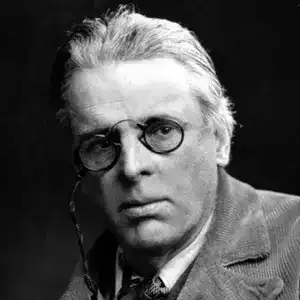
William Butler Yeats
The Mother Of God
The Mother Of God
THE threefold terror of love; a fallen flare
Through the hollow of an ear;
Wings beating about the room;
The terror of all terrors that I bore
The Heavens in my womb.
Had I not found content among the shows
Every common woman knows,
Chimney corner, garden walk,
Or rocky cistern where we tread the clothes
And gather all the talk?
What is this flesh I purchased with my pains,
This fallen star my milk sustains,
This love that makes my heart's blood stop
Or strikes a Sudden chill into my bones
And bids my hair stand up?
THE threefold terror of love; a fallen flare
Through the hollow of an ear;
Wings beating about the room;
The terror of all terrors that I bore
The Heavens in my womb.
Had I not found content among the shows
Every common woman knows,
Chimney corner, garden walk,
Or rocky cistern where we tread the clothes
And gather all the talk?
What is this flesh I purchased with my pains,
This fallen star my milk sustains,
This love that makes my heart's blood stop
Or strikes a Sudden chill into my bones
And bids my hair stand up?
258
Rabindranath Tagore
Baby's Way
Baby's Way
If baby only wanted to, he could fly up to heaven this moment.
It is not for nothing that he does not leave us.
He loves to rest his head on mother's bosom, and cannot ever
bear to lose sight of her.
Baby know all manner of wise words, though few on earth can
understand their meaning.
It is not for nothing that he never wants to speak.
The one thing he wants is to learn mother's words from
mother's lips. That is why he looks so innocent.
Baby had a heap of gold and pearls, yet he came like a beggar
on to this earth.
It is not for nothing he came in such a disguise.
This dear little naked mendicant pretends to be utterly
helpless, so that he may beg for mother's wealth of love.
Baby was so free from every tie in the land of the tiny
crescent moon.
It was not for nothing he gave up his freedom.
He knows that there is room for endless joy in mother's little
corner of a heart, and it is sweeter far than liberty to be caught
and pressed in her dear arms.
Baby never knew how to cry. He dwelt in the land of perfect
bliss.
It is not for nothing he has chosen to shed tears.
Though with the smile of his dear face he draws mother's
yearning heart to him, yet his little cries over tiny troubles
weave the double bond of pity and love.
If baby only wanted to, he could fly up to heaven this moment.
It is not for nothing that he does not leave us.
He loves to rest his head on mother's bosom, and cannot ever
bear to lose sight of her.
Baby know all manner of wise words, though few on earth can
understand their meaning.
It is not for nothing that he never wants to speak.
The one thing he wants is to learn mother's words from
mother's lips. That is why he looks so innocent.
Baby had a heap of gold and pearls, yet he came like a beggar
on to this earth.
It is not for nothing he came in such a disguise.
This dear little naked mendicant pretends to be utterly
helpless, so that he may beg for mother's wealth of love.
Baby was so free from every tie in the land of the tiny
crescent moon.
It was not for nothing he gave up his freedom.
He knows that there is room for endless joy in mother's little
corner of a heart, and it is sweeter far than liberty to be caught
and pressed in her dear arms.
Baby never knew how to cry. He dwelt in the land of perfect
bliss.
It is not for nothing he has chosen to shed tears.
Though with the smile of his dear face he draws mother's
yearning heart to him, yet his little cries over tiny troubles
weave the double bond of pity and love.
607
Page 1
Next