
Long-Distance Love
Poems in this topic
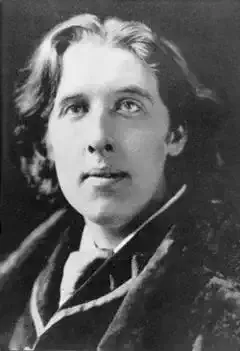
Oscar Wilde
Roses And Rue
(To L. L.)
Could we dig up this long-buried treasure,
Were it worth the pleasure,
We never could learn love's song,
We are parted too long.
Could the passionate past that is fled
Call back its dead,
Could we live it all over again,
Were it worth the pain!
I remember we used to meet
By an ivied seat,
And you warbled each pretty word
With the air of a bird;
And your voice had a quaver in it,
Just like a linnet,
And shook, as the blackbird's throat
With its last big note;
And your eyes, they were green and grey
Like an April day,
But lit into amethyst
When I stooped and kissed;
And your mouth, it would never smile
For a long, long while,
Then it rippled all over with laughter
Five minutes after.
You were always afraid of a shower,
Just like a flower:
I remember you started and ran
When the rain began.
I remember I never could catch you,
For no one could match you,
You had wonderful, luminous, fleet,
Little wings to your feet.
I remember your hair - did I tie it?
For it always ran riot -
Like a tangled sunbeam of gold:
These things are old.
I remember so well the room,
And the lilac bloom
That beat at the dripping pane
In the warm June rain;
And the colour of your gown,
It was amber-brown,
And two yellow satin bows
From your shoulders rose.
And the handkerchief of French lace
Which you held to your face -
Had a small tear left a stain?
Or was it the rain?
On your hand as it waved adieu
There were veins of blue;
In your voice as it said good-bye
Was a petulant cry,
'You have only wasted your life.'
(Ah, that was the knife!)
When I rushed through the garden gate
It was all too late.
Could we live it over again,
Were it worth the pain,
Could the passionate past that is fled
Call back its dead!
Well, if my heart must break,
Dear love, for your sake,
It will break in music, I know,
Poets' hearts break so.
But strange that I was not told
That the brain can hold
In a tiny ivory cell
God's heaven and hell.
Could we dig up this long-buried treasure,
Were it worth the pleasure,
We never could learn love's song,
We are parted too long.
Could the passionate past that is fled
Call back its dead,
Could we live it all over again,
Were it worth the pain!
I remember we used to meet
By an ivied seat,
And you warbled each pretty word
With the air of a bird;
And your voice had a quaver in it,
Just like a linnet,
And shook, as the blackbird's throat
With its last big note;
And your eyes, they were green and grey
Like an April day,
But lit into amethyst
When I stooped and kissed;
And your mouth, it would never smile
For a long, long while,
Then it rippled all over with laughter
Five minutes after.
You were always afraid of a shower,
Just like a flower:
I remember you started and ran
When the rain began.
I remember I never could catch you,
For no one could match you,
You had wonderful, luminous, fleet,
Little wings to your feet.
I remember your hair - did I tie it?
For it always ran riot -
Like a tangled sunbeam of gold:
These things are old.
I remember so well the room,
And the lilac bloom
That beat at the dripping pane
In the warm June rain;
And the colour of your gown,
It was amber-brown,
And two yellow satin bows
From your shoulders rose.
And the handkerchief of French lace
Which you held to your face -
Had a small tear left a stain?
Or was it the rain?
On your hand as it waved adieu
There were veins of blue;
In your voice as it said good-bye
Was a petulant cry,
'You have only wasted your life.'
(Ah, that was the knife!)
When I rushed through the garden gate
It was all too late.
Could we live it over again,
Were it worth the pain,
Could the passionate past that is fled
Call back its dead!
Well, if my heart must break,
Dear love, for your sake,
It will break in music, I know,
Poets' hearts break so.
But strange that I was not told
That the brain can hold
In a tiny ivory cell
God's heaven and hell.
706

William Shakespeare
Sonnets xvii
Sonnets xvii
O NEVER say that I was false of heart,
Though absence seem'd my flame to qualify!
As easy might I from myself depart,
As from my soul, which in thy breast doth lie:
That is my home of love; if I have ranged,
Like him that travels I return again,
Just to the time, not with the time exchanged,
So that myself bring water for my stain.
Never believe, though in my nature reign'd
All frailties that besiege all kinds of blood,
That it could so prepost'rously be stain'd,
To leave for nothing all thy sum of good:
For nothing this wide Universe I call,
Save thou, my Rose; in it thou art my all.
O NEVER say that I was false of heart,
Though absence seem'd my flame to qualify!
As easy might I from myself depart,
As from my soul, which in thy breast doth lie:
That is my home of love; if I have ranged,
Like him that travels I return again,
Just to the time, not with the time exchanged,
So that myself bring water for my stain.
Never believe, though in my nature reign'd
All frailties that besiege all kinds of blood,
That it could so prepost'rously be stain'd,
To leave for nothing all thy sum of good:
For nothing this wide Universe I call,
Save thou, my Rose; in it thou art my all.
279
William Shakespeare
Sonnets xiii
Sonnets xiii
FROM you have I been absent in the spring,
When proud-pied April, dress'd in all his trim,
Hath put a spirit of youth in everything,
That heavy Saturn laugh'd and leap'd with him.
Yet nor the lays of birds, nor the sweet smell
Of different flowers in odour and in hue,
Could make me any summer's story tell,
Or from their proud lap pluck them where they grew;
Nor did I wonder at the Lily's white,
Nor praise the deep vermilion in the Rose;
They were but sweet, but figures of delight,
Drawn after you, you pattern of all those.
Yet seem'd it Winter still, and, you away,
As with your shadow I with these did play.
FROM you have I been absent in the spring,
When proud-pied April, dress'd in all his trim,
Hath put a spirit of youth in everything,
That heavy Saturn laugh'd and leap'd with him.
Yet nor the lays of birds, nor the sweet smell
Of different flowers in odour and in hue,
Could make me any summer's story tell,
Or from their proud lap pluck them where they grew;
Nor did I wonder at the Lily's white,
Nor praise the deep vermilion in the Rose;
They were but sweet, but figures of delight,
Drawn after you, you pattern of all those.
Yet seem'd it Winter still, and, you away,
As with your shadow I with these did play.
281
William Shakespeare
Sonnet XXXVI
Sonnet XXXVI
Let me confess that we two must be twain,
Although our undivided loves are one:
So shall those blots that do with me remain
Without thy help by me be borne alone.
In our two loves there is but one respect,
Though in our lives a separable spite,
Which though it alter not love's sole effect,
Yet doth it steal sweet hours from love's delight.
I may not evermore acknowledge thee,
Lest my bewailed guilt should do thee shame,
Nor thou with public kindness honour me,
Unless thou take that honour from thy name:
But do not so; I love thee in such sort
As, thou being mine, mine is thy good report.
Let me confess that we two must be twain,
Although our undivided loves are one:
So shall those blots that do with me remain
Without thy help by me be borne alone.
In our two loves there is but one respect,
Though in our lives a separable spite,
Which though it alter not love's sole effect,
Yet doth it steal sweet hours from love's delight.
I may not evermore acknowledge thee,
Lest my bewailed guilt should do thee shame,
Nor thou with public kindness honour me,
Unless thou take that honour from thy name:
But do not so; I love thee in such sort
As, thou being mine, mine is thy good report.
325
William Shakespeare
Sonnet XXXIX
Sonnet XXXIX
O, how thy worth with manners may I sing,
When thou art all the better part of me?
What can mine own praise to mine own self bring?
And what is 't but mine own when I praise thee?
Even for this let us divided live,
And our dear love lose name of single one,
That by this separation I may give
That due to thee which thou deservest alone.
O absence, what a torment wouldst thou prove,
Were it not thy sour leisure gave sweet leave
To entertain the time with thoughts of love,
Which time and thoughts so sweetly doth deceive,
And that thou teachest how to make one twain,
By praising him here who doth hence remain!
O, how thy worth with manners may I sing,
When thou art all the better part of me?
What can mine own praise to mine own self bring?
And what is 't but mine own when I praise thee?
Even for this let us divided live,
And our dear love lose name of single one,
That by this separation I may give
That due to thee which thou deservest alone.
O absence, what a torment wouldst thou prove,
Were it not thy sour leisure gave sweet leave
To entertain the time with thoughts of love,
Which time and thoughts so sweetly doth deceive,
And that thou teachest how to make one twain,
By praising him here who doth hence remain!
278
William Shakespeare
Sonnet XCVII
Sonnet XCVII
How like a winter hath my absence been
From thee, the pleasure of the fleeting year!
What freezings have I felt, what dark days seen!
What old December's bareness every where!
And yet this time removed was summer's time,
The teeming autumn, big with rich increase,
Bearing the wanton burden of the prime,
Like widow'd wombs after their lords' decease:
Yet this abundant issue seem'd to me
But hope of orphans and unfather'd fruit;
For summer and his pleasures wait on thee,
And, thou away, the very birds are mute;
Or, if they sing, 'tis with so dull a cheer
That leaves look pale, dreading the winter's near.
How like a winter hath my absence been
From thee, the pleasure of the fleeting year!
What freezings have I felt, what dark days seen!
What old December's bareness every where!
And yet this time removed was summer's time,
The teeming autumn, big with rich increase,
Bearing the wanton burden of the prime,
Like widow'd wombs after their lords' decease:
Yet this abundant issue seem'd to me
But hope of orphans and unfather'd fruit;
For summer and his pleasures wait on thee,
And, thou away, the very birds are mute;
Or, if they sing, 'tis with so dull a cheer
That leaves look pale, dreading the winter's near.
285
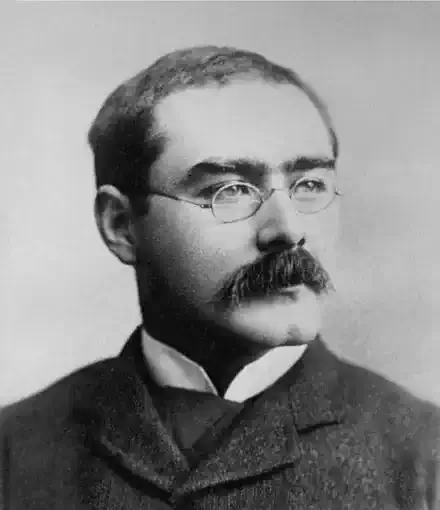
Rudyard Kipling
My Boy Jack
My Boy Jack
-
'Have you news of my boy Jack?'
Not this tide.
'When d'you think that he'll come back?'
Not with this wind blowing, and this tide.
'Has anyone else had word of him?'
Not this tide.
For what is sunk will hardly swim,
Not with this wind blowing and this tide.
'Oh, dear, what comfort can I find?'
None this tide,
Nor any tide,
Except he did not shame his kind-
Not even with that wind blowing, and that tide.
Then hold your head up all the more,
This tide,
And every tide;
Because he was the son you bore,
And gave to that wind blowing and that tide!
-
'Have you news of my boy Jack?'
Not this tide.
'When d'you think that he'll come back?'
Not with this wind blowing, and this tide.
'Has anyone else had word of him?'
Not this tide.
For what is sunk will hardly swim,
Not with this wind blowing and this tide.
'Oh, dear, what comfort can I find?'
None this tide,
Nor any tide,
Except he did not shame his kind-
Not even with that wind blowing, and that tide.
Then hold your head up all the more,
This tide,
And every tide;
Because he was the son you bore,
And gave to that wind blowing and that tide!
434
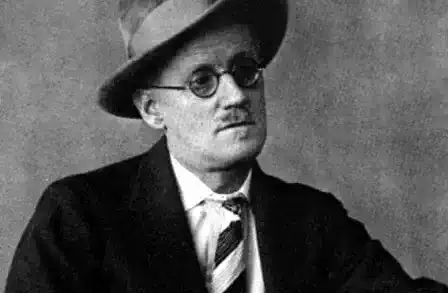
James Joyce
Winds of May
Winds of May
Winds of May, that dance on the sea,
Dancing a ring-around in glee
From furrow to furrow, while overhead
The foam flies up to be garlanded,
In silvery arches spanning the air,
Saw you my true love anywhere?
Welladay! Welladay!
For the winds of May!
Love is unhappy when love is away!
Winds of May, that dance on the sea,
Dancing a ring-around in glee
From furrow to furrow, while overhead
The foam flies up to be garlanded,
In silvery arches spanning the air,
Saw you my true love anywhere?
Welladay! Welladay!
For the winds of May!
Love is unhappy when love is away!
207
Rudyard Kipling
Harp Song of the Dane Women
Harp Song of the Dane Women
What is a woman that you forsake her,
And the hearth-fire and the home-acre.
To go with the old grey Widow-maker?
She has no house to lay a guest in
But one chill bed for all to rest in,
That the pale suns and the stray bergs nest in.
She has no strong white arms to fold you,
But the ten-times-fingering weed to hold you
Out on the rocks where the tide has rolled you.
Yet, when the signs of summer thicken,
And the ice breaks, and the birch-buds quicken,
Yearly you turn from our side, and sicken- -
Sicken again for the shouts and the slaughters.
You steal away to the lapping waters,
And look at your ship in her winter-quarters.
You forget our mirth, and talk at the tables,
The kine in the shed and the horse in the stables
To pitch her sides and go over her cables.
Then you drive out where the storm-clouds swallow,
And the sound of your oar-blades, falling hollow,
Is all we have left through the months to follow.
Ah, what is Woman that you forsake her,
And the hearth-fire and the home-acre,
To go with the old grey Widow-maker?
What is a woman that you forsake her,
And the hearth-fire and the home-acre.
To go with the old grey Widow-maker?
She has no house to lay a guest in
But one chill bed for all to rest in,
That the pale suns and the stray bergs nest in.
She has no strong white arms to fold you,
But the ten-times-fingering weed to hold you
Out on the rocks where the tide has rolled you.
Yet, when the signs of summer thicken,
And the ice breaks, and the birch-buds quicken,
Yearly you turn from our side, and sicken- -
Sicken again for the shouts and the slaughters.
You steal away to the lapping waters,
And look at your ship in her winter-quarters.
You forget our mirth, and talk at the tables,
The kine in the shed and the horse in the stables
To pitch her sides and go over her cables.
Then you drive out where the storm-clouds swallow,
And the sound of your oar-blades, falling hollow,
Is all we have left through the months to follow.
Ah, what is Woman that you forsake her,
And the hearth-fire and the home-acre,
To go with the old grey Widow-maker?
438

Sarah Teasdale
Message
Message
I heard a cry in the night,
A thousand miles it came,
Sharp as a flash of light,
My name, my name!
It was your voice I heard,
You waked and loved me so --
I send you back this word,
I know, I know!
I heard a cry in the night,
A thousand miles it came,
Sharp as a flash of light,
My name, my name!
It was your voice I heard,
You waked and loved me so --
I send you back this word,
I know, I know!
369
Sarah Teasdale
Four Winds
Four Winds
"Four winds blowing through the sky,
You have seen poor maidens die,
Tell me then what I shall do
That my lover may be true."
Said the wind from out the south,
"Lay no kiss upon his mouth,"
And the wind from out the west,
"Wound the heart within his breast,"
And the wind from out the east,
"Send him empty from the feast,"
And the wind from out the north,
"In the tempest thrust him forth;
When thou art more cruel than he,
Then will Love be kind to thee."
"Four winds blowing through the sky,
You have seen poor maidens die,
Tell me then what I shall do
That my lover may be true."
Said the wind from out the south,
"Lay no kiss upon his mouth,"
And the wind from out the west,
"Wound the heart within his breast,"
And the wind from out the east,
"Send him empty from the feast,"
And the wind from out the north,
"In the tempest thrust him forth;
When thou art more cruel than he,
Then will Love be kind to thee."
408

Robert W. Service
Romance
Romance
In Paris on a morn of May
I sent a radio transalantic
To catch a steamer on the way,
But oh the postal fuss was frantic;
They sent me here, they sent me there,
They were so courteous yet so canny;
Then as I wilted in despair
A Frenchman flipped me on the fanny.
'Twas only juts a gentle pat,
Yet oh what sympathy behind it!
I don't let anyone do that,
But somehow then I didn't mind it.
He seemed my worry to divine,
With kindly smile, that foreign mannie,
And as we stood in waiting line
With tender touch he tapped my fanny.
It brought a ripple of romance
Into that postal bureau dreary;
He gave me such a smiling glance
That somehow I felt gay and cheery.
For information on my case
The postal folk searched nook and cranny;
He gently tapped, with smiling face,
His reassurance on my fanny.
So I'll go back to Tennessee,
And they will ask: "How have you spent your
Brief holiday in gay Paree?"
But I'll not speak of my adventure.
Oh say I'm spectacled and grey,
Oh say I'm sixty and a grannie -
But say that morn of May
A Frenchman flipped me on the fanny!
In Paris on a morn of May
I sent a radio transalantic
To catch a steamer on the way,
But oh the postal fuss was frantic;
They sent me here, they sent me there,
They were so courteous yet so canny;
Then as I wilted in despair
A Frenchman flipped me on the fanny.
'Twas only juts a gentle pat,
Yet oh what sympathy behind it!
I don't let anyone do that,
But somehow then I didn't mind it.
He seemed my worry to divine,
With kindly smile, that foreign mannie,
And as we stood in waiting line
With tender touch he tapped my fanny.
It brought a ripple of romance
Into that postal bureau dreary;
He gave me such a smiling glance
That somehow I felt gay and cheery.
For information on my case
The postal folk searched nook and cranny;
He gently tapped, with smiling face,
His reassurance on my fanny.
So I'll go back to Tennessee,
And they will ask: "How have you spent your
Brief holiday in gay Paree?"
But I'll not speak of my adventure.
Oh say I'm spectacled and grey,
Oh say I'm sixty and a grannie -
But say that morn of May
A Frenchman flipped me on the fanny!
226

Vikram Seth
Time Zones
Time Zones
I willed my love to dream of me last night, that we might lie
at peace, if not beneath a single sheet, under one sky.
I dreamed of her but she could not alas humour my will;
it struck me suddenly that where she was was daylight still.
I willed my love to dream of me last night, that we might lie
at peace, if not beneath a single sheet, under one sky.
I dreamed of her but she could not alas humour my will;
it struck me suddenly that where she was was daylight still.
637
Vikram Seth
Across
Across
Across these miles I wish you well.
May nothing haunt your heart but sleep.
May you not sense what I don't tell.
May you not dream, or doubt, or weep.
May what my pen this peaceless day
Writes on this page not reach your view
Till its deferred print lets you say
It speaks to someone else than you.
Across these miles I wish you well.
May nothing haunt your heart but sleep.
May you not sense what I don't tell.
May you not dream, or doubt, or weep.
May what my pen this peaceless day
Writes on this page not reach your view
Till its deferred print lets you say
It speaks to someone else than you.
643
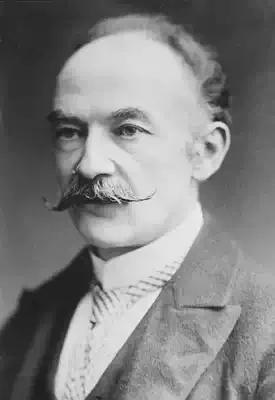
Thomas Hardy
The Seasons of Her Year
The Seasons of Her Year
I
Winter is white on turf and tree,
And birds are fled;
But summer songsters pipe to me,
And petals spread,
For what I dreamt of secretly
His lips have said!
II
O 'tis a fine May morn, they say,
And blooms have blown;
But wild and wintry is my day,
My birds make moan;
For he who vowed leaves me to pay
Alone--alone!
I
Winter is white on turf and tree,
And birds are fled;
But summer songsters pipe to me,
And petals spread,
For what I dreamt of secretly
His lips have said!
II
O 'tis a fine May morn, they say,
And blooms have blown;
But wild and wintry is my day,
My birds make moan;
For he who vowed leaves me to pay
Alone--alone!
219
Thomas Hardy
The King's Experiment
The King's Experiment
It was a wet wan hour in spring,
And Nature met King Doom beside a lane,
Wherein Hodge trudged, all blithely ballading
The Mother's smiling reign.
"Why warbles he that skies are fair
And coombs alight," she cried, "and fallows gay,
When I have placed no sunshine in the air
Or glow on earth to-day?"
"'Tis in the comedy of things
That such should be," returned the one of Doom;
"Charge now the scene with brightest blazonings,
And he shall call them gloom."
She gave the word: the sun outbroke,
All Froomside shone, the hedgebirds raised a song;
And later Hodge, upon the midday stroke,
Returned the lane along,
Low murmuring: "O this bitter scene,
And thrice accurst horizon hung with gloom!
How deadly like this sky, these fields, these treen,
To trappings of the tomb!"
The Beldame then: "The fool and blind!
Such mad perverseness who may apprehend?" -
"Nay; there's no madness in it; thou shalt find
Thy law there," said her friend.
"When Hodge went forth 'twas to his Love,
To make her, ere this eve, his wedded prize,
And Earth, despite the heaviness above,
Was bright as Paradise.
"But I sent on my messenger,
With cunning arrows poisonous and keen,
To take forthwith her laughing life from her,
And dull her little een,
"And white her cheek, and still her breath,
Ere her too buoyant Hodge had reached her side;
So, when he came, he clasped her but in death,
And never as his bride.
"And there's the humour, as I said;
Thy dreary dawn he saw as gleaming gold,
And in thy glistening green and radiant red
Funereal gloom and cold."
It was a wet wan hour in spring,
And Nature met King Doom beside a lane,
Wherein Hodge trudged, all blithely ballading
The Mother's smiling reign.
"Why warbles he that skies are fair
And coombs alight," she cried, "and fallows gay,
When I have placed no sunshine in the air
Or glow on earth to-day?"
"'Tis in the comedy of things
That such should be," returned the one of Doom;
"Charge now the scene with brightest blazonings,
And he shall call them gloom."
She gave the word: the sun outbroke,
All Froomside shone, the hedgebirds raised a song;
And later Hodge, upon the midday stroke,
Returned the lane along,
Low murmuring: "O this bitter scene,
And thrice accurst horizon hung with gloom!
How deadly like this sky, these fields, these treen,
To trappings of the tomb!"
The Beldame then: "The fool and blind!
Such mad perverseness who may apprehend?" -
"Nay; there's no madness in it; thou shalt find
Thy law there," said her friend.
"When Hodge went forth 'twas to his Love,
To make her, ere this eve, his wedded prize,
And Earth, despite the heaviness above,
Was bright as Paradise.
"But I sent on my messenger,
With cunning arrows poisonous and keen,
To take forthwith her laughing life from her,
And dull her little een,
"And white her cheek, and still her breath,
Ere her too buoyant Hodge had reached her side;
So, when he came, he clasped her but in death,
And never as his bride.
"And there's the humour, as I said;
Thy dreary dawn he saw as gleaming gold,
And in thy glistening green and radiant red
Funereal gloom and cold."
206
Robert W. Service
Montreal Maree
Montreal Maree
You've heard of Belching Billy, likewise known as Windy Bill,
As punk a chunk of Yukon scum as ever robbed a sluice;
A satellite of Soapy Smith, a capper and a shill,
A slimy tribute-taker from the Ladies on the Loose.
But say, you never heard of how he aimed my gore to spill
(That big gorilla gunnin' for a little guy like me,)
A-howlin' like a malamute an' ravin' he would drill
Me full of holes and all because of Montreal Maree.
Now Spike Mahoney's Bar was stiff with roarin' drunks,
And I was driftin' lonesome-like, scarce knowin' what to do,
So come I joined a poker game and dropped a hundred plunks,
And bein' broke I begged of Spike to take my I.O.U.
Says he: "Me lad, I'll help ye out, but let me make this clear:
If you you don't pay by New year's day your wage I'll garnishee."
So I was broodin' when I heard a whisper in my ear:
"What ees zee trouble, leetle boy?" said Montreal Maree.
Now dance-hall gels is good and bad, but most is in between;
Yeh, some is scum and some is dumb, and some is just plumb cold;
But of straight-shootin' Dawson dames Maree was rated queen,
As pretty as a pansy, wi' a heart o' Hunker gold.
And so although I didn't know her more that passin' by,
I told how Spike would seek my Boss, and jobless I would be;
She listened sympathetic like: "Zut! Baby, don't you cry;
I lend to you zee hundred bucks," said Montreal Maree.
Now though I zippered up my mug somehow the story spread
That I was playin' poker and my banker was Maree;
And when it got to Windy Bill, by Golly, he saw red,
And reachin' for his shootin' iron he started after me.
For he was batty for that babe and tried to fence her in.
And if a guy got in his way, say, he was set to kill;
So fortified with barbwire hooch and wickeder than sin;
"I'll plug that piker full of lead," exploded Windy Bill.
That night, a hundred smackers saved, with joy I started out
To seek my scented saviour in her cabin on the hill;
But barely had I paid my debt, when suddenly a shout . . .
I peered from out the window, and behold! 'twas Windy Bill.
He whooped and swooped and raved and waved his gun as he drew near.
Now he was kickin' in the door, no time was there to flee;
No place to hide: my doom was sealed . . . then sotly in my ear:
"Quick! creep beneez my petticoat," said Montreal Maree.
So pale as death I held my breath below that billowed skirt,
And a she sat I wondered at her voice so calm and clear;
Serene and still she spoke to Bill like he was so much dirt:
"Espèce de skunk! You jus' beeeg drunk. You see no man in here."
Then Bill began to cuss and ran wild shootin' down the hiss,
And all was hushed, and how I wished that bliss could ever be,
When up she rose in dainty pose beside the window sill:
"He spill hees gun, run Baby, run," cried Montreal Maree.
I've heard it said that she got wed and made a wonder wife.
I guess she did; that careless kid had mother in her heart.
But anyway I'll always say she saved my blasted life,
For other girls may come and go, and each may play their part:
But if I live a hundred years I'll not forget the thrill,
The rapture of that moment when I kissed a dimpled knee,
And safely mocked the murderous menace of Windy Bill,
Snug hid beneath the petticoat of Montreal Maree.
You've heard of Belching Billy, likewise known as Windy Bill,
As punk a chunk of Yukon scum as ever robbed a sluice;
A satellite of Soapy Smith, a capper and a shill,
A slimy tribute-taker from the Ladies on the Loose.
But say, you never heard of how he aimed my gore to spill
(That big gorilla gunnin' for a little guy like me,)
A-howlin' like a malamute an' ravin' he would drill
Me full of holes and all because of Montreal Maree.
Now Spike Mahoney's Bar was stiff with roarin' drunks,
And I was driftin' lonesome-like, scarce knowin' what to do,
So come I joined a poker game and dropped a hundred plunks,
And bein' broke I begged of Spike to take my I.O.U.
Says he: "Me lad, I'll help ye out, but let me make this clear:
If you you don't pay by New year's day your wage I'll garnishee."
So I was broodin' when I heard a whisper in my ear:
"What ees zee trouble, leetle boy?" said Montreal Maree.
Now dance-hall gels is good and bad, but most is in between;
Yeh, some is scum and some is dumb, and some is just plumb cold;
But of straight-shootin' Dawson dames Maree was rated queen,
As pretty as a pansy, wi' a heart o' Hunker gold.
And so although I didn't know her more that passin' by,
I told how Spike would seek my Boss, and jobless I would be;
She listened sympathetic like: "Zut! Baby, don't you cry;
I lend to you zee hundred bucks," said Montreal Maree.
Now though I zippered up my mug somehow the story spread
That I was playin' poker and my banker was Maree;
And when it got to Windy Bill, by Golly, he saw red,
And reachin' for his shootin' iron he started after me.
For he was batty for that babe and tried to fence her in.
And if a guy got in his way, say, he was set to kill;
So fortified with barbwire hooch and wickeder than sin;
"I'll plug that piker full of lead," exploded Windy Bill.
That night, a hundred smackers saved, with joy I started out
To seek my scented saviour in her cabin on the hill;
But barely had I paid my debt, when suddenly a shout . . .
I peered from out the window, and behold! 'twas Windy Bill.
He whooped and swooped and raved and waved his gun as he drew near.
Now he was kickin' in the door, no time was there to flee;
No place to hide: my doom was sealed . . . then sotly in my ear:
"Quick! creep beneez my petticoat," said Montreal Maree.
So pale as death I held my breath below that billowed skirt,
And a she sat I wondered at her voice so calm and clear;
Serene and still she spoke to Bill like he was so much dirt:
"Espèce de skunk! You jus' beeeg drunk. You see no man in here."
Then Bill began to cuss and ran wild shootin' down the hiss,
And all was hushed, and how I wished that bliss could ever be,
When up she rose in dainty pose beside the window sill:
"He spill hees gun, run Baby, run," cried Montreal Maree.
I've heard it said that she got wed and made a wonder wife.
I guess she did; that careless kid had mother in her heart.
But anyway I'll always say she saved my blasted life,
For other girls may come and go, and each may play their part:
But if I live a hundred years I'll not forget the thrill,
The rapture of that moment when I kissed a dimpled knee,
And safely mocked the murderous menace of Windy Bill,
Snug hid beneath the petticoat of Montreal Maree.
227
Thomas Hardy
The Dame of Athelhall
The Dame of Athelhall
I
"Soul! Shall I see thy face," she said,
"In one brief hour?
And away with thee from a loveless bed
To a far-off sun, to a vine-wrapt bower,
And be thine own unseparated,
And challenge the world's white glower?
II
She quickened her feet, and met him where
They had predesigned:
And they clasped, and mounted, and cleft the air
Upon whirling wheels; till the will to bind
Her life with his made the moments there
Efface the years behind.
III
Miles slid, and the sight of the port upgrew
As they sped on;
When slipping its bond the bracelet flew
From her fondled arm. Replaced anon,
Its cameo of the abjured one drew
Her musings thereupon.
IV
The gaud with his image once had been
A gift from him:
And so it was that its carving keen
Refurbished memories wearing dim,
Which set in her soul a throe of teen,
And a tear on her lashes' brim.
V
"I may not go!" she at length upspake,
"Thoughts call me back -
I would still lose all for your dear, dear sake;
My heart is thine, friend! But my track
I home to Athelhall must take
To hinder household wrack!"
VI
He appealed. But they parted, weak and wan:
And he left the shore;
His ship diminished, was low, was gone;
And she heard in the waves as the daytide wore,
And read in the leer of the sun that shone,
That they parted for evermore.
VII
She homed as she came, at the dip of eve
On Athel Coomb
Regaining the Hall she had sworn to leave . . .
The house was soundless as a tomb,
And she entered her chamber, there to grieve
Lone, kneeling, in the gloom.
VIII
From the lawn without rose her husband's voice
To one his friend:
"Another her Love, another my choice,
Her going is good. Our conditions mend;
In a change of mates we shall both rejoice;
I hoped that it thus might end!
IX
"A quick divorce; she will make him hers,
And I wed mine.
So Time rights all things in long, long years -
Or rather she, by her bold design!
I admire a woman no balk deters:
She has blessed my life, in fine.
X
"I shall build new rooms for my new true bride,
Let the bygone be:
By now, no doubt, she has crossed the tide
With the man to her mind. Far happier she
In some warm vineland by his side
Than ever she was with me."
I
"Soul! Shall I see thy face," she said,
"In one brief hour?
And away with thee from a loveless bed
To a far-off sun, to a vine-wrapt bower,
And be thine own unseparated,
And challenge the world's white glower?
II
She quickened her feet, and met him where
They had predesigned:
And they clasped, and mounted, and cleft the air
Upon whirling wheels; till the will to bind
Her life with his made the moments there
Efface the years behind.
III
Miles slid, and the sight of the port upgrew
As they sped on;
When slipping its bond the bracelet flew
From her fondled arm. Replaced anon,
Its cameo of the abjured one drew
Her musings thereupon.
IV
The gaud with his image once had been
A gift from him:
And so it was that its carving keen
Refurbished memories wearing dim,
Which set in her soul a throe of teen,
And a tear on her lashes' brim.
V
"I may not go!" she at length upspake,
"Thoughts call me back -
I would still lose all for your dear, dear sake;
My heart is thine, friend! But my track
I home to Athelhall must take
To hinder household wrack!"
VI
He appealed. But they parted, weak and wan:
And he left the shore;
His ship diminished, was low, was gone;
And she heard in the waves as the daytide wore,
And read in the leer of the sun that shone,
That they parted for evermore.
VII
She homed as she came, at the dip of eve
On Athel Coomb
Regaining the Hall she had sworn to leave . . .
The house was soundless as a tomb,
And she entered her chamber, there to grieve
Lone, kneeling, in the gloom.
VIII
From the lawn without rose her husband's voice
To one his friend:
"Another her Love, another my choice,
Her going is good. Our conditions mend;
In a change of mates we shall both rejoice;
I hoped that it thus might end!
IX
"A quick divorce; she will make him hers,
And I wed mine.
So Time rights all things in long, long years -
Or rather she, by her bold design!
I admire a woman no balk deters:
She has blessed my life, in fine.
X
"I shall build new rooms for my new true bride,
Let the bygone be:
By now, no doubt, she has crossed the tide
With the man to her mind. Far happier she
In some warm vineland by his side
Than ever she was with me."
214
Thomas Hardy
The Comet at Valbury or Yell'ham
The Comet at Valbury or Yell'ham
I
It bends far over Yell'ham Plain,
And we, from Yell'ham Height,
Stand and regard its fiery train,
So soon to swim from sight.
II
It will return long years hence, when
As now its strange swift shine
Will fall on Yell'ham; but not then
On that sweet form of thine.
I
It bends far over Yell'ham Plain,
And we, from Yell'ham Height,
Stand and regard its fiery train,
So soon to swim from sight.
II
It will return long years hence, when
As now its strange swift shine
Will fall on Yell'ham; but not then
On that sweet form of thine.
185
Thomas Hardy
She, To Him IV
She, To Him IV
THIS love puts all humanity from me;
I can but maledict her, pray her dead,
For giving love and getting love of thee--
Feeding a heart that else mine own had fed!
How much I love I know not, life not known,
Save as some unit I would add love by;
But this I know, my being is but thine own--
Fused from its separateness by ecstasy.
And thus I grasp thy amplitudes, of her
Ungrasped, though helped by nigh-regarding eyes;
Canst thou then hate me as an envier
Who see unrecked what I so dearly prize?
Believe me, Lost One, Love is lovelier
The more it shapes its moans in selfish-wise.
THIS love puts all humanity from me;
I can but maledict her, pray her dead,
For giving love and getting love of thee--
Feeding a heart that else mine own had fed!
How much I love I know not, life not known,
Save as some unit I would add love by;
But this I know, my being is but thine own--
Fused from its separateness by ecstasy.
And thus I grasp thy amplitudes, of her
Ungrasped, though helped by nigh-regarding eyes;
Canst thou then hate me as an envier
Who see unrecked what I so dearly prize?
Believe me, Lost One, Love is lovelier
The more it shapes its moans in selfish-wise.
247
Thomas Hardy
In Vision I Roamed
In Vision I Roamed
IN vision I roamed the flashing Firmament,
So fierce in blazon that the Night waxed wan,
As though with an awed sense of such ostent;
And as I thought my spirit ranged on and on
In footless traverse through ghast heights of sky,
To the last chambers of the monstrous Dome,
Where stars the brightest here to darkness die:
Then, any spot on our own Earth seemed Home!
And the sick grief that you were far away
Grew pleasant thankfulness that you were near,
Who might have been, set on some outstep sphere,
Less than a Want to me, as day by day
I lived unware, uncaring all that lay
Locked in that Universe taciturn and drear.
IN vision I roamed the flashing Firmament,
So fierce in blazon that the Night waxed wan,
As though with an awed sense of such ostent;
And as I thought my spirit ranged on and on
In footless traverse through ghast heights of sky,
To the last chambers of the monstrous Dome,
Where stars the brightest here to darkness die:
Then, any spot on our own Earth seemed Home!
And the sick grief that you were far away
Grew pleasant thankfulness that you were near,
Who might have been, set on some outstep sphere,
Less than a Want to me, as day by day
I lived unware, uncaring all that lay
Locked in that Universe taciturn and drear.
224
Thomas Hardy
In The Vaulted Way
In The Vaulted Way
In the vaulted way, where the passage turned
To the shadowy corner that none could see,
You paused for our parting, - plaintively:
Though overnight had come words that burned
My fond frail happiness out of me.
And then I kissed you, - despite my thought
That our spell must end when reflection came
On what you had deemed me, whose one long aim
Had been to serve you; that what I sought
Lay not in a heart that could breathe such blame.
But yet I kissed you: whereon you again
As of old kissed me. Why, why was it so?
Do you cleave to me after that light-tongued blow?
If you scorned me at eventide, how love then?
The thing is dark, Dear. I do not know.
In the vaulted way, where the passage turned
To the shadowy corner that none could see,
You paused for our parting, - plaintively:
Though overnight had come words that burned
My fond frail happiness out of me.
And then I kissed you, - despite my thought
That our spell must end when reflection came
On what you had deemed me, whose one long aim
Had been to serve you; that what I sought
Lay not in a heart that could breathe such blame.
But yet I kissed you: whereon you again
As of old kissed me. Why, why was it so?
Do you cleave to me after that light-tongued blow?
If you scorned me at eventide, how love then?
The thing is dark, Dear. I do not know.
199
William Shakespeare
Sonnet 98: From you have I been absent in the spring
Sonnet 98: From you have I been absent in the spring
From you have I been absent in the spring,
When proud-pied April, dressed in all his trim,
Hath put a spirit of youth in every thing,
That heavy Saturn laughed and leaped with him.
Yet nor the lays of birds, nor the sweet smell
Of different flowers in odour and in hue
Could make me any summer's story tell,
Or from their proud lap pluck them where they grew.
Nor did I wonder at the lily's white,
Nor praise the deep vermilion in the rose;
They were but sweet, but figures of delight
Drawn after you, you pattern of all those.
Yet seemed it winter still, and you away,
As with your shadow I with these did play.
From you have I been absent in the spring,
When proud-pied April, dressed in all his trim,
Hath put a spirit of youth in every thing,
That heavy Saturn laughed and leaped with him.
Yet nor the lays of birds, nor the sweet smell
Of different flowers in odour and in hue
Could make me any summer's story tell,
Or from their proud lap pluck them where they grew.
Nor did I wonder at the lily's white,
Nor praise the deep vermilion in the rose;
They were but sweet, but figures of delight
Drawn after you, you pattern of all those.
Yet seemed it winter still, and you away,
As with your shadow I with these did play.
281
William Shakespeare
Sonnet 64: When I have seen by Time's fell hand defaced
Sonnet 64: When I have seen by Time's fell hand defaced
When I have seen by Time's fell hand defaced
The rich-proud cost of outworn buried age;
When sometime lofty towers I see down-razed
And brass eternal slave to mortal rage;
When I have seen the hungry ocean gain
Advantage on the kingdom of the shore,
And the firm soil win of the watery main,
Increasing store with loss, and loss with store;
When I have seen such interchange of state,
Or state it self confounded to decay,
Ruin hath taught me thus to ruminate
That Time will come and take my love away.
This thought is as a death which cannot choose
But weep to have that which it fears to lose.
When I have seen by Time's fell hand defaced
The rich-proud cost of outworn buried age;
When sometime lofty towers I see down-razed
And brass eternal slave to mortal rage;
When I have seen the hungry ocean gain
Advantage on the kingdom of the shore,
And the firm soil win of the watery main,
Increasing store with loss, and loss with store;
When I have seen such interchange of state,
Or state it self confounded to decay,
Ruin hath taught me thus to ruminate
That Time will come and take my love away.
This thought is as a death which cannot choose
But weep to have that which it fears to lose.
273
Page 1
Next