
Humanity and Solidarity
Poems in this topic
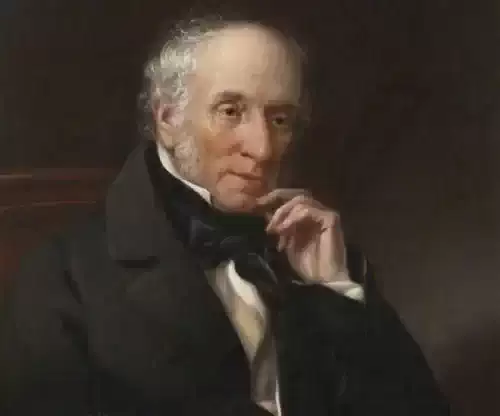
William Wordsworth
Written in Early Spring
Written in Early Spring
I heard a thousand blended notes
While in a grove I sat reclined,
In that sweet mood when pleasant thoughts
Bring sad thoughts to the mind.
To her fair works did Nature link
The human soul that through me ran;
And much it grieved my heart to think
What Man has made of Man.
Through primrose tufts, in that sweet bower,
The periwinkle trailed its wreaths;
And 'tis my faith that every flower
Enjoys the air it breathes.
The birds around me hopped and played,
Their thoughts I cannot measure -
But the least motion which they made
It seemed a thrill of pleasure.
The budding twigs spread out their fan
To catch the breezy air;
And I must think, do all I can,
That there was pleasure there.
If this belief from heaven be sent,
If such be Nature's holy plan,
Have I not reason to lament
What Man has made of Man?
I heard a thousand blended notes
While in a grove I sat reclined,
In that sweet mood when pleasant thoughts
Bring sad thoughts to the mind.
To her fair works did Nature link
The human soul that through me ran;
And much it grieved my heart to think
What Man has made of Man.
Through primrose tufts, in that sweet bower,
The periwinkle trailed its wreaths;
And 'tis my faith that every flower
Enjoys the air it breathes.
The birds around me hopped and played,
Their thoughts I cannot measure -
But the least motion which they made
It seemed a thrill of pleasure.
The budding twigs spread out their fan
To catch the breezy air;
And I must think, do all I can,
That there was pleasure there.
If this belief from heaven be sent,
If such be Nature's holy plan,
Have I not reason to lament
What Man has made of Man?
323
William Wordsworth
The Power of Armies Is a Visible Thing
The Power of Armies Is a Visible Thing
The power of Armies is a visible thing,
Formal, and circumscribed in time and space;
But who the limits of that power shall trace
Which a brave People into light can bring
Or hide, at will,--for freedom combating
By just revenge inflamed? No foot may chase,
No eye can follow, to a fatal place
That power, that spirit, whether on the wing
Like the strong wind, or sleeping like the wind
Within its awful caves.--From year to year
Springs this indigenous produce far and near;
No craft this subtle element can bind,
Rising like water from the soil, to find
In every nook a lip that it may cheer.
The power of Armies is a visible thing,
Formal, and circumscribed in time and space;
But who the limits of that power shall trace
Which a brave People into light can bring
Or hide, at will,--for freedom combating
By just revenge inflamed? No foot may chase,
No eye can follow, to a fatal place
That power, that spirit, whether on the wing
Like the strong wind, or sleeping like the wind
Within its awful caves.--From year to year
Springs this indigenous produce far and near;
No craft this subtle element can bind,
Rising like water from the soil, to find
In every nook a lip that it may cheer.
144
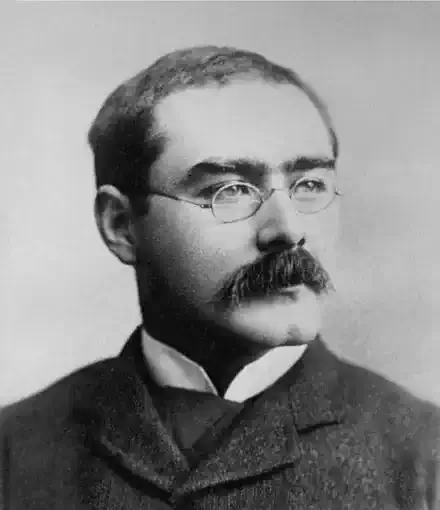
Rudyard Kipling
Russia to the Pacifists
Russia to the Pacifists
God rest you, peaceful gentlemen, let nothing you dismay,
But--leave your sports a little while--the dead are borne
this way!
Armies dead and Cities dead, past all count or care.
God rest you, merry gentlemen, what portent see you there?
Singing:--Break ground for a wearied host
That have no ground to keep.
Give them the rest that they covet most . . .
And who shall next to sleep, good sirs,
In such a trench to sleep?
God rest you, peaceful gentlemen, but give us leave to pass.
We go to dig a nation's grave as great as England was.
For this Kingdom and this Glory and this Power and this Pride
Three hundred years it flourished--in three hundred days it
died.
Singing:--Pour oil for a frozen throng,
That lie about the ways.
Give them the warmth they have lacked so
long . . .
And what shall be next to blaze, good sirs,
On such a pyre to blaze?
God rest you, thoughtful gentlemen, and send your sleep is light!
Remains of this dominion no shadow, sound, or sight,
Except the sound of weeping and the sight of burning fire,
And the shadow of a people that is trampled into mire.
Singing:--Break bread for a starving folk
That perish in the field.
Give them their food as they take the yoke . . .
And who shall be next to yield, good sirs,
For such a bribe to yield?
God rest you merry gentlemen, and keep you in your mirth!
Was ever Kingdom turned so soon to ashes, blood and earth?
'Twixt the summer and the snow-seeding-time and frost--
Arms and victual, hope and counsel, name and country lost!
Singing:--Let down by the foot and the head--
Shovel and smooth it all !
So do we bury a Nation dead . . .
And who shall be next to fall, good sirs,
With your good help to fall?
God rest you, peaceful gentlemen, let nothing you dismay,
But--leave your sports a little while--the dead are borne
this way!
Armies dead and Cities dead, past all count or care.
God rest you, merry gentlemen, what portent see you there?
Singing:--Break ground for a wearied host
That have no ground to keep.
Give them the rest that they covet most . . .
And who shall next to sleep, good sirs,
In such a trench to sleep?
God rest you, peaceful gentlemen, but give us leave to pass.
We go to dig a nation's grave as great as England was.
For this Kingdom and this Glory and this Power and this Pride
Three hundred years it flourished--in three hundred days it
died.
Singing:--Pour oil for a frozen throng,
That lie about the ways.
Give them the warmth they have lacked so
long . . .
And what shall be next to blaze, good sirs,
On such a pyre to blaze?
God rest you, thoughtful gentlemen, and send your sleep is light!
Remains of this dominion no shadow, sound, or sight,
Except the sound of weeping and the sight of burning fire,
And the shadow of a people that is trampled into mire.
Singing:--Break bread for a starving folk
That perish in the field.
Give them their food as they take the yoke . . .
And who shall be next to yield, good sirs,
For such a bribe to yield?
God rest you merry gentlemen, and keep you in your mirth!
Was ever Kingdom turned so soon to ashes, blood and earth?
'Twixt the summer and the snow-seeding-time and frost--
Arms and victual, hope and counsel, name and country lost!
Singing:--Let down by the foot and the head--
Shovel and smooth it all !
So do we bury a Nation dead . . .
And who shall be next to fall, good sirs,
With your good help to fall?
422
Rudyard Kipling
Quiquern
Quiquern
The People of the Eastern Ice, they are melting like the snow--
They beg for coffee and sugar; they go where the white men go.
The People of the Western Ice, they learn to steal and fight;
They sell their furs to the trading-post; they sell their souls to
the white.
The People of the Southern Ice, they trade with the whaler's
crew;
Their women have many ribbons, but their tents are torn and few.
But the People of the Elder Ice, beyond the white man's ken--
Their spears are made of the narwhal-horn, and they are the last
of the Men!
The People of the Eastern Ice, they are melting like the snow--
They beg for coffee and sugar; they go where the white men go.
The People of the Western Ice, they learn to steal and fight;
They sell their furs to the trading-post; they sell their souls to
the white.
The People of the Southern Ice, they trade with the whaler's
crew;
Their women have many ribbons, but their tents are torn and few.
But the People of the Elder Ice, beyond the white man's ken--
Their spears are made of the narwhal-horn, and they are the last
of the Men!
592
Rudyard Kipling
L'envoi To Life's Handicap
L'envoi To "Life's Handicap"
My new-cut ashlar takes the light
Where crimson-blank the windows flare;
By my own work, before the night,
Great Overseer I make my prayer.
If there be good in that I wrought,
Thy hand compelled it, Master, Thine;
Where I have failed to meet Thy thought
I know, through Thee, the blame is mine.
One instant's toil to Thee denied
Stands all Eternity's offence,
Of that I did with Thee to guide
To Thee, through Thee, be excellence.
Who, lest all thought of Eden fade,
Bring'st Eden to the craftsman's brain,
Godlike to muse o'er his own trade
And Manlike stand with God again.
The depth and dream of my desire,
The bitter paths wherein I stray,
Thou knowest Who hast made the Fire,
Thou knowest Who hast made the Clay!
One stone the more swings to her place
In that dread Temple of Thy Worth --
It is enough that through Thy grace
I saw naught common on Thy earth.
Take not that vision from my ken;
Oh whatsoe'er may spoil or speed,
Help me to need no aid from men
That I may help such men as need!
My new-cut ashlar takes the light
Where crimson-blank the windows flare;
By my own work, before the night,
Great Overseer I make my prayer.
If there be good in that I wrought,
Thy hand compelled it, Master, Thine;
Where I have failed to meet Thy thought
I know, through Thee, the blame is mine.
One instant's toil to Thee denied
Stands all Eternity's offence,
Of that I did with Thee to guide
To Thee, through Thee, be excellence.
Who, lest all thought of Eden fade,
Bring'st Eden to the craftsman's brain,
Godlike to muse o'er his own trade
And Manlike stand with God again.
The depth and dream of my desire,
The bitter paths wherein I stray,
Thou knowest Who hast made the Fire,
Thou knowest Who hast made the Clay!
One stone the more swings to her place
In that dread Temple of Thy Worth --
It is enough that through Thy grace
I saw naught common on Thy earth.
Take not that vision from my ken;
Oh whatsoe'er may spoil or speed,
Help me to need no aid from men
That I may help such men as need!
422
Rudyard Kipling
Hunting Song of the Seeonee Pack
Hunting Song of the Seeonee Pack
As the dawn was breaking the Sambhur belled
Once, twice, and again!
And a doe leaped up -- and a doe leaped up
From the pond in the wood where the wild deer sup.
This I, scouting alone, beheld,
Once, twice, and again!
As the dawn was breaking the Sambhur belled
Once, twice, and again!
And a wolf stole back -- and a wolf stole back
To carry the word to the waiting Pack;
And we sought and we found and we bayed on his track
Once, twice, and again!
As the dawn was breaking the Wolf-pack yelled
Once, twice, and again!
Feet in the jungle that leave no mark!
Eyes that can see in the dark -- the dark!
Tongue -- give tongue to it! Hark! O Hark!
Once, twice, and again!
His spots are the joy of the Leopard: his horns are the Buffalo's pride --
Be clean, for the strength of the hunter is known by the gloss of his hide.
If ye find that the Bullock can toss you, or the heavy-browed Sambhur can gore;
Ye need not stop work to inform us; we knew it ten seasons before.
Oppress not the cubs of the stranger, but hail them as Sister and Brother,
For though they are little and fubsy, it may be the Bear is their mother.
"There is none like to me!" says the Cub in the pride of his earliest kill;
But the Jungle is large and the Cub he is small. Let him think and be still.
As the dawn was breaking the Sambhur belled
Once, twice, and again!
And a doe leaped up -- and a doe leaped up
From the pond in the wood where the wild deer sup.
This I, scouting alone, beheld,
Once, twice, and again!
As the dawn was breaking the Sambhur belled
Once, twice, and again!
And a wolf stole back -- and a wolf stole back
To carry the word to the waiting Pack;
And we sought and we found and we bayed on his track
Once, twice, and again!
As the dawn was breaking the Wolf-pack yelled
Once, twice, and again!
Feet in the jungle that leave no mark!
Eyes that can see in the dark -- the dark!
Tongue -- give tongue to it! Hark! O Hark!
Once, twice, and again!
His spots are the joy of the Leopard: his horns are the Buffalo's pride --
Be clean, for the strength of the hunter is known by the gloss of his hide.
If ye find that the Bullock can toss you, or the heavy-browed Sambhur can gore;
Ye need not stop work to inform us; we knew it ten seasons before.
Oppress not the cubs of the stranger, but hail them as Sister and Brother,
For though they are little and fubsy, it may be the Bear is their mother.
"There is none like to me!" says the Cub in the pride of his earliest kill;
But the Jungle is large and the Cub he is small. Let him think and be still.
464
Rudyard Kipling
Gunga Din
Gunga Din
You may talk o' gin and beer
When you're quartered safe out 'ere,
An' you're sent to penny-fights an' Aldershot it;
But when it comes to slaughter
You will do your work on water,
An' you'll lick the bloomin' boots of 'im that's got it.
Now in Injia's sunny clime,
Where I used to spend my time
A-servin' of 'Er Majesty the Queen,
Of all them blackfaced crew
The finest man I knew
Was our regimental bhisti, Gunga Din.
He was "Din! Din! Din!
You limpin' lump o' brick-dust, Gunga Din!
Hi! slippery ~hitherao~!
Water, get it! ~Panee lao~! [Bring water swiftly.]
You squidgy-nosed old idol, Gunga Din."
The uniform 'e wore
Was nothin' much before,
An' rather less than 'arf o' that be'ind,
For a piece o' twisty rag
An' a goatskin water-bag
Was all the field-equipment 'e could find.
When the sweatin' troop-train lay
In a sidin' through the day,
Where the 'eat would make your bloomin' eyebrows crawl,
We shouted "Harry By!" [Mr. Atkins's equivalent for "O brother."]
Till our throats were bricky-dry,
Then we wopped 'im 'cause 'e couldn't serve us all.
It was "Din! Din! Din!
You 'eathen, where the mischief 'ave you been?
You put some ~juldee~ in it [Be quick.]
Or I'll ~marrow~ you this minute [Hit you.]
If you don't fill up my helmet, Gunga Din!"
'E would dot an' carry one
Till the longest day was done;
An' 'e didn't seem to know the use o' fear.
If we charged or broke or cut,
You could bet your bloomin' nut,
'E'd be waitin' fifty paces right flank rear.
With 'is ~mussick~ on 'is back, [Water-skin.]
'E would skip with our attack,
An' watch us till the bugles made "Retire",
An' for all 'is dirty 'ide
'E was white, clear white, inside
When 'e went to tend the wounded under fire!
It was "Din! Din! Din!"
With the bullets kickin' dust-spots on the green.
When the cartridges ran out,
You could hear the front-files shout,
"Hi! ammunition-mules an' Gunga Din!"
I shan't forgit the night
When I dropped be'ind the fight
With a bullet where my belt-plate should 'a' been.
I was chokin' mad with thirst,
An' the man that spied me first
Was our good old grinnin', gruntin' Gunga Din.
'E lifted up my 'ead,
An' he plugged me where I bled,
An' 'e guv me 'arf-a-pint o' water-green:
It was crawlin' and it stunk,
But of all the drinks I've drunk,
I'm gratefullest to one from Gunga Din.
It was "Din! Din! Din!
'Ere's a beggar with a bullet through 'is spleen;
'E's chawin' up the ground,
An' 'e's kickin' all around:
For Gawd's sake git the water, Gunga Din!"
'E carried me away
To where a dooli lay,
An' a bullet come an' drilled the beggar clean.
'E put me safe inside,
An' just before 'e died,
"I 'ope you liked your drink", sez Gunga Din.
So I'll meet 'im later on
At the place where 'e is gone --
Where it's always double drill and no canteen;
'E'll be squattin' on the coals
Givin' drink to poor damned souls,
An' I'll get a swig in hell from Gunga Din!
Yes, Din! Din! Din!
You Lazarushian-leather Gunga Din!
Though I've belted you and flayed you,
By the livin' Gawd that made you,
You're a better man than I am, Gunga Din!
You may talk o' gin and beer
When you're quartered safe out 'ere,
An' you're sent to penny-fights an' Aldershot it;
But when it comes to slaughter
You will do your work on water,
An' you'll lick the bloomin' boots of 'im that's got it.
Now in Injia's sunny clime,
Where I used to spend my time
A-servin' of 'Er Majesty the Queen,
Of all them blackfaced crew
The finest man I knew
Was our regimental bhisti, Gunga Din.
He was "Din! Din! Din!
You limpin' lump o' brick-dust, Gunga Din!
Hi! slippery ~hitherao~!
Water, get it! ~Panee lao~! [Bring water swiftly.]
You squidgy-nosed old idol, Gunga Din."
The uniform 'e wore
Was nothin' much before,
An' rather less than 'arf o' that be'ind,
For a piece o' twisty rag
An' a goatskin water-bag
Was all the field-equipment 'e could find.
When the sweatin' troop-train lay
In a sidin' through the day,
Where the 'eat would make your bloomin' eyebrows crawl,
We shouted "Harry By!" [Mr. Atkins's equivalent for "O brother."]
Till our throats were bricky-dry,
Then we wopped 'im 'cause 'e couldn't serve us all.
It was "Din! Din! Din!
You 'eathen, where the mischief 'ave you been?
You put some ~juldee~ in it [Be quick.]
Or I'll ~marrow~ you this minute [Hit you.]
If you don't fill up my helmet, Gunga Din!"
'E would dot an' carry one
Till the longest day was done;
An' 'e didn't seem to know the use o' fear.
If we charged or broke or cut,
You could bet your bloomin' nut,
'E'd be waitin' fifty paces right flank rear.
With 'is ~mussick~ on 'is back, [Water-skin.]
'E would skip with our attack,
An' watch us till the bugles made "Retire",
An' for all 'is dirty 'ide
'E was white, clear white, inside
When 'e went to tend the wounded under fire!
It was "Din! Din! Din!"
With the bullets kickin' dust-spots on the green.
When the cartridges ran out,
You could hear the front-files shout,
"Hi! ammunition-mules an' Gunga Din!"
I shan't forgit the night
When I dropped be'ind the fight
With a bullet where my belt-plate should 'a' been.
I was chokin' mad with thirst,
An' the man that spied me first
Was our good old grinnin', gruntin' Gunga Din.
'E lifted up my 'ead,
An' he plugged me where I bled,
An' 'e guv me 'arf-a-pint o' water-green:
It was crawlin' and it stunk,
But of all the drinks I've drunk,
I'm gratefullest to one from Gunga Din.
It was "Din! Din! Din!
'Ere's a beggar with a bullet through 'is spleen;
'E's chawin' up the ground,
An' 'e's kickin' all around:
For Gawd's sake git the water, Gunga Din!"
'E carried me away
To where a dooli lay,
An' a bullet come an' drilled the beggar clean.
'E put me safe inside,
An' just before 'e died,
"I 'ope you liked your drink", sez Gunga Din.
So I'll meet 'im later on
At the place where 'e is gone --
Where it's always double drill and no canteen;
'E'll be squattin' on the coals
Givin' drink to poor damned souls,
An' I'll get a swig in hell from Gunga Din!
Yes, Din! Din! Din!
You Lazarushian-leather Gunga Din!
Though I've belted you and flayed you,
By the livin' Gawd that made you,
You're a better man than I am, Gunga Din!
672
Rudyard Kipling
Evarra And His Gods
Evarra And His Gods
~Read here:
This is the story of Evarra -- man --
Maker of Gods in lands beyond the sea.~
Because the city gave him of her gold,
Because the caravans brought turquoises,
Because his life was sheltered by the King,
So that no man should maim him, none should steal,
Or break his rest with babble in the streets
When he was weary after toil, he made
An image of his God in gold and pearl,
With turquoise diadem and human eyes,
A wonder in the sunshine, known afar,
And worshipped by the King; but, drunk with pride,
Because the city bowed to him for God,
He wrote above the shrine: "~Thus Gods are made,
And whoso makes them otherwise shall die.~"
And all the city praised him. . . . Then he died.
~Read here the story of Evarra -- man --
Maker of Gods in lands beyond the sea.~
Because the city had no wealth to give,
Because the caravans were spoiled afar,
Because his life was threatened by the King,
So that all men despised him in the streets,
He hewed the living rock, with sweat and tears,
And reared a God against the morning-gold,
A terror in the sunshine, seen afar,
And worshipped by the King; but, drunk with pride,
Because the city fawned to bring him back,
He carved upon the plinth: "~Thus Gods are made,
And whoso makes them otherwise shall die.~"
And all the people praised him. . . . Then he died.
~Read here the story of Evarra -- man --
Maker of Gods in lands beyond the sea.~
Because he lived among a simple folk,
Because his village was between the hills,
Because he smeared his cheeks with blood of ewes,
He cut an idol from a fallen pine,
Smeared blood upon its cheeks, and wedged a shell
Above its brows for eyes, and gave it hair
Of trailing moss, and plaited straw for crown.
And all the village praised him for this craft,
And brought him butter, honey, milk, and curds.
Wherefore, because the shoutings drove him mad,
He scratched upon that log: "~Thus Gods are made,
And whoso makes them otherwise shall die.~"
And all the people praised him. . . . Then he died.
~Read here the story of Evarra -- man --
Maker of Gods in lands beyond the sea.~
Because his God decreed one clot of blood
Should swerve one hair's-breadth from the pulse's path,
And chafe his brain, Evarra mowed alone,
Rag-wrapped, among the cattle in the fields,
Counting his fingers, jesting with the trees,
And mocking at the mist, until his God
Drove him to labour. Out of dung and horns
Dropped in the mire he made a monstrous God,
Abhorrent, shapeless, crowned with plantain tufts,
And when the cattle lowed at twilight-time,
He dreamed it was the clamour of lost crowds,
And howled among the beasts: "~Thus Gods are made,
And whoso makes them otherwise shall die.~"
Thereat the cattle bellowed. . . . Then he died.
Yet at the last he came to Paradise,
And found his own four Gods, and that he wrote;
And marvelled, being very near to God,
What oaf on earth had made his toil God's law,
Till God said mocking: "Mock not. These be thine."
Then cried Evarra: "I have sinned!" -- "Not so.
If thou hadst written otherwise, thy Gods
Had rested in the mountain and the mine,
And I were poorer by four wondrous Gods,
And thy more wondrous law, Evarra. Thine,
Servant of shouting crowds and lowing kine."
Thereat, with laughing mouth, but tear-wet eyes,
Evarra cast his Gods from Paradise.
~This is the story of Evarra -- man --
Maker of Gods in lands beyond the sea.~
~Read here:
This is the story of Evarra -- man --
Maker of Gods in lands beyond the sea.~
Because the city gave him of her gold,
Because the caravans brought turquoises,
Because his life was sheltered by the King,
So that no man should maim him, none should steal,
Or break his rest with babble in the streets
When he was weary after toil, he made
An image of his God in gold and pearl,
With turquoise diadem and human eyes,
A wonder in the sunshine, known afar,
And worshipped by the King; but, drunk with pride,
Because the city bowed to him for God,
He wrote above the shrine: "~Thus Gods are made,
And whoso makes them otherwise shall die.~"
And all the city praised him. . . . Then he died.
~Read here the story of Evarra -- man --
Maker of Gods in lands beyond the sea.~
Because the city had no wealth to give,
Because the caravans were spoiled afar,
Because his life was threatened by the King,
So that all men despised him in the streets,
He hewed the living rock, with sweat and tears,
And reared a God against the morning-gold,
A terror in the sunshine, seen afar,
And worshipped by the King; but, drunk with pride,
Because the city fawned to bring him back,
He carved upon the plinth: "~Thus Gods are made,
And whoso makes them otherwise shall die.~"
And all the people praised him. . . . Then he died.
~Read here the story of Evarra -- man --
Maker of Gods in lands beyond the sea.~
Because he lived among a simple folk,
Because his village was between the hills,
Because he smeared his cheeks with blood of ewes,
He cut an idol from a fallen pine,
Smeared blood upon its cheeks, and wedged a shell
Above its brows for eyes, and gave it hair
Of trailing moss, and plaited straw for crown.
And all the village praised him for this craft,
And brought him butter, honey, milk, and curds.
Wherefore, because the shoutings drove him mad,
He scratched upon that log: "~Thus Gods are made,
And whoso makes them otherwise shall die.~"
And all the people praised him. . . . Then he died.
~Read here the story of Evarra -- man --
Maker of Gods in lands beyond the sea.~
Because his God decreed one clot of blood
Should swerve one hair's-breadth from the pulse's path,
And chafe his brain, Evarra mowed alone,
Rag-wrapped, among the cattle in the fields,
Counting his fingers, jesting with the trees,
And mocking at the mist, until his God
Drove him to labour. Out of dung and horns
Dropped in the mire he made a monstrous God,
Abhorrent, shapeless, crowned with plantain tufts,
And when the cattle lowed at twilight-time,
He dreamed it was the clamour of lost crowds,
And howled among the beasts: "~Thus Gods are made,
And whoso makes them otherwise shall die.~"
Thereat the cattle bellowed. . . . Then he died.
Yet at the last he came to Paradise,
And found his own four Gods, and that he wrote;
And marvelled, being very near to God,
What oaf on earth had made his toil God's law,
Till God said mocking: "Mock not. These be thine."
Then cried Evarra: "I have sinned!" -- "Not so.
If thou hadst written otherwise, thy Gods
Had rested in the mountain and the mine,
And I were poorer by four wondrous Gods,
And thy more wondrous law, Evarra. Thine,
Servant of shouting crowds and lowing kine."
Thereat, with laughing mouth, but tear-wet eyes,
Evarra cast his Gods from Paradise.
~This is the story of Evarra -- man --
Maker of Gods in lands beyond the sea.~
536
Rudyard Kipling
An Imperial Rescript
An Imperial Rescript
Now this is the tale of the Council the German Kaiser decreed,
To ease the strong of their burden, to help the weak in their need,
He sent a word to the peoples, who struggle, and pant, and sweat,
That the straw might be counted fairly and the tally of bricks be set.
The Lords of Their Hands assembled; from the East and the West they drew --
Baltimore, Lille, and Essen, Brummagem, Clyde, and Crewe.
And some were black from the furnace, and some were brown from the soil,
And some were blue from the dye-vat; but all were wearied of toil.
And the young King said: -- "I have found it, the road to the rest ye seek:
The strong shall wait for the weary, the hale shall halt for the weak;
With the even tramp of an army where no man breaks from the line,
Ye shall march to peace and plenty in the bond of brotherhood -- sign!"
The paper lay on the table, the strong heads bowed thereby,
And a wail went up from the peoples: -- "Ay, sign -- give rest, for we die!"
A hand was stretched to the goose-quill, a fist was cramped to scrawl,
When -- the laugh of a blue-eyed maiden ran clear through the council-hall.
And each one heard Her laughing as each one saw Her plain --
Saidie, Mimi, or Olga, Gretchen, or Mary Jane.
And the Spirit of Man that is in Him to the light of the vision woke;
And the men drew back from the paper, as a Yankee delegate spoke: --
"There's a girl in Jersey City who works on the telephone;
We're going to hitch our horses and dig for a house of our own,
With gas and water connections, and steam-heat through to the top;
And, W. Hohenzollern, I guess I shall work till I drop."
And an English delegate thundered: -- "The weak an' the lame be blowed!
I've a berth in the Sou'-West workshops, a home in the Wandsworth Road;
And till the 'sociation has footed my buryin' bill,
I work for the kids an' the missus. Pull up? I be damned if I will!"
And over the German benches the bearded whisper ran: --
"Lager, der girls und der dollars, dey makes or dey breaks a man.
If Schmitt haf collared der dollars, he collars der girl deremit;
But if Schmitt bust in der pizness, we collars der girl from Schmitt."
They passed one resolution: -- "Your sub-committee believe
You can lighten the curse of Adam when you've lightened the curse of Eve.
But till we are built like angels, with hammer and chisel and pen,
We will work for ourself and a woman, for ever and ever, amen."
Now this is the tale of the Council the German Kaiser held --
The day that they razored the Grindstone, the day that the Cat was belled,
The day of the Figs from Thistles, the day of the Twisted Sands,
The day that the laugh of a maiden made light of the Lords of Their Hands.
Now this is the tale of the Council the German Kaiser decreed,
To ease the strong of their burden, to help the weak in their need,
He sent a word to the peoples, who struggle, and pant, and sweat,
That the straw might be counted fairly and the tally of bricks be set.
The Lords of Their Hands assembled; from the East and the West they drew --
Baltimore, Lille, and Essen, Brummagem, Clyde, and Crewe.
And some were black from the furnace, and some were brown from the soil,
And some were blue from the dye-vat; but all were wearied of toil.
And the young King said: -- "I have found it, the road to the rest ye seek:
The strong shall wait for the weary, the hale shall halt for the weak;
With the even tramp of an army where no man breaks from the line,
Ye shall march to peace and plenty in the bond of brotherhood -- sign!"
The paper lay on the table, the strong heads bowed thereby,
And a wail went up from the peoples: -- "Ay, sign -- give rest, for we die!"
A hand was stretched to the goose-quill, a fist was cramped to scrawl,
When -- the laugh of a blue-eyed maiden ran clear through the council-hall.
And each one heard Her laughing as each one saw Her plain --
Saidie, Mimi, or Olga, Gretchen, or Mary Jane.
And the Spirit of Man that is in Him to the light of the vision woke;
And the men drew back from the paper, as a Yankee delegate spoke: --
"There's a girl in Jersey City who works on the telephone;
We're going to hitch our horses and dig for a house of our own,
With gas and water connections, and steam-heat through to the top;
And, W. Hohenzollern, I guess I shall work till I drop."
And an English delegate thundered: -- "The weak an' the lame be blowed!
I've a berth in the Sou'-West workshops, a home in the Wandsworth Road;
And till the 'sociation has footed my buryin' bill,
I work for the kids an' the missus. Pull up? I be damned if I will!"
And over the German benches the bearded whisper ran: --
"Lager, der girls und der dollars, dey makes or dey breaks a man.
If Schmitt haf collared der dollars, he collars der girl deremit;
But if Schmitt bust in der pizness, we collars der girl from Schmitt."
They passed one resolution: -- "Your sub-committee believe
You can lighten the curse of Adam when you've lightened the curse of Eve.
But till we are built like angels, with hammer and chisel and pen,
We will work for ourself and a woman, for ever and ever, amen."
Now this is the tale of the Council the German Kaiser held --
The day that they razored the Grindstone, the day that the Cat was belled,
The day of the Figs from Thistles, the day of the Twisted Sands,
The day that the laugh of a maiden made light of the Lords of Their Hands.
455
Rudyard Kipling
An American
An American
The American Spirit speaks:
"If the Led Striker call it a strike,
Or the papers call it a war,
They know not much what I am like,
Nor what he is, my Avatar."
Through many roads, by me possessed,
He shambles forth in cosmic guise;
He is the Jester and the Jest,
And he the Text himself applies.
The Celt is in his heart and hand,
The Gaul is in his brain and nerve;
Where, cosmopolitanly planned,
He guards the Redskin's dry reserve.
His easy unswept hearth he lends
From Labrador to Guadeloupe;
Till, elbowed out by sloven friends,
He camps, at sufferance, on the stoop.
Calm-eyed he scoffs at sword and crown,
Or panic-blinded stabs and slays:
Blatant he bids the world bow down,
Or cringing begs a crust of praise;
Or, sombre-drunk, at mine and mart,
He dubs his dreary brethren Kings.
His hands are black with blood -- his heart
Leaps, as a babe's, at little things.
But, through the shift of mood and mood,
Mine ancient humour saves him whole --
The cynic devil in his blood
That bids him mock his hurrying soul;
That bids him flout the Law he makes,
That bids him make the Law he flouts,
Till, dazed by many doubts, he wakes
The drumming guns that -- have no doubts;
That checks him foolish -- hot and fond,
That chuckles through his deepest ire,
That gilds the slough of his despond
But dims the goal of his desire;
Inopportune, shrill-accented,
The acrid Asiatic mirth
That leaves him, careless 'mid his dead,
The scandal of the elder earth.
How shall he clear himself, how reach
Your bar or weighed defence prefer?
A brother hedged with alien speech
And lacking all interpreter.
Which knowledge vexes him a space;
But while Reproof around him rings,
He turns a keen untroubled face
Home, to the instant need of things.
Enslaved, illogical, elate,
He greets th' embarrassed Gods, nor fears
To shake the iron hand of Fate
Or match with Destiny for beers.
Lo, imperturbable he rules,
Unkempt, disreputable, vast --
And, in the teeth of all the schools,
I -- I shall save him at the last!
The American Spirit speaks:
"If the Led Striker call it a strike,
Or the papers call it a war,
They know not much what I am like,
Nor what he is, my Avatar."
Through many roads, by me possessed,
He shambles forth in cosmic guise;
He is the Jester and the Jest,
And he the Text himself applies.
The Celt is in his heart and hand,
The Gaul is in his brain and nerve;
Where, cosmopolitanly planned,
He guards the Redskin's dry reserve.
His easy unswept hearth he lends
From Labrador to Guadeloupe;
Till, elbowed out by sloven friends,
He camps, at sufferance, on the stoop.
Calm-eyed he scoffs at sword and crown,
Or panic-blinded stabs and slays:
Blatant he bids the world bow down,
Or cringing begs a crust of praise;
Or, sombre-drunk, at mine and mart,
He dubs his dreary brethren Kings.
His hands are black with blood -- his heart
Leaps, as a babe's, at little things.
But, through the shift of mood and mood,
Mine ancient humour saves him whole --
The cynic devil in his blood
That bids him mock his hurrying soul;
That bids him flout the Law he makes,
That bids him make the Law he flouts,
Till, dazed by many doubts, he wakes
The drumming guns that -- have no doubts;
That checks him foolish -- hot and fond,
That chuckles through his deepest ire,
That gilds the slough of his despond
But dims the goal of his desire;
Inopportune, shrill-accented,
The acrid Asiatic mirth
That leaves him, careless 'mid his dead,
The scandal of the elder earth.
How shall he clear himself, how reach
Your bar or weighed defence prefer?
A brother hedged with alien speech
And lacking all interpreter.
Which knowledge vexes him a space;
But while Reproof around him rings,
He turns a keen untroubled face
Home, to the instant need of things.
Enslaved, illogical, elate,
He greets th' embarrassed Gods, nor fears
To shake the iron hand of Fate
Or match with Destiny for beers.
Lo, imperturbable he rules,
Unkempt, disreputable, vast --
And, in the teeth of all the schools,
I -- I shall save him at the last!
454

Horace
BkIII:XXIV Destructive Wealth
BkIII:XXIV Destructive Wealth
Though you’re richer than the untouched
riches of Araby, than wealthy India,
and you fill the land, and inshore
waters, with your deposits of builders’ rubble:
if dread Necessity fixes
her adamantine nails in your highest rooftops,
you’ll not free your spirit from fear,
nor free your very being from the noose of death.
Better to live like Scythians
in the Steppes, whose wagons haul their movable homes,
that’s custom, or the fierce Getae,
whose unallocated acres produce their fruits,
their harvests of rye, in common,
where cultivation’s not decided for more than
a year, and when one turn is done,
it’s carried on by other hands, as a duty.
There, as their own, the unselfish
women raise those children who have lost their mothers:
and the richly dowered wife never
rules her husband, or believes in shining lovers.
Their greatest dowry’s their parents’
virtue, and their own chastity, which is careful
of another’s husband, in pure
loyalty, sin is wrong and death’s its penalty.
O whoever would end impious
killing, and civil disorder, and would desire
to have ‘City Father’ inscribed
on their statues, let them be braver, and rein in
unbridled licence, and win fame
among posterity: since we, alas, for shame,
filled with envy, hate chaste virtue,
and only seek it when it’s hidden from our eyes.
What use are sad lamentations,
if crime is never suppressed by its punishment?
What use are all these empty laws
without the behaviour that should accompany them?
if neither those parts of the Earth
enclosed by heat, nor those far confines of the North,
snow frozen solid on the ground,
deter the trader, if cunning sailors conquer
the stormy seas, if poverty,
is considered a great disgrace, and directs us
to do and to bear everything,
and abandon the arduous paths of virtue?
Let’s send our jewels, our precious
stones, our destructive gold, to the Capitol, while
the crowd applauds, and raises its strident clamour,
or ship them to the nearest sea,
as causes of our deepest ills,
if we truly repent of all our wickedness.
Let the source of our perverted
greed be lost, and then let our inadequate minds
be trained in more serious things.
The inexperienced noble youth is unskilled
at staying in the saddle, he
fears to hunt, and he’s much better at playing games,
whether you order him to fool
with a Greek hoop, or you prefer forbidden dice,
while his father’s perjured trust cheats
his partner and his friends, hurrying to amass
money for his unworthy heir.
While it’s true that in this way his ill-gotten gains
increase, yet there’s always something
lacking in a fortune forever incomplete.
Though you’re richer than the untouched
riches of Araby, than wealthy India,
and you fill the land, and inshore
waters, with your deposits of builders’ rubble:
if dread Necessity fixes
her adamantine nails in your highest rooftops,
you’ll not free your spirit from fear,
nor free your very being from the noose of death.
Better to live like Scythians
in the Steppes, whose wagons haul their movable homes,
that’s custom, or the fierce Getae,
whose unallocated acres produce their fruits,
their harvests of rye, in common,
where cultivation’s not decided for more than
a year, and when one turn is done,
it’s carried on by other hands, as a duty.
There, as their own, the unselfish
women raise those children who have lost their mothers:
and the richly dowered wife never
rules her husband, or believes in shining lovers.
Their greatest dowry’s their parents’
virtue, and their own chastity, which is careful
of another’s husband, in pure
loyalty, sin is wrong and death’s its penalty.
O whoever would end impious
killing, and civil disorder, and would desire
to have ‘City Father’ inscribed
on their statues, let them be braver, and rein in
unbridled licence, and win fame
among posterity: since we, alas, for shame,
filled with envy, hate chaste virtue,
and only seek it when it’s hidden from our eyes.
What use are sad lamentations,
if crime is never suppressed by its punishment?
What use are all these empty laws
without the behaviour that should accompany them?
if neither those parts of the Earth
enclosed by heat, nor those far confines of the North,
snow frozen solid on the ground,
deter the trader, if cunning sailors conquer
the stormy seas, if poverty,
is considered a great disgrace, and directs us
to do and to bear everything,
and abandon the arduous paths of virtue?
Let’s send our jewels, our precious
stones, our destructive gold, to the Capitol, while
the crowd applauds, and raises its strident clamour,
or ship them to the nearest sea,
as causes of our deepest ills,
if we truly repent of all our wickedness.
Let the source of our perverted
greed be lost, and then let our inadequate minds
be trained in more serious things.
The inexperienced noble youth is unskilled
at staying in the saddle, he
fears to hunt, and he’s much better at playing games,
whether you order him to fool
with a Greek hoop, or you prefer forbidden dice,
while his father’s perjured trust cheats
his partner and his friends, hurrying to amass
money for his unworthy heir.
While it’s true that in this way his ill-gotten gains
increase, yet there’s always something
lacking in a fortune forever incomplete.
230
Rudyard Kipling
A Pilgrim's Way
A Pilgrim's Way
I do not look for holy saints to guide me on my way,
Or male and female devilkins to lead my feet astray.
If these are added, I rejoice---if not, I shall not mind,
So long as I have leave and choice to meet my fellow-kind.
For as we come and as we go (and deadly-soon go we!)
The people, Lord, Thy people, are good enough for me!
Thus I will honour pious men whose virtue shines so bright
(Though none are more amazed than I when I by chance do right),
And I will pity foolish men for woe their sins have bred
(Though ninety-nine per cent. of mine I brought on my own head).
And, Amorite or Eremite, or General Averagee,
The people, Lord, Thy people, are good enough for me!
And when they bore me overmuch, I will not shake mine ears,
Recalling many thousand such whom I have bored to tears.
And when they labour to impress, I will not doubt nor scoff;
Since I myself have done no less and---sometimes pulled it off.
Yea, as we are and we are not, and we pretend to be,
The people, Lord, Thy people, are good enough for me!
And when they work me random wrong, as oftentimes hath been,
I will not cherish hate too long (my hands are none too clean).
And when they do me random good I will not feign surprise.
No more than those whom I have cheered with wayside charities.
But, as we give and as we take---whate'er our takings be---
The people, Lord, Thy people, are good enough for me!
But when I meet with frantic folk who sinfully declare
There is no pardon for their sin, the same I will not spare
Till I have proved that Heaven and Hell which in our hearts we have
Show nothing irredeemable on either side of the grave.
For as we live and as we die---if utter Death there be---
The people, Lord, Thy people, are good enough for me!
Deliver me from every pride---the Middle, High, and Low---
That bars me from a brother's side, whatever pride he show.
And purge me from all heresies of thought and speech and pen
That bid me judge him otherwise than I am judged. Amen!
That I may sing of Crowd or King or road-borne company,
That I may labour in my day, vocation and degree,
To prove the same in deed and name, and hold unshakenly
(Where'er I go, whate'er I know, whoe'er my neighbor be)
This single faith in Life and Death and to Eternity:
``The people, Lord, Thy people, are good enough for me!''
I do not look for holy saints to guide me on my way,
Or male and female devilkins to lead my feet astray.
If these are added, I rejoice---if not, I shall not mind,
So long as I have leave and choice to meet my fellow-kind.
For as we come and as we go (and deadly-soon go we!)
The people, Lord, Thy people, are good enough for me!
Thus I will honour pious men whose virtue shines so bright
(Though none are more amazed than I when I by chance do right),
And I will pity foolish men for woe their sins have bred
(Though ninety-nine per cent. of mine I brought on my own head).
And, Amorite or Eremite, or General Averagee,
The people, Lord, Thy people, are good enough for me!
And when they bore me overmuch, I will not shake mine ears,
Recalling many thousand such whom I have bored to tears.
And when they labour to impress, I will not doubt nor scoff;
Since I myself have done no less and---sometimes pulled it off.
Yea, as we are and we are not, and we pretend to be,
The people, Lord, Thy people, are good enough for me!
And when they work me random wrong, as oftentimes hath been,
I will not cherish hate too long (my hands are none too clean).
And when they do me random good I will not feign surprise.
No more than those whom I have cheered with wayside charities.
But, as we give and as we take---whate'er our takings be---
The people, Lord, Thy people, are good enough for me!
But when I meet with frantic folk who sinfully declare
There is no pardon for their sin, the same I will not spare
Till I have proved that Heaven and Hell which in our hearts we have
Show nothing irredeemable on either side of the grave.
For as we live and as we die---if utter Death there be---
The people, Lord, Thy people, are good enough for me!
Deliver me from every pride---the Middle, High, and Low---
That bars me from a brother's side, whatever pride he show.
And purge me from all heresies of thought and speech and pen
That bid me judge him otherwise than I am judged. Amen!
That I may sing of Crowd or King or road-borne company,
That I may labour in my day, vocation and degree,
To prove the same in deed and name, and hold unshakenly
(Where'er I go, whate'er I know, whoe'er my neighbor be)
This single faith in Life and Death and to Eternity:
``The people, Lord, Thy people, are good enough for me!''
508
Rudyard Kipling
A Counting-Out Song
A Counting-Out Song
What is the song the children sing,
When doorway lilacs bloom in Spring,
And the Schools are loosed, and the games are played
That were deadly earnest when Earth was made?
Hear them chattering, shrill and hard,
After dinner-time, out in the yard,
As the sides are chosen and all submit
To the chance of the lot that shall make them "It."
(Singing) "Eenee, Meenee, Mainee, Mo!
Catch a nigger by the toe!
(If he hollers let him go!)
Eenee, Meenee. Mainee, Mo!
You-are-It!"
Eenee, Meenee, Mainee, and Mo
Were the First Big Four of the Long Ago,
When the Pole of the Earth sloped thirty degrees,
And Central Europe began to freeze,
And they needed Ambassadors staunch and stark
To steady the Tribes in the gathering dark:
But the frost was fierce and flesh was frail,
So they launched a Magic that could not fail.
(Singing) "Eenee, Meenee, Mainee, Mo!
Hear the wolves across the snow!
Some one has to kill 'em--so
Eenee, Meenee, Mainee, Mo
Make--you--It!"
Slowly the Glacial Epoch passed,
Central Europe thawed out at last;
And, under the slush of the melting snows
The first dim shapes of the Nations rose.
Rome, Britannia, Belgium, Gaul--
Flood and avalanche fathered them all;
And the First Big Four, as they watched the mess,
Pitied Man in his helplessness.
(Singing) "Eenee, Meenee, Mainee, Mo!
Trouble starts When Nations grow,
Some one has to stop it--so
Eenee, Meenee, Mainee, Mo!
Make-you-It!"
Thus it happened, but none can tell
What was the Power behind the spell--
Fear, or Duty, or Pride, or Faith--
That sent men shuddering out to death--
To cold and watching, and, worse than these,
Work, more work, when they looked for ease--
To the days discomfort, the nights despair,
In the hope of a prize that they never could share,
(Singing) "Eenee, Meenee, Mainee, Mo!
Man is born to Toil and Woe.
One will cure another--so
Eenee, Meenee, Mainee, Mo
Make--you--It!"
Once and again, as the Ice went North
The grass crept up to the Firth of Forth.
Once and again, as the Ice came South
The glaciers ground over Lossiemouth.
But, grass or glacier, cold or hot,
The men went out who would rather not,
And fought with the Tiger, the Pig and the Ape,
To hammer the world into decent shape.
(Singing) "Eenee, Meenee, Mainee, Mo!
What's the use of doing so?
Ask the Gods, for we don't know;
But Eenee, Meenee, Mainee, Mo
Make-us-It!"
Nothing is left of that terrible rune
But a tag of gibberish tacked to a tune
That ends the waiting and settles the claims
Of children arguing over their games;
For never yet has a boy been found
To shirk his turn when the turn came round;
Nor even a girl has been known to say
"If you laugh at me I shan't play."
For-- "Eenee, Meenee, Mainee, Mo,
(Don't you let the grown-ups know!)
You may hate it ever so,
But if you're chose you're bound to go,
When Eenee, Meenee, Mainee, Mo
Make-you-It!"
What is the song the children sing,
When doorway lilacs bloom in Spring,
And the Schools are loosed, and the games are played
That were deadly earnest when Earth was made?
Hear them chattering, shrill and hard,
After dinner-time, out in the yard,
As the sides are chosen and all submit
To the chance of the lot that shall make them "It."
(Singing) "Eenee, Meenee, Mainee, Mo!
Catch a nigger by the toe!
(If he hollers let him go!)
Eenee, Meenee. Mainee, Mo!
You-are-It!"
Eenee, Meenee, Mainee, and Mo
Were the First Big Four of the Long Ago,
When the Pole of the Earth sloped thirty degrees,
And Central Europe began to freeze,
And they needed Ambassadors staunch and stark
To steady the Tribes in the gathering dark:
But the frost was fierce and flesh was frail,
So they launched a Magic that could not fail.
(Singing) "Eenee, Meenee, Mainee, Mo!
Hear the wolves across the snow!
Some one has to kill 'em--so
Eenee, Meenee, Mainee, Mo
Make--you--It!"
Slowly the Glacial Epoch passed,
Central Europe thawed out at last;
And, under the slush of the melting snows
The first dim shapes of the Nations rose.
Rome, Britannia, Belgium, Gaul--
Flood and avalanche fathered them all;
And the First Big Four, as they watched the mess,
Pitied Man in his helplessness.
(Singing) "Eenee, Meenee, Mainee, Mo!
Trouble starts When Nations grow,
Some one has to stop it--so
Eenee, Meenee, Mainee, Mo!
Make-you-It!"
Thus it happened, but none can tell
What was the Power behind the spell--
Fear, or Duty, or Pride, or Faith--
That sent men shuddering out to death--
To cold and watching, and, worse than these,
Work, more work, when they looked for ease--
To the days discomfort, the nights despair,
In the hope of a prize that they never could share,
(Singing) "Eenee, Meenee, Mainee, Mo!
Man is born to Toil and Woe.
One will cure another--so
Eenee, Meenee, Mainee, Mo
Make--you--It!"
Once and again, as the Ice went North
The grass crept up to the Firth of Forth.
Once and again, as the Ice came South
The glaciers ground over Lossiemouth.
But, grass or glacier, cold or hot,
The men went out who would rather not,
And fought with the Tiger, the Pig and the Ape,
To hammer the world into decent shape.
(Singing) "Eenee, Meenee, Mainee, Mo!
What's the use of doing so?
Ask the Gods, for we don't know;
But Eenee, Meenee, Mainee, Mo
Make-us-It!"
Nothing is left of that terrible rune
But a tag of gibberish tacked to a tune
That ends the waiting and settles the claims
Of children arguing over their games;
For never yet has a boy been found
To shirk his turn when the turn came round;
Nor even a girl has been known to say
"If you laugh at me I shan't play."
For-- "Eenee, Meenee, Mainee, Mo,
(Don't you let the grown-ups know!)
You may hate it ever so,
But if you're chose you're bound to go,
When Eenee, Meenee, Mainee, Mo
Make-you-It!"
497

Robert W. Service
You And Me
You And Me
I'm part of people I have known
And they are part of me;
The seeds of thought that I have sown
In other minds I see.
There's something of me in the throne
And in the gallows tree.
There's something of me in each one
With whom I work and play,
For islanded there can be none
In this dynamic day;
And meshed with me perchance may be
A leper in Cathay.
There's me in you and you in me,
For deeply in us delves
Such common thought that never we
Can call ourselves ourselves.
In coils of universal fate
No man is isolate.
For you and I are History,
The all that ever was;
And woven in the tapestry
Of everlasting laws,
Persist will we in Time to be,
Forever you and me.
I'm part of people I have known
And they are part of me;
The seeds of thought that I have sown
In other minds I see.
There's something of me in the throne
And in the gallows tree.
There's something of me in each one
With whom I work and play,
For islanded there can be none
In this dynamic day;
And meshed with me perchance may be
A leper in Cathay.
There's me in you and you in me,
For deeply in us delves
Such common thought that never we
Can call ourselves ourselves.
In coils of universal fate
No man is isolate.
For you and I are History,
The all that ever was;
And woven in the tapestry
Of everlasting laws,
Persist will we in Time to be,
Forever you and me.
224
Robert W. Service
Worms
Worms
Worms finer for fishing you couldn't be wishing;
I delved them dismayed from the velvety sod;
The rich loam upturning I gathered them squirming,
big, fat, gleamy earthworms, all ripe for my rod.
Thinks I, without waiting, my hook I'll be baiting,
And flip me a fish from the foam of the pool;
Then Mother beholding, came crying and scolding:
"You're late, ye young devil! Be off to the school."
So grabbing me bait-tin I dropped them fat worms in,
With globs of green turf for their comfort and cheer;
And there, clean forgotten, no doubt dead and rotten;
I left them to languish for nigh on a year.
One day to be cleaning the byre I was meaning,
When seeing that old rusty can on the shelf,
Says I: "To my thinking, them worms must be stinking:
Begorrah! I'd better find out for myself."
So I opened the tin, held my nose and looked in;
And what did I see? Why, most nothing at all.
Just darkness and dank. and . . . a something that stank,
Tucked down in a corner, a greasy grey ball.
My worms -no, not dead, but thin as a thread,
Each seemed to reproach me, protesting its worth:
So softly I took them and tenderly shook them
Back into the bosom of mothering earth.
I'm now in the City; 'tis grand, but I pity
The weariful wretches that crawl in its grime;
The dregs and the scum and the spawn of the slum,
And the poor little children that's cradled in crime.
Sure I see them in terms of my pitiful worms,
surviving despite desperation and doom,
And I wish I was God, with a smile and a nod
To set them all down in a valley of bloom,
Saying: "Let these rejoice with a wonderful voice
For mothering earth and for fathering sea,
And healing of sun, for each weariful one
Of these poor human worms is a wee bit of me. . . .
Let your be the blame and yours be the shame:
What ye do unto them ye do also to ME."
Worms finer for fishing you couldn't be wishing;
I delved them dismayed from the velvety sod;
The rich loam upturning I gathered them squirming,
big, fat, gleamy earthworms, all ripe for my rod.
Thinks I, without waiting, my hook I'll be baiting,
And flip me a fish from the foam of the pool;
Then Mother beholding, came crying and scolding:
"You're late, ye young devil! Be off to the school."
So grabbing me bait-tin I dropped them fat worms in,
With globs of green turf for their comfort and cheer;
And there, clean forgotten, no doubt dead and rotten;
I left them to languish for nigh on a year.
One day to be cleaning the byre I was meaning,
When seeing that old rusty can on the shelf,
Says I: "To my thinking, them worms must be stinking:
Begorrah! I'd better find out for myself."
So I opened the tin, held my nose and looked in;
And what did I see? Why, most nothing at all.
Just darkness and dank. and . . . a something that stank,
Tucked down in a corner, a greasy grey ball.
My worms -no, not dead, but thin as a thread,
Each seemed to reproach me, protesting its worth:
So softly I took them and tenderly shook them
Back into the bosom of mothering earth.
I'm now in the City; 'tis grand, but I pity
The weariful wretches that crawl in its grime;
The dregs and the scum and the spawn of the slum,
And the poor little children that's cradled in crime.
Sure I see them in terms of my pitiful worms,
surviving despite desperation and doom,
And I wish I was God, with a smile and a nod
To set them all down in a valley of bloom,
Saying: "Let these rejoice with a wonderful voice
For mothering earth and for fathering sea,
And healing of sun, for each weariful one
Of these poor human worms is a wee bit of me. . . .
Let your be the blame and yours be the shame:
What ye do unto them ye do also to ME."
201

Homer
The Iliad: Book 17
The Iliad: Book 17
Brave Menelaus son of Atreus now came to know that Patroclus had
fallen, and made his way through the front ranks clad in full armour
to bestride him. As a cow stands lowing over her first calf, even so
did yellow-haired Menelaus bestride Patroclus. He held his round
shield and his spear in front of him, resolute to kill any who
should dare face him. But the son of Panthous had also noted the body,
and came up to Menelaus saying, "Menelaus, son of Atreus, draw back,
leave the body, and let the bloodstained spoils be. I was first of the
Trojans and their brave allies to drive my spear into Patroclus, let
me, therefore, have my full glory among the Trojans, or I will take
aim and kill you."
To this Menelaus answered in great anger "By father Jove, boasting
is an ill thing. The pard is not more bold, nor the lion nor savage
wild-boar, which is fiercest and most dauntless of all creatures, than
are the proud sons of Panthous. Yet Hyperenor did not see out the days
of his youth when he made light of me and withstood me, deeming me the
meanest soldier among the Danaans. His own feet never bore him back to
gladden his wife and parents. Even so shall I make an end of you
too, if you withstand me; get you back into the crowd and do not
face me, or it shall be worse for you. Even a fool may be wise after
the event."
Euphorbus would not listen, and said, "Now indeed, Menelaus, shall
you pay for the death of my brother over whom you vaunted, and whose
wife you widowed in her bridal chamber, while you brought grief
unspeakable on his parents. I shall comfort these poor people if I
bring your head and armour and place them in the hands of Panthous and
noble Phrontis. The time is come when this matter shall be fought
out and settled, for me or against me."
As he spoke he struck Menelaus full on the shield, but the spear did
not go through, for the shield turned its point. Menelaus then took
aim, praying to father Jove as he did so; Euphorbus was drawing
back, and Menelaus struck him about the roots of his throat, leaning
his whole weight on the spear, so as to drive it home. The point
went clean through his neck, and his armour rang rattling round him as
he fell heavily to the ground. His hair which was like that of the
Graces, and his locks so deftly bound in bands of silver and gold,
were all bedrabbled with blood. As one who has grown a fine young
olive tree in a clear space where there is abundance of water- the
plant is full of promise, and though the winds beat upon it from every
quarter it puts forth its white blossoms till the blasts of some
fierce hurricane sweep down upon it and level it with the ground- even
so did Menelaus strip the fair youth Euphorbus of his armour after
he had slain him. Or as some fierce lion upon the mountains in the
pride of his strength fastens on the finest heifer in a herd as it
is feeding- first he breaks her neck with his strong jaws, and then
gorges on her blood and entrails; dogs and shepherds raise a hue and
cry against him, but they stand aloof and will not come close to
him, for they are pale with fear- even so no one had the courage to
face valiant Menelaus. The son of Atreus would have then carried off
the armour of the son of Panthous with ease, had not Phoebus Apollo
been angry, and in the guise of Mentes chief of the Cicons incited
Hector to attack him. "Hector," said he, "you are now going after
the horses of the noble son of Aeacus, but you will not take them;
they cannot be kept in hand and driven by mortal man, save only by
Achilles, who is son to an immortal mother. Meanwhile Menelaus son
of Atreus has bestridden the body of Patroclus and killed the
noblest of the Trojans, Euphorbus son of Panthous, so that he can
fight no more."
The god then went back into the toil and turmoil, but the soul of
Hector was darkened with a cloud of grief; he looked along the ranks
and saw Euphorbus lying on the ground with the blood still flowing
from his wound, and Menelaus stripping him of his armour. On this he
made his way to the front like a flame of fire, clad in his gleaming
armour, and crying with a loud voice. When the son of Atreus heard
him, he said to himself in his dismay, "Alas! what shall I do? I may
not let the Trojans take the armour of Patroclus who has fallen
fighting on my behalf, lest some Danaan who sees me should cry shame
upon me. Still if for my honour's sake I fight Hector and the
Trojans single-handed, they will prove too many for me, for Hector
is bringing them up in force. Why, however, should I thus hesitate?
When a man fights in despite of heaven with one whom a god
befriends, he will soon rue it. Let no Danaan think ill of me if I
give place to Hector, for the hand of heaven is with him. Yet, if I
could find Ajax, the two of us would fight Hector and heaven too, if
we might only save the body of Patroclus for Achilles son of Peleus.
This, of many evils would be the least."
While he was thus in two minds, the Trojans came up to him with
Hector at their head; he therefore drew back and left the body,
turning about like some bearded lion who is being chased by dogs and
men from a stockyard with spears and hue and cry, whereon he is
daunted and slinks sulkily off- even so did Menelaus son of Atreus
turn and leave the body of Patroclus. When among the body of his
men, he looked around for mighty Ajax son of Telamon, and presently
saw him on the extreme left of the fight, cheering on his men and
exhorting them to keep on fighting, for Phoebus Apollo had spread a
great panic among them. He ran up to him and said, "Ajax, my good
friend, come with me at once to dead Patroclus, if so be that we may
take the body to Achilles- as for his armour, Hector already has it."
These words stirred the heart of Ajax, and he made his way among the
front ranks, Menelaus going with him. Hector had stripped Patroclus of
his armour, and was dragging him away to cut off his head and take the
body to fling before the dogs of Troy. But Ajax came up with his
shield like wall before him, on which Hector withdrew under shelter of
his men, and sprang on to his chariot, giving the armour over to the
Trojans to take to the city, as a great trophy for himself; Ajax,
therefore, covered the body of Patroclus with his broad shield and
bestrode him; as a lion stands over his whelps if hunters have come
upon him in a forest when he is with his little ones- in the pride and
fierceness of his strength he draws his knit brows down till they
cover his eyes- even so did Ajax bestride the body of Patroclus, and
by his side stood Menelaus son of Atreus, nursing great sorrow in
his heart.
Then Glaucus son of Hippolochus looked fiercely at Hector and
rebuked him sternly. "Hector," said he, "you make a brave show, but in
fight you are sadly wanting. A runaway like yourself has no claim to
so great a reputation. Think how you may now save your town and
citadel by the hands of your own people born in Ilius; for you will
get no Lycians to fight for you, seeing what thanks they have had
for their incessant hardships. Are you likely, sir, to do anything
to help a man of less note, after leaving Sarpedon, who was at once
your guest and comrade in arms, to be the spoil and prey of the
Danaans? So long as he lived he did good service both to your city and
yourself; yet you had no stomach to save his body from the dogs. If
the Lycians will listen to me, they will go home and leave Troy to its
fate. If the Trojans had any of that daring fearless spirit which lays
hold of men who are fighting for their country and harassing those who
would attack it, we should soon bear off Patroclus into Ilius. Could
we get this dead man away and bring him into the city of Priam, the
Argives would readily give up the armour of Sarpedon, and we should
get his body to boot. For he whose squire has been now killed is the
foremost man at the ships of the Achaeans- he and his close-fighting
followers. Nevertheless you dared not make a stand against Ajax, nor
face him, eye to eye, with battle all round you, for he is a braver
man than you are."
Hector scowled at him and answered, "Glaucus, you should know
better. I have held you so far as a man of more understanding than any
in all Lycia, but now I despise you for saying that I am afraid of
Ajax. I fear neither battle nor the din of chariots, but Jove's will
is stronger than ours; Jove at one time makes even a strong man draw
back and snatches victory from his grasp, while at another he will set
him on to fight. Come hither then, my friend, stand by me and see
indeed whether I shall play the coward the whole day through as you
say, or whether I shall not stay some even of the boldest Danaans from
fighting round the body of Patroclus."
As he spoke he called loudly on the Trojans saying, "Trojans,
Lycians, and Dardanians, fighters in close combat, be men, my friends,
and fight might and main, while I put on the goodly armour of
Achilles, which I took when I killed Patroclus."
With this Hector left the fight, and ran full speed after his men
who were taking the armour of Achilles to Troy, but had not yet got
far. Standing for a while apart from the woeful fight, he changed
his armour. His own he sent to the strong city of Ilius and to the
Trojans, while he put on the immortal armour of the son of Peleus,
which the gods had given to Peleus, who in his age gave it to his son;
but the son did not grow old in his father's armour.
When Jove, lord of the storm-cloud, saw Hector standing aloof and
arming himself in the armour of the son of Peleus, he wagged his
head and muttered to himself saying, "A! poor wretch, you arm in the
armour of a hero, before whom many another trembles, and you reck
nothing of the doom that is already close upon you. You have killed
his comrade so brave and strong, but it was not well that you should
strip the armour from his head and shoulders. I do indeed endow you
with great might now, but as against this you shall not return from
battle to lay the armour of the son of Peleus before Andromache."
The son of Saturn bowed his portentous brows, and Hector fitted
the armour to his body, while terrible Mars entered into him, and
filled his whole body with might and valour. With a shout he strode in
among the allies, and his armour flashed about him so that he seemed
to all of them like the great son of Peleus himself. He went about
among them and cheered them on- Mesthles, Glaucus, Medon,
Thersilochus, Asteropaeus, Deisenor and Hippothous, Phorcys,
Chromius and Ennomus the augur. All these did he exhort saying,
"Hear me, allies from other cities who are here in your thousands,
it was not in order to have a crowd about me that I called you
hither each from his several city, but that with heart and soul you
might defend the wives and little ones of the Trojans from the
fierce Achaeans. For this do I oppress my people with your food and
the presents that make you rich. Therefore turn, and charge at the
foe, to stand or fall as is the game of war; whoever shall bring
Patroclus, dead though he be, into the hands of the Trojans, and shall
make Ajax give way before him, I will give him one half of the
spoils while I keep the other. He will thus share like honour with
myself."
When he had thus spoken they charged full weight upon the Danaans
with their spears held out before them, and the hopes of each ran high
that he should force Ajax son of Telamon to yield up the body- fools
that they were, for he was about to take the lives of many. Then
Ajax said to Menelaus, "My good friend Menelaus, you and I shall
hardly come out of this fight alive. I am less concerned for the
body of Patroclus, who will shortly become meat for the dogs and
vultures of Troy, than for the safety of my own head and yours. Hector
has wrapped us round in a storm of battle from every quarter, and
our destruction seems now certain. Call then upon the princes of the
Danaans if there is any who can hear us."
Menelaus did as he said, and shouted to the Danaans for help at
the top of his voice. "My friends," he cried, "princes and counsellors
of the Argives, all you who with Agamemnon and Menelaus drink at the
public cost, and give orders each to his own people as Jove vouchsafes
him power and glory, the fight is so thick about me that I cannot
distinguish you severally; come on, therefore, every man unbidden, and
think it shame that Patroclus should become meat and morsel for Trojan
hounds."
Fleet Ajax son of Oileus heard him and was first to force his way
through the fight and run to help him. Next came Idomeneus and
Meriones his esquire, peer of murderous Mars. As for the others that
came into the fight after these, who of his own self could name them?
The Trojans with Hector at their head charged in a body. As a
great wave that comes thundering in at the mouth of some heaven-born
river, and the rocks that jut into the sea ring with the roar of the
breakers that beat and buffet them- even with such a roar did the
Trojans come on; but the Achaeans in singleness of heart stood firm
about the son of Menoetius, and fenced him with their bronze
shields. Jove, moreover, hid the brightness of their helmets in a
thick cloud, for he had borne no grudge against the son of Menoetius
while he was still alive and squire to the descendant of Aeacus;
therefore he was loth to let him fall a prey to the dogs of his foes
the Trojans, and urged his comrades on to defend him.
At first the Trojans drove the Achaeans back, and they withdrew from
the dead man daunted. The Trojans did not succeed in killing any
one, nevertheless they drew the body away. But the Achaeans did not
lose it long, for Ajax, foremost of all the Danaans after the son of
Peleus alike in stature and prowess, quickly rallied them and made
towards the front like a wild boar upon the mountains when he stands
at bay in the forest glades and routs the hounds and lusty youths that
have attacked him- even so did Ajax son of Telamon passing easily in
among the phalanxes of the Trojans, disperse those who had
bestridden Patroclus and were most bent on winning glory by dragging
him off to their city. At this moment Hippothous brave son of the
Pelasgian Lethus, in his zeal for Hector and the Trojans, was dragging
the body off by the foot through the press of the fight, having
bound a strap round the sinews near the ancle; but a mischief soon
befell him from which none of those could save him who would have
gladly done so, for the son of Telamon sprang forward and smote him on
his bronze-cheeked helmet. The plumed headpiece broke about the
point of the weapon, struck at once by the spear and by the strong
hand of Ajax, so that the bloody brain came oozing out through the
crest-socket. His strength then failed him and he let Patroclus'
foot drop from his hand, as he fell full length dead upon the body;
thus he died far from the fertile land of Larissa, and never repaid
his parents the cost of bringing him up, for his life was cut short
early by the spear of mighty Ajax. Hector then took aim at Ajax with a
spear, but he saw it coming and just managed to avoid it; the spear
passed on and struck Schedius son of noble Iphitus, captain of the
Phoceans, who dwelt in famed Panopeus and reigned over much people; it
struck him under the middle of the collar-bone the bronze point went
right through him, coming out at the bottom of his shoulder-blade, and
his armour rang rattling round him as he fell heavily to the ground.
Ajax in his turn struck noble Phorcys son of Phaenops in the middle of
the belly as he was bestriding Hippothous, and broke the plate of
his cuirass; whereon the spear tore out his entrails and he clutched
the ground in his palm as he fell to earth. Hector and those who
were in the front rank then gave ground, while the Argives raised a
loud cry of triumph, and drew off the bodies of Phorcys and Hippothous
which they stripped presently of their armour.
The Trojans would now have been worsted by the brave Achaeans and
driven back to Ilius through their own cowardice, while the Argives,
so great was their courage and endurance, would have achieved a
triumph even against the will of Jove, if Apollo had not roused
Aeneas, in the likeness of Periphas son of Epytus, an attendant who
had grown old in the service of Aeneas' aged father, and was at all
times devoted to him. In his likeness, then, Apollo said, "Aeneas, can
you not manage, even though heaven be against us, to save high
Ilius? I have known men, whose numbers, courage, and self-reliance
have saved their people in spite of Jove, whereas in this case he
would much rather give victory to us than to the Danaans, if you would
only fight instead of being so terribly afraid."
Aeneas knew Apollo when he looked straight at him, and shouted to
Hector saying, "Hector and all other Trojans and allies, shame on us
if we are beaten by the Achaeans and driven back to Ilius through
our own cowardice. A god has just come up to me and told me that
Jove the supreme disposer will be with us. Therefore let us make for
the Danaans, that it may go hard with them ere they bear away dead
Patroclus to the ships."
As he spoke he sprang out far in front of the others, who then
rallied and again faced the Achaeans. Aeneas speared Leiocritus son of
Arisbas, a valiant follower of Lycomedes, and Lycomedes was moved with
pity as he saw him fall; he therefore went close up, and speared
Apisaon son of Hippasus shepherd of his people in the liver under
the midriff, so that he died; he had come from fertile Paeonia and was
the best man of them all after Asteropaeus. Asteropaeus flew forward
to avenge him and attack the Danaans, but this might no longer be,
inasmuch as those about Patroclus were well covered by their
shields, and held their spears in front of them, for Ajax had given
them strict orders that no man was either to give ground, or to
stand out before the others, but all were to hold well together
about the body and fight hand to hand. Thus did huge Ajax bid them,
and the earth ran red with blood as the corpses fell thick on one
another alike on the side of the Trojans and allies, and on that of
the Danaans; for these last, too, fought no bloodless fight though
many fewer of them perished, through the care they took to defend
and stand by one another.
Thus did they fight as it were a flaming fire; it seemed as though
it had gone hard even with the sun and moon, for they were hidden over
all that part where the bravest heroes were fighting about the dead
son of Menoetius, whereas the other Danaans and Achaeans fought at
their ease in full daylight with brilliant sunshine all round them,
and there was not a cloud to be seen neither on plain nor mountain.
These last moreover would rest for a while and leave off fighting, for
they were some distance apart and beyond the range of one another's
weapons, whereas those who were in the thick of the fray suffered both
from battle and darkness. All the best of them were being worn out
by the great weight of their armour, but the two valiant heroes,
Thrasymedes and Antilochus, had not yet heard of the death of
Patroclus, and believed him to be still alive and leading the van
against the Trojans; they were keeping themselves in reserve against
the death or rout of their own comrades, for so Nestor had ordered
when he sent them from the ships into battle.
Thus through the livelong day did they wage fierce war, and the
sweat of their toil rained ever on their legs under them, and on their
hands and eyes, as they fought over the squire of the fleet son of
Peleus. It was as when a man gives a great ox-hide all drenched in fat
to his men, and bids them stretch it; whereon they stand round it in a
ring and tug till the moisture leaves it, and the fat soaks in for the
many that pull at it, and it is well stretched- even so did the two
sides tug the dead body hither and thither within the compass of but a
little space- the Trojans steadfastly set on drag ing it into Ilius,
while the Achaeans were no less so on taking it to their ships; and
fierce was the fight between them. Not Mars himself the lord of hosts,
nor yet Minerva, even in their fullest fury could make light of such a
battle.
Such fearful turmoil of men and horses did Jove on that day ordain
round the body of Patroclus. Meanwhile Achilles did not know that he
had fallen, for the fight was under the wall of Troy a long way off
the ships. He had no idea, therefore, that Patroclus was dead, and
deemed that he would return alive as soon as he had gone close up to
the gates. He knew that he was not to sack the city neither with nor
without himself, for his mother had often told him this when he had
sat alone with her, and she had informed him of the counsels of
great Jove. Now, however, she had not told him how great a disaster
had befallen him in the death of the one who was far dearest to him of
all his comrades.
The others still kept on charging one another round the body with
their pointed spears and killing each other. Then would one say, "My
friends, we can never again show our faces at the ships- better, and
greatly better, that earth should open and swallow us here in this
place, than that we should let the Trojans have the triumph of bearing
off Patroclus to their city."
The Trojans also on their part spoke to one another saying,
"Friends, though we fall to a man beside this body, let none shrink
from fighting." With such words did they exhort each other. They
fought and fought, and an iron clank rose through the void air to
the brazen vault of heaven. The horses of the descendant of Aeacus
stood out of the fight and wept when they heard that their driver
had been laid low by the hand of murderous Hector. Automedon,
valiant son of Diores, lashed them again and again; many a time did he
speak kindly to them, and many a time did he upbraid them, but they
would neither go back to the ships by the waters of the broad
Hellespont, nor yet into battle among the Achaeans; they stood with
their chariot stock still, as a pillar set over the tomb of some
dead man or woman, and bowed their heads to the ground. Hot tears fell
from their eyes as they mourned the loss of their charioteer, and
their noble manes drooped all wet from under the yokestraps on
either side the yoke.
The son of Saturn saw them and took pity upon their sorrow. He
wagged his head, and muttered to himself, saying, "Poor things, why
did we give you to King Peleus who is a mortal, while you are
yourselves ageless and immortal? Was it that you might share the
sorrows that befall mankind? for of all creatures that live and move
upon the earth there is none so pitiable as he is- still, Hector son
of Priam shall drive neither you nor your chariot. I will not have it.
It is enough that he should have the armour over which he vaunts so
vainly. Furthermore I will give you strength of heart and limb to bear
Automedon safely to the ships from battle, for I shall let the Trojans
triumph still further, and go on killing till they reach the ships;
whereon night shall fall and darkness overshadow the land."
As he spoke he breathed heart and strength into the horses so that
they shook the dust from out of their manes, and bore their chariot
swiftly into the fight that raged between Trojans and Achaeans. Behind
them fought Automedon full of sorrow for his comrade, as a vulture
amid a flock of geese. In and out, and here and there, full speed he
dashed amid the throng of the Trojans, but for all the fury of his
pursuit he killed no man, for he could not wield his spear and keep
his horses in hand when alone in the chariot; at last, however, a
comrade, Alcimedon, son of Laerces son of Haemon caught sight of him
and came up behind his chariot. "Automedon," said he, "what god has
put this folly into your heart and robbed you of your right mind, that
you fight the Trojans in the front rank single-handed? He who was your
comrade is slain, and Hector plumes himself on being armed in the
armour of the descendant of Aeacus."
Automedon son of Diores answered, "Alcimedon, there is no one else
who can control and guide the immortal steeds so well as you can, save
only Patroclus- while he was alive- peer of gods in counsel. Take then
the whip and reins, while I go down from the car and fight.
Alcimedon sprang on to the chariot, and caught up the whip and
reins, while Automedon leaped from off the car. When Hector saw him he
said to Aeneas who was near him, "Aeneas, counsellor of the
mail-clad Trojans, I see the steeds of the fleet son of Aeacus come
into battle with weak hands to drive them. I am sure, if you think
well, that we might take them; they will not dare face us if we both
attack them."
The valiant son of Anchises was of the same mind, and the pair
went right on, with their shoulders covered under shields of tough dry
ox-hide, overlaid with much bronze. Chromius and Aretus went also with
them, and their hearts beat high with hope that they might kill the
men and capture the horses- fools that they were, for they were not to
return scatheless from their meeting with Automedon, who prayed to
father Jove and was forthwith filled with courage and strength
abounding. He turned to his trusty comrade Alcimedon and said,
"Alcimedon, keep your horses so close up that I may feel their
breath upon my back; I doubt that we shall not stay Hector son of
Priam till he has killed us and mounted behind the horses; he will
then either spread panic among the ranks of the Achaeans, or himself
be killed among the foremost."
On this he cried out to the two Ajaxes and Menelaus, "Ajaxes
captains of the Argives, and Menelaus, give the dead body over to them
that are best able to defend it, and come to the rescue of us
living; for Hector and Aeneas who are the two best men among the
Trojans, are pressing us hard in the full tide of war. Nevertheless
the issue lies on the lap of heaven, I will therefore hurl my spear
and leave the rest to Jove."
He poised and hurled as he spoke, whereon the spear struck the round
shield of Aretus, and went right through it for the shield stayed it
not, so that it was driven through his belt into the lower part of his
belly. As when some sturdy youth, axe in hand, deals his blow behind
the horns of an ox and severs the tendons at the back of its neck so
that it springs forward and then drops, even so did Aretus give one
bound and then fall on his back the spear quivering in his body till
it made an end of him. Hector then aimed a spear at Automedon but he
saw it coming and stooped forward to avoid it, so that it flew past
him and the point stuck in the ground, while the butt-end went on
quivering till Mars robbed it of its force. They would then have
fought hand to hand with swords had not the two Ajaxes forced their
way through the crowd when they heard their comrade calling, and
parted them for all their fury- for Hector, Aeneas, and Chromius
were afraid and drew back, leaving Aretus to lie there struck to the
heart. Automedon, peer of fleet Mars, then stripped him of his
armour and vaunted over him saying, "I have done little to assuage
my sorrow for the son of Menoetius, for the man I have killed is not
so good as he was."
As he spoke he took the blood-stained spoils and laid them upon
his chariot; then he mounted the car with his hands and feet all
steeped in gore as a lion that has been gorging upon a bull.
And now the fierce groanful fight again raged about Patroclus, for
Minerva came down from heaven and roused its fury by the command of
far-seeing Jove, who had changed his mind and sent her to encourage
the Danaans. As when Jove bends his bright bow in heaven in token to
mankind either of war or of the chill storms that stay men from
their labour and plague the flocks- even so, wrapped in such radiant
raiment, did Minerva go in among the host and speak man by man to
each. First she took the form and voice of Phoenix and spoke to
Menelaus son of Atreus, who was standing near her. "Menelaus," said
she, "it will be shame and dishonour to you, if dogs tear the noble
comrade of Achilles under the walls of Troy. Therefore be staunch, and
urge your men to be so also."
Menelaus answered, "Phoenix, my good old friend, may Minerva
vouchsafe me strength and keep the darts from off me, for so shall I
stand by Patroclus and defend him; his death has gone to my heart, but
Hector is as a raging fire and deals his blows without ceasing, for
Jove is now granting him a time of triumph."
Minerva was pleased at his having named herself before any of the
other gods. Therefore she put strength into his knees and shoulders,
and made him as bold as a fly, which, though driven off will yet
come again and bite if it can, so dearly does it love man's bloodeven
so bold as this did she make him as he stood over Patroclus and
threw his spear. Now there was among the Trojans a man named Podes,
son of Eetion, who was both rich and valiant. Hector held him in the
highest honour for he was his comrade and boon companion; the spear of
Menelaus struck this man in the girdle just as he had turned in
flight, and went right through him. Whereon he fell heavily forward,
and Menelaus son of Atreus drew off his body from the Trojans into the
ranks of his own people.
Apollo then went up to Hector and spurred him on to fight, in the
likeness of Phaenops son of Asius who lived in Abydos and was the most
favoured of all Hector's guests. In his likeness Apollo said, "Hector,
who of the Achaeans will fear you henceforward now that you have
quailed before Menelaus who has ever been rated poorly as a soldier?
Yet he has now got a corpse away from the Trojans single-handed, and
has slain your own true comrade, a man brave among the foremost, Podes
son of Eetion.
A dark cloud of grief fell upon Hector as he heard, and he made
his way to the front clad in full armour. Thereon the son of Saturn
seized his bright tasselled aegis, and veiled Ida in cloud: he sent
forth his lightnings and his thunders, and as he shook his aegis he
gave victory to the Trojans and routed the Achaeans.
The panic was begun by Peneleos the Boeotian, for while keeping
his face turned ever towards the foe he had been hit with a spear on
the upper part of the shoulder; a spear thrown by Polydamas had grazed
the top of the bone, for Polydamas had come up to him and struck him
from close at hand. Then Hector in close combat struck Leitus son of
noble Alectryon in the hand by the wrist, and disabled him from
fighting further. He looked about him in dismay, knowing that never
again should he wield spear in battle with the Trojans. While Hector
was in pursuit of Leitus, Idomeneus struck him on the breastplate over
his chest near the nipple; but the spear broke in the shaft, and the
Trojans cheered aloud. Hector then aimed at Idomeneus son of Deucalion
as he was standing on his chariot, and very narrowly missed him, but
the spear hit Coiranus, a follower and charioteer of Meriones who
had come with him from Lyctus. Idomeneus had left the ships on foot
and would have afforded a great triumph to the Trojans if Coiranus had
not driven quickly up to him, he therefore brought life and rescue
to Idomeneus, but himself fell by the hand of murderous Hector. For
Hector hit him on the jaw under the ear; the end of the spear drove
out his teeth and cut his tongue in two pieces, so that he fell from
his chariot and let the reins fall to the ground. Meriones gathered
them up from the ground and took them into his own hands, then he said
to Idomeneus, "Lay on, till you get back to the ships, for you must
see that the day is no longer ours."
On this Idomeneus lashed the horses to the ships, for fear had taken
hold upon him.
Ajax and Menelaus noted how Jove had turned the scale in favour of
the Trojans, and Ajax was first to speak. "Alas," said he, "even a
fool may see that father Jove is helping the Trojans. All their
weapons strike home; no matter whether it be a brave man or a coward
that hurls them, Jove speeds all alike, whereas ours fall each one
of them without effect. What, then, will be best both as regards
rescuing the body, and our return to the joy of our friends who will
be grieving as they look hitherwards; for they will make sure that
nothing can now check the terrible hands of Hector, and that he will
fling himself upon our ships. I wish that some one would go and tell
the son of Peleus at once, for I do not think he can have yet heard
the sad news that the dearest of his friends has fallen. But I can see
not a man among the Achaeans to send, for they and their chariots
are alike hidden in darkness. O father Jove, lift this cloud from over
the sons of the Achaeans; make heaven serene, and let us see; if you
will that we perish, let us fall at any rate by daylight."
Father Jove heard him and had compassion upon his tears. Forthwith
he chased away the cloud of darkness, so that the sun shone out and
all the fighting was revealed. Ajax then said to Menelaus, "Look,
Menelaus, and if Antilochus son of Nestor be still living, send him at
once to tell Achilles that by far the dearest to him of all his
comrades has fallen."
Menelaus heeded his words and went his way as a lion from a
stockyard- the lion is tired of attacking the men and hounds, who keep
watch the whole night through and will not let him feast on the fat of
their herd. In his lust of meat he makes straight at them but in vain,
for darts from strong hands assail him, and burning brands which daunt
him for all his hunger, so in the morning he slinks sulkily away- even
so did Menelaus sorely against his will leave Patroclus, in great fear
lest the Achaeans should be driven back in rout and let him fall
into the hands of the foe. He charged Meriones and the two Ajaxes
straitly saying, "Ajaxes and Meriones, leaders of the Argives, now
indeed remember how good Patroclus was; he was ever courteous while
alive, bear it in mind now that he is dead."
With this Menelaus left them, looking round him as keenly as an
eagle, whose sight they say is keener than that of any other birdhowever
high he may be in the heavens, not a hare that runs can escape
him by crouching under bush or thicket, for he will swoop down upon it
and make an end of it- even so, O Menelaus, did your keen eyes range
round the mighty host of your followers to see if you could find the
son of Nestor still alive. Presently Menelaus saw him on the extreme
left of the battle cheering on his men and exhorting them to fight
boldly. Menelaus went up to him and said, "Antilochus, come here and
listen to sad news, which I would indeed were untrue. You must see
with your own eyes that heaven is heaping calamity upon the Danaans,
and giving victory to the Trojans. Patroclus has fallen, who was the
bravest of the Achaeans, and sorely will the Danaans miss him. Run
instantly to the ships and tell Achilles, that he may come to rescue
the body and bear it to the ships. As for the armour, Hector already
has it."
Antilochus was struck with horror. For a long time he was
speechless; his eyes filled with tears and he could find no utterance,
but he did as Menelaus had said, and set off running as soon as he had
given his armour to a comrade, Laodocus, who was wheeling his horses
round, close beside him.
Thus, then, did he run weeping from the field, to carry the bad news
to Achilles son of Peleus. Nor were you, O Menelaus, minded to succour
his harassed comrades, when Antilochus had left the Pylians- and
greatly did they miss him- but he sent them noble Thrasymedes, and
himself went back to Patroclus. He came running up to the two Ajaxes
and said, "I have sent Antilochus to the ships to tell Achilles, but
rage against Hector as he may, he cannot come, for he cannot fight
without armour. What then will be our best plan both as regards
rescuing the dead, and our own escape from death amid the battle-cries
of the Trojans?"
Ajax answered, "Menelaus, you have said well: do you, then, and
Meriones stoop down, raise the body, and bear it out of the fray,
while we two behind you keep off Hector and the Trojans, one in
heart as in name, and long used to fighting side by side with one
another."
On this Menelaus and Meriones took the dead man in their arms and
lifted him high aloft with a great effort. The Trojan host raised a
hue and cry behind them when they saw the Achaeans bearing the body
away, and flew after them like hounds attacking a wounded boar at
the loo of a band of young huntsmen. For a while the hounds fly at him
as though they would tear him in pieces, but now and again he turns on
them in a fury, scaring and scattering them in all directions- even so
did the Trojans for a while charge in a body, striking with sword
and with spears pointed ai both the ends, but when the two Ajaxes
faced them and stood at bay, they would turn pale and no man dared
press on to fight further about the dead.
In this wise did the two heroes strain every nerve to bear the
body to the ships out of the fight. The battle raged round them like
fierce flames that when once kindled spread like wildfire over a city,
and the houses fall in the glare of its burning- even such was the
roar and tramp of men and horses that pursued them as they bore
Patroclus from the field. Or as mules that put forth all their
strength to draw some beam or great piece of ship's timber down a
rough mountain-track, and they pant and sweat as they, go even so
did Menelaus and pant and sweat as they bore the body of Patroclus.
Behind them the two Ajaxes held stoutly out. As some wooded
mountain-spur that stretches across a plain will turn water and
check the flow even of a great river, nor is there any stream strong
enough to break through it- even so did the two Ajaxes face the
Trojans and stern the tide of their fighting though they kept
pouring on towards them and foremost among them all was Aeneas son
of Anchises with valiant Hector. As a flock of daws or starlings
fall to screaming and chattering when they see a falcon, foe to i'll
small birds, come soaring near them, even so did the Achaean youth
raise a babel of cries as they fled before Aeneas and Hector,
unmindful of their former prowess. In the rout of the Danaans much
goodly armour fell round about the trench, and of fighting there was
no end.
Translated by Samuel Butler
Brave Menelaus son of Atreus now came to know that Patroclus had
fallen, and made his way through the front ranks clad in full armour
to bestride him. As a cow stands lowing over her first calf, even so
did yellow-haired Menelaus bestride Patroclus. He held his round
shield and his spear in front of him, resolute to kill any who
should dare face him. But the son of Panthous had also noted the body,
and came up to Menelaus saying, "Menelaus, son of Atreus, draw back,
leave the body, and let the bloodstained spoils be. I was first of the
Trojans and their brave allies to drive my spear into Patroclus, let
me, therefore, have my full glory among the Trojans, or I will take
aim and kill you."
To this Menelaus answered in great anger "By father Jove, boasting
is an ill thing. The pard is not more bold, nor the lion nor savage
wild-boar, which is fiercest and most dauntless of all creatures, than
are the proud sons of Panthous. Yet Hyperenor did not see out the days
of his youth when he made light of me and withstood me, deeming me the
meanest soldier among the Danaans. His own feet never bore him back to
gladden his wife and parents. Even so shall I make an end of you
too, if you withstand me; get you back into the crowd and do not
face me, or it shall be worse for you. Even a fool may be wise after
the event."
Euphorbus would not listen, and said, "Now indeed, Menelaus, shall
you pay for the death of my brother over whom you vaunted, and whose
wife you widowed in her bridal chamber, while you brought grief
unspeakable on his parents. I shall comfort these poor people if I
bring your head and armour and place them in the hands of Panthous and
noble Phrontis. The time is come when this matter shall be fought
out and settled, for me or against me."
As he spoke he struck Menelaus full on the shield, but the spear did
not go through, for the shield turned its point. Menelaus then took
aim, praying to father Jove as he did so; Euphorbus was drawing
back, and Menelaus struck him about the roots of his throat, leaning
his whole weight on the spear, so as to drive it home. The point
went clean through his neck, and his armour rang rattling round him as
he fell heavily to the ground. His hair which was like that of the
Graces, and his locks so deftly bound in bands of silver and gold,
were all bedrabbled with blood. As one who has grown a fine young
olive tree in a clear space where there is abundance of water- the
plant is full of promise, and though the winds beat upon it from every
quarter it puts forth its white blossoms till the blasts of some
fierce hurricane sweep down upon it and level it with the ground- even
so did Menelaus strip the fair youth Euphorbus of his armour after
he had slain him. Or as some fierce lion upon the mountains in the
pride of his strength fastens on the finest heifer in a herd as it
is feeding- first he breaks her neck with his strong jaws, and then
gorges on her blood and entrails; dogs and shepherds raise a hue and
cry against him, but they stand aloof and will not come close to
him, for they are pale with fear- even so no one had the courage to
face valiant Menelaus. The son of Atreus would have then carried off
the armour of the son of Panthous with ease, had not Phoebus Apollo
been angry, and in the guise of Mentes chief of the Cicons incited
Hector to attack him. "Hector," said he, "you are now going after
the horses of the noble son of Aeacus, but you will not take them;
they cannot be kept in hand and driven by mortal man, save only by
Achilles, who is son to an immortal mother. Meanwhile Menelaus son
of Atreus has bestridden the body of Patroclus and killed the
noblest of the Trojans, Euphorbus son of Panthous, so that he can
fight no more."
The god then went back into the toil and turmoil, but the soul of
Hector was darkened with a cloud of grief; he looked along the ranks
and saw Euphorbus lying on the ground with the blood still flowing
from his wound, and Menelaus stripping him of his armour. On this he
made his way to the front like a flame of fire, clad in his gleaming
armour, and crying with a loud voice. When the son of Atreus heard
him, he said to himself in his dismay, "Alas! what shall I do? I may
not let the Trojans take the armour of Patroclus who has fallen
fighting on my behalf, lest some Danaan who sees me should cry shame
upon me. Still if for my honour's sake I fight Hector and the
Trojans single-handed, they will prove too many for me, for Hector
is bringing them up in force. Why, however, should I thus hesitate?
When a man fights in despite of heaven with one whom a god
befriends, he will soon rue it. Let no Danaan think ill of me if I
give place to Hector, for the hand of heaven is with him. Yet, if I
could find Ajax, the two of us would fight Hector and heaven too, if
we might only save the body of Patroclus for Achilles son of Peleus.
This, of many evils would be the least."
While he was thus in two minds, the Trojans came up to him with
Hector at their head; he therefore drew back and left the body,
turning about like some bearded lion who is being chased by dogs and
men from a stockyard with spears and hue and cry, whereon he is
daunted and slinks sulkily off- even so did Menelaus son of Atreus
turn and leave the body of Patroclus. When among the body of his
men, he looked around for mighty Ajax son of Telamon, and presently
saw him on the extreme left of the fight, cheering on his men and
exhorting them to keep on fighting, for Phoebus Apollo had spread a
great panic among them. He ran up to him and said, "Ajax, my good
friend, come with me at once to dead Patroclus, if so be that we may
take the body to Achilles- as for his armour, Hector already has it."
These words stirred the heart of Ajax, and he made his way among the
front ranks, Menelaus going with him. Hector had stripped Patroclus of
his armour, and was dragging him away to cut off his head and take the
body to fling before the dogs of Troy. But Ajax came up with his
shield like wall before him, on which Hector withdrew under shelter of
his men, and sprang on to his chariot, giving the armour over to the
Trojans to take to the city, as a great trophy for himself; Ajax,
therefore, covered the body of Patroclus with his broad shield and
bestrode him; as a lion stands over his whelps if hunters have come
upon him in a forest when he is with his little ones- in the pride and
fierceness of his strength he draws his knit brows down till they
cover his eyes- even so did Ajax bestride the body of Patroclus, and
by his side stood Menelaus son of Atreus, nursing great sorrow in
his heart.
Then Glaucus son of Hippolochus looked fiercely at Hector and
rebuked him sternly. "Hector," said he, "you make a brave show, but in
fight you are sadly wanting. A runaway like yourself has no claim to
so great a reputation. Think how you may now save your town and
citadel by the hands of your own people born in Ilius; for you will
get no Lycians to fight for you, seeing what thanks they have had
for their incessant hardships. Are you likely, sir, to do anything
to help a man of less note, after leaving Sarpedon, who was at once
your guest and comrade in arms, to be the spoil and prey of the
Danaans? So long as he lived he did good service both to your city and
yourself; yet you had no stomach to save his body from the dogs. If
the Lycians will listen to me, they will go home and leave Troy to its
fate. If the Trojans had any of that daring fearless spirit which lays
hold of men who are fighting for their country and harassing those who
would attack it, we should soon bear off Patroclus into Ilius. Could
we get this dead man away and bring him into the city of Priam, the
Argives would readily give up the armour of Sarpedon, and we should
get his body to boot. For he whose squire has been now killed is the
foremost man at the ships of the Achaeans- he and his close-fighting
followers. Nevertheless you dared not make a stand against Ajax, nor
face him, eye to eye, with battle all round you, for he is a braver
man than you are."
Hector scowled at him and answered, "Glaucus, you should know
better. I have held you so far as a man of more understanding than any
in all Lycia, but now I despise you for saying that I am afraid of
Ajax. I fear neither battle nor the din of chariots, but Jove's will
is stronger than ours; Jove at one time makes even a strong man draw
back and snatches victory from his grasp, while at another he will set
him on to fight. Come hither then, my friend, stand by me and see
indeed whether I shall play the coward the whole day through as you
say, or whether I shall not stay some even of the boldest Danaans from
fighting round the body of Patroclus."
As he spoke he called loudly on the Trojans saying, "Trojans,
Lycians, and Dardanians, fighters in close combat, be men, my friends,
and fight might and main, while I put on the goodly armour of
Achilles, which I took when I killed Patroclus."
With this Hector left the fight, and ran full speed after his men
who were taking the armour of Achilles to Troy, but had not yet got
far. Standing for a while apart from the woeful fight, he changed
his armour. His own he sent to the strong city of Ilius and to the
Trojans, while he put on the immortal armour of the son of Peleus,
which the gods had given to Peleus, who in his age gave it to his son;
but the son did not grow old in his father's armour.
When Jove, lord of the storm-cloud, saw Hector standing aloof and
arming himself in the armour of the son of Peleus, he wagged his
head and muttered to himself saying, "A! poor wretch, you arm in the
armour of a hero, before whom many another trembles, and you reck
nothing of the doom that is already close upon you. You have killed
his comrade so brave and strong, but it was not well that you should
strip the armour from his head and shoulders. I do indeed endow you
with great might now, but as against this you shall not return from
battle to lay the armour of the son of Peleus before Andromache."
The son of Saturn bowed his portentous brows, and Hector fitted
the armour to his body, while terrible Mars entered into him, and
filled his whole body with might and valour. With a shout he strode in
among the allies, and his armour flashed about him so that he seemed
to all of them like the great son of Peleus himself. He went about
among them and cheered them on- Mesthles, Glaucus, Medon,
Thersilochus, Asteropaeus, Deisenor and Hippothous, Phorcys,
Chromius and Ennomus the augur. All these did he exhort saying,
"Hear me, allies from other cities who are here in your thousands,
it was not in order to have a crowd about me that I called you
hither each from his several city, but that with heart and soul you
might defend the wives and little ones of the Trojans from the
fierce Achaeans. For this do I oppress my people with your food and
the presents that make you rich. Therefore turn, and charge at the
foe, to stand or fall as is the game of war; whoever shall bring
Patroclus, dead though he be, into the hands of the Trojans, and shall
make Ajax give way before him, I will give him one half of the
spoils while I keep the other. He will thus share like honour with
myself."
When he had thus spoken they charged full weight upon the Danaans
with their spears held out before them, and the hopes of each ran high
that he should force Ajax son of Telamon to yield up the body- fools
that they were, for he was about to take the lives of many. Then
Ajax said to Menelaus, "My good friend Menelaus, you and I shall
hardly come out of this fight alive. I am less concerned for the
body of Patroclus, who will shortly become meat for the dogs and
vultures of Troy, than for the safety of my own head and yours. Hector
has wrapped us round in a storm of battle from every quarter, and
our destruction seems now certain. Call then upon the princes of the
Danaans if there is any who can hear us."
Menelaus did as he said, and shouted to the Danaans for help at
the top of his voice. "My friends," he cried, "princes and counsellors
of the Argives, all you who with Agamemnon and Menelaus drink at the
public cost, and give orders each to his own people as Jove vouchsafes
him power and glory, the fight is so thick about me that I cannot
distinguish you severally; come on, therefore, every man unbidden, and
think it shame that Patroclus should become meat and morsel for Trojan
hounds."
Fleet Ajax son of Oileus heard him and was first to force his way
through the fight and run to help him. Next came Idomeneus and
Meriones his esquire, peer of murderous Mars. As for the others that
came into the fight after these, who of his own self could name them?
The Trojans with Hector at their head charged in a body. As a
great wave that comes thundering in at the mouth of some heaven-born
river, and the rocks that jut into the sea ring with the roar of the
breakers that beat and buffet them- even with such a roar did the
Trojans come on; but the Achaeans in singleness of heart stood firm
about the son of Menoetius, and fenced him with their bronze
shields. Jove, moreover, hid the brightness of their helmets in a
thick cloud, for he had borne no grudge against the son of Menoetius
while he was still alive and squire to the descendant of Aeacus;
therefore he was loth to let him fall a prey to the dogs of his foes
the Trojans, and urged his comrades on to defend him.
At first the Trojans drove the Achaeans back, and they withdrew from
the dead man daunted. The Trojans did not succeed in killing any
one, nevertheless they drew the body away. But the Achaeans did not
lose it long, for Ajax, foremost of all the Danaans after the son of
Peleus alike in stature and prowess, quickly rallied them and made
towards the front like a wild boar upon the mountains when he stands
at bay in the forest glades and routs the hounds and lusty youths that
have attacked him- even so did Ajax son of Telamon passing easily in
among the phalanxes of the Trojans, disperse those who had
bestridden Patroclus and were most bent on winning glory by dragging
him off to their city. At this moment Hippothous brave son of the
Pelasgian Lethus, in his zeal for Hector and the Trojans, was dragging
the body off by the foot through the press of the fight, having
bound a strap round the sinews near the ancle; but a mischief soon
befell him from which none of those could save him who would have
gladly done so, for the son of Telamon sprang forward and smote him on
his bronze-cheeked helmet. The plumed headpiece broke about the
point of the weapon, struck at once by the spear and by the strong
hand of Ajax, so that the bloody brain came oozing out through the
crest-socket. His strength then failed him and he let Patroclus'
foot drop from his hand, as he fell full length dead upon the body;
thus he died far from the fertile land of Larissa, and never repaid
his parents the cost of bringing him up, for his life was cut short
early by the spear of mighty Ajax. Hector then took aim at Ajax with a
spear, but he saw it coming and just managed to avoid it; the spear
passed on and struck Schedius son of noble Iphitus, captain of the
Phoceans, who dwelt in famed Panopeus and reigned over much people; it
struck him under the middle of the collar-bone the bronze point went
right through him, coming out at the bottom of his shoulder-blade, and
his armour rang rattling round him as he fell heavily to the ground.
Ajax in his turn struck noble Phorcys son of Phaenops in the middle of
the belly as he was bestriding Hippothous, and broke the plate of
his cuirass; whereon the spear tore out his entrails and he clutched
the ground in his palm as he fell to earth. Hector and those who
were in the front rank then gave ground, while the Argives raised a
loud cry of triumph, and drew off the bodies of Phorcys and Hippothous
which they stripped presently of their armour.
The Trojans would now have been worsted by the brave Achaeans and
driven back to Ilius through their own cowardice, while the Argives,
so great was their courage and endurance, would have achieved a
triumph even against the will of Jove, if Apollo had not roused
Aeneas, in the likeness of Periphas son of Epytus, an attendant who
had grown old in the service of Aeneas' aged father, and was at all
times devoted to him. In his likeness, then, Apollo said, "Aeneas, can
you not manage, even though heaven be against us, to save high
Ilius? I have known men, whose numbers, courage, and self-reliance
have saved their people in spite of Jove, whereas in this case he
would much rather give victory to us than to the Danaans, if you would
only fight instead of being so terribly afraid."
Aeneas knew Apollo when he looked straight at him, and shouted to
Hector saying, "Hector and all other Trojans and allies, shame on us
if we are beaten by the Achaeans and driven back to Ilius through
our own cowardice. A god has just come up to me and told me that
Jove the supreme disposer will be with us. Therefore let us make for
the Danaans, that it may go hard with them ere they bear away dead
Patroclus to the ships."
As he spoke he sprang out far in front of the others, who then
rallied and again faced the Achaeans. Aeneas speared Leiocritus son of
Arisbas, a valiant follower of Lycomedes, and Lycomedes was moved with
pity as he saw him fall; he therefore went close up, and speared
Apisaon son of Hippasus shepherd of his people in the liver under
the midriff, so that he died; he had come from fertile Paeonia and was
the best man of them all after Asteropaeus. Asteropaeus flew forward
to avenge him and attack the Danaans, but this might no longer be,
inasmuch as those about Patroclus were well covered by their
shields, and held their spears in front of them, for Ajax had given
them strict orders that no man was either to give ground, or to
stand out before the others, but all were to hold well together
about the body and fight hand to hand. Thus did huge Ajax bid them,
and the earth ran red with blood as the corpses fell thick on one
another alike on the side of the Trojans and allies, and on that of
the Danaans; for these last, too, fought no bloodless fight though
many fewer of them perished, through the care they took to defend
and stand by one another.
Thus did they fight as it were a flaming fire; it seemed as though
it had gone hard even with the sun and moon, for they were hidden over
all that part where the bravest heroes were fighting about the dead
son of Menoetius, whereas the other Danaans and Achaeans fought at
their ease in full daylight with brilliant sunshine all round them,
and there was not a cloud to be seen neither on plain nor mountain.
These last moreover would rest for a while and leave off fighting, for
they were some distance apart and beyond the range of one another's
weapons, whereas those who were in the thick of the fray suffered both
from battle and darkness. All the best of them were being worn out
by the great weight of their armour, but the two valiant heroes,
Thrasymedes and Antilochus, had not yet heard of the death of
Patroclus, and believed him to be still alive and leading the van
against the Trojans; they were keeping themselves in reserve against
the death or rout of their own comrades, for so Nestor had ordered
when he sent them from the ships into battle.
Thus through the livelong day did they wage fierce war, and the
sweat of their toil rained ever on their legs under them, and on their
hands and eyes, as they fought over the squire of the fleet son of
Peleus. It was as when a man gives a great ox-hide all drenched in fat
to his men, and bids them stretch it; whereon they stand round it in a
ring and tug till the moisture leaves it, and the fat soaks in for the
many that pull at it, and it is well stretched- even so did the two
sides tug the dead body hither and thither within the compass of but a
little space- the Trojans steadfastly set on drag ing it into Ilius,
while the Achaeans were no less so on taking it to their ships; and
fierce was the fight between them. Not Mars himself the lord of hosts,
nor yet Minerva, even in their fullest fury could make light of such a
battle.
Such fearful turmoil of men and horses did Jove on that day ordain
round the body of Patroclus. Meanwhile Achilles did not know that he
had fallen, for the fight was under the wall of Troy a long way off
the ships. He had no idea, therefore, that Patroclus was dead, and
deemed that he would return alive as soon as he had gone close up to
the gates. He knew that he was not to sack the city neither with nor
without himself, for his mother had often told him this when he had
sat alone with her, and she had informed him of the counsels of
great Jove. Now, however, she had not told him how great a disaster
had befallen him in the death of the one who was far dearest to him of
all his comrades.
The others still kept on charging one another round the body with
their pointed spears and killing each other. Then would one say, "My
friends, we can never again show our faces at the ships- better, and
greatly better, that earth should open and swallow us here in this
place, than that we should let the Trojans have the triumph of bearing
off Patroclus to their city."
The Trojans also on their part spoke to one another saying,
"Friends, though we fall to a man beside this body, let none shrink
from fighting." With such words did they exhort each other. They
fought and fought, and an iron clank rose through the void air to
the brazen vault of heaven. The horses of the descendant of Aeacus
stood out of the fight and wept when they heard that their driver
had been laid low by the hand of murderous Hector. Automedon,
valiant son of Diores, lashed them again and again; many a time did he
speak kindly to them, and many a time did he upbraid them, but they
would neither go back to the ships by the waters of the broad
Hellespont, nor yet into battle among the Achaeans; they stood with
their chariot stock still, as a pillar set over the tomb of some
dead man or woman, and bowed their heads to the ground. Hot tears fell
from their eyes as they mourned the loss of their charioteer, and
their noble manes drooped all wet from under the yokestraps on
either side the yoke.
The son of Saturn saw them and took pity upon their sorrow. He
wagged his head, and muttered to himself, saying, "Poor things, why
did we give you to King Peleus who is a mortal, while you are
yourselves ageless and immortal? Was it that you might share the
sorrows that befall mankind? for of all creatures that live and move
upon the earth there is none so pitiable as he is- still, Hector son
of Priam shall drive neither you nor your chariot. I will not have it.
It is enough that he should have the armour over which he vaunts so
vainly. Furthermore I will give you strength of heart and limb to bear
Automedon safely to the ships from battle, for I shall let the Trojans
triumph still further, and go on killing till they reach the ships;
whereon night shall fall and darkness overshadow the land."
As he spoke he breathed heart and strength into the horses so that
they shook the dust from out of their manes, and bore their chariot
swiftly into the fight that raged between Trojans and Achaeans. Behind
them fought Automedon full of sorrow for his comrade, as a vulture
amid a flock of geese. In and out, and here and there, full speed he
dashed amid the throng of the Trojans, but for all the fury of his
pursuit he killed no man, for he could not wield his spear and keep
his horses in hand when alone in the chariot; at last, however, a
comrade, Alcimedon, son of Laerces son of Haemon caught sight of him
and came up behind his chariot. "Automedon," said he, "what god has
put this folly into your heart and robbed you of your right mind, that
you fight the Trojans in the front rank single-handed? He who was your
comrade is slain, and Hector plumes himself on being armed in the
armour of the descendant of Aeacus."
Automedon son of Diores answered, "Alcimedon, there is no one else
who can control and guide the immortal steeds so well as you can, save
only Patroclus- while he was alive- peer of gods in counsel. Take then
the whip and reins, while I go down from the car and fight.
Alcimedon sprang on to the chariot, and caught up the whip and
reins, while Automedon leaped from off the car. When Hector saw him he
said to Aeneas who was near him, "Aeneas, counsellor of the
mail-clad Trojans, I see the steeds of the fleet son of Aeacus come
into battle with weak hands to drive them. I am sure, if you think
well, that we might take them; they will not dare face us if we both
attack them."
The valiant son of Anchises was of the same mind, and the pair
went right on, with their shoulders covered under shields of tough dry
ox-hide, overlaid with much bronze. Chromius and Aretus went also with
them, and their hearts beat high with hope that they might kill the
men and capture the horses- fools that they were, for they were not to
return scatheless from their meeting with Automedon, who prayed to
father Jove and was forthwith filled with courage and strength
abounding. He turned to his trusty comrade Alcimedon and said,
"Alcimedon, keep your horses so close up that I may feel their
breath upon my back; I doubt that we shall not stay Hector son of
Priam till he has killed us and mounted behind the horses; he will
then either spread panic among the ranks of the Achaeans, or himself
be killed among the foremost."
On this he cried out to the two Ajaxes and Menelaus, "Ajaxes
captains of the Argives, and Menelaus, give the dead body over to them
that are best able to defend it, and come to the rescue of us
living; for Hector and Aeneas who are the two best men among the
Trojans, are pressing us hard in the full tide of war. Nevertheless
the issue lies on the lap of heaven, I will therefore hurl my spear
and leave the rest to Jove."
He poised and hurled as he spoke, whereon the spear struck the round
shield of Aretus, and went right through it for the shield stayed it
not, so that it was driven through his belt into the lower part of his
belly. As when some sturdy youth, axe in hand, deals his blow behind
the horns of an ox and severs the tendons at the back of its neck so
that it springs forward and then drops, even so did Aretus give one
bound and then fall on his back the spear quivering in his body till
it made an end of him. Hector then aimed a spear at Automedon but he
saw it coming and stooped forward to avoid it, so that it flew past
him and the point stuck in the ground, while the butt-end went on
quivering till Mars robbed it of its force. They would then have
fought hand to hand with swords had not the two Ajaxes forced their
way through the crowd when they heard their comrade calling, and
parted them for all their fury- for Hector, Aeneas, and Chromius
were afraid and drew back, leaving Aretus to lie there struck to the
heart. Automedon, peer of fleet Mars, then stripped him of his
armour and vaunted over him saying, "I have done little to assuage
my sorrow for the son of Menoetius, for the man I have killed is not
so good as he was."
As he spoke he took the blood-stained spoils and laid them upon
his chariot; then he mounted the car with his hands and feet all
steeped in gore as a lion that has been gorging upon a bull.
And now the fierce groanful fight again raged about Patroclus, for
Minerva came down from heaven and roused its fury by the command of
far-seeing Jove, who had changed his mind and sent her to encourage
the Danaans. As when Jove bends his bright bow in heaven in token to
mankind either of war or of the chill storms that stay men from
their labour and plague the flocks- even so, wrapped in such radiant
raiment, did Minerva go in among the host and speak man by man to
each. First she took the form and voice of Phoenix and spoke to
Menelaus son of Atreus, who was standing near her. "Menelaus," said
she, "it will be shame and dishonour to you, if dogs tear the noble
comrade of Achilles under the walls of Troy. Therefore be staunch, and
urge your men to be so also."
Menelaus answered, "Phoenix, my good old friend, may Minerva
vouchsafe me strength and keep the darts from off me, for so shall I
stand by Patroclus and defend him; his death has gone to my heart, but
Hector is as a raging fire and deals his blows without ceasing, for
Jove is now granting him a time of triumph."
Minerva was pleased at his having named herself before any of the
other gods. Therefore she put strength into his knees and shoulders,
and made him as bold as a fly, which, though driven off will yet
come again and bite if it can, so dearly does it love man's bloodeven
so bold as this did she make him as he stood over Patroclus and
threw his spear. Now there was among the Trojans a man named Podes,
son of Eetion, who was both rich and valiant. Hector held him in the
highest honour for he was his comrade and boon companion; the spear of
Menelaus struck this man in the girdle just as he had turned in
flight, and went right through him. Whereon he fell heavily forward,
and Menelaus son of Atreus drew off his body from the Trojans into the
ranks of his own people.
Apollo then went up to Hector and spurred him on to fight, in the
likeness of Phaenops son of Asius who lived in Abydos and was the most
favoured of all Hector's guests. In his likeness Apollo said, "Hector,
who of the Achaeans will fear you henceforward now that you have
quailed before Menelaus who has ever been rated poorly as a soldier?
Yet he has now got a corpse away from the Trojans single-handed, and
has slain your own true comrade, a man brave among the foremost, Podes
son of Eetion.
A dark cloud of grief fell upon Hector as he heard, and he made
his way to the front clad in full armour. Thereon the son of Saturn
seized his bright tasselled aegis, and veiled Ida in cloud: he sent
forth his lightnings and his thunders, and as he shook his aegis he
gave victory to the Trojans and routed the Achaeans.
The panic was begun by Peneleos the Boeotian, for while keeping
his face turned ever towards the foe he had been hit with a spear on
the upper part of the shoulder; a spear thrown by Polydamas had grazed
the top of the bone, for Polydamas had come up to him and struck him
from close at hand. Then Hector in close combat struck Leitus son of
noble Alectryon in the hand by the wrist, and disabled him from
fighting further. He looked about him in dismay, knowing that never
again should he wield spear in battle with the Trojans. While Hector
was in pursuit of Leitus, Idomeneus struck him on the breastplate over
his chest near the nipple; but the spear broke in the shaft, and the
Trojans cheered aloud. Hector then aimed at Idomeneus son of Deucalion
as he was standing on his chariot, and very narrowly missed him, but
the spear hit Coiranus, a follower and charioteer of Meriones who
had come with him from Lyctus. Idomeneus had left the ships on foot
and would have afforded a great triumph to the Trojans if Coiranus had
not driven quickly up to him, he therefore brought life and rescue
to Idomeneus, but himself fell by the hand of murderous Hector. For
Hector hit him on the jaw under the ear; the end of the spear drove
out his teeth and cut his tongue in two pieces, so that he fell from
his chariot and let the reins fall to the ground. Meriones gathered
them up from the ground and took them into his own hands, then he said
to Idomeneus, "Lay on, till you get back to the ships, for you must
see that the day is no longer ours."
On this Idomeneus lashed the horses to the ships, for fear had taken
hold upon him.
Ajax and Menelaus noted how Jove had turned the scale in favour of
the Trojans, and Ajax was first to speak. "Alas," said he, "even a
fool may see that father Jove is helping the Trojans. All their
weapons strike home; no matter whether it be a brave man or a coward
that hurls them, Jove speeds all alike, whereas ours fall each one
of them without effect. What, then, will be best both as regards
rescuing the body, and our return to the joy of our friends who will
be grieving as they look hitherwards; for they will make sure that
nothing can now check the terrible hands of Hector, and that he will
fling himself upon our ships. I wish that some one would go and tell
the son of Peleus at once, for I do not think he can have yet heard
the sad news that the dearest of his friends has fallen. But I can see
not a man among the Achaeans to send, for they and their chariots
are alike hidden in darkness. O father Jove, lift this cloud from over
the sons of the Achaeans; make heaven serene, and let us see; if you
will that we perish, let us fall at any rate by daylight."
Father Jove heard him and had compassion upon his tears. Forthwith
he chased away the cloud of darkness, so that the sun shone out and
all the fighting was revealed. Ajax then said to Menelaus, "Look,
Menelaus, and if Antilochus son of Nestor be still living, send him at
once to tell Achilles that by far the dearest to him of all his
comrades has fallen."
Menelaus heeded his words and went his way as a lion from a
stockyard- the lion is tired of attacking the men and hounds, who keep
watch the whole night through and will not let him feast on the fat of
their herd. In his lust of meat he makes straight at them but in vain,
for darts from strong hands assail him, and burning brands which daunt
him for all his hunger, so in the morning he slinks sulkily away- even
so did Menelaus sorely against his will leave Patroclus, in great fear
lest the Achaeans should be driven back in rout and let him fall
into the hands of the foe. He charged Meriones and the two Ajaxes
straitly saying, "Ajaxes and Meriones, leaders of the Argives, now
indeed remember how good Patroclus was; he was ever courteous while
alive, bear it in mind now that he is dead."
With this Menelaus left them, looking round him as keenly as an
eagle, whose sight they say is keener than that of any other birdhowever
high he may be in the heavens, not a hare that runs can escape
him by crouching under bush or thicket, for he will swoop down upon it
and make an end of it- even so, O Menelaus, did your keen eyes range
round the mighty host of your followers to see if you could find the
son of Nestor still alive. Presently Menelaus saw him on the extreme
left of the battle cheering on his men and exhorting them to fight
boldly. Menelaus went up to him and said, "Antilochus, come here and
listen to sad news, which I would indeed were untrue. You must see
with your own eyes that heaven is heaping calamity upon the Danaans,
and giving victory to the Trojans. Patroclus has fallen, who was the
bravest of the Achaeans, and sorely will the Danaans miss him. Run
instantly to the ships and tell Achilles, that he may come to rescue
the body and bear it to the ships. As for the armour, Hector already
has it."
Antilochus was struck with horror. For a long time he was
speechless; his eyes filled with tears and he could find no utterance,
but he did as Menelaus had said, and set off running as soon as he had
given his armour to a comrade, Laodocus, who was wheeling his horses
round, close beside him.
Thus, then, did he run weeping from the field, to carry the bad news
to Achilles son of Peleus. Nor were you, O Menelaus, minded to succour
his harassed comrades, when Antilochus had left the Pylians- and
greatly did they miss him- but he sent them noble Thrasymedes, and
himself went back to Patroclus. He came running up to the two Ajaxes
and said, "I have sent Antilochus to the ships to tell Achilles, but
rage against Hector as he may, he cannot come, for he cannot fight
without armour. What then will be our best plan both as regards
rescuing the dead, and our own escape from death amid the battle-cries
of the Trojans?"
Ajax answered, "Menelaus, you have said well: do you, then, and
Meriones stoop down, raise the body, and bear it out of the fray,
while we two behind you keep off Hector and the Trojans, one in
heart as in name, and long used to fighting side by side with one
another."
On this Menelaus and Meriones took the dead man in their arms and
lifted him high aloft with a great effort. The Trojan host raised a
hue and cry behind them when they saw the Achaeans bearing the body
away, and flew after them like hounds attacking a wounded boar at
the loo of a band of young huntsmen. For a while the hounds fly at him
as though they would tear him in pieces, but now and again he turns on
them in a fury, scaring and scattering them in all directions- even so
did the Trojans for a while charge in a body, striking with sword
and with spears pointed ai both the ends, but when the two Ajaxes
faced them and stood at bay, they would turn pale and no man dared
press on to fight further about the dead.
In this wise did the two heroes strain every nerve to bear the
body to the ships out of the fight. The battle raged round them like
fierce flames that when once kindled spread like wildfire over a city,
and the houses fall in the glare of its burning- even such was the
roar and tramp of men and horses that pursued them as they bore
Patroclus from the field. Or as mules that put forth all their
strength to draw some beam or great piece of ship's timber down a
rough mountain-track, and they pant and sweat as they, go even so
did Menelaus and pant and sweat as they bore the body of Patroclus.
Behind them the two Ajaxes held stoutly out. As some wooded
mountain-spur that stretches across a plain will turn water and
check the flow even of a great river, nor is there any stream strong
enough to break through it- even so did the two Ajaxes face the
Trojans and stern the tide of their fighting though they kept
pouring on towards them and foremost among them all was Aeneas son
of Anchises with valiant Hector. As a flock of daws or starlings
fall to screaming and chattering when they see a falcon, foe to i'll
small birds, come soaring near them, even so did the Achaean youth
raise a babel of cries as they fled before Aeneas and Hector,
unmindful of their former prowess. In the rout of the Danaans much
goodly armour fell round about the trench, and of fighting there was
no end.
Translated by Samuel Butler
137
Robert W. Service
To A Tycoon
To A Tycoon
Since much has been your mirth
And fair your fate,
Friend, leave your lot of earth
Less desolate.
With frailing overdue,
Why don't you try
The bit of God in you
To justify?
Try to discern the grace
All greed above,
That may uplift the race
To realm of love.
For in you is a spark,
A heaven-glow,
That will illume the dark
Before you go.
Aye, though it be that you
To Faith are blind,
There's one thing you can do,
It's--just be kind.
The anguish understand,
Of hearts that bleed:
Friends, lend a helping hand
To those in need.
Since much has been your mirth
And fair your fate,
Friend, leave your lot of earth
Less desolate.
With frailing overdue,
Why don't you try
The bit of God in you
To justify?
Try to discern the grace
All greed above,
That may uplift the race
To realm of love.
For in you is a spark,
A heaven-glow,
That will illume the dark
Before you go.
Aye, though it be that you
To Faith are blind,
There's one thing you can do,
It's--just be kind.
The anguish understand,
Of hearts that bleed:
Friends, lend a helping hand
To those in need.
197
Robert W. Service
The Spirit Of The Unborn Babe
The Spirit Of The Unborn Babe
The Spirit of the Unborn Babe peered through the window-pane,
Peered through the window-pane that glowed like beacon in the night;
For, oh, the sky was desolate and wild with wind and rain;
And how the little room was crammed with coziness and light!
Except the flirting of the fire there was no sound at all;
The Woman sat beside the hearth, her knitting on her knee;
The shadow of her husband's head was dancing on the wall;
She looked with staring eyes at it, she looked yet did not see.
She only saw a childish face that topped the table rim,
A little wistful ghost that smiled and vanished quick away;
And then because her tender eyes were flooding to the brim,
She lowered her head. . . . "Don't sorrow, dear," she heard him softly say;
"It's over now. We'll try to be as happy as before
(Ah! they who little children have, grant hostages to pain).
We gave Life chance to wound us once, but never, never more. . . ."
The Spirit of the Unborn Babe fled through the night again.
The Spirit of the Unborn Babe went wildered in the dark;
Like termagants the winds tore down and whirled it with the snow.
And then amid the writhing storm it saw a tiny spark,
A window broad, a spacious room all goldenly aglow,
A woman slim and Paris-gowned and exquisitely fair,
Who smiled with rapture as she watched her jewels catch the blaze;
A man in faultless evening dress, young, handsome, debonnaire,
Who smoked his cigarette and looked with frank admiring gaze.
"Oh, we are happy, sweet," said he; "youth, health, and wealth are ours.
What if a thousand toil and sweat that we may live at ease!
What if the hands are worn and torn that strew our path with flowers!
Ah, well! we did not make the world; let us not think of these.
Let's seek the beauty-spots of earth, Dear Heart, just you and I;
Let other women bring forth life with sorrow and with pain.
Above our door we'll hang the sign: `No children need apply. . . .'"
The Spirit of the Unborn Babe sped through the night again.
The Spirit of the Unborn Babe went whirling on and on;
It soared above a city vast, it swept down to a slum;
It saw within a grimy house a light that dimly shone;
It peered in through a window-pane and lo! a voice said: "Come!"
And so a little girl was born amid the dirt and din,
And lived in spite of everything, for life is ordered so;
A child whose eyes first opened wide to swinishness and sin,
A child whose love and innocence met only curse and blow.
And so in due and proper course she took the path of shame,
And gladly died in hospital, quite old at twenty years;
And when God comes to weigh it all, ah! whose shall be the blame
For all her maimed and poisoned life, her torture and her tears?
For oh, it is not what we do, but what we have not done!
And on that day of reckoning, when all is plain and clear,
What if we stand before the Throne, blood-guilty every one? . . .
Maybe the blackest sins of all are Selfishness and Fear.
The Spirit of the Unborn Babe peered through the window-pane,
Peered through the window-pane that glowed like beacon in the night;
For, oh, the sky was desolate and wild with wind and rain;
And how the little room was crammed with coziness and light!
Except the flirting of the fire there was no sound at all;
The Woman sat beside the hearth, her knitting on her knee;
The shadow of her husband's head was dancing on the wall;
She looked with staring eyes at it, she looked yet did not see.
She only saw a childish face that topped the table rim,
A little wistful ghost that smiled and vanished quick away;
And then because her tender eyes were flooding to the brim,
She lowered her head. . . . "Don't sorrow, dear," she heard him softly say;
"It's over now. We'll try to be as happy as before
(Ah! they who little children have, grant hostages to pain).
We gave Life chance to wound us once, but never, never more. . . ."
The Spirit of the Unborn Babe fled through the night again.
The Spirit of the Unborn Babe went wildered in the dark;
Like termagants the winds tore down and whirled it with the snow.
And then amid the writhing storm it saw a tiny spark,
A window broad, a spacious room all goldenly aglow,
A woman slim and Paris-gowned and exquisitely fair,
Who smiled with rapture as she watched her jewels catch the blaze;
A man in faultless evening dress, young, handsome, debonnaire,
Who smoked his cigarette and looked with frank admiring gaze.
"Oh, we are happy, sweet," said he; "youth, health, and wealth are ours.
What if a thousand toil and sweat that we may live at ease!
What if the hands are worn and torn that strew our path with flowers!
Ah, well! we did not make the world; let us not think of these.
Let's seek the beauty-spots of earth, Dear Heart, just you and I;
Let other women bring forth life with sorrow and with pain.
Above our door we'll hang the sign: `No children need apply. . . .'"
The Spirit of the Unborn Babe sped through the night again.
The Spirit of the Unborn Babe went whirling on and on;
It soared above a city vast, it swept down to a slum;
It saw within a grimy house a light that dimly shone;
It peered in through a window-pane and lo! a voice said: "Come!"
And so a little girl was born amid the dirt and din,
And lived in spite of everything, for life is ordered so;
A child whose eyes first opened wide to swinishness and sin,
A child whose love and innocence met only curse and blow.
And so in due and proper course she took the path of shame,
And gladly died in hospital, quite old at twenty years;
And when God comes to weigh it all, ah! whose shall be the blame
For all her maimed and poisoned life, her torture and her tears?
For oh, it is not what we do, but what we have not done!
And on that day of reckoning, when all is plain and clear,
What if we stand before the Throne, blood-guilty every one? . . .
Maybe the blackest sins of all are Selfishness and Fear.
192
Robert W. Service
The Song Of The Camp-Fire
The Song Of The Camp-Fire
Heed me, feed me, I am hungry, I am red-tongued with desire;
Boughs of balsam, slabs of cedar, gummy fagots of the pine,
Heap them on me, let me hug them to my eager heart of fire,
Roaring, soaring up to heaven as a symbol and a sign.
Bring me knots of sunny maple, silver birch and tamarack;
Leaping, sweeping, I will lap them with my ardent wings of flame;
I will kindle them to glory, I will beat the darkness back;
Streaming, gleaming, I will goad them to my glory and my fame.
Bring me gnarly limbs of live-oak, aid me in my frenzied fight;
Strips of iron-wood, scaly blue-gum, writhing redly in my hold;
With my lunge of lurid lances, with my whips that flail the night,
They will burgeon into beauty, they will foliate in gold.
Let me star the dim sierras, stab with light the inland seas;
Roaming wind and roaring darkness! seek no mercy at my hands;
I will mock the marly heavens, lamp the purple prairies,
I will flaunt my deathless banners down the far, unhouseled lands.
In the vast and vaulted pine-gloom where the pillared forests frown,
By the sullen, bestial rivers running where God only knows,
On the starlit coral beaches when the combers thunder down,
In the death-spell of the barrens, in the shudder of the snows;
In a blazing belt of triumph from the palm-leaf to the pine,
As a symbol of defiance lo! the wilderness I span;
And my beacons burn exultant as an everlasting sign
Of unending domination, of the mastery of Man;
I, the Life, the fierce Uplifter, I that weaned him from the mire;
I, the angel and the devil, I, the tyrant and the slave;
I, the Spirit of the Struggle; I, the mighty God of Fire;
I, the Maker and Destroyer; I, the Giver and the Grave.
II
Gather round me, boy and grey-beard, frontiersman of every kind.
Few are you, and far and lonely, yet an army forms behind:
By your camp-fires shall they know you, ashes scattered to the wind.
Peer into my heart of solace, break your bannock at my blaze;
Smoking, stretched in lazy shelter, build your castles as you gaze;
Or, it may be, deep in dreaming, think of dim, unhappy days.
Let my warmth and glow caress you, for your trails are grim and hard;
Let my arms of comfort press you, hunger-hewn and battle-scarred:
O my lovers! how I bless you with your lives so madly marred!
For you seek the silent spaces, and their secret lore you glean:
For you win the savage races, and the brutish Wild you wean;
And I gladden desert places, where camp-fire has never been.
From the Pole unto the Tropics is there trail ye have not dared?
And because you hold death lightly, so by death shall you be spared,
(As the sages of the ages in their pages have declared).
On the roaring Arkilinik in a leaky bark canoe;
Up the cloud of Mount McKinley, where the avalanche leaps through;
In the furnace of Death Valley, when the mirage glimmers blue.
Now a smudge of wiry willows on the weary Kuskoquim;
Now a flare of gummy pine-knots where Vancouver's scaur is grim;
Now a gleam of sunny ceiba, when the Cuban beaches dim.
Always, always God's Great Open: lo! I burn with keener light
In the corridors of silence, in the vestibules of night;
'Mid the ferns and grasses gleaming, was there ever gem so bright?
Not for weaklings, not for women, like my brother of the hearth;
Ring your songs of wrath around me, I was made for manful mirth,
In the lusty, gusty greatness, on the bald spots of the earth.
Men, my masters! men, my lovers! ye have fought and ye have bled;
Gather round my ruddy embers, softly glowing is my bed;
By my heart of solace dreaming, rest ye and be comforted!
III
I am dying, O my masters! by my fitful flame ye sleep;
My purple plumes of glory droop forlorn.
Grey ashes choke and cloak me, and above the pines there creep
The stealthy silver moccasins of morn.
There comes a countless army, it's the Legion of the Light;
It tramps in gleaming triumph round the world;
And before its jewelled lances all the shadows of the night
Back in to abysmal darknesses are hurled.
Leap to life again, my lovers! ye must toil and never tire;
The day of daring, doing, brightens clear,
When the bed of spicy cedar and the jovial camp-fire
Must only be a memory of cheer.
There is hope and golden promise in the vast portentous dawn;
There is glamour in the glad, effluent sky:
Go and leave me; I will dream of you and love you when you're gone;
I have served you, O my masters! let me die.
A little heap of ashes, grey and sodden by the rain,
Wind-scattered, blurred and blotted by the snow:
Let that be all to tell of me, and glorious again,
Ye things of greening gladness, leap and glow!
A black scar in the sunshine by the palm-leaf or the pine,
Blind to the night and dead to all desire;
Yet oh, of life and uplift what a symbol and a sign!
Yet oh, of power and conquest what a destiny is mine!
A little heap of ashes -- Yea! a miracle divine,
The foot-print of a god, all-radiant Fire.
Heed me, feed me, I am hungry, I am red-tongued with desire;
Boughs of balsam, slabs of cedar, gummy fagots of the pine,
Heap them on me, let me hug them to my eager heart of fire,
Roaring, soaring up to heaven as a symbol and a sign.
Bring me knots of sunny maple, silver birch and tamarack;
Leaping, sweeping, I will lap them with my ardent wings of flame;
I will kindle them to glory, I will beat the darkness back;
Streaming, gleaming, I will goad them to my glory and my fame.
Bring me gnarly limbs of live-oak, aid me in my frenzied fight;
Strips of iron-wood, scaly blue-gum, writhing redly in my hold;
With my lunge of lurid lances, with my whips that flail the night,
They will burgeon into beauty, they will foliate in gold.
Let me star the dim sierras, stab with light the inland seas;
Roaming wind and roaring darkness! seek no mercy at my hands;
I will mock the marly heavens, lamp the purple prairies,
I will flaunt my deathless banners down the far, unhouseled lands.
In the vast and vaulted pine-gloom where the pillared forests frown,
By the sullen, bestial rivers running where God only knows,
On the starlit coral beaches when the combers thunder down,
In the death-spell of the barrens, in the shudder of the snows;
In a blazing belt of triumph from the palm-leaf to the pine,
As a symbol of defiance lo! the wilderness I span;
And my beacons burn exultant as an everlasting sign
Of unending domination, of the mastery of Man;
I, the Life, the fierce Uplifter, I that weaned him from the mire;
I, the angel and the devil, I, the tyrant and the slave;
I, the Spirit of the Struggle; I, the mighty God of Fire;
I, the Maker and Destroyer; I, the Giver and the Grave.
II
Gather round me, boy and grey-beard, frontiersman of every kind.
Few are you, and far and lonely, yet an army forms behind:
By your camp-fires shall they know you, ashes scattered to the wind.
Peer into my heart of solace, break your bannock at my blaze;
Smoking, stretched in lazy shelter, build your castles as you gaze;
Or, it may be, deep in dreaming, think of dim, unhappy days.
Let my warmth and glow caress you, for your trails are grim and hard;
Let my arms of comfort press you, hunger-hewn and battle-scarred:
O my lovers! how I bless you with your lives so madly marred!
For you seek the silent spaces, and their secret lore you glean:
For you win the savage races, and the brutish Wild you wean;
And I gladden desert places, where camp-fire has never been.
From the Pole unto the Tropics is there trail ye have not dared?
And because you hold death lightly, so by death shall you be spared,
(As the sages of the ages in their pages have declared).
On the roaring Arkilinik in a leaky bark canoe;
Up the cloud of Mount McKinley, where the avalanche leaps through;
In the furnace of Death Valley, when the mirage glimmers blue.
Now a smudge of wiry willows on the weary Kuskoquim;
Now a flare of gummy pine-knots where Vancouver's scaur is grim;
Now a gleam of sunny ceiba, when the Cuban beaches dim.
Always, always God's Great Open: lo! I burn with keener light
In the corridors of silence, in the vestibules of night;
'Mid the ferns and grasses gleaming, was there ever gem so bright?
Not for weaklings, not for women, like my brother of the hearth;
Ring your songs of wrath around me, I was made for manful mirth,
In the lusty, gusty greatness, on the bald spots of the earth.
Men, my masters! men, my lovers! ye have fought and ye have bled;
Gather round my ruddy embers, softly glowing is my bed;
By my heart of solace dreaming, rest ye and be comforted!
III
I am dying, O my masters! by my fitful flame ye sleep;
My purple plumes of glory droop forlorn.
Grey ashes choke and cloak me, and above the pines there creep
The stealthy silver moccasins of morn.
There comes a countless army, it's the Legion of the Light;
It tramps in gleaming triumph round the world;
And before its jewelled lances all the shadows of the night
Back in to abysmal darknesses are hurled.
Leap to life again, my lovers! ye must toil and never tire;
The day of daring, doing, brightens clear,
When the bed of spicy cedar and the jovial camp-fire
Must only be a memory of cheer.
There is hope and golden promise in the vast portentous dawn;
There is glamour in the glad, effluent sky:
Go and leave me; I will dream of you and love you when you're gone;
I have served you, O my masters! let me die.
A little heap of ashes, grey and sodden by the rain,
Wind-scattered, blurred and blotted by the snow:
Let that be all to tell of me, and glorious again,
Ye things of greening gladness, leap and glow!
A black scar in the sunshine by the palm-leaf or the pine,
Blind to the night and dead to all desire;
Yet oh, of life and uplift what a symbol and a sign!
Yet oh, of power and conquest what a destiny is mine!
A little heap of ashes -- Yea! a miracle divine,
The foot-print of a god, all-radiant Fire.
193
William Blake
Four Zoas, The (excerpt)
Four Zoas, The (excerpt)
. "What is the price of Experience? do men buy it for a song?
. Or wisdom for a dance in the street? No, it is bought with the price
. Of all that a man hath, his house, his wife, his children.
. Wisdom is sold in the desolate market where none come to buy,
. And in the wither'd field where the farmer plows for bread in vain.
. It is an easy thing to triumph in the summer's sun
. And in the vintage and to sing on the waggon loaded with corn.
. It is an easy thing to talk of patience to the afflicted,
. To speak the laws of prudence to the houseless wanderer,
. To listen to the hungry raven's cry in wintry season
. When the red blood is fill'd with wine and with the marrow of lambs.
. It is an easy thing to laugh at wrathful elements,
. To hear the dog howl at the wintry door, the ox in the slaughter house moan;
. To see a god on every wind and a blessing on every blast;
. To hear sounds of love in the thunder storm that destroys our enemies' house;
. To rejoice in the blight that covers his field, and the sickness that cuts off his
children,
. While our olive and vine sing and laugh round our door, and our children bring
fruits and flowers.
. Then the groan and the dolor are quite forgotten, and the slave grinding at the
mill,
. And the captive in chains, and the poor in the prison, and the soldier in the field
. When the shatter'd bone hath laid him groaning among the happier dead.
. It is an easy thing to rejoice in the tents of prosperity:
. Thus could I sing and thus rejoice: but it is not so with me."
. "Compel the poor to live upon a crust of bread, by soft mild arts.
. Smile when they frown, frown when they smile; and when a man looks pale
. With labour and abstinence, say he looks healthy and happy;
. And when his children sicken, let them die; there are enough
. Born, even too many, and our earth will be overrun
. Without these arts. If you would make the poor live with temper,
. With pomp give every crust of bread you give; with gracious cunning
. Magnify small gifts; reduce the man to want a gift, and then give with pomp.
. Say he smiles if you hear him sigh. If pale, say he is ruddy.
. Preach temperance: say he is overgorg'd and drowns his wit
. In strong drink, though you know that bread and water are all
. He can afford. Flatter his wife, pity his children, till we can
. Reduce all to our will, as spaniels are taught with art."
. The sun has left his blackness and has found a fresher morning,
. And the mild moon rejoices in the clear and cloudless night,
. And Man walks forth from midst of the fires: the evil is all consum'd.
. His eyes behold the Angelic spheres arising night and day;
. The stars consum'd like a lamp blown out, and in their stead, behold
. The expanding eyes of Man behold the depths of wondrous worlds!
. One Earth, one sea beneath; nor erring globes wander, but stars
. Of fire rise up nightly from the ocean; and one sun
. Each morning, like a new born man, issues with songs and joy
. Calling the Plowman to his labour and the Shepherd to his rest.
. He walks upon the Eternal Mountains, raising his heavenly voice,
. Conversing with the animal forms of wisdom night and day,
. That, risen from the sea of fire, renew'd walk o'er the Earth;
. For Tharmas brought his flocks upon the hills, and in the vales
. Around the Eternal Man's bright tent, the little children play
. Among the woolly flocks. The hammer of Urthona sounds
. In the deep caves beneath; his limbs renew'd, his Lions roar
. Around the Furnaces and in evening sport upon the plains.
. They raise their faces from the earth, conversing with the Man:
. "How is it we have walk'd through fires and yet are not consum'd?
. How is it that all things are chang'd, even as in ancient times?"
. "What is the price of Experience? do men buy it for a song?
. Or wisdom for a dance in the street? No, it is bought with the price
. Of all that a man hath, his house, his wife, his children.
. Wisdom is sold in the desolate market where none come to buy,
. And in the wither'd field where the farmer plows for bread in vain.
. It is an easy thing to triumph in the summer's sun
. And in the vintage and to sing on the waggon loaded with corn.
. It is an easy thing to talk of patience to the afflicted,
. To speak the laws of prudence to the houseless wanderer,
. To listen to the hungry raven's cry in wintry season
. When the red blood is fill'd with wine and with the marrow of lambs.
. It is an easy thing to laugh at wrathful elements,
. To hear the dog howl at the wintry door, the ox in the slaughter house moan;
. To see a god on every wind and a blessing on every blast;
. To hear sounds of love in the thunder storm that destroys our enemies' house;
. To rejoice in the blight that covers his field, and the sickness that cuts off his
children,
. While our olive and vine sing and laugh round our door, and our children bring
fruits and flowers.
. Then the groan and the dolor are quite forgotten, and the slave grinding at the
mill,
. And the captive in chains, and the poor in the prison, and the soldier in the field
. When the shatter'd bone hath laid him groaning among the happier dead.
. It is an easy thing to rejoice in the tents of prosperity:
. Thus could I sing and thus rejoice: but it is not so with me."
. "Compel the poor to live upon a crust of bread, by soft mild arts.
. Smile when they frown, frown when they smile; and when a man looks pale
. With labour and abstinence, say he looks healthy and happy;
. And when his children sicken, let them die; there are enough
. Born, even too many, and our earth will be overrun
. Without these arts. If you would make the poor live with temper,
. With pomp give every crust of bread you give; with gracious cunning
. Magnify small gifts; reduce the man to want a gift, and then give with pomp.
. Say he smiles if you hear him sigh. If pale, say he is ruddy.
. Preach temperance: say he is overgorg'd and drowns his wit
. In strong drink, though you know that bread and water are all
. He can afford. Flatter his wife, pity his children, till we can
. Reduce all to our will, as spaniels are taught with art."
. The sun has left his blackness and has found a fresher morning,
. And the mild moon rejoices in the clear and cloudless night,
. And Man walks forth from midst of the fires: the evil is all consum'd.
. His eyes behold the Angelic spheres arising night and day;
. The stars consum'd like a lamp blown out, and in their stead, behold
. The expanding eyes of Man behold the depths of wondrous worlds!
. One Earth, one sea beneath; nor erring globes wander, but stars
. Of fire rise up nightly from the ocean; and one sun
. Each morning, like a new born man, issues with songs and joy
. Calling the Plowman to his labour and the Shepherd to his rest.
. He walks upon the Eternal Mountains, raising his heavenly voice,
. Conversing with the animal forms of wisdom night and day,
. That, risen from the sea of fire, renew'd walk o'er the Earth;
. For Tharmas brought his flocks upon the hills, and in the vales
. Around the Eternal Man's bright tent, the little children play
. Among the woolly flocks. The hammer of Urthona sounds
. In the deep caves beneath; his limbs renew'd, his Lions roar
. Around the Furnaces and in evening sport upon the plains.
. They raise their faces from the earth, conversing with the Man:
. "How is it we have walk'd through fires and yet are not consum'd?
. How is it that all things are chang'd, even as in ancient times?"
525
Thomas Hardy
Fragment
Fragment
At last I entered a long dark gallery,
Catacomb-lined; and ranged at the side
Were the bodies of men from far and wide
Who, motion past, were nevertheless not dead.
"The sense of waiting here strikes strong;
Everyone's waiting, waiting, it seems to me;
What are you waiting for so long? --
What is to happen?" I said.
"O we are waiting for one called God," said they,
"(Though by some the Will, or Force, or Laws;
And, vaguely, by some, the Ultimate Cause;)
Waiting for him to see us before we are clay.
Yes; waiting, waiting, for God to know it." ...
"To know what?" questioned I.
"To know how things have been going on earth and below it:
It is clear he must know some day."
I thereon asked them why.
"Since he made us humble pioneers
Of himself in consciousness of Life's tears,
It needs no mighty prophecy
To tell that what he could mindlessly show
His creatures, he himself will know.
"By some still close-cowled mystery
We have reached feeling faster than he,
But he will overtake us anon,
If the world goes on."
At last I entered a long dark gallery,
Catacomb-lined; and ranged at the side
Were the bodies of men from far and wide
Who, motion past, were nevertheless not dead.
"The sense of waiting here strikes strong;
Everyone's waiting, waiting, it seems to me;
What are you waiting for so long? --
What is to happen?" I said.
"O we are waiting for one called God," said they,
"(Though by some the Will, or Force, or Laws;
And, vaguely, by some, the Ultimate Cause;)
Waiting for him to see us before we are clay.
Yes; waiting, waiting, for God to know it." ...
"To know what?" questioned I.
"To know how things have been going on earth and below it:
It is clear he must know some day."
I thereon asked them why.
"Since he made us humble pioneers
Of himself in consciousness of Life's tears,
It needs no mighty prophecy
To tell that what he could mindlessly show
His creatures, he himself will know.
"By some still close-cowled mystery
We have reached feeling faster than he,
But he will overtake us anon,
If the world goes on."
226
William Blake
Devine Image
Devine Image
To Mercy, Pity, Peace, and Love,
All pray in their distress,
And to these virtues of delight
Return their thankfulness.
For Mercy, Pity, Peace, and Love,
Is God our Father dear;
And Mercy, Pity, Peace, and Love,
Is man, his child and care.
For Mercy has a human heart
Pity, a human face;
And Love, the human form divine;
And Peace, the human dress.
Then every man, of every clime,
That prays in his distress,
Prays to the human form divine:
Love, Mercy, Pity, Peace.
And all must love the human form,
In heathen, Turk, or Jew.
Where Mercy, Love, and Pity dwell,
There God is dwelling too.
To Mercy, Pity, Peace, and Love,
All pray in their distress,
And to these virtues of delight
Return their thankfulness.
For Mercy, Pity, Peace, and Love,
Is God our Father dear;
And Mercy, Pity, Peace, and Love,
Is man, his child and care.
For Mercy has a human heart
Pity, a human face;
And Love, the human form divine;
And Peace, the human dress.
Then every man, of every clime,
That prays in his distress,
Prays to the human form divine:
Love, Mercy, Pity, Peace.
And all must love the human form,
In heathen, Turk, or Jew.
Where Mercy, Love, and Pity dwell,
There God is dwelling too.
470
Thomas Hardy
At a Lunar Eclipse
At a Lunar Eclipse
Thy shadow, Earth, from Pole to Central Sea,
Now steals along upon the Moon's meek shine
In even monochrome and curving line
Of imperturbable serenity.
How shall I link such sun-cast symmetry
With the torn troubled form I know as thine,
That profile, placid as a brow divine,
With continents of moil and misery?
And can immense Mortality but throw
So small a shade, and Heaven's high human scheme
Be hemmed within the coasts yon arc implies?
Is such the stellar gauge of earthly show,
Nation at war with nation, brains that teem,
Heroes, and women fairer than the skies?
Thy shadow, Earth, from Pole to Central Sea,
Now steals along upon the Moon's meek shine
In even monochrome and curving line
Of imperturbable serenity.
How shall I link such sun-cast symmetry
With the torn troubled form I know as thine,
That profile, placid as a brow divine,
With continents of moil and misery?
And can immense Mortality but throw
So small a shade, and Heaven's high human scheme
Be hemmed within the coasts yon arc implies?
Is such the stellar gauge of earthly show,
Nation at war with nation, brains that teem,
Heroes, and women fairer than the skies?
203
Robert W. Service
The Ordinary Man
The Ordinary Man
If you and I should chance to meet,
I guess you wouldn't care;
I'm sure you'd pass me in the street
As if I wasn't there;
You'd never look me in the face,
My modest mug to scan,
Because I'm just a commonplace
And Ordinary Man.
But then, it may be, you are too
A guy of every day,
Who does the job he's told to do
And takes the wife his pay;
Who makes a home and kids his care,
And works with pick or pen. . . .
Why, Pal, I guess we're just a pair
Of Ordinary Men.
We plug away and make no fuss,
Our feats are never crowned;
And yet it's common coves like us
Who make the world go round.
And as we steer a steady course
By God's predestined plan,
Hats off to that almighty Force:
THE ORDINARY MAN.
If you and I should chance to meet,
I guess you wouldn't care;
I'm sure you'd pass me in the street
As if I wasn't there;
You'd never look me in the face,
My modest mug to scan,
Because I'm just a commonplace
And Ordinary Man.
But then, it may be, you are too
A guy of every day,
Who does the job he's told to do
And takes the wife his pay;
Who makes a home and kids his care,
And works with pick or pen. . . .
Why, Pal, I guess we're just a pair
Of Ordinary Men.
We plug away and make no fuss,
Our feats are never crowned;
And yet it's common coves like us
Who make the world go round.
And as we steer a steady course
By God's predestined plan,
Hats off to that almighty Force:
THE ORDINARY MAN.
212
Page 1
Next