
Hope and Optimism
Poems in this topic

Kazi Nazrul Islam
Don't be afraid, O human soul!
Don't be afraid, O human soul!
The power thrones of today represent devil's affair,
the power-hungry monsters are busy playing there.
Don't be afraid, O human soul! Don't break down in tear!
The drunkard of the underworld won't prevail much longer here.
With injustice and wrongs black-stained is his throne,
his sword is rusted with curse of those under oppression.
Painting the sky dark yellow approaches the monsoon storm in full power,
the greedy ones are beguiled thinking, this is beautiful twilight hour.
The fire they have spread around the world, now in its flame in turn,
like blazing fire, everywhere, these wretcheds will burn.
The traveler of the path of truth! Don't be afraid, don't fear!
Those who seek peace, defeat is not for them, my dear!
Sometimes the enemies of peace win in their disguise,
at the end only in humiliation and shame comes their inevitable demise.
Dusts of the road rise off the ground as wind blows strong,
if you think, they are on the rise, won't that be wrong?
Those who want to ascend above, these trash stand in their way;
they can make the road slippery, but the mud doesn't win the day.
In tranquility, win or defeat, we will treat the same,
if we win, we will dedicate it to His glory and name.
If we lose, we will be greeted by Him in the hereafter,
if we are battle-wounded, we will be His beloved, forever.
Sometimes they will win, but never shall we retreat!
Our Lord tests us - we will take it as His treat.
Does hatred ever bring back those who are lost?
To win their heart, with love first our heart must defrost.
Those who knowingly practice oppression and take away others' right,
it is against them, the sword of God is always ready and upright.
Don't be hard on those who, in ignorance, go astray!
They might return to the truth, if you show love, and pray!
In His one name, invite people of all nation;
Hold sword in hand, while offer your heart with love and affection.
The whole world would be in your favor, if at you His grace flashes;
all the enemies of the truth, you will see, will burn into ashes.
Those whose hearts among us are stained with temptation,
they also deserve discipline, before facing God's condemnation.
March forward, O the new warriors, indomitable!
Prevent our journey and progress? No one would be able!
Let faith and patience be the lasting friends - yours and mine.
On our path, the light of such and of moon will always shine.
Don't be afraid! Have no fear!
Falsehood will definitely disappear!
Truth will triumph, O my dear!
Those who treat the meek with bloody eyes, finished is their share!
This world belongs to people, not to any throne; declare!
Those who disgrace the blessed power from their power-bed,
at the command of the King of kings, they lose their head.
The rule of the ship-owners is ending; it won't be very long,
to the real king of the universe, all the countries will belong.
O blood-eyed vultures, monsters! Beware, beware!
To beguile others and make forget God's command, how do you dare?
We fear one God only; no one else do we fear!
Our guide is the Omnipotent, our Lord so dear!
Sky, earth, moon, planets, and stars are witnesses, I say,
as to who are the followers of truth, and who go astray.
Don't be afraid; have no fear!
Falsehood will surely disappear!
Truth will be triumphant, my dear!
[Original: Bhoy Koriyo Na, He Manobata; Translation: Mohammad Omar Farooq]
The power thrones of today represent devil's affair,
the power-hungry monsters are busy playing there.
Don't be afraid, O human soul! Don't break down in tear!
The drunkard of the underworld won't prevail much longer here.
With injustice and wrongs black-stained is his throne,
his sword is rusted with curse of those under oppression.
Painting the sky dark yellow approaches the monsoon storm in full power,
the greedy ones are beguiled thinking, this is beautiful twilight hour.
The fire they have spread around the world, now in its flame in turn,
like blazing fire, everywhere, these wretcheds will burn.
The traveler of the path of truth! Don't be afraid, don't fear!
Those who seek peace, defeat is not for them, my dear!
Sometimes the enemies of peace win in their disguise,
at the end only in humiliation and shame comes their inevitable demise.
Dusts of the road rise off the ground as wind blows strong,
if you think, they are on the rise, won't that be wrong?
Those who want to ascend above, these trash stand in their way;
they can make the road slippery, but the mud doesn't win the day.
In tranquility, win or defeat, we will treat the same,
if we win, we will dedicate it to His glory and name.
If we lose, we will be greeted by Him in the hereafter,
if we are battle-wounded, we will be His beloved, forever.
Sometimes they will win, but never shall we retreat!
Our Lord tests us - we will take it as His treat.
Does hatred ever bring back those who are lost?
To win their heart, with love first our heart must defrost.
Those who knowingly practice oppression and take away others' right,
it is against them, the sword of God is always ready and upright.
Don't be hard on those who, in ignorance, go astray!
They might return to the truth, if you show love, and pray!
In His one name, invite people of all nation;
Hold sword in hand, while offer your heart with love and affection.
The whole world would be in your favor, if at you His grace flashes;
all the enemies of the truth, you will see, will burn into ashes.
Those whose hearts among us are stained with temptation,
they also deserve discipline, before facing God's condemnation.
March forward, O the new warriors, indomitable!
Prevent our journey and progress? No one would be able!
Let faith and patience be the lasting friends - yours and mine.
On our path, the light of such and of moon will always shine.
Don't be afraid! Have no fear!
Falsehood will definitely disappear!
Truth will triumph, O my dear!
Those who treat the meek with bloody eyes, finished is their share!
This world belongs to people, not to any throne; declare!
Those who disgrace the blessed power from their power-bed,
at the command of the King of kings, they lose their head.
The rule of the ship-owners is ending; it won't be very long,
to the real king of the universe, all the countries will belong.
O blood-eyed vultures, monsters! Beware, beware!
To beguile others and make forget God's command, how do you dare?
We fear one God only; no one else do we fear!
Our guide is the Omnipotent, our Lord so dear!
Sky, earth, moon, planets, and stars are witnesses, I say,
as to who are the followers of truth, and who go astray.
Don't be afraid; have no fear!
Falsehood will surely disappear!
Truth will be triumphant, my dear!
[Original: Bhoy Koriyo Na, He Manobata; Translation: Mohammad Omar Farooq]
1,675
1

Charlotte Brontë
Parting
Parting
THERE'S no use in weeping,
Though we are condemned to part:
There's such a thing as keeping
A remembrance in one's heart:
There's such a thing as dwelling
On the thought ourselves have nurs'd,
And with scorn and courage telling
The world to do its worst.
We'll not let its follies grieve us,
We'll just take them as they come;
And then every day will leave us
A merry laugh for home.
When we've left each friend and brother,
When we're parted wide and far,
We will think of one another,
As even better than we are.
Every glorious sight above us,
Every pleasant sight beneath,
We'll connect with those that love us,
Whom we truly love till death !
In the evening, when we're sitting
By the fire perchance alone,
Then shall heart with warm heart meeting,
Give responsive tone for tone.
We can burst the bonds which chain us,
Which cold human hands have wrought,
And where none shall dare restrain us
We can meet again, in thought.
So there's no use in weeping,
Bear a cheerful spirit still;
Never doubt that Fate is keeping
Future good for present ill !
THERE'S no use in weeping,
Though we are condemned to part:
There's such a thing as keeping
A remembrance in one's heart:
There's such a thing as dwelling
On the thought ourselves have nurs'd,
And with scorn and courage telling
The world to do its worst.
We'll not let its follies grieve us,
We'll just take them as they come;
And then every day will leave us
A merry laugh for home.
When we've left each friend and brother,
When we're parted wide and far,
We will think of one another,
As even better than we are.
Every glorious sight above us,
Every pleasant sight beneath,
We'll connect with those that love us,
Whom we truly love till death !
In the evening, when we're sitting
By the fire perchance alone,
Then shall heart with warm heart meeting,
Give responsive tone for tone.
We can burst the bonds which chain us,
Which cold human hands have wrought,
And where none shall dare restrain us
We can meet again, in thought.
So there's no use in weeping,
Bear a cheerful spirit still;
Never doubt that Fate is keeping
Future good for present ill !
528
1
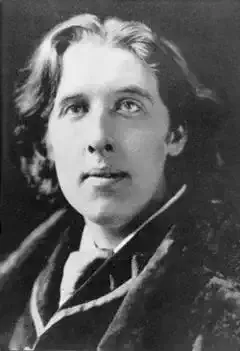
Oscar Wilde
Vita Nuova
I stood by the unvintageable sea
Till the wet waves drenched face and hair with spray;
The long red fires of the dying day
Burned in the west; the wind piped drearily;
And to the land the clamorous gulls did flee:
'Alas!' I cried, 'my life is full of pain,
And who can garner fruit or golden grain
From these waste fields which travail ceaselessly!'
My nets gaped wide with many a break and flaw,
Nathless I threw them as my final cast
Into the sea, and waited for the end.
When lo! a sudden glory! and I saw
From the black waters of my tortured past
The argent splendour of white limbs ascend!
Till the wet waves drenched face and hair with spray;
The long red fires of the dying day
Burned in the west; the wind piped drearily;
And to the land the clamorous gulls did flee:
'Alas!' I cried, 'my life is full of pain,
And who can garner fruit or golden grain
From these waste fields which travail ceaselessly!'
My nets gaped wide with many a break and flaw,
Nathless I threw them as my final cast
Into the sea, and waited for the end.
When lo! a sudden glory! and I saw
From the black waters of my tortured past
The argent splendour of white limbs ascend!
744
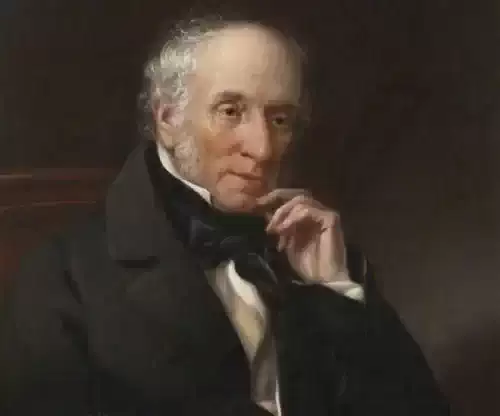
William Wordsworth
Wishing-gate, The
Wishing-gate, The
Hope rules a land forever green:
All powers that serve the bright-eyed Queen
Are confident and gay;
Clouds at her bidding disappear;
Points she to aught?---the bliss draws near,
And Fancy smooths the way.
Not such the land of Wishes---there
Dwell fruitless day-dreams, lawless prayer,
And thoughts with things at strife;
Yet how forlorn, should ye depart
Ye superstitions of the heart,
How poor, were human life!
When magic lore abjured its might,
Ye did not forfeit one dear right,
One tender claim abate;
Witness this symbol of your sway,
Surnving near the public way,
The rustic Wishing-gate!
Inquire not if the faery race
Shed kindly influence on the place,
Ere northward they retired;
If here a warrior left a spell,
Panting for glory as he fell;
Or here a saint expired.
Enough that all arouud is fair,
Composed with Nature's finest care,
And in her fondest love---
Peace to embosom and content---
To overawe the turbulent,
The selfish to reprove.
Yea! even the Stranger from afar,
Reclining on this moss-grown bar,
Unknowing, and unknown,
The infection of the ground partakes,
Longing for his Beloved---who maker
All happiness her own.
Then why should conscious Spirits fear
The mystic stirrings that are here,
The ancient faith disclaim?
The local Genius ne'er befriends
Desires whose course in folly ends,
Whose just reward is shame.
Smile if thou wilt, but not in scorn,
If some, by ceaseless pains outworn,
Here crave an easier lot;
If some have thirsted to renew
A broken vow, or bind a true,
With firmer, holier knot.
And not in vain, when thoughts are cast
Upon the irrevocable past,
Some Penitent sincere
May for a worthier future sigh,
While trickles from his downcast eye
No unavailing tear.
The Worldling, pining to be freed
From turmoil, who would turn or speed
The current of his fate,
Might stop before this favored scene,
At Nature's call, nor blush to lean
Upon the Wishing-gate.
The Sage, who feels how blind, how weak
Is man, though loth such help to seek,
Yet, passing, here might pause,
And thirst for insight to allay
Misgiving, while the crimson day
In quietness withdraws;
Or when the church-clock's knell profound
To Time's first step across the bound
Of midnight makes reply;
Time pressing on with starry crest,
To filial sleep upon the breast
Of dread eternity.
Hope rules a land forever green:
All powers that serve the bright-eyed Queen
Are confident and gay;
Clouds at her bidding disappear;
Points she to aught?---the bliss draws near,
And Fancy smooths the way.
Not such the land of Wishes---there
Dwell fruitless day-dreams, lawless prayer,
And thoughts with things at strife;
Yet how forlorn, should ye depart
Ye superstitions of the heart,
How poor, were human life!
When magic lore abjured its might,
Ye did not forfeit one dear right,
One tender claim abate;
Witness this symbol of your sway,
Surnving near the public way,
The rustic Wishing-gate!
Inquire not if the faery race
Shed kindly influence on the place,
Ere northward they retired;
If here a warrior left a spell,
Panting for glory as he fell;
Or here a saint expired.
Enough that all arouud is fair,
Composed with Nature's finest care,
And in her fondest love---
Peace to embosom and content---
To overawe the turbulent,
The selfish to reprove.
Yea! even the Stranger from afar,
Reclining on this moss-grown bar,
Unknowing, and unknown,
The infection of the ground partakes,
Longing for his Beloved---who maker
All happiness her own.
Then why should conscious Spirits fear
The mystic stirrings that are here,
The ancient faith disclaim?
The local Genius ne'er befriends
Desires whose course in folly ends,
Whose just reward is shame.
Smile if thou wilt, but not in scorn,
If some, by ceaseless pains outworn,
Here crave an easier lot;
If some have thirsted to renew
A broken vow, or bind a true,
With firmer, holier knot.
And not in vain, when thoughts are cast
Upon the irrevocable past,
Some Penitent sincere
May for a worthier future sigh,
While trickles from his downcast eye
No unavailing tear.
The Worldling, pining to be freed
From turmoil, who would turn or speed
The current of his fate,
Might stop before this favored scene,
At Nature's call, nor blush to lean
Upon the Wishing-gate.
The Sage, who feels how blind, how weak
Is man, though loth such help to seek,
Yet, passing, here might pause,
And thirst for insight to allay
Misgiving, while the crimson day
In quietness withdraws;
Or when the church-clock's knell profound
To Time's first step across the bound
Of midnight makes reply;
Time pressing on with starry crest,
To filial sleep upon the breast
Of dread eternity.
213
William Wordsworth
To The Daisy (third poem)
To The Daisy (third poem)
Bright Flower! whose home is everywhere,
Bold in maternal Nature's care,
And all the long year through the heir
Of joy or sorrow;
Methinks that there abides in thee
Some concord with humanity,
Given to no other flower I see
The forest thorough!
Is it that Man is soon deprest?
A thoughtless Thing! who, once unblest,
Does little on his memory rest,
Or on his reason,
And Thou would'st teach him how to find
A shelter under every wind,
A hope for times that are unkind
And every season?
Thou wander'st the wide world about,
Uncheck'd by pride or scrupulous doubt,
With friend to greet thee, or without,
Yet pleased and willing;
Meek, yielding to the occasion's call,
And all things suffering from all,
Thy function apostolical
In peace fulfilling.
Bright Flower! whose home is everywhere,
Bold in maternal Nature's care,
And all the long year through the heir
Of joy or sorrow;
Methinks that there abides in thee
Some concord with humanity,
Given to no other flower I see
The forest thorough!
Is it that Man is soon deprest?
A thoughtless Thing! who, once unblest,
Does little on his memory rest,
Or on his reason,
And Thou would'st teach him how to find
A shelter under every wind,
A hope for times that are unkind
And every season?
Thou wander'st the wide world about,
Uncheck'd by pride or scrupulous doubt,
With friend to greet thee, or without,
Yet pleased and willing;
Meek, yielding to the occasion's call,
And all things suffering from all,
Thy function apostolical
In peace fulfilling.
247
William Wordsworth
To a Sky-Lark
To a Sky-Lark
Up with me! up with me into the clouds!
For thy song, Lark, is strong;
Up with me, up with me into the clouds!
Singing, singing,
With clouds and sky about thee ringing,
Lift me, guide me till I find
That spot which seems so to thy mind!
I have walked through wildernesses dreary
And to-day my heart is weary;
Had I now the wings of a Faery,
Up to thee would I fly.
There is madness about thee, and joy divine
In that song of thine;
Lift me, guide me high and high
To thy banqueting-place in the sky.
Joyous as morning
Thou art laughing and scorning;
Thou hast a nest for thy love and thy rest,
And, though little troubled with sloth,
Drunken Lark! thou would'st be loth
To be such a traveller as I.
Happy, happy Liver,
With a soul as strong as a mountain river
Pouring out praise to the Almighty Giver,
Joy and jollity be with us both!
Alas! my journey, rugged and uneven,
Through prickly moors or dusty ways must wind;
But hearing thee, or others of thy kind,
As full of gladness and as free of heaven,
I, with my fate contented, will plod on,
And hope for higher raptures, when life's day is done.
Up with me! up with me into the clouds!
For thy song, Lark, is strong;
Up with me, up with me into the clouds!
Singing, singing,
With clouds and sky about thee ringing,
Lift me, guide me till I find
That spot which seems so to thy mind!
I have walked through wildernesses dreary
And to-day my heart is weary;
Had I now the wings of a Faery,
Up to thee would I fly.
There is madness about thee, and joy divine
In that song of thine;
Lift me, guide me high and high
To thy banqueting-place in the sky.
Joyous as morning
Thou art laughing and scorning;
Thou hast a nest for thy love and thy rest,
And, though little troubled with sloth,
Drunken Lark! thou would'st be loth
To be such a traveller as I.
Happy, happy Liver,
With a soul as strong as a mountain river
Pouring out praise to the Almighty Giver,
Joy and jollity be with us both!
Alas! my journey, rugged and uneven,
Through prickly moors or dusty ways must wind;
But hearing thee, or others of thy kind,
As full of gladness and as free of heaven,
I, with my fate contented, will plod on,
And hope for higher raptures, when life's day is done.
189
William Wordsworth
The Wishing Gate
The Wishing Gate
[In the vale of Grasmere, by the side of an old highway
leading to Ambleside, is a gate, which, from time out of
mind, has been called the Wishing-gate, from a belief that
wishes formed or indulged there have a favorable issue.]
HOPE rules a land forever green:
All powers that serve the bright-eyed Queen
Are confident and gay;
Clouds at her bidding disappear;
Points she to aught?---the bliss draws near,
And Fancy smooths the way.
Not such the land of Wishes---there
Dwell fruitless day-dreams, lawless prayer,
And thoughts with things at strife;
Yet how forlorn, should ye depart
Ye superstitions of the heart,
How poor, were human life!
When magic lore abjured its might,
Ye did not forfeit one dear right,
One tender claim abate;
Witness this symbol of your sway,
Surnving near the public way,
The rustic Wishing-gate!
Inquire not if the faery race
Shed kindly influence on the place,
Ere northward they retired;
If here a warrior left a spell,
Panting for glory as he fell;
Or here a saint expired.
Enough that all arouud is fair,
Composed with Nature's finest care,
And in her fondest love---
Peace to embosom and content---
To overawe the turbulent,
The selfish to reprove.
Yea! even the Stranger from afar,
Reclining on this moss-grown bar,
Unknowing, and unknown,
The infection of the ground partakes,
Longing for his Beloved---who maker
All happiness her own.
Then why should conscious Spirits fear
The mystic stirrings that are here,
The ancient faith disclaim?
The local Genius ne'er befriends
Desires whose course in folly ends,
Whose just reward is shame.
Smile if thou wilt, but not in scorn,
If some, by ceaseless pains outworn,
Here crave an easier lot;
If some have thirsted to renew
A broken vow, or bind a true,
With firmer, holier knot.
And not in vain, when thoughts are cast
Upon the irrevocable past,
Some Penitent sincere
May for a worthier future sigh,
While trickles from his downcast eye
No unavailing tear.
The Worldling, pining to be freed
From turmoil, who would turn or speed
The current of his fate,
Might stop before this favored scene,
At Nature's call, nor blush to lean
Upon the Wishing-gate.
The Sage, who feels how blind, how weak
Is man, though loth such help to seek,
Yet, passing, here might pause,
And thirst for insight to allay
Misgiving, while the crimson day
In quietness withdraws;
Or when the church-clock's knell profound
To Time's first step across the bound
Of midnight makes reply;
Time pressing on with starry crest,
To filial sleep upon the breast
Of dread eternity.
[In the vale of Grasmere, by the side of an old highway
leading to Ambleside, is a gate, which, from time out of
mind, has been called the Wishing-gate, from a belief that
wishes formed or indulged there have a favorable issue.]
HOPE rules a land forever green:
All powers that serve the bright-eyed Queen
Are confident and gay;
Clouds at her bidding disappear;
Points she to aught?---the bliss draws near,
And Fancy smooths the way.
Not such the land of Wishes---there
Dwell fruitless day-dreams, lawless prayer,
And thoughts with things at strife;
Yet how forlorn, should ye depart
Ye superstitions of the heart,
How poor, were human life!
When magic lore abjured its might,
Ye did not forfeit one dear right,
One tender claim abate;
Witness this symbol of your sway,
Surnving near the public way,
The rustic Wishing-gate!
Inquire not if the faery race
Shed kindly influence on the place,
Ere northward they retired;
If here a warrior left a spell,
Panting for glory as he fell;
Or here a saint expired.
Enough that all arouud is fair,
Composed with Nature's finest care,
And in her fondest love---
Peace to embosom and content---
To overawe the turbulent,
The selfish to reprove.
Yea! even the Stranger from afar,
Reclining on this moss-grown bar,
Unknowing, and unknown,
The infection of the ground partakes,
Longing for his Beloved---who maker
All happiness her own.
Then why should conscious Spirits fear
The mystic stirrings that are here,
The ancient faith disclaim?
The local Genius ne'er befriends
Desires whose course in folly ends,
Whose just reward is shame.
Smile if thou wilt, but not in scorn,
If some, by ceaseless pains outworn,
Here crave an easier lot;
If some have thirsted to renew
A broken vow, or bind a true,
With firmer, holier knot.
And not in vain, when thoughts are cast
Upon the irrevocable past,
Some Penitent sincere
May for a worthier future sigh,
While trickles from his downcast eye
No unavailing tear.
The Worldling, pining to be freed
From turmoil, who would turn or speed
The current of his fate,
Might stop before this favored scene,
At Nature's call, nor blush to lean
Upon the Wishing-gate.
The Sage, who feels how blind, how weak
Is man, though loth such help to seek,
Yet, passing, here might pause,
And thirst for insight to allay
Misgiving, while the crimson day
In quietness withdraws;
Or when the church-clock's knell profound
To Time's first step across the bound
Of midnight makes reply;
Time pressing on with starry crest,
To filial sleep upon the breast
Of dread eternity.
246
William Wordsworth
The Primrose of the Rock
The Primrose of the Rock
A Rock there is whose homely front
The passing traveller slights;
Yet there the glow-worms hang their lamps,
Like stars, at various heights;
And one coy Primrose to that Rock
The vernal breeze invites.
What hideous warfare hath been waged,
What kingdoms overthrown,
Since first I spied that Primrose-tuft
And marked it for my own;
A lasting link in Nature's chain
From highest heaven let down!
The flowers, still faithful to the stems,
Their fellowship renew;
The stems are faithful to the root,
That worketh out of view;
And to the rock the root adheres
In every fibre true.
Close clings to earth the living rock,
Though threatening still to fall:
The earth is constant to her sphere;
And God upholds them all:
So blooms this lonely Plant, nor dreads
Her annual funeral.
Here closed the meditative strain;
But air breathed soft that day,
The hoary mountain-heights were cheered,
The sunny vale looked gay;
And to the Primrose of the Rock
I gave this after-lay.
I sang-Let myriads of bright flowers,
Like Thee, in field and grove
Revive unenvied;-mightier far,
Than tremblings that reprove
Our vernal tendencies to hope,
Is God's redeeming love;
That love which changed-for wan disease,
For sorrow that had bent
O'er hopeless dust, for withered age-
Their moral element,
And turned the thistles of a curse
To types beneficent.
Sin-blighted though we are, we too,
The reasoning Sons of Men,
From one oblivious winter called
Shall rise, and breathe again;
And in eternal summer lose
Our threescore years and ten.
To humbleness of heart descends
This prescience from on high,
The faith that elevates the just,
Before and when they die;
And makes each soul a separate heaven
A court for Deity.
A Rock there is whose homely front
The passing traveller slights;
Yet there the glow-worms hang their lamps,
Like stars, at various heights;
And one coy Primrose to that Rock
The vernal breeze invites.
What hideous warfare hath been waged,
What kingdoms overthrown,
Since first I spied that Primrose-tuft
And marked it for my own;
A lasting link in Nature's chain
From highest heaven let down!
The flowers, still faithful to the stems,
Their fellowship renew;
The stems are faithful to the root,
That worketh out of view;
And to the rock the root adheres
In every fibre true.
Close clings to earth the living rock,
Though threatening still to fall:
The earth is constant to her sphere;
And God upholds them all:
So blooms this lonely Plant, nor dreads
Her annual funeral.
Here closed the meditative strain;
But air breathed soft that day,
The hoary mountain-heights were cheered,
The sunny vale looked gay;
And to the Primrose of the Rock
I gave this after-lay.
I sang-Let myriads of bright flowers,
Like Thee, in field and grove
Revive unenvied;-mightier far,
Than tremblings that reprove
Our vernal tendencies to hope,
Is God's redeeming love;
That love which changed-for wan disease,
For sorrow that had bent
O'er hopeless dust, for withered age-
Their moral element,
And turned the thistles of a curse
To types beneficent.
Sin-blighted though we are, we too,
The reasoning Sons of Men,
From one oblivious winter called
Shall rise, and breathe again;
And in eternal summer lose
Our threescore years and ten.
To humbleness of heart descends
This prescience from on high,
The faith that elevates the just,
Before and when they die;
And makes each soul a separate heaven
A court for Deity.
202
William Wordsworth
Ode, Composed On A May Morning
Ode, Composed On A May Morning
While from the purpling east departs
The star that led the dawn,
Blithe Flora from her couch upstarts,
For May is on the lawn.
A quickening hope, a freshening glee,
Foreran the expected Power,
Whose first-drawn breath, from bush and tree,
Shakes off that pearly shower.
All Nature welcomes Her whose sway
Tempers the year's extremes;
Who scattereth lustres o'er noon-day,
Like morning's dewy gleams;
While mellow warble, sprightly trill,
The tremulous heart excite;
And hums the balmy air to still
The balance of delight.
Time was, blest Power! when youth and maids
At peep of dawn would rise,
And wander forth, in forest glades
Thy birth to solemnize.
Though mute the song---to grace the rite
Untouched the hawthorn bough,
Thy Spirit triumphs o'er the slight;
Man changes, but not Thou!
Thy feathered Lieges bill and wings
In love's disport employ;
Warmed by thy influence, creeping things
Awake to silent joy:
Queen art thou still for each gay plant
Where the slim wild deer roves;
And served in depths where fishes haunt
Their own mysterious groves.
Cloud-piercing peak, and trackless heath,
Instinctive homage pay;
Nor wants the dim-lit cave a wreath
To honor thee, sweet May!
Where cities fanned by thy brisk airs
Behold a smokeless sky,
Their puniest flower-pot-nursling dares
To open a bright eye.
And if, on this thy natal morn,
The pole, from which thy name
Hath not departed, stands forlorn
Of song and dance and game;
Still from the village-green a vow
Aspires to thee addrest,
Wherever peace is on the brow,
Or love within the breast.
Yes! where Love nestles thou canst teach
The soul to love the more;
Hearts also shall thy lessons reach
That never loved before.
Stript is the haughty one of pride,
The bashful freed from fear,
While rising, like the ocean-tide,
In flow the joyous year.
Hush, feeble lyre! weak words refuse
The service to prolong!
To yon exulting thrush the Muse
Entrusts the imperfect song;
His voice shall chant, in accents clear,
Throughout the live-long day,
Till the first silver star appear,
The sovereignty of May.
While from the purpling east departs
The star that led the dawn,
Blithe Flora from her couch upstarts,
For May is on the lawn.
A quickening hope, a freshening glee,
Foreran the expected Power,
Whose first-drawn breath, from bush and tree,
Shakes off that pearly shower.
All Nature welcomes Her whose sway
Tempers the year's extremes;
Who scattereth lustres o'er noon-day,
Like morning's dewy gleams;
While mellow warble, sprightly trill,
The tremulous heart excite;
And hums the balmy air to still
The balance of delight.
Time was, blest Power! when youth and maids
At peep of dawn would rise,
And wander forth, in forest glades
Thy birth to solemnize.
Though mute the song---to grace the rite
Untouched the hawthorn bough,
Thy Spirit triumphs o'er the slight;
Man changes, but not Thou!
Thy feathered Lieges bill and wings
In love's disport employ;
Warmed by thy influence, creeping things
Awake to silent joy:
Queen art thou still for each gay plant
Where the slim wild deer roves;
And served in depths where fishes haunt
Their own mysterious groves.
Cloud-piercing peak, and trackless heath,
Instinctive homage pay;
Nor wants the dim-lit cave a wreath
To honor thee, sweet May!
Where cities fanned by thy brisk airs
Behold a smokeless sky,
Their puniest flower-pot-nursling dares
To open a bright eye.
And if, on this thy natal morn,
The pole, from which thy name
Hath not departed, stands forlorn
Of song and dance and game;
Still from the village-green a vow
Aspires to thee addrest,
Wherever peace is on the brow,
Or love within the breast.
Yes! where Love nestles thou canst teach
The soul to love the more;
Hearts also shall thy lessons reach
That never loved before.
Stript is the haughty one of pride,
The bashful freed from fear,
While rising, like the ocean-tide,
In flow the joyous year.
Hush, feeble lyre! weak words refuse
The service to prolong!
To yon exulting thrush the Muse
Entrusts the imperfect song;
His voice shall chant, in accents clear,
Throughout the live-long day,
Till the first silver star appear,
The sovereignty of May.
143
William Wordsworth
November,
November,
. Another year!--another deadly blow!
Another mighty Empire overthrown!
And We are left, or shall be left, alone;
The last that dare to struggle with the Foe.
'Tis well! from this day forward we shall know
That in ourselves our safety must be sought;
That by our own right hands it must be wrought;
That we must stand unpropped, or be laid low.
O dastard whom such foretaste doth not cheer!
We shall exult, if they who rule the land
Be men who hold its many blessings dear,
Wise, upright, valiant; not a servile band,
Who are to judge of danger which they fear,
And honour which they do not understand.
. Another year!--another deadly blow!
Another mighty Empire overthrown!
And We are left, or shall be left, alone;
The last that dare to struggle with the Foe.
'Tis well! from this day forward we shall know
That in ourselves our safety must be sought;
That by our own right hands it must be wrought;
That we must stand unpropped, or be laid low.
O dastard whom such foretaste doth not cheer!
We shall exult, if they who rule the land
Be men who hold its many blessings dear,
Wise, upright, valiant; not a servile band,
Who are to judge of danger which they fear,
And honour which they do not understand.
181
William Wordsworth
Birth of Love, The
Birth of Love, The
When Love was born of heavenly line,
What dire intrigues disturbed Cythera's joy!
Till Venus cried, "A mother's heart is mine;
None but myself shall nurse my boy,"
But, infant as he was, the child
In that divine embrace enchanted lay;
And, by the beauty of the vase beguiled,
Forgot the beverage--and pined away.
"And must my offspring languish in my sight?"
(Alive to all a mother's pain,
The Queen of Beauty thus her court addressed)
"No: Let the most discreet of all my train
Receive him to her breast:
Think all, he is the God of young delight."
Then TENDERNESS with CANDOUR joined,
And GAIETY the charming office sought;
Nor even DELICACY stayed behind:
But none of those fair Graces brought
Wherewith to nurse the child--and still he pined.
Some fond hearts to COMPLIANCE seemed inclined;
But she had surely spoiled the boy:
And sad experience forbade a thought
On the wild Goddess of VOLUPTUOUS JOY.
Long undecided lay th' important choice,
Till of the beauteous court, at length, a voice
Pronounced the name of HOPE:--The conscious child
Stretched forth his little arms, and smiled.
'Tis said ENJOYMENT (who averred
The charge belonged to her alone)
Jealous that HOPE had been preferred
Laid snares to make the babe her own.
Of INNOCENCE the garb she took,
The blushing mien and downcast look;
And came her services to proffer:
And HOPE (what has not Hope believed!)
By that seducing air deceived,
Accepted of the offer.
It happened that, to sleep inclined,
Deluded HOPE: for one short hour
To that false INNOCENCE'S power
Her little charge consigned.
The Goddess then her lap with sweetmeats filled
And gave, in handfuls gave, the treacherous store:
A wild delirium first the infant thrilled;
But soon upon her breast he sunk--to wake no more.
When Love was born of heavenly line,
What dire intrigues disturbed Cythera's joy!
Till Venus cried, "A mother's heart is mine;
None but myself shall nurse my boy,"
But, infant as he was, the child
In that divine embrace enchanted lay;
And, by the beauty of the vase beguiled,
Forgot the beverage--and pined away.
"And must my offspring languish in my sight?"
(Alive to all a mother's pain,
The Queen of Beauty thus her court addressed)
"No: Let the most discreet of all my train
Receive him to her breast:
Think all, he is the God of young delight."
Then TENDERNESS with CANDOUR joined,
And GAIETY the charming office sought;
Nor even DELICACY stayed behind:
But none of those fair Graces brought
Wherewith to nurse the child--and still he pined.
Some fond hearts to COMPLIANCE seemed inclined;
But she had surely spoiled the boy:
And sad experience forbade a thought
On the wild Goddess of VOLUPTUOUS JOY.
Long undecided lay th' important choice,
Till of the beauteous court, at length, a voice
Pronounced the name of HOPE:--The conscious child
Stretched forth his little arms, and smiled.
'Tis said ENJOYMENT (who averred
The charge belonged to her alone)
Jealous that HOPE had been preferred
Laid snares to make the babe her own.
Of INNOCENCE the garb she took,
The blushing mien and downcast look;
And came her services to proffer:
And HOPE (what has not Hope believed!)
By that seducing air deceived,
Accepted of the offer.
It happened that, to sleep inclined,
Deluded HOPE: for one short hour
To that false INNOCENCE'S power
Her little charge consigned.
The Goddess then her lap with sweetmeats filled
And gave, in handfuls gave, the treacherous store:
A wild delirium first the infant thrilled;
But soon upon her breast he sunk--to wake no more.
251

William Shakespeare
Sonnet LVI
Sonnet LVI
Sweet love, renew thy force; be it not said
Thy edge should blunter be than appetite,
Which but to-day by feeding is allay'd,
To-morrow sharpen'd in his former might:
So, love, be thou; although to-day thou fill
Thy hungry eyes even till they wink with fullness,
To-morrow see again, and do not kill
The spirit of love with a perpetual dullness.
Let this sad interim like the ocean be
Which parts the shore, where two contracted new
Come daily to the banks, that, when they see
Return of love, more blest may be the view;
Else call it winter, which being full of care
Makes summer's welcome thrice more wish'd, more rare.
Sweet love, renew thy force; be it not said
Thy edge should blunter be than appetite,
Which but to-day by feeding is allay'd,
To-morrow sharpen'd in his former might:
So, love, be thou; although to-day thou fill
Thy hungry eyes even till they wink with fullness,
To-morrow see again, and do not kill
The spirit of love with a perpetual dullness.
Let this sad interim like the ocean be
Which parts the shore, where two contracted new
Come daily to the banks, that, when they see
Return of love, more blest may be the view;
Else call it winter, which being full of care
Makes summer's welcome thrice more wish'd, more rare.
344
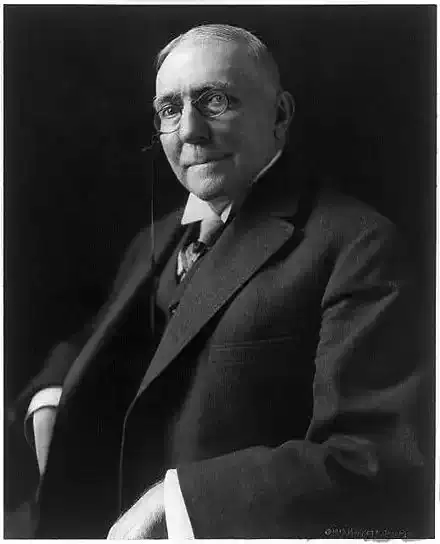
James Whitcomb Riley
A Brave Refrain
A Brave Refrain
When snow is here, and the trees look weird,
And the knuckled twigs are gloved with frost;
When the breath congeals in the drover's beard,
And the old pathway to the barn is lost;
When the rooster's crow is sad to hear,
And the stamp of the stabled horse is vain,
And the tone of the cow-bell grieves the ear--
O then is the time for a brave refrain!
When the gears hang stiff on the harness-peg,
And the tallow gleams in frozen streaks;
And the old hen stands on a lonesome leg,
And the pump sounds hoarse and the handle squeaks;
When the woodpile lies in a shrouded heap,
And the frost is scratched from the window-pane
And anxious eyes from the inside peep--
O then is the time for a brave refrain!
When the ax-helve warms at the chimney-jamb,
And hob-nailed shoes on the hearth below,
And the house-cat curls in a slumber calm,
And the eight-day clock ticks loud and slow;
When the harsh broom-handle jabs the ceil
'Neath the kitchen-loft, and the drowsy brain
Sniffs the breath of the morning meal--
O then is the time for a brave refrain!
ENVOI
When the skillet seethes, and a blubbering hot
Tilts the lid of the coffee-pot,
And the scent of the buckwheat cake grows plain--
O then is the time for a brave refrain!
When snow is here, and the trees look weird,
And the knuckled twigs are gloved with frost;
When the breath congeals in the drover's beard,
And the old pathway to the barn is lost;
When the rooster's crow is sad to hear,
And the stamp of the stabled horse is vain,
And the tone of the cow-bell grieves the ear--
O then is the time for a brave refrain!
When the gears hang stiff on the harness-peg,
And the tallow gleams in frozen streaks;
And the old hen stands on a lonesome leg,
And the pump sounds hoarse and the handle squeaks;
When the woodpile lies in a shrouded heap,
And the frost is scratched from the window-pane
And anxious eyes from the inside peep--
O then is the time for a brave refrain!
When the ax-helve warms at the chimney-jamb,
And hob-nailed shoes on the hearth below,
And the house-cat curls in a slumber calm,
And the eight-day clock ticks loud and slow;
When the harsh broom-handle jabs the ceil
'Neath the kitchen-loft, and the drowsy brain
Sniffs the breath of the morning meal--
O then is the time for a brave refrain!
ENVOI
When the skillet seethes, and a blubbering hot
Tilts the lid of the coffee-pot,
And the scent of the buckwheat cake grows plain--
O then is the time for a brave refrain!
283
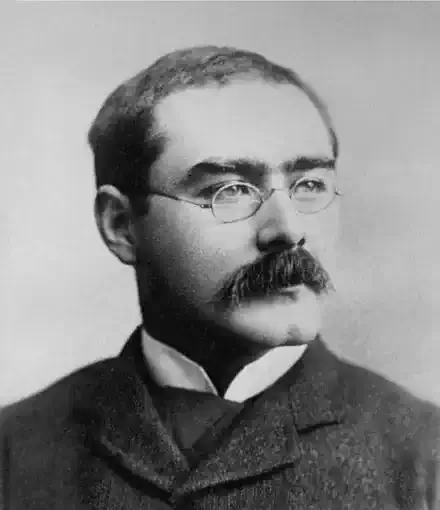
Rudyard Kipling
In the Matter of One Compass
In the Matter of One Compass
When, foot to wheel and back to wind,
The helmsman dare not look behind,
But hears beyond his compass-light,
The blind bow thunder through the night,
And, like a harpstring ere it snaps,
The rigging sing beneath the caps;
Above the shriek of storm in sail
Or rattle of the blocks blown free,
Set for the peace beyond the gale,
This song the Needle sings the Sea;
Oh, drunken Wave! Oh, driving Cloud!
Rage of the Deep and sterile Rain,
By love upheld, by God allowed,
We go, but we return again!
When leagued about the 'wildered boat
The rainbow Jellies fill and float,
And, lilting where the laver lingers,
The Starfish trips on all her fingers;
Where, 'neath his myriad spines ashock,
The Sea-egg ripples down the rock,
An orange wonder dimly guessed
From darkness where the Cuttles rest,
Moored o'er the darker deeps that hide
The blind white Sea-snake and his bride,
Who, drowsing, nose the long-lost Ships
Let down through darkness to their lips --
Safe-swung above the glassy death,
Hear what the constant Needle saith:
Oh, lisping Reef! Oh, listless Cloud,
In slumber on a pulseless main!
By Love upheld, by God allowed,
We go, but we return again!
E'en so through Tropic and through Trade,
Awed by the shadow of new skies,
As we shall watch old planets fade
And mark the stranger stars arise,
So, surely, back through Sun and Cloud,
So, surely, from the outward main
By Love recalled, by God allowed,
Shall we return -- return again!
Yea, we return -- return again!
When, foot to wheel and back to wind,
The helmsman dare not look behind,
But hears beyond his compass-light,
The blind bow thunder through the night,
And, like a harpstring ere it snaps,
The rigging sing beneath the caps;
Above the shriek of storm in sail
Or rattle of the blocks blown free,
Set for the peace beyond the gale,
This song the Needle sings the Sea;
Oh, drunken Wave! Oh, driving Cloud!
Rage of the Deep and sterile Rain,
By love upheld, by God allowed,
We go, but we return again!
When leagued about the 'wildered boat
The rainbow Jellies fill and float,
And, lilting where the laver lingers,
The Starfish trips on all her fingers;
Where, 'neath his myriad spines ashock,
The Sea-egg ripples down the rock,
An orange wonder dimly guessed
From darkness where the Cuttles rest,
Moored o'er the darker deeps that hide
The blind white Sea-snake and his bride,
Who, drowsing, nose the long-lost Ships
Let down through darkness to their lips --
Safe-swung above the glassy death,
Hear what the constant Needle saith:
Oh, lisping Reef! Oh, listless Cloud,
In slumber on a pulseless main!
By Love upheld, by God allowed,
We go, but we return again!
E'en so through Tropic and through Trade,
Awed by the shadow of new skies,
As we shall watch old planets fade
And mark the stranger stars arise,
So, surely, back through Sun and Cloud,
So, surely, from the outward main
By Love recalled, by God allowed,
Shall we return -- return again!
Yea, we return -- return again!
419

Horace
BkIV:V To Augustus
BkIV:V To Augustus
Son of the blessed gods, and greatest defender
of Romulus’ people, you’ve been away too long:
make that swift return you promised, to the sacred
councils of the City Fathers,
Blessed leader, bring light to your country again:
when your face shines on the people, like the shining
springtime, then the day itself is more welcoming,
and the sun beams down more brightly.
As a mother, with vows and omens and prayers,
calls to the son whom a southerly wind’s envious
gales have kept far from his home, for more than a year,
lingering there, beyond the waves
of the Carpathian Sea: she who never turns
her face away from the curving line of the shore:
so, smitten with the deep longing of loyalty,
the country yearns for its Caesar.
Then the ox will wander the pastures in safety,
Ceres, and kindly Increase, will nourish the crops,
our sailors will sail across the waters in peace,
trust will shrink from the mark of shame,
the chaste house will be unstained by debauchery,
law and morality conquer the taint of sin,
mothers win praise for new-born so like their fathers,
and punishment attend on guilt.
Who’ll fear the Parthians, or the cold Scythians,
and who’ll fear the offspring savage Germany breeds,
if Caesar’s unharmed? Who’ll worry about battles
in the wilds of Iberia?
Every man passes the day among his own hills,
as he fastens his vines to the waiting branches:
from there he gladly returns to his wine, calls on
you, as god, at the second course:
He worships you with many a prayer, with wine
poured out, joins your name to those of his household gods,
as the Greeks were accustomed to remembering
Castor and mighty Hercules.
‘O blessed leader, bring Italy endless peace!’
That’s what we say, mouths parched, at the start of the day,
that’s what we say, lips wetted with wine, when the sun
sinks to rest under the Ocean.
Son of the blessed gods, and greatest defender
of Romulus’ people, you’ve been away too long:
make that swift return you promised, to the sacred
councils of the City Fathers,
Blessed leader, bring light to your country again:
when your face shines on the people, like the shining
springtime, then the day itself is more welcoming,
and the sun beams down more brightly.
As a mother, with vows and omens and prayers,
calls to the son whom a southerly wind’s envious
gales have kept far from his home, for more than a year,
lingering there, beyond the waves
of the Carpathian Sea: she who never turns
her face away from the curving line of the shore:
so, smitten with the deep longing of loyalty,
the country yearns for its Caesar.
Then the ox will wander the pastures in safety,
Ceres, and kindly Increase, will nourish the crops,
our sailors will sail across the waters in peace,
trust will shrink from the mark of shame,
the chaste house will be unstained by debauchery,
law and morality conquer the taint of sin,
mothers win praise for new-born so like their fathers,
and punishment attend on guilt.
Who’ll fear the Parthians, or the cold Scythians,
and who’ll fear the offspring savage Germany breeds,
if Caesar’s unharmed? Who’ll worry about battles
in the wilds of Iberia?
Every man passes the day among his own hills,
as he fastens his vines to the waiting branches:
from there he gladly returns to his wine, calls on
you, as god, at the second course:
He worships you with many a prayer, with wine
poured out, joins your name to those of his household gods,
as the Greeks were accustomed to remembering
Castor and mighty Hercules.
‘O blessed leader, bring Italy endless peace!’
That’s what we say, mouths parched, at the start of the day,
that’s what we say, lips wetted with wine, when the sun
sinks to rest under the Ocean.
208
Horace
BkII:X The Golden Mean
BkII:X The Golden Mean
You’ll live more virtuously, my Murena,
by not setting out to sea, while you’re in dread
of the storm, or hugging fatal shores
too closely, either.
Whoever takes delight in the golden mean,
safely avoids the squalor of a shabby house,
and, soberly, avoids the regal palace
that incites envy.
The tall pine’s more often shaken by the wind,
and it’s a high tower that falls with a louder
crash, while the mountainous summits are places
where lightning strikes.
The heart that is well prepared for any fate
hopes in adversity, fears prosperity.
Though Jupiter brings us all the unlovely
winters: he also
takes them away again. If there’s trouble now
it won’t always be so: sometimes Apollo
rouses the sleeping Muse with his lyre, when he’s
not flexing his bow.
Appear brave and resolute in difficult
times: and yet be wise and take in all your sails
when they’re swollen by too powerful
a following wind.
You’ll live more virtuously, my Murena,
by not setting out to sea, while you’re in dread
of the storm, or hugging fatal shores
too closely, either.
Whoever takes delight in the golden mean,
safely avoids the squalor of a shabby house,
and, soberly, avoids the regal palace
that incites envy.
The tall pine’s more often shaken by the wind,
and it’s a high tower that falls with a louder
crash, while the mountainous summits are places
where lightning strikes.
The heart that is well prepared for any fate
hopes in adversity, fears prosperity.
Though Jupiter brings us all the unlovely
winters: he also
takes them away again. If there’s trouble now
it won’t always be so: sometimes Apollo
rouses the sleeping Muse with his lyre, when he’s
not flexing his bow.
Appear brave and resolute in difficult
times: and yet be wise and take in all your sails
when they’re swollen by too powerful
a following wind.
263

Robert W. Service
Worms
Worms
Worms finer for fishing you couldn't be wishing;
I delved them dismayed from the velvety sod;
The rich loam upturning I gathered them squirming,
big, fat, gleamy earthworms, all ripe for my rod.
Thinks I, without waiting, my hook I'll be baiting,
And flip me a fish from the foam of the pool;
Then Mother beholding, came crying and scolding:
"You're late, ye young devil! Be off to the school."
So grabbing me bait-tin I dropped them fat worms in,
With globs of green turf for their comfort and cheer;
And there, clean forgotten, no doubt dead and rotten;
I left them to languish for nigh on a year.
One day to be cleaning the byre I was meaning,
When seeing that old rusty can on the shelf,
Says I: "To my thinking, them worms must be stinking:
Begorrah! I'd better find out for myself."
So I opened the tin, held my nose and looked in;
And what did I see? Why, most nothing at all.
Just darkness and dank. and . . . a something that stank,
Tucked down in a corner, a greasy grey ball.
My worms -no, not dead, but thin as a thread,
Each seemed to reproach me, protesting its worth:
So softly I took them and tenderly shook them
Back into the bosom of mothering earth.
I'm now in the City; 'tis grand, but I pity
The weariful wretches that crawl in its grime;
The dregs and the scum and the spawn of the slum,
And the poor little children that's cradled in crime.
Sure I see them in terms of my pitiful worms,
surviving despite desperation and doom,
And I wish I was God, with a smile and a nod
To set them all down in a valley of bloom,
Saying: "Let these rejoice with a wonderful voice
For mothering earth and for fathering sea,
And healing of sun, for each weariful one
Of these poor human worms is a wee bit of me. . . .
Let your be the blame and yours be the shame:
What ye do unto them ye do also to ME."
Worms finer for fishing you couldn't be wishing;
I delved them dismayed from the velvety sod;
The rich loam upturning I gathered them squirming,
big, fat, gleamy earthworms, all ripe for my rod.
Thinks I, without waiting, my hook I'll be baiting,
And flip me a fish from the foam of the pool;
Then Mother beholding, came crying and scolding:
"You're late, ye young devil! Be off to the school."
So grabbing me bait-tin I dropped them fat worms in,
With globs of green turf for their comfort and cheer;
And there, clean forgotten, no doubt dead and rotten;
I left them to languish for nigh on a year.
One day to be cleaning the byre I was meaning,
When seeing that old rusty can on the shelf,
Says I: "To my thinking, them worms must be stinking:
Begorrah! I'd better find out for myself."
So I opened the tin, held my nose and looked in;
And what did I see? Why, most nothing at all.
Just darkness and dank. and . . . a something that stank,
Tucked down in a corner, a greasy grey ball.
My worms -no, not dead, but thin as a thread,
Each seemed to reproach me, protesting its worth:
So softly I took them and tenderly shook them
Back into the bosom of mothering earth.
I'm now in the City; 'tis grand, but I pity
The weariful wretches that crawl in its grime;
The dregs and the scum and the spawn of the slum,
And the poor little children that's cradled in crime.
Sure I see them in terms of my pitiful worms,
surviving despite desperation and doom,
And I wish I was God, with a smile and a nod
To set them all down in a valley of bloom,
Saying: "Let these rejoice with a wonderful voice
For mothering earth and for fathering sea,
And healing of sun, for each weariful one
Of these poor human worms is a wee bit of me. . . .
Let your be the blame and yours be the shame:
What ye do unto them ye do also to ME."
201
Robert W. Service
To Sunnydale
To Sunnydale
There lies the trail to Sunnydale,
Amid the lure of laughter.
Oh, how can we unhappy be
Beneath its leafy rafter!
Each perfect hour is like a flower,
Each day is like a posy.
How can you say the skies are grey?
You're wrong, my friend, they're rosy.
With right good will let's climb the hill,
And leave behind all sorrow.
Oh, we'll be gay! a bright to-day
Will make a bright to-morrow.
Oh, we'll be strong! the way is long
That never has a turning;
The hill is high, but there's the sky,
And how the West is burning!
And if through chance of circumstance
We have to go bare-foot, sir,
We'll not repine -- a friend of mine
Has got no feet to boot, sir.
This Happiness a habit is,
And Life is what we make it:
See! there's the trail to Sunnydale!
Up, friend! and let us take it.
There lies the trail to Sunnydale,
Amid the lure of laughter.
Oh, how can we unhappy be
Beneath its leafy rafter!
Each perfect hour is like a flower,
Each day is like a posy.
How can you say the skies are grey?
You're wrong, my friend, they're rosy.
With right good will let's climb the hill,
And leave behind all sorrow.
Oh, we'll be gay! a bright to-day
Will make a bright to-morrow.
Oh, we'll be strong! the way is long
That never has a turning;
The hill is high, but there's the sky,
And how the West is burning!
And if through chance of circumstance
We have to go bare-foot, sir,
We'll not repine -- a friend of mine
Has got no feet to boot, sir.
This Happiness a habit is,
And Life is what we make it:
See! there's the trail to Sunnydale!
Up, friend! and let us take it.
241
Robert W. Service
The Under-Dogs
The Under-Dogs
What have we done, Oh Lord, that we
Are evil starred?
How have we erred and sinned to be
So scourged and scarred?
Lash us, Oh Lord, with scorpion whips,
We can but run;
But harken to our piteous lips:
What have we done?
How have we sinned to rouse your wrath,
To earn your scorn?
Stony and steep has been our path
Since we were born.
Oh for a sign, a hope, a word,
A heaven glance;
Why is your hand against us, Lord?
Give us a chance.
What shall we do, Oh God, to gain
Your mercy seat?
Shall we live out our lives in pain
And dark defeat?
Shall we in servitude bow low
Unto the end?
How we would hope, could we but know
You are our friend!
We are the disinherited,
The doomed, the lost.
For breath with dust and ashes fed,
We pay the cost.
Dumb mouths! Yet though we bleed, with prayer
We kiss the sword;
Aye, even dying we forbear
To curse Thee, Lord.
What have we done, Oh Lord, that we
Are evil starred?
How have we erred and sinned to be
So scourged and scarred?
Lash us, Oh Lord, with scorpion whips,
We can but run;
But harken to our piteous lips:
What have we done?
How have we sinned to rouse your wrath,
To earn your scorn?
Stony and steep has been our path
Since we were born.
Oh for a sign, a hope, a word,
A heaven glance;
Why is your hand against us, Lord?
Give us a chance.
What shall we do, Oh God, to gain
Your mercy seat?
Shall we live out our lives in pain
And dark defeat?
Shall we in servitude bow low
Unto the end?
How we would hope, could we but know
You are our friend!
We are the disinherited,
The doomed, the lost.
For breath with dust and ashes fed,
We pay the cost.
Dumb mouths! Yet though we bleed, with prayer
We kiss the sword;
Aye, even dying we forbear
To curse Thee, Lord.
138
Hilaire Belloc
Ballade to Our Lady of Czestochowa
Ballade to Our Lady of Czestochowa
I
Lady and Queen and Mystery manifold
And very Regent of the untroubled sky,
Whom in a dream St. Hilda did behold
And heard a woodland music passing by:
You shall receive me when the clouds are high
With evening and the sheep attain the fold.
This is the faith that I have held and hold,
And this is that in which I mean to die.
II
Steep are the seas and savaging and cold
In broken waters terrible to try;
And vast against the winter night the wold,
And harbourless for any sail to lie.
But you shall lead me to the lights, and I
Shall hymn you in a harbour story told.
This is the faith that I have held and hold,
And this is that in which I mean to die.
III
Help of the half-defeated, House of gold,
Shrine of the Sword, and Tower of Ivory;
Splendour apart, supreme and aureoled,
The Battler's vision and the World's reply.
You shall restore me, O my last Ally,
To vengence and the glories of the bold.
This is the faith that I have held and hold,
And this is that in which I mean to die.
Envoi
Prince of the degradations, bought and sold,
These verses, written in your crumbling sty,
Proclaim the faith that I have held and hold
And publish that in which I mean to die.
I
Lady and Queen and Mystery manifold
And very Regent of the untroubled sky,
Whom in a dream St. Hilda did behold
And heard a woodland music passing by:
You shall receive me when the clouds are high
With evening and the sheep attain the fold.
This is the faith that I have held and hold,
And this is that in which I mean to die.
II
Steep are the seas and savaging and cold
In broken waters terrible to try;
And vast against the winter night the wold,
And harbourless for any sail to lie.
But you shall lead me to the lights, and I
Shall hymn you in a harbour story told.
This is the faith that I have held and hold,
And this is that in which I mean to die.
III
Help of the half-defeated, House of gold,
Shrine of the Sword, and Tower of Ivory;
Splendour apart, supreme and aureoled,
The Battler's vision and the World's reply.
You shall restore me, O my last Ally,
To vengence and the glories of the bold.
This is the faith that I have held and hold,
And this is that in which I mean to die.
Envoi
Prince of the degradations, bought and sold,
These verses, written in your crumbling sty,
Proclaim the faith that I have held and hold
And publish that in which I mean to die.
419
Robert W. Service
The Passing Of The Year
The Passing Of The Year
My glass is filled, my pipe is lit,
My den is all a cosy glow;
And snug before the fire I sit,
And wait to feel the old year go.
I dedicate to solemn thought
Amid my too-unthinking days,
This sober moment, sadly fraught
With much of blame, with little praise.
Old Year! upon the Stage of Time
You stand to bow your last adieu;
A moment, and the prompter's chime
Will ring the curtain down on you.
Your mien is sad, your step is slow;
You falter as a Sage in pain;
Yet turn, Old Year, before you go,
And face your audience again.
That sphinx-like face, remote, austere,
Let us all read, whate'er the cost:
O Maiden! why that bitter tear?
Is it for dear one you have lost?
Is it for fond illusion gone?
For trusted lover proved untrue?
O sweet girl-face, so sad, so wan
What hath the Old Year meant to you?
And you, O neighbour on my right
So sleek, so prosperously clad!
What see you in that aged wight
That makes your smile so gay and glad?
What opportunity unmissed?
What golden gain, what pride of place?
What splendid hope? O Optimist!
What read you in that withered face?
And You, deep shrinking in the gloom,
What find you in that filmy gaze?
What menace of a tragic doom?
What dark, condemning yesterdays?
What urge to crime, what evil done?
What cold, confronting shape of fear?
O haggard, haunted, hidden One
What see you in the dying year?
And so from face to face I flit,
The countless eyes that stare and stare;
Some are with approbation lit,
And some are shadowed with despair.
Some show a smile and some a frown;
Some joy and hope, some pain and woe:
Enough! Oh, ring the curtain down!
Old weary year! it's time to go.
My pipe is out, my glass is dry;
My fire is almost ashes too;
But once again, before you go,
And I prepare to meet the New:
Old Year! a parting word that's true,
For we've been comrades, you and I --
I thank God for each day of you;
There! bless you now! Old Year, good-bye!
My glass is filled, my pipe is lit,
My den is all a cosy glow;
And snug before the fire I sit,
And wait to feel the old year go.
I dedicate to solemn thought
Amid my too-unthinking days,
This sober moment, sadly fraught
With much of blame, with little praise.
Old Year! upon the Stage of Time
You stand to bow your last adieu;
A moment, and the prompter's chime
Will ring the curtain down on you.
Your mien is sad, your step is slow;
You falter as a Sage in pain;
Yet turn, Old Year, before you go,
And face your audience again.
That sphinx-like face, remote, austere,
Let us all read, whate'er the cost:
O Maiden! why that bitter tear?
Is it for dear one you have lost?
Is it for fond illusion gone?
For trusted lover proved untrue?
O sweet girl-face, so sad, so wan
What hath the Old Year meant to you?
And you, O neighbour on my right
So sleek, so prosperously clad!
What see you in that aged wight
That makes your smile so gay and glad?
What opportunity unmissed?
What golden gain, what pride of place?
What splendid hope? O Optimist!
What read you in that withered face?
And You, deep shrinking in the gloom,
What find you in that filmy gaze?
What menace of a tragic doom?
What dark, condemning yesterdays?
What urge to crime, what evil done?
What cold, confronting shape of fear?
O haggard, haunted, hidden One
What see you in the dying year?
And so from face to face I flit,
The countless eyes that stare and stare;
Some are with approbation lit,
And some are shadowed with despair.
Some show a smile and some a frown;
Some joy and hope, some pain and woe:
Enough! Oh, ring the curtain down!
Old weary year! it's time to go.
My pipe is out, my glass is dry;
My fire is almost ashes too;
But once again, before you go,
And I prepare to meet the New:
Old Year! a parting word that's true,
For we've been comrades, you and I --
I thank God for each day of you;
There! bless you now! Old Year, good-bye!
192
Henry Wadsworth Longfellow
Voices Of The Night : The Light Of Stars
Voices Of The Night : The Light Of Stars
The night is come, but not too soon;
And sinking silently,
All silently, the little moon
Drops down behind the sky.
There is no light in earth or heaven
But the cold light of stars;
And the first watch of night is given
To the red planet Mars.
Is it the tender star of love?
The star of love and dreams?
O no! from that blue tent above,
A hero's armor gleams.
And earnest thoughts within me rise,
When I behold afar,
Suspended in the evening skies,
The shield of that red star.
O star of strength! I see thee stand
And smile upon my pain;
Thou beckonest with thy mailed hand,
And I am strong again.
Within my breast there is no light
But the cold light of stars;
I give the first watch of the night
To the red planet Mars.
The star of the unconquered will,
He rises in my breast,
Serene, and resolute, and still,
And calm, and self-possessed.
And thou, too, whosoe'er thou art,
That readest this brief psalm,
As one by one thy hopes depart,
Be resolute and calm.
O fear not in a world like this,
And thou shalt know erelong,
Know how sublime a thing it is
To suffer and be strong.
The night is come, but not too soon;
And sinking silently,
All silently, the little moon
Drops down behind the sky.
There is no light in earth or heaven
But the cold light of stars;
And the first watch of night is given
To the red planet Mars.
Is it the tender star of love?
The star of love and dreams?
O no! from that blue tent above,
A hero's armor gleams.
And earnest thoughts within me rise,
When I behold afar,
Suspended in the evening skies,
The shield of that red star.
O star of strength! I see thee stand
And smile upon my pain;
Thou beckonest with thy mailed hand,
And I am strong again.
Within my breast there is no light
But the cold light of stars;
I give the first watch of the night
To the red planet Mars.
The star of the unconquered will,
He rises in my breast,
Serene, and resolute, and still,
And calm, and self-possessed.
And thou, too, whosoe'er thou art,
That readest this brief psalm,
As one by one thy hopes depart,
Be resolute and calm.
O fear not in a world like this,
And thou shalt know erelong,
Know how sublime a thing it is
To suffer and be strong.
215
Henry Wadsworth Longfellow
Voices Of The Night : L'Envoi
Voices Of The Night : L'Envoi
Ye voices, that arose
After the Evening's close,
And whispered to my restless heart repose!
Go, breathe it in the ear
Of all who doubt and fear,
And say to them, 'Be of good cheer!'
Ye sounds, so low and calm,
That in the groves of balm
Seemed to me like an angel's psalm!
Go, mingle yet once more
With the perpetual roar
Of the pine forest dark and hoar!
Tongues of the dead, not lost
But speaking from deaths frost,
Like fiery tongues at Pentecost!
Glimmer, as funeral lamps,
Amid the chills and damps
Of the vast plain where Death encamps!
Ye voices, that arose
After the Evening's close,
And whispered to my restless heart repose!
Go, breathe it in the ear
Of all who doubt and fear,
And say to them, 'Be of good cheer!'
Ye sounds, so low and calm,
That in the groves of balm
Seemed to me like an angel's psalm!
Go, mingle yet once more
With the perpetual roar
Of the pine forest dark and hoar!
Tongues of the dead, not lost
But speaking from deaths frost,
Like fiery tongues at Pentecost!
Glimmer, as funeral lamps,
Amid the chills and damps
Of the vast plain where Death encamps!
222

Siegfried Sassoon
Today
Today
This is To-day, a child in white and blue
Running to meet me out of Night who stilled
The ghost of Yester-eve; this is fair Morn
The mother of To-morrow. And these clouds
That chase the sunshine over gleaming hills
Are thoughts, delighting in the golden change
And the ceremony of their drifting state.
This is To-day. To-morrow might bring death,—
And Life, the gleeful madrigal of birds,
Be drowned in glimmer of sleep. To-day I know
How sweet it is to spend these eyes, and boast
This bubble of vistaed memory and sense
Blown by my joy aloft the glittering airs
Of heavenly peace. Oh take me to yourselves,
Earth, sky, and spirit! Let me stand within
The circle of your transience, that my voice
May thrill the lonely silences with song.
This is To-day, a child in white and blue
Running to meet me out of Night who stilled
The ghost of Yester-eve; this is fair Morn
The mother of To-morrow. And these clouds
That chase the sunshine over gleaming hills
Are thoughts, delighting in the golden change
And the ceremony of their drifting state.
This is To-day. To-morrow might bring death,—
And Life, the gleeful madrigal of birds,
Be drowned in glimmer of sleep. To-day I know
How sweet it is to spend these eyes, and boast
This bubble of vistaed memory and sense
Blown by my joy aloft the glittering airs
Of heavenly peace. Oh take me to yourselves,
Earth, sky, and spirit! Let me stand within
The circle of your transience, that my voice
May thrill the lonely silences with song.
73
Page 1
Next