
Happiness and Joy
Poems in this topic
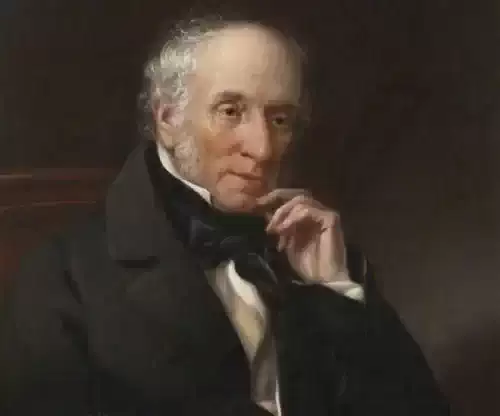
William Wordsworth
To The Daisy (first poem)
To The Daisy (first poem)
"Her divine skill taught me this,
That from every thing I saw
I could some instruction draw,
And raise pleasure to the height
Through the meanest objects sight.
By the murmur of a spring,
Or the least bough's rustelling;
By a Daisy whose leaves spread
Shut when Titan goes to bed;
Or a shady bush or tree;
She could more infuse in me
Than all Nature's beauties can
In some other wiser man.'
G. Wither. * His muse.
IN youth from rock to rock I went,
From hill to hill in discontent
Of pleasure high and turbulent,
Most pleased when most uneasy;
But now my own delights I make,--
My thirst at every rill can slake,
And gladly Nature's love partake,
Of Thee, sweet Daisy!
Thee Winter in the garland wears
That thinly decks his few grey hairs;
Spring parts the clouds with softest airs,
That she may sun thee;
Whole Summer-fields are thine by right;
And Autumn, melancholy Wight!
Doth in thy crimson head delight
When rains are on thee.
In shoals and bands, a morrice train,
Thou greet'st the traveller in the lane;
Pleased at his greeting thee again;
Yet nothing daunted,
Nor grieved if thou be set at nought:
And oft alone in nooks remote
We meet thee, like a pleasant thought,
When such are wanted.
Be violets in their secret mews
The flowers the wanton Zephyrs choose;
Proud be the rose, with rains and dews
Her head impearling,
Thou liv'st with less ambitious aim,
Yet hast not gone without thy fame;
Thou art indeed by many a claim
The Poet's darling.
If to a rock from rains he fly,
Or, some bright day of April sky,
Imprisoned by hot sunshine lie
Near the green holly,
And wearily at length should fare;
He needs but look about, and there
Thou art!--a friend at hand, to scare
His melancholy.
A hundred times, by rock or bower,
Ere thus I have lain couched an hour,
Have I derived from thy sweet power
Some apprehension;
Some steady love; some brief delight;
Some memory that had taken flight;
Some chime of fancy wrong or right;
Or stray invention.
If stately passions in me burn,
And one chance look to Thee should turn,
I drink out of an humbler urn
A lowlier pleasure;
The homely sympathy that heeds
The common life, our nature breeds;
A wisdom fitted to the needs
Of hearts at leisure.
Fresh-smitten by the morning ray,
When thou art up, alert and gay,
Then, cheerful Flower! my spirits play
With kindred gladness:
And when, at dusk, by dews opprest
Thou sink'st, the image of thy rest
Hath often eased my pensive breast
Of careful sadness.
And all day long I number yet,
All seasons through, another debt,
Which I, wherever thou art met,
To thee am owing;
An instinct call it, a blind sense;
A happy, genial influence,
Coming one knows not how, nor whence,
Nor whither going.
Child of the Year! that round dost run
Thy pleasant course,--when day's begun
As ready to salute the sun
As lark or leveret,
Thy long-lost praise thou shalt regain;
Nor be less dear to future men
Than in old time;--thou not in vain
Art Nature's favourite.
"Her divine skill taught me this,
That from every thing I saw
I could some instruction draw,
And raise pleasure to the height
Through the meanest objects sight.
By the murmur of a spring,
Or the least bough's rustelling;
By a Daisy whose leaves spread
Shut when Titan goes to bed;
Or a shady bush or tree;
She could more infuse in me
Than all Nature's beauties can
In some other wiser man.'
G. Wither. * His muse.
IN youth from rock to rock I went,
From hill to hill in discontent
Of pleasure high and turbulent,
Most pleased when most uneasy;
But now my own delights I make,--
My thirst at every rill can slake,
And gladly Nature's love partake,
Of Thee, sweet Daisy!
Thee Winter in the garland wears
That thinly decks his few grey hairs;
Spring parts the clouds with softest airs,
That she may sun thee;
Whole Summer-fields are thine by right;
And Autumn, melancholy Wight!
Doth in thy crimson head delight
When rains are on thee.
In shoals and bands, a morrice train,
Thou greet'st the traveller in the lane;
Pleased at his greeting thee again;
Yet nothing daunted,
Nor grieved if thou be set at nought:
And oft alone in nooks remote
We meet thee, like a pleasant thought,
When such are wanted.
Be violets in their secret mews
The flowers the wanton Zephyrs choose;
Proud be the rose, with rains and dews
Her head impearling,
Thou liv'st with less ambitious aim,
Yet hast not gone without thy fame;
Thou art indeed by many a claim
The Poet's darling.
If to a rock from rains he fly,
Or, some bright day of April sky,
Imprisoned by hot sunshine lie
Near the green holly,
And wearily at length should fare;
He needs but look about, and there
Thou art!--a friend at hand, to scare
His melancholy.
A hundred times, by rock or bower,
Ere thus I have lain couched an hour,
Have I derived from thy sweet power
Some apprehension;
Some steady love; some brief delight;
Some memory that had taken flight;
Some chime of fancy wrong or right;
Or stray invention.
If stately passions in me burn,
And one chance look to Thee should turn,
I drink out of an humbler urn
A lowlier pleasure;
The homely sympathy that heeds
The common life, our nature breeds;
A wisdom fitted to the needs
Of hearts at leisure.
Fresh-smitten by the morning ray,
When thou art up, alert and gay,
Then, cheerful Flower! my spirits play
With kindred gladness:
And when, at dusk, by dews opprest
Thou sink'st, the image of thy rest
Hath often eased my pensive breast
Of careful sadness.
And all day long I number yet,
All seasons through, another debt,
Which I, wherever thou art met,
To thee am owing;
An instinct call it, a blind sense;
A happy, genial influence,
Coming one knows not how, nor whence,
Nor whither going.
Child of the Year! that round dost run
Thy pleasant course,--when day's begun
As ready to salute the sun
As lark or leveret,
Thy long-lost praise thou shalt regain;
Nor be less dear to future men
Than in old time;--thou not in vain
Art Nature's favourite.
614
William Wordsworth
To My Sister
To My Sister
It is the first mild day of March:
Each minute sweeter than before
The redbreast sings from the tall larch
That stands beside our door.
There is a blessing in the air,
Which seems a sense of joy to yield
To the bare trees, and mountains bare,
And grass in the green field.
My sister! ('tis a wish of mine)
Now that our morning meal is done,
Make haste, your morning task resign;
Come forth and feel the sun.
Edward will come with you;--and, pray,
Put on with speed your woodland dress;
And bring no book: for this one day
We'll give to idleness.
No joyless forms shall regulate
Our living calendar:
We from to-day, my Friend, will date
The opening of the year.
Love, now a universal birth,
From heart to heart is stealing,
From earth to man, from man to earth:
--It is the hour of feeling.
One moment now may give us more
Than years of toiling reason:
Our minds shall drink at every pore
The spirit of the season.
Some silent laws our hearts will make,
Which they shall long obey:
We for the year to come may take
Our temper from to-day.
And from the blessed power that rolls
About, below, above,
We'll frame the measure of our souls:
They shall be tuned to love.
Then come, my Sister! come, I pray,
With speed put on your woodland dress;
And bring no book: for this one day
We'll give to idleness.
It is the first mild day of March:
Each minute sweeter than before
The redbreast sings from the tall larch
That stands beside our door.
There is a blessing in the air,
Which seems a sense of joy to yield
To the bare trees, and mountains bare,
And grass in the green field.
My sister! ('tis a wish of mine)
Now that our morning meal is done,
Make haste, your morning task resign;
Come forth and feel the sun.
Edward will come with you;--and, pray,
Put on with speed your woodland dress;
And bring no book: for this one day
We'll give to idleness.
No joyless forms shall regulate
Our living calendar:
We from to-day, my Friend, will date
The opening of the year.
Love, now a universal birth,
From heart to heart is stealing,
From earth to man, from man to earth:
--It is the hour of feeling.
One moment now may give us more
Than years of toiling reason:
Our minds shall drink at every pore
The spirit of the season.
Some silent laws our hearts will make,
Which they shall long obey:
We for the year to come may take
Our temper from to-day.
And from the blessed power that rolls
About, below, above,
We'll frame the measure of our souls:
They shall be tuned to love.
Then come, my Sister! come, I pray,
With speed put on your woodland dress;
And bring no book: for this one day
We'll give to idleness.
200
William Wordsworth
The Mother's Return
The Mother's Return
A MONTH, sweet Little-ones, is past
Since your dear Mother went away,---
And she tomorrow will return;
Tomorrow is the happy day.
O blessed tidings! thought of joy!
The eldest heard with steady glee;
Silent he stood; then laughed amain,---
And shouted, ' Mother, come to me!'
Louder and louder did he shout,
With witless hope to bring her near;
'Nay, patience! patience, little boy!
Your tender mother cannot hear.'
I told of hills, and far-off town,
And long, long vale to travel through;---
He listens, puzzled, sore perplexed,
But he submits; what can he do ?
No strife disturbs his sister's breast;
She wars not with the mystery
Of time and distance, night and day;
The bonds of our humanity.
Her joy is like an instinct, joy
Of kitten, bird, or summer fly;
She dances, runs without an aim,
She chatters in her ecstasy.
Her brother now takes up the note,
And echoes back his sister's glee;
They hug the infant in my arms,
As if to force his sympathy.
Then, settling into fond discourse,
We rested in the garden bower;
While sweetly shone the evening sun
In his departing hour.
We told o'er all that we had done,---
Our rambles by the swift brook's side
Far as the willow-skirted pool,
Where two fair swans together glide.
We talked of change, of winter gone,
Of green leaves on the hawthorn spray,
Of birds that build their nests and sing
And all 'since Mother went away!'
To her these tales they will repeat,
To her our new-born tribes will show,
The goslings green, the ass's colt,
The lambs that in the meadow go.
---But, see, the evening star comes forth!
To bed the children must depart;
A moment's heaviness they feel,
A sadness at the heart;
'Tis gone---and in a merry fit
They run up stairs in gamesome race;
I, too, infected by their mood,
I could have joined the wanton chase.
Five minutes past---and, O the change!
Asleep upon their beds they lie;
Their buy limbs in perfect rest,
And closed the sparkling eye.
A MONTH, sweet Little-ones, is past
Since your dear Mother went away,---
And she tomorrow will return;
Tomorrow is the happy day.
O blessed tidings! thought of joy!
The eldest heard with steady glee;
Silent he stood; then laughed amain,---
And shouted, ' Mother, come to me!'
Louder and louder did he shout,
With witless hope to bring her near;
'Nay, patience! patience, little boy!
Your tender mother cannot hear.'
I told of hills, and far-off town,
And long, long vale to travel through;---
He listens, puzzled, sore perplexed,
But he submits; what can he do ?
No strife disturbs his sister's breast;
She wars not with the mystery
Of time and distance, night and day;
The bonds of our humanity.
Her joy is like an instinct, joy
Of kitten, bird, or summer fly;
She dances, runs without an aim,
She chatters in her ecstasy.
Her brother now takes up the note,
And echoes back his sister's glee;
They hug the infant in my arms,
As if to force his sympathy.
Then, settling into fond discourse,
We rested in the garden bower;
While sweetly shone the evening sun
In his departing hour.
We told o'er all that we had done,---
Our rambles by the swift brook's side
Far as the willow-skirted pool,
Where two fair swans together glide.
We talked of change, of winter gone,
Of green leaves on the hawthorn spray,
Of birds that build their nests and sing
And all 'since Mother went away!'
To her these tales they will repeat,
To her our new-born tribes will show,
The goslings green, the ass's colt,
The lambs that in the meadow go.
---But, see, the evening star comes forth!
To bed the children must depart;
A moment's heaviness they feel,
A sadness at the heart;
'Tis gone---and in a merry fit
They run up stairs in gamesome race;
I, too, infected by their mood,
I could have joined the wanton chase.
Five minutes past---and, O the change!
Asleep upon their beds they lie;
Their buy limbs in perfect rest,
And closed the sparkling eye.
241
William Wordsworth
The Kitten And Falling Leaves
The Kitten And Falling Leaves
THAT way look, my Infant, lo!
What a pretty baby-show!
See the kitten on the wall,
Sporting with the leaves that fall,
Withered leaves---one---two---and three---
From the lofty elder-tree!
Through the calm and frosty air
Of this morning bright and fair,
Eddying round and round they sink
Softly, slowly: one might think,
From the motions that are made,
Every little leaf conveyed
Sylph or Faery hither tending,---
To this lower world descending,
Each invisible and mute,
In his wavering parachute.
---But the Kitten, how she starts,
Crouches, stretches, paws, and darts!
First at one, and then its fellow
Just as light and just as yellow;
There are many now---now one---
Now they stop and there are none
What intenseness of desire
In her upward eye of fire!
With a tiger-leap half way
Now she meets the coming prey,
Lets it go as fast, and then
Has it in her power again:
Now she works with three or four,
Like an Indian conjurer;
Quick as he in feats of art,
Far beyond in joy of heart.
Were her antics played in the eye
Of a thousand standers-by,
Clapping hands with shout and stare,
What would little Tabby care
For the plaudits of the crowd?
Over happy to be proud,
Over wealthy in the treasure
Of her own exceeding pleasure!
'Tis a pretty baby-treat;
Nor, I deem, for me unmeet;
Here, for neither Babe nor me,
Other play-mate can I see.
Of the countless living things,
That with stir of feet and wings
(In the sun or under shade,
Upon bough or grassy blade)
And with busy revellings,
Chirp and song, and murmurings,
Made this orchard's narrow space,
And this vale so blithe a place;
Multitudes are swept away
Never more to breathe the day:
Some are sleeping; some in bands
Travelled into distant lands;
Others slunk to moor and wood,
Far from human neighborhood;
And, among the Kinds that keep
With us closer fellowship,
With us openly abide,
All have laid their mirth aside.
Where is he that giddy Sprite,
Blue-cap, with his colors bright,
Who was blest as bird could be,
Feeding in the apple-tree;
Made such wanton spoil and rout,
Turning blossoms inside out;
Hung---head pointing towards the ground---
Fluttered, perched, into a round
Bound himself, and then unbound;
Lithest, gaudiest Harlequin!
Prettiest Tumbler ever seen!
Light of heart and light of limb;
What is now become of Him?
Lambs, that through the mountains went
Frisking, bleating merriment,
When the year was in its prime,
They are sobered by this time.
If you look to vale or hill,
If you listen, all is still,
Save a little neighboring rill,
That from out the rocky ground
Strikes a solitary sound.
Vainly glitter hill and plain,
And the air is calm in vain;
Vainly Morning spreads the lure
Of a sky serene and pure;
Creature none can she decoy
Into open sign of joy:
Is it that they have a fear
Of the dreary season near?
Or that other pleasures be
Sweeter even than gaiety ?
Yet, whate'er enjoyments dwell
In the impenetrable cell
Of the silent heart which Nature
Furnishes to every creature;
Whatsoe'er we feel and know
Too sedate for outward show,
Such a light of gladness breaks,
Pretty Kitten! from thy freaks,---
Spreads with such a living grace
O'er my little Dora's face;
Yes, the sight so stirs and charms
Thee, Baby, laughing in my arms,
That almost I could repine
That your transports are not mine,
That I do not wholly fare
Even as ye do, thoughtless pair!
And I will have my careless season
Spite of melancholy reason,
Will walk through life in such a way
That, when time brings on decay,
Now and then I may possess
Hours of perfect gladsomeness.
---Pleased by any random toy;
By a kitten's busy joy,
Or an infant's laughing eye
Sharing in the ecstasy;
I would fare like that or this,
Find my wisdom in my bliss;
Keep the sprightly soul awake,
And have faculties to take,
Even from things by sorrow wrought,
Matter for a jocund thought,
Spite of care, and spite of grief,
To gambol with Life's falling Leaf.
THAT way look, my Infant, lo!
What a pretty baby-show!
See the kitten on the wall,
Sporting with the leaves that fall,
Withered leaves---one---two---and three---
From the lofty elder-tree!
Through the calm and frosty air
Of this morning bright and fair,
Eddying round and round they sink
Softly, slowly: one might think,
From the motions that are made,
Every little leaf conveyed
Sylph or Faery hither tending,---
To this lower world descending,
Each invisible and mute,
In his wavering parachute.
---But the Kitten, how she starts,
Crouches, stretches, paws, and darts!
First at one, and then its fellow
Just as light and just as yellow;
There are many now---now one---
Now they stop and there are none
What intenseness of desire
In her upward eye of fire!
With a tiger-leap half way
Now she meets the coming prey,
Lets it go as fast, and then
Has it in her power again:
Now she works with three or four,
Like an Indian conjurer;
Quick as he in feats of art,
Far beyond in joy of heart.
Were her antics played in the eye
Of a thousand standers-by,
Clapping hands with shout and stare,
What would little Tabby care
For the plaudits of the crowd?
Over happy to be proud,
Over wealthy in the treasure
Of her own exceeding pleasure!
'Tis a pretty baby-treat;
Nor, I deem, for me unmeet;
Here, for neither Babe nor me,
Other play-mate can I see.
Of the countless living things,
That with stir of feet and wings
(In the sun or under shade,
Upon bough or grassy blade)
And with busy revellings,
Chirp and song, and murmurings,
Made this orchard's narrow space,
And this vale so blithe a place;
Multitudes are swept away
Never more to breathe the day:
Some are sleeping; some in bands
Travelled into distant lands;
Others slunk to moor and wood,
Far from human neighborhood;
And, among the Kinds that keep
With us closer fellowship,
With us openly abide,
All have laid their mirth aside.
Where is he that giddy Sprite,
Blue-cap, with his colors bright,
Who was blest as bird could be,
Feeding in the apple-tree;
Made such wanton spoil and rout,
Turning blossoms inside out;
Hung---head pointing towards the ground---
Fluttered, perched, into a round
Bound himself, and then unbound;
Lithest, gaudiest Harlequin!
Prettiest Tumbler ever seen!
Light of heart and light of limb;
What is now become of Him?
Lambs, that through the mountains went
Frisking, bleating merriment,
When the year was in its prime,
They are sobered by this time.
If you look to vale or hill,
If you listen, all is still,
Save a little neighboring rill,
That from out the rocky ground
Strikes a solitary sound.
Vainly glitter hill and plain,
And the air is calm in vain;
Vainly Morning spreads the lure
Of a sky serene and pure;
Creature none can she decoy
Into open sign of joy:
Is it that they have a fear
Of the dreary season near?
Or that other pleasures be
Sweeter even than gaiety ?
Yet, whate'er enjoyments dwell
In the impenetrable cell
Of the silent heart which Nature
Furnishes to every creature;
Whatsoe'er we feel and know
Too sedate for outward show,
Such a light of gladness breaks,
Pretty Kitten! from thy freaks,---
Spreads with such a living grace
O'er my little Dora's face;
Yes, the sight so stirs and charms
Thee, Baby, laughing in my arms,
That almost I could repine
That your transports are not mine,
That I do not wholly fare
Even as ye do, thoughtless pair!
And I will have my careless season
Spite of melancholy reason,
Will walk through life in such a way
That, when time brings on decay,
Now and then I may possess
Hours of perfect gladsomeness.
---Pleased by any random toy;
By a kitten's busy joy,
Or an infant's laughing eye
Sharing in the ecstasy;
I would fare like that or this,
Find my wisdom in my bliss;
Keep the sprightly soul awake,
And have faculties to take,
Even from things by sorrow wrought,
Matter for a jocund thought,
Spite of care, and spite of grief,
To gambol with Life's falling Leaf.
298
William Wordsworth
The Green Linnet
The Green Linnet
BENEATH these fruit-tree boughs that shed
Their snow-white blossoms on my head,
With brightest sunshine round me spread
Of spring's unclouded weather,
In this sequestered nook how sweet
To sit upon my orchard-seat!
And birds and flowers once more to greet,
My last year's friends together.
One have I marked, the happiest guest
In all this covert of the blest:
Hail to Thee, far above the rest
In joy of voice and pinion!
Thou, Linnet! in thy green array,
Presiding Spirit here today,
Dost lead the revels of the May;
And this is thy dominion.
While bird, and butterflies, and flowers,
Make all one band of paramours,
Thou, ranging up and down the bowers,
Art sole in thy employment:
A Life, a Presence like the Air,
Scattering thy gladness without care,
Too blest with any one to pair;
Thyself thy own enjoyment.
Amid yon tuft of hazel trees,
That twinkle to the gusty breeze,
Behold him perched in ecstasies,
Yet seeming still to hover;
There! where the flutter of his wings
Upon his back and body flings
Shadows and sunny glimmerings,
That cover him all over.
My dazzled sight he oft deceives,
A Brother of the dancing leaves;
Then flits, and from the cottage eaves
Pours forth his song in gushes;
As if by that exulting strain
He mocked and treated with disdain
The voiceless Form he chose to feign,
While fluttering in the bushes.
BENEATH these fruit-tree boughs that shed
Their snow-white blossoms on my head,
With brightest sunshine round me spread
Of spring's unclouded weather,
In this sequestered nook how sweet
To sit upon my orchard-seat!
And birds and flowers once more to greet,
My last year's friends together.
One have I marked, the happiest guest
In all this covert of the blest:
Hail to Thee, far above the rest
In joy of voice and pinion!
Thou, Linnet! in thy green array,
Presiding Spirit here today,
Dost lead the revels of the May;
And this is thy dominion.
While bird, and butterflies, and flowers,
Make all one band of paramours,
Thou, ranging up and down the bowers,
Art sole in thy employment:
A Life, a Presence like the Air,
Scattering thy gladness without care,
Too blest with any one to pair;
Thyself thy own enjoyment.
Amid yon tuft of hazel trees,
That twinkle to the gusty breeze,
Behold him perched in ecstasies,
Yet seeming still to hover;
There! where the flutter of his wings
Upon his back and body flings
Shadows and sunny glimmerings,
That cover him all over.
My dazzled sight he oft deceives,
A Brother of the dancing leaves;
Then flits, and from the cottage eaves
Pours forth his song in gushes;
As if by that exulting strain
He mocked and treated with disdain
The voiceless Form he chose to feign,
While fluttering in the bushes.
150
William Wordsworth
Lines Written In Early Spring
Lines Written In Early Spring
I HEARD a thousand blended notes,
While in a grove I sate reclined,
In that sweet mood when pleasant thoughts
Bring sad thoughts to the mind.
To her fair works did Nature link
The human soul that through me ran;
And much it grieved my heart to think
What man has made of man.
Through primrose tufts, in that green bower,
The periwinkle trailed its wreaths;
And 'tis my faith that every flower
Enjoys the air it breathes.
The birds around me hopped and played,
Their thoughts I cannot measure:---
But the least motion which they made,
It seemed a thrill of pleasure.
The budding twigs spread out their fan,
To catch the breezy air;
And I must think, do all I can,
That there was pleasure there.
If this belief from heaven be sent,
If such be Nature's holy plan,
Have I not reason to lament
What man has made of man?
I HEARD a thousand blended notes,
While in a grove I sate reclined,
In that sweet mood when pleasant thoughts
Bring sad thoughts to the mind.
To her fair works did Nature link
The human soul that through me ran;
And much it grieved my heart to think
What man has made of man.
Through primrose tufts, in that green bower,
The periwinkle trailed its wreaths;
And 'tis my faith that every flower
Enjoys the air it breathes.
The birds around me hopped and played,
Their thoughts I cannot measure:---
But the least motion which they made,
It seemed a thrill of pleasure.
The budding twigs spread out their fan,
To catch the breezy air;
And I must think, do all I can,
That there was pleasure there.
If this belief from heaven be sent,
If such be Nature's holy plan,
Have I not reason to lament
What man has made of man?
175
William Wordsworth
I Wandered Lonely as a Cloud
I Wandered Lonely as a Cloud
I wandered lonely as a cloud
That floats on high o'er vales and hills,
When all at once I saw a crowd,
A host, of golden daffodils;
Beside the lake, beneath the trees,
Fluttering and dancing in the breeze.
Continuous as the stars that shine
And twinkle on the milky way,
They stretched in never-ending line
Along the margin of a bay:
Ten thousand saw I at a glance,
Tossing their heads in sprightly dance.
The waves beside them danced; but they
Out-did the sparkling waves in glee:
A poet could not but be gay,
In such a jocund company:
I gazed---and gazed---but little thought
What wealth the show to me had brought:
For oft, when on my couch I lie
In vacant or in pensive mood,
They flash upon that inward eye
Which is the bliss of solitude;
And then my heart with pleasure fills,
And dances with the daffodils.
I wandered lonely as a cloud
That floats on high o'er vales and hills,
When all at once I saw a crowd,
A host, of golden daffodils;
Beside the lake, beneath the trees,
Fluttering and dancing in the breeze.
Continuous as the stars that shine
And twinkle on the milky way,
They stretched in never-ending line
Along the margin of a bay:
Ten thousand saw I at a glance,
Tossing their heads in sprightly dance.
The waves beside them danced; but they
Out-did the sparkling waves in glee:
A poet could not but be gay,
In such a jocund company:
I gazed---and gazed---but little thought
What wealth the show to me had brought:
For oft, when on my couch I lie
In vacant or in pensive mood,
They flash upon that inward eye
Which is the bliss of solitude;
And then my heart with pleasure fills,
And dances with the daffodils.
403
William Wordsworth
Green Linnet, The
Green Linnet, The
Beneath these fruit-tree boughs that shed
Their snow-white blossoms on my head,
With brightest sunshine round me spread
Of spring's unclouded weather,
In this sequestered nook how sweet
To sit upon my orchard-seat!
And birds and flowers once more to greet,
My last year's friends together.
One have I marked, the happiest guest
In all this covert of the blest:
Hail to Thee, far above the rest
In joy of voice and pinion!
Thou, Linnet! in thy green array,
Presiding Spirit here today,
Dost lead the revels of the May;
And this is thy dominion.
While bird, and butterflies, and flowers,
Make all one band of paramours,
Thou, ranging up and down the bowers,
Art sole in thy employment:
A Life, a Presence like the Air,
Scattering thy gladness without care,
Too blest with any one to pair;
Thyself thy own enjoyment.
Amid yon tuft of hazel trees,
That twinkle to the gusty breeze,
Behold him perched in ecstasies,
Yet seeming still to hover;
There! where the flutter of his wings
Upon his back and body flings
Shadows and sunny glimmerings,
That cover him all over.
My dazzled sight he oft deceives,
A Brother of the dancing leaves;
Then flits, and from the cottage eaves
Pours forth his song in gushes;
As if by that exulting strain
He mocked and treated with disdain
The voiceless Form he chose to feign,
While fluttering in the bushes.
Beneath these fruit-tree boughs that shed
Their snow-white blossoms on my head,
With brightest sunshine round me spread
Of spring's unclouded weather,
In this sequestered nook how sweet
To sit upon my orchard-seat!
And birds and flowers once more to greet,
My last year's friends together.
One have I marked, the happiest guest
In all this covert of the blest:
Hail to Thee, far above the rest
In joy of voice and pinion!
Thou, Linnet! in thy green array,
Presiding Spirit here today,
Dost lead the revels of the May;
And this is thy dominion.
While bird, and butterflies, and flowers,
Make all one band of paramours,
Thou, ranging up and down the bowers,
Art sole in thy employment:
A Life, a Presence like the Air,
Scattering thy gladness without care,
Too blest with any one to pair;
Thyself thy own enjoyment.
Amid yon tuft of hazel trees,
That twinkle to the gusty breeze,
Behold him perched in ecstasies,
Yet seeming still to hover;
There! where the flutter of his wings
Upon his back and body flings
Shadows and sunny glimmerings,
That cover him all over.
My dazzled sight he oft deceives,
A Brother of the dancing leaves;
Then flits, and from the cottage eaves
Pours forth his song in gushes;
As if by that exulting strain
He mocked and treated with disdain
The voiceless Form he chose to feign,
While fluttering in the bushes.
171
William Wordsworth
I Wandered Lonely as a Cloud
"I Wandered Lonely as a Cloud"
I wandered lonely as a cloud
That floats on high o'er vales and hills,
When all at once I saw a crowd,
A host, of golden daffodils;
Beside the lake, beneath the trees,
Fluttering and dancing in the breeze.
Continuous as the stars that shine
And twinkle on the milky way,
They stretched in never-ending line
Along the margin of a bay:
Ten thousand saw I at a glance,
Tossing their heads in sprightly dance.
The waves beside them danced; but they
Out-did the sparkling waves in glee:
A poet could not but be gay,
In such a jocund company:
I gazed---and gazed---but little thought
What wealth the show to me had brought:
For oft, when on my couch I lie
In vacant or in pensive mood,
They flash upon that inward eye
Which is the bliss of solitude;
And then my heart with pleasure fills,
And dances with the daffodils.
I wandered lonely as a cloud
That floats on high o'er vales and hills,
When all at once I saw a crowd,
A host, of golden daffodils;
Beside the lake, beneath the trees,
Fluttering and dancing in the breeze.
Continuous as the stars that shine
And twinkle on the milky way,
They stretched in never-ending line
Along the margin of a bay:
Ten thousand saw I at a glance,
Tossing their heads in sprightly dance.
The waves beside them danced; but they
Out-did the sparkling waves in glee:
A poet could not but be gay,
In such a jocund company:
I gazed---and gazed---but little thought
What wealth the show to me had brought:
For oft, when on my couch I lie
In vacant or in pensive mood,
They flash upon that inward eye
Which is the bliss of solitude;
And then my heart with pleasure fills,
And dances with the daffodils.
187

William Shakespeare
Sonnets ii
Sonnets ii
WHEN, in disgrace with Fortune and men's eyes,
I all alone beweep my outcast state,
And trouble deaf heaven with my bootless cries,
And look upon myself, and curse my fate,
Wishing me like to one more rich in hope,
Featured like him, like him with friends possest,
Desiring this man's art and that man's scope,
With what I most enjoy contented least;
Yet in these thoughts myself almost despising--
Haply I think on thee: and then my state,
Like to the Lark at break of day arising
From sullen earth, sings hymns at Heaven's gate;
For thy sweet love rememb'red such wealth brings
That then I scorn to change my state with Kings.
WHEN, in disgrace with Fortune and men's eyes,
I all alone beweep my outcast state,
And trouble deaf heaven with my bootless cries,
And look upon myself, and curse my fate,
Wishing me like to one more rich in hope,
Featured like him, like him with friends possest,
Desiring this man's art and that man's scope,
With what I most enjoy contented least;
Yet in these thoughts myself almost despising--
Haply I think on thee: and then my state,
Like to the Lark at break of day arising
From sullen earth, sings hymns at Heaven's gate;
For thy sweet love rememb'red such wealth brings
That then I scorn to change my state with Kings.
319
William Shakespeare
Sonnet XXIX: When, in disgrace with fortune and men's eyes
Sonnet XXIX: When, in disgrace with fortune and men's eyes
When, in disgrace with fortune and men's eyes,
I all alone beweep my outcast state
And trouble deaf heaven with my bootless cries
And look upon myself and curse my fate,
Wishing me like to one more rich in hope,
Featur'd like him, like him with friends possess'd,
Desiring this man's art and that man's scope,
With what I most enjoy contented least;
Yet in these thoughts myself almost despising,
Haply I think on thee, and then my state,
Like to the lark at break of day arising
From sullen earth, sings hymns at heaven's gate;
For thy sweet love remember'd such wealth brings
That then I scorn to change my state with kings.
When, in disgrace with fortune and men's eyes,
I all alone beweep my outcast state
And trouble deaf heaven with my bootless cries
And look upon myself and curse my fate,
Wishing me like to one more rich in hope,
Featur'd like him, like him with friends possess'd,
Desiring this man's art and that man's scope,
With what I most enjoy contented least;
Yet in these thoughts myself almost despising,
Haply I think on thee, and then my state,
Like to the lark at break of day arising
From sullen earth, sings hymns at heaven's gate;
For thy sweet love remember'd such wealth brings
That then I scorn to change my state with kings.
268
William Shakespeare
Sonnet VIII
Sonnet VIII
Music to hear, why hear'st thou music sadly?
Sweets with sweets war not, joy delights in joy.
Why lovest thou that which thou receivest not gladly,
Or else receivest with pleasure thine annoy?
If the true concord of well-tuned sounds,
By unions married, do offend thine ear,
They do but sweetly chide thee, who confounds
In singleness the parts that thou shouldst bear.
Mark how one string, sweet husband to another,
Strikes each in each by mutual ordering,
Resembling sire and child and happy mother
Who all in one, one pleasing note do sing:
Whose speechless song, being many, seeming one,
Sings this to thee: 'thou single wilt prove none.'
Music to hear, why hear'st thou music sadly?
Sweets with sweets war not, joy delights in joy.
Why lovest thou that which thou receivest not gladly,
Or else receivest with pleasure thine annoy?
If the true concord of well-tuned sounds,
By unions married, do offend thine ear,
They do but sweetly chide thee, who confounds
In singleness the parts that thou shouldst bear.
Mark how one string, sweet husband to another,
Strikes each in each by mutual ordering,
Resembling sire and child and happy mother
Who all in one, one pleasing note do sing:
Whose speechless song, being many, seeming one,
Sings this to thee: 'thou single wilt prove none.'
261
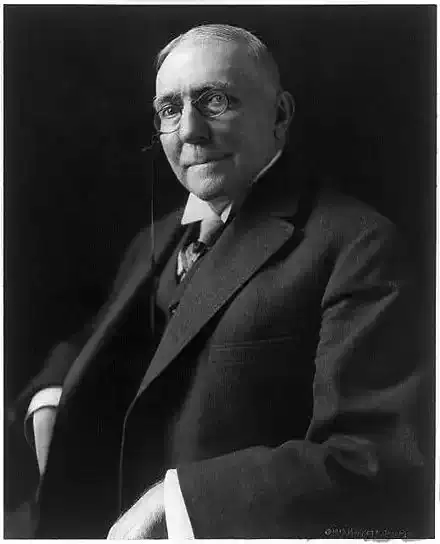
James Whitcomb Riley
Fool-Youngens
Fool-Youngens
Me an' Bert an' Minnie-Belle
Knows a joke, an' we won't tell!
No, we don't--'cause we don't know
_Why_ we got to laughin' so;
But we got to laughin' so,
'We ist kep' a-laughin'.
Wind wuz blowin' in the tree--
An' wuz only ist us three
Playin' there; an' ever' one
Ketched each other, like we done,
Squintin' up there at the sun
Like we wuz a-laughin'.
Nothin' funny anyway;
But I laughed, an' so did they--
An' we all three laughed, an' nen
Squint' our eyes an' laugh' again:
Ner we didn't ist _p'ten'_--
We wuz _shore-'nough_ laughin'.
'We ist laugh' an' laugh', tel Bert
Say he _can't_ quit an' it hurt.
Nen I _howl_, an' Minnie-Belle
She tear up the grass a spell
An' ist stop her yeers an' _yell_
Like she'd _die_ a-laughin'.
Never sich fool-youngens yit!
Nothin' funny,--not a bit!--
But we laugh' so; tel we whoop'
Purt'-nigh like we have the croup--
All so hoarse we'd wheeze an' whoop
An' ist _choke_ a-laughin'.
Me an' Bert an' Minnie-Belle
Knows a joke, an' we won't tell!
No, we don't--'cause we don't know
_Why_ we got to laughin' so;
But we got to laughin' so,
'We ist kep' a-laughin'.
Wind wuz blowin' in the tree--
An' wuz only ist us three
Playin' there; an' ever' one
Ketched each other, like we done,
Squintin' up there at the sun
Like we wuz a-laughin'.
Nothin' funny anyway;
But I laughed, an' so did they--
An' we all three laughed, an' nen
Squint' our eyes an' laugh' again:
Ner we didn't ist _p'ten'_--
We wuz _shore-'nough_ laughin'.
'We ist laugh' an' laugh', tel Bert
Say he _can't_ quit an' it hurt.
Nen I _howl_, an' Minnie-Belle
She tear up the grass a spell
An' ist stop her yeers an' _yell_
Like she'd _die_ a-laughin'.
Never sich fool-youngens yit!
Nothin' funny,--not a bit!--
But we laugh' so; tel we whoop'
Purt'-nigh like we have the croup--
All so hoarse we'd wheeze an' whoop
An' ist _choke_ a-laughin'.
299
James Whitcomb Riley
A Diverted Tragedy
A Diverted Tragedy
Gracie wuz allus a _careless_ tot;
But Gracie dearly loved her doll,
An' played wiv it on the winder-sill
'Way up-stairs, when she ought to _not_,
An' her muvver _telled_ her so an' all;
But she won't _mind_ what _she_ say--till,
First thing she know, her dolly fall
Clean spang out o' the winder plumb
Into the street! An' here Grace come
Down-stairs, two at a time, ist wild
An' a-screamin', 'Oh, my child! my child!'
Jule wuz a-bringin' their basket o' clo'es
Ist then into their hall down there,--
An' she ist stop' when Gracie bawl,
An' Jule she say 'She ist declare
She's ist in time!' An' what you s'pose?
She sets her basket down in the hall,
An' wite on top o' the snowy clo'es
Wuz Gracie's dolly a-layin' there
An' ist ain't bu'st ner hurt a-tall!
Nen Gracie smiled--ist _sobbed_ an' smiled--
An' cried, 'My child! my precious child!'
Gracie wuz allus a _careless_ tot;
But Gracie dearly loved her doll,
An' played wiv it on the winder-sill
'Way up-stairs, when she ought to _not_,
An' her muvver _telled_ her so an' all;
But she won't _mind_ what _she_ say--till,
First thing she know, her dolly fall
Clean spang out o' the winder plumb
Into the street! An' here Grace come
Down-stairs, two at a time, ist wild
An' a-screamin', 'Oh, my child! my child!'
Jule wuz a-bringin' their basket o' clo'es
Ist then into their hall down there,--
An' she ist stop' when Gracie bawl,
An' Jule she say 'She ist declare
She's ist in time!' An' what you s'pose?
She sets her basket down in the hall,
An' wite on top o' the snowy clo'es
Wuz Gracie's dolly a-layin' there
An' ist ain't bu'st ner hurt a-tall!
Nen Gracie smiled--ist _sobbed_ an' smiled--
An' cried, 'My child! my precious child!'
326
James Whitcomb Riley
A Cup Of Tea
A Cup Of Tea
I have sipped, with drooping lashes,
Dreamy draughts of Verzenay;
I have flourished brandy-smashes
In the wildest sort of way;
I have joked with 'Tom and Jerry'
Till wee hours ayont the twal'--
But I've found my tea the very
Safest tipple of them all!
'Tis a mystical potation
That exceeds in warmth of glow
And divine exhilaration
All the drugs of long ago--
All of old magicians' potions--
Of Medea's filtered spells--
Or of fabled isles and oceans
Where the Lotos-eater dwells!
Though I've reveled o'er late lunches
With _blase_ dramatic stars,
And absorbed their wit and punches
And the fumes of their cigars--
Drank in the latest story,
With a cock-tail either end,--
I have drained a deeper glory
In a cup of tea, my friend.
Green, Black, Moyune, Formosa,
Congou, Amboy, Pingsuey--
No odds the name it knows--ah!
Fill a cup of it for me!
And, as I clink my china
Against your goblet's brim,
My tea in steam shall twine a
Fragrant laurel round its rim.
I have sipped, with drooping lashes,
Dreamy draughts of Verzenay;
I have flourished brandy-smashes
In the wildest sort of way;
I have joked with 'Tom and Jerry'
Till wee hours ayont the twal'--
But I've found my tea the very
Safest tipple of them all!
'Tis a mystical potation
That exceeds in warmth of glow
And divine exhilaration
All the drugs of long ago--
All of old magicians' potions--
Of Medea's filtered spells--
Or of fabled isles and oceans
Where the Lotos-eater dwells!
Though I've reveled o'er late lunches
With _blase_ dramatic stars,
And absorbed their wit and punches
And the fumes of their cigars--
Drank in the latest story,
With a cock-tail either end,--
I have drained a deeper glory
In a cup of tea, my friend.
Green, Black, Moyune, Formosa,
Congou, Amboy, Pingsuey--
No odds the name it knows--ah!
Fill a cup of it for me!
And, as I clink my china
Against your goblet's brim,
My tea in steam shall twine a
Fragrant laurel round its rim.
271
James Whitcomb Riley
A Canary At The Farm
A Canary At The Farm
Folks has be'n to town, and Sahry
Fetched 'er home a pet canary--,
And of all the blame', contrary,
Aggervatin' things alive!
I love music-- that I love it
When it's free-- and plenty of it--;
But I kindo' git above it,
At a dollar-eighty-five!
Reason's plain as I'm a-sayin'--,
Jes' the idy, now, o' layin'
Out yer money, and a-payin'
Fer a willer-cage and bird,
When the medder-larks is wingin'
Round you, and the woods is ringin'
With the beautifullest singin'
That a mortal ever heard!
Sahry's sot, tho'--. So I tell her
He's a purty little feller,
With his wings o' creamy-yeller,
And his eyes keen as a cat;
And the twitter o' the critter
'Pears to absolutely glitter!
Guess I'll haf to go and git her
A high-priceter cage 'n that!
Folks has be'n to town, and Sahry
Fetched 'er home a pet canary--,
And of all the blame', contrary,
Aggervatin' things alive!
I love music-- that I love it
When it's free-- and plenty of it--;
But I kindo' git above it,
At a dollar-eighty-five!
Reason's plain as I'm a-sayin'--,
Jes' the idy, now, o' layin'
Out yer money, and a-payin'
Fer a willer-cage and bird,
When the medder-larks is wingin'
Round you, and the woods is ringin'
With the beautifullest singin'
That a mortal ever heard!
Sahry's sot, tho'--. So I tell her
He's a purty little feller,
With his wings o' creamy-yeller,
And his eyes keen as a cat;
And the twitter o' the critter
'Pears to absolutely glitter!
Guess I'll haf to go and git her
A high-priceter cage 'n that!
320
James Whitcomb Riley
A Barefoot Boy
A Barefoot Boy
A barefoot boy! I mark him at his play --
For May is here once more, and so is he, --
His dusty trousers, rolled half to the knee,
And his bare ankles grimy, too, as they:
Cross-hatchings of the nettle, in array
Of feverish stripes, hint vividly to me
Of woody pathways winding endlessly
Along the creek, where even yesterday
He plunged his shrinking body -- gasped and shook --
Yet called the water 'warm,' with never lack
Of joy. And so, half enviously I look
Upon this graceless barefoot and his track, --
His toe stubbed -- ay, his big toe-nail knocked back
Like unto the clasp of an old pocketbook.
A barefoot boy! I mark him at his play --
For May is here once more, and so is he, --
His dusty trousers, rolled half to the knee,
And his bare ankles grimy, too, as they:
Cross-hatchings of the nettle, in array
Of feverish stripes, hint vividly to me
Of woody pathways winding endlessly
Along the creek, where even yesterday
He plunged his shrinking body -- gasped and shook --
Yet called the water 'warm,' with never lack
Of joy. And so, half enviously I look
Upon this graceless barefoot and his track, --
His toe stubbed -- ay, his big toe-nail knocked back
Like unto the clasp of an old pocketbook.
394
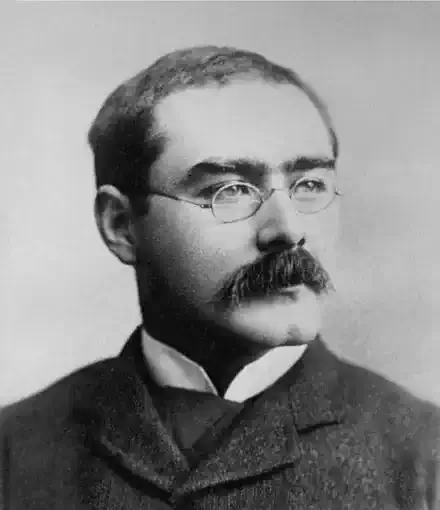
Rudyard Kipling
How the Camel Got His Hump
How the Camel Got His Hump
The Camel's hump is an ugly lump
Which well you may see at the Zoo;
But uglier yet is the hump we get
From having too little to do.
Kiddies and grown-ups too-oo-oo,
If we haven't enough to do-oo-oo,
We get the hump--
Cameelious hump--
The hump that is black and blue!
We climb out of bed with a frouzly head,
And a snarly-yarly voice.
We shiver and scowl and we grunt and we growl
At our bath and our boots and our toys;
And there ought to be a corner for me
(And I know' there is one for you)
When we get the hump--
Cameelious hump--
The hump that is black and blue!
The cure for this ill is not to sit still,
Or frowst with a book by the fire;
But to take a large hoe and a shovel also,
And dig till you gently perspire;
And then you will find that the sun and the wind,
And the Djinn of the Garden too,
Have lifted the hump--
The horrible hump--
The hump that is black and blue!
I get it as well as you-oo-oo--
If I haven't enough to do-oo-oo!
We all get hump--
Cameelious hump--
Kiddies and grown-ups too!
The Camel's hump is an ugly lump
Which well you may see at the Zoo;
But uglier yet is the hump we get
From having too little to do.
Kiddies and grown-ups too-oo-oo,
If we haven't enough to do-oo-oo,
We get the hump--
Cameelious hump--
The hump that is black and blue!
We climb out of bed with a frouzly head,
And a snarly-yarly voice.
We shiver and scowl and we grunt and we growl
At our bath and our boots and our toys;
And there ought to be a corner for me
(And I know' there is one for you)
When we get the hump--
Cameelious hump--
The hump that is black and blue!
The cure for this ill is not to sit still,
Or frowst with a book by the fire;
But to take a large hoe and a shovel also,
And dig till you gently perspire;
And then you will find that the sun and the wind,
And the Djinn of the Garden too,
Have lifted the hump--
The horrible hump--
The hump that is black and blue!
I get it as well as you-oo-oo--
If I haven't enough to do-oo-oo!
We all get hump--
Cameelious hump--
Kiddies and grown-ups too!
466
Rudyard Kipling
Darzee's Chaunt
Darzee's Chaunt
Singer and tailor am I--
Doubled the joys that I know--
Proud of my lilt to the sky,
Proud of the house that I sew--
Over and under, so weave I my music--so weave I the house that
I sew.
Sing to your fledglings again,
Mother, O lift up your head!
Evil that plagued us is slain,
Death in the garden lies dead.
Terror that hid in the roses is impotent--flung on the dung-hill
and dead!
Who hath delivered us, who?
Tell me his nest and his name.
Rikki, the valiant, the true,
Tikki, with eyeballs of flame,
Rik-tikki-tikki, the ivory-fanged, the Hunter with eyeballs of
flame.
Give him the Thanks of the Birds,
Bowing with tail-feathers spread!
Praise him in nightingale-words--
Nay, I will praise him instead.
I will sing you the praise of the bottle-tailed Rikki with
eyeballs of red!
Singer and tailor am I--
Doubled the joys that I know--
Proud of my lilt to the sky,
Proud of the house that I sew--
Over and under, so weave I my music--so weave I the house that
I sew.
Sing to your fledglings again,
Mother, O lift up your head!
Evil that plagued us is slain,
Death in the garden lies dead.
Terror that hid in the roses is impotent--flung on the dung-hill
and dead!
Who hath delivered us, who?
Tell me his nest and his name.
Rikki, the valiant, the true,
Tikki, with eyeballs of flame,
Rik-tikki-tikki, the ivory-fanged, the Hunter with eyeballs of
flame.
Give him the Thanks of the Birds,
Bowing with tail-feathers spread!
Praise him in nightingale-words--
Nay, I will praise him instead.
I will sing you the praise of the bottle-tailed Rikki with
eyeballs of red!
476

Jack Prelutsky
As Soon as Fred Gets Out of Bed
As Soon as Fred Gets Out of Bed
As soon as Fred gets out of bed,
his underwear goes on his head.
His mother laughs, "Don't put it there,
a head's no place for underwear!"
But near his ears, above his brains,
is where Fred's underwear remains.
At night when Fred goes back to bed,
he deftly plucks it off his head.
His mother switches off the light
and softly croons, "Good night! Good night!"
And then, for reasons no one knows,
Fred's underwear goes on his toes.
As soon as Fred gets out of bed,
his underwear goes on his head.
His mother laughs, "Don't put it there,
a head's no place for underwear!"
But near his ears, above his brains,
is where Fred's underwear remains.
At night when Fred goes back to bed,
he deftly plucks it off his head.
His mother switches off the light
and softly croons, "Good night! Good night!"
And then, for reasons no one knows,
Fred's underwear goes on his toes.
137
Rudyard Kipling
Cuckoo Song
Cuckoo Song
(Spring begins in southern England on the th April, on which date the Old
Woman lets the Cuckoo out of her basket at Heathfield Fair -- locally known as Heffle
Cuckoo Fair.)
Tell it to the locked-up trees,
Cuckoo, bring your song here!
Warrant, Act and Summons, please,
For Spring to pass along here!
Tell old Winder, if he doubt,
Tell him squat and square -- a!
Old Woman!
Old Woman!
Old Woman's let the Cuckoo out
At Heffle Cuckoo Fair -- a!
March has searched and April tried --
'Tisn't long to Mary now.
Not so far to Whitsuntide
And Cuckoo's come to stay now!
Hear the valiant fellow shout
Down the orchard bare -- a!
Old Woman!
Old Woman!
Old Woman's let the Cuckoo out
At Heffle Cuckoo Fair -- a!
When your heart is young and gay
And the season rules it --
Work your works and play your play
'Fore the Autumn cools it!
Kiss you turn and turn-about,
But my lad, beware -- a!
Old Woman!
Old Woman!
Old Woman's let the Cuckoo out
At Heffle Cuckoo Fair -- a!
(Spring begins in southern England on the th April, on which date the Old
Woman lets the Cuckoo out of her basket at Heathfield Fair -- locally known as Heffle
Cuckoo Fair.)
Tell it to the locked-up trees,
Cuckoo, bring your song here!
Warrant, Act and Summons, please,
For Spring to pass along here!
Tell old Winder, if he doubt,
Tell him squat and square -- a!
Old Woman!
Old Woman!
Old Woman's let the Cuckoo out
At Heffle Cuckoo Fair -- a!
March has searched and April tried --
'Tisn't long to Mary now.
Not so far to Whitsuntide
And Cuckoo's come to stay now!
Hear the valiant fellow shout
Down the orchard bare -- a!
Old Woman!
Old Woman!
Old Woman's let the Cuckoo out
At Heffle Cuckoo Fair -- a!
When your heart is young and gay
And the season rules it --
Work your works and play your play
'Fore the Autumn cools it!
Kiss you turn and turn-about,
But my lad, beware -- a!
Old Woman!
Old Woman!
Old Woman's let the Cuckoo out
At Heffle Cuckoo Fair -- a!
457

Horace
BkII:VII A Friend Home From the Wars
BkII:VII A Friend Home From the Wars
O Pompey, often led, with me, by Brutus,
the head of our army, into great danger,
who’s sent you back, as a citizen,
to your country’s gods and Italy’s sky,
Pompey, the very dearest of my comrades,
with whom I’ve often drawn out the lingering
day in wine, my hair wreathed, and glistening
with perfumed balsam, of Syrian nard?
I was there at Philippi, with you, in that
headlong flight, sadly leaving my shield behind,
when shattered Virtue, and what threatened
from an ignoble purpose, fell to earth.
While in my fear Mercury dragged me, swiftly,
through the hostile ranks in a thickening cloud:
the wave was drawing you back to war,
carried once more by the troubled waters.
So grant Jupiter the feast he’s owed, and stretch
your limbs, wearied by long campaigning, under
my laurel boughs, and don’t spare the jars
that were destined to be opened by you.
Fill the smooth cups with Massic oblivion,
pour out the perfume from generous dishes,
Who’ll hurry to weave the wreathes for us
of dew-wet parsley or pliant myrtle?
Who’ll throw high Venus at dice and so become
the master of drink? I’ll rage as insanely
as any Thracian: It’s sweet to me
to revel when a friend is home again.
O Pompey, often led, with me, by Brutus,
the head of our army, into great danger,
who’s sent you back, as a citizen,
to your country’s gods and Italy’s sky,
Pompey, the very dearest of my comrades,
with whom I’ve often drawn out the lingering
day in wine, my hair wreathed, and glistening
with perfumed balsam, of Syrian nard?
I was there at Philippi, with you, in that
headlong flight, sadly leaving my shield behind,
when shattered Virtue, and what threatened
from an ignoble purpose, fell to earth.
While in my fear Mercury dragged me, swiftly,
through the hostile ranks in a thickening cloud:
the wave was drawing you back to war,
carried once more by the troubled waters.
So grant Jupiter the feast he’s owed, and stretch
your limbs, wearied by long campaigning, under
my laurel boughs, and don’t spare the jars
that were destined to be opened by you.
Fill the smooth cups with Massic oblivion,
pour out the perfume from generous dishes,
Who’ll hurry to weave the wreathes for us
of dew-wet parsley or pliant myrtle?
Who’ll throw high Venus at dice and so become
the master of drink? I’ll rage as insanely
as any Thracian: It’s sweet to me
to revel when a friend is home again.
226

Robert W. Service
Wonder
Wonder
For failure I was well equipped
And should have come to grief,
By atavism grimly gripped,
A fool beyond belief.
But lo! the Lord was good to me,
And with a heart to sing,
He gave me to a rare degree
The Gift of Wondering.
I could not play a stalwart part
My shoddy soul to save,
And should have gone with broken heart
A begger to the grave;
But praise to my anointed sight
As wandering I went,
I sang of living with delight
In terms of Wonderment.
Aye, starry-eyed did I rejoice
With marvel of a child,
And there were those who heard my voice
Although my words were wild:
So as I go my wistful way,
With worship let me sing,
A treasure to my farewell day
God's Gift of Wondering.
For failure I was well equipped
And should have come to grief,
By atavism grimly gripped,
A fool beyond belief.
But lo! the Lord was good to me,
And with a heart to sing,
He gave me to a rare degree
The Gift of Wondering.
I could not play a stalwart part
My shoddy soul to save,
And should have gone with broken heart
A begger to the grave;
But praise to my anointed sight
As wandering I went,
I sang of living with delight
In terms of Wonderment.
Aye, starry-eyed did I rejoice
With marvel of a child,
And there were those who heard my voice
Although my words were wild:
So as I go my wistful way,
With worship let me sing,
A treasure to my farewell day
God's Gift of Wondering.
240
Robert W. Service
Titine
Titine
Although I have a car of class,
A limousine,
I also have a jenny ass
I call Titine.
And if I had in sober sense
To choose between,
I know I'd give the preference
To sleek Titine.
My chauffeur drives my Cadillac
In uniform.
I wear a worn coat on my back
That he would scorn.
He speeds with umpty equine power,
Like an express;
I amble at eight miles an hour,
Or even less.
My wife can use our fancy bus
To cut a dash;
She very definitely does,
And blows my cash.
But this old codger seeks the sane
And simple scene;
Content to jog along a lane
With old Titine.
So as in country ways I go
Wife loves the town;
But though I'm slow, serene I know
I won't break down.
With brawn and bone I reckon mine
The best machine:
Old folks and donkeys best combine,
--"Giddup, Titine!"
Although I have a car of class,
A limousine,
I also have a jenny ass
I call Titine.
And if I had in sober sense
To choose between,
I know I'd give the preference
To sleek Titine.
My chauffeur drives my Cadillac
In uniform.
I wear a worn coat on my back
That he would scorn.
He speeds with umpty equine power,
Like an express;
I amble at eight miles an hour,
Or even less.
My wife can use our fancy bus
To cut a dash;
She very definitely does,
And blows my cash.
But this old codger seeks the sane
And simple scene;
Content to jog along a lane
With old Titine.
So as in country ways I go
Wife loves the town;
But though I'm slow, serene I know
I won't break down.
With brawn and bone I reckon mine
The best machine:
Old folks and donkeys best combine,
--"Giddup, Titine!"
193
Page 1
Next