
Grief
Poems in this topic
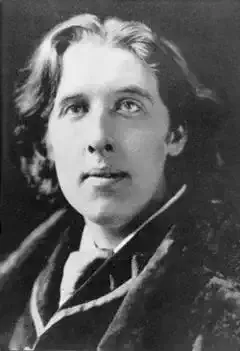
Oscar Wilde
The Dole Of The King's Daughter (Breton)
Seven stars in the still water,
And seven in the sky;
Seven sins on the King's daughter,
Deep in her soul to lie.
Red roses are at her feet,
(Roses are red in her red-gold hair)
And O where her bosom and girdle meet
Red roses are hidden there.
Fair is the knight who lieth slain
Amid the rush and reed,
See the lean fishes that are fain
Upon dead men to feed.
Sweet is the page that lieth there,
(Cloth of gold is goodly prey,)
See the black ravens in the air,
Black, O black as the night are they.
What do they there so stark and dead?
(There is blood upon her hand)
Why are the lilies flecked with red?
(There is blood on the river sand.)
There are two that ride from the south and east,
And two from the north and west,
For the black raven a goodly feast,
For the King's daughter rest.
There is one man who loves her true,
(Red, O red, is the stain of gore!)
He hath duggen a grave by the darksome yew,
(One grave will do for four.)
No moon in the still heaven,
In the black water none,
The sins on her soul are seven,
The sin upon his is one.
And seven in the sky;
Seven sins on the King's daughter,
Deep in her soul to lie.
Red roses are at her feet,
(Roses are red in her red-gold hair)
And O where her bosom and girdle meet
Red roses are hidden there.
Fair is the knight who lieth slain
Amid the rush and reed,
See the lean fishes that are fain
Upon dead men to feed.
Sweet is the page that lieth there,
(Cloth of gold is goodly prey,)
See the black ravens in the air,
Black, O black as the night are they.
What do they there so stark and dead?
(There is blood upon her hand)
Why are the lilies flecked with red?
(There is blood on the river sand.)
There are two that ride from the south and east,
And two from the north and west,
For the black raven a goodly feast,
For the King's daughter rest.
There is one man who loves her true,
(Red, O red, is the stain of gore!)
He hath duggen a grave by the darksome yew,
(One grave will do for four.)
No moon in the still heaven,
In the black water none,
The sins on her soul are seven,
The sin upon his is one.
654
Oscar Wilde
Requiescat
Tread lightly, she is near
Under the snow,
Speak gently, she can hear
The daisies grow.
All her bright golden hair
Tarnished with rust,
She that was young and fair
Fallen to dust.
Lily-like, white as snow,
She hardly knew
She was a woman, so
Sweetly she grew.
Coffin-board, heavy stone,
Lie on her breast,
I vex my heart alone,
She is at rest.
Peace, Peace, she cannot hear
Lyre or sonnet,
All my life's buried here,
Heap earth upon it.
AVIGNON
Under the snow,
Speak gently, she can hear
The daisies grow.
All her bright golden hair
Tarnished with rust,
She that was young and fair
Fallen to dust.
Lily-like, white as snow,
She hardly knew
She was a woman, so
Sweetly she grew.
Coffin-board, heavy stone,
Lie on her breast,
I vex my heart alone,
She is at rest.
Peace, Peace, she cannot hear
Lyre or sonnet,
All my life's buried here,
Heap earth upon it.
AVIGNON
876
Oscar Wilde
Chanson
A ring of gold and a milk-white dove
Are goodly gifts for thee,
And a hempen rope for your own love
To hang upon a tree.
For you a House of Ivory,
(Roses are white in the rose-bower)!
A narrow bed for me to lie,
(White, O white, is the hemlock flower)!
Myrtle and jessamine for you,
(O the red rose is fair to see)!
For me the cypress and the rue,
(Finest of all is rosemary)!
For you three lovers of your hand,
(Green grass where a man lies dead)!
For me three paces on the sand,
(Plant lilies at my head)!
Are goodly gifts for thee,
And a hempen rope for your own love
To hang upon a tree.
For you a House of Ivory,
(Roses are white in the rose-bower)!
A narrow bed for me to lie,
(White, O white, is the hemlock flower)!
Myrtle and jessamine for you,
(O the red rose is fair to see)!
For me the cypress and the rue,
(Finest of all is rosemary)!
For you three lovers of your hand,
(Green grass where a man lies dead)!
For me three paces on the sand,
(Plant lilies at my head)!
659
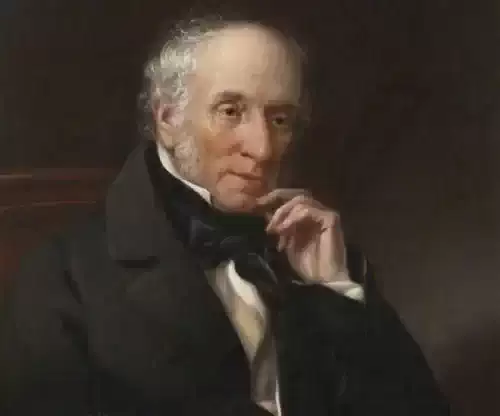
William Wordsworth
Two April Mornings, The
Two April Mornings, The
We walked along, while bright and red
Uprose the morning sun;
And Matthew stopped, he looked, and said,
"The will of God be done!"
A village schoolmaster was he,
With hair of glittering grey;
As blithe a man as yon could see
On a spring holiday.
And on that morning, through the grass,
And by the steaming rills,
We travelled merrily, to pass
A day among the hills.
"Our work," said I, "was well begun,
Then, from thy breast what thought,
Beneath so beautiful a sun,
So sad a sigh has brought?"
A second time did Matthew stop;
And fixing still his eye
Upon the eastern mountain-top,
To me he made reply:
"Yon cloud with that long purple cleft
Brings fresh into my mind
A day like this which I have left
Full thirty years behind.
"And just above yon slope of corn
Such colours, and no other,
Were in the sky, that April morn,
Of this the very brother.
"With rod and line I sued the sport
Which that sweet season gave,
And, to the church-yard come, stopped short
Beside my daughter's grave.
"Nine summers had she scarcely seen,
The pride of all the vale;
And then she sang;--she would have been
A very nightingale.
"Six feet in earth my Emma lay;
And yet I loved her more,
For so it seemed, than till that day
I e'er had loved before.
"And, turning from her grave, I met,
Beside the church-yard yew,
A blooming Girl, whose hair was wet
With points of morning dew.
"A basket on her head she bare;
Her brow was smooth and white:
To see a child so very fair,
It was a pure delight!
"No fountain from its rocky cave
E'er tripped with foot so free;
She seemed as happy as a wave
That dances on the sea.
"There came from me a sigh of pain
Which I could ill confine;
I looked at her, and looked again:
And did not wish her mine!"
Matthew is in his grave, yet now,
Methinks, I see him stand,
As at that moment, with a bough
Of wilding in his hand.
We walked along, while bright and red
Uprose the morning sun;
And Matthew stopped, he looked, and said,
"The will of God be done!"
A village schoolmaster was he,
With hair of glittering grey;
As blithe a man as yon could see
On a spring holiday.
And on that morning, through the grass,
And by the steaming rills,
We travelled merrily, to pass
A day among the hills.
"Our work," said I, "was well begun,
Then, from thy breast what thought,
Beneath so beautiful a sun,
So sad a sigh has brought?"
A second time did Matthew stop;
And fixing still his eye
Upon the eastern mountain-top,
To me he made reply:
"Yon cloud with that long purple cleft
Brings fresh into my mind
A day like this which I have left
Full thirty years behind.
"And just above yon slope of corn
Such colours, and no other,
Were in the sky, that April morn,
Of this the very brother.
"With rod and line I sued the sport
Which that sweet season gave,
And, to the church-yard come, stopped short
Beside my daughter's grave.
"Nine summers had she scarcely seen,
The pride of all the vale;
And then she sang;--she would have been
A very nightingale.
"Six feet in earth my Emma lay;
And yet I loved her more,
For so it seemed, than till that day
I e'er had loved before.
"And, turning from her grave, I met,
Beside the church-yard yew,
A blooming Girl, whose hair was wet
With points of morning dew.
"A basket on her head she bare;
Her brow was smooth and white:
To see a child so very fair,
It was a pure delight!
"No fountain from its rocky cave
E'er tripped with foot so free;
She seemed as happy as a wave
That dances on the sea.
"There came from me a sigh of pain
Which I could ill confine;
I looked at her, and looked again:
And did not wish her mine!"
Matthew is in his grave, yet now,
Methinks, I see him stand,
As at that moment, with a bough
Of wilding in his hand.
184
William Wordsworth
'Tis Said, That Some Have Died For Love
'Tis Said, That Some Have Died For Love
'Tis said, that some have died for love:
And here and there a churchyard grave is found
In the cold north's unhallowed ground,
Because the wretched man himself had slain,
His love was such a grievous pain.
And there is one whom I five years have known;
He dwells alone
Upon Helvellyn's side:
He loved--the pretty Barbara died;
And thus he makes his moan:
Three years had Barbara in her grave been laid
When thus his moan he made:
"Oh, move, thou Cottage, from behind that oak!
Or let the aged tree uprooted lie,
That in some other way yon smoke
May mount into the sky!
The clouds pass on; they from the heavens depart.
I look--the sky is empty space;
I know not what I trace;
But when I cease to look, my hand is on my heart.
"Oh! what a weight is in these shades! Ye leaves,
That murmur once so dear, when will it cease?
Your sound my heart of rest bereaves,
It robs my heart of peace.
Thou Thrush, that singest loud--and loud and free,
Into yon row of willows flit,
Upon that alder sit;
Or sing another song, or choose another tree.
"Roll back, sweet Rill! back to thy mountain-bounds,
And there for ever be thy waters chained!
For thou dost haunt the air with sounds
That cannot be sustained;
If still beneath that pine-tree's ragged bough
Headlong yon waterfall must come,
Oh let it then be dumb!
Be anything, sweet Rill, but that which thou art now.
"Thou Eglantine, so bright with sunny showers,
Proud as a rainbow spanning half the vale,
Thou one fair shrub, oh! shed thy flowers,
And stir not in the gale.
For thus to see thee nodding in the air,
To see thy arch thus stretch and bend,
Thus rise and thus descend,--
Disturbs me till the sight is more than I can dear."
The Man who makes this feverish complaint
Is one of giant stature, who could dance
Equipped from head to foot in iron mail.
Ah gentle Love! if ever thought was thine
To store up kindred hours for me, thy face
Turn from me, gentle Love! nor let me walk
Within the sound of Emma's voice, nor know
Such happiness as I have known to-day.
'Tis said, that some have died for love:
And here and there a churchyard grave is found
In the cold north's unhallowed ground,
Because the wretched man himself had slain,
His love was such a grievous pain.
And there is one whom I five years have known;
He dwells alone
Upon Helvellyn's side:
He loved--the pretty Barbara died;
And thus he makes his moan:
Three years had Barbara in her grave been laid
When thus his moan he made:
"Oh, move, thou Cottage, from behind that oak!
Or let the aged tree uprooted lie,
That in some other way yon smoke
May mount into the sky!
The clouds pass on; they from the heavens depart.
I look--the sky is empty space;
I know not what I trace;
But when I cease to look, my hand is on my heart.
"Oh! what a weight is in these shades! Ye leaves,
That murmur once so dear, when will it cease?
Your sound my heart of rest bereaves,
It robs my heart of peace.
Thou Thrush, that singest loud--and loud and free,
Into yon row of willows flit,
Upon that alder sit;
Or sing another song, or choose another tree.
"Roll back, sweet Rill! back to thy mountain-bounds,
And there for ever be thy waters chained!
For thou dost haunt the air with sounds
That cannot be sustained;
If still beneath that pine-tree's ragged bough
Headlong yon waterfall must come,
Oh let it then be dumb!
Be anything, sweet Rill, but that which thou art now.
"Thou Eglantine, so bright with sunny showers,
Proud as a rainbow spanning half the vale,
Thou one fair shrub, oh! shed thy flowers,
And stir not in the gale.
For thus to see thee nodding in the air,
To see thy arch thus stretch and bend,
Thus rise and thus descend,--
Disturbs me till the sight is more than I can dear."
The Man who makes this feverish complaint
Is one of giant stature, who could dance
Equipped from head to foot in iron mail.
Ah gentle Love! if ever thought was thine
To store up kindred hours for me, thy face
Turn from me, gentle Love! nor let me walk
Within the sound of Emma's voice, nor know
Such happiness as I have known to-day.
340
William Wordsworth
Three Years She Grew
Three Years She Grew
THREE years she grew in sun and shower,
Then Nature said, 'A lovelier flower
On earth was never sown;
This Child I to myself will take;
She shall be mine, and I will make
A Lady of my own.
'Myself will to my darling be
Both law and impulse: and with me
The Girl, in rock and plain
In earth and heaven, in glade and bower,
Shall feel an overseeing power
To kindle or restrain.
'She shall be sportive as the fawn
That wild with glee across the lawn
Or up the mountain springs;
And her's shall be the breathing balm,
And her's the silence and the calm
Of mute insensate things.
'The floating clouds their state shall lend
To her; for her the willow bend;
Nor shall she fail to see
Even in the motions of the Storm
Grace that shall mold the Maiden's form
By silent sympathy.
'The stars of midnight shall be dear
To her; and she shall lean her ear
In many a secret place
Where rivulets dance their wayward round,
And beauty born of murmuring sound
Shall pass into her face.
'And vital feelings of delight
Shall rear her form to stately height,
Her virgin bosom swell;
Such thoughts to Lucy I will give
While she and I together live
Here in this happy dell.'
Thus Nature spake---The work was done---
How soon my Lucy's race was run!
She died, and left to me
This heath, this calm, and quiet scene;
The memory of what has been,
And never more will be.
THREE years she grew in sun and shower,
Then Nature said, 'A lovelier flower
On earth was never sown;
This Child I to myself will take;
She shall be mine, and I will make
A Lady of my own.
'Myself will to my darling be
Both law and impulse: and with me
The Girl, in rock and plain
In earth and heaven, in glade and bower,
Shall feel an overseeing power
To kindle or restrain.
'She shall be sportive as the fawn
That wild with glee across the lawn
Or up the mountain springs;
And her's shall be the breathing balm,
And her's the silence and the calm
Of mute insensate things.
'The floating clouds their state shall lend
To her; for her the willow bend;
Nor shall she fail to see
Even in the motions of the Storm
Grace that shall mold the Maiden's form
By silent sympathy.
'The stars of midnight shall be dear
To her; and she shall lean her ear
In many a secret place
Where rivulets dance their wayward round,
And beauty born of murmuring sound
Shall pass into her face.
'And vital feelings of delight
Shall rear her form to stately height,
Her virgin bosom swell;
Such thoughts to Lucy I will give
While she and I together live
Here in this happy dell.'
Thus Nature spake---The work was done---
How soon my Lucy's race was run!
She died, and left to me
This heath, this calm, and quiet scene;
The memory of what has been,
And never more will be.
502
William Wordsworth
There was a Boy
There was a Boy
There was a Boy; ye knew him well, ye cliffs
And islands of Winander!--many a time,
At evening, when the earliest stars began
To move along the edges of the hills,
Rising or setting, would he stand alone,
Beneath the trees, or by the glimmering lake;
And there, with fingers interwoven, both hands
Pressed closely palm to palm and to his mouth
Uplifted, he, as through an instrument,
Blew mimic hootings to the silent owls,
That they might answer him.--And they would shout
Across the watery vale, and shout again,
Responsive to his call,--with quivering peals,
And long halloos, and screams, and echoes loud
Redoubled and redoubled; concourse wild
Of jocund din! And, when there came a pause
Of silence such as baffled his best skill:
Then, sometimes, in that silence, while he hung
Listening, a gentle shock of mild surprise
Has carried far into his heart the voice
Of mountain-torrents; or the visible scene
Would enter unawares into his mind
With all its solemn imagery, its rocks,
Its woods, and that uncertain heaven received
Into the bosom of the steady lake.
This boy was taken from his mates, and died
In childhood, ere he was full twelve years old.
Pre-eminent in beauty is the vale
Where he was born and bred: the churchyard hangs
Upon a slope above the village-school;
And, through that church-yard when my way has led
On summer-evenings, I believe, that there
A long half-hour together I have stood
Mute--looking at the grave in which he lies!
There was a Boy; ye knew him well, ye cliffs
And islands of Winander!--many a time,
At evening, when the earliest stars began
To move along the edges of the hills,
Rising or setting, would he stand alone,
Beneath the trees, or by the glimmering lake;
And there, with fingers interwoven, both hands
Pressed closely palm to palm and to his mouth
Uplifted, he, as through an instrument,
Blew mimic hootings to the silent owls,
That they might answer him.--And they would shout
Across the watery vale, and shout again,
Responsive to his call,--with quivering peals,
And long halloos, and screams, and echoes loud
Redoubled and redoubled; concourse wild
Of jocund din! And, when there came a pause
Of silence such as baffled his best skill:
Then, sometimes, in that silence, while he hung
Listening, a gentle shock of mild surprise
Has carried far into his heart the voice
Of mountain-torrents; or the visible scene
Would enter unawares into his mind
With all its solemn imagery, its rocks,
Its woods, and that uncertain heaven received
Into the bosom of the steady lake.
This boy was taken from his mates, and died
In childhood, ere he was full twelve years old.
Pre-eminent in beauty is the vale
Where he was born and bred: the churchyard hangs
Upon a slope above the village-school;
And, through that church-yard when my way has led
On summer-evenings, I believe, that there
A long half-hour together I have stood
Mute--looking at the grave in which he lies!
334
William Wordsworth
The Two April Mornings
The Two April Mornings
We walked along, while bright and red
Uprose the morning sun;
And Matthew stopped, he looked, and said
`The will of God be done!'
A village schoolmaster was he,
With hair of glittering grey;
As blithe a man as you could see
On a spring holiday.
And on that morning, through the grass
And by the steaming rills
We travelled merrily, to pass
A day among the hills.
`Our work,' said I, `was well begun;
Then, from thy breast what thought,
Beneath so beautiful a sun,
So sad a sigh has brought?'
A second time did Matthew stop;
And fixing still his eye
Upon the eastern mountain-top,
To me he made reply:
`Yon cloud with that long purple cleft
Brings fresh into my mind
A day like this, which I have left
Full thirty years behind.
`And just above yon slope of corn
Such colours, and no other,
Were in the sky, that April morn,
Of this the very brother.
`With rod and line I sued the sport
Which that sweet season gave,
And, to the churchyard come, stopped short
Beside my daughter's grave.
`Nine summers had she scarcely seen,
The pride of all the vale;
And then she sang: -she would have been
A very nightingale.
`Six feet in earth my Emma lay;
And yet I loved her more -
For so it seemed, -than till that day
I e'er had loved before.
`And turning from her grave, I met
Beside the churchyard yew
A blooming girl, whose hair was wet
With points of morning dew.
`A basket on her head she bare;
Her brow was smooth and white:
To see a child so very fair,
It was a pure delight!
`No fountain from its rocky cave
E'er tripped with foot so free;
She seemed as happy as a wave
That dances on the sea.
`There came from me a sigh of pain
Which I could ill confine;
I looked at her, and looked again:
And did not wish her mine!'
- Matthew is in his grave, yet now
Methinks I see him stand
As that moment, with a bough
Of wilding in his hand.
We walked along, while bright and red
Uprose the morning sun;
And Matthew stopped, he looked, and said
`The will of God be done!'
A village schoolmaster was he,
With hair of glittering grey;
As blithe a man as you could see
On a spring holiday.
And on that morning, through the grass
And by the steaming rills
We travelled merrily, to pass
A day among the hills.
`Our work,' said I, `was well begun;
Then, from thy breast what thought,
Beneath so beautiful a sun,
So sad a sigh has brought?'
A second time did Matthew stop;
And fixing still his eye
Upon the eastern mountain-top,
To me he made reply:
`Yon cloud with that long purple cleft
Brings fresh into my mind
A day like this, which I have left
Full thirty years behind.
`And just above yon slope of corn
Such colours, and no other,
Were in the sky, that April morn,
Of this the very brother.
`With rod and line I sued the sport
Which that sweet season gave,
And, to the churchyard come, stopped short
Beside my daughter's grave.
`Nine summers had she scarcely seen,
The pride of all the vale;
And then she sang: -she would have been
A very nightingale.
`Six feet in earth my Emma lay;
And yet I loved her more -
For so it seemed, -than till that day
I e'er had loved before.
`And turning from her grave, I met
Beside the churchyard yew
A blooming girl, whose hair was wet
With points of morning dew.
`A basket on her head she bare;
Her brow was smooth and white:
To see a child so very fair,
It was a pure delight!
`No fountain from its rocky cave
E'er tripped with foot so free;
She seemed as happy as a wave
That dances on the sea.
`There came from me a sigh of pain
Which I could ill confine;
I looked at her, and looked again:
And did not wish her mine!'
- Matthew is in his grave, yet now
Methinks I see him stand
As that moment, with a bough
Of wilding in his hand.
170
William Wordsworth
The Complaint Of a Forsaken Indian Woman
The Complaint Of a Forsaken Indian Woman
Before I see another day,
Oh let my body die away!
In sleep I heard the northern gleams;
The stars, they were among my dreams;
In rustling conflict through the skies,
I heard, I saw the flashes drive,
And yet they are upon my eyes,
And yet I am alive;
Before I see another day,
Oh let my body die away!
My fire is dead: it knew no pain;
Yet is it dead, and I remain:
All stiff with ice the ashes lie;
And they are dead, and I will die.
When I was well, I wished to live,
For clothes, for warmth, for food, and fire;
But they to me no joy can give,
No pleasure now, and no desire.
Then here contented will I lie
Alone, I cannot fear to die.
Alas! ye might have dragged me on
Another day, a single one!
Too soon I yielded to despair;
Why did ye listen to my prayer
When ye were gone my limb were stronger;
And oh, how grievously I rue,
That, afterward, a little longer,
My friends, I did not follow you!
For strong and without pain I lay,
Dear friends, when ye were gone away.
My Child! they gave thee to another,
A woman who was not thy mother.
When from my arms my Babe they took,
On me how strangely did he look !
Through his whole body something ran,
A most strange working did I see;
---As if he strove to be a man,
That he might pull the sledge for me:
And then he stretched his arm, how wild!
Oh mercy! like a helpless child.
My little joy! my little pride!
In two day more I must have died.
Then do not weep and grieve for me;
I feel I must have died with thee.
O wind, that o'er my head art flying
The way my friends their course did bend,
I should not feel the pain of dying,
Could I with thee a message end;
Too soon, my friend, ye went away;
For I had many thing to say.
I'll follow you across the snow;
Ye travel heavily and slow;
In spite of all my weary pain
I'll look upon your tent again.
---My fire is dead, and snowy white
The water which beside it stood:
The wolf has come to me to-night,
And he has stolen away my food.
Forever left alone am I;
Then wherefore should I fear to die ?
Young as I am, my course is run,
I shall not see another sun;
I cannot lift my limb to know
If they have any life or no.
My poor forsaken child, if I
For once could have thee close to me,
With happy heart I then would die,
And my last thought would happy be;
But thou, dear Babe, art far away,
Nor shall I see another day.
Before I see another day,
Oh let my body die away!
In sleep I heard the northern gleams;
The stars, they were among my dreams;
In rustling conflict through the skies,
I heard, I saw the flashes drive,
And yet they are upon my eyes,
And yet I am alive;
Before I see another day,
Oh let my body die away!
My fire is dead: it knew no pain;
Yet is it dead, and I remain:
All stiff with ice the ashes lie;
And they are dead, and I will die.
When I was well, I wished to live,
For clothes, for warmth, for food, and fire;
But they to me no joy can give,
No pleasure now, and no desire.
Then here contented will I lie
Alone, I cannot fear to die.
Alas! ye might have dragged me on
Another day, a single one!
Too soon I yielded to despair;
Why did ye listen to my prayer
When ye were gone my limb were stronger;
And oh, how grievously I rue,
That, afterward, a little longer,
My friends, I did not follow you!
For strong and without pain I lay,
Dear friends, when ye were gone away.
My Child! they gave thee to another,
A woman who was not thy mother.
When from my arms my Babe they took,
On me how strangely did he look !
Through his whole body something ran,
A most strange working did I see;
---As if he strove to be a man,
That he might pull the sledge for me:
And then he stretched his arm, how wild!
Oh mercy! like a helpless child.
My little joy! my little pride!
In two day more I must have died.
Then do not weep and grieve for me;
I feel I must have died with thee.
O wind, that o'er my head art flying
The way my friends their course did bend,
I should not feel the pain of dying,
Could I with thee a message end;
Too soon, my friend, ye went away;
For I had many thing to say.
I'll follow you across the snow;
Ye travel heavily and slow;
In spite of all my weary pain
I'll look upon your tent again.
---My fire is dead, and snowy white
The water which beside it stood:
The wolf has come to me to-night,
And he has stolen away my food.
Forever left alone am I;
Then wherefore should I fear to die ?
Young as I am, my course is run,
I shall not see another sun;
I cannot lift my limb to know
If they have any life or no.
My poor forsaken child, if I
For once could have thee close to me,
With happy heart I then would die,
And my last thought would happy be;
But thou, dear Babe, art far away,
Nor shall I see another day.
189
William Wordsworth
Surprised by Joy
Surprised by Joy
Surprised By Joy
Surprised by joy — impatient as the Wind
I turned to share the transport--Oh! with whom
But Thee, deep buried in the silent tomb,
That spot which no vicissitude can find?
Love, faithful love, recalled thee to my mind--
But how could I forget thee? Through what power,
Even for the least division of an hour,
Have I been so beguiled as to be blind
To my most grievous loss?--That thought's return
Was the worst pang that sorrow ever bore,
Save one, one only, when I stood forlorn,
Knowing my heart's best treasure was no more;
That neither present time, nor years unborn
Could to my sight that heavenly face restore.
Surprised By Joy
Surprised by joy — impatient as the Wind
I turned to share the transport--Oh! with whom
But Thee, deep buried in the silent tomb,
That spot which no vicissitude can find?
Love, faithful love, recalled thee to my mind--
But how could I forget thee? Through what power,
Even for the least division of an hour,
Have I been so beguiled as to be blind
To my most grievous loss?--That thought's return
Was the worst pang that sorrow ever bore,
Save one, one only, when I stood forlorn,
Knowing my heart's best treasure was no more;
That neither present time, nor years unborn
Could to my sight that heavenly face restore.
162
William Wordsworth
Song at the Feast of Brougham Castle upon the Restoration o
Song at the Feast of Brougham Castle upon the Restoration o
, High in the breathless Hall the Minstrel sate,
And Emont's murmur mingled with the Song.--
The words of ancient time I thus translate,
A festal strain that hath been silent long:--
"From town to town, from tower to tower,
The red rose is a gladsome flower.
Her thirty years of winter past,
The red rose is revived at last;
She lifts her head for endless spring,
For everlasting blossoming:
Both roses flourish, red and white:
In love and sisterly delight
The two that were at strife are blended,
And all old troubles now are ended.--
Joy! joy to both! but most to her
Who is the flower of Lancaster!
Behold her how She smiles to-day
On this great throng, this bright array!
Fair greeting doth she send to all
From every corner of the hall;
But chiefly from above the board
Where sits in state our rightful Lord,
A Clifford to his own restored!
"They came with banner, spear, and shield;
And it was proved in Bosworth-field.
Not long the Avenger was withstood--
Earth helped him with the cry of blood:
St. George was for us, and the might
Of blessed Angels crowned the right.
Loud voice the Land has uttered forth,
We loudest in the faithful north:
Our fields rejoice, our mountains ring,
Our streams proclaim a welcoming;
Our strong-abodes and castles see
The glory of their loyalty.
"How glad is Skipton at this hour--
Though lonely, a deserted Tower;
Knight, squire, and yeoman, page and groom,
We have them at the feast of Brough'm.
How glad Pendragon--though the sleep
Of years be on her!--She shall reap
A taste of this great pleasure, viewing
As in a dream her own renewing.
Rejoiced is Brough, right glad, I deem,
Beside her little humble stream;
And she that keepeth watch and ward
Her statelier Eden's course to guard;
They both are happy at this hour,
Though each is but a lonely Tower:--
But here is perfect joy and pride
For one fair House by Emont's side,
This day, distinguished without peer,
To see her Master and to cheer--
Him, and his Lady-mother dear!
"Oh! it was a time forlorn
When the fatherless was born--
Give her wings that she may fly,
Or she sees her infant die!
Swords that are with slaughter wild
Hunt the Mother and the Child.
Who will take them from the light?
--Yonder is a man in sight--
Yonder is a house--but where?
No, they must not enter there.
To the caves, and to the brooks,
To the clouds of heaven she looks;
She is speechless, but her eyes
Pray in ghostly agonies.
Blissful Mary, Mother mild,
Maid and Mother undefiled,
Save a Mother and her Child!
"Now who is he that bounds with joy
On Carrock's side, a Shepherd-boy?
No thoughts hath he but thoughts that pass
Light as the wind along the grass.
Can this be He who hither came
In secret, like a smothered flame?
O'er whom such thankful tears were shed
For shelter, and a poor man's bread!
God loves the Child; and God hath willed
That those dear words should be fulfilled,
The Lady's words, when forced away
The last she to her Babe did say:
"My own, my own, thy fellow-guest
I may not be; but rest thee, rest,
For lowly shepherd's life is best!"
"Alas! when evil men are strong
No life is good, no pleasure long.
The Boy must part from Mosedale's groves,
And leave Blencathara's rugged coves,
And quit the flowers that summer brings
To Glenderamakin's lofty springs;
Must vanish, and his careless cheer
Be turned to heaviness and fear.
--Give Sir Lancelot Threlkeld praise!
Hear it, good man, old in days!
Thou tree of covert and of rest
For this young Bird that is distrest;
Among thy branches safe he lay,
And he was free to sport and play,
When falcons were abroad for prey.
"A recreant harp, that sings of fear
And heaviness in Clifford's ear!
I said, when evil men are strong,
No life is good, no pleasure long,
A weak and cowardly untruth!
Our Clifford was a happy Youth,
And thankful through a weary time,
That brought him up to manhood's prime.
--Again he wanders forth at will,
And tends a flock from hill to hill:
His garb is humble; ne'er was seen
Such garb with such a noble mien;
Among the shepherd-grooms no mate
Hath he, a Child of strength and state!
Yet lacks not friends for simple glee,
Nor yet for higher sympathy.
To his side the fallow-deer
Came and rested without fear;
The eagle, lord of land and sea,
Stooped down to pay him fealty;
And both the undying fish that swim
Through Bowscale-tarn did wait on him;
The pair were servants of his eye
In their immortality;
And glancing, gleaming, dark or bright,
Moved to and fro, for his delight.
He knew the rocks which Angels haunt
Upon the mountains visitant;
He hath kenned them taking wing:
And into caves where Faeries sing
He hath entered; and been told
By Voices how men lived of old.
Among the heavens his eye can see
The face of thing that is to be;
And, if that men report him right,
His tongue could whisper words of might.
--Now another day is come,
Fitter hope, and nobler doom;
He hath thrown aside his crook,
And hath buried deep his book;
Armour rusting in his halls
On the blood of Clifford calls,--
'Quell the Scot,' exclaims the Lance--
Bear me to the heart of France,
Is the longing of the Shield--
Tell thy name, thou trembling field;
Field of death, where'er thou be,
Groan thou with our victory!
Happy day, and mighty hour,
When our Shepherd, in his power,
Mailed and horsed, with lance and sword,
To his ancestors restored
Like a re-appearing Star,
Like a glory from afar
First shall head the flock of war!"
Alas! the impassioned minstrel did not know
How, by Heaven's grace, this Clifford's heart was framed:
How he, long forced in humble walks to go,
Was softened into feeling, soothed, and tamed.
Love had he found in huts where poor men lie;
His daily teachers had been woods and rills,
The silence that is in the starry sky,
The sleep that is among the lonely hills.
In him the savage virtue of the Race,
Revenge and all ferocious thoughts were dead:
Nor did he change; but kept in lofty place
The wisdom which adversity had bred.
Glad were the vales, and every cottage-hearth;
The Shepherd-lord was honoured more and more;
And, ages after he was laid in earth,
"The good Lord Clifford" was the name he bore.
, High in the breathless Hall the Minstrel sate,
And Emont's murmur mingled with the Song.--
The words of ancient time I thus translate,
A festal strain that hath been silent long:--
"From town to town, from tower to tower,
The red rose is a gladsome flower.
Her thirty years of winter past,
The red rose is revived at last;
She lifts her head for endless spring,
For everlasting blossoming:
Both roses flourish, red and white:
In love and sisterly delight
The two that were at strife are blended,
And all old troubles now are ended.--
Joy! joy to both! but most to her
Who is the flower of Lancaster!
Behold her how She smiles to-day
On this great throng, this bright array!
Fair greeting doth she send to all
From every corner of the hall;
But chiefly from above the board
Where sits in state our rightful Lord,
A Clifford to his own restored!
"They came with banner, spear, and shield;
And it was proved in Bosworth-field.
Not long the Avenger was withstood--
Earth helped him with the cry of blood:
St. George was for us, and the might
Of blessed Angels crowned the right.
Loud voice the Land has uttered forth,
We loudest in the faithful north:
Our fields rejoice, our mountains ring,
Our streams proclaim a welcoming;
Our strong-abodes and castles see
The glory of their loyalty.
"How glad is Skipton at this hour--
Though lonely, a deserted Tower;
Knight, squire, and yeoman, page and groom,
We have them at the feast of Brough'm.
How glad Pendragon--though the sleep
Of years be on her!--She shall reap
A taste of this great pleasure, viewing
As in a dream her own renewing.
Rejoiced is Brough, right glad, I deem,
Beside her little humble stream;
And she that keepeth watch and ward
Her statelier Eden's course to guard;
They both are happy at this hour,
Though each is but a lonely Tower:--
But here is perfect joy and pride
For one fair House by Emont's side,
This day, distinguished without peer,
To see her Master and to cheer--
Him, and his Lady-mother dear!
"Oh! it was a time forlorn
When the fatherless was born--
Give her wings that she may fly,
Or she sees her infant die!
Swords that are with slaughter wild
Hunt the Mother and the Child.
Who will take them from the light?
--Yonder is a man in sight--
Yonder is a house--but where?
No, they must not enter there.
To the caves, and to the brooks,
To the clouds of heaven she looks;
She is speechless, but her eyes
Pray in ghostly agonies.
Blissful Mary, Mother mild,
Maid and Mother undefiled,
Save a Mother and her Child!
"Now who is he that bounds with joy
On Carrock's side, a Shepherd-boy?
No thoughts hath he but thoughts that pass
Light as the wind along the grass.
Can this be He who hither came
In secret, like a smothered flame?
O'er whom such thankful tears were shed
For shelter, and a poor man's bread!
God loves the Child; and God hath willed
That those dear words should be fulfilled,
The Lady's words, when forced away
The last she to her Babe did say:
"My own, my own, thy fellow-guest
I may not be; but rest thee, rest,
For lowly shepherd's life is best!"
"Alas! when evil men are strong
No life is good, no pleasure long.
The Boy must part from Mosedale's groves,
And leave Blencathara's rugged coves,
And quit the flowers that summer brings
To Glenderamakin's lofty springs;
Must vanish, and his careless cheer
Be turned to heaviness and fear.
--Give Sir Lancelot Threlkeld praise!
Hear it, good man, old in days!
Thou tree of covert and of rest
For this young Bird that is distrest;
Among thy branches safe he lay,
And he was free to sport and play,
When falcons were abroad for prey.
"A recreant harp, that sings of fear
And heaviness in Clifford's ear!
I said, when evil men are strong,
No life is good, no pleasure long,
A weak and cowardly untruth!
Our Clifford was a happy Youth,
And thankful through a weary time,
That brought him up to manhood's prime.
--Again he wanders forth at will,
And tends a flock from hill to hill:
His garb is humble; ne'er was seen
Such garb with such a noble mien;
Among the shepherd-grooms no mate
Hath he, a Child of strength and state!
Yet lacks not friends for simple glee,
Nor yet for higher sympathy.
To his side the fallow-deer
Came and rested without fear;
The eagle, lord of land and sea,
Stooped down to pay him fealty;
And both the undying fish that swim
Through Bowscale-tarn did wait on him;
The pair were servants of his eye
In their immortality;
And glancing, gleaming, dark or bright,
Moved to and fro, for his delight.
He knew the rocks which Angels haunt
Upon the mountains visitant;
He hath kenned them taking wing:
And into caves where Faeries sing
He hath entered; and been told
By Voices how men lived of old.
Among the heavens his eye can see
The face of thing that is to be;
And, if that men report him right,
His tongue could whisper words of might.
--Now another day is come,
Fitter hope, and nobler doom;
He hath thrown aside his crook,
And hath buried deep his book;
Armour rusting in his halls
On the blood of Clifford calls,--
'Quell the Scot,' exclaims the Lance--
Bear me to the heart of France,
Is the longing of the Shield--
Tell thy name, thou trembling field;
Field of death, where'er thou be,
Groan thou with our victory!
Happy day, and mighty hour,
When our Shepherd, in his power,
Mailed and horsed, with lance and sword,
To his ancestors restored
Like a re-appearing Star,
Like a glory from afar
First shall head the flock of war!"
Alas! the impassioned minstrel did not know
How, by Heaven's grace, this Clifford's heart was framed:
How he, long forced in humble walks to go,
Was softened into feeling, soothed, and tamed.
Love had he found in huts where poor men lie;
His daily teachers had been woods and rills,
The silence that is in the starry sky,
The sleep that is among the lonely hills.
In him the savage virtue of the Race,
Revenge and all ferocious thoughts were dead:
Nor did he change; but kept in lofty place
The wisdom which adversity had bred.
Glad were the vales, and every cottage-hearth;
The Shepherd-lord was honoured more and more;
And, ages after he was laid in earth,
"The good Lord Clifford" was the name he bore.
193
William Wordsworth
She Dwelt Among Untrodden Ways
She Dwelt Among Untrodden Ways
SHE dwelt among the untrodden ways
Beside the springs of Dove,
Maid whom there were none to praise
And very few to love:
A violet by a mosy tone
Half hidden from the eye!
---Fair as a star, when only one
Is shining in the sky.
She lived unknown, and few could know
When Lucy ceased to be;
But she is in her grave, and, oh,
The difference to me!
SHE dwelt among the untrodden ways
Beside the springs of Dove,
Maid whom there were none to praise
And very few to love:
A violet by a mosy tone
Half hidden from the eye!
---Fair as a star, when only one
Is shining in the sky.
She lived unknown, and few could know
When Lucy ceased to be;
But she is in her grave, and, oh,
The difference to me!
169
William Wordsworth
On the Extinction of the Venetian Republic
On the Extinction of the Venetian Republic
ONCE did she hold the gorgeous East in fee;
And was the safeguard of the West: the worth
Of Venice did not fall below her birth,
Venice, the eldest Child of Liberty.
She was a maiden City, bright and free;
No guile seduced, no force could violate;
And, when she took unto herself a mate,
She must espouse the everlasting Sea.
And what if she had seen those glories fade,
Those titles vanish, and that strength decay;
Yet shall some tribute of regret be paid
When her long life hath reach'd its final day:
Men are we, and must grieve when even the Shade
Of that which once was great is pass'd away.
ONCE did she hold the gorgeous East in fee;
And was the safeguard of the West: the worth
Of Venice did not fall below her birth,
Venice, the eldest Child of Liberty.
She was a maiden City, bright and free;
No guile seduced, no force could violate;
And, when she took unto herself a mate,
She must espouse the everlasting Sea.
And what if she had seen those glories fade,
Those titles vanish, and that strength decay;
Yet shall some tribute of regret be paid
When her long life hath reach'd its final day:
Men are we, and must grieve when even the Shade
Of that which once was great is pass'd away.
297
William Wordsworth
Lucy ii
Lucy ii
SHE dwelt among the untrodden ways
Beside the springs of Dove,
A Maid whom there were none to praise
And very few to love:
A violet by a mossy stone
Half hidden from the eye!
Fair as a star, when only one
Is shining in the sky.
She lived unknown, and few could know
When Lucy ceased to be;
But she is in her grave, and oh,
The difference to me!
SHE dwelt among the untrodden ways
Beside the springs of Dove,
A Maid whom there were none to praise
And very few to love:
A violet by a mossy stone
Half hidden from the eye!
Fair as a star, when only one
Is shining in the sky.
She lived unknown, and few could know
When Lucy ceased to be;
But she is in her grave, and oh,
The difference to me!
105
William Wordsworth
Lucy Gray
Lucy Gray
Oft I had heard of Lucy Gray:
And, when I crossed the wild,
I chanced to see at break of day
The solitary child.
No mate, no comrade Lucy knew;
She dwelt on a wide moor,
--The sweetest thing that ever grew
Beside a human door!
You yet may spy the fawn at play,
The hare upon the green;
But the sweet face of Lucy Gray
Will never more be seen.
"To-night will be a stormy night--
You to the town must go;
And take a lantern, Child, to light
Your mother through the snow."
"That, Father! will I gladly do:
'Tis scarcely afternoon--
The minster-clock has just struck two,
And yonder is the moon!"
At this the Father raised his hook,
And snapped a faggot-band;
He plied his work;--and Lucy took
The lantern in her hand.
Not blither is the mountain roe:
With many a wanton stroke
Her feet disperse the powdery snow,
That rises up like smoke.
The storm came on before its time:
She wandered up and down;
And many a hill did Lucy climb:
But never reached the town.
The wretched parents all that night
Went shouting far and wide;
But there was neither sound nor sight
To serve them for a guide.
At day-break on a hill they stood
That overlooked the moor;
And thence they saw the bridge of wood,
A furlong from their door.
They wept--and, turning homeward, cried,
"In heaven we all shall meet;"
--When in the snow the mother spied
The print of Lucy's feet.
Then downwards from the steep hill's edge
They tracked the footmarks small;
And through the broken hawthorn hedge,
And by the long stone-wall;
And then an open field they crossed:
The marks were still the same;
They tracked them on, nor ever lost;
And to the bridge they came.
They followed from the snowy bank
Those footmarks, one by one,
Into the middle of the plank;
And further there were none!
--Yet some maintain that to this day
She is a living child;
That you may see sweet Lucy Gray
Upon the lonesome wild.
O'er rough and smooth she trips along,
And never looks behind;
And sings a solitary song
That whistles in the wind.
Oft I had heard of Lucy Gray:
And, when I crossed the wild,
I chanced to see at break of day
The solitary child.
No mate, no comrade Lucy knew;
She dwelt on a wide moor,
--The sweetest thing that ever grew
Beside a human door!
You yet may spy the fawn at play,
The hare upon the green;
But the sweet face of Lucy Gray
Will never more be seen.
"To-night will be a stormy night--
You to the town must go;
And take a lantern, Child, to light
Your mother through the snow."
"That, Father! will I gladly do:
'Tis scarcely afternoon--
The minster-clock has just struck two,
And yonder is the moon!"
At this the Father raised his hook,
And snapped a faggot-band;
He plied his work;--and Lucy took
The lantern in her hand.
Not blither is the mountain roe:
With many a wanton stroke
Her feet disperse the powdery snow,
That rises up like smoke.
The storm came on before its time:
She wandered up and down;
And many a hill did Lucy climb:
But never reached the town.
The wretched parents all that night
Went shouting far and wide;
But there was neither sound nor sight
To serve them for a guide.
At day-break on a hill they stood
That overlooked the moor;
And thence they saw the bridge of wood,
A furlong from their door.
They wept--and, turning homeward, cried,
"In heaven we all shall meet;"
--When in the snow the mother spied
The print of Lucy's feet.
Then downwards from the steep hill's edge
They tracked the footmarks small;
And through the broken hawthorn hedge,
And by the long stone-wall;
And then an open field they crossed:
The marks were still the same;
They tracked them on, nor ever lost;
And to the bridge they came.
They followed from the snowy bank
Those footmarks, one by one,
Into the middle of the plank;
And further there were none!
--Yet some maintain that to this day
She is a living child;
That you may see sweet Lucy Gray
Upon the lonesome wild.
O'er rough and smooth she trips along,
And never looks behind;
And sings a solitary song
That whistles in the wind.
285
William Wordsworth
Extempore Effusion upon the Death of James Hogg
Extempore Effusion upon the Death of James Hogg
. When first, descending from the moorlands,
I saw the Stream of Yarrow glide
Along a bare and open valley,
The Ettrick Shepherd was my guide.
When last along its banks I wandered,
Through groves that had begun to shed
Their golden leaves upon the pathways,
My steps the Border-minstrel led.
The mighty Minstrel breathes no longer,
'Mid mouldering ruins low he lies;
And death upon the braes of Yarrow,
Has closed the Shepherd-poet's eyes:
Nor has the rolling year twice measured,
From sign to sign, its stedfast course,
Since every mortal power of Coleridge
Was frozen at its marvellous source;
The rapt One, of the godlike forehead,
The heaven-eyed creature sleeps in earth:
And Lamb, the frolic and the gentle,
Has vanished from his lonely hearth.
Like clouds that rake the mountain-summits,
Or waves that own no curbing hand,
How fast has brother followed brother,
From sunshine to the sunless land!
Yet I, whose lids from infant slumber
Were earlier raised, remain to hear
A timid voice, that asks in whispers,
"Who next will drop and disappear?"
Our haughty life is crowned with darkness,
Like London with its own black wreath,
On which with thee, O Crabbe! forth-looking,
I gazed from Hampstead's breezy heath.
As if but yesterday departed,
Thou too art gone before; but why,
O'er ripe fruit, seasonably gathered,
Should frail survivors heave a sigh?
Mourn rather for that holy Spirit,
Sweet as the spring, as ocean deep;
For Her who, ere her summer faded,
Has sunk into a breathless sleep.
No more of old romantic sorrows,
For slaughtered Youth or love-lorn Maid!
With sharper grief is Yarrow smitten,
And Ettrick mourns with her their Poet dead.
. When first, descending from the moorlands,
I saw the Stream of Yarrow glide
Along a bare and open valley,
The Ettrick Shepherd was my guide.
When last along its banks I wandered,
Through groves that had begun to shed
Their golden leaves upon the pathways,
My steps the Border-minstrel led.
The mighty Minstrel breathes no longer,
'Mid mouldering ruins low he lies;
And death upon the braes of Yarrow,
Has closed the Shepherd-poet's eyes:
Nor has the rolling year twice measured,
From sign to sign, its stedfast course,
Since every mortal power of Coleridge
Was frozen at its marvellous source;
The rapt One, of the godlike forehead,
The heaven-eyed creature sleeps in earth:
And Lamb, the frolic and the gentle,
Has vanished from his lonely hearth.
Like clouds that rake the mountain-summits,
Or waves that own no curbing hand,
How fast has brother followed brother,
From sunshine to the sunless land!
Yet I, whose lids from infant slumber
Were earlier raised, remain to hear
A timid voice, that asks in whispers,
"Who next will drop and disappear?"
Our haughty life is crowned with darkness,
Like London with its own black wreath,
On which with thee, O Crabbe! forth-looking,
I gazed from Hampstead's breezy heath.
As if but yesterday departed,
Thou too art gone before; but why,
O'er ripe fruit, seasonably gathered,
Should frail survivors heave a sigh?
Mourn rather for that holy Spirit,
Sweet as the spring, as ocean deep;
For Her who, ere her summer faded,
Has sunk into a breathless sleep.
No more of old romantic sorrows,
For slaughtered Youth or love-lorn Maid!
With sharper grief is Yarrow smitten,
And Ettrick mourns with her their Poet dead.
228
William Wordsworth
Ellen Irwin
Ellen Irwin
Fair Ellen Irwin, when she sate
Upon the braes of Kirtle,
Was lovely as a Grecian maid
Adorned with wreaths of myrtle;
Young Adam Bruce beside her lay,
And there did they beguile the day
With love and gentle speeches,
Beneath the budding beeches.
From many knights and many squires
The Bruce had been selected;
And Gordon, fairest of them all,
By Ellen was rejected.
Sad tidings to that noble Youth!
For it may be proclaimed with truth,
If Bruce hath loved sincerely,
That Gordon loves as dearly.
But what are Gordon's form and face,
His shattered hopes and crosses,
To them, 'mid Kirtle's pleasant braes,
Reclined on flowers and mosses?
Alas that ever he was born!
The Gordon, couched behind a thorn,
Sees them and their caressing;
Beholds them blest and blessing.
Proud Gordon, maddened by the thoughts
That through his brain are travelling,
Rushed forth, and at the heart of Bruce
He launched a deadly javelin!
Fair Ellen saw it as it came,
And, starting up to meet the same,
Did with her body cover
The Youth, her chosen lover.
And, falling into Bruce's arms,
Thus died the beauteous Ellen,
Thus, from the heart of her True-love,
The mortal spear repelling.
And Bruce, as soon as he had slain
The Gordon, sailed away to Spain;
And fought with rage incessant
Against the Moorish crescent.
But many days, and many months,
And many years ensuing,
This wretched Knight did vainly seek
The death that he was wooing.
So, coming his last help to crave,
Heart-broken, upon Ellen's grave
His body he extended,
And there his sorrow ended.
Now ye, who willingly have heard
The tale I have been telling,
May in Kirkconnel churchyard view
The grave of lovely Ellen:
By Ellen's side the Bruce is laid;
And, for the stone upon his head,
May no rude hand deface it,
And its forlorn "Hie jacet"!
Fair Ellen Irwin, when she sate
Upon the braes of Kirtle,
Was lovely as a Grecian maid
Adorned with wreaths of myrtle;
Young Adam Bruce beside her lay,
And there did they beguile the day
With love and gentle speeches,
Beneath the budding beeches.
From many knights and many squires
The Bruce had been selected;
And Gordon, fairest of them all,
By Ellen was rejected.
Sad tidings to that noble Youth!
For it may be proclaimed with truth,
If Bruce hath loved sincerely,
That Gordon loves as dearly.
But what are Gordon's form and face,
His shattered hopes and crosses,
To them, 'mid Kirtle's pleasant braes,
Reclined on flowers and mosses?
Alas that ever he was born!
The Gordon, couched behind a thorn,
Sees them and their caressing;
Beholds them blest and blessing.
Proud Gordon, maddened by the thoughts
That through his brain are travelling,
Rushed forth, and at the heart of Bruce
He launched a deadly javelin!
Fair Ellen saw it as it came,
And, starting up to meet the same,
Did with her body cover
The Youth, her chosen lover.
And, falling into Bruce's arms,
Thus died the beauteous Ellen,
Thus, from the heart of her True-love,
The mortal spear repelling.
And Bruce, as soon as he had slain
The Gordon, sailed away to Spain;
And fought with rage incessant
Against the Moorish crescent.
But many days, and many months,
And many years ensuing,
This wretched Knight did vainly seek
The death that he was wooing.
So, coming his last help to crave,
Heart-broken, upon Ellen's grave
His body he extended,
And there his sorrow ended.
Now ye, who willingly have heard
The tale I have been telling,
May in Kirkconnel churchyard view
The grave of lovely Ellen:
By Ellen's side the Bruce is laid;
And, for the stone upon his head,
May no rude hand deface it,
And its forlorn "Hie jacet"!
207
William Wordsworth
Elegiac Stanzas
Elegiac Stanzas
Lulled by the sound of pastoral bells,
Rude Nature's Pilgrims did we go,
From the dread summit of the Queen
Of mountains, through a deep ravine,
Where, in her holy chapel, dwells
"Our Lady of the Snow."
The sky was blue, the air was mild;
Free were the streams and green the bowers;
As if, to rough assaults unknown,
The genial spot had 'ever' shown
A countenance that as sweetly smiled--
The face of summer-hours.
And we were gay, our hearts at ease;
With pleasure dancing through the frame
We journeyed; all we knew of care--
Our path that straggled here and there;
Of trouble--but the fluttering breeze;
Of Winter--but a name.
If foresight could have rent the veil
Of three short days--but hush--no more!
Calm is the grave, and calmer none
Than that to which thy cares are gone,
Thou Victim of the stormy gale;
Asleep on ZURICH'S shore!
O GODDARD! what art thou?--a name--
A sunbeam followed by a shade!
Nor more, for aught that time supplies,
The great, the experienced, and the wise:
Too much from this frail earth we claim,
And therefore are betrayed.
We met, while festive mirth ran wild,
Where, from a deep lake's mighty urn,
Forth slips, like an enfranchised slave,
A sea-green river, proud to lave,
With current swift and undefiled,
The towers of old LUCERNE.
We parted upon solemn ground
Far-lifted towards the unfading sky;
But all our thoughts were 'then' of Earth,
That gives to common pleasures birth;
And nothing in our hearts we found
That prompted even a sigh.
Fetch, sympathising Powers of air,
Fetch, ye that post o'er seas and lands,
Herbs, moistened by Virginian dew,
A most untimely grave to strew,
Whose turf may never know the care
Of 'kindred' human hands!
Beloved by every gentle Muse
He left his Transatlantic home:
Europe, a realised romance,
Had opened on his eager glance;
What present bliss!--what golden views!
What stores for years to come!
Though lodged within no vigorous frame,
His soul her daily tasks renewed,
Blithe as the lark on sun-gilt wings
High poised--or as the wren that sings
In shady places, to proclaim
Her modest gratitude.
Not vain is sadly-uttered praise;
The words of truth's memorial vow
Are sweet as morning fragrance shed
From flowers 'mid GOLDAU'S ruins bred;
As evening's fondly-lingering rays,
On RIGHI'S silent brow.
Lamented Youth! to thy cold clay
Fit obsequies the Stranger paid;
And piety shall guard the Stone
Which hath not left the spot unknown
Where the wild waves resigned their prey--
And 'that' which marks thy bed.
And, when thy Mother weeps for Thee,
Lost Youth! a solitary Mother;
This tribute from a casual Friend
A not unwelcome aid may lend,
To feed the tender luxury,
The rising pang to smother.
Lulled by the sound of pastoral bells,
Rude Nature's Pilgrims did we go,
From the dread summit of the Queen
Of mountains, through a deep ravine,
Where, in her holy chapel, dwells
"Our Lady of the Snow."
The sky was blue, the air was mild;
Free were the streams and green the bowers;
As if, to rough assaults unknown,
The genial spot had 'ever' shown
A countenance that as sweetly smiled--
The face of summer-hours.
And we were gay, our hearts at ease;
With pleasure dancing through the frame
We journeyed; all we knew of care--
Our path that straggled here and there;
Of trouble--but the fluttering breeze;
Of Winter--but a name.
If foresight could have rent the veil
Of three short days--but hush--no more!
Calm is the grave, and calmer none
Than that to which thy cares are gone,
Thou Victim of the stormy gale;
Asleep on ZURICH'S shore!
O GODDARD! what art thou?--a name--
A sunbeam followed by a shade!
Nor more, for aught that time supplies,
The great, the experienced, and the wise:
Too much from this frail earth we claim,
And therefore are betrayed.
We met, while festive mirth ran wild,
Where, from a deep lake's mighty urn,
Forth slips, like an enfranchised slave,
A sea-green river, proud to lave,
With current swift and undefiled,
The towers of old LUCERNE.
We parted upon solemn ground
Far-lifted towards the unfading sky;
But all our thoughts were 'then' of Earth,
That gives to common pleasures birth;
And nothing in our hearts we found
That prompted even a sigh.
Fetch, sympathising Powers of air,
Fetch, ye that post o'er seas and lands,
Herbs, moistened by Virginian dew,
A most untimely grave to strew,
Whose turf may never know the care
Of 'kindred' human hands!
Beloved by every gentle Muse
He left his Transatlantic home:
Europe, a realised romance,
Had opened on his eager glance;
What present bliss!--what golden views!
What stores for years to come!
Though lodged within no vigorous frame,
His soul her daily tasks renewed,
Blithe as the lark on sun-gilt wings
High poised--or as the wren that sings
In shady places, to proclaim
Her modest gratitude.
Not vain is sadly-uttered praise;
The words of truth's memorial vow
Are sweet as morning fragrance shed
From flowers 'mid GOLDAU'S ruins bred;
As evening's fondly-lingering rays,
On RIGHI'S silent brow.
Lamented Youth! to thy cold clay
Fit obsequies the Stranger paid;
And piety shall guard the Stone
Which hath not left the spot unknown
Where the wild waves resigned their prey--
And 'that' which marks thy bed.
And, when thy Mother weeps for Thee,
Lost Youth! a solitary Mother;
This tribute from a casual Friend
A not unwelcome aid may lend,
To feed the tender luxury,
The rising pang to smother.
217
William Wordsworth
Desideria
Desideria
SURPRISED by joy--impatient as the Wind
I turned to share the transport--O! with whom
But Thee, deep buried in the silent tomb,
That spot which no vicissitude can find?
Love, faithful love, recall'd thee to my mind--
But how could I forget thee? Through what power,
Even for the least division of an hour,
Have I been so beguiled as to be blind
To my most grievous loss?--That thought's return
Was the worst pang that sorrow ever bore,
Save one, one only, when I stood forlorn,
Knowing my heart's best treasure was no more;
That neither present time, nor years unborn
Could to my sight that heavenly face restore.
SURPRISED by joy--impatient as the Wind
I turned to share the transport--O! with whom
But Thee, deep buried in the silent tomb,
That spot which no vicissitude can find?
Love, faithful love, recall'd thee to my mind--
But how could I forget thee? Through what power,
Even for the least division of an hour,
Have I been so beguiled as to be blind
To my most grievous loss?--That thought's return
Was the worst pang that sorrow ever bore,
Save one, one only, when I stood forlorn,
Knowing my heart's best treasure was no more;
That neither present time, nor years unborn
Could to my sight that heavenly face restore.
310
William Wordsworth
A Slumber Did My Spirit Seal
A Slumber Did My Spirit Seal
A slumber did my spirit seal
I had no human fears:
She seemed a thing that could not feel
The touch of earthly years.
No motion has she now, no force;
She neither hears nor sees;
Rolled round in earth's diurnal course,
With rocks, and stones, and trees.
A slumber did my spirit seal
I had no human fears:
She seemed a thing that could not feel
The touch of earthly years.
No motion has she now, no force;
She neither hears nor sees;
Rolled round in earth's diurnal course,
With rocks, and stones, and trees.
186
William Wordsworth
She Dwelt Among Untrodden Ways
"She Dwelt Among Untrodden Ways"
She dwelt among the untrodden ways
Beside the springs of Dove,
Maid whom there were none to praise
And very few to love:
A violet by a mosy tone
Half hidden from the eye!
---Fair as a star, when only one
Is shining in the sky.
She lived unknown, and few could know
When Lucy ceased to be;
But she is in her grave, and, oh,
The difference to me!
She dwelt among the untrodden ways
Beside the springs of Dove,
Maid whom there were none to praise
And very few to love:
A violet by a mosy tone
Half hidden from the eye!
---Fair as a star, when only one
Is shining in the sky.
She lived unknown, and few could know
When Lucy ceased to be;
But she is in her grave, and, oh,
The difference to me!
408

William Shakespeare
When to the sessions of sweet silent thought (Sonnet 30)
When to the sessions of sweet silent thought (Sonnet 30)
When to the sessions of sweet silent thought
I summon up remembrance of things past,
I sigh the lack of many a thing I sought,
And with old woes new wail my dear time's waste:
Then can I drown an eye, unused to flow,
For precious friends hid in death's dateless night,
And weep afresh love's long since cancelled woe,
And moan the expense of many a vanished sight:
Then can I grieve at grievances foregone,
And heavily from woe to woe tell o'er
The sad account of fore-bemoanèd moan,
Which I new pay as if not paid before.
But if the while I think on thee, dear friend,
All losses are restored and sorrows end.
When to the sessions of sweet silent thought
I summon up remembrance of things past,
I sigh the lack of many a thing I sought,
And with old woes new wail my dear time's waste:
Then can I drown an eye, unused to flow,
For precious friends hid in death's dateless night,
And weep afresh love's long since cancelled woe,
And moan the expense of many a vanished sight:
Then can I grieve at grievances foregone,
And heavily from woe to woe tell o'er
The sad account of fore-bemoanèd moan,
Which I new pay as if not paid before.
But if the while I think on thee, dear friend,
All losses are restored and sorrows end.
255
William Shakespeare
Sonnet LXXI
Sonnet LXXI
No longer mourn for me when I am dead
Then you shall hear the surly sullen bell
Give warning to the world that I am fled
From this vile world, with vilest worms to dwell:
Nay, if you read this line, remember not
The hand that writ it; for I love you so
That I in your sweet thoughts would be forgot
If thinking on me then should make you woe.
O, if, I say, you look upon this verse
When I perhaps compounded am with clay,
Do not so much as my poor name rehearse.
But let your love even with my life decay,
Lest the wise world should look into your moan
And mock you with me after I am gone.
No longer mourn for me when I am dead
Then you shall hear the surly sullen bell
Give warning to the world that I am fled
From this vile world, with vilest worms to dwell:
Nay, if you read this line, remember not
The hand that writ it; for I love you so
That I in your sweet thoughts would be forgot
If thinking on me then should make you woe.
O, if, I say, you look upon this verse
When I perhaps compounded am with clay,
Do not so much as my poor name rehearse.
But let your love even with my life decay,
Lest the wise world should look into your moan
And mock you with me after I am gone.
373
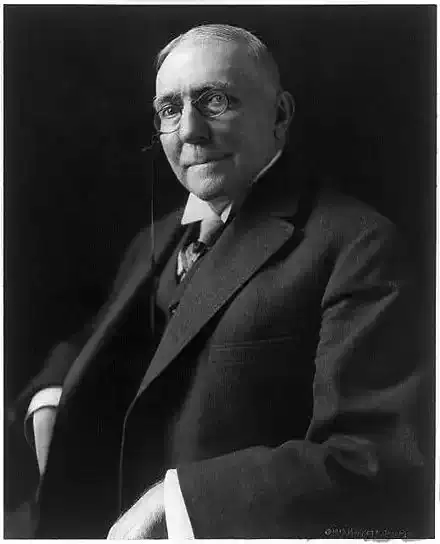
James Whitcomb Riley
Harlie
Harlie
Fold the little waxen hands
Lightly. Let your warmest tears
Speak regrets, but never fears,--
Heaven understands!
Let the sad heart, o'er the tomb,
Lift again and burst in bloom
Fragrant with a prayer as sweet
As the lily at your feet.
Bend and kiss the folded eyes--
They are only feigning sleep
While their truant glances peep
Into Paradise.
See, the face, though cold and white,
Holds a hint of some delight
E'en with Death, whose finger-tips
Rest upon the frozen lips.
When, within the years to come,
Vanished echoes live once more--
Pattering footsteps on the floor,
And the sounds of home,--
Let your arms in fancy fold
Little Harlie as of old--
As of old and as he waits
At the City's golden gates.
Fold the little waxen hands
Lightly. Let your warmest tears
Speak regrets, but never fears,--
Heaven understands!
Let the sad heart, o'er the tomb,
Lift again and burst in bloom
Fragrant with a prayer as sweet
As the lily at your feet.
Bend and kiss the folded eyes--
They are only feigning sleep
While their truant glances peep
Into Paradise.
See, the face, though cold and white,
Holds a hint of some delight
E'en with Death, whose finger-tips
Rest upon the frozen lips.
When, within the years to come,
Vanished echoes live once more--
Pattering footsteps on the floor,
And the sounds of home,--
Let your arms in fancy fold
Little Harlie as of old--
As of old and as he waits
At the City's golden gates.
266
Page 1
Next